
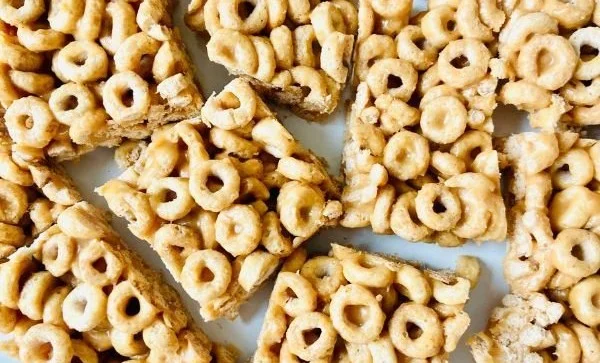
Easy No-Bake Cheerio and Peanut Butter Bars
Easy No-Bake Cheerio and Peanut Butter Bars
These no-bake Cheerio and peanut butter bars are a quick, kid-friendly treat that comes together in minutes and holds up well for lunches, snacks, and gatherings. They require just a handful of pantry staples and no oven time, making them perfect for busy days or baking with little helpers. If you’re planning an afternoon of snacks and activities, you might also enjoy exploring some fun and easy crafts for kids to keep little hands busy while the bars set.
Why these bars work
The combination of melted peanut butter and a sticky sweet binder (honey or light corn syrup) creates a strong yet tender matrix that coats the Cheerios and sets up without baking. The result is a crunchy, slightly chewy bar that can be customized with mix-ins like chocolate chips, raisins, or seeds.
Ingredients
- 3 cups plain Cheerios (or your favorite oat cereal)
- 1 cup creamy peanut butter (substitute sunflower seed butter for nut-free)
- 1/3 cup honey or light corn syrup
- 1/4 cup brown sugar (optional, for a bit more chew and sweetness)
- 1/2 teaspoon vanilla extract
- Pinch of salt
- Optional mix-ins: 1/2 cup mini chocolate chips, chopped nuts, or dried fruit
Equipment
- Medium saucepan
- 9×9-inch (or similar) pan lined with parchment paper
- Spatula or wooden spoon
Directions
- Line your pan with parchment paper, leaving an overhang to lift the bars out later.
- In a medium saucepan over low heat, combine peanut butter, honey (or corn syrup), and brown sugar if using. Stir constantly until the mixture is smooth and just beginning to bubble, about 2–3 minutes. Remove from heat and stir in vanilla and a pinch of salt.
- Pour the peanut butter mixture over the Cheerios in a large bowl. Gently fold until the cereal is evenly coated. If using mix-ins like chocolate chips or dried fruit, fold them in now.
- Transfer the coated cereal to the prepared pan and press firmly and evenly using your spatula or the bottom of a measuring cup. Pressing firmly helps the bars hold together once set.
- Refrigerate for at least 1 hour, or until firm. Lift the set slab from the pan using the parchment overhang and cut into bars or squares. Store in an airtight container in the fridge for up to one week, or freeze for longer storage.
Tips and variations
- For a chewier texture, increase the brown sugar by 2 tablespoons and melt it with the peanut butter mixture.
- To make them chocolatey, drizzle melted chocolate over the top after they set or fold in mini chocolate chips.
- If making these for toddlers or younger children, consider pairing snack time with simple, nourishing ideas like some easy chicken baby food recipes to round out a meal plan for the week.
- Press bars very firmly when packing into the pan; insufficient pressing is the most common reason bars fall apart.
Conclusion
If you want to compare proportions and see a slightly different spin, the recipe at Erhardt’s Easy Peanut Butter Cheerio Bars recipe offers a classic take with clear measurements. For a nostalgic approach and gift-worthy presentation ideas, there’s a great write-up of nostalgic no-bake Cheerios bars that you may find inspiring.
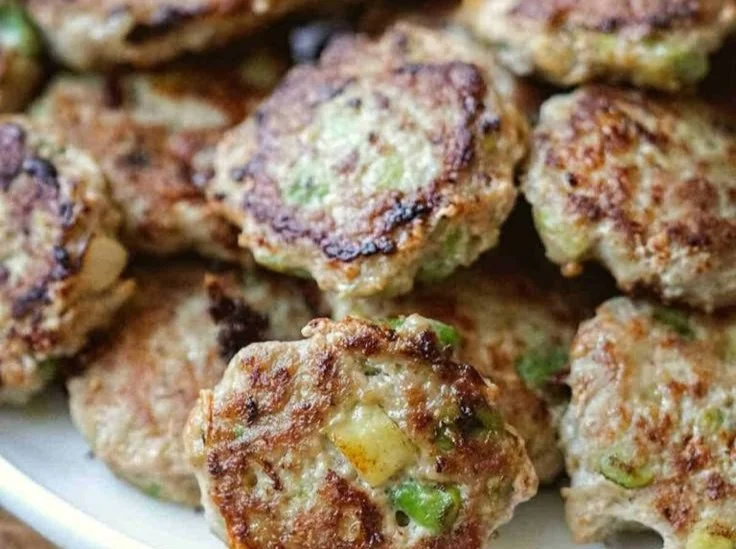
Turkey Avocado Patties Recipe for Baby (BLW) Toddlers, Kids
Turkey Avocado Patties for Babies (BLW), Toddlers, and Kids
Introducing finger-friendly, nutrient-packed patties is a great way to support baby-led weaning (BLW) and build confident little eaters. These turkey avocado patties combine lean protein, healthy fats, and a soft texture that’s easy for small hands to hold and gums to mash. If your child already enjoys mashed avocado, you might also like this avocado egg salad recipe for babies for another simple, creamy option.
Ingredients (makes about 8 small patties)
- 1 pound (450 g) lean ground turkey
- 1 ripe medium avocado, mashed
- 1 small clove garlic, minced (optional)
- 1/4 cup finely grated carrot or zucchini (squeeze out excess moisture)
- 1/4 cup plain breadcrumbs or oats (use gluten-free if needed)
- 1 large egg, lightly beaten
- 1/2 teaspoon mild dried herbs (e.g., oregano or parsley)
- A pinch of black pepper (omit salt for infants under 1 year)
- 1–2 tablespoons olive oil or avocado oil for cooking
Notes on ingredients
- Avocado adds creaminess and healthy monounsaturated fats that are excellent for developing brains.
- Breadcrumbs or oats help the mixture bind; for younger babies, use finer oats for a softer texture.
- Keep flavors mild for young palates and avoid added salt or high-sodium seasonings.
Method
- Prep: Mash the avocado in a bowl until mostly smooth. Grate the carrot or zucchini finely and squeeze out any excess liquid with a clean towel or paper towel.
- Mix: Combine the ground turkey, mashed avocado, grated veg, minced garlic (if using), breadcrumbs/oats, beaten egg, and herbs in a bowl. Use your hands to gently mix until just combined — don’t overwork the meat.
- Shape: Wet your hands slightly and form small patties about 1/2 inch thick and 2–3 inches wide (size should suit your child’s grasp). You should get roughly 8 patties depending on size.
- Chill (optional): For firmer patties that hold shape, chill them on a tray for 15–20 minutes.
- Cook: Heat oil in a nonstick skillet over medium heat. Cook patties 3–4 minutes per side, or until browned and fully cooked through (internal temperature 165°F/74°C). Alternatively, bake at 375°F (190°C) on a lined tray for 12–15 minutes, flipping halfway.
- Cool and serve: Let patties cool until lukewarm before offering to baby. Break into appropriate-sized pieces for your child’s ability.
Texture and serving ideas
- For younger BLW babies, press patties flatter so they’re easy to grasp and mash.
- Serve plain, or with a smear of plain full-fat yogurt, mashed sweet potato, or a mild avocado dip.
- For toddlers and older kids, add a whole grain bun, lettuce, or a slice of cheese for a family-style meal.
Safety tips for BLW and young eaters
- Always supervise your child while eating.
- Ensure patties are cooked through to avoid undercooked poultry.
- Avoid adding salt for babies under 12 months; herbs and mild spices are fine in small amounts.
- Test the texture — patties should flake easily with gentle pressure from your fingers or gums.
Variations and adaptations
- Sweet potato: Replace grated carrot with 1/2 cup cooked, mashed sweet potato for a sweeter, softer patty.
- Cheesy twist: Stir in 2 tablespoons grated mild cheese if your family eats dairy.
- Gluten-free: Use ground oats or finely ground quinoa flakes in place of breadcrumbs.
- Mini meatballs: Shape the mixture into small balls and bake for bite-sized options.
Storage and reheating
- Refrigerate cooked patties in an airtight container for up to 3 days.
- Freeze cooked patties on a tray until solid, then transfer to a freezer bag for up to 3 months. Reheat from frozen in a 350°F (175°C) oven for 10–12 minutes or until heated through, or defrost in the fridge overnight and reheat gently in a skillet.
- Reheat until steaming hot, then cool to a safe temperature before serving to a child.
When to introduce and portion guidance
- These patties are suitable once your baby is practicing BLW and can hold and bite soft solids (usually around 6–9 months).
- Offer one small patty or a few pieces depending on appetite and interest; use as part of a varied meal that includes fruits or vegetables.
Further ideas
- Serve with soft-cooked vegetable sticks for dipping, or break patties into small pieces and mix into a rice or pasta dish for older toddlers.
- Use leftover mixture as taco filling or as an addition to a breakfast scramble for variety.
If you’re starting solids with younger infants, it can help to review gentle first-food ideas like these baby food recipes for 6-8 months to ensure textures and portion sizes match your child’s stage.
Conclusion
For the original inspiration and a step-by-step guide to turkey avocado patties tailored for BLW toddlers, see this detailed Turkey Avocado Patties For Baby (BLW) Toddlers, Kids – ThrivingNest. If you’d like a sweet-potato-forward alternative, try the Ground Turkey Sweetpotato Burgers (Gluten Free) variation for added flavor and softness.
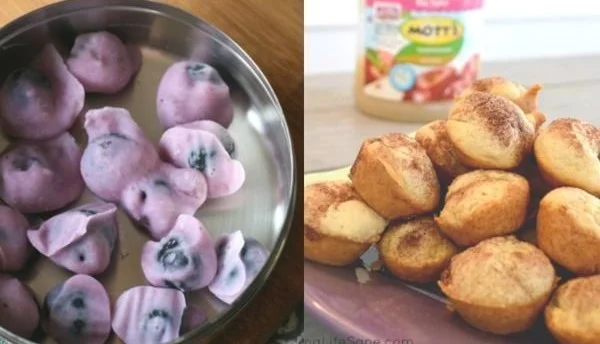
Toddler Snack
Toddler Snack: Smart, Safe, and Simple Ideas
Introduction
Toddlers are learning to explore flavors, textures, and self-feeding, so snacks play a big role in their nutrition and development. For a variety of practical options you can rotate through during the week, check out this list of easy toddler snack ideas to keep things interesting and nutritious. This article covers safety, portioning, quick recipes, and make-ahead options to help busy caregivers.
Why snacks matter
Snacks for toddlers are not just “mini-meals”; they help maintain steady energy, support growth, and offer opportunities to practice fine motor skills and independent eating. Well-planned snacks can bridge long gaps between meals without displacing appetite for balanced main meals. Aim for snacks that combine a carbohydrate, a protein or healthy fat, and a fruit or vegetable.
Snack safety and choking prevention
Safety is the top priority. Avoid whole grapes, large chunks of raw apple, popcorn, nuts, or hard candies that pose choking risks. Instead, cut foods into small, manageable pieces, mash when appropriate, and supervise toddlers while they eat. Serve soft finger foods and consider offering a spoonable alternative for younger toddlers who are still mastering chewing.
Quick, balanced snack ideas
- Soft fruit pieces (ripe banana slices or stewed pear) paired with plain yogurt.
- Whole-grain crackers with hummus or mashed avocado.
- Small cubes of mild cheese with steamed carrot sticks cut into thin batons.
- Mini pancake or waffle squares topped with a thin layer of nut or seed butter.
If you want to focus on fruit-based snacks, there’s useful information about the health benefits of apples for toddlers and how to prepare them safely for little ones.
Make-ahead and portable options
Preparing snacks in advance saves time and reduces last-minute poor choices. Ideas that store well in the fridge or cooler:
- Homemade banana oat muffins (minimal sugar).
- Yogurt parfaits layered with mashed fruit and finely ground cereal.
- Hard-boiled eggs (peeled and halved) for quick protein.
- Small, insulated containers of cottage cheese or hummus with soft dippers.
Portioning and timing
A toddler snack portion is typically small — think two to four tablespoons of yogurt or one to two tablespoons of peanut butter spread thinly on toast. Offer snacks 2–3 hours before or after meals to avoid spoiling appetite. Watch your child’s cues: if they’re not hungry, don’t pressure them to finish a snack.
Introducing new foods
Offer new items alongside familiar favorites, and present them multiple times without pressure. Use playful presentation (fun shapes, colorful plates) and include toddlers in simple prep tasks like stirring or assembling to build interest and confidence.
Allergies and special diets
If your toddler has food allergies, always check labels and prepare single-ingredient snack options when possible. For families avoiding dairy or nuts, swap in seed butters, soy or oat yogurts, and protein-rich legumes or tofu.
Snack-time routines and independence
Create predictable snack routines to reduce fussing: a consistent place, time, and simple choices (two options max) help toddlers feel secure. Encourage self-feeding with safe utensils and child-sized plates to build autonomy.
Conclusion
For more curated suggestions and safe, age-appropriate choices, explore this round-up of healthy snacks for toddlers that includes recipes and serving tips. If you want a professional guide covering portion sizes and developmental considerations, see this detailed resource on snacks for toddlers and young children.
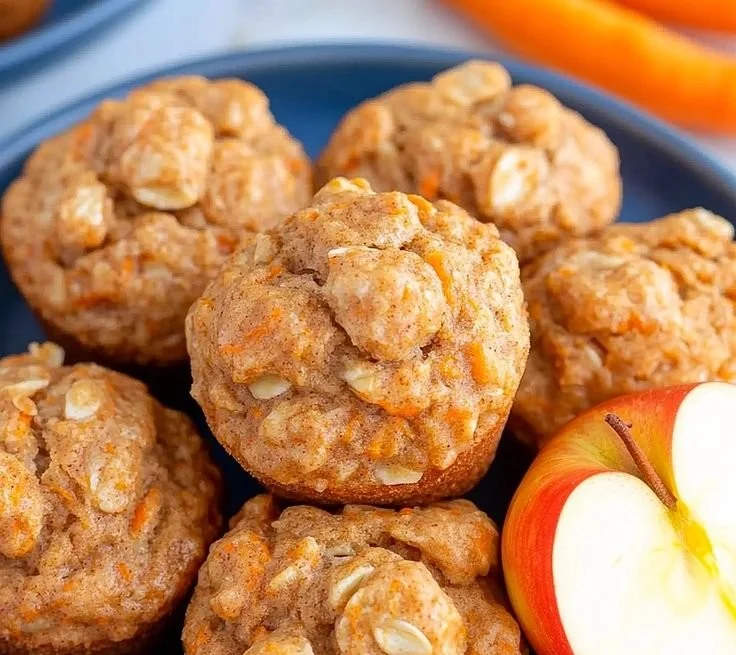
Healthy Breakfast Muffins For Toddlers
Healthy Breakfast Muffins For Toddlers
Introduction
Muffins can be a great toddler-friendly breakfast: portable, customizable, and easy to eat. This article gives simple, nutritious muffin ideas, tips for sneaking in extra nutrients, and toddler-safe serving suggestions. For more family-friendly ideas, you can explore healthy recipes for toddlers to complement muffin breakfasts.
Why choose muffins for toddlers?
- Hand-sized and easy to hold for small hands.
- Can combine whole grains, fruit, and protein in one bite.
- Quick to make in batches and freeze for busy mornings.
- Textures can be adjusted for toddlers learning to chew.
Basic healthy muffin blueprint
- Whole-grain base: use whole wheat flour, oat flour, or a mix to add fiber.
- Natural sweeteners: mashed banana, unsweetened applesauce, or a small amount of maple syrup.
- Protein boosters: Greek yogurt, cottage cheese, nut or seed butters (or powdered nut butter), or an egg.
- Healthy fats: olive oil, avocado oil, or a little butter.
- Add-ins: grated apple, mashed sweet potato, blueberries, grated carrot, spinach (pureed), or ground flaxseed.
Simple toddler-friendly muffin recipe (one-bowl)
Ingredients (yields ~12 mini muffins)
- 1 cup whole wheat flour
- 1 cup rolled oats, ground into flour or left whole for texture
- 1 tsp baking powder
- 1/2 tsp baking soda
- 1 tsp cinnamon
- 1/4 tsp salt (optional)
- 1 large ripe banana, mashed (or 1/2 cup applesauce)
- 1 large egg
- 1/2 cup plain Greek yogurt
- 1/4 cup milk (or breastmilk/formula for very young toddlers)
- 2 tbsp melted neutral oil
- 1/2 cup grated apple or carrot, or 1/2 cup mashed berries
Method
- Preheat oven to 350°F (175°C) and grease or line a mini muffin tin.
- In a bowl, whisk the wet ingredients: mashed banana, egg, yogurt, milk, and oil.
- In another bowl, combine dry ingredients: flour(s), oats, baking powder, baking soda, cinnamon, and salt.
- Stir dry into wet until just combined, then fold in grated fruit/veggies.
- Spoon batter into mini muffin cups (fills ~2/3) and bake 12–15 minutes, until a toothpick comes out clean.
- Let cool completely before serving to toddlers to avoid burns and help set texture.
Tips for picky eaters and nutrition boosts
- Sneak veggies: fold in pureed spinach, zucchini, or sweet potato into the batter — color changes are minimal when masked with cinnamon or fruit.
- Protein increase: replace some of the flour with whey or pea protein powder, or add 2–3 tbsp nut/seed butter. Be mindful of allergies.
- Iron boost: use molasses (a little goes a long way) or include ground flax and chia; serve with vitamin-C rich fruit to aid iron absorption.
- Texture control: for younger toddlers, make muffins moister with more yogurt or applesauce; for older toddlers, a bit more whole oats adds chew.
Allergy and safety swaps
- Dairy-free: use coconut or soy yogurt and plant milk.
- Egg-free: replace one egg with 1/4 cup unsweetened applesauce + 1 tsp baking powder (results vary).
- Nut-free: use seed butter (sunflower or pumpkin) or powdered seeds instead of nuts.
- Choking safety: avoid whole nuts, large fruit chunks, or hard seeds for toddlers under 4; finely chop or mash add-ins.
Make-ahead, freezing and serving
- Cool completely, then freeze muffins in a single layer on a tray; transfer to a freezer bag once solid.
- Reheat briefly in microwave or thaw overnight in the fridge.
- Portion control: mini muffins are better for toddlers to prevent overeating and to practice self-feeding.
- Pair with a small protein-rich side like yogurt or an egg for a balanced meal.
Creative flavor variations
- Banana-berry: banana base + blueberries.
- Carrot-cinnamon: grated carrot + raisins (finely chopped) + cinnamon.
- Pumpkin-spice: mashed pumpkin + warm spices.
- Savory option: omit sweetener, add grated zucchini and cheese, reduce cinnamon.
Further sweet-treat ideas and healthier dessert-style muffins can be helpful when you want to offer variety; for more options along those lines, check healthy sweet treats for toddlers.
Feeding and portion guidance
- One mini muffin plus a protein or fruit is usually enough for breakfast for most toddlers; watch hunger cues.
- Introduce new ingredients gradually and watch for allergies.
- Encourage self-feeding to build fine motor skills and independence.
Conclusion
If you want a ready-to-follow example, try the easy toddler muffin recipe on The Worktop for inspiration and technique in adapting flavors and add-ins: easy toddler muffin recipe at The Worktop. For recipes focused on boosting protein in kid-friendly muffins, see the practical suggestions and ideas in the High Protein Muffins collection by Trina Holden: high-protein muffins for kids.
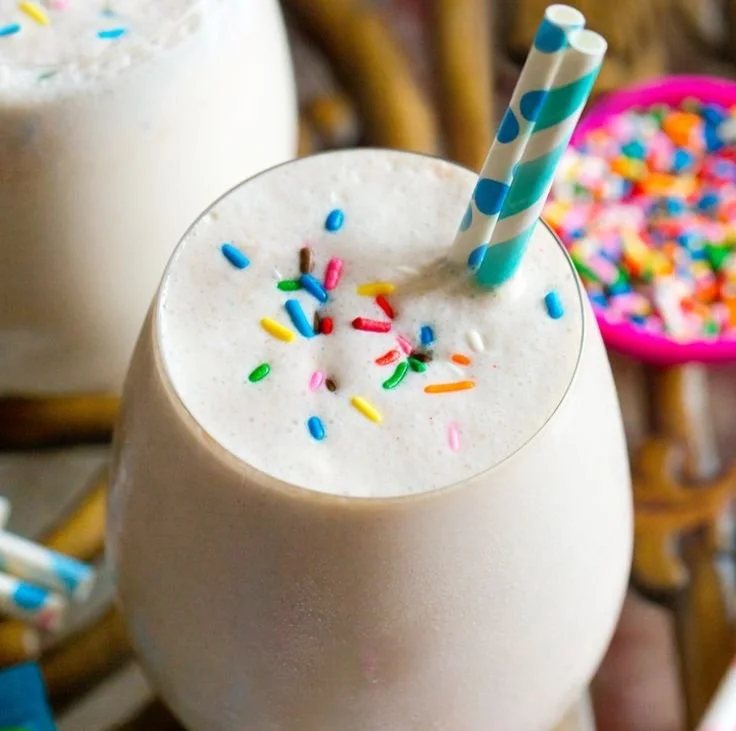
Cake Batter Protein Shake Recipe (High Protein Breakfast Or Snack Idea) | Protein drink recipes, Cake batter protein, Protein smoothie recipes
Cake Batter Protein Shake — High-Protein Breakfast or Snack
If you love the nostalgic flavor of cake batter but want a healthier, high-protein option, this cake batter protein shake is an easy winner. It works as a quick breakfast, a post-workout refuel, or a tasty snack. For family-friendly smoothie ideas you can adapt for kids, see this helpful collection of smoothie recipes for kids.
Why this works
This shake combines a quality protein powder with milk (or a milk alternative), a touch of sweetness, and vanilla and almond flavors to mimic cake batter without actual cake. The result: creamy texture, satisfying protein, and fewer empty calories than a slice of cake.
Ingredients (serves 1)
- 1 scoop vanilla or cake-batter flavored protein powder
- 1 cup unsweetened almond milk (or dairy milk)
- 1/4 cup plain Greek yogurt (adds creaminess and extra protein)
- 1 tbsp almond butter or natural peanut butter (optional for richness)
- 1/2 tsp vanilla extract
- 1/4 tsp almond extract (optional — a little goes a long way)
- 1 tsp honey or maple syrup (optional, adjust by taste)
- 4–6 ice cubes (for thickness)
- Sprinkles for garnish (optional, use sparingly)
Directions
- Add milk and Greek yogurt to a blender first, then the protein powder and extracts.
- Add nut butter and sweetener, if using.
- Blend on high until smooth, about 30–45 seconds. Add more milk for a thinner drink or more ice for a thicker shake.
- Pour into a glass and top with a few sprinkles or a dusting of cinnamon if desired.
Variations and swaps
- Dairy-free: use plant-based protein and coconut or oat milk.
- Lower sugar: skip the sweetener and use an unsweetened protein powder; add a few drops of liquid stevia if needed.
- Kid-friendly: reduce the nut butter and extracts; for baby-safe textures and portion ideas, consult age-appropriate recipes like these baby food recipes for 6-8 months before offering protein-enriched drinks to infants.
- Veggie boost: add a small handful of cauliflower florets (frozen) for extra bulk without changing the flavor.
Nutrition tips
- Aim for a protein powder with 20+ grams per scoop if you want a true meal-replacement shake.
- Greek yogurt adds protein and creaminess; choose low-fat varieties if you’re watching calories.
- Watch added sugars in flavored milks or protein powders; plain or lightly sweetened options keep the shake healthier.
Storage and serving
Serve immediately for the best texture. If you need to store, keep refrigerated in a sealed container up to 24 hours and shake or re-blend before drinking. This recipe scales easily — double the ingredients to make two servings.
Conclusion
For more protein-packed ideas and official recipes using ready-made protein products, check out the Recipes – Premier Protein resource for inspiration and variations. For a similar cake-batter-flavored smoothie with a slightly different ingredient list and method, see the detailed "Cake Batter" Protein Smoothie – Elizabeth Rider which captures the same nostalgic flavor.
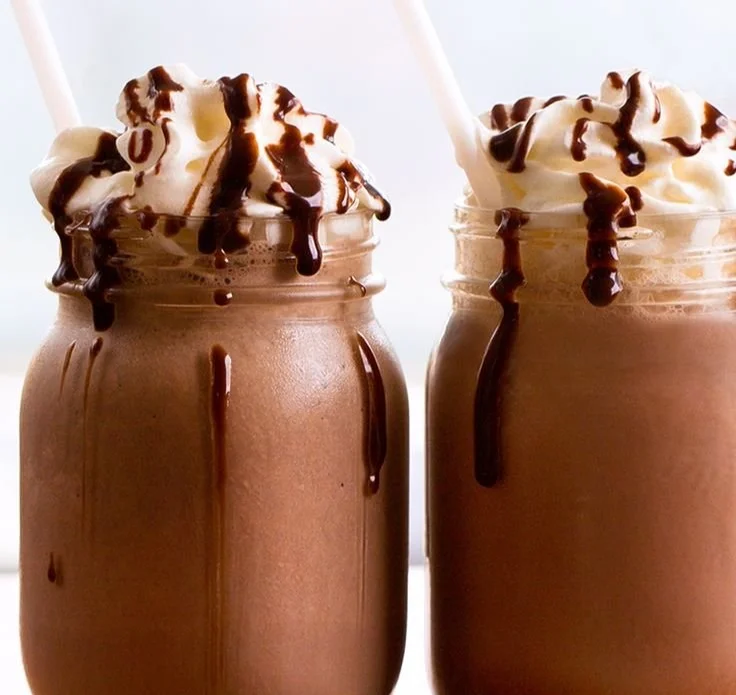
Healthy Chocolate Smoothie Recipe – No Banana!
Healthy Chocolate Smoothie Recipe — No Banana!
This creamy, chocolatey smoothie skips the banana while staying naturally sweet and kid-friendly. It’s great for breakfasts, after-school snacks, or whenever you want a simple treat with better-for-you ingredients. For more family-focused meal ideas, see these healthy recipes for toddlers that pair well with smoothies.
Why skip the banana?
Skipping banana keeps the flavor focused on cocoa and lets you control sweetness and texture with other ingredients. It’s also helpful when you want a lower-potassium option or when bananas aren’t available or ripe.
Ingredients (serves 2)
- 1 1/2 cups milk of choice (dairy, almond, oat)
- 1/2 cup plain Greek yogurt (or dairy-free yogurt)
- 2 tbsp unsweetened cocoa powder
- 1–2 tbsp natural sweetener (maple syrup, honey, or agave)
- 1 tbsp nut butter (almond, peanut, or sunflower seed butter for nut-free)
- 1/2 tsp vanilla extract
- 1 cup frozen cauliflower florets or frozen silken tofu (for creaminess without banana)
- 4–5 ice cubes (optional, for thickness)
- Pinch of salt
Optional add-ins: spinach (a handful), 1 tbsp chia or flaxseed, 1 scoop protein powder
Equipment
- Blender (high-speed preferred)
- Measuring cups and spoons
Method
- Add liquids first: pour the milk and yogurt into the blender.
- Add the cocoa, sweetener, nut butter, vanilla, frozen cauliflower (or silken tofu), and a pinch of salt.
- Blend on medium-high until smooth, pausing to scrape down sides if needed.
- If too thick, add a splash more milk; if too thin, add a few more ice cubes or frozen cauliflower.
- Taste and adjust sweetness or cocoa level. Serve immediately.
Variations
- Berry Cocoa: Add 1/2 cup frozen mixed berries for a chocolate-berry combination and extra antioxidants.
- Peanut Butter Cup: Increase nut butter to 2 tbsp and stir in a few dark chocolate shavings.
- Green Chocolate: Toss in a handful of baby spinach — the cocoa masks the taste while you get extra greens.
If you prefer no-cook, kid-ready options for hot days, check these recipes for kids with no heat for inspiration on pairing this smoothie with simple no-bake snacks.
Tips for success
- Frozen cauliflower is a neutral, inexpensive way to add body without altering flavor.
- Use unsweetened cocoa and sweeten to taste for better sugar control.
- To make it toddler-friendly, thin slightly with milk and use a straw or sippy cup to avoid choking hazards from thick textures.
- Prep ahead by measuring dry ingredients into freezer-safe packs; add milk and blend when ready.
Nutrition (approximate per serving)
Calories: ~220–280 (depending on milk and sweetener choices)
Protein: 10–15g (with Greek yogurt or protein powder)
Fiber: 3–5g (with chia/flax or berries)
This recipe is easily adaptable to dietary needs: use plant-based yogurt and milk for a vegan version, and swap sunflower seed butter to make it nut-free.
Conclusion
If you like fruit-forward ideas, try the Chocolate Berry Smoothie (No Banana) for a mixed-berry take on chocolate smoothies. For a richer, nutty version without banana, consider the Chocolate Peanut Butter Smoothie Recipe with No Banana.
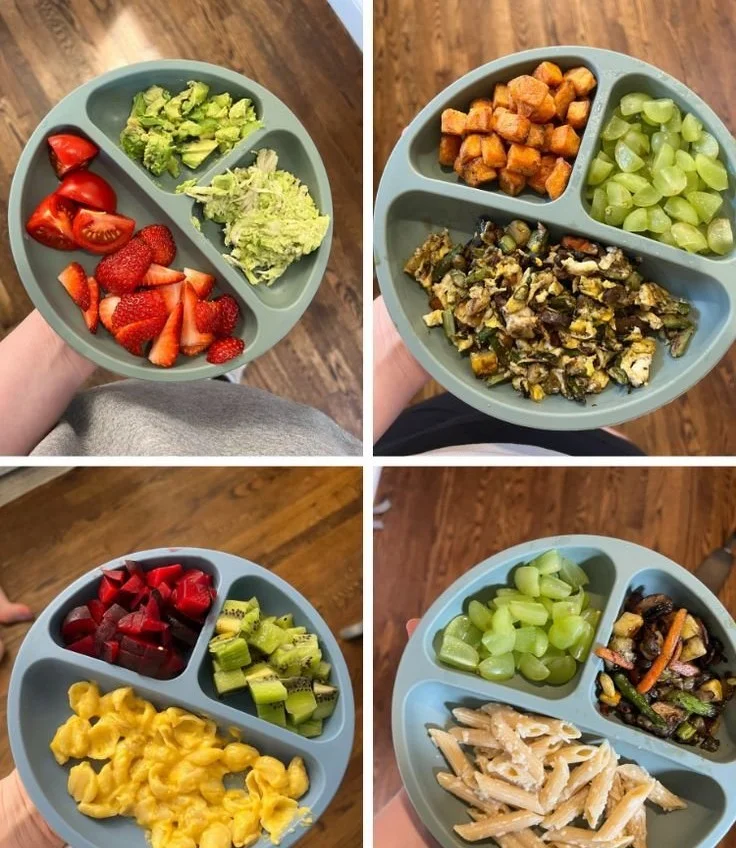
19 Super Easy Toddler Lunch Ideas
19 Super Simple Toddler Lunches — Quick, Nutritious, and Kid-Approved
Keeping toddler lunches simple, balanced, and fun helps picky eaters explore new foods without a lot of prep. If you pack lunches for daycare, this guide pairs well with specific tips for sending meals off-site — for daycare-focused options, see toddler lunch ideas for daycare. Below are 19 easy ideas plus short notes on portions, safe textures, and a few make-ahead tips.
Quick tips before you start
- Aim for a mix: protein, fruit/veg, whole grain, and a little healthy fat.
- Keep pieces small and soft to reduce choking risk; avoid whole grapes, large chunks, or hard nuts.
- Use insulated containers or ice packs for perishables.
- Let toddlers help choose one item to increase enthusiasm around the meal.
19 Easy Toddler Lunch Ideas
Mini pita pizzas
- Spread a thin layer of tomato sauce, sprinkle shredded mild cheese, and add soft veggies. Warm briefly so cheese melts.
Turkey and avocado roll-ups
- Sliced turkey rolled with mashed avocado—slice into bite-size pieces.
Veggie and cheese muffins
- Savory egg or zucchini muffins baked in mini muffin tins; easy to freeze and reheat.
Quesadilla wedges
- Cheese and finely chopped beans or chicken in a tortilla, lightly grilled and cut into small triangles.
Pasta salad with peas and diced ham
- Use small pasta shapes, toss with a touch of olive oil and mild cheese.
Hummus with soft pita and steamed carrot coins
- Hummus is a great dip for small, soft dippers.
Yogurt parfait (unsweetened yogurt, mashed berries, and a sprinkle of oats)
- Serve in a small container; avoid whole nuts or hard granola pieces.
Fruit and cheese kabobs (soft fruit + mild cheese cubes)
- Use very short skewers or assemble on a plate for safety.
Egg salad on soft bread
- Mash the egg mixture to a toddler-friendly texture and cut into small squares.
Banana and nut-butter roll-ups (or seed-butter for allergy-friendly)
- Spread thinly and roll in a soft tortilla, then slice.
Pancake roll-ups with cream cheese and fruit puree
- Use leftover pancakes as a wrapper for a sweet savory combo.
Soft rice bowl with beans and mild salsa
- Keep textures soft and toppings minimal to suit a toddler palate.
Sweet potato cubes and shredded chicken
- Roast until tender; sweet potatoes are filling and naturally sweet.
Mini grilled cheese with tomato soup for dipping
- Cool soup to safe temperature and serve in a spill-proof cup.
Cottage cheese with canned peaches (well drained)
- A protein-packed, spoonable option.
Baked chicken nuggets (homemade) with steamed broccoli florets
- Make them small and very soft; pair with a mild dip.
Cucumber and cream cheese sandwiches (no crust)
- Thinly spread cream cheese and slice cucumber finely.
Smoothie in a sippy cup plus a soft muffin
- Nutrient-packed smoothie with yogurt and fruit; serve alongside a low-sugar muffin.
“Ants on a log” with sunflower seed butter and raisins (or dried blueberries)
- Use thin celery or soft sweet pepper strips for a softer bite if needed.
Meal-prep shortcuts
- Double or triple recipes and freeze portions (muffins, mini quiches, nuggets).
- Pre-cut fruits and veggies at the start of the week and store in airtight containers.
- Assemble lunches the night before when possible to save mornings.
For more rounded lists and ways to expand flavors as your child grows, see this collection of ideas that pairs well with the suggestions above: more toddler lunch ideas.
Conclusion
For additional creative options and visual inspiration, browse 58 toddler lunch ideas from PureWow that cover snacks and lunches. If you prefer minimal-cook recipes and straightforward meal builds, check out these easy toddler meals with hardly any cooking.
How to Make a Protein Shake
How to Make a Protein Shake
Whether you need a quick breakfast, a post-workout recovery drink, or a nutritious snack, a homemade protein shake is one of the fastest ways to fuel your day. If you’re balancing meal prep with a busy household, you might also find it helpful to read about how to make an angry child happy for quick parenting strategies while you blend.
What you need (basic equipment)
- Blender or high-powered shaker bottle
- Measuring scoop or spoon
- Glass or travel cup
Core ingredients
- Protein powder: whey, casein, plant-based (pea, soy, rice), or collagen.
- Liquid: milk (dairy or plant-based), water, or a mix.
- Optional: fruit, nut butter, yogurt, oats, seeds, greens, spices, sweeteners.
Building the shake (ratios and suggestions)
- Liquid first: Start with 8–12 oz (240–350 ml) of your chosen liquid to help the blender run smoothly.
- Protein next: Add one scoop (usually 20–30 g protein) of powder.
- Texture and calories: Add 1/2–1 cup of fruit or 1–2 tablespoons of nut butter for thickness and extra calories.
- Boosters: Add a tablespoon of seeds (chia, flax), a handful of spinach, or 1/4–1/2 cup Greek yogurt for creaminess.
- Ice: Add a few ice cubes if you want a chilled, frothy texture.
Tips on proportions:
- For a light shake: 8 oz liquid + 1 scoop protein + 1/4 cup fruit.
- For a meal-replacement: 10–12 oz liquid + 1 scoop protein + 1/2 cup oats + 2 tbsp nut butter + 1 cup fruit.
Flavoring ideas
- Vanilla base: vanilla protein + banana + cinnamon.
- Chocolate: chocolate protein + cocoa powder + peanut butter.
- Berry: vanilla or unflavored protein + mixed berries + a splash of orange juice.
Quick directions
- Pour liquid into the blender.
- Add protein powder and any soft ingredients (yogurt, fruit).
- Add dry ingredients (oats, seeds) and ice last.
- Blend 20–40 seconds, or until smooth. Adjust liquid if too thick.
Adjustments and troubleshooting
- Too chalky? Use more liquid or a ripe banana to mask grit.
- Too thick? Add 1–2 tablespoons of water or milk and re-blend.
- Too thin? Add more frozen fruit, ice, or a scoop of oats.
Making shakes for kids
When preparing a protein shake for children, focus on mild flavors and balanced nutrition rather than high protein powder doses. Encourage hands-on involvement by letting them pick a fruit or a topper. For guidance on behavior and mealtime routines that can make introducing new foods easier, see advice on how to deal with a self-centered toddler.
Variations for goals
- Weight gain: add whole milk, nut butter, oats, and an extra scoop of protein.
- Weight loss: use water or unsweetened almond milk, leafy greens, and limit added sugars.
- Muscle building: include 20–40 g of protein per shake, post-workout carbs (banana, oats), and some healthy fat.
Storage and safety
- Consume fresh when possible. If you must store, keep refrigerated and finish within 24 hours.
- Clean blender or shaker promptly to prevent bacterial growth.
- Check protein powder labels for allergens and serving size recommendations.
Conclusion
If you want ready-made inspiration for flavors and combos, check the collection of Ice Shaker protein shake recipes to jumpstart ideas. For curated recommendations across many brands and flavors, read the roundup of best protein shakes to help choose a powder that matches your taste and goals.
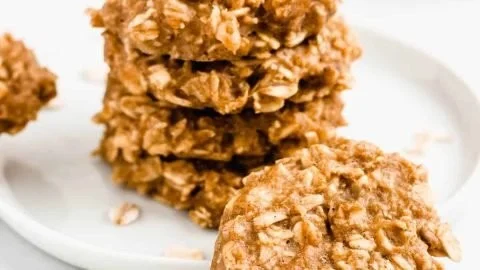
Healthy Oatmeal Toddler Breakfast Cookies
Healthy Oatmeal Toddler Breakfast Cookies
These soft, wholesome oatmeal cookies are crafted to give toddlers a balanced, portable breakfast that’s easy for small hands to hold and gentle on little tummies. They combine oats, fruit, and a binder like banana or nut butter for natural sweetness and sustained energy. For additional ideas on nutritious morning options, see this collection of healthy recipes for toddlers.
Why these cookies work for toddlers
- Oats provide fiber and slow-release carbohydrates to keep energy steady.
- Fruit (banana, apple, or grated carrot) adds vitamins and natural sweetness without refined sugar.
- A little nut or seed butter supplies healthy fats and protein to support growing bodies.
- Baked instead of fried, they’re soft enough for little teeth and simple to portion and freeze.
Ingredients (makes ~12 small cookies)
- 2 ripe bananas, mashed (or 1/2 cup unsweetened applesauce)
- 1 1/2 cups old-fashioned rolled oats
- 1/3 cup unsweetened apples, grated or finely chopped (or grated carrot)
- 2 tbsp nut butter (peanut, almond, or sunflower seed butter for nut-free)
- 1 tsp vanilla extract (optional)
- 1/2 tsp cinnamon
- Pinch of salt
- Optional mix-ins: 1/4 cup finely chopped soft dried fruit (raisins, chopped apricot), 1–2 tbsp ground flaxseed, or 1/4 cup mini chocolate chips (toddler discretion)
Instructions
- Preheat the oven to 350°F (175°C) and line a baking sheet with parchment paper.
- In a medium bowl, mash the bananas until mostly smooth. Stir in the nut butter and vanilla until combined.
- Add the oats, grated apple or carrot, cinnamon, salt, and any optional mix-ins. Let the mixture sit 5 minutes to thicken; it should hold together when pressed.
- Scoop tablespoon-sized portions and gently flatten them into cookie shapes on the prepared sheet (cookies won’t spread much).
- Bake 10–12 minutes, until set and just lightly golden on the edges. Allow to cool completely before serving.
Serving and storage
- Serve at room temperature or slightly warmed. Cut into halves for very small toddlers.
- Store in an airtight container in the refrigerator for up to 4 days.
- Freeze cooled cookies in a single layer on a tray, then transfer to a freezer bag for up to 3 months. Reheat briefly in a microwave or toaster oven.
Tips and variations
- For nut-free households, swap nut butter for sunflower seed butter or extra mashed banana plus 2 tbsp ground flaxseed for texture and omega-3s.
- Make them softer by using more mashed banana or applesauce; reduce oats slightly if mixture seems dry.
- Add spices like nutmeg or pumpkin pie spice for variety.
- If you want sweeter, dessert-style alternatives that remain balanced, explore a few healthy sweet treats for toddlers that use fruit and whole grains.
Conclusion
For more inspiration on similar recipes that incorporate fruits and vegetables into toddler-friendly cookies, check this version of Healthy Oatmeal Cookies (with Apple and Carrot) that pairs grated produce with oats. If you’d like a protein-focused twist, try this tasty Peanut Butter Banana Breakfast Cookies: Toddler-Approved! which swaps textures and flavors while keeping breakfast convenient and nutritious.
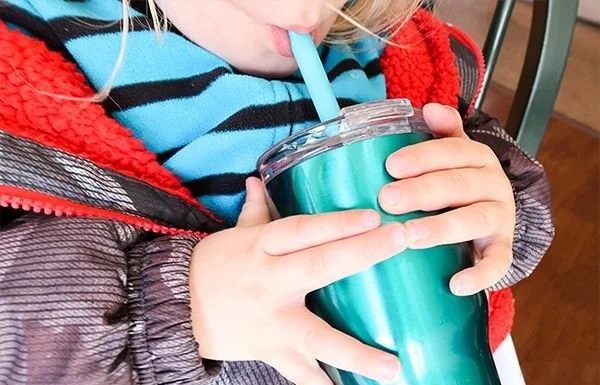
Toddler Weight Gain Smoothie Recipe | Woo! Jr. Kids Activities : Children’s Publishing
Toddler Weight-Gain Smoothie: Nutritious, Calorie-Rich, and Easy to Make
If your toddler is a picky eater or needs a little help gaining weight, a well-balanced, calorie-dense smoothie can be a gentle, nutritious option. Smoothies let you combine healthy fats, protein, and carbohydrate-rich foods into a single, easy-to-drink serving that many young children enjoy. For additional inspiration on child-friendly blends, see this collection of smoothie recipes for kids.
This article offers a beginner-friendly weight-gain smoothie recipe, tips to boost calories without sacrificing nutrition, safe serving guidance, and variations to keep flavors interesting.
Why a smoothie?
- Easy to sip for toddlers who resist solid food.
- Can concentrate calories and nutrients in a small volume.
- Flexible: swap ingredients to match allergies, preferences, and nutrient needs.
- Quick to prepare and portable for busy families.
Ingredients (makes about 14–16 oz; serves 2 toddler portions)
- 1 ripe banana (adds calories and natural sweetness)
- 1/2 cup full-fat plain yogurt (protein, calcium, and healthy fats)
- 1/4–1/3 cup full-fat cottage cheese or mashed avocado (extra calories and creaminess)
- 1/4 cup whole milk or full-fat plant milk (oat or soy for added calories)
- 1 tablespoon nut or seed butter (peanut, almond, or sunflower — use an alternative for nut allergies)
- 1 tablespoon plain powdered milk or a toddler-formula powder (optional for extra calories/protein)
- 1 teaspoon chia seeds or ground flaxseed (fiber and omega-3s)
- 1/4–1/2 cup soft cooked oats or mashed sweet potato (optional for extra energy and texture)
- Dash of cinnamon or vanilla extract (optional, for flavor)
Note: Adjust thickness with additional milk or a few ice cubes. Avoid added sugars and honey for children under 1 year.
Directions
- Add the banana, yogurt, and choice of high-calorie base (cottage cheese or avocado) to a blender.
- Scoop in the nut/seed butter and powdered milk if using.
- Add the milk and a small amount of cooked oats or sweet potato if you want a thicker, more filling drink.
- Blend until smooth. Taste and add cinnamon or vanilla if desired. If the texture is too thick, blend in a tablespoon or two of milk at a time.
- Serve immediately in a sippy cup or a small open cup, depending on your toddler’s drinking skills.
Tips to safely boost calories and nutrition
- Use full-fat dairy or calorie-dense plant milks; skim versions won’t provide the same energy density.
- Incorporate healthy fats (avocado, nut butter, coconut yogurt) rather than relying on sugars.
- Add soft cooked grains (oats, rice) for complex carbohydrates that keep energy steady.
- If your child needs more protein, include a scoop of toddler-safe protein powder or additional yogurt/cottage cheese, after checking with your pediatrician.
- Offer the smoothie alongside regular meals to avoid replacing nutrient-dense solids entirely.
Flavor and texture variations
- Berry-Banana: swap half the banana for soft berries (thawed if frozen).
- Tropical Boost: use mango and coconut yogurt for a sweeter, higher-calorie option.
- Chocolate Comfort: add a teaspoon of cocoa powder and a touch of date paste for natural sweetness.
- Savory Twist: reduce fruit and add mild herbs (tiny bit of basil) with avocado for toddlers who prefer less sweet flavors.
If you need broader ideas for toddler meals and snacks that complement smoothies, explore the toddler food recipes collection to rotate tastes and textures.
Safety and when to consult a professional
- Always supervise a toddler when drinking to reduce choking risk. Start with thin textures if your child is still developing oral motor skills.
- Avoid honey for children under 12 months.
- If your toddler has known allergies or a family history of food allergies, introduce potential allergens one at a time and consult a pediatrician.
- If poor weight gain persists despite fortified foods and smoothies, contact your pediatrician or a pediatric dietitian to rule out medical causes and create a tailored nutrition plan.
Storage and serving suggestions
- Prepare single servings and refrigerate up to 24 hours; give a quick stir or reblend to refresh texture.
- Freeze portions in ice cube trays for controlled thawing and to use as cooling add-ins.
- Use insulated sippy cups to keep smoothies cool during outings.
Conclusion
This smoothie approach can be a gentle, nutrient-rich way to help a toddler gain weight when used as part of a balanced feeding plan; for a specific inspiration from kids’ publishers, see the original Toddler Weight Gain Smoothie Recipe on Woo! Jr. and read expert guidance on when higher-calorie drinks are appropriate at High-Calorie Smoothies for Kids and When to Use Them.