
27 fun and unique baby shower games everyone will love – Anuri’s Journey
27 Fun and Unique Baby Shower Games Everyone Will Love
A baby shower is the perfect time to celebrate, laugh, and make memories with friends and family. Whether you’re hosting a cozy brunch or a big backyard bash, having a pile of easy, creative games keeps the energy lively and helps guests connect. If you want a few extra belly-laugh options, consult this funniest baby shower games roundup for ideas that guarantee giggles.
Below are 27 game ideas organized by vibe—quick classics, DIY favorites, and modern twists—so you can pick what fits your crowd and schedule.
Quick Classics (fast to set up, easy to play)
- Baby Bingo — Create bingo cards filled with typical baby gifts and mark squares as gifts are opened.
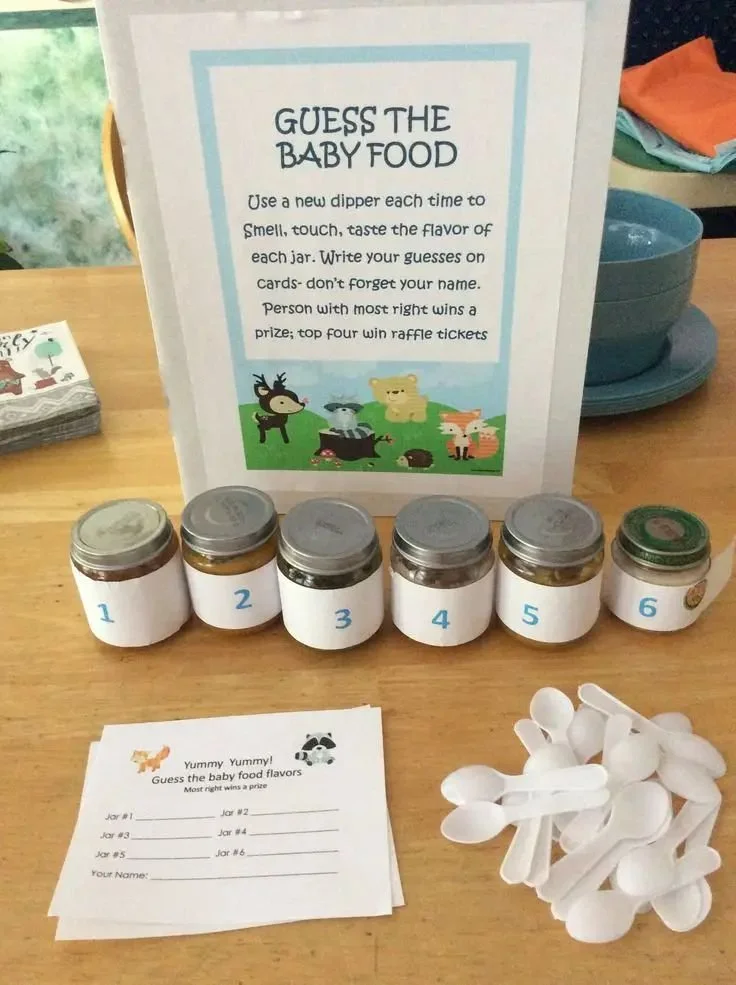
- Guess the Baby Food — Label jars and have guests sample and identify flavors.
- Diaper Raffle — Guests bring diapers for a chance to win a prize.
- Measure the Belly — Use string or ribbon; closest guess wins.
- Who Knows Mommy Best — Trivia about the mom-to-be’s pregnancy cravings, childhood, and favorites.
Icebreaker Games (great for mixed groups)
- Birth Date & Time Pool — Guests guess birth details; winner gets bragging rights and a prize.
- Two Truths, One Lie: Baby Edition — Guests share statements about their baby experiences.
- Name That Tune: Lullaby Version — Play short clips of lullabies and baby songs.
- Speed Memory — Show a tray of baby items for 30 seconds, cover it, and have guests list what they remember.
- Advice Cards — Guests write short, funny, or heartfelt parenting tips for the new parents.
DIY & Crafty Games (hands-on and memorable)
- Onesie Decorating — Provide fabric markers and plain onesies for custom designs.
- Baby Socks Match — Mix socks and time guests to match pairs; winner gets a gift.
- Build-a-Baby Block Tower — Teams stack blocks blindfolded with guidance from a teammate.
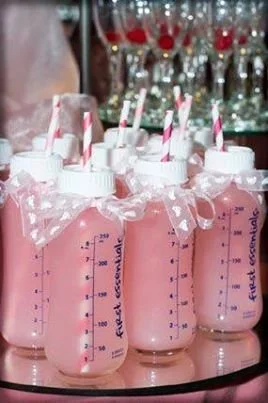
- Bottle Bowling — Fill plastic bottles with a little sand and roll a toy ball to knock them down.
- Keepsake Book Pages — Guests create decorated pages with messages and photos for a memory book.
Incorporate thoughtful non-game activities for guests who prefer crafting or quiet connection; for more structured ideas that aren’t games, see this list of creative baby shower activities that aren’t games.
Competitive & Team Games (for lively groups)
- Baby Pictionary — Draw baby-related items and let teammates guess.
- The Price Is Right: Baby Registry — Guests estimate the price of registry items.
- Diaper Derby — Relay race changing a doll’s diaper while wearing oven mitts.
- Baby Bottle Chug — Drink juice from a baby bottle; winner finishes first without using hands.
- Mommy-to-Be Jeopardy — Create a trivia board with categories about pregnancy and parenting.
Games for Keeps (make something lasting)
- Time Capsule Letters — Guests write notes to be opened on the child’s 18th birthday.
- Footprint Art — Ink or paint footprints on canvas to hang in the nursery.
- Recipe Swap — Guests bring a favorite family recipe and compile a cookbook for parents.
- Wishes for Baby Jar — Guests drop notes with hopes and predictions for the future.
- Growth Chart Signing — Provide a canvas growth chart for signatures and dates.
Low-Pressure & Inclusive Games
- Photo Scavenger Hunt — Give a list of photo prompts (e.g., “someone making a silly face”) and collect snapshots.
- Playlist Challenge — Guests contribute a parenting or feel-good song; compile a shower playlist as a gift.
Tips to run games smoothly:
- Keep prizes simple and fun (candles, gift cards, or themed sweets).
- Mix high-energy and low-energy activities to suit different guests.
- Prepare materials in advance and assign a helper or two to explain rules.
- Consider accessibility—offer seating, clear instructions, and alternatives for guests who can’t do physical tasks.
Wrapping Up
A successful baby shower balances laughter, sentiment, and thoughtful touches. Pick a few games that match your group’s energy, include at least one activity that creates a keepsake, and don’t forget to capture the moments with photos. With this list, you’ll have plenty of options to make the celebration memorable for everyone.
Conclusion
If you’re also planning seasonal gatherings, this holiday memory-making guide offers tips you can adapt for baby shower traditions and keepsakes. For creative decor ideas that add a festive touch to any party, consider inspirations like this St. Patrick’s Day balloon garland tutorial that demonstrates how themed garlands can elevate your event.
Best Baby Shower Ideas Roundup
Best Baby Shower Ideas Roundup
Planning a memorable baby shower can be joyful and a little overwhelming — there are themes, games, favors, food and timing to consider. If you’re focusing on a girl-themed celebration, these selections pair well with the practical tips you can find at creative baby girl shower ideas. Below is a curated roundup of fresh, doable ideas to help you host an event that feels personal and fun.
Pick a Theme (or Don’t)
Themes help tie décor, invitations and favors together, but a cohesive color palette works just as well.
- Classic themes: "Oh, Baby!" pastels, woodland creatures, or storybook characters.
- Modern themes: minimalist neutral tones, boho chic, or a monochrome dessert table.
- Low-effort idea: choose a single accent color (sage, blush, or mustard) and build around simple textures like kraft paper, greenery and soft linens.
Invitations & Guest Flow
Decide early whether the shower will be daytime or evening, in-person or virtual. Clear invitations set expectations about dress code, gifts (if any), and whether partners or kids are invited. For virtual showers, prepare a loose agenda so guests aren’t left wondering what to do.
Food & Drink
Match the menu to the time of day and the vibe. For a brunch shower, offer a mix of sweet and savory bite-sized items, a coffee/tea bar, and a signature mocktail. For an evening affair, consider a grazing board, mini sliders and a dessert station. If you’re hosting a brunch, menu inspiration and pacing tips are available in this practical guide to baby shower brunch ideas.
Activities & Games (Played by Choice)
Games are optional but can help guests mingle. Offer a few gentle, low-pressure activities:
- Advice cards: Guests write a tip for the new parents to keep and reread later.
- Onesie decorating station: Provide plain onesies and fabric markers or appliqués.
- Memory book: Ask each guest to contribute one favorite childhood memory for a keepsake album.
If you prefer something more meaningful over games, consider hosting a circle where guests share hopes and blessings for the parent-to-be — a quieter alternative that can be deeply moving.
Gifts & Favors
Think beyond typical registry items by suggesting practical, consumable, or personalized gifts:
- Consumable packs (diaper subscription cards, meal delivery vouchers).
- Practical essentials (gentle laundry detergent, swaddles, burp cloth bundles).
- For crafty guests, a small kit or a handmade baby item makes a lasting impression.
If you want to include a creative DIY touch, set up a small favor station where guests can assemble a take-home sachet or mini-succulent — inexpensive, simple, and charming.
Décor on a Budget
Use a few standout pieces and keep the rest simple:
- Create a photo backdrop with a textile and a string of lights.
- Use mason jars or clear vases with seasonal greenery rather than elaborate floral arrangements.
- Reuse ribbon, banners and signage across tables to maintain consistency without overspending.
Inclusivity & Accessibility
Make sure invitations note any accessibility needs and dietary restrictions. If several guests have young children, provide a few kid-friendly activities or arrange a separate space where parents can take their little ones.
Virtual Shower Tips
If you host online: send a care package or e-voucher in advance, test audio/video beforehand, and have a moderator to manage transitions and tech hiccups. Keep activities short and interactive to maintain energy.
Last-Minute Checklist
- Confirm RSVPs and dietary needs.
- Prepare a simple timeline for gift opening, games, and food service.
- Pack a small emergency kit (safety pins, stain remover, extra napkins).
- Designate someone to take photos if you’re the host.
Conclusion
For creative handmade keepsakes and crafty presentation ideas, consider this helpful collection of DIY baby shower gift ideas to inspire small, personal presents. And if you want a thoughtful, ceremony-style alternative to games, this complete Blessingway round-up offers printable resources and activity ideas for a meaningful, ritual-focused celebration.
Happy planning — keep the guest list intimate, the agenda flexible, and the sweets within reach.
18 Unique 2nd Birthday Party Themes for Girls: The Perfect Celebration
18 Unique 2nd Birthday Party Themes for Girls: The Perfect Celebration
Turning two is a big milestone — toddlers are discovering language, personalities, and favorite colors. Planning a memorable but manageable celebration means choosing a theme that delights little guests and makes the day easy for parents. Below are 18 fresh, age-appropriate theme ideas plus practical tips for invitations, decorations, activities, food, favors, and timing. If you’re also planning for siblings or want inspiration across ages, check this guide to unique first birthday party ideas for boys for crossover ideas and sibling-friendly options.
How to pick the right theme
- Choose something simple and visually recognizable (animals, colors, shapes, a favorite toy).
- Keep activities short and low-pressure; 30–45 minutes of structured play is usually enough for toddlers.
- Pick a theme that’s easy to decorate with a few key elements rather than elaborate setups.
- Stick to safe, toddler-friendly materials and foods.
The 18 themes (with quick execution tips)
- Little Garden Party
- Decor: Paper flowers, bunting, and potted plants.
- Activity: Bubble station and simple sensory "flower petal" bins.
- Baby Animal Barnyard
- Decor: Hay-bale seating (or cushions), stuffed farm animals.
- Activity: Animal parade and soft toy petting area.
- Twinkle Star Sleepover (Daytime version)
- Decor: Soft twinkle lights, star garlands, cozy blankets.
- Activity: Storytime under a “tent” and gentle sing-along.
- Rainbow Playdate
- Decor: Color blocks, rainbow balloons and a bright dessert table.
- Activity: Color sorting games and rainbow finger-painting on large paper.
- Little Mermaid Splash (no pool required)
- Decor: Blue streamers, paper seashells, fish garlands.
- Activity: Sensory “ocean” bins with water beads and plastic sea creatures.
- Teddy Bear Picnic
- Decor: Picnic blankets, gingham plates, teddy centerpieces.
- Activity: Stuffed animal tea party and parachute play.
- Vintage Tea Party
- Decor: Mismatched teacups (decorative or plastic), pastel bunting.
- Activity: Pretend tea and cookie decorating for little hands.
- Garden Fairy/Fairy Tale
- Decor: Floral crowns, fairy lights, toadstool cushions.
- Activity: Fairy wand craft and a short costume parade.
- Cupcake Couture
- Decor: Cupcake-shaped balloons and frosting-inspired colors.
- Activity: Mini cupcake decorating with frosting dab stations.
- Ballerina Ballet
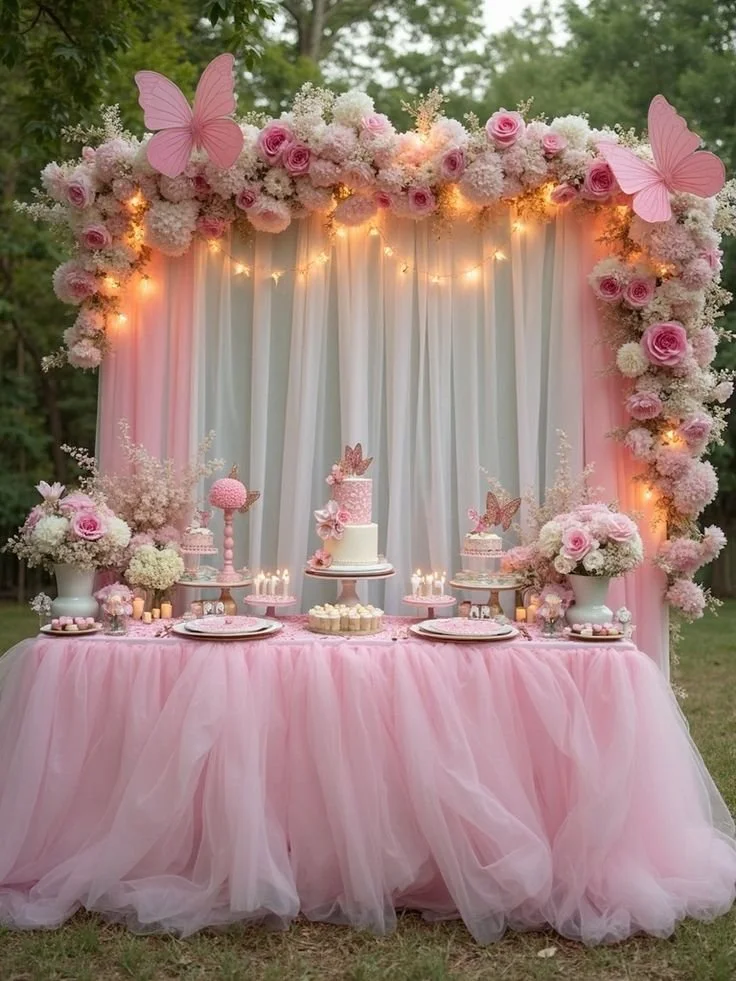
- Decor: Tulle garlands, dance-themed signage, pastel balloons.
- Activity: Simple dance class led by a parent or entertainer.
- Little Artist Studio
- Decor: Easels with butcher paper, paint-splattered tablecloths.
- Activity: Washable painting stations and handprint keepsakes.
- Jungle Safari
- Decor: Leafy greens, animal print accents, plush vines.
- Activity: Safari scavenger hunt with toy animals.
- Space Explorer
- Decor: Planets, rocket cutouts, dark blue and silver balloons.
- Activity: Foam rocket toss and astronaut helmet decorating.
- Bubbles & Balloons
- Decor: Balloon arches and bubble machines.
- Activity: Bubble-popping games and balloon tosses.
- Minnie Mouse or Bow-Themed Party
- Decor: Polka dots, oversized bows, red-and-black accents.
- Activity: Bow-making craft and storytime with a Minnie book.
- Woodland Friends
- Decor: Rustic wood slices, mushroom props, soft animal plushies.
- Activity: Nature sensory bins and animal mask making.
- Farm-to-Table Picnic (Tiny Food Theme)
- Decor: Fresh flowers, simple chalkboard menus.
- Activity: Healthy tasting station with toddler-friendly finger foods.
- Color-Blocked Chic (single-color focus)
- Decor: Everything in one chosen color—plates, balloons, streamers.
- Activity: Matching games and color-themed sensory bins.
Invitations & Guest List Tips
- Keep the guest list small—close family and a couple of friends—so it stays low-stress.
- Use digital invites for quick RSVP tracking or simple printable cards for custom touches.
- Note age recommendations on the invite (e.g., toddler-focused activities) and whether parents should stay.
Décor Made Simple
- Choose 3 key decorative elements (backdrop, balloons, table runner) and repeat them for cohesiveness.
- Use washable, toddler-safe materials. Avoid small loose decorations under 3 years.
- Repurpose household items: baskets for centerpieces, scarves as table runners.
For more girl-focused first-birthday inspiration and theme visuals that translate well to a second birthday, see this helpful roundup of baby girl first birthday themes.
Activities & Entertainment
- Keep activities short and varied: 10–15 minutes each works well.
- Offer quiet options (books, soft toys) and active play (bubble machine, parachute).
- Consider a short, structured group moment (cake time or a simple song) that signals the central celebration.
Food & Cake Ideas
- Serve finger foods that are easy for little hands: soft fruit, mini sandwiches, cheese cubes.
- For the cake, consider a smaller smash cake for the birthday child and a larger sheet cake for guests.
- Label food with allergen info and offer plain options for picky eaters.
Favors & Keepsakes
- Keep favors practical: board books, bubbles, chunky crayons, or finger puppets.
- Create a memory station: take a photo of each toddler with a themed prop and add to a digital album for guests.
Budget & Timing
- Pick a 1.5–2 hour window in the morning or early afternoon when toddlers are most alert.
- Save money by making a few DIY items (paper garlands, simple centerpieces) and buying a few standout pieces.
Safety & Accessibility
- Remove choking hazards and keep small decorations out of reach.
- Provide a quiet space for overstimulated children and ensure easy stroller access if needed.
Final checklist before the party
- Confirm RSVPs and dietary restrictions.
- Stash a first-aid kit and extra wipes/diapers.
- Plan for cleanup: use disposable table covers and have garbage bags handy.
Conclusion
For extra theme inspiration and visual ideas, this list of 20 cute ideas for 2nd birthday party themes offers many creative setups to adapt. If you’re planning a celebration for siblings or twin girls, these Groovy Birthday Party Ideas for Two Sisters include playful ways to celebrate together while keeping the day fun for toddlers.
30 Blue Jean Baby Shower Themes: Creative DIY Ideas for Cozy Celebrations
30 Blue Jean Baby Shower Themes: Creative DIY Ideas for Cozy Celebrations
A blue jean baby shower blends casual comfort with charming DIY details — perfect for parents who want a cozy, down-to-earth celebration. Whether you’re planning a small gathering in the backyard or a larger affair at a rustic venue, denim-inspired elements add warmth, texture, and a nostalgic touch. For food pairings that suit a denim-themed spread, consider these trusted baby shower food ideas for a girl to complement the aesthetic.
Below you’ll find planning tips, décor and activity suggestions, plus 30 distinct blue jean-themed ideas to spark your creativity.
Planning tips for a denim shower
- Choose a color palette: indigo, chambray, white, cream, and touches of copper or burlap.
- Gather materials: old jeans, denim scraps, wooden crates, mason jars, lace, and twine make easy, affordable décor.
- Layer textures: pair denim with soft linens, burlap runners, and floral arrangements to keep the vibe cozy rather than purely rustic.
- Timeline: send invitations 3–4 weeks ahead; prepare DIY décor and favors 1–2 weeks early to avoid last-minute stress.
- Menu: aim for comfort foods — mini pulled-pork sliders, biscuit stacks, deviled eggs, and a signature blue-hued mocktail.
DIY décor ideas
- Denim bunting: cut triangles from jeans to string across the room.
- Pocket favor holders: sew or glue small jean pockets and fill with candy or small gifts.
- Table runners: layer denim scraps and burlap for a textured runner.
- Cuff napkin rings: fold jean cuffs around napkins and secure with twine.
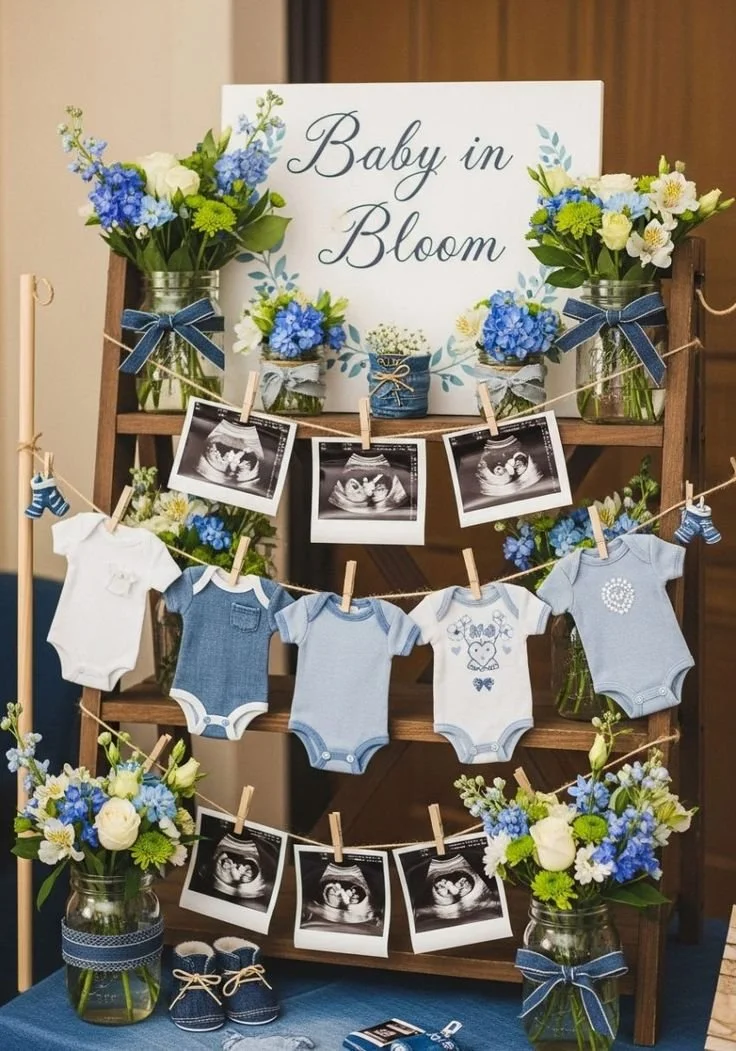
- Patchwork backdrop: stitch or glue assorted denim patches onto a canvas or sheet for a photo backdrop.
- Jean bouquet wraps: use jean strips to wrap vase bases or bouquet stems.
- Button banners: use jean buttons strung on twine as a rustic garland.
Games and activities
- Onesie decorating station: provide fabric markers and denim patches for a custom keepsake.
- Denim trivia: questions about fashion and baby lore with small prizes tucked into jean pockets.
- Memory jeans: ask guests to bring a small note to tuck into a “mommy’s jeans” memory pocket board.
- Photo booth: use the patchwork backdrop, cowboy hats, and vintage frames for playful photos.
Food, cake, and presentation
- Denim-toned cake: ombre icing in blues or a denim-textured fondant finish.
- Cookie cutouts: baby-onesie or jean shapes decorated in blue royal icing.
- Snack station: label mason jars with denim tags and serve rustic finger foods.
- Drink bar: blue mocktails (blueberry lemonade) served in mason jars with denim ribbon.
Favor ideas
- Custom patches: guests can iron them onto totes or jackets later.
- Mini mason jars with homemade jam and a denim tag.
- Little denim pouches filled with seed packets for a garden-friendly favor.
30 Blue Jean Baby Shower Themes (with brief descriptions)
- Classic Blue Jean — Simple denim décor with navy accents and white florals.
- Chambray Picnic — Low picnic tables, gingham, and soft chambray textiles.
- Denim & Lace — Mix delicate lace overlays with rugged denim pieces.
- Vintage Overalls — Overalls as a motif for invites, banners, and photo props.
- Rustic Barn Denim — Barn wood signage, hay bale seating, and denim accents.
- Cowboy Cutie — Western boots, bandanas, and small denim details.
- Denim Patchwork — Patchwork quilts, table runners, and a cozy texture-heavy look.
- Nautical Indigo — Navy stripes, anchors, and denim for a sea-loving vibe.
- Boho Fringe & Denim — Macramé, fringe, and denim for a relaxed boho scene.
- Pastel Denim — Light blues and pastel accents for a softer feel.
- Washed-Out Beach — Faded denim tones, shells, and driftwood accents.
- Denim & Stars — Star garlands and twinkling lights with denim bases.
- Plaid & Denim Lumberjack — Plaid tablecloths, denim napkins, and hearty comfort food.
- Denim Florals — Bold floral arrangements tucked into jean-pocket vases.
- Denim Stripes — Mix striped linens with denim trims for a modern look.
- Little Wrangler — Mini lasso props and western-themed games.
- Denim Safari — Neutral tones with denim accents and stuffed animals.
- DIY Patch Party — Guests help compose a communal patchwork keepsake.
- Embroidered Heirloom — Hand-stitched motifs on denim napkins or favors.
- Sweetheart Ruffles & Denim — Soft ruffles balanced with durable denim pieces.
- Denim & Burlap Market — Market-style food stands with denim signage.
- Denim & Balloon Garland — Bold balloon arrangements anchored by denim details.
- Mommy’s Jeans Memory Wall — Guests add written memories into pocket slots.
- Denim Baby Boots Theme — Miniature boot centerpieces and matching favors.
- Denim Teddy Picnic — Teddy bears with denim bandanas and cozy picnic blankets.
- Eco Denim (Upcycled) — Use repurposed denim items for an eco-friendly shower.
- Denim Gender Reveal — Blue-on-blue reveal elements that peek from jean pockets.
- Denim Garden Tea — Afternoon tea with denim table accents and floral teacups.
- Denim Adventure Map — A travel-themed denim map showing baby’s future adventures.
- Denim Into the Woods — Woodland touches (moss, wood slices) paired with denim.
Pro tip: if you’re hosting outside, a denim picnic or garden tea translates beautifully to a backyard setup — these concepts pair well with practical outdoor planning and decor ideas such as shaded seating, bug-friendly citrus candles, and sturdy table covers to protect denim elements from the elements. For more ways to design an outdoor celebration, see these outside baby shower ideas for girls.
Conclusion
For extra inspiration and real-life examples you can adapt for a blue jean baby shower, consult this helpful Lemon8 collection of unique baby shower ideas that highlights playful and personalized themes. If you’re shopping for ready-made denim-inspired décor or favors, browse curated options like this Blue Jean Baby shower decor listing on Etsy to find pieces you can incorporate into your cozy celebration.
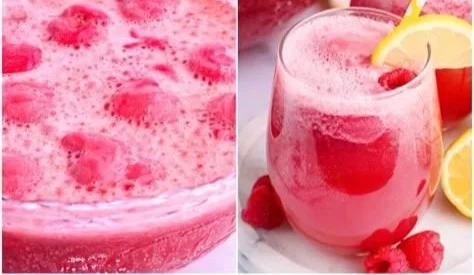
With just a few ingredients you can make the perfect Baby Shower Punch (or Bridal Shower Punch) … | Baby shower punch, Baby shower drinks, Baby shower punch recipes
The Perfect Baby Shower Punch: Simple, Refreshing, and Memorable
A delightful punch is often the centerpiece of a baby or bridal shower — it’s festive, easy to make in large batches, and suits guests of all ages. With just a few ingredients you can create a drink that’s colorful, flavorful, and customizable to match the theme of your event. While you plan the menu and schedule, it can help to sort out logistics too, for example by reading practical guidance on bringing a baby to university if relatives are juggling school and family commitments.
This guide gives a versatile base recipe, quick variations, and presentation tips so your punch is as pretty as it is tasty.
Why punch works for showers
- Serves many people with minimal fuss.
- Easy to make ahead and chill.
- Adapts to dietary needs (non-alcoholic, low-sugar, or spiked for adults).
- Looks lovely in a trifle bowl or clear beverage dispenser, allowing you to coordinate colors with decorations.
Basic Baby Shower Punch (makes ~12–16 cups)
Ingredients:
- 2 quarts (8 cups) lemon-lime soda or ginger ale, chilled
- 1 quart (4 cups) pineapple juice, chilled
- 1 quart (4 cups) pink or white fruit punch (or cranberry juice for pink)
- 2 cups orange juice, chilled
- Fresh fruit for garnish: sliced strawberries, pineapple chunks, orange slices, and/or raspberries
- Ice block or large ice ring (optional, to avoid dilution)
Method:
- In a large punch bowl or beverage dispenser, combine pineapple juice, fruit punch (or cranberry), and orange juice. Stir gently.
- Add the chilled lemon-lime soda or ginger ale just before serving so the fizz remains.
- Float sliced fruit on top and add an ice block to keep the punch cold without watering it down.
- For a sparkling look, add whole cranberries or edible flowers freeze-framed in the ice ring.
Notes:
- To make it less sweet, swap half the lemon-lime soda for sparkling water.
- For a creamier, "lavender" or "pink" presentation, stir in a can of frozen lemonade concentrate thawed and whisked with water before adding soda.
Non-alcoholic and adult versions
- Non-alcoholic: Use the recipe as written. Consider a decanter of vodka, rum, or flavored liqueur on the side for guests who want a tipple.
- Spiked punch: Add 2–3 cups of light rum, vodka, or champagne for a boozy batch. Add alcohol slowly and taste to reach the desired strength.
- Mocktail option: Make a concentrated virgin mix (without soda) and let guests add sparkling water or ginger ale to taste.
Variations to match your shower
- Blue or pink theme: Use blue sports drink (diluted) or blue raspberry punch for a "boy" theme; cranberry or pink lemonade for a "girl" theme.
- Tropical twist: Replace orange juice with mango nectar and garnish with toasted coconut.
- Citrus-forward: Use grapefruit juice and a lemon-lime soda for a tangy profile.
- Herbal note: Muddle a few sprigs of fresh mint or basil into the juice base for a refreshing lift.
If you want inspiration for coordinating the drink with decor, check themed ideas such as popular baby girl baby shower themes to match colors and garnishes.
Make-ahead and serving tips
- Make the juice base 24 hours in advance and refrigerate. Add fizzy soda and ice just before guests arrive.
- Prepare a fruit garnish tray so the punch bowl stays neat when people ladle servings.
- Use a labeled dispenser if you offer more than one punch (e.g., “Baby Punch — Non-alcoholic” and “Adult Punch — Spiked”).
Presentation ideas
- Serve in a clear glass bowl or dispenser so the colors and fruit show through.
- Use themed paper straws and cute signage to indicate flavors and whether the punch is alcoholic.
- Freeze edible flowers or fruit into ice molds as floating decorations that won’t dilute the punch quickly.
Troubleshooting common issues
- Too sweet: Cut back on soda or use diet sparkling water; increase citrus juice for balance.
- Too flat: Add fizzy soda right before serving and avoid storing punch with soda in it for long.
- Fruit sinking or brown: Slice fruit close to serving time; coat apple or pear slices with a little lemon juice to prevent browning.
Conclusion
For a quick start, try a pink-and-blue approach that lets you craft gender-themed options like the helpful pink and blue punch recipes found at Pink and blue punch recipes. If you prefer a classic, crowd-pleasing formula, consider the approachable family-style recipe featured by The Country Cook’s baby shower punch for more ideas and measurements.
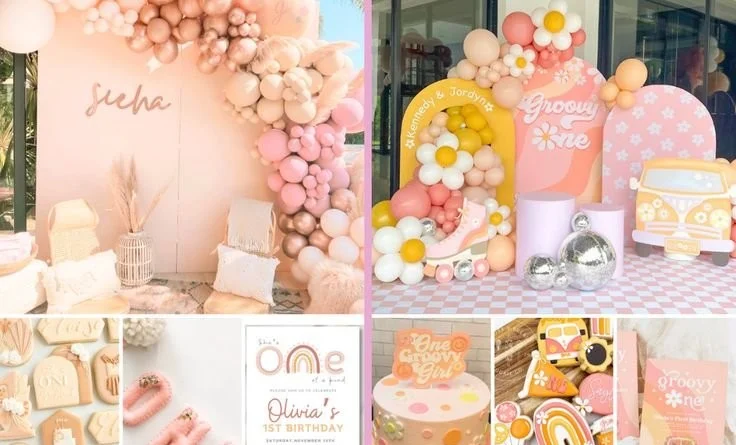
37+ Unique Girl First Birthday Party Theme Ideas 2025 – 1st Birthday Inspo
37+ Unique Girl First Birthday Party Theme Ideas for 2025 — 1st Birthday Inspo
Planning a girl’s first birthday should be joyful, simple, and memorable. Below you’ll find more than 37 fresh, flexible themes that work whether you want an intimate family gathering or a big celebration. If you’d like themed ideas specifically focused on girl-centered looks and color palettes, check this helpful collection of baby girl first birthday themes to spark your creativity.
Each theme includes a short description and a few quick styling tips so you can visualize the vibe and execute without stress.
Quick planning tips before you choose a theme
- Pick a color palette first (2–3 main colors) to unify decorations, cake, and outfits.
- Focus on one or two statement items (backdrop, cake, and outfit) and keep other elements simple.
- Choose foods and activities suitable for infants and toddlers — soft finger foods, a sensory play area, and short photo ops work best.
- Keep party length to 1–2 hours around nap schedules.
40 Unique Theme Ideas (with styling and activity ideas)
- Floral Picnic — Wildflower bunting, gingham blankets, and floral crowns for photos.
- Vintage Tea Party — Mini teacups, lace table runners, and soft pastels.
- Little Farmer — Hay bales, wooden crates, and farm-animal cupcakes.
- Sunflower Sunshine — Sunflower backdrop, yellow balloons, and sun-shaped cookies.
- Rainbow + Clouds — Soft rainbow streamer wall and cloud pillows for baby photos.
- Woodland Friends — Mossy accents, plush foxes and deer, and natural wood signage.
- Butterfly Garden — Butterfly mobiles and flower-shaped snacks.
- Ballerina Bash — Tulle tutus, ballet slipper cookies, and a mini dance area.
- Mermaid Cove — Aqua palette, seashell cake toppers, and blue ombré decorations.
- Little Astronaut — Star garlands, moon-shaped sugar cookies, and a rocket smash cake.
- Boho Teepee — Neutral colors, macramé details, and small teepees for cozy photos.
- Vintage Circus — Soft stripes, plush animals, and ticket-style invites.
- Princess Storybook — Crown cookies, storybook corner, and castle backdrop.
- Pastel Balloons Party — Giant balloon garland and pastel confetti cake.
- Teddy Bear Tea — Stuffed bear guests, honey-themed snacks, and plaid accents.
- Under the Sea — Blue fringe, sea creature cutouts, and sand-free sensory tubs.
- Little Gardener — Potted-succulent favors, watering cans, and soil-safe sensory play.
- Ice Cream Social — Cone-shaped party hats, a topping bar, and pastel swirls.
- Lemonade Stand — Lemon garlands, refreshing drinks for adults, and citrus decor.
- Storybook Characters — Favorite picture-book props and a reading nook.
- Rainbow Unicorn — Sparkle accents, unicorn cake, and pastel tulle.
- Vintage Carousel — Soft stripes, painted horses, and elegant bunting.
- Cloud Nine — White and silver palette, cloud pillows, and soft lighting.
- Farmer’s Market — Wooden crates, faux produce displays, and gingham tablecloths.
- Little Rockstar — Mini stage, kid-safe instruments, and star decals.
- Nautical Sailor — Navy, red, anchors, and sailor hats for photo ops.
- Garden Tea with Butterflies — Floral tea set, butterfly cookies, and gentle background music.
- Fairy Tea Party — Tiny wands, twinkling lights, and mossy table decor.
- Cozy Woodland Tea — Earth tones, pinecone favors, and warm lighting.
- Pastel Pajama Party — Soft pillows, nap-ready corner, and comfy attire for little guests.
- Balloon Safari — Animal-shaped balloons and jungle-print accents.
- Pasta & Paint — Mess-friendly art area for older siblings, with easy-to-clean surfaces.
- Little Aviator — Vintage airplane props, cloud bunting, and pilot caps for photos.
- Rainbow Picnic — Color-by-color food stations and rainbow fruit skewers.
- Sweet Shoppe — Candy jars, pastel signage, and bakery-style display.
- Hometown Hero — Local sports team colors and simple banners for a small, casual celebration.
- Gold & White Glam — Metallic touches, clean lines, and elegant cake topper.
- Moon & Stars Pajama Bash — Star projectors, sleepy-time story corner, and cozy blankets.
- Petite Painter — Washable paints, paper rolls, and art smocks for toddlers.
- Travel-Themed “One-derlust” — Little suitcases, map backdrop, and globe-shaped cake pops.
How to adapt a theme for small budgets
- DIY most backdrops with crepe paper, fabric, or a painted sheet.
- Borrow props from friends or use household items (plush toys, baskets, small chairs).
- Swap custom favors for edible or practical items like mini bubbles, snack packs, or board books.
- Focus spending on photography and one standout element (cake or outfit) while keeping decor simple.
Food, cake & favors ideas
- Smash cake: Small single-tier cake or cupcake tower for baby to explore.
- Finger foods: Banana slices, mini pancakes, soft cheese, and steamed veggie sticks.
- Drinks: Infused waters for adults and formula/breastmilk-friendly areas for baby.
- Favors: Board books, bubbles, small plushies, or seed packets labeled “watch me grow.”
Activity and timeline suggestions
- 0:00–0:15 — Arrival and low-key play area open for exploration.
- 0:15–0:45 — Short group activity: bubbles, parachute, or storytime.
- 0:45–1:00 — Cake + photos (time this around baby’s usual awake window).
- 1:00–1:30 — Free play, goodbyes, and distribute favors.
If you want complementary ideas that lean toward boy-centered themes or different layouts for small get-togethers, this roundup of unique first birthday party ideas for boys has useful crossover inspiration you can adapt.
Conclusion
Ready to finalize the menu or add a snack station that doubles as decor? For cute, bite-sized food ideas that work well at parties and showers, consider these baby shower food ideas to delight guests. And if you’re thinking about creative extras or date-night follow-ups after the party, these first date ideas offer playful inspiration for grown-up plans.
Good luck planning — keep it simple, pick one standout element, and enjoy the milestones!
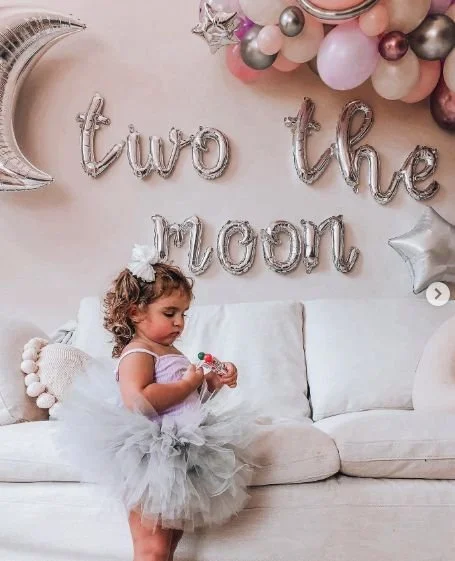
26 Adorable 2nd Birthday Party Ideas For Girls
26 Adorable 2nd Birthday Party Ideas for Girls
Turning two is a joyful milestone — curiosity, toddling steps, and big personalities make for a party that’s both fun and full of photos. Below are 26 adorable, age-appropriate themes and activity ideas with tips to simplify planning and make the day memorable. If you want inspiration that works across ages or for siblings, take a look at these unique first birthday party ideas for boys for crossover décor and activity ideas you can adapt.
Ballet Tea Party
- Soft pinks, tulle table skirts, tiny tea sets and an easy toddler-friendly ballet session with ribbon wands.
Little Princess Luncheon
- Crowns to decorate, a short storytime with a royal picture book, and cupcakes topped with edible pearls.
Unicorn Sparkle Party
- Pastel rainbow backdrop, a sensory glitter station (glitter-free craft glitter or sequins in trays), and unicorn horn party hats.
Rainbow Playdate
- Color stations with matching snacks and sensory bins in each hue for easy, supervised activity rotation.
Garden Fairy Picnic
- Flower garlands, a small crafting table for wand-making, and biodegradable confetti for outdoor photos.
Woodland Friends
- Plush forest animals, leaf-print banners, and a simple scavenger hunt for big-picture discovery.
Mermaid Splash (pool or wading option)
- Shimmery streamers, shell cookies, and water-safe toys for supervised splashing.
Teddy Bear Tea
- Invite kids to bring a favorite stuffed friend, set up a picnic blanket and gentle storytime.
Minnie Mouse Bow Bash
- Big polka dots, bow-making station, and a short sing-along playlist.
Peppa Pig Play Party
- Puddle-jumping photo backdrop (fake mud puddles using brown fabric), themed snacks, and a Peppa storytime.
Donut Decorating Party
- Pre-baked mini donuts, frosting bowls, and sprinkles — let tiny hands go wild with help.
Soft Animal Petting Day
- Partner with a local mobile petting zoo for gentle animals suitable for toddlers.
Bubble Bonanza
- Giant bubble wands, bubble machines, and a bubble painting station using diluted paint in shallow trays.
Sensory Play Festival
- Lanes of tactile bins: rice, beans, water beads, and foam — rotate kids to manage the crowd.
Music & Movement Class
- Shakers, scarves, and a short instructor-led dance to keep wiggles joyful and controlled.
Cookie Decorating Workshop
- Pre-baked simple shapes, toddler-safe icing, and large fondant shapes for easy decorating.
Storybook Character Party
- Choose a favorite picture book, invite guests to dress as characters, and host a dramatized reading.
Vintage Circus (soft version)
- Striped tent photo area, harmless juggling scarves, and a clown-free performer for gentle tricks.
Fruit & Picnic Party
- Bright fruit platters, mini sandwiches, and picnic blankets — simple, healthy, and photogenic.
Paint-and-Sip (juice cups for kids)
- Big paper murals on the ground and washable paints so toddlers can collaborate on one giant artwork.
Ladybug Garden Theme
- Red-and-black décor, ladybug cookie decorating, and a short nature walk (if outdoors).
Butterfly Release (paper butterflies or pinwheel alternative)
- Craft butterfly wings and send them on the wind with pinwheels — avoid live-release concerns.
Space Toddler Trek
- Soft planet balloons, foam rocket crafts, and glow-in-the-dark stickers for sensory night-time fun.
Pajama & Storytime Party
- Cozy pillows, a gentle puppet show, and a bedtime-themed cake for late afternoon winding down.
DIY Photo Booth & Keepsakes
- Simple backdrop, oversized props, and a station where parents can take prints or digital photos.
Mini Carnival with Age-Appropriate Games
- Bean bags, large-ring toss, a simple ball drop — prizes are stickers or bubbles.
Party-planning quick tips:
- Keep the guest list small and the party short (1.5–2 hours) to match toddler attention spans.
- Offer drop-off options to avoid overstimulation for very young guests.
- Label foods clearly for common allergens and provide easy-eat finger foods.
- Hire a photographer for the first 30–45 minutes if you want candid, hands-free shots.
For ideas on how to scale themes as your child grows and to plan bigger milestone celebrations, consider exploring these 10th birthday party ideas to borrow clever activities and upgrades for future years.
Conclusion
To add a cute outfit to the celebration, consider a fun slogan tee like the Just Simply Mom Its My Birthday Shirt Girls 2 that photographs beautifully with cake-smash moments. If you want a simple, festive decoration that fills a room, an oversized foil option such as the 26-inch Mylar Forever Second Birthday Party Decor balloon makes a striking statement with minimal effort.
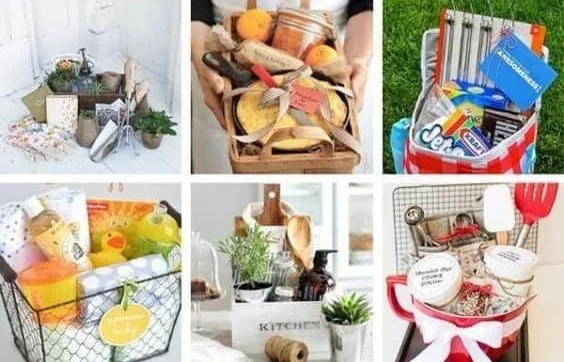
Gift Basket Ideas {How to Make a Gift Basket They’ll Love}
Gift Basket Ideas {How to Make a Gift Basket They’ll Love}
Giving a gift basket is a thoughtful way to celebrate birthdays, holidays, milestones, or just to say “I’m thinking of you.” Whether you’re crafting one for a friend, a coworker, or an event raffle, the secret is thoughtful curation and presentation. If you’re unsure about when a basket is appropriate, our etiquette guide on bringing a gift to a gender reveal party can help you decide when to give one.
Below are practical ideas, step-by-step assembly tips, and personalization tricks to help you build a basket that will be remembered long after the wrapping comes off.
Pick a Theme First
A clear theme makes shopping and assembling easier. Consider:
- Relaxation: scented candle, herbal teas, bath salts, cozy socks.
- Movie night: popcorn, chewy candy, a cozy throw, a streaming gift card.
- Coffee lover: gourmet beans, flavored syrups, biscotti, a sturdy mug.
- Local favorites: artisanal jam, locally roasted coffee, handmade soap.
- New parent or baby: soft blanket, board book, gentle lotion.
If you’re making baskets for an event, like a charity or community sale, look into gift basket ideas for raffles to match audience tastes and maximize appeal.
Choose the Right Container
Containers set the tone and can be part of the gift:
- Wicker or wooden baskets for a classic look.
- Reusable tote bags or decorative storage boxes for practicality.
- Mason jars for single-themed mini gifts (e.g., cookie mix in layers).
- Decorative trays for an elegant, flat arrangement.
Match the container size to the items: don’t overcrowd, but avoid leaving too much empty space.
Select Items with Balance
Aim for a mix of:
- One or two “wow” items (e.g., specialty chocolate, artisanal bottle).
- Several mid-range items (snacks, self-care products).
- A few small fillers (tea bags, hand lotion, sachets).
Consider dietary restrictions, allergies, and preferences. When in doubt, neutral but high-quality items like gourmet crackers, honey, or a curated spice blend are safe bets.
Assembly: Steps That Look Professional
Follow these steps for a clean, attractive result:
- Line the basket with tissue paper, shredded paper, or a cloth napkin to add color and cushion.
- Place the tallest or largest items at the back or center as anchors.
- Arrange medium items around them, angling products for visibility.
- Fill gaps with smaller items and decorative fillers to create fullness.
- Secure delicate items with clear tape if needed to prevent shifting.
- Wrap in cello or leave open as appropriate for your recipient.
- Finish with a ribbon and a handwritten tag.
If you prefer a simple seven-step visual guide, there are great tutorials that break the process down into easy-to-follow actions.
Personalization Makes It Memorable
Add a personal touch:
- A custom note explaining why you chose each item.
- Include a small photo, a favorite recipe, or a themed playlist QR code.
- Choose colors and scents you know the recipient likes.
- For corporate gifts, add a subtle branded item like a notepad or pen.
These small details show attention and thoughtfulness.
Budgeting and Sourcing
- Thrift weekly deals and buy in bulk where appropriate.
- Mix splurge items with economical fillers to hit your target budget.
- Local artisans and farmers markets often provide unique, meaningful goods.
- Reuse attractive containers from previous gifts to save money and resources.
Mistakes to Avoid
- Don’t overpack: items should be visible and accessible.
- Avoid perishable food without refrigerated transport unless consumed quickly.
- Don’t mix strongly conflicting scents (e.g., heavy perfume with delicate chocolate).
- Steer clear of items that might be culturally insensitive or overly personal unless you know the recipient well.
Presentation Tips
- Use a cohesive color palette for wrapping and fillers.
- Handwritten tags feel warmer than printed labels.
- Consider a themed backdrop (tissue, shredded paper) to reinforce the theme.
- If shipping, secure fragile items and include tracking or insurance.
Quick Gift-Basket Ideas by Occasion
- Get well soon: herbal teas, soup mix, cozy socks, puzzle book, lip balm.
- Housewarming: olive oil, decorative towels, small plant, wooden spoon.
- Thank you: artisanal chocolate, a scented candle, note card, specialty coffee.
- Graduation: inspirational book, gourmet snacks, gift card, portable charger.
Conclusion
For seasonal inspiration and DIY Valentine’s ideas, check out this guide to DIY Valentine’s Day gift ideas that adapt well to themed baskets. If you’d like a concise, step-by-step tutorial on assembly, this resource on how to make a gift basket in seven easy steps offers clear visuals and practical tips.
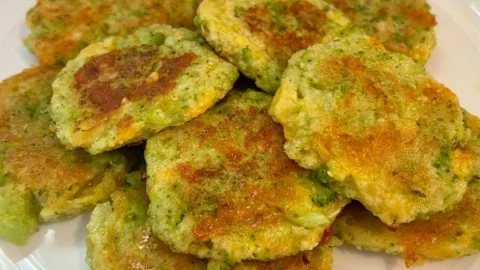
Broccoli Cheddar Fritters
Broccoli Cheddar Fritters
Crisp on the outside and tender on the inside, broccoli cheddar fritters are a delightful way to turn simple ingredients into a crowd-pleasing snack, appetizer, or light meal. They combine the bright, earthy flavor of broccoli with the comforting richness of cheddar, bound together with a batter that fries to golden perfection. Below is an approachable, flexible recipe plus tips and variations to make these fritters your own.
Why these fritters work
- Broccoli provides texture and nutrition while grated cheddar adds melt and savory depth.
- A light binder (egg and a small amount of flour or breadcrumbs) holds everything together without becoming heavy.
- Shallow-frying or pan-frying gives a crisp exterior and a tender interior; for a lighter option, they can be baked or air-fried.
Ingredients (makes about 12–16 fritters)
- 3 cups broccoli florets (about 1 medium head), finely chopped or pulsed in a food processor
- 1 cup sharp cheddar cheese, grated
- 2 large eggs
- 1/3–1/2 cup all-purpose flour or panko breadcrumbs (see notes)
- 1 small shallot or 1/4 small onion, finely minced
- 1 clove garlic, minced (optional)
- 1/2 teaspoon salt
- 1/4 teaspoon black pepper
- 1/4 teaspoon smoked paprika or cayenne (optional, for warmth)
- 2–3 tablespoons fresh parsley or chives, chopped
- 2–3 tablespoons olive oil or neutral oil for frying
Optional add-ins: cooked corn kernels, diced ham or bacon, a spoonful of Dijon mustard, or a splash of lemon juice for brightness.
Method
- Prepare the broccoli: Steam or blanch the broccoli florets for 2–3 minutes until just tender, then shock in cold water and drain well. Alternatively, use raw broccoli finely pulsed in a food processor—if using raw, squeeze out excess moisture with a clean kitchen towel.
- In a large bowl, combine the drained broccoli, grated cheddar, minced shallot and garlic, eggs, salt, pepper, paprika, and herbs. Stir to combine.
- Add flour or breadcrumbs a little at a time until the mixture holds together when pressed. The mixture should be moist but not runny.
- Heat a skillet over medium heat and add 1–2 tablespoons of oil. Scoop about 2 tablespoons of the mixture per fritter and shape into patties.
- Fry the fritters in batches, 3–4 minutes per side, until golden brown and cooked through. Adjust heat as needed to avoid burning.
- Transfer cooked fritters to a paper towel-lined plate to drain briefly. Serve warm.
Baking/air-fryer option: Spray the fritters lightly with oil and bake at 400°F (200°C) for 12–15 minutes, flipping once, or air-fry at 375°F (190°C) for 8–10 minutes, until crisp and golden.
Serving suggestions
- Serve as an appetizer with tangy yogurt-dill sauce, ranch, or a spicy sriracha mayo.
- Make a sandwich or slider with whole-grain buns, lettuce, and tomato.
- Pair with a simple salad and roasted vegetables for a satisfying vegetarian meal.
Tips for success
- Remove as much moisture as possible from the broccoli to prevent soggy fritters.
- Use a sharp cheddar for better flavor; a mix of cheddar and mozzarella gives extra melt.
- Keep a low-to-medium heat when frying so the exterior crisps without overcooking the interior.
- If the batter seems loose, chill it for 10 minutes to firm up before shaping.
Variations
- Gluten-free: substitute a gluten-free flour blend or almond flour and use gluten-free breadcrumbs.
- Vegan: use a flax or chickpea egg substitute and vegan cheese; bind with a bit more flour or mashed chickpeas.
- Mediterranean: add crumbled feta, chopped olives, and oregano for a tangy twist.
- Spicy: fold in finely chopped jalapeños or a dash of hot sauce.
Nutrition (approximate per fritter)
Calories: 80–110 | Protein: 4–6 g | Fat: 6–8 g | Carbs: 4–8 g
(Values vary by ingredients and cooking method.)
Frequently asked questions
- Can I freeze these fritters? Yes — flash-freeze on a tray, then transfer to a bag. Reheat in the oven or air-fryer until crisp.
- How do I prevent them from falling apart? Make sure the broccoli mixture is well-drained and the binder proportion (eggs + flour) is adequate. Chill the mixture if it’s too soft.
- Can I make them ahead? Prepare the mixture and refrigerate for up to 24 hours; fry just before serving.
Conclusion
If you want a reliable, tasty recipe that highlights broccoli in a fun way, these fritters are an excellent place to start — and you can adapt them to suit dietary needs or flavor preferences. For additional inspiration and variations, see a tested version from The Healthy Maven’s Broccoli Cheddar Fritters (easy + delicious) and another take from Cozy Peach Kitchen’s Broccoli Cheddar Fritters.
42 Sweet Spring First Birthday Party Themes and Ideas
42 Sweet Spring First Birthday Party Themes and Ideas
Spring is the perfect season to celebrate a first birthday: fresh blooms, soft pastels, and gentle weather make outdoor and indoor parties equally delightful. Whether you want a tiny, intimate gathering or a boldly themed bash, this list of 42 spring-first-birthday themes offers plenty of inspiration — and practical tips later in the article to help you plan. If you’re planning for a little guy, see unique first birthday ideas for boys for more tailored inspiration.
Below are 42 spring-inspired themes with a brief idea of how to bring each to life.
- Garden Tea Party — Mini teacups, floral tablecloth, soft finger sandwiches.
- Bunny Hop — Bunny ears for guests, carrot cake pops, soft pastel balloons.
- Daffodil Delight — Yellow decor, daffodil centerpieces, daisy-shaped cookies.
- Butterfly Kisses — Butterfly garlands, wings photo-op, nectar (juice) station.
- Little Lamb Farm — Sheep plushies, hay-bale seating, soft neutral palette.
- Baby Bird’s First Nest — Nest cupcakes, feather accents, birdseed favors.
- Rainy Day Puddle Jumpers — Cute rain boots, umbrella backdrop, puddle sensory tub.
- Cherry Blossom Picnic — Pink blossoms, picnic blankets, sakura cookies.
- Sweet Pea Garden — Pea pod favors, pea-themed cake, green pastels.
- Sunshine & Smiles — Sunny yellow banners, sun-shaped cookies, sunglasses for guests.
- Teddy Bear Tea — Stuffed teddy invite, honey-themed treats, a cozy story corner.
- Little Farmer — Barn backdrop, animal masks, mini petting area (if possible).
- Floral Wreath Party — Wreath-making station, floral crowns, botanical invitations.
- Bumblebee Bash — Black and yellow decor, honey jars, bee-shaped snacks.
- Picnic in the Park — Portable blankets, simple finger foods, lawn games for older kids.
- Storybook Spring — Favorite picture book characters, reading nook, themed cake.
- Woodland Friends — Foxes, owls, woodland cake with pinecone accents.
- Rainbow Garden — Bright stripes, rainbow fruit skewers, colorful balloons.
- Baby Birdies — Paper bird crafts, nest cake, pastel blues and yellows.
- Ladybug Luncheon — Red-and-black spots, ladybug cupcakes, polka-dot tableware.
- Mint & Macarons — Elegant pastels, macaron tower, minimalist décor.
- Floral Carousel — Vintage carousel decor, pastel horses, twirly skirts.
- Little Gardener — Planting station, mini watering cans, seed packet favors.
- Daisy Chain Delight — Daisy garlands, simple daisy cake, natural linens.
- Flutter & Float — Hot-air balloon motifs, pastel clouds, floating decor.
- Baby’s First Farmer’s Market — Fresh fruit display, rustic crates, gingham.
- Piccolo Picnic — Italian-inspired picnic with child-friendly antipasti and lemon treats.
- Pastel Planets — Soft-planet mobiles, star-shaped cookies, dreamy pastels.
- Springtime Circus — Gentle circus colors, soft-serve station, toddler-safe games.
- Lemonade Stand — Fresh lemonade bar, citrus desserts, yellow gingham.
- Bluebell Bash — Bluebell accents, soft-lavender palette, flower crowns.
- Little Mermaid Cove — Ocean pastels, seashell cake toppers, sensory sand box.
- Sunflower Surprise — Tall sunflowers, rustic decor, sunflower seed favors.
- Mint & Meadow — Green palette, meadow florals, natural wood accents.
- Sweet Strawberries — Strawberry shortcake, berry-themed decor, red gingham.
- Cloud Nine — Soft clouds, white balloons, nap-friendly cozy area.
- Baby Chef — Mini aprons, cookie decorating station, chef hat photos.
- Carousel of Colors — Color-wheel decor, rainbow cake, playful music.
- Little Explorer — Vintage maps, safari plushies, nature scavenger hunt.
- Pastel Picnic Tea — Soft china, floral cakes, lace accents.
- Wildflower Wander — Mixed wildflower bouquets, mason-jar vases, boho vibes.
- First Bloom Bash — A celebration of firsts with a “bloom” photo wall and keepsake guestbook.
Planning tips and simple how-tos
- Invitations: Keep the design tied to your theme and include a short schedule (cake time, photos) so other parents can plan.
- Decorations: Stick to 2–3 main colors and use natural elements (flowers, wood, kraft paper) to keep décor cohesive.
- Menu: Baby-friendly foods (soft fruit, small sandwiches, yogurt pouches) plus adult options make everyone happy.
- Cake vs. Smash Cake: Offer a small smash cake for the birthday child and a larger cake or cupcakes for guests.
- Activities: Sensory bins, soft-block play areas, and short storytime sessions work best for 1-year-olds. For ideas geared to older sibling-friendly activities, you might also find fun 10th birthday party ideas useful to adapt games and crafts for a mixed-age crowd.
- Photos & Keepsakes: Set up a simple photo backdrop and have a printable prop set. Ask guests to write a one-line wish in a memory book.
- Time & Duration: Keep the party to 1.5–2 hours — long enough for cake and photos, short enough to avoid overstimulation.
- Safety: Avoid small choking hazards, ensure shaded areas for outdoor parties, and have hand sanitizer available.
- Budgeting: Prioritize big-impact items (backdrop, cake, photos) and DIY smaller details like favors and simple centerpieces.
Decor and favor ideas that don’t break the bank
- Tissue-paper pom poms and crepe-paper garlands provide color without expense.
- DIY seed-packet favors are thematic and practical — guests can plant wildflowers after the party.
- Printable signage and matching food labels unify your theme with minimal cost.
- Use natural elements like branches, potted herbs, or seasonal flowers to create centerpieces.
Activities tailored to one-year-olds
- Bubble stations: gentle bubble machines or guided bubble play.
- Sensory mats: soft textures, baby-safe mirrors, and crinkly toys.
- Story nook: a comfy corner with board books and stuffed animals.
- Short group sing-along: classics and action songs encourage smiles and engagement.
Photographing the day
- Capture the tiny details: first birthday outfit, cake decorations, little hands exploring textures.
- Consider a friend or hired photographer for 30–45 minutes to get family portraits and the cake-moment.
- Use natural daylight near windows or outdoors for the best photos.
Checklist to finish planning (2–4 weeks out)
- Finalize guest list and send invitations.
- Order or bake the cake and plan the smash cake.
- Confirm rentals (tables, high chair banner, any outdoor equipment).
- Prepare activity stations and delegate a helper for each.
- Compile a small first-aid kit and a quiet area for nap-time or feeding.
Conclusion
For a charming finishing touch to a bunny-themed or pastel spring party, consider a cute bunny high chair banner like this bunny high chair banner to make cake photos extra sweet. If you choose a floral or daisy motif, these wild flower daisy decorations are a lovely option for table decor and photo backdrops.