
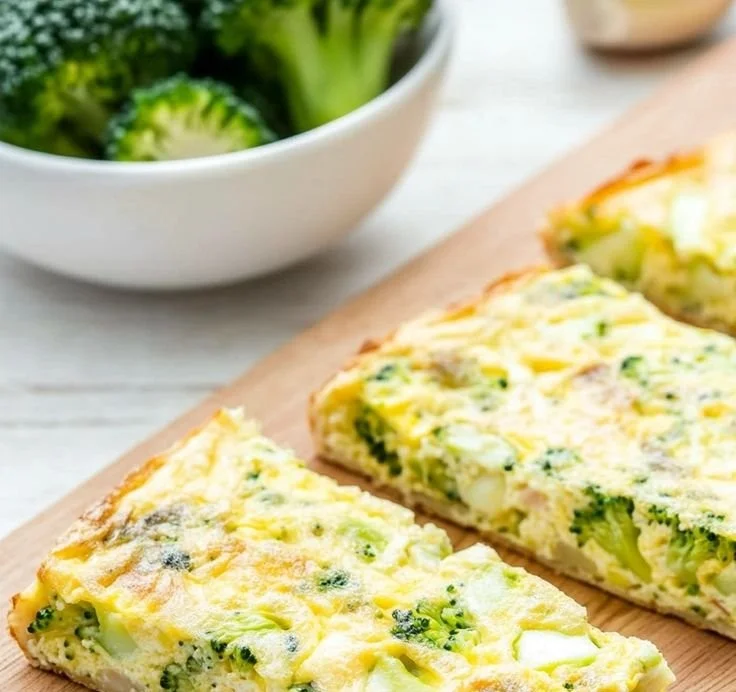
Delicious Frittata for Babies
Delicious Frittata for Babies
A frittata is a wonderful way to introduce eggs, vegetables, and mild cheeses to your baby’s diet. Gentle on tiny palates and easy to pick up for self-feeding, a well-made frittata can become a staple in your baby’s menu rotation. For a creamy accompaniment on the side, consider a soft, mashed option like an avocado egg salad for babies to boost healthy fats and flavor.
Why frittatas are great for babies
- Nutrient-dense: Eggs provide high-quality protein, choline, and vitamin D, while added veggies contribute fiber, vitamins, and minerals.
- Textural variety: Baked frittatas can be cut into fingers that are easy for little hands to grasp, making them excellent for baby-led weaning (BLW).
- Versatile: You can change vegetables, cheeses, and herbs based on what your baby tolerates and enjoys.
Baby-friendly frittata recipe (simple base)
Ingredients:
- 3 large eggs
- 1/4 cup milk or breastmilk/formula
- 1/4 cup finely grated mild cheese (cheddar or mozzarella)
- 1/2 cup cooked, finely chopped vegetables (e.g., spinach, sweet potato, zucchini)
- 1 tsp olive oil or a small knob of butter
- Pinch of mild seasoning (optional; avoid added salt for under 1 year)
Instructions:
- Preheat the oven to 350°F (175°C) and lightly grease a small baking dish or muffin tin.
- Whisk eggs and milk until combined, then stir in cheese and vegetables.
- Pour mixture into the prepared dish and bake 15–20 minutes for a small dish, or 12–15 minutes for muffin cups, until set and lightly golden.
- Cool completely before slicing into finger-sized portions suitable for your baby.
Tip: For younger babies or those still getting used to solids, cut into small cubes; for BLW, make thicker strips that are easy to hold.
Vegetable and flavor ideas
- Mild greens: finely chopped spinach or kale (lightly sautéed).
- Colorful veggies: sweet potato, carrot, peas, or red pepper (roasted and finely diced).
- Cheese: small amounts of mild cheddar, ricotta, or cottage cheese for creaminess.
- Herbs: tiny flecks of parsley or chives for gentle flavor—avoid strong spices for infants.
If you plan to pair the frittata with fruit, choose soft, appropriately prepared options and always supervise—learn more about serving fresh fruits safely, such as cherries for babies, which need pitting and careful preparation.
Safety and allergy notes
- Eggs are a common allergen. Introduce them at home when you can observe for reactions, and consult your pediatrician if there’s a family history of allergies.
- Avoid added salt and limit processed cheeses to reduce sodium.
- Ensure pieces are an appropriate size and texture to prevent choking; always supervise your baby while eating.
Make-ahead and storage
Frittatas freeze well. Cut into portions and store in an airtight container for up to 2 months. Reheat gently and check temperature before serving. Use refrigerated frittata within 2–3 days.
Serving suggestions
- Serve warm or at room temperature alongside soft cooked vegetables or mashed fruit.
- For older infants practicing self-feeding, serve longer finger strips. For spoon-fed babies, mash a portion with a little breastmilk, formula, or full-fat yogurt.
Conclusion
For a cheesy vegetable option that’s easy to mold into baby-friendly fingers, the Broccoli & Cheese Frittata Fingers recipe offers a straightforward template with familiar flavors. If you want a high-iron variation with bold color, try the Kale Frittata with Red Pepper (High Iron BLW Recipe) for ideas on incorporating iron-rich greens into a baby-safe frittata.
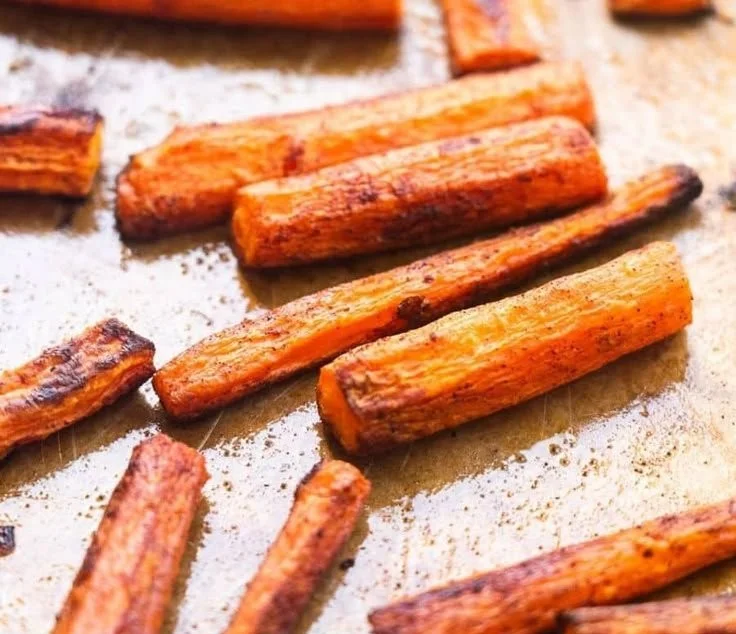
Cinnamon Carrot Fries for Baby
Cinnamon Carrot Fries for Baby
Introduction
Introduce your little one to a naturally sweet, soft, and easy-to-hold snack with cinnamon carrot fries. These baked carrot sticks are perfect for early finger-feeding and pair well with many complementary baby foods; for more ideas on age-appropriate dishes see baby food recipes for 6–8 months. This recipe focuses on simple ingredients, gentle spices, and safe cooking methods for babies starting solids.
Why carrots and cinnamon work for babies
- Carrots are rich in beta-carotene (Vitamin A) and provide a pleasant natural sweetness that many babies enjoy.
- Cinnamon adds a warm flavor without sugar; a tiny amount helps broaden taste exposure without overwhelming sensitive palates.
- The fry shape is ideal for practicing pincer grasp and encouraging self-feeding under supervision.
Ingredients (yields about 12–16 fries)
- 3 medium carrots, peeled
- 1 teaspoon olive oil (or avocado oil)
- A light pinch of ground cinnamon (about 1/8 teaspoon)
- Optional for older babies (9+ months): a tiny pinch of ground nutmeg or a drizzle of unsweetened applesauce for dipping
Equipment
- Baking sheet
- Parchment paper or silicone mat
- Oven or air fryer
- Sharp knife or vegetable peeler and a mandoline (for uniform sticks)
Step-by-step instructions
- Preheat oven to 400°F (205°C) and line a baking sheet with parchment paper. If using an air fryer, set it to 375°F (190°C).
- Cut carrots into 3–4 inch sticks about 1/2 inch thick so they hold together but soften well when baked. Smaller babies may prefer slightly thicker sticks to avoid breaking.
- Toss the carrot sticks with olive oil and sprinkle evenly with the tiny pinch of ground cinnamon. Make sure the cinnamon is well-distributed but not clumpy.
- Arrange the carrots in a single layer on the baking sheet so they roast evenly.
- Bake for 15–20 minutes, turning once halfway through. The fries should be tender enough to mash with gentle pressure from a fork but still hold shape for grasping.
- Let cool to a safe temperature before serving. For the air fryer, cook 10–15 minutes and check frequently.
Texture and safety notes
- Test the center of a fry by pressing with a fork; it should give easily but not be completely mushy.
- Always supervise babies while they eat to prevent choking. For younger babies (6–8 months), you can serve slightly softer fries and monitor swallowing.
- Avoid adding salt or sweeteners. Cinnamon is used sparingly to introduce flavor.
Serving ideas and variations
- For a simple dip, pair the fries with plain full-fat yogurt or unsweetened applesauce.
- Mix in a little pureed roasted sweet potato for a different color and flavor.
- For themed gatherings, these fries make a healthy finger-food option—see related baby shower food ideas for a girl for inspiration on serving small bites at events.
- For older toddlers, roast with a light sprinkle of grated Parmesan (only if sodium is appropriate for your child) or a smear of hummus as a protein-rich dip.
Storage and reheating
- Refrigerate cooled carrot fries in an airtight container for up to 3 days.
- Reheat in the oven at 325°F (160°C) for about 5–8 minutes or warm briefly in an air fryer to retain texture. Avoid microwaving if you want to preserve a firmer exterior.
Introducing cinnamon safely
- Start with a very small pinch of cinnamon and watch for any signs of allergy or intolerance.
- Do not use cassia cinnamon in large amounts for infants; the tiny amounts used here are purely for flavor exposure and are considered safe in moderation.
Troubleshooting
- If fries are too hard: bake longer and cut thinner next time; you may also parboil for 3 minutes before roasting for extra softness.
- If fries are too mushy: cut slightly thicker and reduce bake time to keep a firmer texture.
- If cinnamon is too strong: reduce to an even smaller pinch or skip it until the baby is older.
Conclusion
These cinnamon carrot fries are an easy, nutritious, and sensory-friendly first finger food that supports motor skill development and flavor exploration. For a printable version and step-by-step photos, check the original Cinnamon Carrot Fries recipe on Brooklyn Farm Girl, and for a related take on roasted carrots tailored to baby-led weaning, see the guide to Roasted Baby Led Weaning Carrots.

22 Healthy And Attractive Toddler Breakfast Ideas | Baby Journey
22 Healthy and Attractive Toddler Breakfast Ideas
Getting toddlers to eat a nutritious breakfast can feel like a daily challenge, but with color, texture, and variety you can make mornings easier and more fun. Below are 22 balanced, toddler-sized breakfast ideas plus quick tips for prepping, serving safely, and keeping meals appealing. For more general inspiration, you can also browse this helpful collection of baby breakfast ideas.
How to use these ideas
- Aim for a mix of carbohydrates, protein, and healthy fats at each meal.
- Keep portions small and offer seconds if your child is still hungry.
- Cut and prepare foods to be safe for your child’s chewing and swallowing stage.
- Offer water alongside breakfast and save juice for occasional treats.
22 Toddler Breakfast Ideas
- Banana oat pancakes — mashed banana mixed with oats and an egg, lightly pan-fried and cut into fingers.
- Mini frittatas — baked with spinach, bell pepper, and cheese in a muffin tin for handy portions.
- Yogurt parfait — full-fat plain yogurt layered with mashed berries and soft granola or crushed cereal.
- Avocado toast strips — mashed avocado on whole-grain toast, sliced into easy-to-hold sticks.
- Apple-cinnamon quinoa — cooked quinoa warmed with grated apple and a pinch of cinnamon.
- Cottage cheese and pear — small curds with soft pear slices or mashed pear for sweetness.
- Sweet potato hash — finely diced and roasted sweet potato with a little olive oil and mild seasoning.
- Toasted English muffin pizza — half an English muffin with tomato, cheese, and tiny veggie pieces, broiled until melty.
- Fruit and nut butter roll-ups — whole-wheat tortilla spread with almond or peanut butter and thinly sliced banana, rolled and sliced.
- Mini waffles with fruit salsa — whole-grain waffles cut into fun shapes served with a mix of finely chopped berries.
- Scrambled eggs with tiny veggie bits — scramble with grated zucchini or carrot for extra nutrition.
- Oatmeal faces — oatmeal topped with fruit arranged into smiley faces to encourage eating.
- Cottage cheese pancakes — blended cottage cheese and oats for protein-rich pancakes.
- Chickpea flour omelet — savory pancake made from gram flour and finely grated vegetables.
- Baked apple cups — cored apple halves filled with oats, cinnamon, and a dab of butter, baked until soft.
- Smoothie bowl — thicker smoothie spooned into a bowl and topped with soft fruit pieces and chia seeds.
- Ricotta and peach toast — ricotta, lightly sweetened, spread on toast with thin peach slices.
- Mini breakfast burrito — scrambled egg, mashed beans, and cheese in a small tortilla, rolled and sliced.
- Cottage cheese with tomato and cucumber — savory, hydrating, and soft for easy chewing.
- Rice cake with hummus and cucumber — thin layer of hummus and tiny cucumber rounds for crunch.
- Baked oatmeal squares — fruity oat bars baked in a tray and cut into toddler-sized pieces for grab-and-go.
- Soft couscous fruit salad — tiny couscous pearls mixed with yogurt and soft fruit like mango or banana.
Presentation and safety tips
- Serve foods in toddler-sized portions and use small plates to avoid overwhelming them.
- Always supervise eating, especially with finger foods that could be choking hazards; chop, mash, or thinly slice as needed.
- Make textures varied but manageable — pair something chewy with something soft.
- Prep ahead: many items (mini frittatas, baked oatmeal, pancakes) freeze well and reheat quickly.
If you want more breakfasts tailored specifically to toddlers and their preferences, check this roundup of toddler breakfast ideas for additional inspiration and serving ideas.
Conclusion
For baby-led weaning families looking for practical ideas and photographed recipes, consider exploring this collection of Delicious Baby Led Weaning Breakfast Ideas for 11 Month Olds. If you also need creative midday meals that satisfy picky eaters, this helpful list of 58 Toddler Lunch Ideas Even the Pickiest Eaters Will Love – PureWow offers lunch options that pair well with the breakfast ideas above.
First Tomato Pasta Sauce for Babies
Tomato-based pasta sauce is a delicious way to introduce your baby to new flavors while keeping textures soft and nutrients intact. A baby-friendly tomato pasta sauce focuses on mild acidity, smooth texture, and minimal salt and spices. If your baby is exploring new textures, a soft vegetable-based pasta sauce is a great choice, and you may also enjoy this avocado egg salad recipe for babies as another gentle option.
This guide covers a simple recipe, safety tips, variations for different ages, and serving ideas so you can make a first tomato pasta sauce that is nutritious and baby-approved.
Why Tomato Sauce for Babies?
Tomatoes provide vitamins A and C, folate, and some potassium. When cooked and pureed, tomatoes become gentler on a baby’s tummy and easier to combine with other mild ingredients like carrots or sweet potato. The goal of a first sauce is to build positive flavor memories without overwhelming sensitive palates.
Ingredients (yields about 2–3 cups)
- 2 medium ripe tomatoes (or 1 can of no-salt-added crushed tomatoes for convenience)
- 1 small carrot or 1/4 cup cooked sweet potato (for sweetness and thickness)
- 1 small shallot or 1/4 small onion, finely chopped (optional — cook well to soften)
- 1 teaspoon mild olive oil or a small knob of unsalted butter (for healthy fats)
- A pinch of dried basil or oregano (optional, very small amount)
- Water, breastmilk, or formula to thin as needed
Note: For babies under 12 months, avoid adding salt or honey. Keep spices minimal and introduce one new ingredient at a time.
Simple Step-by-Step Recipe
- Prepare the vegetables: Peel and chop the carrot (or sweet potato) and tomatoes. If using canned tomatoes, choose a no-salt-added variety.
- Sauté gently: In a small saucepan, warm the olive oil over low heat. Add the shallot or onion and cook slowly until fully softened and translucent—this reduces sharpness.
- Add carrots and tomatoes: Add the chopped carrot and tomatoes (or canned tomatoes) to the pan with a splash of water. Cover and simmer on low for 15–20 minutes, until the carrot is very tender and the tomatoes have broken down.
- Puree to desired texture: Use an immersion blender or food processor to puree the mixture until smooth. For very young babies just starting solids, strain for an extra-smooth texture. For older babies who enjoy soft lumps, leave it slightly chunky.
- Taste and adjust: If needed, add a little breastmilk, formula, or water to thin the sauce and mellow acidity. Add just a tiny pinch of herbs if your baby has already been introduced to them. No salt or sugar.
- Cool before serving: Ensure sauce is lukewarm and safe to eat.
Age-Based Texture Ideas
- 6–8 months: Very smooth, thin sauce blended and mixed with pureed pasta or vegetables.
- 8–10 months: Slightly thicker, with tiny soft bits of pasta or very soft vegetable pieces.
- 10–12+ months: Chunkier sauce with small, manageable pieces and mild herbs for flavor exploration.
Safety & Allergy Considerations
- Introduce tomatoes alone first if you’re worried about reactions. Tomatoes are not common allergens, but monitoring any new food is important.
- Avoid adding dairy if your baby hasn’t tried cow’s milk yet — you can use a small amount of unsalted butter if already introduced.
- Keep spices mild and introduce one new ingredient at a time, watching for signs of intolerance such as rash, vomiting, or diarrhea. For guidance on introducing sweet fruits alongside tomatoes, see our note on cherries for babies to compare sweetness and texture when planning meals.
Serving Suggestions
- Mix the sauce with well-cooked small pasta shapes (stars, orzo, or small shells) for finger-feeding or spoon-feeding, depending on your baby’s stage.
- Stir into mashed vegetables, soft rice, or quinoa for variety.
- Use as a base under mild proteins like shredded chicken or lentil puree once those foods have been safely introduced.
Storage
- Refrigerate leftovers in an airtight container for up to 48 hours.
- Freeze in ice cube trays for convenient single-serving portions; transfer frozen cubes to a labeled bag and use within 1–2 months. Thaw and heat thoroughly, then cool to a safe temperature before serving.
Troubleshooting
- Too acidic: Add a cooked carrot or a small amount of sweet potato and puree to balance acidity.
- Too thin: Simmer a bit longer uncovered to reduce liquid, or add a soft cooked veg to thicken.
- Baby rejects it: Try mixing a small spoonful with a familiar puree or breastmilk to make the transition gentler.
Flavor Variations
- Mild basil-only: Add a tiny pinch of fresh basil at the end for aroma.
- Veggie boost: Blend in steamed zucchini or pumpkin for extra nutrients and smoother taste.
- Protein mix: Stir in a little pureed lentil or soft tofu for extra protein once introduced.
Conclusion
For another gentle tomato-based option, you can compare this recipe to the detailed directions in Happy Veggie Kitchen’s First Tomato Pasta Sauce for Babies. If you prefer a naturally sweeter profile tailored for younger palates, consider the Sweet Tomato Sauce for Baby from Indulge with Bibi as an alternative approach.
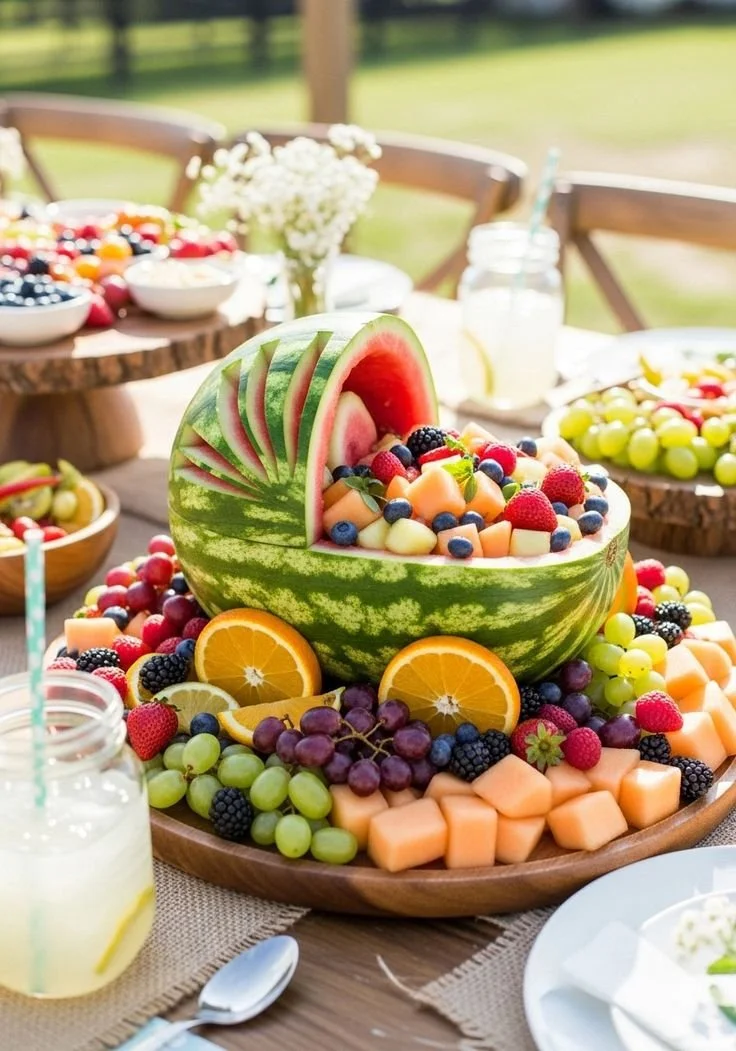
20 Farm Fresh Baby Shower Food Ideas for a Rustic Celebration
20 Farm Fresh Baby Shower Food Ideas for a Rustic Celebration
Planning a rustic, farm-to-table baby shower is all about warm flavors, seasonal ingredients, and relaxed presentation. Whether you’re hosting a brunch or an afternoon celebration, these 20 ideas will help you craft a menu that feels fresh, homey, and perfectly on-theme. If you’re focusing on a feminine palette or baby-girl-specific touches, see these baby shower food ideas for a girl for additional inspiration.
How to style a farm-fresh menu
Start with local produce, simple preparations, and serving pieces that double as décor (mason jars, wooden boards, enamelware). Mix hearty savory dishes with light, seasonal salads and a selection of sweet bites. Label dishes with kraft paper tags and use fresh herbs for garnish to reinforce the rustic vibe.
20 farm-fresh food ideas
- Heirloom Tomato Crostini — Toasted baguette, whipped goat cheese, basil, and sliced heirloom tomatoes with a drizzle of olive oil and sea salt.
- Mini Frittatas with Spring Veggies — Baked in a muffin tin with asparagus, leeks, and cheddar for easy grab-and-go portions.
- Buttermilk Biscuits with Honey Butter — Warm, flaky biscuits are a must for a farmhouse spread.
- Smoked Salmon Platter — Slices of smoked salmon, capers, red onion, lemon wedges, and cream cheese served with rye crisps.
- Farm Greens Salad — Mix of baby greens, shaved radish, cucumber, and a lemon-herb vinaigrette.
- Roasted Beet and Goat Cheese Salad — Earthy beets, creamy goat cheese, toasted walnuts, and a balsamic glaze.
- Seasonal Vegetable Crudité with Herb Yogurt Dip — Colorful raw veggies and a tangy dip made with Greek yogurt and dill.
- Mini Chicken and Leek Pot Pies — Individual servings with buttery pastry tops perfect for a cozy menu.
- Pulled Pork Sliders with Apple Slaw — Slow-cooked pork paired with crisp apple slaw for sweet-and-savory bites.
- Rustic Cheese Board — A selection of local cheeses, honeycomb, grapes, fig jam, and assorted crackers.
- Fresh Berry Pavlovas — Mini meringue nests topped with whipped cream and a mix of farm berries.
- Lemon-Ricotta Pancake Stack — Light pancakes layered with ricotta and blueberry compote for a brunch-style shower.
- Savory Tartlets — Caramelized onion and gruyère or mushroom and thyme tartlets served warm.
- Grain Bowl Bar — Set out farro or barley, roasted vegetables, greens, toasted seeds, and a couple of dressings so guests can assemble bowls.
- Herb-Roasted Baby Potatoes — Crispy on the outside, tender inside, tossed with rosemary and sea salt.
- Fresh Fruit Skewers with Honey-Lime Drizzle — Seasonal fruit threaded on skewers for an easy, refreshing option.
- Sweet Corn and Basil Fritters — Corn fritters with a basil-yogurt dip to balance the richness.
- Homemade Pickles and Preserves — Offer jars of pickled veggies and jam that also make sweet favors.
- Mini Apple Galettes — Rustic, free-form tarts showcasing tart local apples and warm cinnamon.
- Lavender Honey Macarons or Shortbread — Delicate cookies with floral notes to finish the meal on a charming note.
Tip: For an outdoor shower, opt for dishes that can be kept at safe temperatures and served buffet-style. If you need ideas specifically suited to an alfresco celebration, check out these outside baby shower ideas for girls to adapt menu and setup for the elements.
Serving & presentation ideas
- Use wooden crates and galvanized tubs to elevate platters and create different heights on the buffet table.
- Label dishes with simple kraft tags and calligraphy or stamped letters.
- Provide small plates and napkins in neutral tones; guests appreciate easy-to-hold options for mingling.
- Offer beverage stations with infused waters (cucumber-mint, lemon-ginger), a coffee bar, and a signature mocktail or punch.
Dietary considerations
Include at least one vegetarian option, a gluten-free choice, and clearly mark common allergens. Many farm-fresh ingredients are naturally gluten-free and vegetarian-friendly, so labeling will help guests navigate the spread easily.
Conclusion
For a venue that matches a farmhouse menu and rustic aesthetic, consider features and seasonal menus at the Grove at Briar Barn Inn when scouting local farmhouse restaurants. If you need an elevated barn venue for a larger celebration, learn more about hosting at The Farm On Main to see how a rustic setting can bring your farm-fresh baby shower to life.
50+ Easy DIY Baby Shower Ideas for Boys
50+ Easy DIY Baby Shower Ideas for Boys
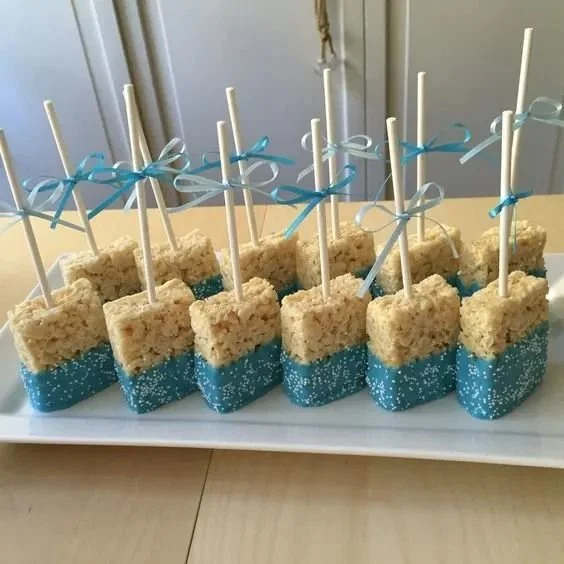
Planning a baby shower for a little man can be fun, personal, and budget-friendly. Whether you’re hosting a laid-back brunch or a backyard bash, these DIY ideas will help you craft an unforgettable celebration filled with charm and creativity. If you’re also thinking about the menu, consider using these helpful food and menu ideas for baby showers to inspire bites and beverages that guests will love.
Quick setup tips before you start
- Choose a color palette and stick to it — navy, mint, gray, and mustard are popular for boys.
- Create a focal point (gift table, dessert table, or photo wall) to anchor the room.
- Use multi-purpose decor: centerpieces that double as favors, or banners that can be keepsakes.
- Prep most items ahead: printables, favors, and games can be made days in advance.
Decorations (10 easy projects)
- Balloon garlands in two complementary colors.
- DIY paper tassel garland with tissue paper.
- Crate and chalkboard table display for sweets and signage.
- Washi tape bunting on wooden dowels or straws.
- Handmade felt or fabric pennants for a cozy touch.
- Framed ultrasound or baby photos in a timeline display.
- Nautical rope accents around jars for a sailor theme.
- Cloud and airplane ceiling hangings from cardstock.
- Wooden blocks stacked as a playful table centerpiece.
- Repurposed mason jar vases wrapped in twine and ribbon.
Invitations & printables (5 ideas)
- Printable onesie invitations — cut in a fun shape and add ribbon.
- Chalkboard-style e-invite designs that you can also print.
- Custom labels for water bottles and favor bags.
- Printable advice cards and guestbook pages.
- DIY envelope liners using patterned scrapbook paper.
Games & activities (8 simple options)
- “Guess the baby food” jars with numbered stickers.
- Onesie decorating station with fabric markers and stamps.
- Baby bingo with printable cards for small prizes.
- Diaper raffle — include a cute sign and ticket box.
- Advice jar: guests write tips and wishes for the parents.
- Time capsule — have guests bring a note or small token.
- Baby name brainstorm wall for guests to contribute ideas.
- Photo booth props on sticks and a simple backdrop.
Food, desserts & drink stations (6 ideas)
- Mini sandwich platter stations labeled by flavor.
- A “build-your-own” waffle or pancake bar for brunch showers.
- Themed sugar cookies shaped like ties, trucks, or onesies.
- Cupcake tower with coordinating toppers.
- A hot chocolate or coffee bar with mix-ins and toppings.
- Simple charcuterie cups for grab-and-go snacking.
Favors & keepsakes (6 DIY favors)
- Succulent plants in painted tin cans.
- Homemade cookie bags tied with bakers twine.
- Mini jars of local honey or jam with custom labels.
- Seed packets labeled “Watch him grow” for a sweet metaphor.
- Ribbon-wrapped soap bars or bath salts.
- Personalized keychains using wooden letters or beads.
Baby shower themes and twists (6 concepts)
- Adventure-ready “Little Explorer” setup with maps and compass decor.
- Woodland theme with wood slices and pinecones (great for neutral palettes).
- Sports-themed shower with pennant banners and mini trophies.
- Little lumberjack with plaid, wood accents, and cozy blankets.
- Vintage airplane or travel theme using suitcases and globes.
- Storybook theme centered on classic children’s books.
Photo & memory stations (4 ideas)
- Polaroid guestbook station — guests take a photo and leave a note.
- A framed wishes board where guests pin written hopes for baby.
- Milestone photo props ready for parents-to-be to use later.
- Create a slideshow of family photos to run on loop.
Budget boosters & last-minute fixes (4 tips)
- Shop thrift stores for frames, jars, and linens to refurbish.
- Use printable decorations instead of custom-ordered items.
- Borrow larger decor pieces like lanterns or crates from friends.
- Repurpose holiday decorations — blue ornaments as table scatter.
- Keep a “recovery kit” with tape, extra scissors, and safety pins.
Safety & inclusivity reminders
- Avoid small choking-hazard favors for homes with young children.
- Provide non-alcoholic drink options and clearly label dietary choices.
- Consider a neutral or multi-gender-friendly area if siblings or friends are uncertain about baby’s gender.
- Make sure any outdoor setups are weather-protected and shade-friendly.
Inspiration for outdoor showers
If you’re hosting outside, plan shade, bug-repellent stations, and sturdy centerpieces. For more ideas on hosting outdoors and adapting games or decor to a yard or park setting, check these outdoor baby shower suggestions that translate well across themes and seasons.
How to personalize these ideas
- Incorporate family heirlooms as decor elements.
- Use a favorite children’s book as inspiration for colors and characters.
- Add a signature mocktail named after the baby’s nickname.
- Make a keepsake quilt station where guests contribute a square.
Final checklist before the party
- Confirm guest count and dietary restrictions.
- Set up the focal tables and photo backdrop the evening before.
- Label food items and game stations clearly.
- Prepare a music playlist and test any tech (slideshow, speaker).
- Pack an essentials kit (scissors, tape, first aid, stain remover).
Conclusion
Pairing tasteful decor with meaningful personal touches is what makes a baby shower memorable. For candy-themed table ideas that can make your dessert display pop, see this resource on candy bar and candy table decorations. For a broader roundup of do-it-yourself concepts specifically focused on boys, the HubPages collection of DIY baby shower ideas offers extra menus, games, and decor inspiration you can adapt or remix.
Chickpea Vegetable Nuggets
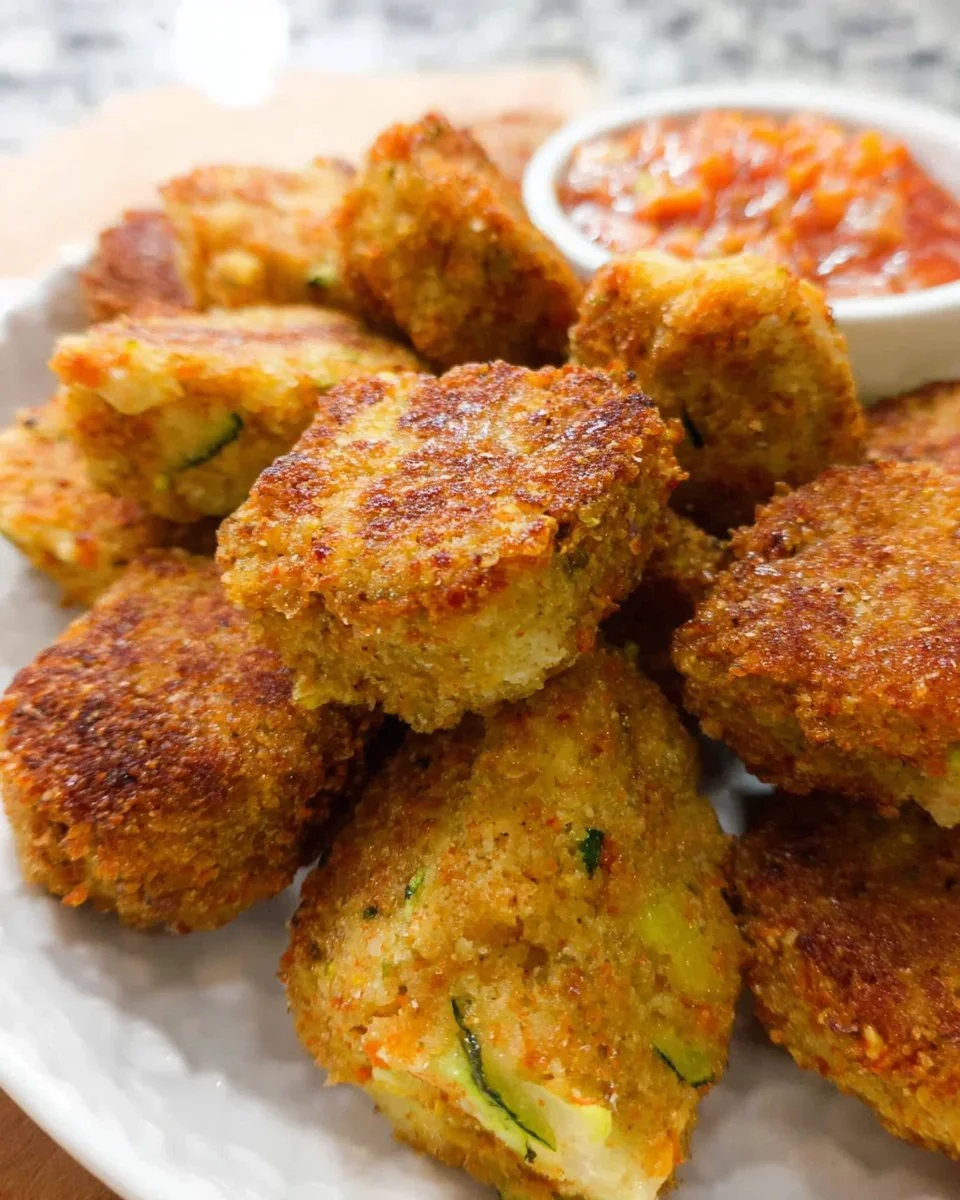
Chickpea Vegetable Nuggets: A Healthy, Kid-Friendly Recipe
Chickpea vegetable nuggets are a versatile, protein-packed alternative to traditional chicken nuggets — crunchy on the outside, tender and savory inside, and loaded with veggies. They’re perfect for introducing new flavors to young palates and can be easily adapted for dietary needs. For ideas on which vegetables tend to be best received by little ones, see this guide to best vegetables for preschoolers.
Why these nuggets work
- Chickpeas provide a creamy texture and a mild, nutty flavor that binds well with mashed vegetables and seasonings.
- The nugget format makes vegetables familiar and fun for kids to dip and eat.
- They can be baked or air-fried for a lower-fat option and are simple to prepare in batches for meal prep.
Ingredients (makes about 18–24 nuggets)
- 2 cups cooked chickpeas (about 1 can, drained and rinsed)
- 1 small carrot, grated
- 1/2 cup finely grated zucchini (squeeze out excess moisture)
- 1/4 small onion, finely chopped
- 1 garlic clove, minced (optional)
- 1/2 cup breadcrumbs or gluten-free crumbs
- 1 large egg (or flax egg for vegan: 1 tbsp ground flax + 3 tbsp water)
- 2 tbsp nutritional yeast or 2 tbsp grated cheese (optional)
- 1/2 tsp ground cumin
- 1/2 tsp smoked paprika
- Salt and pepper to taste
- 2 tbsp olive oil (for brushing or pan-frying)
Method
- Preheat your oven to 400°F (200°C) and line a baking sheet with parchment paper.
- In a food processor, pulse the chickpeas until coarsely mashed but not completely smooth — you want a bit of texture.
- Transfer mashed chickpeas to a bowl and mix in the grated carrot, zucchini, onion, garlic, breadcrumbs, egg (or flax egg), nutritional yeast/cheese, and seasonings. Combine until mixture holds together; if too wet, add a little more breadcrumbs.
- Scoop about 1–2 tablespoons of mixture and shape into nugget-sized patties or small balls, flattening slightly.
- Place on the prepared baking sheet and brush or spray lightly with olive oil.
- Bake for 18–22 minutes, flipping halfway, until golden and firm. For extra crispness, broil 1–2 minutes at the end, watching closely.
- Alternatively, cook in an air fryer at 375°F (190°C) for 10–12 minutes, turning once.
Serving ideas
- Serve with kid-friendly dips such as ketchup, plain yogurt mixed with herbs, or a mild tahini dip.
- Pair with sweet potato fries or steamed veggies for a balanced plate.
- Chop cooled nuggets and toss into salads or wraps for adults—great for lunchboxes.
Variations and tips
- Gluten-free: use gluten-free breadcrumbs or crushed gluten-free crackers.
- Add-ins: try finely chopped spinach, corn kernels, or mashed sweet potato for different flavors and colors.
- Make-ahead: freeze formed but uncooked nuggets on a tray, then transfer to a bag. Bake from frozen, adding a few extra minutes.
- To reduce vegetable resistance, finely grate or puree veggies so they blend into the chickpea base and are less visible to picky eaters. For more ideas on vegetable sides and approaches that appeal to children, check this resource on healthy vegetable options for kids.
Nutrition notes
Chickpea vegetable nuggets are high in plant protein and fiber, and by baking or air-frying you keep added fats low. Swapping eggs for a flax egg or using dairy-free toppings makes them suitable for vegan diets. Adjust seasonings gently for younger children and keep dips simple and mild.
Conclusion
For a tested version of this recipe, you can compare techniques with The Natural Nurturer’s chickpea vegetable nuggets recipe, which offers helpful tips on binding and veggie ratios. If you need a strictly gluten-free approach, consider following the adaptations at Life Love Liz’s gluten-free chickpea nuggets for clear substitutions and notes.
15+ Cutest First Birthday Themes for Girls (2025)
15+ Cutest First Birthday Themes for Girls (2025)
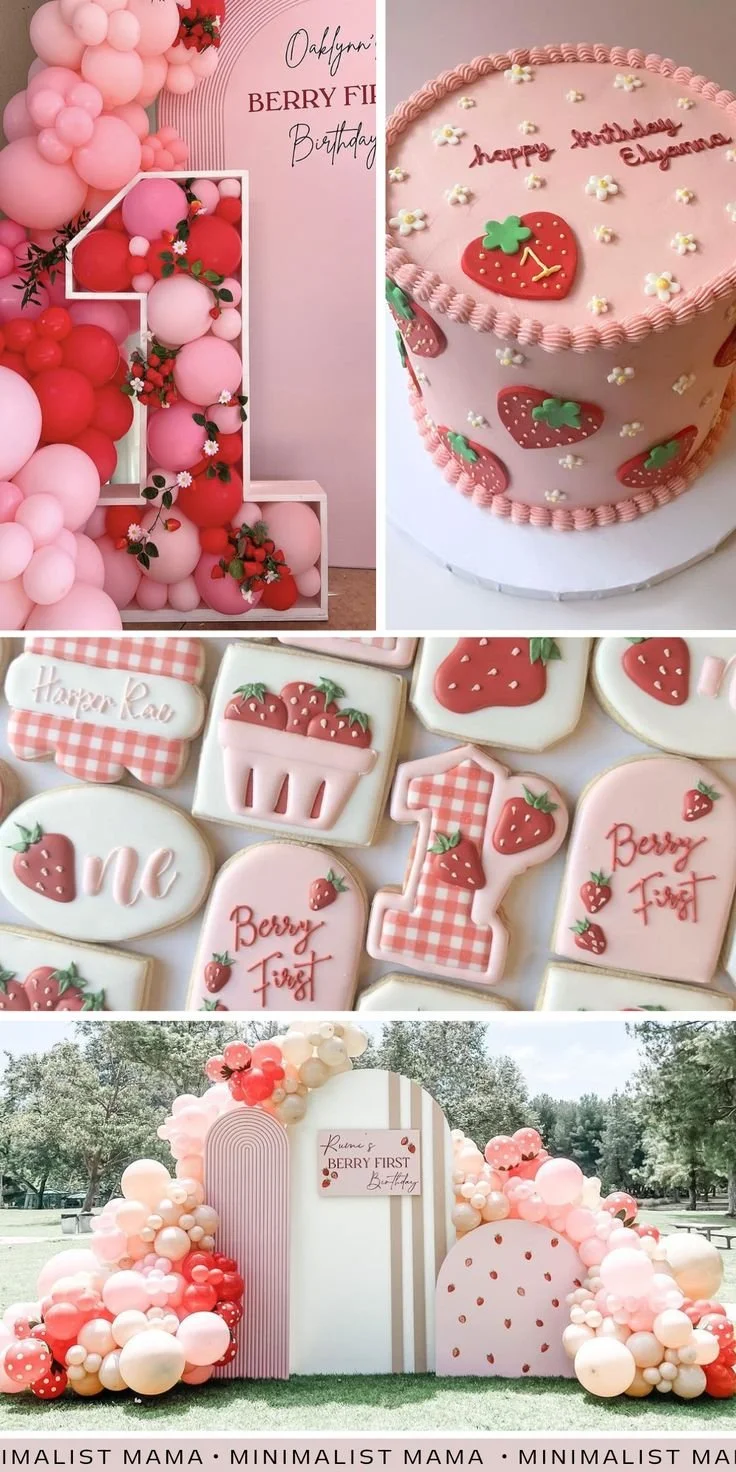
Planning a first birthday is a joyful blend of nostalgia, creativity, and a dash of Pinterest magic. Whether you want a small family gathering or a full-on themed bash, these 15+ adorable ideas will help you design a picture-perfect celebration. If you need more theme inspiration, take a look at this roundup of baby girl first birthday themes to spark ideas before you dive into details.
Below are easy-to-execute concepts with styling tips, cake ideas, activities, and outfit suggestions so you can customize each theme to your style and budget.
- Enchanted Garden
- Style: Soft florals, fairy lights, moss runners, pastel balloons.
- Cake: Naked cake with fresh edible flowers.
- Activities: Bubble station and a simple sensory table with petals and safe textures.
- Outfit: Floral romper or a tulle skirt with a flower headband.
- Little Princess / Royal Tea
- Style: Gold accents, teacups, mini chandeliers, silk sashes.
- Cake: Pink fondant castle or tiered tea-cup cake.
- Activities: Dress-up corner with crowns and scarves for photos.
- Outfit: Satin dress with a tiny tiara.
- Sweet Bumble Bee (Bees & Honey)
- Style: Yellow, black, and white palette; honeycomb backdrops.
- Cake: Honeycomb-patterned cake or bee cupcake tower.
- Activities: Honey-themed sensory jars (no real honey for young babies), bee sticker booth.
- Outfit: Striped romper with tiny wings.
- Rainbow Bright
- Style: Bold rainbow streamers, colorful tableware, cloud accents.
- Cake: Rainbow-layer cake with cream cheese frosting.
- Activities: Color-sorting games and finger-paint poster.
- Outfit: Rainbow tutu or multi-colored romper.
- Nautical Little Sailor
- Style: Navy, red, stripes, anchor décor.
- Cake: Blue ombré ocean cake with edible shells.
- Activities: Boat-building craft with paper and foam stickers.
- Outfit: Sailor-style romper with a cute cap.
- Woodland Animals
- Style: Earthy tones, wooden signs, plush foxes and deer.
- Cake: Tree stump cake or woodland critter cupcakes.
- Activities: Soft animal puppet show and a sensory "forest" bin.
- Outfit: Knit animal-themed outfit or a rustic linen set.
- Vintage Circus / Carnival
- Style: Striped tents, pennant banners, popcorn buckets.
- Cake: Carousel cake or circus animal toppers.
- Activities: Soft ball pit, puppet shows, and a photo booth with props.
- Outfit: Ruffled romper or colorful suspenders.
- Twinkling Stars / Little Dreamer
- Style: Midnight blue, gold stars, fairy lights.
- Cake: Galaxy drip cake with star toppers.
- Activities: Lullaby music corner and soft glow mobiles.
- Outfit: Star-printed onesie with a soft knit blanket.
- Mermaid Splash
- Style: Teal, coral, shell garlands, iridescent fabrics.
- Cake: Shell-decorated mermaid tail cake.
- Activities: Shimmer sensory bins and a mini "beach" photo area.
- Outfit: Mermaid-themed tutu or scallop dress.
- Farmyard Fun
- Style: Red gingham, hay bales, barnyard signs.
- Cake: Tractor or barn-shaped cake.
- Activities: Petting corner (small animals if venue/allows) or stuffed-animal farm.
- Outfit: Overalls or gingham romper.
- Little Artist
- Style: Canvas backdrops, easels, bright paint splashes.
- Cake: Palette-shaped cake or paint-splatter design.
- Activities: Baby-safe finger painting and keepsake handprints.
- Outfit: Playful smock-style outfit.
- Up, Up & Away Hot Air Balloon
- Style: Pastel balloons suspended from the ceiling, cloud cutouts.
- Cake: Hot air balloon topper with pastel frosting.
- Activities: Balloon-stomp (for older toddlers) and soft parachute play.
- Outfit: Airy romper with a little scarf.
- Ballerina / Pink Tutu
- Style: Layers of tulle, ballet slippers, rose accents.
- Cake: Ballet slipper cake or tutu-wrapped cake stand.
- Activities: Gentle music and baby dance time with scarves.
- Outfit: Tutu dress and ballet-inspired headband.
- Picnic in the Park
- Style: Wicker baskets, gingham cloths, fresh flowers.
- Cake: Simple buttercream cake with fresh berries.
- Activities: Blanket play area with sensory mats and bubbles.
- Outfit: Lightweight cotton dress or romper.
- Little Sweet Shop
- Style: Pastel candy jars, striped awnings, cupcake displays.
- Cake: Candy-themed cake with marshmallow toppings.
- Activities: Mini decorating station (supervised) and edible necklace making.
- Outfit: Candy-colored dress or overall set.
- Butterfly Kisses
- Style: Delicate butterflies, soft lilacs and pinks, floating wings.
- Cake: Butterfly-shaped cake or butterfly toppers on cupcakes.
- Activities: DIY butterfly wing craft for keepsakes.
- Outfit: Butterfly-patterned romper or tutu with wings.
- Safari Baby
- Style: Tropical leaves, neutral animal prints, terracotta pots.
- Cake: Safari animal toppers on a jungle-leaf cake.
- Activities: Soft animal sensory baskets and a photo safari hunt.
- Outfit: Khaki romper with a tiny safari hat.
Planning tips
- Keep it baby-friendly: short party (1–2 hours), shade and comfy feeding/changing areas, and simple décor at baby height for photos.
- Choose one or two standout elements (balloon arch or dessert table) rather than over-decorating.
- Create a photo zone with a backdrop and a few props for easy memories.
- If you want complementary ideas beyond girl-focused themes, this guide to unique first-birthday party ideas for boys can help you mix-and-match elements for a gender-neutral celebration.
Quick checklist
- Invitations: Clear time, location, parking, and any special requests (snack allergies, sibling attendance).
- Food: Keep it simple—finger foods for adults and soft, baby-friendly options for little ones.
- Safety: Anchor décor securely, keep small objects out of reach, and have a quiet space for naps or feedings.
- Keepsakes: Guest-book with wishes, a handprint station, or a time capsule with small notes/photos.
Conclusion
Choosing a theme that reflects your style and keeps the focus on a relaxed, joyful day will make your baby’s first birthday a treasured memory. For a sweet, budget-friendly touch, consider matching small details like a custom high-chair banner—this bumble bee high-chair banner is a charming example of themed décor you can use to pull the look together: bumble bee high-chair banner. If you’re thinking beyond home and want ideas for a lively outdoor or water-based venue, researching local parks and attractions can help — for instance, venues like Rapids Water Park party options show how a splash-friendly celebration could be adapted for a first birthday. Enjoy planning—you’ll make picture-perfect moments no matter which cute theme you choose.
Reunion Auction Baskets – Tricky Tray Gift Basket Prize Ideas for Reunions
Reunion Auction Baskets — Tricky Tray Gift Basket Prize Ideas for Reunions
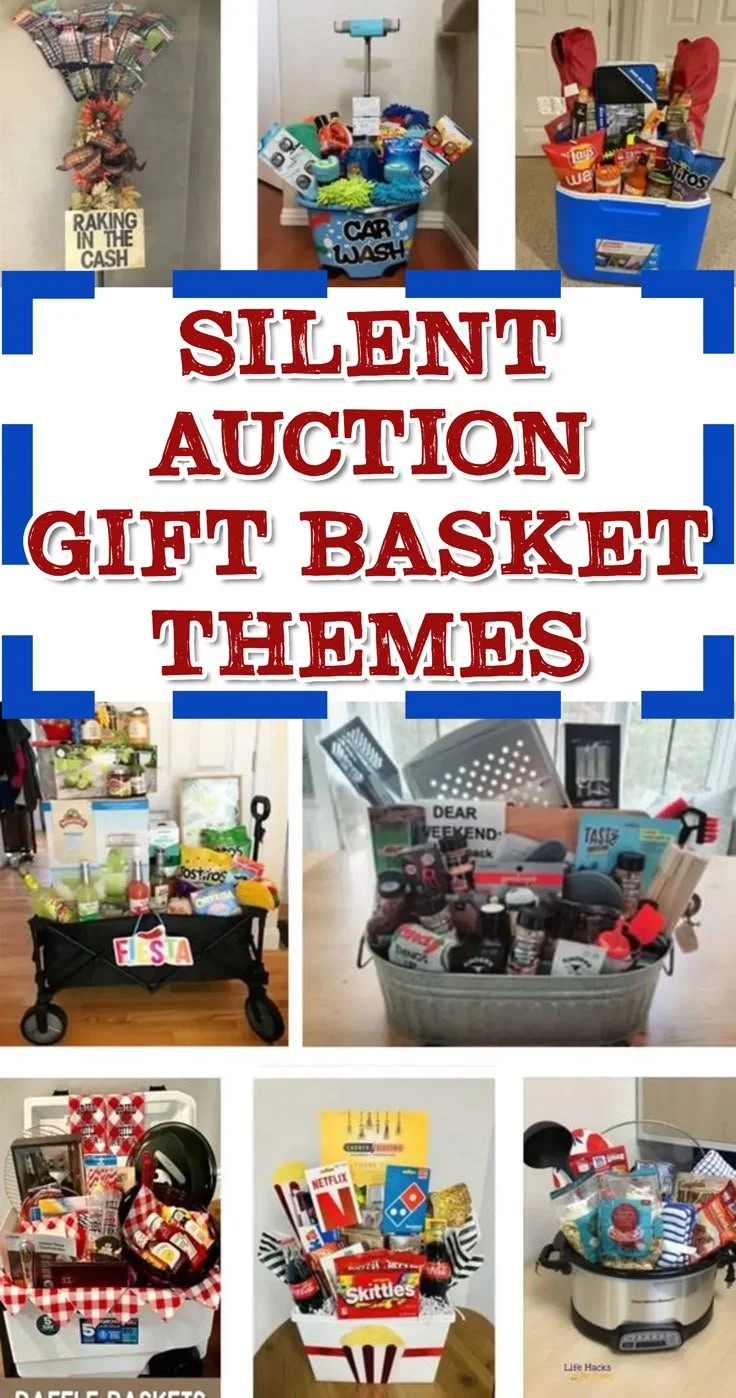
Reunions are the perfect occasion to combine nostalgia with friendly competition. Auction baskets and tricky tray prizes add energy, raise funds, and give attendees something tangible to remember the day by. Whether you’re organizing a family reunion, class reunion, or neighborhood gathering, well-curated baskets can boost ticket sales and make your event feel polished and purposeful. If you need quick inspiration to get started, see this helpful roundup of gift basket ideas for raffles that can be adapted for reunions.
Below are curated themes, contents, and practical tips to build attractive, sellable reunion baskets that appeal to a range of ages and budgets.
Winning themes and prize ideas
Classic Comfort Basket
- Cozy throw blanket, artisanal hot chocolate mix, tea sampler, scented candle, and a book or puzzle.
- Great for alumni who enjoy quiet evenings or a “remember when” theme.
Local Flavor Basket
- Locally made jams, honey, snacks, a map or guidebook, and vouchers from neighborhood businesses.
- Appeals to out-of-town guests and supports local vendors.
Nostalgia / Year-of-Graduation Basket
- Vintage candy, a playlist/USB with popular songs from the reunion year, retro memorabilia, and a photo frame.
- Perfect for class reunions; tailor items to the decade.
Date Night or Couples Basket
- Gift card to a local restaurant, movie passes, gourmet popcorn, and a bottle of wine (or nonalcoholic alternative).
- Works well at adult reunions or mixed-age events.
Outdoor Adventure Basket
- Portable hammock, reusable water bottle, sunscreen, trail snacks, and a pocket first-aid kit.
- Ideal for family reunions with lots of outdoor activities.
Foodie & Cooking Basket
- Specialty oils, spice blends, a silicone spatula, and a cookbook focused on simple entertaining.
- Pair with a cooking class voucher for added value.
Game Night Basket
- Classic board games, gourmet snacks, and a deck of specialty playing cards.
- Universally appealing and encourages social interaction.
Kids & Family Fun Basket
- Age-appropriate toys, craft kits, stickers, and books.
- For ideas tailored to younger children, consider these gift ideas for kindergarteners and adapt by age.
Assembling baskets that sell
Create a focal item: Start with one standout piece (a high-value gift card, a popular gadget, or a specialty item) and build smaller items around it. The focal item catches attention; supporting items increase perceived value.
Use cohesive themes: Keep colors, textures, and item purposes consistent. A “spa” basket filled with unrelated snacks dilutes appeal.
Present attractively: Use clear cellophane, crisp ribbon, and a themed tag describing contents and approximate retail value. A tidy, professional look often translates into higher bids.
Label with stories: A short note explaining why items were chosen (e.g., “Locally sourced from Main Street vendors”) adds emotional weight and helps bidders connect.
Budgeting, donations & sourcing
Set target price tiers: Aim for low ($25–$50), medium ($50–$150), and premium ($150+) baskets. This range accommodates different bidder budgets at your reunion.
Crowdsource prizes: Ask attendees, alumni businesses, and local shops to donate items or vouchers. Offer sponsor recognition on signage and social media.
Buy smart: Use bulk discount sites, discount stores, and seasonal sales for filler items like candles, snacks, and small accessories to stretch your budget.
Track value: Include a small card listing estimated retail value. This transparency encourages higher bids.
Logistics for tricky tray-style auctions
Numbering and display: Assign each basket a number and place it on a well-lit table. Group similar value items together so bidders can quickly compare.
Ticketing mechanics: Clarify ticket cost (e.g., 1 for $2, 3 for $5) and provide easy ways to purchase. Consider timed call-outs or a raffle drum to keep the pace lively.
Accessibility and pickup: Ensure winners can easily claim their prizes—either by immediate pickup or at a designated pickup table. For heavy items, offer to hold or ship if necessary.
Special considerations by reunion type
Family reunions: Focus on multi-generational appeal—game night baskets, outdoor kits, and photo memory baskets with supplies for scrapbooking.
Class and alumni reunions: Lean into nostalgia—year-themed memorabilia, alumni-branded gear, and curated playlists or concert tickets.
Military or service reunions: Consider patriotically themed baskets, experience vouchers (museums, local tours), and comfort-focused items for older attendees.
Corporate or professional reunions: Offer upscale items like briefcase accessories, premium coffee sets, or local business vouchers.
Presentation and promotion tips
Teasers ahead of event: Post photos of highlight baskets on your reunion’s social media or email newsletter to build excitement.
Live auction moments: Highlight premium baskets with a short pitch—tell a quick story about items or a donor to drive higher bids.
Add instant-win micro-prizes: Small, inexpensive raffle opportunities (e.g., gift cards under $20) keep momentum between larger draws.
Conclusion
For more curated inspiration that can spark fresh ideas for your reunion auction, explore this list of 30 raffle basket ideas to boost excitement and fundraising. If you want additional concepts focused on maximizing ticket sales and fundraising impact, review the comprehensive guide of 45 raffle basket ideas to boost sales and revenue.
Erin’s Baby Shower Lunch Appetizers, Cute Snacks and Luncheon Food Ideas
Erin’s Baby Shower Lunch Appetizers, Cute Snacks and Luncheon Food Ideas
Introduction
Planning Erin’s baby shower lunch is a chance to create warm, bite-sized memories — savory finger foods, pretty sweets, and easy-to-eat snacks that pair well with conversation and celebration. If you want a focused menu for a feminine palette and color scheme, check these curated baby shower food ideas for a girl to inspire portion sizes and flavor profiles.
Appetizer & Snack Ideas
- Mini sandwiches: Cucumber-dill tea sandwiches, chicken salad on croissants, or smoked salmon with cream cheese on pumpernickel rounds.
- Skewers & bites: Caprese skewers (mozzarella, cherry tomato, basil) drizzled with balsamic, or melon-prosciutto skewers for a sweet-salty contrast.
- Dips & spreads: A warm artichoke-spinach dip served with toasted baguette slices, or a colorful hummus trio (classic, beet, and roasted red pepper) with pita chips.
- Savory tarts: Bite-sized quiches or puff pastry nests with goat cheese and caramelized onion.
- Cute theme snacks: Cheese and cracker “baby blocks” (cut cheese into cubes and stack), deviled eggs garnished with sprinkles of herbs, or mini sliders wrapped with baby-safe picks.
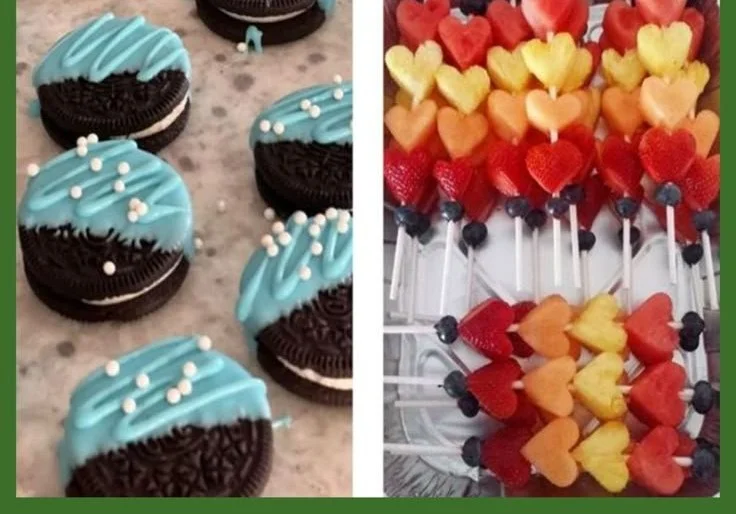
- Sweet nibblers: Mini fruit tarts, petite cupcakes with pastel frosting, or chocolate-dipped strawberries with white chocolate drizzle.
Presentation Tips
- Keep things easy to grab: Use tiered cake stands and parchment-lined baskets to create visual height and keep bite-sized items organized.
- Color coordination: Choose napkin and garnish colors that match Erin’s theme—edible flowers, pastel berries, and fresh herbs make simple items look elevated.
- Labels and cards: A small card by each item noting key ingredients (and common allergens) helps guests with dietary preferences and adds polish.
Dietary Considerations
Offer clearly labeled options for common needs: vegetarian, gluten-free, dairy-free, and nut-free. For instance, roasted vegetable skewers and a dairy-free hummus are approachable alternatives, while gluten-free crackers or cucumber rounds can substitute for bread-based bites.
Make-Ahead & Serving Timeline
- 2–3 days before: Bake mini quiches and cupcakes; store frozen and thaw on the day.
- 1 day before: Prepare dips and spreads; refrigerate covered. Chop garnishes and assemble skewers without dressing.
- Day of the event: Warm hot dips, arrange platters, and add finishing garnishes just before guests arrive to keep freshness.
Shopping & Equipment Checklist
- Serving trays, tiered stands, small bowls for dips, cocktail picks, toothpicks, and disposable or china plates depending on formality.
- Label cards, small tongs, and chill packs for cold items.
- A few portable warmers or insulated carriers to keep hot appetizers at serving temperature.
Small Details That Make a Big Difference
- Add a signature mocktail or punch with a small garnish station.
- Use themed toothpicks or labels with Erin’s name and due month.
- Include a small take-home treat bag with two or three leftover snacks so guests can leave with something sweet.
Resources for More Ideas
If you’d like a broader list of snack recipes and inspiration, there are many collections and single-recipe guides that can help you expand or adapt the menu.
Conclusion
For an extensive roundup of simple, crowd-pleasing options to round out your spread, see this collection of 48 easy snacks to make at home, which offers quick recipes and presentation tips. If you want a tried-and-true warm dip to anchor your appetizer table, consider this recipe for The Best Hot Artichoke Dip that’s easy to make ahead and serve bubbly warm.