
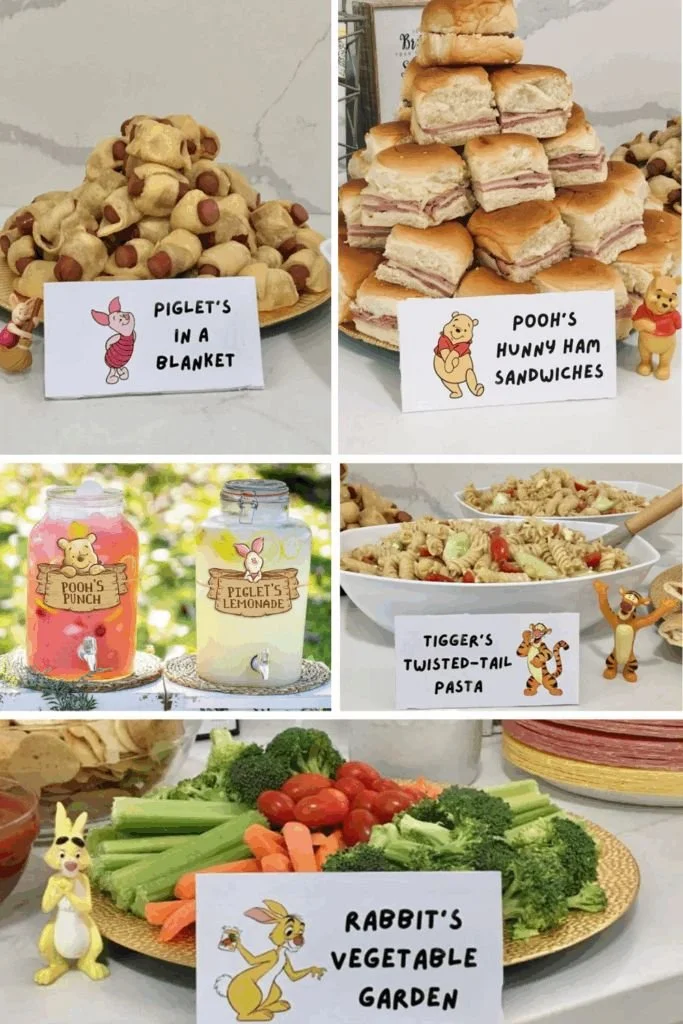
How to Throw the Perfect Winnie the Pooh Baby Shower
How to Throw the Perfect Winnie the Pooh Baby Shower
A Winnie the Pooh baby shower is timeless, warm, and delightfully simple — perfect for celebrating new beginnings. Whether you’re planning an intimate brunch or a larger afternoon party, this guide will walk you through styling, games, food, and favors so the shower feels as cozy as 100 Acre Wood. If you’re still deciding on a venue, consider looking up the best places in Austin to host a baby shower for ideas that match your guest count and vibe.
Set the Tone: Color Palette and Style
Winnie the Pooh themes are gentle and nostalgic. Stick to a palette of honey yellow, soft red, muted green, and cream. Use natural textures like wood, burlap, and linen to evoke a rustic, storybook feel. Mix subtle Polka dots and gentle stripes for table linens and paper goods to keep things playful without feeling overly cartoonish.
Invitations and Guest List
Design invitations that hint at Pooh’s world — a small pot of honey illustration, subtle silhouettes of Pooh or Piglet, or a whimsical quote from the stories. For a gender-specific shower you can add small accents of pink or blue, but Pooh themes are also wonderful gender-neutral options; for more inspiration on that, check ideas for baby girl baby shower themes and adapt color and wording as needed.
Practical tips:
- Include arrival time, registry details, parking info, and any special requests (e.g., bring a book instead of a card).
- Send invitations 4–6 weeks ahead for local guests, and 8–10 weeks for out-of-town attendees.
Decorations and Centerpieces
Centerpieces:
- Small wooden crates filled with wildflowers, faux honeycomb paper accents, and tiny jars labeled “Honey”.
- Stack children’s books from the Winnie the Pooh series and place a small stuffed character on top for a charming table focal point.
Backdrops and signage:
- Create a soft, fabric backdrop with a banner reading the baby’s name or “Oh, Bother — A Baby!” Use balloons in clusters of yellow, cream, and a touch of red.
- Incorporate natural elements like small potted plants or eucalyptus garlands for a fresh look.
Lighting:
- Use fairy lights or warm-toned string lights to keep the atmosphere cozy, especially for an indoor afternoon-to-evening shift.
Food and Drink
Offer a mix of light savory bites and sweet treats inspired by Pooh’s love of honey.
Menu ideas:
- Mini tea sandwiches (cucumber, egg salad, honey-roasted ham)
- Honey-glazed chicken skewers or roasted vegetable platters
- A build-your-own charcuterie board with honeycomb, soft cheeses, fruits, and crackers
- Desserts: honey cupcakes, “hunny” pot sugar cookies, and a simple cake decorated with Winnie the Pooh toppers
Beverages:
- A signature mocktail like iced chamomile with a drizzle of honey and lemon slices
- Tea station with assorted herbal and black teas
- Sparkling water with mint and cucumber
Cake Design
Choose a cake that balances nostalgia and elegance. Options:
- A two-tier cake iced in pale yellow with a fondant “hunny” pot on top and small fondant bees
- A semi-naked cake edged with fresh flowers, honey drip, and a small Pooh figurine
- Cupcake tower with themed toppers for easy serving
Games and Activities
Keep games light and optional to let guests mingle and celebrate.
Game ideas:
- “Pin the Tail on Eeyore” with a plush Eeyore or printed poster
- Baby item bingo using Winnie the Pooh-themed cards
- Advice jar: guests write wishes or parenting tips on cards and drop them into a decorated jar labeled “Notes for Baby”
- Craft station: decorate small onesies or create a handprint guestbook on a large canvas
Favors
Send guests home with sweet, simple tokens:
- Mini jars of local honey with a cute label (“Thanks for sharing in our sweet day”)
- Honey-scented candles or lip balms
- Small sachets of chamomile tea wrapped in printed tulle
Practical Checklist and Timeline
Two months before:
- Choose venue, set date, establish guest list, and pick a theme palette.
One month before:
- Order invitations and decorations; book cake/bakery; plan menu.
Two weeks before:
- Confirm RSVPs, finalize seating, create a timeline for the day, and purchase nonperishables.
One day before:
- Decorate major elements, set up tables, prep food that stores well, and check any rental items.
Day of:
- Put out fresh food, set up drink stations, arrange games and favors, and designate someone to greet guests and handle last-minute needs.
Wrapping Up
Keep the focus on warmth, sweetness, and simple touches that feel personal. With honey-inspired treats, soft colors, and a few Pooh-themed accents, you’ll create a heartfelt celebration that feels just right for welcoming a little one.
Conclusion
For an easy finishing touch, consider adding a themed welcome sign to greet guests at the entrance with personality, like the Winnie The Pooh Baby Shower Welcome Sign – Announce It. If you prefer printable signage sets to cover multiple areas (welcome sign, directional signs, and table labels), a cohesive option is the Winnie The Pooh Baby Shower Signs Bundle | Gender Neutral Posters.
63 Toddler Meals to Meal Prep for Quick and Easy Dinners
63 Toddler Meals to Meal Prep for Quick and Easy Dinners
Getting dinner on the table every night can feel like a marathon, especially with a toddler underfoot. Meal prepping a variety of toddler-friendly dishes ahead of time cuts stress, saves time, and helps you offer balanced, nutritious meals without reinventing the wheel each evening. While you plan your prep day, keep little hands busy with a few quiet activities like fun and easy crafts for kids so they’re content while you cook.
Below is a practical, customizable approach to converting the idea of “63 meals” into a real, manageable routine of weekly prep and mix-and-match dinners.
Why batch-cooking for toddlers works
- Consistency: Toddlers thrive on routine. Repeating familiar flavors helps them accept new textures and ingredients.
- Time savings: Pre-cooking components (grains, proteins, sauces) reduces nightly cooking to quick assembly and reheating.
- Variety within limits: Rotating 6–8 base components across a week creates many combinations without overwhelming a picky eater.
Build-your-week framework
Aim for 6–8 base items that can be recombined into roughly 63 small-meal variations over time. Here’s a sample framework you can scale:
- 2 grains/starches: soft-cooked quinoa, mashed sweet potatoes
- 2 proteins: shredded chicken, mashed lentils or lentil patties
- 2-3 veg or fruit sides: steamed carrot coins, peas, and apple slices (cook or puree for younger toddlers)
- 1-2 sauces/spreads: mild tomato sauce, yogurt-herb dip
- 1-2 snacks/breakfasts: mini pancakes, oatmeal jars
With these parts, you can make bowls, sandwiches, quesadillas, finger-food platters, and more.
Prep-day plan (2–3 hours)
- Plan menus: Choose 6–8 bases and decide how to combine them into dinners, lunches, and snacks for the week.
- Shop with purpose: Buy ingredients that can be used in multiple dishes (e.g., carrots used raw, steamed, and pureed).
- Cook efficiently:
- Roast or steam a big tray of mixed vegetables.
- Bake/shred multiple chicken breasts at once.
- Cook a large pot of quinoa or rice.
- Make a double batch of a toddler-friendly sauce or soup base and freeze portions.
- Portion and store: Use small containers for toddler-sized portions. Label with date and contents.
- Quick assembly station: Keep a set of “assembly” staples (cheese, tortillas, soft bread, dips) easy to reach for fast dinners.
10 simple toddler-friendly dinner ideas from your prep
- Shredded chicken, mashed sweet potato, and peas
- Quinoa with lentils and mild tomato sauce
- Mini quesadillas: mashed beans, shredded cheese, and soft-cooked veg
- Chicken and veg rice bowl with yogurt-herb drizzle
- Lentil patties with carrot coins and apple slices
- Pasta stars in mild tomato sauce with hidden pureed veg
- Breakfast-for-dinner: mini pancakes, fruit, and yogurt
- Soft tacos: shredded chicken, mashed avocado, and gentle salsa
- Veg and cheese frittata squares with whole-grain toast
- Steamed fish flakes (if introduced) with quinoa and steamed zucchini
Tip: For younger toddlers, keep textures soft and chop foods into small pieces to prevent choking. For new ingredients, serve alongside familiar favorites to increase acceptance.
Snacks and small meals to round out the 63
Having a list of 10–15 ready snacks expands possibilities. Think: hummus with soft pita, apple slices (steamed or thinly sliced for toddlers), cottage cheese with fruit, yogurt parfaits, or simple banana-pear mash. Learn more about the nutritional role of fruit by reading about the benefits of apples for toddlers when you consider which fruits to prep.
Storage, safety, and reheating
- Refrigerate portions for up to 3 days; freeze for longer storage.
- Cool cooked food quickly before refrigerating to reduce bacterial growth.
- Reheat thoroughly and check temperature before serving; stir to avoid hot spots.
- Label and rotate older items first.
Making it fun (and getting kids involved)
Toddlers enjoy being part of the process. Give them safe, supervised tasks like stirring, washing produce, or choosing between two veggie options. Serving meals in colorful bento-style sections or using cookie cutters on sandwiches can increase interest.
Adapting to picky eaters and food allergies
- Keep a trusted plain option (e.g., plain rice or mashed potato) on the plate as an anchor.
- Introduce new foods alongside favorites, in small amounts.
- For allergies, substitute safe proteins and grains and keep cross-contamination in mind during prep.
Weekly rotation example
- Week A: Focus on chicken, quinoa, carrots, apples, and yogurt sauces.
- Week B: Rotate in lentils, sweet potatoes, peas, mild cheese, and mashed fruit.
- Repeat with small tweaks—different spices, herbs, or a new veggie—to keep meals interesting without extra work.
Shopping checklist for a week of preps
- Proteins: chicken breasts, canned beans, lentils
- Grains: quinoa, small pasta, whole-grain tortillas
- Veggies: carrots, peas, sweet potatoes, zucchini
- Fruits: apples, bananas, berries (if in season)
- Dairy/alternatives: plain yogurt, mild cheese
- Pantry: mild tomato sauce, low-sodium broths, olive oil, simple spices (paprika, mild curry powder)
Final tips
- Start small: prep one or two components the first week and scale up when it feels manageable.
- Use freezer-friendly containers to build variety slowly.
- Keep a list of go-to combinations so assembling dinner requires minimal thought.
Conclusion
Meal prepping toddler-friendly dinners turns the goal of “63 meals” into an achievable rotation of flexible components. For more inspiration on balanced dinner options you can adapt into prep-friendly recipes, check Taste of Home’s collection of 63 heart-healthy suppers to borrow simple ideas and modify them for little palates with this helpful resource: Taste of Home’s heart-healthy suppers collection. If you want a sample weekly structure to plug your prepped items into, consider using the Healthy Weekly Meal Plan #63 as a template for pacing and variety: Healthy Weekly Meal Plan #63.
Co-Ed Baby Shower Games That Work for Everyone
Co-Ed Baby Shower Games That Work for Everyone
Co-ed baby showers are a fun way to celebrate a growing family while making sure all guests — friends, family, and co-workers — feel welcome and involved. The best co-ed games are inclusive, simple to learn, and spark laughter without putting anyone on the spot. If you want ideas that particularly appeal to male guests as well as everyone else, consider checking out this helpful guide to baby shower games for men.
Below are easy-to-run games, variations for different group sizes, and tips for keeping the energy high and the atmosphere comfortable.
Principles for Successful Co-Ed Games
- Keep the rules simple and quick to explain. Complicated instructions kill momentum.
- Aim for light, non-embarrassing humor. Avoid games that rely on revealing personal details.
- Mix active games with seated or conversational ones so everyone can participate at their comfort level.
- Provide small prizes to encourage friendly competition and reward winners.
Games That Always Work
- Diaper Derby Relay
- Divide guests into teams. Each teammate must diaper a doll (or rolled towel) as fast as possible. Use a blindfold or oven mitts for added challenge.
- Great for mixed groups because it’s physical, funny, and non-personal.
- Baby Bottle Chug
- Fill baby bottles with a drink (water, juice, or a soft mocktail). Participants race to finish by sucking through the nipple.
- Quick rounds keep this lively. It’s silly and competitive without being awkward.
- Who Knows the Parents Best?
- A multiple-choice or short-answer quiz about the parents-to-be. Offer extra points for creative, kind answers.
- This invites conversation and warm memories instead of putting anyone on the spot.
- Name That Baby Tune
- Play a few seconds of songs with “baby” in the title or lyrics and have teams guess the song. Use modern hits and classics to include all age groups.
- Low pressure and perfect for mixed-age guests.
- Baby Photo Match
- Ask guests beforehand to bring a baby photo of themselves. Display them and have people match photos to guests.
- It’s a great icebreaker and leads to fun stories and conversation.
- Measure the Belly
- Guests cut a ribbon or hold a piece of yarn to estimate the expectant parent’s belly circumference. Closest guess wins.
- Simple, fair, and often hilarious when guesses are wildly off.
- Build-a-Baby-Name
- Give teams letter tiles or cards and a time limit to create the most original, most plausible baby name or a themed set of names.
- Encourages creativity and team cooperation instead of competition.
- Baby Gear Scavenger Hunt
- Create a list of baby items hidden around the party area. Teams find as many as they can in a set time.
- Adapt difficulty depending on space and guest makeup.
Adaptations for Different Groups
- Large groups: Run multiple stations simultaneously and rotate teams so everyone tries two or three games.
- Small groups: Choose a few longer, conversation-based games like Who Knows the Parents Best and Baby Photo Match.
- Mixed-age crowds: Balance physical games with trivia and memory-based activities to keep older guests comfortable.
Setting Up and Prizes
Plan materials in advance and assign one or two people to explain each game so the host can enjoy the party. Keep prizes fun and useful — think themed gift baskets, reusable drinkware, or edible treats. For inspiration on thoughtful and crowd-pleasing prizes, here are curated ideas for prizes for baby shower games that fit a range of budgets.
Etiquette Tips
- Make participation optional. Frame games as activities for those who want to join.
- Avoid gendered trivia that relies on stereotypes.
- Time games carefully so they don’t interrupt gift-opening or meal service.
- Be mindful of guests who might feel competitive pressure; emphasize fun over winning.
Final Checklist Before You Start
- Materials assembled and labeled
- Rules written in simple terms for quick reference
- A volunteer to manage timers and scorekeeping
- Prizes wrapped or grouped to present at the end
Conclusion
For more ready-made game ideas to expand your lineup, see 20 coed baby shower games that will keep everyone entertained. If you prefer lighthearted and silly options that get everyone laughing, this collection of 18 Fun and Silly Coed Baby Shower Games Your Guests Will Love is a great source of inspiration.
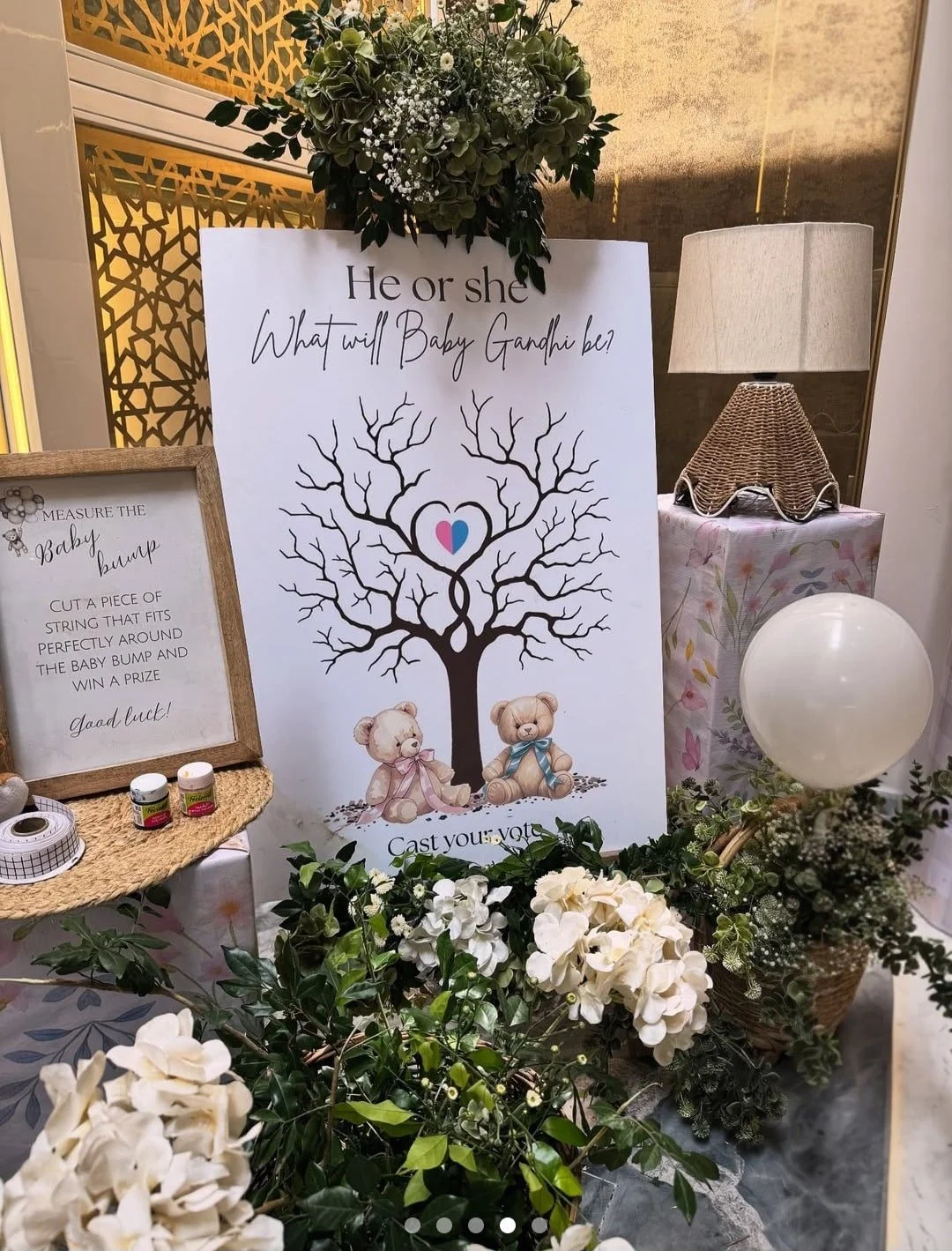
12 Awesome Baby Shower Activities and Ideas that Aren’t Games
12 Thoughtful Baby Shower Activities and Ideas That Aren’t Games
Throwing a baby shower doesn’t mean you must rely on competitive games. Non-game activities can create meaningful memories, help guests connect, and give the parents-to-be keepsakes they’ll treasure. If you want a quick primer on alternatives to typical party games, check out creative non-game activities for baby showers to spark ideas before you plan.
Below are twelve original, low-pressure activities and ideas designed to be inclusive, sentimental, and easy to run.
1. Keepsake Advice Cards
Set out attractive index cards and pens for guests to write short notes of advice, hopes, or predictions for the baby. Collect them in a decorated box or binder so the parents can read them later.
2. Memory Jar
Ask each guest to bring or write a favorite childhood memory to drop into a jar. The parent(s)-to-be can read these during quiet moments and share them with the child as they grow.
3. Wishes & Wishes Tree
Provide blank tags and a small tree or branch centerpiece. Guests hang wishes, blessings, or hopes for the baby. It becomes a beautiful display and a meaningful keepsake.
4. DIY Onesie or Bib Decorating Station
Arrange plain onesies or bibs and fabric markers, iron-on patches, or appliqués. Guests can design practical wearable art—fun, creative, and instantly useful.
5. Storybook Signing
Instead of a guestbook, have guests sign the inside cover of a favorite children’s book with personal messages. Over the years, this builds a library filled with love and memories.
6. Photo Booth with Props (Non-Competitive)
Create a cozy photo corner with soft backdrops and themed props (hats, signs, plush toys). Guests take relaxed photos with the parents-to-be; include instant cameras or a hashtag for digital sharing.
7. Time Capsule
Provide a box and ask attendees to contribute small items, notes, or predictions to be sealed and opened on a milestone birthday. Include instructions for when it should be opened.
8. Recipe Collection Table
Invite guests to bring a favorite family recipe written on a card. Compile these into a simple binder for the new parent(s) to rely on during busy months with the baby.
9. Baby Care Stations (Hands-On Help)
Offer short, practical mini-sessions—diapering tips, swaddling demonstrations, or babywearing basics—led by a confident friend, doula, or grandparent. These are both useful and supportive without feeling like a game.
10. Personalized Keepsake Crafting
Provide materials for low-effort crafts like fingerprint art, decorated blocks, or a handprint canvas. A craft leader can guide guests so everyone leaves with a meaningful item.
11. Gratitude or Hope Letters
Set up a quiet corner with stationery where guests write letters to the baby to be opened at future milestones (first birthday, college, etc.). Seal the letters in envelopes and label them with opening dates.
12. Charitable Shower
Invite guests to contribute to a charity in the baby’s name—diaper banks, children’s hospitals, or local family services. Provide information cards and a display explaining the chosen cause.
Throughout the event, keep the atmosphere relaxed—soft music, comfortable seating, and plenty of refreshments help guests linger and connect. If you decide to include a light game for variety, these baby shower games ideas pair well with the quieter activities above.
Conclusion
For more inspiration and a roundup of thoughtful activities you can adapt, see 12 Awesome Baby Shower Activities and Ideas that Aren’t Games, which offers practical examples and styling tips. If you’re planning a smaller “sprinkle” or want ideas focused on that format, this guide to best baby sprinkle activities provides additional suggestions to make a memorable, low-key celebration.
50+ Easy DIY Baby Shower Game Ideas That Are Actually Fun
50+ Easy DIY Baby Shower Game Ideas That Are Actually Fun
Planning a baby shower and want games that feel homemade, personal, and — most importantly — actually fun? Below are 50+ easy DIY baby shower games organized by style (quick, crafty, active, printable-friendly) with short instructions, supplies, and tips so you can pick the right mix for your guests. If you’d like a broader roundup to spark more ideas, take a look at this collection of baby shower game ideas for additional inspiration.
Quick, Low-Prep Favorites (great for mixed-age crowds)
- Baby Bingo — Make bingo cards with baby-related words; mark when items are mentioned during gifts.
- Guess the Baby Food — Blindfold guests and have them taste jars to identify flavors.
- How Big Is Mommy? — Guests estimate mom’s belly with ribbon or yarn; closest wins.
- Baby Word Scramble — Scramble baby-related words on paper; fastest correct list wins.
- Price Is Right: Baby Edition — Show baby items; guess total cost. Closest without going over wins.
- Baby Name Race — Give a letter; who lists the most names starting with that letter in 60 seconds?
- Bottle Chug — Fill baby bottles with juice; first to finish wins.
- Sock Match — Heap of baby socks, one minute to match pairs.
- Diaper Relay — Teams change a doll’s diaper as fast as possible.
- Who’s That Baby? — Guests bring baby photos; match photos to attendees.
Funny & Conversation-Starting Games
- Don’t Say “Baby” — Each guest gets a clothespin; if someone says “baby,” clip it — player with most pins wins that many small prizes.
- Baby Pictionary — Draw baby-related items for team guesses.
- Dirty Diaper Game — Melt candy bars into diapers; guests smell to guess which candy it is.
- Baby Predictions — Guests write birth predictions (date, weight, length) on cards; keep them to reveal later.
- Advice Cards with a Twist — Instead of advice, ask guests to write a silly prediction for the baby’s future job or hobby.
- The Price Is Right: Baby Food Jar — Guess the number of candies or beans in a jar.
- Baby Karaoke — Guests sing songs with “baby” removed; audience guesses the tune.
- Guess the Parents’ Childhood Pics — Similar to Who’s That Baby but with the expecting parents.
- Baby Emoji Phrases — Write popular phrases using only emojis; guests decode.
- Pass the Pacifier — Musical chairs style; last person holding it gets a playful penalty or prize.
If you want specifically hilarious options proven crowd-pleasers, check out this list of the funniest baby shower games that elicit guaranteed laughs.
Crafty, Hands-On Games
- Decorate a Onesie — Provide fabric markers and plain onesies for guests to personalize.
- Decorate a Baby Block — Wooden blocks plus paint and stickers for keepsakes.
- Build-a-Baby-Book Page — Guests design scrapbook pages to compile into a memory book.
- Story Chain — Each guest writes a sentence to build a silly baby story.
- Baby Blanket Quilt Squares — Each guest decorates a square to be sewn together later.
- Name the Nursery Rhyme — Color sheets from nursery rhymes; guests match or color creatively.
- Handprint Art — Ink pads for guests to make prints on a keepsake canvas.
- Baby Mobile Workshop — Provide paper, string, and hoops to craft a simple mobile.
- Build-a-Stuffed-Animal Station — Small kits for guests to assemble a toy to donate.
- Personalized Milestone Cards — Guests create and decorate cards the parents can use monthly.
Active & Competitive Games (best for energetic groups)
- Baby Charades — Act out baby-related phrases and moments.
- Relay with a Twist — Teams carry an egg on a spoon, but it’s a rubber duck or pacifier.
- Balloon Pop Quiz — Insert tasks or questions into balloons; pop to reveal.
- Twister: Baby Edition — Use baby-safe items as spot markers for a themed Twister game.
- Pacifier Toss — Toss pacifiers into baby bottles.
- Obstacle Course for a Stroller — Set up safe, gentle obstacles for pushing a stroller through.
- Team Build the Bottle — Using limited materials, teams construct a stable “bottle” to hold candies.
- Guess the Song — Play baby or lullaby snippets; first to shout the song wins.
- Diaper Change Relay (Blindfolded) — Adds the laugh factor and challenge.
- Baby Item Scavenger Hunt — Clues lead teams to baby-themed items hidden around the party space.
Printable & Station-Based Games (easy to set up)
- Baby Shower Word Search — Print custom puzzles with baby terms.
- Fill-in-the-Blank Baby Quiz — Trivia about pregnancy, parenting, or the parents-to-be.
- Baby Shower Mad Libs — Create silly stories using guest-submitted words.
- Match the Baby Animals — Match animals to their baby names for a quick, cute challenge.
- Would You Rather: Parenting Edition — Guests choose between two funny parenting scenarios.
- Baby Bucket List — Guests suggest experiences for the baby’s future; compile as a keepsake.
- Sticker Chart Predictions — Guests place stickers on a chart marking their predictions.
- “Old Wives’ Tale” Voting Board — Guests vote on whether certain cravings/predictions are true to the pregnancy.
- Photo Booth Prompts — Printable props and a sign with fun prompts for shots.
- Label the Diagram — Provide a simple baby diagram and have guests label parts or items.
Prize Ideas, Supplies & Quick Hosting Tips
- Keep prizes simple: scented candles, gourmet chocolate, mini succulents, or gift cards.
- Use themed containers for prizes (mason jars, diaper bundles, or tiny toy strollers).
- Printables save time — prepare sheets before the shower and have a clipboard station.
- Rotate guests through stations so everyone participates without chaos.
- Tailor games to the crowd — older guests may prefer gentler activities; friends may love silly competitions.
Supplies to keep on hand: masks for blindfold games, clothespins, paper, pens, small prizes, scissors, tape, labels, and a camera or phone for capturing winners and crafts.
Tips to Keep Everyone Engaged
- Mix game lengths: alternate 1–2 minute quick games with a few 10–15 minute activities.
- Offer optional participation: allow guests to skip high-energy games to avoid awkwardness.
- Have a clear MC or host to explain rules and keep the pace lively.
- Use themed stationery and a visible scoreboard for friendly rivalry.
- Remember the goal: celebrate the parents-to-be and create memories — don’t over-schedule.
Conclusion
If you want ready-made printable sheets to pair with the DIY ideas above, this curated roundup of fun printables is a great complement: 20 Baby Shower Games That Are Actually Fun – The Everymom. For a simple way to organize raffle-style games or hand out tickets with a sweet theme, consider this Baby Shower Activities Winnie The Pooh Diaper Raffle Box Set.
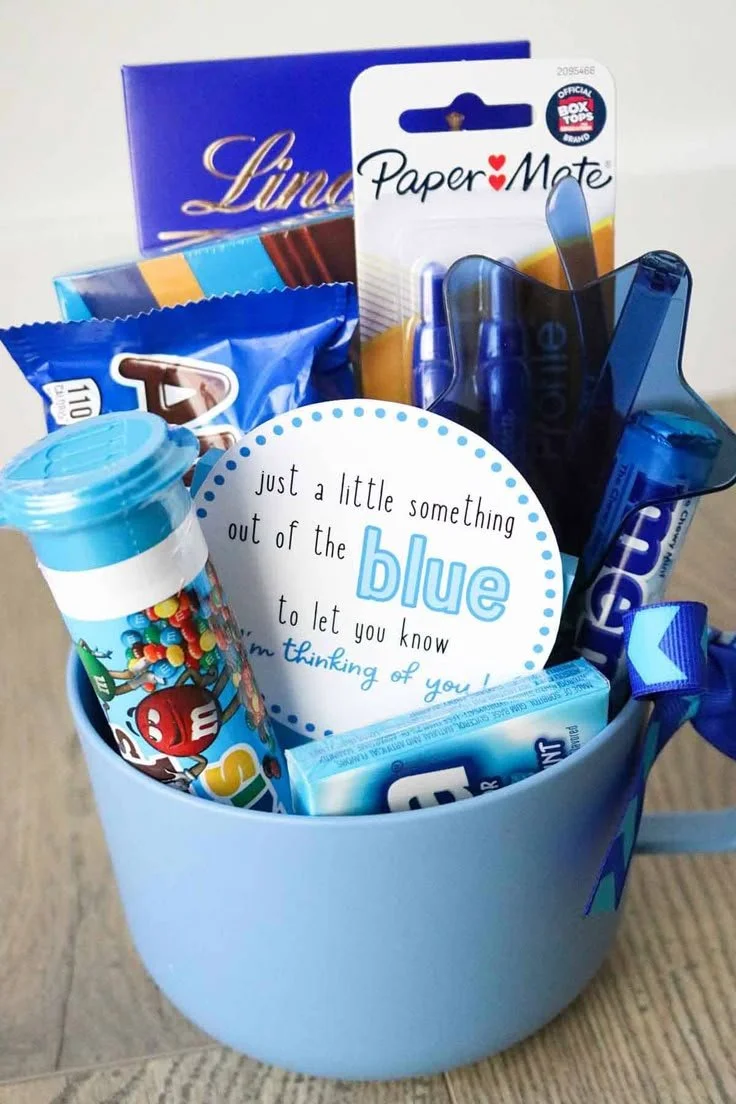
DIY Blue Gift Basket Ideas–and Free Printable Gift Tags!
DIY Blue Gift Basket Ideas — and Free Printable Gift Tags!
Give a thoughtful, themed gift without breaking the bank by assembling a blue gift basket tailored to the recipient. Whether you’re celebrating a baby shower, honoring a special someone, or creating a raffle prize, blue-themed baskets feel cohesive and polished. If you’re gathering ideas for event prizes, this primer pairs well with other gift basket ideas for raffles to help you plan multiple baskets quickly.
What follows are fresh, actionable ideas and a simple guide to creating attractive blue baskets plus tips for designing and printing your own complimentary gift tags.
Materials and basic supplies
- Basket or container: wicker, cardboard gift box, metal tub, or a reusable canvas tote in blue or neutral tones.
- Fillers: shredded paper, tissue paper, or fabric in shades of blue and white to create height and cushion.
- Wrapping: clear cellophane or a translucent blue wrap; navy or silver ribbon to finish.
- Tools: scissors, double-sided tape, glue dots, and a hole punch for tags.
- Optional: small accents like faux hydrangeas, ribbon bows, or wooden clothespins to attach tags.
Themes and item suggestions
Choose a theme to guide your purchases. Here are compact blue-theme ideas that cater to different recipients:
- Spa & Relaxation: navy loofah, sea-salt scrub, blue-scented candle (ocean or lavender), soft socks, and a sleep mask.
- Gourmet & Beverage: cobalt mug, artisan tea sachets or single-origin coffee, chocolate covered blueberries, and a jar of blueberry jam.
- Baby shower (blue accents): soft blue onesies, baby-safe lotion, blue-patterned swaddle, and a stuffed animal — for more baby-specific gift inspiration see baby shower gifts for mom.
- Beach kit: blue-striped towel, compact sunscreen, reusable water bottle, and flip-flops.
- Hobby basket: blue-themed craft supplies, a notebook with a blue cover, and craft tools or starter kits.
Mix price points: add one standout item (like a luxury candle) and several small, useful items to keep the basket balanced and budget-friendly.
Assembly steps (simple and repeatable)
- Choose your container and line it with filler, building a small mound in the center so taller items sit at the back.
- Arrange items in tiers: tallest in the back, medium in the middle, smallest in front. Angle products to show labels.
- Tuck small extras into gaps to make the basket look full without overstuffing.
- Add decorative touches: tie a ribbon, glue a small floral accent, or attach a mini ornament.
- Wrap with cellophane if shipping or presenting in public, then finish with a bow and tag.
If you’re making multiple baskets (for events or gifts), create an assembly line: fill, arrange, tag, and wrap in batches. This speeds production and ensures visual consistency across baskets.
Free printable gift tags — design tips
You can create elegant printable tags with basic software (Word, Canva, or Google Slides) that match your blue palette.
- Size and shape: 2.5 x 3.5 inches is a versatile rectangle; circles (2.5 in) and scalloped tags add charm.
- Fonts & colors: choose a readable script or sans-serif for names and a contrasting color like white or silver text on navy blue backgrounds.
- Add small icons: anchors for a nautical feel, tiny baby bottles for showers, or seashells for beach baskets.
- Export as PDF at 300 dpi for crisp printing; print on heavyweight cardstock (65–110 lb) or matte photo paper.
- Cut precisely with a craft knife or a tag punch, and optionally laminate for durability. Punch a hole and use twine or ribbon to attach.
Provide a short personalization line on each tag — “Enjoy!” or “With love, [name]” — and consider printing a sheet of pre-filled tags with common messages to speed up final assembly.
Presentation and gifting tips
- Keep your color story consistent: use two main blues and one neutral (white, silver, or kraft brown) to avoid visual clutter.
- For shipping, secure fragile items with extra padding and label the box fragile. Wrap the basket in cellophane and secure the bottom with tape to prevent shifting.
- If presenting in person, hide small gifts under tissue layers so the recipient unwraps to discover the contents — that adds delight.
Conclusion
For more curated blue-basket inspiration and printable tag examples, check out this detailed post on diy gift baskets for him Online Sale DIY Blue Gift Basket Ideas and …, and for step-by-step blue basket ideas with free printable gift tags, see DIY Blue Gift Basket Ideas-and Free Printable Gift Tags!.
36 Baby Shower Centerpieces: Beautiful, Adorable Ideas
36 Baby Shower Centerpieces: Beautiful, Adorable Ideas
Planning a baby shower is a chance to celebrate a new life with style and warmth, and centerpieces set the tone for the whole room. Whether you’re hosting a tea, a brunch, or an evening celebration, these 36 centerpiece ideas cover themes, budgets, and DIY skill levels. If you’re leaning toward a feminine palette, don’t miss these baby girl shower ideas for complementary decor inspiration.
How to choose the right centerpiece
- Consider the table size and layout: tall centerpieces can block conversation on small tables, while low arrangements work well for intimate gatherings.
- Match the theme and color scheme: use fabrics, ribbons, and props to tie centerpieces into invitations and favor choices.
- Think about function: if you’ll serve food plated at the table, opt for compact or utensil-friendly designs.
- Budget and time: select designs you can realistically create or order within your timeframe.
Floral Classics (4 ideas)
- Mason jar bouquets with gauzy ribbon and baby’s breath for a rustic, gentle look.
- Mini terrariums with succulents and a tiny wooden block that spells "baby".
- Single-flower stems (peonies or roses) in colored bottles for minimalist elegance.
- Floating florals in glass bowls with tea lights for soft, romantic lighting.
Whimsical Animal Themes (4 ideas)
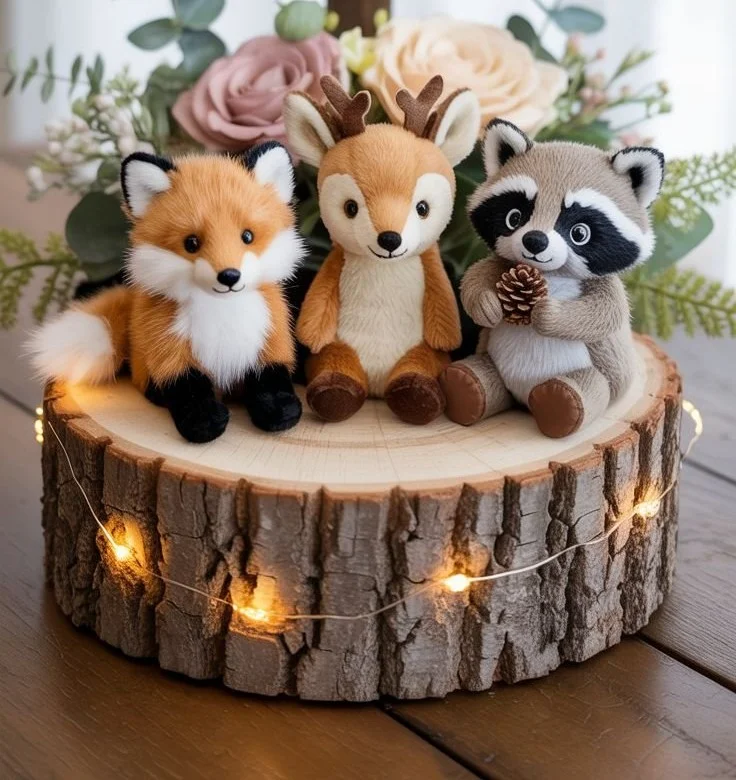
- Stuffed-animal centerpieces seated in a decorative wagon or basket.
- Paper mâché animal heads adorned with floral crowns for a trendy nursery vibe.
- Tiny plush zoo dioramas with moss, miniature trees, and a name tag.
- Origami animals perched around a low floral ring for a crafty aesthetic.
Pastel Balloon Clusters (4 ideas)
- Small helium balloon bouquets anchored by decorated jars or diaper cakes.
- Balloon garland swags draped across rectangular tables with matching center jars.
- Mini balloon topiaries in foam cones wrapped in ribbon.
- Transparent balloons filled with confetti and a single faux flower inside.
DIY Keepsake Centerpieces (4 ideas)
- Wooden blocks stacked to spell baby’s name or "BABY" with fresh greenery.
- Personalized picture frames with ultrasound photos surrounded by mini succulents.
- Hand-painted terracotta pots filled with herbs guests can take home.
- Custom onesie garlands draped across small wreaths or hoops.
Themed Centerpieces (4 ideas)
- Nautical: rope-wrapped vases, mini anchors, and navy linens.
- Boho: macramé hangers for small pots and pampas grass accents.
- Vintage tea party: stacked teacups, saucers, and petite rose sprays.
- Woodland: slices of wood as risers with pine cones, ferns, and antler motifs.
Gender Reveal & Neutral Ideas (4 ideas)
- Peek-a-boo boxes that reveal confetti or colored tissue once opened.
- Neutral greens and whites with gold accents for a chic, modern feel.
- Chalkboard signs labeling each table with hopes and predictions for baby.
- Stacked books with a tiny crib topper for an intellectual, homey vibe.
Food & Brunch Centerpieces (4 ideas)
- Fruit-filled bowls with flowers tucked between citrus and berries for a fresh, edible display.
- Mini pastry towers on pedestals that double as both dessert and decor.
- Tea-service arrangements with teapots of flowers and mismatched cups for a cozy brunch feel; if you’re planning a daytime gathering, these baby shower brunch ideas offer helpful menu and timing tips that pair well with centerpiece choices.
- A cheese-and-cracker board centerpiece clustered at the table’s center for grazing.
Eco-Friendly & Budget Options (4 ideas)
- Recycled glass bottles painted in soft hues and filled with seasonal stems.
- Potted herbs in paper-wrapped pots guests can take home as favors.
- Paper-pom or crepe-paper flower arrangements that look luxe without the cost.
- Thrifted picture frames repurposed to hold pressed flowers or baby quotes.
Elegant Keepsakes & Splurge Pieces (4 ideas)
- Crystal bowls filled with pearl beads and single-stem orchids for a high-end look.
- Antique silver trays with candle clusters and sprigs of eucalyptus.
- Monogrammed wooden crates stacked with silk peonies and satin ribbon.
- Hand-painted porcelain vases commissioned for the guest of honor as a lasting memento.
Tips for execution
- Prep as much as you can the day before: assemble bases and pre-cut floral stems.
- Have a simple toolkit for touch-ups on the day: floral tape, wire cutters, glue dots, and extra ribbon.
- Coordinate with the caterer and venue: confirm centerpiece height and candle policies.
- Make a few extra centerpieces to replace any that get damaged during setup.
Styling and placement ideas
- For long banquet tables, repeat small, identical centerpieces in a rhythmic pattern rather than one oversized piece.
- Use varying heights (books, boxes, cake stands) to create visual interest without blocking sightlines.
- Incorporate scent carefully—lightly-scented herbs or one scented candle per table, if allowed, creates ambiance without overwhelming guests.
Conclusion
If you want ready-made inspiration or ordering options for themed pieces, check out these curated resources for centerpiece orders and seasonal deals: BigCity’s cute baby shower centerpiece orders ideas and a selection of clearance and preppy "It’s a Boy" centerpieces at Ahoy it’s a Boy preppy centerpiece store.
13 Easy Toddler Activities to Keep your Toddler Out of Trouble | No Prep Indoor Activities
13 Easy No-Prep Indoor Activities to Keep Your Toddler Out of Trouble
Toddlers have boundless energy and a short attention span — which means parents need a toolkit of quick, no-prep activities to keep little ones engaged and safe. Below are 13 simple ideas you can use right now with no special supplies. If you want even more inspiration, check this roundup of indoor activities for toddlers for additional options and variations.
Each activity is designed to be low-cost, low-mess, and easy to set up so you can switch gears quickly when boredom starts.
The 13 Activities
- Dance Party
- Put on a few upbeat songs and dance with your child. Add simple props like scarves or a lightweight pillow they can wave around.
- Indoor Obstacle Course
- Use couch cushions, pillows, and blankets to create a short course: crawl under, hop over, and circle around. Change the layout each time to keep it fresh.
- Sticker Station
- Give your toddler a sheet of stickers and a piece of paper or the back of a cereal box. Stickers are great for fine motor practice and quiet focus.
- Pillow Fort
- Build a fort together with pillows and blankets. Let your toddler “help” stacking and then enjoy reading or snacking inside.
- Cardboard Box Play
- A large box becomes a car, spaceship, or puppet theater. Cut a window (you do the cutting) and let imaginative play take over.
- Shadow and Flashlight Games
- Turn off the lights and use a flashlight to make shadows on the wall. Encourage your child to trace shapes with the light or make shadow animals.
- Sorting Socks or Toys
- Have your toddler match socks by color or pair similar toys. This is a calming activity that builds categorization skills.
- Cup Stacking and Tapping
- Plastic cups are great for building towers or drumming rhythms on the floor. Both versions encourage coordination and patience.
- Hide and Seek with Toys
- Hide a favorite toy under cups or behind pillows and ask your child to find it. This simple game builds problem-solving and memory.
- Bath Time Play (Daytime)
- Let them play with cups and spoons in a supervised bath or sink session. Water play is soothing and endlessly entertaining.
- Quiet Reading Picnic
- Spread a blanket on the floor and stack a few picture books. Take turns “reading” and pointing out objects on the pages.
- Sock Puppet Storytime
- Make a quick puppet from a clean sock and put on a short story. Toddlers love the exaggerated voices and movement.
- Toy Parade or Cleanup Race
- Line up small toys and march them around the room, then turn cleanup into a timed game — who can put five toys away first?
Tips for Success
- Rotate: Introduce a few activities at a time and rotate them so each feels novel.
- Short Bursts: Keep activities to 5–15 minute windows to match toddler attention spans.
- Safety First: Supervise water play, small parts, and any climbing. Remove hazards before starting.
- Involve Your Toddler: Give simple choices like “Do you want to build a fort or dance?” — this boosts cooperation.
If your toddler is struggling to settle at night after active play, it can help to recognize early cues; consider reading the guidance on signs your toddler isn’t ready for bed to adjust routines.
Conclusion
When you need quick, no-fuss activities, these 13 ideas will help redirect energy and reduce troublemaking — and you can adapt each one to suit your space and your child’s interests. For a different set of easy-to-implement suggestions, see this list of Quick Easy Activities for Toddlers, and for many more low-prep options that minimize mess, take a look at 50 Low-Prep, Low-Mess Ideas to Engage Your Toddler.
Red And Yellow Winnie The Pooh Baby Shower
Red and Yellow Winnie The Pooh Baby Shower
Introduction
A red and yellow Winnie the Pooh baby shower is a warm, nostalgic way to welcome a little one — combining Pooh’s honeyed charm with bright, celebratory accents. These colors lend themselves to playful details (think honey pots, red bows, and soft golden fabrics). If you want ideas that extend into the nursery after the party, you can explore Winnie the Pooh nursery ideas for complementary décor that carries the theme beyond the shower.
Theme Inspiration
Start with storybook charm. Use classic Pooh imagery — honey pots, red shirts, bees, woodland florals — and let the red and yellow palette guide accents. Red is perfect for bows, gingham linens, and Pooh’s signature shirt; yellow works for balloons, tissue pom-poms, and honeycomb details. Keep everything soft and welcoming so the room feels like a page from A.A. Milne’s stories.
Color Palette and Textiles
Balance is key. Use a base of warm neutrals (cream or soft beige) so the red and yellow pop without overwhelming. Textures like knit blankets, burlap table runners, and felt appliqués add a handmade, cozy feel. For table settings, combine yellow chargers with red napkins, and add small honey-pot centerpieces for cohesion.
Invitations and Stationery
Design invitations that hint at the theme with simple silhouettes: Pooh holding a honey pot, a red scarf, or a trail of tiny bees. Use script fonts and soft watercolor washes of yellow for a storybook look. Include small RSVP cards shaped like honey pots or bees for an extra touch guests will notice.
Decor & Centerpieces
Create a focal point with a backdrop featuring red and yellow bunting, a large Pooh cutout, or a honeycomb paper installation. For centerpieces, use mini honey jars tied with red ribbon and topped with fresh flowers or faux greenery. Scatter small plush Pooh toys or illustrated storybook pages across the tables for whimsy.
Food & Cake Ideas
Serve comfort foods and sweet treats: honey-glazed chicken skewers, yellow lemonade, and mini red velvet cupcakes with yellow buttercream. A show-stopping cake could be a tiered design with a fondant Pooh figure, red scarf, and honey drip. Consider labeling food with playful names like “Tigger Tots” or “Hundred Acre Honey Cookies.”
Games & Activities
Keep games light and themed: “Pin the Tail on Eeyore” with a Pooh twist, honey-guessing jars, or a storytime circle where guests share their favorite childhood book memories. Set up a craft station where attendees decorate bibs or onesies with red and yellow iron-on patches or fabric paint.
Favors & Keepsakes
Send guests home with small jars of local honey tied with a thank-you tag, custom cookies iced with Pooh silhouettes, or mini jars of yellow-scented bath salts. For the mom-to-be, a sash or custom ribbon in yellow with Pooh motifs makes a memorable photo prop.
Styling Tips and Practical Considerations
Lighting makes a big difference: warm string lights and soft lamps enhance the golden hues. If the shower is outdoors, use weighted centerpieces and clips for bunting to prevent wind mishaps. Keep a few neutral seating options so the red and yellow accents remain the visual stars without clashing.
For hosts planning a girl-specific celebration, pairing these Pooh elements with touches of blush or soft coral can feel delicate while still honoring the bold red-and-yellow concept; for more curated theme options, consider browsing a list of baby girl baby shower themes to find complementary ideas.
Conclusion
For inspiration that mixes classic charm with modern touches, see this feature on HWTM’s Classic + Modern Winnie the Pooh Baby Shower which showcases elegant ways to celebrate Pooh’s timeless appeal. If you want a ready-made accessory for the mother-to-be, consider a cheerful Yellow Winnie the Pooh baby shower sash on Etsy to tie the outfit into the red-and-yellow theme.
16 Dollar Store Baby Shower Hacks (that save a BUNCH of money!)
16 Creative Dollar Store Baby Shower Hacks That Save a BUNCH of Money
Throwing a beautiful baby shower doesn’t have to drain your wallet. With a little creativity and a few smart purchases from the dollar store, you can create stylish decor, tasty displays, and fun favors without overspending. If you’re also looking for memorable non-game activities to include, check out these fun activity ideas that go beyond typical shower games to keep guests engaged.
Below are 16 practical hacks—easy to execute and budget-friendly—that turn humble dollar store finds into impressive baby shower elements.
- Diaper-Cake Centerpieces
- Stack diapers, secure with ribbon, and tuck dollar-store faux flowers and tiny stuffed animals into the tiers for an adorable, themed centerpiece.
- Budget Floral Bouquets
- Mix faux stems from the dollar store with a few greenery sprigs. Place them in painted mason jars or wrapped cans for coordinated table arrangements.
- Customized Favor Bags
- Plain organza or paper bags become keepsakes when stamped, stickered, or topped with handwritten tags and a ribbon.
- Washable Chalkboard Signs
- Buy small chalkboard signs and write menu items, diaper raffle rules, or seating details. They look boutique but cost next to nothing.
- Balloon Garland Starter Kit
- Pick up various sizes and colors of balloons plus a plastic strip for an inexpensive balloon garland. Leave gaps for greenery or ribbon to elevate the look.
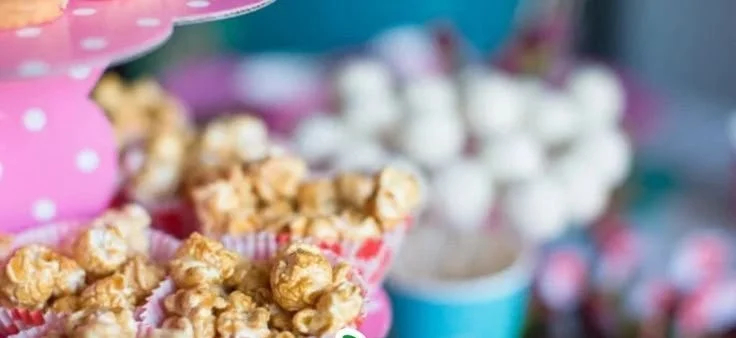
- Dessert Tray Upgrades
- Use tiered plastic stands, mirror tiles, or cake plates from the dollar store to create eye-catching dessert displays.
- Simple Photo Booth Props
- Craft props from card stock, dowels, and glitter. Attach to sticks and create a backdrop from a cheap fabric or streamer curtain.
- Themed Cutlery and Napkin Sets
- Wrap disposable cutlery in napkins and secure with ribbon or a decorative sticker for instant polish.
- DIY Confetti Poppers
- Convert small paper tubes and tissue into confetti poppers for a safe, indoor celebration moment—use biodegradable confetti to keep things tidy.
- Treat Bar Containers
- Glass jars, plastic scoops, and tiered trays from the dollar store make great vessels for a candy or snack bar.
- Ribbon-Wrapped Glassware
- Glue thin ribbon or lace around plain cups for a coordinated look that conceals cheap plastic.
- Venue Prep on a Budget
- Before reserving a space, consider inexpensive alternatives and the items you’ll need to style them; this article on affordable rental options for your shower can spark ideas for nontraditional, cost-effective locations.
- Personalized Cake Toppers
- Use craft foam, cookie cutters for shapes, and glitter to make cute, customized cake toppers that match your theme.
- Framed Advice and Wishes
- Purchase inexpensive frames and have guests write wishes or parenting advice on cards to display at the sign-in table or gift table.
- Coordinated Signage with Printable Inserts
- Use dollar-store frames and swap in printable signs for a cohesive look—labels for food, a gift table sign, and a welcome sign are quick wins.
- Quick Faux Greenery Garlands
- String together faux leaves and small flowers for low-cost garlands to drape across tables, the dessert table, or the gift area.
Tips for shopping smart at the dollar store:
- Bring a list that focuses on essentials (wrapping, tableware, and basic décor).
- Buy extras of versatile items like ribbon, tape, and plain jars—they’re multipurpose.
- Mix store-bought items with a few splurges (fresh flowers, specialty desserts) to balance budget and quality.
With thoughtful mixing of DIY effort and a few strategic purchases, you can host a memorable baby shower that looks far more expensive than it really is.
Conclusion
For more curated inspiration specifically focused on dollar-store baby-shower projects, this roundup of 16 Genius Dollar Store Baby Shower Ideas from Mommy on Purpose offers step-by-step examples and photos. If you want broader dollar-store craft ideas to apply beyond baby showers, explore the collection of 85 Clever Dollar Store Hacks from HGTV for extra creativity and tips.