
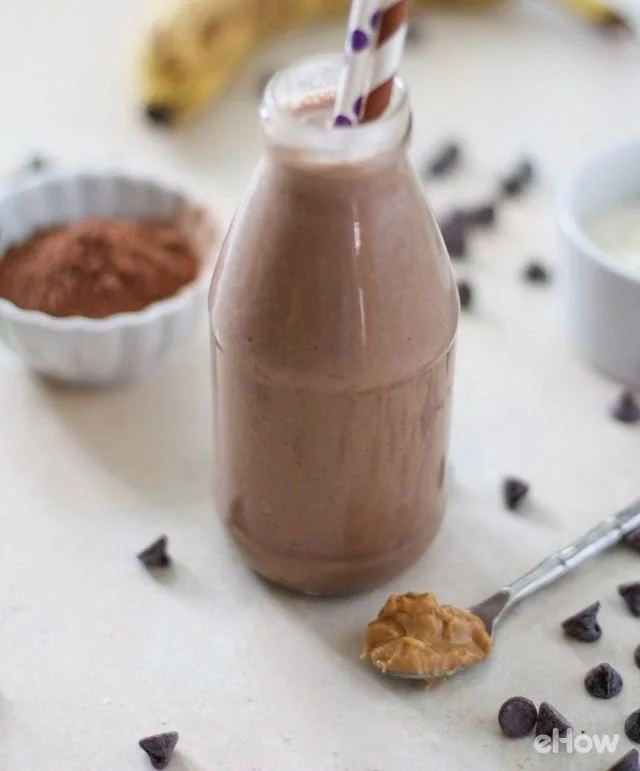
How to Make Homemade Protein Shakes for Kids | ehow.com
Homemade Protein Shakes Kids Will Actually Drink
Protein shakes can be a convenient, nutritious way to boost a child’s energy, support growth, and fill nutritional gaps between meals. When you make them at home you control the ingredients, sweetness, and portion sizes. For more recipe inspiration and kid-friendly variations, check out creative protein shake ideas for kids.
Why homemade is better
- Control sugar: Commercial drinks often contain added sugar. Homemade shakes let you use fruit, a touch of honey (for kids over 1 year), or natural sweeteners sparingly.
- Tailored nutrition: You can add dairy or non-dairy milk, yogurt, nut butters, oats, and fresh or frozen fruit to meet your child’s preferences and dietary needs.
- Texture and flavor: You can adjust thickness and flavor so picky eaters are more likely to enjoy them.
Kid-friendly ingredients and swaps
- Liquid base: milk (cow, goat), fortified soy, oat milk, or water.
- Protein: plain Greek yogurt, cottage cheese, silken tofu, or a child-safe protein powder (consult your pediatrician first).
- Fruit/veg: bananas, berries, mango, avocado, or cooked carrots/sweet potato (adds nutrients without strong veggie taste).
- Extras: oats for fiber, nut butter for healthy fats, a small handful of spinach for color and nutrients, chia or ground flax for omega-3s.
- Sweeteners & flavor: a dash of vanilla, cinnamon, or a small amount of maple syrup or honey (only for children older than 1).
Three simple recipes (serves 1 child)
Banana-Berry Yogurt Shake
- 1/2 banana, 1/2 cup mixed berries (fresh or frozen), 1/2 cup plain Greek yogurt, 1/3 cup milk, 1 tsp honey (optional). Blend until smooth.
Creamy Avocado Oat Shake
- 1/4 ripe avocado, 2 tbsp rolled oats, 1/2 cup milk, 1/4 cup plain yogurt, 1 tsp peanut or almond butter. Blend until creamy.
Veggie-Boost Sweet Potato Shake
- 1/2 cup cooked, cooled sweet potato, 1/2 banana, 1/2 cup milk, 1/4 cup yogurt, pinch of cinnamon. Blend until smooth.
Adjust thickness by adding more or less liquid. For toddlers, offer a thicker texture in a cup rather than a straw to encourage sipping.
Tips for picky eaters
- Start mild: Use familiar fruit flavors (banana, strawberry) and add small amounts of new ingredients.
- Hide greens: Blend spinach or mild-tasting greens with strong-flavored fruit; the color and taste are often masked.
- Let kids help: Letting children choose fruit or press the blender button increases interest.
- Serve cold: Many kids prefer chilled shakes; use frozen fruit for creaminess and coolness.
Also consider overall routines—if a shake is given near nap or bedtime, balance calories and stimulants accordingly and refer to tips about dressing your baby for sleep and bedtime comfort so shake timing doesn’t disrupt rest.
Safety and storage
- Age considerations: Avoid honey for infants under 12 months. Introduce new ingredients one at a time to watch for allergies.
- Portions: A small cup (4–6 oz) is usually enough for a snack; larger portions can displace meals.
- Storage: Refrigerate any unused shake and consume within 24 hours. If it separates, stir or re-blend briefly.
Conclusion
For a straightforward, tested base recipe you can adapt, see Homemade Protein Shake For Kids – Clean Eating with Kids, and for vegetable-forward shake ideas with probiotic options, try Favorite Protein Shakes for Kids (with Veggies!).
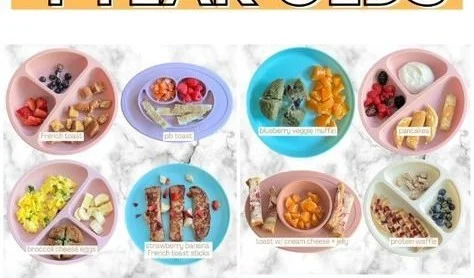
12 Month Old Meal Ideas – Toddler Meal Ideas
12 Month Old Meal Ideas – Toddler Meal Ideas
At 12 months, your toddler is moving toward family foods while still needing balanced nutrition and safe textures. Offer a variety of fruits, vegetables, proteins, whole grains, and dairy (or fortified alternatives) in small, manageable pieces. For extra inspiration and recipe ideas, check this collection of meal ideas for 1-year-olds that focuses on easy, kid-sized portions.
What to keep in mind
- Nutrients: Prioritize iron, healthy fats, calcium, vitamin D, and protein. Iron-fortified cereals, meats, legumes, and leafy greens are helpful.
- Textures & sizes: Cut foods into pea-sized or quarter-inch pieces (or offer soft finger foods) to reduce choking risk. Supervise all eating.
- Milk: Whole cow’s milk is often introduced after 12 months unless advised otherwise; aim for about 400–500 mL (13–17 oz) per day and avoid filling up on milk at the expense of meals.
- Allergies: Introduce common allergenic foods (peanut, egg, fish) per pediatric guidance, ideally while continuing variety.
Quick meal-building rules
- Aim for three meals and 1–2 snacks per day.
- Combine one protein + one grain + one fruit/vegetable at each meal when possible.
- Keep portions small: roughly 1–4 tablespoons of each food per year of age, adjusting to appetite.
- Use healthy fats (avocado, olive oil, full-fat yogurt) to support growth.
Breakfast ideas
- Mashed banana mixed into full-fat yogurt with soft-cooked oats.
- Scrambled egg pieces with soft whole grain toast strips.
- Cottage cheese with soft pear cubes and a tiny sprinkle of cinnamon.
- Mini pancakes made with mashed berries and whole wheat flour, cut into strips.
Lunch ideas
- Soft-cooked pasta with mild tomato and minced turkey, plus soft peas.
- Hummus spread on soft pita pieces with steamed carrot coins.
- Mild cheese, avocado cubes, and cooked quinoa mixed with soft beans.
- Vegetable omelet strips with small toast triangles.
Snack ideas
- Soft-cooked apple slices (steamed) or ripe pear pieces.
- Smashed chickpeas or mashed avocado on whole grain crackers.
- Full-fat yogurt with finely chopped fruit.
- Small, soft pieces of banana or mango.
Dinner ideas
- Flaked baked salmon or mild white fish with mashed sweet potato and steamed zucchini.
- Slow-cooked beef or lentil stew with soft vegetables, fork-shredded.
- Chicken and vegetable risotto with soft peas and finely chopped spinach.
- Tofu cubes sautéed with soft-cooked rice and thin cucumber slices.
Finger-food combos for self-feeding
- Cheese cubes + soft pear pieces + cooked barley.
- Soft-cooked broccoli florets + small pasta shapes + tiny meatballs.
- Scrambled egg + avocado cubes + soft toast strips.
Sample 3-day plan (flexible)
Day 1:
- Breakfast: Oat porridge with mashed banana and full-fat milk
- Snack: Yogurt with soft blueberries
- Lunch: Shredded chicken, avocado, and quinoa
- Snack: Steamed carrot sticks
- Dinner: Baked sweet potato mash and flaked fish
Day 2:
- Breakfast: Scrambled egg and toast fingers
- Snack: Sliced ripe pear
- Lunch: Pasta with tomato and turkey, soft peas
- Snack: Hummus and soft pita
- Dinner: Lentil stew with soft veggies
Day 3:
- Breakfast: Mini whole-grain pancakes with mashed berries
- Snack: Cottage cheese and peach pieces
- Lunch: Tofu and rice with steamed spinach
- Snack: Banana slices
- Dinner: Mild beef and vegetable risotto
For more variations and a different weekly menu layout, you may find additional one-year meal ideas helpful at one-year-old meal ideas and sample menus.
Safety and feeding tips
- Always sit with your toddler while they eat.
- Avoid whole nuts, large chunks of raw vegetables, whole grapes, or hard candies.
- Encourage self-feeding even if messy — it builds motor skills and independence.
- Keep salt, sugar, and highly processed foods to a minimum.
When to consult a professional
- If your child is refusing multiple food groups, has very limited intake, or shows signs of nutrient deficiency, consult your pediatrician or a pediatric dietitian.
Conclusion
For a ready-made sample weekly plan with recipes and snack ideas, consider this one-year-old meal plan with sample toddler menus to adapt to your family’s tastes. If you want more focused lunch options for a 12-month-old, see this list of 20 lunch ideas for 12 month olds that are toddler-tested and easy to prepare.
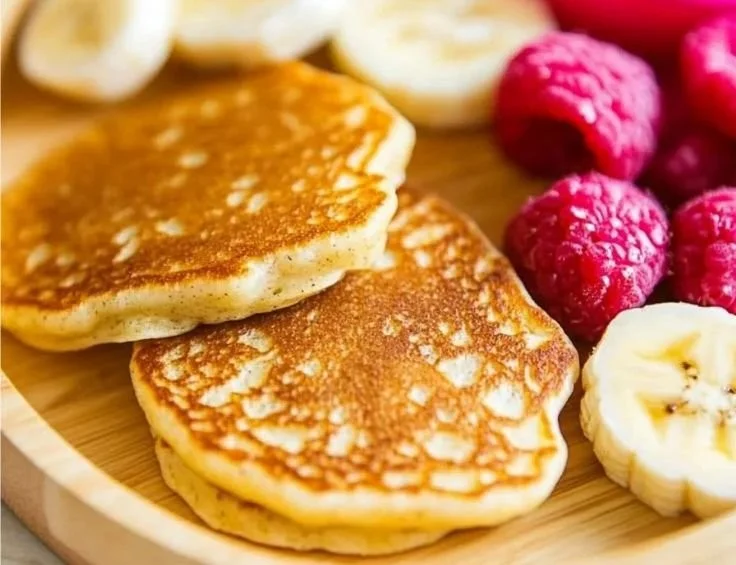
Super Simple Banana Pancakes for Happy Baby Breakfast
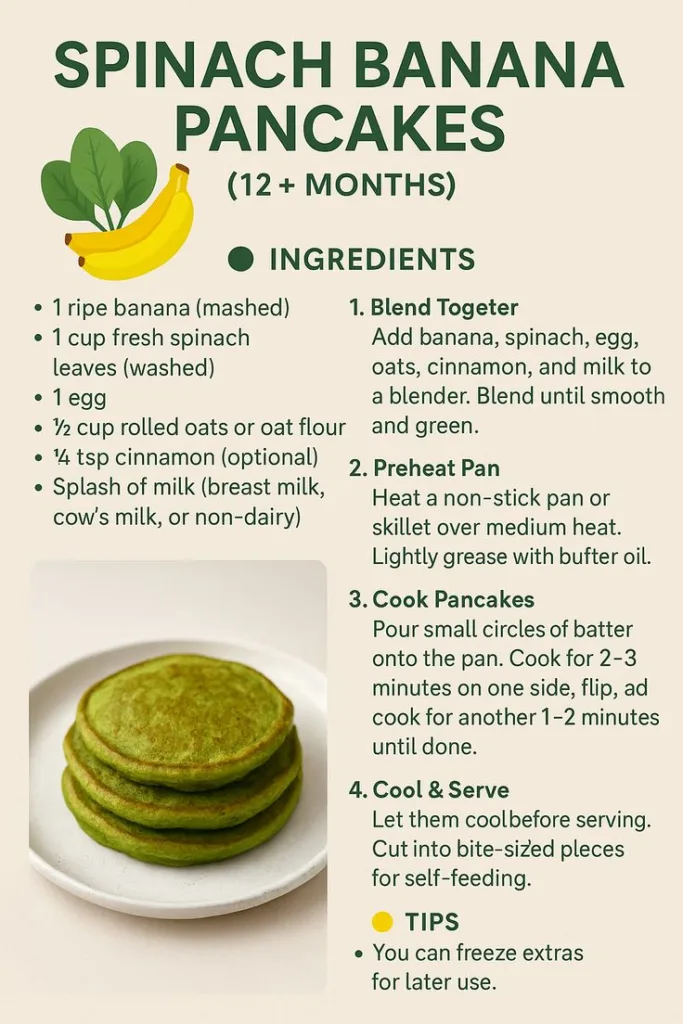
Banana pancakes are a gentle, nutritious, and crowd-pleasing breakfast choice for little ones learning to eat. This easy-to-follow recipe uses pantry staples and yields soft, lightly sweet pancakes that are perfect for tiny hands and developing palates. For a quick look at similar baby-friendly pancake ideas, check this helpful guide: banana pancakes for baby.
Gentle & Safe Feeding Tools Parents Trust
These are popular, parent-approved items that make this easier and less stressful.
Grownsy Baby Food Maker
Makes smooth purees fast and saves cleanup time. Check Price on Amazon
Squeeze Station for Homemade Baby Food
Perfect for storing meals safely in the fridge or freezer. See on Amazon
Glass Baby Food Storage Jars
Gentle on gums and easy for first feeds. View on Amazon
Why these pancakes work for babies
- Mild natural sweetness from ripe banana means no added sugar needed.
- Soft texture that’s easy to gum or mash for younger infants.
- Quick to prepare — ideal for weekday mornings or a calm weekend brunch.
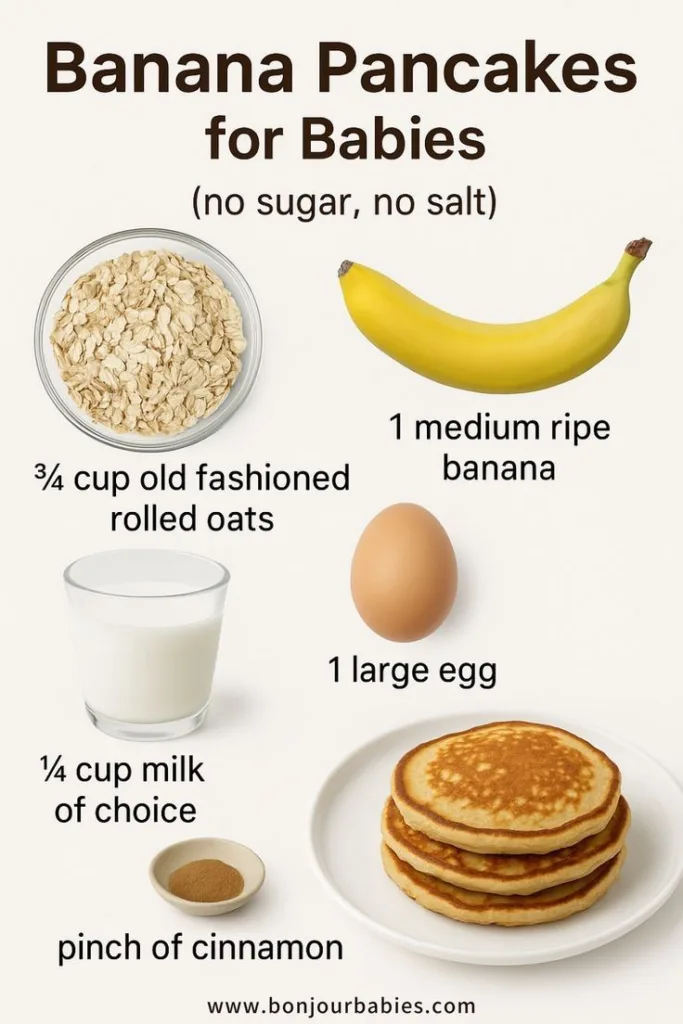
Ingredients (makes about 8 small pancakes)
- 1 ripe banana
- 1 large egg
- 2–3 tablespoons flour (oat flour, whole wheat, or all-purpose)
- Optional: a pinch of cinnamon or a drop of vanilla for flavor
Simple method
- Mash the banana in a bowl until mostly smooth.
- Whisk in the egg until combined.
- Stir in 2 tablespoons of flour. If batter is too runny, add the extra tablespoon until it thickens to a spoonable consistency.
- Heat a nonstick skillet over low–medium heat and lightly grease with oil or butter.
- Spoon small dollops (about 1–2 tablespoons each) into the skillet. Cook for 2–3 minutes until the edges set and the bottom is golden, then flip gently and cook another 1–2 minutes.
- Let cool to a safe temperature and serve plain or with a tiny smear of yogurt.
Feeding tips and safety
- For babies under 12 months, avoid adding honey or syrup. Use plain mashed banana or a dab of unsweetened yogurt instead.
- Cut pancakes into small, manageable pieces and watch closely for choking hazards if your baby is still mastering chewing and swallowing.
- If your family has egg allergies, swap the egg for 2 tablespoons of applesauce or a tablespoon of ground flaxseed mixed with 3 tablespoons water (let sit 5 minutes to thicken).
Variations to try
- Oat banana pancakes: Use oat flour for a heartier pancake and a gluten-free option (ensure oats are certified gluten-free if needed).
- Fruit mix-ins: Stir in tiny soft berry pieces or grated apple for extra flavor and texture.
- Dairy boost: Add a splash of breast milk, formula, or whole milk for a silkier batter and slightly thinner pancakes.
Gentle & Safe Feeding Tools Parents Trust
These are popular, parent-approved items that make this easier and less stressful.
Grownsy Baby Food Maker
Makes smooth purees fast and saves cleanup time. Check Price on Amazon
Squeeze Station for Homemade Baby Food
Perfect for storing meals safely in the fridge or freezer. See on Amazon
Glass Baby Food Storage Jars
Gentle on gums and easy for first feeds. View on Amazon
Make-ahead and storage
- Cooked pancakes keep in an airtight container in the fridge for 2–3 days.
- Freeze cooled pancakes flat on a baking sheet, then transfer to a bag; reheat from frozen in a toaster or warm skillet.
Incorporating pancakes into breakfast routines
Pancakes pair well with protein-rich sides like plain yogurt or cottage cheese and a few soft fruit pieces. They’re also an easy base for introducing new flavors and textures — add a mild spice or swap flours to gradually expand your baby’s palate. For more baby breakfast inspiration and ideas, see this roundup of morning options: baby breakfast ideas.
Conclusion
If you’d like a tested minimalist version to compare techniques, consider this helpful three-ingredient adaptation: The Best 3-Ingredient Banana Pancakes for Baby. For a slightly heartier kid-friendly recipe with four simple ingredients and serving suggestions, check out this version: Kid-Friendly 4-Ingredient Banana Pancakes | Ambitious Kitchen.
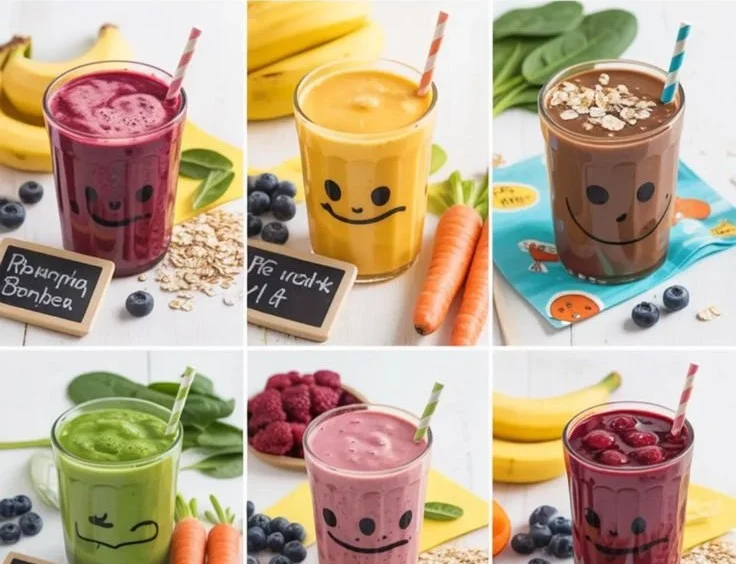
10 Kid-Friendly Superfood Smoothies
Smoothies are an easy, tasty way to pack vitamins, fiber, protein, and healthy fats into a child’s day. The recipes below focus on mild flavors kids love while adding one or two superfoods—like spinach, chia, avocado, or pumpkin—to boost nutrition without overwhelming taste. If you’re also exploring simple purees and protein-rich baby meals, you might find useful ideas in this roundup of easy chicken baby food recipes as you build a balanced menu.
Each smoothie is designed for about one small child serving (8–10 oz) — scale up for siblings or batch-making. Blend until smooth and adjust thickness with milk, water, or yogurt. Use ripe fruit for natural sweetness and consider freezing portions in popsicle molds for a portable treat.
Table of Contents
1. Banana-Spinach Sunshine
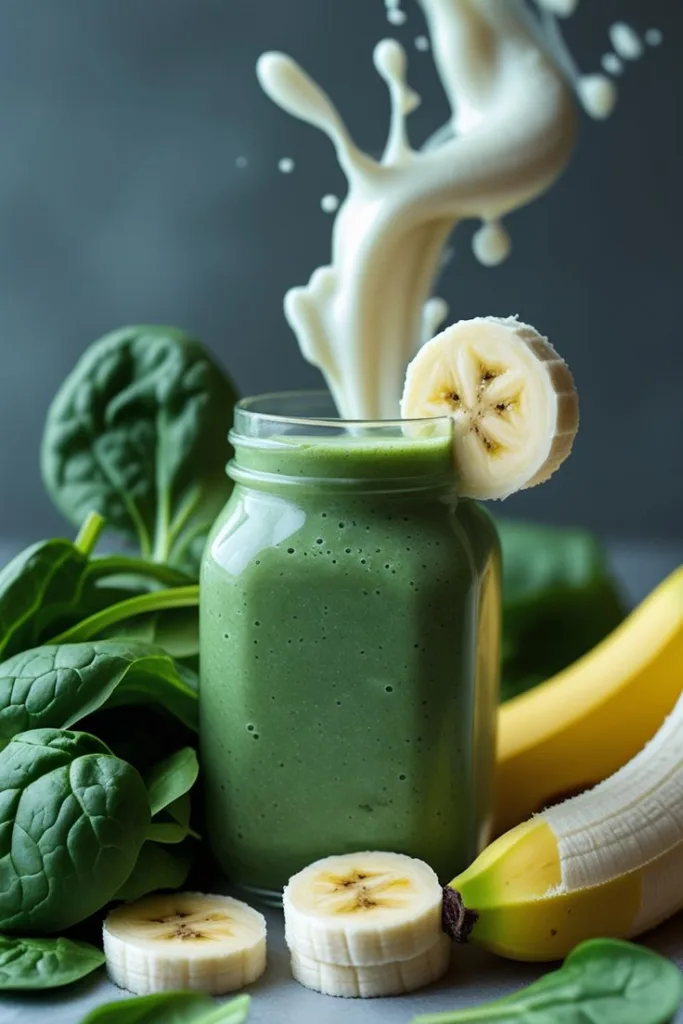
- Ingredients: 1 ripe banana, 1 cup milk (dairy or fortified plant milk), 1 handful fresh spinach, 1 tbsp plain yogurt, 1 tsp honey (for kids >1 year).
- Directions: Blend all until smooth. The banana hides the mild spinach flavor while adding potassium.
- Quick tip: Add a few oats for extra staying power at breakfast.
These are the tools parents mention most
These are popular, parent-approved items that make this easier and less stressful.
✅ Tiny Spoon (2 Pack in Pewter)
Makes smooth purees fast and saves cleanup time.👉 Check Price on Amazon
✅ Silicone Training Cup for Infants
Perfect for storing meals safely in the fridge or freezer.👉 See on Amazon
✅ Straw Training System (Sage) – 9 Months
Gentle on gums and easy for first feeds.👉 View on Amazon
2. Berry Oat Power
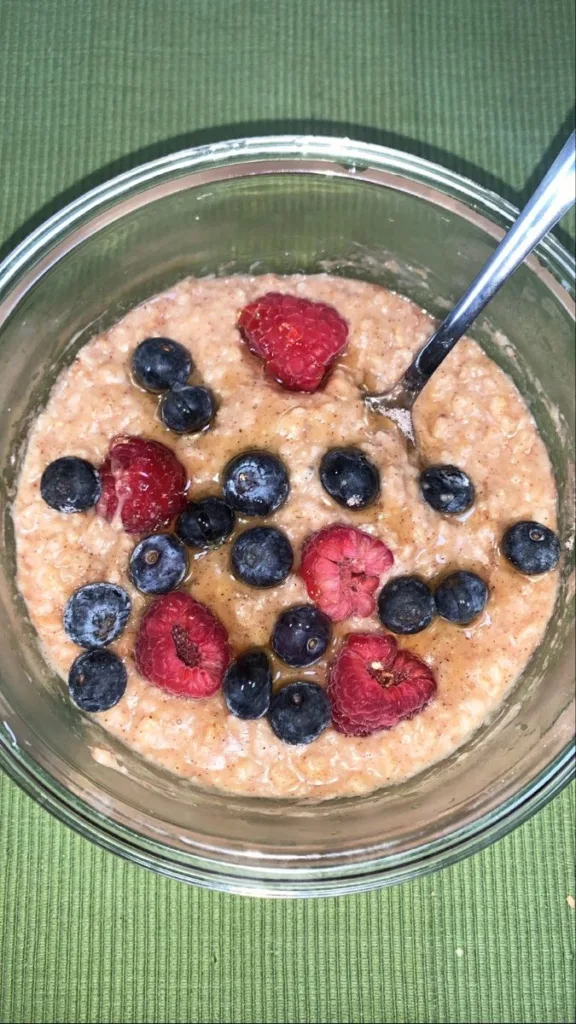
- Ingredients: 3/4 cup mixed berries (fresh or frozen), 1/4 cup rolled oats, 1/2 cup Greek yogurt, 1/4 cup water or milk.
- Directions: Soak oats briefly if using rolled oats, then blend everything until creamy.
- Quick tip: Berries provide antioxidants and oats add fiber to keep little tummies satisfied.
3. Creamy Avocado Mango
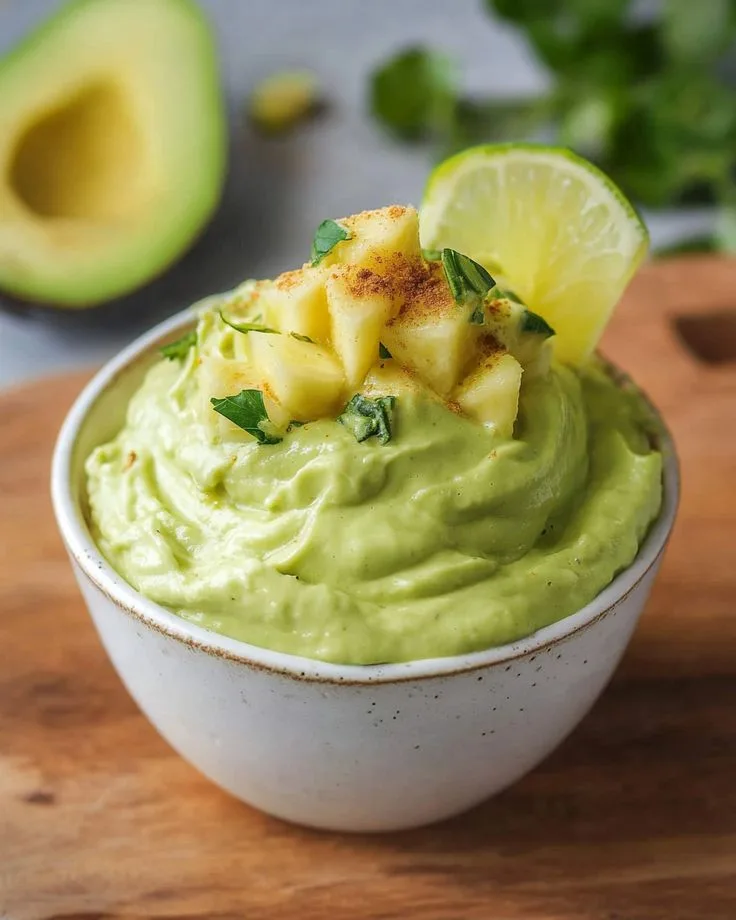
- Ingredients: 1/2 ripe avocado, 1/2 cup mango chunks, 1/2 cup orange juice or milk, squeeze of lime (optional).
- Directions: Blend until silky. Avocado gives healthy fats and a smooth texture kids love.
- Quick tip: Use frozen mango for a cool, spoonable consistency.
4. Sweet Potato Cinnamon Smoothie
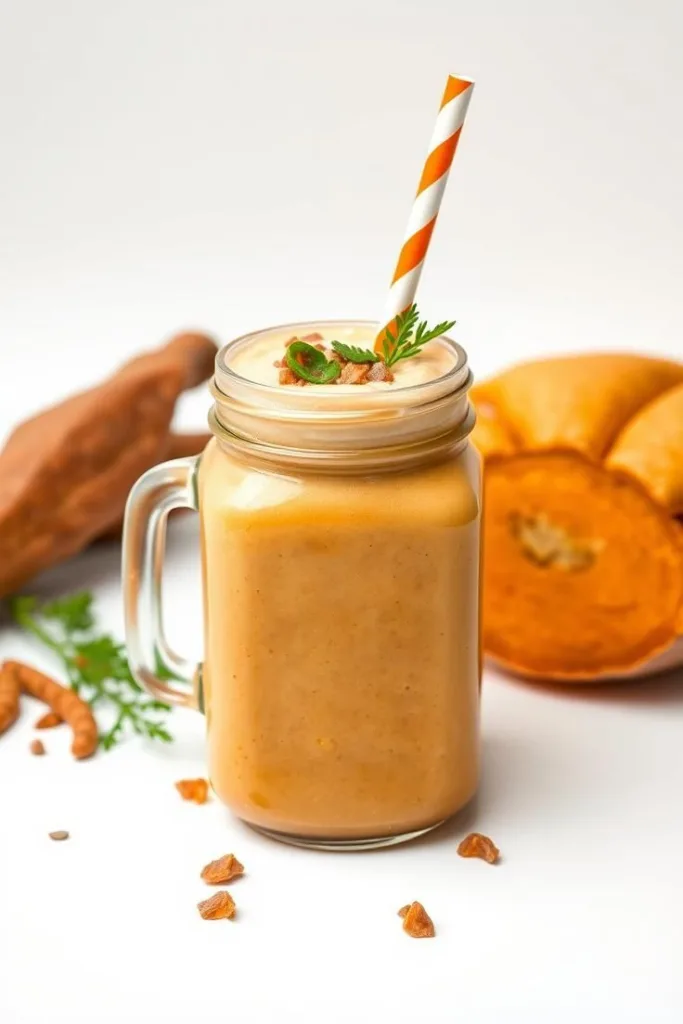
- Ingredients: 1/2 cup cooked sweet potato (mashed), 1 banana, 1/2 cup milk, pinch of cinnamon.
- Directions: Blend until fully combined. Sweet potato adds vitamin A and a naturally sweet flavor.
- Quick tip: Roast a batch of sweet potato cubes ahead and freeze them for quick blending.
5. Pumpkin Pie Smoothie
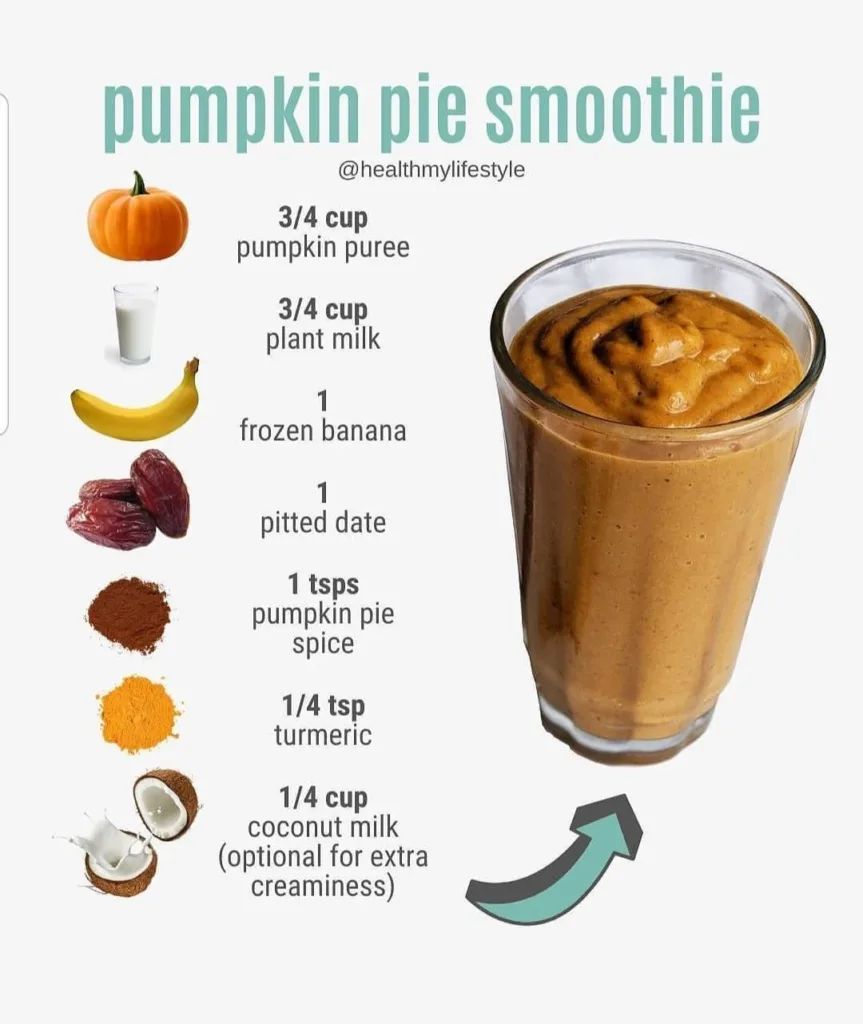
- Ingredients: 1/2 cup canned pumpkin (not pie filling), 1 banana, 1/2 cup vanilla yogurt, dash of pumpkin pie spice.
- Directions: Blend until smooth. Pumpkin is rich in fiber and nutrients without strong taste.
- Quick tip: Sweeten with a touch of maple syrup if needed.
These are the tools parents mention most
These are popular, parent-approved items that make this easier and less stressful.
✅ Tiny Spoon (2 Pack in Pewter)
Makes smooth purees fast and saves cleanup time.👉 Check Price on Amazon
✅ Silicone Training Cup for Infants
Perfect for storing meals safely in the fridge or freezer.👉 See on Amazon
✅ Straw Training System (Sage) – 9 Months
Gentle on gums and easy for first feeds.👉 View on Amazon
6. Blueberry Chia Booster
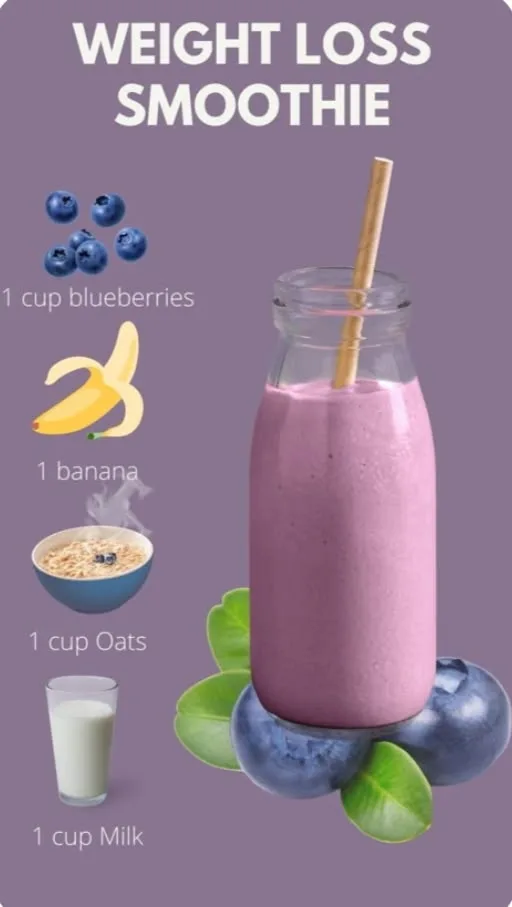
- Ingredients: 3/4 cup blueberries, 1 cup milk or kefir, 1 tsp chia seeds.
- Directions: Blend blueberries and milk, stir in chia and let sit a few minutes to thicken.
- Quick tip: Chia adds omega-3s and gel-like texture that can be spoon-fed to younger kids.
7. Green Apple Pear Smoothie
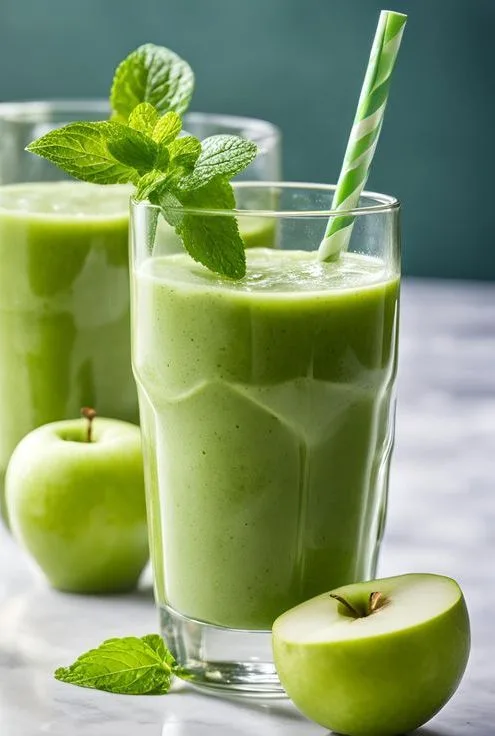
- Ingredients: 1 small pear (cored), 1/2 green apple (cored), 1/2 cup spinach, 1/2 cup water.
- Directions: Blend until smooth. The fruit’s sweetness masks the greens while delivering fiber.
- Quick tip: Peel fruit for toddlers who prefer ultra-smooth textures.
8. Peanut Butter Banana Blast
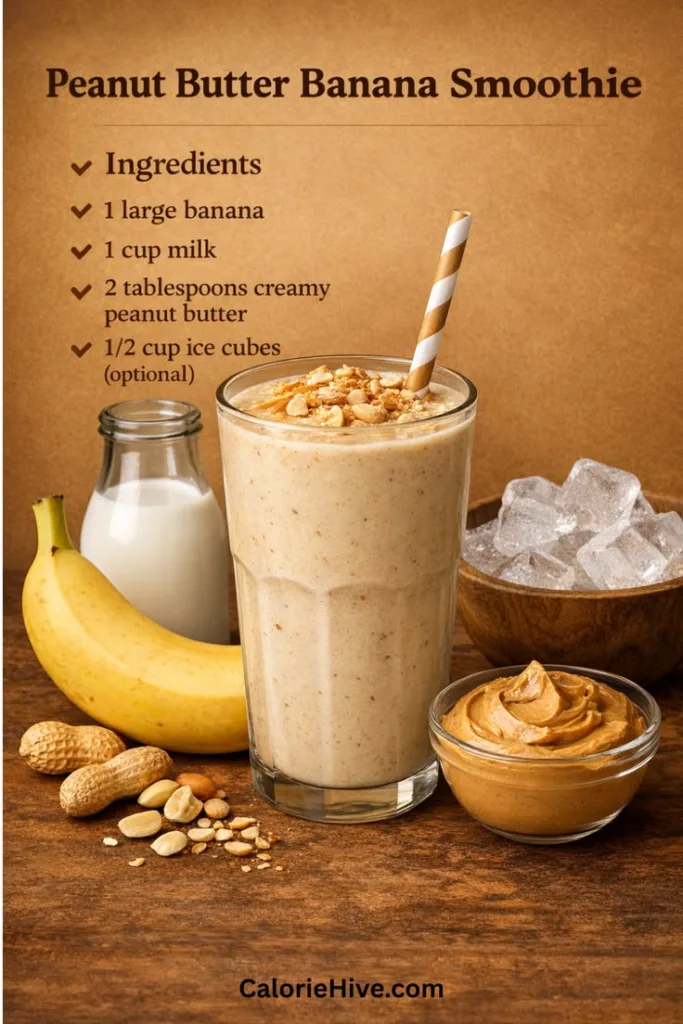
- Ingredients: 1 banana, 1 tbsp peanut butter (or sunflower butter for nut-free), 1/2 cup milk, 1/4 cup Greek yogurt.
- Directions: Blend until creamy. Protein-rich and filling for active little ones.
- Quick tip: Swap in cocoa powder for a chocolatey twist older kids enjoy.
9. Tropical Kale Cooler
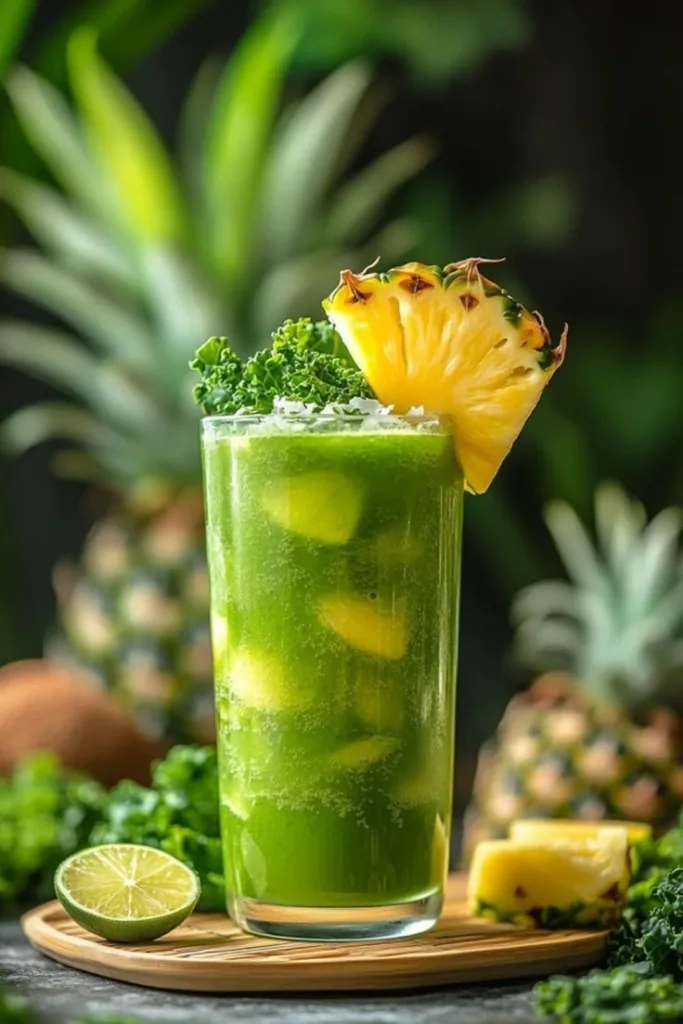
- Ingredients: 1/2 cup pineapple, 1/2 cup mango, 1 small handful kale (stems removed), 1/2 cup coconut water.
- Directions: Blend thoroughly. Kale’s flavor is softened by sweet tropical fruit.
- Quick tip: Use small amounts of kale at first and increase as kids get used to the flavor.
10. Yogurt Beet Berry Smoothie
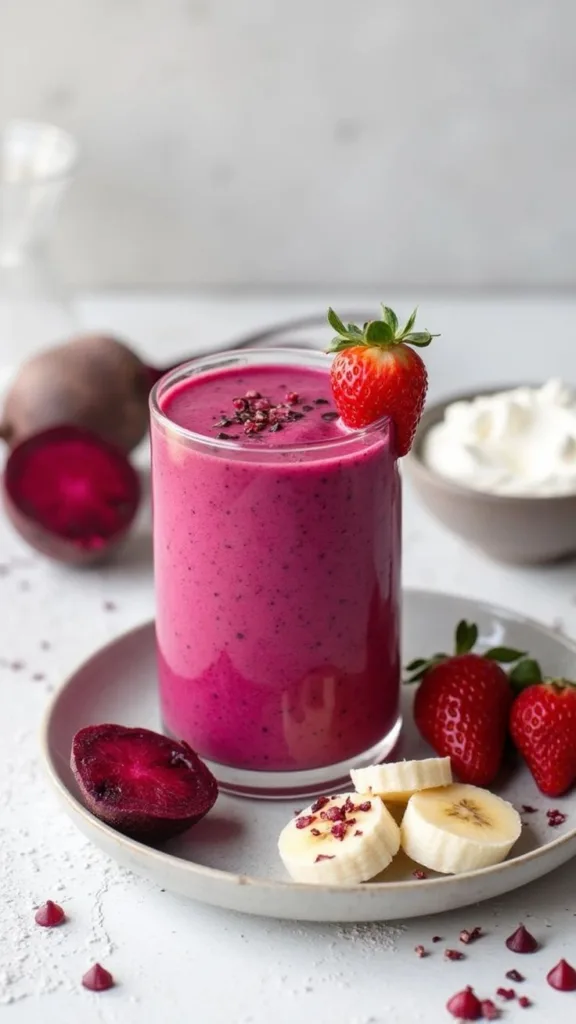
- Ingredients: 1/4 cup cooked beet (cooled), 1/2 cup strawberries, 1/2 cup plain yogurt, 1 tsp honey (if age-appropriate).
- Directions: Blend until fully incorporated. Beets add color, iron, and subtle sweetness.
- Quick tip: Beet can be strong for some kids—start with a small amount and increase gradually.
Serving and safety tips
- Allergy checks: Introduce one new ingredient at a time if allergies are a concern.
- Temperature & texture: Use frozen fruit for a thicker, slush-like texture that can double as a snack; thin with milk or water if it’s too thick.
- Sneaking veggies: Many recipes above hide greens in fruit; for more meal and snack ideas that work well alongside smoothies, consider planning themed gatherings or breakfasts using party-friendly smoothie ideas that keep kids excited about healthy choices.
- Sugar watch: Avoid adding extra sugar; ripe fruit usually supplies enough sweetness for young palates.
- Portions: Keep servings age-appropriate — about 4–8 oz for toddlers, up to 12 oz for older kids depending on appetite.
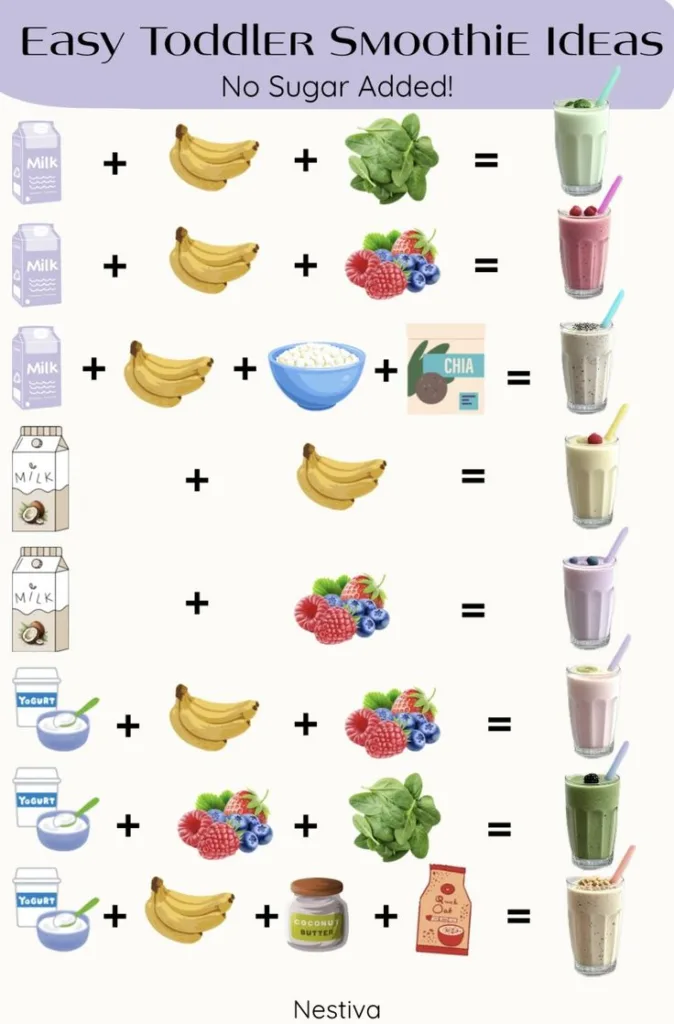
These are the tools parents mention most
These are popular, parent-approved items that make this easier and less stressful.
✅ Tiny Spoon (2 Pack in Pewter)
Makes smooth purees fast and saves cleanup time.👉 Check Price on Amazon
✅ Silicone Training Cup for Infants
Perfect for storing meals safely in the fridge or freezer.👉 See on Amazon
✅ Straw Training System (Sage) – 9 Months
Gentle on gums and easy for first feeds.👉 View on Amazon
Conclusion
For more quick inspiration and variations on kid-approved blends, check out this collection of 10 Kid Friendly Smoothies from Kath Eats which offers different combos and tips. If you want recipes that hide veggies even more cleverly, try the ideas featured in this favorite toddler smoothie with hidden veggies to help picky eaters get extra nutrients.
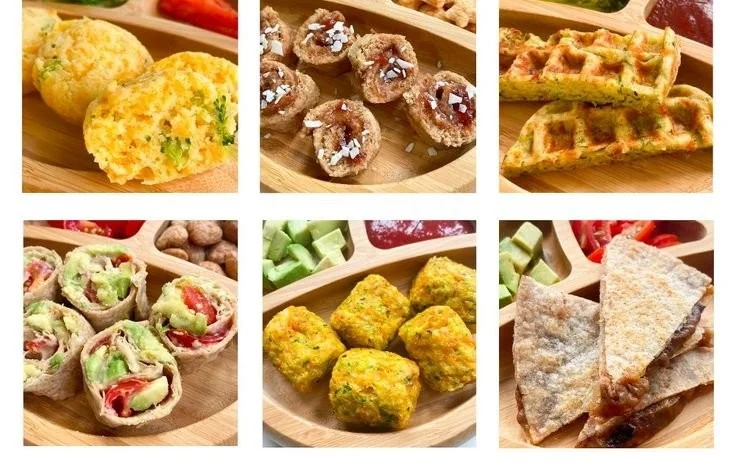
20 Toddler Lunch Ideas For Daycare – Feeding Tiny Bellies
20 Toddler Lunch Ideas for Daycare — Feeding Tiny Bellies
Packing lunch for a toddler headed to daycare can feel like a daily puzzle: how to balance nutrition, variety, ease, and foods that survive a mid-day sit-in a lunchbox. If you want more inspiration specifically tailored for daycare, check this helpful roundup of toddler lunch ideas for daycare to spark new combos and toddler-approved swaps.
Below are 20 simple, nutritious, and mostly make-ahead lunch ideas that travel well, are easy for small hands, and include tips to keep picky eaters interested.
Lunch-Packing Basics
- Aim for a mix: protein, whole grains, fruit or vegetables, and a bit of healthy fat at each meal.
- Favor finger foods that build independence: cut soft fruits, bite-sized sandwiches, and small pieces of cooked vegetables.
- Use insulated containers and cold packs for dairy, eggs, meat, and anything that needs to stay chilled.
- Rotate foods weekly so toddlers see new textures and flavors without overwhelming them.
20 Toddler-Friendly Daycare Lunch Ideas
- Mini turkey and avocado roll-ups — thin turkey slices rolled with avocado and a mild cheese.
- Soft veggie quesadilla wedges — cheese and mashed beans inside a whole-wheat tortilla, cut into wedges.
- Fruit and yogurt parfait — plain yogurt layered with mashed banana or applesauce and soft berries.
- Hummus and pita triangles with steamed carrot sticks — hummus is a mild, protein-rich dip.
- Cottage cheese with peaches — a creamy protein paired with soft fruit.
- Mini pita pizzas — whole-wheat pita, mild tomato sauce, and shredded cheese, warmed, then cooled.
- Pasta salad with peas and shredded chicken — use small pasta shapes and a light olive oil dressing.
- Egg salad on soft bread — mash the yolks for a creamy texture if needed.
- Soft-cooked veggie fritters — made with grated zucchini or sweet potato, packed with flavor.
- Banana and nut-butter roll-up — spread nut or seed butter on a tortilla, add banana, roll and slice.
- Meatball and mashed potato bento — small meatballs with a spoonful of mashed potato.
- Cheese cubes and whole-grain crackers with sliced grapes (halved) — mix textures for interest.
- Lentil and rice bowl — mild seasoning, easy to mash and scoop for toddlers.
- Salmon salad sandwiches — flaked cooked salmon mixed with plain yogurt and served on soft bread.
- Baked sweet potato wedges with a yogurt dip — naturally sweet and easy to hold.
- Soft fruit salad with cottage cheese — small pieces of mango, pear, or very ripe apple.
- Chicken and veggie skewers (short) — remove bones, alternate soft-cooked pieces for color.
- Oatmeal patties with applesauce — baked, portable, and lightly sweetened with fruit.
- Tofu cubes, steamed broccoli florets, and brown rice — soft textures and gentle flavors.
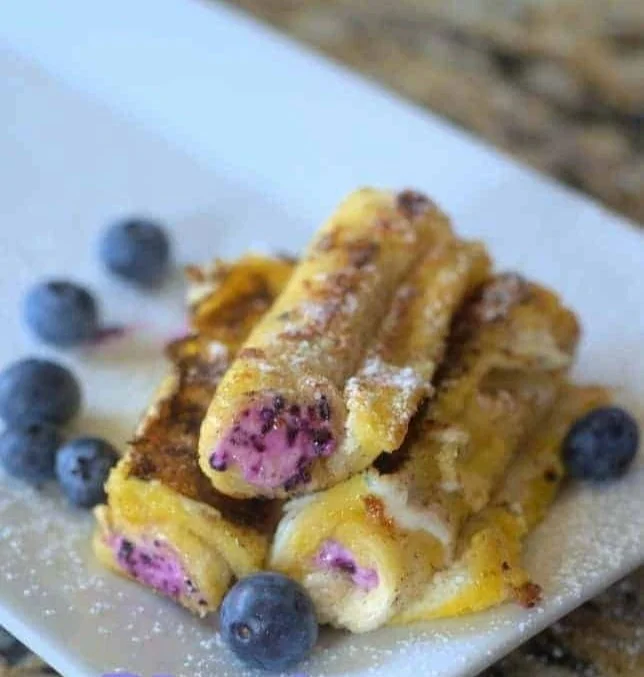
- Pancake roll-ups with cream cheese and berries — a fun treat for variety days.
Packing Tips and Safety
- Cut food into small, manageable pieces and avoid hard, round items (like whole grapes) without slicing.
- Label containers with names and reheating instructions if the daycare can warm foods.
- Prepare components in bulk: cook grains, roast veggies, and portion proteins at the start of the week.
- Keep a small thermos for warm soups or stews that stay cozy until lunch.
Making Meals Appealing
- Use color and shapes: cookie cutters for sandwiches, colorful cups for sides, and fun napkins to add excitement.
- Let toddlers help choose between two options the night before to build ownership and reduce refusal at school.
- Rotate one “new” item weekly with familiar favorites to expand tastes while keeping comfort.
Cold-Lunch Specific Tips
Cold lunches are great for daycare because they’re easier to prepare and reduce the need for reheating. For more ideas focused on packable cold meals, check this list of cold lunch ideas for kids that translate well for toddlers and busy caregivers.
Quick Sample Week Menu
- Monday: Mini turkey & avocado roll-ups, cucumber coins, pear slices.
- Tuesday: Veggie quesadilla wedges, apple sauce, a few blueberries.
- Wednesday: Pasta salad with peas and chicken, orange wedges.
- Thursday: Hummus with pita triangles, steamed carrot sticks, banana.
- Friday: Pancake roll-ups with cream cheese and berries, cottage cheese.
Snack Add-Ons (optional)
- Whole grain cereal clusters, roasted chickpeas (very small pieces), or a small container of applesauce. Keep snacks simple and nutrient-dense.
Storage and Reheating Notes for Daycare
- If daycare has limited reheating, choose foods meant to be eaten cold or at room temperature.
- When reheating is available, send reheating instructions and test the food temperature before placing in an insulated container.
Conclusion
For a wide, tested set of recipes and photos that expand on many of the ideas above, explore this roundup from Feeding Tiny Bellies that focuses specifically on 20 toddler lunch ideas for daycare.
If you’re interested in purchasing consolidated meal-planning resources and additional menus, this collection of 30 meal ideas for a 1 year old can be a helpful supplement to customize lunches for your little one.
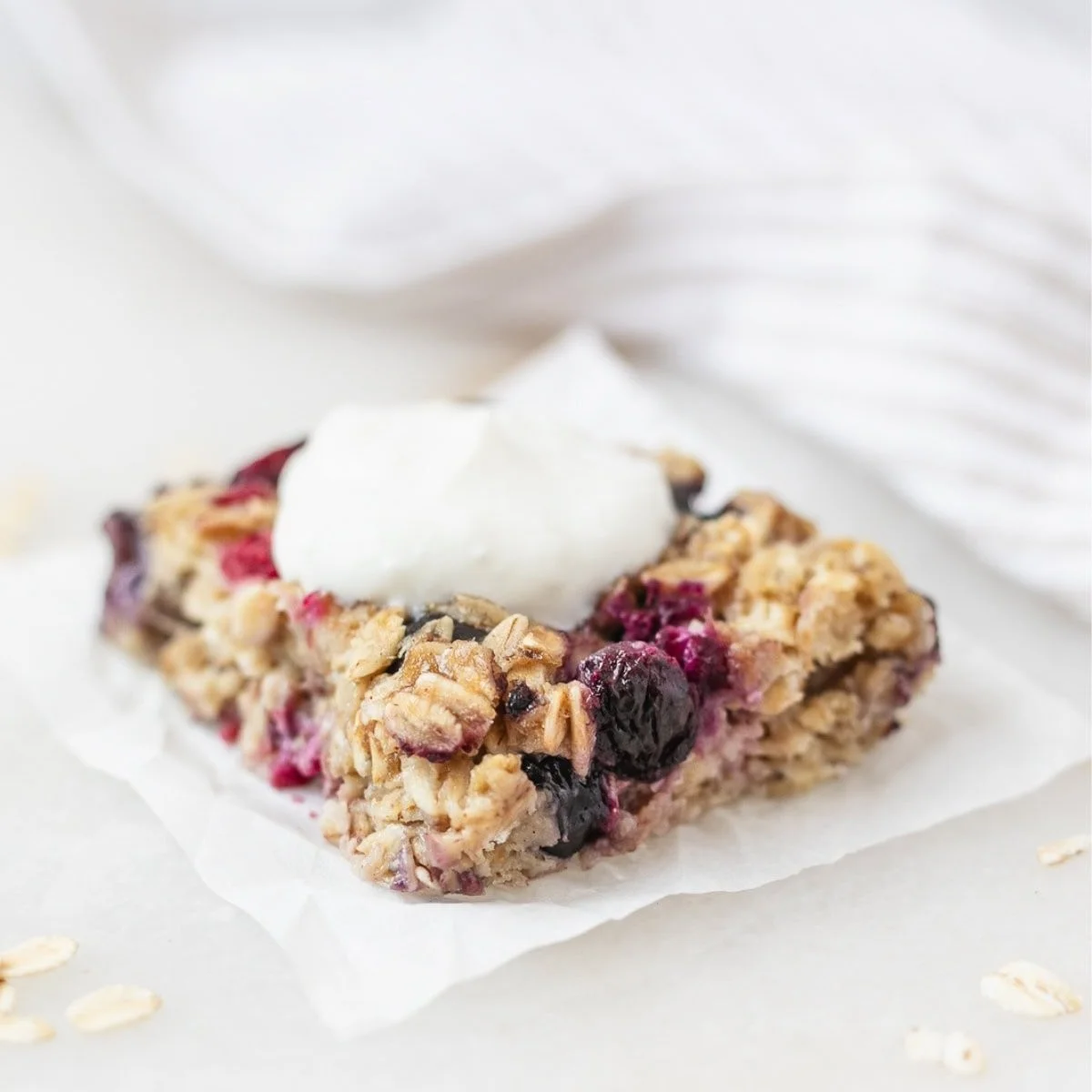
No Sugar Banana Berry Baked Oatmeal Recipe
No-Sugar Banana Berry Baked Oatmeal Recipe
This no-sugar banana berry baked oatmeal is a naturally sweet, family-friendly breakfast that’s easy to prep, nutritious, and versatile. Ripe bananas and mixed berries add sweetness and moisture so you don’t need any added sugar—perfect for toddlers and adults alike. For more no-cook ideas that pair well with quick breakfasts, check out this collection of no-heat recipes for kids.
Prep time: 10 minutes
Bake time: 35–40 minutes
Yields: 6–8 servings
Ingredients
- 2 cups rolled oats (old-fashioned)
- 1 teaspoon baking powder
- 1 teaspoon ground cinnamon
- 1/2 teaspoon salt
- 2 ripe bananas, mashed
- 1 large egg (or flax egg for vegan: 1 tablespoon ground flax + 3 tablespoons water)
- 1 1/2 cups milk of choice (dairy, almond, oat, etc.)
- 1 teaspoon vanilla extract
- 1 cup mixed berries (fresh or frozen; blueberries, raspberries, strawberries)
- 1/4 cup chopped nuts or seeds (optional; walnuts, pecans, or pumpkin seeds)
- Optional toppings: sliced banana, extra berries, a drizzle of nut butter, or a sprinkle of toasted oats
Instructions
- Preheat oven to 375°F (190°C). Grease an 8×8-inch baking dish or line with parchment paper.
- In a large bowl, combine the rolled oats, baking powder, cinnamon, and salt.
- In a separate bowl, mash the bananas until mostly smooth. Whisk in the egg (or flax egg), milk, and vanilla.
- Stir the wet mixture into the dry oats until fully combined. Gently fold in the mixed berries and nuts or seeds if using.
- Pour the batter into the prepared baking dish and smooth the top. Add a few extra berries or banana slices on top for presentation.
- Bake for 35–40 minutes, or until the center is set and the top is lightly golden. If using frozen berries, you may need an extra 5 minutes.
- Let cool for 5–10 minutes before slicing. Serve warm or at room temperature.
Serving ideas
- Serve with a spoonful of yogurt or a swirl of nut butter for extra protein.
- Sprinkle with a few extra seeds for crunch.
- Cut into squares and refrigerate for up to 4 days, or freeze individual portions for grab-and-go breakfasts.
Variations and substitutions
- Vegan: Use a flax egg and plant-based milk.
- Gluten-free: Use certified gluten-free oats.
- Protein boost: Stir in a scoop of unflavored protein powder or 1/2 cup cottage cheese (if not vegan) before baking.
- Fruit swaps: Replace mixed berries with chopped apples and a dash of nutmeg, or use thawed frozen cherries.
Tips for success
- Choose ripe bananas for the best natural sweetness and moisture.
- If you prefer a softer texture, add an extra 2–3 tablespoons of milk to the batter.
- For evenly distributed fruit, lightly toss berries in a tablespoon of oats before folding them in; this helps prevent sinking.
- Make-ahead: Assemble the batter and refrigerate overnight; bake in the morning for a warm fresh breakfast with minimal effort.
Feeding babies and young children
This recipe is easily adapted for little ones—omit nuts and seeds for younger children and mash or puree portions for smoother textures. If you’re preparing a variety of baby-friendly meals alongside this bake, you might also find these 10 easy chicken baby food recipes helpful for adding simple, protein-rich options to the menu.
Nutrition (approximate per serving, based on 8 servings)
- Calories: 180–220
- Protein: 5–7 g
- Fiber: 3–5 g
- Natural sugar: varies with banana and berries
Conclusion
If you want a fruit-forward twist, I referenced the Blueberry Banana Baked Oatmeal – Live Well Bake Often for inspiration on berry ratios and presentation. For a minimalist, plant-based version with very few ingredients, check out the 6-Ingredient Vegan Baked Oatmeal – Vancouver with Love to compare techniques and ingredient swaps.
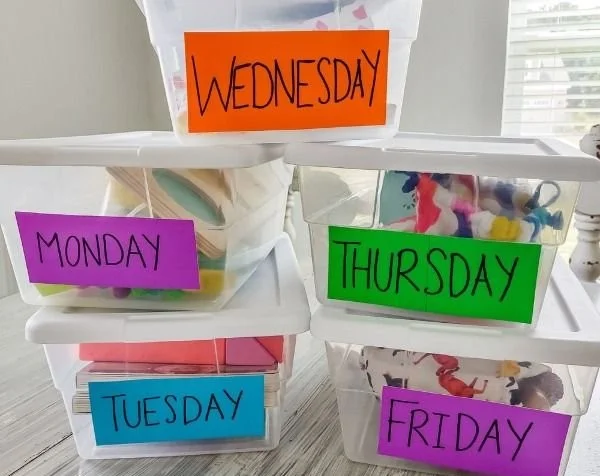
Simple Toddler Morning Routine + Activities
Simple Toddler Morning Routine + Activities
A calm, predictable morning gives toddlers a sense of safety and helps the whole family start the day without stress. Below is a practical, flexible routine plus activity ideas you can mix and match based on your child’s age, nap schedule, and your household rhythms. If you need more ideas for indoor play options, check this helpful guide to indoor activities for toddlers for quieter or bad-weather mornings.
Why keep mornings simple?
- Predictability reduces meltdowns: Toddlers thrive on routine because it removes surprises and sets clear expectations.
- Short, repeated activities support learning: Tiny repeated exposures build skills — language, fine motor, and independence.
- Flexibility prevents frustration: A framework with room to shorten or swap segments keeps the day manageable.
A sample 60–90 minute toddler morning routine
Adjust times to match naps and your schedule. Think of this as a template rather than a strict timetable.
- Wake, cuddle, and diaper/toilet (5–10 minutes)
- Gentle greeting, diaper change or potty attempt, wash hands and face.
- Breakfast together (15–25 minutes)
- Offer a balanced plate and let your toddler feed themselves when possible for independence practice.
- Calm independent play (15–20 minutes)
- Simple toys: stacking cups, board books, large-piece puzzles, or a sensory bin for safe solo play.
- Short guided learning (10–15 minutes)
- Read a picture book, sing counting songs, or do a matching activity using everyday objects.
- Active time / outdoor play (15–30 minutes)
- A walk, playground visit, or a short dance session indoors to burn energy.
- Transition to next activity (5 minutes)
- Clean up together, offer a snack if needed, and announce what’s next to set expectations.
Keep transitions gentle: use a quiet phrase like “Two more minutes of play, then we clean up.”
Quick activity ideas to rotate through mornings
- Sensory tray: rice, pasta, or water play (supervise closely).
- Art station: washable crayons and large paper for scribbling.
- Music & movement: simple scarves for waving while dancing.
- Fine-motor bins: large beads for stringing or tongs to move pom-poms.
- Story and puppet time: quick, interactive stories that invite participation.
- Simple chores: letting toddlers “help” fold a washcloth or put toys in a basket builds responsibility.
Vary the order and duration depending on naps and your energy. Keep one “go-to” activity ready for when plans change.
Tips for success
- Prep the night before: set out clothes, prepare a make-ahead breakfast option, and stage one activity.
- Use a visual cue: picture cards for each morning step help toddlers anticipate what comes next.
- Limit choices: offer two acceptable options (red shirt or blue shirt) to give autonomy without overwhelming.
- Teach clean-up as part of play: sing a tidy-up song to make cleanup predictable and fun.
- Follow your child’s lead: if they’re deeply engaged in an activity, allow extra time when possible.
If you’re hosting or adapting activities for a family event, you can find creative non-competitive ideas in this post on creative baby shower activities (not games) that translate well to toddler-friendly group play.
Conclusion
For a ready-made gentle framework you can adapt, see Simple Morning Time Routine (Toddlers) which offers a calm, repeatable structure. For more activity ideas specifically geared toward morning energy and attention spans, check out My Top Toddler Morning Activities (2 Year Old Morning Routine).

Easy Dinners For Toddlers
Easy Dinners For Toddlers
Getting dinner on the table for a toddler doesn’t have to be stressful. With simple ingredients, small portions, and a few smart tricks, you can serve meals that are nutritious, tasty, and easy for little hands to manage. For ideas about nutritious fruit pairings, here’s a helpful note on the benefits of apples for toddlers that can inspire snacks and sides.
Why simple dinners work
Toddlers respond well to predictable textures, familiar flavors, and small, manageable bites. Keeping dinners simple reduces mealtime battles and helps your child focus on eating. Aim for a balance of protein, starch, and soft vegetables, and offer one new item alongside two favorites to encourage trying new foods without pressure.
Quick, toddler-friendly dinner ideas
- Mini turkey or chicken meatballs with soft-cooked pasta and peas
- Cheesy vegetable mac with hidden pureed butternut or cauliflower
- Scrambled egg and cheese roll-ups cut into bite-sized pieces
- Sheet-pan roasted sweet potatoes, soft carrots, and flaked salmon
- Black bean and cheese quesadilla wedges with avocado mash
- Soft veggie-packed pancake or fritter served with yogurt dip
- Mild chicken curry with coconut milk served over soft rice
- Lentil sloppy joe on a soft bun with thinly sliced cucumber
- Stir-fried soft noodles with tofu and finely shredded cabbage
- Mashed potatoes mixed with steamed spinach and shredded chicken
Each of these can be adapted for texture (mashed, chopped, or finger-food size) depending on where your toddler is with chewing and self-feeding.
Simple preparation tips
- Cook once, serve twice: Make larger batches of meatballs, grains, or roasted vegetables and reuse them in wraps, salads, and bowls throughout the week.
- Keep new foods small and paired with favorites: A single new vegetable alongside apple slices or yogurt reduces resistance.
- Focus on color and shape: Bright shapes or cookie-cutter sandwiches can make food more appealing without added sugar.
- Mind the texture: Toddlers transitioning to chewing may prefer softer foods or finely chopped versions of family meals.
- Safety first: Always cut grapes, cherry tomatoes, hot dogs, and raw carrots lengthwise and into tiny pieces to prevent choking.
Meal-plan example for a week
- Monday: Mini turkey meatballs, mashed sweet potato, steamed peas
- Tuesday: Cheesy veggie mac, apple slices (thinly sliced)
- Wednesday: Soft chicken quesadilla with avocado mash
- Thursday: Scrambled egg roll-ups, whole-grain toast triangles, banana
- Friday: Sheet-pan salmon and veggies, soft rice
- Saturday: Lentil sloppy joe sliders with cucumber coins
- Sunday: Mild noodle stir-fry with tofu and shredded carrots
After dinner, a calm activity can help with digestion and family time — consider a short creative project to round out the evening and keep your toddler engaged with simple, supervised play and learning through art or movement. For quick craft ideas that pair well with mealtime routines, check out these fun and easy crafts for kids.
Conclusion
For more family-friendly menus and ready-made toddler dinner ideas, the article 25 Family Meals for Toddlers – Bucket List Tummy offers a variety of adaptable recipes. If you want a roundup of fast, simple dinners the whole household might enjoy, see 30 Easy Toddler Dinners the Whole Family Will Love – The Kitchn.
14 Toddler Breakfast Ideas That Will Make Your Mornings a Breeze in Jan 2026 – OurFamilyWorld.com
14 Toddler Breakfast Ideas That Will Make Your Mornings a Breeze
Mornings with a toddler can feel rushed, but a little planning and a handful of easy, nutritious breakfast options can turn chaos into calm. Below are 14 simple breakfast ideas, time-saving tips, and quick prep tricks to get your little one fed and happy so you can both start the day well. If you’re juggling naps and feedings with meals, you might also find helpful guidance on the best sleeping positions for your baby.
Quick tips before the list:
- Prep components the night before (cut fruit, portion cereal, make batter).
- Keep portions toddler-sized — small plates and kid cups help reduce waste.
- Offer a protein, a grain, and fruit or veg when possible for balanced energy.
- Let your toddler help with safe tasks (stirring, sprinkling, choosing between two options).
Breakfast ideas (fast, toddler-friendly)
Banana & Yogurt Parfait
Layer plain or vanillla yogurt with sliced banana and a sprinkle of dry cereal or crushed graham crackers for texture. Prep time: 2–3 minutes.Mini Veggie Omelet Muffins
Beat eggs with finely chopped spinach, bell pepper, and cheese, pour into muffin tins, and bake. Make a batch to refrigerate for the week. Prep time: 20–25 minutes (hands-off baking).Peanut Butter & Apple Slices
Spread thin peanut or sunflower butter on apple slices. Tip: slice apples and toss with a little lemon juice the night before to prevent browning. Prep time: 3–4 minutes.Oatmeal with Mix-Ins
Cook quick oats and offer a tray of mix-ins: mashed banana, cinnamon, raisins, nut butter, or a few chocolate chips as a treat. Prep time: 5 minutes.Pancake Dippers
Make a small batch of pancakes and cut them into strips for dipping in yogurt or fruit puree. Freeze extras for busy mornings. Prep time: 10–15 minutes.Cottage Cheese & Fruit Bowl
Top cottage cheese with soft fruit like peaches or pears and a dash of cinnamon. Protein-rich and ready in minutes. Prep time: 2–3 minutes.Smoothie in a Sippy
Blend spinach, banana, plain yogurt, and a small amount of fruit juice or milk. Pour into a sippy cup for easy sipping during dressing or diaper changes. Prep time: 3–5 minutes.Avocado Toast Fingers
Mash avocado with a squeeze of lemon and spread on whole-grain toast; slice into strips for easy handling. Add a sprinkle of cheese for extra appeal. Prep time: 5 minutes.Cottage Cheese Pancakes
Mix equal parts cottage cheese and eggs with a little flour, cook like pancakes; they’re fluffy and high in protein. Prep time: 10–12 minutes.Fruit and Cheese Kabobs
Alternate soft fruit chunks and cheese cubes on short skewers or toothpicks (use toddler-safe short skewers or simply thread onto plain straws). Prep time: 5 minutes.Breakfast Quesadilla
Fill a tortilla with scrambled egg and cheese, fold and lightly toast. Cut into wedges for little hands. Prep time: 7–8 minutes.Chia Pudding Cups
Soak chia seeds in milk or dairy-free milk overnight and top with mash or compote in the morning. Great for make-ahead breakfasts. Prep time: 2 minutes night-before, ready in morning.Mini Bagel with Cream Cheese & Fruit
Use a small bagel or half of a regular bagel, spread with cream cheese, and serve with a side of berries or sliced banana. Prep time: 3–4 minutes.Veggie Pancake (Savory)
Grate zucchini or carrot into pancake batter and fry small pancakes. Serve with a smear of yogurt or mild salsa. Prep time: 10–12 minutes.
Ways to keep breakfasts smooth
- Create a weekday rotation of 6–7 go-to breakfasts to simplify shopping and prep.
- Use divided plates so toddlers see a balanced meal visually.
- Keep a “breakfast station” with bowls, spoons, and cups at kid height.
- Turn some breakfasts into learning moments: count berries, name colors of fruit, or try one new taste per week.
- If energy is low, rely on make-ahead options like frozen pancakes, chia pudding, or egg muffins.
Meal ideas for special mornings
- For travel or busy outings, pack a smoothie in an insulated cup and a packable muffin.
- If picky phases hit, pair a known favorite with a new item (one-bite rule) to expand tastes without pressure.
- When you need distraction-free eating, offer finger foods that encourage independent exploration and reduce spills.
Activity pairing
Combining small play activities with breakfast can keep toddlers engaged while you finish prep — simple options and structured time before or after eating help maintain routine and focus. You can find more creative ways to occupy little ones during meals in resources about indoor activities for toddlers.
Conclusion
Mornings can be calm and enjoyable with a few reliable breakfast choices, simple prep habits, and toddler-sized portions. If caregiver fatigue is weighing on your mornings and you need practical ways to get support, consider reading suggestions on how to help with caregiver burnout to lighten the load. And if you ever plan a family getaway where you’ll want fuss-free breakfasts away from home, check this helpful Rui Palace Cabo San Lucas review to see how resorts handle meals and family needs.

Broccoli Tots (gluten free)
Broccoli Tots (Gluten Free)
Broccoli tots are a crunchy, bite-sized way to get more green vegetables on the plate — perfect for picky eaters, weeknight dinners, or a healthy party snack. This gluten-free version keeps the familiar comfort of tater tots but swaps potatoes and wheat-based fillers for broccoli and gluten-free binders. Below you’ll find a versatile recipe, cooking options (oven or air fryer), helpful tips, and several variations so you can adapt these tots to your pantry and dietary needs.
Why make broccoli tots?
- They’re an easy way to sneak vegetables into lunches and snacks.
- Customizable: dairy-free, egg-free, or extra-cheesy versions are all possible.
- Freezer-friendly for quick reheating.
- Hand-held and kid-friendly — great for dipping.
Ingredients (makes about 20–24 tots)
- 2 cups finely chopped broccoli florets (about one medium head), lightly steamed and well-drained
- 1 large egg (or flax egg for vegan: 1 tbsp ground flax + 3 tbsp water, set 5 minutes)
- 1/2 to 3/4 cup gluten-free binder: almond flour, gluten-free panko, or a mix of 1/4 cup tapioca starch + 1/4 cup gluten-free oat flour
- 1/2 cup shredded cheddar cheese (or dairy-free cheese) — optional but helps binding and flavor
- 1 small garlic clove, minced (or 1/2 tsp garlic powder)
- 1/4 tsp onion powder
- 1/4 tsp salt, plus extra to taste
- 1/8–1/4 tsp black pepper
- 1–2 tbsp olive oil or melted coconut oil (for extra crisping, optional)
Notes on ingredients
- Drain broccoli well: excess moisture prevents tots from holding their shape. After steaming, press in a clean dish towel or use paper towels to remove liquid.
- Binder choices: almond flour gives a tender, slightly nutty tot; tapioca or potato starch + oat flour yields a firmer, crispier exterior. Adjust amount depending on moisture — start with less and add more if the mixture is too wet.
- Cheese is optional; for dairy-free, use a melting plant-based cheese or omit and increase binder slightly.
Method
- Prepare the broccoli: Chop florets finely and steam for 3–4 minutes until bright green and just tender. Immediately transfer to a towel and squeeze out as much moisture as possible. Let cool slightly.
- In a mixing bowl, combine the drained broccoli, egg (or flax egg), shredded cheese, garlic, onion powder, salt, and pepper. Mix well.
- Add the binder a little at a time until you have a moist, malleable mixture that holds together when pressed. You should be able to form small logs or cylinders without them falling apart.
- Shape the tots: Using wet hands or a small cookie scoop, form 1–1.5 tablespoon-sized tots and place them on a parchment-lined baking sheet. For extra crispiness, brush or spray lightly with oil.
- Cooking options:
- Oven: Preheat oven to 400°F (200°C). Bake for 15–20 minutes, flipping once halfway through, until golden and crisp.
- Air fryer: Preheat to 375°F (190°C). Arrange tots in a single layer (work in batches if needed). Air-fry for 8–12 minutes, shaking or turning halfway, until browned and crisp.
- Serve warm with ketchup, yogurt-based ranch, mustard, or your favorite dip.
Tips for success
- Dryness is key: after steaming, remove as much water as possible. If the mixture still seems too wet after draining, add an extra tablespoon or two of binder.
- Don’t over-process the broccoli to mush; you want small pieces for texture. A quick pulse in a food processor works well.
- If making ahead, shape the tots and freeze them on a tray until solid, then transfer to a freezer-safe bag. Bake or air-fry from frozen — add a few minutes to the cooking time.
- To make them crispier, a final quick broil (oven) or an extra 1–2 minutes in the air fryer at the end can help — watch closely so they don’t burn.
- Adjust seasonings to taste: add smoked paprika, cumin, or Italian herbs for different flavor profiles.
Variations
- Vegan: Use a flax egg and dairy-free cheese, plus 2–3 tbsp extra starch to firm up the mix.
- Cheesy bacon (GF): Stir in cooked, crumbled bacon or use vegetarian bacon bits.
- Spicy: Add 1/2 tsp chili powder or a pinch of cayenne. Serve with a cool dip to balance heat.
- Potato + broccoli mix: For a softer tot, mash 1/2 cup cooked potato and mix with the broccoli for a hybrid tot.
Nutrition & portioning
Portions and calories will vary by binder and whether cheese is included. Roughly, a 3–4 tot serving (without dipping sauce) is a reasonable snack portion for children, and 6–8 tots can make a light meal for adults when paired with a side salad or protein.
Kid-friendly serving ideas
- Offer a trio of dips (ketchup, plain Greek yogurt with herbs, and mild salsa) and let kids choose.
- Turn them into a “tot bowl” with rice or quinoa, a protein (chicken or tofu), and a drizzle of sauce.
- Serve alongside fruit slices and raw veggie sticks for a balanced plate.
Storage
- Refrigerator: Store cooled tots in an airtight container for up to 4 days. Re-crisp in a 350°F oven or air fryer for 5–8 minutes.
- Freezer: Flash-freeze shaped tots on a tray, then transfer to a labeled freezer bag for up to 3 months. Bake from frozen, adding a few minutes to the usual time.
Quick troubleshooting
- If tots fall apart: mixture was too wet — add more binder and refrigerate 15–30 minutes before shaping.
- If they’re dry and crumbly: reduce binder slightly or add an extra egg (or 1–2 tsp of oil) next time.
- If too soft after cooking: bake longer at a slightly higher temp, or finish under the broiler briefly.
Variation recipe idea (Cheesy Almond Flour Broccoli Tots)
- 2 cups chopped steamed broccoli, drained
- 1 egg
- 1/2 cup almond flour
- 1/2 cup shredded sharp cheddar
- 1 garlic clove, minced
- Salt and pepper to taste
Mix and shape, then bake at 400°F for 16–18 minutes, flipping once.
These tots are a flexible, delicious way to add vegetables to snack time or meals. Play with binders and seasonings to match dietary needs and flavor preferences, and keep a batch in the freezer for busy days.
Conclusion
For a classic take with helpful tips and variations, see the detailed Broccoli Tots recipe at Broccoli Tots recipe at The Natural Nurturer. If you want another perspective with a tater-tot twist and serving suggestions, check out the Healthy & Delicious Broccoli Tater Tots recipe on Veggie Balance’s broccoli tater tots page.