
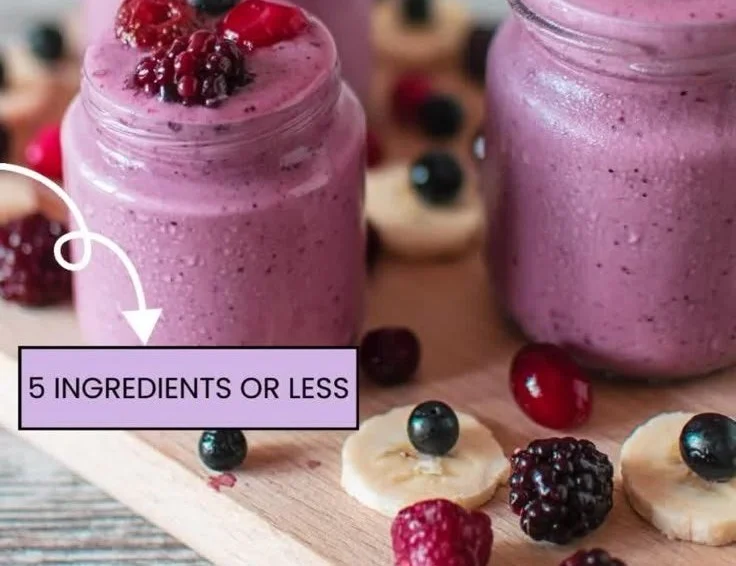
3 healthy smoothies for toddler gain weight
3 Healthy Smoothies to Help Your Toddler Gain Weight
Getting a toddler to gain weight in a healthy way means focusing on nutrient-dense, calorie-rich foods that are still gentle on little tummies. Smoothies are an excellent vehicle because they can pack calories, healthy fats, protein, and vitamins into a drink your child may happily sip. Below are three toddler-friendly smoothie recipes, plus feeding tips, allergy-safe swaps, and storage notes.
If you want more balanced meal ideas to pair with these smoothies, check my collection of healthy toddler recipes.
How to use these recipes safely
- Age: Wait until your toddler is used to purees and cups (usually after 12 months) and always follow your pediatrician’s guidance.
- Choking: Smoothies should be well-blended and served in a cup with a straw or sippy cup appropriate for the child’s age.
- Allergies: Introduce high-allergen foods (like nuts) one at a time and watch for reactions.
- Honey: Do not give honey to children under 12 months.
- Portion: Start with small servings (3–6 ounces) and increase as tolerated.
1) Banana-Avocado Peanut Butter Smoothie (Creamy & Calorie-Dense)
Ingredients (makes ~12 oz; 2 toddler servings)
- 1 small ripe banana
- 1/4 ripe avocado
- 1 tablespoon smooth peanut butter (or sunflower seed butter for nut-free)
- 1/2 cup whole milk (or full-fat fortified plant milk)
- 1/4 cup full-fat plain Greek yogurt
- Optional: 1 teaspoon ground flaxseed or a few oats for extra calories
Directions
- Combine all ingredients in a blender and blend until silky smooth.
- Add a little extra milk if too thick, or a few ice cubes and blend briefly to cool.
Why it helps: Avocado and peanut butter add healthy fats and calories, Greek yogurt contributes protein, and banana adds natural sweetness and potassium.
2) Oat-Coconut Date Smoothie (High-energy, Naturally Sweet)
Ingredients (makes ~12 oz)
- 1/3 cup rolled oats (pre-soaked in 2–3 tbsp warm water for 10 minutes)
- 3 pitted Medjool dates (soaked in warm water for 5–10 minutes if firm)
- 1/2 cup full-fat coconut milk (or whole milk)
- 1/2 cup full-fat plain yogurt
- 1/4 teaspoon cinnamon (optional)
Directions
- Blend soaked oats and dates first with the milk until smooth, then add yogurt and cinnamon and blend again.
- Serve slightly cool.
Why it helps: Oats and dates provide carbohydrates and calories; coconut milk adds medium-chain triglycerides (fats) that are calorie-dense and well tolerated.
Allergy-safe swap: Use dairy or dairy-free yogurt depending on tolerance.
3) Berry-Mango Yogurt Smoothie with Olive Oil (Vitamin-rich + Extra Calories)
Ingredients (makes ~12 oz)
- 1/2 cup frozen mixed berries
- 1/2 cup ripe mango (fresh or frozen)
- 1/2 cup full-fat Greek yogurt
- 1/3 cup whole milk
- 1 teaspoon extra-virgin olive oil or melted unsalted butter (adds 40–45 kcal)
- Optional: 1 teaspoon chia seeds (for older toddlers)
Directions
- Blend fruit, yogurt, milk, and olive oil until smooth.
- Taste and adjust thickness with more milk.
Why it helps: Fruit provides vitamins and natural sugars; the added oil increases calories without changing taste much, making it easy to boost weight gain.
Tips to Increase Calories Without Losing Nutrition
- Add healthy fats: avocado, nut or seed butters, olive oil, full-fat dairy.
- Mix in powdered milk or toddler-formula powder if recommended by your pediatrician.
- Use full-fat dairy or fortified plant milks.
- Sneak in small amounts of ground seeds (flax, chia) or oats for extra calories and fiber.
- Offer smoothies between meals as a snack rather than replacing meals entirely.
For healthy snack and dessert ideas that pair well with these smoothies, browse our suggestions for healthy sweet treats for toddlers.
Storage and Prep Notes
- Refrigerate smoothies up to 24 hours in a sealed container; shake or stir before serving.
- Freeze single-serve portions in ice cube trays and blend a few cubes with milk to refresh texture and flavor.
- Avoid adding sugar or candy; rely on natural sweeteners (fruit, dates) and calorie-dense fats.
When to talk to your pediatrician
If your toddler is not gaining weight as expected, showing signs of poor appetite, or has growth concerns, consult your pediatrician. They can check growth charts, rule out medical issues, and recommend personalized nutrition strategies.
Conclusion
If you want official, evidence-based guidance on healthy weight gain for children, review the NHS advice on how to help your child gain weight: How to help your child gain weight – NHS.
For more creative smoothie recipes specifically aimed at healthy toddler weight gain, see this curated set of ideas: Sneaky Nutrition: Smoothie Recipes for Healthy Toddler Weight Gain.
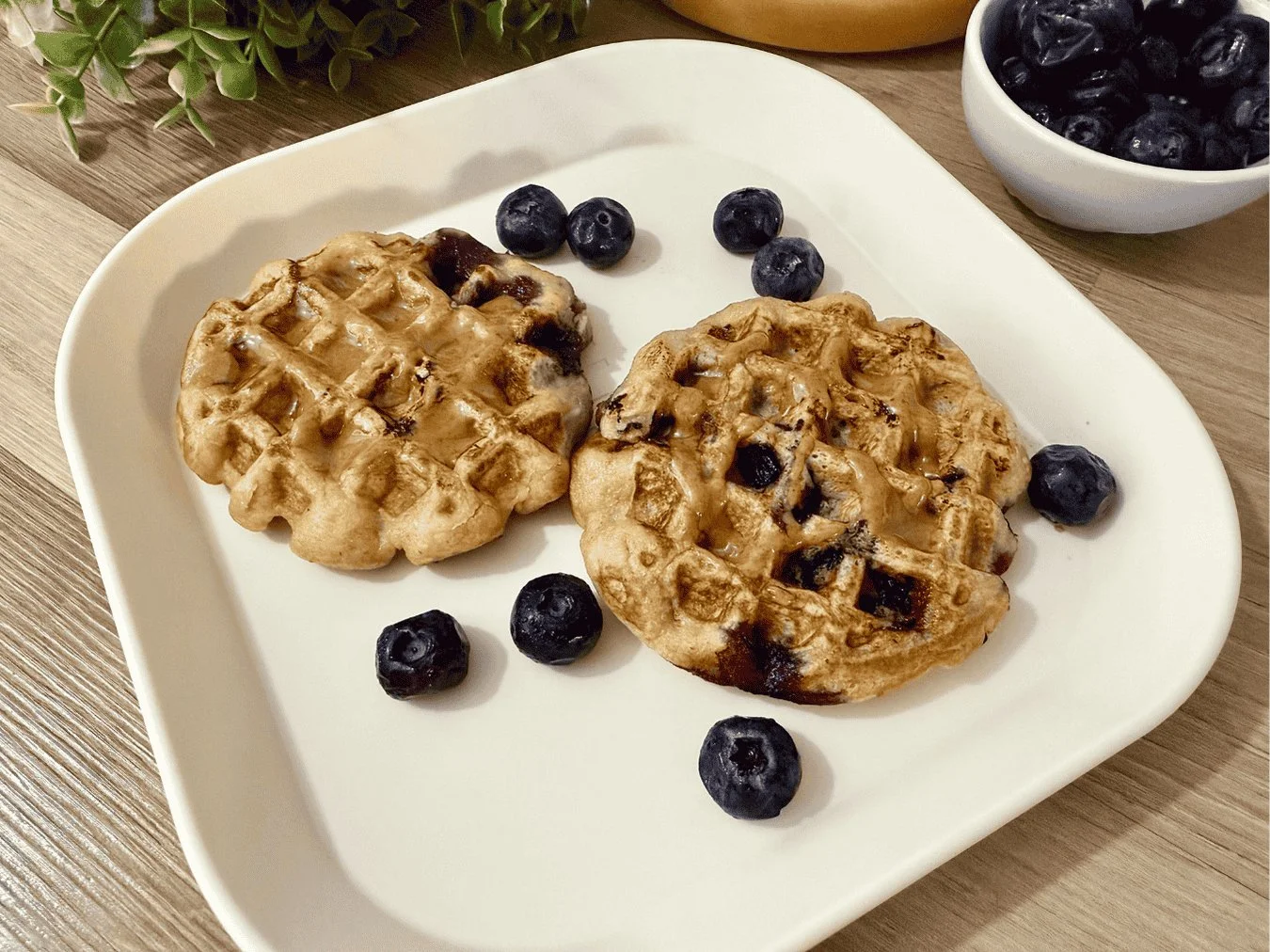
Blueberry Banana Waffles
Blueberry Banana Waffles
Blueberry banana waffles are a bright, family-friendly twist on the classic breakfast waffle — naturally sweet from ripe bananas and dotted with juicy blueberries for pops of flavor. They crisp at the edges, stay tender inside, and are a great way to use up overripe fruit. If you’re planning a brunch that includes little ones, you may also find helpful tips in this guide to banana pancakes for baby.
Why blueberry + banana works
Bananas add moisture, natural sweetness, and a creamy texture that keeps waffles soft, while blueberries bring bursts of tartness and color. This combination reduces the need for extra sugar and pairs well with toppings like yogurt, maple syrup, or a sprinkle of cinnamon.
Ingredients (serves 4)
- 1 1/2 cups all-purpose flour (or a 1:1 gluten-free blend)
- 2 tbsp sugar (optional)
- 1 tbsp baking powder
- 1/2 tsp salt
- 1 1/4 cups milk (dairy or plant-based)
- 2 large ripe bananas, mashed
- 1 large egg
- 3 tbsp melted butter or neutral oil
- 1 cup fresh or frozen blueberries (if frozen, do not thaw)
Instructions
- Preheat your waffle iron according to the manufacturer’s directions.
- In a bowl, whisk together the flour, sugar, baking powder, and salt.
- In a separate bowl, mash the bananas and whisk in the egg, milk, and melted butter until smooth.
- Pour the wet ingredients into the dry ingredients and stir gently until just combined — a few small lumps are fine. Fold in the blueberries.
- Lightly oil the waffle iron and cook batter in batches, using roughly 1/2 to 3/4 cup batter per waffle (adjust for your iron). Cook until golden and crisp.
- Keep finished waffles warm on a baking sheet in a 200°F (95°C) oven while you finish the rest.
Variations and swaps
- To make them fluffier: separate the egg, whip the white to soft peaks, fold in at the end.
- For nutty flavor: add 1/4 cup finely chopped walnuts or almond meal.
- To reduce sugar: omit the added sugar and rely on the bananas and blueberries for sweetness.
- Gluten-free option: swap in a certified 1:1 gluten-free flour, or try oat flour blends (see recipe variations linked below).
Serving ideas and storage tips
Serve warm with Greek yogurt and a drizzle of maple syrup, or top with fresh banana slices and a scattering of extra blueberries. Leftover waffles freeze beautifully; cool completely, layer between parchment, and freeze in a zip-top bag. Reheat in a toaster or oven until warmed through and crisp.
If you want baby-friendly serving suggestions or ideas for adapting textures for young children, check this helpful article on how to serve banana bread to baby for inspiration — many of the same principles apply to waffles.
Tips for best results
- Use ripe, spotty bananas for maximum flavor and natural sweetness.
- Fold the blueberries in gently to avoid turning batter purple.
- If batter seems too thick, add a splash more milk; too thin, add a tablespoon of flour.
Conclusion
For a tested, family-oriented recipe that inspired these ideas, see the original Blueberry Banana Waffles recipe on Blueberry Banana Waffles – Mix & Match Mama. If you need a gluten-free alternative that swaps in oat and almond flours, try the Blueberry Banana Gluten-Free Waffles (Made with Oat Flour!) recipe for a great variation Blueberry Banana Gluten-Free Waffles (Made with Oat Flour!).
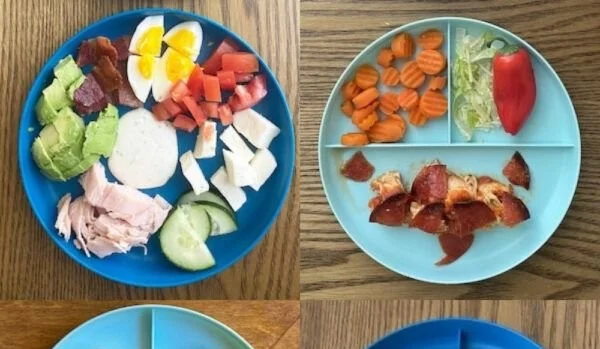
33 Easy Toddler Dinner Ideas (Family-Friendly)
33 Easy Toddler Dinner Ideas (Family-Friendly)
Feeding toddlers can be a daily adventure — you want meals that are nutritious, easy to prepare, and appealing to little hands and picky palates. For a quick primer on simple, kid-approved options and practical tips, check out these curated toddler-friendly dinner ideas that make weeknight cooking smoother.
Whether you’re juggling work, activities, and bedtime routines or trying to get everyone to the table on time, the following 33 ideas are designed to be flexible, family-friendly, and adaptable to tastes and dietary needs. I’ll include fast swaps and make-ahead tips so you can mix and match based on what’s in your fridge.
Quick tips before you start:
- Keep textures soft and pieces appropriately sized to reduce choking risk.
- Offer one new item alongside familiar favorites to encourage tasting.
- Use simple seasonings (olive oil, mild herbs, a dash of cheese) to add flavor without overwhelming little palates.
- Make double batches and freeze portions for busy nights.
If you want broader menus that satisfy both toddlers and adults, consider pairing these dishes with the family-focused recipes and strategies found in this helpful family dinner inspiration resource.
33 Easy, Family-Friendly Toddler Dinner Ideas
- Soft chicken and vegetable quesadillas — shred chicken, add soft-cooked veggies and mild cheese, fold and lightly toast.
- Mini turkey meatballs with mashed sweet potatoes — small, tender meatballs are easy to pick up and dip.
- Veggie-loaded mac and cheese — blend cooked cauliflower or butternut squash into the sauce for extra nutrients.
- Baked salmon cakes with green beans — flaky fish formed into small patties and oven-baked.
- One-pan sausage and apple skillet — sliced mild sausage with apples and carrots, sautéed until tender.
- Lentil sloppy joes on soft buns — lentils simmered in tomato sauce for a protein-packed, low-mess sandwich.
- Cheesy spinach and ricotta pasta — soft pasta shells mixed with a creamy cheese-spinach filling.
- Tomato and basil grilled cheese roll-ups — grilled cheese made into bite-sized pinwheels.
- Hidden-veggie tomato soup with pasta stars — blend extra veggies into the soup base and add small pasta shapes.
- Pancake-style zucchini fritters — grated zucchini mixed into batter and pan-fried until golden.
- Mild curry chickpea bowls with rice — season gently and serve with soft rice and cucumber slices.
- Breakfast-for-dinner: scrambled eggs, avocado slices, and toast fingers.
- Mini pita pizzas — top small pitas with sauce, cheese, and diced veggies; bake until bubbly.
- Baked sweet potato boats stuffed with black beans and corn.
- Turkey and cheese roll-ups with steamed broccoli florets.
- Creamy chicken and vegetable risotto — make it with short-grain rice for a soft texture.
- Fish tacos with mashed avocado and shredded cabbage (serve taco components deconstructed).
- Soft-baked falafel with hummus and cucumber sticks — make falafel patties small and moist.
- Cheese and veggie omelette strips — fold and cut for little hands.
- Rice and bean burrito bowls — mild, mashed beans with soft rice, cheese, and diced tomatoes.
- Baked pasta with hidden spinach and a golden breadcrumb topping.
- Asian-inspired noodle bowl with tofu and finely chopped veggies in a mild sauce.
- Shepherd’s pie with finely minced meat and creamy mashed potato top.
- Turkey taco bake with diced tomatoes, mild seasoning, and melty cheese.
- Broccoli and cheddar mini quiches — bake in muffin tins for perfect toddler portions.
- Pulled pork sliders with apple slaw — serve pork shredded and tender on soft rolls.
- Vegetable and chicken pot pie in a single-serving ramekin.
- Cucumber and cream cheese sushi rolls (rice wrapped in nori or thin tortilla for a softer bite).
- Mild chili with beans and ground turkey, served with cornbread crumbles.
- Baked polenta squares topped with marinara and melted mozzarella.
- Stuffed bell peppers with quinoa, tomato, and tiny bits of cheese.
- Creamy avocado pasta — mashed avocado mixed into warm pasta for a silky coating.
- Slow-cooker beef and vegetable stew with soft pieces for easy chewing.
Substitutions and variations:
- Swap proteins (chicken, turkey, beans, tofu) to keep meals interesting and budget-friendly.
- Use seasonal vegetables and steam or roast them until tender.
- For dairy-free or egg-free needs, try mashed beans, avocados, or dairy-free cheese alternatives.
Meal-prep ideas:
- Cook grains and proteins in bulk on the weekend and assemble bowls throughout the week.
- Freeze single servings of meatballs, patties, and mini casseroles for quick defrost-and-heat dinners.
- Chop vegetables and store in clear containers so you can see and grab what you need quickly.
Safety note: Always supervise toddlers while eating, cut foods into small, manageable pieces, and follow current pediatric guidance on choking prevention.
Conclusion
For a ready-made collection of family-friendly, toddler-tested dinners, this roundup offers structure and inspiration so you’re never stuck staring into the fridge: 33 Easy Toddler Dinner Ideas (Family-Friendly).
If you’re planning themed snacks or seasonal treats to pair with dinners, these ideas can spark creative, healthy options: Healthy Valentine’s Day Snacks – 33 ideas.

Broccoli Egg Bites
Broccoli Egg Bites
Broccoli egg bites are small, savory, protein-packed muffins that combine eggs, tender broccoli florets, and cheese into a grab-and-go bite. They’re perfect for breakfast, snacks, or as a nutritious addition to a lunchbox. If you’re exploring baby-friendly egg recipes, try this alongside an avocado egg salad recipe for babies to build a variety of gentle textures and flavors.
Why you’ll love them
- Quick to make and easy to customize.
- High in protein and vitamin-rich from the broccoli.
- Great for batch-cooking and freezing for busy weeks.
- Size and texture are adaptable for toddlers or picky eaters.
Ingredients (makes ~12 bites)
- 6 large eggs
- 1 cup chopped broccoli florets, steamed until just tender
- 1/2 cup shredded cheddar (or your favorite melting cheese)
- 2–3 tablespoons milk or water (for a softer texture)
- 1/4 tsp salt and a pinch of black pepper
- Optional: 1 small, finely chopped shallot or 1 clove garlic (sautéed), herbs like chives or parsley
Equipment
- Muffin tin or silicone molds
- Mixing bowl and whisk
- Steamer or pot for broccoli
Method
- Preheat the oven to 350°F (175°C). Lightly grease a 12-cup muffin tin or use silicone liners.
- Steam the broccoli until just tender, then chop into small pieces so they fit comfortably into each bite.
- In a mixing bowl, whisk the eggs with milk, salt, and pepper until blended and slightly frothy. Stir in cheese, broccoli, and any optional sautéed aromatics or herbs.
- Divide the mixture evenly among the muffin cups (about 3/4 full). Sprinkle a little extra cheese on top if desired.
- Bake for 16–22 minutes, until set and lightly golden on top. A knife inserted should come out clean.
- Cool for a few minutes, then remove from the tin. Serve warm or let cool completely before storing.
Variations and swaps
- Broccoli-cheddar: Use sharp cheddar for more flavor.
- Veggie mix: Add finely diced red pepper, spinach, or grated zucchini (squeeze out excess moisture first).
- Dairy-free: Replace cheese with a dairy-free alternative and use a splash more seasoning.
- Mini frittatas: Pour into a skillet for larger, sliceable portions instead of muffin cups.
Serving, storage, and reheating
- Serve warm with a side of yogurt or fruit for a balanced meal.
- Refrigerate in an airtight container for up to 4 days.
- Freeze cooled egg bites in a single layer on a baking sheet, then transfer to a freezer bag for up to 3 months. Reheat from frozen in the microwave for 60–90 seconds or in a 325°F oven until warmed through.
Tips for babies and picky eaters
- Make texture-friendly: For younger babies, mash the broccoli finely into the egg mixture so the bites are smoother.
- Mild seasoning: Keep salt minimal for infants; introduce herbs for gentle flavoring.
- Let kids help: Toddlers can help sprinkle cheese or place broccoli into muffin cups to build interest — for more ideas, check out recipes kids can make that include veggies which offer simple ways to involve little hands.
Conclusion
For a broccoli-and-cheddar-focused take on this idea, see Broccoli Cheddar Egg Bites – The Defined Dish for inspiration and variations. If you want a simplified, baby-friendly three-ingredient version, the recipe for Easy Cheddar Broccoli Egg Muffins for Baby (3 Ingredients!) offers a great starting point.
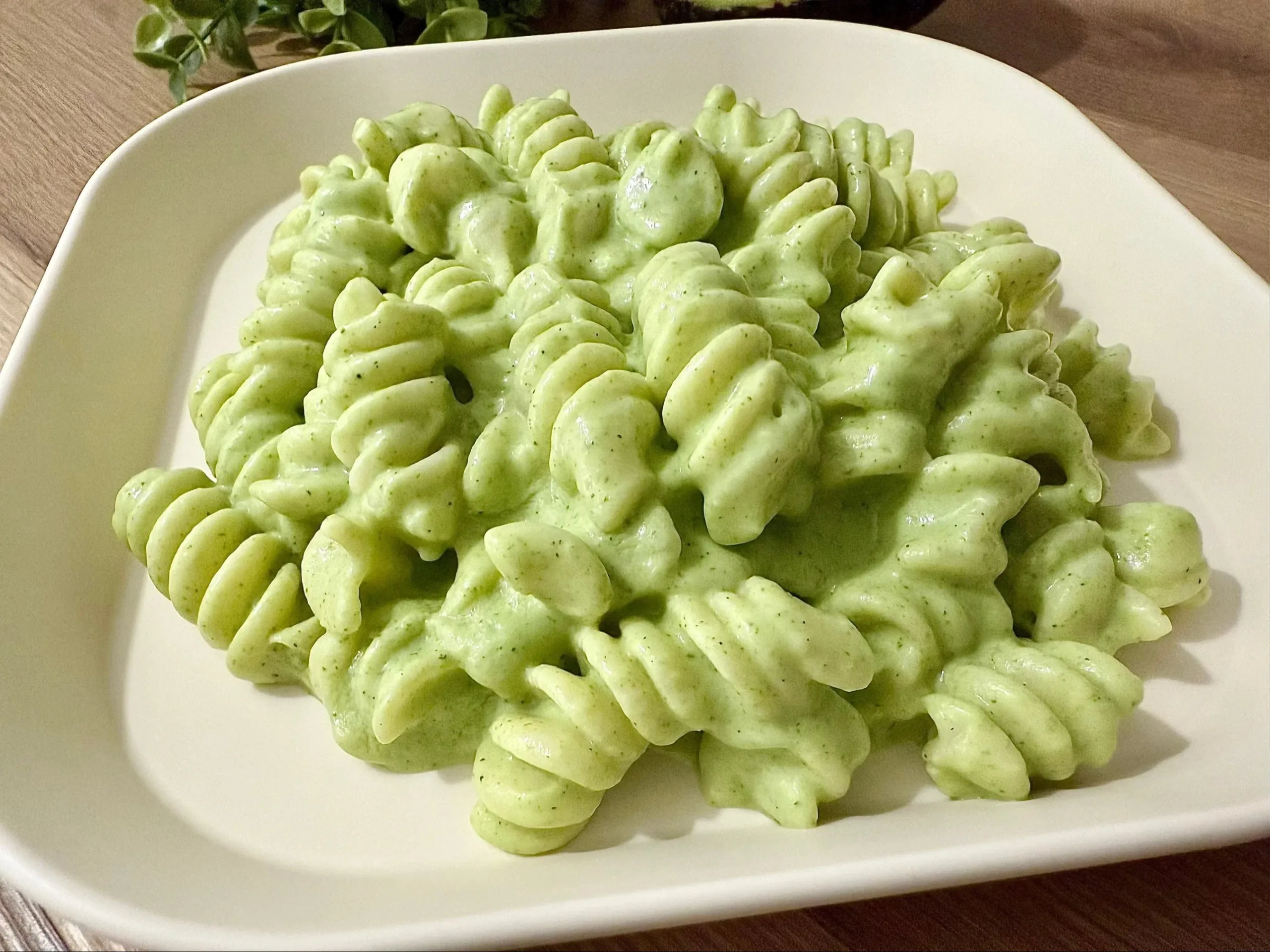
Avocado Brocoli Pasta
Avocado Broccoli Pasta
Avocado Broccoli Pasta is a creamy, vibrant dish that balances the richness of avocado with the bright, slightly bitter notes of roasted broccoli. It’s quick to make, adaptable to vegan or dairy diets, and perfect for weeknight dinners. For parents looking to adapt textures and flavors for little ones, you might find inspiration in this avocado-egg salad recipe for babies, which shows gentle ways to introduce avocado into family meals.
Why this dish works
- Avocado provides healthy fats and a silky sauce without the need for heavy cream or cheese.
- Broccoli adds fiber, vitamins, and a satisfying bite when roasted or sautéed.
- Pasta acts as a neutral canvas, making the meal comforting and familiar to most eaters.
Ingredients (serves 2–3)
- 8 oz (about 225 g) pasta (penne, fusilli, or spaghetti)
- 1 large ripe avocado, pitted and scooped
- 2 cups broccoli florets
- 1–2 cloves garlic, minced
- 1 tbsp lemon juice
- 2 tbsp olive oil (plus extra for roasting)
- Salt and freshly ground black pepper, to taste
- Optional: red pepper flakes, nutritional yeast, fresh basil or parsley
Instructions
- Preheat the oven to 425°F (220°C) if roasting broccoli. Toss broccoli florets with a drizzle of olive oil, pinch of salt, and a little pepper. Roast for 15–20 minutes until edges are caramelized. Alternatively, sauté broccoli in a skillet until tender-crisp.
- Cook pasta according to package directions until al dente. Reserve 1/2 cup pasta cooking water, then drain the pasta.
- While the pasta cooks, make the avocado sauce: in a blender or food processor combine the avocado, garlic, lemon juice, 2 tbsp olive oil, a pinch of salt, and a few tablespoons of the reserved pasta water. Blend until smooth and creamy. Adjust consistency with more pasta water if needed.
- Toss the hot drained pasta with the avocado sauce and roasted broccoli. Heat briefly in the pan so everything is warm and the sauce coats the pasta. Season to taste with salt, pepper, and optional red pepper flakes or nutritional yeast for a cheesy note.
- Serve immediately, garnished with fresh herbs.
Tips and variations
- For a nutty depth, add a small handful of toasted pine nuts or walnuts.
- Make it vegan by sticking to olive oil and nutritional yeast; add capers or olives for briny contrast.
- For extra protein, stir in cooked chickpeas, white beans, or cubed tofu.
- If serving to toddlers or infants, chop broccoli finely and consider softer pasta shapes; see this practical baby pasta guide for texture and serving ideas.
Nutrition highlights
This dish delivers healthy monounsaturated fats from avocado, vitamin C and K from broccoli, and complex carbohydrates from pasta. Swapping white pasta for a whole-grain or legume-based pasta can boost fiber and protein.
Serving suggestions
Pair the pasta with a simple green salad, grilled vegetables, or crusty bread. Leftovers keep well for a day in the refrigerator; refresh with a squeeze of lemon and a splash of water or olive oil before reheating to regain creaminess.
Conclusion
For a roasted take on the combination of flavors, try the detailed recipe at Roasted Broccoli Avocado Pasta – Happy Veggie Kitchen which highlights caramelized broccoli notes. If you prefer a herby twist, the Vegan Pesto Pasta with Broccoli and Avocado – Six Hungry Feet offers a pesto-forward variation that pairs beautifully with avocado.
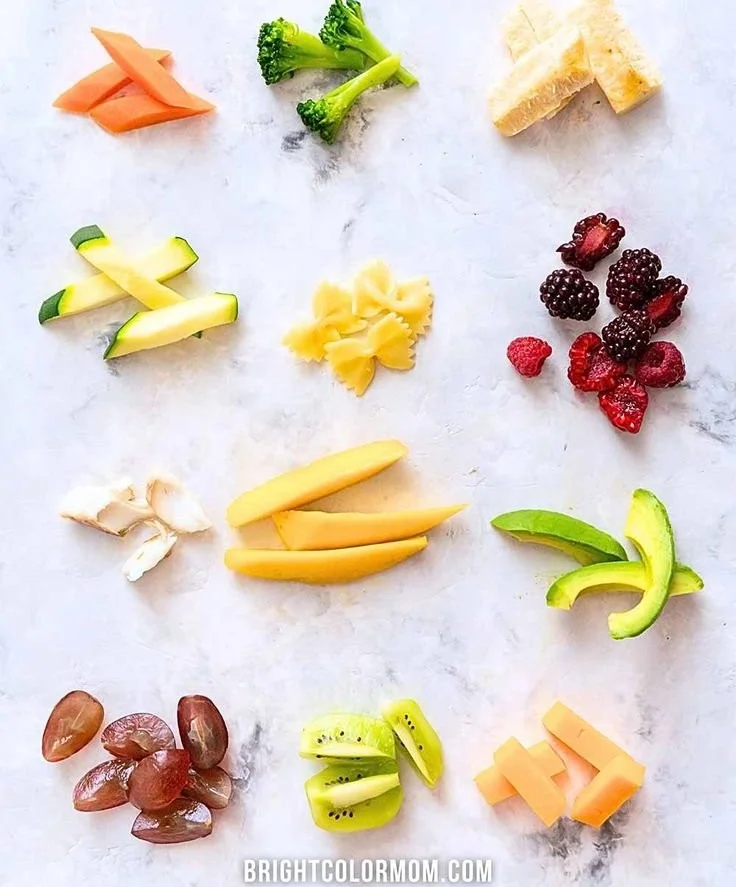
Guide to Baby Led Weaning and First Foods at 6 Months
Guide to Baby Led Weaning and First Foods at 6 Months
Introduction
Baby-led weaning (BLW) lets babies explore whole foods with their hands instead of starting with purees, encouraging self-feeding, motor skills, and family mealtime participation. If you’re looking for simple meal ideas to try in those early weeks, see this collection of baby food recipes for 6–8 months for inspiration and safe first-food combinations.
What is baby-led weaning?
Baby-led weaning means offering appropriately shaped and textured pieces of food that your baby can pick up and bring to their mouth. Rather than spoon-feeding purees, you present finger-friendly options and let the infant set the pace, learning to chew, bite, and manage textures.
When to start
Most babies show readiness around 6 months: they can sit upright with minimal support, have good head and neck control, and show interest in food (reaching, looking at what others eat). Pediatric guidance varies, so consult your child’s healthcare provider if you’re unsure.
Safety first: choking vs. gagging
Gagging is a normal protective reflex as babies learn to move food in their mouths; it sounds and looks alarming but is distinct from choking. Always:
- Sit your baby upright in a safe high chair.
- Stay within arm’s reach and supervise every bite.
- Cut and prepare foods to reduce choking risk (soft, large strips or wedges rather than small round pieces).
If you’re worried about choking or emergency responses, consider taking an infant first-aid course.
Best first foods and textures at 6 months
Prioritize iron-rich and nutrient-dense options along with variety:
- Soft cooked vegetables: carrot sticks, sweet potato wedges, steamed broccoli florets (soft).
- Soft fruits: mashed banana, ripe pear or peach slices, avocado chunks.
- Protein and iron sources: soft cooked strips of chicken, small pieces of flaky fish (boneless), mashed lentils or well-cooked beans, scrambled eggs.
- Dairy: small pieces of soft cheese or full-fat yoghurt offered on a spoon or thicker dollop (after allergen guidance).
Avoid honey until after 12 months and skip whole nuts, popcorn, hard raw vegetables, whole grapes, and chunks of meat that are hard to chew.
Preparing foods: shape and size
Offer foods in long strips or wedges that are easy to grasp and extend beyond the fist so the baby chews on the end. For example:
- Toast cut into fingers
- Steamed carrot or zucchini sticks
- Strips of cooked salmon or chicken
Softness is key: cook until the item yields easily to your finger.
Mealtime setup and routines
- Eat together as a family whenever possible — babies learn by watching.
- Expect mess: use a washable mat and dress the baby in an easy-to-clean outfit.
- Offer water in a cup at meals to encourage sipping and oral skills.
- Keep portions small and let your baby decide how much to eat.
Allergen introduction and monitoring
Current recommendations encourage introducing common allergens (peanut, egg, dairy, soy, wheat, tree nuts, fish) early and in age-appropriate forms, especially if there’s no strong family history of severe allergy. Start with small amounts and watch for reactions; consult your pediatrician if your baby has eczema, a known food allergy, or a strong family history of allergies.
Handling common concerns
- If your baby refuses foods at first, try again later — it often takes many exposures for acceptance.
- If weight gain or intake seems low, discuss with your pediatrician; BLW can coexist with spoon-fed options.
- Keep offering a mix of textures and tastes; variety supports nutrient intake and palate development.
Sample first-week plan (simple ideas)
Day 1: Avocado wedges and breastmilk/formula as usual.
Day 2: Steamed sweet potato fingers and a few soft peas.
Day 3: Toast fingers (lightly buttered) and banana slices.
Day 4: Scrambled egg strips and steamed apple slices.
Day 5: Soft-cooked lentils (mounded) and soft pear wedges.
For more structured recipe ideas suitable for BLW, you can explore this selection of baby-led weaning recipes that focus on texture, nutrient balance, and family-friendly flavors.
When to get professional advice
Contact your pediatrician if your baby:
- Cannot sit up or hold their head steady by 6–7 months.
- Shows persistent refusal to eat or signs of poor weight gain.
- Has repeated severe reactions after food introductions.
Practical tips to make BLW easier
- Keep meals short and positive — 15–20 minutes is plenty.
- Use plain foods first to assess taste and reactions.
- Rotate through iron-rich choices every day.
- Clean surfaces immediately and keep small toys away from the high chair to avoid choking hazards.
Conclusion
For a clear overview of what baby-led weaning looks like in practice and what to expect as your infant learns to self-feed, consult this comprehensive Baby-Led Weaning (BLW) – What to Expect guide. For additional tips, research, and practical suggestions on introducing solids through BLW, review the detailed guide at Baby-led weaning (BLW): A complete guide to first foods | Huckleberry.
Toddler Discipline: Identifying Behaviors that Need to be Corrected and Making a Behavior Plan
Toddler Discipline: Identifying Behaviors that Need to be Corrected and Making a Behavior Plan
Introduction
Toddlers are testing boundaries as they learn language, motor skills, and social rules. Not every misstep needs correction; distinguishing normal exploration from patterns that interfere with safety or learning is key. Nutrition and routine also affect mood and impulse control, so consider simple supports like the benefits of apples for toddlers when planning predictable meals and snacks that can reduce tantrums.
Recognizing Which Behaviors Need Correction
- Safety risks: hitting, biting, running into streets, or touching dangerous objects must be corrected immediately and consistently.
- Socially disruptive actions: persistent aggressive grabbing, repeated refusal to share, or continual elimination of safe routines (like bedtime) when it interferes with family life.
- Skill-blocking behaviors: actions that prevent a child from learning basic self-care, cooperating in group settings, or following simple directions deserve attention.
- Frequency and context: occasional hitting during frustration is different from a child who regularly hurts others; frequency, intensity, and context determine the need for a plan.
Principles for Choosing What to Correct
- Prioritize safety and respect for others.
- Target one or two behaviors at a time to avoid overwhelming the child or caregivers.
- Use clear, simple rules that a toddler can understand (short phrases, consistent wording).
- Match expectations to developmental stage—toddlers have limited impulse control and language.
Creating a Simple Behavior Plan
- Define the target behavior clearly
- Instead of “be good,” define “use gentle hands” or “sit during snack time.”
- Choose a simple, age-appropriate consequence and reward
- Consequences: brief time-out, removal of a toy for a short, specified time, or a calm redirection.
- Rewards: immediate praise, a sticker, or an extra story when the child follows the rule.
- Teach the replacement behavior
- Model, role-play, and practice the desired behavior repeatedly: show “gentle hands” on a stuffed animal, praise attempts.
- Keep the plan short and consistent
- Use the same language and steps across caregivers so the toddler receives consistent feedback.
- Track progress
- Make a short, daily note of successes and setbacks so you can see trends and adjust the plan.
Tools and Techniques That Work with Toddlers
- Visual cues: simple picture rules or a one-item visual schedule can help toddlers anticipate transitions.
- Immediate, specific praise: “Great job keeping your hands to yourself!” reinforces the exact behavior.
- Natural consequences when safe: if a block tower is knocked down intentionally, the child helps rebuild or takes a short break from blocks.
- Redirection and offering choices: “You can push the truck here or roll the ball there” gives toddlers a sense of control while steering behavior.
- Consistent routines: predictable mealtimes, naps, and bedtime reduce out-of-control behavior caused by fatigue or hunger.
Monitoring, Adjusting, and Communicating
- Review the plan weekly: celebrate improvements and simplify or change strategies if there’s no progress after a few weeks.
- Share the plan with all caregivers so responses are consistent.
- Keep responses calm and brief—toddlers learn more from repeated calm practice than from long lectures.
When to Seek Professional Help
If aggressive behavior persists despite consistent, evidence-based strategies; if a child displays extreme withdrawal, regression, or behaviors that impair daily functioning; or if caregivers feel overwhelmed, consult a professional who specializes in early childhood behavior and development. A skilled practitioner can offer assessment, additional strategies, or therapy tailored to your child’s needs and your family context. For help finding specialized support, consider resources on locating a child behavioral therapist.
Conclusion
For an overview of evidence-based behavior modification approaches you can adapt for young children, see the Behavior Modification – StatPearls – NCBI Bookshelf – NIH. If you want resources related to school and district discipline practices as your child approaches preschool or kindergarten, consult the School Discipline Information and Resources page for policy context and guidance.
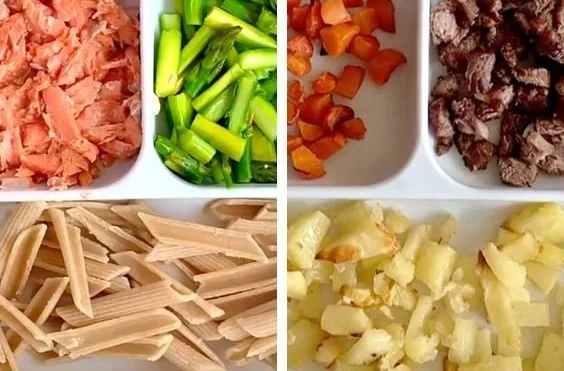
1 Year Old Meal Plan – Nutritionist Approved | Creative Nourish
1-Year-Old Meal Plan — Nutritionist-Approved Guidance
Introducing solids and shaping a nutritious routine for a one-year-old can feel overwhelming. At this stage your toddler is moving from frequent milk feeds to more family-style meals and needs balanced portions of protein, whole grains, fruits, vegetables, and healthy fats. For quick inspiration on textures and portion sizes tailored to this age, see these practical meal ideas for 1-year-olds that focus on variety and safety.
This article outlines daily rhythms, sample meals, safety tips, and how to adapt a plan as your child’s appetite and skills change.
Daily rhythm and portions
- Milk: Many one-year-olds still take breastmilk or formula; whole cow’s milk can be introduced after consulting your pediatrician. Aim for about 400-500 mL (13–17 oz) of milk per day to avoid displacing iron-rich foods.
- Meals and snacks: Offer three meals plus two planned snacks. Expect appetite to fluctuate — follow hunger cues.
- Portions: Serve roughly one-quarter to one-third of adult portions. A useful guide is 1 tablespoon per year of age per food group at each meal, then adjust to the child’s appetite.
Sample 1-day meal plan (flexible)
Breakfast
- Soft scrambled egg with grated cheese and a few pieces of soft, ripe pear.
- Small whole-grain toast fingers or pancake bite.
Morning snack
- Full-fat yogurt with mashed banana or soft berries.
Lunch
- Small cubes of baked chicken or mashed lentils.
- Cooked sweet potato chunks.
- Steamed peas or soft carrot pieces.
Afternoon snack
- Soft avocado slices and whole-grain crackers.
Dinner
- Mild vegetable and beef (or tofu) stew with softened pasta or rice.
- Steamed broccoli florets cut into tiny pieces.
Bedtime (if needed)
- Small milk feed or milk in a cup, depending on your routine.
Adjust textures—mash, finely chop, or offer finger foods depending on your child’s chewing and self-feeding abilities. Rotate proteins, grains, and vegetables across the week to cover different nutrients.
Foods to emphasize and limit
Emphasize:
- Iron-rich foods: meat, lentils, fortified cereals.
- Healthy fats: avocado, full-fat dairy, olive oil.
- Vitamin C sources with iron-containing meals, like citrus, kiwi, or bell pepper, to enhance absorption.
Limit or avoid:
- Added salt and sugar.
- Whole nuts and large chunks that can cause choking; offer nut butters spread thinly or finely ground.
- Unpasteurized dairy and undercooked eggs or meats.
Safety and allergy considerations
- Always supervise eating. Cut foods into small, manageable pieces.
- Introduce common allergens (peanut, egg, dairy, soy, wheat, fish) one at a time, in small amounts, while observing for reactions, and check with your pediatrician if your family has a history of severe allergies.
- Avoid honey until after 12 months due to botulism risk (if your child is just at one year, consult your pediatrician about timing).
Feeding skills and independence
Encourage self-feeding to build motor skills and confidence:
- Offer soft finger foods and let your toddler practice grasping.
- Provide a cup for milk to support the transition away from bottles.
- Keep mealtimes relaxed and family-centered—toddlers model what they see.
For more detailed recipes and snack suggestions appropriate for this developmental stage, you can explore further meal ideas for one-year-old toddlers that include batch-cook options and simple finger-food swaps.
Troubleshooting picky eating
- Keep offering foods even if they’re rejected; it can take many exposures before acceptance.
- Pair new foods with familiar favorites.
- Avoid pressuring; make mealtime predictable and pleasant.
When to seek help
Consult your pediatrician or a pediatric dietitian if your child:
- Consistently refuses food or shows prolonged poor weight gain.
- Has restrictive eating patterns limiting several food groups.
- Has suspected nutrient deficiency symptoms (e.g., extreme fatigue, pallor).
Conclusion
For practical guidance on transitioning to solids and techniques like hot weaning, this external resource provides additional context: hot weaning at 10 months resource. If you want a professional-style sample plan to adapt for a one-year-old, this nutritionist-approved example is helpful: 10 Month Old Meal Plan – Nutritionist Approved.
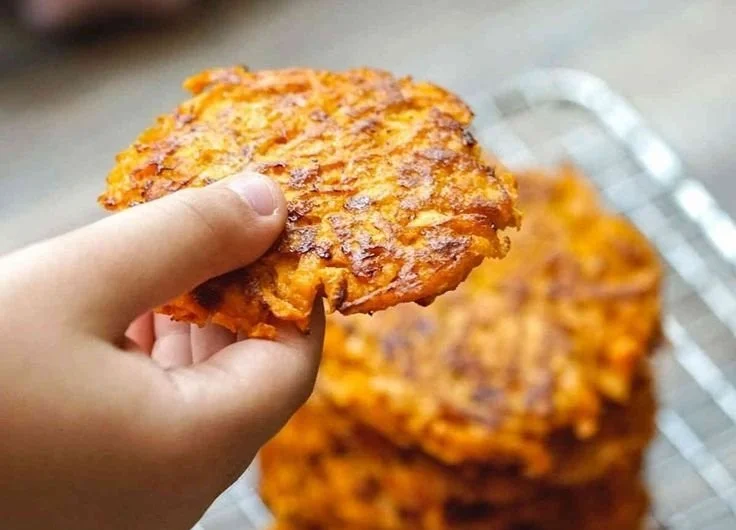
Sweet Potato Fritters (Latkes or Patties) For Baby, Toddler, Baby Led Weaning Served As Finger Food
Sweet Potato Fritters (Latkes or Patties) for Baby, Toddler, and Baby-Led Weaning
Sweet potato fritters are a versatile, naturally sweet finger food perfect for babies learning to self-feed, toddlers, and adults alike. Crispy on the outside and tender inside, they make a nutritious snack or side that’s easy to adapt for different ages and textures. If you’re putting together a baby-friendly spread for a gathering, these fritters fit right in with other crowd-pleasing bites like these baby shower food ideas for a girl.
This article covers ingredients, a simple method, safety tips for little ones, storage, and tasty variations to keep meals interesting.
Why sweet potatoes?
Sweet potatoes are rich in beta-carotene (vitamin A), vitamin C, fiber, and complex carbohydrates, making them a gentle, nutrient-dense option for young palates. Their natural sweetness and soft interior when cooked help with acceptance by babies and toddlers. Fritters give a crunchy texture that’s excellent for practicing chewing and fine motor skills when offered appropriately sized for the child.
Ingredients (makes ~12 small fritters)
- 2 medium sweet potatoes, peeled
- 1 small egg (optional for babies over 6–8 months who have already been introduced to eggs)
- 2–3 tablespoons flour (all-purpose, whole wheat, or a gluten-free blend)
- 1 tablespoon finely chopped mild onion or 1/2 teaspoon onion powder (optional)
- 1/4 teaspoon mild ground spices (optional, e.g., a pinch of cinnamon or smoked paprika for older toddlers)
- A pinch of salt (omit for very young babies or reduce to taste)
- 1–2 tablespoons oil for frying (olive oil, avocado oil, or coconut oil)
Notes:
- For egg-free version, use 1–2 tablespoons of plain yogurt or a tablespoon of ground flaxseed mixed with 3 tablespoons water as a binder.
- Adjust flour amount so mixture holds together but isn’t dry.
Equipment
- Box grater or food processor
- Mixing bowl
- Nonstick skillet or griddle
- Spatula
- Small cookie scoop or tablespoon to shape patties
Method
- Prepare the sweet potatoes: Grate them finely with a box grater or pulse in a food processor. If grated potatoes release water, gently squeeze out excess moisture with a clean towel—avoid over-squeezing to keep some moisture for tenderness.
- Mix: In a bowl combine grated sweet potato, egg (or substitute), flour, onion if using, and spices. Stir until evenly combined.
- Shape: Use a tablespoon or small scoop to form small patties (roughly 1 1/2–2 inches across for toddlers, smaller or flattened for younger babies).
- Cook: Heat oil in a nonstick skillet over medium heat. Add patties without crowding the pan and press gently to flatten. Cook 2–4 minutes per side until golden brown and cooked through. If making for younger babies, cook a bit longer on lower heat to ensure softness inside.
- Drain: Transfer to a paper towel-lined plate to remove excess oil.
- Cool and serve: Let fritters cool to a safe temperature and cut into strips or fingers appropriate for your child’s self-feeding stage.
Serving and age-appropriateness
- For baby-led weaning (around 6+ months if baby is ready), offer small, easy-to-grip fritters. Always supervise and ensure pieces are large/thick enough for the baby to hold without risk of whole-piece swallowing. If introducing solids early, check age-appropriate recipes like the helpful baby food recipes for 6-8 months.
- For purees or younger babies who cannot handle solids, mash a cooked sweet potato and serve smooth or mixed with breastmilk/formula.
- For toddlers, serve warm with a plain yogurt dip or mashed avocado.
Safety tips (choking and allergies)
- Always supervise mealtimes and sit baby upright.
- Avoid hard, round, or extremely small pieces that can be a choking hazard. Cut fritters into long strips for easy grasping and safer chewing.
- Introduce common allergens (egg, dairy, wheat) one at a time, following your pediatrician’s guidance and observing for reactions.
- Ensure fritters are cooked through and soft enough for your child’s chewing ability.
Variations and flavor ideas
- Add grated zucchini or carrot (squeeze out moisture first) for extra veggies.
- Finely shred apple and a pinch of cinnamon for a sweeter baby-friendly version.
- Mix in mild herbs (like parsley) or tiny bits of cooked, shredded chicken for protein.
- Make a savory version by adding finely chopped spinach and a dash of mild cheese for older toddlers.
Storage and reheating
- Refrigerate in an airtight container for up to 3 days.
- Freeze cooked fritters on a baking sheet, then transfer to a freezer bag for up to 1 month. Reheat from frozen in a low oven (about 300°F/150°C) until warmed through to maintain crispness.
- Reheat in a skillet over low heat or briefly in an oven; avoid the microwave if you want to retain crisp edges.
Troubleshooting
- Mixture too wet: Add a bit more flour or breadcrumbs a teaspoon at a time.
- Fritters fall apart: Make them slightly smaller and press firmly when shaping; ensure binder (egg or substitute) is used.
- Too greasy: Drain well on paper towels and use less oil; try shallow baking at 400°F/200°C for 12–18 minutes, flipping halfway.
Feeding tips for picky eaters
- Serve fritters with a favorite dip (yogurt, mashed avocado, mild tomato sauce) to encourage tasting.
- Offer new flavors alongside familiar foods to increase acceptance.
- Vary shapes and colors by adding different vegetables to keep meals interesting.
Conclusion
Sweet potato fritters are an adaptable, nutritious finger food that can support independent feeding and introduce new textures. For more creative ideas using sweet potato as a baby-friendly finger food, see this collection of sweet potato finger food ideas. If you want a savory vegetable patty variation to expand your repertoire, check out the Potato, Cabbage, and Carrot Healthy Hash Browns recipe for inspiration.
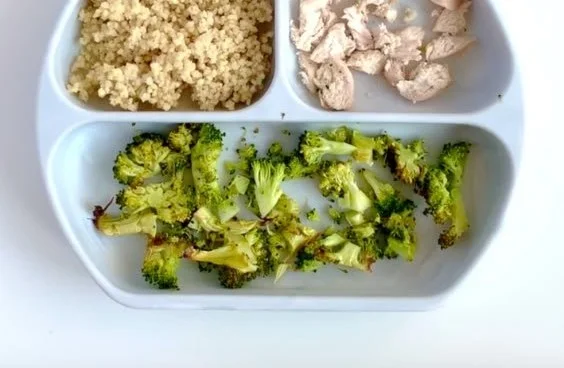
8 Month Old Homemade Weaning Recipes
8-Month-Old Homemade Weaning Recipes
Weaning an 8-month-old is an exciting stage: your baby is ready for more texture, new flavors, and small pieces they can pick up. If you want more ideas for age-appropriate combinations and portioning, this roundup complements many baby food recipes for 6–8 months while focusing on simple homemade options you can prepare at home.
How to think about texture and safety
At 8 months, many babies can handle thicker purees, mashed foods with soft lumps, and larger soft pieces they can gum or pick up. Keep these safety rules in mind:
- Offer soft-cooked, well-mashed or finely chopped foods to reduce choking risk.
- Avoid added salt, sugar, and honey.
- Introduce common allergens (peanut, egg, dairy, fish) one at a time, in small amounts, watching for reactions.
- Always supervise while eating and sit your baby upright.
- Cool foods to a safe temperature and store portions in labeled containers in the fridge/freezer.
Easy homemade recipes
Each recipe below makes approximately 3–6 servings depending on appetite and can be adjusted for texture (smoother or chunkier) as your baby develops.
- Sweet Potato & Pear Puree
- Ingredients: 1 medium sweet potato, 1 ripe pear, a splash of breastmilk/formula/water.
- Method: Peel and dice sweet potato, steam until tender (~12–15 min). Peel, core, and steam pear for 3–5 min. Blend both with a little liquid to desired consistency. Serve warm or chilled.
- Avocado Banana Mash (great finger food)
- Ingredients: 1 ripe avocado, 1/2 ripe banana.
- Method: Peel, mash together with a fork to a lumpy or smooth texture. No cooking required. Serve immediately to avoid browning.
- Red Lentil & Carrot Mash
- Ingredients: 1/3 cup red lentils, 1 medium carrot (peeled and diced), 1/2 cup water or low-sodium vegetable stock.
- Method: Rinse lentils, simmer with carrot and liquid for 15–20 minutes until very soft. Mash or blend to preferred texture. Lentils add protein and iron.
- Oat & Peach Porridge
- Ingredients: 1/4 cup oats, 1 small peach (peeled, diced), 3/4 cup water or milk (breastmilk/formula/dairy as advised).
- Method: Cook oats with liquid until soft (~10 min), stir in diced peach and mash lightly. Cool to feeding temperature.
- Soft Chicken & Vegetable Mash
- Ingredients: 2 oz boneless skinless chicken breast, 1 small potato, 1 small courgette/zucchini.
- Method: Poach chicken until cooked through. Steam potato and zucchini until very soft. Chop chicken finely and mash with vegetables. Add a little of the poaching liquid or breastmilk for creaminess.
- Spinach, Apple & Potato Puree (iron-rich combo)
- Ingredients: 1 small potato, 1 apple (peeled), a handful of baby spinach.
- Method: Steam potato and apple until soft; add spinach for the last minute to wilt. Blend to smoothness, adding liquid as needed.
Tips for introducing lumps and finger foods
- Start offering thicker textures gradually: begin with smooth purees, then add small soft lumps, then larger soft pieces for self-feeding.
- Offer a single-ingredient puree first, then combine flavors once tolerated.
- Serve soft sticks (e.g., steamed carrot, banana halves) for practicing grasp and chewing motions.
- If mealtime is chaotic because of naps or routine changes, balance feeding with sleep times by planning meals between naps—this can help with appetite and mood while learning to eat independently. For timing ideas and routines that may complement meal times, see a sample 14-month-old sleep schedule (adapt timing as appropriate for an 8-month routine).
Portioning and storage
- Start small (1–2 tablespoons) and offer more if your baby seems hungry. Many 8-month-olds will eat 2–6 tablespoons multiple times a day, depending on appetite.
- Refrigerate fresh batches up to 48 hours, or freeze portions in ice cube trays for 1–3 months. Label with date and contents.
Troubleshooting picky eating
- Offer the same food multiple times—babies often need many exposures before accepting a taste.
- Mix a new item with a familiar favorite to ease transition.
- Keep mealtime calm and pressure-free; model eating and enjoy shared family meals when possible.
Conclusion
For a broader list of age-specific options and food ideas tailored to baby-led approaches, consult this guide to Baby Led Weaning Foods For 8 Months – Bucket List Tummy. If you want more ready-to-try, easy homemade recipes to batch-cook and freeze, this collection of 20 Easy Homemade Baby Food Recipes – Healthy Mama Kris is a helpful resource.