
35 Unique Baby Shower Ideas and Themes That Are Beyond Cute | Surprise baby shower, Classy baby shower, Outdoor baby shower
35 Unique Baby Shower Ideas and Themes That Are Beyond Cute
Planning a baby shower that’s memorable, personal, and just plain adorable can be a delightful challenge. Whether you want an elegant soiree, a surprise gathering, or a backyard celebration with string lights, these ideas will help you craft a party that fits the parents-to-be. For focused inspiration specifically for girls, check out baby girl baby shower themes to spark themed décor and color palettes.
Below are 35 fresh themes and unique twists grouped by style so you can pick one that matches the vibe you want.
Classic & Classy
- Modern Minimalist — Clean lines, neutral palette, greenery, and a chic dessert table.
- Timeless Tea Party — Vintage china, petit fours, and delicate floral arrangements.
- Gold and Ivory Glam — Metallic accents, mirrored trays, and elegant place settings.
- Black-Tie Baby Brunch — Dressy attire, champagne mimosas, and refined hors d’oeuvres.
- Literary Nursery — Favorite children’s books as centerpieces and a book-lending guestbook.
Surprise & Celebration
- Surprise Reveal Shower — Keep the gender or details secret until a dramatic reveal moment.
- Flash Party — Short notice, high energy: snacks, games, and sunlight cake in under two hours.
- Celebrity-Inspired Baby Bash — Red carpet backdrop and photo ops for guests.
- Time Capsule Shower — Guests bring notes or small items for the baby to open at a milestone.
- Around-the-World Theme — Decor and snacks inspired by the parents’ favorite destinations.
Outdoors & Seasonal
- Garden Tea in Bloom — Cups of tea, floral crowns, and garden games among blooming beds.
- Backyard BBQ Baby Shower — Casual comfort food, picnic blankets, and lawn games.
- Beach Blanket Bash — Seashell décor, tropical mocktails, and sandcastle-inspired cakes.
- Fall Harvest Shower — Warm spices, pumpkin décor, and cozy blankets for guests.
- Winter Wonderland — Soft blues, faux snow, and hot cocoa stations.
Playful & Kid-Friendly
- Storybook Safari — Animal motifs, jungle leaves, and cuddly plush centerpieces.
- Teddy Bear Picnic — Cute bears, gingham linens, and picnic baskets.
- Woodland Baby Shower — Rustic wood signs, pinecone accents, and lantern lighting.
- Sweet Shoppe — Candy jars, pastel banners, and DIY favor bags for guests.
- Under-the-Sea — Mermaid tails, blue streamers, and sea creature cookies.
Creative & Hands-On
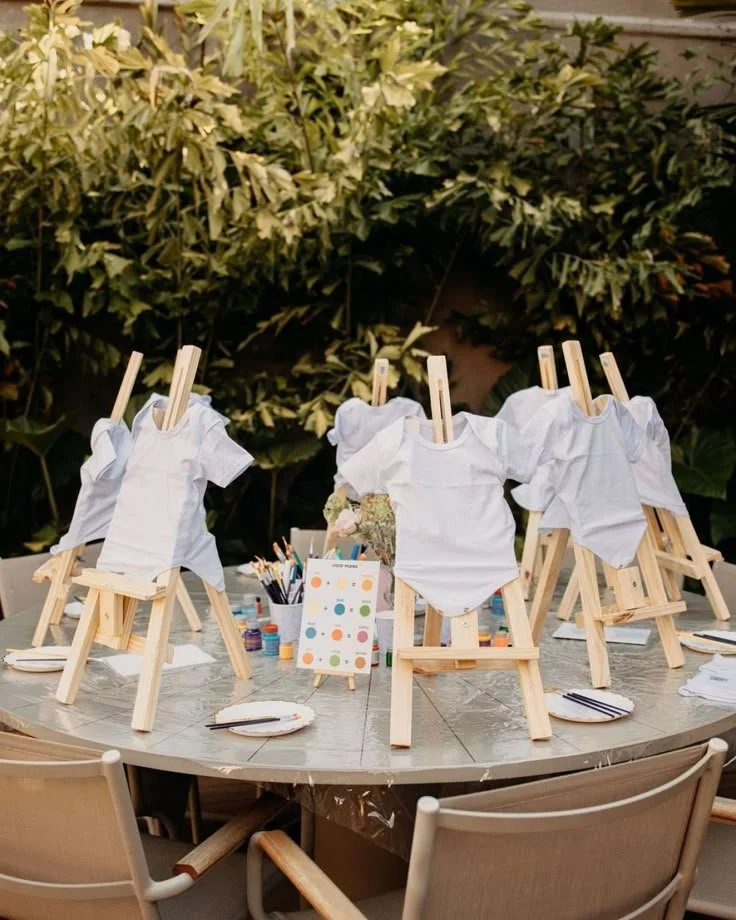
- Craft-Your-Own Onesie Station — Provide fabric markers and stencils for personalized gifts.
- Plant-a-Seed Shower — Guests pot a plant or seed packet for the nursery to watch grow.
- DIY Spa Day — Simple at-home treatments and take-home pampering kits for the mom-to-be.
- Keepsake Quilt Party — Each guest decorates a square for a memory quilt.
- Recipe Book Shower — Guests contribute cherished family recipes for the baby’s first cookbook.
If you want more hands-on game and craft inspiration with a focus on feminine details, explore these creative baby girl shower ideas.
Food-Focused Themes
- Brunch & Bubbly — Savory quiches, fruit platters, and build-your-own mimosa bar.
- Backyard Taco Bar — Casual, customizable, and crowd-pleasing for summer showers.
- High Tea Pastry Spread — Scones, jam, petite sandwiches, and tiered cake stands.
- Gourmet Dessert Tasting — Mini portions of cakes, tarts, and artisan chocolates.
- Farm-to-Table Feast — Seasonal produce, rustic serving boards, and local flavors.
Modern Twists & Finishing Touches
- Color-Blocked Chic — Bold color panels and minimal patterns for a contemporary look.
- Gender-Neutral Naturals — Earth tones, wood elements, and neutral textiles for a calm vibe.
- Interactive Photo Booth — Props, instant prints, and a guestbook collage.
- Virtual Garden Party — Hybrid options with livestreamed toasts and mailed favor boxes.
- Charity-Focused Shower — Guests donate to causes the parents care about in lieu of gifts.
Tips for pulling any theme together:
- Pick 2–3 key elements (color, signature snack, and one activity) and repeat them throughout the décor.
- Create a simple timeline so guests and hosts know when games, gifts, and food happen—this keeps a relaxed flow.
- Personalize with small touches: custom signage, a playlist of meaningful songs, or a slideshow of family photos.
Conclusion
A final source for creative visual setups is this collection of fall-themed baby shower photo ideas, which can help you stage picture-perfect scenes. If you’re specifically planning an outside celebration, these outdoor baby shower ideas for a boy include practical tips for weather, lighting, and kid-friendly outdoor activities.

Lunchbox Pizza Muffins (Freezer-Friendly and Kid-Approved)
Lunchbox Pizza Muffins (Freezer-Friendly and Kid-Approved)
These mini pizza muffins are a busy-parent lifesaver: easy to make, freezer-friendly, and popular with picky eaters. They combine familiar pizza flavors in a portable bite-sized form that reheats quickly for school lunches, after-school snacks, or quick dinners. For creative ways to present small treats at parties or gatherings, consider ideas like a themed baby shower candy table that showcase bite-sized foods in an attractive way.
Why kids love them
- Familiar pizza flavors (cheese, pepperoni, tomato) in a hand-held, non-messy format.
- Soft, bread-like texture that’s easy for small mouths.
- Customizable — you can hide extra veggies or swap proteins without losing the “pizza” appeal.
Ingredients (makes ~24 muffins)
- 2 cups all-purpose flour
- 1 tablespoon baking powder
- 1/2 teaspoon salt
- 1 teaspoon dried oregano or Italian seasoning
- 1 cup milk
- 2 large eggs
- 1/4 cup olive oil or melted butter
- 1 cup shredded mozzarella cheese
- 3/4 cup mini pepperoni or chopped regular pepperoni
- 1/2 cup pizza sauce (plus extra for dipping)
- Optional: 1/2 cup finely diced bell pepper or cooked, crumbled sausage
Method
- Preheat the oven to 375°F (190°C). Grease a standard 12-cup muffin tin or line with paper liners.
- In a bowl, whisk together flour, baking powder, salt, and oregano.
- In a separate bowl, beat the eggs with milk and oil. Stir in the pizza sauce.
- Add the wet ingredients to the dry ingredients and fold until just combined. Stir in the cheese, pepperoni, and any optional add-ins. Do not overmix.
- Spoon the batter evenly into the muffin cups, filling about 3/4 full. Top each with an extra mini pepperoni or a sprinkle of cheese if desired.
- Bake 15–18 minutes, or until golden and a toothpick inserted into the center comes out clean. Let cool in the pan for 5 minutes, then transfer to a rack.
Freezing and reheating
- To freeze: Let muffins cool completely. Wrap individually in plastic wrap or place in a single layer on a tray to flash-freeze for 30–60 minutes, then transfer to a freezer-safe bag or container. They’ll keep up to 3 months.
- To reheat from frozen: Microwave for 45–60 seconds on high (depending on microwave power) or bake in a 350°F (175°C) oven for 12–15 minutes until heated through. Thawed muffins reheat even faster.
Variations and substitutions
- Veggie boost: Add finely grated carrot, zucchini (squeeze out excess moisture), or chopped spinach.
- Meat-free: Replace pepperoni with diced olives, mushrooms, or roasted chickpeas for texture.
- Gluten-free: Use a 1:1 gluten-free flour blend. Baking time may vary slightly.
Tips for packing and serving
- Pack in an insulated lunchbox with a small ice pack and a separate container of extra pizza sauce for dipping.
- Cut muffins in half for younger toddlers or to control portions.
- If your child eats at different times due to naps or activities, try planning serving sizes around routines — and if you’ve ever wondered about common infant sleep positions and what they mean, read more about why a baby sleeps with his hands behind his head, which can help you plan mealtimes and nap schedules.
Storage and safety
- Refrigerate leftovers in an airtight container for up to 4 days.
- Reheat until steaming hot. For younger children, test temperature before serving.
Conclusion
For a quick pepperoni-forward version, the Easy 20-Minute Pepperoni Pizza Muffins recipe offers a simple, speedy method you can adapt to this freezer-friendly approach. If you’d like other make-ahead kid-friendly options to rotate into lunchboxes, try recipes like these Baked Ground Beef Taquitos that also freeze and reheat well.
77+ DIY Baby Shower Ideas for Girls: Budget-Friendly Decor & Games
77+ DIY Baby Shower Ideas for Girls: Budget-Friendly Decor & Games
Planning a baby shower for a little girl doesn’t have to drain your wallet. With creativity, a few supplies, and some time, you can craft gorgeous décor, clever games, and thoughtful favors that feel boutique without the price tag. For menu inspiration that pairs perfectly with these DIY touches, explore these curated baby shower food suggestions: baby shower food ideas for a girl.
Below you’ll find grouped ideas, step-by-step approaches, and quick tips to make a memorable celebration on a budget.
How to approach DIY planning
- Set a simple color palette (2–3 hues) to keep everything cohesive and inexpensive.
- Prioritize 3 focal items: a backdrop, a table display, and a central game or activity.
- Reuse items from around the house—mason jars, fabric scraps, picture frames—and buy only staples like ribbon, spray paint, or cardstock.
- Make a timeline: split projects into easy chunks across several evenings rather than one marathon craft session.
Easy and inexpensive decorations
- Tissue paper pom-poms and tassel garlands: inexpensive tissue packs go a long way; make a variety of sizes for visual interest.
- Balloon cluster backdrop: cluster balloons with fishing line and add paper flowers for a luxe effect.
- Ribbon photo wall: hang ribbons vertically and use clothespins to clip ultrasound photos, baby outfits, or notes.
- Frame collages: spray-paint thrifted frames in metallic or pastel shades and fill them with themed prints or cute baby quotes.
- Personalized banner: hand-stamp or paint the baby’s name on burlap or cardstock for a rustic-chic touch.
Centerpieces and table decor
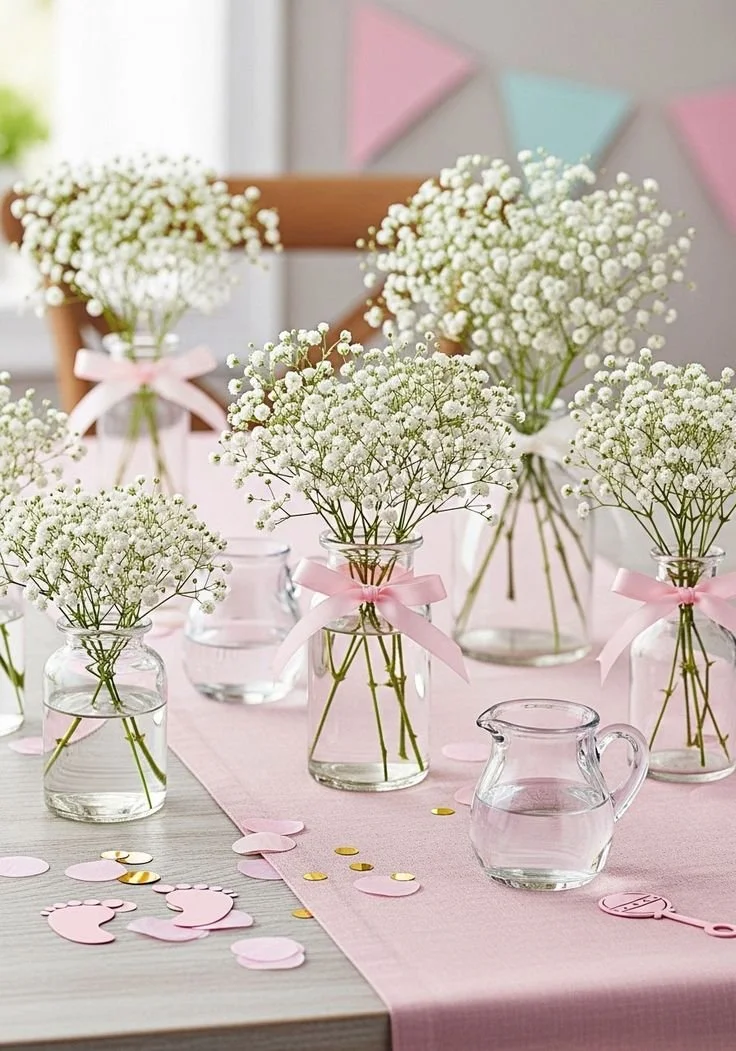
- Mason jar bouquets: wrap jars with twine and fill with seasonal flowers or paper blooms.
- Diaper cake tower: practical and pretty—decorate with ribbon, small toys, and safety pins.
- Mini terrariums: use small glass containers, a bit of moss, and faux succulents for modern table accents.
- Themed place settings: tie napkins with ribbon and add a small favor like homemade cookies or a lip balm.
DIY favors that guests will love
- Scented sugar scrub in tiny jars with handwritten labels.
- Seed packets with a “Watch her bloom” tag.
- Customized candles using affordable soy wax and essential oils.
- Small pouches of hot chocolate mix or homemade granola in clear bags tied with ribbon.
Games and activities (budget-friendly)
- Baby prediction cards: have guests guess weight, date, and name; collect them in a decorated box.
- Onesie decorating station: supply plain onesies and fabric markers or iron-on transfers for a keepsake activity.
- Advice jar: guests write parenting tips or wishes for the baby on colorful papers.
- Time capsule: ask guests to bring a small note or item to include for the child to open later.
If you want gender-neutral or dad-friendly game ideas that fit a mixed crowd, check this helpful resource for games geared toward male guests: baby shower games for men.
Cute, low-cost photo ops
- DIY frame prop: wrap a large cardboard rectangle in pretty paper and let guests pose through it.
- Floral crown station: pre-make crowns with faux flowers for guests to wear during photos.
- Chalkboard signs: write prompts or baby-themed sayings for candid snapshots.
Food ideas that fit the theme
- Finger sandwiches cut with small cookie cutters into flower or heart shapes.
- A dessert table with one show-stopping cake and a selection of simple treats like cupcakes, macaroons, and chocolate-dipped strawberries.
- Punch station: create a signature pink punch with fruit and sparkling water; label it with a cute name.
Budget supplies list
- Tissue paper packs, crepe paper, and cardstock
- Twine, ribbon, brown kraft tags, and bakers’ twine
- Hot glue gun and glue sticks
- Acrylic paints and spray paint
- Assorted jars, baskets, and thrifted frames
Sustainability and thrift-friendly swaps
- Rent or borrow large décor pieces like arches or specialty linens.
- Choose reusable items (cloth napkins, ceramic plates) and ask guests to bring a favorite book instead of a card to start the baby’s library.
- Repurpose seasonal décor—paper flowers can double for other celebrations.
Quick timeline for a DIY shower (2 weeks to event)
- 14 days out: choose theme and color palette; compile supplies list.
- 10 days out: order any specialized items and recruit craft helpers.
- 7 days out: begin making banners, garlands, and favors.
- 3 days out: finish decorations and assemble centerpieces.
- Day before: set up major décor; prepare food that can be refrigerated.
- Day of: arrange final displays, set out games and photo props, and enjoy the party.
Troubleshooting common DIY snags
- Crafts taking longer than expected: time-box sessions (45–60 minutes) and accept charming imperfections.
- Running short on supplies: substitute with printable templates or use items from other rooms.
- Weather concerns for outdoor showers: have a simple tarp or indoor backup space ready.
Final styling tips
- Layer textures—lace, burlap, and soft knits—to elevate inexpensive pieces.
- Use lighting (string lights, candles) to create warmth even on a low budget.
- Keep signage simple and hand-lettered for personality without cost.
Conclusion
For added inspiration on games that families will enjoy long after the shower, consider browsing the curated selection of the best board games for kids to include as prizes or entertainment. If you’re looking for more clever, budget-friendly gift projects and unique favor ideas, this collection of gift ideas and DIY presents offers plenty of creative options.
The Best Christmas Baby Shower Games For Festive Fun – Bjarni Baby
The Best Christmas Baby Shower Games For Festive Fun — Bjarni Baby
A Christmas-themed baby shower is a joyful way to celebrate the arrival of a little one while embracing the season’s sparkle. Whether you’re planning an intimate family gathering or a larger party with friends, choosing the right games keeps energy high and guests connected. For coed or competitive party ideas that work well with a mixed guest list, see this helpful resource on baby shower games for men.
Below are easy, festive, and totally playable game ideas that capture the holiday spirit while centering the mom-to-be.
Quick Setup Games (low-prep, high-fun)
- Ornament Guess: Fill a clear jar with mini ornaments and have guests estimate the number. Winner gets a small stocking stuffer.
- Holiday Baby Bingo: Create bingo cards with baby-related holiday items (like “mini booties,” “snowman rattle,” “red onesie”). Use candy canes as markers.
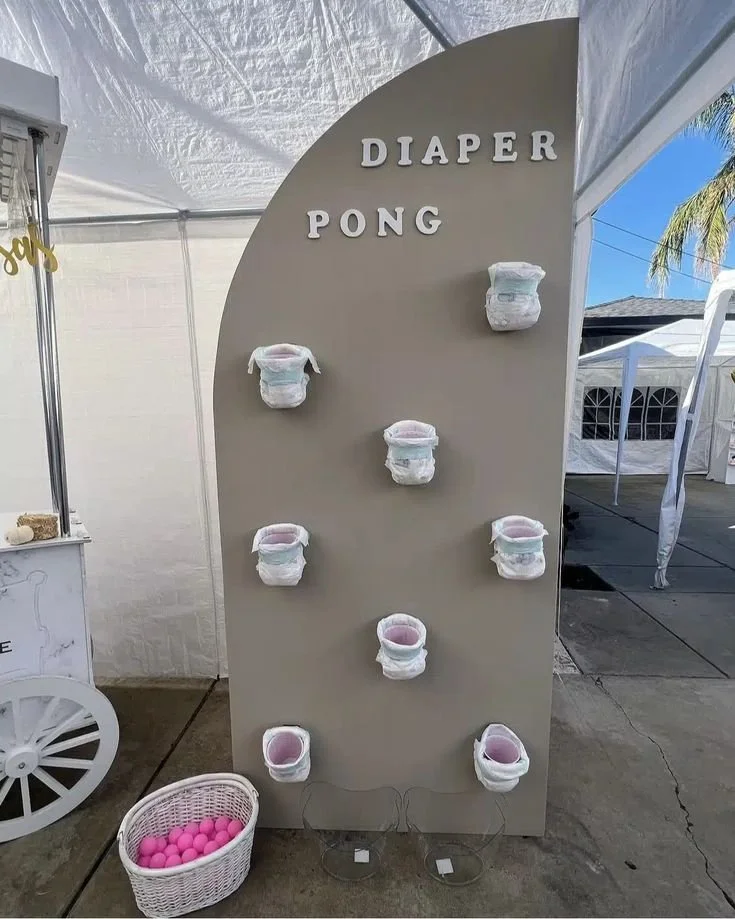
- Santa’s Diaper Relay: Teams race to change a doll’s diaper over a stack of wrapped “presents” — blindfold optional.
Cozy Sit-Down Games (great for mealtime)
- Christmas Carol Pictionary: Use holiday songs or baby-related phrases and draw them on a pad. Laughter guaranteed.
- Gift Wrap the Bottle: Provide wrapping paper and scissors; timed rounds to see who wraps the prettiest “gift” (a baby bottle).
- Memory Manger: Set out 20 small baby-themed and holiday items on a tray for 30 seconds, cover them, and have guests list what they remember.
Laughter & Icebreakers
- Stocking Stuffers Swap: Each guest brings a small wrapped item; draw numbers and either pick a new gift or steal someone else’s — holiday version of white elephant with baby-themed prizes.
- Santa Says (Simon Says): Use baby-care commands mixed with holiday moves (“Santa says rock the baby,” “Santa says jingle the rattle”).
For more ideas that lean into pure silliness, you can borrow a few of the funniest baby shower games ever and give them a Christmas twist.
Personalized & Keepsake Games
- Advice Ornaments: Have guests write parenting tips or wishes on plain ornaments to hang on a small “memory” tree for the nursery.
- Onesie Decorating Station: Supply plain onesies and fabric markers or iron-ons in holiday motifs — a creative keepsake for the parents-to-be.
- Baby Name Snowball: Guests write name suggestions on paper “snowballs,” toss them into a hat, and the parents pick their favorites.
Tips for a Smooth, Festive Event
- Keep timing flexible: Alternate lively games with quieter moments for food and conversation.
- Choose prizes that match the theme: Small gift cards, festive candles, or holiday treats work well as rewards.
- Consider guests’ comfort: Offer mocktail options and seats for those who prefer to watch rather than play.
Decorating & Ambiance Ideas
- Cozy décor: Use soft whites, reds, and metallics with twinkle lights and faux snow for a warm holiday nursery vibe.
- Photo station: Create a backdrop with a mantle, stockings, and a “Baby’s First Christmas” sign for instant keepsakes.
- Music mix: Blend mellow holiday classics with upbeat seasonal hits to set the mood between games.
Conclusion
If you want clever wording for signs, cards, or invitations, check this curated list of 110 + gender reveal quotes to celebrate the occasion for inspiration. And if you’re still hunting for decorations, consider a destination to buy chic baby shower decorations online to complete your festive setup.
Mini Sandwich Lunchbox Idea – Family Fresh Meals | Healthy lunch snacks, Meal prep snacks, Healthy lunch meal prep
Mini Sandwich Lunchbox Idea — Family Fresh Meals
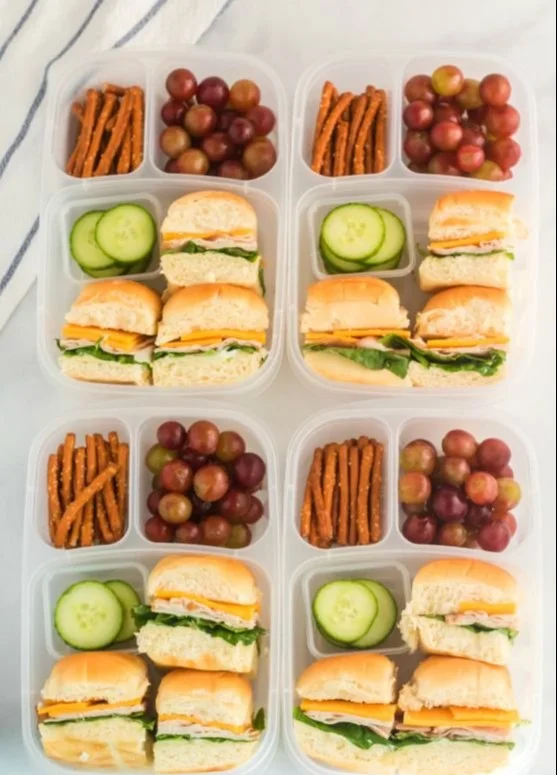
A mini sandwich lunchbox is a simple, family-friendly way to pack a balanced midday meal that kids enjoy. Small, bite-sized sandwiches are easy to eat, portion-controlled, and pair well with fresh fruits, veggies, and healthy snacks. For further inspiration on packing lunches that appeal to older kids, consider these healthy lunch ideas for tweens that adapt well to mini portions.
Why mini sandwiches work
- Kid-sized portions reduce waste and make sandwiches easier to handle.
- They invite variety: mix breads, fillings, and spreads to suit picky eaters.
- They’re great for meal prep — make a batch of mini builds and rotate add-ins through the week.
Core ingredients and healthy swaps
- Mini buns, slider rolls, or halved whole-grain bagels for fiber.
- Lean proteins: sliced turkey, rotisserie chicken, hard-boiled egg salad (light mayo or Greek yogurt), mashed avocado with beans, or hummus.
- Veggies: thin cucumber, grated carrot, baby spinach, or mild peppers added for crunch.
- Cheese: mild cheddar, Swiss, or plant-based slices if avoiding dairy.
- Spreads and flavor: mustard, pesto, mashed avocado, or a yogurt-herb spread in place of heavy mayo.
Step-by-step mini sandwich build
- Prep bread: lightly toast mini rolls to prevent sogginess.
- Layer spreads on both sides to create a moisture barrier.
- Add protein, then veggies, finishing with a thin slice of cheese if desired.
- Press gently and secure with a toothpick (remove for younger kids) or tuck in a small parchment wrap.
- Store in a bento-style compartment with separate slots to keep crunchy items crisp.
Smart packing and sides
- Include a chilled ice pack to keep proteins fresh until lunchtime.
- Pack crunchy sides like snap peas, apple slices, or whole-grain crackers in separate compartments.
- Add a small treat such as a yogurt tube or a few dark chocolate chips for a morale boost.
- If your child prefers cold options, explore additional ideas such as these cold lunch ideas for kids that complement mini sandwiches.
Meal-prep ideas and time savers
- Make multiple sandwich components on the weekend: cook proteins, wash and slice veggies, and pre-portion spreads.
- Freeze mini sandwich rolls and thaw before assembling to keep texture fresh.
- Use cookie cutters for fun shapes to make lunches more appealing to younger children.
Variations to suit dietary needs
- Gluten-free: use certified gluten-free mini rolls or lettuce wraps.
- Dairy-free: choose dairy-free cheese or omit cheese and boost flavor with herbed spreads.
- Vegetarian: protein-rich fillings like chickpea salad, marinated tofu, or nut butter with banana slices (if school allows).
Quick mini lunchbox menu examples
- Turkey + avocado on whole-grain mini roll, carrot sticks, grapes.
- Hummus + cucumber + roasted pepper on pita rounds, orange segments, pretzel twists.
- Egg salad with Greek yogurt on mini croissant, cherry tomatoes, yogurt tube.
Packaging and safety tips
- Use leakproof compartments and keep dressings separate until lunchtime.
- Rotate through different fillings to maintain interest and nutritional variety.
- Label boxes for picky eaters with a sticker noting favorite components.
Conclusion
For more creative non-sandwich options to pair with your mini sandwiches, check out this collection of 33 non-sandwich lunchbox ideas for back to school that offer snacks and mains without relying on traditional sandwiches. If anyone in your family needs a gluten-free plan, this resource on BACK TO SCHOOL: GLUTEN-FREE LUNCHBOX IDEAS provides practical swaps and recipe suggestions to keep lunches safe and satisfying.
Bears Baby Shower Party Ideas | Photo 2 of 4
Bears Baby Shower Party Ideas (Photo 2 of 4 Inspiration)
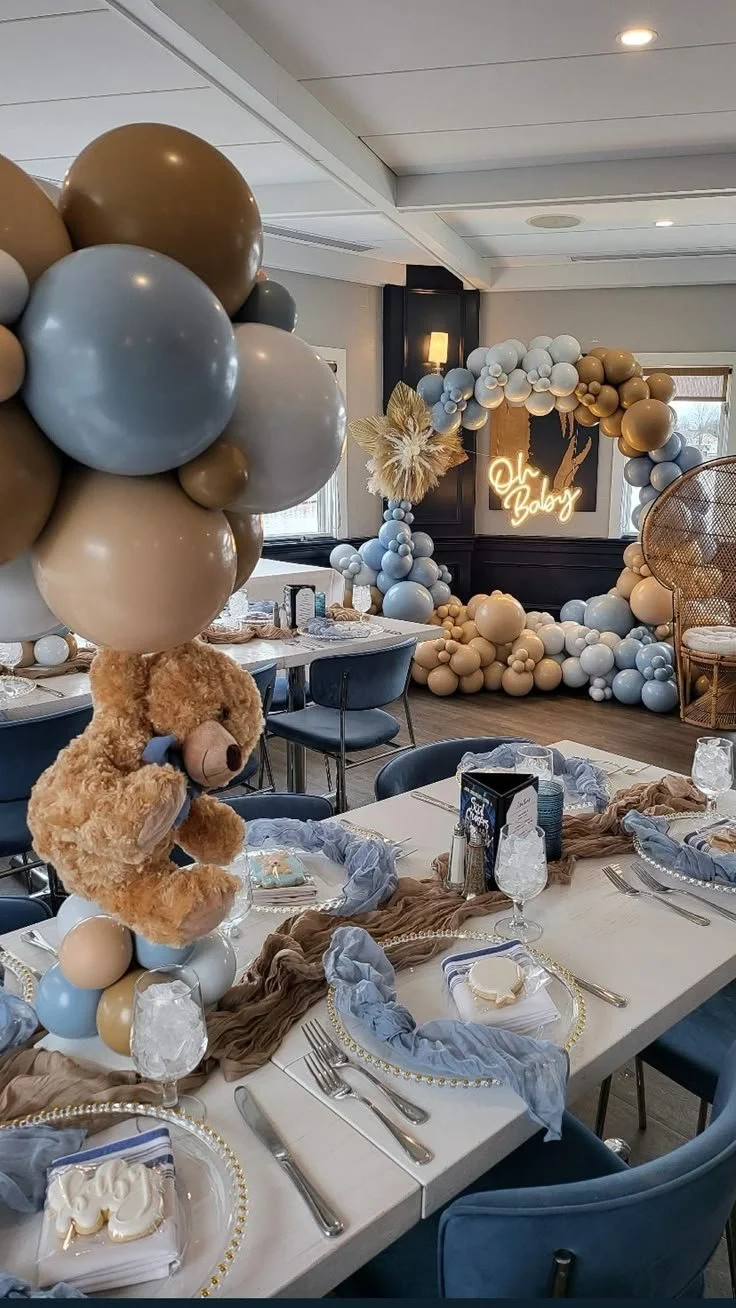
A teddy-bear-themed baby shower is warm, playful, and perfect for celebrating a new little one. The image titled "Photo 2 of 4" inspires a cozy, classic look: soft neutrals, plush textures, and charming bear accents that work for either a boy or girl. Before you dive into styling details, you might enjoy browsing curated poses and visual setups for expecting parents to capture the moment—this piece on maternity photoshoot ideas has great ideas that translate beautifully into shower portraits.
Below are imaginative, easy-to-execute ideas to recreate the sweet mood of that photo and make your teddy bear shower memorable.
Color palette and materials
- Soft browns, warm creams, blush pink, and muted blues form a classic teddy palette.
- Use natural textures like burlap table runners, knitted throws, faux fur rugs, and wooden accents for a cozy, woodland feel.
- Add metallic touches (rose gold or brushed copper) sparingly for a subtle modern lift.
Decor focal points inspired by the photo
- Centerpiece plush: A large, vintage-style teddy as the table centerpiece surrounded by tiny potted succulents or baby’s breath.
- Balloon cluster: Mix matte balloons in neutral tones with a few bear-shaped foil balloons or small, printed balloon garlands.
- Rustic signage: Handwritten chalkboard signs or small easels for a sweet, personal touch (e.g., “Welcome Baby Bear”).
Table styling and desserts
- Dessert display: Arrange cupcakes, sugar cookies, and a small cake adorned with teddy toppers or tiny fondant bears.
- Teddy charcuterie: Create a snack board with honeycomb candies, teddy grahams, chocolate truffles, and fruit — a playful twist on the classic cheese board.
- Place settings: Mini plush bears tied to napkins with twine double as favors and place cards.
Activities and games
- Memory quilt squares: Guests decorate small fabric squares with well-wishes and drawings of bears to sew into a keepsake blanket.
- Guess the baby food: Label several jars with numbers and have guests identify flavors — add a teddy-themed twist by calling it “Bear Bites.”
- Photo station: Recreate the soft, portrait-style vibe seen in the photo with a seating area, a plush bear prop, and simple backdrops. If you want more themed party ideas specifically for girls, see these curated baby girl shower ideas that include activity and decor suggestions adaptable to a teddy theme.
Favors and finishing touches
- Honey jars: Mini jars of local honey with a tag reading “Sweet as can be.”
- Personalized plush: Small bears with embroidered initials or the baby’s due month.
- Thank-you cards: Use kraft paper cards stamped with a bear silhouette for continuity.
Photography tips (to capture the “Photo 2 of 4” look)
- Soft natural light: Position the seating and backdrop near a large window or softly lit area.
- Shallow depth of field: Use a portrait setting to softly blur the background and keep focus on faces and plush details.
- Candid moments: Capture guests interacting with the bear props—those unposed shots often feel the warmest.
Simple timeline for the party
- Arrival & greetings (15–20 minutes): Serve a welcome drink and quick photo ops.
- Games and activities (30–40 minutes): Include the memory squares and guessing games.
- Cake & cake-cutting (15 minutes): Speeches and well-wishes.
- Open gifts and farewells (20–30 minutes): Hand out favors as guests leave.
Budget-friendly swaps
- DIY plush display: Arrange thrifted or handmade bears on shelving instead of buying new expensive plush.
- Printable signage: Use printable templates and wooden frames for elegant signs without the cost.
- Shared desserts: Ask a couple of close friends to bring baked goods to create a varied dessert table.
Conclusion
For refined printed accents, consider browsing a selection of themed options like Teddy Bear Baby Shower Posters & Prints to match your color scheme. If you’re planning a dedicated photo corner, a large backdrop such as an 8x6FT Photo Background For Baby Shower & Parties can help recreate the portrait-quality look from the inspiration photo.

21 Toddler Songs with Motions Every Parent Should Know
21 Toddler Songs with Motions Every Parent Should Know
Toddlers learn language, rhythm, coordination and social cues through songs paired with motions. Below are 21 classic and modern tunes with simple, engaging gestures that make singing time fun and developmental. For practical guidance on handling tricky toddler behaviors that sometimes show up during sing-alongs, see how to deal with a self-centered toddler.
Quick tips before you begin:
- Keep motions simple and repetitive. Repetition builds confidence.
- Use exaggerated facial expressions and eye contact.
- Let your child lead occasionally — following their rhythm encourages autonomy.
- Add scarves, puppets, or simple instruments for variety.
Songs and motions
- “If You’re Happy and You Know It”
- Motions: Clap hands, stomp feet, shout “hooray,” or pat knees.
- Variation: Swap in animal sounds or body parts to expand vocabulary.
- “The Wheels on the Bus”
- Motions: Roll hands for wheels, swish for wipers, open/close hands for doors.
- Tip: Act out each verse with props (toy bus) to boost comprehension.
- “Head, Shoulders, Knees and Toes”
- Motions: Tap each named body part; speed up gradually for fun.
- Development: Great for body awareness and following multi-step directions.
- “Itsy Bitsy Spider”
- Motions: Finger climb up the spout, wash away with hand motion, sun comes out with big arm circle.
- Calming: Use gentle motions to soothe before naptime.
- “Row, Row, Row Your Boat”
- Motions: Simple rowing motion; add rocking on a lap for bonding.
- Variation: Change lyrics to “gently down the stream” or add animal verses.
- “Old MacDonald Had a Farm”
- Motions: Pretend to hold animals, mimic sounds, pat lap for “cow” or “pig.”
- Learning: Introduces animal names and sounds.
- “Twinkle, Twinkle, Little Star”
- Motions: Open hands wide for twinkle, bring hands together for star.
- Nighttime: Gentle motions make this ideal for bedtime routines.
- “Pat-a-Cake”
- Motions: Clap, pat, and gently rub hands together following the rhyme.
- Motor skills: Great for hand coordination and turn-taking.
- “Baa Baa Black Sheep”
- Motions: Pretend to shear wool, hand over “bags of wool.”
- Social: Use stuffed animals to practice sharing.
- “Five Little Ducks”
- Motions: Count on fingers, show quacking motion, turn palms down for “went away.”
- Math: Reinforces counting backward and concepts of subtraction.
- “Hokey Pokey”
- Motions: Put in/take out body parts and spin around; emphasize left/right.
- Skills: Teaches body-part identification and directionality.
- “London Bridge Is Falling Down”
- Motions: Link arms for the bridge, raise and lower to “fall.”
- Group play: Safe for small groups to encourage cooperation.
- “This Little Light of Mine”
- Motions: Point to “light” and sweep arms outward; great for expressive play.
- Emotion: Encourages joy and confidence.
- “Five Little Monkeys”
- Motions: Jumping gestures, pretend to call the doctor, shake head “no.”
- Narrative: Builds storytelling skills and sequencing.
- “Patty Cake”
- Motions: Kneading motions, clap patterns and rolling hands.
- Rhythm: Develops timing and bilateral coordination.
- “The Alphabet Song”
- Motions: Point to each letter on a visual chart or trace letters in the air.
- Literacy: Combine with toy letters for multisensory learning.
- “I’m a Little Teapot”
- Motions: One arm as handle, the other pours like a spout; take a bow at the end.
- Role-play: Encourages dramatic play and body awareness.
- “Shake Your Sillies Out”
- Motions: Shake hands, stomp feet, wiggle body, then settle down.
- Energy: Great for transitions to help burn off excess energy.
- “Where Is Thumbkin?”
- Motions: Hide and reveal fingers, name each finger as you sing.
- Fine motor: Strengthens finger isolation and naming.
- “You Are My Sunshine”
- Motions: Gentle hand reaches and hugs, soft swaying for affection.
- Bonding: Calming and emotionally connecting.
- “The Ants Go Marching”
- Motions: March in place, count ants on fingers, mimic carrying items.
- Counting: Reinforces sequences and cooperative motion.
Practical ways to introduce motions
- Model first, then encourage imitation. Say “Watch me” and slowly perform the gesture.
- Use short sessions — toddlers respond better to 5–10 minute bursts.
- Repeat favorite songs often; mastery comes through repetition.
- Incorporate props (scarves, stuffed animals, toy instruments) to maintain interest.
- If your child resists a song, switch to a familiar favorite and try again later.
Adapting for different settings
- At home: Use more expansive movements and props.
- On the go: Choose quieter songs with small hand motions.
- In groups: Keep motions simple so all children can copy easily.
More ideas for activities and outings that pair well with music time are helpful when planning playdates or family routines; see some suggested family activities at things to do with parent.
Recording and replay tips
- Record your child singing and moving; playback helps them recognize their own progress.
- Use short video clips for family members to enjoy and to celebrate milestones.
- Avoid screen overuse—keep recordings brief and use them as reinforcement rather than constant entertainment.
Safety and inclusion reminders
- Clear the space for moving and reduce tripping hazards.
- Adjust motions for toddlers with mobility differences—use hand gestures, facial expressions, or seated versions.
- Encourage turn-taking and praise attempts to build confidence.
Conclusion
Singing with motions is a simple, powerful tool for early learning, motor development, language growth and emotional connection. For a curated checklist of items to keep on hand for outings where music and movement might happen, consult this helpful guide on what to keep in the car: 21 Things Every Parent Should Keep in the Car | Cubby. If you’re organizing group programs or considering licensed childcare settings for music activities, be sure to review relevant standards such as the Rules and Regulations for Child Care Learning Centers to ensure compliance and safety.
Toddler Discipline: Identifying Behaviors that Need to be Corrected and Making a Behavior Plan
Toddler Discipline: Identifying Behaviors That Need Correction and Building a Behavior Plan
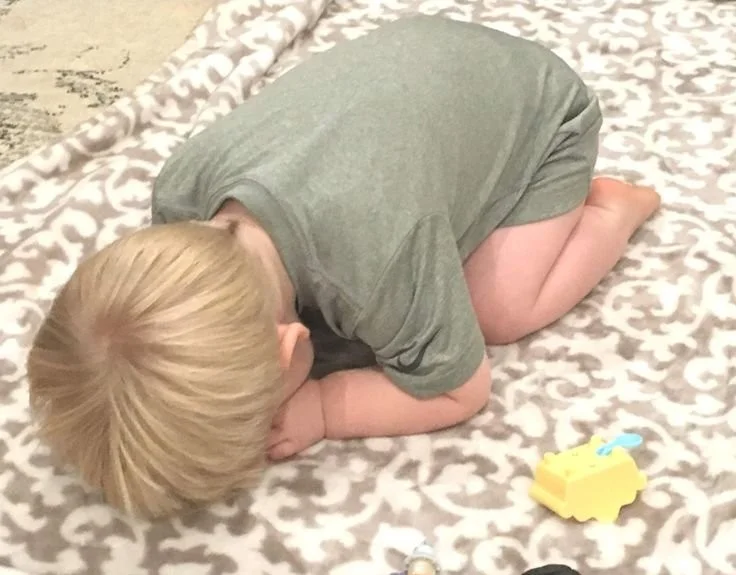
Toddlers are learning how the world works, how to get needs met, and how to test boundaries. That exploration includes behaviors parents want to encourage—and behaviors they want to redirect. Understanding which actions require correction, why they happen, and how to create a clear, compassionate behavior plan helps both child and caregiver move forward with less stress and more consistent results. For example, nutrition, sleep, and routine can influence behavior; for simple nutritional ideas that support a toddler’s mood and self-regulation see benefits of apples for toddlers.
Common toddler behaviors that usually need correction
- Aggression toward others (hitting, biting, kicking): Immediate redirection and protection of everyone involved is necessary. These acts can be addressed with clear limits, calm intervention, and teaching alternative ways to express strong feelings.
- Persistent tantrums that don’t respond to comfort or limits: Tantrums are normal, but if they’re frequent, extremely intense, or triggered by the same unmet need repeatedly, they warrant a plan to reduce triggers and teach coping skills.
- Deliberate property destruction: Tearing books or breaking toys on purpose needs correction to protect belongings and teach respect for others’ things.
- Refusal to follow basic safety rules: Running into streets, climbing where it’s unsafe, or touching dangerous objects require firm, consistent enforcement for the child’s protection.
- Repetitive oppositional behavior to reasonable requests: Saying “no” to every direction and purposely defiant acts should be managed by consistent expectations and age-appropriate consequences.
Distinguishing developmentally normal behavior from problematic patterns
- Frequency and intensity: Occasional hitting when overwhelmed is different from regular, severe aggression.
- Context: Is the behavior happening when the child is tired, hungry, overstimulated, or excited? If so, environmental adjustments may help.
- Response to redirection: Most toddlers respond to consistent, calm redirection; persistent nonresponse suggests a need for a formal plan or professional input.
- Impact on family and peers: Consider whether a behavior disrupts learning, safety, or social relationships.
Understanding triggers and functions of behavior
Every behavior serves a function—toddlers act to get something (attention, objects, stimulation), to avoid something (demands, transitions), to regulate feelings (comfort, reducing overwhelm), or because of sensory-seeking needs. Observe and note:
- Antecedents: What happens right before the behavior?
- Behavior: Exactly what the child does.
- Consequences: What happens immediately after (attention, removal of demand, access to toy)?
This ABC (Antecedent-Behavior-Consequence) observation is the foundation of an effective behavior plan.
Setting clear expectations and positive routines
- Use simple, specific rules (e.g., “Hands are for gentle touches”).
- Establish predictable daily routines for sleep, meals, play, and transitions—predictability reduces testing and meltdowns.
- Offer visual supports when helpful: picture schedules or single-step cues for transitions.
- Teach and rehearse replacement behaviors (e.g., “Use words when you’re mad,” or “Hold hands when crossing”).
Practical discipline strategies that work with toddlers
- Prevent first: Adjust the environment to reduce triggers (finger foods within reach, childproofing, limiting overstimulating settings).
- Use brief, immediate feedback: Praise and attention for desired behaviors; brief, calm consequence for unsafe or destructive actions.
- Offer choices within limits: “You can wear the red shirt or the blue shirt” keeps control but within acceptable options.
- Time-ins over time-outs: For many toddlers, staying close while calmly naming feelings and guiding choices (a “time-in”) is more effective than isolating them.
- Natural and logical consequences: If a child throws a toy and it breaks, a natural consequence is losing access to that toy for a period.
How to create a behavior plan (step-by-step)
- Define the target behavior in clear, measurable terms (e.g., “No hitting peers; hands stay to self”).
- Collect baseline data with simple notes for several days—how often, when, and what happens.
- Identify triggers and the function using ABC observations.
- Choose replacement behaviors and teach them explicitly (modeling, role-play, prompting).
- Select consistent responses for occurrences (calm redirection, brief consequence) and rewards for success (praise, sticker chart).
- Set short-term goals and a review timeline (e.g., two weeks to see frequency cut by half).
- Communicate the plan to all caregivers and practice consistency.
- Track progress and adjust the plan based on what the data show.
Monitoring progress and adjusting the plan
- Keep simple records—tally marks or a daily log—to track occurrences.
- Celebrate small wins and be patient; behavior change in toddlers is gradual.
- If one strategy doesn’t reduce the behavior, revisit triggers and consequences, and try a different replacement skill or reward system.
When to seek professional support
Most challenging toddler behaviors respond to consistent, well-implemented plans. However, consider professional consultation if:
- Aggression or self-injury is severe or escalating.
- The child shows little improvement after consistent efforts.
- There are concerns about development, language delays, or sensory issues.
If progress stalls, consider consulting a child behavioral therapist to assess needs and design targeted interventions.
Practical tips for caregivers
- Stay calm: Children learn from how adults respond.
- Be consistent across caregivers and settings.
- Prioritize sleep, nutrition, and transitions—many behaviors improve when basic needs are met.
- Use simple language and repeat expectations frequently.
- Model the behavior you want to see (gentle touch, using words for feelings).
Conclusion
A well-structured behavior plan combines clear expectations, understanding of triggers, consistent responses, and teaching of replacement skills. For a clinical overview of principles used in shaping behavior, review the Behavior Modification – StatPearls – NCBI Bookshelf – NIH. For guidance on school-related disciplinary frameworks and resources that can support transitions into early learning settings, see the School Discipline Information and Resources.
40 fun activities for toddlers (and parents who are rubbish at crafts) – The Mummy Bubble
40 Easy and Fun Activities for Toddlers (for parents who are rubbish at crafts)
If glitter, glue and Pinterest-perfect projects make you panic, breathe easy — toddlers don’t need elaborate crafts to have a blast. Below are 40 simple, low-prep activities that focus on play, exploration and connection. If you’re also looking for gift ideas that won’t add to the baby gear mountain, take a look at gifts for new moms that aren’t for the baby for inspiration.
Quick tips before you start:
- Use what you already have around the house.
- Embrace mess but set simple boundaries (a plastic tablecloth or bath time cleanup helps).
- Short bursts of activity suit toddler attention spans—aim for 5–15 minutes each.
Sensory and messy (but manageable)
- Water cups: Fill multiple cups with different temperatures or add spoons and funnels.
- Bubble baths in the sink: Bath toys + bubbles = guaranteed giggles.
- Dry pasta sensory bin: Add spoons and containers; store in a big bowl.
- Rice scooping: Use measuring cups and small toys hidden in rice.
- Frozen toy excavation: Freeze toys in water and let toddlers chip them out.
- Foam shaving cream play: Do it on the porch or in a tray for easy wash-off.
- Finger paint alternatives: Yogurt tinted with food coloring (edible and easy).
- Nature touch tray: Collect leaves, stones and pinecones for tactile exploration.
Creative without crafting
9. Sticker stories: Give sheets of stickers and a blank notebook for making scenes.
10. Tape roads: Use masking tape on the floor and drive cars along created routes.
11. Shadow play: Use a lamp to make shadows with hands or toys.
12. Sock puppets: Slip a sock on and do silly voices—no glue required.
13. Dress-up box: Old hats, scarves and bags make brilliant costumes.
14. Chalk art: Sidewalk chalk rinses away and is easy to supervise.
15. DIY instruments: Rice in sealed containers becomes shakers.
16. Dance scarves: Use old scarves or fabric for waving and twirling.
Active and energy-burning
17. Indoor obstacle course: Pillows, chairs and a blanket tunnel are perfect.
18. Balloon keep-up: Hit a balloon and count how many hits you can do.
19. Follow-the-leader: March, hop or tiptoe around the living room.
20. Animal walks: Crawl like a bear, waddle like a duck—get silly and loud.
21. Bubble chase: Blow bubbles and let your toddler run and pop them.
22. Hide-and-seek (simplified): Hide a toy in an obvious spot and encourage searching.
23. Ball roll games: Sit and roll a soft ball back and forth.
24. Toy laundry basket toss: Soft toys in, toys out—it’s therapeutic and fun.
Quiet, calm and developmental
25. Sensory bottles: Fill a bottle with water, oil or glitter for watching motion.
26. Soft book time: Read with props or point-and-name games in books.
27. Puzzles with big pieces: Great for fine motor skills and patience.
28. Sorting games: Sort socks, spoons or blocks by color or size.
29. Stacking cups: Nesting and stacking are endlessly satisfying.
30. Simple matching: Match socks or pictures laid out on the floor.
31. Mirror play: Make faces and blow kisses together in a mirror.
32. Calm-down jar: Watch glitter settle when you need a quiet moment.
Snack-time activities and practical life play
33. Snack art: Arrange fruit or cheerios into smiley faces on a plate.
34. Pouring practice: Let them transfer water between two cups under supervision.
35. Mini chef helper: Stir pancake batter or sprinkle cheese—safe small jobs.
36. Grocery basket role-play: Pretend shopping with an empty box and food items.
37. Recycled cardboard play: Boxes become cars, houses or forts.
38. Plant together: Pot a small plant and let them water it occasionally.
39. Simple scavenger hunt: Ask for “something blue” or “something soft” around the room.
40. Photo album storytelling: Look through photos and name family members and objects.
A few final practical notes:
- Rotate activities—put most away and swap them to keep novelty high.
- Use timers or songs to indicate transitions between activities.
- If you need quick healthy snack ideas between play sessions, you might like the suggestions in healthy sweet treats for toddlers.
Conclusion
If you want more ideas curated specifically for two-year-olds (especially activities for parents who hate crafts), check out this roundup of 40 Fun Activities for Toddlers – The Mummy Bubble for additional inspiration. And if an active tumble results in a bump or worse, it can help to be prepared—read practical advice on children and broken bones so you know when to seek care.
Simple Toddler Morning Routine + Activities
Simple Toddler Morning Routine + Activities
Mornings with a toddler can set the tone for the whole day — calm and connected or rushed and frazzled. The goal of a simple morning routine is consistency, predictability, and a little flexibility to follow your child’s energy. For fresh indoor-play ideas that pair well with quiet mornings, check out these helpful indoor activities for toddlers to rotate through during breakfast or independent play time.
Why keep mornings simple?
A minimal routine reduces decision fatigue for parents and builds security for toddlers. Young children thrive on repeated steps they can anticipate: waking, toileting/diapering, getting dressed, breakfast, a short activity, and then transitioning to the next part of the day. Keeping steps short and using gentle cues (a song, a visual chart, or a small timer) helps toddlers learn independence without pressure.
A sample 45–60 minute toddler morning routine
- 0–10 minutes: Wake-up cuddle and diaper or potty routine. Use a consistent wake-up phrase or song.
- 10–20 minutes: Get dressed together—offer two clothing choices to encourage decision-making.
- 20–30 minutes: Nutritious breakfast and a few minutes of conversation (or singing).
- 30–45 minutes: Short guided activity (see activity ideas below) while you tidy up or prepare for the day.
- 45–60 minutes: Independent play or reading so you can complete quick prep tasks.
Adjust length to your child’s temperament and your schedule. If your toddler needs more movement, extend active play and shorten quieter parts.
Morning activity ideas by energy level
- Low energy / calm
- Board books or picture scavenger hunts (ask them to find a red object in a book).
- Simple puzzles or stacking blocks to practice fine motor skills.
- Moderate energy
- Play dough with cookie cutters for sensory and hand-strength development.
- Coloring on a vertical surface (taped paper on a wall) to build shoulder stability.
- High energy
- Mini obstacle course: crawl under a blanket, hop to a cushion, spin three times.
- Dance party with upbeat songs for 5–10 minutes to release morning wiggles.
Rotate these activities over the week to keep novelty high without overwhelming you or your child.
Tips to make mornings smoother
- Prepare the night before: lay out clothes, have breakfast ingredients prepped, and have a morning bag ready for outings.
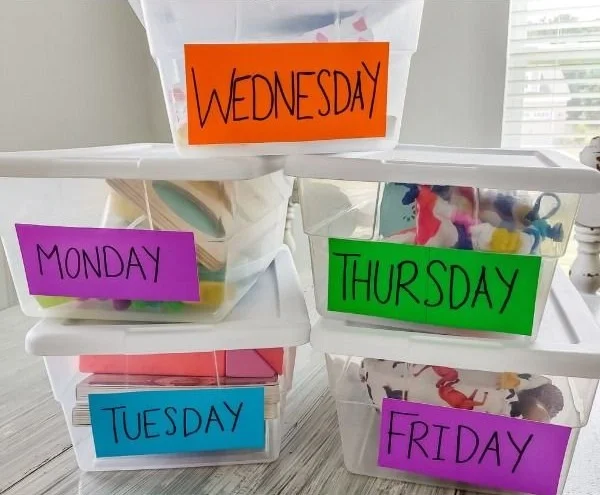
- Use a visual routine chart with pictures so toddlers know what’s next without constant reminders.
- Offer two acceptable choices for tasks (which shirt, which fruit) so toddlers feel empowered.
- Keep transitions predictable: a short transitional cue (a bell, a verse) signals change.
- If mornings are consistently chaotic, identify one bottleneck (dressing, eating, leaving) and troubleshoot that single step for a week.
For short group activities or celebrations that include little ones, you might find creative ideas in these unexpected party inspirations like baby shower activities (not games), which can be adapted into toddler-friendly cooperative tasks.
Conclusion
A simple, consistent morning routine helps toddlers feel secure and builds independence while keeping mornings manageable for caregivers. For a practical example of a gentle, structured start to the day, review the detailed Simple Morning Time Routine (Toddlers). If you want more activity-specific ideas tailored to a two-year-old’s morning rhythm, explore this roundup of My Top Toddler Morning Activities (2 Year Old Morning Routine).