
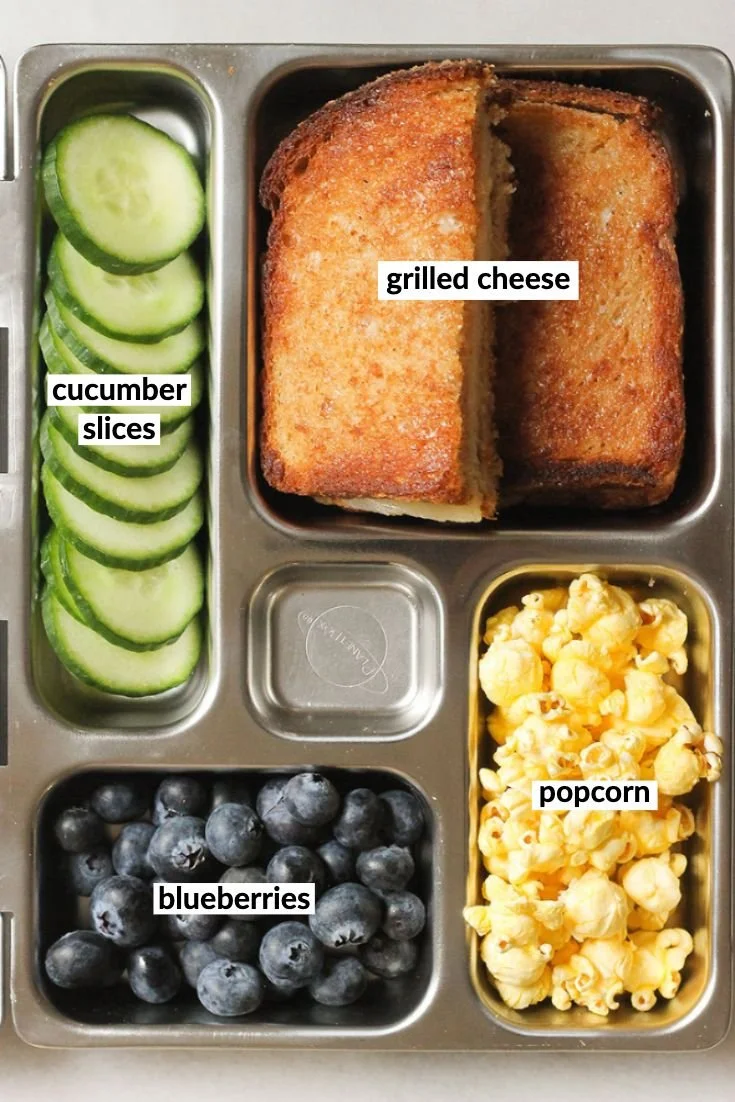
25 Genius Bento Box Lunch Ideas for Your Kids
25 Genius Bento Box Lunch Ideas for Your Kids
Packing lunch for kids can be a daily challenge: it needs to be nutritious, appealing, and portable. Bento boxes make it easy to combine variety, color, and portion control in one tidy container. If you want inspiration for cold options to rotate through the week, check out these helpful cold lunch ideas for kids to pair with bento styling.
Below are 25 creative, kid-approved bento box combinations — balanced mixes of protein, fruit, veggies, grains, and a small treat to keep lunchtime exciting.
Bento packing basics and tips
- Use compartments to separate wet and dry items so everything stays fresh.
- Pack finger foods that are easy to eat without sauces that leak.
- Include at least two food groups per compartment (e.g., cheese + whole-grain crackers).
- Switch textures and colors: crunchy, soft, bright — kids eat with their eyes first.
- Keep dressings and dips in small leak-proof containers to prevent soggy bites.
- Rotate themes (color day, alphabet foods, international flavors) to keep novelty.
25 Genius Bento Box Ideas
- Turkey roll-ups, cherry tomatoes, cucumber slices, apple wedges, yogurt-topped granola.
- Hummus, pita triangles, carrot sticks, grapes, cheese cubes.
- Mini whole-wheat bagel with cream cheese, smoked salmon bites, kiwi slices, snap peas.
- Hard-boiled egg halves, avocado slices, baby carrots, berries, whole-grain crackers.
- Chicken salad on lettuce cups, cherry peppers, sliced pear, pretzel sticks.
- DIY taco bento with seasoned beef, shredded cheese, corn, salsa in a sealed cup, tortilla chips.
- Peanut butter (or seed butter) sandwich cut into fun shapes, banana slices, edamame.
- Greek yogurt, mixed berries, honey drizzle, small piece of dark chocolate.
- Cold pasta salad with peas and diced ham, cucumber coins, mandarin segments.
- Mini meatballs, steamed broccoli florets, brown rice, pineapple tidbits.
- Quesadilla wedges, black beans, corn salsa, sliced mango.
- Sunflower-seed butter roll-ups, celery sticks, raisins, whole-grain crackers.
- Tuna salad-stuffed mini peppers, cherry tomatoes, apple crisp bites.
- Veggie sushi rolls (cucumber, carrot, avocado), edamame, sliced orange.
- Falafel bites, tzatziki in a small cup, cucumber ribbons, grapes.
- Cheese and charcuterie-style bento: sliced mild cheese, turkey slices, olives, crackers, berries.
- Mini pancakes or waffles, turkey sausage bites, blueberries, maple syrup in a tiny container.
- Rice balls with sesame seeds, steamed carrots, teriyaki chicken bites, pineapple.
- Baked tofu cubes, quinoa salad, snap peas, sliced grapes.
- Cottage cheese with peach slices, cherry tomatoes, whole-grain breadsticks.
- Mini grilled cheese triangles, tomato soup in a thermos, apple chips.
- Sliced roast beef, pickles, baby carrots, mixed melon balls.
- Egg muffin cups, roasted sweet potato cubes, raspberries.
- Shrimp cocktail (cold), cucumber slices, brown rice, orange segments.
- Build-your-own pizza bento: pizza sauce cup, mozzarella cubes, pepperoni slices, mini crust pieces.
Quick variations and swap ideas
- Swap proteins: rotate between chicken, beans, tuna, tofu, and eggs for variety and allergy-friendly options.
- Make things fun: use cookie cutters for sandwiches and fruit, or add a small note with a joke or sticker.
- Sneak in extra veggies: blend spinach into muffins, add shredded zucchini to meatballs, or use grated carrots in wraps.
- For school weeks with limited refrigeration, choose stable options like nut/seed-butters, hard cheeses, and canned fish packed with an ice pack. For more general meal-planning ideas that suit school routines, you might appreciate these additional kids’ lunch ideas for school.
Safety and storage
- Keep hot food hot and cold food cold; use insulated containers and ice packs as needed.
- Check ingredient lists for allergens if sharing with classmates.
- Teach kids to wash hands before eating and how to open any small condiment containers.
Conclusion
For more curated inspiration and photos to spark your bento creativity, see this roundup of 25 Genius Bento Box Lunch Ideas for Your Kids, and if you’re hunting for themed packaging or sales connected to bento box gifting, check out these box lunch sale and bento ideas.
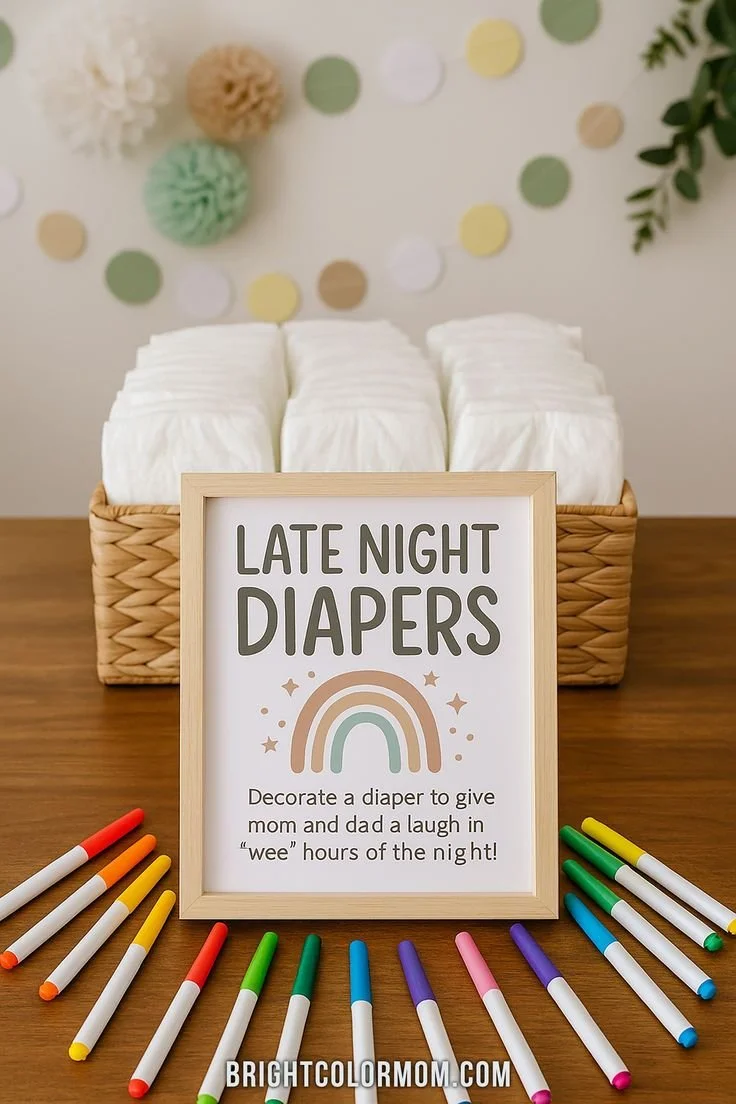
50+ Creative Baby Shower Games & Printable Activities for the Ultimate Celebration
50+ Creative Baby Shower Games & Printable Activities for the Ultimate Celebration
Planning a baby shower that guests will remember means mixing classic favorites with fresh, printable activities and a few unexpected twists. Whether you want low-key table games, active icebreakers, or keepsake crafts the parents-to-be will treasure, this list covers everything you need to host a joyful, well-paced event. For readers who prefer alternatives to party games, see this helpful guide to baby-shower activities beyond games for inspiration.
Below are more than 50 game and activity ideas organized by type, plus quick setup tips and printable suggestions you can adapt to any theme or guest list size.
Quick planning tips before you play
- Time the games: plan 3–4 short games (5–10 minutes each) and 1 longer activity (15–25 minutes) so the shower flows without feeling like a tournament.
- Materials station: set up a small table with pens, timers, scorecards, and prizes so hosts don’t need to run around.
- Printables: prepare printable sheets for trivia, word searches, and diaper games to save time. Label a “Helpers” basket for paper, scissors, tape, and markers.
- Prize variety: include small fun prizes (candles, chocolates, gift cards) and a larger keepsake for the grand-prize winner.
Classic party games (easy to run)
- Baby Bingo — Guests mark items on printed bingo cards as gifts are opened.
- Guess the Baby Photo — Match baby pictures of guests to their adult faces.
- Don’t Say “Baby” — Each guest gets a clothespin; saying the word “baby” means losing it.
- Who Knows Mom Best? — A quiz about the mom-to-be’s favorites and history.
- Measure the Belly — Cut string to guess circumference; winner closest to actual measurement.
- Baby Word Scramble — Unscramble common baby-related words.
- Baby Pictionary — Draw baby items for teams to guess.
- Diaper Relay — Teams race to diaper a baby doll (blindfolded optional).
- Bottle Chug — Drink from baby bottles (juice or milk) through a race.
- Pass the Parcel — Layered gift with tasks between layers.
Word games & trivia (printable favorites)
- Baby Shower Crossword — Themed clues about parenting and nursery items.
- Baby Shower Word Search — Printable puzzle with hidden baby words.
- Baby Name Race — Set a letter and see how many baby names each guest can list.
- Nursery Rhyme Trivia — Finish the line or name the rhyme.
- Due Date Pool — Guests pick a date and time for baby’s arrival; winner gets prize.
- Celebrity Baby Names — Match celebrities to their child’s name.
- Baby Emoji Quiz — Guess nursery items from emoji strings.
- Baby Stats Quiz — Facts about infants and parenting—true or false.
- Nursery Decoration Match — Match paint swatches and motif names.
- Parenting Mythbusters — Quiz common parenting myths.
Active & interactive games
- Musical High Chairs — Like musical chairs with baby-themed music.
- Pass the Pacifier — Hot-potato style with a pacifier.
- Baby Bottle Diaper Dash — Relay with bottles and diapers.
- Baby Item Scavenger Hunt — Clues lead to hidden baby items around the venue.
- Stroller Assembly Race — Assemble a travel system fastest.
- The Food of Babies — Taste-test baby food flavors and guess them.
- Baby Sock Match — Race to match as many socks as possible.
- Build-a-Pacifier Tower — Stack pacifiers; highest stable tower wins.
- Pin the Pacifier on the Baby — A themed spin on pin the tail.
- Baby Ball Toss — Toss beanbags into a stroller or crib target.
Keepsake crafts & printable stations
- Onesie Decorating — Fabric markers and stencils for guests to personalize onesies.
- Advice Cards — Guests write parenting tips and wishes on printable cards.
- Handprint Canvas — Guests stamp painted handprints and sign names.
- Storybook Station — Guests write a short page for a keepsake baby book.
- Time Capsule Notes — Write notes for future birthdays; seal in an envelope.
- Advice Jar — Guests drop notes into a jar labeled by baby age (1 month, 1 year, etc.).
- Memory Photo Booth — Polaroid photos with a message for the baby.
- Milestone Cards — Guests design milestone prompts for baby’s first year.
- Lullaby Playlist — Guests suggest songs and compile a playlist for the family.
- DIY Baby Mobile — Mini craft station to create a small mobile with felt shapes.
Creative printable party ideas
- Printable Photo Props — Frames and speech bubbles for a photo station.
- Baby Shower Mad Libs — Hilarious fill-in-the-blank stories about parenting.
- Printable Thank-You Card Templates — Guests sign and pre-fill messages.
- Baby Shower Coupon Booklets — Guests create funny coupons the parents can redeem.
- Memory Match Cards — Print pairs of cards with baby-themed images for a memory game.
- Guest Prediction Cards — Predictions about baby’s weight, eye color, etc.
- Word-of-the-Day Cards — Distribute baby-themed words and definitions for conversation starters.
- Printable Photo Caption Contest — Guests caption a funny baby photo for prizes.
- Baby Habit Tracker Templates — Printable sheets for tracking baby milestones.
- DIY Labeling Templates — Pre-made labels for favors and food tags guests can personalize.
Games & activities for coed showers and dads
- Dad Trivia — Questions about fatherhood facts and dad pop-culture moments.
- “What’s in Your Truck?” Scavenger — Funny list guessing items from a dad’s typical trunk.
- Build-a-Toy Competition — Teams build a wooden or cardboard toy from a kit.
- Diaper Raffle with a Twist — Raffle tickets for practical prizes and a tool-themed prize for the dad winner.
- Parenting Phrases Charades — Act out common dad phrases or routines.
If you want to include more dad-centered or coed-friendly games, this useful resource outlines excellent options specifically focused on male guests and fathers-to-be: baby shower games geared toward men.
How to choose the right mix
- Match the energy to the guest list: keep things light and short for mixed groups, or schedule longer crafty activities for close friends and family who want to linger.
- Offer alternatives: set up a quiet keepsake station for those who prefer to make something rather than compete.
- Consider timing: schedule games between food and gift opening so guests stay engaged throughout the event.
Printable checklist for hosts
- Game materials printed and copied (one per guest or one per table).
- Pens, tape, scissors, and a scoreboard or clipboard.
- Clear prize table with gift-wrapping or themed bags.
- A host or MC to read instructions and keep games moving.
- Camera or designated photographer for candid moments.
Final styling ideas
- Theme the games to fit the nursery or shower motif (jungle, nautical, boho).
- Use colors and fonts on printables that match invitations for a polished look.
- Offer small favors tied to games (e.g., a pacifier-shaped cookie for winners).
Conclusion
For pre-made game cards that save prep time, consider the ready sets like Guess How Many Game Cards – 50 Piece set to jumpstart your printable stations. If you prefer a single boxed party game with clear rules and props, the Price Is Right Baby Shower Game is a popular, easy-to-run option that works for mixed groups.
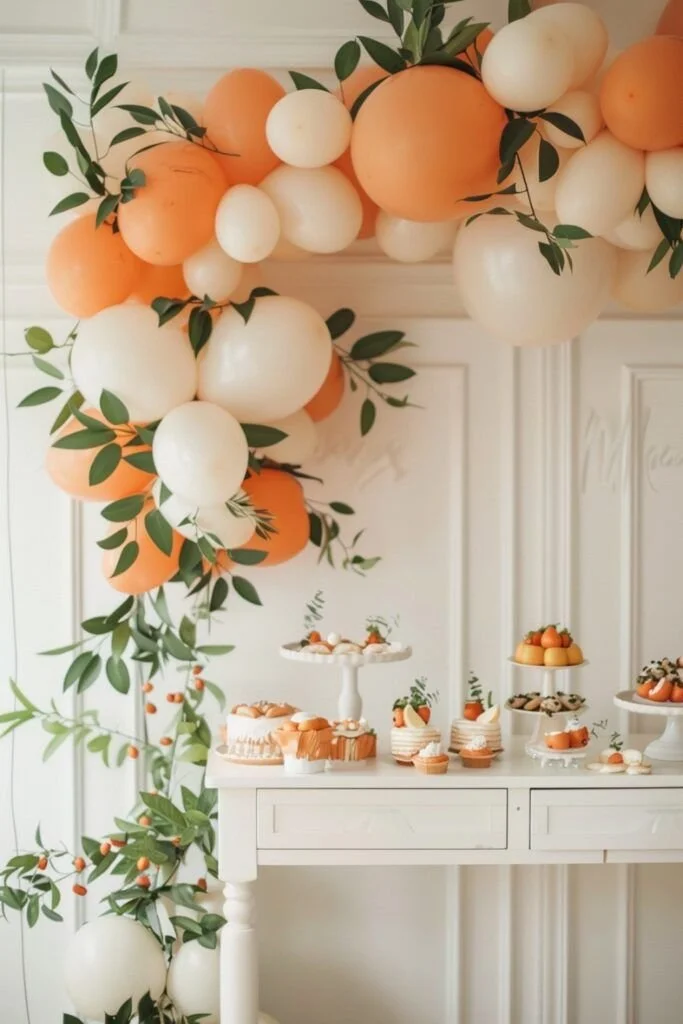
47+ Cutie Orange Baby Shower Theme Ideas: Centerpieces, Food, Decor, Outfits
47+ Cutie Orange Baby Shower Theme Ideas: Centerpieces, Food, Decor, Outfits
An orange-themed baby shower is cheerful, modern, and unexpectedly versatile — from soft peach pastels to vibrant tangerine pops. Whether you want a sweet, minimal look or a bold statement party, this guide collects more than 47 creative ideas across centerpieces, food, decor, and outfits to help you plan a memorable celebration. If you want related feminine styling and other girl-focused themes to inspire color palettes and motifs, check out these helpful baby girl shower themes.
Color palettes and moodboards
- Soft peach, cream, and sage: warm and gentle for daytime showers.
- Bright tangerine, coral, and white: energetic and modern for evening events.
- Citrus mix: orange, lemon yellow, and lime green for a playful, fruit-forward vibe.
- Terra cotta and dusty rose: cozy, boho interpretation with natural textures.
Centerpiece ideas (12+)
- Fresh citrus arrangements: bowls of oranges, sliced grapefruit, and lemons with eucalyptus sprigs.
- Mini potted succulents in orange-hued pots for guests to take home.
- Layered mason jars: orange ribbon, fairy lights, and a single peony or ranunculus.
- Balloon clusters anchored with weighted centerpieces wrapped in organza.
- Tiered fruit stacks: top with baby-themed picks (booties, rattles) for a fun focal point.
- Rustic wooden crates filled with orange pomanders and dried flowers.
- Paper flower bouquets in ombré orange shades inside vintage milk bottles.
- Floral foam pumpkins for a fall-leaning shower — paint small gourds in glossy orange.
- Candle trays with orange-scented votives and scattered citrus slices (unscented candles if food allergy concerns).
- Tiered cake stands featuring orange macarons, tarts, and miniature cupcakes.
- Personalized chalkboard signs with table themes and tiny orange accents.
- Suspended greenery hoops with cascading orange blooms over each guest table.
Food and drink (12+)
- Citrus charcuterie board: prosciutto, honeycomb, orange slices, and creamy cheeses.
- Orange-glazed mini chicken skewers with a citrus-herb dipping sauce.
- Citrus salad cups with segment of blood orange, avocado, and microgreens.
- Mini citrus tarts and orange-scented macarons for dessert.
- Creamsicle mocktails: orange juice, vanilla syrup, and soda water with an orange twist.
- Spiced carrot and orange soup shooters for a cozy starter.
- Orange yogurt parfait bar with granola, honey, and candied orange peel.
- Savory scones with cheddar and tangerine marmalade.
- Orange drizzle cake or bundt cake decorated with edible flowers.
- Fruit kabobs alternating orange and complementary fruits (pineapple, strawberries).
- Infused water station: orange + cucumber + mint in glass dispensers.
- Biscuit or donut tower dusted with orange sugar.
Decor and signage (8+)
- Paper lanterns in graduated orange tones for ceiling interest.
- Photo backdrop of painted citrus slices or a gingham panel with orange trim.
- Streamer wall in stripes of peach, coral, and tangerine for selfies.
- Dessert table with edible orange garlands and simple tiered stands.
- Place cards with tiny dried orange slices and twine ties for rustic charm.
- Fabric bunting mixing patterned oranges and modern geometrics.
- Clear balloon filled with orange confetti as aisle or entry markers.
- Warm-toned fairy lights and amber glass vases for evening ambiance.
If you’d like a floral-forward twist, the color and softness of this theme pair well with a garden-inspired approach; see this creative Baby in Bloom baby shower theme for ideas on combining florals with orange hues.
Outfit and dress code ideas (6+)
- Mom-to-be in soft peach lace; guests in mixed orange accents (scarves, belts).
- Coordinated denim and orange tee look for a casual, photo-ready crowd.
- Boho maxi dresses with terra cotta and cream patterns for relaxed vibes.
- Matching baby-themed aprons for a baking or brunch shower activity.
- Tiny orange accessories for the mom — a headband, clutch, or sash reading “It’s almost orange you glad?” (funny puns optional).
- Kids and family dress code suggestion: neutral base colors with an orange accessory to tie group photos together.
Activities, favors, and budget hacks
- DIY citrus-scented sugar scrub stations where guests fill small jars.
- Orange-themed diaper cake decorated with ribbons and faux citrus.
- Scented candle favors in orange blossom or mandarin packaged with a thank-you tag.
- Printable games with citrus artwork — inexpensive and instantly printable.
- Use whole fruit as decor then repurpose into welcome baskets for guests to take home.
- Keep budgets in check by focusing on a few large statement pieces (balloon arch, main floral runner) and DIYing smaller accents.
Styling tips and practical notes
- Balance bright orange with neutrals to prevent overwhelming the space.
- Test food scent combinations — avoid overpowering citrus near delicate desserts unless complementary.
- Consider allergies and use non-scented table candles when guests have sensitivities.
- If outdoors, secure lightweight items and prefer shaded areas to keep fruits and flowers fresh.
- For photography: use a soft, consistent backdrop and avoid clashing patterns.
Conclusion
For an extensive roundup of creative inspiration and ready-to-use ideas tailored to this exact color story, you can explore a curated collection titled 47+ Cutie Orange Baby Shower Theme Ideas: Centerpieces, Food … that aggregates many of the concepts above. If you want additional variations and vendor-curated examples to spark your final decisions, this similarly focused roundup at 47+ Cutie Orange Baby Shower Theme Ideas: Centerpieces, Food … offers complementary visuals and links to printable resources.
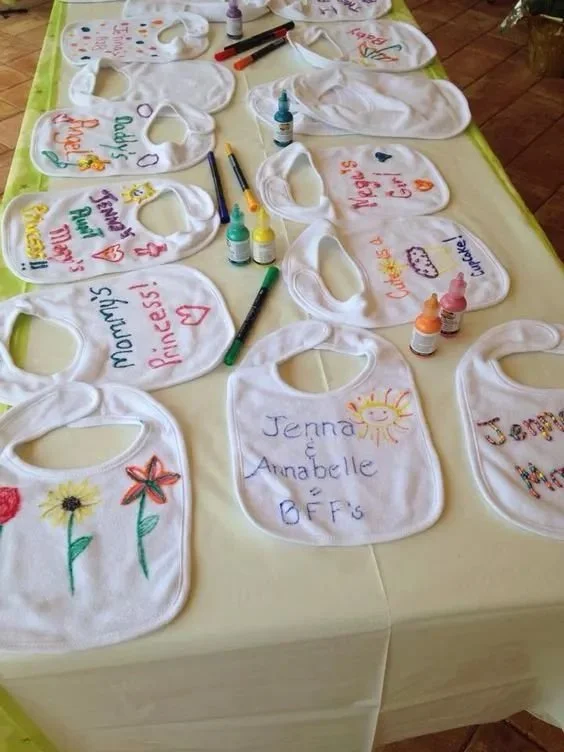
40+ Gorgeous Baby Shower Ideas for Girls
40+ Gorgeous Baby Shower Ideas for Girls
Planning a baby shower for a little girl is an opportunity to celebrate with soft colors, playful themes, and personal touches. Whether you want a refined tea party, a whimsical garden gathering, or a vibrant modern bash, this collection of 40+ ideas will help you design a memorable event. If you’re planning something outside, consider these outside baby shower ideas for girls to make the most of fresh air and natural light.
Styling & Theme Ideas
- Classic pink and gold — timeless elegance with metallic accents.
- Vintage tea party — fine china, lace table runners, and floral centerpieces.
- Boho rose garden — macramé, pampas grass, and muted pinks.
- Pastel rainbow — soft multi-color palette for a cheerful vibe.
- Princess castle — tiaras, banners, and storybook details.
- Little floral picnic — gingham blankets and mason jar bouquets.
- Nautical blush — navy accents with coral and blush pink.
- Woodland fairy — tiny toadstools, fairy lights, and delicate greenery.
- Little pumpkin theme — charming autumnal pinks and soft oranges.
- Modern minimalist — clean lines, white backdrops, and one or two pink accents.
Decorations & Ambience
- Balloon garlands — mix of sizes and shades for dramatic backdrops.
- Flower wall — paper or fresh blooms for a photo moment.
- Personalized banner — baby’s name or “It’s a girl!” in scripted lettering.
- Soft fabric draping — chiffon or tulle for dreamy ceilings.
- Themed table runners — lace, burlap, or sequins tied to your motif.
- Fairy lights and candles — create a warm, intimate atmosphere.
- Customized signage — menu boards, welcome chalkboards, and seating signs.
- Dessert table focal point — elevate cupcakes, cookies, and a small cake.
- High-low seating areas — mix of chairs and lounge cushions for cozy conversations.
- Photo booth props — tiny crowns, pacifiers, and themed signs.
Food, Drink & Desserts
- Mini tea sandwiches and finger foods — elegant and easy to eat.
- Themed cake or cupcakes — coordinate colors and toppers with the theme.
- DIY mimosa or mocktail bar — include fruit purees and fun garnishes.
- Personalized cookies — monogrammed or shaped like baby items.
- Healthy snack station — fruit skewers, yogurt parfaits, and granola.
- Stylish grazing board — cheeses, fruits, nuts, and crackers in pink tones.
- Petite dessert shooters — mousse or pudding in pretty glasses.
- Dessert labels with dietary notes — gluten-free or vegan indicators.
- Sweet favor treats — packaged candies or mini jars of jam.
- For specific menu inspiration, refer to curated baby shower food ideas for a girl that balance flair and flavor.
Games, Activities & Keepsakes
- Onesie decorating station — let guests design wearable keepsakes.
- Wishes and advice jar — guests write notes for the baby or parents.
- Baby bingo — predict details like birth date, weight, and eye color.
- Diaper raffle — guests bring a pack of diapers for a chance to win.
- Memory book table — collect photos and messages for a lasting album.
- Alphabet guestbook — guests add a word or wish for each letter.
- Belly measuring contest — guess the circumference with ribbons.
- Custom puzzle or craft — make a collaborative keepsake.
- Gender-themed trivia — lighthearted questions about parenting and babies.
- Storytime corner — guests bring favorite childhood books to start baby’s library.
Favors, Gifts & Practical Tips
- Eco-friendly favors — seed packets or small succulents for guests.
- Functional gift ideas — diaper cakes, baby wraps, and feeding sets.
- Thoughtful thank-you notes — include a photo from the party when possible.
- Create a timeline — plan buffer time for eating, games, and photos to keep flow relaxed.
- Coordinate a donation option — guests can donate to a child-related charity in lieu of gifts.
Before you finalize the plan, think about the mother-to-be’s comfort, dietary needs, and preferred level of activity. Simple adjustments—like shaded seating for an outdoor shower, or quieter zones for a restful mom—make a big difference.
Conclusion
For more table décor inspiration and ideas that lean into pinks and feminine styling, consider exploring Table Decorations Pink Girly Baby Shower Ideas to help refine your look. If you liked the little pumpkin theme or want seasonal accents, check out these Pink Little Pumpkin Baby Shower Decorations For Girl for cute and cohesive options.
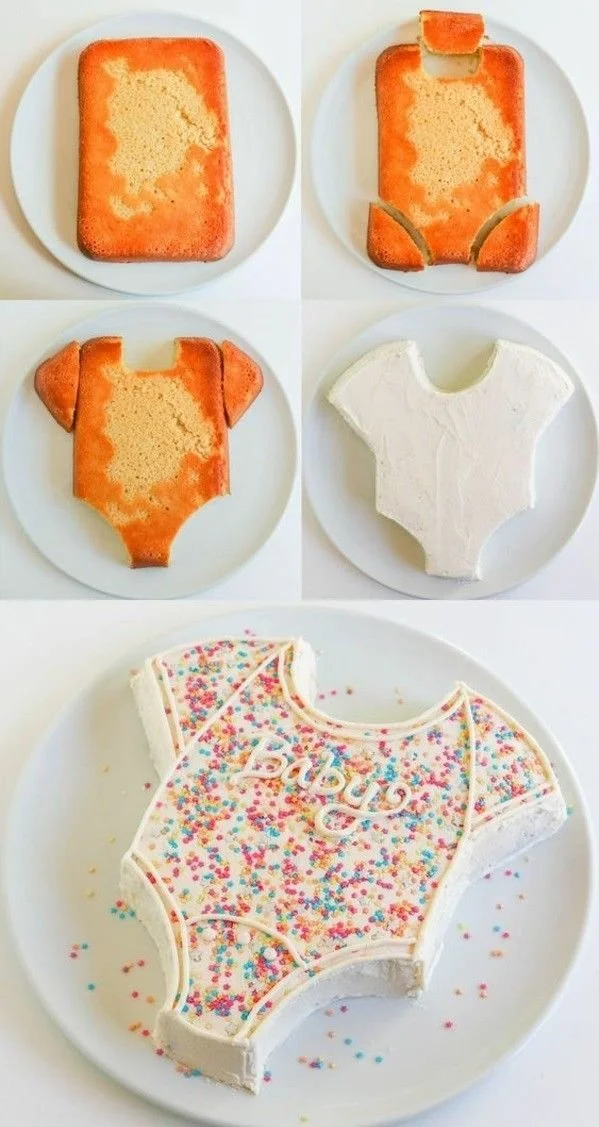
Stabile Babytorte backen: Der ultimative Guide für ein garantiert stabiles Ergebnis
Baking a Sturdy Baby-Themed Cake: The Ultimate Guide for a Guaranteed Stable Result
A baby-themed cake is a centerpiece for showers, gender reveals, and first birthdays. Making one that looks professional and stays upright through assembly, transport, and serving takes more than a pretty frosting job — it requires planning, structure, and technique. If you’re expecting toddlers at the celebration and want both a showstopping cake and activities to keep little ones happy, consider this helpful resource on the best kids games for under 4 on Steam: best kids games for under 4 on Steam.
This guide covers everything from choosing batter and pans to internal supports, buttercream consistency, chilling strategies, and transport tips so your baby-themed cake stays stable from crumb coat to cutting.
Plan and design before you bake
- Choose the number of tiers and final dimensions. More tiers need more support.
- Decide the cake flavors and their densities: denser cakes (butter, pound, or mud cakes) hold up better under weight than very airy chiffon or sponge cakes.
- Sketch the decoration layout and note where heavy elements (fondant figurines, toys) will sit so you can plan reinforcement.
Ingredients and tools for stability
- Use an all-butter or butter-heavy recipe for structure. Avoid recipes that promise extreme lightness.
- Tools you’ll need:
- Rigid cake boards sized to each tier
- Food-safe dowels or plastic cake pillars
- Serrated knife and cake leveler
- Offset spatula, bench scraper
- Stand mixer for reliable, well-aerated creaming
- Piping bags and tips
Bake layers properly
- Use the right pan sizes and bake multiple thinner layers rather than one tall layer — thin layers are easier to level and stack.
- Cool completely before leveling; warm cakes compress and become unstable.
- Trim domes and create flat, even layers for better contact between tiers.
- For consistent baking across layers, rotate pans halfway through and consider an oven thermometer.
Filling and crumb control
- Use stable fillings (buttercream, ganache, or stabilized whipped creams). Fruit fillings are fine if not overly runny — thicken them with a bit of cornstarch or use a jam layer barrier.
- Apply a thin layer of filling between layers and press gently to remove air pockets without squishing the cakes.
- Chill stacked layers briefly before a crumb coat to lock layers together.
The critical role of internal supports
- For any multi-tier cake, place each tier on its own cake board sized to the tier.
- Insert a set of food-safe dowels into each lower tier (cut flush with the surface) to bear the weight of the tiers above. A general rule: use one dowel per 2–3 inches of cake diameter.
- For very tall or heavy tiers, add a central dowel that runs through all tiers to prevent slipping.
- Use plastic pillars if available for greater rigidity, especially for transport.
Buttercream and fondant tips for stability
- Aim for a buttercream with a firm but smooth consistency; too soft and it will yield under weight, too stiff and it will crack.
- Use a buttercream that has been whipped properly and chilled slightly before finishing.
- If covering with fondant, apply a thin sealing layer of buttercream and refrigerate to firm it up before the fondant goes on. Fondant alone won’t add structural support — still rely on dowels and boards.
- For wet or humid environments, consider a layer of chocolate ganache under the fondant to create a moisture barrier.
Assembly, chilling, and finishing
- Stack tiers in a cool environment. After stacking and inserting central supports, refrigerate the whole cake for at least 30–60 minutes to firm up the buttercream.
- Apply a final smoothing pass with a bench scraper and rotate the cake on a turntable for uniformity.
- Add decorations only after the final chill — heavy decorations should be anchored with dowels or skewers.
Transport and last-mile tips
- Transport on a non-slip mat in a flat, air-conditioned vehicle area.
- If the cake is more than a couple of tiers, assemble some upper tiers at the venue to minimize transport risk.
- Bring a small repair kit: extra frosting, a spatula, piping bag, and spare dowels.
Troubleshooting common problems
- Cake leaning: Check that dowels are cut flush and the base is level; add a central dowel.
- Oozing filling: Chill the cake longer and stabilize fruit fillings next time.
- Cracked fondant: Increase humidity in the workspace slightly or apply a thinner underlayer of buttercream.
Decorating ideas for baby themes
- Pastel ombré buttercream with piped borders and sugar pearls.
- Fondant baby blocks, tiny shoes, or a fondant rattle anchored on dowels.
- Edible prints with nursery motifs applied to fondant panels.
- Fresh fruit or flower accents for a softer, elegant look (ensure they are food-safe and pesticide-free).
Safety and hygiene
- Use food-safe materials for all internal supports.
- If using non-edible toys or decorations, wrap them in plastic before placing them on the cake.
- Label any decorations that are not edible to avoid accidental consumption.
If you’re planning a party around the cake and want ideas for age-appropriate activities, these tips for organizing birthday parties for kindergarteners can be helpful to pair with your celebration: birthday parties for kindergarteners.
Conclusion
For a flawless, stable baby-themed cake, focus on building structure first: choose dense cake recipes, bake even layers, use cake boards and dowels, and work with a firm buttercream. When in doubt about perfecting your frosting technique, consult this in-depth resource on Buttercreme – Der ultimative Guide für perfekte Tortencreme to fine-tune consistency and application. For best results when planning multi-layer proportions and stacking methods, the guidelines in Der ultimative Leitfaden für Tortenschichten: So backen Sie perfekt … are a practical complement to this guide. With the right recipe, supports, and patience, your baby cake will be both beautiful and reliably stable.
23 Thrilling non-game baby shower activities
23 Thrilling Non-Game Baby Shower Activities
Throwing a memorable baby shower doesn’t require a stack of silly games. Instead, focus on immersive, meaningful, and hands-on experiences that create lasting memories for the parents-to-be and guests. For more ideas that skip the typical party games, see this curated list of non-game baby shower activities that work for every season and style.
Below are 23 creative, non-game activities designed to entertain, involve, and celebrate without competitive rules or timers.
Personalized Keepsake Station
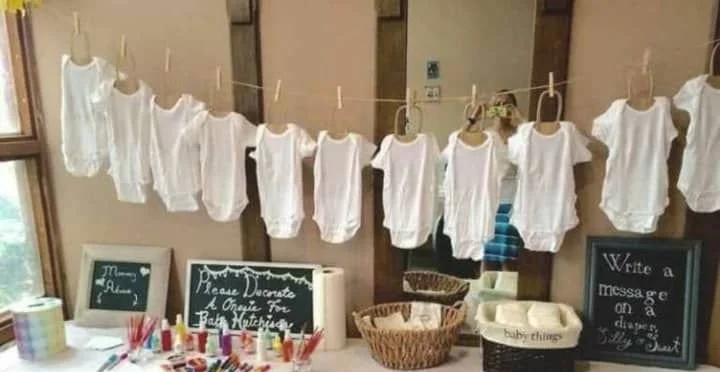
Provide plain wooden blocks, small canvases, or ceramic tiles with paint markers so guests can decorate a keepsake the baby can use or display.Advice and Wishes Wall
Set out beautifully designed cards or tags for guests to write parenting tips, well wishes, or predictions and hang them on a decorative branch or board.Onesie or Outfit Decorating
Supply plain onesies, fabric markers, and appliqués so each guest can design a unique outfit for the newborn.Handprint or Footprint Art
Use non-toxic baby-safe paint for guests to leave handprints or footprints on a large canvas that becomes nursery art.Memory Jar with Prompts
Provide prompt cards (e.g., “Your best parenting tip,” “A book to read,” “Favorite lullaby”) that guests drop into a jar for the parents to read later.Storybook Library Contribution
Ask each guest to bring a favorite childhood book and write a personal message inside—building the baby’s first library.DIY Mobile Workshop
Set up a crafting table with supplies to create a custom mobile for the nursery using felt, wooden beads, and hoops.Recipe Swap for New Parents
Invite guests to bring a favorite easy-to-make meal recipe printed on nice cards, creating a practical resource for the postpartum period.Time Capsule Creation
Have attendees add notes, small items, or predictions and seal them in a time capsule to be opened on the child’s 18th birthday.Spa-Style Pampering Corner
Offer quick manicures, hand massages, or calming eye masks so the mom-to-be and guests can relax and bond.Flower Arranging Bar
Provide fresh blooms, clippers, and vases for guests to create mini bouquets to take home or to adorn the party tables.Custom Nursery Print Station
Set up a station with letter stencils, ink pads, and paper to design framed name art or inspirational quotes for the baby’s room.Baby Blanket Quilt Squares
Have each guest sew or decorate a fabric square that can be assembled into a communal quilt.Birth Plan and Favorite Song Poll
Create a simple display where guests can suggest lullabies, favorite kid-friendly songs, or helpful notes about birthing/hospital stay tips.Sensory Toy-Making Workshop
Provide materials to make soft sensory toys—ribbons, textures, and small bells—for newborn-safe play.Storytelling Circle
Invite attendees to share a short, favorite childhood memory or a cherished family tradition to pass along to the new family.Photo Booth with Props
Design a themed backdrop and props for candid photos. Provide instant-print or digital sharing so guests and parents have keepsakes.Herb or Succulent Potting Station
Guests pot small succulents or herbs in decorated planters—easy favors that last beyond the day.Milestone Letter Writing
Set out stationery for guests to write letters to be opened on the baby’s first birthday, fifth birthday, and other milestones.Lullaby Karaoke
Organize a gentle singalong where guests perform lullabies or calming songs for the baby; record the session as a keepsake.DIY Bath Product Mixing
Let guests mix natural baby-safe bath salts or gentle lotion in small jars to gift to the parents as a postpartum self-care bundle.Naming Brainstorm Corner
If the parents are open to ideas, create a cozy nook with name books and prompts to jot down suggestions and their meanings.Theme Styling and Inspiration Board
Set up magazines, fabric swatches, ribbons, and paint chips so guests can contribute ideas to a nursery inspiration board; this is a fun collaborative way to visualize décor and color schemes. If you’re focusing on a specific look, check themed suggestions like these elegant baby girl baby shower themes for mood-board inspiration.
Each of these activities can be scaled up or down depending on the guest count, venue, and budget. Choose a few complementary stations rather than trying to do everything—three or four thoughtfully curated experiences often beat a crowded program of many options.
Conclusion
If you want additional structured ideas that blend creative activities with light competition, this roundup of baby shower games ideas on The Bump includes playful options that can be adapted into low-pressure activities. For a specific interactive favorite, consider trying a blindfolded diaper-changing game variation that can be set up as a casual demonstration rather than a timed contest.
How to Plan a Baby Shower on a Budget (That Still Feels Beautiful and Special)
How to Plan a Baby Shower on a Budget (That Still Feels Beautiful and Special)
A thoughtful baby shower doesn’t need a big budget to feel warm, elegant, and memorable. With a little planning and creativity, you can host a celebration that focuses on the parents-to-be and the joy of welcoming a new baby—without overspending. For a quick decorating spark, take a look at these budget-friendly balloon decor ideas to elevate a simple space.
Here’s a step-by-step framework to plan a beautiful, budget-friendly baby shower.
1. Set priorities and a realistic budget
- Decide who is paying and how much total you can spend. Break the budget into categories: venue, food & drink, decor, activities, and favors.
- Prioritize what matters most to the guest of honor. If photos and atmosphere are key, allocate more to decor and a photographer (or a camera-friendly space), and cut back on catering. If food is central, simplify decor.
2. Choose a low-cost (but lovely) venue
- Host at home, a friend’s living room, a backyard, or a community center room. Parks and public gardens can be gorgeous and inexpensive—just check permit requirements.
- Time of day matters: a brunch or afternoon tea minimizes the need for full-service catering and lets you serve simple, affordable fare.
3. Invitations: go digital
- Use free or low-cost e-invites through services like Paperless Post, Evite, or a simple themed email. They reduce cost and waste, and most allow RSVP tracking.
- For a personal touch, send a printable invitation the host can tuck into a small thank-you note sent later, if you want something tangible without the upfront cost.
4. Decorations that look luxe for less
- Choose a cohesive color palette and repeat it across textiles, tableware, and signage to create a curated look.
- DIY focal pieces: a simple fabric backdrop, clusters of balloons, and greenery from a local market can create a stunning scene.
- Repurpose household items: cake stands, clear glass vases, and books work great as risers and layers.
- Consider a candy table as an affordable, colorful focal point—our DIY candy table guide shows how to assemble one without breaking the bank.
5. Food and drink: smart shortcuts
- Keep the menu simple with heavy appetizers, a grazing board, or potluck-style contributions from close friends and family.
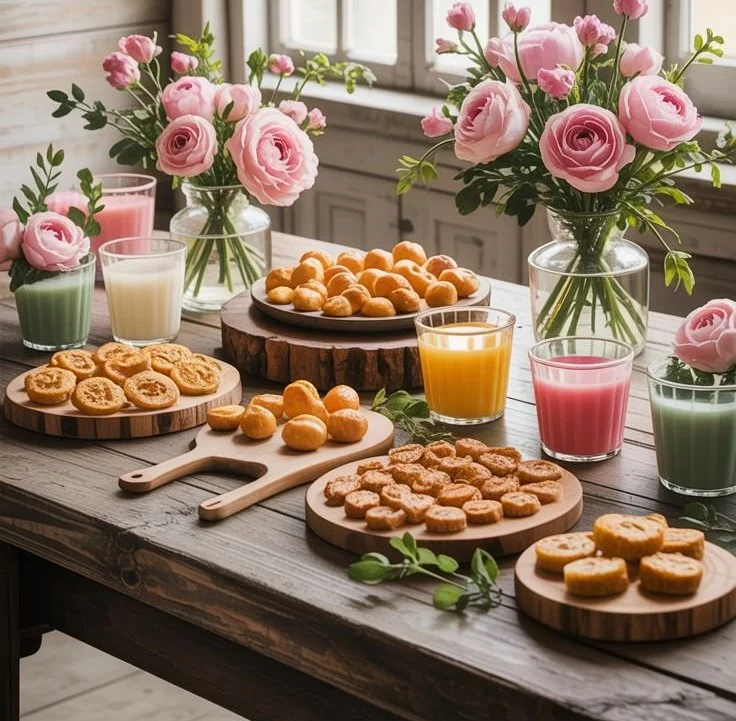
- Brunch is budget-friendly: pastries, a fruit platter, quiches, and a simple coffee/tea bar keep costs down.
- Make one signature drink (alcoholic and nonalcoholic versions) to simplify service and keep purchasing focused.
- Buy in bulk where possible and focus on presentation—nice platters and handwritten labels make simple foods feel special.
6. Activities and entertainment on a dime
- Skip costly hosts or performers. Plan short, meaningful activities: advice cards, a baby-themed photo booth with props, or a simple word game.
- Group gifts can be organized ahead to avoid duplications and to secure higher-value registry items without everyone buying individually.
- If you want a keepsake, have guests write one-sentence hopes for the baby or piece together a simple scrapbook page instead of costly custom books.
7. Thoughtful favors that don’t cost much
- Edible favors (homemade cookies or a small favor bag with candy) look generous and are inexpensive.
- Seed packets, small succulents, or a printed recipe card are low-cost and memorable.
- Packaging matters more than price: pretty twine, small tags, and consistent labels elevate inexpensive items.
8. Timeline and day-of checklist
- Create a timeline for setup, guest arrival, food serving, games, gift-opening, and teardown.
- Recruit helpers: a couple of friends to set up, serve, and clean up will keep things running smoothly and reduce last-minute stress.
- Prepare a simple kit with tape, scissors, extra cups, napkins, and a first-aid-style “fix-it” bag for spills or broken decor.
9. Cost-saving final tips
- Borrow items like extra chairs, cake stands, or decor from friends and family.
- Shop sales and thrift stores for unique items—you’ll often find vintage pieces that add charm.
- Use digital RSVPs and send gentle reminders to reduce no-shows and overbuying.
- Keep the guest list intimate. Fewer people equals fewer plates, favors, and logistics, and the gathering often feels cozier and more meaningful.
Conclusion
If you want curated, budget-friendly venue inspiration that still reads as luxurious, this roundup of affordable venue ideas that still feel luxurious is a great place to start. For a no-nonsense take on hosting a baby shower with personality and minimal fuss, read this guide on how to host a baby shower that doesn’t suck.
Lunch Box Ideas
Lunch Box Ideas: Simple, Healthy, and Kid-Approved
Packing lunches every day can feel like a small daily challenge: keep it nutritious, keep it interesting, and keep it easy to assemble. This guide gives practical ideas and templates that work for picky eaters, busy parents, and little hands learning independence. For more cold-lunch inspiration focused on variety, check out this useful resource on cold lunch ideas for kids.
Quick rules to make lunches stress-free
- Balance: aim for protein + whole grain + fruit/veggie + a small treat.
- Prep once, eat twice (or five): batch-cook proteins and chop produce on a weekend.
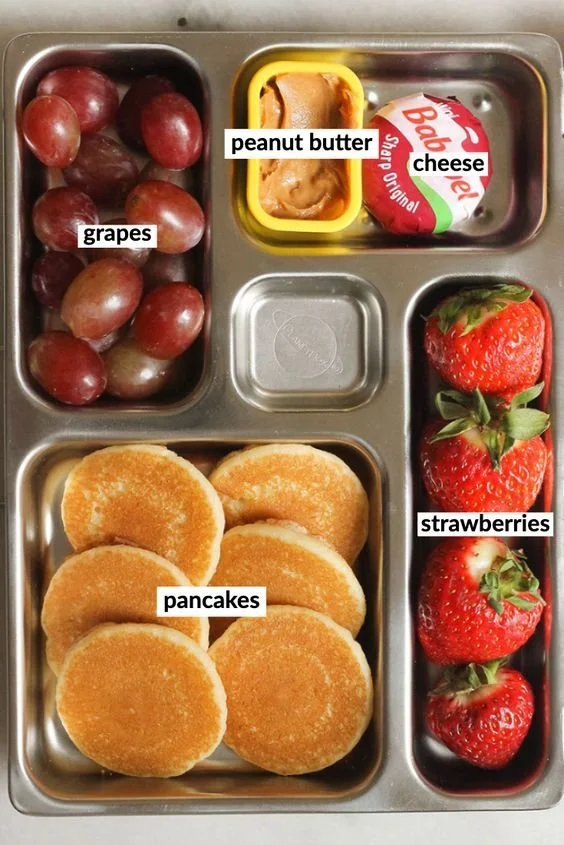
- Keep components separate when needed to preserve texture — use small containers or bento compartments.
- Rotate themes each week (Mexican Monday, Sandwich Wednesday, Fun-Shape Friday) to reduce decision fatigue.
Build-a-Box templates (mix-and-match)
Use these templates as starting points — swap items for allergies, preferences, or what’s on sale.
- Sandwich Box
- Whole-grain sandwich or wrap (turkey, hummus & roasted pepper, or nut butter & banana)
- Crunchy veg sticks + dip (carrots, cucumbers, ranch or hummus)
- A small fruit (apple, pear, or a handful of grapes)
- Yogurt tube or cheese stick
- Protein-Packed Bento
- Mini frittata slices or hard-boiled eggs
- Whole-grain crackers or quinoa salad
- Cherry tomatoes and snap peas
- Fruit cup or dried fruit
- Snack-Style Lunch (great for younger kids)
- Cubed cheese and turkey or plant-based slices
- Whole-grain pita triangles or pretzels
- Soft fruit like melon or banana
- A small sweet (homemade muffin or cookie)
- Hot Option (insulated thermos)
- Soup, chili, or pasta with hidden veggies
- Side of steamed broccoli or roasted sweet potato
- Sliced fruit or applesauce
Bento-style packing ideas
Bento boxes make it easy to create visual appeal and portion control:
- Use cookie cutters for sandwiches, cheese, or fruit to make fun shapes.
- Include a “dip” compartment — kids often eat more veggies when there’s a sauce.
- Add a small surprise element (a note, sticker, or tiny seasonal treat) to keep lunches exciting.
If you need ideas specifically tailored to little learners just starting school, there are helpful suggestions for younger appetites and easy-to-open packaging in the cold lunch ideas for kindergartners guide.
Allergy-friendly swaps and vegetarian options
- Dairy-free: use dairy-free yogurt, hummus, or nut/seed cheeses.
- Nut-free: sunflower seed butter or soy nut spreads replace peanut butter.
- Vegetarian/vegan: add beans, lentil salads, tofu nuggets, or chickpea “tuna” salads for protein.
Time-saving tips
- Use leftovers: Roast chicken one night, cube it for the next day’s lunch.
- Prep a “lunch station” in the fridge with pre-washed veggies and portioned snacks.
- Invest in stackable containers and insulated thermoses — they pay off in convenience.
Flavor boosters and fun extras
- Tiny packets of dressing, honey, or jam keep sandwiches from getting soggy.
- Sprinkle seeds or toasted oats on yogurt for crunch.
- Make a “lunch of the month” board where kids can vote on their favorite pack — involvement increases enthusiasm.
Troubleshooting picky eaters
- Offer two choices: let them pick between two healthy mains.
- Keep textures varied — some kids prefer soft foods over crunchy.
- Introduce new items alongside familiar favorites; repetition helps acceptance.
Packing checklist
- Main (protein + grain)
- Veggie or fruit
- Snack (crackers, nuts, or granola)
- Treat (small and occasional)
- Ice pack or insulated container as needed
- Utensils and napkin
Conclusion
For a step-by-step packing routine you can adapt week to week, consider consulting a practical lunchbox-packing cheat sheet that helps streamline choices and shopping lists. If you want creative bento-style layouts and recipes specifically geared toward kids, these kids lunch bento box ideas from Ain’t Too Proud To Meg offer great visual inspiration.
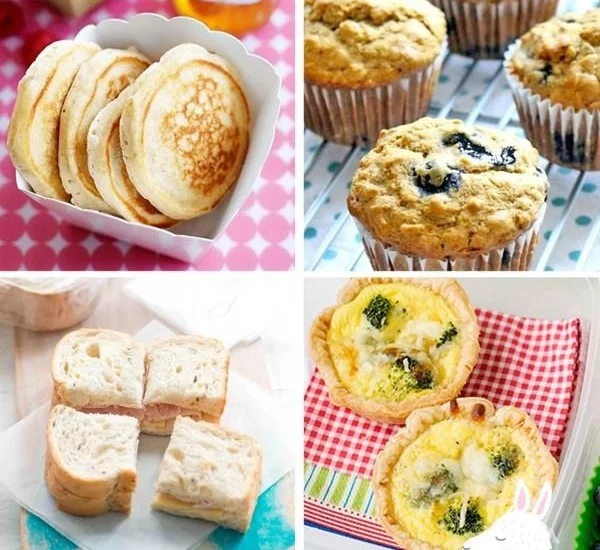
16 lunch box ideas you can freeze in advance
16 Freezer-Friendly Lunch Box Ideas You Can Make Ahead
Preparing lunches ahead and freezing them saves time, reduces stress, and helps you serve healthier options on busy mornings. Below are 16 easy, freezer-friendly lunch box ideas with quick notes on freezing, reheating, and packing. If you’re building a routine for younger kids, you might also like these cold lunch ideas for kindergartners for variety and balance.
Mini Meatloaf Muffins
- Make meatloaf in a mini muffin tin for single-serve portions. Freeze on a tray, then store in labeled bags. Reheat from frozen in the microwave (1–2 min) or oven (200°C/400°F for 10–12 min).
Chicken and Veggie Quesadillas
- Assemble, grill briefly, cool, and freeze between parchment. Reheat in a skillet or toaster oven until cheese melts. Slice into child-sized portions.
Spinach and Feta Egg Muffins (Vegetarian)
- Bake in muffin tins, cool, and freeze flat. Warm in the microwave for 30–60 seconds. These are great for protein-packed breakfasts or lunches.
Breakfast Sausage and Cheese Pancake Roll-Ups
- Spread pancake batter, add cooked sausage and cheese, roll, cook, cool, and freeze. Reheat in microwave and slice.
Pasta Bolognese Portions
- Freeze in individual airtight containers. Reheat gently in the microwave with a splash of water or warm on the stove.
Veggie-Packed Fried Rice (Vegan Option)
- Make with day-old rice, load with veggies and tofu, cool quickly, then freeze flat in freezer bags. Reheat in a skillet to keep texture.
Mini Calzones or Empanadas
- Fill, seal, and freeze on a tray before bagging. Reheat in a toaster oven or conventional oven for best crust.
Turkey and Cheese Pinwheels
- Assemble on flatbread, roll, slice, then freeze in a single layer. Thaw in the fridge overnight or heat briefly.
Lentil and Sweet Potato Burgers (Vegan)
- Form patties, flash-freeze, then store in bags. Pan-fry from frozen or thaw and reheat for a softer texture.
Stuffed Peppers (Kid-Sized)
- Use small peppers stuffed with rice, beans, or meat. Freeze uncooked or par-cooked; finish baking from frozen, adding extra cooking time.
Tuna Melt Cups
- Spoon tuna mix into muffin tins, top with cheese, bake, and freeze. Reheat in a microwave or oven until warmed through.
Mini Chicken Pot Pies
- Make small pot pies with a cover of pastry or biscuit top. Freeze before baking or after; reheat in oven for best results.
Sweet Potato and Black Bean Burritos
- Assemble, wrap tightly, freeze individually. Reheat in microwave or oven; add fresh salsa at serving.
Cheese and Veggie Muffins (Savory)
- Bake savory muffins loaded with grated veggies and cheese. Freeze after cooling; warm briefly before packing.
Homemade Pizza Pockets
- Fill dough with sauce, cheese, and toppings, seal well, and freeze. Reheat in oven or toaster oven for reheated-crisp crust.
Fruit + Yogurt Breakfast Parfait Kits (Freeze the granola separately)
- Freeze fruit puree or fruit cups and include a separate chilled yogurt tub. Pack frozen fruit in an insulated container to keep the lunch cool until thawed and eaten.
Freezing & Storage Tips
- Cool food completely before freezing to prevent ice crystals and soggy textures.
- Use single-portion packaging: muffin tins, silicone molds, or small airtight containers save space and make thawing simple.
- Label with contents and date; most cooked meals keep 2–3 months without significant quality loss.
- For sandwiches with wet fillings, consider keeping wet sauces separate in small containers to preserve texture.
Reheating & Safety
- Reheat frozen lunches to steaming hot throughout (internal 75°C/165°F) if they contain meat, eggs, or dairy.
- For microwave reheating, cover loosely to retain moisture and stir or rotate midway for even heating.
- If reheating in schools isn’t available, consider chilled options that thaw safely by lunchtime (e.g., hummus, wraps with moisture-proof barriers, yogurt).
Packing Strategies for School
- Use an insulated lunch bag and a frozen ice pack; frozen items will act as the ice pack and help keep other items cold.
- Mix frozen hot items with room-temperature sides—fresh fruit, carrot sticks, or a small treat—to create balanced boxes.
- Include small condiment containers for sauces so parents can add them right before serving.
Quick Swaps and Dietary Tweaks
- Gluten-free: use GF wraps, flours, or gluten-free oats in muffins.
- Dairy-free: swap cheese for dairy-free alternatives and use plant-based yogurts.
- Lower sodium: use fresh herbs, lemon juice, and garlic instead of processed sauces.
Creative Themes and Presentation
- Cutting sandwiches or muffins into fun shapes and using colorful picks makes frozen lunches feel fresh. For themed inspiration beyond food—like décor or party ideas—check out these playful Winnie the Pooh nursery ideas to spark creative presentation and themes for kids.
Conclusion
For more make-ahead healthy lunches and whole-food options, these Simple, Whole Food Pack Ahead Lunch Ideas for Kids offer practical recipes and packing tips. If you want muffin-specific ideas that freeze well and fit lunch boxes perfectly, see this roundup of 16 Freezer-Friendly Lunch Box Muffins.
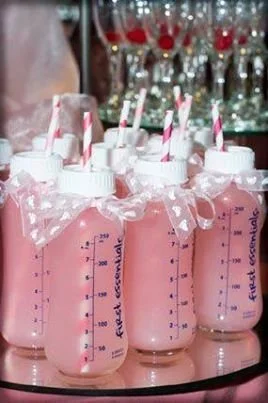
Best Baby Shower Ideas Roundup
Best Baby Shower Ideas Roundup
Planning a memorable baby shower can be joyful and a little overwhelming — whether you’re aiming for intimate and cozy or big and festive. This roundup gathers fresh themes, easy games, thoughtful favors, and practical tips to help you plan a celebration that fits the parents-to-be. If the baby is a girl and you want theme-specific inspiration, check out these baby girl shower ideas for color palettes, decor, and favors that feel both modern and sweet.
Pick a theme that fits the parents
A clear theme keeps decisions simple and creates a cohesive look. Popular directions:
- Botanical or neutral woodland for gender-neutral charm.
- Storybook or vintage for a nostalgic feel.
- Nautical, celestial, or animal motifs for playful vibes.
- Minimalist monochrome for parents who prefer clean lines and less fuss.
Match invitations, table centerpieces, and a signature backdrop to the theme to make the event feel put together.
Games and activities that guests actually enjoy
Choose a few low-pressure activities that spark laughter without awkwardness:
- Baby item bingo: Guests mark off items as gifts are opened.
- Nursery rhymes quiz with small prizes.
- Advice cards: Invite guests to write one piece of parenting advice; read them aloud later.
- Onesie decorating station: Provide plain onesies and fabric markers for a creative keepsake.
Keep games short and optional so the focus stays on celebrating the parents.
Food and drink ideas
Food depends on time of day and tone. For a relaxed afternoon, consider a mix of finger foods and a few plated items. If you prefer a light, social event, go with shareable items like mini quiches, skewers, and a fresh fruit display. For more structured meal planning, consider hosting a themed brunch — a mid-morning menu with waffles, bagels, and mimosas creates a friendly, laid-back atmosphere and is perfect for family-style sharing; you can find tailored suggestions in these baby shower brunch ideas.
Don’t forget to label foods for common dietary needs (gluten-free, dairy-free, vegetarian) and include a non-alcoholic mocktail option for the expectant parent and guests who prefer it.
Decorations and ambiance
Focus on a few statement pieces rather than decorating every surface:
- A floral or balloon backdrop for photo ops.
- A cozy lounge corner with pillows and a soft throw for conversation.
- Personalized details like a name banner, memory books, or a timeline of the parents’ relationship to display.
Lighting sets the mood—soft string lights and candles (battery-operated for safety) make a big difference.
Thoughtful favors and gifts
Favors should be simple and useful: small candles, packaged tea, succulents, or custom cookies that match the theme. For gift ideas, include a mix of practical items (diapers, swaddles, baby monitor) and sentimental keepsakes (handmade blankets, personalized storybooks). Encourage group gifts for larger items to ease the burden on guests.
If guests will be making something on-site — like decorated onesies — provide washable fabric markers and enough supplies to avoid bottlenecks.
Virtual or hybrid options
For guests who can’t attend in person, use a video call to stream the opening of gifts or host a virtual game. Send digital invitations with clear connection instructions and consider a mailed mini favor so remote guests still feel included.
Timeline and checklist
Keep a timeline for the day:
- Two months before: Set date, guest list, and theme.
- One month before: Send invitations and book essentials (caterer, photographer).
- Two weeks before: Confirm RSVPs, finalize menu and games.
- Day before: Decorate major areas, prepare food that can be stored overnight.
- Day of: Set up a welcome area, assign someone to manage gifts and games, and relax — you’ve planned well.
Budget-friendly tips
- Borrow decor items like vases and table linens from friends.
- DIY centerpieces using seasonal produce or simple floral clippings.
- Limit per-guest spending by organizing a group gift sign-up for higher-cost items.
Conclusion
For hands-on present ideas and step-by-step projects to pair with party plans, this DIY baby shower gift projects roundup offers creative options that guests can make or adapt. If you want charming footwear options for a handmade or themed gift, explore this crochet baby bootie pattern roundup for patterns and inspiration.