May 1, 2026

50+ Delicious & Easy Kid-Friendly Appetizers

50+ Delicious & Easy Kid-Friendly Appetizers

Finding appetizers that children will actually eat can feel like an impossible mission. Between picky eating phases, texture sensitivities, and the eternal struggle to incorporate vegetables, many parents find themselves stuck in a chicken nugget loop. But the world of kid-friendly appetizers is vast and exciting—filled with opportunities to expand palates while still keeping little ones happy.

As a food blogger who’s spent years developing and testing recipes with my own little food critics, I’ve compiled this comprehensive guide to help you discover appetizers that are not only child-approved but also nutritionally balanced, easy to prepare, and perfect for various occasions—from everyday snacking to birthday celebrations.

Whether you’re looking for healthy kid-friendly appetizers, quick finger foods for kids parties, or toddler appetizers that won’t end up on the floor, this ultimate resource has you covered with over 50 tested and approved options!

Super Quick & Easy (Under 15 Mins)

When hunger strikes and patience wears thin, these lightning-fast kid-friendly appetizers will save the day.

Ham & Cheese Pinwheels

50+ Delicious & Easy Kid-Friendly Appetizers

These colorful spirals combine the classic flavors kids love in an eye-catching package. Simply roll ham, cheese, and a thin layer of cream cheese in tortillas, slice, and serve.

Why Kids Love It: Familiar flavors in a fun spiral shape that’s easy to hold.

Pro Parent Tip: Make a big batch and refrigerate for up to 3 days of ready-to-go snacks.

⏱️ Prep Time: 5 minutes | 🔄 Difficulty: Easy

Cucumber Caterpillars

50+ Delicious & Easy Kid-Friendly Appetizers
corvallisclinic.com

Transform simple cucumber slices into adorable caterpillars using cherry tomato heads, cream cheese dots for eyes, and carrot slice antennae.

Why Kids Love It: The cute factor makes vegetables suddenly appealing!

Pro Parent Tip: Let kids help with assembly—they’re more likely to eat what they create.

⏱️ Prep Time: 10 minutes | 🔄 Difficulty: Easy

Pizza Toast Bites

50+ Delicious & Easy Kid-Friendly Appetizers

Turn whole grain bread into mini pizzas with a smear of sauce, shredded cheese, and tiny toppings cut into fun shapes.

Why Kids Love It: It’s pizza…but faster!

Pro Parent Tip: Use cookie cutters to make the toast bases into stars, hearts, or other shapes before adding toppings.

⏱️ Prep Time: 10 minutes | 🔄 Difficulty: Easy

Yogurt Parfait Cups

50+ Delicious & Easy Kid-Friendly Appetizers

Layer vanilla yogurt with fresh berries and granola in clear cups for a healthy, protein-packed appetizer that doubles as a light dessert.

Why Kids Love It: The visible colorful layers make this simple snack seem special.

Pro Parent Tip: Set up a DIY parfait bar and let kids build their own creations.

⏱️ Prep Time: 5 minutes | 🔄 Difficulty: Easy

Healthy & Veggie-Packed Bites

Sneaking nutrition into kid-friendly appetizers doesn’t have to be a struggle! These options make vegetables the star without sacrificing kid appeal.

Rainbow Veggie Skewers

50+ Delicious & Easy Kid-Friendly Appetizers

Thread colorful vegetables like cherry tomatoes, cucumber chunks, yellow bell peppers, and purple cauliflower onto child-safe skewers for an appetizer that’s as beautiful as it is nutritious.

Why Kids Love It: The rainbow presentation transforms ordinary veggies into something magical.

Pro Parent Tip: Serve with a variety of dips to increase acceptance—ranch yogurt dip, hummus, and mild guacamole are winners.

⏱️ Prep Time: 15 minutes | 🔄 Difficulty: Easy

Sweet Potato Tot Cups

50+ Delicious & Easy Kid-Friendly Appetizers

These baked sweet potato tots served in muffin cups provide a nutrient-dense alternative to traditional tater tots.

Why Kids Love It: The natural sweetness and crispy exterior make these irresistible to little ones.

Pro Parent Tip: Make a double batch and freeze half for busy weeknights.

⏱️ Prep Time: 20 minutes | 🔄 Difficulty: Medium

Cauliflower Popcorn

50+ Delicious & Easy Kid-Friendly Appetizers

Roasted cauliflower florets tossed with a light coating of olive oil and parmesan create a crunchy, savory snack reminiscent of popcorn.

Why Kids Love It: The crispy texture and cheesy flavor mask the “vegetable” identity.

Pro Parent Tip: Try different seasoning combinations—taco, ranch, or even cinnamon sugar for a sweet variation.

⏱️ Prep Time: 25 minutes | 🔄 Difficulty: Easy

Avocado Boats

50+ Delicious & Easy Kid-Friendly Appetizers

Halved avocados filled with corn salsa, black beans, or cherry tomatoes create nutrient-dense finger food perfect for developing palates.

Why Kids Love It: The interactive “boat” presentation makes healthy eating playful.

Pro Parent Tip: Add a tiny cheese sail on a toothpick to enhance the boat theme.

⏱️ Prep Time: 10 minutes | 🔄 Difficulty: Easy

Cheesy & Crowd-Pleasing Favorites

When in doubt, cheese comes to the rescue! These kid-friendly appetizers leverage the universal appeal of melty, cheesy goodness.

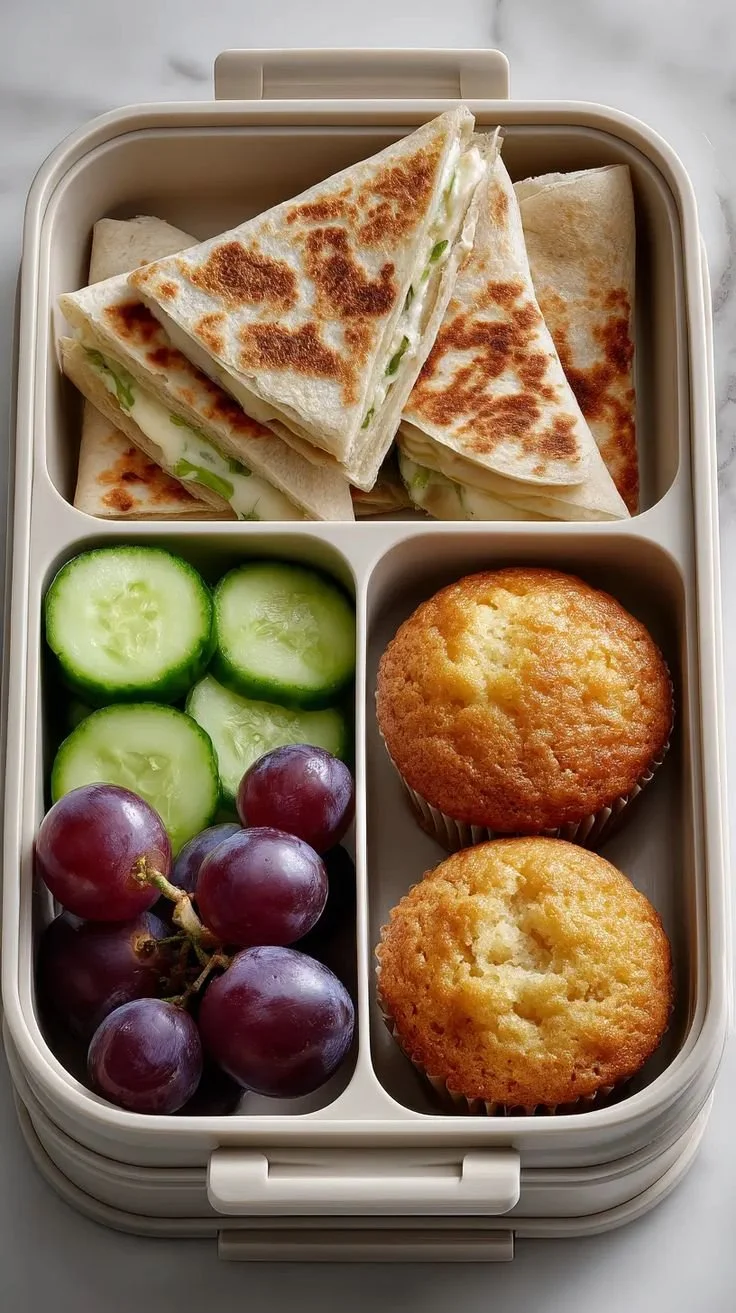
Mini Quesadilla Triangles

50+ Delicious & Easy Kid-Friendly Appetizers

Bite-sized quesadilla triangles filled with mild cheese and finely diced vegetables are perfect for little hands.

Why Kids Love It: The crispy exterior and melty cheese interior hit all the right sensory notes.

Pro Parent Tip: Use cookie cutters to create fun shapes before cooking for added appeal.

⏱️ Prep Time: 15 minutes | 🔄 Difficulty: Easy

Mozzarella Stick Coins

50+ Delicious & Easy Kid-Friendly Appetizers

Slice string cheese into circles, bread them lightly, and bake until golden for a healthier take on traditional mozzarella sticks.

Why Kids Love It: The pull-apart cheese factor is irresistible to children.

Pro Parent Tip: Freeze breaded cheese coins before baking for a crispier exterior.

⏱️ Prep Time: 20 minutes | 🔄 Difficulty: Medium

Mac and Cheese Bites

50+ Delicious & Easy Kid-Friendly Appetizers

Transform leftover macaroni and cheese into baked bites by adding an egg, pouring into mini muffin tins, and baking until golden.

Why Kids Love It: Familiar comfort food transformed into a portable, finger-food format.

Pro Parent Tip: Add finely chopped broccoli or spinach to sneak in vegetables.

⏱️ Prep Time: 30 minutes | 🔄 Difficulty: Medium

Cheesy Puff Stars

50+ Delicious & Easy Kid-Friendly Appetizers

Cut puff pastry into star shapes, sprinkle with cheese, and bake for an elegant yet kid-appealing appetizer.

Why Kids Love It: The flaky texture and star shape elevate simple cheese into something special.

Pro Parent Tip: Make a variety of shapes for different occasions—hearts for Valentine’s Day, trees for Christmas.

⏱️ Prep Time: 20 minutes | 🔄 Difficulty: Medium

Make-Ahead Marvels for Parties

Party planning with kids in mind? These kid-friendly party food options can be prepared in advance, freeing you up to enjoy the celebration.

Mini Corn Dog Muffins

50+ Delicious & Easy Kid-Friendly Appetizers

Cornbread batter poured over small pieces of hot dog and baked in mini muffin tins creates a portable version of the carnival favorite.

Why Kids Love It: The familiar flavors in an easy-to-eat format make these irresistible.

Pro Parent Tip: These freeze beautifully—make them weeks ahead and reheat on party day.

⏱️ Prep Time: 25 minutes | 🔄 Difficulty: Medium

Fruit Kabob Rainbow

Thread various fruits in rainbow order on skewers for a colorful, healthy party appetizer that doubles as decoration.

Why Kids Love It: The vibrant colors and presentation make fruit exciting.

Pro Parent Tip: Dip certain fruits in lemon juice to prevent browning if preparing hours ahead.

⏱️ Prep Time: 20 minutes | 🔄 Difficulty: Easy

Turkey and Cheese Roll-Up Platter

Arrange rolled-up turkey slices, cheese cubes, crackers, and grapes on a platter for a protein-rich appetizer option.

Why Kids Love It: The build-your-own aspect gives kids control over their food choices.

Pro Parent Tip: Use cookie cutters to create shapes from cheese slices for added visual appeal.

⏱️ Prep Time: 15 minutes | 🔄 Difficulty: Easy

Mini Pizza Muffins

English muffin halves topped with sauce, cheese, and miniature toppings create individual pizzas perfect for little guests.

Why Kids Love It: The individual sizing makes kids feel special.

Pro Parent Tip: Prepare toppings in advance and let kids assemble their own creations at the party.

⏱️ Prep Time: 20 minutes | 🔄 Difficulty: Medium

Fun & Themed Appetizer Ideas

Take ordinary finger foods for kids parties to extraordinary levels with these themed creations.

Butterfly Veggie Plates

Arrange colorful vegetable sticks in the shape of butterfly wings with a celery stick body and cherry tomato head.

Why Kids Love It: The artistic presentation transforms ordinary vegetables into something magical.

Pro Parent Tip: Create a “garden” of butterfly veggie plates for maximum visual impact at parties.

⏱️ Prep Time: 20 minutes | 🔄 Difficulty: Medium

Race Car Banana Boats

Halved bananas with strawberry slice wheels, blueberry headlights, and a grape driver create fruity vehicles kids can’t resist.

Why Kids Love It: The playful presentation makes healthy fruit irresistible.

Pro Parent Tip: Add tiny flags made from toothpicks and washi tape for extra flair.

⏱️ Prep Time: 15 minutes | 🔄 Difficulty: Easy

Under-the-Sea Cucumber Sandwiches

Small cucumber rounds topped with cream cheese and fish-shaped cheese or vegetable cutouts create an ocean-themed bite.

Why Kids Love It: The thematic element transforms simple ingredients into an adventure.

Pro Parent Tip: Use blue food coloring to tint a small portion of cream cheese for “water” effects.

⏱️ Prep Time: 25 minutes | 🔄 Difficulty: Medium

Monster Toast Faces

Open-faced sandwiches decorated with vegetable features and cheese hair create edible characters.

Why Kids Love It: The silly faces make eating healthy ingredients fun.

Pro Parent Tip: Set out various toppings and let kids create their own monster toast masterpieces.

⏱️ Prep Time: 15 minutes | 🔄 Difficulty: Easy

Perfect Dips for Little Dippers

Every great kid-friendly appetizer spread needs dippable options—these will please even the pickiest palates.

Honey-Yogurt Fruit Dip

Greek yogurt sweetened with a touch of honey makes a protein-rich dip for fresh fruit slices.

Why Kids Love It: The sweet flavor profile makes fruit even more appealing.

Pro Parent Tip: Add a drop of food coloring to create pastel-colored dips that coordinate with your party theme.

⏱️ Prep Time: 5 minutes | 🔄 Difficulty: Easy

Mild Guacamole Stars

Serve mild, kid-friendly guacamole with star-shaped tortilla chips for a festive appetizer option.

Why Kids Love It: The star shapes elevate simple chips and dip to something special.

Pro Parent Tip: Add a small amount of Greek yogurt to guacamole to mellow the flavor for sensitive palates.

⏱️ Prep Time: 10 minutes | 🔄 Difficulty: Easy

Pizza Dip Cups

Individual cups with layered pizza dip (cream cheese, sauce, cheese, tiny pepperoni) served with breadsticks for dipping.

Why Kids Love It: All the pizza flavors in a fun, dippable format.

Pro Parent Tip: Bake in oven-safe ramekins for a warm, melty appetizer.

⏱️ Prep Time: 15 minutes | 🔄 Difficulty: Medium

Veggie Ranch Cups

Place a dollop of ranch dip in the bottom of clear cups and stand vegetable sticks vertically for an easily portable appetizer.

Why Kids Love It: The individual presentation makes vegetables feel special.

Pro Parent Tip: Use colorful paper cups that coordinate with your party theme.

⏱️ Prep Time: 10 minutes | 🔄 Difficulty: Easy

Allergy-Friendly Options (Nut-Free, Gluten-Free etc.)

These inclusive kid-friendly appetizers ensure that all children can enjoy party treats regardless of dietary restrictions.

Rice Paper Rainbow Rolls

Fill rice paper wrappers with colorful vegetables and optional protein for a gluten-free, allergy-friendly appetizer option.

Why Kids Love It: The transparent wrappers showcasing colorful fillings create visual interest.

Pro Parent Tip: Serve with a safe dipping sauce like sunflower seed butter thinned with a touch of honey.

⏱️ Prep Time: 25 minutes | 🔄 Difficulty: Medium

Sweet Potato Chicken Poppers

Gluten-free, dairy-free chicken bites made with ground chicken, sweet potato, and safe seasonings.

Why Kids Love It: The natural sweetness from the potato makes these irresistible.

Pro Parent Tip: Make a double batch and freeze extras for quick snacks.

⏱️ Prep Time: 30 minutes | 🔄 Difficulty: Medium

Polenta Pizza Bites

Pre-made polenta tubes sliced, topped with safe pizza toppings, and baked for a gluten-free pizza alternative.

Why Kids Love It: They provide the beloved pizza experience without common allergens.

Pro Parent Tip: Use dairy-free cheese alternatives for children with milk allergies.

⏱️ Prep Time: 20 minutes | 🔄 Difficulty: Medium

Seed Butter Apple Sandwiches

Apple rounds spread with sunflower seed butter and topped with safe toppings like dairy-free chocolate chips.

Why Kids Love It: The sweet-tart apple pairs perfectly with creamy seed butter.

Pro Parent Tip: Brush apple slices with diluted lemon juice to prevent browning.

⏱️ Prep Time: 10 minutes | 🔄 Difficulty: Easy

Tips for Getting Picky Eaters to Try New Appetizers

Converting reluctant tasters into adventurous eaters is possible with these proven strategies:

  • Start with the familiar: Introduce new flavors alongside foods you know they already enjoy
  • Make it interactive: Let kids help prepare appetizers—they’re more likely to try food they’ve helped create
  • Use fun names: “Dinosaur trees” sounds more appealing than “broccoli”
  • Create a safe environment: Never force trying new foods; instead, celebrate curiosity
  • Model enjoyment: Show your own enthusiasm for healthy appetizers
  • Offer choices: “Would you like to try the cucumber boats or the veggie skewers?”
  • Consider presentation: Food arranged in fun shapes or patterns is more appealing
  • Keep portions tiny: A small taste feels less intimidating than a full serving

Creative Presentation Ideas Kids Will Love

Elevate simple kid-friendly appetizers with these presentation techniques:

Presentation TechniqueExample Application
Character-shaped plattersArrange vegetables in butterfly or flower shapes
Colorful serving toolsUse bright, child-sized tongs and spoons
Themed food picksSail flags, animal toppers, or seasonal motifs
Edible food cupsCucumber rounds or lettuce cups as edible containers
Rainbow arrangementsOrganize foods in ROYGBIV color order
Individual portionsMason jars, cupcake liners, or paper cones
Interactive stationsBuild-your-own appetizer bars with various components
Height variationUse cake stands and tiered displays for visual interest

How to Safely Involve Kids in Appetizer Prep

Getting children involved in the kitchen builds skills and increases the likelihood they’ll try new foods:

Age 2-3 Years

  • Washing fruits and vegetables
  • Tearing lettuce leaves
  • Stirring simple mixes
  • Sprinkling cheese or herbs
  • Arranging prepared ingredients on platters

Age 4-5 Years

  • Cutting soft foods with a butter knife
  • Assembling simple appetizers
  • Measuring ingredients
  • Rolling dough or wraps
  • Using cookie cutters for shapes

Age 6-8 Years

  • Following simple recipes with supervision
  • Cracking eggs
  • Basic knife skills with appropriate knives
  • Operating a hand mixer
  • More complex assembly and decoration

Safety Rules for All Ages

  • Always supervise kitchen activities
  • Establish clear rules about heat, sharp objects, and hygiene
  • Use step stools for proper working height
  • Practice frequent hand washing
  • Make cleaning up part of the process

Essential Tools for Making Kid-Friendly Appetizers

Stock your kitchen with these items to make appetizer creation easier:

  • Mini cookie cutters – Create shapes from cheese, fruits, vegetables
  • Silicone muffin cups – Perfect for individual portions
  • Child-safe knives – Allow kids to help with simple cutting tasks
  • Fun-shaped plates – Make presentation special
  • Small food picks – Secure layered appetizers and add visual appeal
  • Melon ballers – Create perfect fruit spheres
  • Veggie spiralizer – Transform vegetables into fun curly shapes
  • Sandwich cutters – Remove crusts and create shapes in one step

Frequently Asked Questions about Kid-Friendly Appetizers

The most universally accepted kid-friendly appetizers include mini quesadillas, cheese and crackers, fruit skewers, mini muffins, and yogurt parfaits. The key is familiar flavors, appropriate textures, and fun presentation.

How can I make appetizers healthier for children?

Focus on incorporating whole foods like fruits, vegetables, lean proteins, and whole grains. Use natural sweeteners sparingly, boost nutrition with hidden vegetables, and opt for baking instead of frying. Gradually reduce sodium and sugar in recipes as taste buds adjust.

What are good finger foods for a toddler party?

For toddlers, focus on soft, easy-to-chew options like cheese cubes, quartered grapes, mini muffins, soft vegetable sticks with dip, and small sandwich quarters. Avoid common choking hazards like whole grapes, popcorn, or hard raw vegetables.

How far in advance can I prepare appetizers for a kids’ party?

Many kid-friendly appetizers can be prepped 1-2 days ahead. Assemble components separately (cut vegetables, prepare dips, bake items that can be reheated) and assemble closer to serving time. Cold items generally keep better than hot ones.

How do I account for picky eaters at a children’s gathering?

Always include a few universally accepted options (plain cheese, simple fruits, familiar baked goods) alongside more adventurous choices. Avoid forcing kids to try new foods—exposure without pressure is key to expanding palates over time.

Conclusion: Creating Memorable Appetizer Experiences

The world of kid-friendly appetizers extends far beyond chicken nuggets and cheese sticks. By incorporating creative presentation, involving children in preparation, and gradually introducing new flavors alongside familiar favorites, you can expand palates while creating joyful food memories.

Remember that patience is key—children may need multiple exposures before accepting new foods. Focus on making the experience positive rather than stressing about what gets eaten.

Whether you’re planning a birthday celebration with finger foods for kids party or simply trying to incorporate more healthy kid-friendly appetizers into everyday snacking, the options in this guide prove that child-appropriate food can be nutritious, delicious, and fun all at once.

What kid-friendly appetizers are hits in your household? Share your successes in the comments below!


Looking for more family-friendly food inspiration? Check out our companion guides to Kid-Friendly Lunches and Family Dinner Solutions!

Share: Facebook Twitter Linkedin
49+ Good Snacks for Kids (Healthy, Easy & Kid-Approved!)

49+ Good Snacks for Kids (Healthy, Easy & Kid-Approved!)

Navigating the world of kids’ snacks can feel like a daily battle. Between rushed mornings, picky eaters, and trying to balance nutrition with convenience, many parents find themselves stuck in a snack rut. Whether you’re looking for after-school fuel, lunchbox fillers, or healthy alternatives to processed options, this comprehensive guide will transform your snack game.

As a nutritionist and parent who’s spent years developing kid-friendly food solutions, I’m sharing my ultimate collection of good snacks for kids that are nutritious, simple to prepare, and—most importantly—ones they’ll actually eat!

  • Quick Grab Options
  • Make-Ahead Snacks
  • Picky Eater Solutions
  • Nutritionist-Approved Choices

What Makes a Good Snacks for Kids? (Beyond Just Taste!)

Before diving into specific options, let’s establish what qualifies as a truly good snack for children:

  • Nutrient density: Provides essential vitamins, minerals, and macronutrients rather than empty calories
  • Balanced energy: Contains a mix of carbohydrates, protein, and healthy fats to sustain energy levels
  • Appropriate portions: Satisfies hunger without interfering with mealtime appetite
  • Limited added sugars and unhealthy fats: Focuses on natural sweetness and healthy fats
  • Safety: Age-appropriate textures that minimize choking hazards

According to the American Academy of Pediatrics, snacks should complement meals by helping children meet their nutritional needs while teaching healthy eating habits that last a lifetime.

The Master List: 50+ Good Snacks Kids Will Love (Categorized!)

Fresh & Fruity Power-Ups

49+ Good Snacks for Kids (Healthy, Easy & Kid-Approved!)
  • Apple slices with almond or sunflower seed butter
  • Berry parfait with Greek yogurt and a sprinkle of granola
  • Banana “sushi” (banana rolled in nut butter and sliced)
  • Frozen grapes (for kids 4+ due to choking hazard)
  • Watermelon sticks or melon balls
  • Clementine oranges or “sunny orange smiles”
  • Fruit kebabs with yogurt dip
  • Homemade fruit leather (baked fruit puree)

Vibrant Veggie Victory Snacks

49+ Good Snacks for Kids (Healthy, Easy & Kid-Approved!)
  • Baby carrots with hummus
  • Cucumber rounds with cream cheese
  • Colorful bell pepper strips with ranch yogurt dip
  • Cherry tomatoes and mozzarella sticks
  • Celery boats with nut butter and raisin “ants”
  • Snap peas with mild guacamole
  • Zucchini coins lightly salted
  • Roasted sweet potato wedges

Protein-Packed Pick-Me-Ups

49+ Good Snacks for Kids (Healthy, Easy & Kid-Approved!)
  • Hard-boiled eggs (try egg “flowers” by cutting into petal shapes)
  • Cheese sticks or cubes paired with whole-grain crackers
  • Edamame pods (sprinkle with sea salt)
  • Greek yogurt with honey drizzle
  • Turkey roll-ups with thinly sliced cheese
  • Cottage cheese with fruit
  • Roasted chickpeas (store-bought or homemade)
  • Mini tuna salad cups on cucumber rounds

Whole Grain Wonders

49+ Good Snacks for Kids (Healthy, Easy & Kid-Approved!)
  • Whole-wheat crackers with cheese
  • Oatmeal energy bites (recipe below)
  • Air-popped popcorn with minimal seasoning
  • Mini whole-grain pita with hummus
  • Rice cakes topped with nut butter and sliced bananas
  • Homemade granola bars
  • Whole-grain cereal mix (low sugar varieties)
  • Whole-wheat tortilla roll-ups with light cream cheese

Quick Prep Superstars (Under 5 Minutes!)

49+ Good Snacks for Kids (Healthy, Easy & Kid-Approved!)
  • Yogurt tubes (freeze for a summertime treat)
  • Apple and cheese quesadilla (microwave for 20 seconds)
  • Trail mix with whole grain cereal, dried fruit, and seeds
  • Avocado toast fingers on whole-grain bread
  • Deli meat and cheese skewers
  • Peanut butter and banana sandwich quarters
  • Smoothies in reusable pouches
  • Hummus and veggie wrap (spread, add veggies, roll, slice)

On-the-Go & Travel-Ready Treats

49+ Good Snacks for Kids (Healthy, Easy & Kid-Approved!)
  • Dried fruit and nut mix (portion-controlled)
  • Applesauce pouches
  • String cheese with whole-grain crackers
  • Pre-portioned hummus cups with pretzels
  • Homemade muffins (freeze and grab as needed)
  • Snack-sized containers of dry cereal
  • Freeze-dried fruit crisps
  • Individually wrapped cheese squares

Smart Store-Bought Solutions

When selecting packaged snacks, look for options with:

  • Short ingredients lists with recognizable items
  • Low added sugar (under 5g per serving)
  • Some fiber and/or protein content
  • No artificial colors or preservatives

Recommended options:

  • Roasted chickpea snacks
  • Fruit cups in 100% juice (not syrup)
  • Plain Greek yogurt cups
  • Unsweetened applesauce cups
  • RX Kids bars or similar minimally processed bars
  • Freeze-dried fruit with no added sugar
  • Seaweed snacks
  • Whole food-based fruit and veggie pouches

Easy Homemade Heroes (Simple Recipes)

49+ Good Snacks for Kids (Healthy, Easy & Kid-Approved!)

5-Minute Oatmeal Energy Bites

  • 1 cup rolled oats
  • 1/2 cup nut or seed butter
  • 1/3 cup honey or maple syrup
  • 1/4 cup mini chocolate chips
  • 2 tablespoons ground flaxseed
  • 1 teaspoon vanilla extract

Mix all ingredients in a bowl. Roll into 1-inch balls. Refrigerate for at least 30 minutes. Store in an airtight container for up to a week.

Mini Veggie Egg Muffins

49+ Good Snacks for Kids (Healthy, Easy & Kid-Approved!)
  • 6 eggs
  • 1/4 cup milk
  • 1/2 cup shredded cheese
  • 1/2 cup finely chopped vegetables (spinach, bell peppers, etc.)
  • Salt and pepper to taste

Whisk eggs and milk. Stir in remaining ingredients. Pour into greased mini muffin tin. Bake at 350°F for 15-18 minutes. Refrigerate up to 3 days or freeze for 1 month.

Tailoring Snacks: Addressing Specific Needs

Lunchbox Legends (Nut-Free & School Safe)

  • Sunflower seed butter and apple sandwiches
  • Cheese and whole-grain crackers
  • Hummus and veggie sticks
  • Turkey roll-ups
  • Homemade trail mix with seeds (no nuts)
  • Yogurt cups with granola topper

Low Sugar Snack Swaps

Instead of...Try This!Fruit snacksFreeze-dried fruit without added sugarCookiesOatmeal energy bitesFlavored yogurtPlain yogurt with fresh fruitChocolate milkMilk with cacao powder and minimal honeyIce creamFrozen banana "nice cream"

Allergy-Friendly All-Stars

  • Gluten-free: Rice cakes with toppings, fruit and vegetable sticks
  • Dairy-free: Coconut yogurt alternatives, hummus and veggies
  • Nut-free: Sunflower seed butter, roasted chickpeas, pumpkin seeds
  • Egg-free: Bean-based dips, fruit smoothies, whole-grain crackers

Budget-Savvy Snack Hacks

  • Buy seasonal produce when prices are lowest
  • Purchase plain yogurt in large containers instead of individual cups
  • Make your own trail mix from bulk ingredients
  • Freeze leftover bananas for smoothies
  • Prepare and portion snacks yourself rather than buying pre-packaged options
  • Shop sales and stock up on non-perishable healthy options

Taming the Picky Eater: Snack Strategies That Work

  • Offer limited choices: “Would you like apple slices or grapes with your cheese?”
  • Involve kids in preparation: Even young children can help wash fruit or arrange crackers
  • Make it fun: Use cookie cutters for shapes, create faces with food, serve with colorful toothpicks
  • Dip it: Provide healthy dips to make vegetables more appealing
  • Bridge with familiar foods: Pair new foods with favorites
  • Stay consistent: Don’t give up—it often takes 10-15 exposures before kids accept new foods
  • Be a role model: Let them see you enjoying healthy snacks too

Snack Timing & Portion Patrol: Getting it Right

Children need structured eating times to develop healthy habits. Generally, most kids do well with three meals and 2-3 snacks daily. Aim to:

  • Schedule snacks at least 1.5-2 hours before meals
  • Keep portions age-appropriate (a good rule: about 1 tablespoon of each food type per year of age)
  • Listen to hunger cues rather than enforcing “clean plate” rules
  • Limit snacking to designated areas (like the kitchen table) rather than grazing throughout the day

Expert Q&A: Answering Your Top Snack Questions

Q: How many snacks should kids have per day? A: Most children do well with 2-3 scheduled snacks daily, typically mid-morning, after school, and possibly before bedtime for younger children.

Q: Are store-bought snacks ever okay? A: Yes! Look for minimally processed options with short ingredient lists. The key is finding balance between convenience and nutrition.

Q: What about drinks as snacks? A: Water should be the primary beverage. Limit juice to 4 ounces daily for young children, and avoid sugary drinks. Milk can be part of a snack but shouldn’t replace solid foods.

Q: How do I handle snack requests right before meals? A: Stick to consistent timing and offer a small vegetable appetizer if needed. Remind children when the next meal is coming and stay consistent with boundaries.

Conclusion: Building Healthy Snack Habits for Life

Creating a positive snack environment helps children develop lifelong healthy eating habits. Remember that your job is to provide nutritious options while letting children decide how much to eat.

By offering a variety of good snacks for kids throughout the week, you’re not just fueling their growing bodies—you’re teaching valuable lessons about nutrition that will benefit them for years to come.

What are your family’s favorite healthy snacks? Share your ideas in the comments below, and don’t forget to pin this guide for future reference!

Share: Facebook Twitter Linkedin
Best Kids Bento Box (2025)

Best Kids Bento Box (2025)

Are you tired of soggy sandwiches and crushed snacks in your child’s lunchbox? A kids bento box might be the solution you’ve been searching for! These compartmentalized meal containers have revolutionized the way parents pack school lunches, making it easier to create nutritious, visually appealing meals that children actually eat. With countless options flooding the market, finding the perfect kids bento box can feel overwhelming—but we’re here to help.

This comprehensive guide explores everything you need to know about selecting the ideal kids bento box for your little one. From materials and leak-proofing to age-appropriate sizes and cleaning tips, we’ve researched all aspects to help you make an informed decision. Whether you’re a bento beginner or looking to upgrade your current lunch packing system, this resource will guide you through the exciting world of bento boxes for children.

What IS a Bento Box?

Before diving into selection criteria, let’s understand what makes a bento box unique.

A bento box is a traditional Japanese packed meal container characterized by compartments that separate different food items. The concept dates back centuries in Japan, where aesthetically arranged, balanced meals have long been cultural practice. The modern kids bento box adapts this tradition with child-friendly features while maintaining the core principle: separate compartments for different foods.

Bento Basics: The word “bento” (弁当) refers to a single-portion, home-packed meal common in Japanese cuisine. The compartmentalized design keeps foods separate and visually appealing.

Unlike traditional lunch containers, bento boxes are designed with portion control and food variety in mind. Their separate sections prevent flavors from mixing and maintain food textures—no more soggy sandwiches touching juicy fruit!

Key Considerations When Choosing a Kids Bento Box

Materials: Safety First

The material of your child’s lunch container matters significantly for both safety and durability. Here’s a comprehensive breakdown:

Plastic Bento Boxes

Best Kids Bento Box (2025)

Pros:

  • Lightweight and easy for kids to carry
  • Generally more affordable
  • Available in colorful designs and themes
  • Less likely to break when dropped

Cons:

  • Environmental concerns
  • Potential chemical leaching if not high-quality
  • May retain odors and stains over time

Safety Tip: If choosing plastic, look for these safety indicators:

  • BPA-free (Bisphenol A)
  • Phthalate-free
  • PVC-free
  • FDA-approved food-grade materials

Stainless Steel Bento Boxes

Best Kids Bento Box (2025)

Pros:

  • Exceptionally durable and long-lasting
  • No chemical leaching concerns
  • Environmentally friendly and sustainable
  • Doesn’t retain odors or stains
  • Some varieties have insulating properties

Cons:

  • Heavier than plastic options
  • Generally more expensive
  • Limited compartment configurations
  • Can dent if dropped

Safety Tip: Look for 18/8 or 304-grade stainless steel, which offers the best food safety profile.

Silicone Components

Pros:

  • Flexible and durable
  • Easy to clean
  • Heat resistant (microwave safe)
  • More eco-friendly than plastic

Cons:

  • May retain odors over time
  • Can deteriorate with excessive heat exposure
  • Often combined with plastic or metal frames

Safety Tip: Choose medical-grade silicone that’s certified food-safe.

MaterialWeightDurabilityEnvironmental ImpactPrice RangeBest For
Plastic (BPA-free)LightModerateMedium-High Impact$-$$Younger children, budget-conscious families
Stainless SteelHeavyExcellentLow Impact$$-$$$Environmentally conscious families, long-term investment
Silicone ComponentsMediumGoodMedium Impact$$-$$$Those wanting microwave-safe options

Leak-Proofing: The Crucial Factor

Nothing ruins a lunch like discovering yogurt has leaked all over the lunch bag. Effective leak-proofing is perhaps the most important practical feature of a quality kids bento box.

Types of Seals and Their Effectiveness:

  1. Silicone Gaskets: The gold standard for leak-proofing. These create a tight seal between the lid and container.
  2. Snap-Lock Mechanisms: Provide good security but may be difficult for younger children to operate.
  3. Screw-Top Containers: Excellent for liquids but time-consuming to pack and unpack.
  4. Push-Seal Lids: Convenient but generally less leak-proof than other options.

Pro Tip: Even with “leak-proof” marketing claims, always test your bento box with water before trusting it with potentially messy foods like yogurt or dressings.

For optimal leak protection, look for:

  • Inner silicone gaskets around each compartment
  • Secure locking mechanisms
  • Separate containers for wet foods
  • Positive customer reviews specifically mentioning leak resistance

Ease of Use: Kid-Friendly Design

A kids bento box should be functional for both parents packing the lunch and children eating from it.

For Children:

  • Can your child open and close the latches independently?
  • Is the box lightweight enough for your child to carry?
  • Are compartments sized appropriately for small hands?
  • Does the design make sense for how your child eats?

For Parents:

  • How time-consuming is it to pack?
  • Does it require additional containers or silicone cups?
  • How easy is it to clean thoroughly?
  • Does it fit standard lunch bags?

Age Considerations:

  • Preschoolers (3-5): Simpler latches, fewer compartments, more pictorial guidance
  • Elementary (6-10): More compartments, slightly more complex mechanisms
  • Tweens/Teens (11+): Adult-like designs, larger portion capacities

Durability: Built to Last

Kids aren’t exactly gentle with their belongings. A quality kids bento box should withstand:

  • Regular drops from table height
  • Daily opening and closing
  • Dishwasher cycles (if applicable)
  • Temperature changes
  • The weight of other items in a backpack

Durability Indicators:

  • Quality of hinge design
  • Thickness of materials
  • Reinforced corners
  • Warranty offerings
  • Customer reviews mentioning longevity

Size & Compartments: Right-Sized for Your Child

Not all children have the same appetite, and nutritional needs change with age. Consider:

Overall Capacity Guidelines:

  • Ages 3-5: Approximately 2-3 cups total capacity
  • Ages 6-9: Approximately 3-4 cups total capacity
  • Ages 10+: Approximately 4-5+ cups total capacity

Compartment Considerations:

  • Fewer, larger compartments: Better for sandwiches, wraps, and larger items
  • More, smaller compartments: Ideal for variety and picky eaters who don’t like foods touching
  • Removable dividers: Offer flexibility for different meal types
  • Depth matters: Deeper compartments work better for juicy fruits and moist foods

Pro Tip: Consider having two different bento styles—one for sandwich-based meals and another for variety meals with multiple small portions.

Insulation: Keeping Foods Safe

Food safety is non-negotiable. Without proper temperature control, perishable foods can enter the “danger zone” (40°F-140°F) where bacteria multiply rapidly.

Insulation Options:

  1. Built-in Insulation: Some bento boxes feature vacuum-insulated construction (typically stainless steel)
  2. Separate Insulated Bag: Required for most plastic and non-insulated metal bentos
  3. Integrated Ice Packs: Some models feature attachable or built-in cooling elements
  4. Thermal Food Jars: Supplementary containers for hot foods that can pair with bento boxes

Temperature Retention Tips:

  • Pre-chill bento boxes in the refrigerator before packing
  • Use frozen water bottles or ice packs
  • Freeze suitable lunch components like yogurt tubes or fruit cups
  • Pack hot foods at 165°F+ in thermal containers

Cleaning & Maintenance: The Daily Reality

Even the perfect kids bento box will become a burden if it’s a nightmare to clean.

Cleaning Considerations:

  • Dishwasher-Safe: The ultimate convenience factor
  • Corner Design: Rounded corners are easier to clean than sharp angles
  • Removable Gaskets: Allow thorough cleaning to prevent mold
  • Disassembly Required: Some boxes need complete disassembly for proper cleaning
  • Stain Resistance: Some materials resist tomato sauce and berry stains better than others

Maintenance Routine:

  1. Rinse immediately after use (teach children this habit)
  2. Clean thoroughly daily, preferably in dishwasher if safe
  3. Periodically remove and clean gaskets
  4. Dry completely before storing
  5. Occasional deep cleaning with vinegar solution for odors

Price Points & Value

Best Kids Bento Box (2025)

Kids bento boxes range from budget-friendly to premium investments. Consider:

Budget Options ($10-$20):

  • Basic plastic construction
  • Fewer leak-proof features
  • May need replacement sooner
  • Good starter option to test concept

Mid-Range Options ($20-$35):

  • Better quality materials
  • Improved leak-proofing
  • More thoughtful designs
  • Generally good value for most families

Premium Options ($35-$50+):

  • Highest quality materials (stainless steel, premium plastics)
  • Excellent durability
  • Superior leak-proofing
  • Special features (insulation, integrated utensils, etc.)

Value Assessment Questions:

  • How many years of use do you expect?
  • How many children will use it sequentially?
  • How important are premium features to your family?
  • What’s the replacement cost if lost?

Aesthetics & Kid Appeal

Never underestimate the power of a lunch container your child actually wants to use!

Design Elements That Matter:

  • Colors: Bright, gender-neutral options appeal to most children
  • Characters: Licensed characters boost appeal but may be outgrown quickly
  • Personalization: Name labels or customizable features
  • Age-Appropriate Designs: What delights a kindergartener may embarrass a fifth-grader

Balance Form and Function: While aesthetics matter, prioritize functionality. Even the coolest-looking bento box will be abandoned if it leaks or is difficult to use.

Types of Kids Bento Boxes

Here’s a quick overview of the main types you’ll encounter:

Traditional Compartmentalized Plastic

  • Most common style
  • Multiple fixed compartments
  • Various lid mechanisms
  • Example brands: Bentgo, Yumbox

Stainless Steel Options

  • Environmentally friendly
  • Extremely durable
  • Often larger and heavier
  • Example brands: PlanetBox, LunchBots

Insulated Varieties

  • Keep foods hot or cold
  • Often feature thermal containers
  • Typically more expensive
  • Example brands: OmieBox, Thermos brand options

Character-Themed Designs

  • Feature popular characters
  • Often sacrifice some functionality for aesthetics
  • May have fewer compartments
  • Example brands: Licensed products (Disney, Marvel, etc.)

Expandable/Modular Systems

  • Can be configured differently for different meals
  • Often feature multiple containers that fit together
  • Good for varying appetite sizes
  • Example brands: Monbento, Bentology

Top Recommendations Overview

While we have a dedicated guide to the best bento boxes by age, here’s a quick overview of consistently top-rated options:

For Preschoolers/Kindergarteners:

  • Yumbox Original – Exceptionally leak-proof, intuitive design
  • Bentgo Kids – Rubber-edged durability, easy-open latches

For Elementary Ages:

  • PlanetBox Rover – All-in-one stainless steel durability
  • OmieBox – Unique insulated compartment for hot foods

For Tweens/Teens:

  • Monbento Original – Sophisticated design, expandable
  • LunchBots Bento Cinco – All stainless, generous capacity

How to Pack a Great Kids Bento

Our detailed packing guide covers this extensively, but key principles include:

  1. Balance nutritional components: Protein, whole grains, fruits, vegetables, and a small treat
  2. Consider the color wheel: Visual appeal increases consumption
  3. Maintain food safety: Keep cold foods cold, hot foods hot
  4. Involve your child: Participation increases the likelihood they’ll eat the lunch
  5. Pack tightly: Minimize movement that could mix foods during transport

Frequently Asked Questions

Q: Are bento boxes worth the investment compared to regular containers? A: For most families, yes. The compartmentalization encourages varied, balanced meals and reduces the need for disposable packaging. Most parents report less food waste with bento-style lunches.

Q: How many bento boxes do we need per child? A: Ideally, two per child allows for one in use and one clean/ready, especially if you’re packing lunches daily.

Q: Are bento boxes good for picky eaters? A: Often, yes! The separation of foods prevents “contamination” that bothers many selective eaters, and the visual presentation can make new foods more approachable.

Q: Can I put hot foods in a regular bento box? A: Most plastic bento boxes aren’t designed for hot foods. Either use a specialized insulated container like the OmieBox or pack a separate thermos.

Q: How long do quality bento boxes typically last? A: A good quality bento box should last 2-3 school years with proper care. Premium options like stainless steel varieties often last 5+ years, potentially serving multiple children.

Conclusion: Finding Your Perfect Kids Bento Box

Choosing the right kids bento box combines practical considerations with your child’s preferences and your family’s needs. Focus first on the fundamentals—appropriate size, reliable leak-proofing, and ease of cleaning—before considering aesthetic features.

Remember that the perfect bento box supports your ultimate goal: nourishing your child with balanced, appealing lunches they’ll actually eat. While the initial investment might exceed traditional lunch containers, the benefits of reduced food waste, decreased disposable packaging, and increased food variety often make bento boxes worth every penny.

Whether you’re packing lunches for a picky preschooler or a hungry middle schooler, the right bento box can transform lunch packing from a daily chore to a creative opportunity to connect with your child through food.

What’s your experience with kids bento boxes? Share your favorites and tips in the comments below!

Share: Facebook Twitter Linkedin
top Favorite Kid Meals

50+ Parent Tested Top Favorite Kid Meals

Are you tired of hearing “I don’t like this!” at the dinner table? Do you dread the nightly battle of getting your children to eat something—anything—nutritious? You’re not alone. Finding top favorite kid meals that are both parent-approved and child-loved can feel like searching for a mythical unicorn. But fear not! We’ve compiled the ultimate collection of over 50 kid-tested, parent-approved meals that will transform your mealtime from stress to success.

This comprehensive guide was created through extensive surveys with real parents, consultations with nutritionists, and our own experience testing these recipes with actual children (including some notoriously picky eaters!). Our goal is simple: to provide you with delicious, easy, and kid-approved meals kids love that won’t leave you spending hours in the kitchen.

For easy navigation, we’ve organized these top favorite kid meals into helpful categories so you can quickly find exactly what you need, whether it’s a lightning-fast weeknight dinner or a healthier version of a fast food favorite.

Quick Weeknight Wonders (Under 30 Minutes)

When you’ve got hungry kids and minimal time, these rapid-fire favorites come to the rescue!

15-Minute Cheesy Chicken Quesadillas

50+ Parent Tested Top Favorite Kid Meals

Why Kids Love It: Melty cheese, familiar flavors, fun to dip Why Parents Love It: Uses leftover chicken, ready in minutes, protein-packed Picky Eater Hack: Finely dice any vegetables to make them nearly undetectable Quick Tip: Batch-cook chicken on weekends to make this even quicker

Prep/Cook Time: 5 min prep, 10 min cook Key Ingredients: Tortillas, cheese, cooked chicken, mild salsa

Lightning-Fast Breakfast-for-Dinner Pancakes

50+ Parent Tested Top Favorite Kid Meals
Pancake Dinner

Why Kids Love It: Breakfast for dinner feels rebellious and fun! Why Parents Love It: Pantry staples, endlessly customizable, minimal cleanup Picky Eater Hack: Create pancake art or use cookie cutters for fun shapes Quick Tip: Use complete pancake mix and add mashed banana for natural sweetness

Prep/Cook Time: 5 min prep, 15 min cook Key Ingredients: Pancake mix, eggs, milk, maple syrup

20-Minute Pasta with Secret Veggie Sauce

50+ Parent Tested Top Favorite Kid Meals

Why Kids Love It: Familiar pasta comfort with smooth, tasty sauce Why Parents Love It: Sneaks in 3+ vegetables, freezes beautifully Picky Eater Hack: Blend sauce until completely smooth—no vegetable evidence! Quick Tip: Make double batches and freeze in portion-sized containers

Prep/Cook Time: 10 min prep, 10 min cook Key Ingredients: Pasta, tomato sauce, hidden carrots/zucchini/spinach

10-Minute Sandwich Sushi Rolls

50+ Parent Tested Top Favorite Kid Meals

Why Kids Love It: Fun finger food that feels special Why Parents Love It: No cooking required, perfect for lunch or dinner Picky Eater Hack: Start with favorite fillings, then gradually introduce new ones Quick Tip: Use a rolling pin to flatten bread for easier rolling

Prep/Cook Time: 10 min prep, no cooking Key Ingredients: Sandwich bread, cream cheese, deli meat, vegetables

Picky Eater All-Stars (Tried & True Hits)

These crowd-pleasers have converted even the most stubborn little food critics!

Crispy Baked Chicken Tenders

50+ Parent Tested Top Favorite Kid Meals

Why Kids Love It: Crispy outside, tender inside, perfect for dipping Why Parents Love It: Baked not fried, customizable seasonings Picky Eater Hack: Let kids create their own dipping sauce combinations Quick Tip: Make extra and freeze uncooked for future quick meals

Prep/Cook Time: 15 min prep, 20 min cook Key Ingredients: Chicken tenders, breadcrumbs, eggs, spices

Build-Your-Own Mini Pizzas

Why Kids Love It: They’re in control of their creation Why Parents Love It: Engages kids in meal prep, easy cleanup Picky Eater Hack: Offer “challenge toppings” with small rewards for trying Quick Tip: Use English muffins, pita bread, or tortillas as quick bases

Prep/Cook Time: 10 min prep, 10 min cook Key Ingredients: Mini pizza bases, sauce, cheese, toppings

Mac and Cheese with Secret Cauliflower

50+ Parent Tested Top Favorite Kid Meals

Why Kids Love It: Creamy, cheesy comfort food classic Why Parents Love It: Sneaks in vegetables, can be prepped ahead Picky Eater Hack: Puree cauliflower completely and use white cheddar to hide the evidence Quick Tip: Add a dash of mustard powder to enhance cheese flavor without detection

Prep/Cook Time: 15 min prep, 20 min cook Key Ingredients: Pasta, cheese, milk, pureed cauliflower

Healthy Heroes (Nutrient-Packed & Kid-Approved)

These healthy kid recipes prove nutrition and kid-appeal can happily coexist!

Rainbow Veggie Skewers with Yogurt Dip

50+ Parent Tested Top Favorite Kid Meals

Why Kids Love It: Colorful, fun to eat, interactive Why Parents Love It: Packed with vegetables, no cooking required Picky Eater Hack: Start with just their favorites, then add one new vegetable Quick Tip: Use fruit on some skewers for a sweet component

Prep/Cook Time: 15 min prep, no cooking Key Ingredients: Assorted vegetables, yogurt dip

Sweet Potato Super Nuggets

50+ Parent Tested Top Favorite Kid Meals

Why Kids Love It: Sweet flavor, fun nugget shape Why Parents Love It: Vitamin-packed, baked not fried Picky Eater Hack: Shape them into fun characters or letters Quick Tip: Add a sprinkle of cinnamon to enhance the natural sweetness

Prep/Cook Time: 15 min prep, 25 min cook Key Ingredients: Sweet potatoes, breadcrumbs, eggs, mild spices

Blender Banana Oat Pancakes

50+ Parent Tested Top Favorite Kid Meals

Why Kids Love It: Naturally sweet, fun breakfast-for-dinner option Why Parents Love It: No refined sugar, whole grains, high protein Picky Eater Hack: Add mini chocolate chips for special occasions Quick Tip: Blend everything directly in a blender for easy mixing and pouring

Prep/Cook Time: 5 min prep, 15 min cook Key Ingredients: Oats, bananas, eggs, milk

Budget-Friendly Bites (Easy on the Wallet)

These economical easy kid meals keep both your children and your budget happy!

Bean and Cheese Burritos

50+ Parent Tested Top Favorite Kid Meals

Why Kids Love It: Cheesy, handheld, customizable Why Parents Love It: Protein-packed, inexpensive ingredients, freezer-friendly Picky Eater Hack: Mash beans completely for texture-sensitive kids Quick Tip: Make assembly-line style and freeze for future meals

Prep/Cook Time: 10 min prep, 5 min cook Key Ingredients: Tortillas, refried beans, cheese, mild salsa

Egg Fried Rice

50+ Parent Tested Top Favorite Kid Meals

Why Kids Love It: Fun to eat with chopsticks (or fingers!) Why Parents Love It: Uses leftover rice, customizable with what you have Picky Eater Hack: Dice vegetables extremely small or puree into the scrambled eggs Quick Tip: Cook once, eat twice—make extra plain rice for tomorrow’s fried rice

Prep/Cook Time: 10 min prep, 10 min cook Key Ingredients: Rice, eggs, frozen peas, soy sauce

Lentil Sloppy Joes

50+ Parent Tested Top Favorite Kid Meals

Why Kids Love It: Messy and fun to eat, sweet-tangy flavor Why Parents Love It: Budget-friendly protein, freezes well Picky Eater Hack: Use an immersion blender for a smoother texture Quick Tip: Serve on slider buns for kid-sized portions

Prep/Cook Time: 10 min prep, 25 min cook Key Ingredients: Lentils, tomato sauce, onions, hamburger buns

Lunchbox Legends (Beyond the Sandwich)

These kid-friendly dinners pull double-duty as perfect next-day lunch options!

DIY Lunchable Bento Box

50+ Parent Tested Top Favorite Kid Meals

Why Kids Love It: Interactive eating, similar to store-bought versions Why Parents Love It: Healthier than commercial options, customizable Picky Eater Hack: Use small cookie cutters for cheese and meat shapes Quick Tip: Prepare components in bulk at the beginning of the week

Prep Time: 10 min prep, no cooking Key Ingredients: Whole grain crackers, cheese cubes, lean deli meat, fruit

Cheesy Tortellini Skewers

50+ Parent Tested Top Favorite Kid Meals

Why Kids Love It: Food on sticks is automatically more fun! Why Parents Love It: Complete meal in one prep, great hot or cold Picky Eater Hack: Start with pasta and cheese, gradually add vegetables Quick Tip: Use refrigerated tortellini for a quick-cooking base

Prep/Cook Time: 10 min prep, 5 min cook Key Ingredients: Cheese tortellini, cherry tomatoes, mozzarella balls, Italian dressing

Savory Muffin Tin Meals

50+ Parent Tested Top Favorite Kid Meals

Why Kids Love It: Mini-sized portions, variety in one meal Why Parents Love It: Portion-controlled, freezer-friendly Picky Eater Hack: Create themes like “breakfast muffins” or “pizza muffins” Quick Tip: Silicone muffin tins make for easier removal and cleaning

Prep/Cook Time: 15 min prep, 20 min cook Key Ingredients: Varies by recipe—eggs, cheese, vegetables, meats

Weekend Fun Food (Interactive Meals)

When you have a bit more time, these interactive meals kids love create memorable family experiences!

Taco Bar Night

Why Kids Love It: Complete customization, interactive eating Why Parents Love It: One prep serves various preferences Picky Eater Hack: Institute the “two new items” challenge with small rewards Quick Tip: Prep all ingredients earlier in the day for quick assembly at mealtime

Prep/Cook Time: 20 min prep, 15 min cook Key Ingredients: Tortillas, protein of choice, cheese, toppings

Homemade Pizza Night

Why Kids Love It: Creative control, fun to assemble Why Parents Love It: Healthier than delivery, family activity Picky Eater Hack: Create a “tasting corner” of new toppings to try before committing Quick Tip: Use store-bought dough when short on time

Prep/Cook Time: 25 min prep, 15 min cook Key Ingredients: Pizza dough, sauce, cheese, toppings

Breakfast Charcuterie Board

Why Kids Love It: Grazing-style eating feels special Why Parents Love It: Works for breakfast, lunch, or dinner Picky Eater Hack: Include at least 3-4 guaranteed favorites alongside new options Quick Tip: Use silicone cupcake liners to separate items on the board

Prep/Cook Time: 20 min prep, varies for cooking components Key Ingredients: Various breakfast items—fruits, proteins, breads, spreads

Make-Ahead Magic (Prep Now, Relax Later)

These prep-ahead quick dinners for kids save your sanity on busy weeknights!

Slow Cooker Chicken Tacos

50+ Parent Tested Top Favorite Kid Meals

Why Kids Love It: Mild flavor, fun handheld format Why Parents Love It: Set-and-forget cooking, versatile leftovers Picky Eater Hack: Serve components separately for DIY assembly Quick Tip: Freeze portioned leftovers for quick future meals

Prep/Cook Time: 10 min prep, 4-6 hours cook Key Ingredients: Chicken breasts, mild salsa, taco seasoning

Freezer-Friendly Mini Meatloaves

50+ Parent Tested Top Favorite Kid Meals

Why Kids Love It: Individual serving size, ketchup topping Why Parents Love It: Cook once, eat twice (or more!) Picky Eater Hack: Grate or finely process vegetables to hide in mixture Quick Tip: Bake in muffin tins for perfect portions and faster cooking

Prep/Cook Time: 15 min prep, 25 min cook Key Ingredients: Ground meat (or plant-based alternative), breadcrumbs, eggs, seasonings

Beyond the Meals: Making Family Dining Work

Top Tips for Taming Picky Eaters

Dealing with selective eaters requires patience and strategy. Here are some expert-backed approaches:

  1. Remove pressure – Making meals battlegrounds creates negative associations
  2. Follow the “one bite” rule – Encourage trying without forcing
  3. Involve kids in meal planning and preparation – Ownership increases interest
  4. Be a role model – Children learn eating habits by watching you
  5. Maintain consistent exposure – It can take 15+ exposures before a child accepts a new food

“Research shows that pressuring children to eat actually increases picky eating behaviors and decreases food acceptance over time.” – Pediatric Nutrition Specialist

Involving Kids in the Kitchen: Age-Appropriate Tasks

Building cooking skills from an early age creates capable eaters and helps with food acceptance:

AgeSafe Kitchen Tasks
2-3Washing produce, tearing lettuce, stirring batters
4-5Measuring ingredients, mashing potatoes, simple cutting with plastic knives
6-8Basic knife skills with supervision, cracking eggs, following simple recipes
9+More advanced cutting, operating small appliances with supervision

Smart Meal Planning Strategies for Families

Transform your approach to family meals with these practical planning techniques:

  • Theme nights create predictability (Meatless Monday, Taco Tuesday)
  • Cook once, eat twice philosophy (plan intentional leftovers)
  • Batch cooking sessions (prep multiple meals in one weekend session)
  • “Component cooking” (prepare versatile bases that can transform into different meals)
  • Keep a “wins list” of successful meals for easy reference

Essential Pantry Staples for Kid-Friendly Meals

Stock these items for quick easy kid meals when you’re short on time:

  • Whole grain pasta and rice
  • Canned beans and tomato products
  • Frozen vegetables and fruits
  • Long-lasting produce (carrots, apples, sweet potatoes)
  • Quick proteins (canned tuna, eggs, peanut butter)
  • Versatile seasonings (mild herbs, cinnamon, Italian blend)

The Last Bite

Finding top favorite kid meals that satisfy both children and parents doesn’t have to be an impossible task. With this extensive collection of parent-tested, kid-approved recipes, you now have a powerful resource for transforming your family mealtimes from stressful to successful.

Remember that building healthy eating habits is a marathon, not a sprint. Celebrate small wins, be patient with new food introductions, and focus on creating positive associations with mealtimes rather than perfect nutrition at every sitting.

What are YOUR family’s favorite kid-approved meals? Share your tried-and-true winners in the comments below, or save this guide for your next meal planning session!

Share: Facebook Twitter Linkedin
14+ Actually Easy & Delicious Kid Friendly Chicken Recipes

14+ Actually Easy & Delicious Kid Friendly Chicken Recipes

Are you tired of the dinnertime struggle with your little food critics? Kid Friendly Chicken Recipes That familiar chorus of “I don’t like this!” can wear down even the most patient parent. But here’s the good news: chicken is often the magic ingredient that can bridge the gap between what kids will eat and what parents want to serve. This comprehensive guide brings you over 14 genuinely easy, truly delicious kid-friendly chicken recipes that have passed the ultimate test—real children’s approval!

Why Chicken Works for Kids

Before diving into our recipe collection, let’s understand why chicken is such a winner with the younger crowd:

  • Mild flavor that takes on seasonings beautifully
  • Familiar protein many children already accept
  • Versatile texture (can be crispy, tender, or shredded)
  • Nutrient-rich with lean protein perfect for growing bodies

Quick-Find Recipe Categories

To help you find exactly what you need when you need it, we’ve organized these kid friendly chicken recipes by different helpful categories. Browse based on your time constraints, cooking equipment, or what your child tends to enjoy most!

By Cooking Method

Baked Chicken Winners

14+ Actually Easy & Delicious Kid Friendly Chicken Recipes

Baking is perfect for busy parents—just season, pop in the oven, and help with homework while dinner cooks itself!

Crunchy Ranch Baked Chicken Tenders Prep: 10 mins | Cook: 15 mins | Serves: 4

A guaranteed hit that combines that irresistible ranch flavor with a satisfying crunch kids love.

Kid-Friendly Twist: Let children help with the breading station—they’re more likely to eat what they helped make!

Parmesan Crusted Chicken Cutlets Prep: 5 mins | Cook: 20 mins | Serves: 4

Thin chicken breasts coated with parmesan and breadcrumbs create a crispy exterior kids can’t resist.

Kid-Friendly Twist: Cut into “chicken fingers” before serving for easier handling.

Air Fryer Favorites

14+ Actually Easy & Delicious Kid Friendly Chicken Recipes

The air fryer has revolutionized kid-friendly cooking with its ability to make crispy favorites with less oil and mess!

10-Minute Air Fryer Chicken Nuggets Prep: 5 mins | Cook: 10 mins | Serves: 4

Homemade nuggets that are healthier than drive-thru options but just as appealing to little ones.

Kid-Friendly Twist: Create fun shapes with cookie cutters before breading for extra appeal.

Honey Garlic Air Fryer Chicken Bites Prep: 10 mins | Cook: 12 mins | Serves: 4

Sweet and mild flavor profile that even hesitant eaters gravitate toward.

Kid-Friendly Twist: Serve with toothpicks for fun “pick-up” dining.

Stovetop Simplicity

14+ Actually Easy & Delicious Kid Friendly Chicken Recipes

When you need dinner on the table quickly, these stovetop wonders come to the rescue!

15-Minute Chicken Quesadillas Prep: 5 mins | Cook: 10 mins | Serves: 4

The perfect combination of protein and cheese that’s a consistent winner in households everywhere.

Kid-Friendly Twist: Let kids choose their add-ins from a toppings bar.

One-Pan Chicken and Rice Prep: 10 mins | Cook: 25 mins | Serves: 6

A balanced meal in one skillet means fewer dishes and more family time.

Kid-Friendly Twist: Use alphabet pasta instead of rice occasionally for a fun learning opportunity!

Slow Cooker Sensations

14+ Actually Easy & Delicious Kid Friendly Chicken Recipes

For those busy days when you need dinner ready when you walk in the door:

Slow Cooker BBQ Chicken Sliders Prep: 5 mins | Cook: 6 hours | Serves: 6

Tender, shredded chicken in mild BBQ sauce on mini buns is perfect for little hands.

Kid-Friendly Twist: Create a “build your own slider” station with various toppings.

Creamy Ranch Chicken and Potatoes Prep: 10 mins | Cook: 4-5 hours | Serves: 6

A comforting one-pot meal with flavors kids consistently enjoy.

Kid-Friendly Twist: Use fun-shaped cookie cutters to create potato “stars” or “hearts” before cooking.

Grilled Goodness

14+ Actually Easy & Delicious Kid Friendly Chicken Recipes

When weather permits, these outdoor favorites bring fun and flavor:

Simple Grilled Chicken Skewers Prep: 15 mins | Cook: 8 mins | Serves: 4

Food on sticks is mysteriously more appealing to children!

Kid-Friendly Twist: Let them help design their skewer pattern with chicken and vegetables.

Sweet Honey Lime Grilled Chicken Prep: 10 mins + marinade | Cook: 12 mins | Serves: 6

The touch of sweetness makes this a reliable hit with younger palates.

Kid-Friendly Twist: Serve with fruit skewers on the side for a colorful plate.

By Speed

Under 30-Minute Miracles

For those evenings when homework, activities, and hunger collide:

Quick Chicken Alfredo Pasta Prep: 5 mins | Cook: 15 mins | Serves: 4

Creamy, mild, and ready in a flash—a consistent weeknight savior.

Kid-Friendly Twist: Use fun pasta shapes like bowties or wheels.

15-Minute Chicken Wraps Prep: 10 mins | Cook: 5 mins | Serves: 4

A handheld dinner perfect for busy evenings or lunch boxes.

Kid-Friendly Twist: Cut into pinwheels for younger children.

By Dish Type

Nuggets & Tenders Collection

14+ Actually Easy & Delicious Kid Friendly Chicken Recipes

When in doubt, these universally appealing formats rarely fail:

Cornflake Crusted Chicken Tenders Prep: 10 mins | Cook: 15 mins | Serves: 4

The unique crunchy coating elevates these beyond basic tenders.

Kid-Friendly Twist: Create a “dip sampler” with different sauces.

Pretzel Crusted Chicken Nuggets Prep: 15 mins | Cook: 12 mins | Serves: 4

A sweet-salty combination that intrigues even picky palates.

Kid-Friendly Twist: Let kids crush the pretzels in a zip-top bag—fun and functional!

Pasta Pleasers

14+ Actually Easy & Delicious Kid Friendly Chicken Recipes

Combining two kid favorites—pasta and chicken—for guaranteed clean plates:

Chicken Parmesan Pasta Bake Prep: 15 mins | Cook: 25 mins | Serves: 6

A deconstructed version of the classic that’s more approachable for young eaters.

Kid-Friendly Twist: Use pasta shapes that hold sauce well, like shells or rotini.

Creamy Chicken Pesto Pasta Prep: 10 mins | Cook: 15 mins | Serves: 4

Mild pesto creates an appealing green sauce without overwhelming flavors.

Kid-Friendly Twist: Let them sprinkle their own cheese on top.

Beyond the Recipes: Making Mealtime Work

Picky Eater Strategies That Actually Work

  • The One-Bite Rule: Encourage trying just one bite without pressure for more
  • Involve Kids in Cooking: Children are more likely to eat what they help prepare
  • Consistent Exposure: It can take 10+ exposures before a child accepts a new food
  • Be a Role Model: Show enthusiasm for the foods you want them to try
  • Respect Food Preferences: Some children have legitimate texture sensitivities

Kid-Approved Side Dishes

Pair these chicken recipes with simple sides for complete meals:

Quick SidesVeggie OptionsFun AdditionsButtered pastaSteamed carrotsFruit kabobsGarlic breadCucumber slicesCheese cubesRice pilafCorn on the cobYogurt dipsPotato wedgesRanch broccoliApple slices

Safe Cooking Tasks for Little Helpers

Getting kids involved in meal preparation builds skills and food acceptance:

  • Ages 2-3: Washing produce, tearing lettuce, stirring batter
  • Ages 4-5: Measuring ingredients, cracking eggs, breading chicken
  • Ages 6-8: Basic knife skills with supervision, operating timer
  • Ages 9+: Following simple recipes, operating certain appliances with supervision

Frequently Asked Questions

Q: What chicken dishes do most kids universally enjoy? A: Chicken nuggets, tenders, and mild chicken quesadillas tend to have the highest acceptance rates among children of all ages.

Q: How do I make chicken less boring for kids? A: Try different coatings (cereals, pretzels, parmesan), serve with dipping sauces, use cookie cutters for fun shapes, or involve kids in the preparation.

Q: My child only eats chicken nuggets. How can I expand their preferences? A: Make gradual changes to accepted foods—try homemade nuggets first, then experiment with different coatings or shapes before introducing entirely new formats.

Share: Facebook Twitter Linkedin
Homemade Baby Food Safe, Simple & Nutritious

Homemade Baby Food Safe, Simple & Nutritious

Are you considering making your own baby food but feeling overwhelmed by questions about safety, nutrition, and preparation techniques? You’re not alone. As parents, we want to provide the absolute best for our little ones while balancing busy schedules and information overload.

This comprehensive guide to homemade baby food covers everything you need to know—from essential safety protocols and nutritional considerations to step-by-step preparation methods and storage solutions. With expert-backed advice and practical tips, you’ll feel confident creating wholesome, delicious meals for your growing baby.

The safety and nutritional guidance in this article has been reviewed by Dr. Emily Chen, Registered Dietitian specializing in Pediatric Nutrition with 15 years of experience working with infants and young children.

Why Make Your Own Baby Food?

Making homemade baby food offers numerous advantages beyond the satisfaction of preparing meals for your little one. Let’s explore the compelling benefits that make the extra effort worthwhile:

Superior Nutritional Control

When you prepare baby food at home, you have complete oversight of what goes into each meal. Commercial baby foods often contain thickeners, preservatives, or excess sugars that aren’t necessary for your baby’s development.

With homemade options, you can:

  • Select fresh, seasonal ingredients at their peak nutritional value
  • Preserve nutrients through gentle cooking methods like steaming
  • Avoid unnecessary additives, salt, and sugar
  • Gradually introduce spices and herbs to develop your baby’s palate

Significant Cost Savings

The financial benefits of homemade baby food are substantial when calculated over time:

Food TypeStore-Bought CostHomemade CostSavings
Sweet Potato$1.20 per 4oz jar$0.30 per 4oz75%
Apple Puree$1.05 per 4oz jar$0.25 per 4oz76%
Chicken & Vegetables$2.00 per 4oz jar$0.65 per 4oz68%

For a baby consuming 1-2 jars daily, the annual savings can range from $500-$1000!

Allergen Management & Transparency

Making baby food at home allows you to:

  • Introduce single ingredients methodically to monitor for potential allergic reactions
  • Avoid cross-contamination risks for babies with known allergies
  • Know exactly what’s in each meal without deciphering complex labels

Environmental Impact

Homemade baby food significantly reduces packaging waste. The average baby consuming store-bought food generates hundreds of glass jars or plastic containers annually. By making food at home and using reusable storage solutions, you’ll substantially reduce your environmental footprint.

Flavor Development & Food Acceptance

Research suggests babies who experience a variety of fresh flavors early are more likely to accept diverse foods later. Homemade baby food allows you to:

  • Introduce authentic food flavors rather than processed versions
  • Create customized combinations based on your baby’s preferences
  • Gradually transition textures as your baby develops

Safety First: Non-Negotiable Practices

This section has been carefully reviewed by Dr. Emily Chen, RD, to ensure alignment with current safety guidelines.

Essential Hygiene Protocols

Before preparing baby food, always:

  • Wash hands thoroughly with soap and warm water for at least 20 seconds
  • Sanitize all preparation surfaces with food-safe cleaners
  • Use separate cutting boards for produce and meat products
  • Wash all utensils in hot, soapy water or dishwasher

Safe Food Preparation

Produce Safety:

  • Rinse all fruits and vegetables thoroughly under cold running water
  • For thick-skinned produce like melons or squash, scrub with a clean brush
  • For leafy greens, separate leaves and wash individually
  • Consider organic options for the “dirty dozen” (strawberries, spinach, kale, etc.) if budget allows

Cooking Temperatures:

  • Ensure all meats reach safe internal temperatures:
    • Poultry: 165°F (74°C)
    • Ground meats: 160°F (71°C)
    • Fish: 145°F (63°C)
  • Cook eggs until both white and yolk are firm
  • Steam vegetables until fork-tender to preserve nutrients while ensuring softness

Foods to Absolutely Avoid

  • Honey in any form before 12 months (risk of infant botulism)
  • Raw or undercooked meat, eggs, or fish
  • High-mercury fish (shark, swordfish, king mackerel, tilefish)
  • Unpasteurized dairy products or juices
  • Added salt or sugar in baby’s portions
  • Cow’s milk as a primary drink before 12 months
  • Choking hazards even in pureed form if not completely smooth (nuts, whole grapes, popcorn)

Safe Allergen Introduction

Current pediatric guidelines actually recommend early introduction of potential allergens (between 4-11 months) to help prevent allergies from developing:

  • Introduce one new food at a time
  • Start with a small amount (¼-½ teaspoon)
  • Introduce the food in the morning to monitor reactions throughout the day
  • Wait 2-3 days before introducing another potential allergen
  • Common allergens to introduce carefully: peanut products (thinned peanut butter), egg, dairy, soy, wheat, tree nuts, fish, and shellfish

“The latest research shows that early, controlled exposure to potential allergens, not avoidance, is the best approach for most babies. Always discuss with your pediatrician first, particularly if your baby has eczema or a family history of food allergies.” – Dr. Emily Chen, RD

Essential Equipment for Making Baby Food

You don’t need expensive specialized equipment to make excellent baby food. Here’s what you’ll need:

Basic Essentials

  • A pot for steaming or boiling
  • A fork or potato masher for soft foods
  • Ice cube trays or small freezer-safe containers
  • Reusable storage containers (BPA-free plastic or glass)
  • Steamer basket (metal or silicone)
  • Cutting board and knife

Helpful Upgrades

  • Immersion blender or food processor for smoother textures
  • Specialized baby food maker (combines steaming and blending)
  • Silicone freezer trays with lids
  • Reusable food pouches for on-the-go feeding
  • Kitchen scale for portion consistency

Choosing the Best Ingredients

Homemade Baby Food Safe, Simple & Nutritious

Stage 1 (4-6 months): Perfect First Foods

Focus on single-ingredient purees that are:

  • Mild in flavor
  • Easy to digest
  • Nutritionally dense
  • Unlikely to trigger allergies

Excellent starter options include:

  • Vegetables: sweet potato, carrots, peas, green beans, avocado
  • Fruits: banana, apple, pear
  • Grains: iron-fortified infant cereals mixed with breast milk or formula

Nutritional Priorities

When planning baby food, prioritize:

  • Iron-rich foods: critical after 6 months as baby’s natural iron stores diminish
    • Iron-fortified cereals, pureed meat, beans, lentils
  • Protein sources: essential for growth
    • Pureed chicken, turkey, beef, legumes
  • Healthy fats: critical for brain development
    • Avocado, olive oil (small amounts), whole milk yogurt (after 6 months)
  • Varied fruits and vegetables: providing diverse vitamins and minerals

Fresh vs. Frozen vs. Canned

TypeProsConsBest Uses
FreshPeak flavor, No additivesShorter shelf life, Seasonal variabilityDirect consumption, Small batches
FrozenConvenient, Often flash-frozen at peak ripeness, Retains nutrientsTexture changes in some foodsLarge batch cooking, Off-season options
CannedShelf-stable, ConvenientMay contain salt/sugar, BPA concerns in some cansEmergency options (choose no-salt-added varieties)

Step-by-Step Baby Food Preparation

1. Preparation

  • Wash all produce thoroughly
  • Peel fruits and vegetables with thick or fibrous skins (apples, squash)
  • Remove seeds, pits, and strings
  • Cut into uniform, small pieces for even cooking

2. Cooking Methods

Steaming (Preferred Method)

  1. Place water in a pot with a steamer basket
  2. Add prepared food to the basket
  3. Cover and cook until tender (5-15 minutes depending on the food)
  4. Reserve cooking liquid for thinning purees

Why steam? Steaming preserves the most nutrients while softening foods effectively.

Roasting

  1. Preheat oven to 375°F (190°C)
  2. Toss prepared food with a tiny amount of olive oil
  3. Spread on a baking sheet
  4. Roast until soft (20-45 minutes depending on the food)

Why roast? Roasting concentrates flavors and can make naturally sweet foods like sweet potatoes even more appealing.

Boiling

  1. Place prepared food in a pot with just enough water to cover
  2. Bring to a boil, then reduce to simmer
  3. Cook until tender
  4. Reserve cooking liquid

Why boil? Simple and effective, though some water-soluble nutrients may be lost.

3. Pureeing

  1. Transfer cooked food to a blender, food processor, or use an immersion blender
  2. Add small amounts of reserved cooking water, breast milk, or formula to achieve desired consistency
  3. For stage 1 (4-6 months): Blend until completely smooth
  4. For stage 2 (6-9 months): Leave some soft texture
  5. For stage 3 (9-12 months): Create thicker textures with soft lumps

4. Cooling

  • Let food cool completely before storing
  • Speed cooling by placing the container in an ice bath
  • Never put hot food directly into the refrigerator or freezer

Storage & Handling Guidelines

Proper storage is critical for maintaining safety and nutritional quality:

Refrigeration

  • Store in clean, airtight containers
  • Label with contents and date prepared
  • Use within 48 hours for most foods (24 hours for meat, fish)
  • Keep refrigerator at or below 40°F (4°C)

Freezing

  1. Pour cooled purees into ice cube trays or containers
  2. Cover tightly or transfer to freezer bags once solid
  3. Label with contents and date
  4. Use within:
    • Fruit/vegetable purees: 3-6 months
    • Meat/protein purees: 1-2 months
    • Mixed dishes: 1-3 months

Safe Thawing & Reheating

  • Thaw in the refrigerator overnight (safest method)
  • For quick thawing, use cold water bath (change water every 30 minutes)
  • Reheat thoroughly to 165°F (74°C)
  • Stir well and test temperature before serving
  • NEVER refreeze previously frozen baby food
  • Discard any food that has been in contact with baby’s saliva

“Many parents don’t realize that baby’s saliva introduces enzymes and bacteria into leftover food. Always discard any food that’s been in contact with the spoon that’s gone into baby’s mouth.” – Dr. Emily Chen, RD

Introduction Strategy & Timing

Signs of Readiness for Solid Foods

  • Sits up with minimal support
  • Shows good head and neck control
  • Shows interest in food (watching others eat, reaching for food)
  • Has lost the tongue-thrust reflex (doesn’t automatically push food out)
  • Typically around 4-6 months (consult your pediatrician)

First Feedings

  • Choose a time when baby is alert but not overly hungry
  • Start with 1-2 teaspoons, gradually increasing
  • Feed from a small spoon, never in a bottle
  • Follow baby’s cues—never force feeding
  • Allow exploration and messiness

Expanding the Menu

  • Introduce new foods one at a time (especially potential allergens)
  • Focus on variety rather than quantity
  • Watch for signs of readiness for increased texture
  • By 12 months, aim to have introduced a wide range of flavors and textures

Troubleshooting Common Challenges

Baby Rejecting Food?

  • Try offering at different times of day
  • Consider temperature (some babies prefer room temperature foods)
  • Mix with familiar foods initially
  • Be patient—it can take 10-15 exposures for acceptance
  • Check consistency—some babies are sensitive to texture

Dealing with Constipation

  • Offer “P” fruits: prunes, pears, peaches
  • Ensure adequate fluid intake
  • Consider puree consistency (may need more liquid)
  • Avoid excessive rice cereal, which can be binding

Tips for Busy Parents

  • Dedicate one day per month for batch cooking
  • Freeze in portion sizes appropriate for baby’s current intake
  • Consider partial homemade approach—no need to be all-or-nothing
  • Repurpose suitable portions of family meals when possible
  • Use fresh foods for immediate consumption, frozen batches as backup

Conclusion

Making homemade baby food is a rewarding way to nourish your growing baby with wholesome ingredients while developing their palate for a lifetime of healthy eating. With proper planning and simple techniques, you can provide nutritious meals that support your baby’s development without spending hours in the kitchen.

Remember that each baby is unique—follow your child’s cues, consult with your pediatrician about specific nutritional needs, and enjoy this special time of discovery together.

Would you like personalized guidance for your baby’s nutritional journey? Download our free Homemade Baby Food Starter Guide with printable storage charts and a 3-month introduction plan!


This article was written by Sarah Williams, certified nutritionist and mother of three with 8+ years of experience creating content about infant and toddler nutrition. The safety and nutritional content has been reviewed by Dr. Emily Chen, RD, Pediatric Nutrition Specialist.

Share: Facebook Twitter Linkedin
Toddler Dinner Ideas

75+ Easy & Healthy Toddler Dinner Ideas (Picky Eater Approved!)

Are you facing the nightly dinner drama with your little one? Toddler Dinner Ideas, You’re not alone! As a parent, few challenges rival the task of serving nutritious meals that your toddler will actually eat. Between busy schedules, picky preferences, and the constant worry about balanced nutrition, dinner time can feel like a battleground rather than a bonding opportunity.

This comprehensive guide, curated by a team of parents and reviewed by Sarah Johnson, Registered Pediatric Dietitian, brings you over 75 toddler-tested dinner ideas that are quick to prepare, nutrient-dense, and most importantly—kid-approved! Whether you’ve got 15 minutes or can plan ahead, we’ve got solutions that work for real families.

Table of Contents

Quick Wins (Under 15-20 Minutes)

When time is tight but hunger is real, these lightning-fast toddler dinner ideas come to the rescue. Each can be on the table in under 20 minutes with minimal prep work.

5-Minute Black Bean & Corn Quesadillas

Toddler Dinner Ideas

Description: Protein-packed quesadillas with a mild, cheesy flavor that toddlers love. The beans provide fiber while the corn adds a natural sweetness.

Key Info:

  • ⏱️ Prep time: 3 minutes
  • 🍳 Cook time: 2 minutes
  • 🥑 Key nutrients: Protein, Fiber, Iron
  • ❄️ Freezer-friendly: Yes

Picky Eater Tip: For extremely selective eaters, start with just cheese and gradually introduce the beans and corn in small amounts.

🧒 Picky-Eater Approved Essentials

These are popular, parent-approved items that make this easier and less stressful.

✅ Baby Food Maker with Steam Basket

Makes smooth purees fast and saves cleanup time.

👉 Check Price on Amazon
✅ Tot Fork & Spoon Set

Perfect for storing meals safely in the fridge or freezer.

👉 See on Amazon
✅ Mind Reader Meal Prep Containers

Gentle on gums and easy for first feeds.

👉 View on Amazon

Rainbow Veggie Pasta

Toddler Dinner Ideas

Description: Colorful pasta dinner featuring tiny diced vegetables that cook quickly with the pasta itself. The bright colors naturally attract toddler attention.

Key Info:

  • ⏱️ Prep time: 5 minutes
  • 🍳 Cook time: 10 minutes
  • 🥑 Key nutrients: Vitamin C, Fiber, Carbohydrates
  • ❄️ Freezer-friendly: Yes

Picky Eater Tip: Use a vegetable peeler to create ultra-thin vegetable “ribbons” that blend with the pasta texture.

Cheesy Broccoli Rice Bowls

Toddler Dinner Ideas

Description: Quick microwavable brown rice topped with steamed broccoli and melted cheese—a comfort food combo that’s surprisingly nutritious.

Key Info:

  • ⏱️ Prep time: 3 minutes
  • 🍳 Cook time: 5 minutes
  • 🥑 Key nutrients: Calcium, Vitamin C, Fiber
  • ❄️ Freezer-friendly: No

Picky Eater Tip: If broccoli is a hard sell, start with “broccoli crumbs”—tiny pieces mixed well into the cheesy rice.

Mini Turkey Meatballs with Dipping Sauce

Toddler Dinner Ideas

Description: Bite-sized turkey meatballs that cook in minutes and pair with a mild tomato sauce for dipping fun.

Key Info:

  • ⏱️ Prep time: 10 minutes
  • 🍳 Cook time: 8 minutes
  • 🥑 Key nutrients: Protein, Iron, Zinc
  • ❄️ Freezer-friendly: Yes

Picky Eater Tip: Make the meatballs extra small (marble-sized) and call them “protein poppers” for reluctant meat eaters.

Sweet Potato & Apple Microwave Mash

Toddler Dinner Ideas

Description: A sweet and savory mash that combines the nutritional powerhouses of sweet potato and apple with a hint of cinnamon.

Key Info:

  • ⏱️ Prep time: 5 minutes
  • 🍳 Cook time: 6 minutes
  • 🥑 Key nutrients: Vitamin A, Vitamin C, Fiber
  • ❄️ Freezer-friendly: Yes

Picky Eater Tip: Serve with a small amount of maple syrup for dipping to introduce the flavors before mixing them together.

🧒 Picky-Eater Approved Essentials

These are popular, parent-approved items that make this easier and less stressful.

✅ Baby Food Maker with Steam Basket

Makes smooth purees fast and saves cleanup time. 👉 Check Price on Amazon

✅ Tot Fork & Spoon Set

Perfect for storing meals safely in the fridge or freezer. 👉 See on Amazon

✅ Mind Reader Meal Prep Containers

Gentle on gums and easy for first feeds. 👉 View on Amazon

Egg & Veggie “Muffins”

Toddler Dinner Ideas

Description: Mini crustless quiches packed with protein and hidden vegetables that can be quickly reheated from the fridge.

Key Info:

  • ⏱️ Prep time: 10 minutes
  • 🍳 Cook time: 15 minutes (batch cooking)
  • 🥑 Key nutrients: Protein, Vitamin A, Choline
  • ❄️ Freezer-friendly: Yes

Picky Eater Tip: Add a small amount of cheese on top for visual appeal and familiar flavor.

Avocado Toast with Sliced Hard-Boiled Eggs

Toddler Dinner Ideas

Description: Simple open-faced sandwich featuring creamy avocado and protein-rich eggs on whole grain toast.

Key Info:

  • ⏱️ Prep time: 5 minutes (with pre-boiled eggs)
  • 🍳 Cook time: 2 minutes
  • 🥑 Key nutrients: Healthy fats, Protein, Fiber
  • ❄️ Freezer-friendly: No

Picky Eater Tip: Cut into fun shapes with cookie cutters or serve deconstructed for toddlers who prefer foods separated.

🧒 Picky-Eater Approved Essentials

These are popular, parent-approved items that make this easier and less stressful.

✅ Baby Food Maker with Steam Basket

Makes smooth purees fast and saves cleanup time. 👉 Check Price on Amazon

✅ Tot Fork & Spoon Set

Perfect for storing meals safely in the fridge or freezer. 👉 See on Amazon

✅ Mind Reader Meal Prep Containers

Gentle on gums and easy for first feeds. 👉 View on Amazon

BBQ Chicken Pinwheels

Toddler Dinner Ideas

Description: Tortilla rollups with a thin layer of BBQ sauce, shredded chicken, and a sprinkle of cheese, sliced into bite-sized wheels.

Key Info:

  • ⏱️ Prep time: 5 minutes (with pre-cooked chicken)
  • 🍳 Cook time: None
  • 🥑 Key nutrients: Protein, Calcium
  • ❄️ Freezer-friendly: No

Picky Eater Tip: Let your toddler help roll these up—involvement often increases willingness to try the food.

Greek Yogurt Chicken Salad Cucumber Boats

Toddler Dinner Ideas

Description: Creamy chicken salad made with Greek yogurt instead of mayo, served in cucumber “boats” for a fun eating experience.

Key Info:

  • ⏱️ Prep time: 10 minutes (with pre-cooked chicken)
  • 🍳 Cook time: None
  • 🥑 Key nutrients: Protein, Probiotics, Vitamin K
  • ❄️ Freezer-friendly: No

Picky Eater Tip: For texture-sensitive kids, serve the chicken salad with crackers instead of in cucumber boats.

Mini Pita Pizzas

Toddler Dinner Ideas

Description: Quick personal pizzas using pita bread bases topped with marinara, cheese, and favorite toppings.

Key Info:

  • ⏱️ Prep time: 5 minutes
  • 🍳 Cook time: 8 minutes
  • 🥑 Key nutrients: Calcium, Lycopene, Protein
  • ❄️ Freezer-friendly: Yes (before baking)

Picky Eater Tip: Set up a “pizza bar” with toppings in small containers and let your toddler create their own pizza.

Make-Ahead & Freezer Friendly Dinners

These smart make-ahead options help you tackle the dinner rush with pre-prepared meals that maintain both nutrition and flavor.

Mini Veggie Lasagna Cups

Toddler Dinner Ideas

Description: Individual portions of lasagna made in muffin tins with layers of pasta, ground turkey, vegetables, and cheese.

Key Info:

  • ⏱️ Prep time: 20 minutes
  • 🍳 Cook time: 25 minutes
  • 🥑 Key nutrients: Protein, Calcium, Iron, Vitamin A
  • ❄️ Freezer-friendly: Yes (up to 3 months)

Freezing Instructions: Cool completely, wrap individually in plastic wrap, then aluminum foil. Label with date. Reheat in microwave for 1-2 minutes.

Picky Eater Tip: The cute, individual size makes these more appealing than a traditional lasagna slice.

Sweet Potato & Black Bean Burritos

Toddler Dinner Ideas

Description: Freezer-ready burritos with mashed sweet potato, black beans, corn, and mild spices wrapped in whole wheat tortillas.

Key Info:

  • ⏱️ Prep time: 15 minutes
  • 🍳 Cook time: 20 minutes
  • 🥑 Key nutrients: Fiber, Iron, Vitamin A
  • ❄️ Freezer-friendly: Yes (up to 3 months)

Freezing Instructions: Wrap tightly in foil after assembly. To reheat, unwrap, wrap in a damp paper towel and microwave for 2-3 minutes.

Picky Eater Tip: Dice ingredients very small and mix them with a bit of cheese to help mask textures.

Veggie-Loaded Turkey Meatloaf Minis

Toddler Dinner Ideas

Description: Individual meatloaf portions packed with hidden vegetables and topped with a mild ketchup glaze.

Key Info:

  • ⏱️ Prep time: 15 minutes
  • 🍳 Cook time: 20 minutes
  • 🥑 Key nutrients: Protein, Iron, Vitamin C
  • ❄️ Freezer-friendly: Yes (up to 3 months)

Freezing Instructions: Cool completely before wrapping individual portions. Thaw overnight in refrigerator and reheat for 1-2 minutes in microwave.

Picky Eater Tip: Serve with ketchup for dipping to add a familiar flavor element.

Cheesy Broccoli Quinoa Bites

Toddler Dinner Ideas

Description: Protein-rich quinoa mixed with cheese and finely chopped broccoli, baked into portable, finger-friendly bites.

Key Info:

  • ⏱️ Prep time: 10 minutes
  • 🍳 Cook time: 15 minutes
  • 🥑 Key nutrients: Complete Protein, Calcium, Fiber
  • ❄️ Freezer-friendly: Yes (up to 2 months)

Freezing Instructions: Freeze on a baking sheet until solid, then transfer to freezer bag. Reheat in oven at 350°F for 8-10 minutes.

Picky Eater Tip: Call them “green cheese bites” to emphasize the cheese rather than the broccoli.

Slow Cooker Chicken & Veggie Stew

Toddler Dinner Ideas

Description: Tender chicken pieces with carrots, peas, and potatoes in a mild herb broth made in the slow cooker.

Key Info:

  • ⏱️ Prep time: 15 minutes
  • 🍳 Cook time: 6-8 hours (low)
  • 🥑 Key nutrients: Protein, Vitamin A, Potassium
  • ❄️ Freezer-friendly: Yes (up to 3 months)

🧒 Picky-Eater Approved Essentials

These are popular, parent-approved items that make this easier and less stressful.

✅ Baby Food Maker with Steam Basket

Makes smooth purees fast and saves cleanup time. 👉 Check Price on Amazon

✅ Tot Fork & Spoon Set

Perfect for storing meals safely in the fridge or freezer. 👉 See on Amazon

✅ Mind Reader Meal Prep Containers

Gentle on gums and easy for first feeds. 👉 View on Amazon

Freezing Instructions: Cool completely before portioning into silicone muffin tins. Once frozen, pop out and store in freezer bags. Reheat individual portions as needed.

Picky Eater Tip: Blend a portion of the stew for texture-sensitive toddlers who prefer smoother foods.

Hidden Veggie Heroes

These clever recipes incorporate vegetables in ways that even the most vegetable-averse toddlers won’t detect.

Cauliflower Mac & Cheese

Toddler Dinner Ideas

Description: Classic mac and cheese with pureed cauliflower blended seamlessly into the cheese sauce, adding nutrients without changing the beloved flavor.

Key Info:

  • ⏱️ Prep time: 10 minutes
  • 🍳 Cook time: 20 minutes
  • 🥑 Key nutrients: Calcium, Vitamin C, Fiber
  • ❄️ Freezer-friendly: Yes

Hidden Veggie Technique: Steam and puree cauliflower until completely smooth, then incorporate into cheese sauce.

Picky Eater Tip: If your child is suspicious of “different” mac and cheese, start with just 25% cauliflower and gradually increase.

Spinach & Banana Pancakes

Description: Naturally green pancakes where the banana sweetness masks the spinach flavor completely.

Key Info:

  • ⏱️ Prep time: 5 minutes
  • 🍳 Cook time: 10 minutes
  • 🥑 Key nutrients: Iron, Potassium, Fiber
  • ❄️ Freezer-friendly: Yes

Hidden Veggie Technique: Blend fresh spinach with banana and eggs until completely smooth before adding dry ingredients.

Picky Eater Tip: Call them “Dinosaur Pancakes” or “Superhero Power Pancakes” to make the green color exciting.

🧒 Picky-Eater Approved Essentials

These are popular, parent-approved items that make this easier and less stressful.

✅ Baby Food Maker with Steam Basket

Makes smooth purees fast and saves cleanup time. 👉 Check Price on Amazon

✅ Tot Fork & Spoon Set

Perfect for storing meals safely in the fridge or freezer. 👉 See on Amazon

✅ Mind Reader Meal Prep Containers

Gentle on gums and easy for first feeds. 👉 View on Amazon

Sweet Potato Chocolate Pudding

Toddler Dinner Ideas

Description: Rich, chocolatey pudding with a creamy base of pureed sweet potato that adds natural sweetness and nutrients.

Key Info:

  • ⏱️ Prep time: 10 minutes
  • 🍳 Cook time: 5 minutes (plus chilling)
  • 🥑 Key nutrients: Vitamin A, Fiber, Antioxidants
  • ❄️ Freezer-friendly: No

Hidden Veggie Technique: Cook and blend sweet potato until ultra-smooth, then combine with cocoa powder and a touch of maple syrup.

Picky Eater Tip: Serve in a special dessert cup to emphasize the “treat” quality.

Lentil Bolognese

Toddler Dinner Ideas

Description: A hearty pasta sauce where red lentils cook down to a texture similar to ground meat while adding protein and fiber.

Key Info:

  • ⏱️ Prep time: 10 minutes
  • 🍳 Cook time: 25 minutes
  • 🥑 Key nutrients: Protein, Iron, Fiber
  • ❄️ Freezer-friendly: Yes

Hidden Veggie Technique: Red lentils naturally break down during cooking. Add finely grated carrots and zucchini that disappear into the sauce.

Picky Eater Tip: Blend the sauce completely smooth for texture-sensitive toddlers.

Zucchini Turkey Meatballs

Toddler Dinner Ideas

Description: Tender turkey meatballs with grated zucchini incorporated for moisture and nutrition without detectable vegetable pieces.

Key Info:

  • ⏱️ Prep time: 15 minutes
  • 🍳 Cook time: 15 minutes
  • 🥑 Key nutrients: Protein, Vitamin C, Zinc
  • ❄️ Freezer-friendly: Yes

Hidden Veggie Technique: Squeeze all excess moisture from grated zucchini before adding to meatball mixture.

Picky Eater Tip: Serve with a favorite dipping sauce to add familiar flavor.

One-Pot Wonders

These efficient dinner solutions minimize cleanup while maximizing nutrition and flavor.

Creamy Chicken & Rice Skillet

Toddler Dinner Ideas

Description: A complete meal with protein, grains, and vegetables all cooked in a single pan with a mild, creamy sauce.

Key Info:

  • ⏱️ Prep time: 10 minutes
  • 🍳 Cook time: 25 minutes
  • 🥑 Key nutrients: Protein, B vitamins, Fiber
  • ❄️ Freezer-friendly: Yes

Picky Eater Tip: If your toddler resists mixed dishes, serve a small portion where you’ve separated the components slightly on their plate.

Sheet Pan Honey Garlic Meatballs & Veggies

Toddler Dinner Ideas

Description: Oven-baked turkey meatballs with a gentle honey garlic glaze, surrounded by roasted sweet potatoes and broccoli florets.

Key Info:

  • ⏱️ Prep time: 15 minutes
  • 🍳 Cook time: 20 minutes
  • 🥑 Key nutrients: Protein, Vitamin A, Vitamin C
  • ❄️ Freezer-friendly: Yes

Picky Eater Tip: The natural sweetness of the honey glaze and sweet potatoes helps balance the broccoli flavor for reluctant vegetable eaters.

🧒 Picky-Eater Approved Essentials

These are popular, parent-approved items that make this easier and less stressful.

✅ Baby Food Maker with Steam Basket

Makes smooth purees fast and saves cleanup time. 👉 Check Price on Amazon

✅ Tot Fork & Spoon Set

Perfect for storing meals safely in the fridge or freezer. 👉 See on Amazon

✅ Mind Reader Meal Prep Containers

Gentle on gums and easy for first feeds. 👉 View on Amazon

Instant Pot Mac & Cheese with Broccoli

Toddler Dinner Ideas

Description: Creamy, one-pot mac and cheese with tiny broccoli pieces that cook perfectly alongside the pasta in the pressure cooker.

Key Info:

  • ⏱️ Prep time: 5 minutes
  • 🍳 Cook time: 12 minutes (including pressure build-up)
  • 🥑 Key nutrients: Calcium, Protein, Vitamin C
  • ❄️ Freezer-friendly: Not recommended

Picky Eater Tip: Start with a very small amount of finely chopped broccoli and gradually increase over time.

One-Pan Mexican Quinoa

Toddler Dinner Ideas

Description: A colorful, mild mix of quinoa, black beans, corn, and bell peppers cooked together with kid-friendly seasonings.

Key Info:

  • ⏱️ Prep time: 10 minutes
  • 🍳 Cook time: 20 minutes
  • 🥑 Key nutrients: Complete Protein, Fiber, Iron
  • ❄️ Freezer-friendly: Yes

Picky Eater Tip: Serve with a dollop of sour cream and call it “rainbow rice” to highlight the colors rather than unfamiliar ingredients.

Slow Cooker Apple Cinnamon Oatmeal

Toddler Dinner Ideas

Description: A comforting breakfast-for-dinner option with steel-cut oats, apples, and warm spices that cook while you’re away.

Key Info:

  • ⏱️ Prep time: 5 minutes
  • 🍳 Cook time: 6-8 hours (low)
  • 🥑 Key nutrients: Fiber, B Vitamins, Magnesium
  • ❄️ Freezer-friendly: Yes

Picky Eater Tip: Set up a “topping bar” with yogurt, fruit, and a small amount of honey to let them customize their bowl.

Allergy-Friendly Options

Safe and delicious meals for toddlers with common food allergies or sensitivities.

Gluten-Free Options

Chickpea Pasta with Vegetable Marina Sauce

Toddler Dinner Ideas

Description: Protein-rich chickpea pasta topped with a smooth tomato sauce packed with pureed vegetables.

Key Info:

  • ⏱️ Prep time: 10 minutes
  • 🍳 Cook time: 15 minutes
  • 🥑 Key nutrients: Protein, Lycopene, Vitamin C
  • ❄️ Freezer-friendly: Yes (sauce only)
  • 🚫 Free from: Gluten, Dairy (if using dairy-free sauce)

Safe Swap Tip: Most chickpea pastas are produced in facilities that also process wheat. Look for certified gluten-free brands if celiac disease is a concern.

Rice and Bean Stuffed Sweet Potatoes

Toddler Dinner Ideas

Description: Baked sweet potatoes filled with a simple mixture of rice, black beans, and mild seasonings.

Key Info:

  • ⏱️ Prep time: 10 minutes
  • 🍳 Cook time: 45 minutes (or 6-8 minutes in microwave)
  • 🥑 Key nutrients: Fiber, Vitamin A, Protein
  • ❄️ Freezer-friendly: Yes
  • 🚫 Free from: Gluten, Dairy, Eggs, Nuts

Safe Swap Tip: Use coconut aminos instead of soy sauce for flavoring if soy is also a concern.

Dairy-Free Options

Coconut Milk Chicken Curry

Toddler Dinner Ideas

Description: Mild, creamy curry made with coconut milk instead of dairy, featuring tender chicken and soft vegetables.

Key Info:

  • ⏱️ Prep time: 15 minutes
  • 🍳 Cook time: 25 minutes
  • 🥑 Key nutrients: Protein, Healthy Fats, Vitamin C
  • ❄️ Freezer-friendly: Yes
  • 🚫 Free from: Dairy, Gluten, Eggs

Picky Eater Tip: Keep the spice level very mild and focus on the natural sweetness of coconut milk and vegetables.

“Cheesy” Nutritional Yeast Pasta

Toddler Dinner Ideas

Description: Pasta tossed with a dairy-free “cheese” sauce made from nutritional yeast, giving a cheesy flavor without any dairy.

Key Info:

  • ⏱️ Prep time: 5 minutes
  • 🍳 Cook time: 15 minutes
  • 🥑 Key nutrients: B Vitamins, Folate, Carbohydrates
  • ❄️ Freezer-friendly: Not recommended
  • 🚫 Free from: Dairy, Eggs

Safe Swap Tip: Add a splash of non-dairy milk to create a creamy consistency similar to traditional mac and cheese.

Egg-Free Options

Lentil “Meatballs” with Tomato Sauce

Description: Plant-based “meatballs” made from lentils, oats, and vegetables that hold together without eggs.

Key Info:

  • ⏱️ Prep time: 15 minutes
  • 🍳 Cook time: 25 minutes
  • 🥑 Key nutrients: Plant Protein, Iron, Fiber
  • ❄️ Freezer-friendly: Yes
  • 🚫 Free from: Eggs, Dairy, Meat

Picky Eater Tip: Make them very small (bite-sized) and serve with a familiar dipping sauce.

Chia Seed Veggie Fritters

Toddler Dinner Ideas

Description: Vegetable fritters that use chia seeds soaked in water as an egg replacement for binding.

Key Info:

  • ⏱️ Prep time: 15 minutes (plus 10 minutes for chia seeds to gel)
  • 🍳 Cook time: 10 minutes
  • 🥑 Key nutrients: Omega-3s, Fiber, Antioxidants
  • ❄️ Freezer-friendly: Yes
  • 🚫 Free from: Eggs, Dairy (if using alternative milk)

Safe Swap Tip: Ensure baking powder used is corn-free if corn allergy is a concern.

🧒 Picky-Eater Approved Essentials

These are popular, parent-approved items that make this easier and less stressful.

✅ Baby Food Maker with Steam Basket

Makes smooth purees fast and saves cleanup time. 👉 Check Price on Amazon

✅ Tot Fork & Spoon Set

Perfect for storing meals safely in the fridge or freezer. 👉 See on Amazon

✅ Mind Reader Meal Prep Containers

Gentle on gums and easy for first feeds. 👉 View on Amazon

Beyond the Ideas – Making Dinner Time Easier

Top Tips for Dealing with Picky Eaters at Dinner

  1. Maintain a Division of Responsibility: You decide what foods to offer and when; let your child decide whether and how much to eat.
  2. Serve Family Style: When appropriate, let toddlers serve themselves from shared dishes to increase their sense of control.
  3. Include a “Safe Food”: Always include at least one item you know your child will eat alongside new foods.
  4. Minimize Distractions: Turn off screens and focus on the meal and conversation.
  5. Model Good Eating: Children are more likely to try foods they see parents enjoying.
  6. Keep Exposure Consistent: It can take 15-20 exposures before a toddler accepts a new food.
  7. Avoid Food Battles: Pressure and negotiation (“just three more bites”) often backfire and increase resistance.

Simple Toddler Meal Planning Strategies

  1. Weekly Theme Nights: Establish predictable patterns like “Meatless Monday” or “Pasta Thursday.”
  2. Component Planning: Plan proteins, grains, and vegetables separately to mix-and-match throughout the week.
  3. Batch Cooking Basics: Dedicate 1-2 hours weekly to preparing freezer-friendly staples like meatballs, sauce, or muffins.
  4. Repurpose Leftovers: Plan for ingredients to serve multiple purposes (shredded chicken for quesadillas one night, chicken salad the next).
  5. Emergency Dinner Shelf: Stock shelf-stable items that can become quick meals when plans fall through.

Understanding Toddler Portion Sizes

Toddler portions are typically ¼ to ⅓ of an adult portion. Use this visual guide:

Food TypeAppropriate Portion
ProteinSize of toddler’s palm
Grains/StarchesSize of toddler’s fist
Vegetables1-2 tablespoons per year of age
Fruits1-2 tablespoons per year of age
Dairy½ cup milk or yogurt

Remember that toddler appetites fluctuate wildly from day to day, and that’s normal!

Introducing New Foods at Dinnertime

  1. Bridge Foods: Start with variations of accepted foods (if they like pasta, try a new shape or sauce).
  2. Flavor Mapping: Introduce new foods alongside familiar flavors (if they like applesauce, try pork with applesauce).
  3. Food Chaining: Make gradual changes to accepted foods to expand variety.
  4. One New Food at a Time: Limit new food introductions to avoid overwhelming your toddler.
  5. Food Play: Allow gentle exploration of new foods without pressure to eat them.

Essential Kitchen Tools for Quick Toddler Dinners

  1. Mini Food Processor: For quickly chopping small amounts of vegetables to hide in sauces.
  2. Silicone Muffin Tins: Perfect for portioning and freezing toddler-sized meals.
  3. Sheet Pans: Essential for roasting vegetables and making sheet pan dinners.
  4. Slow Cooker or Instant Pot: For hands-off cooking on busy days.
  5. Smoothie Blender: Quickly incorporate fruits and vegetables into smoothies or sauces.

Expert Q&A: Ask the Dietitian

We asked Pediatric Dietitian Sarah Johnson, RD, your most common toddler feeding questions:

Q: How concerned should I be if my toddler only eats a few foods?

Sarah says: “Toddlers often go through phases of extremely selective eating. If your child is growing well, has energy, and eats at least a few foods from different food groups, there’s usually no immediate concern. However, if the limited diet persists beyond 6 months, affects growth, or causes nutrient deficiencies, consult your pediatrician. Focus on gradually expanding variety without pressure, and remember that this phase is often developmental and temporary.”

Q: Is it okay to hide vegetables in my toddler’s food?

Sarah says: “Hidden vegetables can be a practical strategy to boost nutrition, but shouldn’t be your only approach. I recommend a two-pronged approach: serve vegetables in their visible form regularly without pressure, while also incorporating pureed or finely chopped vegetables into familiar foods. The goal is that children eventually learn to recognize and accept vegetables in their natural form, which happens through repeated exposure, not just hidden nutrition.”

Q: How much protein does my toddler actually need?

Sarah says: “Most toddlers need about 13-15 grams of protein daily, which is much less than many parents think. For perspective, a single egg contains about 6 grams, and ½ cup of milk provides 4 grams. Most American toddlers easily meet their protein needs, even picky eaters. Focus instead on offering a variety of foods and adequate fiber, which are more likely to be lacking in toddler diets.”

Frequently Asked Questions

What can I feed my toddler for dinner if they refuse everything?

When faced with dinner refusal, offer at least one “safe food” your toddler usually accepts alongside other options. Avoid making separate meals, but ensure the meal includes something familiar. Consider timing – some toddlers eat better with an earlier dinner or when they’re not overtired. Remember that toddlers may go through phases where they eat very little at some meals, which is normal developmental behavior.

How often should toddlers try new foods?

Aim to regularly expose your toddler to new or previously rejected foods, ideally several times weekly. Research shows it can take 15-20 exposures before a child accepts a new food. These exposures don’t necessarily mean eating the food – simply having it on their plate, touching or smelling it counts. The key is consistent, pressure-free exposure over time.

Are leftovers okay for toddler dinners?

Leftovers are not only acceptable but can be time-saving and reduce food waste. Ensure leftovers are stored properly, reheated to appropriate temperatures, and consumed within 2-3 days. Consider repurposing leftovers into new meals – yesterday’s roasted chicken can become today’s quesadilla filling or pasta addition.

How can I get my toddler to eat more vegetables?

Increase vegetable acceptance by serving them consistently without pressure, modeling vegetable consumption yourself, involving toddlers in food preparation, offering vegetables when they’re hungriest, experimenting with different cooking methods, and making vegetables fun through shapes or dips. Remember that some children need many exposures before accepting a vegetable.

Should I be concerned if my toddler only wants to eat fruit?

While fruits are nutritious, a diet consisting primarily of fruit lacks adequate protein, fat, and certain minerals essential for growth. Continue offering balanced meals while limiting fruit to appropriate portions. If fruit preference persists, try bridging to other foods by highlighting similarities in color, texture, or sweetness. Consult your pediatrician if you’re concerned about nutritional adequacy.

Conclusion

Remember that feeding a toddler is a marathon, not a sprint. The dinner ideas and strategies in this guide are designed to make mealtimes less stressful while ensuring your little one gets the nutrition they need for healthy development.

With these 75+ dinner ideas in your parenting toolkit, you’re well-equipped to handle the challenges of toddler feeding. The most important ingredient in any meal is patience—both with your child and yourself.

Which dinner idea will you try first? Let us know in the comments below, and don’t forget to download our free weekly toddler meal planner to make your dinner planning even easier!

Share: Facebook Twitter Linkedin
baby shower gifts

25 hottest baby shower gifts for spring and summer seasons

The perfect baby shower gifts, especially with the vibrant and lively atmosphere of spring and summer in mind, you want something that not only fits the season but also resonates well with new parents’ needs. Below is an extensive list of gifts tailored specifically for these warm seasons, ensuring that your present will be both practical and cherished.

1. Organic Cotton Swaddle Blankets

baby shower gifts

For keeping babies cool yet cozy during the warmer months, organic cotton swaddle blankets are indispensable. They’re made from materials that breathe easily, ensuring comfort while being environmentally friendly. These blankets come in various prints that reflect the colors and themes of spring and summer, making them visually appealing as well.

2. Bamboo Bibs

Bamboo bibs have become increasingly popular due to their soft texture, high absorbency, and natural antibacterial properties. This makes them ideal for drooling babies who need constant protection around their necks. Plus, bamboo is one of the fastest-growing plants, meaning its use supports sustainable living practices.

3. Smart Baby Monitor

In today’s tech-savvy world, a smart baby monitor offers peace of mind through advanced features such as real-time video streaming and health monitoring. Devices like the Owlet Smart Sock track vital signs including heart rate and oxygen levels, providing instant alerts if anything seems off. Such technology ensures parents remain informed about their child’s wellbeing even when they’re not physically present.

4. Postpartum Wellness Kit

Let’s not forget about mom! After giving birth, mothers require special attention too. A postpartum wellness kit filled with essentials like nipple cream, perineal sprays, and soothing bath salts helps ease discomfort and promotes faster recovery. Including items that cater specifically to her needs shows thoughtfulness beyond just focusing on the newborn.

5. Customized Storybook

Personalization adds a unique touch to any gift, and nothing beats creating a customized storybook featuring the baby’s name or family members. These books become treasured keepsakes over time, allowing children to see themselves represented within stories from early childhood onwards 8.

6. Stroller Fan Attachment

To combat heat during outdoor adventures, consider gifting a portable fan attachment designed specifically for strollers. Lightweight and battery-operated, this gadget ensures infants stay comfortable no matter how high temperatures rise.

7. Silicone Teething Toys

baby shower gifts

As teething becomes inevitable for growing babies, silicone-based toys offer safety alongside entertainment. Their smooth surfaces prevent harm while chewing, plus they’re dishwasher safe for easy cleaning between uses.

8. Muslin Burp Cloths

Versatility defines muslin cloths—they function perfectly as burping tools, changing pads, feeding covers, etc., thanks largely to their generous sizes. Available in numerous patterns reflective of seasonal aesthetics, these cloths enhance utility without sacrificing style.

9. Waterproof Changing Pad Covers

Protect surfaces from inevitable spills by investing in waterproof changing pad covers. Compact enough to fit inside diaper bags yet durable enough to withstand repeated washings, these accessories prove invaluable during travel 4.

10. Solar-Powered Night Light

Promote eco-consciousness with solar-powered night lights capable of charging throughout daylight hours before illuminating softly at night. Ideal for calming anxious little ones transitioning into slumber routines.

11. Mini Fridge

A mini fridge dedicated solely to storing breast milk, formula, snacks, or drinks proves incredibly useful within arm’s reach of parents everywhere. Its convenience cannot be overstated, particularly during those initial hectic weeks post-birth.

12. Baby Nail Clippers

Practicality reigns supreme here; baby nail clippers ensure tiny nails get trimmed safely, preventing accidental scratches against delicate skin.

13. IKEA Dishes

Affordable yet robust, IKEA dishes provide reliable solutions for feeding young ones without fear of breakage. Their simplicity aligns perfectly with minimalist home decor trends gaining traction recently.

14. Diaper Caddy

Organization plays a crucial role in simplifying daily tasks; thus, introducing a diaper caddy streamlines storage efforts significantly whether located indoors or outdoors.

15. Baby Clothes

Essential basics include onesies, sleepers, rompers, hats, socks—all crafted using breathable fabrics suitable for fluctuating weather conditions expected during transitional periods between seasons.

16. Pee-Pee Tents For Boys

Facilitate cleaner diaper changes involving male infants via pee-pee tents designed explicitly for this purpose. Parents appreciate anything reducing potential messes associated with potty training stages later down the line.

17. Baby Hand Covers

Prevent newborns from scratching themselves unintentionally through soft hand mittens constructed out of gentle material. Comfort remains paramount during developmental milestones occurring rapidly after birth.

18. Pint-Sized Bath Robes

Add charm to bath times incorporating pint-sized versions mimicking adult bathrobes complete with hoods and ties. Such additions foster positive associations surrounding hygiene practices established early life stages.

19. Baby Wipes Warmer

Enhance comfort levels further offering warmed wipes prepared ahead thanks to specialized warming units. Particularly beneficial during colder nights despite our focus remaining centered around spring/summer occasions.

20. Eco-Friendly Outfits

Support sustainability initiatives choosing organic baby clothes produced under fair trade regulations emphasizing environmental responsibility. Consumers increasingly value brands demonstrating commitment towards ethical sourcing methods nowadays.

21. Soft Toys Made From Recycled Materials

Entertain and educate simultaneously presenting plush companions constructed entirely utilizing recycled fibers 6. Educational components embedded within playthings encourage cognitive development among toddlers learning basic concepts interactively.

22. Reusable Baby Wipes

Minimize waste production adopting reusable cloth alternatives serving dual purposes ranging from wiping faces to cleaning surfaces effectively. Families embracing zero-waste philosophies find immense satisfaction knowing contributions positively impact ecological balance globally.

23. Personalized Photo Frame

Celebrate memorable moments captured forever immortalized within personalized photo frames showcasing images depicting entire families together celebrating arrival joyfully. Visual representations serve powerful reminders connecting generations emotionally across vast distances sometimes separating loved ones physically.

24. Sentimental Jewelry

Express heartfelt sentiments crafting bespoke pieces engraved uniquely according to individual preferences encompassing names, dates, messages meaningful exclusively personal contexts. Wearing keepsakes close provides constant reassurance reminding wearers constantly surrounded unconditional love regardless circumstances encountered daily basis.

25. Baby Einstein Toy

Encourage intellectual growth stimulating senses employing educational tools developed specially targeting infant audiences worldwide recognized widely respected authority figures amongst industry professionals alike. Interactive experiences foster curiosity driving exploration ultimately leading discovery paths lifelong learning journeys begin infancy itself.

FAQs About Baby Shower Gifts

Q: What Should I Consider When Choosing a Baby Shower Gift?

Consider what the parents might need based on their lifestyle and preferences. Practicality, durability, and personalization are key factors .

Yes, eco-friendly products continue to trend because many families prioritize sustainability and reducing environmental impact.

Q: Do Parents Prefer Practical or Luxury Items?

Both types of gifts are appreciated; however, combining functionality with luxury often results in the most valued presents.

This comprehensive guide aims to inspire thoughtful selections among the hottest baby shower gifts suited for spring and summer seasons alike. Whether aiming for practicality, luxury, or eco-consciousness, there’s sure to be something here fitting every occasion and recipient preference.

Share: Facebook Twitter Linkedin
baby in bloom baby shower theme

Best 16 ideas for your baby in bloom baby shower theme

When planning a baby in bloom baby shower theme, especially one with the enchanting “baby in bloom” theme, it’s all about creating an atmosphere that celebrates new beginnings and the beauty of life. This guide will walk you through 16 fantastic ideas to make your baby in bloom baby shower memorable and special, ensuring both the mom-to-be and her guests have an unforgettable experience.

Why Choose a Baby in Bloom Theme?

Choosing a baby in bloom baby shower theme is perfect if you’re looking for something that combines elegance, charm, and the joyous anticipation of a new arrival. It’s not just about throwing a party; it’s about crafting an event that feels like stepping into a garden full of fresh blooms and warm sunshine. As noted, this theme can be particularly fitting for spring showers, offering a delightful blend of floral-inspired decorations, foods, and activities .

Decorations That Set the Mood

1. Floral Centerpieces

Start by setting the tone with stunning floral centerpieces. Use fresh flowers in soft colors such as pinks, whites, and greens to create arrangements that are both beautiful and aromatic. These should be placed strategically around the venue to enhance the overall ambiance.

2. DIY Flower Garlands

baby in bloom baby shower theme
https://www.prettydesigns.com/12-diy-floral-garland-projects-for-your-home/

For a touch of whimsy, hang DIY flower garlands made from paper or fabric flowers. These can be strung across walls or ceilings, adding a playful yet sophisticated element to your decor.

3. Petal Pathways

baby in bloom baby shower theme

Scatter flower petals along pathways leading to key areas of the venue, such as the seating area or gift table. This creates a magical entrance for guests and adds a romantic flair to the setting.

4. Bloom Backdrop

Set up a backdrop covered in flowers for taking photos. This will serve as a wonderful keepsake for the mom-to-be and her guests, capturing the essence of the day in vibrant detail.

5. Floral Lanterns

Fill lanterns with artificial flowers for a soft, glowing effect at night. These lanterns can be hung from trees or placed on tables, providing gentle lighting while maintaining the floral theme.

Food and Drinks That Delight

6. Flower Cupcakes

Bake cupcakes topped with edible flowers or frosting shaped like blooms. Not only do these look adorable, but they also add a sweet treat to the menu that fits perfectly with the theme.

7. Fruit Kebabs with Flowers

baby in bloom baby shower theme

Create colorful fruit kebabs adorned with small flower shapes cut from fruits. This healthy option is visually appealing and aligns well with the natural aesthetic of the baby in bloom theme.

8. Herbal Infused Teas

Serve teas infused with herbs like lavender or chamomile. These drinks offer a calming effect and complement the serene atmosphere of the shower .

9. Floral Lemonade

baby in bloom baby shower theme
https://www.catchmyparty.com/photos/2367190

Make lemonade with added elderflower syrup or garnish it with mint leaves and rose petals. A refreshing drink choice that ties directly into the floral theme.

10. Mini Flower Pies

baby in bloom baby shower theme
sabrinasorganizing.com

Prepare mini pies decorated with fondant flowers for a sweet and savory dessert option that everyone will enjoy.

Engaging Games for Guests

11. Guess the Baby Flower Name

Provide a list of flower names and ask guests to guess which one corresponds to the baby’s name (if known). This game encourages interaction among attendees and adds a personal twist to the event.

12. Pin the Blossom on the Tree

A playful twist on pin-the-tail-on-the-donkey, where guests try to place a blossom on a tree outline while blindfolded. It’s fun and easy to organize, making it ideal for all age groups.

13. Baby Bloom Bingo

Design bingo cards with items related to babies and flowers. Call out terms until someone gets a bingo. This classic game gets everyone involved and keeps the energy high throughout the shower.

14. Flower Pot Decorating Contest

Give each guest a small clay pot and let them decorate it using paints or stickers. Award prizes for creativity, giving participants a chance to express themselves artistically.

15. Flower Trivia Quiz

Host a quiz about different types of flowers and their meanings to test guests’ knowledge. Educational yet entertaining, this activity fosters camaraderie among the group.

Special Touches for the Mom-to-Be

16. Customized Gift Box

Prepare a gift box filled with items such as scented candles, skincare products, and a personalized note congratulating her on the upcoming arrival. Such thoughtful gestures remind the mom-to-be how much she is loved and appreciated.

Additional Tips and Inspiration

If you’re working within a limited budget, don’t worry! You can still achieve a gorgeous baby in bloom baby shower by focusing on DIY projects and affordable yet charming decorations like paper flowers or printed invitations . Remember, simplicity often enhances the elegance of the event.

For those interested in mixing themes, consider combining baby in bloom with other concepts such as springtime, garden parties, or rustic styles to add variety and interest . The possibilities are endless when it comes to personalizing your celebration.

Frequently Asked Questions (FAQ)

Q: How do I choose the right colors for a baby in bloom baby shower?

A: Stick to soft pastel shades like pink, blue, green, and white. These colors naturally complement floral themes and evoke feelings of calmness and happiness.

Q: Can I mix other themes with baby in bloom?

A: Absolutely! Combining themes allows you to tailor the shower specifically to the preferences of the mom-to-be while keeping things fresh and exciting.

Q: What if I have a limited budget?

A: Focus on cost-effective solutions such as DIY crafts and digital invitations. Every little detail counts, so put effort into what truly matters most – celebrating the new addition!

Conclusion

Planning a baby in bloom baby shower doesn’t have to be overwhelming. By incorporating floral decorations, themed food, engaging games, and heartfelt touches, you can create a celebration that honors the mom-to-be and marks the start of a beautiful new chapter. For further reading and inspiration, explore additional resources available online.

Remember, whether you opt for a long-form article detailing every aspect or prefer shorter snippets highlighting key points, the goal remains the same: to provide value-packed content that resonates with your audience . So take your time, enjoy the process, and let the blooms inspire you!

Share: Facebook Twitter Linkedin
Toddler Braid Styles

Toddler Braid Styles List of 25 Adorable Hairstyles for Any Occasion

Are you looking for some cute and trendy toddler braids hairstyles? Whether you have a little girl or a boy, braids are a versatile and adorable way to style your toddler’s hair. In this article, we’ll explore 25 adorable toddler braid styles that will make your little one look stylish and chic. From simple and easy braids to more intricate designs, there’s something for every parent and child. Let’s dive in!

StyleDescription
French BraidA classic style that adds elegance to any toddler’s look.
Dutch BraidAn inverted French braid that stands out beautifully.
Fishtail BraidA unique and trendy style that looks great on both girls and boys.
Box BraidsPerfect for little girls with natural hair, these braids are both stylish and practical.
Waterfall BraidA romantic and delicate style that’s perfect for special occasions.
Side BraidA simple and elegant style that’s easy to create.
Crown BraidA beautiful and regal style that’s perfect for princesses.
Half-Up Half-Down BraidA chic and modern style that’s easy to achieve.
Braided PonytailA fun and playful style that’s perfect for active toddlers.
Micro BraidsTiny braids that add a lot of texture and detail to your toddler’s hair.
Halo BraidA whimsical and magical style that’s perfect for fairy tales.
Waterfall Side BraidA combination of the waterfall and side braid, creating a stunning effect.
Double Dutch BraidA double-layered braid that adds volume and texture.
Twisted BraidA simple twist that creates a unique and stylish look.
Boho BraidsA free-spirited and bohemian style that’s perfect for outdoor adventures.
Braided HeadbandA functional and fashionable style that keeps hair out of the face.
Mermaid BraidA shimmering and enchanting style that’s perfect for little mermaids.
Braided BunsA neat and tidy style that’s perfect for school or playtime.
French Fishtail BraidA combination of the French and fishtail braids, creating a sophisticated look.
Side Braid with BangsA stylish and practical style that works well with bangs.
Waterfall Crown BraidA combination of the waterfall and crown braids, creating a regal and romantic look.
Mini Box BraidsSmaller versions of box braids that add a lot of detail and texture.
Braided PigtailsA playful and fun style that’s perfect for little girls.
Triple BraidA triple-layered braid that adds volume and texture.

Why Choose Toddler Braids?

Braiding your toddler’s hair offers several benefits:

  • Practicality: Braids keep hair out of your toddler’s face, making it easier for them to see and play.
  • Style: Braids add a touch of elegance and charm to any outfit, whether it’s for a special occasion or everyday wear.
  • Versatility: There are countless braid styles to choose from, so you can mix and match to suit your toddler’s personality and preferences.
  • Protection: Braids can help protect your toddler’s hair from damage, especially if they have natural or curly hair.

25 Adorable Toddler Braid Styles

1. French Braid

Toddler Braid Styles
pigtailsandcrewcuts

The French braid is a timeless classic that adds a touch of elegance to any toddler’s hairstyle. It’s perfect for both formal and casual occasions. To create a French braid, start by dividing your toddler’s hair into three sections. Cross the right section over the middle, then the left section over the middle. Continue adding small sections of hair from the sides as you braid down the head. Secure the end with a hair tie.

2. Dutch Braid

Toddler Braid Styles

The Dutch braid, also known as an inverted French braid, is a fun and unique alternative to the traditional French braid. Instead of crossing the sections under the middle, you cross them over the middle, creating a raised braid. This style is perfect for little girls who want a more playful look. Follow the same steps as a French braid, but cross the sections over instead of under.

3. Fishtail Braid

Toddler Braid Styles

The fishtail braid is a trendy and modern style that’s perfect for both girls and boys. It’s created by dividing the hair into two sections and taking small pieces from one side and crossing them over to the other side. This creates a textured, fish-like pattern. The fishtail braid is a great option for toddlers with long or medium-length hair.

4. Box Braids

Toddler Braid Styles

Box braids are a popular choice for little girls with natural hair. They are created by dividing the hair into small sections and braiding each section individually. Box braids can be adorned with beads or other decorations to add a touch of flair. This style is perfect for keeping hair neat and tidy while adding a lot of personality.

5. Waterfall Braid

Toddler Braid Styles

The waterfall braid is a romantic and delicate style that’s perfect for special occasions. It’s created by weaving strands of hair over and under each other, creating a cascading effect. This style requires a bit more practice, but the result is worth it. It’s perfect for little princesses who want a fairy-tale look.

6. Side Braid

Toddler Braid Styles

The side braid is a simple and elegant style that’s easy to create. It’s perfect for everyday wear and can be dressed up or down. To create a side braid, part your toddler’s hair to one side and braid it down the side of the head. Secure the end with a hair tie. Add a bow or clip for extra cuteness.

7. Crown Braid

Toddler Braid Styles

The crown braid is a regal and beautiful style that’s perfect for little princesses. It’s created by braiding the hair around the head, forming a crown. This style requires a bit of practice, but the result is stunning. It’s perfect for special occasions and can be adorned with flowers or other decorations.

8. Half-Up Half-Down Braid

Toddler Braid Styles

The half-up half-down braid is a chic and modern style that’s easy to achieve. It’s perfect for toddlers with medium to long hair. To create this style, gather the top half of your toddler’s hair and braid it, then secure it with a hair tie. Leave the bottom half of the hair loose. Add a bow or clip for extra cuteness.

9. Braided Ponytail

Toddler Braid Styles

The braided ponytail is a fun and playful style that’s perfect for active toddlers. It’s created by gathering the hair into a ponytail and braiding the ponytail. Secure the end with a hair tie. This style is perfect for keeping hair out of the face during playtime.

10. Micro Braids

Toddler Braid Styles

Micro braids are tiny braids that add a lot of texture and detail to your toddler’s hair. They are perfect for little girls with natural hair and can be adorned with beads or other decorations. This style requires a bit more time and patience, but the result is worth it. It’s perfect for keeping hair neat and tidy while adding a lot of personality.

11. Halo Braid

The halo braid is a whimsical and magical style that’s perfect for fairy tales. It’s created by braiding the hair around the head, forming a halo. This style requires a bit of practice, but the result is stunning. It’s perfect for special occasions and can be adorned with flowers or other decorations.

12. Waterfall Side Braid

The waterfall side braid is a combination of the waterfall and side braid, creating a stunning effect. It’s perfect for little girls who want a romantic and delicate look. This style requires a bit more practice, but the result is worth it. It’s perfect for special occasions and can be adorned with flowers or other decorations.

13. Double Dutch Braid

The double Dutch braid is a double-layered braid that adds volume and texture. It’s perfect for little girls who want a more playful look. To create this style, start with a regular Dutch braid, then add another layer of hair to the braid. Secure the end with a hair tie. This style is perfect for keeping hair neat and tidy while adding a lot of personality.

14. Twisted Braid

The twisted braid is a simple twist that creates a unique and stylish look. It’s perfect for toddlers with short or medium-length hair. To create this style, gather the hair into a ponytail and twist it. Secure the end with a hair tie. This style is perfect for keeping hair out of the face during playtime.

15. Boho Braids

Boho braids are a free-spirited and bohemian style that’s perfect for outdoor adventures. They are created by braiding the hair in a relaxed and natural way. This style is perfect for little girls who want a laid-back and casual look. Add a few flowers or beads for extra flair.

16. Braided Headband

The braided headband is a functional and fashionable style that keeps hair out of the face. It’s perfect for toddlers with short or medium-length hair. To create this style, braid a small section of hair and wrap it around the head. Secure the ends with a hair tie. This style is perfect for keeping hair neat and tidy while adding a touch of elegance.

17. Mermaid Braid

The mermaid braid is a shimmering and enchanting style that’s perfect for little mermaids. It’s created by braiding the hair and adding glitter or other sparkly elements. This style is perfect for special occasions and can be adorned with seashells or other decorations. It’s a fun and creative way to let your toddler’s imagination run wild.

18. Braided Buns

Braided buns are a neat and tidy style that’s perfect for school or playtime. They are created by braiding the hair and coiling it into a bun. Secure the bun with bobby pins. This style is perfect for keeping hair out of the face and adding a touch of elegance. Add a bow or clip for extra cuteness.

19. French Fishtail Braid

The French fishtail braid is a combination of the French and fishtail braids, creating a sophisticated look. It’s perfect for little girls who want a more grown-up style. To create this style, start with a regular fishtail braid, then add small sections of hair from the sides as you braid down the head. Secure the end with a hair tie. This style is perfect for special occasions and can be adorned with flowers or other decorations.

20. Side Braid with Bangs

The side braid with bangs is a stylish and practical style that works well with bangs. It’s perfect for toddlers with short or medium-length hair. To create this style, part the hair to one side and braid it down the side of the head. Secure the end with a hair tie. Leave the bangs loose or style them with a headband. This style is perfect for keeping hair out of the face and adding a touch of elegance.

21. Waterfall Crown Braid

The waterfall crown braid is a combination of the waterfall and crown braids, creating a regal and romantic look. It’s perfect for little princesses who want a fairy-tale look. This style requires a bit more practice, but the result is stunning. It’s perfect for special occasions and can be adorned with flowers or other decorations.

22. Mini Box Braids

Mini box braids are smaller versions of box braids that add a lot of detail and texture. They are perfect for little girls with natural hair and can be adorned with beads or other decorations. This style requires a bit more time and patience, but the result is worth it. It’s perfect for keeping hair neat and tidy while adding a lot of personality.

23. Braided Pigtails

Braided pigtails are a playful and fun style that’s perfect for little girls. They are created by dividing the hair into two sections and braiding each section individually. Secure the ends with hair ties. Add bows or clips for extra cuteness. This style is perfect for keeping hair out of the face and adding a touch of elegance.

24. Triple Braid

The triple braid is a triple-layered braid that adds volume and texture. It’s perfect for little girls who want a more playful look. To create this style, start with a regular braid, then add two more layers of hair to the braid. Secure the end with a hair tie. This style is perfect for keeping hair neat and tidy while adding a lot of personality.

25. Side Braid with Flowers

The side braid with flowers is a romantic and delicate style that’s perfect for special occasions. It’s created by braiding the hair down the side of the head and adding flowers or other decorations. This style requires a bit more practice, but the result is stunning. It’s perfect for little princesses who want a fairy-tale look.

FAQs

Q: How do I maintain my toddler’s braids?

A: To maintain your toddler’s braids, it’s important to keep the hair clean and moisturized. Use a gentle shampoo and conditioner, and apply a leave-in conditioner or oil to keep the hair soft and manageable. Avoid using harsh chemicals or heat styling tools, as they can damage the hair. Regularly check the braids for any signs of looseness or breakage, and retighten or redo them as needed.

Q: Can boys have braids too?

A: Absolutely! Boys can have braids too. Braids are a versatile and stylish way to style hair, and they can be just as trendy and cool for boys as they are for girls. Some popular braid styles for boys include the French braid, Dutch braid, and fishtail braid. These styles can be adapted to suit any length or texture of hair.

Q: Are braids suitable for all hair types?

A: Yes, braids are suitable for all hair types, including straight, wavy, curly, and natural hair. However, the type of braid and the technique used may vary depending on the hair type. For example, box braids and micro braids are particularly popular for natural hair, while French and Dutch braids work well for straight and wavy hair. Consult with a professional hairstylist to find the best braid style for your toddler’s hair type.

Q: How long do braids last?

A: The longevity of braids depends on the type of braid and how well they are maintained. On average, braids can last anywhere from a few days to a few weeks. For longer-lasting braids, it’s important to keep the hair clean and moisturized, avoid excessive pulling or tugging, and protect the braids while sleeping (e.g., by wearing a silk scarf or sleep cap).

Q: Can I add accessories to my toddler’s braids?

A: Yes, adding accessories to your toddler’s braids can enhance their style and make them even more adorable. Popular accessories include bows, clips, headbands, beads, and flowers. These accessories can be added to any braid style to create a unique and personalized look. Just make sure to choose accessories that are safe and comfortable for your toddler to wear.

Conclusion

Braids are a fantastic way to style your toddler’s hair, offering both practicality and style. Whether you’re looking for a simple and easy braid or a more intricate design, there’s a braid style that’s perfect for your little one. From French braids to box braids, these 25 adorable toddler braid styles will make your toddler look stylish and chic. So, grab a brush and some hair ties, and get ready to create some beautiful braids!

For more tips and ideas on toddler braids and cute braided hairstyles for kids, check out our other articles on the blog.

Share: Facebook Twitter Linkedin