
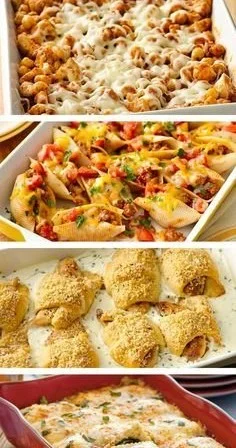
20 Best Casseroles for Busy Nights
20 Best Casseroles for Busy Nights
When weeknights get hectic, a casserole can be your best friend: one-pan prep, forgiving timing, and leftovers that reheat well. Whether you need something kid-friendly, low-effort, or packed with vegetables, this list covers 20 dependable casseroles to rotate into your dinner plan. If you’re juggling newborn sleep schedules while planning meals, you might also find it helpful to review the best crib for a newborn to make evenings run a little smoother.
Below are 20 casserole ideas with quick notes on what makes each one work for busy households and simple swap suggestions to keep them fresh.
Cheesy Chicken and Rice Casserole
A classic: shredded rotisserie chicken, long-grain rice, cream soup or homemade béchamel, and plenty of cheddar. Swap in brown rice and extra broth for a whole-grain version (add more liquid and extra bake time).One-Pan Taco Casserole
Ground beef or turkey, taco seasoning, corn, beans, and tortilla chips topped with cheese. Serve with salsa and plain yogurt for a fast crowd-pleaser.Tuna Noodle Casserole with Crispy Topping
Comfort food at its best — canned tuna, egg noodles, peas, creamy sauce and breadcrumbs or crushed potato chips for texture.Baked Ziti with Spinach
Pasta, marinara, ricotta, mozzarella, and a handful of frozen spinach for an easy veggie boost. Assemble ahead and bake when ready.Broccoli, Ham, and Cheese Bake
Diced ham, frozen broccoli, pasta or potatoes, and a creamy cheddar sauce. Great for using holiday ham leftovers.Shepherd’s Pie Casserole
Ground lamb or beef with veggies in gravy, topped with mashed potatoes. Use pre-made mashed potatoes to save time.BBQ Chicken and Sweet Potato Casserole
Shredded BBQ chicken mixed with roasted or cubed sweet potatoes, topped with scallions and cheddar — sweet, smoky, and filling.Mexican Layered Casserole (Enchilada Style)
Layers of tortillas, seasoned meat or beans, enchilada sauce, and cheese. Assemble, cover, and freeze for later baking.Spinach and Artichoke Pasta Bake
Inspired by the dip — combine cooked pasta, chopped artichoke hearts, spinach, cream cheese, and Parmesan, then bake until bubbling.Sausage, Potato, and Pepper Casserole
Sliced sausages, thinly sliced potatoes, bell peppers, and onions tossed with olive oil and herbs, roasted in a baking dish.Mediterranean Eggplant and Chickpea Bake
Roasted eggplant, chickpeas, tomatoes, garlic, and feta for a vegetarian casserole with robust flavors.Breakfast Casserole (Egg, Sausage, and Hashbrown)
Whisked eggs, cooked sausage or bacon, shredded hashbrowns, and cheese. Make it the night before and bake in the morning.Cheesy Cauliflower and Bacon Casserole
Steam cauliflower florets, mix with a light cheese sauce and crisp bacon, then bake until the top is golden.Greek Pastitsio-Inspired Bake
Layers of tubular pasta, spiced meat sauce, and a creamy béchamel for a comforting dish that freezes well in portions.Lentil and Vegetable Shepherdless Pie
A hearty vegetarian alternative using lentils for protein under a mashed potato topping — great for meat-free Mondays.Creamy Mushroom and Chicken Casserole
Sautéed mushrooms and chicken in a creamy herb sauce over rice or noodles; use pre-sliced mushrooms and rotisserie chicken to speed prep.Philly Cheesesteak Casserole
Thinly sliced beef, onions, peppers, and provolone over pasta or in a bread-based strata — all the sandwich flavors in casserole form.Pesto Tortellini Bake
Cheese tortellini mixed with pesto, cherry tomatoes, and mozzarella — quick, bright, and kid-friendly.Curried Cauliflower and Chickpea Bake
A fragrant, spiced casserole that pairs roasted cauliflower and chickpeas with a yogurt-based or coconut curry sauce for warmth and depth.Ratatouille-Style Vegetable Gratin
Layered summer vegetables with tomato, herbs, and a sprinkling of Parmesan — simple, colorful, and healthy.
Quick tips for busy-night success
- Assemble the casserole the night before and refrigerate; bake from chilled, adding a few extra minutes.
- Use rotisserie chicken, canned beans, or pre-cooked grains to cut prep time dramatically.
- Freeze single-size portions in oven-safe containers for fast reheating on nights you need a no-thought dinner.
- Keep staple ingredients on hand: canned tomatoes, cream soups or shelf-stable alternatives, cheeses that freeze well, and a few frozen vegetable varieties.
- Need a light-hearted icebreaker to keep kids smiling while dinner cooks? Try a short, silly line from the list of the best jokes about anger for kids to diffuse crankiness at the table.
Conclusion
Casseroles make weeknight dinners doable without sacrificing flavor. For more inspiration and simple recipes you can prep quickly, see this curated collection of 20 Crazy Easy Dinner Casseroles Your Family Will Love and the useful roundup of 25 Lazy Casserole Recipes You’ll Make Over and Over – Allrecipes.
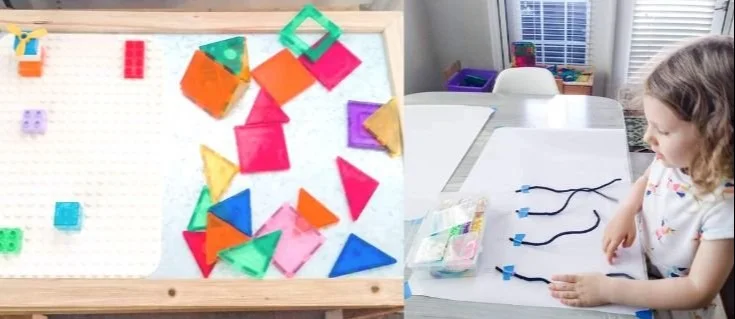
Pre-K at Home Daily Schedule
Pre-K at Home: A Daily Schedule That Works
Creating a predictable, flexible daily rhythm for pre-Kers makes learning, play, and family life flow more smoothly. Routines help children feel secure, build independence, and provide natural opportunities for language, motor skills, and social-emotional growth. If you’re juggling naps and bedtime while establishing your pre-K routine, this guide to a 14-month-old sleep schedule offers helpful sleep-structure tips you can adapt as your child grows.
This article lays out a sample day, activity ideas, transition tips, and ways to customize the schedule to fit your family.
Why a Routine Matters
Young children thrive on predictability. A consistent daily flow reduces meltdowns because kids know what comes next. Routines also let you intentionally build learning moments into ordinary tasks — like counting snacks, naming colors during dressing time, or practicing fine motor skills at snack setup. Keep the framework steady, but allow flexibility for sick days, travel, and natural variation in your child’s energy.
Sample At-Home Pre-K Daily Schedule
Below is a flexible, balanced example you can shift earlier or later based on your family’s rhythm.
- 7:00–8:00 — Wake, morning hygiene, breakfast, and a short free-play warm-up
- 8:00–9:00 — Circle time: calendar, weather, a letter/sound or number focus, and a short story
- 9:00–9:30 — Hands-on learning activity: sensory bin, counting games, or a simple science exploration
- 9:30–10:00 — Outdoor play: gross-motor time at a park, backyard, or walk
- 10:00–10:30 — Snack and independent play with puzzles or books
- 10:30–11:00 — Art and creativity: process art, playdough, or cutting practice
- 11:00–11:30 — Music and movement: songs, rhythm instruments, and dance
- 11:30–12:30 — Lunch and wind-down (quiet books, cuddles)
- 12:30–2:30 — Nap/rest time (adjust length by child)
- 2:30–3:00 — Calm wake-up routine and snack
- 3:00–4:00 — Small-group learning: letters, counting games, or simple worksheets adapted to play
- 4:00–5:00 — Free choice play and family time; involve children in simple chores for practical life skills
- 5:00–6:00 — Dinner, evening routine, and a bedtime story by 7:00
This schedule blends structured learning segments with ample free play and outdoor time — both crucial for pre-K development.
Activity Ideas by Domain
- Language & Literacy: Shared book reading with follow-up questions, story retelling with puppets, and rhyming games.
- Math Readiness: Sorting objects by size/color, counting daily items during snack, building towers to explore patterns.
- Fine Motor: Bead stringing, sticker activities, cutting with child-safe scissors, and simple lacing cards.
- Science & Sensory: Nature scavenger hunts, water play, magnet exploration, and sink/float experiments.
- Social-Emotional: Role-play with dolls or puppets, turn-taking board games, and feeling charades using picture cards.
- Gross Motor: Obstacle courses, jump-and-count games, and ball skills.
Switch activities every 15–30 minutes depending on interest and attention span; longer for child-led play sessions.
Transitions and Time Management
Transitions can be the hardest part of a home schedule. Use short songs, timers, or a visual schedule with pictures to cue what’s next. Offer two-minute warnings and involve children in the process (e.g., “Pick up two toys, then it’s time to wash hands”). Keep expectations simple and consistent — move from a high-energy activity to a quieter one gradually.
Week-to-Week Variety
Rotate themes across the week (letters, numbers, animals, community helpers) so children revisit concepts without boredom. Reserve one day for field trips or neighborhood exploration and another for creative arts so every week feels fresh.
Tips for Success
- Plan ahead: Prepare materials the night before to reduce morning scramble.
- Follow the child’s lead: If a child is deeply engaged, extend play; if they’re restless, switch to movement.
- Involve siblings: Design parallel activities so older and younger children can participate together.
- Limit screen time: Use short, educational videos sparingly and pair them with hands-on follow-ups.
- Celebrate small wins: Praise effort and curiosity, not just correct answers.
To celebrate milestones and capture your child’s growth through pre-K, check creative maternity photoshoot ideas that inspire at-home photo sessions and memory-making.
Conclusion
For more examples of a homeschool preschool daily rhythm that you can adapt to your family, see this practical outline from Treehouse Schoolhouse’s homeschool preschool daily rhythm.
If you’d like another perspective on structuring a consistent preschool day at home, this helpful sample from Confessions of a Homeschooler offers concrete time blocks and activity suggestions in their Daily Homeschool Schedule: Preschool.
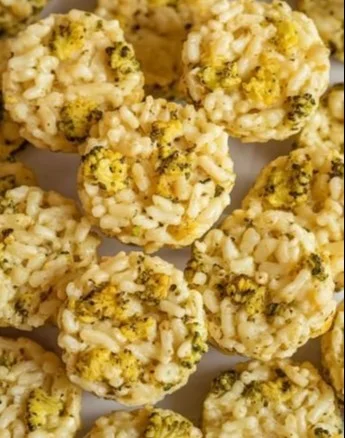
63 Simple Toddler Meal Prep Ideas They Will Actually Eat
Getting toddlers to eat well every day can feel like a juggling act. The key is variety, kid-friendly textures, and easy reheating or grab-and-go options. Below you’ll find grouped ideas, tips for batch cooking and storage, plus a simple weekly plan to help you rotate meals without burnout. For more inspiration on building balanced toddler plates, check out these easy toddler meal ideas.
How to use this list
- Pick a few ideas from each category (breakfast, lunch, dinner, snacks).
- Prep components in bulk (grains, proteins, roasted veggies).
- Assemble and store portions for quick reheating or cold serving.
- Keep one “familiar favorite” each day to reduce mealtime resistance.
Breakfast ideas (12)
- Mini spinach and cheese frittatas (baked in muffin tins)
- Banana-oat pancakes (freeze and reheat)
- Greek yogurt parfait with fruit and crushed graham crackers
- Cottage cheese with peaches and cinnamon
- Mini whole-grain waffles with nut butter or yogurt dip
- Overnight oats with mashed banana and a dash of vanilla
- Scrambled eggs with soft, diced avocado
- Smoothie packs (frozen fruit + spinach; blend with milk)
- Mashed sweet potato with cinnamon and a dollop of yogurt
- Applesauce and ricotta on toast fingers
- Soft fruit and cream cheese roll-ups in a whole-wheat tortilla
- Baked oatmeal cups with berries
Lunch ideas (15)
- Mild chicken curry with rice (shredded chicken, soft veggies)
- Turkey and cheese roll-ups with thin cucumber sticks
- Soft pita pockets filled with hummus and roasted veggies
- Mini meatballs with small pasta shapes and tomato sauce
- Quinoa mixed with black beans, corn, and mild salsa
- Fish sticks (homemade baked) with mashed peas
- Soft taco bowls (ground turkey, beans, avocado)
- Cheesy vegetable quesadillas cut into wedges
- Lentil and vegetable stew (thick, spoonable)
- Egg salad sliders on soft dinner rolls
- Baked potato cubes with mild shredded cheddar and broccoli
- Chicken and apple salad (shredded chicken, finely diced apple)
- Veggie-packed fried rice with scrambled egg
- Mild dal with soft rice (great for introducing spices)
- Mini-loaded nachos: tortilla chips topped with cheese and beans
Dinner ideas (14)
- Baked salmon flakes with mashed parsnip
- Turkey or beef sliders with sweet potato fries
- Pasta with hidden-veg tomato sauce (puree carrots/zucchini into sauce)
- Slow-cooker shredded chicken with mild BBQ glaze and soft buns
- Stir-fried soft veggies with tofu cubes and soy-ginger sauce (low sodium)
- Shepherd’s pie with mashed potato topping
- Creamy polenta with steamed veggies and Parmesan
- Chicken pot pie filling served over biscuits
- Soft lentil patties with yogurt dip
- Mild chili with beans and diced soft veggies (serve spoonable)
- Baked mac and cheese with pureed cauliflower mixed in
- Vegetable and turkey meatloaf muffins
- Creamy mushroom barley (use low-sodium broth)
- Rice porridge (congee) with shredded chicken and finely chopped greens
Snack & treat ideas (10)
- Sliced soft fruits with nut or seed butter
- Yogurt frozen into small silicone molds
- Homemade fruit leather (pureed fruit, dehydrated)
- Baked banana chips (soft, not crunchy)
- Cheese cubes and mild olives (pitted, quartered)
- Mini rice cakes topped with mashed avocado
- Mini muffins made with applesauce and carrots
- Cucumber circles topped with cream cheese and dill
- Cottage cheese with diced melon
- For occasional sweets, try these healthy sweet treats for toddlers
Batch-cooking & storage tips
- Cook grains (rice, quinoa) and proteins (chicken, lentils) in big batches and portion into small airtight containers.
- Freeze pancakes, muffins, and meatballs on a tray before bagging to keep them from sticking.
- Label containers with contents and date; rotate older items to the front of the fridge/freezer.
- Use silicone muffin cups for portioned breakfasts, then pop them directly into lunchboxes.
- Keep dips (yogurt, hummus) in small separate containers so finger foods stay crisp.
Texture & presentation tricks toddlers love
- Serve foods in small, colorful cups or bento sections.
- Cut foods into fun shapes with cookie cutters (soft sandwiches, pancakes).
- Offer a mix of textures: a soft main with a slightly firmer veggie or cracker.
- Let kids help assemble parts—simple involvement increases willingness to try.
Safety reminders
- Always cut grapes, cherry tomatoes, and other round foods in half (or quarters) to reduce choking risk.
- Avoid whole nuts for toddlers under 4; use smooth nut butters as alternatives.
- Watch for allergy introductions; introduce new foods one at a time and monitor.
Sample 3-day toddler-friendly meal plan (prep-friendly)
Day 1
- Breakfast: Mini spinach and cheese frittata + sliced pear
- Lunch: Mini meatballs with small pasta + steamed carrots
- Snack: Yogurt mold
- Dinner: Baked salmon flakes with mashed parsnip
Day 2
- Breakfast: Banana-oat pancakes (frozen, reheated) + milk
- Lunch: Soft pita with hummus, diced cucumber, and roasted pepper
- Snack: Cottage cheese with melon
- Dinner: Chicken pot pie filling over biscuits
Day 3
- Breakfast: Overnight oats with mashed banana
- Lunch: Lentil and vegetable stew + soft bread for dipping
- Snack: Apple slices with smooth almond butter (or sunflower seed butter)
- Dinner: Pasta with hidden-veg tomato sauce + steamed peas
Rotate and swap components to keep meals novel without extra cooking.
Quick shopping checklist (bulk-friendly)
- Eggs, Greek yogurt, cheese
- Oats, whole-grain flour, quinoa, rice
- Chicken breast/thighs, ground turkey, canned beans
- Fresh produce: bananas, berries, sweet potatoes, carrots, spinach
- Healthy fats: avocado, olive oil, nut/seed butters
- Low-sodium broth and mild spices (cinnamon, mild paprika)
Final tips for picky phases
- Keep trying: toddlers may need 10–15 exposures to accept a new food.
- Pair a new item with a beloved one to increase acceptance.
- Make mealtimes relaxed—pressure can backfire. Praise small wins.
Conclusion
If you’re interested in the latest findings about child nutrition and family health programs, the University of Florida news site regularly posts research and practical guidance that can inform your meal planning. For adults planning family meals on a budget while keeping nutrition in mind, this 30-day Mediterranean budget meal plan created by a dietitian offers useful ideas that can be adapted for toddler-friendly versions.
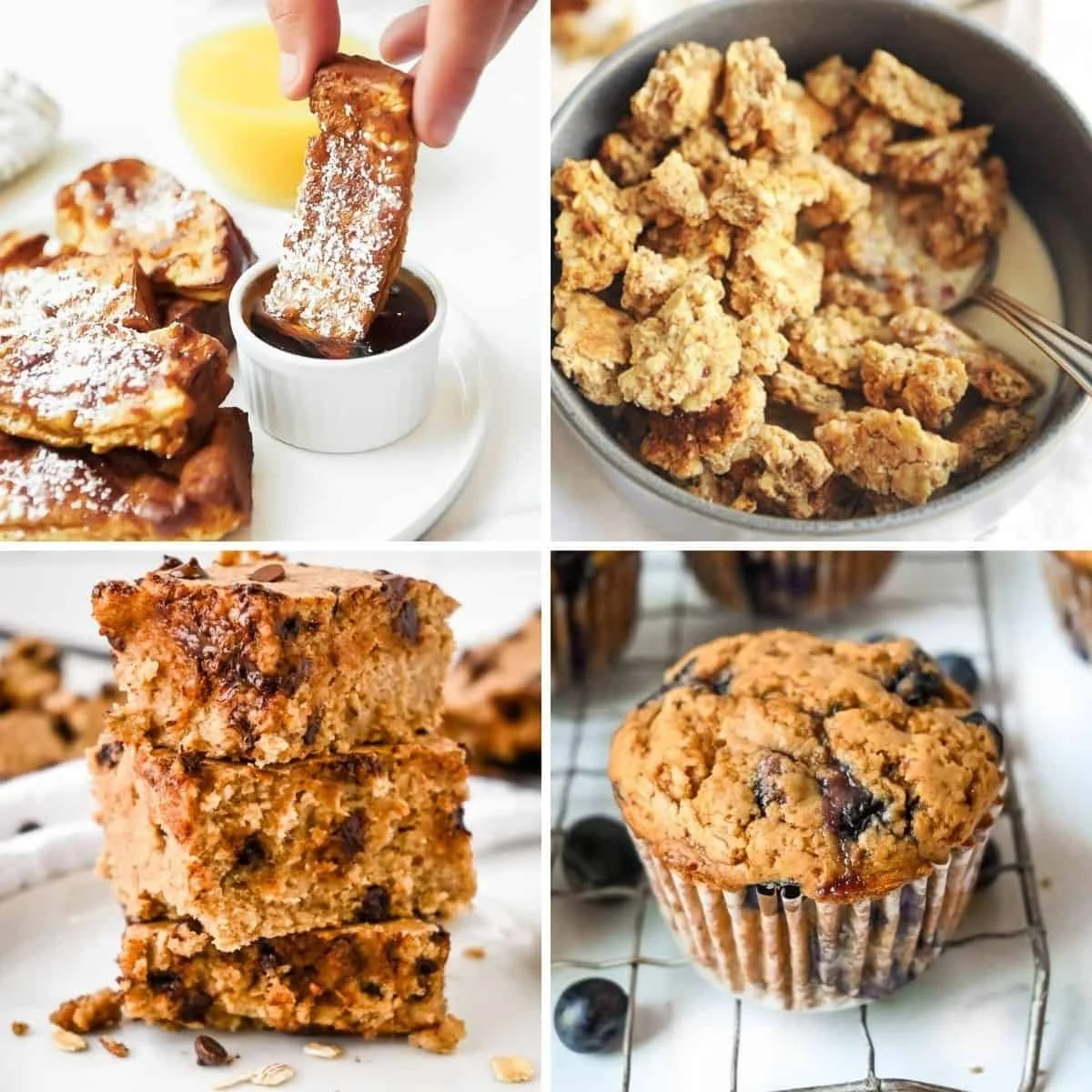
Breakfast ideas for kids
Breakfast Ideas for Kids
Mornings can be hectic, but a nutritious, appealing breakfast sets kids up for a day of learning and play. Small changes to familiar favorites, colorful presentation, and a few make-ahead options can transform rushed routines into calm, cheerful starts. If you have a toddler, explore practical tips for breakfast ideas for 1-year-olds to keep meals safe and simple.
Quick and Balanced Ideas (under 10 minutes)
- Peanut butter and banana toast: whole-grain bread, a thin spread of peanut butter (or sunflower seed butter), and banana slices. Add a drizzle of honey for kids over one year.
- Yogurt parfaits: plain or lightly sweetened yogurt layered with fruit and a sprinkle of granola. Use unsweetened options and let kids help add toppings.
- Scrambled eggs with spinach: fold in finely chopped spinach and a little cheese for extra nutrients and kid-friendly flavor.
- Smoothie bowls: blend milk or yogurt with fruit and a handful of oats; top with berries and a few seeds for crunch.
Make-Ahead Favorites
- Baked oatmeal cups: prepare a batch on the weekend and refrigerate or freeze individual portions for quick reheating.
- Mini frittatas: bake in a muffin tin with veggies and cheese — great cold or warm and easy for little hands.
- Overnight oats: combine oats, milk, and fruit in jars the night before for grab-and-go mornings.
Fun Presentation Ideas
- Face or animal plates: use fruit and yogurt to create faces on pancakes or toast to entice picky eaters.
- Bento-style trays: portion small servings of different foods so kids can pick what they like without feeling overwhelmed.
Nutritious Swaps and Add-Ins
- Swap refined cereals for whole-grain options and add a portion of fruit to increase fiber and vitamins.
- Mix seeds (chia, flax) into yogurt or smoothies for omega-3s and texture.
- Offer a source of protein (eggs, Greek yogurt, cottage cheese, nut butter) to keep kids full longer.
Handling Picky Eaters
- Offer one new item alongside two familiar choices — that reduces pressure and increases the chance they’ll try something new.
- Let kids participate in breakfast prep; involvement often increases willingness to taste.
- Keep portion sizes small so a refusal doesn’t mean wasted food or a full redo.
On-the-Go and Packed Breakfasts
- Wraps with scrambled eggs and cheese are portable and can be made the night before.
- Muffins made with vegetables and fruit offer a sneaky nutrient boost.
- For school mornings, consider packing components that don’t require reheating and can be assembled by the child.
If you want more ideas for midday meals that pair well with morning routines, you might also find helpful suggestions for cold lunch ideas for kids that are easy to prepare and pack.
Conclusion
For a wide variety of kid-tested morning meals, check out this collection of 35 breakfast recipes my kids love which includes sweet and savory options across ages. If you need a week’s worth of super-quick breakfasts, see the roundup titled One Week of Kid Breakfasts in 5 Minutes (or Less) for fast, repeatable ideas.
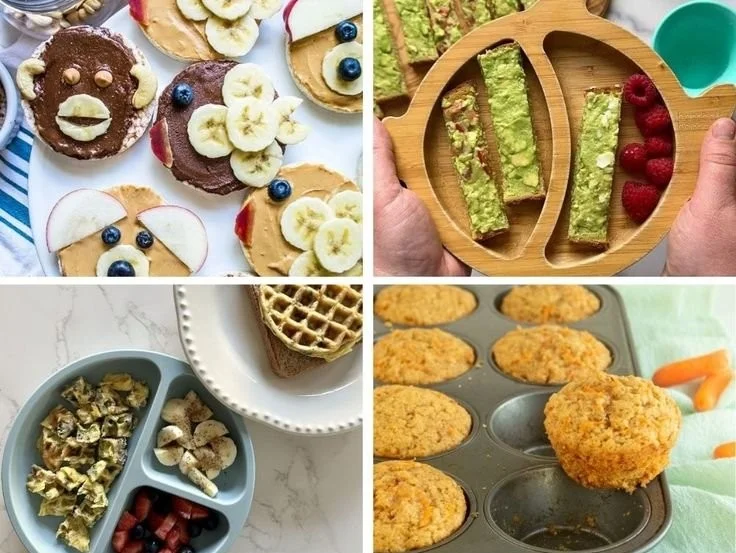
30+ Snacks for 2 Year Olds That Keep Them Full & Happy
30+ Snacks for 2-Year-Olds That Keep Them Full & Happy
Toddlers are busy little people with big appetites for exploring — and often small stomachs that need frequent, nutritious snacks. Below are more than 30 simple, toddler-tested snack ideas, plus serving tips, texture notes, and allergy-friendly swaps to help keep your 2-year-old satisfied between meals.
If you’re short on time or want options that need minimal prep, check out this roundup of no-cook snack ideas for preschoolers for inspiration you can adapt to younger toddlers.
Snack categories and ideas
Fresh fruit (soft and bite-sized)
- Banana slices or small chunks
- Soft-cooked apple pieces (peeled)
- Ripe pear, diced
- Blueberries, halved if large
Veggies made inviting
- Steamed carrot sticks (cut to size)
- Soft-cooked sweet potato cubes
- Avocado cubes or mashed on toast
- Cucumber rounds (peeled if skin is tough)
Protein-rich bites
- Small pieces of mild cheese (mozzarella, cheddar)
- Scrambled egg, cooled and diced
- Cottage cheese with soft fruit
- Shredded chicken mixed with a little yogurt
Whole-grain and fiber options
- Whole-grain mini pancakes (cut into strips)
- Oatmeal made thick, cooled, and served with fruit
- Whole-grain crackers with hummus
- Soft whole-wheat pita, sliced into fingers
Dips and spreads (great for finger-feeding practice)
- Hummus with soft veggie sticks
- Yogurt dip with fruit pieces
- Nut or seed butter (thinly spread), with apple slices or crackers — substitute sunflower seed butter if nut-free is needed
Hand-held combos
- Mini quesadilla (cheese and mashed beans)
- Turkey or chicken roll-ups (thin slices rolled around soft cheese)
- Bean and rice balls (soft and small)
- Soft meatballs cut into toddler-friendly pieces
Easy sweet treats (healthier)
- Yogurt and mashed banana parfait
- Smooth fruit puree poured into silicone molds and frozen
- No-bake oat bites made with mashed banana and oats
- Baked apple chips (lightly sweetened) — keep pieces soft
Textures to avoid or modify
- Avoid whole grapes, popcorn, hard candy, and large chunks of raw apple or carrot; always cut grapes and cherry tomatoes lengthwise and cook hard vegetables until soft.
- Toast and chips should be softened with spreads or served in small, manageable pieces.
Quick recipes and prep tips
- Mini pancake fingers: make a batch on the weekend, freeze, then thaw a few for quick snacks. Serve with mashed fruit or a thin layer of spread.
- Oat balls: mix rolled oats, mashed banana, a little nut/seed butter, and raisins (finely chopped). Roll into small balls and chill.
- Egg muffin cups: whisk eggs with grated veggies and cheese, bake in a muffin tray, cool, and refrigerate for grab-and-go snacks.
- Yogurt bark: spread Greek yogurt on a tray, top with soft fruit, freeze, and break into toddler-sized pieces.
Keep portions toddler-sized — a few bites at a time — and offer water with snacks. Rotate textures and flavors to help toddlers develop varied tastes and avoid getting stuck on one food.
Safety and allergy notes
- Always supervise snack time and encourage sitting down while eating.
- Cut foods into small, manageable pieces and avoid whole nuts, large grapes, or hard candies.
- Introduce new foods one at a time, watching for reactions if allergies are a concern.
- For families with nut allergies, swap nut butter for seed butters or hummus.
When snacks become meals (and when they shouldn’t)
Toddlers sometimes graze so much that they skip meals. Aim for a rhythm: three small meals and two to three snacks daily. Make snacks nutrient-dense (protein + carbohydrate + fruit/veggie) to keep energy steady and avoid constant grazing.
For inspiration on quick sweet snack projects, try a simple, child-friendly batch from this collection of no-bake cookie recipes for kids and adapt portions for your toddler.
Packing snacks for outings
- Use small containers or silicone pouches so portions aren’t overwhelming.
- Keep a mix of textures: one soft fruit, one protein, one grain.
- Pack wet wipes and a small bib or napkin — toddlers often need help at snack time away from home.
Conclusion
If you’re looking for broader life and parenting perspectives while balancing time with toddlers, this thoughtful essay on mid-life perspective, I’m 38. If You’re in Your 20’s or 30’s, Read This., offers reflective ideas that many parents find useful. For guidance on healthy emotional boundaries in parenting and how they affect children, consider reading When A Parent Needs Too Much: How Enmeshment Hurts A Child.
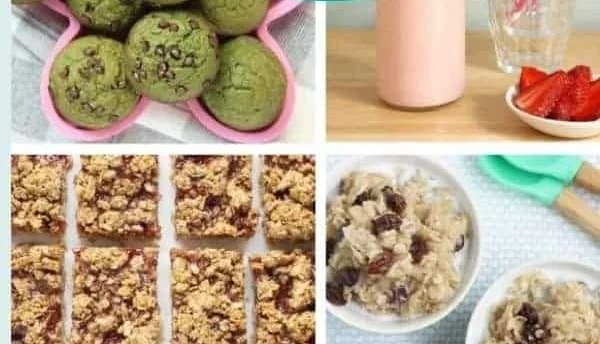
25 Favorite Make-Ahead Breakfasts
25 Make-Ahead Breakfasts to Simplify Your Mornings
Mornings are hectic, and having ready-to-go breakfasts can be a game changer. This guide gathers 25 make-ahead breakfast ideas—sweet, savory, kid-friendly, and healthy—plus tips for prepping, storing, and reheating so you can reclaim time without sacrificing nutrition. If you’re planning family breakfasts, our favorite kid meals roundup pairs well with these make-ahead ideas.
Why make-ahead breakfasts work
- Save time on weekday mornings.
- Reduce decision fatigue and impulse choices.
- Encourage healthier eating by prepping balanced options in advance.
- Make it easier to feed picky eaters when options are portioned and ready.
Quick tips before you prep
- Label containers with dates and contents.
- Portion into single-serve containers for grab-and-go convenience.
- Use freezer-safe containers for longer storage and thaw overnight in the fridge.
- Reheat gently to preserve texture (microwave on medium, or warm in oven/toaster oven).
25 favorite make-ahead breakfasts
- Overnight oats (classic, chia, or fruit-swapped)
- Baked oatmeal bars (berries, bananas, or chocolate chip)
- Egg muffins with veggies and cheese
- Breakfast burritos (freeze individually; reheat in microwave)
- Yogurt parfait jars layered with granola and fruit
- French toast casserole (bake the night before; warm in morning)
- Smoothie packs (freeze ingredients in bags; blend with liquid)
- Quiche Lorraine or crustless quiche (slice and reheat)
- Banana bread or zucchini muffins (slice and freeze)
- Savory strata with sausage, spinach, and cheese
- Protein pancake batter pre-mixed and frozen as patties
- Chia seed pudding cups topped with fruit
- Cottage cheese and fruit bowls pre-portioned
- Grain bowls with roasted sweet potato, greens, and egg (egg separate)
- Apple-cinnamon steel-cut oats (stovetop or slow cooker batch)
- Breakfast cookies with oats, nut butter, and dried fruit
- Mini frittatas baked in muffin tins (freeze and reheat)
- Savory hand pies or empanadas filled with eggs or potatoes
- Pre-made smoothie jars (just pour and blend)
- Oat and yogurt breakfast cake (slice and serve)
- Muesli jars that soak overnight with milk or yogurt
- Savory overnight polenta topped with cheese and herbs
- Tofu scramble cups for plant-based protein on the run
- Bagel sandwiches assembled and wrapped to toast quickly
- Steel-cut oats reheated with mix-ins stored separately
Meal-prep schedule
- Sunday batch day: choose 3–5 recipes to prepare and portion for the week.
- Midweek refresh: freeze half of your batch and replenish with a fresh mini-bake or muffin run.
- Use labeled freezer-to-fridge rotation so older items are used first.
Storage and reheating guide
- Refrigerate most items for 3–5 days; freeze for 1–3 months depending on the ingredient.
- Reheat eggs gently to avoid rubberiness—lower power on the microwave or warm in a covered skillet.
- Crisp items (like French toast or bagels) re-crisp in a toaster oven rather than the microwave.
Kid-friendly variations and tips
- Keep flavors simple for picky eaters and offer dips like yogurt or applesauce on the side.
- Cut portions into fun shapes or make a “breakfast tasting board” with a few small items.
- For more ideas to please picky eaters, see our collection of top favorite kid meals.
Make-ahead breakfast pantry staples
- Rolled oats, steel-cut oats, and chia seeds
- Whole-grain flours and quick oats for baking
- Eggs, tofu, and shelf-stable milk alternatives
- Frozen fruits and vegetables for smoothies and bakes
- Single-serve containers, silicone muffin tins, and freezer bags
Reheating safety and best practices
- Bring refrigerated items to a safe internal temp of 165°F (74°C) when reheating leftovers that contain eggs or meat.
- Thaw frozen breakfasts overnight in the fridge whenever possible to preserve texture.
- For busy mornings without an oven, use the microwave on medium power in short bursts to avoid overcooking.
Planning for variety
- Rotate themes by week: sweet week, savory week, quick-smoothie week.
- Prep foundational components (cooked grains, roasted veggies, baked proteins) and mix-and-match mornings.
- Keep one “emergency” stash in the freezer for unexpected mornings.
Conclusion
For a broad, kid-friendly roundup of make-ahead recipes with step-by-step instructions, explore 25 Favorite Make-Ahead Breakfasts (Easy and Kid-Friendly!). If you prefer more healthy grab-and-go options geared toward busy schedules, check out Make Ahead Breakfast Ideas for Busy Weeks – Kristine’s Kitchen.

75 Toddler Meals For Picky Eaters (Easy & Tasty)
Toddlers can be fiercely particular about what — and how — they eat. This guide reframes picky eating as a design problem: change texture, shape, color, or presentation and you’ll often change the outcome. For portable or school-time options, consider these tried-and-true school lunch ideas for picky eaters that older toddlers often accept.
Below you’ll find practical strategies, flavor combinations, and lots of simple meal ideas you can mix and match to reach a target of 75 variations without stress.
Why picky eating is normal
- Developmental independence: toddlers assert control by picking foods.
- Sensory sensitivity: taste, texture, and temperature all matter.
- Learned behavior: repetition helps — exposure without pressure increases acceptance.
Understanding these reasons helps you plan meals that are more likely to succeed.
Meal-building basics for success
- Keep portions small and low-pressure: bite-sized servings reduce overwhelm.
- Combine a familiar with a new item: a trusted food acts as a bridge.
- Play with texture: crunchy apple slices vs. soft applesauce — one might win.
- Use fun shapes and colors: cookie cutters, skewers, or faces on plates boost interest.
- Prioritize protein + fat + carb at each meal for staying power and mood stability.
For picky eaters who react to texture, try alternating soft and crisp elements within a plate to increase acceptance over time.
Quick breakfast ideas (10+ variations)
- Mini omelette muffins with spinach and cheddar
- Banana and peanut butter on toast (cut into fun shapes)
- Yogurt parfait with granola, mashed berries, and a drizzle of honey (for older toddlers)
- Oatmeal made with fruit purée stirred in
- Pancake dippers: small pancakes with a side of fruit purée
- Cottage cheese with diced peaches
- Smoothie bowls: blend yogurt + banana + spinach, topped with seeds
- Egg-in-a-hole toast cut into soldiers
- Ricotta spread on toast with pear slices
- Breakfast quesadilla with scrambled egg and cheese
Lunch & snack ideas (15+ variations)
- Mini pita pockets with shredded chicken and mild BBQ or yogurt sauce
- Hummus and soft pita wedges with cucumber sticks
- Sandwich roll-ups: deli meat and cheese rolled and sliced
- Veggie-loaded grilled cheese (pulverized steamed veggies mixed with cheese)
- Pasta salad with peas, cubed cheese, and a light vinaigrette
- Meatballs made with hidden grated zucchini and carrot
- Rice bowls: soft rice topped with mild curry or tomato sauce and small protein pieces
- Baked sweet potato cubes with cinnamon yogurt dip
- Cheese and fruit kabobs (soft fruits for toddlers)
- Avocado toast with a sprinkle of sesame seeds
- Cold quesadilla triangles with mashed beans and cheese
- Bean fritters served with applesauce
- Apple slices with sunflower or nut butter for older toddlers (and supervised)
- Mini rice cakes with cream cheese and jam
- Soft tortilla pizzas with simple tomato and shredded cheese
Dinner ideas (15+ variations)
- Hidden-veg spaghetti sauce over small pasta shapes
- Tiny turkey or chicken sliders on soft buns
- Baked fish sticks with a crunchy crumb and mild tartar dip
- Stir-fry with baby-friendly vegetables and tender meat strips
- Shepherd’s pie with smooth mashed potato topping
- Baked macaroni and cheese with pureed butternut mixed into the cheese
- Stuffed bell pepper halves with quinoa and mild-seasoned meat
- Vegetable and cheese frittata squares
- Pancake-style potato latkes with applesauce
- Soft tacos with mashed beans and shredded cheese
- Slow-cooker shredded chicken with soft carrots and potatoes
- Salmon patties with mashed peas
- Broccoli-cheddar rice casserole
- Mini calzones filled with cheese and mild vegetables
- Teriyaki meatballs with steamed broccoli florets
Fruits, veggies & snacks (10+ variations)
- Smooth applesauce cups — try warming slightly for a different texture
- Sliced bananas with a light sprinkle of cinnamon
- Steamed carrot coins with a mild honey-yogurt dip
- Frozen yogurt bites made from mashed berries and plain yogurt
- Cucumber ribbons with cream cheese swirl
- Soft pear pieces or ripe mango cubes
- Roasted butternut or sweet potato cubes
- Mashed avocado on toast with a tiny squeeze of lemon
- Soft berries mixed into cottage cheese
- Fruit smoothies poured into fun straws or ice pop molds
For a simple, nutritious option, apples work in many formats; learn more about the benefits of apples for toddlers and how to serve them safely.
Simple recipe templates to customize (3 easy formulas)
- Grain + Protein + Veg: e.g., quinoa + shredded chicken + finely diced cooked carrots tossed with olive oil and a squeeze of lemon.
- Spoonable Bowl: creamy base (mashed potatoes or yogurt) + soft protein (crumbled tofu or flaked fish) + mild seasoning.
- Dipper Plate: small cubes of cheese or beans + soft bread or pita + cooked vegetable sticks and a dipping sauce.
Rotate toppings, shapes, and textures rather than introducing wholly new ingredients each night. Small changes often produce big wins.
Tips for dealing with rejection
- Offer one-bite rule: encourage one bite but don’t force finishing.
- Repeat exposure: it can take 10–15 tries before a toddler accepts a food.
- Stay calm: pressure increases resistance.
- Model enjoyment: eat the food yourself with expressive pleasure.
- Let them help: toddlers who help stir, sprinkle, or assemble are likelier to taste.
Safety and nutrition reminders
- Cut foods into age-appropriate sizes to reduce choking risk.
- Avoid whole nuts and large grape halves for toddlers under the advised age.
- Keep added sugar and salt low; use natural flavors like cinnamon, lemon, and mild herbs.
Meal-planning sample week
- Monday: hidden-veg spaghetti + steamed peas
- Tuesday: mini omelette muffins + fruit
- Wednesday: chicken pita pockets + carrot sticks
- Thursday: baked fish sticks + mashed sweet potato
- Friday: quesadilla triangles + mild salsa (on the side)
- Saturday: baked meatballs + soft rice
- Sunday: veggie-cheddar frittata + pear slices
Swap components to create dozens of variations while keeping shopping and prep simple.
Conclusion
If you want more dinner ideas packed with quick, kid-friendly recipes, check out Delish’s 75 Best Dinner Ideas for Kids for inspiration. For help matching foods to a child’s sensory preferences and planning meals around texture, see these texture-specific food ideas for kids.
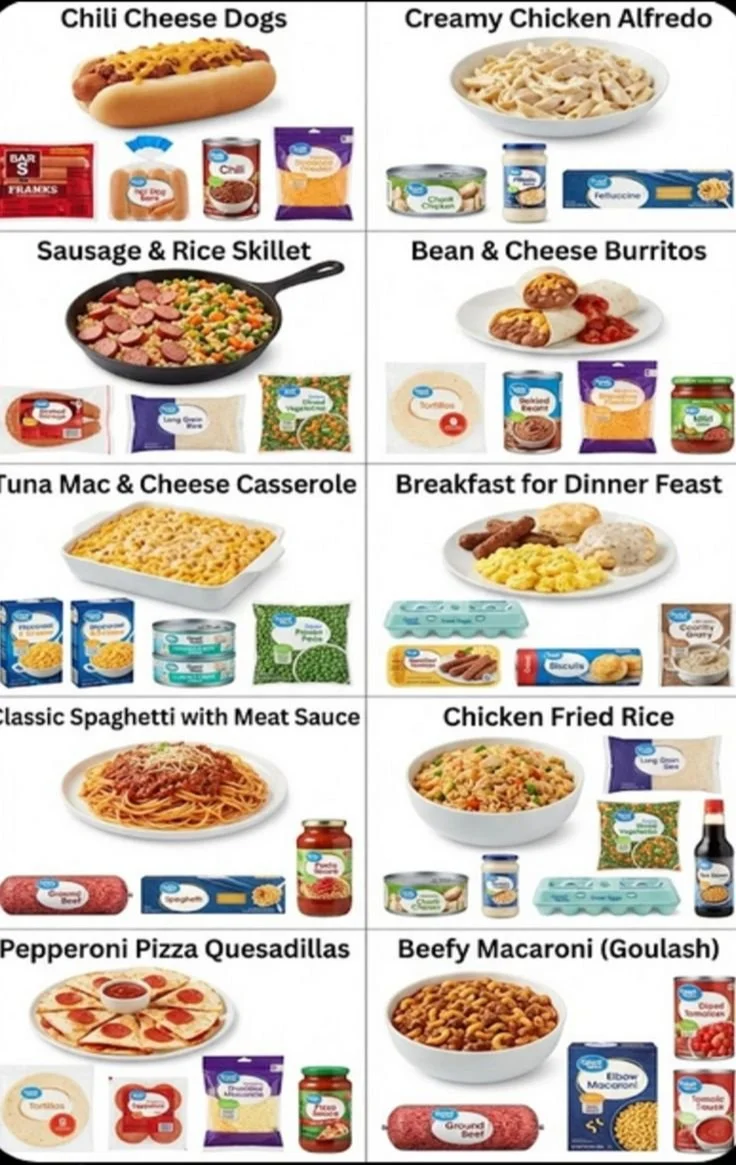
Ten Cost Effective Meals To Make Under $10
Ten Cost-Effective Meals to Make Under $10 (Thrifty Mom Dinner Recipes)
Feeding a family on a tight budget doesn’t mean you have to rely on takeout or bland meals. Below are ten practical, flavorful dinners you can make for roughly $10 or less—many stretch to feed four. If you want a simple, kid-friendly side idea that’s also gluten-free, check this kid-friendly gluten-free potatoes idea for inspiration.
Each recipe includes an estimated total cost (based on common U.S. grocery prices), a short ingredient list, and time-saving tips so you can get dinner on the table fast.
- One-Pot Chicken and Rice — Estimated cost: $8–$10
- Ingredients: bone-in chicken thighs, long-grain rice, onion, carrot, chicken broth, basic spices.
- Why it works: Thighs are inexpensive and flavorful; everything cooks in one pot for easy cleanup. Add frozen peas at the end for color.
- Black Bean and Sweet Potato Tacos — Estimated cost: $6–$9
- Ingredients: canned black beans, sweet potato, tortillas, onion, taco seasoning, lime.
- Why it works: Veg-based, filling, and low-cost. Roast a batch of sweet potatoes and repurpose leftovers for breakfast.
- Pasta with Sauteed Greens and Garlic — Estimated cost: $5–$8
- Ingredients: dried pasta, garlic, a bunch of greens (spinach or kale), olive oil, parmesan (optional).
- Why it works: Pasta is a cheap base and greens add nutrition. Use reserved pasta water to create a silky sauce.
- Lentil Bolognese — Estimated cost: $7–$9
- Ingredients: dried lentils, canned tomatoes, carrot, onion, garlic, Italian seasoning, pasta.
- Why it works: Lentils mimic the texture of ground meat and cost pennies per serving. Make a big pot and freeze portions.
- Budget Beef and Vegetable Stir-Fry — Estimated cost: $9–$10
- Ingredients: thinly sliced beef or flank steak on sale, mixed frozen vegetables, soy sauce, rice.
- Why it works: Use a small amount of beef to flavor a larger quantity of veggies and rice—great for picky eaters.
- Tuna Patties with Salad — Estimated cost: $5–$7
- Ingredients: canned tuna, egg, breadcrumbs (or crushed crackers), onion, lettuce, tomato.
- Why it works: Canned fish is inexpensive and high in protein. Pan-fry a batch and serve with a quick salad.
- Chickpea Curry over Rice — Estimated cost: $6–$8
- Ingredients: canned chickpeas, coconut milk or tomato base, curry powder, onion, rice.
- Why it works: Cheap pantry staples create a hearty, spiced meal. Leftovers taste even better the next day.
- Sheet-Pan Sausage, Potatoes, and Veg — Estimated cost: $8–$10
- Ingredients: budget sausages, baby potatoes, bell pepper, onion, olive oil, seasonings.
- Why it works: Toss on a pan and roast—minimal effort and cleanup. Swap in seasonal vegetables to save more.
- Breakfast for Dinner: Omelet Night — Estimated cost: $4–$7
- Ingredients: eggs, milk, a handful of cheese, leftover veggies or ham, toast.
- Why it works: Eggs are one of the cheapest, most versatile proteins. Stretch servings with a side of toast or fruit.
- Slow-Cooker Pulled Pork Sliders — Estimated cost: $9–$10
- Ingredients: pork shoulder (on sale), BBQ sauce, slider buns or small rolls, coleslaw mix.
- Why it works: Pork shoulder is inexpensive and becomes tender with low-and-slow cooking. Make extra for sandwiches later in the week.
Money-saving tips and tricks
- Buy some staples in bulk (rice, pasta, dried beans, lentils) and portion them; per-serving costs drop significantly.
- Use frozen vegetables when fresh is out of season—they’re often cheaper and just as nutritious.
- Cook once, eat twice: plan to repurpose leftovers into bowls, wraps, or breakfasts.
- Shop the weekly sale flyer and buy meat or pantry items when discounted; freeze what you won’t use immediately.
- Get kids involved to make mealtimes smoother—there are simple behavioral tricks you can use; see this guide to calming and engaging picky kids at dinner for strategies to turn fussy moments into cooperative ones.
Conclusion
For extra recipe ideas that keep family dinners under budget, check out this collection of cheap family meals under $10 which complements the dishes above. If you’re also planning budget-friendly seasonal touches or party snacks, you might enjoy these 10 fun Halloween decor ideas under $10 to keep holiday costs low.

No-Bake Pink Velvet Cheesecake Bites You’ll Adore
No-Bake Pink Velvet Cheesecake Bites You’ll Adore
Introduction
These adorable no-bake pink velvet cheesecake bites are a fuss-free way to bring a splash of color and creamy flavor to any gathering. They require no oven time, little prep, and are perfect for spring parties, baby showers, or a sweet after-school snack. If you’re also exploring simple treats for little hands, check this helpful guide to no-bake cookies for 5-year-olds for kid-friendly inspiration.
Why you’ll love them
- Fast: Ready in about 20–30 minutes plus chilling time.
- No oven: Ideal for hot days or when the oven is in use for other dishes.
- Customizable: Adjust sweetness, color intensity, and decorations easily.
- Bite-sized: Perfect for parties and portion control.
Ingredients (yields ~24 bites)
- 1 1/2 cups graham cracker crumbs (or crushed vanilla wafers)
- 1/3 cup unsalted butter, melted
- 8 oz cream cheese, softened
- 3/4 cup powdered sugar, sifted
- 1 tsp vanilla extract
- 1 cup heavy cream, cold
- 1–2 tsp white vinegar or lemon juice (optional, for tang)
- Pink food coloring (gel gives more vibrant color)
- Optional toppings: white chocolate shavings, freeze-dried raspberry crumbs, sprinkles
Simple method
- Make the crust base: Combine graham cracker crumbs and melted butter until evenly moistened. Press a teaspoon of the crumb mixture into each cavity of a mini muffin pan or silicone mold to form a firm base. Chill while preparing the filling.
- Prepare the cheesecake filling: In a bowl, beat the softened cream cheese until smooth. Add powdered sugar, vanilla extract, and vinegar or lemon juice if using; mix until well combined.
- Whip the cream: In a separate chilled bowl, whip the heavy cream to medium-stiff peaks. Gently fold the whipped cream into the cream cheese mixture until light and airy.
- Color and assemble: Add a few drops of gel food coloring and fold until evenly pink. Spoon or pipe the pink cheesecake mixture over each chilled crust, filling the molds.
- Chill to set: Refrigerate the bites for at least 2 hours, or for a firmer texture, chill overnight.
- Finish and serve: Run a small knife around each bite to loosen from the mold. Top with white chocolate shavings, crushed freeze-dried raspberries, or sprinkles before serving.
Tips for success
- Use full-fat cream cheese for the creamiest texture; lower-fat versions can be grainy.
- Chill your mixing bowl and whisk for the whipped cream to stabilize faster.
- For a smoother base, pulse the crackers to a fine powder before mixing with butter.
- If you want a more pronounced red velvet flavor, fold in a teaspoon of cocoa powder and a drop more vanilla.
Variations
- Raspberry swirl: Fold in a tablespoon of raspberry jam into the filling and swirl gently before chilling.
- Chocolate lover’s: Swap the crust for crushed chocolate wafer cookies and top with cocoa nibs.
- Mini-trifle: Layer one or two bites in a small cup with extra whipped cream and fresh berries for a quick parfait.
Serving and storage
- Serve chilled, straight from the fridge; they soften quickly at room temperature.
- Store in an airtight container in the refrigerator for up to 4 days.
- For longer storage, freeze the bites on a tray until firm, then transfer to a freezer-safe container for up to 1 month. Thaw in the refrigerator before serving.
Pairing ideas
These pink velvet cheesecake bites pair wonderfully with simple beverages like iced tea or a citrus spritzer. They also make a festive addition to dessert tables alongside other no-bake treats—try combining them with kid-friendly snacks for a balanced spread by referencing recipes for easy no-bake cookies suitable for children.
Conclusion
If you enjoyed these no-bake pink velvet cheesecake bites and want more easy no-bake dessert ideas, try this delightful No Bake Peanut Butter Bars with Pretzels recipe for a salty-sweet contrast. For a red-velvet variation in miniature form, this Mini Red Velvet Cheesecakes recipe offers great inspiration and presentation ideas.
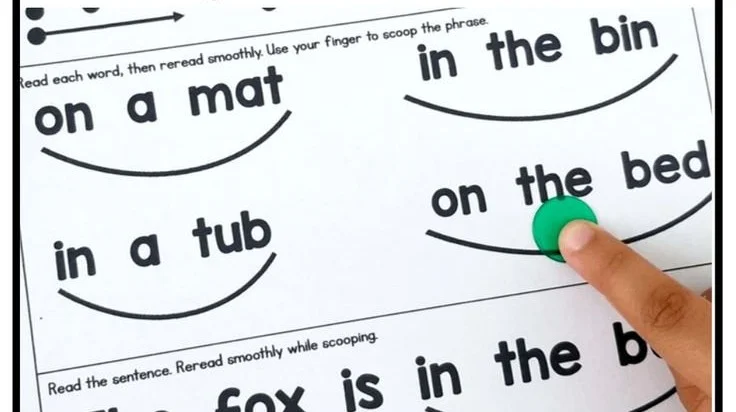
15 Easy Activities to Increase and Practice Fluency
15 Easy Activities to Increase and Practice Fluency
Fluency—the smoothness, accuracy, and expression with which a child reads or speaks—is a key building block for confident communication and stronger comprehension. These 15 easy, low-prep activities can be adapted for preschoolers through older elementary students and used at home, in the classroom, or during tutoring. If you enjoy hands-on learning, pair some of these fluency games with simple materials from this collection of simple craft ideas to make practice more engaging.
How to use this list
- Pick activities that match the child’s age and attention span.
- Start with short practice sessions (5–10 minutes) and increase time as stamina improves.
- Mix spoken and reading fluency routines to build both expression and speed.
- Focus on accuracy first, then on rate and expression.
Activities (1–15)
Echo Reading
Read a short sentence or passage aloud, modeling expression and pacing, then have the child repeat it back. This reinforces phrasing and intonation.Choral Reading
Read together in unison. Choral reading reduces anxiety and helps children match prosody and rhythm.Reader’s Theater
Assign simple roles from a short script or adapted story and perform it with props or puppets. Rehearsal improves expression and automaticity.Timed Re-Reads
Have the child read the same short passage three times while you track time. Celebrate improvements in speed and smoothness rather than raw speed alone.Phrase-Cued Reading
Mark passages with slashes or highlighting to show natural phrase breaks. Practice reading by phrases to avoid word-by-word choppiness.Sight-Word Bingo
Make a bingo card with high-frequency words. When a word is called, the child must read it aloud and use it in a quick sentence.Fluency Charades
Write short phrases or lines from a story on slips of paper. The child draws a slip and acts or says the phrase with expression. For quieter indoor days, combine this with other play ideas from these indoor activity suggestions to keep energy contained and productive.Paired Reading
Pair a stronger reader with a developing reader. The stronger reader models fluency, then the partner reads the same portion aloud with support.Reading Relay
Divide a story into short chunks. Each child reads a chunk and passes the book to the next reader—good for classrooms to maintain engagement.Record and Replay
Use a phone or tablet to record short readings. Playing them back lets children hear their own pacing and expression and track progress over time.Punctuation Practice
Create short sentences that emphasize different punctuation (commas, question marks, exclamation points) and practice reading them with appropriate voice changes.Fluency Dice
Put words, phrases, or reading cues on a die. Roll and read whatever comes up—adds novelty and builds automaticity.Speed-Accuracy Balance Game
Set a comfortable target speed and accuracy goal. Reward attempts that meet both, reinforcing that both elements matter for fluent reading.Musical Reading
Pair short passages with music. Read during musical cues (or when the music stops) to practice pacing and maintaining flow under a playful constraint.Character Voices
Have children read dialogue using different voices for characters. This boosts prosody, comprehension of tone, and expressive reading.
Tips for measurement and progress
- Keep a simple fluency log: date, passage title, words correct per minute (WCPM), and notes on expression.
- Use audio recordings occasionally to document improvement.
- Celebrate small gains—better phrasing or smoother reading is progress even if speed changes slowly.
Differentiation ideas
- For emergent readers: focus on echo reading, sight-word games, and short choral passages.
- For developing readers: add timed re-reads, phrase-cued reading, and recorded playback.
- For older students: use Reader’s Theater, text-based fluency practice, and performance tasks that tie expression to comprehension.
Materials and setup
Most activities require only familiar texts (leveled readers, short poems, or familiar stories), a timer, and optional props. Minimal preparation keeps practice frequent and low-pressure.
Conclusion
For a ready-made collection of activities that inspired this list, see the original compilation at Tejeda’s Tots: 15 Easy Activities to Increase and Practice Fluency, which offers straightforward variations you can try today. For strategies specifically aimed at older students improving oral reading fluency, consider the practical guidance in Teaching Oral Reading Fluency to Older Students to adapt these ideas for higher-grade texts.