

Hudson 3-in-1 Convertible Crib – Converts To Toddler Bed
Hudson 3-in-1 Convertible Crib — A practical choice for growing families
Choosing a crib is one of the first big decisions new parents face. The Hudson 3-in-1 Convertible Crib promises a long lifespan, modern styling, and a transition path that grows with your child. Before you commit to converting a crib into a toddler bed, it’s helpful to understand your child’s readiness for changes in their sleep environment; this article offers a close look at what the Hudson offers and how to make the most of a convertible crib in your nursery. For guidance on timing transitions, see these signs your toddler isn’t ready for bed.
Design and materials
The Hudson features clean lines and a mid-century inspired silhouette that works in contemporary and traditional nurseries. It’s typically available in several finishes, allowing parents to match it to existing décor. Constructed from solids and engineered woods, the crib aims to balance visual appeal with sturdy support. Slat spacing adheres to safety norms to minimize risk, and the finish is generally non-toxic and lead- and phthalate-safe, which is an important detail for peace of mind in any nursery purchase.
Conversion and longevity
One of the Hudson’s main selling points is its 3-in-1 functionality: it serves as a standard crib, converts to a toddler bed (often with a conversion kit), and later converts to a daybed. This staged conversion extends the furniture’s usefulness from infancy through the toddler years and beyond, minimizing the need to buy multiple pieces. Converting the crib typically requires following the manufacturer’s instructions closely and, in some cases, purchasing the conversion kit separately.
Safety and certifications
Safety should be the top priority. The Hudson meets common U.S. safety standards for infant furniture, including proper slat spacing and secure hardware. When evaluating any crib, confirm that all screws and fasteners are tightened during assembly and periodically rechecked. If you plan to use the toddler bed conversion early, ensure the guard rails provide adequate protection from rolling out while allowing easy access as your child grows.
Mattress and bedding recommendations
A firm, properly sized crib mattress is essential. The Hudson’s mattress support usually adjusts to multiple heights, allowing you to lower the mattress as your baby becomes more mobile. Choose fitted sheets designed for infant mattresses and avoid bulky bedding, pillows, or loose blankets until a child is developmentally ready. When switching to the toddler bed setup, maintain safe sleep practices and consider low-profile guard rails if needed.
Style, space, and nursery planning
Because the Hudson has a classic silhouette, it pairs well with a range of nursery themes—from minimalist neutral palettes to colorful, whimsical designs. Measure your nursery area to ensure adequate clearance around the crib for cleaning, diaper changes, and free movement. If you plan to reuse the crib in subsequent children’s rooms, consider finishes and hardware that are durable and easy to repaint or refinish.
Assembly, maintenance, and care
Assembling the Hudson is generally straightforward with the included manual, but many parents find it easier with two people to align panels and fasten hardware. Keep the instruction booklet and any extras like spare bolts. Regularly inspect the crib for loose screws, damaged slats, or worn finish. Clean the frame with a damp cloth and mild soap; avoid harsh chemicals that can degrade finishes or coatings.
Pros and cons at a glance
Pros:
- Converts through multiple stages, offering long-term value.
- Clean, modern design fits diverse nursery styles.
- Adjustable mattress heights for infant safety and convenience.
Cons:
- Conversion kit or toddler bed conversions may be sold separately.
- Some finishes or models may show wear over time if not properly maintained.
- Assembly can be fiddly for a single person.
Making the most of a convertible crib
Plan transitions with your child’s development and sleep habits in mind. Keep bedtime routines consistent, and use safe bedding. Small changes—like lowering the mattress at the right time or adding a simple guard rail when converting—can make the move from crib to toddler bed smoother. If you’re thinking about snacks and routines that support sleep and nutrition, consider age-appropriate options discussed in resources about the benefits of apples for toddlers, which highlight easy, healthy choices for little ones.
Conclusion
For parents seeking a durable, stylish option that adapts as a child grows, the Hudson 3-in-1 Convertible Crib with Toddler Bed Conversion Kit provides a clear upgrade path from crib to toddler bed and daybed. You can also find purchasing options and customer reviews for the Babyletto Hudson 3-in-1 Convertible Baby Crib – Amazon.com to compare prices and shipping choices.
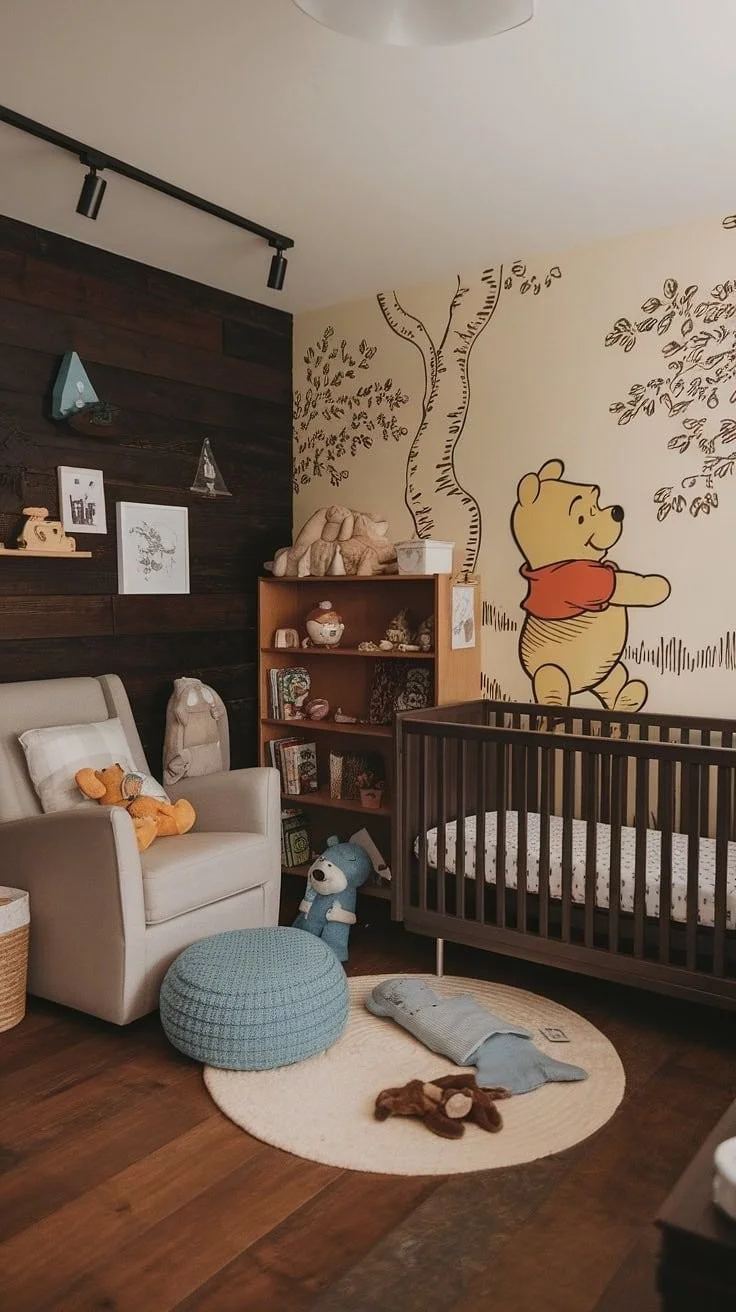
20+ Modern Nursery Ideas to Create a Chic, Cozy & Playful Space for Your Little One
20+ Modern Nursery Ideas to Create a Chic, Cozy & Playful Space for Your Little One
Designing a nursery that feels modern, comfortable, and fun doesn’t have to be overwhelming. Start by thinking about function first — sleep, play, storage and feeding — then layer in style. If you’re thinking ahead to toddler routines and transitions, this quick primer on signs your toddler isn’t ready for bed can help you plan a room that grows with your child.
Below are 24 fresh ideas to inspire a nursery that’s chic, cozy, and playful without feeling cluttered.
- Neutral base with pops of color
- Use a neutral wall color (soft gray, warm beige, or muted sage) and add bright accents with pillows, rugs, and artwork that are easy to swap as tastes change.
- Two-tone walls or an accent stripe
- Paint the lower half of a wall a darker tone or add a horizontal stripe to create visual interest while keeping the room calming.
- Convertible crib and multifunctional furniture
- Invest in furniture that converts (crib to toddler bed, dresser to changing station) so the room adapts over time.
- Open shelving for display and storage
- Floating shelves show off favorite toys and books while keeping everyday items within reach.
- Built-in storage nooks
- If possible, add recessed shelves or window seats with drawers to maximize space in smaller rooms.
- Cozy reading nook
- A small armchair or cushioned bench with a lamp and a basket of books fosters early reading habits.
- Layered lighting
- Combine a dimmable overhead light, a soft nightlight or projector, and a reading lamp for flexible mood settings.
- Blackout window coverings
- Install blackout curtains or shades to support consistent nap times and longer stretches of sleep.
- Soft, washable textiles
- Choose machine-washable rugs, slipcovers, and bedding for easy cleanup and longevity.
- Natural materials and textures
- Incorporate wood, wool, cotton, and jute to add warmth and a timeless look.
- Low, safe play surface
- A chunky foam or wool rug creates a cushioned zone for tummy time and play.
- Gallery wall with family photos and prints
- Mix framed photos, prints, and wooden mobiles for a curated but playful aesthetic.
- Playful wallpaper or decals
- Use removable wallpaper or decals to add pattern without a long-term commitment.
- Minimalist mobile above the crib
- Choose a simple, modern mobile that complements the room’s palette and doesn’t overstimulate.
- Multi-zone layout
- Define areas for sleeping, changing, feeding, and playing so each activity has its own flow.
- Stylish diaper changing station
- Keep necessities in labeled baskets and use a changing pad cover that matches the room’s decor.
- Functional art hooks and pegs
- Install low hooks for hanging bibs, hats, and small backpacks so kids can learn to tidy up.
- Safe, rounded furniture choices
- Opt for furniture with rounded edges and anchored pieces to protect curious little ones.
- Interactive wall elements
- A chalkboard section or felt board lets kids experiment without damaging walls.
- Nature-inspired accents
- Bring the outdoors in with baby-safe houseplants (placed out of reach), botanical prints, or a small faux tree.
- Calming color gradients or ombré features
- Subtle gradients on walls or textiles create a soothing visual flow.
- Personalize with initials or name art
- A tasteful wooden or fabric name sign adds personality without overpowering the room.
- Tech for convenience (but keep it minimal)
- A white noise machine, a smart dimmer, or a nightlight with timers can make routines smoother.
- Snack and feeding corner that grows with them
- Design a corner with an easy-to-clean surface and storage for snacks and utensils; when your child starts exploring solid foods, consider the nutritional benefits of apples for toddlers as a simple, nutritious option to keep stocked.
Quick styling tips to finish the room:
- Keep a consistent palette of three to four colors.
- Mix patterns only in small doses (pillows, a single rug) to avoid visual chaos.
- Rotate toys and books to keep the space feeling fresh and to promote focus.
- Maintain a small “parent zone” with a tray or drawer for essentials (phone, pacifiers, burp cloths).
Conclusion
Designing a modern nursery is about balancing aesthetics with practical needs. With a few investment pieces and flexible styling choices, you can create a space that’s equally stylish, snuggly, and ready for play — one that will adapt as your child grows.

25 Dark Wood Nurseries Your Heart Will Love
25 Dark Wood Nurseries Your Heart Will Love
Dark wood nurseries strike a beautiful balance between classic warmth and contemporary elegance. Rich walnut, deep espresso, and sable-stained oak create a cozy, grounding backdrop that pairs beautifully with soft textiles, metallic accents, and playful patterns. Whether you prefer a mid-century modern crib or a vintage-inspired dresser, these 25 ideas will help you craft a nursery filled with character and calm. For safe sleep tips to match your design choices, consider the best sleeping position for your baby as you plan the layout.
Design Principles to Keep in Mind
- Contrast soft fabrics (linen, cotton muslin) against the dark wood to keep the room from feeling heavy.
- Use light-reflecting elements (mirrors, brass hardware, soft white paint) to brighten corners.
- Incorporate natural textures—rugs, woven baskets, and houseplants—to complement the wood grain.
- Choose multifunctional furniture: a dark wood changing table that converts to a dresser makes a long-term investment.
25 Dark Wood Nursery Ideas
Walnut Mid-Century Minimalist
- Clean lines, tapered legs, and a neutral palette let the walnut crib speak for itself.
Victorian-Inspired Elegance
- Ornate dark wood rocking chair, floral wallpaper, and lace accents for a romantic touch.
Woodland Retreat
- Tree decals, animal motifs, and dark wood furniture for a cozy forest vibe.
Modern Monochrome
- Charcoal walls, dark wood furniture, and white textiles for a high-contrast contemporary room.
Scandinavian Warmth
- Pair dark wood with soft pastels and simple geometric prints.
Sailor’s Cove
- Navy stripes, brass nautical accents, and a dark teak dresser evoke seaside charm.
Industrial Loft Nursery
- Exposed metal fixtures, Edison bulbs, and a reclaimed dark wood crib for urban chic.
Boho Chic
- Macramé wall hangings, layered rugs, and a distressed dark wood armoire.
Gender-Neutral Chic
- Olive greens, mustard accents, and dark wood balance modernity with warmth.
Classic Colonial
- Paneled wainscoting, dark wood sleigh crib, and antique brass hardware.
Minimalist Zen
- Low-profile dark wood furniture, neutral bedding, and uncluttered surfaces.
Botanical Conservatory
- Many safe, low-light houseplants and dark wood shelving to echo a greenhouse.
Vintage Travel Theme
- Maps, trunks as toy chests, and deep wood finishes for an explorer’s nursery.
Luxe Velvet Accents
- Deep jewel-toned velvet cushions and a dark mahogany crib for a luxe feel.
Rustic Farmhouse
- Barnboard accents, woven baskets, and a sturdy dark wood changing table.
Soft Bohemian Neutrals
- Cream macramé, rattan, and dark wood for a soft, eclectic space.
Art Deco Glam
- Geometric mirrors, gold trim, and polished dark wood to add vintage glam.
Painter’s Studio
- Neutral walls, a gallery of framed prints, and dark wood shelving for display.
Contemporary Pastels
- Blush and mint accents against espresso furniture for a modern, gentle look.
Heirloom Heir
- Invest in a solid dark wood crib and dresser meant to be passed down.
Music Lover’s Nursery
- A dark wood upright piano or music-themed art for an auditory-rich room.
Minimal Color Pop
- Mostly neutral with a single bright accent (turquoise or coral) to energize the space.
Montessori-Friendly Layout
- Low dark wood shelving and purposeful toy placement to encourage independence.
High-Contrast Graphic
- Bold black-and-white patterns with dark wood anchors for a striking nursery.
Nature-Inspired Neutral
- Stone tones, soft browns, and dark wood pieces for an earthy, calming environment, and be sure to include tactile items and age-appropriate toys — for ideas on activity-based gifts that match nature themes, see gifts for kids who love fishing.
Practical Tips for Care and Longevity
- Use protective pads and coasters under decor to prevent scratches.
- Choose finishes rated for children’s rooms (low-VOC stains and sealants).
- Refinish or repaint pieces over time to refresh the room without replacing furniture.
- Anchor dressers and bookcases to the wall for safety.
Lighting and Textiles
- Layer lighting: a dimmable overhead fixture, a soft-glow nightlight, and a floor lamp for reading.
- Opt for washable slipcovers on rocking chairs and stain-resistant fabrics for high-use areas.
- Choose blackout curtains to help regulate naps and nighttime sleep.
Storage and Organization
- Built-in shelving with baskets keeps essentials within reach while hiding clutter.
- A dark wood chest with compartments can double as seating and storage.
- Label baskets and rotate toys to keep the sensory environment fresh.
Bringing Plants into a Dark Wood Nursery
- Select safe, low-maintenance plants and position them where they won’t be disturbed.
- Use dark wood plant stands or hanging planters to unify the look.
- Consider faux plants for busy parents who prefer low upkeep.
Conclusion
If you want to complement a dark wood nursery with robust outdoor plantings for a home surrounded by greenery, explore gardening resources like 25 Heat-Loving, Deer-Resistant Perennials for Hot Summer Days to pick resilient perennials that thrive near shaded porches. For selecting trees that pair well with your home’s landscape and the long-term canopy that will eventually frame your nursery windows, consult the Recommended Tree List – Maryland DNR for regionally appropriate options.

10 Delicious High-Protein Breakfasts Kids Will Love
High-Protein Breakfasts Kids Will Love: 10 Easy Ideas for Busy Mornings
Breakfast sets the tone for the day — especially for growing kids who need steady energy and the building blocks for healthy muscles and brains. Protein-rich breakfasts help keep little tummies full, stabilize mood and focus, and support growth. If you want fresh inspiration beyond cereal and toast, try these ten kid-approved, protein-packed breakfast ideas. For other ways to encourage active interests, you might also enjoy this list of gifts for kids who love fishing.
Quick tips before we start:
- Aim for 10–20 grams of protein at breakfast depending on your child’s age and appetite.
- Combine protein with a fruit or vegetable and a little whole grain for balanced meals.
- Prep ahead where possible — many of these ideas can be made in batches.
Breakfast ideas
- Protein Pancakes with Fruit
- Make pancakes with blended oats, cottage cheese, eggs, and a ripe banana for natural sweetness. These taste like regular pancakes but pack double the protein. Top with yogurt and berries.
- Greek Yogurt Parfait Bar
- Offer full-fat Greek yogurt with mix-ins: granola, nut butter, chia seeds, sliced fruit, and a drizzle of honey. Let kids build their own parfaits to increase buy-in.
- Mini Egg Muffins
- Whisk eggs with diced veggies, shredded cheese, and small cubes of ham or turkey, pour into muffin tins, and bake. Freeze extras and reheat for busy mornings.
- Breakfast Burrito
- Scramble eggs with black beans, cheese, and mild salsa; wrap in a whole-wheat tortilla. Cut into halves for small hands. Add avocado for healthy fats.
- Peanut Butter & Banana Toast Upgrades
- On whole-grain toast, spread peanut or almond butter and top with banana slices and chia seeds. Swap in sunflower seed butter if there are nut allergies.
- Cottage Cheese Fruit Bowl
- A bowl of cottage cheese with pineapple, peaches, or fresh berries is simple and rich in protein. Sprinkle with cinnamon or a few toasted nuts for texture.
- Smoked Salmon or Tuna Bagel Bites
- For older kids who enjoy savory flavors, layer cream cheese and smoked salmon on whole-grain mini bagels. Substitute canned light tuna mixed with a little mayo and dill for a kid-friendly twist.
- Milk + Chia Pudding
- Combine chia seeds with milk or fortified plant milk and a little maple syrup; let it thicken overnight. Stir in protein-boosting Greek yogurt or a scoop of nut butter before serving.
- Smoothie with Added Protein
- Freeze bananas and berries, then blend with milk, Greek yogurt, and a spoonful of nut butter or collagen. Add spinach for a nutrient boost — the fruit masks the flavor.
- Mini Frittatas with Veggies and Cheese
- Similar to egg muffins but made in a skillet or baked in ramekins. Offer with whole-grain toast or a side of fruit for a complete meal.
Make it fun and sustainable
- Let kids help: choosing mix-ins, stirring batter, or assembling wraps increases willingness to try new flavors.
- Offer choices rather than demands: “Do you want strawberries or bananas on your yogurt?” works better than “Eat this.”
- Keep variety: rotate 3–4 favorites to avoid morning battles.
Meal-prep ideas
- Batch-cook egg muffins or pancakes on the weekend and freeze in portions.
- Pre-portion yogurt parfait toppings in small containers for grab-and-go mornings.
- Keep a small box of ready-to-serve canned fish and whole-grain crackers in the pantry for last-minute protein options.
A note on behavior and routines Good morning routines often pair food with structure and positive expectations. If you’re balancing mealtime strategies with discipline, you might find alternative approaches useful — for example, explore some creative non-grounding discipline strategies that support predictable, calm mornings.
Conclusion
If you want a ready list of kid-tested recipes similar to these ideas, see 10 Delicious High-Protein Breakfasts Kids Will Love for inspiration and recipe details. For guidance on how nutrition and overall habits support growth, read this helpful guide on Can You Help Your Kids Grow Taller? – 5-Step Action Plan.
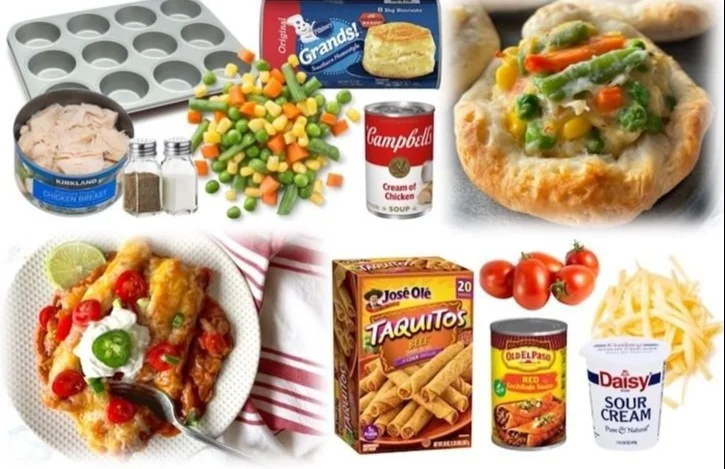
46 Kid-Friendly Weeknight Dinners For A Family With Picky Eaters
Kid-Friendly Weeknight Dinners for Families with Picky Eaters
Weeknight dinners should be fast, familiar, and flexible — especially when children are fussy. This guide gives practical strategies, gentle tricks to broaden tastes, and a curated list of 46 easy dinner ideas that most kids will accept. If you’re looking for ideas to translate into packed lunches or to inspire new recipes, see this helpful resource about school lunch ideas for picky eaters for take-along meal inspiration.
Why these ideas work
- Predictable textures: Many picky eaters prefer crunchy or smooth textures rather than mixed or mushy.
- Build-your-own format: Letting kids assemble their own plate makes them feel in control and more likely to eat.
- Familiar ingredients with slight twists: Swap a sauce, hide veggies in a beloved dish, or use favorite seasonings.
- Short cook time: Weeknights demand speed — these meals are mostly 30 minutes or less with simple pantry staples.
Smart strategies before the list
- Offer two choices rather than ask “what do you want?” — this limits overwhelm.
- Keep portions small to reduce anxiety about finishing.
- Introduce one new food alongside three known favorites.
- Let children help: stirring, topping, or choosing between two vegetables increases buy-in.
- Use dips. Kids often love to dip; it transforms a tentative bite into a fun experience.
Breakfast-for-dinner ideas
Breakfast for dinner is an easy win with kids. Think eggs, pancakes, and little sides. For very young children or babies who don’t have teeth, consider soft pancake options and textures tailored to their needs; learn more about gentle pancake recipes at pancakes for babies with no teeth.
Build-your-own and assembly dinners
- Tacos, bowls, and pizzas where each person picks toppings.
- Bento-style plates with small portions to sample.
- Skewer nights with alternating protein and veg pieces (serve cooked soft veggies for younger kids).
Sneaky veg ideas
- Pureed or grated veggies in sauces, meatloaf, or burgers.
- Cauliflower rice or zucchini noodles as sides.
- Smooth soups blended to a creamy texture and paired with grilled cheese or crackers.
46 Kid-Friendly Weeknight Dinner Ideas
- Classic spaghetti with hidden-veg marinara — blend veggies into the sauce.
- Cheesy baked penne with spinach folded in.
- Chicken quesadillas with bell peppers and mild salsa.
- Mini meatloaves made in muffin tins.
- Sheet-pan chicken and potatoes with mild seasoning.
- Baked fish sticks with oven fries and peas.
- BBQ pulled chicken sliders with coleslaw on the side.
- Homemade mac and cheese with pureed butternut squash.
- Slow-cooker shredded beef tacos (toppings served separately).
- Turkey or beef meatball subs with hidden grated carrot.
- Plain grilled chicken strips with a trio of dipping sauces.
- Pancake-for-dinner night with fruit and yogurt.
- Mini-pizza bagels or English muffin pizzas — let kids add toppings.
- Chicken nuggets baked with whole-grain crumbs.
- Stir-fried rice with scrambled egg and tiny diced veggies.
- Baked potato bar with cheese, beans, steamed broccoli, and mild chili.
- Creamy tomato soup with grilled cheese dippers.
- Fish tacos with mild seasoning and avocado slices.
- Teriyaki chicken bowls with soft steamed broccoli florets.
- Homemade ravioli or tortellini with butter and Parmesan.
- Sloppy joe sliders with side of carrot sticks and ranch.
- Spinach and cheese stuffed shells (mild flavors).
- Mild curry with coconut milk served over rice (introduce gently).
- Sausage and bell pepper foil packs for easy cleanup.
- Baked falafel with hummus and pita triangles.
- Simple beef or turkey chili with grated zucchini.
- Fajita-style chicken strips with soft tortillas and mild toppings.
- Baked ziti with ricotta and hidden cauliflower.
- Creamy chicken and rice casserole with peas.
- Greek-style bowls with cucumber, tomato, feta, and plain yogurt.
- Pizza-stuffed peppers with a blend of favorite cheeses.
- Crispy tofu bites with a kid-friendly dipping sauce.
- Ham and cheese roll-ups with apple slices.
- Simple shrimp pasta with lemon butter (small shrimp pieces for little ones).
- BBQ meatball skewers with corn on the cob.
- Turkey taco lettuce wraps (lettuce served on the side for optional use).
- Baked salmon patties with mashed potatoes.
- Veggie-packed muffins served with soup or salad.
- Cheese and bean enchiladas with mild sauce.
- Greek pita pockets with mild tzatziki and shredded chicken.
- Asian-style noodle bowls with shredded pork and softened carrots.
- Broccoli cheddar soup in bread bowls (creamier texture).
- Shepherd’s pie with mashed potato topping and mixed veggies.
- Teriyaki meatball rice bowls with steamed edamame (if tolerated).
- Simple beef sliders with cucumber coins and sweet potato fries.
- DIY sushi rolls with cooked fish or avocado and cucumber — rolled small and approachable.
Quick tips for adapting these ideas
- Season gradually; kids often prefer lighter seasoning. Offer a shaker of grated cheese or a mild sauce so they can add flavor themselves.
- Texture transitions: If your child dislikes mixed textures, serve components separately (e.g., sauce on the side).
- Sneak nutrition: Puree soft vegetables into sauces or batters; grated veggies in burgers or meatballs are nearly invisible.
- Repetition with variation: Serve a familiar base (rice, pasta, tortilla) with a rotating set of proteins and sauces to keep meals interesting without overwhelming.
Meal-planning and time-saving hacks
- Double recipes and freeze half in individual portions.
- Use one-pot or sheet-pan meals to minimize cleanup.
- Prep chopped veggies and proteins on the weekend for quick assembly on weeknights.
- Keep a “favorites” rotation so decision fatigue is minimized and kids know what to expect.
Conclusion
If you want a ready-made roundup that inspired this list, see this curated collection for more weeknight family-friendly options: 46 Kid-Friendly Weeknight Dinners For A Family With Picky Eaters. For families looking to follow a Whole30 approach while keeping kid tastes in mind, explore these adaptable, kid-approved Whole30 recipes: 40 Kid-Approved Whole30 Recipes.
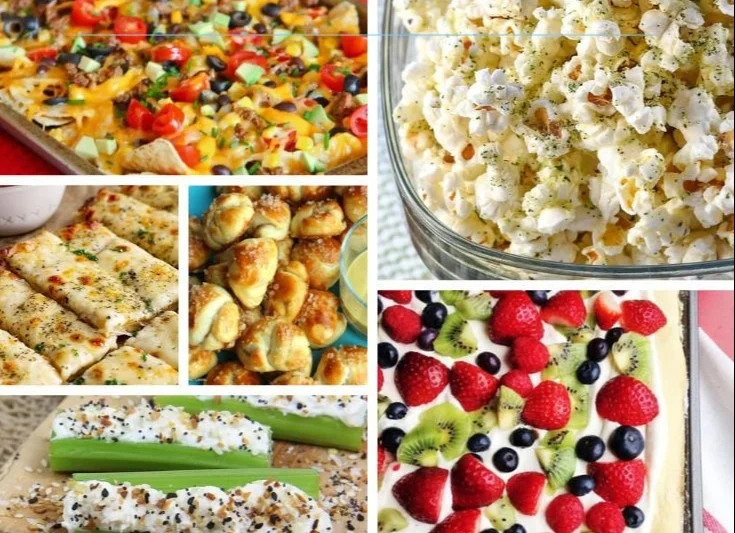
32 Cheap and Easy Snacks for Hungry Teenagers
32 Cheap and Easy Snacks for Hungry Teenagers
Teens are always hungry — and often in a hurry. This list of 32 budget-friendly, simple snacks will keep energy up between school, sports, and late-night study sessions. If you want a break from snacks and need something crafty to do while the food settles, try this collection of fun and easy crafts for kids.
Whether you have a stocked pantry or just a few staples, these ideas are designed to be fast, frugal, and tasty.
Quick no-cook snacks
- Apple slices with peanut butter — slice an apple and spread peanut butter; sprinkle with granola for crunch.
- Banana and honey roll-ups — spread a tortilla with a thin layer of peanut butter, place a banana, drizzle honey, roll and slice.
- Trail mix cups — mix nuts, seeds, dried fruit, and a few chocolate chips; portion into small containers.
- Greek yogurt parfait — plain or flavored yogurt layered with cereal, fruit, or jam.
- Rice cakes with toppings — avocado, cream cheese and smoked salmon, or nut butter and banana.
- Hummus and veggie sticks — carrot, cucumber, bell pepper, or pita wedges for dipping.
- Cottage cheese and pineapple — sweet, protein-packed, and ready in a minute.
- Cheese and whole-grain crackers — choose pre-sliced cheese for even faster assembly.
Microwave- and toaster-friendly snacks
9. Mug omelet — whisk an egg in a mug with cheese and chopped veggies, microwave 1–2 minutes.
10. Microwave baked potato — poke a potato, microwave until soft, top with Greek yogurt or salsa.
11. Toasted bagel with avocado — mash avocado, add salt, pepper, and a squeeze of lemon.
12. Quesadilla wedges — cheese and leftover chicken between tortillas, toast in a skillet or microwave briefly.
13. Cinnamon sugar tortilla chips — brush with butter, sprinkle cinnamon sugar, bake or toast until crisp.
14. Cheesy nacho plate — tortilla chips topped with shredded cheese melted in the microwave and salsa.
15. Instant ramen upgrade — add frozen veggies and an egg to make it more filling and nutritious.
Make-ahead and batch snacks
16. Energy balls — oats, nut butter, honey, and mix-ins rolled into balls and refrigerated.
17. Mini frittatas — baked in a muffin tin with eggs and chopped veggies, stored for quick reheating.
18. Cold pasta salad — pasta, chopped vegetables, and a simple vinaigrette; great for leftovers.
19. Popcorn jars — air-popped popcorn flavored with nutritional yeast, chili powder, or cinnamon sugar.
20. Marinaded chickpeas — roast or air-fry chickpeas with spices for a crunchy protein snack.
21. Frozen yogurt pops — blend yogurt with fruit, freeze in molds for grab-and-go treats.
22. Homemade granola bars — bake in a pan and cut into bars for a cheaper alternative to store brands.
Mix-and-match snack combos
23. Antipasto skewers — mini skewers with cheese cubes, olives, cherry tomatoes, and salami.
24. Sandwich roll-ups — deli meat and cheese rolled in tortillas; slice into pinwheels.
25. Smoothie packs — bag up fruit and spinach in freezer bags; blend with milk or juice when needed.
26. Baked sweet potato fries — slice sweet potatoes, toss in oil and spices, bake until crisp.
27. Yogurt-covered fruit — dip berries or banana slices in yogurt and freeze on a tray.
28. Peanut butter and celery — classic “ants on a log” with raisins or chocolate chips for teens who prefer sweet.
Sweet and simple treats
29. Frozen grapes — a cold, refreshing, low-effort dessert alternative to ice cream.
30. Chocolate-dipped pretzels — melt chocolate, dip pretzels, and chill until set.
31. Fruit salsa with cinnamon chips — finely chopped fruit mixed with a splash of lime; serve with cinnamon-sugar tortilla chips.
32. Quick mug brownie — mix cocoa, flour, sugar, oil, and milk in a mug and microwave for about a minute.
Body tip: for family-friendly portion ideas and suggestions tailored to younger kids, see this helpful guide on good snacks for kids.
Small ingredient swaps — like greek yogurt for sour cream or whole-grain crackers for chips — can boost nutrition without increasing cost. Keep a few multi-use basics on hand (eggs, bread, peanut butter, frozen fruit) and you’ll be able to turn almost anything on this list into a satisfying snack.
Conclusion
If you want a longer list of nutrient-focused options tailored to teens, check out this roundup of 40 healthy snacks for hungry teens for ideas that balance convenience and health. For more party-ready, budget-conscious ideas when friends drop by, see this collection of 32 cheap and easy snacks to serve when your teen’s friends come over.

20 Healthy Snacks Kids will LOVE
20 Healthy Snacks Kids Will LOVE
Kids are picky, but with the right mix of color, crunch and flavor you can make healthy snacks something they actually ask for. This guide gives 20 simple, nutritious ideas — plus packing tips and quick swaps to keep things balanced and interesting. For more snack inspiration and nutrition basics, see this list of good snacks for kids.
Snack prep principles
- Keep portions kid-sized (small containers or bento compartments make portions look fun).
- Mix textures: pair creamy with crunchy to maintain interest.
- Add a protein or healthy fat to stabilize energy (cheese, yogurt, nut butter, hummus).
- Make it colorful — kids often eat with their eyes first.
- Involve kids in prep: they’ll eat more of what they help create.
Fresh fruit & vegetable ideas
- Apple "donut" slices — cored rings with a thin smear of peanut or sunflower seed butter and a sprinkling of granola.
- Rainbow fruit skewers — grapes, melon, berries and banana on small skewers.
- Veggie cups — carrot sticks, cucumber slices and bell pepper strips served upright in a cup with hummus at the bottom for dipping.
- Frozen banana bites — banana rounds dipped in yogurt, frozen and served like mini pops.
Crunchy & savory options
- Air-popped popcorn tossed with a little Parmesan and mild garlic powder.
- Whole-grain pita chips with guacamole or tzatziki.
- Roasted chickpeas — crunchy, high in protein and easy to flavor (mild sea salt or cinnamon-sugar for variety).
- Mini rice cake sandwiches — spread with cream cheese and top with thin apple slices.
Protein-rich bites
- Hard-boiled eggs — serve whole or make fun faces with olive pieces.
- Turkey and avocado roll-ups — deli turkey slices wrapped around avocado or cream cheese.
- Cheese and whole-grain crackers — choose lower-sodium cheese and fiber-rich crackers.
- Greek yogurt parfait — plain Greek yogurt layered with berries and a sprinkle of oats.
Sweet but sensible treats
- Yogurt-covered fruit — use plain yogurt slightly sweetened with honey, then freeze.
- Oat and banana muffins — made with mashed banana and oats instead of refined sugar and flour.
- Cottage cheese with pineapple or peaches — cool, creamy and packed with protein.
Handy on-the-go ideas
- Snack bento box — combine a boiled egg, fruit, a few nuts (if allowed), and whole-grain crackers.
- Trail mix — mix unsweetened cereal, a handful of dried fruit and seeds; keep portions small.
- Smoothie pouches — blend spinach, frozen fruit, yogurt and a splash of milk; freeze in pouches for quick thaw-and-go.
Fun finger-foods kids can make
- Mini English muffin pizzas — top with tomato, cheese and diced veggies; toast until melty.
- No-bake energy bites — rolled oats, nut/seed butter and a touch of honey pressed into balls; roll in coconut or cocoa powder.
Tip: If your child has allergies, substitute safe alternatives (e.g., sunflower seed butter instead of peanut butter). Also, pairing a sweet item with a protein helps avoid sugar crashes.
Throughout the week, rotate snack types and let kids choose from a small menu to reduce refusals. And if your family enjoys outdoor time, pairing snacks with an activity can make them even more appealing — try taking a packable mix next time you head out for a fishing trip with the kids and check ideas for gifts for kids who love fishing to make the day special.
Conclusion
For a wider variety of healthy options and explanations of nutritional benefits, see this curated roundup of 28 Healthy Snacks Your Kids Will Love.
If you want easy make-ahead treats, these energy ball recipes provide nutritious, kid-friendly ideas that are perfect for lunchboxes and after-school snacks: 20 Easy, Nutritious Energy Ball Recipes Kids Love!
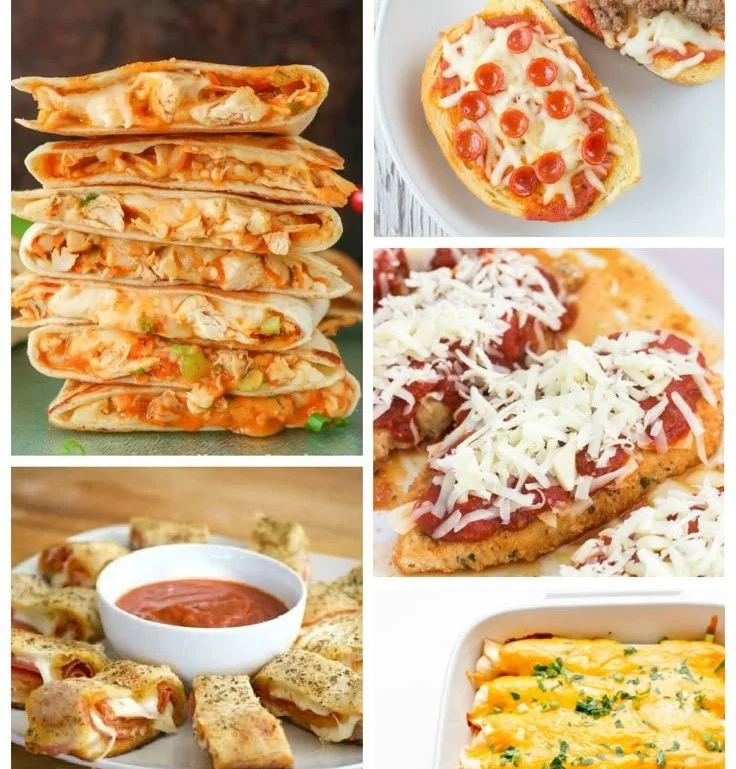
45+ Easy Dinner Ideas Teens can Make (PLUS Breakfast and Lunch Recipes)
45+ Easy Dinner Ideas Teens Can Make (PLUS Breakfast and Lunch Recipes)
Teens gaining confidence in the kitchen need recipes that are quick, forgiving, and satisfying. This guide collects more than 45 simple dinner ideas organized by skill level and time, plus easy breakfast and lunch recipes so hungry students and siblings can eat well without stress. If you want midday ideas geared toward older kids, check lunch ideas for teens for more inspiration.
Quick tips before you start
- Keep a few staples on hand: pasta, rice, canned tomatoes, eggs, tortillas, cheese, and frozen vegetables.
- Learn these three basics: cook rice/pasta correctly, scramble an egg well, and sauté aromatics (onion/garlic).
- Use one-pan or sheet-pan meals to minimize cleanup.
- Practice knife safety and always supervise until comfortable.
45+ Easy Dinner Ideas (quick descriptions)
Below are 46 teen-friendly dinners — many use fewer than 10 ingredients and under 30 minutes.
- Spaghetti with jarred marinara and grated cheese
- Garlic butter shrimp with rice
- Chicken quesadillas with salsa and sour cream
- One-pan sausage and peppers
- Stir-fry noodles with frozen mixed veggies and soy sauce
- Baked salmon with lemon and steamed broccoli
- Black bean tacos with avocado and lime
- Grilled cheese and tomato soup
- Breakfast-for-dinner: scrambled eggs, toast, and fruit
- Sheet-pan nachos with beans and shredded cheese
- BBQ chicken flatbreads
- Tuna melt on whole-grain bread
- Cheesy baked ziti with a side salad
- Pan-seared tofu bowl with teriyaki sauce
- Chicken Caesar wrap
- Loaded baked potatoes (cheese, broccoli, bacon or beans)
- Veggie fried rice with an egg
- Turkey or beef sliders with sweet potato fries
- Pesto pasta with cherry tomatoes
- Curry chickpea coconut stew with naan
- Simple beef or lentil chili (slow-cooker or stovetop)
- Greek salad with grilled chicken and pita
- Pepperoni or veggie pizza on premade crust
- Lemon herb chicken thighs and roasted carrots
- Ramen upgrade: add egg, greens, and leftover protein
- Caprese sandwich with balsamic drizzle
- Peanut butter noodles with cucumbers and scallions
- Shrimp tacos with cabbage slaw
- Sausage and kale skillet with mustard cream
- Sloppy joes on whole-wheat buns
- Simple meatball subs with mozzarella
- Veggie-loaded omelet with toast
- Baked falafel, tzatziki, and tabbouleh
- Gnocchi tossed in browned butter and sage
- BBQ jackfruit sandwiches for a veggie twist
- Chicken and vegetable kabobs (grill or broil)
- Asian lettuce wraps with ground turkey or tofu
- Mediterranean grain bowls with hummus and olives
- Creamy tomato pasta with spinach
- Sauteed mushrooms and spinach quesadilla
- Korean-style beef bowls with quick pickled cucumbers
- Miso-glazed salmon over steamed rice
- Buffalo cauliflower bites with ranch for dipping
- Hawaiian ham-and-pineapple quesadillas
- Cauliflower fried “rice” for low-carb nights
- Baked chicken parmesan with side spaghetti
Mix and match proteins, grains, and veggies to keep variety while using pantry staples.
One-pan and 30-minute dinners
- Sheet-pan chicken with potatoes and green beans
- Stir-fry bowls (use pre-cut stir-fry mixes)
- Skillet pasta with sausage and spinach
Vegetarian and vegan swaps
- Swap tofu, tempeh, or legumes for meat in most recipes.
- Use plant-based cheese or nutritional yeast for a cheesy flavor.
Breakfast recipes teens can make
Simple breakfasts build confidence and provide energy for a busy day. For a broader set of morning options, try these easy ideas tailored to small hands and small kitchens: easy breakfast ideas.
- Yogurt parfait: yogurt, granola, and berries
- Avocado toast with a soft-boiled egg
- Peanut butter and banana smoothie
- Overnight oats with honey and cinnamon
- Microwave egg scramble in a mug
Lunch recipes that travel
- Chicken or chickpea salad wraps
- Pasta salad with veggies and vinaigrette
- Bento-style lunch box: cheese, crackers, fruit, and veggies
- Cold soba noodles with sesame dressing
Basic kitchen skills for teens
- How to measure dry vs. wet ingredients
- Properly tasting and seasoning with salt/pepper
- Safe oven and stovetop practices
- Reading a recipe through before starting
Grocery and meal-prep tips
- Batch-cook rice or grains once for several meals.
- Roast a sheet-pan vegetable mix to add to bowls and sandwiches.
- Portion leftovers into containers for grab-and-go lunches.
Conclusion
If you prefer a ready-made collection focused specifically on teen-friendly dinners, this roundup of 45+ easy dinner ideas teens can make is a practical resource to browse. And for college students or dorm-living families looking for healthy, portable options, check these healthy dorm food ideas to nourish your hungry college kid.
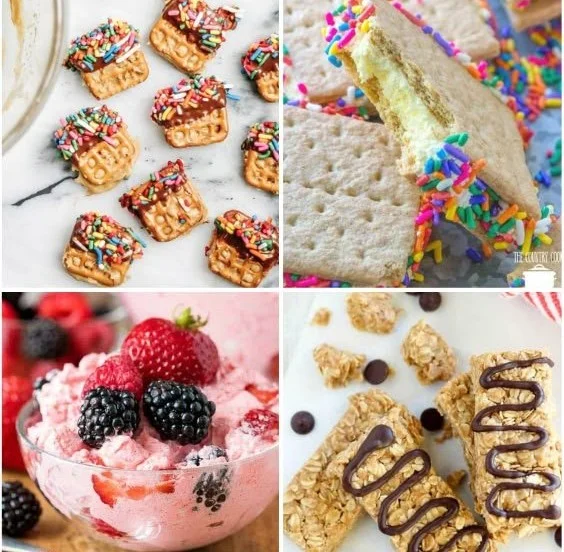
20 No-Bake Recipes for Kids
20 No-Bake Recipes for Kids: Fast, Fun, and Family-Friendly
No-bake recipes are perfect for busy families, hot days when you don’t want to turn on the oven, or young chefs who want to help in the kitchen without handling heat. If your kids love creamy textures, try some pudding-based snacks as an easy way to introduce new flavors and mix-ins. Below are simple, kid-tested ideas organized by snack type, with short ingredient lists and quick steps so children can participate safely.
Quick tips before you start
- Prep ingredients ahead: measure and line up bowls so kids can focus on stirring and assembling.
- Use child-safe utensils: silicone spatulas, blunt knives for spreading, and small cookie scoops make tasks easier.
- Let kids customize: provide a range of mix-ins (nuts, seeds, dried fruit, chocolate chips) and let them pick.
- Refrigerate to set: many no-bake treats firm up in the fridge, which makes them easier to handle and more satisfying.
No-bake breakfasts and morning treats
Banana Oat Bites
- Ingredients: mashed banana, rolled oats, honey, cinnamon.
- Steps: Mix into a thick dough, scoop into balls, chill until set.
Yogurt Parfait Cups
- Ingredients: Greek yogurt, granola, fresh berries, a drizzle of honey.
- Steps: Layer ingredients in clear cups for a colorful, spoonable treat.
Peanut Butter Rice Cake Stack
- Ingredients: rice cakes, peanut butter, sliced bananas, chia seeds.
- Steps: Spread peanut butter on rice cakes, top with banana slices and chia.
Overnight Chia Pudding (no cooking)
- Ingredients: chia seeds, milk or dairy-free alternative, vanilla, maple syrup.
- Steps: Whisk together, refrigerate overnight, top with fruit in the morning.
Smoothie Popsicles
- Ingredients: blended fruit, yogurt, a splash of juice.
- Steps: Pour into molds and freeze for portable breakfast pops.
Fun snacks and lunchbox additions
Apple “Donut” Rings
- Ingredients: apple slices cored, nut butter, granola, raisins.
- Steps: Spread nut butter on rings and sprinkle toppings.
Cucumber Sushi Rolls
- Ingredients: thin cucumber strips, cream cheese, grated carrots, ham or smoked salmon (optional).
- Steps: Spread filling, roll up, slice into bite-sized pieces.
No-Bake Granola Bars
- Ingredients: oats, nut butter, honey, dried fruit, seeds.
- Steps: Mix, press into pan, chill until firm, then slice.
Cheesy Bean Dip Cups
- Ingredients: mashed beans, shredded cheese, salsa, plain chips or veggie sticks.
- Steps: Mix beans and cheese, scoop into cups, let kids dip.
Fruit & Cream Cheese Pinwheels
- Ingredients: flour tortillas, cream cheese, thinly sliced fruit.
- Steps: Spread cream cheese, layer fruit, roll and slice.
Sweet treats that require zero baking
No-Bake Brownie Bites
- Ingredients: drained dates, cocoa powder, walnuts, pinch of salt.
- Steps: Pulse in a food processor, shape into bites, roll in cocoa or coconut.
Frozen Yogurt Bark
- Ingredients: yogurt, honey, berries, granola.
- Steps: Spread yogurt on a tray, sprinkle toppings, freeze and break into pieces.
Chocolate-Dipped Pretzel Stars
- Ingredients: pretzels, melted chocolate (melt in microwave with adult supervision), sprinkles.
- Steps: Dip pretzels, decorate, chill to set.
Marshmallow Fruit Skewers
- Ingredients: mini marshmallows, grapes, melon balls, strawberries.
- Steps: Alternate fruit and marshmallows on skewers for a colorful snack.
No-Bake Cheesecake Jars
- Ingredients: crushed graham crackers, cream cheese, whipped topping, lemon or vanilla.
- Steps: Layer crust and filling in jars and chill until firm.
Energy bites and healthy on-the-go options
Oat & Sunflower Energy Balls
- Ingredients: sunflower seed butter, oats, honey, shredded coconut.
- Steps: Mix, roll into balls, refrigerate.
Trail Mix Clusters
- Ingredients: mixed nuts, seeds, dried fruit, a little honey or syrup.
- Steps: Combine, press into a pan, chill and break into clusters.
Almond Joy Bites (no bake)
- Ingredients: almond butter, coconut flakes, cocoa powder, a drizzle of chocolate.
- Steps: Form into bites and chill.
Mini Fruit Tacos (tortilla bowl, no heat)
- Ingredients: small soft tortillas, Greek yogurt, sliced fruit, a sprinkle of cinnamon.
- Steps: Fold tortilla into a cup, fill with yogurt and fruit.
Chocolate Banana Roll-Ups
- Ingredients: whole-wheat tortilla, thinly spread chocolate-hazelnut spread, banana.
- Steps: Spread, wrap around banana, slice into medallions.
For more ideas that completely avoid heat, check a collection of creative no-heat kids’ recipes that are perfect for little hands.
Conclusion
If you want a broad roundup of kid-friendly, no-bake snacks and treats to expand this list, see the helpful collection at Busy Little Chefs’ no-bake roundup. For energy-boosting, nutrient-packed bites that kids tend to love, explore Sarah Remmer’s energy ball recipes for more inspiration.

75+ Easy Dinner Ideas for Kids
75+ Easy Dinner Ideas for Kids (Simple, Fast, and Family-Friendly)
Keeping dinnertime calm and tasty for kids can feel like a superpower. This list collects 75+ simple, flexible dinner ideas that are fast to make, easy to customize for picky eaters, and adaptable to what you have on hand. If you also pack lunches, you might like these cold lunch ideas for kids for inspiration and portable versions of many dishes below.
Use these ideas as a menu library—mix and match mains with sides, swap proteins, and let kids help with assembly to boost enthusiasm for new flavors.
Quick 10-minute dinners (great for hectic nights)
- Grilled cheese and tomato soup
- Scrambled eggs and toast soldiers
- Tuna salad on crackers or in pita
- Quesadillas with beans and cheese
- Turkey and cheese roll-ups with fruit
- Yogurt parfaits with granola and berries
- Avocado toast with sliced cherry tomatoes
- Microwave “baked” potatoes with cheese
- Pita pizzas with store-bought sauce and toppings
- Rotisserie chicken slices with pre-washed greens
20–30 minute family dinners (easy from-scratch meals)
- Spaghetti with quick meat sauce
- One-pot chicken and rice
- Stir-fry with chicken or tofu and mixed vegetables
- Baked salmon flakes on buttered noodles
- Taco bowls with rice, beans, and fixings
- Sloppy joes on whole-wheat buns
- Baked chicken tenders with sweet potato fries
- Beef or turkey meatballs with marinara
- BBQ pulled chicken sandwiches (made quickly in skillet)
- Gnocchi with butter and herbs
- Cheesy broccoli and pasta bake
- Sheet-pan sausage, peppers, and onions
- Quick chicken fajitas
- Fish tacos with simple slaw
- Peanut butter noodles with shredded carrot
- Simple beef and veggie stir-fried rice
- Creamy tomato pasta with hidden veggies
- Chicken parm sliders
- Shrimp and veggie skillet over rice
- Ramen noodle bowls upgraded with egg and greens
One-pan and sheet-pan dinners (minimal cleanup)
- Sheet-pan chicken and roasted veggies
- Sausage and potato sheet-pan supper
- One-pan baked ziti
- Skillet shepherd’s pie
- Foil packet fish and vegetables
- One-skillet cheesy chicken and rice
- Stir-fry noodle skillet with mixed veggies
- Sheet-pan falafel with pita and cucumbers
- Cast-iron pizza with simple toppings
- One-pot chili with cornbread on the side
- Skillet quesadillas with beans and corn
- Baked sausage and apple skillet
- One-pan lemon herb chicken and asparagus
- Sheet-pan teriyaki chicken and pineapple
- Skillet mac and cheese with ham bits
Make-ahead, freezer-friendly, and batch-cook options
- Lasagna (freeze portions for later)
- Casserole cups (meatloaf or rice-based)
- Mini meatball muffins (freeze and reheat)
- Slow-cooker pulled pork (freeze extra)
- Freezer burritos to warm up quickly
- Baked ziti in a casserole dish
- Homemade chicken nuggets (freeze on tray then bag)
- Chili in big batch, served over rice or with cornbread
- Soup jars (prepped and frozen) — minestrone or chicken noodle
- Breakfast burritos (use for dinner on busy nights)
Vegetarian and meatless kid-friendly dinners
- Veggie-packed mac and cheese
- Lentil sloppy joes
- Chickpea patties with yogurt dip
- Veggie quesadillas with spinach and corn
- Margherita flatbreads
- Stuffed sweet potatoes with black beans and corn
- Bean and cheese enchiladas
- Vegetable fried rice with scrambled egg
Breakfast-for-dinner and playful plates
- Pancakes or waffles with fruit and yogurt
- Omelets with cheese and ham or veggies
- French toast sticks with dipping fruit puree
- "Lunchable" DIY boxes: crackers, cheese, sliced meats, fruit
- Mini frittatas with diced veggies
- Hashbrown skillet with sausage and peppers
- Smoothie bowls with granola and banana slices
Simple sides and mix-ins to stretch dinners
- Steamed carrot coins or baby carrots
- Sautéed green beans with lemon
- Apple slices with a yogurt dip
- Simple cucumber and tomato salad
- Frozen peas or corn (microwave in minutes)
Snacky, dip-based dinners kids love
- Hummus and pita with veggie sticks and falafel
- Mini toasted flatbreads with tzatziki and olives
- Baked tortilla chips with refried beans and cheese (quick nachos)
- DIY taco dip with layered beans, salsa, and cheese
- Cheese fondue-style melted cheese for bread and steamed veggies
Picky-eater tips and simple meal-planning
- Offer new foods alongside a guaranteed favorite to reduce resistance.
- Keep textures familiar; if a child dislikes mushy foods, roast instead of steaming.
- Involve kids in assembly (let them top pizzas, build tacos), which increases buy-in.
- Plan a weekly template (pasta night, taco night, soup night) so choices feel familiar.
For more rounded family dinner inspiration and seasonal planning ideas, check these helpful dinner ideas for families to fit into your weekly rotation.
Conclusion
This collection gives you 75+ adaptable, kid-approved dinner ideas to rotate through busy weeks. Pair mains with simple sides, let kids customize, and batch-cook when you can to keep evenings low-stress. For more structured meal ideas and kid-friendly recipes, the book Feeding Littles Lunches on Amazon offers no-stress meal plans, and the online collection of dinner recipes to make with kids has hands-on recipes you can try with your family.
Happy cooking—and may many dinners be easy, nutritious, and enjoyed by everyone at the table.