
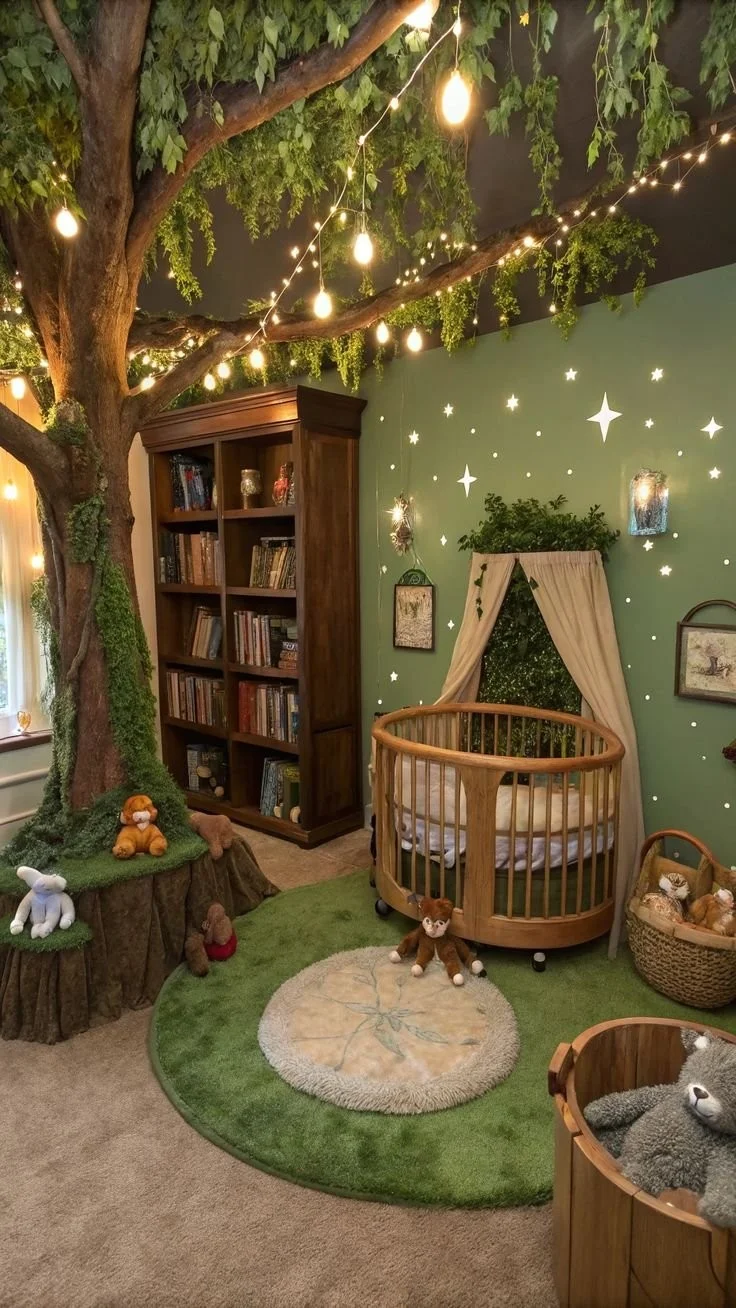
Creative Storage Solutions for a Cottagecore Nursery
Creative Storage Solutions for a Cottagecore Nursery
A cottagecore nursery blends vintage charm, natural textures, and soft colors to create a calm, storybook environment for baby and family. Start by collecting inspiration—for example, these Winnie-the-Pooh nursery ideas can help you imagine gentle motifs and cozy layouts that suit a cottagecore palette.
Below are practical, creative storage ideas that keep the look delicate and organized while maximizing small-space function.
Design principles to guide storage choices
- Prioritize multi-function pieces: choose items that combine sleeping, changing, and storage functions to reduce clutter.
- Keep materials natural and tactile: wicker, rattan, wood, linen, and cotton reinforce cottagecore warmth.
- Maintain an uncluttered color story: soft neutrals and muted florals make multiple storage solutions feel cohesive.
Furniture with built-in storage
- Convertible cribs with drawers underneath: these provide hidden storage for sheets, blankets, and outgrown clothes while retaining a classic silhouette.
- Changing tables with shelves or cabinets: keep diapers, creams, and spare outfits tucked behind doors or neatly arranged in labeled baskets.
- Window seats or benches with lift-up storage: they add seating and a discreet place for larger items like extra pillows or seasonal outfits.
Open storage that feels curated
- Wooden cubbies or low shelving: arrange baskets and boxes at a child-friendly height so toys are accessible and easy to put away.
- Ladder-style shelving: narrow and vertical, a ladder shelf holds books, soft toys, and small planters without taking up much floor space.
- Wall-mounted peg rails: hang baskets, hats, or little garments to keep surfaces clear and add visual interest.
Baskets, bins, and textile solutions
- Group similar items in matching baskets to reduce visual clutter while maintaining texture and warmth.
- Use labeled linen bins for socks, swaddles, and bibs—labels help partners and caregivers find things quickly.
- Fold blankets and knits in cube organizers so patterns become part of the room’s decor.
Vertical and hidden storage strategies
- Utilize the back of closet doors with organizers for shoes and small items.
- Hang a row of slim shelves above the dresser for books and treasured keepsakes.
- Install recessed niches or floating cubbies to keep surfaces clear but decorative items displayed.
Toy rotation and maintenance
- Store current toys in an accessible low basket and keep the rest in labeled bins out of sight; rotating toys keeps play fresh and reduces mess.
- A small rolling cart can serve as a mobile activity station and tuck away under a table when not in use.
Styling for safety and longevity
- Anchor tall furniture to the wall and choose non-slip pads for rugs.
- Opt for breathable fabrics and natural finishes; avoid small detachable parts on décor items to keep the nursery safe for curious hands.
- Keep frequently used items within reach to reduce the need to climb or stretch while holding baby.
Practical checklist for setting up storage
- Measure available floor and wall space before purchasing storage pieces.
- Choose two or three storage styles (baskets, built-in drawers, and wall shelves) to keep the look coherent.
- Add clear or consistent labeling to make daily routines smoother for all caregivers.
Everyday convenience and small touches
- Place a small basket by your favorite nursing chair for burp cloths, a water bottle, and a small toy.
- Use a fabric laundry hamper that complements the room palette—this keeps dirty clothes out of sight and integrates with the decor.
- Keep a little recipe reference or snack idea book nearby for when baby starts solids; it helps planning feel effortless and homey, like this simple avocado egg salad recipe for babies that’s easy to prepare and store.
Conclusion
For extra styling ideas that emphasize cozy textures and nostalgic touches, explore this resource on Creating Cozy Nursery Vibes: Tips and Inspiration – Lemon8. If you want a practical walkthrough on nursery layout and selecting foundational pieces, this guide on How to Design the Perfect Nursery – She Holds Dearly offers useful planning advice.
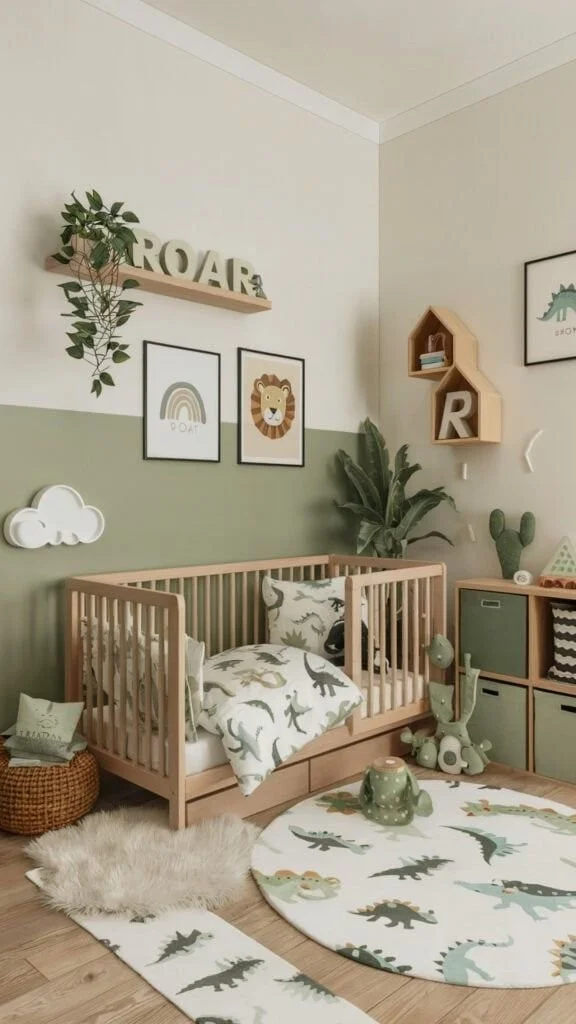
31 Inspiring Baby Boy Nursery Ideas
31 Inspiring Baby Boy Nursery Ideas
Designing a nursery for your baby boy is one of the most joyful parts of preparing for parenthood. Whether you’re aiming for a calming retreat, a bold statement room, or a cozy themed space, a little planning goes a long way. If you’re also organizing a celebration, don’t forget to pair the nursery reveal with complementary treats—see these baby shower dessert ideas for boys to match your theme.
Start with a flexible color palette
Choose a palette that can grow with your child. Soft blues, warm grays, sage greens, and muted yellows make excellent bases. Use bolder accents—like navy, mustard, or coral—through textiles and art that are easy to swap later.
Pick a theme (or mix them)
Themes give a room personality and make decisions simpler. Popular options:
- Adventure: maps, globes, and hot-air-balloon mobiles.
- Woodland: deer, foxes, and natural wood finishes.
- Nautical: stripes, anchors, and coastal artwork.
- Space: constellations, rocket decals, and glow-in-the-dark stars.
- Minimal modern: clean lines, monochrome accents, and functional storage.
If you prefer classics, consider character-based inspiration—there are plenty of ideas if you want a gentle homage to childhood favorites; for instance, these Winnie the Pooh nursery ideas offer timeless charm.
Furniture and layout tips
- Invest in a convertible crib that meets current safety standards.
- Place the changing station near the crib and a water source for ease of late-night changes.
- A comfortable glider or rocking chair is essential for feeding and soothing.
- Use multi-functional pieces—dressers double as changing tables, and storage ottomans provide seating.
Smart storage solutions
Clutter makes a small room feel chaotic. Use vertical shelving, labeled baskets, under-crib boxes, and wall hooks to free up floor space. Open shelving works well for frequently used items; closed drawers keep the room tidy.
Lighting and atmosphere
Layered lighting creates a cozy ambiance. Combine:
- Overhead fixture with a dimmer for general tasks,
- Soft nightlight or lamp for feeding and soothing,
- Blackout curtains to help with naps.
Consider a projector or soft string lights for a gentle, calming glow during bedtime.
Textiles and soft furnishings
Rugs, curtains, and cushions define the room’s texture. Choose easy-to-clean fabrics and removable covers. A washable rug near the play area protects knees and provides a sensory surface for tummy time.
DIY touches and personalization
Handmade touches make the room special: framed family photos, a growth chart, or a hand-painted mural. DIY mobile projects and custom name signs are simple ways to personalize the space without spending much.
Safety first
Anchor furniture to the wall, use cordless window coverings, and keep small objects out of reach. Ensure paint is low-VOC and crib slats meet safety spacing guidelines.
Budget-friendly upgrades
You don’t need to break the bank. Repurpose existing furniture with a fresh coat of paint, shop secondhand for unique pieces, and focus spending on mattress quality and a comfortable nursing chair.
Small-room strategies
For compact nurseries:
- Use light colors and mirrors to open the space.
- Choose narrow furniture and vertical storage.
- Consider a wall-mounted fold-down changing station to save floor space.
Seasonal accents
Swap lightweight linen and cotton in summer for warmer knit blankets and thicker rugs in winter. Seasonal mobile and wall art updates keep the room feeling fresh without large investments.
Final styling tips
Group decorative items in odd numbers, keep a balance between functional and decorative elements, and leave some wall space uncluttered to let eyes rest. A well-curated nursery is both beautiful and practical.
Conclusion
For more curated inspiration and full-room photos, check out this collection of 31 inspiring baby boy nursery ideas from Wandering Cubs that cover themes, color palettes, and practical setups. If you’d like craft projects to decorate or personalize the nursery, browse this roundup of 31 arts and crafts for kids to make at home for simple DIYs that grow with your little one.
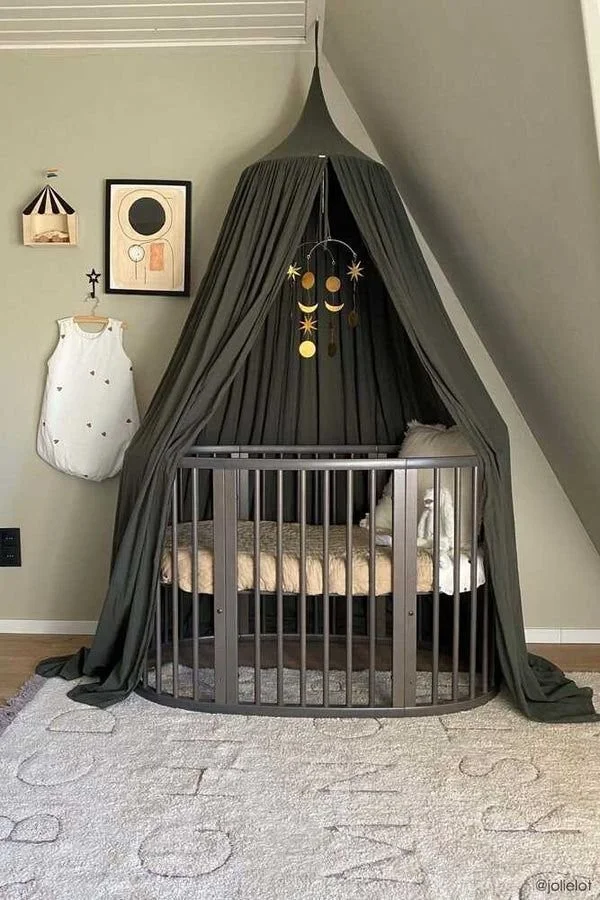
RUGCYCLED WASHABLE RUG ABC
Rugcycled Washable Rug ABC: Sustainable Style for Playful Spaces
The Rugcycled Washable Rug ABC blends playful design with practical, eco-conscious construction. Designed for children’s rooms, playrooms, nurseries, and family spaces, this rug brings the timeless alphabet motif together with easy-care features so it looks good through everyday life.
Design and Aesthetic
Featuring a clean ABC motif, the rug balances educational charm with modern styling. Neutral tones and simple lettering make it versatile enough to pair with bright children’s decor or more subdued interiors. The pattern is bold enough to engage young learners while remaining subtle for adult tastes.
Materials and Sustainability
Rugcycled rugs are made using recycled cotton and textile offcuts, which reduces waste and gives the material a soft, natural feel underfoot. The recycled construction supports circular design principles, lowering environmental impact without sacrificing texture or durability.
Practicality: Machine-Washable and Kid-Friendly
One of the standout features is washability. These rugs are designed to be machine-washed, making it easy to remove spills, stains, and accumulated dirt — a real advantage in a high-traffic family area. The fibers are colorfast and treated to withstand repeated cleaning while keeping their original look.
Safety and Comfort
Soft underfoot and free from harsh chemical treatments, this rug is suitable for baby and toddler playtime. Non-slip backing options are often available to keep the rug securely in place on hard floors, reducing the risk of slips and falls.
Care and Maintenance Tips
- Shake or vacuum regularly to remove surface dust and debris.
- For machine washing, follow the manufacturer’s temperature and cycle recommendations to preserve fiber integrity.
- Air-dry flat when possible to maintain shape; avoid high-heat drying that could shrink or distort the rug.
- Address spills promptly with gentle blotting and spot treatment when needed.
Styling Ideas
- Layer the ABC rug over a neutral larger rug to add pattern and protect flooring in play areas.
- Use it as a focal point in a reading corner, adding cushions and a low table for story time.
- Coordinate with alphabet-themed toys and wall decals to create a cohesive learning environment.
Where It Fits Best
This rug is ideal for families who want a blend of educational design and low-maintenance living. It works well in rooms where frequent cleaning is expected, such as playrooms and nurseries, and for anyone seeking sustainable home textiles.
Conclusion
For full product details and specifications, see the Rugcycled Washable Rug ABC product page which outlines sizes, materials, and care instructions. To explore other alphabet-themed options and the broader collection, visit the ABC collection at Lorena Canals.
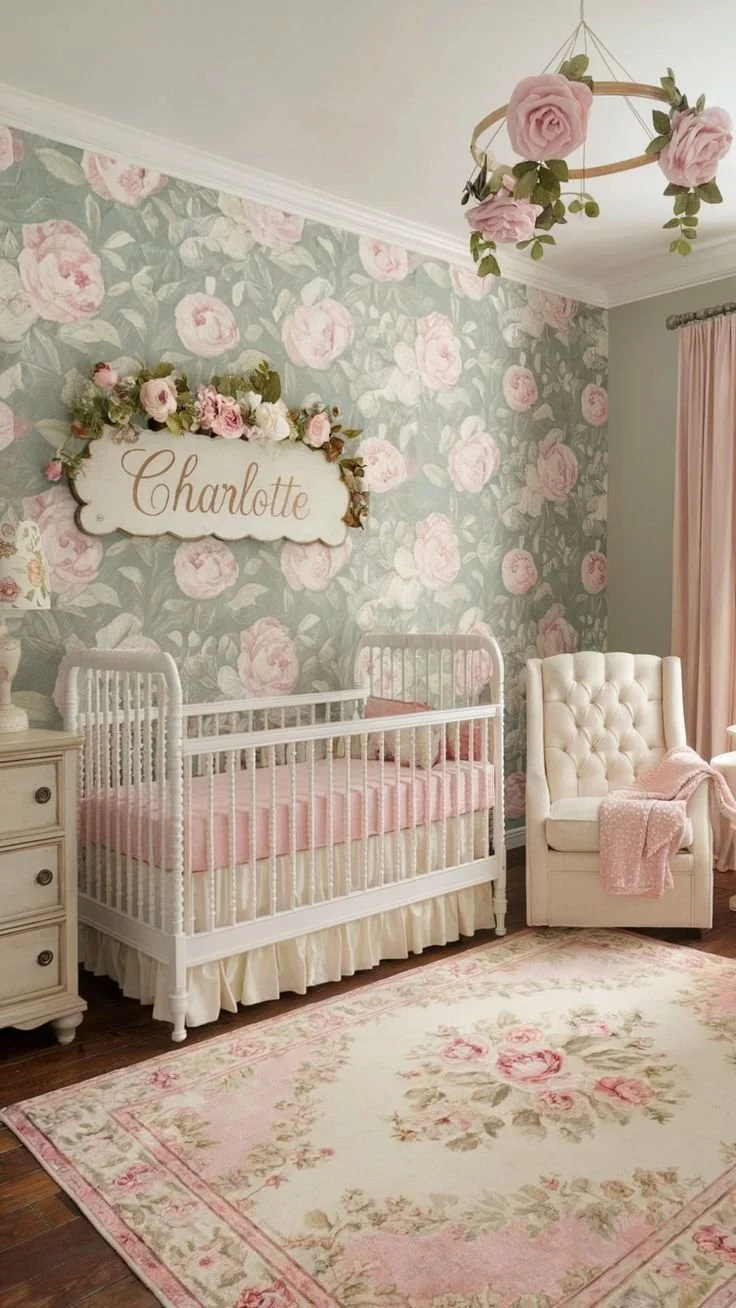
39 Gorgeous Baby Girl Nursery Ideas
39 Gorgeous Baby Girl Nursery Ideas
Designing a nursery is one of the most joyful projects for new parents — it’s a chance to create a cozy, calming space that sparks imagination and soothes little ones. Whether you’re starting from scratch or refreshing a corner of your home, these 39 ideas will help you create a timeless and beautiful nursery for your baby girl. If you’re also planning a celebration, don’t forget to tie in details from your shower — for inspiration see these baby girl shower ideas to match theme and color.
Color palettes & themes
- Soft blush and gray — a modern classic that feels calm and sophisticated.
- Mint and rose gold — fresh with a hint of glam.
- Lavender and cream — gentle and dreamy for a restful room.
- Nautical pastels — soft blues with coral accents for a seaside vibe.
- Woodland fairytale — muted greens, deer and fox motifs for whimsy.
- Vintage floral — small-scale florals for a timeless, cozy look.
- Monochrome with a pop — black-and-white grounding with a bright accent.
Furniture & layout
- Compact convertible crib — grows with your child and saves space.
- A comfortable glider or swivel rocker — essential for late-night feedings.
- Multifunctional changing table with drawers — hide clutter and diapers.
- Low bookshelf for toys — encourages early independence and play.
- Narrow dresser against a wall — keeps floor space open for play.
- Floating shelves for keepsakes — display toys, books, and mementos safely.
- Create a nursing nook — use a soft rug and layered lighting to define it.
Storage & organization
- Bins and baskets by category — diapers, clothes by size, blankets.
- Under-crib drawers — maximize hidden storage.
- Closet organizers with labeled bins — easy access for middle-of-night changes.
- Peg rails for outfits and headbands — practical and decorative.
- Over-the-door organizers for small toys and pacifiers.
Textiles & patterns
- Layered rugs — a soft base and a washable top layer for spills.
- Crib skirt and coordinated crib sheet sets — unify the look.
- Mix small-scale patterns with solids — balance keeps things calm.
- blackout curtains for naps and sheer curtains for daytime softness.
- Quilts and knitted throws — add texture and heirloom charm.
Wall decor & art
- Gallery wall of framed prints and photos — tell a story above the crib (keep frames out of reach).
- Subtle murals or wallpaper on an accent wall — choose a calming pattern.
- Personalized name art for one focal wall — makes the room feel bespoke.
- Mobile above the crib — choose simple shapes and soft colors for visual interest.
- Shelves with small plants (real or faux) — bring life and texture without clutter.
Lighting & ambience
- Dimmable overhead light — essential for mood control.
- Soft nightlight or projector for soothing visuals during bedtime.
- Table lamp with warm bulb on the changing table — avoids harsh lighting.
- String lights tucked into a canopy or along a shelf for gentle sparkle.
DIY & budget-friendly ideas
- Repaint thrifted furniture for a fresh, customized look.
- Make simple fabric wall hangings or embroidery hoops for inexpensive art.
- Reuse glass jars as sweet storage for cotton balls and small essentials.
- Swap out knobs and drawer pulls for an instant furniture update.
- Frame fabric swatches or wallpaper samples to create affordable framed art.
Finishing touches
- Create a sensory corner — a soft mat, tactile toys, and a little mirror encourage exploration. Also, if you’re hosting gatherings around the new arrival, it helps to plan menu items that match your theme — check easy-to-make ideas for party eats in these baby shower food ideas for a girl which can double as simple snacks during a nursery reveal.
Practical safety reminders
- Anchor heavy furniture to the wall.
- Keep cords, strings, and rugs secured and out of reach.
- Choose non-toxic paints and finishes.
- Ensure crib slats meet safety standards and the mattress fits snugly.
- Avoid placing shelves or décor directly above the crib that could fall.
Styling tips for a cohesive look
- Choose three main colors (base, accent, neutral) and repeat them across textiles and décor.
- Mix old and new items for character; heirlooms add warmth.
- Keep daily-use items within arm’s reach of the changing table or nursing chair.
- Rotate toys and books to keep the space feeling fresh without clutter.
Conclusion
If you love whimsical animal prints, consider the charming Cute Goose and Bunny Nursery Wall Art Set of 2 to add playful character to a wall. For a personalized focal point, a Vinyl Wall Art Decal Girls Name – 12" x 39" can create a striking, customized statement above the crib.
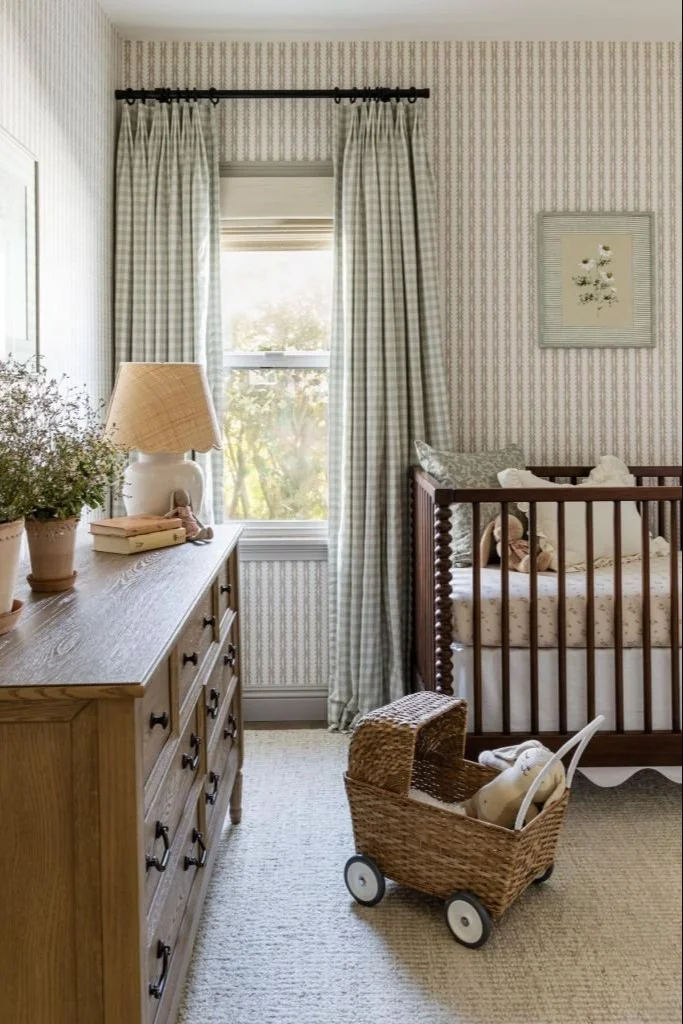
20+ Scandinavian Baby Nursery Ideas
Scandinavian Baby Nursery Ideas: Calm, Cozy, and Clever
Scandinavian nursery design is all about simplicity, function, and warmth — a soft palette, natural materials, and clever storage that keeps the space serene as baby grows. Whether you’re creating a minimalist haven or a playful corner with textures and patterns, these ideas will help you blend form and function. For themed inspiration beyond Scandi minimalism, explore our roundup of Winnie the Pooh nursery ideas to see how a whimsical concept can still feel calm and cohesive.
Core principles to guide your design
- Use a muted color palette: pale grays, warm whites, soft beiges, and gentle pastels form a peaceful backdrop.
- Prioritize natural materials: light wood furniture, cotton and linen textiles, and wool rugs keep the room cozy and breathable.
- Keep lines clean and furniture low-profile to maintain an airy, uncluttered look.
- Choose multipurpose pieces that adapt as your child grows (convertible cribs, adjustable shelving, and lightweight rocking chairs).
Color, textiles, and patterns
Scandi style favors restraint. Stick to one or two accent colors — dusty rose, sage, or navy — against neutral walls. Layer texture with:
- Knit blankets and sheepskin rugs for tactile contrast.
- Subtle geometric or organic pattern cushions.
- Curtains in light-filtering fabric to soften daylight and add privacy.
Furniture and layout
- Place the crib near a wall but leave space for a changing station and a comfortable nursing chair.
- Opt for a simple wooden dresser that doubles as a changing table with a secure changing pad on top.
- Add a compact bookshelf or a few wall-mounted shelves to display toys and books without overwhelming the floorplan.
Lighting and accessories
Soft, adjustable lighting is key. Combine:
- A central pendant light with warm bulbs for general illumination.
- A dimmable lamp or wall sconce by the nursing chair.
- A soft nightlight for middle-of-the-night checks.
Accessories should be purposeful: a mobile over the crib, framed minimalist prints, and a few curated toys. Keep surfaces clear to preserve the calming aesthetic.
Smart storage and safety
Scandinavian nurseries often rely on invisible organization:
- Baskets in natural fibers hide blankets and toys.
- Low, labeled storage boxes teach toddler independence later on.
- Anchor furniture to the wall, cover outlet plates, and choose cordless window treatments for safety.
Bringing the outdoors inside
Incorporate plants (or realistic faux versions for low maintenance), nature-themed art, and wooden toys. A small nature corner with textured leaves, soft animal figures, and landscape prints introduces sensory variety while staying true to Scandi calm.
Small spaces and multipurpose solutions
Small nurseries benefit from fold-away essentials and convertible furniture:
- A wall-mounted fold-down changing station frees floor space.
- Cribs that convert to toddler beds extend usability.
- Lightweight furniture on casters makes reconfiguration simple.
If you plan to include a feeding nook or transition area, gather ideas for easy, healthy mealtime routines like these simple baby breakfast ideas to make mornings smoother while keeping the aesthetic tidy.
Sustainable and DIY touches
Scandi design embraces longevity. Consider:
- Secondhand or heirloom furniture refurbished with non-toxic paint.
- Hand-knit blankets or DIY mobiles for a personal touch.
- Organic mattress and fabrics for healthier sleep.
Putting it all together
Start with a neutral canvas, layer texture, and select a few functional statement pieces. Edit regularly — the hallmark of Scandinavian design is restraint: less clutter, more calm. With thoughtful organization and natural elements, your nursery can be both stylish and supremely practical.
Conclusion
If you want a travel-themed angle that still respects Scandinavian simplicity, these curated ideas may inspire you: Travel Inspired Nursery Ideas – Leaf and Steel. For broader context about Danish lifestyle and how simplicity translates into everyday living, see this personal take on living in Denmark: My 20+ Pros and Cons of Living in Denmark as an Expat.
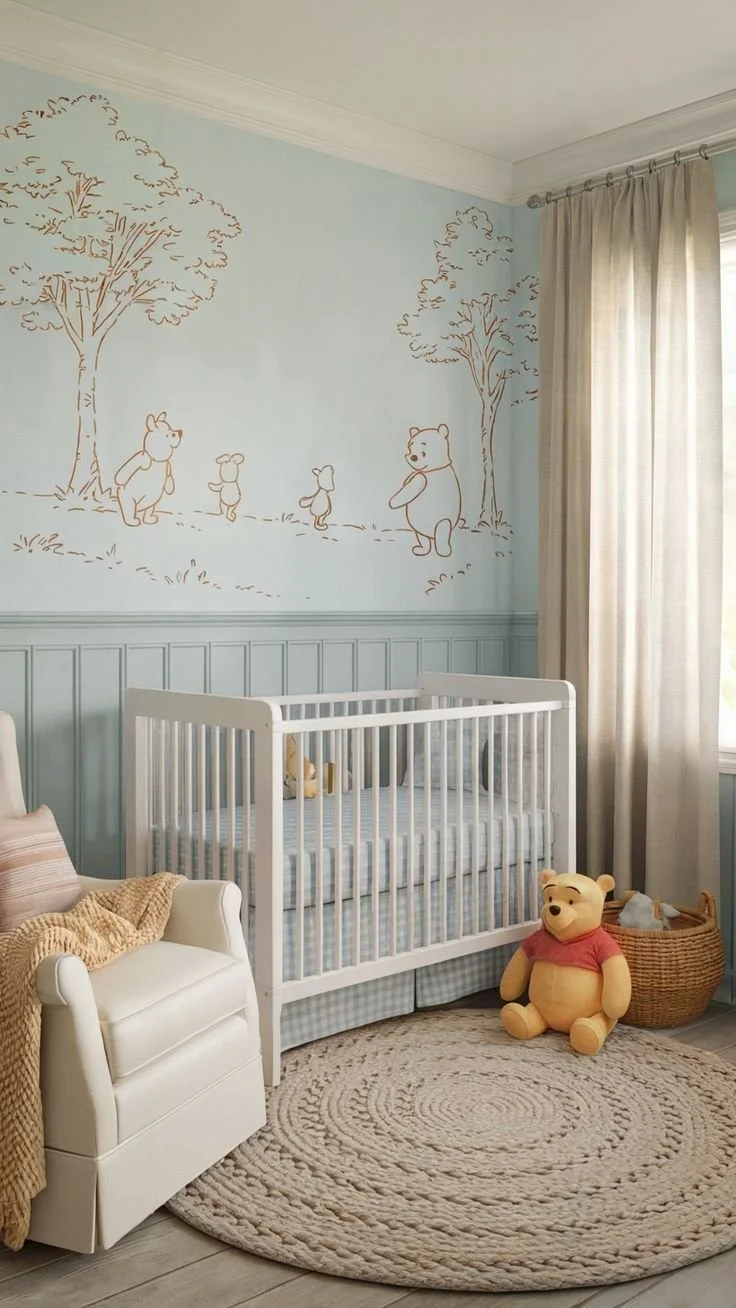
25+ Serene Blue Nursery Designs That Feel Magical
25+ Serene Blue Nursery Designs That Feel Magical
Blue is a timeless choice for nurseries — calming, versatile, and capable of feeling both fresh and fantastical. Below are more than 25 serene blue nursery ideas, grouped into themes and practical tips so you can pick elements that match your space, style, and how you want the room to feel. If you love classic storybook charm, you might also enjoy these Winnie the Pooh nursery ideas for inspiration that pairs beautifully with soft blues.
Color palettes and moods
- Powder blue + warm ivory: airy and sleep-friendly.
- Dusty blue + muted terracotta: modern with organic warmth.
- Teal accents + pale sky blue walls: gender-neutral and lively.
- Navy feature wall + soft blue textiles: cozy and storybook-like.
- Gradient or ombré blues: creates depth and a gentle sense of wonder.
Walls that set the scene
- Soft paint with a matte finish for a restful backdrop.
- Subtle mural: clouds, stars, or watercolor waves for a touch of magic without overwhelming.
- Textured wallpaper behind the crib — think hand-drawn stars or faint botanical patterns.
- Wainscoting or beadboard painted a complementary blue adds classic charm and durability.
Furniture and layout
- Choose a neutral crib (white, natural wood, or black) so blue tones stay the focus.
- Anchor the room with a comfortable glider or rocking chair in a darker blue for contrast.
- Floating shelves painted a lighter blue keep the walls tidy and display-friendly.
- Keep pathways clear for late-night feedings and diaper runs — aim for a calming flow.
Lighting and atmosphere
- Soft, dimmable lighting is essential. Layer overhead with a soft-glow pendant and task lighting near the changing station.
- Nightlights in cool blue or moon shapes reinforce a serene nocturnal vibe.
- Sheer curtains diffuse sunlight and emphasize pale blue tones during the day.
Textiles, patterns, and texture
- Mix solids with gentle geometric or star prints to maintain interest without chaos.
- Plush rugs in low-pile materials provide comfort while being practical.
- Knitted throws, linen crib sheets, and bamboo swaddles add tactile softness that babies love.
Whimsical accents that stay subtle
- Mobile with muted blues and metallic accents adds enchantment above the crib.
- Minimalist moon or constellation decals for a celestial feel without busy patterns.
- A vintage map of the sky or simple watercolor animal prints can give character while keeping serenity.
Nature-inspired themes
- Ocean-inspired nursery: pale aqua walls, wave-shaped shelves, and whale silhouettes.
- Sky and clouds theme: paint fluffy cloud shapes over a pale blue base for a dreamy look.
- Forest at dawn: muted blue-green walls with simple tree decals and woodland textiles.
Practical storage that keeps calm
- Built-in drawers painted to match the wall for seamless, calming storage.
- Baskets with blue accents keep toys and essentials organized yet decorative.
- A convertible dresser that grows with the child reduces future redecorating stress.
DIY and budget-friendly ideas
- Paint a striped feature wall with two shades of blue for instant personality.
- Refinish second-hand furniture in a coordinating blue tone for curated, sustainable style.
- Create your own mobile or artwork using soft fabrics and watercolor papers.
Transitioning from nursery to toddler room
Plan versatile pieces (convertible crib, adjustable shelving) so the room can evolve. Also consider the small daily routines — a low snack shelf or toddler-safe cup station makes snack time independent and cozy; for ideas about age-appropriate food and mealtime setups when your child grows, see this helpful resource about food ideas for young children.
Safety, finishings, and small details
- Use non-toxic, low-VOC paints and sealants.
- Anchor furniture to walls and avoid loose cords near the crib.
- Choose curtain hardware and light fixtures with smooth edges and secure fittings.
Styling for different space sizes
- Small rooms: stick to one or two blue shades and use mirrors to enhance light.
- Large rooms: create cozy zones with rugs and layered lighting.
- Shared rooms: use soft blue as a base and tie in color-coded bins or art to personalize each side.
Final touches that feel magical
- A soft blue canopy or tented nook for storytime.
- Subtle metallic accents (gold or brass) for starlight-like shimmer.
- A sound machine with ocean or rain sounds to complement the watery or sky-inspired theme.
Conclusion
If you’d like more curated suggestions and examples to expand your mood board, check out this collection of Nursery Ideas – Just Ask Jen NP for practical and stylish nursery inspiration. And if you’re creating a nursery while coping with loss or a difficult time, helpful guidance is available in articles like When Your Best Friend Dies – Whats your Grief to support your emotional needs during planning.
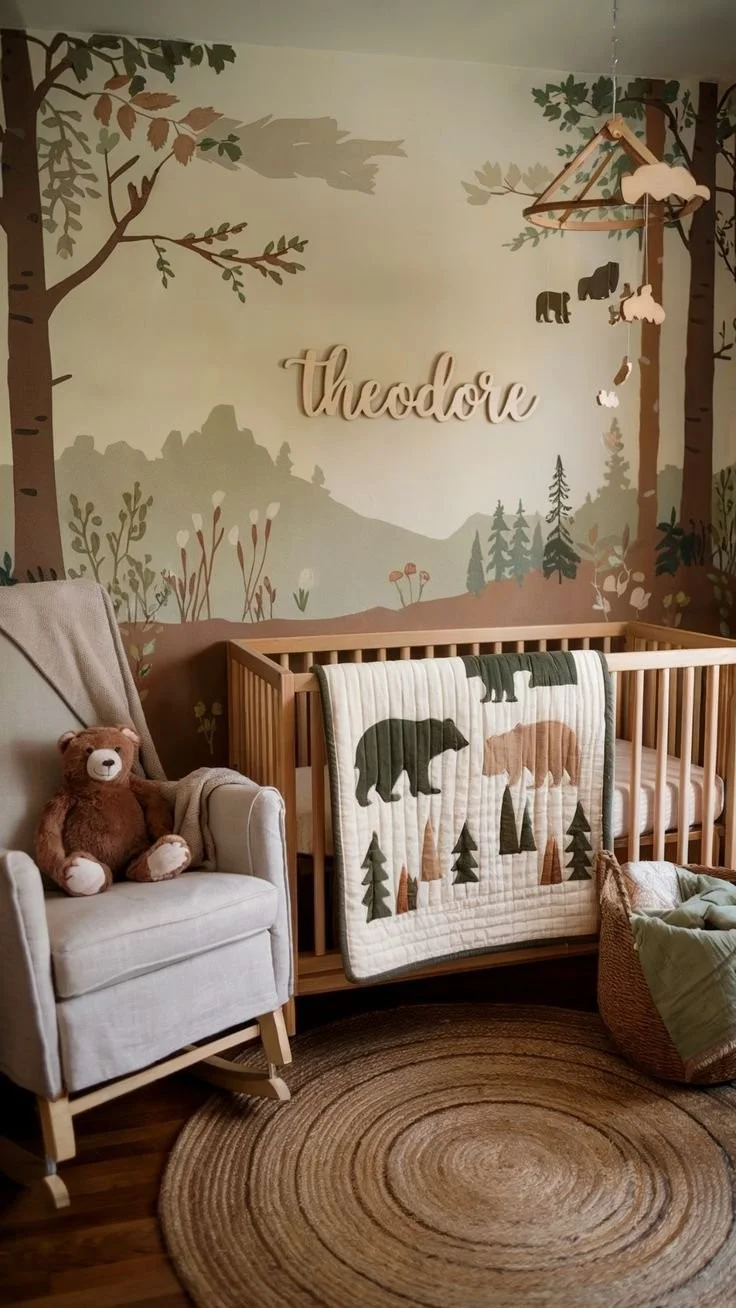
25+ Rustic Woodland Nursery Ideas for a Warm & Cozy Baby Room
25+ Rustic Woodland Nursery Ideas for a Warm & Cozy Baby Room
Creating a rustic woodland nursery is a wonderful way to bring nature’s calm and charm into your baby’s first room. Think warm wood tones, soft textures, muted greens and browns, and gentle animal motifs that feel timeless rather than overtly themed. If you’re also planning related celebrations, you might find helpful menu inspiration in this baby shower food ideas for a girl guide to match the woodland mood.
Below are more than 25 practical and stylish ideas to help you design a cozy, rustic woodland nursery that grows with your child.
Neutral base palette
- Start with warm neutrals—cream, taupe, soft gray and moss green—so accents like wood toys and animal prints pop without overwhelming the room.
Natural wood crib and furniture
- Choose pieces with simple lines in oak, pine or reclaimed wood for warmth and longevity.
Birch or tree mural
- Paint a subtle birch-tree mural on one wall in soft tones for an instant woodland focal point.
Woodland wallpaper accent
- A single wall of muted forest wallpaper adds depth without making the room feel busy.
Leather or wood rocking chair
- A comfortable nursing chair in leather or warm wood finish makes late-night feeds cozier.
Textured textiles
- Layer knitted blankets, faux sheepskin rugs, and linen curtains to add tactile warmth.
Rustic canopy or tent nook
- Create a small reading nook with a fabric canopy draped over a cushioned corner.
Earthy mobile
- Hang a mobile with felt animals, wooden beads, or driftwood for a natural touch above the changing station or crib.
Woodland animal art
- Use framed prints of deer, foxes, owls and bears in muted watercolors or pencil sketches.
Fox accent pieces
- A few fox-themed items (pillows, wooden toys) can become a subtle signature motif without dominating the room.
Bambi-inspired softness
- Incorporate gentle deer motifs in textiles and wall art for an innocent, storybook vibe.
Driftwood shelving
- Use reclaimed or driftwood shelves to display books and small toys for rustic charm.
Vintage dresser with a new topcoat
- Refurbish an old dresser in matte paint and use leather pulls or wooden knobs for character.
Crate storage
- Wooden crates make movable, breathable toy storage and can be stacked for a custom shelving look.
Warm lighting
- Soft, dimmable lights or string lights wrapped around a canopy add a gentle glow for bedtime.
Natural fiber rug
- A jute or wool rug grounds the room and brings in organic texture.
Branch coat rack or mobile hanger
- Mount a cleaned, treated branch to hang blankets, hats, or small mobiles.
Hand-knitted or felted toys
- Choose handmade toys in natural fibers to keep the aesthetic cohesive and safe.
Mountain silhouette shelf
- Install a shelf with a mountain cutout for books to tie into the outdoors theme.
Plush taxidermy alternatives
- Opt for faux fur heads or felt animal wall mounts instead of real taxidermy.
Growth chart plank
- Use a wood plank with measurements and a small painted tree or animal to track growth milestones.
DIY branch curtain rod
- A sturdy, sanded branch can become a unique curtain rod for lightweight linen curtains.
Greenery and botanicals
- Add non-toxic potted plants or preserved eucalyptus for color and a fresh feel.
Soft, washable bedding
- Choose organic cotton or muslin bedding in simple patterns like tiny leaves or arrows for practicality.
Layered patterns
- Mix small-scale prints (dots, tiny trees) with larger organic motifs to add visual interest.
Personalized woodland name sign
- A wooden name plaque with carved letters and a tiny fox or deer makes a sweet custom touch.
DIY photo wall
- Create a gallery of natural-family photos in wooden frames to keep memories central to the room.
Sensory corner
- Include a small basket of textured books, cloth toys, and sensory balls to encourage exploration.
Design tips for function and longevity
- Keep the crib and changing areas neutral so you can evolve the theme as your child grows.
- Use washable fabrics and slipcovers for easy cleaning.
- Anchor heavy furniture to the wall for safety.
- When planning a feeding or snack area, consider gentle recipes and stages—this article on baby food recipes for 6-8 months is a helpful resource as your little one reaches solid-food milestones.
Conclusion
For bedding that channels classic storybook charm, the selection of Bambi-themed linens is a convenient way to pull the room together—see the available options at Bambi bedding at Walmart. If you want handmade accent pieces like a charming fox wreath to hang above a crib or on the door, explore unique finds from indie makers on fox wreaths on Etsy.
With thoughtful layers, natural materials, and a few curated woodland accents, you can create a warm, cozy nursery that feels like home for years to come.
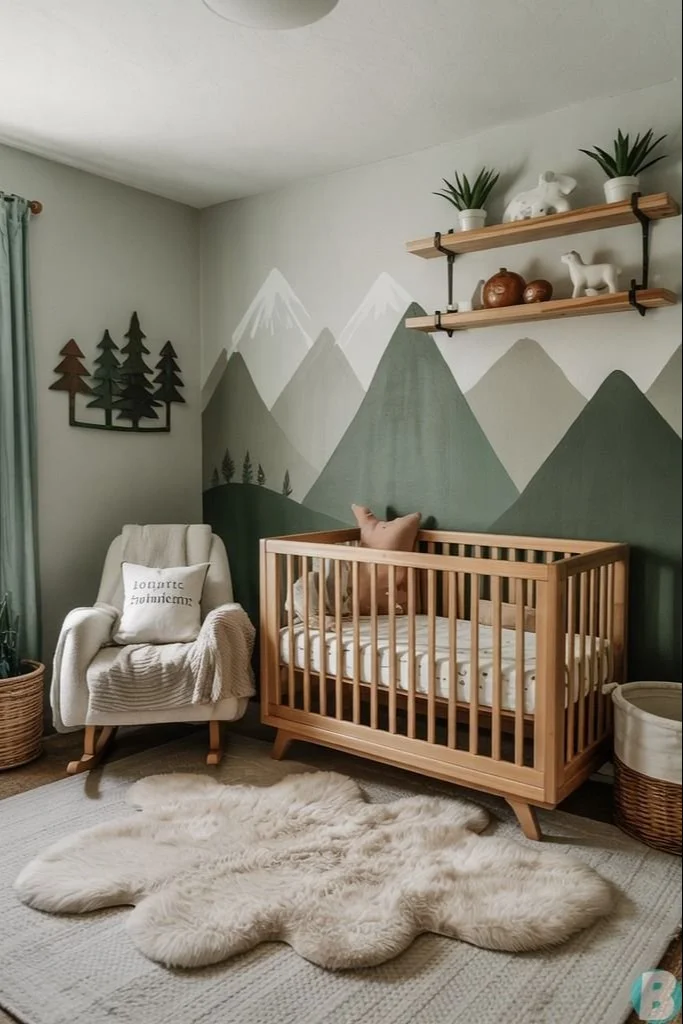
37 Gorgeous Sage Green Nursery Ideas Every Parent Will Adore
37 Gorgeous Sage Green Nursery Ideas Every Parent Will Adore
Sage green is a calming, versatile shade that feels fresh yet grounded — a perfect choice for a nursery that will grow with your child. In this guide you’ll find practical styling tips, layout ideas, and creative touches to help you design a sage-toned space that’s both beautiful and functional. If you want a whimsical take on classic characters, consider pairing sage tones with themed accents like these Winnie the Pooh nursery ideas for a storybook atmosphere.
Below are 37 ideas organized into easy-to-use categories so you can pick the suggestions that fit your style, budget, and space.
Color palettes and paint ideas
- Soft sage walls with crisp white trim for a timeless look.
- Sage accent wall behind the crib with neutral walls to create depth.
- Two-tone walls: sage on the lower half and warm cream above with a thin mid-height rail.
- Ombre sage mural that fades from deep to pale — adds subtle drama.
- Pair sage with blush pink for a gentle gender-neutral palette.
- Sage and mustard for a retro-modern twist.
- Dark forest green for dramatic contrast on accent pieces while keeping the overall palette sage.
Furniture and layout
- Choose a convertible crib in natural wood to complement sage tones.
- Minimalist white dresser as a changing station balances the color.
- Floating shelves painted sage to blend storage into the room.
- A small, comfortable glider in a neutral fabric for late-night feedings.
- Place the crib away from direct sunlight and heat sources for safety.
- Use a slim bookcase to display soft toys and framed prints — keeps everything at eye-level.
- Modular furniture that grows with the child: look for pieces that convert from crib to toddler bed.
Textiles and patterns
- Layer a textured sage rug over a jute runner to add warmth and softness.
- Choose breathable, organic cotton crib sheets in muted prints.
- Mix botanical patterns (little leaves) with simple stripes or dots for visual interest.
- Add a knit throw in sage for snapshots and cozying up.
- Use blackout curtains in a complementary shade to help regulate naps.
Nature-inspired accents
- Botanical prints in soft frames emphasize the green scheme without overpowering it.
- Woven baskets and rattan toys introduce natural textures.
- A small, safe faux fiddle-leaf or snake plant adds life without maintenance.
- Wooden animal figurines and mobiles echo a woodland theme.
- Leaf-shaped wall hooks for a playful, functional touch.
Lighting and ambiance
- A dimmable overhead light helps set day vs. night routines.
- Soft, warm LED bulbs reduce harsh blue light during feedings.
- A shaded nightlight or projector with calming patterns aids sleep.
- Accent lighting behind a headboard or shelf creates a cozy nook.
Storage and organization
- Under-crib storage bins keep extra blankets and diapers out of sight.
- Labelled bins for quick access to essentials during middle-of-the-night diaper changes.
- A wall-mounted diaper caddy saves floor space.
- Use vertical storage and hooks to maximize square footage.
Safety-first styling
- Anchor heavy furniture to the wall and place window coverings out of reach.
- Choose non-toxic, low-VOC paints and finishes.
- Keep small decor pieces above crib level and secure mobiles with appropriate hardware.
- Use cordless window treatments or secure cords with safety devices.
Small nursery hacks
- Use a fold-down changing station or over-the-door organizer to free floor space.
- Hang a growth chart on the door or a narrow wall to track milestones without sacrificing storage.
- Mirror placement: a child-safe mirror can make a small room feel larger and brighten corners.
DIY projects to personalize the space
- Hand-paint a simple leaf stencil border for an affordable, custom touch.
- Customize plain storage boxes with sage fabric or paint for a cohesive look.
- Make a sensory board for older infants using safe, varied textures in sage-adjacent tones.
Theme variations to try
- Woodland sage nursery with animal motifs and natural wood finishes.
- Modern minimalist with sage accents, clean lines, and monochrome art.
- Vintage-inspired sage room with antique frames and soft florals.
- Boho sage with macramé, layered textiles, and mixed metals.
- Nursery that grows into a toddler room: choose adaptable decor like removable wall decals and convertible furniture. For siblings’ celebrations or family events adjacent to nursery décor, you might find creative ideas in lists like these 10th birthday party ideas that inspire themed color palettes and styling.
Final tips
- Start with a mood board: collect fabric swatches, paint chips, and photos.
- Prioritize comfort and safety over trends; simple, well-made pieces will last.
- Test paint swatches on the wall at different times of day to see how natural light shifts the sage tone.
- Keep a few neutral elements so you can easily refresh the room as your child grows.
Conclusion
If you appreciate vintage charm blended with soothing color, this Vintage Bedroom Reveal at The Picket Fence offers inspiring styling cues that translate beautifully into a sage nursery. For a gallery of real nursery setups that spark ideas and show how different palettes come together, browse the photographer-curated collection of most beautiful baby nurseries of 2021.
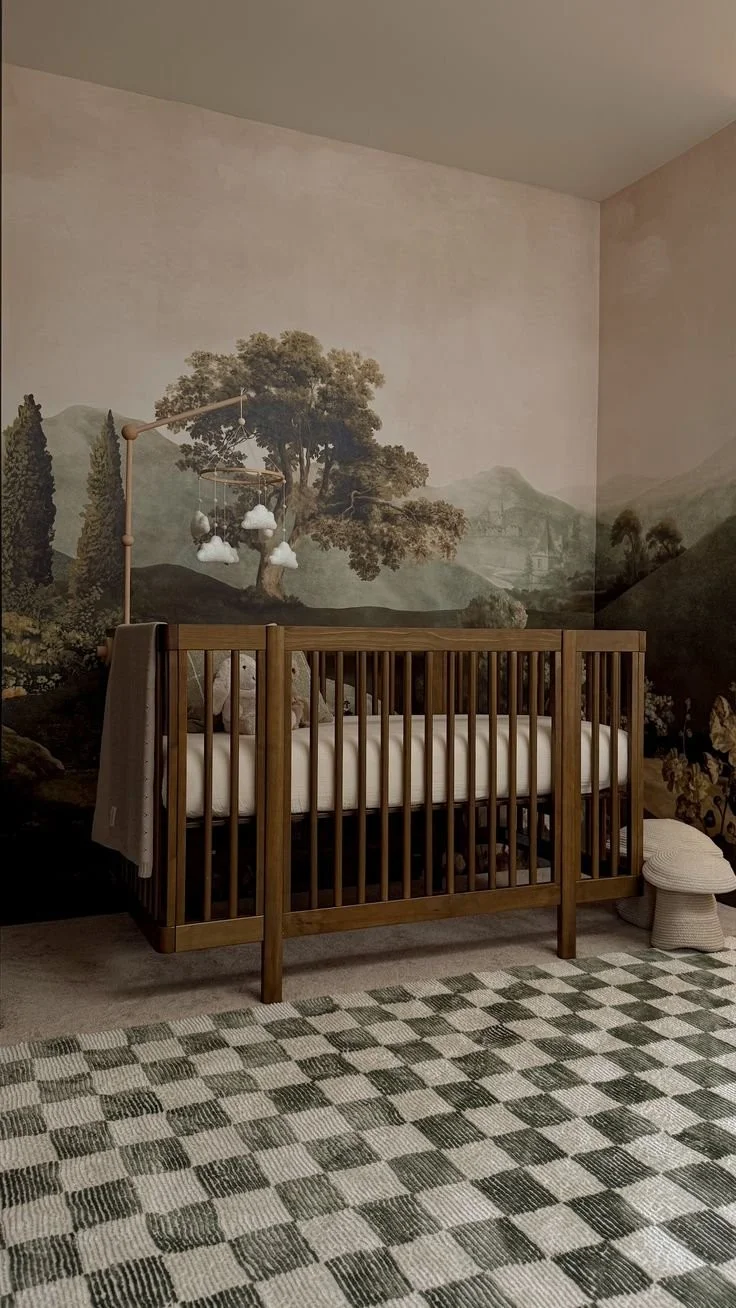
Earthy, elegant, and made to last 🤎
Earthy, elegant, and made to last: A guide to timeless, sustainable style
There’s a quiet confidence in earth tones: they soothe, they ground, and they pair effortlessly with modern silhouettes or heirloom craftsmanship. Whether you’re dressing for a milestone shoot or refreshing your wardrobe for seasons to come, pieces that balance natural hues with durable materials feel thoughtful and enduring. If you’re planning a special session, browse these maternity photoshoot ideas to see how earthy fabrics photograph in soft, natural light.
This article explores why earthy palettes endure, what to look for in long-lasting garments, and simple styling and care tips so your favorite pieces stay beautiful year after year.
Why earth tones work
Earthy colors — think clay, moss, amber, and muted browns — are versatile because they act like a neutral family rather than a single shade. They:
- Compliment a wide range of skin tones.
- Layer beautifully with textures such as linen, cotton, and handwoven textiles.
- Transition across seasons when paired with accessories like leather belts, brass jewelry, or wool wraps.
Wearing earth tones can feel intentional without trying too hard, making them ideal for both everyday looks and photographed moments.
Fabric and craftsmanship: made to last
Durability starts with fabric and finishes. Natural fibers like mulmul (a fine cotton muslin), handloom jamdani, and tightly woven linens often show wear more gracefully than many synthetics. Look for:
- Tight, even weaves that resist pilling and snagging.
- Quality construction: reinforced seams, well-set buttons, and clean hems.
- Handcrafted details, which often reflect care in production and offer unique character.
Choosing pieces made with traditional techniques supports artisans and often results in garments that are repairable and meaningful rather than disposable.
Styling earthy pieces for modern life
Earthy garments are surprisingly adaptable:
- For a soft, romantic look, pair a loose mulmul blouse with flowing skirts and minimalist jewelry.
- For urban polish, layer an earth-toned blazer over a crisp white tee and tailored trousers.
- Use a pop of muted color — olive, terracotta, or deep teal — in accessories to keep the outfit lively without overpowering its natural palette.
Consider functional details too: pockets, adjustable ties, and breathable fabric make clothes easier to live in and therefore more likely to be kept.
Caring for longevity
Proper care extends life and preserves the look and feel of garments:
- Follow care labels: many natural fibers benefit from gentle washing and air drying.
- Treat stains promptly and mend small flaws before they grow.
- Rotate outfits to reduce wear on favorites and store items in cool, dry places away from direct sunlight.
These small habits reduce waste and keep a curated wardrobe functional and fresh.
Practical notes for new parents and everyday wear
Earthy, durable clothing is particularly useful for new parents who need reliable, comfortable garments that also look put-together for outings or photos. Soft, breathable fabrics are comfortable for both parent and baby, and forgiving silhouettes make nursing and movement easier. For safety and comfort considerations related to infants, consult trusted resources on infant movement and sleep — for example, guidance about when a baby rolls onto their stomach while sleeping but can’t roll back — so you can choose clothing and sleeping arrangements that support both style and care.
Conclusion
Choosing earthy, elegant pieces means investing in garments that feel timeless and are built to last; consider sourcing from artisans who work with durable natural fibers like mulmul and jamdani, such as Earthy Brown (Mulmul Jamdani) – Dhuni for an example of handcrafted fabric and classic tone. For inspiration on styling earthy looks and embracing warm, grounded palettes, check out this curated take on how to Embrace Earthy Tones with this Stylish Earth Bending Outfit – Lemon8.
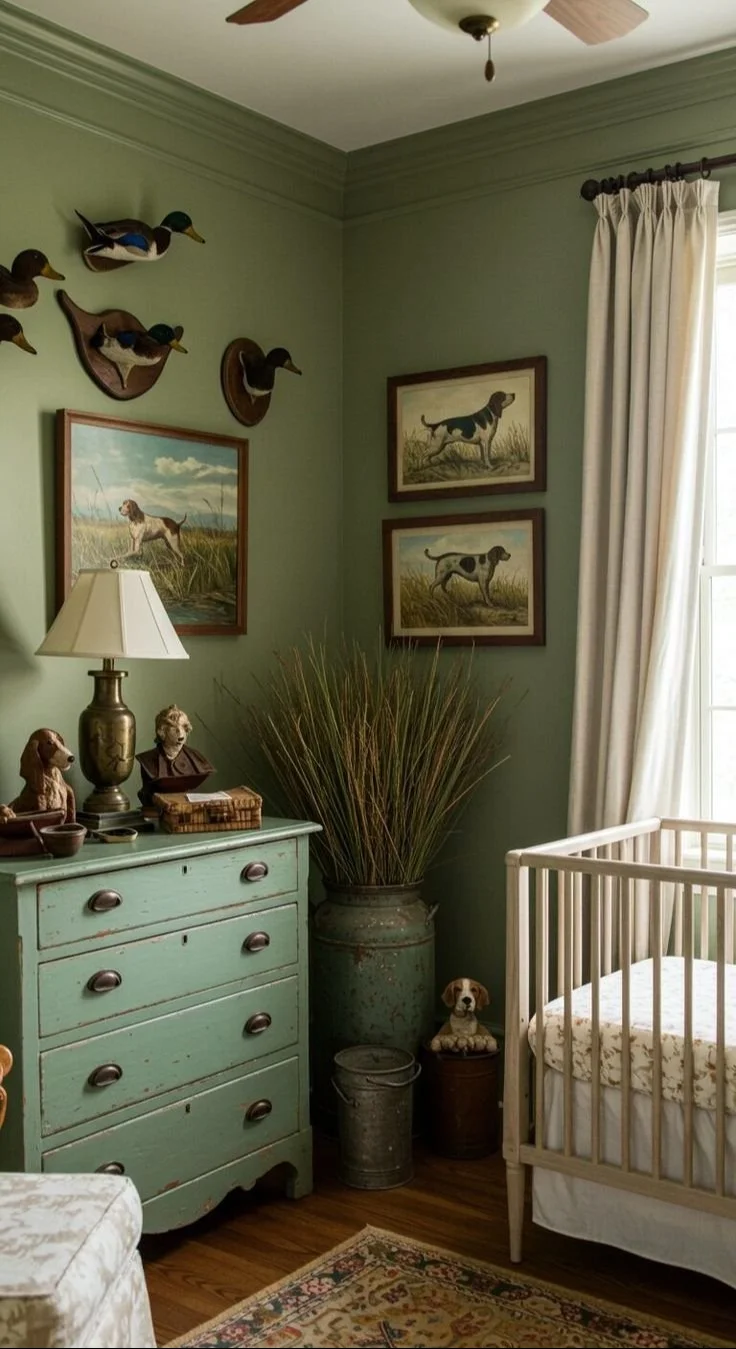
15 Vintage Hunting Nursery Ideas That Will Capture Your Heart
If you’re dreaming up a nursery that feels like stepping into a cozy cabin in the woods, you’re in the right place. A vintage hunting nursery brings together rustic charm, outdoor adventure, and that timeless, handcrafted feel that makes a baby’s room feel extra special.
Whether you’re a nature-loving family, an outdoorsy couple, or you just adore the warm, earthy tones of vintage hunting decor, this theme offers so much room for creativity. And the best part? It works beautifully for boys, girls, or a sweet gender-neutral space.
I’ve pulled together 15 vintage hunting nursery ideas that blend nostalgia with modern comfort. Let’s dive in and get inspired.
1. Start with Warm, Earthy Wall Colors
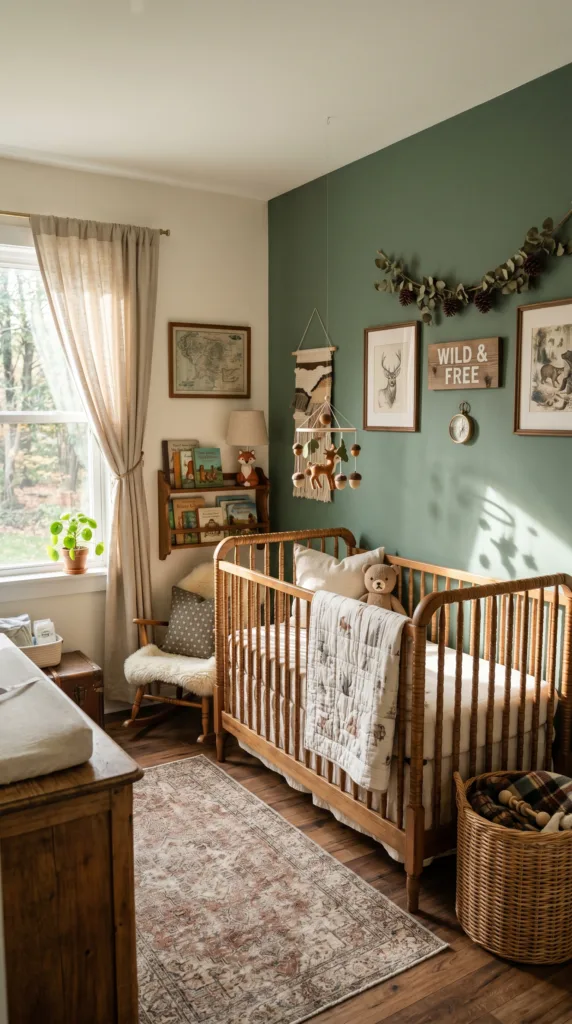
The foundation of any vintage hunting nursery is the wall color. Think deep forest greens, warm tans, soft creams, or even a muted sage.
These earthy tones set the stage for all your rustic decor and create a calming backdrop that’s perfect for a baby’s room. If you’re nervous about going too dark, try an accent wall in a richer tone and keep the other three walls light and neutral.
You can also use peel-and-stick wallpaper with subtle woodgrain or vintage map prints for texture without commitment.
2. Incorporate Vintage Plaid Bedding
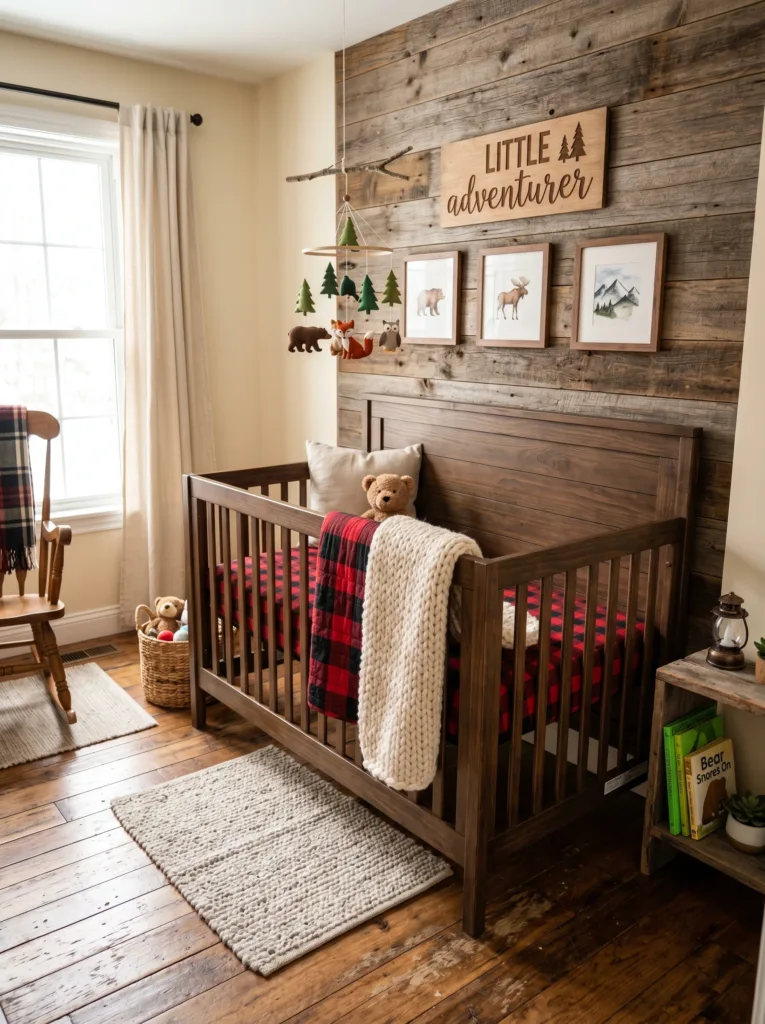
Nothing says classic hunting lodge quite like red and black buffalo plaid. It’s cozy, it’s timeless, and it instantly brings that cabin-in-the-woods vibe.
Look for crib sheets, quilts, or blankets in plaid patterns. You can mix it with solid colors like cream, tan, or forest green to keep the look balanced and not too busy.
Pro tip: layer different textures like flannel, muslin, and knit to add depth and warmth to the bedding setup.
3. Hang Vintage Hunting Prints or Illustrations
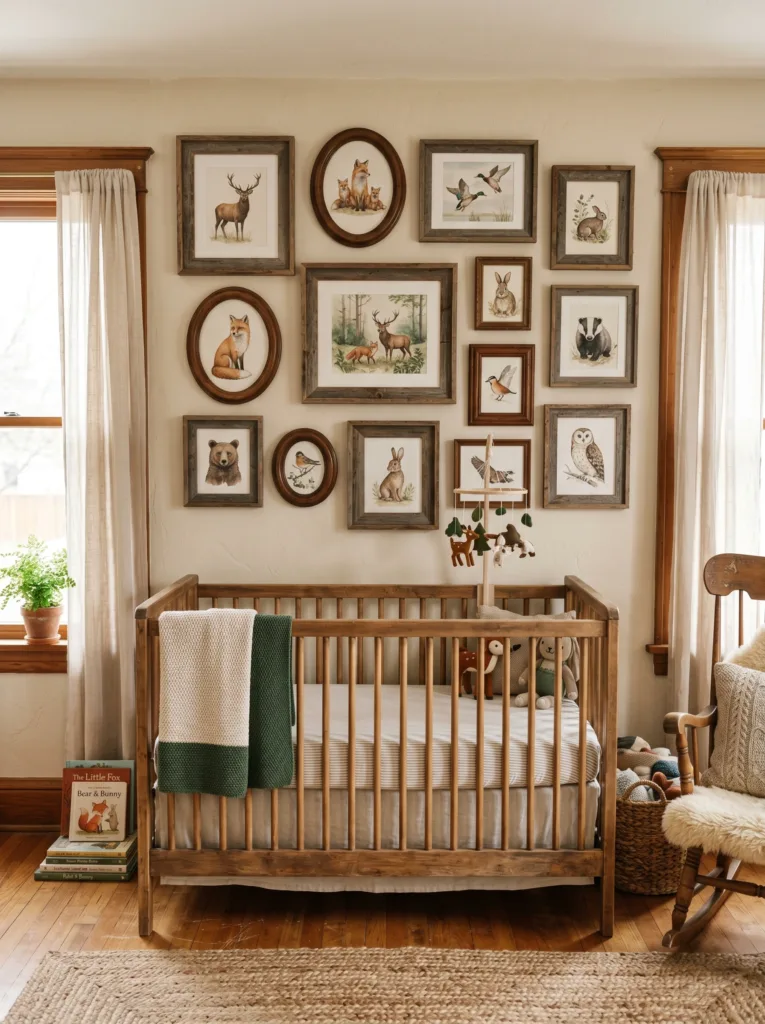
Artwork is where you can really lean into the vintage hunting theme. Look for old-fashioned illustrations of deer, ducks, pheasants, foxes, or woodland scenes.
You can find affordable vintage prints on Etsy, at antique stores, or even frame pages from old hunting magazines or field guides. Arrange them in mismatched frames for an authentic, collected-over-time look.
If you want something a bit softer, go for watercolor-style animal prints that still feel vintage but aren’t too literal.
4. Add Rustic Wood Furniture
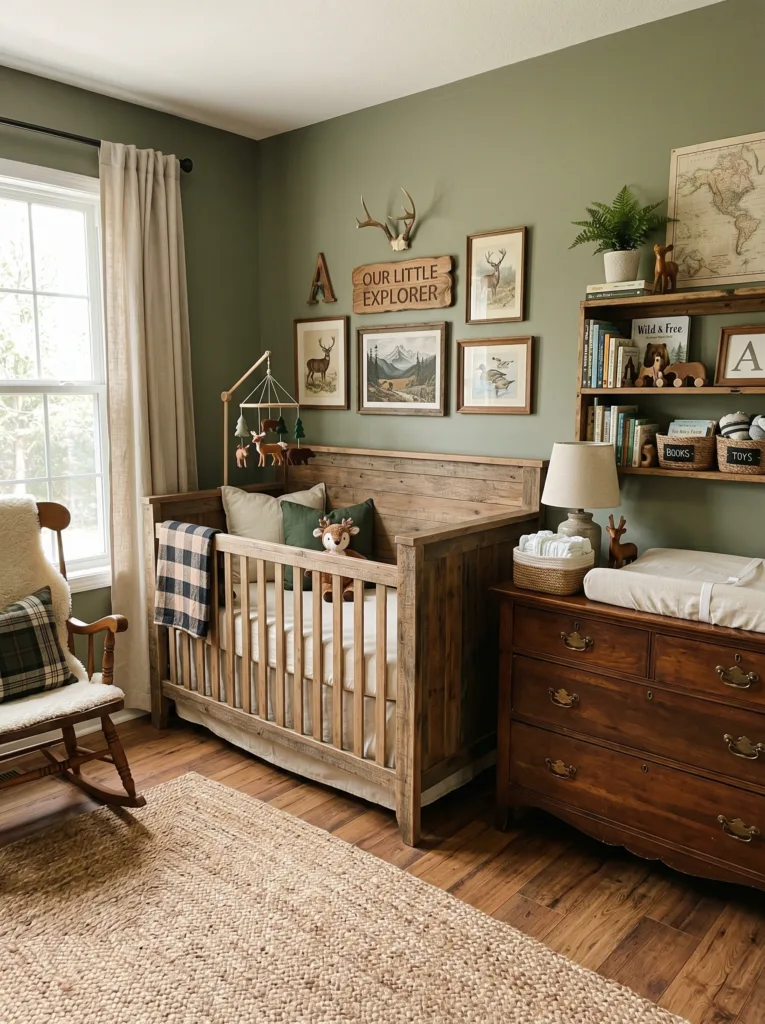
The furniture you choose can make or break the vintage hunting vibe. Look for pieces made from natural wood with a weathered or distressed finish.
A solid wood crib, a vintage dresser with brass hardware, or a reclaimed wood bookshelf all work beautifully. You don’t need everything to match perfectly. In fact, a little mismatch adds to the collected, heirloom feel.
If you’re on a budget, consider refinishing an old piece of furniture yourself. A little sanding and stain can transform a thrift store find into a nursery centerpiece.
5. Use Antlers as Decor Accents
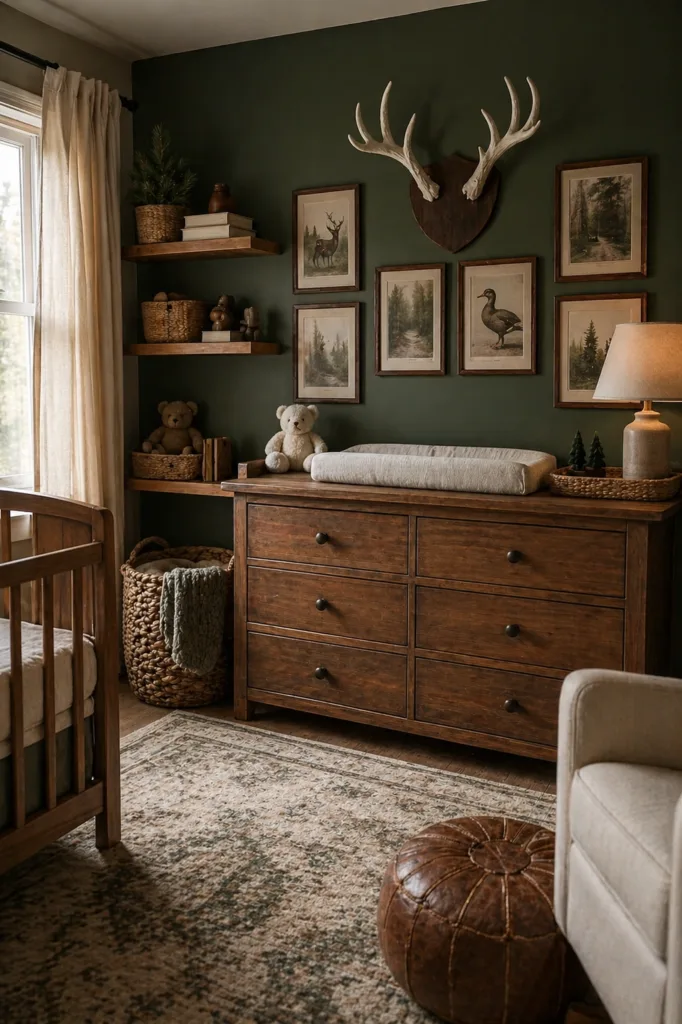
Antlers are a staple in vintage hunting decor, and they can be used in so many creative ways in a nursery.
Hang a set of antlers above the crib or changing table, use faux antler wall hooks to hold hats or blankets, or even place small antler pieces on shelves as decorative accents.
If real antlers aren’t your thing, there are plenty of resin or wooden versions that look just as good and are baby-safe.
6. Bring in a Cozy Plaid or Faux Fur Rug
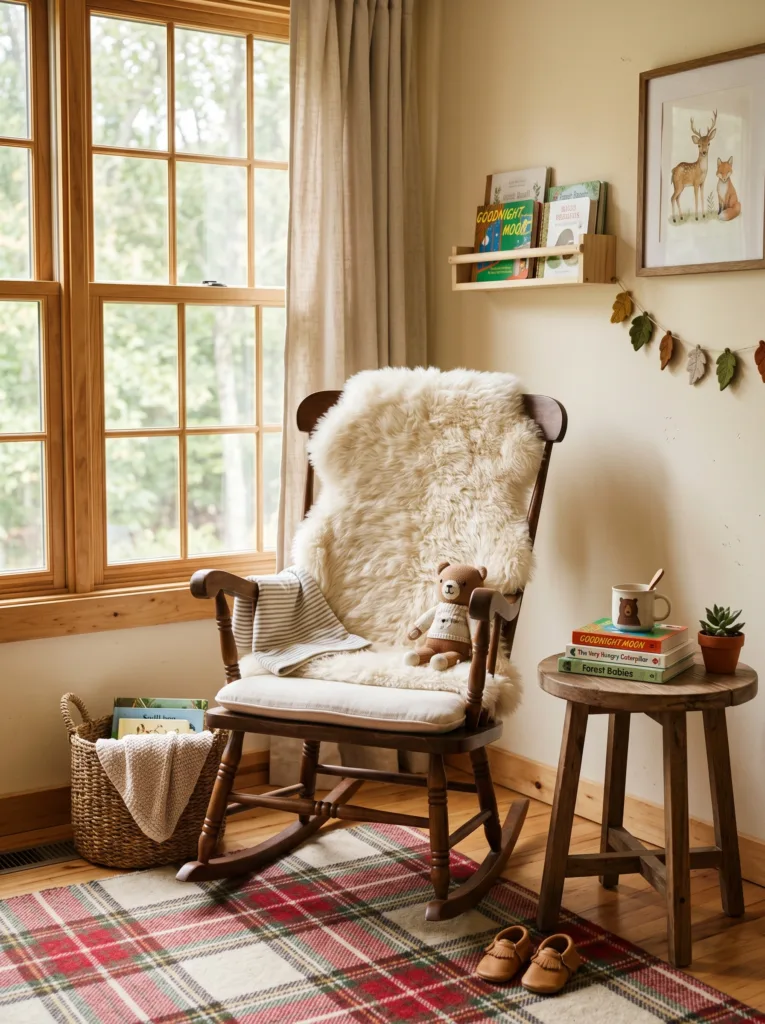
A soft rug adds warmth and comfort underfoot, and it’s a great way to tie the room together. Look for a plaid area rug or a faux fur throw rug that mimics bearskin or sheepskin.
Place it under the crib or in the corner where you’ll set up your rocking chair. It creates a cozy little nook that feels perfect for late-night feedings and snuggles.
Make sure the rug is easy to clean because, let’s be real, spills and messes are part of the deal.
7. Create a Gallery Wall with Vintage Maps
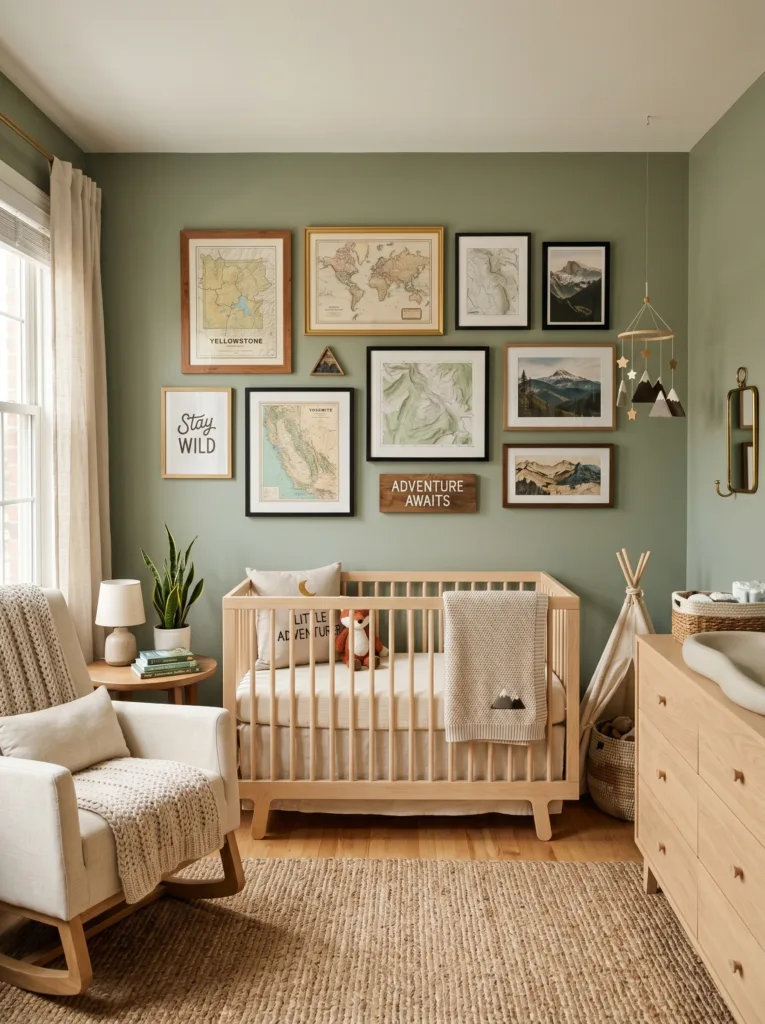
Old topographical maps, trail maps, or even vintage state park posters make for stunning wall decor in a hunting-themed nursery.
Frame a few in different sizes and arrange them in a gallery wall above the dresser or along one side of the room. It adds visual interest and tells a story about exploration and adventure.
You can find vintage maps at flea markets, antique shops, or download high-resolution versions online to print at home.
8. Add a Vintage Wooden Rocking Chair
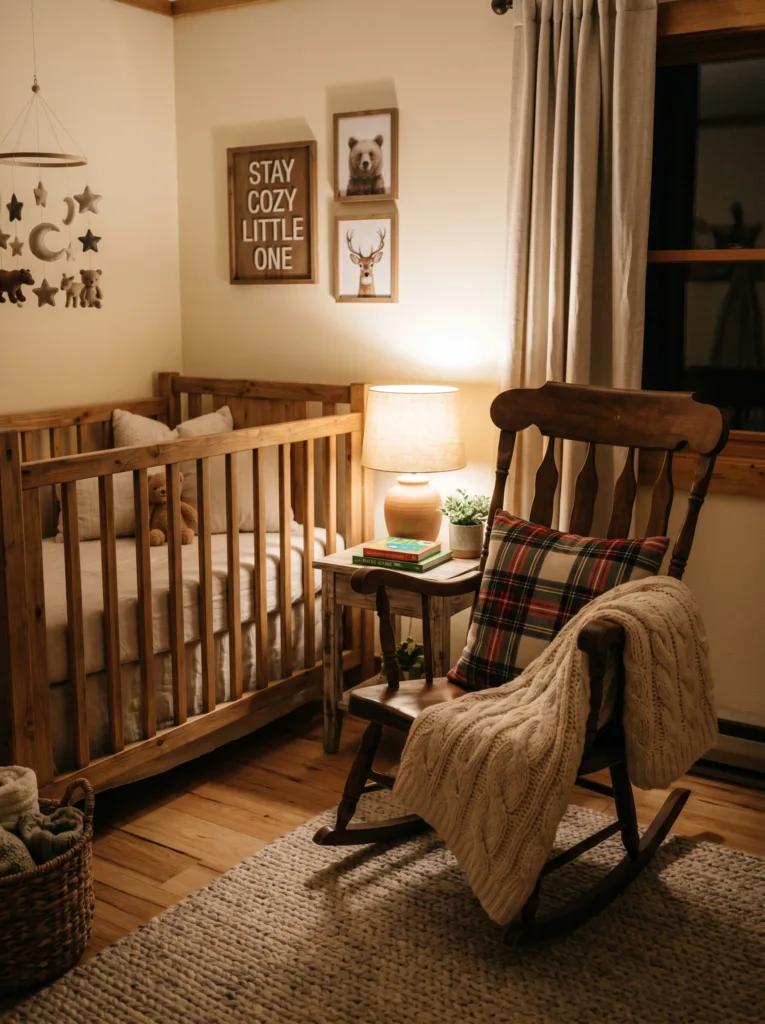
A classic wooden rocking chair is both functional and beautiful. Look for one with a simple, timeless design that you can either leave natural or paint in a muted color like cream or sage green.
Add a cozy throw blanket and a plaid or faux fur pillow to make it the perfect spot for feeding, reading, and rocking your little one to sleep.
This is one of those pieces that will get used every single day, so choose something sturdy and comfortable.
9. Hang a Canoe Shelf or Paddle Decor
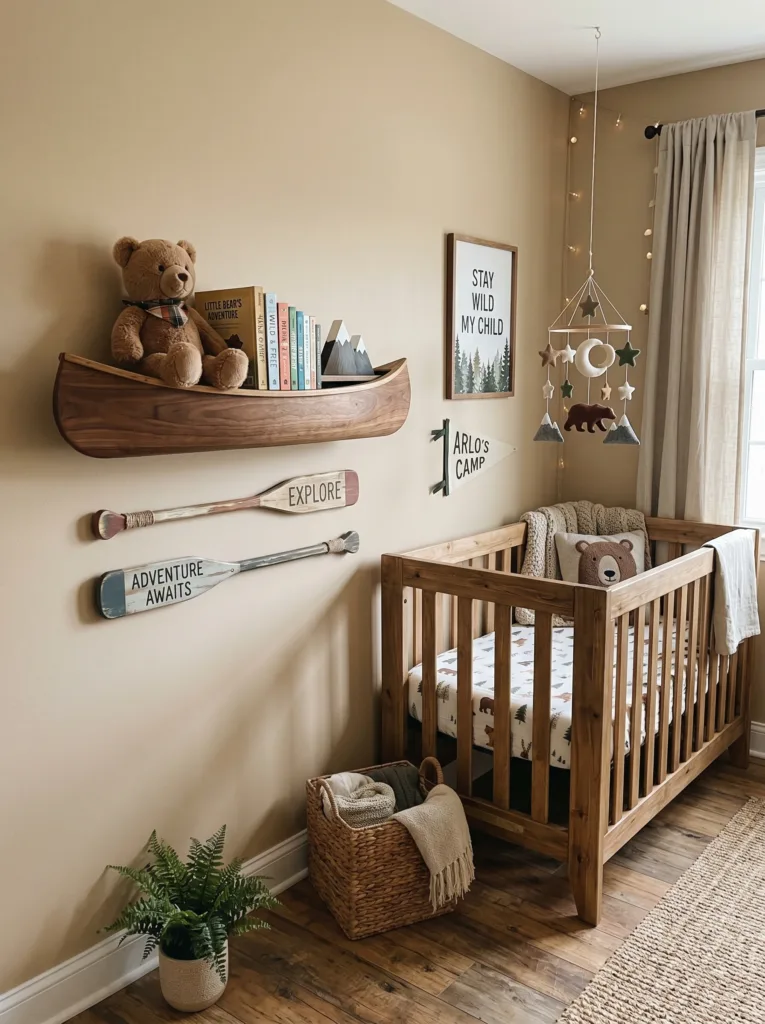
For a truly unique touch, consider hanging a small wooden canoe shelf on the wall. You can use it to display books, stuffed animals, or small decor items.
Alternatively, hang a vintage wooden paddle or oar as wall art. It’s unexpected, it’s rustic, and it adds a sense of adventure to the room.
These pieces are conversation starters and work especially well if your family loves fishing, camping, or spending time on the water.
10. Use Mason Jars and Galvanized Metal Storage
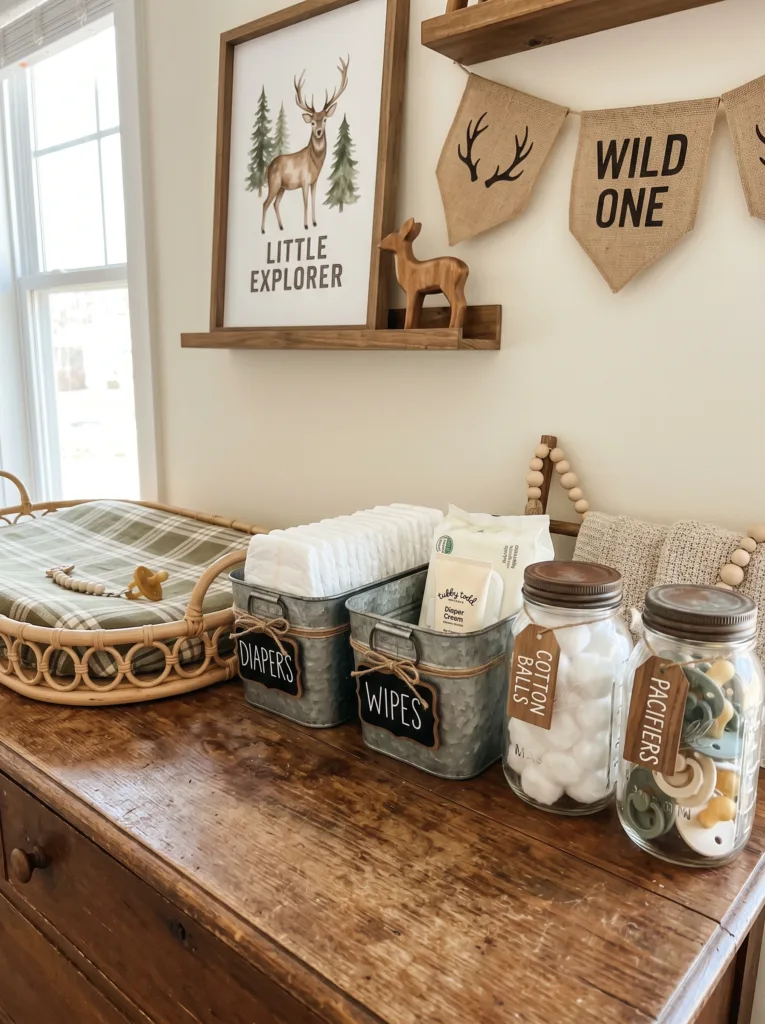
Storage doesn’t have to be boring. Use mason jars to hold cotton balls, q-tips, or pacifiers on the changing table. Use galvanized metal buckets or bins to store diapers, wipes, or toys.
These vintage-inspired storage solutions are practical and fit perfectly with the rustic hunting theme. You can even add chalkboard labels for a sweet, farmhouse touch.
Look for these items at craft stores, antique shops, or even your local hardware store.
11. Incorporate Plaid Curtains or Window Treatments
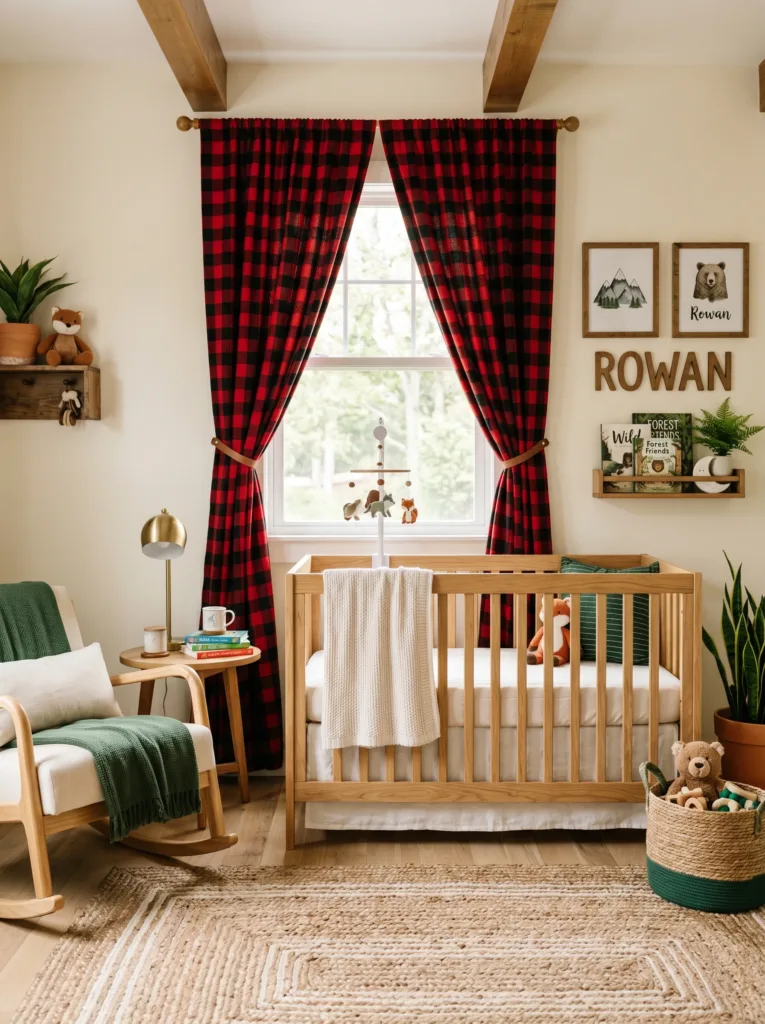
Curtains are an easy way to bring more pattern and color into the room. Choose buffalo plaid, tartan plaid, or even a subtle gingham in warm tones.
If you want to keep things simple, go for solid curtains in linen or canvas and add a plaid valance or tie-backs for a pop of pattern.
Make sure the curtains are thick enough to block out light during nap time. Blackout lining is your friend here.
12. Add Vintage Camping Lanterns
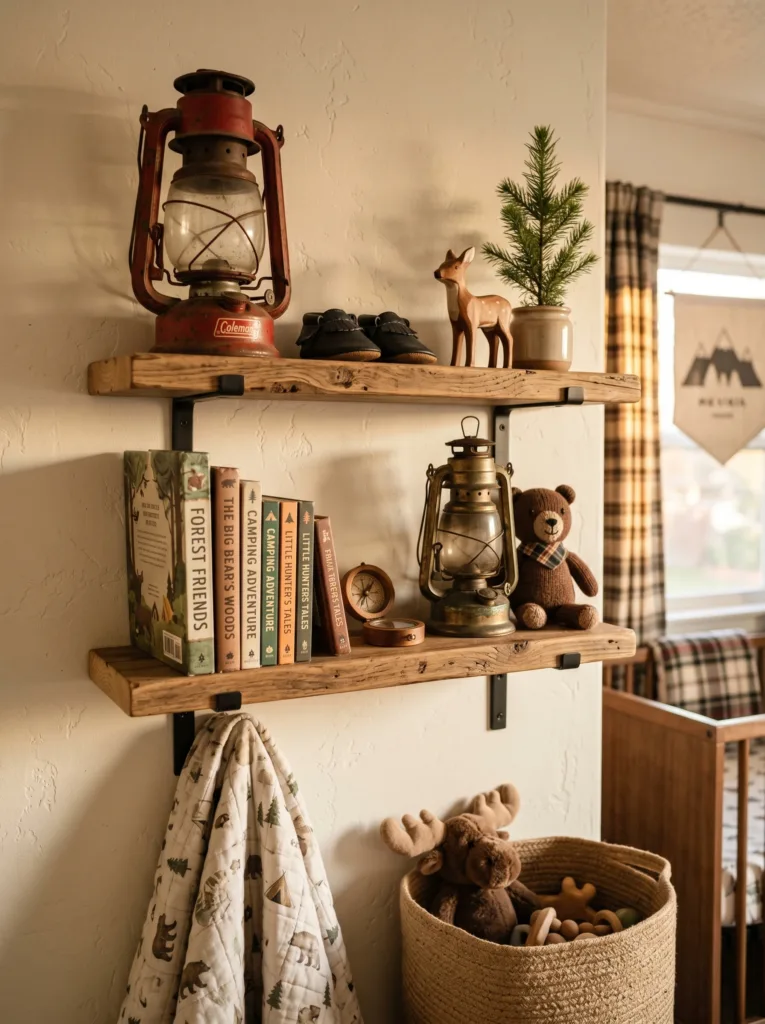
Old-fashioned camping lanterns make for adorable decor pieces in a vintage hunting nursery. You can place them on shelves, hang them from hooks, or even use battery-operated LED versions as nightlights.
They add a sense of adventure and nostalgia, and they’re a sweet nod to outdoor life. Plus, they’re functional if you need a little extra light during those middle-of-the-night diaper changes.
Look for metal lanterns with a weathered finish for the most authentic vintage feel.
13. Use Faux Taxidermy or Stuffed Animal Heads
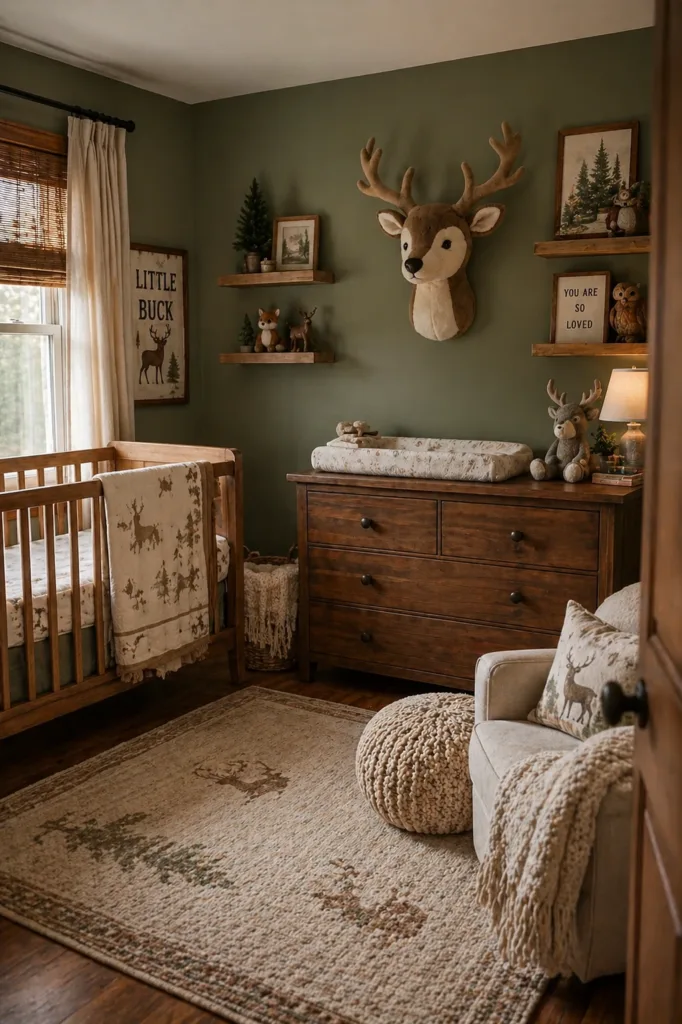
Faux taxidermy wall mounts are a playful way to bring the hunting theme to life without any of the real animal parts. You can find fabric, felt, or resin versions of deer, moose, bears, and more.
Hang one above the crib or on an accent wall for a fun focal point. Some even come in soft, plush versions that double as wall decor and a tactile toy for older babies.
This is a great option if you want the vintage hunting look but prefer a more whimsical, kid-friendly approach.
14. Layer in Cozy Textures
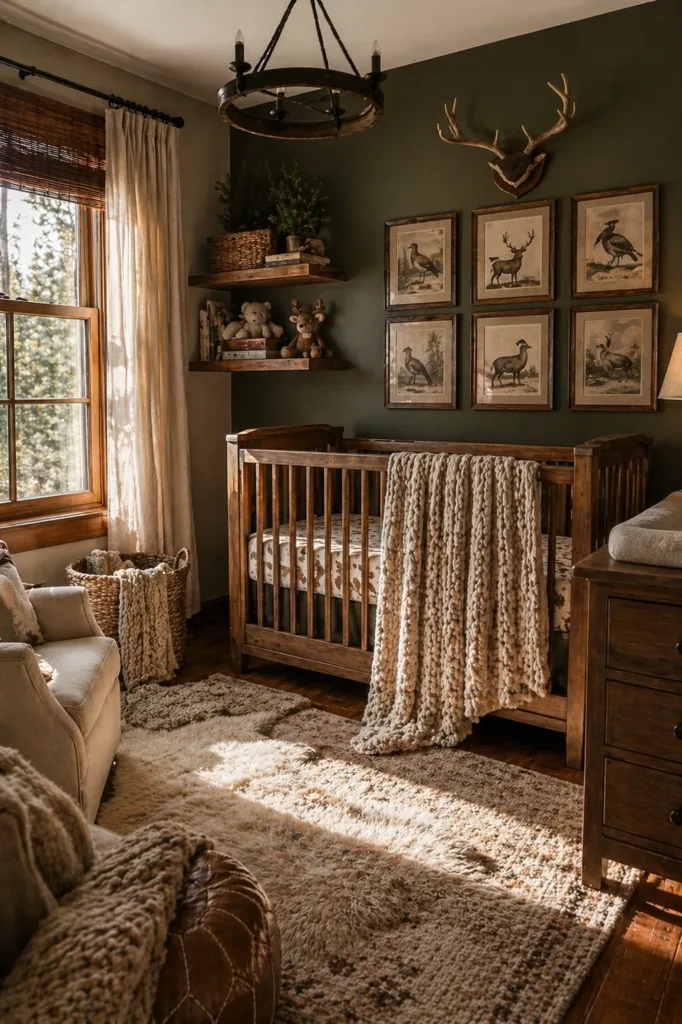
A vintage hunting nursery should feel warm and inviting, so don’t skimp on texture. Layer in chunky knit blankets, faux fur throws, wool pillows, and linen curtains.
These tactile elements make the room feel cozy and lived-in, like a real cabin retreat. They also add depth and interest to the design.
Mix and match different materials to create a space that feels rich and layered without being overwhelming.
15. Personalize with Vintage-Inspired Name Signs
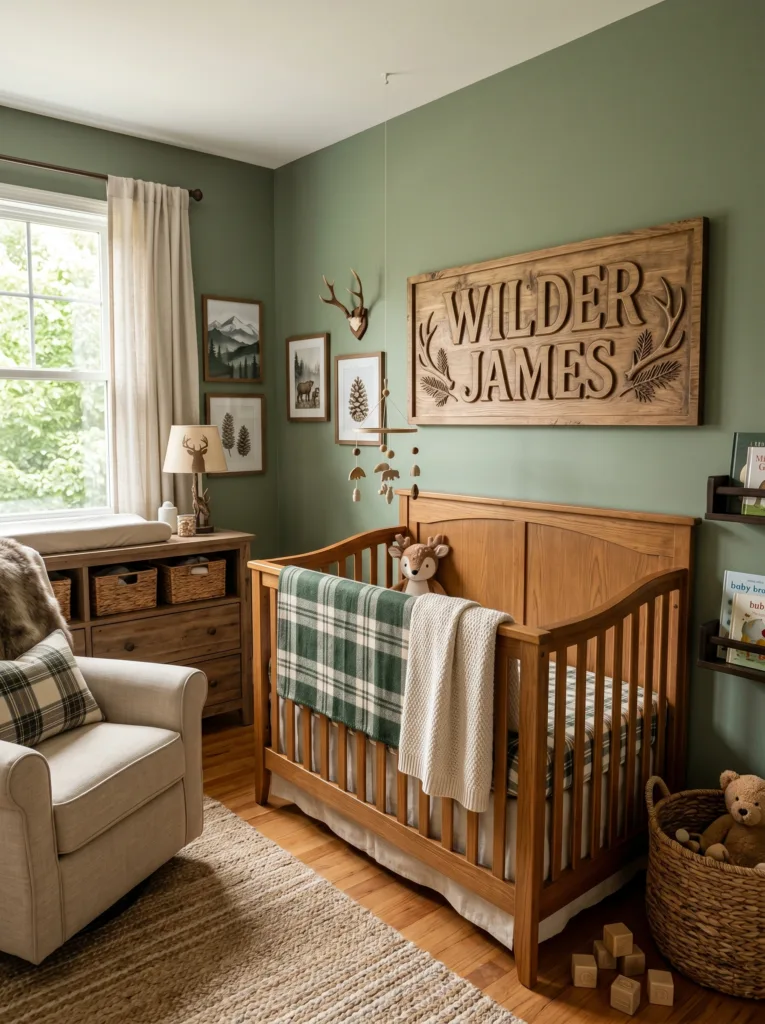
Add a personal touch with a custom name sign made from wood, metal, or even antlers. Choose a font that feels rustic and timeless, like a carved wood look or distressed lettering.
Hang it above the crib, on the door, or on a shelf. It makes the room feel like it truly belongs to your little one and adds a handmade, heirloom quality to the space.
You can DIY this with wood-burning tools or order a custom sign from a small shop on Etsy.
Quick Tips for Pulling It All Together
Creating a vintage hunting nursery is all about balance. You want it to feel rustic and nostalgic, but still safe, functional, and baby-friendly. Here are a few final tips to help you nail the look:
- Stick to a color palette. Choose three to four main colors and stick with them throughout the room. This keeps things cohesive.
- Mix old and new. Pair vintage finds with modern, safe nursery furniture. You get the best of both worlds.
- Keep it clutter-free. Vintage decor can feel busy if you overdo it. Edit your pieces and leave some breathing room.
- Think safety first. Make sure all decor is securely mounted, and avoid anything with small parts or sharp edges near the crib.
- Add personal touches. Include family heirlooms, photos from your own outdoor adventures, or handmade items to make the space truly yours.
Common Mistakes to Avoid
Even with the best intentions, it’s easy to go off track when designing a themed nursery. Here are a few things to watch out for:
Going too dark. Vintage hunting decor can skew dark and heavy. Balance it out with plenty of white, cream, or light wood tones to keep the room feeling bright and airy.
Overloading on the theme. You don’t need hunting gear in every corner. A few well-chosen pieces will have more impact than a room crammed with decor.
Forgetting about function. It’s easy to get caught up in how the room looks, but remember it needs to work for you and your baby. Make sure you have good lighting, enough storage, and a comfortable place to sit.
Ignoring safety. Avoid hanging heavy items over the crib, and make sure all wall-mounted decor is anchored properly. If you’re using vintage furniture, check for lead paint or stability issues.
Final Thoughts
A vintage hunting nursery is a beautiful way to celebrate the outdoors, family traditions, and timeless style. It’s warm, it’s inviting, and it creates a space where your little one can dream big under the stars.
Whether you go all-in with antlers and plaid or just add a few rustic touches here and there, this theme is flexible, personal, and full of heart. Take your time collecting pieces, enjoy the process, and don’t stress about making it perfect.
Your baby won’t care if the curtains match the rug. They’ll just know they’re loved, safe, and surrounded by a space that feels like home.