
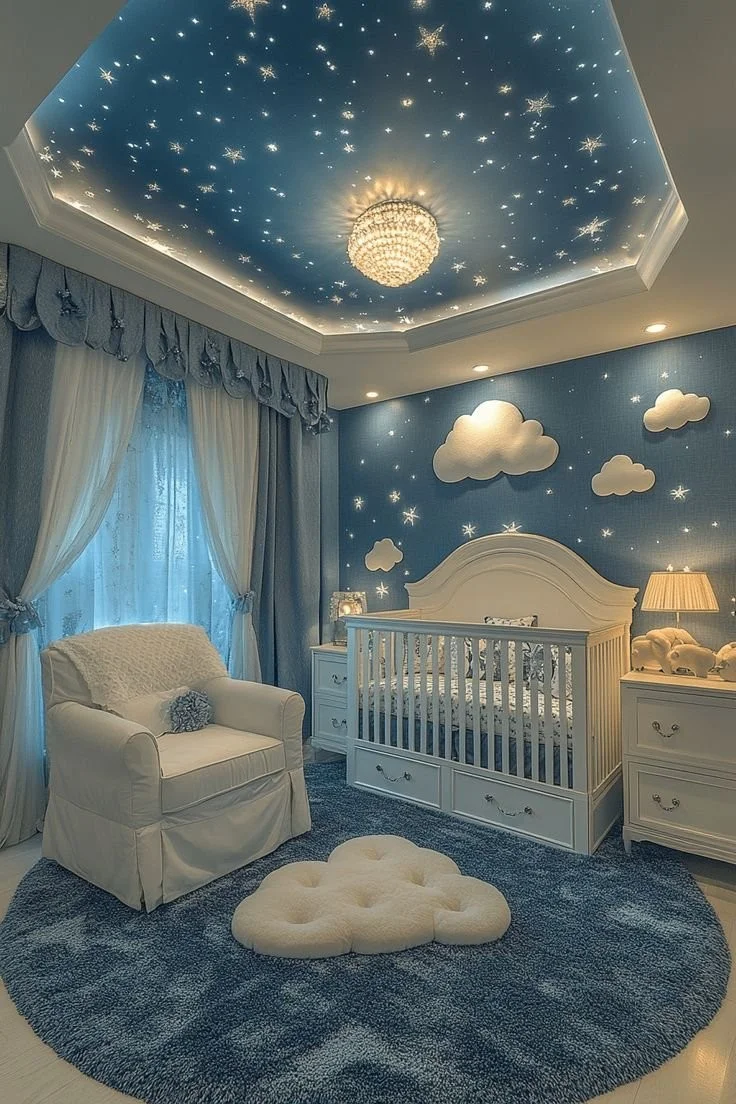
29 Nursery Decor Ideas to Make Your Baby’s Room Both Practical and Beautiful
29 Nursery Decor Ideas to Make Your Baby’s Room Both Practical and Beautiful
Designing a nursery that’s both functional and lovely doesn’t have to be overwhelming. Whether you want a cozy storybook corner or a modern, airy space, these 29 ideas will help you prioritize safety, storage, and style. If you love character-themed rooms, consider drawing inspiration from classic storybook motifs like Winnie the Pooh nursery ideas as a starting point.
Foundation: Color, Layout, and Safety (Ideas 1–4)
- Choose a calm, versatile palette — soft neutrals or muted pastels make it easy to update as baby grows.
- Plan the layout around sightlines: position the crib so you can easily see your baby from the doorway and the changing station.
- Use washable, low-VOC paints and finishes to keep the air safe.
- Anchor bookcases, dressers, and heavy furniture to the wall to prevent tipping.
Practical Furniture & Storage (Ideas 5–9)
- Invest in a convertible crib that transforms into a toddler bed for long-term value.
- Put wheels on heavy pieces or choose modular furniture to make rearranging simple.
- Choose a dresser with a removable changing top or a dedicated changing table with raised sides.
- Use under-crib storage bins for off-season items or extra linens.
- Install a narrow wall shelf or floating cubbies for small toys and bedtime books.
Smart Organization: Baskets, Labels, and Zones (Ideas 10–13)
- Group items by use: diapering, feeding, clothing, play — and label baskets to keep them organized.
- Hang a pegboard for frequently used items like bibs, hats, and burp cloths.
- Use clear or mesh bins inside closets so you can see what’s inside without digging.
- Reserve a soft-sided basket or ottoman for plush toys to keep the room tidy.
Textiles & Comfort (Ideas 14–17)
- Layer a washable area rug for warmth, noise reduction, and a soft play surface.
- Choose blackout curtains to help regulate naps and nighttime sleep.
- Pick breathable crib sheets and mattress protectors for comfort and hygiene.
- Add a nursing glider or a small recliner with a washable slipcover for feedings and cuddles.
Lighting & Ambiance (Ideas 18–21)
- Install dimmable lights, or use a dimmer lamp to transition between feeding and sleep.
- Choose a soft nightlight with adjustable brightness for late-night checks without fully waking baby.
- Use layered lighting: overhead for cleaning, task lighting at the changing area, and soft lamps for rocking.
- Put timers on essential lights or smart bulbs to create consistent sleep cues.
Wall Decor & Interactive Features (Ideas 22–24)
- Create a gallery wall with unbreakable frames and heirloom prints or family photos.
- Install a chalkboard or magnetic wall strip for an evolving creative area as your child grows.
- Hang removable wallpaper or decals to add pattern without commitment.
Growth-Friendly & Multiuse Ideas (25–27)
- Choose pieces that adapt: fold-down changing tables, stackable storage, and convertible seating.
- Reserve a small area for floor play that can later become a toddler reading nook.
- Keep a designated photo corner so you can capture milestones; if you’re planning a maternity shoot, coordinating colors with maternity photoshoot ideas can help create a cohesive look from pregnancy to newborn portraits.
Personal Touches & Finishing Details (Ideas 28–29)
- Add soft, personal touches like a handmade quilt or a special mobile to make the space feel uniquely yours.
- Keep a memory box or display shelf for first keepsakes to celebrate milestones as your baby grows.
Practical Tips for Staying Organized
- Declutter regularly: infants quickly accumulate clothes and toys.
- Make a small “open now” basket for current clothes sizes to avoid digging through the closet.
- Build a quick-change station near where you spend the most time during the day to reduce back-and-forth.
Styling on a Budget
- Repurpose furniture with fresh paint or new hardware.
- Shop secondhand for quality pieces that can be updated.
- DIY simple decor items like framed prints, garlands, or a painted bookshelf to stretch your budget.
Conclusion
For smart shelving and layout ideas that maximize small spaces, this roundup of affordable, adorable nursery bookshelf ideas is a helpful resource. If you prefer a calm, minimalist approach, explore these simple and elegant neutral nursery ideas on Lemon8 for inspiration on soothing palettes and understated decor.
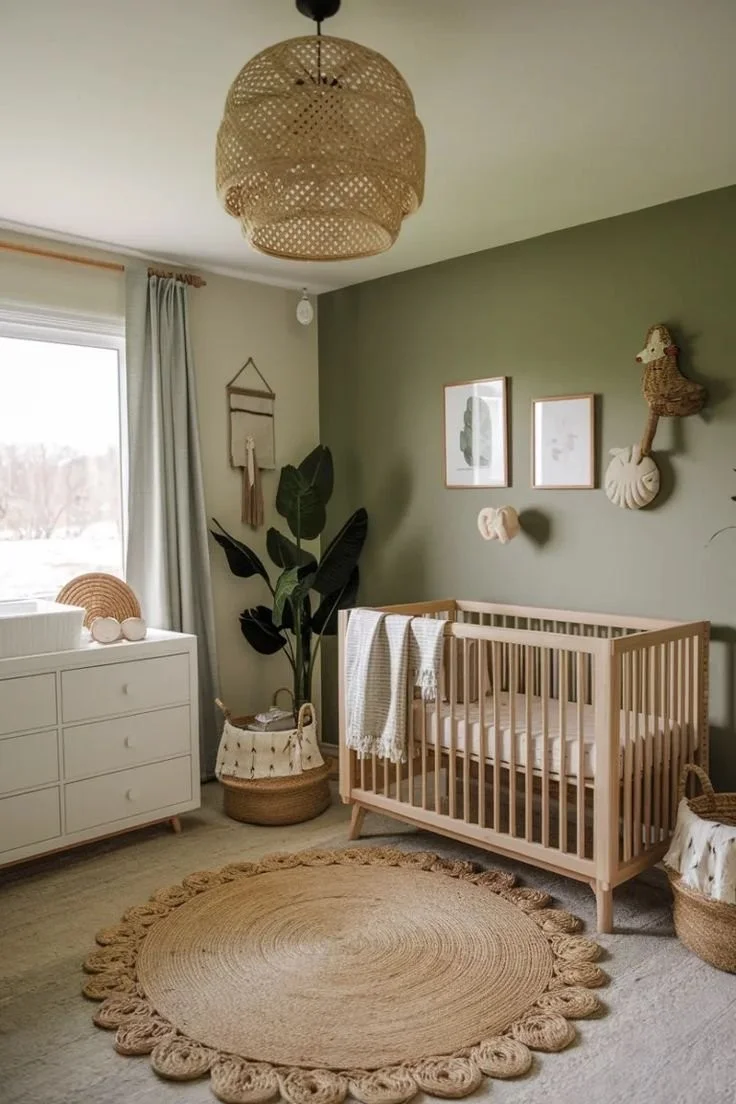
30 Dreamy Sage Green Nursery Ideas for Your Little One
30 Dreamy Sage Green Nursery Ideas for Your Little One
Sage green is a soothing, versatile color that makes a perfect backdrop for a nursery—calming enough for sleep time, stylish for photos, and easy to pair with a variety of themes. Whether you want a vintage-inspired space, a modern minimalist room, or a whimsical themed nook, sage provides a soft, neutral foundation. If you’re drawn to character-driven rooms, take a look at these sweet Winnie the Pooh nursery ideas for ways to add personality while keeping the palette serene.
Below are 30 curated ideas and practical tips to help you design a dreamy sage green nursery that’s functional, safe, and beautiful.
Color palettes and combinations
- Sage + warm ivory: a classic, cozy combo for a restful nursery.
- Sage + dusty rose: introduces a gentle romantic accent without overpowering.
- Sage + mustard: a modern, energetic touch for pops of personality.
- Sage + charcoal: for a crisp, Scandinavian-inspired look.
- Sage + pale wood tones: keeps the room grounded and natural.
Walls and accents
- Full sage paint for a tranquil cocoon.
- Sage accent wall behind the crib with neutral walls elsewhere.
- Soft botanical wallpaper with sage leaves for a nature-inspired focal point.
- Painted wainscoting in sage on the lower half of the wall for texture.
- Subtle geometric stencil in a slightly lighter sage for a contemporary touch.
Furniture choices
- White or natural wood crib to contrast with the green background.
- Convertible crib to grow with your child—choose a timeless style.
- A comfortable glider upholstered in a complementary neutral for late-night feedings.
- Minimalist dresser that doubles as a changing table with a pad on top.
- Floating shelves in light wood for display and easy cleanup.
Textiles and soft goods
- Layer a mix of textures: chunky knit blankets, gauzy muslin swaddles, and a soft wool rug.
- Choose blackout curtains in a neutral to protect nap times and keep the room calm.
- Opt for organic cotton or bamboo crib sheets in muted patterns.
- A cozy nursing pillow with a removable cover that matches the sage palette.
- Soft crib skirts or dust ruffles in ivory or pale gray for a finished look.
Lighting and ambiance
- Soft, warm LED nightlight or dimmable ceiling fixture for adjustable lighting.
- A statement pendant or woven rattan shade adds visual interest without harsh light.
- Use a plug-in wall sconce near the glider for reading and feedings.
- Fairy lights or a subtle string light for a gentle nighttime glow—keep them out of reach.
- Include a sound machine or white noise unit to help establish sleep routines.
Decor, art, and finishing touches
- Framed animal prints or subtle botanical artwork that echo the sage tone.
- Add a mix of storage baskets in seagrass or wicker for toys and blankets.
- A low bookshelf with curated toys and soft books encourages early exploration.
- Greenery—real or faux—in non-tip planters to bring life into the room.
- Personalize with a name banner, hand-painted mobile, or heirloom blanket.
Baby-proofing and practical tips
- Anchor furniture to the wall and secure cords out of reach.
- Choose non-toxic, low-VOC paints and finishes whenever possible.
- Keep the crib free of pillows, bumpers, and loose bedding for safe sleep—also consider guidelines for the best sleeping position for your baby when planning nap and nighttime routines.
- Create dedicated zones: changing, feeding, sleeping, and play to keep daily routines smooth.
Budget-friendly swaps
- Paint an accent wall instead of wallpaper for a big impact at lower cost.
- Repurpose secondhand furniture with a fresh coat of non-toxic paint.
- DIY simple art with stencils and printable frames to personalize the space affordably.
Styling for growth
Design with longevity in mind: choose neutrals for larger pieces and introduce trendier colors through easily replaceable textiles and accessories. This allows the nursery to adapt as your child grows without a full redesign.
Conclusion
Sage green creates a peaceful, versatile backdrop that works with many nursery styles—from neutral minimalism to cozy, storybook charm. For additional neutral nursery inspiration, check out Simple and Elegant Neutral Nursery Ideas – Lemon8. If you’re shopping for practical pieces and stylish essentials, explore curated options at Nursery Must Haves For Baby – Pehr.
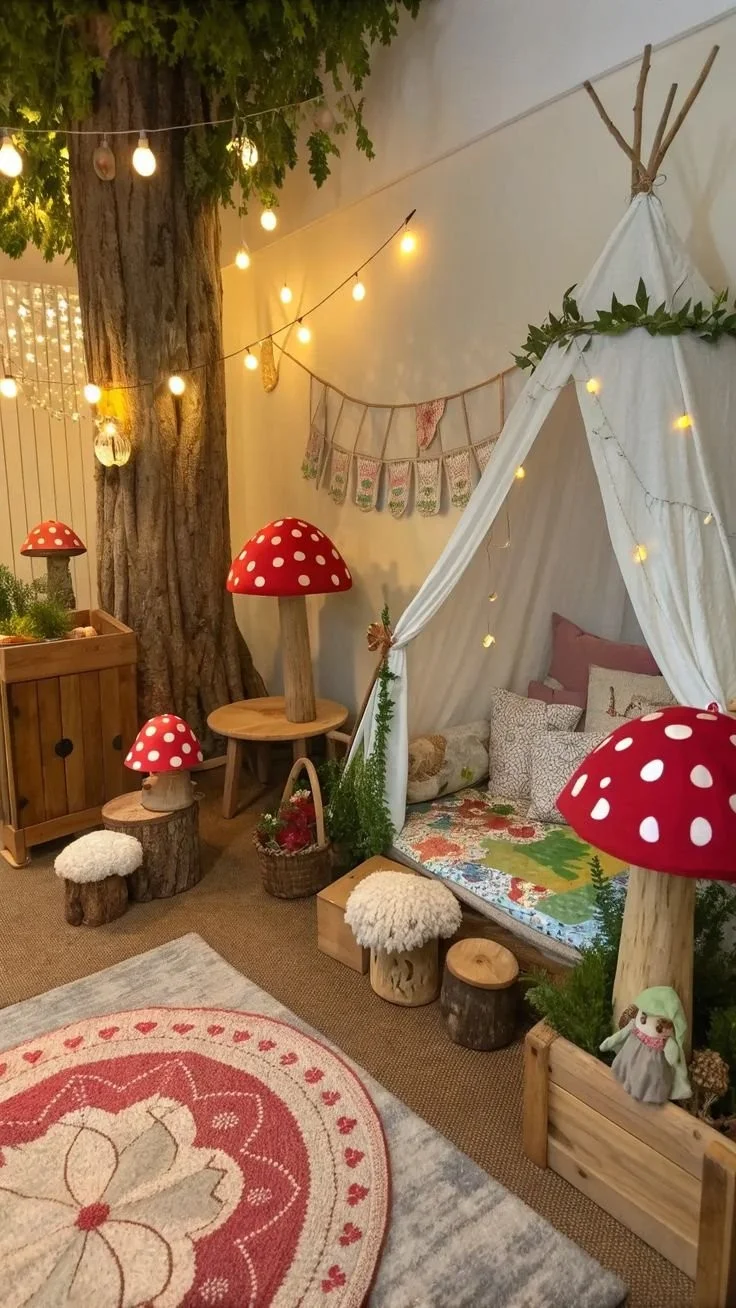
29+ Enchanting Baby Room Ideas Full of Rustic Beauty
29+ Enchanting Baby Room Ideas Full of Rustic Beauty
Creating a nursery that feels warm, timeless, and full of character doesn’t require expensive décor or designer credentials. Rustic baby rooms blend natural textures, soft palettes, and handcrafted details to form nurturing spaces where both baby and parents feel at ease. Below are inspiring ideas and practical tips to help you craft a rustic nursery that’s charming, safe, and utterly welcoming.
Introduction
Rustic style is defined by simplicity and natural materials: think reclaimed wood, linen textiles, muted colors, and unfussy accessories. It’s perfect for parents who want a calm, lived-in feel rather than a flashy, themed room. For families building routines around their little one, pairing a cozy nursery with simple mornings can help—see these baby breakfast ideas that compliment a relaxed nursery atmosphere.
Design Foundations
- Natural materials: Base your room around wood, wicker, linen, and soft cotton. A wooden crib (with safety-certified finishes) and a handmade rocking chair become focal points without overpowering the space.
- Neutral palette with accents: Use creams, soft grays, sage, and muted blush as the foundation. Add visual interest with deeper accent colors like navy, forest green, or rust, introduced in small doses via cushions or a wall-mounted shelf.
- Texture over pattern: Rustic rooms feel warm when layers of texture—woven baskets, macramé, chunky knit blankets—replace busy prints.
Furniture & Layout
- Crib placement: Position the crib away from direct sunlight and drafts, preferably along a wall with enough clearance for changing and storage nearby.
- Multi-use pieces: Choose a dresser that doubles as a changing table or a bookshelf that holds toys and keepsakes. This reduces clutter and preserves a calm aesthetic.
- Comfortable feeding corner: A soft armchair or glider with a side table completes a functional, comforting nook for nighttime feeds and story time.
Wall & Ceiling Treatments
- Reclaimed wood accent wall: A single shiplap or reclaimed-wood wall behind the crib creates instant rustic charm without overwhelming the room.
- Soft wallpaper motifs: If full-on wood feels heavy, opt for wallpaper with subtle, nature-inspired patterns—birch trees, tiny feathers, or faint stripes.
- Ceiling detail: Exposed wooden beams (real or faux) or a painted ceiling in a complementary neutral deepen the room’s character.
Lighting & Ambience
- Layered lighting: Combine a soft overhead fixture with a warm-toned floor lamp and a dimmable nightlight to set the right mood for day and night.
- Natural light management: Sheer curtains diffuse daylight while heavier drapes block out light for nap time. Linen or cotton fabrics keep the look cohesive.
- Accent lights: A small string of battery-operated fairy lights tucked into a shelf or canopy gives a magical yet understated glow for late-night soothing.
Textiles & Soft Furnishings
- Cozy rugs: A plush, low-pile rug in neutral tones adds comfort and warmth underfoot for those first floor play sessions.
- Handmade touches: Quilts, knitted blankets, and embroidered cushions add personal charm and heirloom potential.
- Practical softness: Machine-washable slipcovers and rugs save time while maintaining the rustic look.
Storage & Organization
- Open shelving: Rustic floating shelves made from reclaimed wood display small toys and books while staying within reach.
- Woven baskets: Use baskets for toys, blankets, and laundry to keep clutter hidden but accessible.
- Toy rotation: Keep only a few toys out and rotate them periodically—this keeps the room tidy and stimulates curiosity.
Decor & Personalization
- Nature-inspired art: Framed botanical prints, wooden animal carvings, or handmade mobiles reflect the rustic theme without being kitschy.
- Growth markers: A wooden ruler panel or chalkboard growth chart makes a lovable keepsake and adds vertical interest.
- Sentimental details: Display family photos in simple wooden frames or add a small shelf for special mementos.
Safety & Practical Tips
- Non-toxic finishes: Look for furniture and paints labeled low-VOC or non-toxic, and ensure all small décor items are out of reach of curious hands.
- Secure furniture: Anchor dressers and shelves to the wall to prevent tipping as your child begins to climb.
- Washable options: Choose fabrics and rugs that can handle the inevitable spills and messy milestones.
Theme Variations (Rustic with a Twist)
- Farmhouse charm: Combine white beadboard, black iron accents, and gingham textiles for a classic farmhouse nursery.
- Woodland retreat: Deep greens, animal motifs, and fern prints create an outdoor-inspired sanctuary.
- Coastal rustic: Driftwood décor, soft blue-gray hues, and airy linens evoke a seaside cottage.
- Scandinavian rustic: Minimal lines, light woods, and functional design keep the look clean and serene.
DIY Projects to Personalize
- Reclaimed wood shelves: Simple to build and endlessly useful, these shelves add authenticity and storage.
- Painted growth board: Repurpose a plank of wood into a vertical growth chart with a light stain and hand-painted markings.
- Handmade mobiles: Use felt and natural twine to craft a mobile that echoes your chosen color palette.
Budget-Friendly Hacks
- Mix thrifted pieces with new basics: A refurbished dresser paired with a new crib mattress and bedding keeps costs down without sacrificing safety.
- Repurpose household items: An old ladder becomes a quilt rack; mason jars hold small toys or cotton balls.
- Focus on accents: If renovation isn’t an option, update textiles, lighting, and wall art to transform the room’s mood.
Inspiration Gallery (Ideas to Try)
- Neutral nursery with a reclaimed wood headboard behind the crib
- Tiny cabin-style room with layered wool rugs
- Soft blush and sage nursery with macramé accents
- Gender-neutral space with forest-green accent wall and wooden mobiles
- Minimal Scandinavian nursery with warm wood tones and white walls
Planning Checklist Before You Start
- Measure the room and mark major furniture placements on the floor plan.
- Check crib safety standards and mattress fit.
- Choose durable, washable textiles for high-use items.
- Create a lighting plan with dimmable options.
- Budget for at least one statement piece (antique dresser, reclaimed wood wall) to anchor the design.
Final Touches
- Rotate toys to keep the room fresh and reduce clutter.
- Add a few plants (or realistic faux plants) to bring life into the space—place them out of baby’s reach.
- Label baskets and bins to maintain organization as baby grows.
Conclusion
If you enjoyed exploring rustic nursery ideas and want to expand your home’s cozy palette, consider how color trends influence timeless design—this overview of 2023 kitchen color trends can spark unexpected pairings that translate beautifully into nursery accents. And if you’re inspired by nature-forward venues and want a similarly charming aesthetic for other events or spaces, learn more about the picturesque Weatherington Woods wedding venue for ideas on rustic details and outdoor-inspired décor.
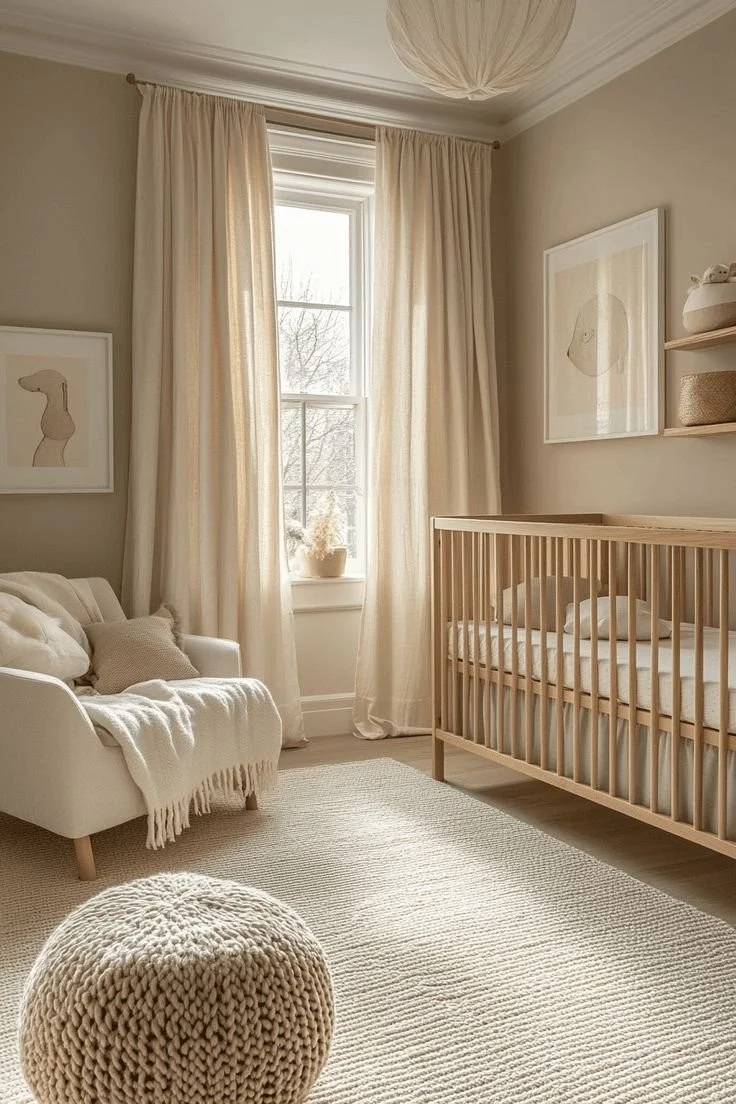
29 Neutral Baby Nursery Inspiration That Creates a Soft Joyful Beginning
29 Neutral Baby Nursery Inspirations That Create a Soft Joyful Beginning
Welcoming a baby is a moment of quiet wonder, and a neutral nursery can amplify that softness while remaining timeless and flexible. Neutral palettes let texture, light, and small accents shine—soothing the space for newborn naps and growing with your child. For thoughtful gift ideas that focus on parents as well as baby, consider this curated list of gifts for new moms that aren’t for the baby, which pair beautifully with a calming nursery.
Below are gentle, modern ideas to inspire a serene room that feels joyful without overwhelming the senses.
Design principles to guide you
- Keep the base palette limited to two or three neutrals (cream, soft gray, warm beige) so accents pop without competing.
- Prioritize natural materials—wood, cotton, linen, and wool—to create visual warmth and tactile interest.
- Layer soft lighting: overhead dimmer, a warm bedside lamp, and a nightlight for gentle illumination.
- Choose furniture with longevity in mind: convertible cribs, quality gliders, and storage that adapts.
- Add subtle pattern through textiles rather than bold wallpaper for a restful effect.
29 neutral nursery ideas
- Soft cream walls with white trim for a luminous, airy feel.
- Greige accent wall behind the crib to add depth without heavy contrast.
- Natural wood crib and dresser to introduce organic warmth.
- Textured woven rug in ivory to anchor the play and nap area.
- Linen curtains that filter light and add movement.
- A cozy reading nook with a plush chair and a muted throw blanket.
- Open shelving with neutral baskets for tidy, attractive storage.
- Subtle geometric mobile in wood and muted tones over the crib.
- Washable area rug in a pale Oat or Sand for practicality and softness.
- Warm gray changing station with a washable pad and cloth organizers.
- Monochrome gallery wall using framed soft-tone prints for calm visual interest.
- Neutral themed wall decals (clouds, stars) that are removable as tastes change.
- Soft leather or fabric pouf for floor seating in a gentle tan.
- Minimal brass or matte black hardware to add a refined contrast.
- Sheepskin or faux-sheepskin rug draped over a chair for extra coziness.
- Conservational plants in safe varieties placed high on shelves to add life.
- Earth-toned knit blankets layered in a basket for texture and convenience.
- Soft pastel accent pillows kept to a minimum to preserve serenity.
- Muted plaid or stripe crib sheets for a classic, understated pattern.
- A slim, warm-hued bookshelf to encourage early reading rituals.
- Neutral wallpaper with very small-scale print for a feature wall.
- Light wood rocker with an ergonomic cushion for comfortable feedings.
- Subdued mural in a single tonal value to add whimsy without color clash.
- Built-in dimmable lighting for late-night soothing and diaper changes.
- Convertible storage bench that doubles as seating during story time.
- Cork or fabric bulletin board framed in pale wood for displaying milestones.
- Soft toy collection in coordinating tones displayed on wall pegs.
- Neutral-toned blackout blinds for nap-friendly darkness during the day.
- Personalized wooden name sign in muted tones for a subtle focal point.
Small touches—like contrast-free toys, tactile books, and baskets for organization—keep the room practical and peaceful. If you want character-focused neutral ideas that still feel storybook-like, you might enjoy this curated set of Winnie-the-Pooh nursery ideas, which show how beloved characters can be rendered softly within a neutral palette.
Styling tips to finish the room
- Rotate a single accent color seasonally—soft sage or dusty blush—to keep the nursery fresh without repainting.
- Keep floor space clear for tummy time and play by storing extras in boxes or under-crib drawers.
- Mix materials (wood, metal, fiber) sparingly so the space feels curated rather than cluttered.
- Test textiles for washability and safety (no long tassels or loose beads).
- Capture baby’s growth with a minimal, neutral milestone photo backdrop that won’t date the room.
Conclusion
A neutral nursery gives you a soft, adaptable canvas that celebrates quiet joy and grows with your child—providing comfort now and flexibility later. For inspiration on warm, inviting colors that can translate beautifully from living areas to a peaceful nursery, explore the curated palette ideas from Benjamin Moore’s living room color inspiration. If you’re considering a playful, yet gentle twist on nursery color, see creative approaches to colorful themes adapted for calm rooms in this feature on rainbow nursery ideas on Lemon8.

What do I really need for a new baby
What Do I Really Need for a New Baby? A Minimalist’s Guide
Bringing a baby home is exciting — and overwhelming. The stream of “must-haves” from well-meaning friends, social media, and retailers can make any minimalist rethink their calm. This guide strips the lists down to what actually matters so you can spend less time shopping and more time resting (or breathing).
If you’re prepping the nursery and thinking ahead to simple play, remember to plan low-fuss, reusable ideas like indoor activities for toddlers that scale as your child grows.
The minimalist mindset
Minimalist parenting focuses on quality over quantity, multi-use items, and delaying purchases until a real need appears. Ask: “Will this save time, money, or sanity?” If not, skip it.
Essentials by category
- Sleeping
- A safe sleep surface: a firm mattress in a convertible crib or a compact bassinet. The mattress and fitted sheet are the priorities; skip overly padded bumpers and excessive bedding.
- 2–4 breathable, fitted sheets (washable and easy to swap).
- Feeding
- If breastfeeding: nursing pillow (optional) and a few washable nursing pads.
- If formula feeding: one good bottle and a small set of extra nipples; more bottles can be added as needed.
- Burp cloths — 6 to start.
- Diapering
- 20–30 disposable diapers or a small stash of cloth diapers to test what works for you.
- 6–8 diaper changes worth of wipes or a washable cloth alternative.
- A changing pad or a washable cover to protect surfaces.
- Clothing
- 6–8 bodysuits/onesies in newborn and 0–3 sizes (remember babies grow fast).
- 3–4 sleepers or sleep sacks depending on season.
- One weather-appropriate outer layer and a few socks/hat.
- Bathing & health
- Small baby tub or basin, mild baby wash, soft washcloths.
- Nail clippers, a digital thermometer, and a basic first-aid kit.
- Transport & outings
- One reliable car seat that fits your car, installed before the due date.
- A simple carrier or sling for hands-free trips; a stroller only if you’ll use it regularly.
- Sleep & soothing
- White noise machine or app, swaddles or safe sleep sacks, and a few soft, washable loveys for older newborn stage.
Gear to skip (or borrow)
- Fancy gadgets that do one thing (bottle warmers, wipes warmers, elaborate swings).
- An army of cute outfits you’ll avoid using for spit-up.
- Excessive toys — babies need a few high-contrast cards, a rattle, and time on the floor.
Shopping and secondhand tips
- Buy the essentials new when safety matters (car seats, mattresses).
- Accept hand-me-downs for clothing, non-seat furniture, and many toys — wash and inspect them.
- Delay nonessential purchases until you know your routines and needs.
Simplified registry strategy
Make a short registry of true essentials and a few experiential gifts (meals, babysitting, or a cleaning service). If friends insist on physical gifts, suggest a simple book or keepsake; if they ask what to write in a book for your baby shower, a thoughtful line about love or a future memory can be perfect: what to write in a book for a baby shower.
Daily-life checklist for the first month
- Night: 1–2 swaddles, white noise, a firm sleep surface.
- Diaper bag: 4 diapers, wipes, 1 changing pad, 1 spare onesie, a simple blanket.
- Home: easy access to feeding supplies and burp cloths, a clean place to lay baby down.
Keep it flexible
Minimalism is about freedom. If you find yourself struggling with sleep, mobility, or feeding, add one item at a time until the pain point is solved. Returning unused items or reselling them is perfectly fine — the goal is a sane, functional home.
Conclusion
A minimalist approach centers on safety, few versatile items, and delaying nonessential buys until real needs emerge. For a simple registry and more pared-down shopping ideas, this article on A Minimalist Baby Registry For Parents Who Kind Of Hate Baby Stuff offers practical picks. If you want another perspective on what to actually prepare before baby arrives, see this practical rundown: Minimalist Newborn Prep: What Does Baby ACTUALLY Need?
29+ Old-Soul Baby Rooms With Modern Simplicity
29+ Old-Soul Baby Rooms With Modern Simplicity
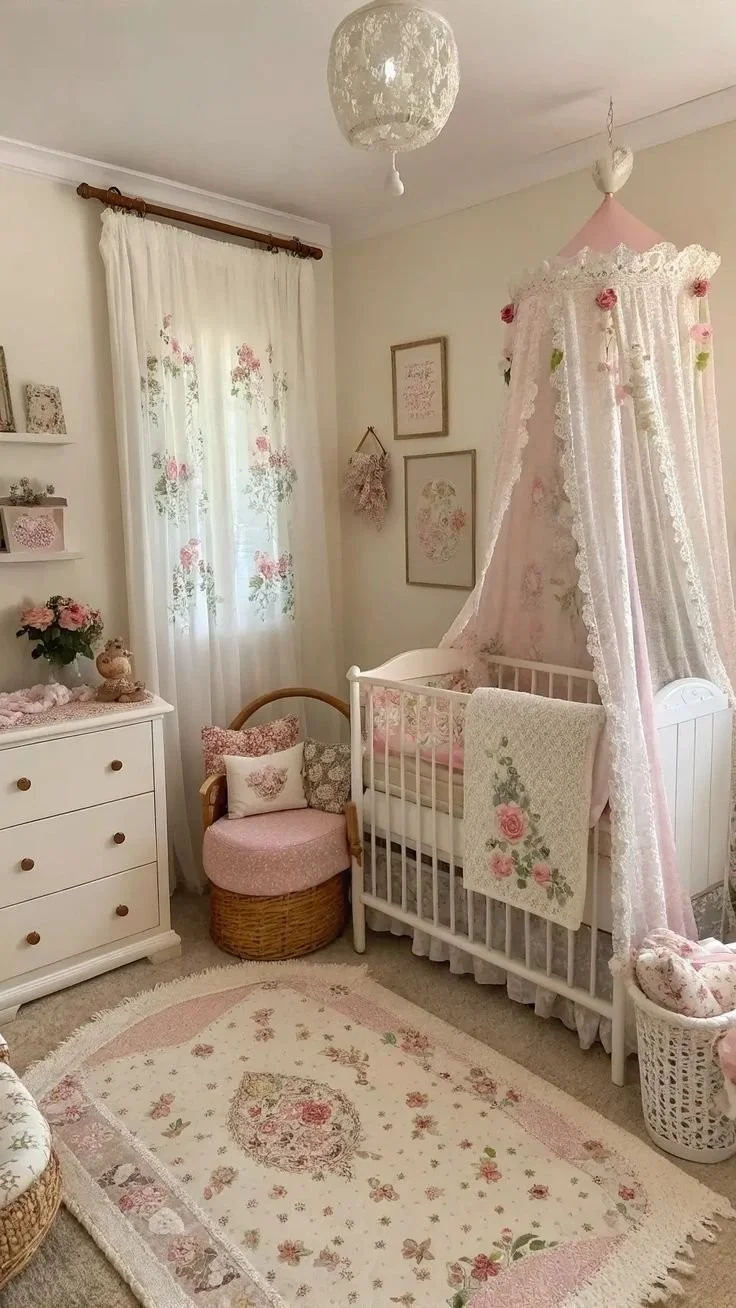
Creating a nursery that feels timeless and calm doesn’t mean reverting to heavy antiques or dusty prints. An "old-soul" baby room blends the gentle nostalgia of vintage elements with the clean lines and functionality of modern design. Before you begin planning layout and décor, it’s helpful to consider practical sleeping habits—like understanding why babies sometimes sleep with their mouth open—so the room supports restful, safe sleep as well as style.
The Old-Soul Modern Aesthetic: Core Principles
- Soft, restrained palettes: Think warm creams, muted sage, clay, and dove gray rather than bright primaries.
- Natural textures: Rattan, linen, wool, and unfinished wood add age and warmth without clutter.
- Minimal ornamentation: A few meaningful vintage finds (a brass lamp, embroidered blanket, or heirloom toy) go further than a room full of tchotchkes.
- Functional furniture with character: Choose modern cribs and storage that have classic silhouettes—spindles, tapered legs, or simple paneled fronts.
- Layered lighting: Combine a soft overhead fixture with a dimmable floor lamp or wall sconce for cozy evenings.
Layout and Practicality
Design the room around how you’ll use it nightly: a comfortable nursing or rocking chair near the crib, a changing station at a convenient height, and storage that keeps everyday items within reach but out of sight. Keep pathways clear and use baskets or closed cabinets to maintain the serene, uncluttered feeling of modern simplicity.
Textiles and Patterns
Introduce subtle pattern through textiles—striped muslin swaddles, a small Persian-style rug in faded hues, or a scalloped-edge crib skirt. Layering different tactile fabrics creates depth without visual noise. Choose machine-washable materials for ease and longevity.
Accent Pieces That Tell a Story
A single gallery wall with family photos in mismatched frames, a vintage globe, or a restored wooden rocking horse can provide personality without dominating the room. Let each accent piece be meaningful; the restraint intensifies their impact and maintains the old-soul mood.
Color and Finish Tips
- Paint ceilings a tone lighter or darker than walls to create coziness.
- Use aged brass or matte black hardware for subtle contrast.
- Consider a matte finish on built-ins to emulate the softness of antique painted furniture.
Safety and Modern Standards
Old-soul doesn’t mean unsafe. Ensure that any restored furniture meets current safety guidelines—no loose paint, stable joints, and crib slat spacing that conforms to standards. Anchor tall pieces to the wall and choose breathable crib bedding.
Bringing Nature Indoors
Potted plants, a vase of dried grasses, or a hanging macramé planter add organic texture and a lived-in feeling. Opt for non-toxic plants and place them out of reach to keep the space baby-safe.
Nursery Activity Corners
Create small zones: a quiet reading nook with a low bookshelf, a soft play mat in a calming pattern, and a changing area equipped with thoughtful lighting for middle-of-the-night diaper changes.
Realistic Budgeting
You don’t need to splurge on every piece. Prioritize a good mattress and a comfortable chair, then hunt for vintage finds at thrift stores, online marketplaces, or family hand-me-downs. Simple updates—new hardware, a fresh coat of paint, or reupholstering cushions—can transform budget pieces.
Design Case Studies (Ideas You Can Steal)
- Scandinavian heirloom: pale wood furniture, sheep-skin rug, and a single brass pendant.
- Cottage calm: white-painted beadboard wall, gingham textiles, and lavender accents.
- Industrial gentle: reclaimed wood shelves, soft gray walls, and woven baskets to soften metal details.
In practice, you’ll mix and match principles above to reach a room that feels curated, intentional, and gentle—an environment that honors both the quiet wisdom of old-soul styles and the clean efficiency of modern simplicity. For insights into baby sleep positions and comfort cues that can inform room setup, note how infants often adopt relaxed, confident poses as they rest, such as babies who sleep with their hands behind their head, and plan cozy, unobtrusive spaces that support those habits.
Conclusion
For inspiration on combining durable, adventure-ready materials with thoughtful design—useful if you’re drawn to gear-like durability in nursery furnishings—read this detailed take on a titanium frame that balances dream build quality with real-world use at Jones SWB Titanium review: a dream bike and dream build. And if you appreciate strong opinions on pared-back setups and the arguments for simplicity in equipment choices, the perspective in Riding Rigid is Ridiculous – Opinion – Pinkbike offers a candid look at minimalist gear philosophies that can inform a minimalist nursery approach.
25 Vibrant Boho Decor Ideas to Bring Color and Creativity to Your Space
25 Vibrant Boho Decor Ideas to Bring Color and Creativity to Your Space
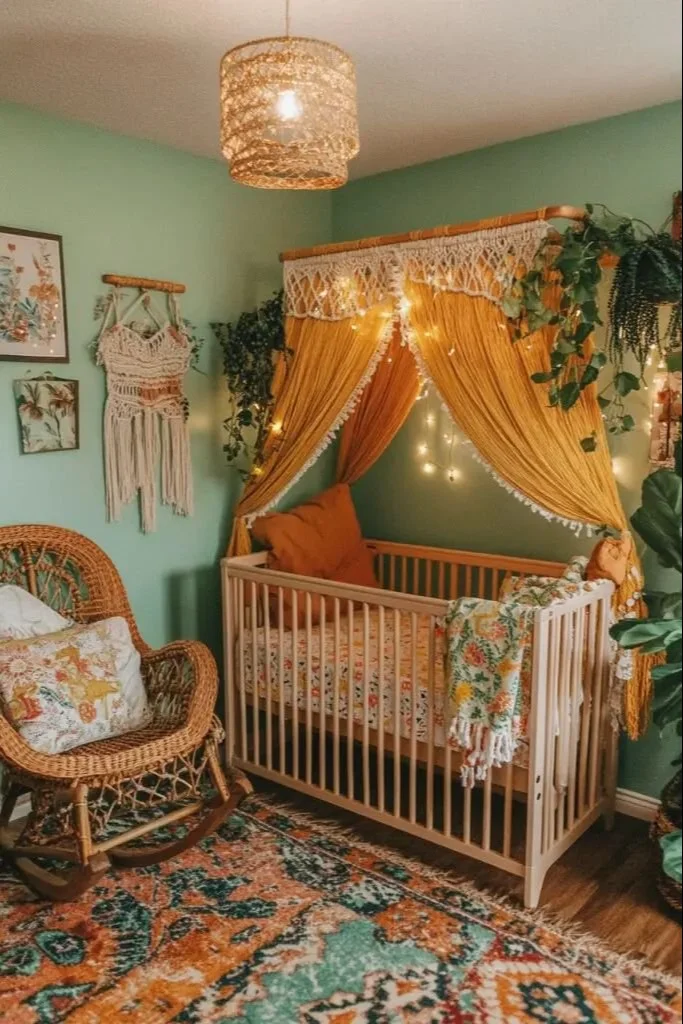
Boho decor is all about warmth, personality, and creative layering — a style that invites bold color, mixed textures, and handcrafted pieces into every corner of your home. If you’re thinking of refreshing a room with eclectic vibes, bohemian elements pair beautifully with plants, vintage finds, and DIY accents. Boho sensibilities even translate well to lifestyle photography and special moments; for example, you might find fresh inspiration among popular maternity photoshoot ideas that embrace natural, free-spirited styling.
Below are 25 original, lively boho decor ideas to help you inject color, creativity, and comfort into your space — whether you’re starting from scratch or remaking a single corner.
- Layered Rugs
- Combine Persian-inspired patterns with jute or flatweave rugs. Layering different textures and scales adds depth without feeling matched.
- Macramé Accents
- Use macramé wall hangings, plant hangers, or a macramé headboard for instant boho character.
- Bold Accent Wall
- Pick one wall and cover it with a hand-painted mural, patterned wallpaper, or a rich saturated paint to anchor the room.
- Warm, Mixed Metals
- Mix brass, copper, and matte black fixtures to create an eclectic, collected-over-time look.
- Global Textiles
- Introduce kilim pillows, Turkish towels, or Peruvian throws for pattern and color variety.
- Indoor Oasis of Plants
- Create a layered plant display with trailing vines, tall fiddle-leaf figs, and small succulents in mismatched pots.
- Vintage Finds
- Scour flea markets for vintage trunks, rattan chairs, and unique ceramic pieces to add history and texture.
- Fringe and Tassels
- Add fringe to pillows, throws, or lampshades for playful movement and handcrafted charm.
- Color-Blocked Furniture
- Paint a dresser or side table in a bold, contrasting color for an unexpected focal point.
- Curated Gallery Wall
- Mix framed art, woven pieces, and found objects into an asymmetrical gallery that tells a story.
- Statement Lighting
- A woven pendant, Moroccan lantern, or beaded chandelier can transform mood and texture.
- Natural Wood Elements
- Use reclaimed wood shelves, a live-edge coffee table, or driftwood wall art to bring organic warmth.
- Pattern Mixing
- Combine florals, geometrics, and ethnic prints in complementary color palettes to feel cohesive rather than chaotic.
- Cozy Nooks
- Create a reading corner with layered cushions, a low pouf, and soft throws — perfect for relaxed lounging.
- Hand-Painted Ceramics
- Display handcrafted bowls, vases, and pitchers to add artisan charm and subtle color.
- Low Seating and Floor Pillows
- Incorporate poufs, floor cushions, and low-profile seating for relaxed gatherings and a casual boho vibe.
- Embroidered Textiles
- Use embroidered pillow covers or table runners to add intricate detail and a handmade feel.
- Host a Boho Gathering
- If you plan a boho-themed baby shower or casual gathering, coordinate decor with natural hues and playful patterns; for guidance on gift etiquette at celebratory events, consult the helpful advice on bringing gifts to a gender reveal or baby shower.
- Mixed Material Shelving
- Pair metal brackets with wooden planks and decorate with ceramics, books, and small plants.
- Watercolor or Tie-Dye Accents
- Integrate soft dye techniques in pillows or wall art for a dreamy, artistic look.
- Travel-Inspired Vignettes
- Display souvenirs like woven baskets, carved figurines, and vintage postcards to create a worldly vignette.
- Patterned Window Treatments
- Use airy curtains in interesting prints to frame windows without blocking light.
- Painted Tile Backsplash
- Consider a hand-painted tile or patterned tile look in a small area like behind a sink or fireplace to add instant character.
- Mix-and-Match Seating
- Combine different chair styles, colors, and textures around a table for a lived-in, personal dining area.
- Soft, Layered Lighting
- Use a blend of floor lamps, string lights, and candles to build a warm, inviting atmosphere as daylight fades.
Tips for pulling it all together:
- Choose a consistent color thread (two to three dominant hues) to unify diverse patterns.
- Balance busy patterns with neutral textures like linen, rattan, and raw wood.
- Embrace imperfections — the boho look thrives on individuality and handmade touches.
- Shop secondhand and support artisans for unique pieces that carry stories.
Conclusion
If you’re ready to tackle a colorful floor project as part of your boho refresh, a practical how-to is available in Jessica Brigham’s step-by-step guide: Yes You Can! How to Paint a Bathroom Tile Floor. And when you’re choosing a cohesive paint palette but feel overwhelmed by options, these expert tips can help streamline your decision-making: How to Choose Paint Colors When You’re An Overthinker.
20 Boho Nursery Decor Ideas for Crafting a Peaceful and Playful Baby Space
20 Boho Nursery Decor Ideas for Crafting a Peaceful and Playful Baby Space
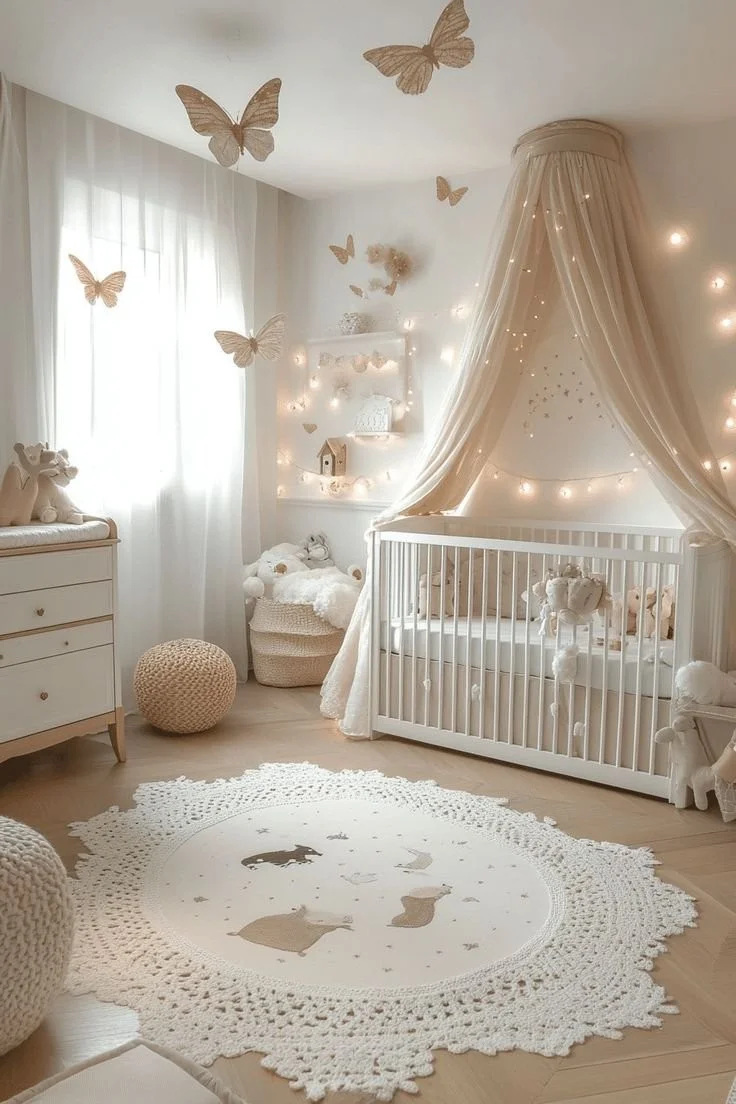
Creating a boho nursery blends soft textures, natural elements, and a free-spirited vibe to make a calming yet whimsical room for baby. Whether you’re working with a small corner or a full room, these ideas will help you design a gentle, layered space that grows with your child. If you’re also planning a celebration before baby arrives, you might find helpful inspiration in these baby shower food ideas for a girl to match your boho theme.
Neutral base palette
Start with warm neutrals — creams, soft terracotta, muted sage — to create a soothing backdrop that lets textiles and art stand out.Layered rugs
Stack a woven jute rug with a softer cotton or wool rug on top for tactile interest and cozy floor play.Macramé wall hangings
Handmade macramé pieces add texture and a classic boho touch above the crib or changing table.Natural wood furniture
Choose pieces in light oak or birch for a grounded, organic look that complements bright textiles.Rattan accents
A rattan bassinet, rocker, or light fixture brings airy, vintage charm and warmth to the room.Earthy artwork
Hang prints or original art with botanical or simple animal themes in muted colors for a gentle focal point.Soft layered bedding
Use breathable muslin or organic cotton layers and a lightweight quilt for comfort and visual softness.Pampas grass arrangements
A small vase with pampas or dried flowers creates a timeless boho vignette — keep it out of baby’s reach.Playful mobiles
Choose a lightweight mobile with neutral shapes (clouds, moons, feathers) to stimulate sight without bright overstimulation.Wicker storage baskets
Baskets are practical for toys and blankets while keeping the aesthetic cohesive and clutter-free.Personalized name sign
A simple wooden or embroidered name sign adds a personal and handcrafted element to the space.Soft lighting layers
Combine a central pendant with a dimmable lamp and fairy lights for adjustable mood lighting during late feedings.Cozy reading nook
Add a floor cushion, small shelf, and soft throw to create a calm corner for story time and bonding.Global textiles
Incorporate kilim or ikat pillows and throws to introduce pattern and color without overwhelming the palette.Subtle wall decals or wallpaper
A muted nature pattern on one accent wall can give depth while keeping the rest of the room calm.Low shelves for toys
Open, low shelving helps older babies explore safely and encourages independent play as they grow.Practical changing area with style
Design a changing station that looks intentional: woven bins, a pretty changing pad cover, and easy-to-reach diaper storage. For guidance on what to prepare when baby starts solids, check these simple baby food recipes for 6–8 months to plan ahead.Textured curtains or roman shades
Choose window treatments that soften light and add another layer of texture to the room.Greenery and plant life
Use a couple of small, non-toxic plants (or realistic faux plants) to bring life and fresh feeling to the nursery.Kid-safe mirrors and shapes
Introduce a soft-edged mirror or fun geometric wall shelves that serve as decor and early visual stimulation.
Tips for keeping the boho look functional:
- Stick to a restrained color palette to avoid visual clutter.
- Prioritize breathable, washable fabrics for easy cleaning.
- Create designated storage zones so toys don’t overwhelm the aesthetic.
- Mix secondhand or handmade pieces with new items to get personality without overspending.
Conclusion
For more visual ideas and step-by-step styling tips, explore the cozy nursery inspiration available on Lemon8’s nursery design guide. If you’re working with a budget, these practical and budget-friendly nursery suggestions from The Southern Source offer clever ways to achieve a beautiful boho look without overspending.
25 Cozy Baby Rooms With a Cottagecore Aesthetic
25 Cozy Baby Rooms With a Cottagecore Aesthetic
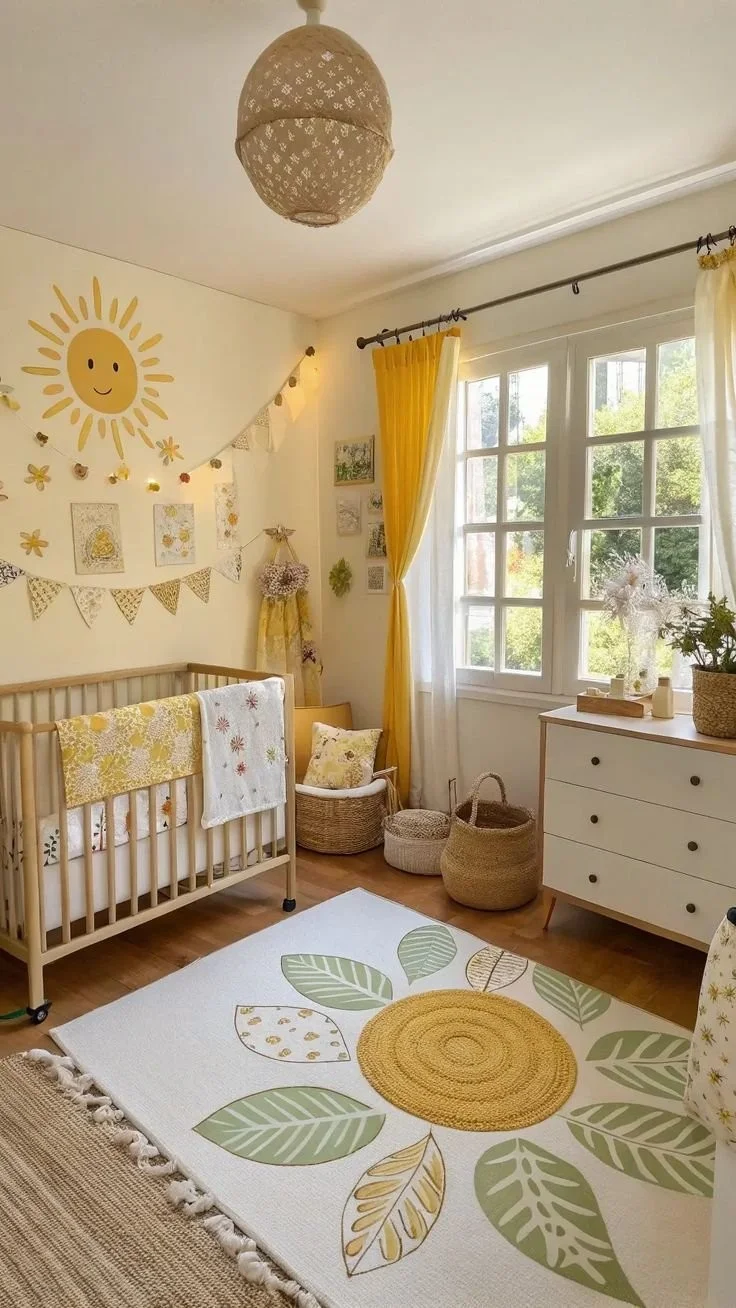
Cottagecore for baby rooms is all about warmth, natural textures, soft patterns, and whimsical touches that feel like a gentle walk through the countryside. Before you begin pinning floral garlands and wicker baskets, remember to balance nostalgia with modern safety and practicality, and consider life logistics as you plan long-term—this guide even touches on practical parenting questions like whether you can bring a child to campus when making big life decisions about babies and big transitions.
Below are 25 ideas to help you create a cozy, cottagecore nursery that’s both safe and storybook-charming.
- Soft floral wallpaper on a single accent wall paired with muted paint on the others to avoid overstimulation.
- A vintage willow bassinet or a whitewashed crib with rounded details to evoke a timeless feel.
- Layered textiles: linen curtains, a knit throw, and a braided rag rug for texture underfoot.
- Natural wood furniture—birch or pine—left slightly distressed for an antique look.
- A wicker changing basket with cloth liners instead of harsh plastic storage.
- Hand-stitched bunting and garlands made from recycled cotton scraps for a homemade touch.
- Muted palettes—sage greens, butter yellows, dusty roses, and warm creams—to keep the room calm.
- Botanical prints framed in simple wood to bring the outdoors in without overwhelming the walls.
- A small rocking chair upholstered in floral or gingham fabric for late-night feedings.
- Mason jar nightlights or soft fairy lights tucked into a shelf for ambient, nondirect lighting.
- A woven canopy or fabric teepee in a corner to create a cozy reading nook as the child grows.
- Open shelving with baskets to store toys and diapers; label them with handwritten tags for charm and organization.
- Indoor-safe plants on high shelves to improve air quality—just ensure they’re out of reach.
- Vintage suitcases stacked as a side table and toy storage for a curated, collected-over-time look.
- Hand-painted murals featuring woodland scenes for a storybook focal point.
- Embroidered pillows and a quilt made from heirloom fabrics to make the space feel personal.
- Soft, washable play mats with floral or animal motifs for tummy time and exploration.
- A small mobile made from dried flowers or felted mushrooms for gentle visual stimulation.
- A peg rail for hanging tiny garments and hats—functional and decorative.
- Local artisan pottery for a humidifier or storage, adding handcrafted character.
- Repurposed shutters as wall decor or a headboard for rustic texture.
- Subtle wallpaper borders with birds or vines near the ceiling to add whimsy without clutter.
- A curated selection of wooden toys and cloth books to keep the room cohesive and eco-friendly.
- Consider a soft, dimmable floor lamp rather than bright overheads for middle-of-the-night comfort.
- Personalize with framed family photos in mismatched frames to emphasize that lived-in, loving cottage feel.
Practical tips for keeping the cottagecore nursery both beautiful and baby-safe:
- Opt for low-VOC paints and machine-washable fabrics.
- Anchor furniture to the wall and avoid heavy decor above the crib.
- Use cordless window coverings or keep cords secured and out of reach.
- Choose breathable bedding and keep crib decorations minimal for sleep safety; if you’re concerned about mouth breathing or sleep positions, read guidance on safe sleep and breathing patterns for infants including what it means when a baby sleeps with their mouth open.
If you want to lean into a stronger vintage vibe, shop secondhand and upcycle pieces for authenticity. For a lighter look, integrate modern Scandinavian lines alongside floral accents to keep the room feeling fresh.
Conclusion
For unique nursery art, a whimsical woodland painting like the Lady Squirrel oil painting on Etsy can act as a charming focal point that anchors a cottagecore scheme. If you’re expanding cottagecore touches beyond the nursery, look to home projects such as this thrifty & cozy cottagecore laundry room tutorial for inspiration on how to carry the aesthetic through your home.
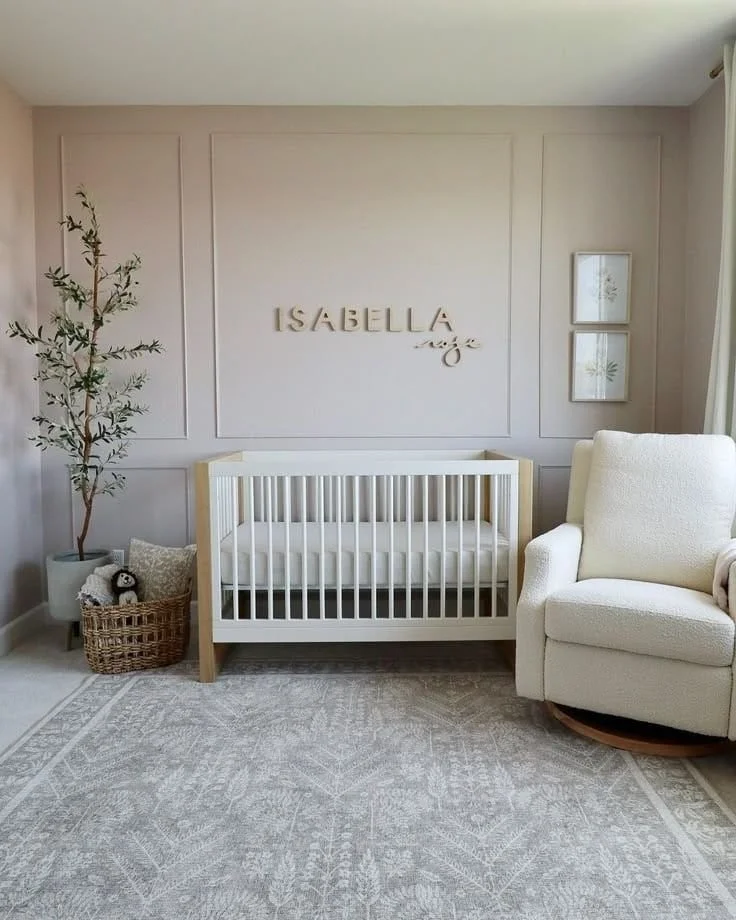
18 Neutral Nursery Decor Ideas
18 Neutral Nursery Decor Ideas
Creating a calm, timeless nursery doesn’t mean sacrificing personality. Neutral rooms can be cozy, stylish, and easy to update as your child grows. If you like classic characters with a subdued palette, you might enjoy the gentle charm found in 28 Winnie-the-Pooh nursery ideas, which show how a neutral scheme can still feel warm and storybook-ready.
Below are 18 thoughtful neutral nursery ideas—mix, match, and adapt them to suit your space, budget, and personal taste.
- Soft monochrome walls
- Choose warm whites, soft greiges, or pale taupes to create a serene backdrop that reflects light and pairs with any accent color.
- Layered textures
- Combine knit blankets, a chunky rug, woven baskets, and linen curtains to add depth without color contrast.
- Natural wood furniture
- Opt for oak, maple, or birch cribs and dressers for a timeless, Scandinavian-inspired look that ages well.
- Minimalist art
- Hang simple line drawings, black-and-white photography, or muted watercolor prints in matching frames for a cohesive wall display.
- Neutral animal motifs
- Incorporate subtle animal themes—like muted elephants or deer—through soft toys or prints for a playful yet understated vibe.
- Earthy accents
- Use terracotta, soft greens, and oatmeal tones in small doses to bring warmth and a connection to nature.
- Multifunctional changing station
- Pick a dresser-top changer or a convertible unit that stays useful as baby grows, keeping the aesthetic uncluttered.
- Woven storage
- Employ seagrass or rattan baskets to hide toys and essentials while keeping the room airy and organized.
- Soft pattern mixing
- Combine delicate stripes, tiny dots, and muted florals in textiles to create interest without overwhelming the palette; for inspiration on neutral celebrations that tie into nursery planning, see these gender reveal decoration ideas that use subtle tones and textures.
- Canopy or draped cloth
- A gauzy canopy over the crib or a soft drape behind a reading nook adds coziness and gentle visual focus.
- Neutral mobile
- Choose a handcrafted mobile in wood, felt, or linen in soft neutrals to engage baby without clashing with the room.
- Soft lighting layers
- Combine a dimmable overhead fixture, a warm bedside lamp, and a nightlight to create adaptable moods for playtime and bedtime.
- Subtle metallic touches
- Incorporate brushed brass or matte gold in small accents—like lamp bases or knobs—to add polish without glamour.
- Nature-inspired murals
- Paint a muted forest, rolling hills, or cloud motif in tonal shades rather than bright colors for a serene focal point.
- Rocking chair with neutral upholstery
- Choose a comfortable glider or rocker in an easy-to-clean, neutral fabric that complements other textiles.
- Playful yet calm floor space
- Keep an area rug with low-contrast patterns for tummy time and play while maintaining the room’s gentle aesthetic.
- Mix of modern and vintage
- Balance sleek, modern lines with one or two vintage pieces (like a restored dresser) to give the nursery character.
- Rotate accent pieces seasonally
- Swap small items—like pillows or crib sheets—in muted accent shades to refresh the room without a full redesign.
Decorating tip: stick to a 3-color rule—primary neutral, secondary neutral, and one soft accent—to keep the scheme cohesive and easy to edit as tastes change.
Conclusion
For a cozy boho take on neutral nursery styling, see this inspiring example of Margot’s boho neutral nursery reveal, which highlights texture and layered tones. If you prefer a true gender-neutral tour with practical styling ideas, check out this detailed gender neutral nursery reveal & tour for room layouts and decor choices.