

Real-Life Tips to Help Your Toddler Adjust to Being a Big Sibling
Imagine this: you bring home your precious new baby, and the first few days are filled with joy and wonder. But then you notice something alarming — your toddler, who used to be so sweet and loving, starts throwing major tantrums. You might think, "What did I do wrong?" or "Why is my child acting like this?" Here’s the thing: this behavior is completely normal, and you’re definitely not alone in this struggle.
When a new baby enters your home, everything changes. The dynamic shifts, and suddenly, that little bundle of joy demands a lot of your attention. This transition can be tough for toddlers, who might feel confused, jealous, or even threatened. They don’t have the words to express how they feel, so they act out. You might find yourself wondering how to navigate this tumultuous time. Let’s break down why this happens and what you can do to help.
Understanding the Toddler’s Perspective
Before we jump into tips and tricks, it’s essential to understand your toddler’s perspective. They’re used to being the center of your universe, and now they’re sharing that space (and your love) with someone else. Can you blame them for feeling a bit displaced?
Sometimes, it can help to put ourselves in their shoes. Imagine suddenly having to share your favorite toy or feeling that someone has taken your spot on the couch. It can feel overwhelming! Toddlers also experience big emotions they can’t yet navigate. Frustration and sadness can bubble up, and without an understanding of how to express these feelings, you might find them taking the form of a wild tantrum.
Why It’s Normal for Toddlers to Act Out
Fear of Losing Your Attention: Toddlers thrive on your attention, and a new baby can feel like a threat. They might not understand that love isn’t finite; you can love both them and the new baby.
Need for Control: Little ones love having some control over their environment. Having a new sibling pulls at their sense of autonomy, and tantrums can be a way to reclaim that control.
Struggles with Change: Toddlers are creatures of habit. Any changes in their routine — including the arrival of a sibling — can be jarring. They might fight back with tantrums and sulking.
Emotional Expression: When they get overwhelmed, they might not know how to express this. Tantrums become a physical manifestation of their emotional turmoil.
Tips to Support Your Toddler
So, how do you navigate this period without losing your mind? Here are some tried-and-true strategies to help:
Acknowledge Their Feelings
Let’s be real; validating your toddler’s feelings can work wonders. Even if you don’t fully understand why they’re upset, acknowledging that they feel upset can be powerful. Try saying something like, "I can see you’re really upset right now. It’s okay to feel that way." This helps them know their feelings are valid and encourages them to express themselves verbally more in the future.
Maintain Routines
Keeping some form of routine can offer a sense of security for your toddler. Even small things like bedtime rituals, storytime before bed, or snack times can help them feel more secure.
Spend Quality One-on-One Time
When you’ve got a new baby at home, it can feel impossible to carve out time for everyone. But even just a few minutes of focused, uninterrupted attention can mean the world to your toddler. Maybe it’s playing a quick game or reading their favorite story. Let them know they matter just as much as the baby.
Involve Them with the Baby
Encouraging your toddler to help with the baby can help them feel involved rather than neglected. Whether it’s picking out the baby’s clothes or helping with a light task, it can be a great way to bond with their new sibling.
Set Up Boundaries
While it’s essential for your toddler to be involved, it’s also crucial to explain clearly what’s off-limits, especially when it comes to safety. For instance, explain gently why they can’t hold the baby or pick them up unassisted. Setting boundaries is a loving exercise — it shows them you care, while also teaching responsibility.
Prepare Them in Advance
If possible, prepare your little one for the baby’s arrival. Books and stories about becoming a big sibling can help. You might even consider resources like Books to Prep Siblings for a New Baby to guide your conversations.
Encourage Emotional Expression
Talk to your toddler about their feelings. Use simple words and explain that being a big sibling comes with feelings that sometimes can be tough to express. Using toys or role play can also help convey complex feelings in a way they can understand.
Easy Activities for Busy Parents
Sometimes, you just need quick activities to keep your toddler engaged while you handle the baby. Here are a few easy ideas:
- Art Projects: Keep some washable crayons and paper handy for quick doodling.
- Building Blocks: Simple building or stacking activities can keep your toddler busy and allow for creative play.
- Sensory Bins: Fill a bin with rice or pasta and let your toddler dig through it. You can throw in some toys for added fun!
For more ideas on how to tire your little one out, check out 44 high-energy toddler activities.
Mistakes to Avoid
As we navigate this complex period, let’s chat about some common mistakes we might fall into:
- Ignoring Their Feelings: Maybe you think they’ll grow out of it. But ignoring their feelings can exacerbate the situation.
- Comparing Siblings: Avoid saying things like, "The baby is so good; why can’t you be like that?" It only builds resentment.
- Overreacting: It can be challenging when tantrums happen, but showing frustration can worsen the situation. Stay calm and collected.
Conclusion
Parenting through this transition is no small feat, and we’re all just trying to do our best. It’s vital to remind ourselves that these challenging behaviors are often just expressions of complex feelings. By acknowledging your toddler’s struggles and offering your support, you’re laying the foundation for healthy emotional development.
Navigating this journey together offers a chance to strengthen your bond with both your toddler and your new baby. If you’re looking for more guidance on managing this transition, check out navigating the new sibling with confidence and love. Remember, you’re not alone in this. Keep going, and cherish the beautiful chaos of parenting!
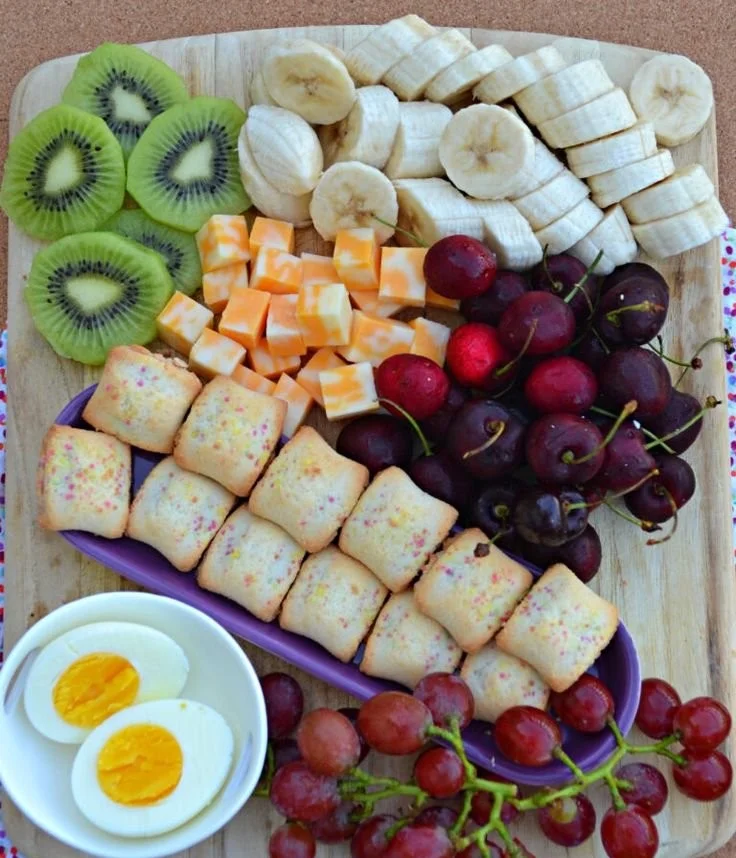
Kid-Friendly Charcuterie Breakfast Board Ideas for Busy Mornings
Imagine this: it’s one of those lazy summer afternoons. The kids are bouncing off the walls, and you’ve just come back from a grocery run, bags loaded with snacks. You sift through them and pull out a variety of items—kids’ favorite cheeses, some deli meats, fresh fruits, and crunchy crackers. You catch yourself thinking, “Do I just hand them the snack bags, or is there something more fun we can do?” Then it hits you: charcuterie boards.
Let’s be honest, charcuterie boards are everywhere right now! And the great thing about them is that they aren’t just for adults hosting fancy dinner parties. We can totally bring the charcuterie trend into our homes, even for our little ones. So today, I’m excited to share how you can build fun and colorful charcuterie boards for your toddlers using Little Bites snacks as our delightful base. After all, why shouldn’t they enjoy their food too?
Building Your Toddler-Friendly Charcuterie Board
Here’s the thing: creating a charcuterie board can be as simple or as elaborate as you want. The trick is to combine different colors, flavors, and textures, so your child is visually stimulated and engaged. I’ve found that when I lay out snacks in an enjoyable way, my kids are much more likely to try new things (and eat their veggies!).
Choosing Your Base
Start by selecting a large platter or cutting board. I love the wood ones for their natural vibe, but even a colorful plastic or ceramic platter works great. Once you’ve got your base chosen, it’s time to think about what to put on it. Here are some fabulous ideas to fill your child’s board:
Fruits: Fresh, colorful fruits are a must! Go for grapes, strawberries, blueberries, or apple slices. Not only do they add color, but they’re also healthy and hydrating.
Veggies: Let’s not forget the veggies! Baby carrots, cherry tomatoes, cucumber slices, and bell pepper strips can add crunch and color. You could serve them with a little dip like hummus or ranch dressing.
Proteins: Little Bites make a perfect addition here. You can include small pieces of cheese, deli meats, or even mini meatballs. Get creative!
Crunchy Treats: This is where the fun really happens. Crackers, pretzels, and, of course, Little Bites muffins will bring a delightful sweetness to your board.
Extras: Little containers of yogurt, nut butter, or fruits make for great dips or spreads. They offer your kids a little interactive element, which is always a win.
Making It Engaging
Now, you might be wondering how to make this process even more exciting for your kiddies. Here’s a thought: let your kids help you assemble the board! Kids love being involved in food preparation, and it’s a great way to sneak in some lessons about healthy choices along the way. Here are a few tips:
Offer Choices: Lay out various options for fruits, veggies, and proteins and let them choose what they want to include. This not only empowers them but can encourage them to try something new.
Themed Days: Introduce themes to your boards. For instance, a rainbow day can be so much fun! Only allow fruits and veggies in different colors, or maybe a “teddy bear picnic” with bite-sized foods they can pair with their favorite Little Bites.
Share Stories: While you set the board, make it a bonding moment. Share fun stories about the foods or use the opportunity to talk about where they come from. (“Did you know grapes are grown in big, big bunches?”)
Quick Tips for Success
Prep Ahead: If you’re short on time during the day, you can prep your fruits and veggies the night before. Just store them in airtight containers in the fridge for ready-to-go snacks!
Mom Hack: Since everything looks better when it’s colorful, you might want to rotate your offerings regularly. When kids see different snacks, they’re more curious about what’s on the board.
Little Bite of Fun: You know what they say, variety is the spice of life! So mix it up every day. Maybe one day focus on a breakfast board and include items like yogurt, granola, and fruits, while other days can be lunch-focused.
Mistakes to Avoid
We’ve all been there—planning an elaborate meal or snack only to have it rejected by our picky eaters. To prevent tears (yours or theirs!), keep these common pitfalls in mind:
Too Many Choices: While it’s tempting to offer everything, too many choices can overwhelm little ones. Stick to a few select items that you know they usually enjoy.
Ignoring Preferences: If your child typically dislikes one type of fruit or veggie, don’t feel pressured to include it just because it looks good on the board. Focus on what they love, and work in new items slowly.
Making It Too Complicated: As beautiful as an elaborate board may be on Pinterest, simplicity often wins when it comes to toddlers. A few colorful items can be just as appealing without the stress of overthinking.
Engaging with Little Bites
One of my go-to products for charcuterie-style snacks is definitely Little Bites. They’re not just adorable but also conveniently packed, making it easy to enhance the variety on the board. Plus, who can resist those little muffins? They make for a sweet addition that balances out the savory elements.
Here’s the flip side, even though I adore Little Bites, moderation is key. Treat snacks like muffins or cookies as the topping to your base layers of healthy foods. You want to encourage well-rounded eating habits from an early age, and it’s all about balance, right?
Bonus Ideas
If you’d like to expand your cuisine creativity, consider trying out some themed boards. Here are a couple of ideas:
Seasonal Boards: Create boards that celebrate the season. Use pumpkin for fall, berries for summer, and citrus for winter.
Cultural Boards: Explore different cuisines by deploying snacks from various countries. Think of pairing naan with some yogurt dip inspired by Indian cuisine.
Conclusion
Creating a charcuterie board for your little ones doesn’t have to be intimidating or time-consuming. It’s an excellent way to encourage healthy eating habits while having fun. Those colorful fruits and veggies you present are more likely to end up in their tummies if everything’s arranged appealingly!
As you gear up for summer, you might find some fantastic inspiration in these charcuterie ideas. If you’re looking for more variations, check out these delicious takes on child-friendly boards: a delicious Kid-Friendly Breakfast Board or enjoy a delightful Kid-Friendly Charcuterie Breakfast Board. So let’s fill our summers with fun, yummy snacks, and happy memories! You’ve got this!
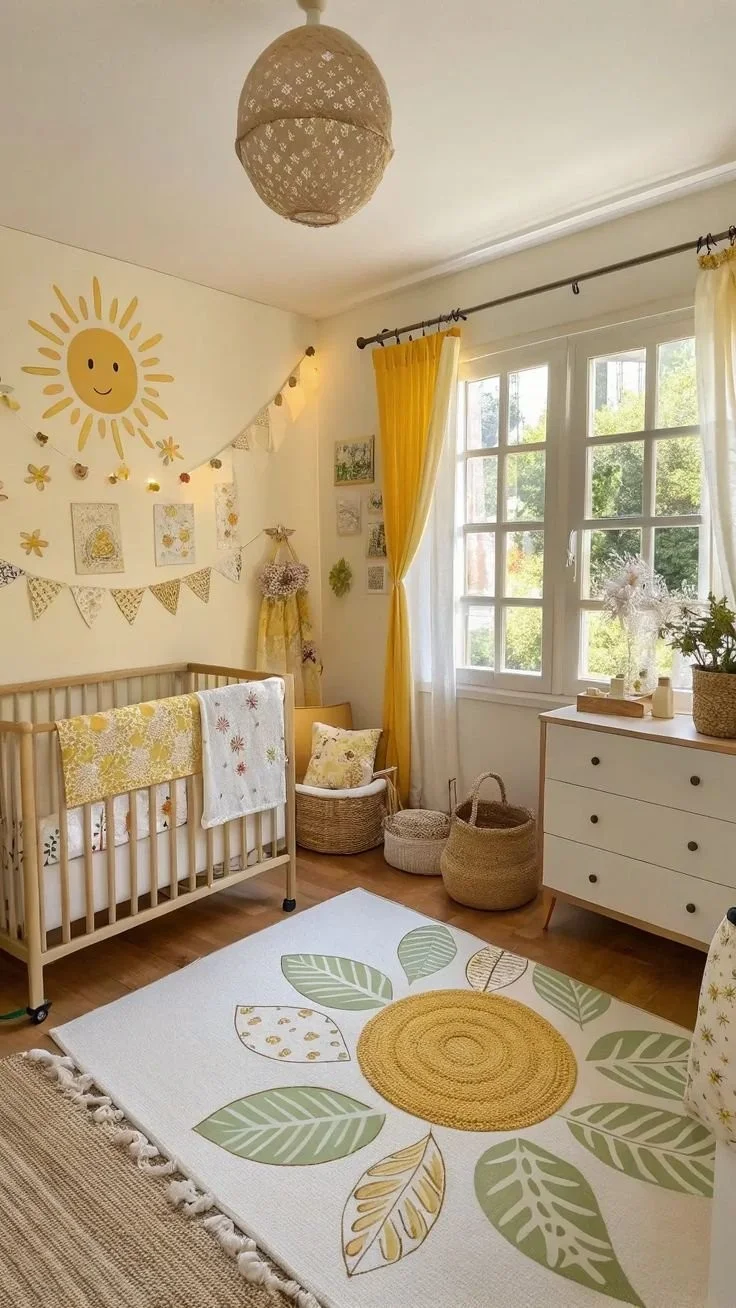
Cozy Baby Rooms with a Cottagecore Aesthetic That Spark Joy
Imagine this: you walk into your baby’s nursery, and a wave of warmth washes over you. The sunlight spills through the window, dancing on soft, textured fabrics that just cry out for hugs. You can’t help but smile as you soak in the cheerful atmosphere, decorated with sunny yellow accents and natural materials that remind you of lazy afternoons in a sun-drenched garden. If this sounds like a serene retreat you’d love for your little one, let’s explore how to create this cozy, cottagecore-inspired baby room—a radiant haven for both you and your baby.
The Essence of Cottagecore Design
Cottagecore is more than just an aesthetic; it’s a lifestyle that cherishes simplicity, nature, and comfort. When translating this vibe into your baby’s room, the goal is to create a space that radiates joy and tranquility. Here’s the thing: babies can absolutely pick up on their environment, and a bright, sunny room can set a happy tone for the day, making those early mornings just a little less daunting.
Now, you might be wondering how to combine sunlight, soft textures, and cheerful accents to achieve this magical atmosphere. It’s all about choosing the right elements that invite warmth and comfort. Let’s dive into some key components to consider when brightening your nursery.
Embracing Natural Light
Sunlight is perhaps the most important ingredient in creating a warm and inviting room.
Maximize Natural Light
- Choose Light Fabrics: Opt for sheer curtains that allow sunlight to filter in while maintaining your privacy. These can create beautiful shadows and a soft glow throughout the room.
- Position Baby Furniture Wisely: If possible, place the crib or play area near a window where natural light can illuminate the space. This will not only brighten the room but can also help regulate your baby’s circadian rhythms.
Picture this: your baby wakes up in the morning, the sun streaming through the window, creating a soft halo of light. Trust me, it makes mornings so much more beautiful!
Soft Textures for Comfort
One of the hallmarks of the cottagecore aesthetic is comfort. You want to create a tactile experience that feels cozy and inviting.
Incorporate Soft Materials
- Plush Rugs: A thick, soft rug can be a delightful surface for tummy time or casual play. It adds warmth and a place for your little one to roll, crawl, or sit comfortably.
- Snuggly Blankets: Blankets made from organic cotton or soft muslin can be perfect companions for your baby’s early years. Choose ones with lovely prints that add character and charm.
- Textured Walls: Consider using wallpaper or wall decals that feature natural patterns like florals or whimsical illustrations. These can create a sense of depth, turning walls into a part of the sensory experience.
Every parent knows that babies love to touch and feel. The softer the surroundings, the more likely they are to feel comfortable and relaxed.
Brightening Up with Yellow Accents
Yellow is the color of sunshine, and incorporating it into your nursery can evoke feelings of happiness and joy.
Create Cheerful Accents
- Wall Art: You might want to hang vibrant artwork that features cheerful scenes—think floral prints or playful animals. A delightful piece like a whimsical cottagecore animal art can really pop against a soft-colored wall.
- Decorative Pillows: Add throw pillows in various shades of yellow to your rocking chair or crib. This provides a cozy nook not just for your baby but for you as well.
- Bedding Choices: Choose soft bed linens with sunny patterns for the crib. These not only enhance the design but also bring that cheerful vibe when it’s time for naps.
Now, let’s be honest—it’s those little things that can brighten not just your baby’s room but also your mood while you’re both spending time there.
Utilize Natural Materials
The materials you choose can significantly impact the atmosphere of your nursery. Incorporating natural materials can further enhance that cozy, cottagecore feel.
Select Eco-Friendly Items
- Wooden Furniture: Furniture made from natural woods can add warmth and texture. Consider pieces that have a vintage vibe—antiques can often be found at local flea markets and thrift stores.
- Bamboo or Rattan Cribs: These materials provide a lovely earthy aesthetic that pairs beautifully with soft colors and floral accents.
- Ceramic Decor: Use handmade ceramic items for decorative storage or as display pieces. These can really bring a touch of artisanal charm to the room.
Trust me, every little detail contributes to creating an environment that lets your baby—and you—thrive.
Bonus Ideas to Brighten Your Nursery
- Indoor Plants: Incorporating plants can bring life into the nursery, literally! Choose non-toxic varieties to ensure safety for your little explorer.
- Seasonal Decor: As the seasons change, switch out a few elements—like pillows or wall art—to keep the room feeling fresh and inspired.
- Candlelight and Fairy Lights: If it’s safe and appropriate, using fairy lights can conjure a dreamy atmosphere, perfect for nighttime routines or special occasions.
What if you created a little reading nook with cushions and fairy lights? It could become the perfect space for bedtime stories!
Mistakes to Avoid in Nursery Decor
While it can be exciting to decorate, there are common missteps to watch out for.
- Over-cluttered Spaces: Too many items can make the room feel chaotic. Stick with a few key pieces and rotate items as needed.
- Ignoring Safety: Always ensure that any decor, like wall hangings, is secured and that materials are baby-safe. Avoid items that can tip over or pose a choking hazard.
- Neglecting Functionality: Remember that this room needs to work for you, too. Consider the logical placement of furniture and storage to accommodate all those baby essentials.
We’ve all been there, caught up in the excitement and forgetting practicalities. But honing in on a functional space can make all the difference for you and your baby.
Conclusion
Creating a cottagecore baby room with sunlight, soft textures, and cheerful yellow accents can transform your nursery into a radiant retreat. It’s a beautiful way to embrace those cozy, joyful vibes and set the tone for each day. By focusing on natural materials, soft textures, and inviting decor, you’ll not only brighten your baby’s environment but also create a space filled with love and warmth.
If you’re looking for additional cozy nursery inspiration, check out The Friendly Fig for helpful tips. And for those adorable pieces of cottagecore art, you can find magical prints on Etsy like the Toad in Overalls Folk Art Print. Embrace the beauty of simplicity and let the charm of cottagecore guide you in creating a nurturing haven for your little one.
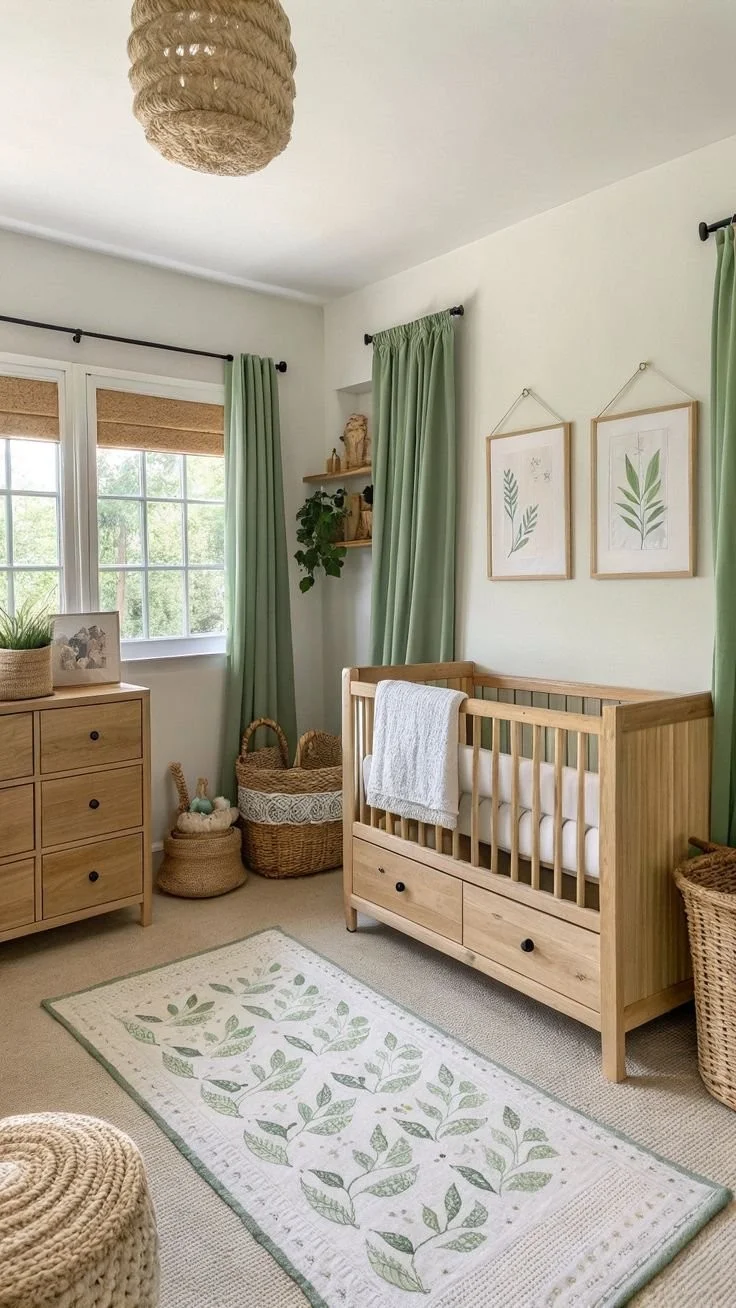
Cottagecore Nursery Decor with Antique Accessories for Cozy Corners
Imagine stepping into a serene space filled with soft earth tones and minimalistic decor, where the hustle and bustle of life fades away. A cozy nook where your baby’s cooing blends harmoniously with the gentle rustle of leaves outside. Constructing such an environment doesn’t just benefit your child; as a parent, you also deserve a peaceful sanctuary—a cottagecore nursery that embraces calmness and tranquility. Here’s how you can bring this vision to life using soft earth tones, minimalistic decor, and plush furnishings.
Creating a Tranquil Atmosphere
In a world full of noise, the idea of crafting a peaceful nursery can feel both refreshing and necessary. After all, we all want to create a calming space for our little ones, a place that nurtures their development while soothing our own anxious minds. So, picture this: you walk into a room bathed in soft greens, browns, and creams, where textures invite you to relax. How can you achieve this sense of peace?
Embrace Soft Earth Tones
Colors have an incredible impact on our emotions, and soft earth tones are particularly soothing. Think gentle shades of sage green, warm beige, and powdery blue. These colors evoke a sense of nature and tranquility—perfect for a nursery.
Some tips for incorporating earth tones include:
- Paint: Choose a soft green for the walls, or even a creamy white to create a blank canvas that reflects light beautifully.
- Textiles: Use earth-toned curtains, rugs, and bedding to add the soothing palette without overwhelming the senses. Large, flowy drapes can amplify that cottage vibe.
When selecting fabrics, consider using natural materials. Cotton and linen not only feel good against your baby’s skin but also breathe well, keeping the space comfortable.
Minimalistic Decor for Clarity
Now, let’s talk about minimalism. It’s not just a style; it’s a mindset. In the nursery, minimalism encourages functionality and simplicity, which can be immensely beneficial for both you and your baby.
Declutter Furniture: You don’t need a lot of furniture in your nursery. A crib, a cozy chair for those late-night feedings, and a simple changing table are often all you need. Opt for a sleek design that doesn’t distract from the overall peaceful ambiance.
Choose Multi-Functional Pieces: Consider pieces that can grow with your child. A crib that converts into a toddler bed or a changing table that can become a regular dresser later on are practical and space-saving.
By minimizing the number of items in the room, you allow your baby’s needs to take center stage. You can focus on what truly matters, ensuring the space is functional yet inviting.
Plush Furnishings for Comfort
Let’s be honest: you’ll be spending a lot of time in this nursery. Comfort is key, and cozy, plush furnishings can make a world of difference.
Invest in a Cozy Rocking Chair: A well-padded rocking chair gives you a comfortable spot to feed, soothe, or simply snuggle your baby. Look for designs that match your earthy palette, maybe a muted velvet or a soft cotton upholstery.
Use Soft Rugs: A plush area rug can create a warm and inviting space on the floor. It’s wonderful for playtime as your little one grows. A large, fluffy rug in shades of beige or tan can anchor the room visually while providing a cozy place for your baby to explore.
Layer Textures: Mixing textures—like a chunky knit throw, soft cushions, and wicker storage baskets—adds dimension. It also makes the room feel homey and layered, rather than flat and unwelcoming.
Snug, Safe Spaces for Your Little One
Creating a calm nursery is about making it a functional haven for your child too. As much as we want the space to look beautiful, we must ensure it’s practical.
Floating Shelves for Storage
What if you could have a beautiful nursery without clutter? Floating shelves can be a great solution. You can display children’s books, soft toys, or family photos up high, leaving the floor clear for all those precious playtime moments.
- Organize by Colors: Arrange books and toys by color to maintain that soft palette while also encouraging your child’s organizational skills as they grow.
Allocate a Cozy Corner
Do you have a corner that doesn’t get much use? Turn it into a cozy reading nook filled with plump pillows and soft blankets. This little hideaway can serve as a lovely spot where you can read to your child, allowing both of you to escape into the whimsical worlds of storybooks.
Simple Countryside Inspirations
If you’re looking for ways to enhance your cottagecore nursery theme, here are some simple ideas:
Natural Elements: Introduce a few plants to breathe life into the nursery. A low-maintenance potted plant like a snake plant can improve air quality and add a splash of greenery.
Country Charm: Select decor items that feel timeless. A vintage framed piece of art or a handcrafted wall hanging can serve as a delightful focal point while enhancing that cottage feel.
Personal Touches: Remember to personalize the space with keepsakes or family heirlooms. This adds warmth and character, making the room truly yours.
Now, you might be wondering about the linens. Opt for high-quality, breathable materials that feel gentle against your baby’s skin. Not only are they comfortable, but they’re also functional for spills and messes, which—let’s be honest—are part of parent life.
Before You Get Started
Let’s recap before you dive headfirst into this beautiful transformation. Here’s a mini check-list:
- Choose Earthy Hues: Stick to calming colors like greens, creams, and browns.
- Minimal Decor Choices: Less is more—opt for functional pieces that grow with your child.
- Comfortable Seating: Invest in cozy, plush furnishings for long hours spent in the nursery.
- Add Natural Elements: Use potted plants and handcrafted decor to enhance the cottagecore vibe.
Conclusion
Creating a calm and tranquil cottagecore nursery is entirely achievable when you focus on incorporating soft earth tones, minimalistic decor, and plush furnishings. This thoughtfully curated space becomes a great place for both you and your little one to unwind. Remember, it’s not just about aesthetics; it’s about creating a nurturing environment where your baby can thrive, and you can find peace amidst the chaos.
For more inspiration, check out these beautiful vintage nursery wall art and consider adding a soft touch with a girl and lamb print to complete the look. After all, we’re all just trying to make it through parenting one peaceful moment at a time!
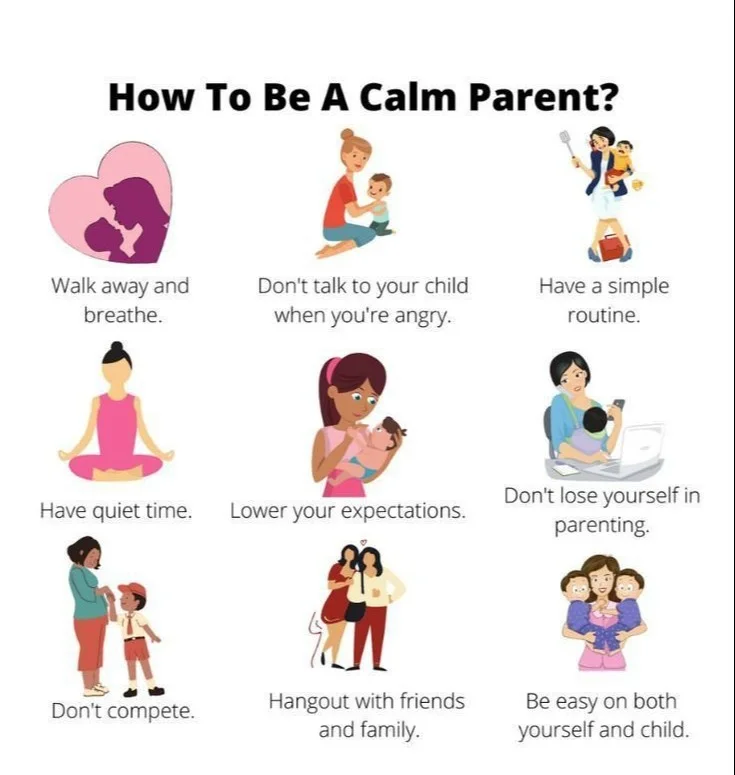
Positive Parenting Tips That Boost Your Child’s Development at Home
Imagine you’re in the middle of a chaotic morning. Your toddler is throwing a tantrum because they can’t find their favorite toy, and you’ve just spilled coffee on your shirt. Sound familiar? Well, you’re definitely not alone in this parenting journey. There are days when we all feel like we’re juggling too many things at once, but here’s the truth: nurturing your child’s growth in a positive and supportive environment is about finding small moments of connection amidst the chaos.
Creating a Positive Environment
One of the first steps in nurturing your child’s development is cultivating a warm and inviting atmosphere at home. Kids thrive on structure and positivity, and creating a safe space for them to express themselves lays a solid foundation for their emotional growth.
How can you create this inviting atmosphere?
Set the stage for comfort. Make sure your home is a place where your child feels safe. This can mean a cozy reading nook with their favorite books or a designated play area where they can explore freely.
Use positive language. Remember, our kids absorb everything we say. Even during challenging moments, try to frame your words positively. Instead of saying, “Don’t throw your toys,” you might say, “Let’s keep the toys on the floor so we don’t trip!”
As parents, we want to support our children’s emotional development, and a nurturing environment goes a long way in helping them feel secure.
Fostering Emotional Intelligence
Here’s the thing: emotional intelligence is one of the greatest gifts you can nurture in your child. Teaching them how to understand and express their emotions can set them up for success in life.
What can you do to help your child become emotionally intelligent?
Model Emotional Expression: Show your child it’s okay to express feelings. You might say something like, “I’m feeling a bit frustrated right now, and that’s okay.” Sharing your emotions helps them learn it’s acceptable to do the same.
Validate Their Feelings: When your child is upset, resist the urge to dismiss their feelings. Instead, try saying, “I can see you’re really upset that the toy is lost. Let’s work together to find it!” Validating their feelings teaches them that all emotions are valid.
Teach Problem-Solving: Instead of immediately jumping in to solve conflicts or problems for your children, ask guiding questions. For example, “What do you think we should do if your friend is upset?” This gives them the tools to navigate their emotions independently.
Your support in helping them navigate their feelings will boost their emotional resilience. We’ve all been there—watching our little ones struggle with their emotions can be tough. But with patience and love, they can learn invaluable skills.
Building Strong Relationships
If you think back to your own childhood, you might have vivid memories of the special moments you shared with your parents. Every little interaction counts, right? Building strong relationships with your child lays the groundwork for their social skills and future relationships.
So, how can we strengthen our bond with our little ones?
Engage in Play: This is one of the simplest ways to connect with your child. Get down to their level, whether it’s playing with blocks or having a tea party. This not only strengthens your bond but also boosts their creativity.
Active Listening: When your child is talking to you—no matter how silly it may sound—give them your full attention. Show them you value their thoughts. You can nod, ask questions, or reflect back what they say. This can be a game-changer in how they feel heard and understood.
Limit Distractions: In our tech-savvy world, it’s easy to get distracted by our phones or even household chores. Try creating device-free times where you can focus solely on your little ones without interruptions.
Relationships built on love, trust, and open communication pave the way for your child to flourish emotionally and socially.
Guiding Through Developmental Stages
Let’s be honest, each stage of development comes with its own unique challenges and joys. I remember how overwhelming it was to navigate the different phases—from the sleepless nights with a newborn to the unpredictable tantrums of a toddler. But guess what? With a little patience and some tried-and-true strategies, we can guide our children through these important years.
Infancy (0-12 Months)
Your little one is like a sponge, soaking up everything from facial expressions to sounds. Give them lots of love, talk to them constantly, and engage in activities that stimulate their senses. Hands-on chaos can be a wonderful bonding experience!
Toddlerhood (1-3 Years)
As they enter toddlerhood, they’re asserting their independence, but they’re still learning boundaries. You might experience the "mine" phase and endless “no’s.” It’s completely normal! Setting clear yet gentle boundaries is key here. Instead of yelling, check out these practical tips to stop yelling and build a calm parenting approach.
Preschool Years (3-5 Years)
This phase is full of imagination and creativity. Encourage story time and interactive play. Simple art projects, like finger painting, help your child express themselves and develop motor skills. You could also introduce them to structured activities, maybe something like a playgroup or a class—it offers them a chance to socialize!
Encouragement Over Discipline
At every stage, it’s vital to focus on encouragement rather than just discipline. Recognizing good behavior reinforces positive actions more effectively than focusing solely on reprimanding.
Quick Tips for Encouragement:
- Celebrate small victories, like putting away toys or sharing with a sibling.
- Use praise wisely—make sure it’s specific! Instead of saying, “Good job,” try, “I’m so proud of how you shared your toys today!”
Mistakes to Avoid
We all slip up from time to time. Here are a couple of common missteps we might make:
Negative Comparisons: Every child develops at their own pace. Comparing your child to others can be damaging. Focus on their unique qualities and strengths instead.
Ignoring Your Needs: It’s easy to pour all your energy into your kids, but remember that self-care is essential. A well-rested, happy parent is better equipped to nurture their child’s growth!
Bonus Ideas for Connection
Story Time Rituals: Establishing a nightly read-aloud time not only enriches vocabulary but also creates a cozy bedtime routine.
Gratitude Practice: Encourage your child to express what they are thankful for daily. This simple act can nurture a more positive outlook on life.
Conclusion
Parenting is one of the toughest jobs out there, but it can also be incredibly rewarding. By creating a nurturing environment, fostering emotional intelligence, building strong relationships, and guiding our kids through each stage of development, we’re not just helping them grow—we’re growing alongside them. Remember, you’re not alone in this journey! If you find yourself needing a little more support, consider checking out these positive parenting tips or exploring the insights from UC Davis Children Hospital. Together, let’s pave a path of love and patience for our little ones to thrive!
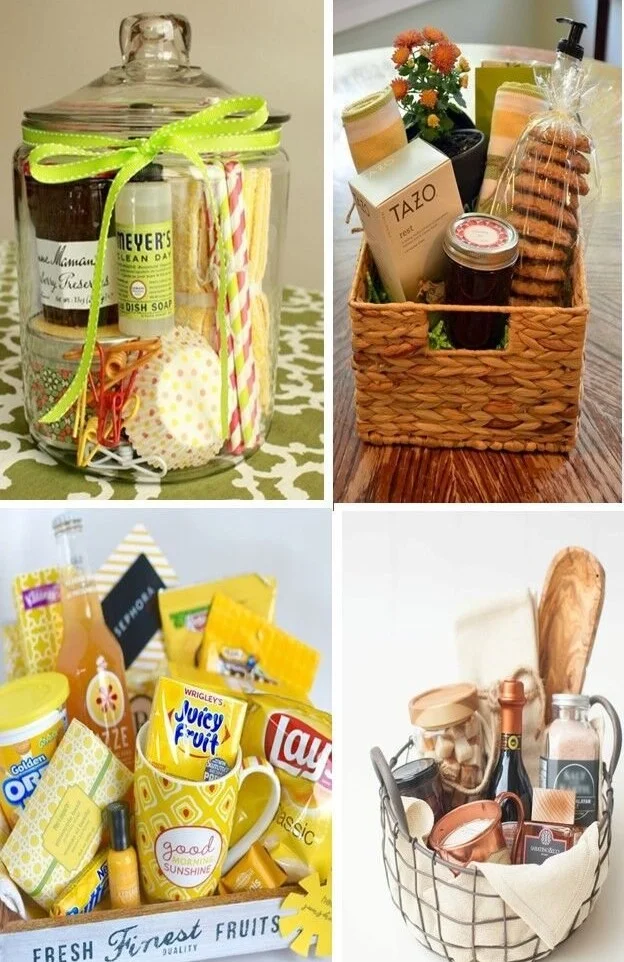
Diaper Raffle Prizes Moms Actually Want to Win at Baby Showers
Imagine this: you’re sitting at a baby shower surrounded by colorful decorations, a delicious spread of snacks, and, of course, an expectant parent who’s eager to celebrate the upcoming arrival of their little one. There’s laughter in the air, presents being unwrapped, and amidst it all, the host announces a fun twist: a diaper raffle! You can already feel the excitement build as everyone digs through their bags to find the diapers they brought in the hopes of winning a fantastic prize.
Here’s the thing: everyone loves a good raffle, but what really makes it memorable are the prizes. You want to choose items that people will genuinely be thrilled to win. So, let’s dive into some great diaper raffle prize ideas that won’t break the bank but will definitely keep your guests buzzing with excitement.
Creative Diaper Raffle Prize Ideas
Now, you might be wondering what makes a prize truly worth winning at a diaper raffle. Typically, attendees are looking for gifts that are practical, fun, or that add a bit of sparkle to their day. Here’s a list of innovative prize ideas that hit all those marks.
Gift Cards
- Coffee Shops: Let’s be real—new parents need their caffeine. A gift card to a local coffee shop can be a lifesaver.
- Grocery Stores: Every household needs groceries, and this is a great way to help out.
- Baby Supply Stores: This feels like a no-brainer. Help someone load up on must-haves for their new arrival.
Spa or Self-Care Packages
- DIY Spa Basket: Who doesn’t love a little pampering? Include bath bombs, face masks, and some cozy socks.
- Manicure or Massage Gift Certificates: A day of relaxation can be priceless, especially for a busy parent!
Fun Experiences
- Tickets to a Local Event: Whether it’s a concert, a play, or even a community festival, experiences create memories.
- Family Day Passes: Think zoos, aquariums, or amusement parks. Perfect for spending quality time together!
Practical Items for Parents
- Baby Carrier or Wrap: This can be a lifesaver for parents on the go. Plus, it promotes bonding!
- Subscription Boxes: Think about a subscription for monthly baby supplies or even snacks for mom and dad.
Themed Gift Baskets
- Movie Night Basket: Popcorn, a couple of DVDs, and cozy blankets are sure to please.
- Snack Basket: Fill it with a variety of sweet and savory snacks—perfect for late-night feedings or just indulging!
Crafts and DIY Kits
- Scrapbook Kit: For the crafty parent, this is a thoughtful way to help them document their little one’s early years.
- Personalized Ornament Kits: A fun way to create beautiful memories with their child as they grow.
Free Printables for Diaper Raffle Tickets
Before we move on to how to set everything up, let’s talk about making the raffle part easy. You want to have some beautifully designed raffle tickets, and the good news is, you can easily find free printables online. Just search for diaper raffle ticket templates, and you’ll find a variety that suit your theme. Print them out, cut them, and you’re ready to go!
Tips for Organizing a Successful Diaper Raffle
Okay, so you’ve got your prize ideas and raffle tickets ready, but let’s get into a few tips for setting it all up.
Number of Prizes
Depending on the size of your guest list, consider having a few smaller prizes so more people can win. It’s all about spreading the joy!
Prize Presentation
Make your prizes look as appealing as possible. Use decorative wrapping or display them on a table with a cute sign. The visual appeal can generate more excitement, trust me!
Announcing the Winners
Create a fun atmosphere by making the announcement of winners exciting. Use a simple drumroll sound, or even introduce a quirky aspect to the draw! A bit of enthusiasm can make everyone’s day.
Mistakes to Avoid
Even though organizing a raffle can be straightforward, there are a few common pitfalls you should definitely try to avoid.
Keeping It a Secret
Don’t shy away from promoting the raffle beforehand. Let your guests know what they could win; it’ll encourage them to participate more.
Forgetting to Include Everyone
Remember to remind guests to bring diapers and raffle tickets. Nothing’s worse than someone arriving empty-handed when they had intentions to participate!
Lack of Variety in Prizes
Sticking to one type of prize can take the excitement down a notch. Mix it up with a variety of options that cater to different tastes!
Bonus Ideas for Diaper Raffles
If you’re looking to get a bit more creative, consider incorporating games into your raffle. You could have a trivia game about parenting basics, where correct answers can earn extra raffle tickets!
Another idea is to offer more chances for winning by creating tiers. For example, if someone brings a pack of premium diapers, they might get additional tickets compared to a standard pack. This encourages guests to bring a little more.
Conclusion
Planning an engaging diaper raffle doesn’t have to be daunting; it can be a delightful way to bring everyone together and make the baby shower unforgettable. By incorporating these creative prize ideas and keeping a clear strategy in mind, you’ll surely create an event where everyone feels included and excited.
If you’d like to delve deeper into unique diaper raffle prize ideas or explore ways to throw the perfect baby shower, check out resources like Happiest Baby or Tulamama.
Remember, at the end of the day, it’s all about celebration, love, and community. So get those diaper raffle tickets ready, and enjoy the process!
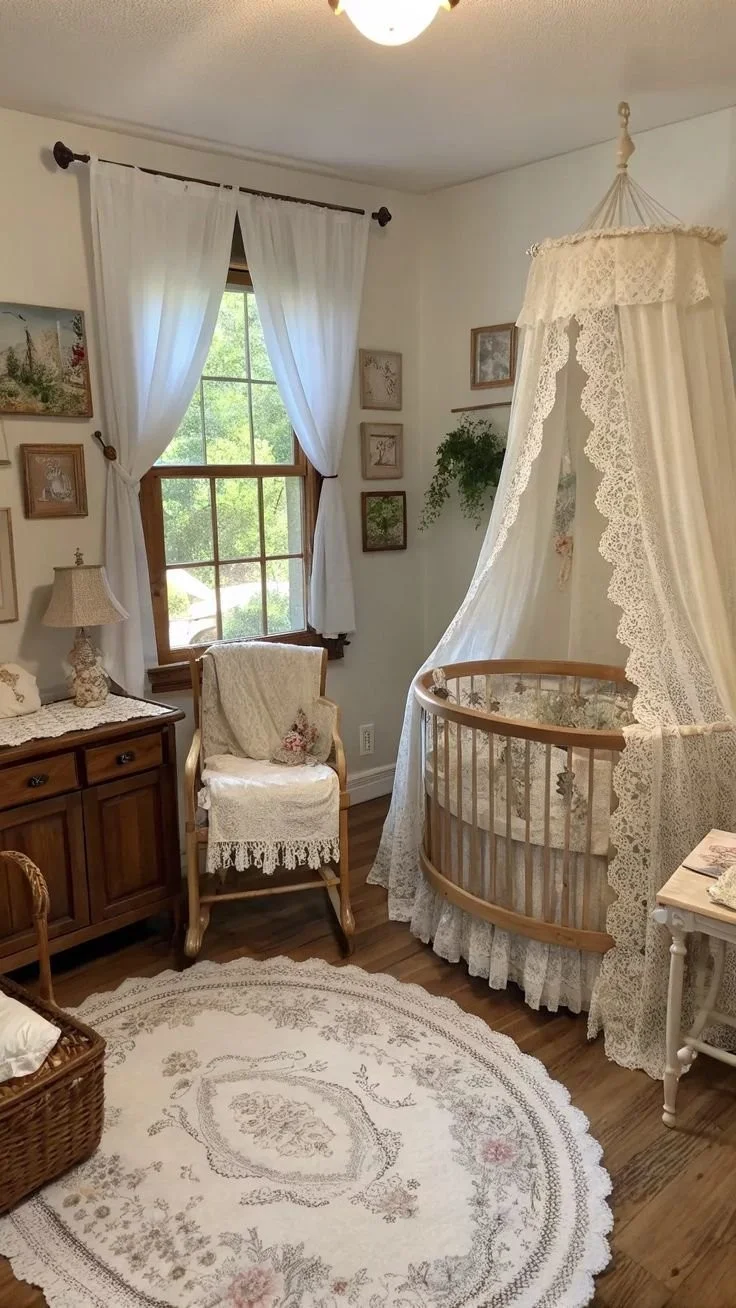
Charming Cottagecore Nursery Ideas for Your Baby’s Cozy Room
Imagine this: you walk into a nursery that feels like it’s been pulled straight out of a fairy tale. Sunlight filters gently through sheer curtains, illuminating a charming space filled with delicate floral prints, rustic wooden furniture, and an abundance of cozy textiles. As you breathe in the sweet scent of lavender, you can’t help but feel a sense of warmth and nostalgia. You want this for your little one, right? Creating a vintage nursery inspired by cottagecore charm could be the perfect retreat for both you and your baby.
We’ve all been there—standing in the middle of a big box store, overwhelmed by the sheer volume of modern nursery decor options. While they’re all very nice in their own right, you might feel that deep down, that’s not quite the vibe you want for your precious girl. So, let’s dive into how you can embrace the cozy elegance of vintage nursery design with some delightful cottagecore details.
Understanding Cottagecore Charm
Cottagecore is more than just a design aesthetic—it’s a lifestyle that celebrates simplicity, nature, and an idyllic rural living. Think of it as embracing the beauty found in everyday moments. When it comes to designing your little girl’s nursery, cottagecore charm invokes feelings of nostalgia and peace, creating a nurturing environment that is both whimsical and comforting.
Vintage Furniture Makes a Statement
Let’s be honest. One of the best ways to immerse a space in vintage charm is through the furniture. Consider looking for antique pieces that have stood the test of time. Perhaps a beautifully weathered rocking chair that you can sit in while reading bedtime stories or a vintage crib that has its own tales to tell.
- Thrift Shops and Antique Stores: Never underestimate the treasures you can find at your local thrift or antique shop. A charming wardrobe or a unique side table could easily become the centerpiece of your nursery.
- Hand-Me-Downs: If you have family members who’ve saved pieces from their own children, now’s the time to pull them out! There’s something so special about keeping family history alive through furniture.
- Refurbished Finds: If you stumble upon a piece that’s a bit worse for wear, a little paint and some new knobs can transform it. Think soft pastels or muted tones to keep that vintage vibe alive.
Cozy Textiles that Cuddle
Now that you’ve got the furniture sorted, let’s work on those textiles. Soft, inviting fabrics can make the nursery feel warm and welcoming.
- Floral Prints: Look for vintage floral fabrics—think soft blossoms and delicate vines. These can be used for curtains, cushions, or even a lovely quilt thrown over the rocking chair.
- Ruffles and Lace: Incorporating some ruffled pillows or lace trim can add a touch of whimsy. Just imagine how sweet those details will be in photos!
- Knitted Elements: A hand-knit blanket—whether it’s a family heirloom or a new find—adds both texture and warmth to the space. Plus, you can’t beat the coziness it brings during cuddle time!
Whimsical Decor Details
Now, let’s spice up the space with some charming decor. After all, what’s a nursery without a bit of pizzazz?
- Vintage Toys: Seek out wooden toys or stuffed animals that resonate with that vintage vibe. Old-fashioned pull toys or mismatched doll collections can add character and charm.
- Nature-Inspired Elements: Incorporating elements like dried flowers or little potted plants can bring a touch of the outside into your nursery. They can also serve as a gorgeous backdrop for your little one’s first photos.
- Artwork with Character: Look for vintage-style art prints—maybe a whimsical rabbit or a dreamy forest scene. Your child will love these as they grow, and they can become a part of their story.
Practical Space Solutions
Creating a cozy, vintage nursery doesn’t mean sacrificing functionality. After all, we’re parents, and we know how messy things can get!
- Storage Solutions: Vintage baskets can serve as both decor and practical storage for toys or blankets. They add texture and can be displayed beautifully.
- Changing Tables with Charm: Consider using a vintage dresser as a changing table. It not only looks great but also provides ample storage for all your essentials.
- Soft Lighting: Lighting can set the mood. A vintage lamp with a soft, warm bulb can make the space feel inviting and calming, perfect for those late-night feedings.
Bonus Ideas for Your Vintage Nursery
Want to make your nursery truly stand out? Here are a few extra touches you can add to ensure a delightful and charming atmosphere.
- Vintage Books: Don’t overlook the enormous charm vintage children’s books can add. They can be displayed on a little shelf or in a cozy corner, inviting storytime as your girl grows.
- Mismatched Decor: Embrace the beauty of eclectic decor. Mix and match pieces from various eras—after all, it’s all about creating a space that feels warm and lived-in.
- A Touch of Play: Perhaps a small teepee or hammock chair can invite play into the mix. It can serve as a cozy reading nook or a space for imaginative adventures as she grows.
Conclusion
In creating a vintage nursery awash with cottagecore charm, you’re not just decorating a room; you’re weaving a story for your little girl. Imagine her growing up in a space that feels like a relative’s old cottage, filled with warmth, whimsy, and memories waiting to unfold.
Once you’ve settled on the details, you might want to explore some more inspiration. Check out this guide on cottagecore nursery ideas to see how other parents have beautifully executed this style. And for even more decor options, don’t forget to browse the selection available on Amazon.
Remember, decorating your baby’s nursery should be an enjoyable journey, so don’t stress about getting it “perfect.” Just enjoy the process, and soon enough, you’ll find yourself in that dream nursery you envisioned!
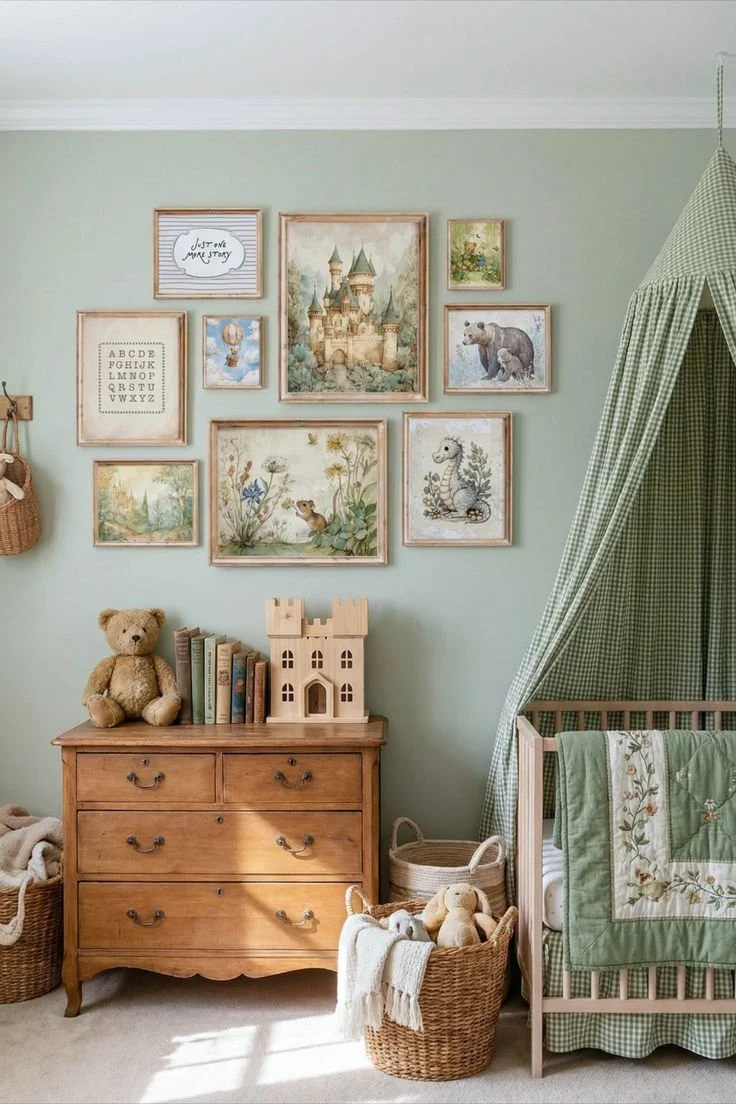
Cozy Ways with Storybook Nursery Wall Art Set for Baby Boy Room
Imagine this: your little boy, barely a few months old, is cradled in your arms. As you rock him gently, you can’t help but glance around the room that’ll be his safe haven for years to come. It’s not just a nursery; it’s a magical world waiting to be discovered. With the soft glow from a nightlight and the sweet smell of fresh linen, you long for a space that captures the whimsy of childhood, where fairytales come alive and where creativity knows no bounds.
We’ve all been there, haven’t we? Spending hours scrolling through Pinterest, trying to figure out how to transform a plain room into a dreamy nursery for our little one. What if I told you that creating the perfect storybook nursery for your baby boy could be so much simpler than you think? With just a curated vintage wall art set, you can weave a magical narrative into the very fabric of his room. Let’s dive in!
The Allure of Vintage Wall Art
When we think about nursery decor, it often brings to mind bright colors and cartoon characters. But here’s the thing: vintage wall art carries a unique charm that feels more timeless and inviting. Imagine illustrations of majestic fairytale castles, a gentle dragon whispering secrets, and woodland animals peeking around corners. These pieces can create a cozy, calm atmosphere that both you and your baby can relish.
Why Vintage Art Matters
Studies have shown that visuals play a crucial role in a child’s development. Vintage illustrations often capture elements of storytelling that can foster imagination. Picture your toddler pointing at a dragon and asking questions about it. “Mommy, is he friendly?” Suddenly, you’re not just decorating; you’re sparking curiosity and conversation. That’s really what we want, isn’t it?
Creating Your Magical Storybook Nursery
Decorating a nursery with vintage wall art can feel overwhelming at first, but it doesn’t have to be. Let’s break it down into simple steps that will help you create that dream space for your little boy.
Step 1: Choose Your Color Palette
Before diving into decor, consider the mood you want to set. Soft pastels, gentle greens, and soothing blues evoke tranquility. A color palette inspired by nature can complement the whimsical elements of a storybook theme. Think about how you want the room to feel—do you want an adventurous vibe or a serene escape?
Step 2: Select Your Art
The pièce de résistance of your nursery will be the wall art itself. A gallery of fairytale castle illustrations can serve as the focal point of one wall, while botanical scenes add a touch of nature’s beauty to another. A gentle dragon can inspire conversations about bravery and fantasies. You might want to mix and match these sets to find what resonates. Look for pieces that evoke emotion, tell a story, or spark a question.
Step 3: Placement and Layout
Now, here comes the fun part! Arrange your wall art in a way that tells a story—starting with the castle illustrations and following up with the dragon and animals. Hanging everything at eye level is crucial, especially as your child grows and starts to explore. Feel free to play around with different layouts before making it permanent. Picture this: your little one, standing up and pointing at his artwork as he discovers new tales woven into his room each day.
Step 4: Accessorize to Enhance the Fantasy
Think beyond just wall art. Accessories can help create that full “storybook” effect. Incorporate plush toys that match the woodland animals in your art. Soft blankets with subtle patterns can add warmth. Lighting is also key—consider fairy lights draped in a way that mimics stars twinkling in the night sky. These little touches can elevate the cozy feel of the space.
Step 5: Personal Touches
Don’t forget to add personal elements. A name sign incorporating your child’s name in a whimsical font could ground the room in reality while keeping the fantasy alive. A little reading nook with storybooks can also segue beautifully into imaginations that soar. The magic lies not just in design but in the memories you create together in this enchanting space.
Tips for the Community
Creating a beautiful nursery isn’t just about aesthetics—it’s also about practicality. Here are some quick tips to help you along the way:
- Keep it Functional: Ensure essential items like a changing table or crib don’t get drowned by decor.
- Celebrate Messiness: Kids will be kids; have easy-to-clean rugs and washable art materials at hand.
- Safety First: Make sure all decorations are securely hung and that there are no sharp edges.
Mistakes to Avoid
While we’re on the topic, let’s chat about common pitfalls. It’s super easy to get carried away with themes, but keep in mind that less is often more. Overcrowding walls can create a chaotic atmosphere, which is the opposite of that calming fantasy feel we’re aiming for. Also, steer clear of overly bright colors or jarring designs that might overstimulate—focus on gentle tones that promote relaxation.
FAQs
What if my baby boy grows out of this decor theme?
That’s completely normal! You can easily transition as he grows by adding new elements while keeping a few vintage pieces that spark his interest.
How do I find vintage art that’s safe for kids?
Look for prints that are specifically designed for children’s rooms. Often, you’ll find digital downloads that you can print and frame at home.
Conclusion
Creating a nursery for your baby boy that feels like a page out of a storybook is all about blending imagination with practicality. By curating a set of vintage wall art that includes fairytale castles, woodland creatures, and charming botanical scenes, you can design a cozy haven that sparks creativity and fosters a warm feeling of safety—perfect for bedtime stories and dreams of adventure.
If you’re looking for a great vintage wall art set, explore options on platforms like Etsy for unique wall art. Additionally, consider adding functional items like floating shelves to display books and cherished toys from Amazon for a tidy look.
So go ahead, embrace your creative side, and turn that room into a magical space filled with wonder and love—because let’s face it, every child deserves a nursery that both inspires and comforts. Now, it’s time to roll up your sleeves and dive into decorating!
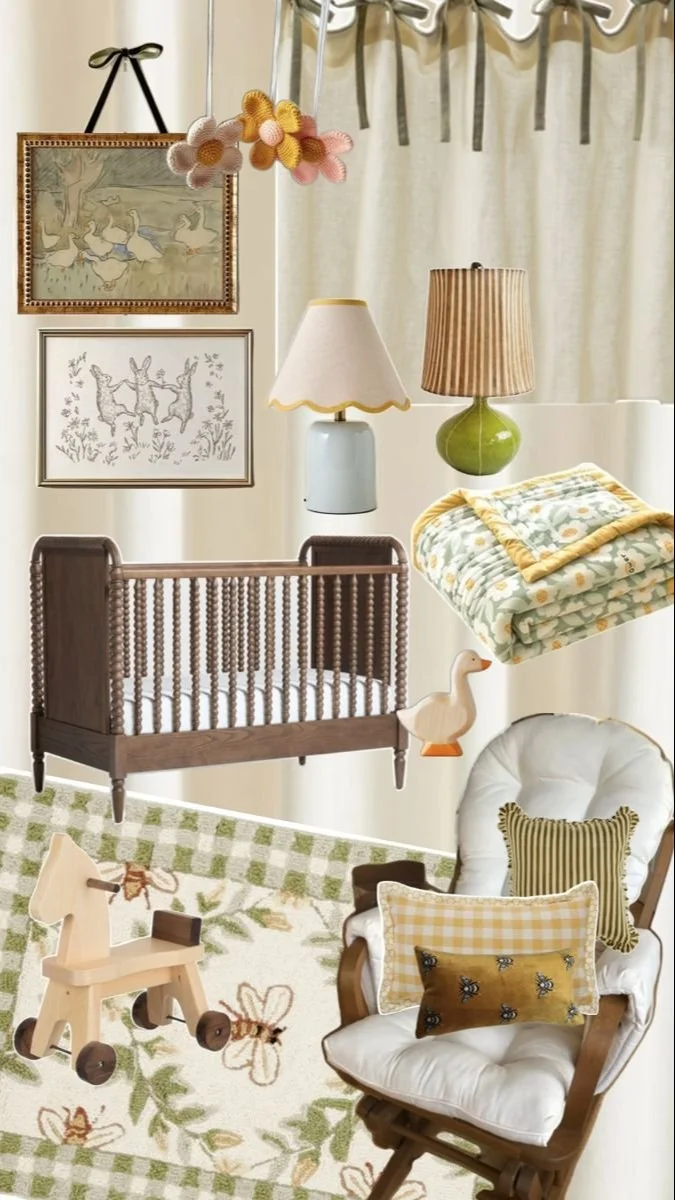
nursery ideas
Imagine walking into your child’s room and being greeted by vibrant yellows and lush greens, all designed around the delightful theme of bumblebees and gardens. The sunlight streams through the windows, casting playful shadows of buzzing bees and blooming flowers across the walls. This isn’t just a space; it’s a nurturing environment that ignites curiosity and creativity. If you’re like me, you might wonder how to create such a whimsical yet calming atmosphere for your little one.
Here’s the thing: a bumblebee and garden theme goes beyond just decor—it’s about fostering growth, love for nature, and even nutritious habits. Let’s dive into how to incorporate this cheerful and imaginative theme in your child’s life, kicking off with some delightful room decor ideas, engaging activities, and fostering connections with nature.
Inspirations for Bumblebee and Garden Room Decor
When it comes to decorating a nursery or playroom, let’s be honest, the right theme sets the tone for exploration and comfort. A bumblebee and garden theme can provide that ideal blend of warmth and vibrancy. You might be asking yourself how to pull it all together. Here’s how to create a magical space:
Wall Colors and Wallpaper
Start with soft yellows or greens as a base for the walls. They create an airy and peaceful ambiance. You could also consider wallpaper with bumblebee patterns or floral prints that add character without overwhelming the space. If you decide on paint, a whimsical mural of a garden scene with buzzing bees could be the focal point of the room. Imagine your child’s face lighting up every time they enter their room!
Furniture with a Twist
When selecting furniture, think about pieces that feature natural wood tones with cushions or fabric showcasing bee and flower motifs. Your child’s crib or toddler bed could come adorned with bumblebee designs, and plush rugs featuring garden scenes can help bring the theme home. This furniture creates not just functionality but a context for creative play.
Creative Accessories
Accessories play a vital role in tying the theme together. Look for bee-shaped lamps, floral curtains, or vibrant green plants. It might be fun to let your little one pick out some bee-themed plush toys to cuddle with. Accessories serve as little reminders of the lively world around them, encouraging imagination in everyday play.
Engaging Activities Around the Theme
So, once the room is all set, what’s next? Now you might be wondering how to keep the spirit of bees and gardens blossoming in your daily life. Here are some engaging activities that you can easily incorporate with your kiddos:
Gardening Together
How cool is it to cultivate a small garden in your backyard or balcony with your child? Simple flower pots filled with sunflowers or marigolds can serve as a perfect starting point! Not only does this activity beautify your home, but it also teaches kids about growth, responsibility, and nature’s cycle. You could spend weekends digging, planting, and watering! Who knows, maybe they’ll develop a green thumb just like you.
Bumblebee Crafts
Creating crafts that fit the theme could be a hit for playdates or rainy afternoons. Think about making bumblebee puppets with felt, or crafting flower crowns that spark imaginative play. It’s not just about fun; these hands-on activities improve fine motor skills and provide opportunities for them to express their creativity.
Story Time with Nature and Bees
Engage your child’s love for stories by diving into books that celebrate nature, flowers, and friendly bees. Reading lovely tales about bumblebees and gardens can inspire your little one to appreciate the beauty outdoors. Fly into the world of bees with stories that emphasize teamwork and the importance of these incredible pollinators.
Nutrition Inspired by the Theme
As a parent, integrating themes into nutrition can be both exciting and effective. A bumblebee and garden theme can easily translate to nutritious meals that are healthy, colorful, and fun.
Fun Bee-inspired Snacks
What if we took a playful approach to snacks? You could create “bee sandwiches” using whole-grain bread, honey, and banana slices. Or how about making fruit salads that resemble a garden? Use strawberries, blueberries, and kiwi to form a vibrant mix that’s not only delicious but visually stunning.
Plant-Based Focus
This theme can also inspire making plant-based meals centered around garden veggies. Encourage your child to help prepare simple dishes that highlight the freshness of garden produce. It’s a way of teaching them about nutrition while connecting them back to that earlier joy of gardening together.
Encouraging Connection with Nature
In our busy lives, it’s easy to forget how vital nature is for our kids’ development. Connecting with the world outside your door can enhance their understanding and appreciation of the environment.
Nature Walks
Regular nature walks where you can observe flowers, trees, and yes—bees—can be an enjoyable family outing. You’ll not only engage in physical activity but also give your child a sense of wonder about the world around them. Talk about what you see and gather some flowers or leaves to create a keepsake together when you return home.
Visiting Botanical Gardens
What’s more enchanting than a stroll through a botanical garden? It provides a gorgeous setting to explore various types of plants and flowers. Take a day trip and turn it into an adventure. Let your child wander and discover while you point out different species of flowers and explain their importance to the ecosystem.
Quick Tips to Make It Work
- Mix and match shades of yellow and green to achieve that bumblebee garden vibe.
- Utilize books, toys, and decor featuring bees and gardens for immersive learning.
- Try making bumblebee-themed crafts to nurture creativity.
- Incorporate garden-inspired meals into your child’s diet for nutritious fun.
- Spend time outdoors to enhance appreciation for nature.
Creating a bumblebee garden theme in your child’s life is all about combining beauty, imagination, and nature—all expressions of love and growth. By incorporating these ideas, you’ll nurture a cozy environment that bursts with creativity and exploration.
Conclusion
Embracing a bumblebee and garden theme allows you to transform your child’s space into a playful and nurturing environment. With decorative inspiration, engaging activities, and nutritious meal ideas, you’re sure to create lasting memories. If you ever find yourself in need of design ideas, check out these nursery inspirations or explore gender-neutral decor ideas that can help you along your journey. Enjoy the process, and watch as your little one flourishes amidst the buzzing magic of the garden!
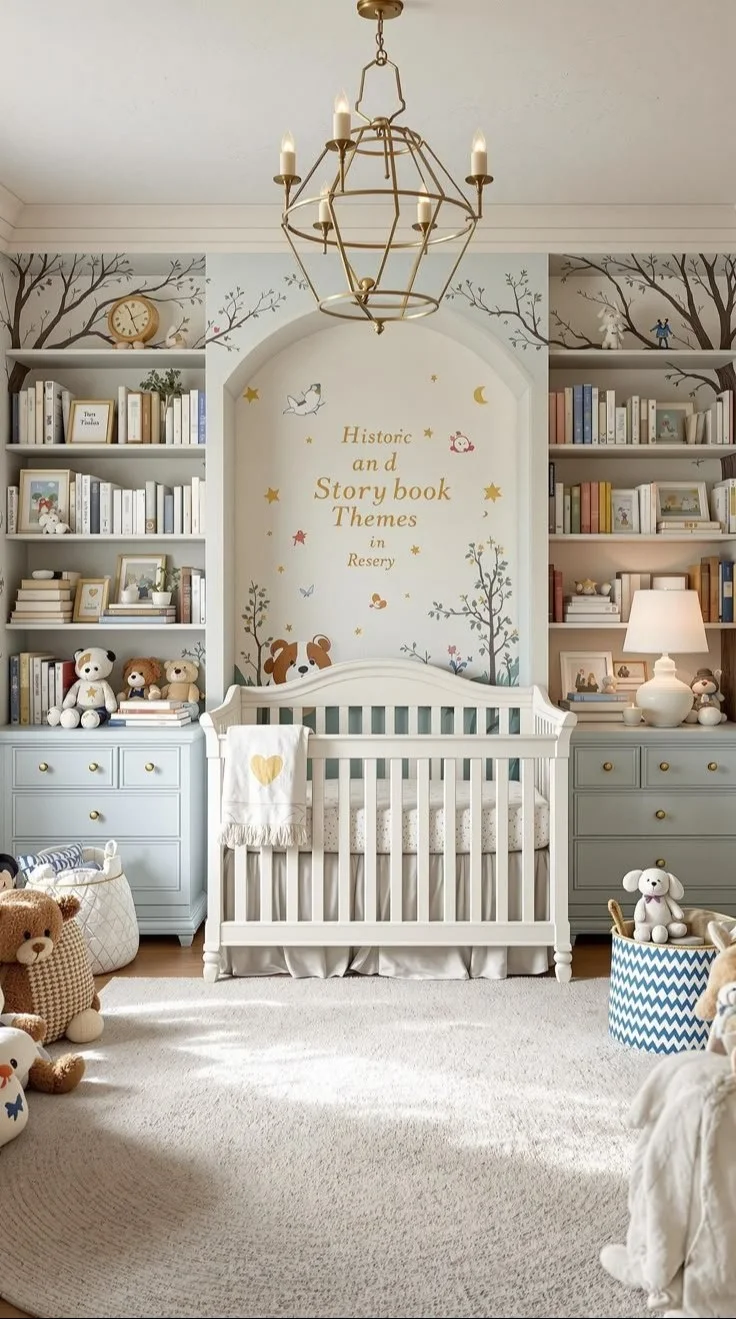
Stunning Antique Crib Ideas for a Cozy Vintage Nursery Makeover
Imagine this: it’s a rainy afternoon, and you find yourself cozied up on a big, comfy chair with your little one nestled beside you. You open a timeless classic, perhaps "The Velveteen Rabbit" or "Winnie the Pooh," filling the room with the sweet magic of stories. Now, picture those tales coming to life around you in a beautifully designed nursery inspired by classic children’s literature. Sounds dreamy, right? Let’s explore how you can create that enchanting space where stories flourish, and imagination takes flight.
Designing Your Vintage Inspired Nursery
When thinking about a vintage inspired nursery, think about all those classic books that have sparked joy and curiosity throughout generations. Styling your little one’s space around these beloved tales can transform everyday moments into something special.
Wall Murals That Tell a Story
Wall murals can truly set the tone for your nursery. Imagine having an intricate mural of “The Tale of Peter Rabbit” right above the crib or a whimsical forest scene from “Where the Wild Things Are.” These larger-than-life images can invite adventure and create a cozy, welcoming atmosphere.
Let’s be honest, creating a mural doesn’t have to be intimidating. You don’t need to hire a professional artist unless you want to. There are plenty of removable wall decals available that capture the charm of vintage illustrations, allowing you to swap them out as your child grows.
You could even get creative with DIY projects – painting a mural yourself can be a rewarding way to bond with your little one. Plus, it gives your nursery that personal touch.
Filling the Bookshelves with Vintage Books
Books are the heart of a nursery where storytelling thrives. Consider curating a collection of vintage children’s books that beautifully showcases the classics. Titles like "Goodnight Moon" or "The Very Hungry Caterpillar" are excellent choices but don’t overlook those older gems that are often tucked away in thrift stores or second-hand shops.
Here’s the thing: you don’t have to limit yourself to just picture books. Consider introducing some vintage children’s poetry to charm your child’s ear with rhythm and rhyme. Display these books on shelves where your child can easily reach them, encouraging independent exploration.
Decor That Captures Character
Imagine your nursery decorated with playful character decor that reflects the stories you love. Soft toys from classic tales or prints featuring favorite characters can create a magical feel.
Think about incorporating elements like a stuffed Paddington Bear or a bright yellow chair that resembles a character from “Corduroy.” Not only does this promote a whimsical atmosphere, but it also sparks a dialogue about the stories and lessons behind each character.
What if you went one step further and created a little reading nook with character-themed decor? A cozy chair with a tiny bookshelf, complete with a mix of classic stories and modern favorites, could serve as a perfect seating area for those intimate reading sessions.
Traditional Furniture for a Whimsical Environment
Now that you’ve set the mood with colors and decor, let’s talk about furniture. Traditional cribs and rocking chairs are perfect additions that enhance a vintage-inspired nursery.
Choosing the Right Crib
A beautifully crafted wooden crib can offer both style and safety. Opt for designs that evoke a sense of nostalgia—perhaps a spindle-style crib or one with intricate carvings. Remember, it should match the overall theme, while still being functional and up to safety standards.
You might be wondering about the best crib styles available. Look for pieces that have a timeless quality; they’ll not only fit your nursery but can also grow with your child, turning into a daybed or toddler bed down the road.
Rocking Chairs for Cozy Moments
A vintage rocking chair can be the centerpiece of your nursery. Picture yourself rocking your infant to sleep while reading a beloved story. These moments can become the foundation of their love for literature.
Choose a chair that’s comfortable and complements your nursery style. Wooden rockers have an inviting charm, and if you’re feeling crafty, you could even paint it in pastel hues to add a subtle vintage vibe.
Creating a Multi-Sensory Experience
Imagination thrives in an engaging environment. Think beyond just visuals. Consider incorporating elements that stimulate other senses as well.
Textiles and Fabrics
Use soft blankets, plush toys, and vintage quilts that tell their own story. You might find pieces at estate sales or thrift stores that have history and charm. These textiles can create a cozy atmosphere while adding to the charm of the vintage theme.
Soft Lighting for a Magical Glow
Lighting also plays a crucial role in shaping the ambiance. Use soft, warm lighting to create an inviting space. Vintage-style pendant lights, fairy lights, or a classic table lamp with a soft shade can work wonders to create that cozy, storybook feel.
Activities That Capture the Spirit of Storytelling
Beyond decor and furniture, think about activities that promote storytelling.
Daily Reading Rituals
Think about establishing a daily reading routine. It doesn’t have to be long, just a few pages can spark imagination. Over time, your little one will learn to love stories and understand the beauty and lessons each one holds.
Engaging Storytelling Sessions
Host storytelling sessions where family members can read aloud, encouraging interaction. Ask questions about the story or involve your child in imagining how a character might feel.
Final Touches for a Personalized Nursery
Don’t forget the small details! Frame your child’s first piece of art or their favorite quotes from classic literature. These personal touches create significance, making the space feel truly special.
Bonus Ideas for Vintage Charm
- Consider hanging a vintage-style mobile above the crib featuring characters from classic tales.
- Use antique frames to display illustrations from the timeless books.
- Incorporate a globe or maps that inspire travel and adventure, reminiscent of stories like "Around the World in Eighty Days."
Conclusion
Creating a vintage inspired nursery is about more than just aesthetics; it’s about nurturing a love for stories and adventures from the very beginning. By surrounding your child with the magic of classic literature and cozy spaces, you’re encouraging their imagination to flourish.
For more inspiration on vintage nurseries, check out this fantastic vintage inspired nursery reveal. If you’re looking for even more nursery ideas to expand your design vision, you might enjoy this collection of gorgeous girl nursery ideas.
Let’s transform these cherished storybook tales into a living, breathing environment where your little one can grow, explore, and, most importantly, dream.