

Genius Parenting Hacks to Make Parenting Easier and Calmer
Imagine you’ve just sat down for a moment of peace with a cup of your favorite tea. It’s been a hectic morning—your toddler was up before sunrise, and the baby had a meltdown over which toy to play with. Sound familiar? We’ve all been there, haven’t we? Sometimes it feels like parenting is an uphill battle, but here’s the thing: it doesn’t have to be this way. I’ve gathered over 30 genius parenting hacks to make life just a little easier. Seriously, these gems have made a world of difference in our daily routine, and I’m excited to share them with you!
Keep Track of Baby’s Milestones
Let’s face it, keeping track of all those precious little milestones can be a challenge. One clever hack is to use a simple chart that you can hang on your fridge, or even a family calendar. Mark down when your baby smiles for the first time or takes their first steps. It can be a fun family activity and a great way to remember those special moments.
Create a “Mommy Emergency” Bag
You know those days when everything seems to go wrong? Having a “Mommy Emergency” bag can be your lifesaver. Fill it with essentials like snack packs, a sippy cup, a toy or two, and even a little treat for you. This will save you from having to scramble during the inevitable meltdowns.
Use a Sticky Note Reminders
Sometimes life moves too fast, and our brains can’t keep up. If you ever find yourself forgetting where you put things, try writing little sticky notes. Leave them on places like the fridge, or even put them inside your toddler’s lunch bag. It’s a simple yet effective way to keep your day on track.
Color-Coded Closet Organization
Trying to find the right outfit for your little one can be like searching for a needle in a haystack. I found it helpful to organize their closet by color. This not only makes it easy for you to find what you need but transforms choosing an outfit into a fun game for your child.
Batch Cooking for Easy Meals
Imagine a world where you don’t have to think about what to cook every single night. Batch cooking is one of my absolute favorite hacks! On a day when you have a little extra time, prepare several meals at once and freeze them. Need dinner in a pinch? Just pull one out, heat it, and you’re good to go—dinner is served!
Simplify Breakfast
Mornings can be chaotic, right? One solution I’ve embraced is preparing breakfast the night before. Overnight oats or ready-to-go smoothies can save you precious time and make mornings less stressful. Plus, your kids will love helping to prepare them!
Turn Waiting Time into Fun
Got a lengthy wait at the doctor’s office? Keep your little ones entertained by turning it into a game. You can play "I Spy" or have mini scavenger hunts to find things around you. It’s a great way to keep their minds engaged and make the time fly by.
No more Toy Clutter
Do your kids have way too many toys? You’re not alone. A good hack is to use a large basket or bin for toy storage and rotate out toys every few weeks. This keeps the play area tidy and makes ‘old’ toys exciting again when they come back into the mix!
The Family Activity Jar
Feeling stuck on what to do for the afternoon? Create a family activity jar filled with ideas like craft projects, outdoor games, and even movie nights. Each week, pull one out and make it a family tradition. This not only combats boredom but introduces a sense of excitement for your kids!
Make Cleaning Fun
We’ve all had those bedtime struggles, right? Transform cleaning time into a game. Put on some music and set a timer. Challenge your kids to see how much they can clean up before the song finishes. It’s amazing how much more willing they are to help when there’s a fun element involved!
Utilize IKEA Hacks
IKEA isn’t just a store; it’s a treasure trove of solutions for parents! Use their inexpensive storage solutions to organize everything from shoes to art supplies. I even found that some of their bookshelf units can double as toy storage and display areas for books, making everything look tidy and stylish.
Use Digital Apps for Coordination
Juggling schedules? Download apps that can help you coordinate family schedules. This can be a lifesaver for keeping track of playdates, school events, and family outings.
Designate a Play Zone
We had a lovely nook in our living room that transformed into the ultimate play zone for our little ones. Use rugs to designate play areas. This not only helps keep toys contained but also gives kids the idea of boundaries, which can reduce the mess factor significantly.
Snack Packs for On-the-Go
Whether it’s heading to the park or on a trip to Grandma’s, having pre-packed snack bags can save the day. Fill small containers with healthy snacks like sliced fruits, cheerios, or crackers. It’s one less thing to worry about!
DIY Baby Wipes
If you’re trying to cut down on costs, why not make your own baby wipes? It’s easy! Use paper towels and a solution of water and baby soap in a sealing container. They work wonders and are gentle for your little one’s skin.
Keep Essentials at Hand
When you’re nursing or cuddling your baby, have a small basket with everything you need: a water bottle, a snack, a favorite book, and your phone. This way, you won’t find yourself scrambling when you realize you’re thirsty or bored.
Bedtime Routine with a Visual Chart
Creating a bedtime visual chart can transform bedtime into a much more predictable and less chaotic experience. Include simple pictures for each step—like bath time, brushing teeth, and reading a story. This is especially helpful for toddlers who thrive on routine.
Reward Charts for Good Behavior
Make positive reinforcement fun! Create a colorful chart to encourage good behavior. Stickers or stars can be awarded for during daily tasks, and once your child collects a certain amount, reward them with a small treat. They’ll be excited to earn those stickers!
Pajama Day
Is there anything better than a pajama day? Embrace those cozy vibes and let your family enjoy a day of lounging in their jammies. It helps break from routine and reminds everyone that sometimes, it’s perfectly okay to relax!
Keep a First-Aid Kit Ready
Having a well-stocked first aid kit is a must. Keep it organized and in a handy spot. You’ll feel more prepared for those little bumps and bruises that come with parenting.
Engage Toddlers with Sensory Play
Sensory bins filled with rice, beans, or sand can keep little hands busy for quite some time. Add measuring cups, spoons, and small toys, and let your kids explore different textures. It’s engaging and beneficial for their development!
Quick Fixes for Rashes
One quick fix for diaper rashes? A thin layer of yogurt applied to the rash can help soothe and heal the skin. It’s amazing how some kitchen staples can offer solutions!
Involve Older Siblings
If you have more than one child, involving older siblings in caring for the baby can foster a bond. It could be simply assigning them small tasks like getting a diaper or entertaining the little one for a few minutes. Your older child will gain a sense of responsibility, and it helps you out too!
Nap Time for Everyone
If you have a toddler who still naps, try to coordinate your own nap time to coincide. This might not always be possible, but when it is, you’ll cherish those few moments of peace and rejuvenation.
Make Up a Song
When your child is resistant to do even simple tasks, a song can alter their mood. Try creating a silly song about getting dressed or brushing teeth. Kids love music, and it can make daily routines feel much more enjoyable!
Get the Kids Involved in Dinner Prep
Kids love being involved. Give them age-appropriate tasks in the kitchen as you prepare dinner. It’s a fun way to spend time together, and they’re more likely to eat what they help create.
Use Supersized Containers for Snacks
Instead of several small bags of snacks, consider using a big container that you can refill regularly. This idea makes it easier to grab snacks when you’re on the go and prevent waste from single-serving packages.
Conclusion
Parenting is one of life’s most rewarding yet challenging experiences. We all need a little help from time to time, and these genius parenting hacks can help us find joy in the chaos. Remember, you’re not alone in this journey. For more tips, you might enjoy listening to Two Parents & A Podcast or checking out the article on Weird Parenting Wins. Embrace these hacks, and remember to laugh a little along the way—you’re doing an amazing job!
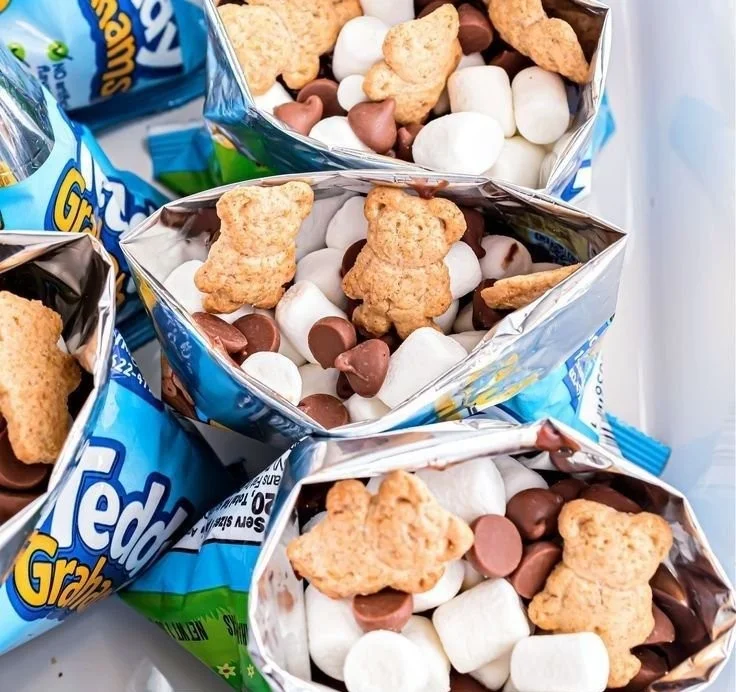
Walking Smores Recipe Ideas for Kids Camping Nights of Fun
Imagine it’s a Saturday morning, and the sun is just starting to peek through your living room window. You hear the soft thud of little feet pattering across the floor, followed by the unmistakable sound of toys being dumped out. Now, you might be wondering how on earth you’re going to survive the chaos, especially when you’ve not had your coffee yet. Sound familiar? You’re not alone in this; as parents, we all experience that moment where we could really use a little help to navigate through this delightful yet exhausting phase of life.
Parenting a child aged 0-5 is a beautiful journey filled with tender moments and giggles, yet it’s also sprinkled with challenges that can sometimes leave us feeling overwhelmed. The truth is, you’re doing an amazing job. Every day is a learning experience, not just for your little one, but for you too. Let’s dive into some practical tips and strategies to help you thrive during these precious early years without losing your mind.
Understanding Your Child’s Development
Before we jump into the practical tips, let’s take a moment to understand what’s happening developmentally in those early years. From ages 0-5, children grow rapidly in every aspect—physically, emotionally, and socially. You’re witnessing milestones like their first steps, first words, and even their growing ability to express feelings. These moments are golden but can also present challenges.
You might notice your toddler having temper tantrums at the grocery store, or your baby crying inconsolably for reasons you can’t seem to understand. Here’s the thing: this is completely normal. Understanding the underlying reasons for these behaviors can help you respond with more patience and empathy. It’s about recognizing that your child is not just acting out but is often trying to communicate something they can’t yet articulate.
Activities to Engage Your Little One
Now that we’ve covered the heavy stuff, let’s talk about play. Play isn’t just fun; it’s fundamental. Engaging activities can promote cognitive development, motor skills, and creativity. Here are some tried-and-true activities you can do with your child:
1. Sensory Play
Create a sensory bin with rice, beans, or even water. Add measuring cups, spoons, and small toys. This simple setup can keep them entertained while developing fine motor skills.
2. Outdoor Exploration
Take a nature walk and collect leaves, flowers, or interesting rocks. Back at home, talk about what you found. It’s a perfect way to mix physical activity with learning.
3. Story Time Adventures
Reading together can spark imagination and foster a love for books. Choose interactive books where they can lift flaps or feel textures. You might discover they love to point out the pictures; that’s a sign they’re absorbing the story!
4. Creative Arts and Crafts
Let’s not forget the magic of crayons and paper. Drawing, coloring, and gluing items together helps improve coordination and self-expression. Don’t stress about the mess—embrace it as part of the fun!
5. Cooking Together
Involve them in the kitchen with simple tasks, like mixing ingredients or washing vegetables. It teaches them about nutrition while creating quality bonding time. Plus, you can sneak in some useful cooking skills that they might appreciate when they’re older.
Quick Tips for Everyday Wins
We all know parenting isn’t just about play; it’s also about managing the day-to-day. Here are some quick tips to make your routine smoother:
- Stick to a schedule: Kids thrive on routine. Encircle yourself and them with a clear daily schedule, even if it shifts occasionally. It makes life predictable and comforting for both of you.
- Give choices: Your child may not have much control over their environment, so give them choices where you can. Simple decisions like picking their outfit or choosing between two snacks can empower them while also making the day feel less rigid.
- Stay calm during tantrums: When the inevitable tantrum happens, take a deep breath. Remember, they’re overwhelmed and need your support. A calm demeanor can help de-escalate the situation.
- Incorporate quiet time: A few moments of downtime can do wonders. Whether it’s naptime for the little ones or just a quiet hour with books, it gives everyone a chance to recharge.
Nutrition for Tiny Tummies
Eating healthy can sometimes feel like a struggle, especially when those little ones suddenly decide they’re not into broccoli anymore (as if!). But nutrition is essential for their physical growth and brain development. Here are some strategies to promote healthy eating habits:
- Lead by example: If they see you enjoying fruits and veggies, they’re more likely to try them too. Involving them in your meal prep can also boost their interest.
- Make it fun: Use cookie cutters to create fun shapes with sandwiches or fruits. They might just be more inclined to taste those carrot sticks if they resemble a star!
- Keep it simple: Incorporate easy-to-prepare meals like smoothies, smoothies packed with spinach, bananas, and yogurt can be both nutritious and delicious. Who doesn’t love a colorful drink?
- Stay patient: If they refuse something one day, try again later. Remember, tastes can change frequently at this age.
Mistakes to Avoid
While the journey of parenthood doesn’t come with a manual, we can learn from the bumps along the way. Here are a couple of common mistakes that can trip us up:
- Over-scheduling: Yes, it’s tempting to fill the calendar with playdates, classes, and activities, but it’s important to carve out time for just doing nothing too. Kids need downtime to recharge, just like we do.
- Comparing: Every child develops at their own pace. You might see friends or family posting their kid’s milestones, and it’s easy to feel pressure. Remember, your child is unique, and growth will happen in their time.
Conclusion
As a parent, you’re navigating a spectacular yet challenging phase of life. It’s a time filled with so much discovery, and believe me, the beautiful moments will always outweigh the tough ones. If you need a fun idea for the next family gathering, consider trying out some delicious and easy recipes like a Campfire S’mores Recipe or a twist on a classic with Grilled Banana Campfire S’mores. These little adventures can create unforgettable memories.
So take a breath, lean into the chaos, and remember—you’re doing fantastically. Embrace the messy moments, celebrate the victories, and trust that you’re exactly the right parent for your child.
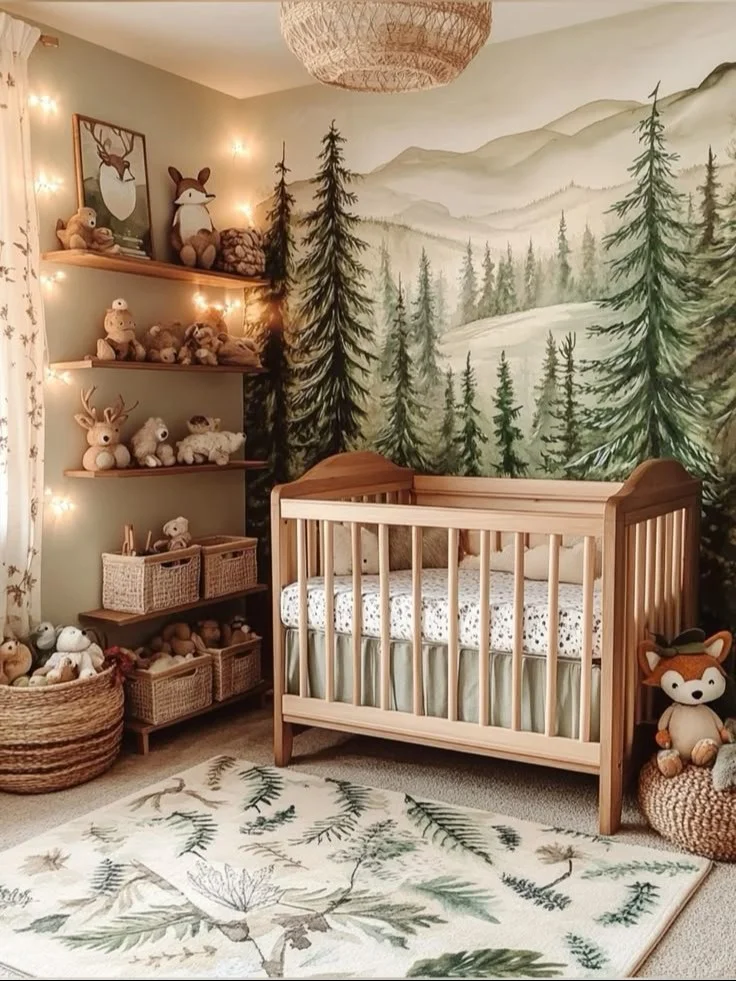
Cozy Tips for a Calming Woodland Dreams Nursery Your Baby Will Love
Imagine walking into your baby’s nursery, and instead of bright, harsh colors or overwhelming patterns, you’re greeted by a calm, serene space that feels like a gentle embrace. That’s the magic of a woodland-inspired nursery. Here’s the thing—creating a nurturing environment for your little one doesn’t have to be complicated. In fact, with a few thoughtful choices in decor, materials, and mood, you can transform any room into a cozy oasis that draws inspiration from nature.
The Woodland Theme’s Appeal
Now, you might be wondering why the woodland theme has become a beloved choice for nurseries. In addition to being visually pleasing, it offers a subtle nod to the great outdoors. Natural elements can have a surprisingly calming effect, making this environment perfect for your baby’s development. Who doesn’t want their little one to grow up surrounded by the gentle hues of the forest and the cozy warmth of wood?
Picture this: soft greens, warm browns, and delicate woodland creatures adorning the walls and decor. It’s not just a cute aesthetic; it helps foster a sense of security and tranquility. Plus, everyone loves a plush fox or a friendly bear to snuggle with, right?
Choosing Natural Wood Furniture
Let’s get into the nitty-gritty of how to create this enchanting space. Natural wood furniture should be your starting point. Whether it’s a crib, changing table, or rocking chair, opting for pieces made from sustainable sources will bring warmth to the room.
- Crib: A wooden crib is not only durable but also adds an organic feel. You might want to choose a natural finish that showcases the wood’s grain—it’s beautiful and timeless.
- Changing Table: Look for a simple wooden dresser that can double as a changing table. It creates a seamless look and can transition with your child as they grow.
- Rocking Chair: Don’t underestimate the beauty of a classic rocking chair. It’s perfect for late-night feedings and adds a touch of coziness.
Earth-Toned Decor for Comfort
Now, let’s talk about the decor. It’s all about those earth-toned colors that can tie everything together beautifully. Shades of green, brown, and beige can evoke the beauty of nature while feeling warm and inviting.
You might consider:
- Bedding: Choose soft, breathable fabrics in muted tones or natural patterns—think leaves, trees, or critters. It’ll feel lovely against your baby’s skin while enhancing the woodland feel.
- Curtains: Opt for light-filtering curtains in soft brown or green. This allows natural light to fill the room while maintaining privacy.
- Rug: A lovely area rug can anchor the space. A soft, plush rug in a light earthen shade will be gentle for your baby’s little toes.
Creating a Forest Mural
If you’re feeling a bit adventurous and want a stunning focal point, consider a forest mural. It adds depth to the room and can become a magical backdrop. You can easily find wallpapers that cater to this theme.
Imagine a beautiful mural that features tall trees, friendly animals peeking through the foliage, or a serene woodland scene. Depending on your level of DIY enthusiasm, you can either have it professionally installed or go for removable wallpaper, which makes it a breeze to change later on. What if you dedicated an entire wall to this idea? The impact would be incredible!
The Touch of Plush Forest Animals
Soft, plush forest animals scattered around can add an element of whimsy to the nursery. Think bunnies, deer, and bears. These cuddly creatures not only serve as decor but also provide your little one with comforting companions as they grow. Here are a few ideas:
- Plush Toys: Incorporate a mix of sizes and styles. A big, cozy bear can be a perfect napping buddy, while smaller animals can decorate shelves.
- Wall Hangings: You could even hang soft, plush wall art or smaller stuffed animals in creative ways. It adds additional texture and interest to the walls.
Soothing Lighting
The right kind of lighting can set the mood in the nursery. Soft, ambient lighting creates a serene atmosphere perfect for winding down.
Consider:
- Nightlights: A soft nightlight in the shape of a forest animal could provide just enough light for nighttime feedings.
- Dimmer Switches: Installing dimmer switches can allow you to adjust the intensity depending on the time of day. It’s infinitely easier for those sleepy midnight changes when you don’t want to fully wake your baby (or yourself).
Cozy Textiles for a Warm Feel
Cozy textiles are another element that can take your woodland nursery from nice to absolutely magical. Think chunky knit blankets, fluffy cushions, and soft throws.
- Blankets: A soft, knitted blanket in earthy tones can lay at the foot of the crib. It’s functional and visually pleasing.
- Cushions: If you have a rocking chair, add some cushions in complementary colors and patterns. It’s a small detail that makes a big difference!
Mistakes to Avoid
While it’s easy to get excited and go a little overboard with decor, keeping it streamlined is essential. Often, less really is more. Here are a few common mistakes to avoid:
- Over-cluttering: It can be tempting to fill the room with every cute woodland animal out there. Instead, curate a few key pieces that make you smile and rotate them out as your child grows.
- Ignoring Functionality: Decor is important, but don’t forget about practicality. Ensure there’s enough space for diaper changes, playtime, and storage for toys and clothes.
- Neglecting Safety: Always check that your furniture and decor items are baby-safe. Avoid things with small parts or sharp edges.
Quick Tips for the Perfect Space
- Go Green: Incorporate a few plants. They can purify the air and add to the natural vibe.
- Keep it Cozy: Consider a stuffed animal basket where children can easily access their favorite friends.
- Update as They Grow: Choose a color scheme that can adapt as your child ages – earthy tones are typically gender-neutral and grow with your child.
Making it Personal
Here’s a thought—why not make some of the decor personal? Consider framing a sweet photo of your family or your baby’s first ultrasound. It could add a wonderful sentimental touch to the space. Plus, it’s a great conversation starter whenever friends and family visit.
Conclusion
Creating a woodland-inspired nursery can indeed be a labor of love, but it’s a journey filled with joy and enchantment. By choosing natural wood furniture, earth-toned decor, and soothing elements like a lovely forest mural, you can craft a space that offers calm and warmth. As your baby grows, this nurturing environment will foster creativity and a love for nature.
Don’t hesitate to explore products like woodland-themed wallpaper to elevate your design. And remember, you can also find stunning options like rustic forest mural wallpaper to truly bring your vision to life. Trust your instincts, get creative, and soon enough, you’ll walk into a space that radiates love, comfort, and a little bit of woodland magic!
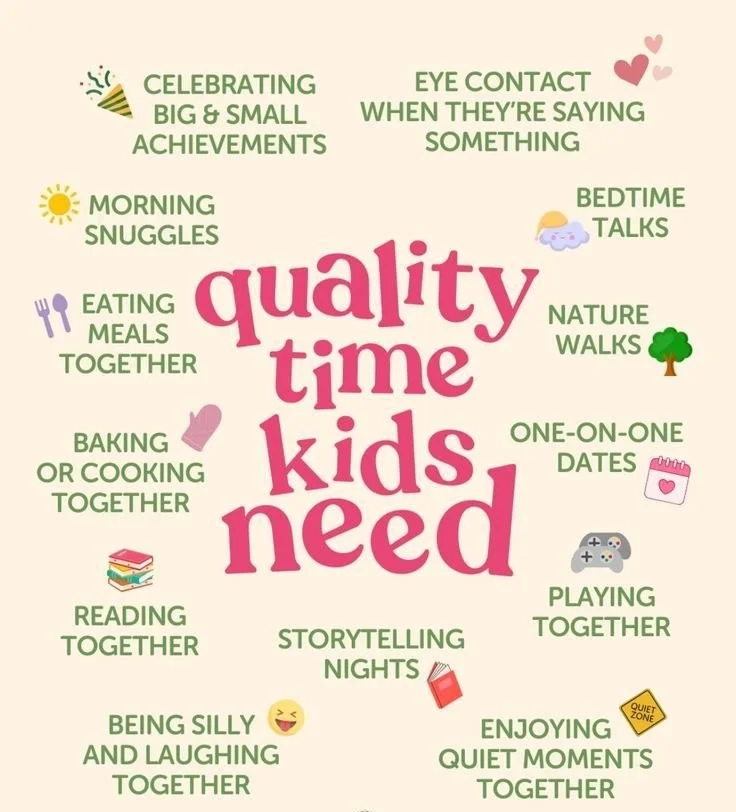
Mindfulness for Kids Tips to Boost Calm and Confident Parenting
Imagine it’s the middle of the night. You’re bleary-eyed, cradling a tiny human in your arms who has decided that sleep is overrated. You’ve tried everything—rocking, soothing, even singing (let’s be honest, your singing skills are a bit suspect). But nothing seems to work, and you feel a whirlwind of emotions; exhaustion, frustration, maybe even a little guilt surfaces. You’re not alone in this. We’ve all been there. Parenting can feel overwhelming, especially when navigating the early years. But I promise, it gets easier.
It’s important to understand that the early years from newborn to age five can be a beautiful yet challenging time. The joy of watching your child grow, learn, and develop new skills is unmatched. Yet, this period often brings sleepless nights, temper tantrums, and challenges we never saw coming. Here are some key insights and tips that can help make this journey a little sweeter.
Embrace the Chaos
Let’s be honest here—parenting is chaotic. One moment you’re dealing with a toddler meltdown over a cookie, and the next you’re engrossed in a game of peek-a-boo with a giggling baby. It’s easy to get caught up in the frustration. Here’s the thing: embrace the chaos. Allow yourself to be flexible and adapt to what your child needs at any given moment. This adaptability is a key element in helping both you and your child navigate the unpredictability of parenting.
Celebrate Small Wins
Every small achievement in your child’s life deserves a celebration. Did they take their first step? That’s worth a mini dance party in your living room! Have they started saying “mama” or “dada”? Get the confetti! Recognizing these baby milestones not only fosters your child’s confidence but also strengthens your bond. Plus, it’s a good reminder that progress isn’t always about the big milestones; sometimes, it’s the little things that matter most.
Create Routines
Now, you might be wondering how to handle the whirlwind of chaos. One of the most effective strategies I’ve discovered is establishing routines. Children thrive on consistency. Bedtime rituals, mealtime routines, or even a little playtime schedule can provide structure that they crave. A regular routine can help reduce anxiety for both you and your child; knowing what to expect makes transitions smoother.
Quick Tip
Try having a winding down routine before bed. Dim the lights, read a story, and play soft music. This helps signal to your toddler that it’s time to settle down and get ready for sleep.
Foster Independence
As our little ones grow, fostering independence is essential. It’s tempting to do everything for them because, let’s face it, it’s easier at times. However, allowing them to try things on their own—like dressing themselves or pouring their juice (yes, it might get messy)—builds confidence and motor skills. Just remember, it’s okay to step back and let them learn, even if it means cleaning up a little mess now and then.
Communicate Openly
One thing that’s crucial to keep in mind is the power of communication. Children, even at a young age, need to feel heard and understood. When they express their feelings—whether it’s anger, happiness, or frustration—acknowledge them. You might say, “I see you’re upset because you can’t have another cookie.” Validating their feelings doesn’t mean giving in but rather shows you understand where they’re coming from.
Encourage Healthy Eating Habits
Nutrition is a key aspect of development during these early years. You’ll quickly learn that toddlers can be picky eaters (oh, the joys!). There are days they’ll gobble up veggies, and other days—well, let’s just say it’s all about the goldfish crackers. Here’s a tip: make meals fun and colorful. Get them involved in the kitchen. Kids love helping out! You might try letting them choose a veggie from the grocery store or assisting in simple food prep. It not only exposes them to healthy choices but also makes mealtime a bonding experience.
Mistakes to Avoid
- Trying to control every meal: Remember that it’s okay for kids to go a bit hungry sometimes. They’ll eat when they’re hungry, and this helps them learn to listen to their bodies.
- Overwhelming them with choices: Keep it simple. Too many options can create anxiety. Aim for a couple of healthy choices at mealtime.
Prioritize Self-Care
In the midst of juggling parenting responsibilities, don’t forget about your own well-being. You can’t pour from an empty cup. Make time for yourself, whether it’s a quiet moment with a cup of tea, a quick workout, or even a night out with friends. You deserve it! Taking care of yourself ensures you’ll have the energy and patience to give your best to your child.
Stay Active Together
Speaking of self-care, how about incorporating some physical activity into your routine—together? Active play is essential for toddler development. It’s recommended they get at least an hour of dynamic play each day. Pop on some music and have a dance party. Go outside to explore nature together, or even set up an obstacle course in the living room. It’s a fantastic way for you both to burn off energy and have quality fun!
Bonus Ideas
- Plan simple outdoor adventures: Visit a local park or nature trail.
- Create a scavenger hunt at home or in the yard.
- Use household items for DIY games like ball toss or hopscotch.
Cultivate Relationships with Other Parents
During this journey, connecting with other parents can be invaluable. Share experiences, tips, and even the frustrations you face. You’re not alone in this! Whether you join parent groups online or set up local meetups, building a support network can ease feelings of isolation and provide a fresh perspective.
Conclusion
Navigating the parenting journey with children ages zero to five can be tough, but it’s also incredibly rewarding. Remember, you’re not alone. Embrace the chaos, celebrate the small wins, and don’t forget to take care of yourself throughout this experience. If you’re looking for additional resources to help with your emotional journey as a parent, check out this insightful article on healing emotional wounds, and you can learn more about various parenting resources at this site. Enjoy the journey; it truly does get easier, and each phase comes with its own unique beauty.
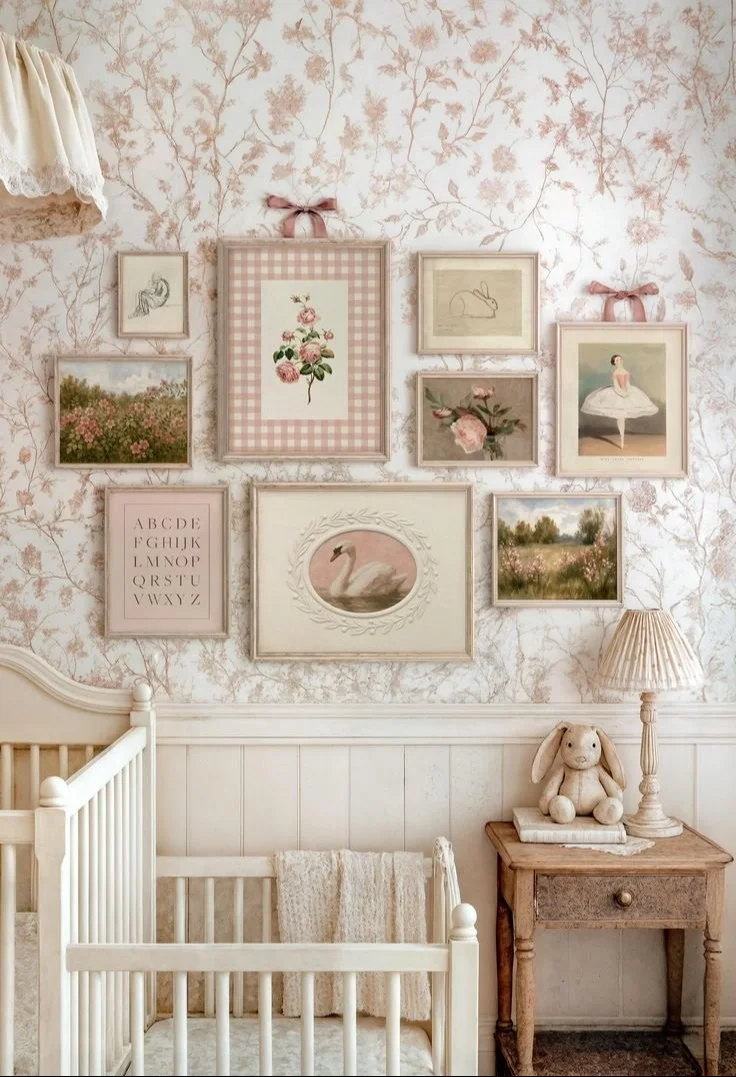
Charming Pink Nursery Art Set Ideas for Vintage Inspired Girls Rooms
Imagine this: you’re in your baby girl’s nursery, surrounded by soft pastels and playful patterns, but something’s missing. You look around and realize the walls feel a little bare. As parents, we all want our children’s spaces to be not just functional but also inspiring. What if I told you that a simple set of vintage-inspired printable wall art could completely transform your child’s room? This is where the Printable Art Pink Nursery Wall Art Set comes into play, adding a touch of charm and whimsy to your little one’s sanctuary.
The Magic of Printable Art
Here’s the thing: having art in a nursery isn’t just about aesthetics—it’s about creating an environment that sparks imagination and nurtures creativity. With the Pink Nursery Wall Art set, you’re welcomed into a world of vintage charm where soft hues and dreamy elements meld perfectly into a cozy space. Picture your baby’s room adorned with delightful illustrations, inspiring quotes, and lovely motifs that not only brighten up the walls but also delight your child’s imagination.
Why Go Vintage?
Now, you might be wondering why vintage art, of all styles, resonates so well in children’s rooms. Well, vintage designs often evoke a sense of nostalgia—something so warm and inviting that it helps create a calm atmosphere. They can stimulate conversation, inspire storytelling, and even make those late-night feedings a little less mundane. The soft blush pink and dreamy aesthetics can seamlessly blend with almost any nursery theme, allowing you to customize your decor effortlessly.
Easy to Use and Customize
One of the best features of the Pink Nursery Wall Art set is its versatility. Digital downloads mean you can print and frame these beautiful pieces right at home, or take them to a professional print shop if you prefer. The beauty of this option is that you can choose the perfect size for your walls. Do you want a large statement piece for above the crib or small gallery frames to create a whimsical wall collage? The decision is all yours!
Paper Matters
When it comes to printing your artwork, you’ll want to ensure the best quality. I recommend using at least 300 gr textured paper. High-quality paper not only enhances the colors but also gives a certain depth to the illustrations. It can make a world of difference when it comes to creating an engaging space that feels cozy and lived-in.
Creating the Gallery Wall
Let’s talk about how to display your newfound treasures. A gallery wall is an excellent way to showcase a collection of art. Before you start hammering nails into your walls, you might find it helpful to lay out your frames on the floor to see how they will best fit together. Arrange them in different layouts—symmetrical or more eclectic looks each have their charm.
Mix and Match
Feel free to combine different types of art. For example, you could pair the Pink Nursery Wall Art with some family photographs or even other printable designs that suit your taste. Going for a themed gallery wall does wonders—vintage clothing, playful animals, and soft quotes work beautifully together in a child’s space.
Decorating Tips for a Small Space
If your nursery is on the smaller side, you might feel overwhelmed about how to make it both functional and inviting. Here are a few quick tips:
- Use vertical space: Tall shelves can house books and toys while leaving plenty of room on the floor.
- Opt for multi-functional furniture: A changing table that turns into a dresser can save precious space.
- Incorporate mirrors: They can reflect light and give the illusion of a larger space.
By adding thoughtfully curated art, we can draw the eye and create focal points without cluttering the space.
Mistakes to Avoid When Choosing Art
As you’re venturing into the world of nursery decor, it’s easy to make a few common mistakes. Here’s what to watch out for:
- Too many colors: While it’s tempting to go all out with vibrant colors, sticking to a palette will create a cohesive look.
- Ignoring Scale: Always consider the size of your room. Large walls can handle big pieces or a collection, while smaller walls may need just one statement piece.
- Not thinking about growth: Remember, your child will grow, and their tastes will change too. Try to choose pieces that can transition well as they grow older.
The Time Commitment
Let’s be honest—finding the perfect art can be time-consuming, but the investment in your child’s environment is worth it. Every minute spent curating your little one’s space will pay off when you see their eyes twinkle as they explore their surroundings.
FAQs About Printable Art for Nurseries
How do I download the files?
Once you complete your purchase, you’ll receive a link to download your files. Make sure to save them safely on your device.
Can I return the printable art if I don’t like it?
Since digital files can’t be physically returned, please check all images carefully before purchasing to ensure they fit your vision.
Can I use these designs for other projects?
Absolutely! Feel free to incorporate these beautiful illustrations into scrapbook pages, birthday invitations, or even gift wrap.
Bonus Ideas for Vintage-Inspired Decor
Why stop at just wall art? Here are a few other ways to enhance your nursery with vintage touches:
- Antique furniture: Old dressers can add character and charm while being functional pieces of art on their own.
- Vintage toys: Consider displaying a few well-loved toys from your childhood; they tell a wonderful story and can be great conversation starters.
- Textiles: Introduce vintage fabrics in cushions or curtains to continue the theme throughout the room.
Conclusion
Designing a nursery is one of the most exciting parts of preparing for a new baby, and the Printable Art Pink Nursery Wall Art Set is an incredible way to ignite creativity and warmth in your little one’s space. By combining vintage-inspired artwork with thoughtful decor choices, you can create an enchanting environment that nurtures both your child’s imagination and your own memories.
So, let’s embrace the vintage charm together and make our nurseries a delightful haven. If you’re looking for even more inspiration, check out this collection of 100 Vintage Nursery Prints or explore beautiful designs like the Whimsical Coquette Poster Set to add an extra splash of personality to your child’s room.

Baby Safe and Toddler Approved Sensory Play Activities for Parents
Imagine this: you’re in the living room, your toddler is running around while your little baby is watching intently from a safe spot. Sounds like chaos, right? But what if I told you it doesn’t have to be? With sensory play, everyone can join the fun. Not only is sensory play highly engaging for your little ones, but it also promotes learning through exploration, which is what we all want, isn’t it?
Let’s dive into some fun and educational sensory play activities that cater to babies, toddlers, and even older kids. Many of these activities are taste-safe, meaning they’re safe for little mouths to explore.
The Power of Sensory Play
Sensory play isn’t just about getting messy – it’s a pathway for development. You might wonder how this connects to your child’s growth. Through different textures, colors, and even sounds, sensory experiences enhance their understanding of the world and improve their fine motor skills. Plus, let’s be honest, children are naturally curious, and sensory play taps into that curiosity in a big way!
So, how can you get started? Here are some engaging activities that’ll pique their interest and keep the fun rolling.
Taste-Safe Sensory Activities for Babies and Toddlers
1. Edible Finger Paint
What if I told you your toddler could create art with food? Mix up some yogurt with a little natural food coloring and let your little artist explore their creativity. It’s safe to eat and provides a delicious way to paint! (Just be prepared for a little mess – but what fun isn’t messy?)
2. Oobleck
You might have heard of this before, but it’s a crowd-pleaser! Mix equal parts cornstarch and water to create a substance that’s both a solid and a liquid. Your toddler will love squishing it through their fingers. Trust me; it’s mesmerizing!
3. Sensory Bins
Here’s the thing – sensory bins are super customizable! Use a large container and fill it with a base like rice, beans, or pasta. Toss in some cups, spoons, and even some small toys. Watch as your toddler scoops, pours, and explores different textures. It’s amazing how it keeps them entertained for hours!
4. Water Play
Fill a shallow bin with water (you can even add bubbles!) and provide various cups, boats, and toys. Water play is soothing and lets your child experiment with pouring, floating, and even sinking. Just keep a towel handy for afterward!
5. Taste-Safe Play Dough
Making play dough doesn’t have to be complicated. Combine flour, water, a little salt, and food coloring to whip up a batch of taste-safe dough. Your baby can squish and roll it, while older toddlers can practice shaping it into fun designs.
6. Rainbow Rice
Coloring rice is super easy! Just add a few drops of food coloring to cooked rice and let it dry. Once it’s ready, pour it into a bin for your little ones to enjoy. You could even hide small toys in the rice for a fun treasure hunt.
7. DIY Cloud Dough
If your child enjoys tactile activities, try cloud dough. Mix about 8 cups of flour with 1 cup of baby oil. It’ll have a soft and pliable consistency, perfect for squeezing and molding.
8. Baking Soda and Vinegar Fun
Here’s a classic! Pour some baking soda into a shallow container and let your little one pour vinegar (colored with food dye, if you like) over it to watch it fizz. It’s an exciting way to introduce basic chemical reactions!
9. Sweet Smelling Sensory Bottles
Fill empty plastic bottles with various items such as rice, glitter, beads, or even scented oils. Seal them tightly, and your baby can shake, roll, and explore while enjoying lovely aromas.
10. Nature Walk Sensory Bags
Take a trip outdoors and collect different leaves, stones, and twigs for a sensory bag. Your toddler will love feeling the textures and looking back at what they found. It’s a fantastic way to combine sensory play with learning about nature!
Encouraging Older Kids to Join In
Now, you might be wondering how to include your older kids in these activities. You can easily tweak these ideas to make them more engaging for them too! For example, make the DIY play dough a family creation time, where older kids can add scents and colors, leading to endless fun and bonding.
Or consider teaming up for the rainbow rice activity – they can help with sorting or even creating a themed scene on a tray using their rice. We all know how helpful it is to foster that bond between siblings.
Mistakes to Avoid
As exciting as sensory play can be, there are a few common mistakes to watch out for:
- Don’t overwhelm your child with too many activities at once; start with one or two.
- Ensure the environment is safe – supervise closely, especially with younger siblings.
- Don’t be afraid of the mess; it’s part of the fun! Covering your workspace can make cleanup easier.
FAQs About Sensory Play
How do I clean up after a messy sensory activity?
Cleaning up doesn’t have to be a hassle! Having a designated play area with a drop cloth can make a big difference. Most messes can be cleaned with warm water and soap.
What if my child doesn’t seem interested?
You’re not alone in this. Sometimes it takes a few tries before they really get into it. Join in the fun and inspire them to engage!
Bonus Ideas to Spice Things Up
Feeling inspired? Here are a few more activities you might try:
- Flavor-infused water (with fruits or herbs) for sensory exploration during water play.
- Create a “feel box” with various materials hidden inside for a mystery touch test.
- Set up a sensory scavenger hunt with specific items for them to find in the house or yard!
Conclusion
Incorporating sensory play into your routine can transform your child’s playtime into a joyful and educational experience. By blending fun with learning, you’re giving your little ones opportunities to explore the world around them in a safe and enjoyable way.
Give these activities a try, and watch as both your baby and toddler engage with the wonders of sensory exploration. If you’re interested in more sensory activities, check out the 28 Sensory Activities for Babies, Infants & Toddlers. For even more creative ideas, visit the Sensory play Archives where you can find helpful tips and tricks. Happy playing!
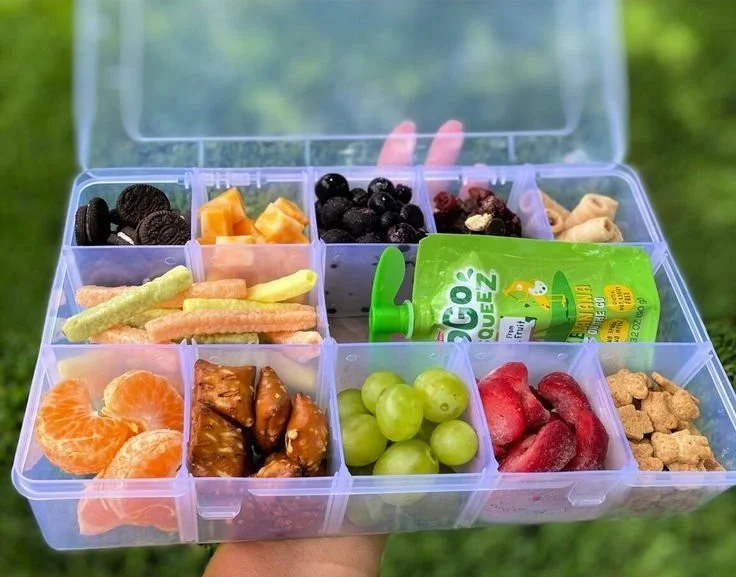
Simple Road Trip Snack Boxes Ideas to Make Travel Snacks Stress Free
Imagine this: You’re driving down the highway, your favorite tunes playing softly in the background, and your kids are chattering away, filled with excitement for the family road trip. But then, just when it seems like peace will reign for a few minutes, you hear the familiar chorus, “Are we there yet?” coming from the back seat. Sound familiar?
We’ve all been there, right? You want to keep the kids happy and distracted on the road while also ensuring they munch on something healthy that won’t leave a mess or make them hyperactive. That’s where the amazing Snackle Box idea comes into play. It’s not just a fun snack option; it’s a game-changer for those long drives, keeping everyone a little less anxious about travel time.
What is a Snackle Box?
A Snackle Box is basically a portable snack station for kiddos. Think of it as a lunchbox filled with an array of delicious, bite-sized treats that are both nutritious and appealing. It’s customizable, easy to pack, and can be enjoyed by kids of all ages. Best of all, it keeps the “Are we there yet?” questions at bay with the endless variety of snacks you’ll include.
Here’s the thing—prepping a Snackle Box takes just a little planning, but the payoff is monumental during those endless stretches of road. Plus, you can involve your kids in selecting their own snacks, making them excited about what they’ll be munching, and letting them feel included in the trip planning.
How to Make a Snackle Box
You might be wondering where to start. Trust me, it doesn’t have to be complicated! Here’s a straightforward guide to creating the perfect Snackle Box that will keep those little hands busy and tummies full.
Choose the Right Container
The first step is to choose a container. You can use anything from a simple plastic lunchbox to an elaborate bento box. My personal favorite is one that has divided compartments because it allows for easy separation of sweet, salty, and crunchy snacks. You’ll want something durable that can withstand a bit of movement during your ride.
Fill it with Variety
Now, we’re at the fun part—filling it up! Aim for a mix of textures and tastes to suit every little muncher’s preference. Here are some snack ideas to get you started:
- Fruits: Dried fruits like apricots, raisins, or apples are perfect because they’re easy to pack. Fresh fruits like grapes, clementines, and berries work too, as long as they are easy to eat.
- Veggies: Baby carrots, cucumber slices, and bell pepper strips can be a crunchy treat. Add a small container of hummus if your kids enjoy dips.
- Proteins: Think nuts (if allergies aren’t a concern), cheese cubes, or even hard-boiled eggs. These will help keep your little ones feeling full longer.
- Grains: Crackers, popcorn, or whole-grain pretzels add the perfect amount of crunch.
- Sweets: A small treat like a cookie or dark chocolate square can be a lovely surprise without overwhelming their sugar intake.
Pack Smart
When packing your Snackle Box, remember that presentation can make a difference. Use colorful containers or even fun shapes if you can. It’s all about making snack time feel special. Place the snack items in a way that’s appealing and easy to access.
To avoid any spillage, make sure things are secure and tightly packed. If you’re using softer fruits or snacks, consider using a divider in the box to prevent squishing.
Keep It Cool
If you’re including perishable snacks, like yogurt or cheese, consider using small ice packs that can fit beside your Snackle Box. This keeps everything fresh and appetizing, ensuring your kids don’t wilt away from hunger just because it’s a hot day.
Snackle Box Ideas for Themed Trips
Let’s be honest for a moment—sometimes road trips can feel repetitive, especially if you’re following the same route. Why not add an element of fun to the snacks? Here are some themed Snackle Box ideas to create excitement:
Beach Trip Snackle Box
- Mini packs of shell-shaped crackers
- Tropical fruit slices (think pineapple and mango)
- Coconut chips for that beachy feel
- Seaweed snacks for the little adventurers
Camping Snackle Box
- Trail mix loaded with nuts and dried fruits
- Granola bars for a quick energy boost
- S’mores-inspired snacks (graham crackers, chocolate, and marshmallows)
- Popcorn balls wrapped in clear bags for that homemade touch
Movie Night Snackle Box
- Air-popped popcorn seasoned with their favorite spices
- Miniature candy boxes (think M&Ms or gummy bears)
- Cheese puffs for that crunchy element
- Fruit gummies shaped like their favorite characters
Making It a Family Activity
Before hitting the road, let’s make this snack prep a family affair. Gather the kids around and let them choose their favorite snacks to add to their own Snackle Boxes. This not only gives them a sense of ownership but also provides an opportunity to talk about making healthy choices and portion control.
When you’re driving, you can tap into their excitement about the snacks they picked. “You chose those apple slices and cheese sticks! What do you want to try first?” It keeps the conversation going and makes every snacking moment a memory in itself.
Mistakes to Avoid
Creating the perfect Snackle Box sounds easy, but there are some common pitfalls that you should avoid. Here’s a quick list of things to keep in mind:
- Don’t Overpack: It’s easy to go overboard, but too many snacks can overwhelm kids and lead to unnecessary waste.
- Avoid Sticky Foods: Steer clear of things like fruit roll-ups or overly sugary snacks that could lead to messy fingers in the car.
- Watch the Waste: Consider using reusable containers to prevent excess waste and to keep everything organized.
Conclusion
Now, road trips can be effortlessly enjoyable with the right preparation. With a well-planned Snackle Box, you’ll quench cravings, keep spirits high, and, most importantly, make the "Are we there yet?" moments less frequent.
Remember, you’re not alone in this journey; we’re all just trying to keep our little ones happy while navigating life’s adventures. So, gather your snack ideas, get those kids involved, and create an atmosphere of anticipation for every journey ahead. If you’re looking for more inspiration or different recipes to include, check out Road Trip Snack Boxes and Snackle Box Ideas: The Best Travel Snack box for kids & adults. Safe travels and happy snacking!

Easy Little Bites Muffin Recipe Ideas for Better School Snacks
Imagine this: It’s a rainy afternoon, and you’re sitting on the floor surrounded by a mountain of toys. Your toddler is racing a toy car back and forth, while your baby is trying to grab at a plush dinosaur just out of reach. You can’t help but chuckle at this chaotic scene, but then it hits you: how can you make these everyday moments even more engaging and educational for your little ones? You’re not alone in pondering this — we’ve all been there, seeking the perfect activities that offer fun and foster development.
When it comes to parenting kids aged 0–5, finding the right balance between playtime and learning can feel overwhelming. There’s so much conflicting advice out there, and it’s easy to get lost in the noise. Let’s take a step back and explore some simple yet effective activities that promote cognitive, physical, and social development while allowing you to connect meaningfully with your children.
Engaging with Your Baby
Sensory Exploration
Have you ever watched your baby react to different textures? Babies are naturally curious about the world around them. Engaging their senses is one of the best ways to stimulate early brain development. You can create a sensory bin filled with diverse materials like rice, fabric swatches, or safe household items (think soft sponges, crinkly paper, or rubbery toys).
- Tip: Supervise closely since babies love to explore by putting things in their mouths.
Sound familiar? It can feel chaotic, especially when they’re teething and tend to chew everything! But here’s the thing: sensory play not only entertains but also enhances fine motor skills and cognitive growth.
Tummy Time with a Twist
Now, you might be wondering how tummy time can evolve. It’s not just about laying them down; add some colorful toys at varying distances to encourage your baby to reach out and grab them. This simple adjustment transforms tummy time into a fun challenge.
- Fun Idea: Use a mirror! Babies are fascinated by their reflections, and it may encourage them to lift their heads and engage.
Activities for Your Toddler
Art and Craft Time
If your toddler loves to draw (and let’s be honest, who doesn’t love a good scribble?), art is a fantastic avenue for expression and development. Grab some non-toxic, washable crayons and large sheets of paper, and let them go wild.
- Benefits: This activity promotes creativity and fine motor skills as they practice gripping crayons and control their movements.
And the mess? Don’t stress about it. Just smile and remind yourself that these moments are fleeting. You’ll be glad you captured them!
DIY Obstacle Course
What if weekends became adventure days? You can easily turn your living room into a mini obstacle course. Use cushions, chairs, and blankets to create tunnels, stepping stones, and climbing areas.
- Why it works: This not only channels their energy but also helps develop gross motor skills. Plus, watch how proud they’ll be as they master each section.
Interactive Story Time
Let’s face it, some days your toddler might not be interested in sitting still for storytime. I know my little one sometimes fidgets! So why not make it interactive? Choose books with flaps, textures, or sound buttons. You can even incorporate actions or creative voices to make the characters come alive.
- Engagement tip: Ask open-ended questions as you read. “What do you think the bear will do next?” This gets their little minds thinking and boosts language development.
Nutrition for Little Ones
Making Mealtime Fun
We know how challenging mealtime can be, especially with picky eaters. Picture this: you’re serving broccoli, and instead of the usual protests, you turn it into a game. Create a “veggie rainbow” on their plate or cut fruits into fun shapes with cookie cutters.
- Healthy hack: Try involving them in the kitchen. Simple tasks like rinsing veggies or stirring dry ingredients can spark their interest in healthy foods.
Muffins for All
Speaking of making things easier, have you tried baking together? Muffins are a hit for toddlers. They’re easy to make, and you can sneak in fruits or veggies to make them nutritious. You can try out delicious recipes like Chocolate Chip Mini Muffins or check out this link for more healthy muffin ideas: 40+ Ideas for Healthy Baby Led Weaning Muffins.
This not only gives you quality time in the kitchen but also instills good eating habits early on.
Mistakes to Avoid
We’re all human; nobody’s perfect. Here are a few common missteps I’ve made (and I bet you’ll nod along):
- Over-scheduling: Sometimes we pack the day with activities. Remember, down time is essential too, for both you and your kids.
- Not joining in: You might be tempted to supervise from afar, but the real magic happens when you play together. It’s okay to make a silly face or act a little goofy; your kids will love it!
Conclusion
Parenting young children can be daunting at times, with endless choices and advice swarming around us. Yet, as we navigate these precious years, let’s remember that play is a child’s work. Embrace the messy moments, foster their curiosity, and engage deeply in their developmental journey. You’ll look back fondly on these days as you build a strong foundation for their future.
So, as we prioritize activities that nurture learning and connection, let’s commit to being present. Whether it’s through sensory play, storytime, or even baking together, you’re shaping their world beautifully. Here’s to joyful exploration and a lot of laughter along the way!
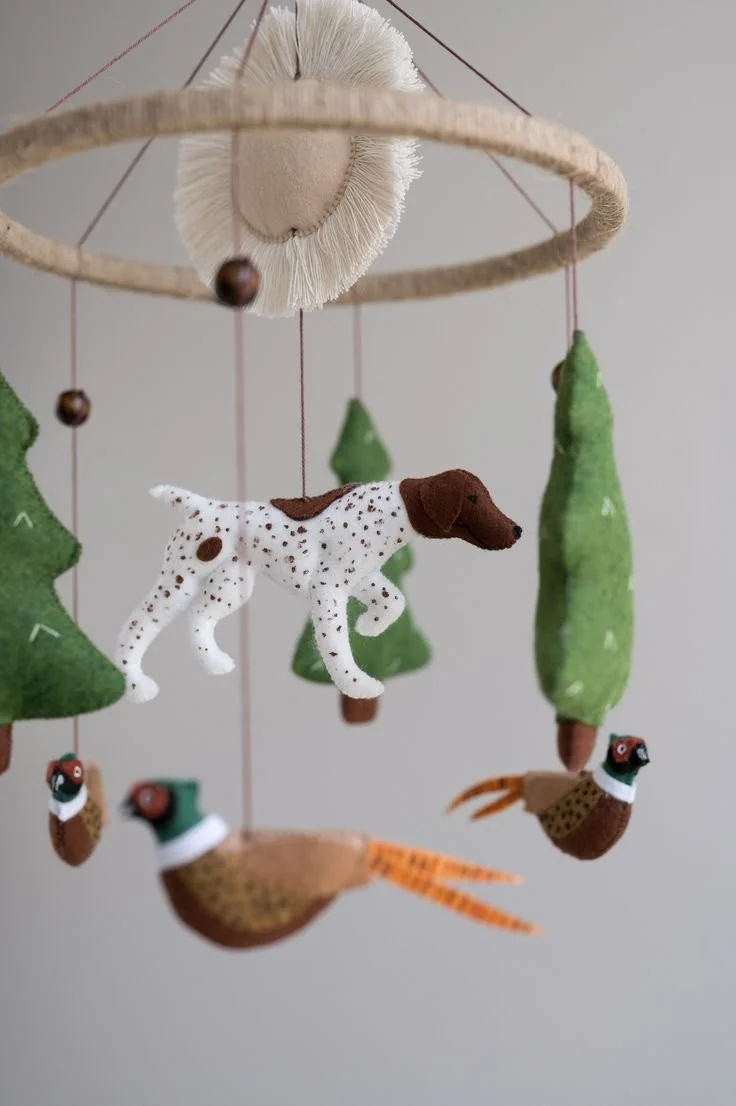
Hunter Themed Baby Mobile for Crib Ideas Pheasant and Pointer Decor
Imagine this: you’re rocking your little one to sleep in their nursery, and above their crib dangles a charming mobile that beautifully captures their attention. It sways gently as soft music plays in the background, creating a serene environment that helps your baby drift off to dreamland. Now, picture that mobile featuring German Shorthaired Pointers or pheasants. Isn’t that unique?
As a parent, you want every detail of your baby’s space to be purposeful and meaningful. A baby mobile for the crib isn’t just decor; it can be an essential part of your baby’s development. And let’s be honest, when you spot that perfect mobile, it can also be a delightful addition to a hunting nursery decor theme, reflecting your family’s interests and creating a warm, welcoming environment for your little one.
Why Choose a Unique Baby Mobile
Now, you might be wondering—what’s so special about choosing a unique mobile? Here’s the thing: a well-designed mobile does more than just look good. It plays a crucial role in the cognitive development of your baby. The gentle movement, the contrasting colors, and the textures stimulate their visual senses.
Plus, a distinctive design can encourage imaginative play as they grow. An Etsy find featuring their favorite animal or hobby can become a talking point as they grow older. Before you know it, your unique choice reflects your family values and interests, creating a strong emotional foundation.
Making Hunting Nursery Decor Work
If you’re a hunting enthusiast or have fond memories of pheasant hunting, incorporating that theme into your nursery can be a meaningful way to pass on those values to your child. With the right decor, you can create a cozy, rustic space that’s not just functional but also filled with love and memories.
Here are some ideas to consider:
Color Palette: Earthy tones like greens, browns, and warm neutrals can create a grounding atmosphere. Think about adding accents that mirror the outdoors.
Thematic Decor: A mobile featuring German Shorthaired Pointers can be a cute focal point, but consider other pieces as well. Wall art of wildlife, plush toys resembling game birds, or even framed photos from your hunting adventures can add to the overall theme.
Textiles: Look for bedding, curtains, and rugs that feature nature-inspired patterns or motifs. This unifies the nursery’s theme and adds comfort.
Storage Solutions: Consider wooden bins or baskets designed with rustic aesthetics to store toys and supplies. Practical and pretty!
Lighting: A cozy lamp with a woodland design can add warmth to the space. Consider string lights to create a serene atmosphere at night.
Why a German Shorthaired Pointer Mobile Fits Perfectly
When it comes to selecting a mobile, choosing one that reflects your love for a specific breed like the German Shorthaired Pointer adds a personal touch. Not only are these playful pups energetic and fun, but they also symbolize loyalty and companionship. Every time your baby gazes up at their mobile, they’re not only entertained but also subtly introduced to the bonds of friendship.
Plus, these mobiles can be customized! Think about the vibrant colors they can adopt, matching those pastel nursery hues or contrasting effectively for visual stimulation.
Practical Tips for Buying a Mobile on Etsy
So, you’re sold on the idea of a unique mobile but where do you look? Etsy is a treasure trove of handcrafted goodness. Here are a few tips to navigate your purchase:
Read Reviews: Customer feedback is crucial. Look for shops with high ratings that have sold similar items.
Ask Questions: Don’t hesitate to reach out to the seller for customization options, materials used, or if they offer gift wrapping for that special occasion.
Check Dimensions: Ensure it fits your crib and that it’s safely designed without any small parts that could be a choking hazard.
Look for Easy Assembly: A mobile that requires minimal effort to set up can save you time, especially during those busy early parenting days.
Creating an Emotional Connection through Decor
Let’s face it, having a nursery filled with thoughtful decor not only comforts your little one but also becomes a photography backdrop for countless family memories. Potentially, the decor could even inspire storytelling traditions as your child learns about family history and activities you cherish.
What if you’re sharing anecdotes about hunting trips, and right there in their room is a constant reminder? It can help foster a sense of belonging and shared identity from a young age.
Mistakes to Avoid When Decorating a Nursery
We’ve all been there—overestimating how much decor you really need or getting swept away by trends. Here are common pitfalls to steer clear of:
Too Much Clutter: Your little one’s space should provide a peaceful area for sleep and play, so avoid overcrowding with decor.
Ignoring Functional Aspects: Remember, this is a nursery, so furniture needs to be practical and easily accessible.
Forgetting Safety: Ensure all decorations are securely mounted and free from harmful materials.
Additional Touches to Consider
To elevate your nursery, consider these fun, additional touches:
- Personalized name signs help make the space feel uniquely theirs.
- Nature-themed bookshelves filled with stories about animals and adventures.
- A comfy chair for those late-night feedings—select one that complements your theme.
FAQs about Baby Mobiles and Nursery Decor
How does a mobile help my baby?
Mobiles provide visual stimulation and can help with hand-eye coordination as they watch the objects move.What age is appropriate for hanging a mobile?
Generally, you can introduce a mobile from birth until your baby begins to stand up in the crib.Can I make my own mobile?
Absolutely! DIY mobiles can be a fun project that adds an even more personal touch to the nursery.
Conclusion
Creating a nurturing and inspiring environment for your baby can be a rewarding process. A carefully chosen baby mobile, like one featuring a German Shorthaired Pointer or a charming pheasant design, can play an essential role in that space. Plus, it adds a personal touch that reflects your family’s stories and interests. If you’re searching for that perfect mobile, check out one of these unique options on Etsy: the German Shorthaired Pointer Baby Mobile, or explore the delightful Pheasant Mobile that will complement your hunting nursery decor.
Creating a unique space filled with love will not only support your baby’s development but will also warm your heart as you create new memories together. Remember, you’re not alone on this parenting journey, and it’s completely normal to want the best for your little one. So, happy decorating!

Easy Healthy Baked Blueberry Greek Yogurt Fritters for Toddlers
Start Your Toddler’s Day Off Right With Delicious Baked Blueberry Greek Yogurt Fritters
Picture this: it’s a busy weekday morning, the kind where you’re juggling a million tasks before the day even starts. Sound familiar? You’re trying to get your little one dressed, pack your bags, and remember to grab that much-needed cup of coffee—all while keeping your toddler entertained and clothed. Most mornings, breakfast tends to get the least love during this chaotic routine. But what if I told you that you could whip up a healthy, delicious breakfast that your kids will love, and it’s super easy to make? Enter: Baked Blueberry Greek Yogurt Fritters.
These mouthwatering treats are perfect for any toddler, packed with protein from Greek yogurt and bursting with antioxidant-rich blueberries. They’re fluffy, lightly sweetened, and oh-so-easy for little hands to grab. Let’s dive into this kid-friendly recipe that’s not just about filling tiny tummies, but also making mornings a little brighter.
Why Choose Baked Blueberry Greek Yogurt Fritters?
Now, you might be wondering, why fritters? Here’s the thing: they’re an excellent way to incorporate fruits into your toddler’s diet without them even realizing it. We’ve all been there, trying to convince our little ones to eat their fruits, only for them to turn their noses up at a bowl of berries. But when it comes to fritters, they’ll dance around the kitchen asking for more!
These fritters offer several benefits:
- Loaded with Nutrients: Greek yogurt provides essential protein and probiotics that are beneficial for your child’s growing digestive system.
- Bursting with Flavor: Sweet, juicy blueberries not only add a lovely color but are also rich in vitamins and antioxidants. They’ll brighten up any morning!
- Quick and Fun to Make: Whether you’re looking for a weekend breakfast project with your little one or a quick meal prep idea for busy weekdays, these fritters fit the bill.
Ingredients You’ll Need
Before we get cooking, let’s gather everything you’ll need. Chances are, you might already have some of these ingredients in your pantry. Here’s what you will need:
- 1 cup of Greek yogurt (plain or flavored—just check the sugar content)
- 1 cup of fresh or frozen blueberries (don’t worry, frozen works just as well)
- 1 cup of whole wheat flour or your choice of flour
- 1 large egg
- 2 tablespoons of honey or maple syrup (optional, depending on sweetness preference)
- 1 teaspoon of baking powder
- A pinch of salt
- A sprinkle of cinnamon (if you’re feeling fancy!)
Let’s Make Those Fritters
Step-by-Step Instructions
Preheat Your Oven: Start by preheating your oven to 375°F (190°C). You want it nice and hot when it’s time to bake those fritters!
Mix Your Wet Ingredients: In a large mixing bowl, whisk together the Greek yogurt, egg, and honey (or maple syrup if you prefer). This is where all the creaminess comes in!
Combine the Dry Ingredients: In another bowl, mix the flour, baking powder, salt, and cinnamon. This step is crucial for a nice fluffy texture!
Combine Wet and Dry Ingredients: Slowly add the dry mixture to the wet ingredients, stirring until just combined. It’s totally fine if there are a few small lumps.
Fold in the Blueberries: Gently fold the blueberries into the batter, being careful not to crush them. This will keep the fritters from turning a sad shade of blue!
Shape the Fritters: Using a spoon or a small ice cream scoop, drop the batter onto a parchment-lined baking sheet. Aim for small mounds (think silver dollar pancakes), about 2 to 3 inches in diameter.
Bake: Send them to the oven and bake for about 15-20 minutes, or until they’re golden brown. You might even want to keep an eye on them, just in case you get distracted (we’ve all had those moments!).
Cool and Serve: Once they’re out of the oven, let them cool for a few minutes. You can serve these warm or at room temperature.
Tips for Serving
- Pair It Up: These fritters are fantastic on their own but consider pairing them with some additional Greek yogurt or a drizzle of honey for extra flavor.
- Make it Colorful: Add some sliced strawberries or bananas on the side for a vibrant plate that’ll make your little one smile!
Meal Prep and Storage
Let’s be honest, mornings can get chaotic. If you’re like me, you might be searching for ways to simplify your morning routine. The beauty of these fritters? They can be made ahead of time and stored for those busy days.
- Refrigeration: Store the cooled fritters in an airtight container in the fridge for up to 5 days.
- Freezing: If you want to take it a step further, you can freeze them! Just pop them in a freezer-safe bag, and they’ll keep for about 1–2 months. When you’re ready to serve, reheat them in the microwave or toaster oven.
Getting Creative with Flavor
Once your toddler gets used to these yummy fritters, why not experiment? Here are a few variations:
- Fruit Medley: Swap blueberries for raspberries, diced strawberries, or even finely chopped apples. The possibilities are endless!
- Add-Ins: You could throw in a handful of mini chocolate chips for a fun treat or some nuts for additional crunch (if allergies aren’t a concern).
- Spices: Try adding a pinch of nutmeg or even a bit of vanilla extract for extra flavor.
Mistakes to Avoid
We all make mistakes in the kitchen—it’s part of the journey. Here are a couple of common pitfalls to dodge:
- Overmixing the Batter: A lumpy batter is okay! Overmixing can lead to dense fritters.
- Underbaking: It might be tempting to take them out too early. Trust the process and let them turn that perfect golden brown!
Conclusion
As a parent, I know how important it is to start the day on the right foot, especially when it comes to breakfast choices for our little ones. These Baked Blueberry Greek Yogurt Fritters aren’t just a meal; they’re a bonding experience and a fun way to introduce healthy ingredients to picky eaters. Plus, you’ll enjoy the satisfaction of knowing you’re giving your child a nutritious start to their day.
So, here’s to making mornings a little brighter and a lot tastier! If you’re on the lookout for even more delightful meal ideas for your child, you might want to check out 10 breakfast ideas for toddlers and 22 healthy toddler breakfast ideas to mix things up. Happy cooking!