
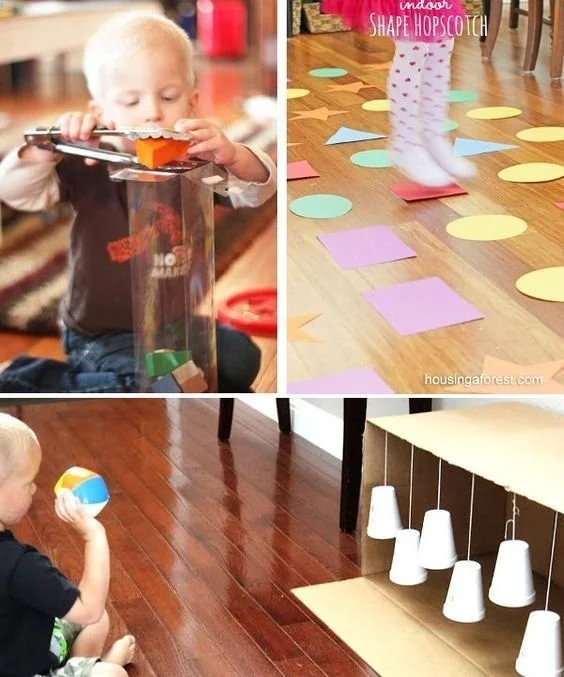
Indoor Games for Easy Inside Play and Fun for Busy Moms at Home
Imagine it’s a rainy Saturday afternoon. The sun’s nowhere in sight, and you’re faced with a decision: how do you entertain your little one without losing your sanity? We’ve all been there — the house is a chaotic whirlwind of toys, books, and endless energy. Now, you might be wondering how to channel that toddler energy into something productive and fun. Good news! There are countless activities tailored for toddlers that don’t just occupy their time, but also spark their imagination and nurture their development. Let’s dive into some engaging activities that will not only keep your toddler entertained but also help them learn and grow.
Creative Arts and Crafts
First up, let’s talk about arts and crafts. This is an all-time favorite for toddlers (and it secretly lets you grab a few moments of peace as they get lost in their creativity!). Here are a few ideas to get those little hands busy:
Finger Painting: Grab some non-toxic washable paint and let them create a masterpiece on a large sheet of paper. You’ll end up with a beautiful piece of art — and most likely, some colorful hands!
Nature Collage: If you’re brave enough to venture outside (even with umbrellas), collect leaves, flowers, and twigs, and then glue them onto paper. This not only teaches them about nature but also develops their fine motor skills.
Sensory Bottles: Fill a plastic bottle with water, glitter, beads, and tiny toys. Seal it tightly. Your toddler will love shaking it up and watching the contents swirl.
Indoor Treasure Hunt
Picture this: you announce a treasure hunt in your living room. You can hide toys, snack treats, or even little notes with fun activities written on them. Give your child clues or a simple map to follow, and watch their eyes light up with excitement! You might be surprised at how much their problem-solving skills can develop during this playtime.
Story Time Theatre
Now, let’s be honest, half the fun of reading to toddlers is how animated we can be! Why not turn storytime into a mini drama? Use props, take on different characters’ voices, and get them involved by asking questions or letting them act out parts of the story. This not only enhances their listening skills but also fuels their imagination.
- Dramatic Play: Encourage them to dress up as characters from the story or act it out with their toys.
Simple Science Experiments
If you’re looking for a bit of education mixed in with fun, here are some toddler-friendly science activities that will leave them wide-eyed with wonder:
Baking Soda and Vinegar Volcanos: Create a little explosion in a bowl with baking soda and vinegar. Add food coloring for a more vibrant eruption. What’s not to love about that?
Rainbow in a Jar: Layer different liquids (like honey, dish soap, water, and oil) to see how they separate — it’s a colorful activity that’s also a cool lesson in density.
Dance Party
Sometimes, you just need to let loose! Crank up some fun tunes, and have a dance-off. Toddlers love to mimic, so this is a perfect way for them to express themselves. Plus, it’s a fantastic way to burn off excess energy. Remember to participate yourself; your enthusiasm will encourage them to join in!
Outdoor Adventures
When the weather permits, get moving outdoors! It doesn’t have to be a grand adventure; the backyard or even a stroll in the park can be magical.
Nature Walks: Walk slowly and observe the world around you. Ask open-ended questions like “What do you hear?” or “What colors do you see?” This promotes mindfulness and awareness of their environment.
Obstacle Courses: Set up simple obstacle courses using cushions, chairs, or whatever you have on hand. This kind of physical activity is great for developing gross motor skills.
Interactive Games
Sometimes, the classics are the best! Here are a couple of fun games that parents and toddlers can play together:
Simon Says: It’s simple and classic. This game sharpens your child’s listening skills.
Hide and Seek: Adjust the rules to keep it easy for your little one. You’ll be amazed at how thrilling it is for them!
Baking Together
Baking isn’t just about following a recipe; it’s a great sensory experience. Getting their hands in the dough and exploring new smells and textures can be a bonding experience. Plus, there’s usually a delicious reward at the end!
- Easy Cookie Recipes: Try simple recipes with minimal ingredients. Let them help measure and mix. Don’t forget to taste-test beforehand (because who really wants to wait for cookies, right?).
Quiet Time Activities
Even the most energetic toddlers need downtime. Here are a few calming activities for those moments when they need to recharge:
Puzzle Time: Simple puzzles can be both relaxing and engaging. They help enhance problem-solving skills.
Coloring Books: Set up a cozy corner with crayons and coloring books. This fine motor skill practice can be very soothing.
Bonus Ideas
Now that you’ve got a treasure trove of activities, here are a couple more fast ideas to sprinkle into your days:
DIY Play Dough: You can easily make play dough with flour, salt, water, and cream of tartar. Let your toddler help knead it; they’ll love the sensory experience!
Quiet Book: Create a ‘quiet book’ filled with different textures and activities that your child can explore. It’s perfect for travel or quiet time.
Conclusion
Toddler activities can feel overwhelming, especially when you want to keep your little one engaged and stimulated. But it doesn’t have to be complicated. You don’t need a literal treasure chest of toys; you just need creativity and time together. Trust me, even the simplest activities can lead to the most significant moments of connection.
For parents looking for more ideas, you can check out 15 indoor games to keep kids active and entertained or explore some exciting options at Playworks for fun and easy indoor games. Embrace the chaos of parenting, enjoy creating joyful memories, and remember — it’s all about spending precious moments together. You’ve got this!
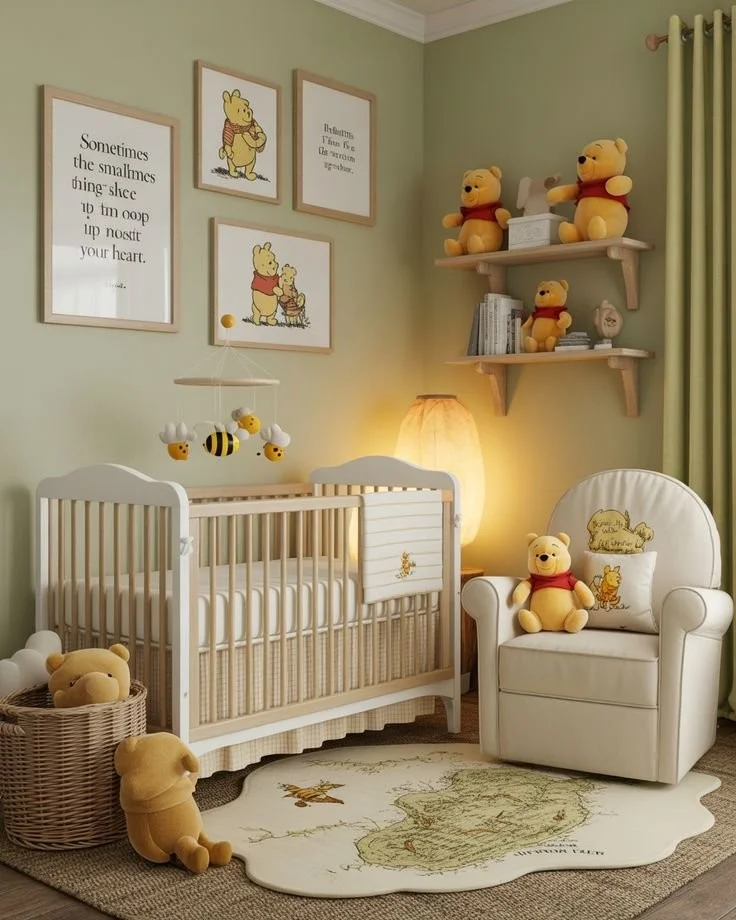
Baby Boy Nursery Ideas 2026 10 Styles Western Charm Scandinavian Calm
Imagine walking into your baby boy’s nursery for the first time, a place where you’ll spend countless hours rocking, reading, and cherishing those quiet moments together. The glow from the soft night light flickers as you scan the room filled with all things adorable—from tiny clothes to cuddly toys. Now, think about how you want that space to feel. Is it rustic and cozy or whimsical and vibrant? The nursery sets the tone for your baby’s early years, and luckily, there are so many fabulous styles to choose from for 2026 that it can be overwhelming yet exciting.
Western Theme for a Rugged Charm
Let’s kick things off with the Western theme. Picture this: a room adorned with cowboy motifs, leather textures, and rustic wooden furnishings. Fabrics in shades of brown, deep reds, and sky blues can create a warm environment that feels both classic and adventurous. You’ll want to showcase some unique elements, such as:
- Cowboy Wall Art: Think framed prints of horses, vintage rodeo posters, or even hand-painted signs with phrases like “Cowboys are Forever.”
- Rustic Furniture: A black crib would feel right at home here. Imagine a striking contrast against warm wood elements.
- Cozy Textiles: Layering in plaid blankets and faux fur throws will keep the space inviting and comfortable.
Now, you might be asking, “How can I make this work with a small space?” Here’s the secret: opt for multifunctional furniture. A changing table that doubles as a shelf for books can keep the clutter at bay while adding to your Western theme.
Woodland Style for Nature Lovers
If you love the outdoors, a woodland-themed nursery might just be your dream come true. This style invites all the beauty of nature indoors, complete with charming animal motifs and earthy color palettes. Here’s what you can consider:
- Animal Prints: Think of adorable wall decals featuring foxes, deer, and owls. They can add a touch of whimsy to the walls without overwhelming the space.
- Earthy Tones: Soft greens and browns with pops of bright colors (maybe a mustard yellow or coral) can make everything feel upbeat.
- Natural Materials: Choose furniture made of reclaimed wood for that organic feel. A cozy chair or rocker for late-night feedings in front of a woodland mural can be a perfect touch.
Sometimes, it’s hard not to go all out on creative themes. But remember, you don’t want the nursery to feel cluttered. Focusing on a couple of larger decor pieces—like a statement wall or a unique light fixture—can create a wow factor without overwhelming the room.
Country Style for a Homely Feel
If you lean toward charming simplicity, a country-style nursery offers a warm and inviting touch. This style is all about creating a cozy haven that feels lived in and loved. Some key features might include:
- Soft Patterns: Check patterns on curtains, bedding, and rugs can instantly invoke that country charm. You could even embrace some gingham here and there!
- Vintage Decor: Incorporating antiques or handmade items brings character to the room. Plus, they can serve as great conversation starters for visitors.
- Bright Color Palettes: Warm yellows, baby blues, and soft pinks can lend a cheerful vibe.
Let’s be honest, it’s super easy to get lost in Pinterest boards (I’ve been there!). Remember, understated elegance is key. A few well-placed decorative elements can do wonders without making it feel busy.
Whimsical Styles for Free Spirits
For those of us who believe that imagination should thrive from a young age, whimsical nurseries can be an inspiring choice. This style is vibrant, playful, and perfect for spreading joy. Here’s how you can manifest this playful look:
- Bold Colors: Add splashes of yellow, green, and bright orange. A feature wall painted as a giant hot air balloon can be whimsical without being tacky.
- Unique Lighting: How about a star-shaped pendant light? Lighting can play a huge role in the atmosphere, and a fun shape could spark curiosity.
- Playful Decor: Think oversized stuffed animals or a ceiling mobile of colorful clouds. These elements can create a storytelling vibe.
If you’re wondering how to strike a balance between chic and fun, accentuating one feature can be key. Maybe focus on adventurous bedding—complete with upsiedown worlds of flora and fauna—and complement it with simple accessories.
Vintage and Timeless Looks
In a world full of trends, vintage style never goes out of fashion. This aesthetic emphasizes nostalgia and charm with its warm, muted tones and classic décor. Imagine:
- Classic Cribs: A black crib paired with light walls can create an elegant focal point.
- Antique Toys: Using vintage toys as decor adds a playful touch and tells stories of the past.
- Timeless Wallpaper: Floral or geometric patterns can elevate the style without going too far back in time.
You might ask, “How do I pull off vintage without it feeling old?” It’s all about balance. Pair vintage pieces with modern furniture to keep it fresh and timeless.
Chic Black Crib Trends
Speaking of timeless, black cribs are making major waves in nursery design. They add a striking contrast and are versatile enough to fit in various themes, whether it’s rustic, modern, or even a mix of styles.
Consider these:
- Bold Contrast: A black crib against white walls creates a stunning visual effect and can make other decor stand out.
- Pairing Up: Combine it with colorful bedding and accent decor that pops.
- Mix and Match: Don’t be afraid to blend styles; a black crib with vintage accessories can create a stunning, cohesive look.
Serene Sage Green Palettes
Ah, sage green—a color that’s soft, calming, and utterly enchanting for a nursery in 2026. It’s perfect for parents who prefer subtlety over bold choices.
How can you incorporate this soothing color?
- Wall Treatments: A fresh coat of sage green paired with white trim looks sophisticated and serene.
- Accents: Use soft textiles in varying shades of green paired with warm browns or creams to create depth.
- Wall Decor: Nature-themed artwork in warm, earthy tones can enhance the overall soothing vibe.
Space Themes for Little Explorers
If you’ve got a budding astronaut on your hands, then a space theme might just spark their imagination. From planets to stars, this style invites endless exploration. Think about:
- Galaxy Wall Art: Decals or murals that depict the solar system can be mesmerizing.
- Dark Soothing Colors: Deep blues and purples can create a serene night-sky effect.
- Planetary Mobiles: This can add fun movement to the nursery while igniting dreams of space adventures.
Scandinavian-Inspired Designs
For those who adore sleek, minimalist designs, Scandinavian style offers a breath of fresh air. It focuses on simplicity, functionality, and natural materials. Here’s how to lean into this aesthetic:
- Neutral Color Palettes: Whites, greys, and soft pastels create a luminous atmosphere.
- Natural Elements: Incorporating wood and plants can bring warmth to the minimalist design.
- Functional Furniture: Scandinavian designs often emphasize practicality, so look for pieces that serve multiple functions.
Quick Tips for Your Nursery Journey
- Plan the Layout: Before diving into themes, sketch a rough layout to see how the space flows.
- Stay Flexible: It’s okay to tweak things as you go. If something doesn’t quite feel right, adjust!
- Involve Your Partner: Two heads are better than one. Collaborate on ideas that resonate with both of you.
- Embrace Personal Touches: Ultimately, it’s about creating a space that feels like home to you and your baby.
Mistakes to Avoid
- Overcomplicating: As tempting as it is to use lots of themes, simplicity can be more soothing.
- Ignoring Function: Don’t sacrifice practicality for style; you’ll need storage solutions and practical items.
- Neglecting Lighting: Good lighting can transform a space. Ensure you have various options available.
Conclusion
Creating a nursery is one of the most exciting tasks that comes with parenthood, and choosing a style that resonates with you can make all the difference. Whether you’re drawn to rustic Western vibes or charming whimsical designs, remember that it’s entirely about what makes you feel at home with your little one. For a deeper dive into nursery decor ideas, check out these inspiring ideas for baby boy nurseries. And, if you’re considering some stylish yet practical decor tips, feel free to explore these Scandinavian-inspired designs. Happy decorating!
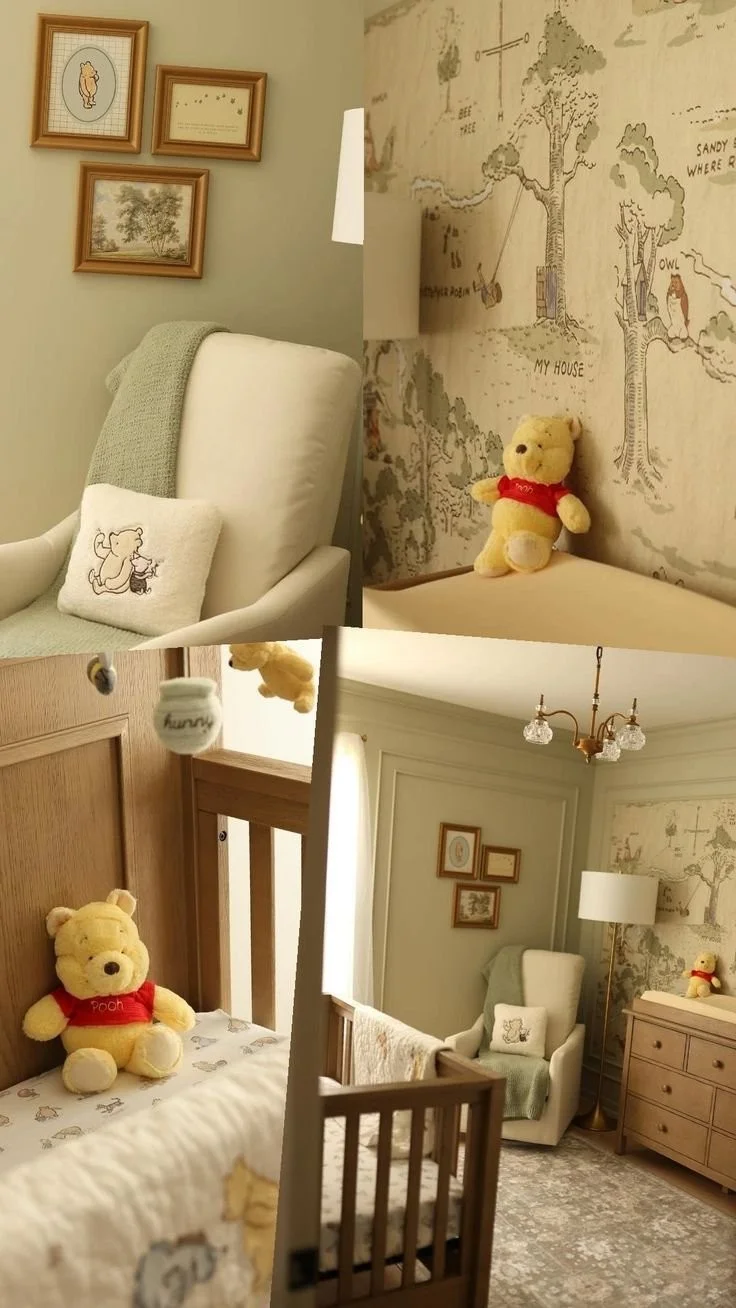
Classic Winnie the Pooh Nursery Ideas for Cozy, Calming Rooms
Imagine it’s a quiet Saturday morning. You’re sipping your coffee, eyes wandering to the playroom where your little one is now a whirlwind of creativity, building a grand castle out of every toy they own. Or perhaps you hear a sudden burst of giggles—maybe they’ve just discovered a shoe that doubles as a boat! Sound familiar? As parents, our day-to-day lives with children aged 0 to 5 are woven with beautiful moments, laughter, and sometimes overwhelming chaos.
The early years are critical for child development, both physically and emotionally. These foundational stages set the tone for how your little one interacts with the world, learns new skills, and forms relationships. Here’s the thing: introducing the right activities can enrich your child’s experience and promote healthy development. Let’s dive into some fun and engaging activities, along with tips to enhance those precious moments together!
Engaging Activities That Foster Growth
Create a Sensory Bin
Sensory play is not just a fun way to keep your little ones occupied; it’s crucial for their development. Why? It fosters creativity, improves fine motor skills, and engages their senses.
What You’ll Need:
- A large container
- Various fillers like rice, beans, or sand
- Small toys or figurines
How to Do It:
- Fill the container with your chosen filler.
- Add small toys or cups for scooping and pouring.
- Encourage your child to touch, feel, and explore.
Tip: Rotate the items every few weeks to keep things fresh and exciting! You might find your child discovers something new each time.
Storytime Adventures
Reading opens up a world of imagination and language development. It’s a great way to bond with your child and foster a love for reading.
How to Spice It Up:
- Use different voices for characters (you might unleash your inner bear or bunny!).
- Ask questions like “What do you think happens next?” or “How would you feel if you were in that situation?”
- Incorporate books about characters they love, like the whimsical adventures of Winnie the Pooh. If you’re interested in decorating their reading corner, check out ideas on Winnie the Pooh nursery ideas.
You’ll likely notice their eyes lighting up at every turn of the page!
Nature Walks
Getting outdoors is crucial at this age. Nature walks provide a tactile experience while promoting physical health.
What You Can Do:
- Explore your local park or botanical garden.
- Create a scavenger hunt (like spotting different birds or finding the largest leaf).
- Collect interesting leaves, rocks, or flowers to examine at home.
Personal Insight: We’ve all been there when our kids are feeling a bit restless. Taking them outside can be a game changer! Plus, it never fails to bring about great conversations about what they discover.
Art Projects Galore
Art projects can seem messy, but they’re an excellent avenue for self-expression and creativity.
Ideas to Get Started:
- Try finger painting or making a collage from old magazines.
- Use different materials like pasta, beads, or leaves to create art.
- Make it a seasonal activity—create spooky art for Halloween or fluffy snowflakes for winter!
Mistake to Avoid: Don’t worry about the mess. Cover the table with newspaper and embrace the chaos. When you allow your little one to express themselves freely, you’ll see things evolve beautifully!
Music and Movement
Have you ever met a child who doesn’t love music? Jamming together can stimulate cognitive development and improve motor skills.
Fun Activities:
- Introduce musical instruments—simple ones like shakers or drums.
- Have a dance party where everyone gets to pick their favorite songs.
- Sing-along to familiar nursery rhymes or children’s songs with gestures!
What If: What if you create a “music box” with different instruments? You could rotate the instruments every week to keep the excitement alive—trust me, it’s like having a mini-band at home!
Create a Routine
Routines provide security for little ones. Establishing a daily rhythm can help them understand structure while promoting independence.
What to Incorporate:
- Morning rituals like breakfast together followed by reading.
- Nap times paired with calm music or storybooks.
- Evening routines involving bedtime stories and cuddles—this is key for winding down.
Picture this: After a chaotic day, having a little ritual can help soothe both you and your child. It’s the calm after the storm!
Nutritional Adventures
Let’s address what our kiddos eat. Good nutrition during these years sets the stage for healthy habits. But getting tiny hands to eat well can sometimes feel like a wrestling match!
Fun Food Activities
- Colorful Plates: Involve your child in preparing meals—let them assemble their own colorful rainbow wraps or fruit kabobs.
- Creative Snacks: Make fun shapes using cookie cutters or turn regular foods into fun art projects.
- Healthy Taste Tests: Introduce new foods with friendly taste tests (make it a game!). You might find they’re more open to trying fruits and veggies.
Meal Planning Together
Consider getting your child involved in meal planning. When they have a say in what’s for dinner, they’ll show more interest in eating those foods.
Quick Tip: Create a simple chart with meals they can choose from. Not only does this empower them, but it also eases decision fatigue for you.
Final Thoughts
Parenting little ones is a beautiful mess of laughter, chaos, and learning. The activities we choose can significantly impact our children’s growth and development. Use these ideas as starting points to create memorable moments with your children. Each giggle shared and a simple moment spent together builds a strong foundation for their future.
Remember, you’re not alone in navigating this journey. As you strike a balance between fun and learning, you’re also nurturing a little human’s growth, creativity, and love for life. By enriching their experiences, you’re paving the way for independent, confident kids.
Conclusion
As you venture through these early years, don’t forget to make the most of those special moments. Incorporating fun activities into your child’s routine, like crafting their own artistic expressions or diving into Winnie the Pooh’s whimsical world, can be so rewarding. Explore options for nursery decor that celebrates this iconic character, such as Winnie the Pooh nursery decor or find charming items at Classic Pooh Nursery on Amazon. Here’s to making precious memories, fostering creativity, and nurturing those beautiful young minds!
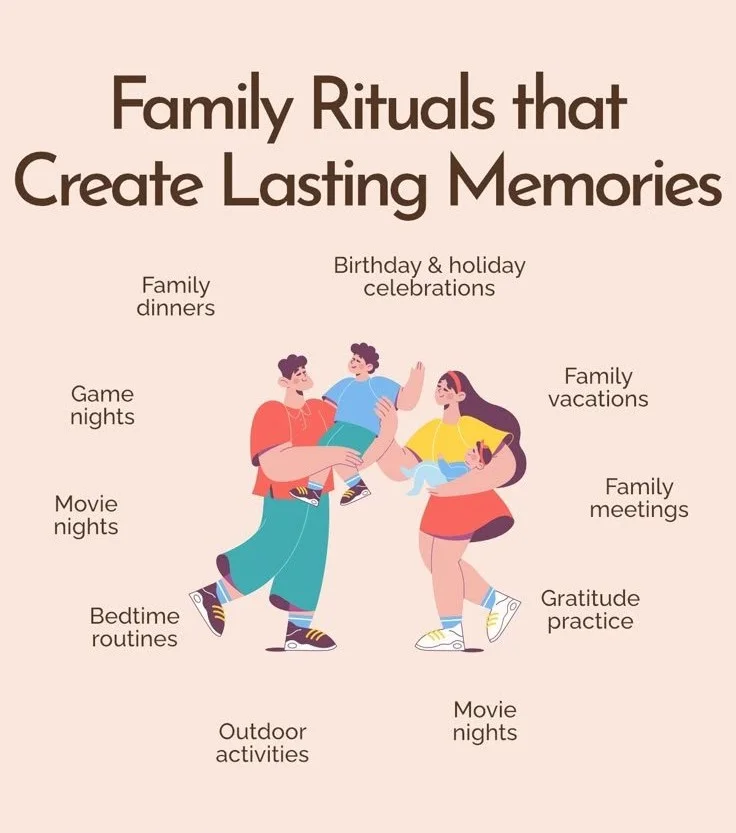
Positive Parenting Tips to Boost Your Child’s Confidence Today
It’s Time to Nurture Your Child’s Growth
Imagine this: It’s a cozy afternoon, and you’re curled up on the couch with your little one. They’re engaging in a colorful puzzle, humbly seeking your guidance every now and then. You watch as they struggle with a piece, get frustrated, then, just as your heart starts to break for them, they find that sweet spot where a piece finally falls into place. That moment? It’s pure magic, right?
We all want to create a supportive environment for our children, one that encourages growth, fosters emotional intelligence, and builds strong relationships. It’s not always a smooth ride, but with some practical strategies and a sprinkle of love, we can help our kids navigate the ups and downs of their early years.
Understanding Emotional Intelligence
Now, you might be wondering what emotional intelligence (EI) really means for your child. Here’s the thing: it’s not just about helping them identify what they feel; it’s about helping them understand why they feel that way and how to manage those feelings effectively.
Normalize Emotions: Start conversations about emotions. Ask your child how they feel and share your own feelings too. This creates a safe space for them to express themselves. Trust me; kids love knowing it’s okay to be sad or mad sometimes!
Model Emotional Regulation: When frustration strikes (like when you’re trying to assemble that new toy), show them how you take a deep breath or count to ten. Kids learn best by watching us, right? They’ll mimic your methods of coping with emotions.
Use Literature: Storybooks can be incredible tools to explore feelings. Read tales that highlight different emotions, and discuss them afterward. Questions like, “How do you think the character felt?” can provoke great discussions.
Building Strong Relationships
We’ve all been there — the daily hustle can sometimes overshadow quality family time. But the truth is, strong relationships are built in the small moments. Here are some strategies to grow those bonds:
Embrace One-on-One Time: Set aside special time to engage individually with your child. It could be as simple as a short walk or baking cookies together. Those moments make all the difference in building trust and connection.
Practice Active Listening: When they come to you excited about a new discovery (like a bug they found on the sidewalk), stop what you are doing, look into their eyes, and listen as if it’s the most fascinating thing in the world.
Incorporate Play: Play is vital for bonding. Remember, it doesn’t have to be grand; even a game of hide-and-seek can turn giggles into priceless memories. Embrace the joy of nonsense and let your inner child shine.
Guiding Through Developmental Stages
Each stage in your child’s early life comes with its own challenges and triumphs. Here’s how to navigate some of those stages lovingly and patiently:
Infancy (0-12 Months)
Respond to Cues: Babies communicate through cries and coos. Pay attention to their cues—whether it’s hunger or needing comfort—so they learn to trust you.
Talk and Sing: Engage them with your voice. Simple songs or rhymes introduce rhythm and language early on, even when their little brains are just sponges soaking it all up.
Toddlerhood (1-3 Years)
Encourage Independence: This is the stage when they might try to dress themselves or refuse to hold your hand. While it can be messy, celebrating their attempts fosters confidence.
Introduce Choices: Offer limited choices to empower their decision-making skills. “Would you like to wear the red shirt or the blue one?” Giving them control, even in small ways, can reduce tantrums.
Preschool Age (3-5 Years)
Cultivate Curiosity: This age is filled with “why” questions. Rather than brushing them aside, engage! This is an opportunity for learning that builds their creativity and critical thinking.
Teach Problem-Solving: If they’re struggling with a puzzle or their favorite building blocks, offer hints instead of direct answers. “Hmm, what happens if you try that piece over there?” Remember, it’s about guiding, not giving the answers outright.
Effective Communication Strategies
Let’s get real; communication is key. But the way we interact matters just as much as what we say.
Be Genuine: When you speak, be true to your feelings. Authenticity builds trust and allows your child to feel what you’re genuinely feeling.
Use Positive Reinforcement: Instead of focusing on what they did wrong, highlight what they did right. For example, if they share their toy, say, “I really liked how you shared! That was so kind!” This not only encourages good behavior but builds their self-esteem.
Stay Calm During Conflicts: When disagreements arise—because they will—try not to respond with frustration. Instead, calmly explain your perspective, and ask for theirs. This teaches healthy conflict resolution.
Mistakes to Avoid
As parents, we aren’t perfect, and that’s perfectly okay. But here are a few common pitfalls you might want to steer clear of:
Overloading with Activities: We want our kids to thrive, but remember that less is often more! Kids need downtime to process what they’ve learned.
Neglecting Self-Care: You can’t pour from an empty cup. Taking care of yourself is essential, so don’t hesitate to carve out time for self-care.
Setting Unrealistic Expectations: It’s easy to compare your child’s progress with others, but every child blooms at their own pace. Embrace their unique journey.
Quick Tips for Encouragement
Use Praise Wisely: Over-praising can lead to reliance on external validation. Instead, focus on their effort and problem-solving.
Implement Routine: Consistent routines can offer a sense of security. Kids thrive on knowing what to expect.
Engage in Their Interests: If your child is fascinated by dinosaurs, dive into that world with them! Shared interests can strengthen your connection.
Conclusion
Nurturing your child’s growth in a positive and supportive environment doesn’t happen overnight; it’s a journey filled with ups and downs, joy and tears. Each moment, whether big or small, shapes who they are and who they will become. With love and patience, you can help your child navigate the complex world of emotions, relationships, and learning.
As you reflect on your parenting journey, consider checking out some resources for deeper insights. For expert advice, the positive parenting tips from the CDC can provide valuable guidance. Additionally, learn more about the power of positive parenting from UC Davis Children Hospital. Remember, we’re all in this together, and every step you take makes a world of difference for your little one!
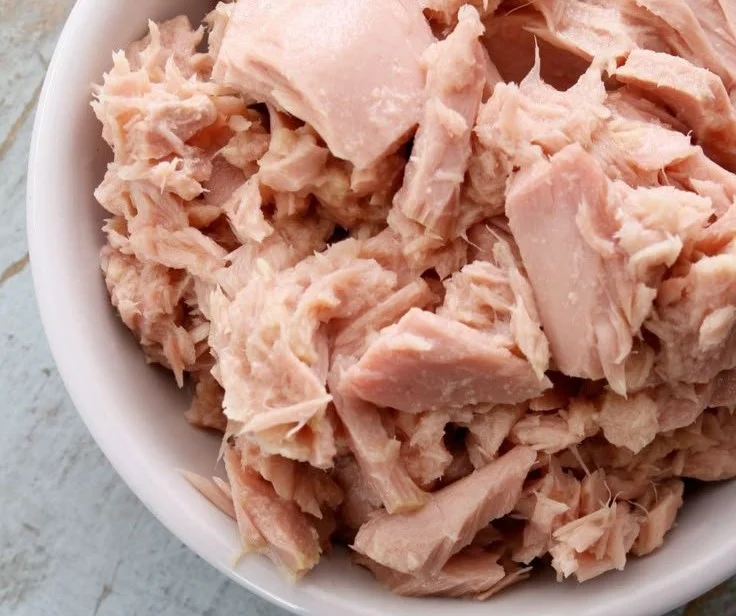
Practical Tips to Get Picky Toddlers to Eat Meat at Every Meal
Imagine this: it’s dinnertime, and you’ve just put a beautifully cooked chicken breast on your toddler’s plate. You’re beaming with pride, thinking that tonight’s the night they’ll finally eat something other than macaroni and cheese. But instead of diving in, they push the plate away and insist on having only the green beans (which they sometimes eat, but often don’t). Sound familiar? You’re definitely not alone in this battle with picky eating toddlers.
Let’s be honest—getting toddlers to eat a balanced diet can feel like an Olympic event, especially when it comes to incorporating meat into their meals. And if you have a little one who seems to have an aversion to anything that resembles meat, it can be disheartening. But don’t worry; I’ve gathered some effective mom hacks and creative ideas to help you turn the tides and improve their nutrition without the dinner table drama.
Understanding Your Picky Eater
Before we dive into the tricks and tips, it’s essential to understand your toddler’s fear of meat. Kids can be picky eaters for various reasons, from texture issues to simply wanting control over their food choices. This is completely normal, and honestly, we’ve all been there (I know I have)! Here are a few things to consider:
- Fear of New Textures: Meat can be chewy or gritty, and for sensitive eaters, that can lead to avoidance.
- Past Experiences: Maybe they had a bad experience with a specific meat. For example, if they once choked on a piece of steak, it might trigger fear when they see it again.
- Control: Toddlers crave autonomy. Refusing to eat certain foods can be a way for them to assert that control.
By understanding what’s driving their pickiness, you can better approach the situation with empathy and creativity.
Tips for Encouraging Meat Consumption
Start Small
Trying to put a gigantic meat portion on their plate might make you feel like a superhero, but it could be too overwhelming for your toddler. Instead, start with tiny pieces. Dicing meat into small, bite-sized morsels can make it less intimidating.
Make it Fun
Kids are naturally drawn to fun and play. You might want to try different shapes or sizes. Think about using cookie cutters to make fun-shaped chicken or turkey slices. Or, serve meat skewers where they can actually pick the meat pieces off the stick. You could even have a mini "meat tasting party," where your child can sample a variety of meats in tiny portions.
Mix It Up
Combining meat with their favorite foods can be a fantastic way to sneak it in without a fuss! Think about adding finely shredded chicken to their favorite pasta dishes or incorporating ground meat into tacos or quesadillas. Or how about this: create a smoothie with protein powder and add a spoonful of peanut butter or yogurt to help mask any unusual flavors while still packing a punch of protein.
Incorporate Dips
Kids love to dip, right? So why not make mealtime more interactive by providing tasty dips alongside their meat? Consider options like hummus, yogurt-based dressings, or even ketchup (yes, sometimes we need to cater to those preferences!). Dipping can make eating meat feel like a fun activity.
Let Them Help
Have your toddler help with meal prep. Kids love being involved and having control, so let them choose what meat to include in their meals or help with simple tasks like stirring or assembling ingredients. When they feel like they had a hand in making dinner, they’re often more willing to eat it.
Use Flavorful Marinades
Bland meat can be a no-go for picky eaters. Try marinating protein in delicious sauces or seasonings to enhance the flavor. This works well for chicken, pork, or even beef. Just be sure to stick with flavors your child typically enjoys—perhaps a honey soy sauce or a mild ranch dressing.
Explore Meat Alternatives
Sometimes, it helps to think outside the box. If your toddler’s really resistant to traditional sources of meat, consider some protein-rich alternatives. Think about options like lentil soup, bean chili, or even plant-based patties. They can be just as nutrient-rich and often more exciting for a picky eater.
Create a Routine
Kids thrive on routines. Make it predictable when and what they should eat at mealtime. Offer a meat dish as a regular part of your meal plan, but don’t fret if they decline it at first. Repetition will help them feel more comfortable over time, leading to eventual acceptance.
Use Storytelling
You might want to make up a fun story about how superheroes eat meat to get their strength, or that a famous character they love was brave enough to try something new. Engaging their imagination can make eating meat feel like an adventure!
Mistakes to Avoid
While the intention is always to help your little ones grow strong and healthy, there are a couple of mistakes you might want to sidestep:
- Forcing Them to Eat: This might seem like an obvious one, but it can backfire. Forcing can lead to negative associations with mealtime, making them even less likely to eat meat in the future.
- Giving In Too Easily: While it’s tempting to cater to their demands after a long day, be cautious about making chicken nuggets or mac and cheese your go-to meal every night. The goal is to expand their palette.
- Comparing Them to Others: Every child develops at their own pace. Comparing your picky eater to a friend’s child who devours everything can create unnecessary stress. Your toddler is unique, and their journey is their own.
Quick Tips and Mom Hacks
- Hidden Proteins: Blend meats into sauces or smoothies. Think of ground turkey in spaghetti sauce—it’s a great way to get in extra protein without them noticing!
- Make it Visual: Use colorful plates and arrangements of food to make meals more appealing. How about creating a smiley face with food?
- Focus on the Social Aspect: Have meal times be a time for family interaction. The more relaxed and fun the atmosphere, the more likely your toddler will try new offerings.
Bonus Ideas for Toddler Meals
- Mini Meatballs: Ensure they’re small and baked with some herbs for added flavor. Pair with a dip for a tasty treat.
- Taco Night: Allow toddlers to assemble their own soft tacos with chicken or turkey, and favorite toppings.
- Breakfast for Dinner: Serve scrambled eggs or egg muffins with a side of bacon or sausage to mix breakfast proteins into a different meal context.
Conclusion
Navigating the world of picky eating can feel overwhelming, but remember that you’re not alone in this journey. Every child has their own preferences and needs, and with some patience and creativity, you can help your little one embrace meat as a part of their diet. There are so many ways to make meals exciting and nutritious!
If you’d like more specific tips on getting your toddler to eat meat, check out this article on why some toddlers refuse meat: Toddler Won’t Eat Meat? Read This for Easy Tips to Help. For additional protein-rich alternatives that can please even the pickiest of eaters, consider reading about healthy meal ideas that steer away from chicken nuggets in this resource: Beyond Chicken Nuggets: Protein-Rich Alternatives for Picky Eaters. Keep experimenting, and know that with time and love, you’ll help your toddler build healthy eating habits.

Easy Steps to Help Toddlers Sleep in Their Own Bed Comfortably
Getting Your Toddler to Sleep in Her Own Bed Without Tears
Imagine this: it’s 2 AM, and you’re tiptoeing out of your toddler’s room, trying your hardest not to wake her for the umpteenth time that night. Sound familiar? If you’re a parent, you know the drill—navigating the nightly battle of getting your little one to sleep in her own bed can feel like an uphill climb. It’s exhausting, a bit daunting, and let’s be honest, sometimes downright frustrating.
But what if I told you that you can gently guide your toddler into her own bed without the tears? Yes, it’s possible, and I’m here to share the exact ten steps I used to make it happen. By employing these strategies, I transformed our bedtime routine into a calmer, more enjoyable experience for both my daughter and me. Let’s dive in!
Step One: Establish a Consistent Bedtime Routine
Consistency is key when it comes to kids. You’ll want to implement a simple, predictable bedtime routine that signals to your toddler that it’s time to wind down. This could include a warm bath, storytime, or cuddles—whatever works for you and your little one. The idea is to have a set sequence of activities.
Picture this: every night after dinner, you start with a bath, then snuggle up for a story, and finish with a lullaby. Over time, this familiarity makes bedtime much less daunting for your child. You’ll see; she’ll start recognizing these cues, and her transition to sleep will become smoother.
Step Two: Create a Cozy Sleep Environment
Your toddler’s room should feel safe and inviting. Think about dim lighting, maybe a nightlight that offers a soft glow, comfortable bedding featuring her favorite characters, and perhaps some soothing sounds like white noise or gentle music.
Remember, this is her space, and when she feels cozy and secure, she’s more likely to settle in comfortably. I also added a few stuffed animals that my daughter loves, which made her feel like she had “company” during the night.
Step Three: Use Positive Reinforcement
Now, here’s the deal—kids thrive on praise! Use positive reinforcement to encourage your toddler when she goes to bed without a fuss. A sticker chart can work wonders! For each night she sleeps in her bed, she earns a sticker. After a set number, she gets a fun reward (maybe a story of her choice).
This way, you’re making it a game rather than a chore. You’ll be amazed at how motivated they can be by simple rewards.
Step Four: Gradual Transitioning
If your toddler has been sleeping in your bed, it might be too overwhelming to expect her to go straight to sleeping alone. Start by sitting in her room until she drifts off. Gradually reduce your involvement over a few nights. This might mean moving from sitting on the bed, to sitting on a chair, to eventually just saying goodnight and leaving the room.
This gradual approach, known as the “fade away method,” allows your child to grow comfortable with the idea of sleeping independently. You’re giving her the emotional tools she needs to feel secure.
Step Five: Offer a Goodnight Routine with Choices
I’ve learned that kids love to feel in control, even in small ways. Before bedtime, give your toddler some choices. It could be picking out her pajamas, selecting a bedtime story, or choosing which stuffed animal to sleep with. Empowering her to make decisions, no matter how small, can ease anxiety around bedtime.
Here’s the thing: when she feels like she has a say in her routine, it can dramatically improve her willingness to go to bed on her own.
Step Six: Normalize Occasional Nighttime Awakenings
We’ve all been there: your toddler wakes up in the middle of the night looking for a parent. This is completely normal, and it’s not unusual for kids this age to feel a bit uneasy at times.
When it happens, calmly reassure her that she’s safe. Too often, we might rush in with panic when it’s not necessary. Instead, take a deep breath and approach it gently. Sometimes a quick hug or a few reassuring words are all it takes for her to settle back to sleep.
Step Seven: Be Patient and Stay Calm
This journey isn’t going to happen overnight. There will be setbacks, sleepless nights, and maybe even a few tears. You’re not alone in this; we’ve all been there. Patience is your best friend.
If she gets upset, try to keep your tone soothing. Instead of reacting with frustration, remind yourself of how far you’ve come in your parenting journey. You’re not just working on getting her to sleep; you’re building trust and connection.
Step Eight: Address Any Fears or Concerns
Ask your child if there’s anything that’s bothering her about sleeping alone. Maybe she’s afraid of the dark, or she feels anxious about being away from you. It’s important to address these fears head-on.
Consider using a nightlight or an “imaginary friend” check that visits her during the night. Let her know that you’re just a room away, and encourage her to share anything that’s on her mind.
Step Nine: Prepare for Sleepovers or Other Changes
If you know of an upcoming sleepover or any situation that might change her routine, prepare her in advance. Talk about it frequently leading up to the event, discussing what she can expect. Kids can be a little thrown off by sudden changes, so giving her a heads-up can help ease her into that new environment.
Step Ten: Celebrate Achievements
Once your toddler manages to stay in her bed for a set number of nights, celebrate! Maybe it’s a little dance party in the living room, a special breakfast the next morning, or a family movie night. These celebrations give her something to look forward to and reinforce her new sleep habits.
Create a culture of appreciation around sleeping in her own bed. You want her to feel proud of her accomplishments, and this positive reinforcement makes her more likely to continue with the behavior in the future.
Conclusion
Getting your toddler to sleep in her own bed is a journey, but it doesn’t have to be a tear-filled struggle. With these ten gentle and effective steps, you can guide her through this transition smoothly. Remember, patience and consistency are essential, and soon enough, bedtime will likely shift from a battleground to a peaceful sanctuary.
If you’re looking for even more patience tricks for sleep training, you might find it helpful to check out this guide to getting your child to sleep. Should you and your little one ever need to tackle nap transitions, Episode 90 of the podcast provides some easy steps for transitioning from contact naps to cot naps. Remember, you’re doing an amazing job, and every small victory counts!
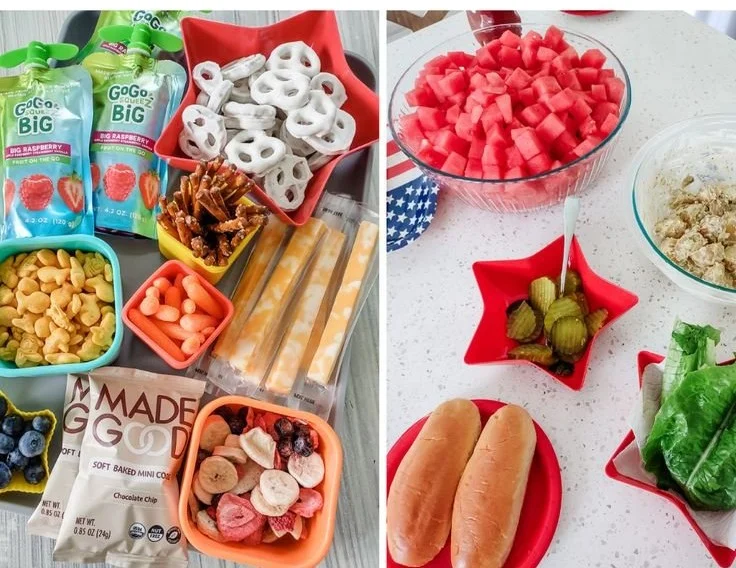
Toddler Beach Food Ideas for Summer Break 12 Easy Lunches for Kids
Imagine it’s a hot summer day, and the sun is blazing down. Your kids are racing around the yard, giggling, and maybe even getting a bit too much sun. At some point, they come running in, their little faces flushed and their tummies rumbling like tiny thunder. You know they need nourishment, but what do you feed these energetic munchkins? You’re not alone if you’ve ever stood in front of the fridge, bewildered, wondering how to whip up healthy meals that are also appealing for kids aged 0 to 5. Let’s dive into some yummy summer meal ideas that will keep both their bellies and spirits happy!
Refreshing Breakfast Ideas
We all know breakfast is the most important meal of the day. But in the summer heat, traditional hot breakfast foods might not be the best fit. So, here are some simple yet nutritious options perfect for little ones.
Cool Smoothie Bowls
Blend up some spinach, bananas, and yogurt, then pour it into a bowl. Top it with colorful fruits like berries, diced mango, and granola. Kids love making their own creations, so let them choose their toppings! Plus, it’s a great way to sneak in some greens without them even noticing.
Overnight Oats
Here’s the thing: overnight oats are not just easy; they’re pretty versatile too. Combine oats, milk (or a dairy-free alternative), and toppings like chia seeds, yogurt, or honey before bedtime, and you wake up to a delicious breakfast the next day. You can even freeze them into popsicle molds for a fun treat in the morning.
Fruit and Yogurt Parfaits
Layer Greek yogurt with your kids’ favorite fruits and a sprinkle of granola. It’s like eating dessert for breakfast! This meal is not only tasty but packed with protein and vitamins, and you can even let the kids assemble their own parfaits to make it a fun activity.
Lunchtime Delights
When lunch rolls around, it’s easy for kids to end up with the same old sandwiches. Let’s mix it up a bit!
Rainbow Wraps
Grab a whole wheat or spinach wrap and let your kids fill it with their choice of proteins (think turkey, chicken, or hummus) and colorful veggies. Bell peppers, cucumbers, and carrots add that pop of color and crunch. Plus, they can even roll it up like a burrito, making lunch interactive and fun.
Mini Pita Pizzas
Who doesn’t love pizza? Use mini pitas or whole grain English muffins as the base. Spread a bit of tomato sauce, sprinkle cheese, and let your kids select their favorite toppings. Bake them quickly in the oven for a few minutes until the cheese is all melty and gooey.
Seasonal Salads
Kids might be hard to please, but a beautiful salad can work wonders. Incorporate sweet summer fruits like watermelon or strawberries with spinach or mixed greens. Throw in some cheese, nuts, and a splash of dressing. If your child likes a bit of crunch, let them help by adding a handful of their favorite nuts or seeds.
Snack Time Fun
Snacks are a crucial part of your little one’s day, especially during the summer as they expend energy outdoors.
Homemade Fruit Popsicles
Blend up your kids’ favorite fruits with a bit of juice or yogurt and pour the mixture into popsicle molds. You’ll feel like a rock star when they bite into a homemade popsicle instead of a store-bought one filled with sugar!
Veggie Sticks and Dips
Setting out a platter of colorful veggie sticks can be a fun approach. Think carrots, cucumbers, and bell peppers paired with hummus or yogurt dip. It’s amazing how a little bit of dipping can turn veggies into a coveted snack option.
Cheese and Cracker Plates
Who knew snacking could be so fun? Create a DIY cheese and cracker platter. Add some sliced apples or grapes for that perfect sweet and salty combo. Plus, it’s a no-cook snack that can cater to what you have on hand.
Easy Dinner Solutions
When it’s time for dinner, the last thing we want is for our kids to turn up their noses at the sight of their plate. Keeping it simple while still incorporating nutrition is key.
Grilled Chicken Skewers
These are fantastic because they’re just so fun to eat! Cut chicken breast into pieces (you can even marinate them in mild sauces) and let your kids help with skewer assembly. Serve with a side of grilled veggies, and you’ll have a satisfying meal.
Taco Night
Taco night can be a hit any day of the week! Set out bowls of fillings like seasoned ground turkey, black beans, shredded cheese, and lettuce. Kids love building their own tacos, and it can lead to adventurous eating as they mix and match.
One-Pan Pasta Dishes
You can whip up a delicious one-pan pasta in no time. Pick whole-grain pasta and simmer it with seasonal veggies, tomatoes, and a touch of olive oil. Top with parmesan for extra flavor. It’s a win-win: minimal cleanup and plenty of nutrients!
Desserts That Delight
Now, let’s not forget dessert. Though we want to aim for healthy treats, a little sweetness goes a long way in summer.
Yogurt Bark
Spread Greek yogurt on a baking sheet, sprinkle it with berries, nuts, and maybe a little drizzle of honey. Freeze it, then break it into pieces. Kids can help with the toppings and feel like they’re enjoying something special.
Fruit Salad
With an abundance of summer fruits, a simple fruit salad can be a refreshing dessert. Dicing up what’s in season not only offers vibrant colors but also provides hydration and vitamins. Add a dash of honey or a sprinkle of lime juice for some zing!
Banana Ice Cream
What if I told you that frozen bananas could become a creamy dessert? Blend frozen banana pieces until they reach a creamy texture, and add in some cocoa powder for chocolate-flavored banana ice cream. Seriously, it’s the quickest way to make a healthier version of ice cream that the kids will adore.
Mistakes to Avoid
Navigating meal prep can be tricky, especially with little ones. Here are a few common mistakes we might make:
Forgetting to involve the kids: When you let little ones help out, they’re more likely to try new things. Get them in the kitchen—kids are naturally curious and love to mimic us!
Overlooking variety: While it’s tempting to stick to a few go-to meals, introducing different flavors and textures can help develop their taste buds.
Ignoring their preferences: Yes, one day they might love cucumbers, and the next day, they’re turning their noses up at them. Try not to take it personally; it’s a part of their development.
Conclusion
Feeding our children during the summer should be a joy, not a chore. By incorporating vibrant colors, interesting textures, and their favorite tastes, we can create delightful meals they’ll love. Remember to keep it simple, involve them in the process, and embrace the idea that food can be fun! If you’re searching for additional lunch ideas, check out these easy summer lunches. And if you need a little help packing those meals, don’t miss my lunchbox-packing cheat sheet. You’ve got this, and your little ones will thrive with healthy and tasty summer meals!
Car Hacks For Moms 12 Time-Saving Tips to Make Car Rides Easier
Imagine this: You’re all set for a family outing. You’ve got snacks packed, the kids are in their car seats, and you’re breathing a sigh of relief. But then, chaos strikes. Someone drops their juice box, the toys are everywhere, and your phone is mysteriously hiding in the back seat. Sound familiar? We’ve all been there, and it’s moments like these that make us crave some handy car hacks. Let’s dive into some fantastic ideas that can transform your car into an organized, stress-free zone that will make both parents and kids happy.
Finding the Right Space
Before we jump into specific hacks, let’s talk about the why behind organizing your car. It’s not just about aesthetics; a tidy vehicle can mean quicker escapes from the house and less bickering over misplaced toys. Plus, being organized can help you find things easily when it’s time to hit the road.
Clever Car Organization Ideas
Start with a Clean Slate
Picture how refreshing it is to start with a clean car. Take the time to clear out any clutter, trash, or items that belong inside your home. You’re going for a fresh start, so it helps to really see the space you have to work with.
Use a Hanging Organizer
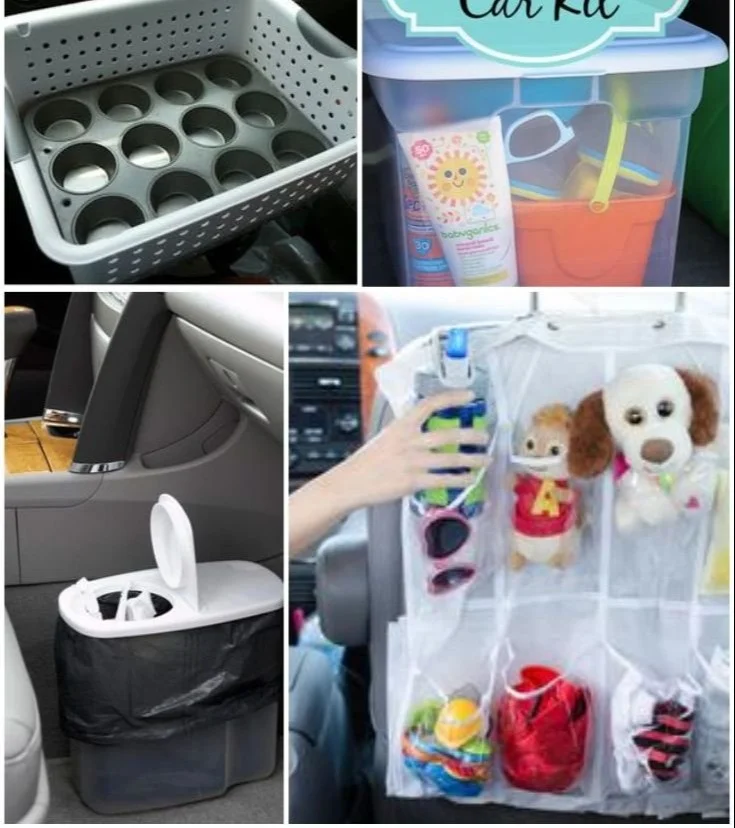
One of the simplest hacks is installing a hanging organizer behind the front seats. Not only does it keep stuff like toys, books, and snacks handy, but it also keeps them off the floor—and we all know that’s where stuff goes to get lost. You can find organizers made specifically for vehicles online or craft your own out of fabric and hooks.
Create a Snack Station
All those tiny hunger-related meltdowns can lead to chaos during travel. Use a small, portable container to create a snack station that fits in your cup holder. Fill it with healthy options like grapes, crackers, and nuts. This makes it easy for your munchkins to choose their snacks without rummaging through bags.
Use a Car Garbage Can
Let’s be honest: kids produce a lot of trash. A cute, portable garbage can (maybe something you can hang on the back of a headrest) can save your sanity. You can even make it fun by letting your child decorate it; it’ll encourage them to put their waste inside rather than on the seats.
Backseat Toy Storage
Utilizing your rear space is crucial, especially on longer trips. Consider using a shoe organizer suspended from the back of your front seats. It can hold toys, books, and even a tablet for those movie-watching moments.
Personalize a Travel Kit
Putting together a travel kit filled with essentials can go a long way in alleviating stress. Include wipes for any sticky messes, an extra set of clothes, and a first-aid kit. The great thing about this kit? You can keep it tailored to your family’s needs.
DIY Car Hacks
Let’s break down some simple DIY hacks that you can implement immediately.
Pool Noodle Magic
Have you ever wished you could protect your car doors from those inevitable dings? Well, pool noodles can do just that! Cut a pool noodle in half and attach it to the side of the garage wall where you park your car. This creates a cushion that’ll help prevent scratches when opening the car door.
Use Magnetic Strips
Do you find yourself fumbling with things like crayons and small toys? Attach magnetic strips to the inside of your glovebox or center console. This keeps tiny items organized and accessible, preventing them from rolling around in the car.
DIY Seat Covers for Spills
Accidents happen, especially with little ones. Use a cheap fabric shower curtain as a seat cover during snack time. It’s lightweight, easy to clean, and can be taken out when you get home.
Tips and Tricks for Family Travel
Plan Your Route
Plan your stops in advance. Knowing where you’ll stop can help you be prepared with snacks and activities. Also, consider downloading family-friendly travel apps that include fun games or songs for little ones to enjoy along the way.
Create a Travel Schedule
Kids thrive on routine. A travel schedule might help minimize those "Are we there yet?" questions. Use visual aids, like a travel chart, to mark distances traveled or to identify stops. This engagement can keep them entertained and reduce repetitive questioning.
Interactive Road Games
Make the journey engaging. Create a bingo card filled with items they’ll see along the road, such as cows, red cars, and bridges. A little friendly competition can keep everyone entertained and distracted from the long drive.
Prepare for Quick Pit Stops
Make sure you have a plan for quick and efficient restroom breaks. Know where rest areas are located and consider bringing a portable potty for emergencies. It might sound like overkill, but there are times when it’s the absolute lifesaver.
Things to Watch Out For
While we’ve listed a plethora of tips, there are a few common mistakes we need to avoid. Overpacking is a big one. Remember, just because you have extra space doesn’t mean you need to fill it. Stick to the essentials to keep things manageable. Also, avoid keeping items in the car that you won’t need. Rotating out toys and snacks can prevent boredom for your kids and keep clutter at bay.
Bonus Ideas
- Sticky Notes for Reminders: Place sticky notes in places where you frequently look (like the steering wheel or dashboard) with reminders of essential items (like wipes, snacks, or your child’s favorite toy).
- Color-Coded Bins: Assign color-coded bins for each child’s items. This keeps things straightforward and teaches them responsibility for their belongings.
Conclusion
To sum it all up, implementing these car hacks can transform your travels from chaotic to organized. As parents, we’re always trying to find ways to make things easier, and small changes can create a big difference in your day-to-day life. I encourage you to try out these ideas to bring harmony to your car adventures. If you want more tips on car organization for moms, you can check out this fantastic resource on Car Organization for Moms. For additional mom hacks on keeping your car organized while on the go, take a look at this helpful article on mom hacks. Happy travels!

Healthy Kid Meals Picky Eaters Will Actually Love for Busy Nights
Imagine you’ve just gotten home from a long day at work, and your tiny tornado of energy is running circles around the living room. You glance at the clock, and it’s almost dinner time. Your heart sinks a bit — what on earth are you going to whip up tonight that’ll satisfy your kids’ picky taste buds and still be healthy? Let’s face it, we’ve all been there.
I want to share with you some kid-friendly meal ideas that not only pack a nutritional punch but are quick and easy to prepare. Whether you’re looking for healthy dinner ideas, fast dinners, or just something to make the kids happy, there’s something here for everyone.
Easy Meals for Kids That Are Healthy and Delicious
Here’s the thing; kids can be notoriously picky eaters. You might find yourself doing the “what if” game, wondering if your little one will actually eat the healthy meals you’ve prepared. But trust me, we can turn that around with simple, healthy meals they’ll love.
1. Veggie-Packed Quesadillas
Quesadillas are such a fantastic option. You can easily sneak in veggies like bell peppers, spinach, or even zucchini. Just throw some cheese on a whole-wheat tortilla, add your preferred veggies, fold it in half, and grill until golden. Cut them into fun shapes with cookie cutters, and you’ll have a meal that feels special.
2. One-Pan Chicken and Veggies
Who doesn’t love a meal that requires minimal cleanup? For this fast dinner, toss chicken breasts with mixed veggies (think broccoli, carrots, and bell peppers) in olive oil, add your favorite seasonings, and roast them in the oven. In less than 30 minutes, you’ll have a nutritious dinner.
3. Homemade Pizza
Now, you might be wondering how to make pizza “healthy.” The key is to use whole-wheat pita or a cauliflower crust as a base. Top it with tomato sauce, loads of fresh veggies, and a sprinkle of cheese. Your kids can even customize their pizzas, making it a fun and interactive meal!
4. Quick Pasta Primavera
Pasta is always a hit! Boil some whole-grain pasta and toss it with sautéed seasonal vegetables (zucchini, cherry tomatoes, and peas are our favorites). Just drizzle some olive oil and lemon juice for flavor. Serve it with a bit of parmesan on top.
5. Breakfast for Dinner
What if you flipped the script and served breakfast for dinner? Scrambled eggs, whole grain toast, and a fruit salad can make a delightful evening meal. Kids love that they can eat “breakfast” at any time of the day.
6. Smoothie Bowls
Feeling adventurous? Make smoothie bowls using frozen fruits, yogurt, and a splash of milk. Blend until smooth and then let your kids top them with granola and fresh fruit. It’s a fun way to pack in nutrients!
Meal Planning for Kids Made Easy
Now, let’s talk about how we can simplify our approach to dinner ideas with some meal planning tips.
7. Establish a Weekly Menu
Set aside a bit of time each week to plan your dinners. Grab a calendar and involve your kids in choosing what they’d like to eat. This not only gives them a sense of control but also helps you to shop more efficiently.
8. Prep Ingredients Ahead of Time
On Sundays, prep ingredients for the week. Cut veggies, marinate proteins, and portion out snacks. When you’re tired after work, just grab and go.
9. Batch Cooking
Consider making larger batches of meals like soups, stews, or casseroles. Freeze them in individual portions. You can pull out a meal that’s already been prepared on particularly hectic nights.
Get Kids Excited About Veggies
We all know the significance of veggies in our families’ diets. Here are some tips for getting kids to embrace those colorful, crunchy bits.
10. Create Fun Shapes
When I was little, we tended to eat with our eyes first. If you cut veggies into fun shapes or provide a colorful dip (like hummus), your kids might just be tempted to try them.
11. Make It a Game
Turn mealtime into a little game. Try a taste-testing challenge or a veggie preference poll where they can rate their favorites.
12. Involve Them in Cooking
Letting kids help in the kitchen can be magical. They’re often more willing to eat what they’ve partly made. Even simple tasks like stirring or adding toppings can give them a sense of pride.
Fast Family Dinners That Will Delight Everyone
You’re looking for quick meals that won’t break the bank or your spirit. Here are some dinners that are on the table in no time:
13. Tacos with a Twist
Use ground turkey or lean beef as a base, add some spices, and let your kids build their tacos. Fill them with black beans, corn, lettuce, and cheese. It’s interactive and provides a range of options.
14. Sweet Potato Fries
Bake up some sweet potato fries alongside your favorite protein. Not only are they sweet and tasty, but they’re loaded with vitamins.
15. Simple Stir-Fry
Take whatever veggies you have lying around, toss them in a pan with some chicken or tofu, and a splash of soy sauce. Serve it over rice or noodles, and dinner is done!
16. Sloppy Joes Made Healthy
Who doesn’t love a good Sloppy Joe? Swap the traditional bread for whole-grain buns, and use lean turkey or lentils for the filling. Serve it up with a side of carrot sticks.
17. Avocado Toast
Believe it or not, avocados can be very kid-friendly. Spread mashed avocado on whole-grain bread and serve it with sliced tomatoes and a sprinkle of cheese. It’s an easy and wonderfully nutritious meal that’s sure to be gobbled up.
The Importance of Family-Friendly Recipes
We all want our families to thrive, and that often starts with good food. Eating meals together encourages conversation and connection. Plus, when you know you have a stash of kid-approved meals, it takes some stress out of planning and prepping.
Conclusion
Finding the balance between healthy and kid-friendly meals doesn’t have to be a challenge. By incorporating some easy meals for kids into your weekly rotation, meal planning becomes less of a chore, and more fun and enjoyable for the whole family. It’s all about exploration, creativity, and discovering that nutritious meals can be delicious too. For more inspiration, check out these 3-Ingredient Dinners Kids Will Actually Eat and dive into Kid-Friendly Recipes & Tips For Fussy Eaters. Remember, you’re not alone in this — we’re all navigating the thrilling chaos of parenting together!
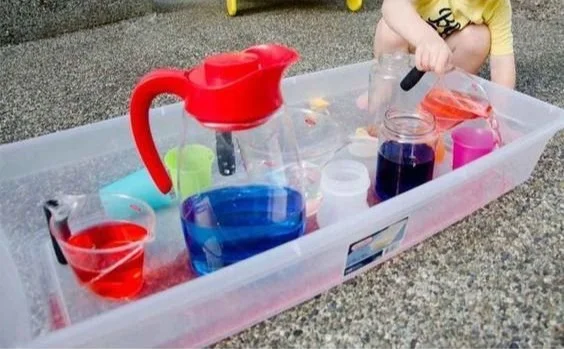
Engaging Pouring Station Activities for Toddlers to Boost Skills
Imagine this: it’s a sunny afternoon, and your toddler is bouncing off the walls, curious as ever. You’re juggling the laundry, dinner prep, and a million other things, and all you want is a moment of peace. Sound familiar? What if I told you that a simple pouring station could offer both entertainment and development benefits for your little one? That’s right—setting up a toddler pouring station can support motor skills development and provide sensory play that keeps those tiny hands busy!
Understanding the Benefits of a Pouring Station
So, let’s get into it. A pouring station is an engaging way for toddlers to explore their fine motor skills. But here’s the thing: it’s not just about learning to pour. It enhances their hand-eye coordination, encourages concentration, and boosts confidence as they see how they can control the flow of liquid. Plus, it’s a fantastic cross-section of play and learning.
Why is this important? As parents, we often get caught up in structured activities and educational timelines. But the truth is, toddlers learn best through play! When they engage in activities that seem simple but are so rich in opportunity for growth, they’re not just occupied—they’re developing skills that will benefit them for years to come.
Setting Up Your Toddler Pouring Station
Now that we’ve resolved that pouring is more than just fun, let’s dive into how to set up your very own toddler pouring station. This can be as simple or elaborate as you want, and you probably have many of the supplies hanging around the house.
What You’ll Need
- Containers: Gather a variety of cups, pitchers, jars, and bowls. Different sizes and shapes can help them understand volume and capacity.
- Liquid: Water is a classic choice, but you can also use rice, beans, or even dry pasta. (Who knew those pantry staples could double as engaging playthings?)
- Protective covering: Grab an old towel or plastic tablecloth to place under the station. Trust me, this is a game-changer!
- Equipment: Depending on your toddler’s skill level, you might want to include spoons, funnels, or scoops. These tools can make pouring even more fun.
Where to Set It Up
Position your pouring station in a safe, accessible spot. Many parents opt for the kitchen or dining room table, but you could easily set up outside on a patio or in the yard. The idea is to create an inviting space where your little one can experiment freely without you worrying about potential messes.
How to Introduce the Pouring Station
Once your station is set up, it’s time for the fun part. Here’s a simple approach to introduce it effectively:
- Lead by Example: Show your child how to pour using a large container first. Demonstrate slowly so they can see how it works.
- Encourage Exploration: Let your child try it next! They might spill a little (or a lot), and that’s part of the learning process.
- Ask Questions: Engage them by asking questions like, “What happens when you pour slowly?” or “Can you fill this cup without spilling?”
- Make It a Game: Set up challenges, such as filling a specific container or pouring to a line marked on another container. It turns learning into play!
Activities to Enhance the Pouring Experience
You’re probably wondering how to keep this pouring station fresh and exciting. Here are a few ideas to continuously engage your little learner:
Color Mixing Station
Set out primary colors of water mixed with food coloring. Encourage your toddler to pour different colors into a clear container to see what happens. It’s a colorful way to learn about mixing and color theory!
Sensory Play
Incorporate various textures and materials aside from liquids. Pour dry materials like sand, rice, or even small beans to explore the difference in weight and texture while practicing those crucial pouring skills.
Nature Exploration
Add elements like leaves, petals, or even small pine cones to your pouring station. This not only sparks curiosity about the environment but also brings nature into your play!
Common Mistakes to Avoid
Let’s be honest—this is a journey, and we’ll all be learning as we go. Here are some pitfalls to watch for:
- Over-structuring: It’s easy to over-direct toddlers. Allow them the freedom to explore the pouring station without too much guidance.
- Choosing the Wrong Location: If you set up in a place where you can’t easily supervise, you may end up with a messy situation. Pick a spot where you can relax and watch from a distance.
- Being Too Clean: Yes, spills will happen. Embrace the chaos! Messy play is crucial for sensory development and allows your child to learn about consequences.
Quick Tips for Success
- Keep It Simple: Start with just a few items and gradually expand as your toddler gets more comfortable.
- Switch it Up: Change the materials every few days to reignite interest and curiosity.
- Incorporate Learning Topics: Talk about the science behind pouring, the importance of measurements, or the origins of the materials you’re using. It can be a sneaky way to sneak in learning!
The Importance of Supervision
While pouring can be incredibly rewarding, it’s essential to supervise your toddler during these activities, particularly if using water or small objects that could pose a choking hazard. Always have a watchful eye while they frolic through their sensory exploration.
Conclusion
Setting up a toddler pouring station is more than just a fun activity; it’s a powerful way to encourage fine motor skills and cognitive development while giving you a break! You’ll find that your little one not only enjoys this hands-on experience but also benefits from the freedom it offers. Remember, every splash and spill is a step toward their growth. To learn more about making the most of these enriching activities, check out this pouring station activity for toddlers and discover additional tips on how to maximize the fun through exploration at this resource on pouring stations. Happy pouring!