
57 Raffle Gift Basket Ideas For Fundraisers and Silent Auctions
57 Raffle Gift Basket Ideas For Fundraisers and Silent Auctions
Raffle and silent-auction baskets are an easy way to boost fundraising because they offer broad appeal, are simple to assemble, and can be themed to target different donors. If you’re planning an event, a well-curated basket can generate excitement and bids. For more detailed inspiration and examples, see this roundup of gift basket ideas for raffles.
Below are 57 creative, donor-friendly raffle basket ideas grouped by theme, with quick notes on what to include and who they appeal to.
Food & Drink (crowd-pleasers)
- Coffee Lover’s Basket — gourmet beans, a French press or pour-over, flavored syrups, and a ceramic mug.
- Tea Time Collection — loose-leaf teas, infuser, honey sticks, shortbread.
- Wine & Cheese Night — two bottles of wine, assorted cheeses, crackers, and a wine opener.
- Beer Tasting Pack — craft beers, tasting glasses, snack pairings, and a coaster set.
- Chocolate Decadence — assorted artisan chocolates, truffles, and a decorative box.
- Brunch at Home — pancake mix, maple syrup, specialty jam, and a serving spatula.
- Movie Night Snack Pack — gourmet popcorn, candy, a cozy throw, and a streaming gift card.
Home & Comfort
8. Cozy Throw & Slippers — plush blanket, house slippers, and a candle.
9. Home Baking Kit — mixing bowls, spatula, measuring set, and a favorite baking mix.
10. Seasonal Decor Basket — seasonal items (spring wreath, fall candles) and simple decor accents.
11. Gardening Starter Set — seeds, gloves, hand tools, and a small planter.
12. Tool Kit for New Homeowners — basic tools, tape measure, flashlight, and a gift card to a hardware store.
13. Cleaning & Organization Bundle — eco-friendly cleaners, microfiber cloths, storage bins.
14. Scented Candle Sampler — a selection of artisan candles in a decorative tray.
Self-Care & Wellness
15. At-Home Spa — bath salts, face masks, loofah, and a soy candle.
16. Yoga & Mindfulness Kit — yoga strap, mat towel, meditation guide, and essential oil roller.
17. Fitness Jumpstart — resistance bands, water bottle, fitness tracker trial card.
18. Sleep Better Basket — silk sleep mask, herbal teas, and a calming lavender spray.
19. Healthy Snack Pack — protein bars, trail mix, nut butters, and a reusable snack bag.
20. Aromatherapy Set — diffuser, essential oils, and a guidebook.
Entertainment & Experiences
21. Local Experience Package — restaurant gift card, theater tickets, and a map of local attractions.
22. Book Lover’s Basket — bestselling novels, a bookmark, and a reading light.
23. Game Night Collection — board game, playing cards, and snacks.
24. Music Lover’s Mix — vinyl or playlist card, portable speaker, and concert-ticket voucher.
25. DIY Workshop Pass — craft class voucher, starter supplies, and how-to guide.
26. Photography Fun — instant camera, film, and a mini scrapbook.
Kids & Family
27. Family Game Night — kid-friendly board game, popcorn, and family activity cards.
28. Kids’ Art & Play Basket — crayons, washable paints, sticker sheets, and craft kits. Looking for age-appropriate toys and activities? See gift ideas for kindergarteners for inspiration.
29. STEM Discovery Kit — simple science experiments, building blocks, and an activity book.
30. Baby Essentials Basket — swaddle, bibs, board books, and baby-safe toys.
31. Outdoor Adventure Pack — jump rope, frisbee, picnic blanket, and sunscreen.
32. Movie & PJ Set for Kids — pajamas, plush toy, and a children’s DVD or streaming code.
Luxury & Indulgence
33. Gourmet Gift Hamper — charcuterie items, specialty oils, and artisanal crackers.
34. Designer Spa Retreat — high-end lotions, bathrobe, and a spa gift certificate.
35. Luxury Chocolate & Champagne — premium chocolates and a mini champagne bottle.
36. Personalized Jewelry Box — simple jewelry pieces and a keepsake box.
37. High-End Skincare Set — boutique skincare items packaged with a mirror.
Hobbyist & Niche Interests
38. Coffee Roaster’s Kit — samplers from small roasters and tasting notes.
39. Pet Lover’s Bundle — treats, toy, grooming brush, and pet-sitter voucher.
40. Crafters’ Basket — yarn, needles, beginner pattern book, and a project bag.
41. Green Thumb Pro Pack — specialty fertilizer, pruning shears, and plant care guide.
42. Travel Essentials Kit — travel pillow, luggage tags, and a travel-size toiletry set.
43. Cocktail Mixology Set — shaker, bitters, sugar rimmer, and recipe cards.
44. Baking Enthusiast Box — piping tips, silicone mats, measuring spoons, and recipe cards.
Seasonal & Holiday Themes
45. Halloween Treat Basket — spooky snacks, themed decor, and family activities.
46. Holiday Cookie Kit — cookie cutters, sprinkles, and an apron.
47. Summer BBQ Pack — grilling tools, rubs, and a picnic towel.
48. Back-to-School Kit — stationery, tote bag, and a gift card for school supplies.
49. Valentine’s Date Night — champagne flutes, chocolate, and a romantic playlist card.
Practical & Gift-Card Focused
50. Restaurant Crawl — bundled gift cards to local eateries with a small guide.
51. Spa & Salon Certificates — mix of local salon and spa gift cards wrapped with pampering items.
52. Subscription Starter Pack — three-month trial subscriptions (streaming, meal kits) with related items.
53. Office Comfort Basket — ergonomic mouse pad, desk plant, and coffee gift card.
54. Student Survival Kit — dorm essentials, snacks, and electronics accessories.
55. New Parent Relief Pack — meal delivery gift card, jumper cables (for long nights!), and caffeinated treats.
56. Charity-Focused Basket — highlight a cause, include informational materials and a donation match incentive.
57. DIY Themed Basket — provide all supplies for one activity (cheese board-making, cocktail crafting, etc.) and include instructions.
Tips for assembling winning baskets
- Presentation matters: use clear cellophane, attractive filler, and a themed color palette.
- Include a centerpiece item of higher value to draw attention.
- Add a list of contents and approximate value for transparency in silent auctions.
- Offer add-ons (gift cards, experience passes) to boost perceived worth.
- Consider donor demographics when selecting themes — family-friendly, luxury, or practical.
Conclusion
When finalizing your baskets, don’t forget presentation supplies like clear shrink-wrap film to make each basket look polished — a useful option is Morepack 30×30 Inch Clear PVC Heat Shrink Gift Basket Bags. Also consider including a printed thank-you card for winners or donors; a customizable option is available such as the Thank You For Your Support Fundraiser 5×7 Printable Flat Card.
20 Small Gift Basket Ideas That Look Expensive (But Aren’t)
20 Small Gift Basket Ideas That Look Expensive (But Aren’t)
Small gift baskets are perfect for birthdays, thank-yous, teacher gifts, or anytime you want to impress without overspending. With thoughtful composition and a little styling, a few inexpensive items can read luxe. If you’re assembling baskets for events or fundraisers, you might also like these creative gift basket ideas for raffles to adapt for a crowd.
Below are 20 curated ideas, each with budget-friendly item suggestions and quick styling tips so the result looks polished and pricey.
Presentation basics before you start
- Choose a clean container: a small wooden crate, a simple tin, or a lined cardboard box. Thrift stores and dollar shops have great options.
- Use neutral filler (shredded kraft paper, tissue in one or two colors).
- Group items by theme and vary heights—taller items in the back, smaller in front.
- Finish with a ribbon in a single, rich color and a printed gift tag for a high-end touch.
20 Small Basket Ideas
Coffee Lover’s Mini Basket
- Items: single-origin ground coffee sample, a biscotti, a small jar of vanilla syrup, a reusable coffee sleeve.
- Styling: a mini French press or a dark wooden stir stick adds sophistication.
Tea Time Treats
- Items: two premium tea sachets, honey stick, shortbread cookies, a small infuser.
- Styling: wrap the teabag bundle in linen and tie with twine.
Spa Night for One
- Items: travel-size bath salts, facial sheet mask, soy tealight, small loofah.
- Styling: include a sprig of eucalyptus and wrap in clear cellophane.
Chocolate and Wine Sampler (non-alcoholic option available)
- Items: gourmet chocolate bar, mini wine bottle or sparkling juice, chocolate truffles.
- Styling: use deep burgundy tissue and a gold-accented tag.
Cozy Socks & Candle
- Items: plush socks, small jar candle, cocoa sachet.
- Styling: roll the socks and tuck the candle centrally for symmetry.
Herb Garden Starter
- Items: small pots, seed packets (basil, parsley), plant markers, soil pellet.
- Styling: use a shallow wooden tray and wrap with burlap ribbon.
Breakfast-in-Bed Kit
- Items: pancake mix in a pouch, mini maple syrup, jam sample, wooden spatula.
- Styling: add a linen napkin folded under the items for a luxe look.
Movie Night Box
- Items: microwave popcorn packet, candy, a hot cocoa packet, printed “movie picks.”
- Styling: use a black box and metallic ribbon for a cinema feel.
DIY Hot Chocolate Bar
- Items: hot chocolate mix, mini marshmallows, cinnamon stick, chocolate shavings.
- Styling: glass jar with a brown paper label looks artisanal.
Fitness Mini-Motivator
- Items: resistance band, water bottle, energy bar, motivational note.
- Styling: tie the band around the water bottle for tidy presentation.
Office Desk Refresh
- Items: stylish notepad, pen, mini succulent, scented hand cream.
- Styling: use a slim rectangular box and a kraft card for the note.
Baking Lovers’ Kit
- Items: cookie cutters, small sprinkles jar, recipe card, wooden spoon.
- Styling: arrange items on a tea towel and secure with a ribbon.
Cocktail Mixer Set (or Mocktail)
- Items: cocktail mixer bottle, sugared rim salt, cocktail picks, recipe card.
- Styling: add a citrus twist garnish tied on top.
Men’s Grooming Mini
- Items: beard oil sample, comb, soap bar, trial cologne.
- Styling: dark-toned filler and a simple black ribbon read upscale.
Artisan Soap & Lotion Duo
- Items: small bar of artisan soap, travel lotion, loofah.
- Styling: embed a dried flower on the soap and use soft pastel tissue.
Gardener’s Pocket Kit
- Items: pruning gloves (budget-friendly), seed packets, plant labels.
- Styling: tuck items into a small watering-can-shaped container.
Chocolate Lover’s Single-Origin Trio
- Items: three small chocolate bars from different origins.
- Styling: label the tasting order on a card for a curated experience.
Travel Essentials Pouch
- Items: travel-sized toiletries, eye mask, luggage tags.
- Styling: present inside a small canvas pouch to elevate the set.
DIY Brew-Your-Own Kombucha (starter)
- Items: small SCOBY-care guide, flavored tea samples, reusable bottle.
- Styling: include an attractive instruction card printed on heavyweight paper.
Kid-Friendly Mini Basket
- Items: small board book, pack of crayons, sticker sheet, animal figurine.
- Styling: arrange on a colorful cotton napkin; for other kid-focused ideas see gift ideas for kindergarteners.
Finishing touches that elevate any small basket
- Consistent color palette: stick to two or three complementary colors.
- Quality labels: print a simple label for homemade items—typed and trimmed cleanly.
- Texture mix: pair smooth items (glass, metal) with soft ones (fabric, paper) for interest.
- Personal note: a one-sentence handwritten card makes the basket feel bespoke.
Budget-saving sourcing tips
- Buy small sizes or samples from specialty stores—they look premium and cost less.
- Check dollar stores, discount grocery aisles, and clearance sections for seasonal items.
- DIY small elements like recipe cards, tags, or spice mixes to keep costs down while adding a personal touch.
Conclusion
A little planning and attention to presentation turn inexpensive finds into an elegant gift. For more themed inspiration tailored to Valentine’s occasions, explore this Valentine’s Day Gifts roundup of small baskets that look expensive, and if you’re shopping specifically for him, these unique male Valentine gift ideas can spark further creativity.
Healthy Southern Corn Fritters with Hidden Veggies for Kids (Great for Lunch, Snacks, and Sides!)
Healthy Southern Corn Fritters with Hidden Veggies for Kids (Great for Lunch, Snacks, and Sides!)
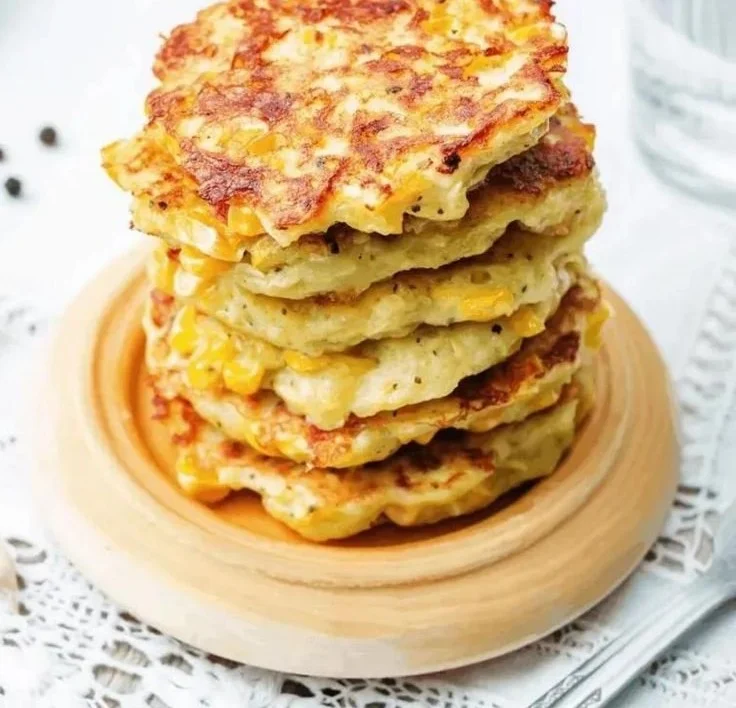
Corn fritters are a Southern classic—crispy on the outside, soft and slightly sweet inside. This family-friendly version sneaks in extra vegetables so picky eaters get more nutrients without noticing. They’re quick to whip up, portable for lunchboxes, and versatile as a snack or side. After cooking, keep little hands busy with a craft; here’s a link to some fun and easy crafts for kids you can use while the fritters cool.
Why kids love them (and parents do, too)
- Bright, sweet corn flavor that masks mild veggies.
- Crunchy texture that appeals to small mouths.
- Easy to dip—ketchup, yogurt-based ranch, or applesauce all work.
- Make-ahead and reheat well for busy days.
Ingredients (makes about 12 fritters)
- 1 cup corn kernels (fresh, frozen and thawed, or canned, drained)
- 1 medium zucchini, grated and squeezed dry
- 1 small carrot, grated and squeezed dry
- 2 green onions, thinly sliced
- 2 large eggs
- 1/2 cup whole wheat flour (or all-purpose flour)
- 1/4 cup cornmeal (for texture)
- 1/2 tsp baking powder
- 1/2 tsp salt (adjust to taste)
- 1/4 tsp black pepper
- 1/2 tsp smoked paprika or a pinch of cayenne (optional)
- 2 tbsp milk (dairy or plant-based)
- 2–3 tbsp olive oil or vegetable oil, for frying
Optional add-ins:
- 1/2 cup shredded cheddar cheese
- 2 tbsp chopped fresh parsley or cilantro
Equipment
- Large mixing bowl
- Grater
- Nonstick skillet or cast-iron pan
- Spatula
- Paper towels for draining
Method
- Prep the veggies: Grate the zucchini and carrot, then press them in a clean towel or paper towels to remove excess moisture. This prevents soggy fritters.
- In a large bowl, whisk eggs and milk. Stir in corn, grated veggies, green onions, and optional cheese or herbs.
- In a separate small bowl, combine flour, cornmeal, baking powder, salt, pepper, and smoked paprika. Add dry mix to wet ingredients and fold until just combined. The batter should be thick but scoopable; add a tablespoon of milk if too dry.
- Heat 1 tbsp oil in a skillet over medium heat. Scoop 2–3 tablespoon-sized mounds of batter into the pan and flatten slightly with the back of the spoon.
- Fry until golden and crisp, about 3–4 minutes per side. Work in batches, adding more oil as needed.
- Transfer cooked fritters to a plate lined with paper towels to drain briefly. Keep warm on a baking sheet in a low oven (about 200°F / 95°C) if cooking in batches.
Tips for hiding veggies successfully
- Grate vegetables very finely so they blend into the batter.
- Use naturally sweet vegetables (carrots, sweet corn, mild zucchini) so the overall flavor stays familiar.
- Add a small amount of cheese—melty texture and salty taste help mask new flavors.
- Serve with a favorite dip to entice hesitant eaters to try a bite.
Serving ideas and pairings
These fritters pair well with fresh fruit, a simple salad, or a dipping sauce. For a quick breakfast combo, they work alongside cereals and milk—consider pairing with healthy cereals for kids to round out the meal. They’re also great crumbled into wraps, served on mini sliders, or placed on top of a bowl of chili for texture.
Make-ahead, storage & reheating
- Refrigerate cooked fritters in an airtight container for up to 3 days.
- Freeze in a single layer on a tray, then transfer to a freezer bag for up to 3 months. Reheat from frozen in a 375°F oven for 10–12 minutes or in a toaster oven until heated through.
- Re-crisp in a skillet over medium heat with a splash of oil for the best texture.
Variations
- Gluten-free: Substitute a 1:1 gluten-free flour blend and make sure cornmeal is certified gluten-free.
- Deeper veggie boost: Add finely chopped spinach or cooked, mashed sweet potato.
- Mini fritters: Make them smaller for toddler-sized portions or party appetizers.
- Air-fryer version: Lightly spray fritters with oil and air fry at 375°F for 8–10 minutes, flipping halfway.
Kid-friendly cooking ideas
- Let children help mix batter or press grated veggies to dry (supervised).
- Shape mini fritters together—kids love making their own “pancakes.”
- Create a dipping station with small bowls of different sauces to make tasting fun.
Nutrition snapshot (approximate, per fritter)
- Calories: ~80–110, depending on size and add-ins
- Protein: 3–5 g
- Fiber: 1–2 g
- Vegetables: Each fritter contains a small serving of vegetables, making them a simple way to increase daily veggie intake.
Conclusion
These corn fritters are an easy, adaptable way to get more vegetables into kids’ meals while keeping texture and taste they’ll enjoy. For extra recipe inspiration on veggie-packed fritters, check out a classic vegetable fritters recipe that offers additional ideas for mixing vegetables into batter. If you want a cheesier twist, try the Cheesy 10-Minute Zucchini & Corn Fritters for a quick variation that’s delicious and kid-approved.
Garden-Themed Baby Shower Ideas for a Blooming Celebration
Garden-Themed Baby Shower Ideas for a Blooming Celebration
A garden-themed baby shower is a fresh, elegant way to celebrate new life. Think soft pastels, plenty of greenery, and delicate floral details that create a peaceful, welcoming atmosphere. For menu inspiration that complements the theme, consider exploring some tried-and-true options like finger sandwiches, fruit tarts, and botanical-infused beverages at garden-inspired baby shower menu ideas to help you plan dishes that feel both seasonal and stylish.
Invitations & Guest Experience
- Choose invitations with watercolor florals, pressed-leaf motifs, or seed packet inserts that double as favors.
- Specify whether the shower will be outdoors or under a sheltered area and add a note about comfortable footwear if guests will stroll through a garden.
- Offer a welcome drink (cucumber-mint lemonade or elderflower spritz) as guests arrive to set a refreshing tone.
Decorations & Tablescapes
- Centerpieces: Use mismatched mason jars or teacups filled with seasonal blooms and sprigs of herbs like rosemary or lavender.
- Linens & place settings: Opt for linen runners, botanical napkin rings, and place cards tied with twine and a small sprig of greenery.
- Lighting: Hang fairy lights or paper lanterns from branches or pergolas for a soft, magical glow as evening falls.
Food & Drink Ideas
- Buffet-style grazing table with fresh cheeses, charcuterie, crusty bread, berries, and edible flowers for a natural, garden look.
- Light, seasonal salads (pea shoots, radish, and citrus; or a berry spinach salad with a honey-lemon dressing).
- Dessert: Mini pavlovas topped with berries, or flower-shaped sugar cookies decorated in pastel icing.
Games & Activities
- Seed-planting station: Provide small biodegradable pots, soil, and seeds so guests can plant something to take home for the new baby’s future garden.
- Advice flower: Guests write parenting tips on paper petals and assemble them into a “flower” for the expecting parent to keep.
- Photo backdrop: Create a living wall with garlands, faux or fresh flowers, and a vintage bench for picture-perfect moments.
Favors & Keepsakes
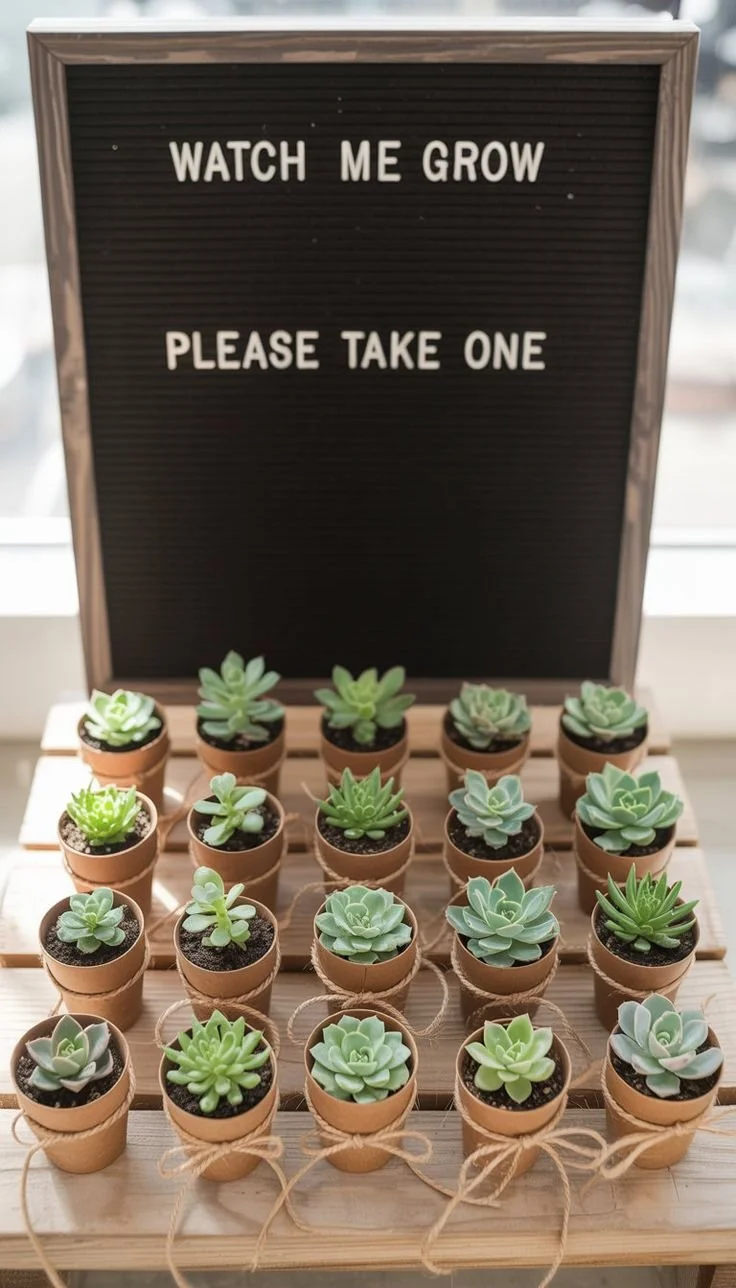
- Mini succulents or herb pots with a tag that reads “watch me grow.”
- Custom sachets with dried lavender or rose petals.
- Personalized garden tools or bookmarks stamped with the baby’s name or due date.
Weather-Proofing & Logistics
- If hosting outdoors, have a shaded area and bug-repellent options (citronella candles, bug-repellent spray on each table).
- Rent a tent or canopy in case of light rain, and provide cozy throws if the evening turns cool.
- Arrange seating in clusters to encourage conversation and make moving between food, games, and photo areas easy.
Styling on a Budget
- For an affordable approach, use seasonal local flowers and greenery from a farmer’s market or grocery store.
- Repurpose household items like teapots, watering cans, and wooden crates to add character without high costs.
- DIY garlands with paper or fabric flowers can be made ahead and reused for future parties.
Conclusion
For easy-to-find supplies and themed decorations to bring your garden vision to life, browse a wide selection of options at garden-themed party supplies on Amazon. If you want inspiration that leans into a vegetable-plot aesthetic—think tiny gnome accents, seed-packet invites, and harvest-inspired snacks—check out these charming vegetable garden baby shower ideas on Lemon8.
Easy Baby Shower Food Ideas On a Budget
Easy Baby Shower Food Ideas on a Budget
Planning a baby shower doesn’t mean you need to overspend to impress your guests. With a few smart choices and simple recipes, you can put together a delicious spread that feels special without breaking the bank. If you’re planning a themed celebration, there are plenty of affordable ways to tailor the menu — for example, explore tailored options for a girl with this list of baby shower food ideas for a girl that keep cost and style in mind.
Below are practical, budget-friendly ideas and tips for building a tasty, stress-free baby shower menu.
Budget-Friendly Menu Framework
Keep the menu focused and balanced so guests have choices without you needing to prepare a huge variety.
- Appetizers: 2–3 options (one veggie, one cheese/cracker option, one warm bite)
- Main bites: 2–3 hearty items (sandwiches, wraps, or a simple pasta salad)
- Sides and salads: 1–2 crowd-pleasers (green salad, fruit platter)
- Desserts: 2 choices (a signature cake or cupcakes + a tray of cookies or bars)
- Drinks: 2 nonalcoholic choices (infused water, iced tea/lemonade) and optional simple mocktails
Inexpensive Food Ideas (and how to make them feel elevated)
- DIY Sandwich Platter: Use rotisserie chicken or deli meats, a few bread varieties (sliced baguette + slider rolls), and a platter of condiments and toppings. Arrange sliced veggies and pickles for color.
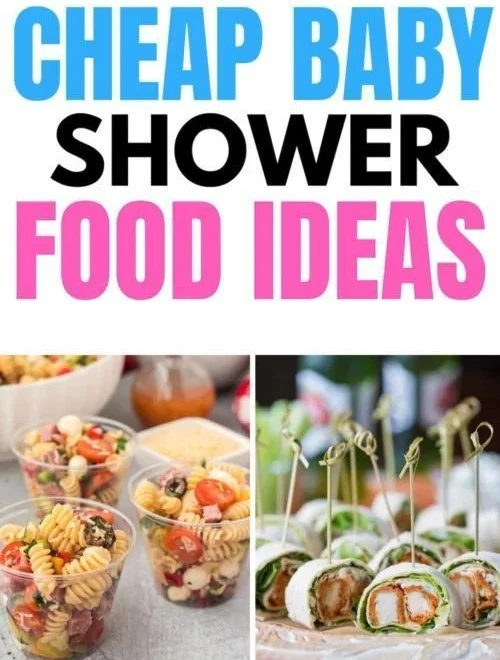
- Pasta Salad: Make big batches using budget pasta, fresh seasonal vegetables, a light vinaigrette, and a sprinkle of cheese. It’s cheap, filling, and served cold.
- Veggie Tray with Hummus: Buy produce in season or on sale, cut into attractive pieces, and serve with store-bought or homemade hummus.
- Mini Quiches or Frittata Squares: Eggs are affordable and protein-rich — make a large pan and cut into squares for easy serving.
- Stuffed Crescent Rolls: Use canned crescent dough to wrap fillings like ham and cheese or spinach and feta; bake and serve warm.
- Fruit Skewers or a Fruit Platter: Use a mix of seasonal fruit; skewers make them easy to eat and look festive.
- Cheese and Cracker Board: Choose one soft and one hard cheese, add grapes or jam, and include a few types of crackers for variety.
- Sweet Bars and Cookies: Brownies, lemon bars, and cut-out sugar cookies are economical and simple to scale up.
For easy protein-focused additions that are simple to prepare and gentle on the budget, consider prepared ideas like these 10 easy chicken baby food recipes that can inspire crowd-friendly chicken bites or salad mixes.
Presentation Tricks That Don’t Cost Much
- Use seasonal flowers or simple greenery as centerpieces instead of expensive floral arrangements.
- Serve on platters you or friends already own rather than renting fancy dishware.
- Label dishes with small cards or chalkboard tags — it looks intentional and helps guests with dietary preferences.
- Portion bites in cupcake liners, mini cups, or on skewers to reduce the need for utensils and speed up serving.
Shopping and Prep Tips to Save Money
- Make a list and buy in bulk where possible — staples like pasta, rice, and canned goods are cheaper that way.
- Choose store-brand basics for items like crackers, condiments, and baking ingredients.
- Shop seasonal produce and compare prices across stores or markets.
- Prep in advance: many salads, desserts, and cold dishes can be made a day or two ahead, cutting day-of stress and allowing bulk prep time.
- Delegate: ask a few close friends to bring one dish each — even small contributions like bread or a dessert help.
Simple Timeline for a Small Shower (10–20 guests)
- 7–10 days ahead: Finalize guest list, menu, and shopping list.
- 3–5 days ahead: Buy nonperishable items and any decor. Prepare and freeze baked goods if needed.
- 1 day ahead: Make salads, desserts, and anything that benefits from chilling. Set up serving areas and decorate.
- Day of: Warm hot dishes, assemble platters, and arrange food 30–60 minutes before guests arrive.
Dietary Considerations
Include at least one vegetarian and one gluten-free option if you know guests have restrictions, and label dishes clearly. Simple swaps — like using gluten-free crackers or a quinoa salad — make your menu more inclusive without adding much cost.
Conclusion
For more budget-conscious inspiration and a long list of affordable recipes, see the helpful roundup of Instacart’s budget baby shower food ideas. If you want tried-and-true crowd-pleasers to adapt for your shower, check out these popular Allrecipes baby shower dishes guests will love.
17+ Sweet Winter ONEderland Cakes to Try
17+ Sweet Winter ONEderland Cakes to Try
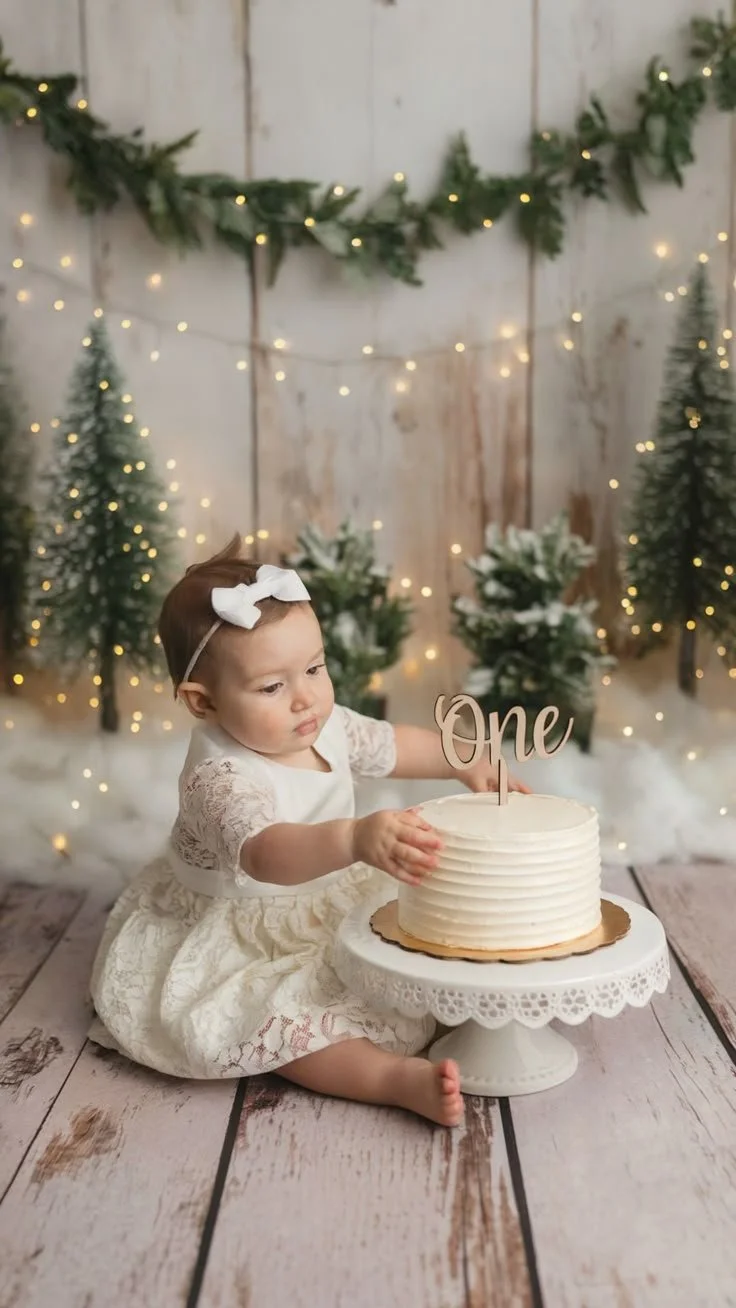
Winter ONEderland cakes are the perfect centerpiece for a first birthday, winter-themed party, or any celebration that calls for a frosty, whimsical touch. These cakes combine snowy decoration, cozy flavors, and playful details like tiny mittens, snowflakes, and woodland friends. If you want kid-friendly options and alternatives to sugar-heavy decorations, check out healthy sweet treats for toddlers for ideas you can adapt into cake-friendly elements.
Below you’ll find more than 17 creative cake ideas, flavor pairings, decorating tips, and serving suggestions to help you build a memorable Winter ONEderland spread.
Top 17+ ONEderland Cake Ideas
Classic Snow-Capped Vanilla Layer Cake
- Light vanilla sponge, vanilla buttercream, and shredded coconut “snow.” Top with edible silver dragées.
Peppermint Mocha Cake
- Chocolate cake with espresso-infused frosting and crushed candy cane accents for a festive bite.
Hot Cocoa Mug Cake Tower
- Mini bundt cakes stacked like a hot cocoa mug, with marshmallow-topped ganache “foam.”
Winter Citrus Almond Cake
- Orange or blood orange curd layered with almond cake and a thin lemon buttercream for brightness.
Carrot Cake with Maple Cream Cheese Frosting
- Earthy cake with cozy maple notes; decorate with fondant carrot toppers wearing tiny scarves.
Snowman Smash Cake
- A small smash cake decorated as a snowman using fondant features and a mini knit-hat topper.
Frozen Forest Chocolate Cake
- Dark chocolate sponge, chestnut cream, and chocolate bark trees dusted with powdered sugar.
Vanilla Bean and White Chocolate Ruffle Cake
- Elegant ruffles of white chocolate buttercream with pearl accents.
Gingerbread ONEderland Cake
- Spiced gingerbread layers, cinnamon buttercream, and gingerbread cookie houses around the base.
Salted Caramel Apple Cake
- Apple-studded cake layers with caramel buttercream and a drizzle of salted caramel.
- Blueberry Lavender Snow Cake
- Light blueberry sponge with lavender-infused frosting and sugared blueberries as snow-covered berries.
- Coconut Lime Snowball Cake
- Tropical twist: coconut cake rolled in shredded coconut with zesty lime curd between layers.
- Vanilla-Chamomile Baby-Friendly Cake
- Mild-flavored cake using chamomile infusion and naturally sweetened frosting for gentle palates.
- Red Velvet ONEderland
- Classic red velvet with cream cheese frosting and snowflake cake toppers.
- Lemon Poppy Seed Icy Delight
- Bright lemon poppy cake with silky lemon buttercream, perfect for balancing sweet wintery decor.
- Black Forest Snowglobe Cake
- Chocolate layers with cherry filling, finished with a clear gelatin “snowglobe” dome (for display only).
- Caramelized Pear and Mascarpone Cake
- Pear slices poached in winter spices layered with light mascarpone frosting.
- DIY Cupcake-Cake Hybrid
- Arrange decorated cupcakes into a cake shape for easy serving and varied flavors.
Decorating and Theme Tips
- Color palette: Stick to two or three coordinating colors (icy blue, silver, white; or warm neutrals like cream, taupe, and gold) to keep the design cohesive.
- Texture play: Combine smooth fondant elements with textured buttercream piping and edible glitter for depth.
- Simple toppers: Use wooden or fondant toppers shaped like mittens, snowflakes, animals, or number “1.”
- Natural accents: Twigs, pinecones, and dried orange slices (non-edible for display) can frame the cake on a serving platter.
- Kid-friendly alternatives: Replace hard candies and small decorations with soft fruit, cake-safe sprinkles, or frosting shapes. For baby-shower or maternity-centered celebrations, pair your cake styling with visual themes found in 32 maternity photoshoot ideas to create a cohesive look for photos and invitations.
Flavors, Fillings, and Frosting Pairings
- Chocolate + Salted Caramel: Rich and crowd-pleasing.
- Vanilla + Raspberry: Light, bright, and visually pretty when you add a thin layer of raspberry gel.
- Spice Cake + Brown Butter Frosting: Comforting winter spices with a nutty butter flavor.
- Citrus + Mascarpone: Keeps richness from feeling heavy; great for holiday brunch celebrations.
- Dairy-free/Vegan: Use coconut or almond-based frostings and plant-based milks for allergy-friendly options.
Baking, Assembly, and Serving Tips
- Bake even layers by chilling batter and using baking strips.
- Level cakes and apply a thin crumb coat before final frosting to achieve clean edges.
- For multi-tier cakes, use dowels for support and assemble on-site if transporting.
- Keep perishable fillings refrigerated and bring the cake to room temperature 30–60 minutes before serving for the best texture.
- Make ahead: Many cakes can be assembled a day in advance and decorated the morning of the event to preserve fresher frosting details.
Kid-Safe and Allergy-Friendly Considerations
- Offer a small smash or cut cake that avoids common allergens if guests include infants or toddlers.
- Consider natural colorings (fruit purees, beet or spinach powders) instead of artificial dyes.
- Label cakes clearly if they contain nuts, alcohol, or other common allergens so parents and guests can make informed choices.
Styling a Winter ONEderland Dessert Table
- Mix sizes: Combine a main cake with cupcakes, cake pops, and cookies in the same theme.
- Coordinate signage and platters: Use frosted glass, silver trays, and textured linens to reinforce the winter look.
- Lighting: Soft fairy lights and candles (battery-operated around food) enhance the snowy atmosphere.
- Drinks pairing: Offer warm cocoa, spiced cider, or an adult cocktail option to complement cake flavors.
Conclusion
Pair your Winter ONEderland desserts with a festive cocktail like the Cranberry Vodka Spritzer – A Holiday Cocktail Recipe for grown-up guests who want a seasonal sip. And if you’re planning a destination-themed winter celebration or looking for local inspiration, check out these 50 ways to celebrate winter in Oklahoma for ideas that can help shape your party activities and backdrop.
April Baby Shower Themes — Mom’s First Steps
April Baby Shower Themes — Mom’s First Steps
April is the perfect month to celebrate a mom-to-be: spring is blooming, the air feels fresh, and there’s a natural softness that lends itself to gentle, uplifting baby shower themes. If you’re focusing on feminine palettes and thoughtful details, this guide will help you plan a celebration that feels like the mom’s first delicate steps into parenthood. For specific inspiration geared toward girls, explore these creative baby girl shower themes that translate beautifully to an April setting.
Whether you want a laid-back backyard gathering or an intimate indoor tea, choose a theme that highlights renewal, warmth, and comfort. Below are theme ideas, decor tips, activities, and practical advice to make the day memorable.
Spring-Forward Theme Ideas
- Garden Tea Party: Think pastel linens, mismatched teacups, floral centerpieces, and a low-key seating area for story-sharing and well-wishes.
- April Showers Bring May Flowers: Use umbrellas as whimsical centerpieces, hang paper raindrops, and serve lemon- or elderflower-flavored treats.
- Woodland Awakening: Soft moss, tiny wooden accents, baby animals motifs, and a cake adorned with edible flowers create a cozy forest vibe.
- Pastel Sunrise: Gradient decorations in peach, blush, and soft mint mimic an April dawn; pair with a fruit-forward menu and light pastries.
- Nautical April Breezes: Gentle blues, rope accents, and sailboat cake toppers capture a crisp spring seaside mood without being overly themed.
Decor and Atmosphere
- Color Palette: Choose two main colors and one accent (e.g., pale pink + sage + gold) to keep the decor cohesive and calming.
- Texture: Layer linens, woven placemats, and soft cushions to encourage lingering conversations and comfortable moments.
- Focal Wall: Create a photo wall with fresh or paper flowers and a sweet sign like “Mom’s First Steps” for keepsake photos.
- Lighting: Use fairy lights and candles (real or LED) to add warmth as the afternoon light softens.
Food, Drink, and Desserts
- Tea & Mocktail Bar: Offer a selection of herbal teas and a few nonalcoholic mocktails named after mom-to-be milestones.
- Light Savories: Finger sandwiches, tartlets, and a grazing board with spring produce keep things elegant and easy to eat.
- Signature Cake: Consider a semi-naked cake with fresh florals or a drizzle design that matches the shower’s color story.
- Dietary Options: Label gluten-free, dairy-free, and vegetarian choices so everyone feels included.
Activities & Keepsakes
- Wishes for Baby Station: Provide cards for guests to write hopes and advice; bind them into a small album after the shower.
- Time Capsule: Guests contribute small notes or tokens to be opened on the baby’s first birthday.
- Gentle Games: Opt for low-pressure games like guess-the-baby-photo or a baby-item scavenger hunt that encourage laughter without competition.
- Crafting Corner: Simple projects like decorating onesies or planting tiny succulents give guests a personal takeaway.
If you want to carry the celebration’s aesthetic forward, consider matching shower details with future milestone events by reviewing ideas for baby girl first birthday themes to build a cohesive look over the first year.
Practical Tips for an April Shower
- Weather-Proofing: April can be unpredictable—rent a tent for outdoor venues or have an indoor backup plan.
- Timing: Mid-morning or early afternoon is ideal for light menus and comfortable energy levels for guests and the mom-to-be.
- Comfort for Mom: Provide a comfy lounge area and prioritize seating—this is her day, and small comforts go a long way.
- Photography: Assign a friend or hire a photographer to capture candid moments and the thoughtful details.
Conclusion
For a broad roundup of theme ideas that can spark more creative directions for your celebration, check EveryMom’s roundup of baby shower themes. If you want specialty invitations or woodland-style stationery suited to an April enchanted-forest party, browse options for whimsical enchanted forest shower invitations.
Fun and Unique Baby Shower and Bridal Shower Activities
Fun and Unique Baby Shower and Bridal Shower Activities
Throwing a memorable baby shower or bridal shower is about more than just food and presents — it’s about creating moments guests will talk about for years. Whether you prefer playful competition, heartwarming keepsakes, or relaxed mingling, this guide offers fresh, crowd-pleasing activities that fit a variety of styles and group sizes. If you want alternatives that go beyond typical party games, consider exploring some non-game baby shower activities to diversify your event.
Quick planning tips before you start
- Know the guest list and tone: casual co-ed, elegant ladies-only, or a mixed-age family gathering will shape your choices.
- Keep timing in mind: plan 3–4 short activities for a two-to-three-hour shower so guests stay engaged but not overwhelmed.
- Prepare materials in advance and set up stations so people can self-serve into activities if they wish.
Interactive activities that get everyone involved
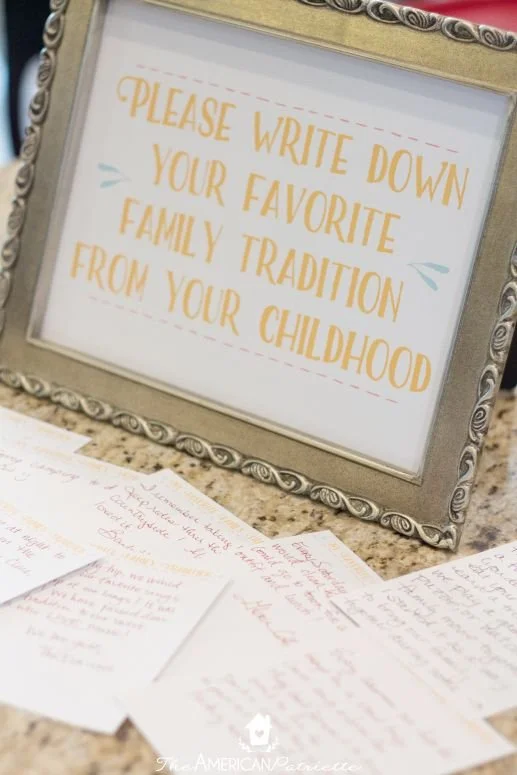
- Advice & Wishes Jar
- Provide colorful cards and pens for guests to write short pieces of advice, predictions, or wishes for the parents-to-be or couple. Later, these become a cherished keepsake. Offer a small prize for the most heartfelt or funniest note.
- Memory Photo Booth
- Create a simple backdrop with props (hats, boas, themed signs) and ask guests to take photos. For baby showers, include onesies or tiny props; for bridal showers, add faux bouquets and veils. A Polaroid camera or a phone-print station adds instant, tangible memories.
- Recipe Share Station
- Ask guests to bring a favorite family recipe or write one on a provided card. Compile the cards into a DIY recipe booklet as a gift for the honoree — especially meaningful for brides setting up their first kitchen.
- DIY Keepsake Craft
- Set up a station where guests can decorate a onesie, paint ceramic tiles, or stamp handkerchiefs. These tactile activities double as personalized gifts and a fun, relaxed group activity.
Playful games with a twist
- Scavenger Hunt (Themed)
- Hide small clues or themed items around the party space. Teams or individuals follow riddles to win small prizes. Tailor clues to the honoree’s life for personalization.
- Advice Bingo
- Create bingo cards with life events or baby/bridal milestones. As people share stories or as gifts are opened, guests mark squares; the winner gets a themed prize.
- Reverse Charades
- Instead of one person acting, a group acts out a prompt while one person guesses — hilarious and perfect for larger groups.
Food and beverage activities
- DIY Mimosa or Mocktail Bar
- Offer a variety of juices, fruit purees, and garnishes so guests can build their own signature drinks. Label recipe cards so guests remember their creations.
- Dessert Decorating
- Provide plain cupcakes or cookies and assorted icings and toppings. This is a sweet activity for all ages and doubles as a party favor when guests take their creations home.
- Candy or Snack Tasting Station
- Line up small samples of different candies or snack flavors and have guests rate them. This works especially well with a “guess the flavor” twist, and it pairs nicely with a themed display; for more ideas on designing a candy-focused setup, see the curated baby shower candy table ideas that can inspire your layout and presentation.
Low-key activities for smaller or intimate showers
- Guided Conversation Cards
- Place cards with intriguing questions at each seat (e.g., “What’s the best relationship advice you’ve received?”). They spark meaningful conversation without noise.
- Keepsake Story Circle
- Invite a few guests to share a short story or memory about the bride or expectant parent. Record or write these stories into a printed booklet afterward.
- Virtual Guestbook
- For hybrid events, set up a tablet or computer where remote attendees can leave video messages that the honoree can watch later.
Prizes, favors, and finishing touches
- Keep prizes thoughtful and budget-friendly: small candles, lotions, mini succulents, or themed gift bags work well.
- Favors can tie into the activity theme: a mini jar of jam from a recipe-share station, a printed recipe booklet, or a photo from the photo booth.
Accessibility and inclusivity
- Make sure craft tables are reachable for guests with mobility needs, provide seating for longer activities, and offer non-alcoholic drink options. Choose activities that can be easily adapted so everyone can participate comfortably.
Final checklist for hosts
- Prepare a timetable for activities and leave flexibility for conversation and gift opening.
- Label stations and provide clear instructions to reduce congestion.
- Have small helpers or family members assigned to run or facilitate each activity.
Conclusion
For a well-rounded selection of creative ideas that balance fun and sentiment, check out this curated list of Fun and Unique Baby Shower and Bridal Shower Activities to spark inspiration for your next celebration. If you’re looking for a ready-made party game set that includes prediction and advice cards, the Floral Baby Predictions and Advice cards are a handy, themed option to include at your activity stations.
36 Cute & Creative 2nd Birthday Party for Girl Ideas
36 Cute & Creative 2nd Birthday Party Ideas for Girls
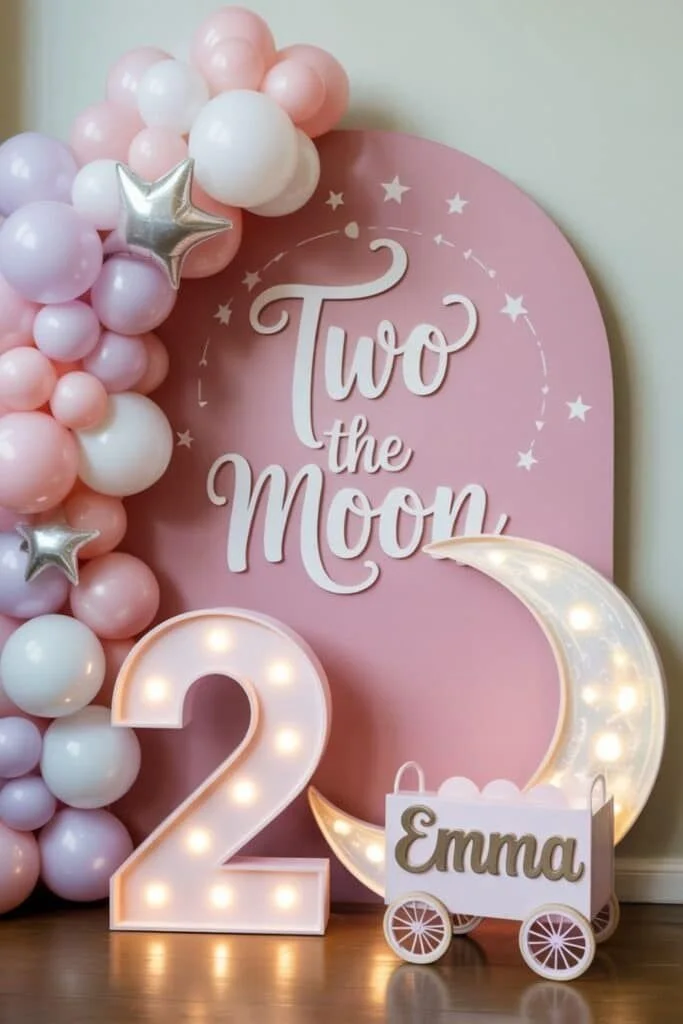
Turning two is a big moment — full of giggles, toddling steps, and tiny tastes of independence. This list of 36 cute and creative party ideas will help you plan a celebration that’s age-appropriate, memorable, and easy to pull off. For a different angle on early birthday celebrations, you might also enjoy these unique first birthday party ideas for boys for inspiration you can adapt.
Quick planning tips before you start
- Keep the guest list small: toddlers do best in short, quiet gatherings.
- Schedule around naps: mid-morning or late afternoon often works well.
- Simple activities + lots of free play keep little ones happy.
- Use disposable or washable decor to minimize cleanup.
36 Cute & Creative Ideas
- Princess Picnic — Spread blankets, pillows and a pile of soft toys for a royal tea.
- Tutu Dance Party — Ask guests to wear tutus; hire a music playlist of playful songs.
- Garden Tea — Child-sized tea set, floral decorations, and finger sandwiches.
- Floral Crown Workshop — Soft, faux flowers to make easy, comfy crowns.
- Butterfly Bash — Pastel butterflies on the walls and a simple butterfly wing craft.
- Teddy Bear Picnic — Each child brings a teddy for storytime and snack time.
- Rainbow Playdate — Bright balloons, colored snacks, and a rainbow finger-paint station.
- Storybook Soiree — Read a favorite picture book and have themed props.
- Farmyard Fun — Stuffed animals, hay-bale seating (or cushions), and animal masks.
- Toddler Olympics — Gentle races: crawl, push-toy relay, and bubble-chasing.
- Mermaid Splash — Pool play (supervised), shell decorations, and mermaid crowns.
- Unicorn Dreams — Pastel decor, glitter-safe face stickers, and a unicorn cake.
- Garden Safari — Magnifying glasses, plush bugs, and a nature scavenger hunt.
- Ball Pit Bonanza — Rent or build a small ball pit for sensory play.
- Bubbles & Balloons — Multiple bubble wands and helium balloons at varying heights.
- Farm-to-Table Snack Party — Simple veggies, fruit kabobs, and mini sandwiches.
- Ice Cream Social — Mini cones, a toppings bar, and pre-scooped flavors.
- Music & Movement — Shakers, scarves, and a short guided dance session.
- Painting Party — Washable paints, big paper rolls, and aprons for mini Picassos.
- Tea Party for Two-Year-Olds — Soft pastries, warm cocoa, and plush guest chairs.
- Vintage Carousel Theme — Soft stripes, carnival music, and carousel horse cutouts.
- Garden Fairy Gathering — Tiny wings, sparkly wands, and a fairy story circle.
- Picnic in the Park — Simple blanket seating and classic outdoor games.
- Wheels & Choo-Choo — Ride-on toys, cardboard trains, and conductor hats.
- Cupcake Decorating — Pre-baked cupcakes, child-safe frosting, and sprinkles.
- Dinosaur Dig — Sensory sand box with toy bones and safe digging tools.
- Rainbow Fruit Party — Color-themed foods and a fruit skewer station.
- Little Artist Studio — Easels, washable brushes, and stamp pads.
- Farm-to-Table Snack Party — A repeat-worthy idea: let kids assemble simple snacks.
- Soft Play Zone — Rent soft blocks and tunnels for safe exploration.
- Balloon Pop Surprises — Soft prizes inside unpopped balloons (supervised).
- Puppet Theater — Simple sock puppets and a short puppet show.
- Pajama Brunch — Cozy PJs, storytime, and soft breakfast foods.
- Garden Birdwatch — Make easy bird feeders and do a short spotting walk.
- Little Chef Party — No-heat “cooking” (decorate mini pizzas or assemble parfaits).
- Color-By-Number Mural — Large, washable mural with big numbered color sections.
Note: several ideas overlap by theme — pick two or three that fit your toddler’s temperament and combine for a cohesive celebration.
Decorations, food, and activities — practical tips
- Decorations: choose soft colors and avoid tiny pieces that could be swallowed. Paper lanterns, tissue pom-poms, and fabric bunting create a warm look without hazards.
- Food: favor simple, bite-sized, low-sugar options — mini sandwiches, fruit, cheese cubes, and soft muffins. Clearly label any allergens.
- Cake: consider a smash cake for the birthday child plus a larger sheet cake for guests to make serving easier.
- Activities: keep organized activities to 10–15 minutes; toddlers lose focus quickly. Rotate stations (craft, sensory bin, story corner).
- Favors: practical favors like bubbles, board books, or a small plush toy are appreciated by parents.
If you want to see how a themed celebration can be built around a single idea, check these creative 10th birthday party ideas for approaches that scale down well for younger children.
Safety checklist
- Supervision: always have enough adults to watch little ones — a ratio of at least one adult per 3–4 toddlers is wise.
- Choking hazards: remove small decorations and avoid food like whole grapes or popcorn unless cut or age-appropriate.
- Allergies: ask parents ahead of time about allergies and provide a nut-free table if needed.
Conclusion
For themed paper goods and invitations to match your party vision, consider options like Tutu Cute Birthday Invitations & Birthday Party Invites. And if a playful puppy theme appeals, this real-party example offers concrete ideas you can adapt: Pepper’s Puppy Pawty: Creative 2nd Birthday Party Ideas!.
Have fun planning — the best parties are the ones that leave room for laughter, hugs, and a little bit of toddler chaos.
100+ Awesome Indoor Activities for Kids
100+ Awesome Indoor Activities for Kids (Creative, Active & Calm Ideas)
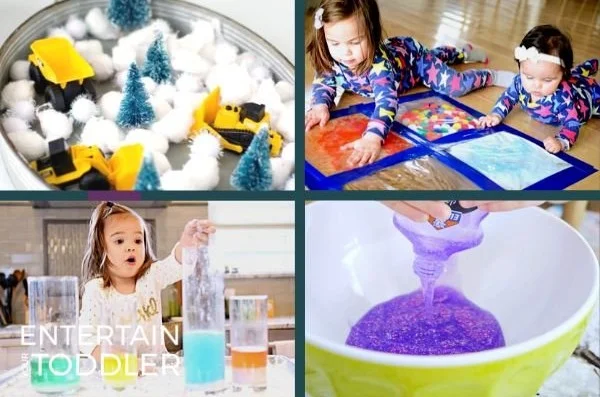
Keeping kids busy and happy indoors can be a joy with the right mix of creativity, movement, learning, and calm-time activities. Whether you’re sheltering from rain, snow, or just trying to avoid screen fatigue, this guide collects a wide variety of playful, simple, and budget-friendly ideas. If you want toddler-specific suggestions, check out this helpful list of indoor activities for toddlers to tailor activities to little hands and short attention spans.
Below are grouped activity ideas so you can pick based on energy level, materials on hand, and the time you have.
Quick, Low-Prep Activities (5–15 minutes)
- Indoor scavenger hunt: search for colors, shapes, or specific toys.
- Shadow puppets with a flashlight.
- Sock toss into laundry baskets (points for distance).
- Balloon volleyball over a string.
- Paper airplane contest.
- Freeze dance — pause music, freeze in place.
- I-Spy variations for early readers.
- Simon Says with silly movements.
- Tape roads on the floor for toy cars.
- Sticker mosaic on cardboard.
Creative & Crafty Projects
- Collage from old magazines and junk mail.
- Homemade playdough (flour, salt, water, oil).
- Nature prints using leaves and paint.
- Painted rock pets.
- Popsicle-stick picture frames.
- DIY stamps: cut shapes from sponges.
- Paper bag puppets and mini puppet theater.
- Recycled-material robots from boxes and bottles.
- Bubble-wrap printing.
- Friendship bracelets with embroidery floss.
Active & Gross-Motor Play
- Indoor obstacle course using pillows and chairs.
- Animal walks (bear crawl, crab walk, frog hops).
- Stair climbs with soft toys for handoffs.
- Dance party with costume props.
- Yoga for kids: simple poses and breathing.
- Hula hooping, if space allows.
- Jumping jacks or hopscotch on masking-tape squares.
- Balloon keep-it-up relay.
- Laundry basket sled (on hardwood with a towel).
- Parachute games with a sheet and stuffed animals.
Sensory & Calm-Down Activities
- Sensory bins: rice, pasta, beans, or water beads (supervised).
- Calm jars (glue, water, glitter) to watch settle.
- Playdough with hidden objects to find.
- Textured collages with fabric and foam.
- Rice scooping with cups and spoons.
- Deep-breathing bubbles: blow bubbles slowly to practice breath control.
- Quiet corner with cozy blankets and soft lighting.
- Guided storytelling with soft music.
- Mindful listening: identify household sounds.
- Tactile painting with shaving cream on a tray.
Tip: For moments of frustration or big feelings, a short joke or silly riddle can defuse tension—try a playful line from a well-loved collection like the best joke about anger for kids to get a giggle and reset the mood.
STEM & Learning Through Play
- Building towers with blocks, cups, or LEGO.
- Sink or float experiments with household objects.
- Make a simple volcano with baking soda and vinegar.
- Alphabet scavenger hunt around the house.
- Measuring ingredients for no-bake snacks.
- Pattern games with colored beads or cereal.
- Shadow tracing and exploring light angles.
- DIY circuits with safe snap-together kits.
- Sorting and classifying toys by size, color, or type.
- Simple coding games with unplugged activities (like sequence cards).
Pretend Play & Storytelling
- Grocery store or restaurant role-play.
- Dress-up trunk and improvised runway.
- Fort-building with blankets and clothespins.
- Pirate treasure map and hunt.
- Post office: write and deliver letters to family members.
- Puppet shows with sock puppets.
- Play “grown-ups” and act out daily routines.
- Create a mini-movie: storyboard, act, and record.
- Make a picture-book together: illustrations and captions.
- Time-travel adventure: dress and pretend you’re from a different era.
Quiet, Independent Activities
- Puzzles appropriate to age.
- Picture books and read-aloud time.
- Coloring pages, sticker books, and dot-to-dot.
- Matching card games or memory games.
- Busy boards for fine motor practice.
- Lacing cards and bead stringing.
- Simple origami or paper folding.
- Mazes and connect-the-dots printables.
- Magnetic tiles for calm construction.
- Calm sensory bottles or tactile squish bags.
Snack & Kitchen Activities
- Decorate cookies or mini-pizzas.
- Make fruit kabobs or yogurt parfaits.
- No-bake energy bites kids can help mix.
- Create faces on pancakes with fruit and chocolate chips.
- Taste testing: compare sweet, salty, sour flavors.
- Sandwich art: use cookie cutters for shapes.
- Homemade ice cream in a bag (shake and freeze method).
- Sorting snacks by color or type for math practice.
- Measuring and pouring challenges to build independence.
- Simple kid-friendly recipes to follow step-by-step.
Games That Teach Rules & Social Skills
- Board games for turn-taking and strategy.
- Card games like Go Fish for matching.
- Cooperative games where players win together.
- Telephone game for listening and memory.
- Charades adapted for kids.
- Role-play social scenarios to practice empathy.
- “Would You Rather?” conversation starters.
- Team building building block challenges.
- Story-building round-robin: each person adds a sentence.
- Emotion charades to name and recognize feelings.
Science & Nature Indoors
- Grow beans in a clear cup to watch roots form.
- Observe ants or household critters in a controlled way.
- Make a rainbow with a glass of water and a flashlight.
- Magnetic hunts with hidden iron objects.
- Color-mixing experiments with food coloring.
- Make a rain cloud in a jar with shaving cream and drops of color.
- Plant seeds in a recycled container and chart growth.
- Water density experiments with salt and egg.
- Explore textures with leaves, bark, and stones collected earlier.
- Build a simple weather station: rain gauge and wind indicator.
Crafts That Become Gifts
- Handmade cards and bookmarks.
- Beaded jewelry for family members.
- Painted flower pots with planted seeds.
- Handprint art on canvas or paper.
- Homemade candles or soap (with adult help).
- Picture magnets: glue photos to bottle caps.
- Decorative jars filled with treats.
- Upcycled tin-can pencil holders.
- Collaged notebooks from recycled papers.
- Personalized calendar with family photos and drawings.
Tips for Success
- Rotate activity bins to renew interest.
- Keep a simple “rainy-day” drawer with staples: paper, tape, crayons, glue, scissors.
- Let kids lead ideas sometimes; ownership boosts engagement.
- Set timers for transitions between active and calm play.
- Emphasize play that uses multiple senses and skills.
- Keep safety in mind: supervise small parts and experiments.
Conclusion
For more ready-made lists and inspiration when you want even more ideas, explore the collection titled 100+ Indoor Activities for Kids: Rainy Days Don’t Stand a Chance… which is full of themed activities, and consider downloading printable options from 100+ Indoor Activities for Kids (with Free Printable) to make planning simple and fun.