
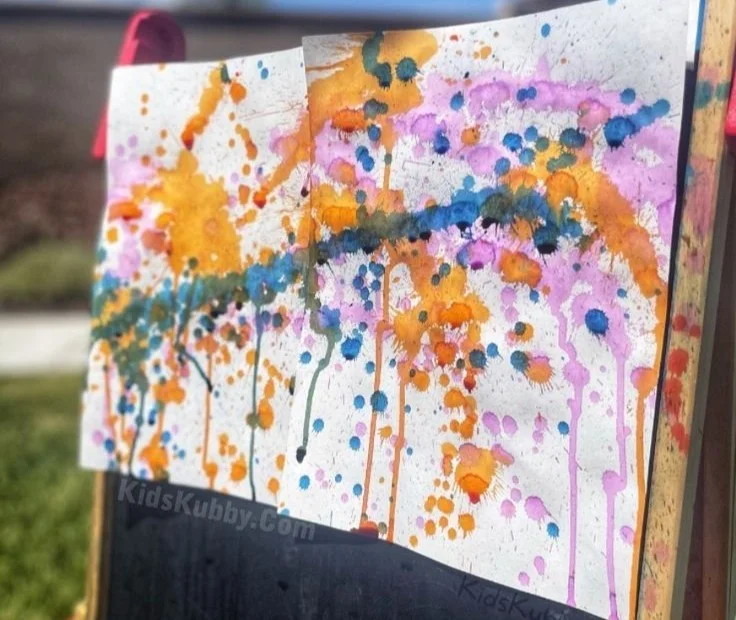
Fun Outdoor Activity For Kids: Water Gun Painting!
Fun Outdoor Activity For Kids: Water Gun Painting!
Get kids outside, moving, and creating with a splashy, sensory-rich project: water gun painting. This playful mashup of art and play turns ordinary squirt guns into colorful paint sprayers and transforms driveways, sidewalks, or large sheets of paper into giant canvases. For other simple creative projects to pair with this activity, check out fun and easy crafts for kids for inspiration.
Why kids love it
- It’s active: running, aiming, and spraying add a physical element that many children crave.
- It’s surprising: colors explode across surfaces in unpredictable ways.
- It’s low-pressure art: there’s no “right” way to spray, so kids feel free to experiment.
What you need
- Plastic squirt guns or water blasters (one per child).
- Tempera or washable liquid paints diluted with water (test consistency—should be sprayable).
- Large paper roll, old bedsheet, cardboard, or a paved surface.
- Protective clothing and towels.
- Optional: painter’s tape to create shapes or borders on the canvas.
Safety and setup
- Choose a warm, outdoor day and a space that can get messy.
- Use only washable, non-toxic paints formulated for children.
- Put kids in play clothes or smocks; consider sun protection.
- Keep a bucket of clean water and towels nearby for quick rinses.
Step-by-step: how to do water gun painting
- Prepare paint: Mix washable tempera paint with water until it flows easily through the squirt gun. Strain if needed to avoid clogging.
- Fill guns: Use cups or small bottles to fill each squirt gun (supervise this step).
- Mark boundaries: Lay out your canvas (paper, sheet, or pavement) and use tape to create designs or keep paint off unwanted areas.
- Demonstrate: Show how to aim, how to pulse the trigger for splatters, and how distance changes spray patterns.
- Let them paint: Set a time limit if you want to manage how long paints are used. Encourage collaboration and layering colors.
- Dry and admire: If on paper or fabric, allow colors to dry fully before moving. For pavement art, photos capture the moment.
Creative variations
- Target practice: Tape shapes that kids try to paint from a distance for points.
- Collaborative mural: Assign sections to each child that come together as a large scene.
- Stencil scene: Place simple cardboard stencils on the canvas and spray around them to create silhouettes.
- Nature addition: Add leaves, sticks, or flowers pressed into paint-splattered paper for texture.
Tips for success
- Test your paint mix on a small area first to ensure good spray and clean-up.
- Rotate paint colors in the guns so each child gets an equal chance with favorite shades.
- Use clear rules about where painting is allowed to avoid painted shoes or faces.
Cleanup
- Rinse squirt guns immediately after use to prevent clogs.
- Use garden hoses or buckets of water to wash paint from pavement—washable tempera makes this easy.
- For fabric canvases, follow the paint manufacturer’s washing instructions.
Extend the fun
Turn a single session into a full outdoor art party by combining other activities and crafts; you might consult an ultimate guide to kids’ outdoor fun for ideas on snacks, games, and extra crafts to fill the day.
Conclusion
Water gun painting is an inexpensive, high-energy activity that builds creativity, coordination, and cooperative play. For a step-by-step example and photos showing kids in action, see this detailed write-up on Thrill Your Kids with Colorful Squirt Gun Painting. If you want an alternate guide with tips on paint ratios and game ideas, check out the practical suggestions at Water Gun Painting (Fun Creative Art For Kids).
Classic Apple Fritters for Babies – loudasrecipes
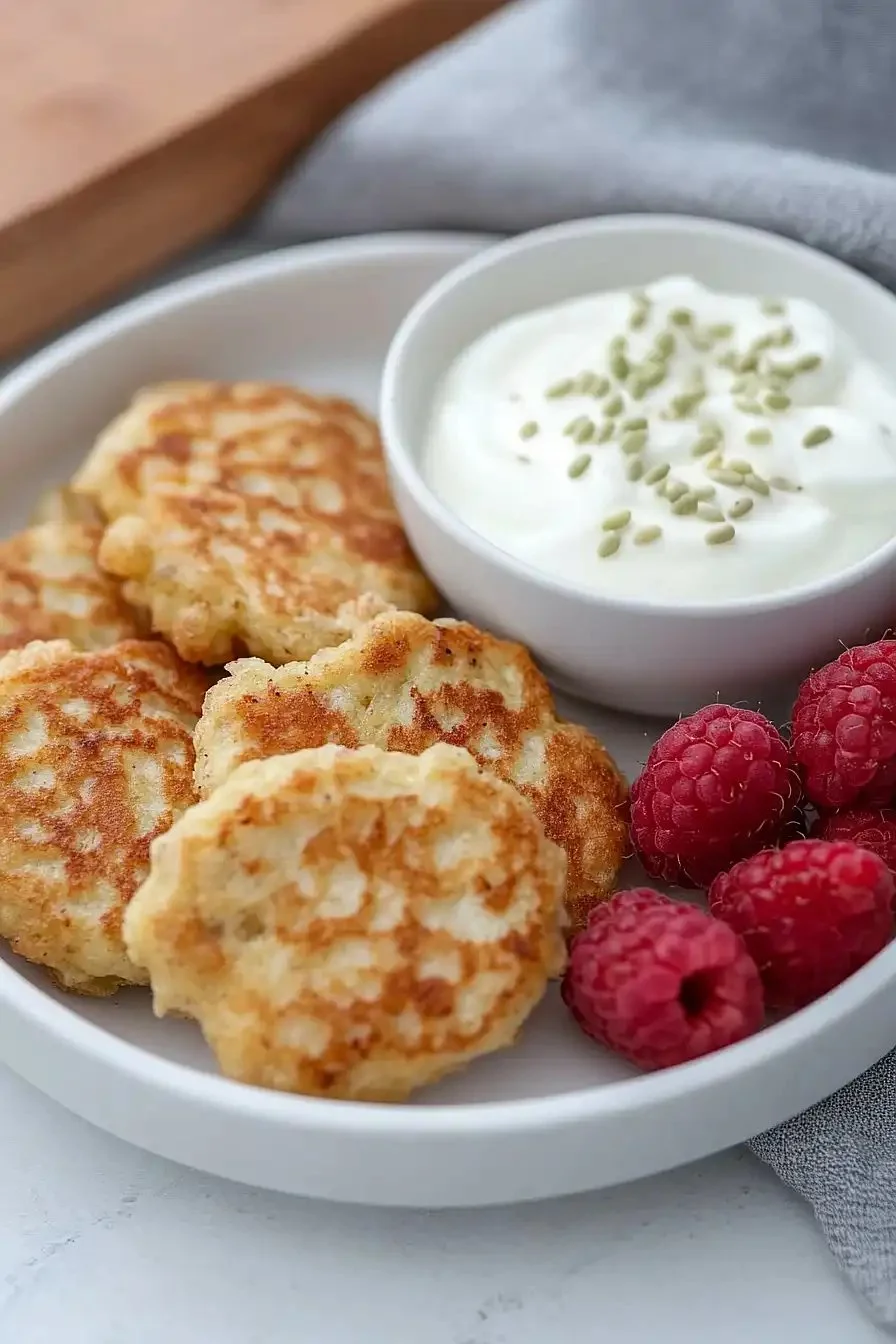
Classic Apple Fritters for Babies
Apple fritters are a soft, gently sweet treat that can be adapted for little ones who are ready for textured foods. This article walks through a baby-friendly version inspired by traditional fritters, with safe ingredient swaps, simple steps, and tips for feeding infants and toddlers. If you’re also planning complementary snacks, you might like this creamy avocado egg salad for babies as a savory option to serve alongside.
Why apple fritters can work for babies
Apples are naturally mild and full of vitamins, and when cooked and mashed into fritters they become easy for small mouths to handle. These fritters use minimal added sugar, gentle cooking, and a soft texture to reduce choking risk. For more on how apples support little ones, see this article on the benefits of apples for toddlers.
Ingredients (yields ~8 small fritters)
- 1 medium apple (peeled and grated)
- 1 ripe banana, mashed (adds natural sweetness and binding)
- 1/2 cup whole wheat flour or oat flour (for a gluten-free option, use certified oat flour)
- 1/4 teaspoon cinnamon (optional)
- 1/4 teaspoon baking powder (optional — makes fritters slightly puffier)
- 1 egg (or 1 flax "egg" for egg-free: 1 tbsp ground flax + 3 tbsp water, mixed and rested 5 minutes)
- 1–2 tablespoons breastmilk, formula, or whole milk (to adjust batter consistency)
- 1 teaspoon neutral oil (for pan frying) or butter
Note: For babies under 12 months, omit added sugar and salt. Always introduce new foods one at a time and watch for allergies.
Equipment
- Grater for the apple
- Mixing bowl
- Nonstick skillet or small frying pan
- Spatula
Method
- Prepare the apple: Peel, core, and grate the apple. Gently squeeze out excess liquid with a clean cloth or paper towel, but keep enough moisture to help the fritter bind.
- Mix wet ingredients: In a bowl, mash the banana and whisk in the egg (or flax egg). Stir in milk as needed to create a smooth mixture.
- Combine dry ingredients: Add the flour, cinnamon, and baking powder to the wet mix. Stir until just combined, then fold in the grated apple. The batter should be scoopable but not runny; add a touch more flour if too loose or a little more milk if too thick.
- Cook: Heat a nonstick skillet over medium-low and add a little oil or butter. Spoon small dollops (about 1–2 tablespoons each) into the pan to form petite fritters. Cook 2–3 minutes per side until lightly golden and set through. Because these are for babies, keep the heat moderate so the centers cook without burning the outside.
- Cool and serve: Transfer fritters to a rack or plate to cool. Cut into thin strips or small pieces appropriate to your child’s eating stage and always supervise during feeding.
Baby-safe variations and tips
- Texture: For younger babies who still need very soft textures, mash the cooked fritters slightly before serving or serve as small, soft pieces.
- Dairy-free: Use plant-based milk and oil instead of butter.
- Egg-free: Use the flax egg substitution described above.
- Flavor-free option: Omit cinnamon to keep the flavor milder for very young palates.
- Portion size: Serve small portions at first to check acceptance and tolerance.
Storage
- Refrigerator: Store in an airtight container for up to 2 days.
- Freezer: Flash-freeze fritters on a baking sheet, then transfer to a freezer bag for up to 1 month. Reheat gently in a low oven or toaster oven; avoid microwaving too hot for baby portions.
Safety reminders
- Always monitor your baby while eating and offer age-appropriate textures.
- Introduce potential allergens one at a time and discuss with your pediatrician if you have concerns about eggs or other ingredients.
- Make sure fritters are cooled to a safe temperature before serving.
Conclusion
For a tested, baby-friendly take on a classic treat, you can compare this method with the detailed apple fritters recipe for babies on Feeding Tiny Bellies to see alternate proportions and cooking tips. If you want more guidance specifically focused on how those fritters are adapted for infants, consult the full apple fritters (Fritters For Babies) guide at Feeding Tiny Bellies for additional ideas and photos.
Rocket Race Counting Board for Preschoolers
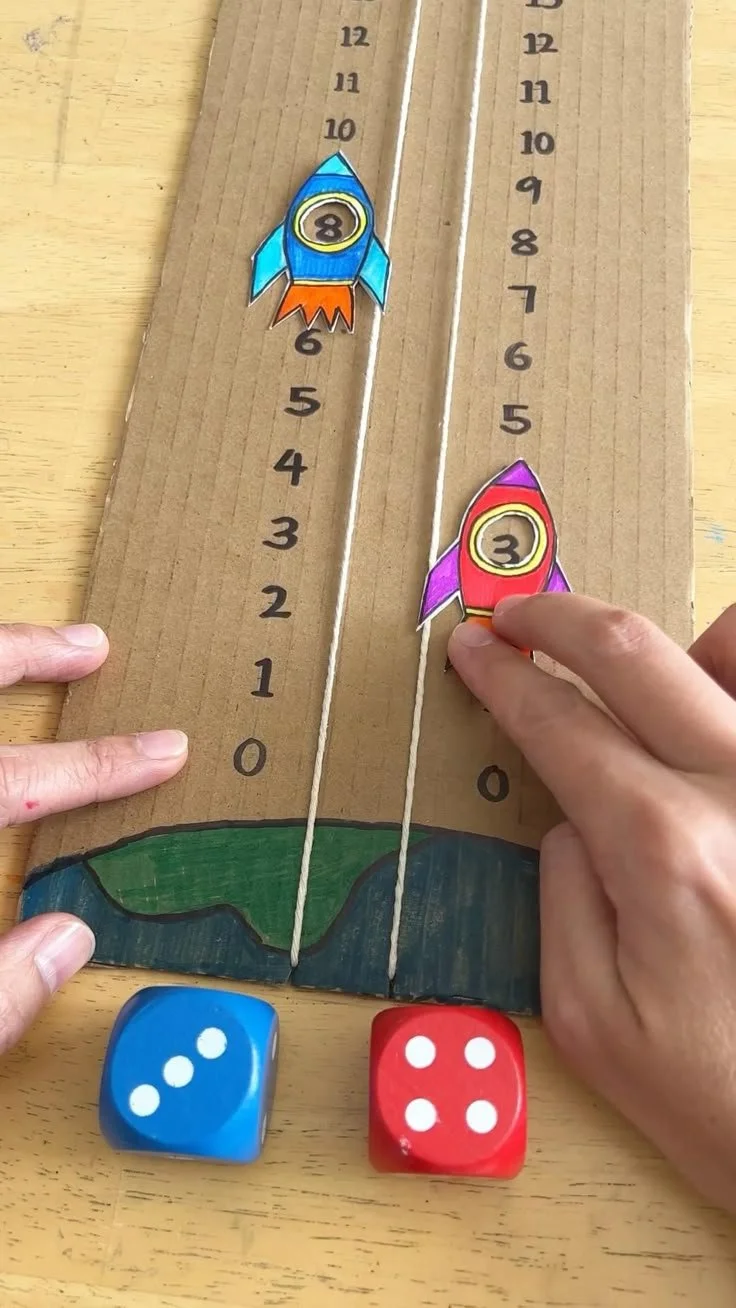
Rocket Race Counting Board for Preschoolers
Preschoolers learn best when play and purpose come together. The Rocket Race counting board turns early math into a hands-on, space-themed adventure that builds number sense, counting confidence, and cooperative play. For a balanced classroom routine, pair activity time with healthy snacks recommended on the best vegetables for preschoolers guide so children stay energized and focused.
What the Rocket Race Counting Board Is
The Rocket Race counting board is a tactile learning tool where children move rocket tokens along a numbered track. Designed for small groups or individual practice, it typically includes:
- A colorful board with numbered spaces (often 1–20)
- Rocket or spaceship tokens for each child
- Simple dice or spinner mechanics to determine moves
- Optional number cards or place-value visuals for extension
Its visual and physical format makes abstract concepts like one-to-one correspondence, sequencing, and early addition much more concrete for young learners.
Key Learning Goals
Using a Rocket Race counting board helps preschoolers:
- Master counting forward and backward
- Recognize number order and magnitude
- Practice one-to-one correspondence by moving a token for each count
- Learn basic addition and subtraction through gameplay
- Develop turn-taking, attention span, and social skills
The game scaffolds numeracy: start with counting to 5, then to 10, and gradually increase complexity by introducing two-dice moves, card prompts, or place-value prompts for older preschoolers.
How to Set Up and Use It
- Prepare the board on a low table where all children can reach.
- Give each child a rocket token and show them how to start at “1” or “0,” depending on your board design.
- Use a single die for beginners; allow children to count out loud as they move their rockets space by space.
- For group play, let each child roll once and move accordingly; emphasize saying the numbers as they move to reinforce counting.
- Celebrate milestones like “First rocket to 10!” to encourage motivation.
Small adaptations—such as larger tokens for fine-motor support or laminated boards for marker use—make the activity durable and accessible.
Activity Variations and Extensions
- Number matching: Lay numeric cards face down and have children find the card matching their rocket’s position.
- Addition races: Roll two dice, add the dots together, and move that many spaces; this introduces simple sums.
- Subtraction practice: Move rockets forward, then roll a die to move backward a number of spaces while counting down.
- Place-value step-up: Use tens and ones markers so children learn that, for example, 12 is “one ten and two ones.”
For cross-curricular fun, you can create themed weeks—planets week, astronaut week—where counting board play ties into books and songs. If you incorporate snack-time cooking or food-related naming activities, the cooking name for preschoolers book offers inspiration for simple, child-friendly recipe names and food vocabulary that reinforce sequencing and following steps.
Assessment and Classroom Tips
- Observe whether children count each move or skip numbers; that indicates mastery level.
- Use quick running records: note who can count to 10 unassisted, who needs modeling, and who can add two single-digit numbers.
- Rotate the game into literacy centers by adding labeled number words next to the board to build numeral recognition and emergent reading.
- Keep sessions short (10–15 minutes) for preschool attention spans, and offer frequent praise.
Materials and DIY Options
You can buy ready-made boards or create a DIY version with cardstock, stickers, and toy rockets. Laminate the board to extend lifespan and use dry-erase markers to change goals or numbers. Dice can be replaced with spinner wheels or number cards to adjust difficulty.
Safety and Accessibility
- Choose non-toxic, age-appropriate materials and check for small parts that could be choking hazards.
- Provide tactile cues (raised numbers, textured tokens) for children with sensory needs.
- Offer visual counting aids for children who need more structured support, such as a number line beside the board.
Conclusion
If you want to purchase an official version or see product details, check the manufacturer’s page at Rocket Race – The Fidget Games for features and components. For an online retail option and availability information, view the product listing at The Fidget Game Rocket Race Number Sense & Place Value Board.
We Can Bearly Wait Baby Shower: Cozy Ideas for a Heartwarming Celebration
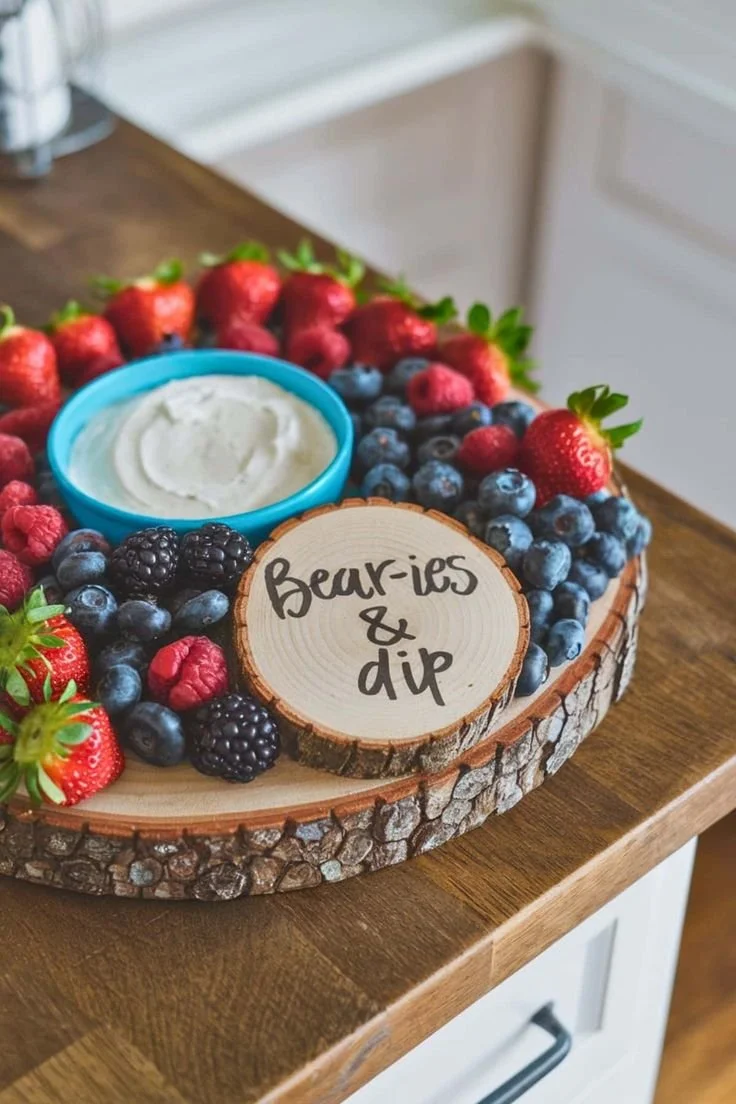
We Can Bearly Wait Baby Shower: Cozy Ideas for a Heartwarming Celebration
A "We Can Bearly Wait" baby shower is the perfect way to celebrate a little one on the way with warm, homespun charm. This theme leans into plush textures, neutral pastels, and sweet bear motifs to create an intimate gathering that feels more like a hug than a party. If you’re also thinking about the menu, consider some curated baby shower menu ideas for a girl that pair perfectly with a cozy aesthetic.
Setting the Tone: Color, Textures, and Invitations
- Colors: Soft browns, warm creams, blush pink, and sage green create a gentle palette that’s calm and welcoming.
- Textures: Layered knit throws, faux-fur pillows, and wooden accents add tactile comfort. Think mittened guests and mugs that feel good to hold.
- Invitations: Use kraft paper with a tiny bear illustration and hand-lettered details. A short, sweet line like “We Can Bearly Wait to Meet Baby” sets a playful, affectionate tone.
Decor Ideas That Hug
- Centerpieces: Small potted succulents or jars wrapped in twine, paired with mini stuffed bears, make adorable table accents.
- Backdrop: A simple fabric backdrop with a wreath, some fairy lights, and a plush bear centerpiece gives you a beautiful photo wall without being over the top.
- Signage: Wooden or chalkboard signs with phrases such as “Snuggles Loading” or “Mama Bear’s Nest” reinforce the theme in a subtle, rustic way.
Activities and Games
Keep games short and sentimental:
- Advice Cards: Provide notecards where guests can write parenting tips or wishes for the baby.
- Onesie Decorating: Supply fabric markers and plain onesies for a creative keepsake.
- Guess-the-Date: Guests predict the baby’s arrival date and weight — simple, sweet, and low-stress.
Food & Drink
Comforting, bite-sized fare suits this theme:
- Savory: Mini quiches, tea sandwiches, and warm soup shooters served in small cups evoke a cozy kitchen vibe.
- Sweet: Bear-shaped cookies, honey-drizzled cupcakes, or a naked cake adorned with fresh berries and a plush toy topper fit perfectly.
- Drinks: Offer a hot beverage station with cocoa, chai, and herbal teas alongside a chilled mocktail for summer showers. If you’re planning outside, you can find great direction in these outside baby shower ideas for girls for weather-friendly tips.
Favors and Keepsakes
Send guests home with something warm and memorable:
- Mini jars of local honey tied with a note that reads “Sweet Baby on the Way.”
- Little knitted bear keychains or scented sachets in muslin bags.
- A photo from the event printed and placed in a kraft-paper envelope makes a heartfelt memento.
Practical Tips for a Smooth Celebration
- Timeline: Keep the event to two hours—long enough to celebrate, short enough to stay relaxed.
- Seating: Create small conversational clusters rather than a formal single table to encourage mingling.
- Comfort: Provide a quiet corner for nursing or resting, stocked with extra pillows and a soft throw.
Conclusion
For a playful gender-reveal twist that still matches a cozy aesthetic, consider sourcing a variety of gender reveal backdrop options that complement your bear-themed palette. And to complete your decor, a charming We Can Bearly Wait teddy bear sign can become the memorable focal point that ties the whole celebration together.

Easy Irresistible Chicken & Veggie Rice Bites to Savor Tonight
Easy Irresistible Chicken & Veggie Rice Bites to Savor Tonight
Looking for a quick, tasty dinner that pleases kids and adults alike? These Chicken & Veggie Rice Bites are golden, flavorful little patties that combine tender chicken, crisp veggies, and sticky rice into bite-sized delights. They’re simple to make, portable for lunches or picnics, and mild enough to adapt for younger eaters—see this helpful guide to chicken baby food recipes for ideas on how to soften and puree ingredients for toddlers.
Why you’ll love them
- Quick to prepare and great for using leftovers (rotisserie chicken and cooked rice work wonders).
- Balanced: protein from chicken, fiber and vitamins from veggies, and satisfying carbs from rice.
- Versatile: swap spices, add cheese, or make them gluten-free by choosing certified GF breadcrumbs.
Ingredients (serves 4)
- 2 cups cooked rice (short-grain or jasmine works well)
- 1 cup cooked, shredded chicken
- 1 cup finely diced mixed vegetables (carrot, peas, bell pepper, or zucchini)
- 1/2 cup finely chopped onion or scallion
- 1 large egg (binder; for vegan option use flax egg)
- 1/2 cup breadcrumbs or panko (or gluten-free alternative)
- 1/4 cup grated cheese (optional)
- 1 tsp garlic powder, 1/2 tsp smoked paprika, salt and pepper to taste
- 2–3 tbsp olive oil for frying
Method
- In a large bowl, combine the cooked rice and shredded chicken. Break up any clumps of rice so the mixture can hold together.
- Add the diced vegetables, onion, egg, breadcrumbs, cheese (if using), and seasonings. Mix until evenly combined. If the mixture feels too wet, add a little more breadcrumbs; if too dry, a splash of milk or another beaten egg will help.
- Form mixture into 8–12 compact patties, pressing firmly so they won’t fall apart while cooking.
- Heat olive oil in a nonstick skillet over medium heat. Fry patties 3–4 minutes per side, until deep golden and heated through. For a lighter option, bake at 400°F (200°C) for 12–15 minutes, flipping halfway.
- Drain on paper towels and serve warm.
Serving ideas & variations
- Dipping sauces: creamy yogurt-dill, sweet chili, or teriyaki glaze for an Asian twist.
- Make them Mexican-style with cumin, cilantro, and a squeeze of lime; serve with guacamole.
- For a crowd, turn them into sliders with soft buns and crunchy coleslaw.
- These bites are also picnic-ready and make a convenient snack if you’re prepping for a session outdoors—perfect when coordinating food ideas around a maternity photoshoot ideas picnic or family gathering.
Tips for best results
- Use cold cooked rice for firmer texture; freshly cooked hot rice is stickier and can make patties mushy.
- Finely chopping or pulsing vegetables in a food processor helps them blend evenly and keeps the bites from falling apart.
- If making ahead, refrigerate patties raw and fry just before serving, or fully cook and reheat in an oven to retain crispness.
Nutritional notes
One bite provides a good mix of protein and carbohydrates, and adding a colorful mix of veggies increases fiber and micronutrients. Adjust salt and spices for younger eaters, and consider using low-sodium broth when cooking rice for a milder base.
Conclusion
These Chicken & Veggie Rice Bites are an easy, adaptable weeknight solution that turn simple ingredients into something special—perfect for busy families or casual entertaining. For a comforting, one-pot variation, try the One Pot Chicken and Rice family-favorite recipe as a complementary dinner idea, or explore an Asian-inspired switch-up with this flavorful Teriyaki Chicken Stir Fry to inspire your dipping sauces and seasonings.
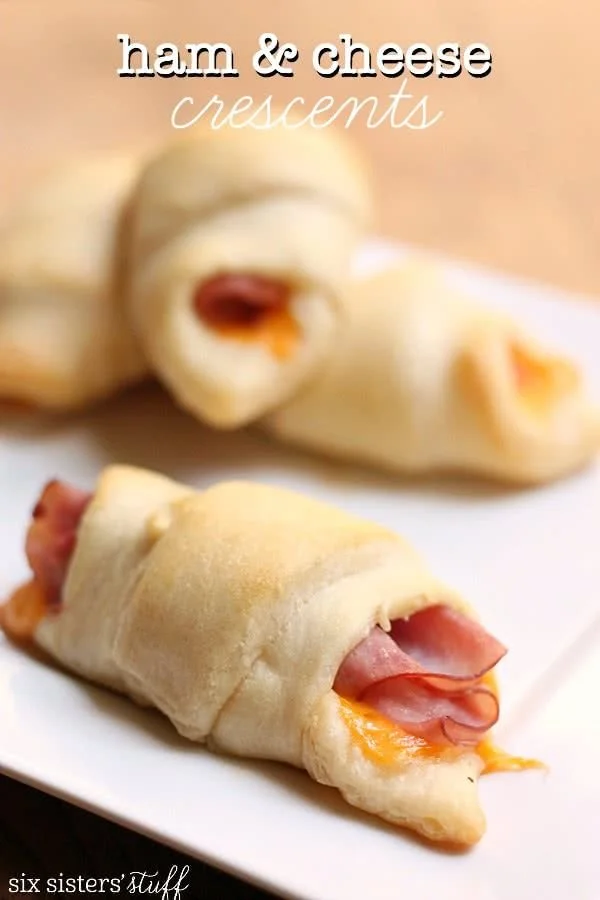
10 Toddler Meal Ideas That Make Meal Time Fun Again – Applecart Lane
10 Toddler Meal Ideas to Make Mealtime Fun Again
Getting toddlers excited about eating can feel like a full-time job. With a little creativity, variety, and a few easy prep tricks, you can turn fussy plates into wins. For even more inspiration beyond this list, check out a helpful collection of toddler meal ideas to refresh your weekly menu.
Quick rules for toddler-friendly meals
- Keep portions small and bite-sized.
- Offer at least one familiar item alongside something new.
- Aim for color, texture, and simplicity — toddlers respond to predictability with a hint of novelty.
- Let them help when possible (stirring, choosing a fruit), which increases interest in eating.
10 playful, practical toddler meal ideas
Mini veggie and cheese quesadillas
- Use small tortillas, shredded cheese, and finely chopped soft veggies (spinach, bell pepper). Cut into wedges perfect for little hands.
Build-your-own mini pita pizzas
- Provide halved mini pitas, a small bowl of tomato sauce, shredded mozzarella, and toppings like olives or tiny mushroom slices. Let them assemble before warming briefly.
Rainbow pasta salad
- Cook small pasta shapes and toss with peas, diced tomatoes, shredded carrots, and a light olive oil or yogurt-based dressing for a colorful, finger-friendly dish.
Pancake fruit kabobs
- Make mini pancakes and skewer with soft fruit pieces (banana, mango, blueberries) on toddler-safe skewers or short straws. Serve with a yogurt dip.
Hidden-veg meatballs
- Add grated zucchini and carrots to meatball mix; these freeze well and can be reheated for an instant protein hit.
Egg muffins
- Whisk eggs, a little milk, tiny diced veggies and cheese, pour into muffin tins and bake. They’re portable, customizable, and perfect for breakfast or lunch.
Smoothie bowls with crunchy toppers
- Blend spinach, frozen berries, banana, and yogurt into a thick smoothie and let your child sprinkle granola, chia seeds, or softened nut butter on top.
Bento-style snack box
- Arrange small sections of foods: rolled deli turkey, cucumber coins, cubed cheese, whole-grain crackers, and a fruit segment to make grazing fun.
Cottage cheese and fruit boats
- Hollow out half an apple or pear and fill with cottage cheese, raisins, and a sprinkle of cinnamon for a sweet-but-protein-packed option.
Funny-face sandwiches
- Use cookie cutters to shape whole-grain bread, then decorate with nut/seed butter, banana slices, and berry “eyes” to make mealtime playful.
Tips for picky eaters
- Repeated gentle exposure helps: offer new foods multiple times without pressure.
- Pair new items with trusted favorites to reduce resistance.
- Maintain calm, positive mealtime routines — toddlers pick up on stress.
Simple meal-prep hacks
- Batch-cook ingredients like pasta, roasted veggies, and protein on weekends to mix-and-match during the week.
- Use compartmentalized containers to portion snacks and lunches so variety is ready to go.
- If you’re planning a special kid-friendly gathering, consider looking for party food inspiration that doubles as kid-approved meals to keep things festive and familiar.
Conclusion
If you want a curated list that inspired these ideas, take a look at Applecart Lane’s 10 toddler meal ideas for visuals and step-by-step recipes. For broader meal-planning strategies to make mealtime smoother every week, this resource on meal planning and reducing mealtime hassles offers excellent practical tips.
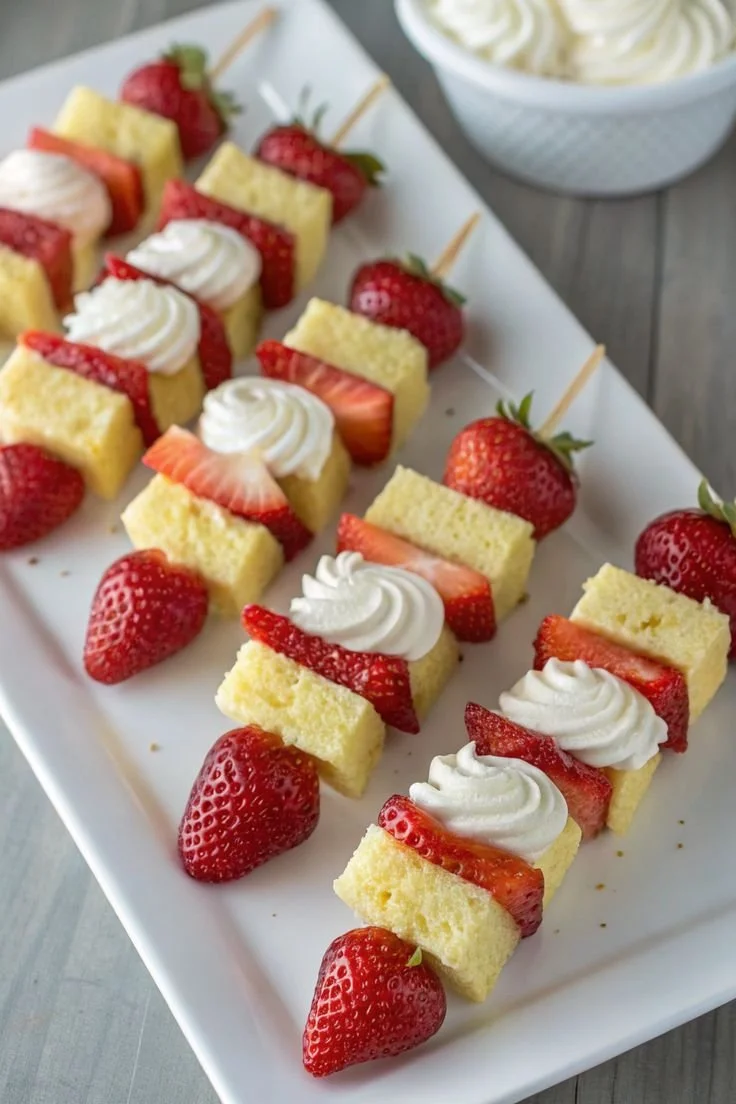
Strawberry Shortcake Kabobs Recipe
Strawberry Shortcake Kabobs Recipe
Strawberry shortcake kabobs are a fun, colorful twist on the classic dessert — perfect for summer parties, school events, or an easy after-school treat. They’re quick to assemble, portable, and can be tailored to suit dietary needs and age groups. If you’re planning a kid-friendly spread and want more simple meal ideas, see this helpful list of 10 easy chicken baby-food recipes for inspiration when preparing snacks and meals for little ones.
Why you’ll love these kabobs:
- Minimal prep and no baking required if you use store-bought shortcake or pound cake
- Visually appealing and easy for kids to hold and eat
- Customizable — add fruit, candy, or swap cake for gluten-free or vegan options
Ingredients (serves 6–8)
- 2 pints fresh strawberries, hulled and halved if large
- 1 (10–12 oz) container store-bought shortcake, pound cake, or angel food cake, cut into 1-inch cubes
- 1 cup mini marshmallows or fresh banana slices (optional)
- 1 cup whipped cream or vanilla yogurt for dipping
- Fresh mint leaves for garnish (optional)
- 12–16 wooden skewers (soaked 10 minutes if using outdoors)
Optional add-ins and swaps
- Blueberries, kiwi, or pineapple for more color and flavor
- Use dairy-free whipped topping or coconut yogurt to keep them vegan
- For extra crunch, alternate with graham cracker squares or small cookie pieces
Equipment
- Cutting board and sharp knife
- Serving platter
- Skewers (wooden or reusable bamboo/metal)
Assembly steps
- Prepare the fruit and cake: Wash strawberries and pat dry. Cut cake into uniform 1-inch cubes so kabobs look neat and hold well.
- Thread the skewers: Start with a cube of cake to anchor the skewer. Alternate strawberry, cake, and marshmallow (or banana) until you reach the desired length, ending with a strawberry for a colorful finish.
- Arrange and chill: Place finished kabobs on a platter and refrigerate for 10–15 minutes if you prefer them slightly firm before serving.
- Serve: Provide a bowl of whipped cream or vanilla yogurt for dipping and garnish the platter with mint leaves.
Tips for success
- Keep uniform sizes: Cutting fruit and cake into consistent pieces makes kabobs more attractive and easier to eat.
- Prep ahead: Cut cake and hull berries a few hours in advance and store them separately in the fridge. Assemble the skewers shortly before serving to keep cake from getting soggy.
- Make them toddler-friendly: Use shorter skewers or remove the skewer and serve fruit-and-cake cups if skewers pose a hazard for very young children. For other baby-friendly ideas to serve alongside, consider a creamy, mild spread such as an avocado egg salad recipe for babies that pairs well with soft fruit and cake pieces.
Variations and presentation ideas
- Dipped kabobs: Dip cake cubes in melted white or dark chocolate before threading for a decadent twist.
- Themed skewers: For holiday parties, use seasonal fruits and color-coordinated candies to match the theme.
- Mini parfaits: Remove the skewer for younger children and layer cake, strawberries, and whipped cream in small cups as an alternative serving method.
Storage
- Assembled kabobs are best eaten the same day. If you must store them, cover tightly and refrigerate for up to 24 hours, but expect cake to absorb moisture and soften.
- Store leftover cake and fruit separately in airtight containers for up to 2 days to maintain texture.
Nutrition note
Strawberries bring vitamin C and fiber, while the cake and marshmallows add sweetness. To keep portions balanced, offer smaller kabobs alongside protein-rich options or yogurt dips.
Conclusion
For a classic, tested version of this idea, you can compare techniques with Sugar Apron’s take on Strawberry Shortcake Kabobs, and for creative variations that show two different approaches, see the helpful guide from Strawberry Shortcake Kabobs – 2 Ways.
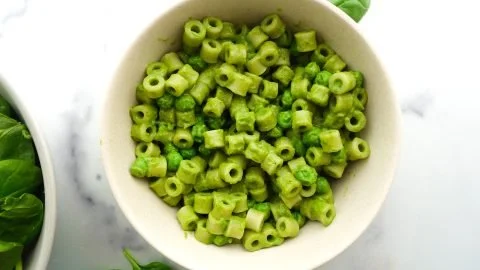
Cheesy Spinach Pasta Sauce
Cheesy Spinach Pasta Sauce
A creamy, vibrant cheesy spinach pasta sauce is a quick way to turn plain pasta into a comforting, nutrient-packed meal. It’s perfect for weeknight dinners, and with a few swaps it can be adjusted for toddlers, picky eaters, or adults who want a richer version. For parents looking for mild flavor and texture tips for little ones, check the baby-friendly pasta guide for helpful ideas on portioning and ingredient adjustments.
Why this sauce works
This sauce balances bright greens with smooth, melty cheese and a touch of aromatics. Spinach wilts down and blends into the sauce, which keeps the texture kid-friendly while adding iron and vitamins. Parmesan (or a blend of cheeses) brings umami without overwhelming the spinach, and a splash of milk or cream smooths everything out.
Ingredients (serves 4)
- 10–12 oz (300–350 g) fresh spinach, washed, or 10 oz frozen spinach (thawed and drained)
- 1 cup milk or 1/2 cup cream + 1/2 cup milk (adjust for desired richness)
- 1–1 1/2 cups shredded cheese (Parmesan, mozzarella, cheddar, or a mix)
- 2 tbsp butter or olive oil
- 1 small onion, finely chopped (optional)
- 1–2 cloves garlic, minced (optional)
- 1 tbsp flour (for thickening) or 1/4 cup cream cheese for a gluten-free thicken
- Salt and black pepper to taste
- Pinch of nutmeg (optional, pairs well with spinach)
- Cooked pasta of choice
Method
- Sauté aromatics: In a large skillet, melt butter (or heat oil) over medium heat. Add chopped onion and cook until translucent, then add garlic and cook 30 seconds to 1 minute.
- Add spinach: Stir in fresh spinach a handful at a time until wilted, or add drained frozen spinach and heat through. If using fresh, you can roughly chop it once wilted for a finer texture.
- Make the base: Sprinkle the flour over the spinach mixture and stir for a minute to cook the raw flour taste. Slowly whisk in milk (or cream), smoothing any lumps. Bring to a gentle simmer until the sauce thickens slightly.
- Add cheese and finish: Reduce heat to low, stir in shredded cheese until melted and the sauce is smooth. Season with salt, pepper, and a pinch of nutmeg. If the sauce is too thick, loosen with reserved pasta water. If too thin, simmer briefly to reduce.
- Combine with pasta: Toss cooked pasta directly into the skillet so the sauce clings to the noodles. Serve immediately with extra grated cheese.
Variations and tips
- Creamy toddler version: Use a milder cheese like mild cheddar or mozzarella and skip added salt; blend the finished sauce for a very smooth texture tailored to babies and toddlers. More tips for preparing pasta for little ones are available in the baby pasta resource.
- Add-ins: Stir in cooked chicken, bacon bits, sun-dried tomatoes, or sautéed mushrooms for more substance.
- Dark leafy swap: Kale or Swiss chard can replace spinach — cook longer until tender and consider blending for smoothness.
- Make-ahead: Store sauce separately for up to 3 days; reheat gently with a splash of milk to revive creaminess.
- Dairy-free option: Use a cashew cream base (blend soaked cashews with water) and nutritional yeast for cheesiness.
Serving suggestions
Serve this sauce with short pasta shapes like penne, fusilli, or shells that trap the sauce. A simple green salad and crusty bread complete the meal. For a lighter option, pair with whole-grain pasta and a squeeze of lemon to brighten the spinach flavors.
Conclusion
If you want to compare a similar recipe and presentation, try the detailed Cheesy Spinach Pasta recipe from The Mother Cooker for inspiration. For a toddler-focused take with portion and ingredient ideas, see the kid-friendly adaptation at Healthy Toddler Meals: Easy Cheesy Spinach Pasta.
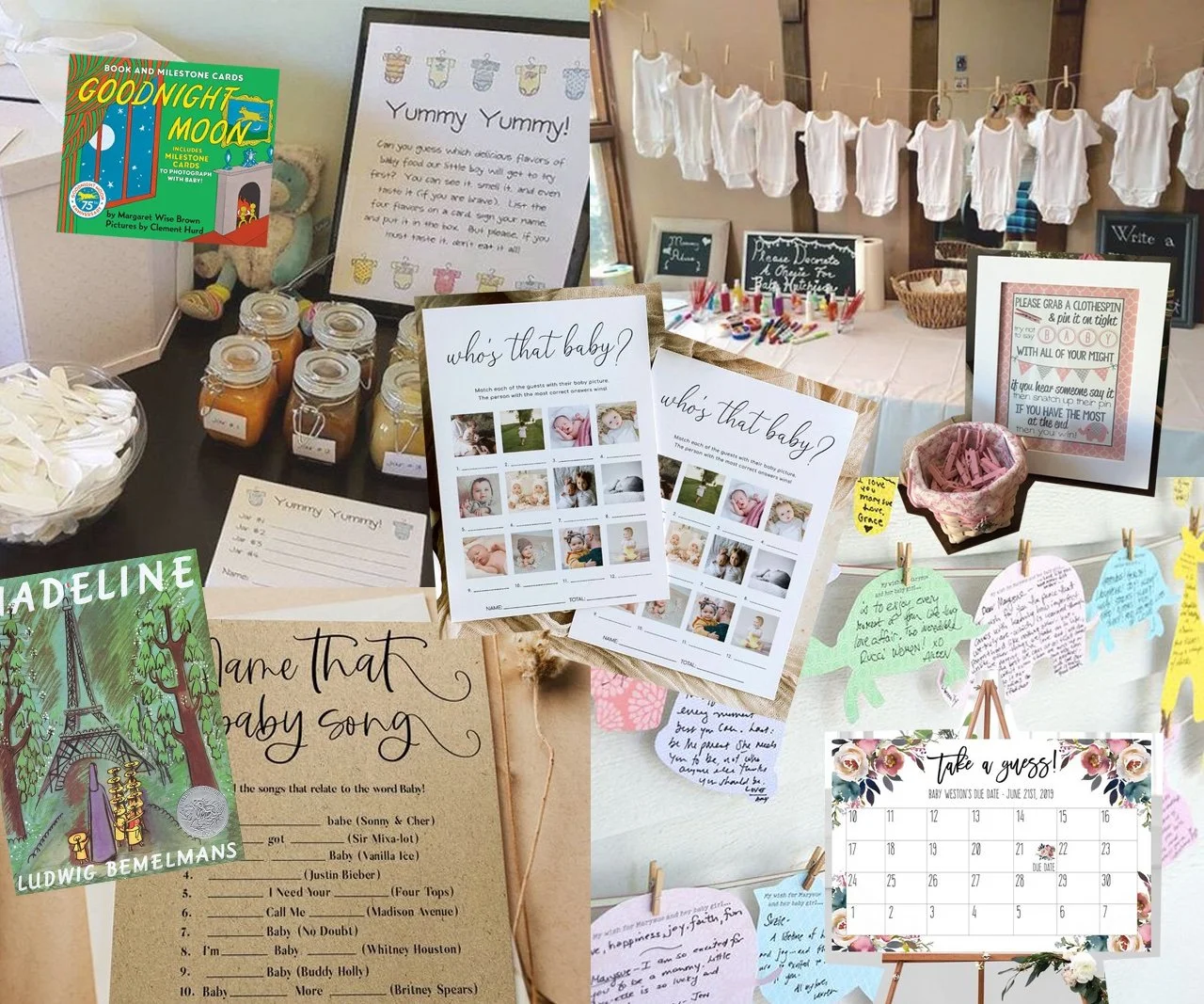
29+ BEST GAMES FOR BABY SHOWERS
29+ Best Games for Baby Showers
Baby showers are a special chance to celebrate a new life while connecting friends and family through laughter and play. Below are more than 29 creative, easy-to-run, and crowd-pleasing games that suit any shower theme, group size, or venue. If you want activities that include dads and partners, check this helpful guide to baby shower games for men for ideas and variations that work for everyone.
Quick tips before you start:
- Choose a mix of quiet and active games so guests can mingle without getting exhausted.
- Keep supplies simple (index cards, pens, small prizes) and prepare printable materials in advance.
- Consider guest demographics (age range, mobility, whether children will attend) when selecting games.
Classic, Tried-and-True Games
- Baby Bingo — Make bingo cards with baby-related items; cross off words as gifts are opened.
- Guess the Baby Food — Label jars and have guests taste and identify different baby foods.
- Dirty Diaper Game — Melt candy into diapers and have guests sniff/guess the “mess.”
- Diaper Raffle — Guests bring a pack of diapers for entry into a raffle prize drawing.
- Price Is Right — Display baby items; guests guess the total cost closest to the real price.
- Word Scramble — Unscramble baby-related words under a time limit.
Creative & Crafty Games
- Onesie Decorating Relay — Guests decorate mini onesies; vote on funniest/ cutest design.
- Baby Shower Pictionary — Draw and guess baby-related items or parenting moments.
- Make-a-Advice-Card — Guests write notes of wisdom; compile them into a keepsake book.
- Baby Predictions & Advice Mad Libs — Pocket-sized fill-in-the-blank cards that are fun and sentimental.
Interactive and Movement-Based Games
- Pass the Pacifier — Like hot potato, pass a pacifier while music plays.
- Baby Bottle Chug — Adults race to drink juice or soda from baby bottles.
- Mother-to-Be Relay — Teams compete to dress a doll quickly with diaper, bib, etc.
Games for Mixed Groups (kids + adults)
- Treasure Hunt — Hide baby-themed items around the venue with simple clues.
- Guess the Nursery Rhyme — Hum or act out nursery rhymes for teams to guess.
- Sock Match — A pile of baby socks; who matches most pairs in a minute?
Printable & Quiz Games
- Baby Trivia Quiz — Questions about pregnancy, baby stats, or the parents’ childhoods.
- Name That Tune (Baby Edition) — Play snippets of songs with “baby” in the title.
- Who’s That Baby? — Guests bring baby photos and guess whose is whose.
Games for a Mixed-Age Crowd
- Balloon Pop — Notes inside balloons with dares or prizes.
- Baby Jeopardy — Host a mini-game show with baby categories and point values.
- Photo Booth Challenge — Provide props and a list of photo prompts (funniest face, best couple shot).
Virtual Shower Ideas
- Online Trivia — Run a live trivia over video chat with screen-shared questions.
- Virtual Scavenger Hunt — Call out items and guests race to show them on camera.
- Digital Onesie Design — Guests sketch or submit designs; the parents pick favorites.
Games for Kids at the Shower
- Baby Doll Dress-Up — Simple activity station with tiny clothes and accessories.
- Storytime Circle — A short, interactive reading for little guests.
- Sensory Bins — Baby-safe tactile activities (rice, soft toys) to keep toddlers engaged. If you plan to include screen time or structured toddler games, you might like ideas from the best kids games for under 4 on Steam as inspiration for gentle, supervised digital options suitable for very young children.
Short, Fun Fillers
- Two Truths and a Lie — Baby-themed truths and lies about the parents-to-be.
- The Price Is Right (Mini Version) — Quick rounds to keep energy up between gifts.
How to Choose the Right Games
- Time: Plan 3–5 games for a 2–3 hour shower.
- Guests: Prioritize inclusive games that don’t single people out.
- Space: Consider venue constraints — some games need room to move, others only pens and paper.
- Prizes: Small, themed prizes (candles, chocolates, gift cards) keep the competition light and fun.
Printable Materials & Prizes
- Prepare a few printed sheets for bingo, trivia, and prediction cards.
- Choose relaxed, neutral prizes to appeal to a wide group: cozy socks, tea sampler sets, or small potted succulents.
Hosting Checklist
- Supplies: pens, scissors, tape, name tags, a camera, and a small speaker.
- Schedule: Intro + icebreaker, 3–5 games spaced between gift opening and food, and a closing activity like advice cards.
- Accessibility: Ensure seating and activities are comfortable for guests of all abilities.
Conclusion
For a hands-on activity that sparks creativity and becomes a memorable keepsake, set up a dedicated onesie decorating area—these onesie decorating station ideas offer approachable tips and layouts to make the craft fun for every guest. If you’re collecting wishes or themed messages, you can also find creative templates and inspiration like the collection of 29 Birthday Wishes on Etsy to adapt as baby shower wish cards.
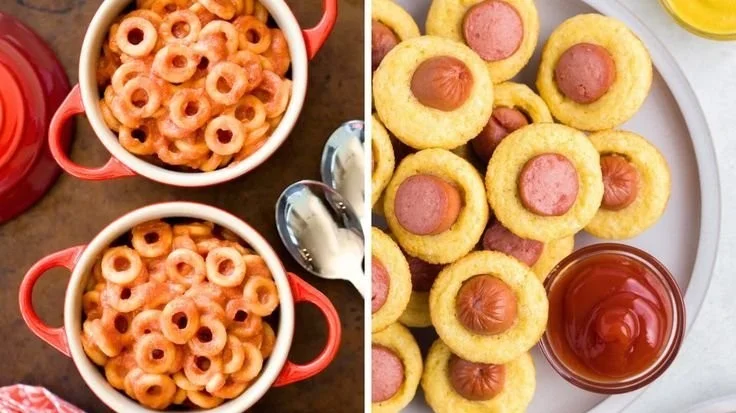
75 Toddler Meals For Picky Eaters (Easy & Tasty)
75 Toddler Meals For Picky Eaters (Easy & Tasty)
Toddlers can be wonderfully unpredictable at mealtime — one day they’ll adore peas, the next they’ll refuse anything green. This guide gives practical strategies plus 75 straightforward meal ideas designed to appeal to picky little palates while keeping nutrition and simplicity front and center. If you need inspiration specifically for packed lunches, this collection pairs well with some proven school lunch ideas for picky eaters to keep things varied.
Why toddlers become picky (and how to respond)
- Natural developmental phase: toddlers assert independence and test limits, including food choices.
- Sensory sensitivity: texture, smell, and appearance can be as important as taste.
- Repeated exposure helps: offer foods multiple times without pressure.
- Keep portions small and expectations realistic; even a single bite is progress.
Building meals that win
- Combine a familiar favorite with a new or less-liked item.
- Offer dips: toddlers often prefer foods they can dip (yogurt, hummus, mild salsa).
- Prioritize finger foods — little hands love to explore and feed themselves.
- Keep seasonings mild; introduce herbs slowly rather than strong spices.
- Let toddlers participate when possible (stirring, assembling) to increase interest.
Breakfast ideas (15)
- Banana and nut-butter on toast (thin spread)
- Mild cinnamon oatmeal with diced apples
- Scrambled eggs with cheese, cut into strips
- Greek yogurt parfait with berries and crushed graham
- Mini pancakes with mashed banana folded in
- Cottage cheese with peach chunks
- Smoothie bowl with blended milk, spinach, banana, and a sprinkle of oats
- Whole-wheat waffle fingers with yogurt dip
- Breakfast quesadilla: cheese and mashed avocado
- Rice porridge (congee) with soft-cooked carrot
- Baked oatmeal cups with blueberries
- Soft-boiled egg with toast soldiers
- Mashed sweet potato with a dollop of plain yogurt
- Toasted bagel pieces with cream cheese and cucumber
- Millet or quinoa porridge with pear puree
Lunch ideas (20)
- Turkey and cheese roll-ups with cucumber slices
- Grilled cheese triangles with tomato soup for dunking
- Pasta with butter and peas
- Mini pita pizzas with mozzarella and mild tomato sauce
- Chicken salad with apple chunks, served on whole-grain crackers
- Veggie-packed mac and cheese (blend a small amount of cauliflower into sauce)
- Lentil soup with small soft pasta shapes
- Hummus and pita bread with roasted pepper strips
- Egg salad on soft bread cut into fun shapes
- Quesadilla with black beans and mild cheddar, sliced into wedges
- Tuna and avocado mash on toast
- Rice bowl with shredded chicken and steamed carrots
- Bean and cheese burrito, softened and cut small
- Soft sushi rolls with cucumber and cooked salmon
- Mini meatballs with mashed potatoes
- Grilled veggie and halloumi skewers (soft, small pieces)
- Baked potato bar: small potato with cheese, corn, and plain yogurt
- Tomato and mozzarella skewers with bread cubes
- Sunflower seed butter and banana roll-ups (for nut-free settings)
- Soft falafel with tahini yogurt for dipping
Dinner ideas (20)
- Mild teriyaki salmon bites with steamed broccoli florets
- Shepherd’s pie with finely chopped veggies
- Chicken and rice casserole with hidden grated zucchini
- Baked fish sticks (homemade) with sweet potato wedges
- Turkey chili with beans, served over rice
- Beef and vegetable meatloaf muffins
- Stir-fry with tofu, soft-cooked veggies, and a light soy glaze
- Baked ziti with ricotta and diced spinach
- Sloppy joe on mini whole-grain buns (mild seasoning)
- Curry lentils with coconut milk served over plain rice (mild)
- Stuffed bell pepper halves with ground turkey and quinoa
- Chicken pot pie with a soft crust and chunky filling
- Pulled pork sliders with thin coleslaw
- Creamy mushroom and chicken pasta (mild sauce)
- Veggie-packed macaroni with pureed butternut squash
- Meatball and veggie skewers with a yogurt dip
- Baked gnocchi with tomato-basil sauce and cheese
- Salmon patties with mashed peas
- Mini calzones filled with cheese and finely chopped veggies
- Soft tofu and vegetable bake with a light cheese topping
Snacks & sides (20)
- Apple slices with a thin smear of peanut or seed butter (see the benefits of apples for toddlers when introducing)
- Steamed carrot sticks
- Cheese cubes and whole-grain crackers
- Yogurt with a sprinkle of cereal for crunch
- Edamame (shelled) lightly salted
- Frozen fruit pops made from blended fruit and yogurt
- Soft-cooked peas
- Mini banana muffins made with whole grain
- Sliced kiwi or mango pieces
- Roasted chickpeas, slightly crushed for easier chewing
- Sliced grapes, halved lengthwise
- Soft-cooked zucchini fries
- Cottage cheese with pineapple tidbits
- Avocado on toast with a squeeze of lemon
- Cucumber rounds with cream cheese
- Rice cakes topped with mashed banana
- Steamed apple slices with cinnamon
- Small portions of pasta salad with hidden peas
- Mini fruit-and-cheese kabobs
- Warm pear compote with a dollop of plain yogurt
Practical feeding tips
- Rotate themes: “Rainbow Day,” “Dip Day,” or “Texture Day” to make meals fun.
- Avoid power struggles: serve, offer, and step back.
- Keep mealtime short and consistent.
- Use positive reinforcement for trying new foods (praise, stickers).
- Maintain a calm environment — avoid screens and distractions.
Troubleshooting common problems
- Refusal of new textures: try blending or mashing to a smoother version first.
- Slow eaters: offer small portions and don’t pressure; try timed snack-to-meal schedules.
- Sensory aversions: introduce one small change at a time, pairing with preferred foods.
When to seek help
If a toddler consistently rejects entire food groups, shows poor weight gain, or if mealtime is a constant battleground, consult your pediatrician or a pediatric feeding specialist.
Conclusion
For a broader collection of quick, tested toddler recipes you can use for meal rotation, see this curated list of 75 Toddler Meal Ideas (Quick & Easy!) – Baby Foode, which pairs well with the strategies above. If you want more dinner-specific inspiration adaptable for picky eaters, check out these family-friendly options in 75 Best Dinner Ideas for Kids – Quick Kids’ Dinner Recipes – Delish.