

Super Quick & Easy Dinner Recipes That Are ACTUALLY EASY!!
Super Quick & Easy Dinner Recipes That Are ACTUALLY Easy!!
Busy evenings don’t have to mean takeout or cereal again. With a few smart strategies and a handful of no-fuss recipes, you can get dinner on the table in 20–30 minutes without breaking a sweat. If you need baby-friendly chicken ideas that can be adapted for the whole family, check out these chicken baby food recipes that are simple to scale up for adults.
Below are straightforward recipes, timing tips, and pantry shortcuts to help you win weeknight dinners.
Quick prep principles
- Plan two dinner templates (one stove/one sheet-pan) you can rotate.
- Keep a small list of “go-to” pantry proteins (canned tuna, chicken thighs, eggs) and carbs (rice, pasta, tortillas).
- Use one-pot or one-pan methods when possible to cut down on dishes.
- Prep a couple of things on the weekend (wash salad greens, chop onions, make a quick sauce) so weeknights are faster.
Recipes that actually feel easy
- One-Pot Lemon Garlic Pasta (20 minutes)
- Ingredients: pasta, garlic, lemon, olive oil, parmesan, spinach.
- Method: Cook pasta, reserve 1/2 cup pasta water. Sauté garlic in oil, add lemon zest and juice, toss pasta with cheese and spinach, loosen with pasta water. Serve with cracked pepper.
- Sheet-Pan Honey-Soy Salmon and Veggies (25 minutes)
- Ingredients: salmon fillets, broccoli, bell peppers, honey, soy sauce, garlic.
- Method: Toss veggies and salmon in a honey-soy glaze, spread on a sheet pan, roast at 425°F until cooked. Minimal cleanup, big payoff.
- 15-Minute Chicken Stir-Fry
- Ingredients: thinly sliced chicken breast or thighs, mixed frozen veggies, soy sauce, sesame oil, cornstarch slurry.
- Method: Cook chicken quickly over high heat, add frozen veggies, finish with sauce thickened by cornstarch. Serve over rice or noodles.
- Quick Skillet Quesadillas
- Ingredients: tortillas, shredded cheese, leftover chicken or beans, salsa.
- Method: Fill tortillas, cook in a dry skillet until golden and melty. Cut into wedges and serve with a simple salad.
- Tuna & White Bean Salad Wraps (10 minutes)
- Ingredients: canned tuna, canned cannellini beans, lemon, olive oil, herbs, wraps.
- Method: Mix tuna and beans with lemon and olive oil, spoon into wraps with greens. No cooking necessary.
- One-Skillet Sausage, Potatoes & Greens (30 minutes)
- Ingredients: smoked sausage, baby potatoes (parboiled), kale or spinach, mustard or pan sauce.
- Method: Brown sausage, add parboiled potatoes, finish with greens and a quick mustard-pan sauce.
Time-saving variations and swaps
- Use rotisserie chicken to skip cooking protein altogether.
- Frozen pre-chopped veggies cut minutes off prep and are nutritious.
- Swap dairy for non-dairy or omit if needed — most flavors hold up without milk.
- Double a recipe and refrigerate or freeze half for a truly quick future meal.
Quick sides that feel homemade
- Garlic-y microwaved green beans: toss with butter and garlic, microwave 3–4 minutes.
- Instant pot or rice cooker quinoa: set it and forget it while you make the main.
- Simple mixed green salad: olive oil + lemon + salt + pepper is all you need.
Feeding others while staying sane
If you’re juggling a newborn or picky eaters, small comforts help. Preparing a neutral base (rice, pasta) with separate add-ins (sauces, proteins) lets everyone assemble their own plate. For ideas that aren’t focused on the baby but are thoughtful for new parents, see these gift ideas and practical meal support tips for new moms.
Stocking list for effortless weeknights
- Proteins: canned tuna, eggs, smoked sausage, chicken thighs
- Carbs: pasta, tortillas, rice
- Veggies: one frozen medley, fresh salad greens
- Flavor boosters: soy sauce, honey, mustard, garlic, lemons
- Staples: olive oil, salt, pepper, parmesan
Troubleshooting common quick-dinner problems
- If something looks bland: add acid (vinegar or lemon) to brighten.
- If sauce is too thin: reduce in pan or thicken with a small cornstarch slurry.
- If a protein overcooks: cut into smaller pieces next time and lower the heat.
Conclusion
For more ideas to pull from when you’re exhausted but still want a satisfying meal, this list of 26 dinners for when you’re too tired to cook offers approachable, low-effort options. If you like the idea of making meals ahead that heat up quickly, check out these 15 actually easy freezer meals to stock your freezer for truly effortless weeknights.
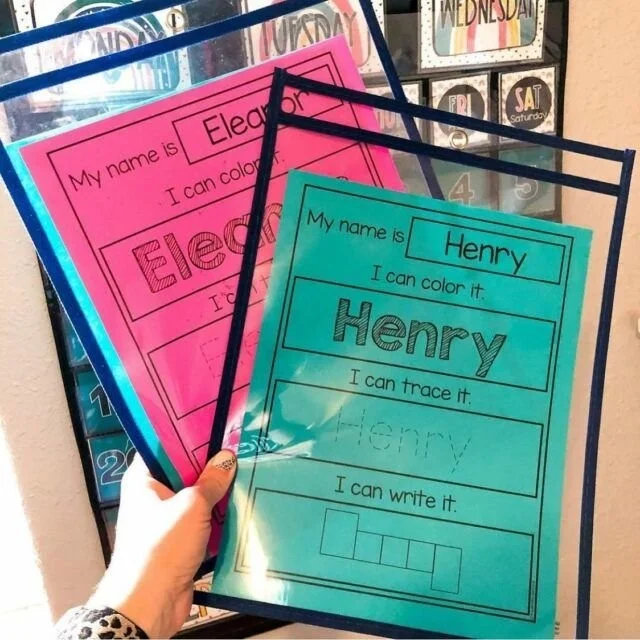
Kindergarten Morning Work for the Whole Year
Kindergarten Morning Work for the Whole Year — a Practical Guide
Introduction
Morning work sets the tone for a successful kindergarten day: it builds independence, reinforces routines, and gives teachers a chance to run quick assessments while students settle in. A dependable, year-long system of morning work helps children transition from home to school with predictable tasks that build skills incrementally. For ideas on how to weave celebrations and classroom community into routines, see this helpful resource on birthday parties for kindergarteners which can spark simple, inclusive classroom traditions tied to morning activities.
Why a year-long plan matters
- Consistency: predictable tasks reduce anxiety and free teacher time for targeted support.
- Scope and sequence: morning work can spiral through literacy and numeracy concepts so students revisit skills with growing complexity.
- Assessment: quick daily tasks reveal who mastered yesterday’s skill and who needs reteaching.
Designing morning work that grows with your class
- Start simple (August–September): name writing, tracing letters, identifying basic shapes, and one-to-one counting.
- Build complexity (October–December): introduce short emergent-reader activities, beginning sounds, pattern recognition, and ten-frames.
- Apply skills (January–March): work on simple word families, comparing quantities, and two-step directions.
- Prepare for transitions (April–May): focus on fluency with routine writing prompts, sight-word review, and problem solving that mirrors first-grade expectations.
Daily structure ideas
- 5–7 minutes of independent practice at arrival: students complete a short sheet or task card.
- 3 minutes of partner check or table talk: peer sharing builds oral language and gives teachers a chance to listen in.
- 2–5 minutes of teacher quick assessment: collect a subset to scan for progress or use exit-ticket style checks.
Content types that work well
- Literacy: letter formation, initial sounds, matching pictures to labels, simple emergent-reader sentences.
- Math: number recognition, subitizing cards, pattern completion, sorting by attributes, quick addition stories.
- Fine motor and social-emotional: cutting, dot stickers, mood check-ins, and choices that foster regulation.
Practical materials and management
- Use task cards, dry-erase boards, or morning bins so materials are reusable.
- Laminate sheets for dry-erase markers and clipboards for hallway routines.
- Color-code tasks by month or skill to make rotation simple for aides and substitutes.
Differentiation strategies
- Tiered task cards: each set has an “emerging,” “developing,” and “confident” card on the same skill.
- Fast-finish options: challenge puzzles or extension prompts for students who complete work early.
- Small-group pull-outs: use morning work data to group students and reteach during the day.
Family and transition connections
- Share a weekly one-sentence summary of the week’s morning work focus and a simple at-home activity. Short, consistent family tasks (like reading a picture book or counting utensils at dinner) extend learning beyond the classroom; for quick morning nutrition and routine tips you may find this breakfast ideas for 1-year-old resource unexpectedly useful for modeling consistent family morning habits that support school routines.
Assessment and reflection
- Keep a simple checklist of standards addressed each month.
- Use a quick three-question reflection at month’s end: what students can do independently, what they need reteaching on, and enrichment ideas.
- Early in the year, observe transition times and adjust timing, seating, or materials based on student needs.
Sample four-week rotation (high level)
- Week 1: Letter focus — formation and sounds.
- Week 2: Numbers to 10 — recognition and subitizing.
- Week 3: Vocabulary & Listening — simple sentence comprehension and retell.
- Week 4: Fine motor & SEL — cut/trace tasks and feelings check-in.
- Rotate similar themes with increasing challenge each month so the year feels coherent and cumulative.
Tips from experienced teachers
- Keep tasks short and predictable; novelty can be added monthly rather than daily.
- Model morning work for the first few weeks and have labeled examples visible.
- Involve classroom helpers—train older students, parents, or aides to support morning centers.
Conclusion
If you want a ready-made, year-long collection that aligns with these ideas, consider exploring Kindergarten Morning Work for the Whole Year for structured weekly materials and teacher-friendly organization. For additional resources and teacher-created packs that pair well with a classroom morning routine, check out the Miss Kindergarten Love – TPT storefront for printable activities and seasonal sets.

52 Easy School Night Dinner Ideas
52 Easy School Night Dinner Ideas
School nights are busy: homework, activities, and the everyday scramble to get dinner on the table. This list of 52 easy dinner ideas is designed to give you inspiration for quick, family-friendly meals that feel homemade without eating up your evening. For additional inspiration focused on family-style meals that are easy to scale, see this roundup of family dinner ideas.
Below are fast, flexible recipes and meal concepts organized by style so you can pick something that fits the time you have and the ingredients you already own.
Quick pasta & noodle dinners (fast, comforting)
- Spaghetti with garlic-olive oil and roasted cherry tomatoes
- One-pot creamy mushroom pasta
- Lemon-butter shrimp linguine
- Pesto pasta with cherry tomatoes and spinach
- Ramen upgraded with veggies, egg, and sesame oil
- Quick beef and broccoli lo mein
- Baked ziti with quick meat sauce
- Pasta carbonara with peas
One-pan & sheet-pan dinners (minimal cleanup)
9. Sheet-pan chicken with potatoes and green beans
10. Salmon and asparagus foil packets
11. Sausage, bell pepper, and onion bake
12. Sheet-pan fajitas with quick tortillas
13. Roasted chickpea and vegetable sheet-pan bowls
14. Crispy tofu and broccoli on a single tray
15. Baked chicken thighs with lemon and rosemary
16. One-pan gnocchi with tomatoes and spinach
Bowls, stir-fries & quick combos (mix-and-match)
17. Teriyaki chicken rice bowls with steamed veggies
18. Burrito bowls with black beans and corn
19. Mediterranean bowls with grilled halloumi or chicken
20. Fried rice using leftover rice and mixed vegetables
21. Quinoa bowls with roasted sweet potato and avocado
22. Gyro-style bowls with tzatziki and cucumber
23. Curry bowl with chickpeas and spinach
24. Stir-fried noodles with snap peas and carrots
If you pack leftovers for lunch, pairing simple dinners with a few portable tweaks makes school midday meals easier—check these practical kids’ lunch ideas for school to help plan what makes good next-day lunches.
Soups, stews & comfort pots (great for picky eaters)
25. Quick chicken noodle soup with lots of veggies
26. Tomato basil soup with grilled cheese on the side
27. Lentil and vegetable stew
28. Beef and barley soup made in 30–40 minutes
29. Creamy potato leek soup
30. Chili con carne with simple toppings
31. Minestrone with beans and small pasta
32. Thai coconut chicken soup (Tom Kha)
Slow cooker & make-ahead options (set it and forget it)
33. Slow-cooker pulled pork for sandwiches or bowls
34. Make-ahead lasagna that reheats beautifully
35. Slow-cooker chicken tikka masala
36. Crockpot beef stew with root vegetables
37. Overnight baked oatmeal for a double-duty meal (dinner or breakfast)
38. Slow-roasted whole chicken with herbs
39. Make-ahead meatballs in marinara sauce
40. Slow-cooker vegetarian chili
Kid-friendly classics (fast comfort foods that please most kids)
41. Easy quesadillas with cheese and shredded chicken
42. Mini homemade pizzas using English muffins or flatbreads
43. Baked chicken tenders with a crunchy breadcrumb coating
44. Macaroni and cheese with hidden cauliflower puree
45. Sloppy Joe sliders on whole-grain buns
46. Tuna melts with a crisp side salad
Vegetarian & plant-forward dinners (hearty, simple)
47. Black bean tacos with avocado and salsa
48. Stuffed bell peppers with rice and beans
49. Veggie-packed frittata or crustless quiche
50. Cauliflower fried rice with edamame
51. Mediterranean pasta with olives, tomatoes, and feta
52. Sweet potato and black bean enchiladas
Tips for faster school-night cooking
- Prep once, reuse twice: chop veggies for two or three recipes at once.
- Use leftovers intentionally: tonight’s roasted chicken can be tomorrow’s tacos.
- Keep pantry staples stocked: pasta, canned beans, rice, and quick sauces are lifesavers.
- Let kids help: simple tasks like tossing a salad or stirring pasta make dinner faster and teach kitchen skills.
Conclusion
If you want a collection focused specifically on healthy weeknight options, this roundup of healthy school-night recipes has a lot of ideas that balance speed and nutrition. For packed-lunch inspiration that complements these dinners and makes mornings simpler, explore these never-fail lunch box ideas from Food52.
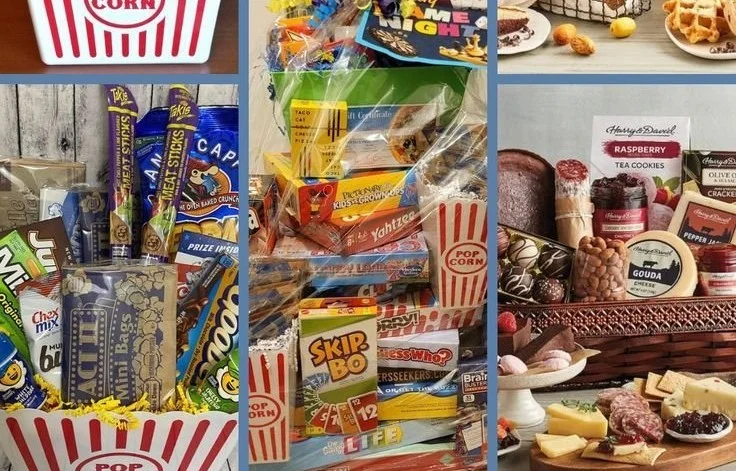
79+ Creative Auction Basket Ideas For Fundraisers & Raffles
79+ Creative Auction Basket Ideas For Fundraisers & Raffles
Putting together appealing auction baskets is one of the most effective ways to boost raffle ticket sales and generate excitement at fundraisers. Whether you’re aiming for family-friendly bundles, luxe packages, or practical theme sets, having a wide variety of attractive options helps donors find something they truly want. For inspiration beyond this list, check out this roundup of gift basket ideas for raffles to see real examples and presentation tips.
Below are more than 79 creative auction basket ideas organized by theme to make planning easier. Each category includes suggested items and presentation tips so your volunteers can assemble high-value, eye-catching baskets quickly.
How to choose and present baskets
- Match baskets to your audience: school families, sports fans, community members, or corporate donors will prefer different themes.
- Aim for a clear “centerpiece” item worth at least 30–50% of the basket’s perceived value (e.g., a weekend stay, high-end kitchen gadget, or premium gift card).
- Use cohesive colors, branded ribbons, and a simple sponsorship card describing items and estimated value.
- Include a raffle display sign with suggested uses or who would love the basket to help bidders imagine owning it.
- Consider offering both physical baskets and experience bundles to attract a wider range of bidders.
Food & Drink (12 ideas)
- Gourmet coffee and pastries set: premium beans, flavored syrups, a pour-over or French press, and a gift card to a local bakery.
- Wine and cheese evening: two bottles of wine, artisanal cheeses, crackers, and a wine opener.
- Craft beer sampler: six-pack selection, branded pint glasses, and snack pairings.
- Chocolate lover’s basket: assorted truffles, drinking chocolate mix, and a chocolate-making kit.
- Breakfast at home: pancake mix, maple syrup, gourmet jams, and a cute serving set.
- International flavors: olive oil, balsamic reduction, pasta, and imported sauces.
- Tea time: loose-leaf teas, infuser, honey, and scones mix.
- BBQ master kit: rubs, sauces, spatula, and grill gloves.
- Pizza night basket: pizza stone, specialty flours, pizza cutter, and a gift card to a local pizzeria.
- Movie snacks and cozy blankets: popcorn, candy, soda, and a soft throw.
- Baking essentials: silicone baking mats, cookie cutters, premium vanilla, and a cookbook.
- Pantry staples bundle: quality olive oil, vinegars, spices, and a recipe card set.
Self-care & Spa (10 ideas)
- At-home spa day: bath salts, face masks, scented candles, and plush towels.
- Men’s grooming kit: shave cream, brush, aftershave, and beard oil.
- Aromatherapy set: diffuser, essential oils, and a relaxation guide.
- Sleep well basket: silk pillowcase, herbal tea, and eye mask.
- Skincare sampler: cleanser, serum, moisturizer, and a jade roller.
- Yoga wellness: mat, blocks, resistance band, and class vouchers.
- Mani-pedi kit: polishes, tools, and a voucher for a local salon.
- Fitness recovery: massage gun or foam roller, cooling gel, and towels.
- Mindfulness basket: guided journal, calming stones, and a book on meditation.
- Couples’ relaxation pack: two robes, bath bombs, and a romantic playlist card.
Family & Game Night (8 ideas)
- Board game bundle: popular family games, snacks, and scorepads.
- Outdoor adventure: picnic blanket, portable speaker, and yard games.
- Craft night kit: paints, canvases, brushes, and a how-to guide.
- Movie night package: streaming gift card, popcorn set, and cozy socks.
- Puzzle lovers’ basket: multiple puzzles, magnifier, and tea.
- Date night in: recipe cards, wine, and dessert mix.
- Cooking for kids: kid-friendly utensils, aprons, and simple recipe cards.
- Backyard camp-out: small tent, lantern, and s’mores supplies.
Kids & Baby (8 ideas)
- Newborn essentials: swaddle, onesies, soft toys, and a baby blanket.
- Toddler fun pack: board books, blocks, and a plush animal.
- Creative kids’ kit: coloring sets, stickers, and craft supplies.
- Family reading nook: children’s books, cushions, and a reading lamp.
- Outdoor play basket: chalk, bubbles, and outdoor toys.
- Baby shower-themed gift: decorative items and treats tailored for new parents. See ideas for party food when pairing such baskets with refreshments in this helpful guide to baby shower food ideas.
- Educational toys: STEM kits or interactive learning games.
- Bedtime comfort set: nightlight, bedtime storybook, and sleepy-time tea for parents.
Home & Garden (8 ideas)
- Herb gardener: pots, seeds, soil, and pruning tools.
- Cozy home essentials: throw pillows, candle, and decorative tray.
- Kitchen gadget pack: air fryer accessories, measuring tools, and silicone utensils.
- Scented home bundle: room sprays, diffusers, and wax melts.
- DIY home repair kit: quality tools, tape measure, and fix-it guide.
- Houseplant starter: low-maintenance plants, potting mix, and care instructions.
- Seasonal décor set: wreath, candle, and table runner.
- Coffee table styling: curated books, coasters, and a decorative bowl.
Hobby & Sports (8 ideas)
- Golf lovers’ basket: balls, tees, glove, and a round voucher.
- Photography fan kit: mini tripod, lens cloth, and a photo-print gift card.
- Arts & crafts supplies: specialty papers, brushes, and instruction book.
- Cycling essentials: water bottle, lights, and a repair kit.
- Fishing set: tackle box, lures, and a local fishing license voucher.
- Music lover’s pack: concert tickets, band merch, and a playlist card.
- Knitting starter: yarn, needles, and pattern book.
- Running essentials: headlamp, hydration belt, and reflective gear.
Experience & Ticket Bundles (6 ideas)
- Staycation package: local hotel night, dinner gift card, and sightseeing map.
- Theater night: two tickets, restaurant voucher, and parking pass.
- Adventure day: zipline, climbing gym, or outdoor excursion vouchers.
- Class bundle: cooking, art, or fitness class passes.
- Spa certificate and afternoon tea combo.
- Sports tickets plus tailgate kit: team swag and snacks.
Holiday & Themed (6 ideas)
- Valentine’s date night: chocolates, wine, and love-themed décor.
- Thanksgiving hostess set: gravy boat, spices, and decorative napkins.
- Back-to-school survival: backpacks, stationery, and snacks.
- Summer BBQ pack: picnicware, sauces, and a cooler tote.
- Holiday cookie exchange: cookie cutters, mixes, and storage tins.
- Winter warm-up: hot cocoa, mittens, and a knit scarf.
Luxury & Pamper (6 ideas)
- Designer perfume and accessories set.
- High-end tech accessories: premium headphones, charging dock, and case.
- Fine dining experience: gift certificate to a top restaurant and a bottle of bubbly.
- Jewelry and styling consultation voucher.
- Weekend getaway with curated itinerary.
- Premium watch or handbag presentation.
Miscellaneous & Practical (8 ideas)
- Pet lovers’ basket: toys, treats, and grooming items.
- Car care kit: interior cleaner, wax, and microfiber towels.
- Teacher appreciation: classroom supplies, gift cards, and thank-you notes.
- New homeowner essentials: toolset, welcome mat, and local services directory.
- Volunteer appreciation: personalized keepsakes and gift certificates.
- Office productivity set: desk organizer, planner, and coffee tumbler.
- College survival kit: gift cards, shower caddy, and quick meals.
- Community sports booster: signed merchandise, season passes, and sponsor plaque.
Final tips for success
- Group similarly valued items to create multiple ticket price tiers.
- Ask local businesses to donate centerpiece items or sponsor a basket to increase perceived value and reduce costs.
- Display baskets attractively with clear signage and ingredient/allergy notices for food items.
- Collect donor information for each donated item so you can properly thank sponsors and advertise their businesses.
Conclusion
To support your raffle visuals, consider using curated royalty-free images tailored to food-related baskets such as these charity food images to make display cards and online listings pop. For community event examples and layout inspiration, review publications like this local newsletter from The Pagosa Springs SUN – Creative Circle Media Solutions.

30+ Genius Parenting Hacks That Make Parenting So Much Easier
30+ Genius Parenting Hacks That Make Parenting So Much Easier
Parenting is rewarding, exhausting, creative and chaotic — often all at once. These practical, tested hacks are designed to save time, reduce stress, and help you get more joy (and less mess) out of everyday family life. If you’re monitoring household costs, one helpful read is about how much you spend on baby soap each year, which can spark ideas for small but meaningful savings.
Below are 30+ tips organized by category so you can find the ones that fit your family’s needs.
Organization & Routines
- Create a “launchpad” by the door: basket for backpacks, a bin for shoes, and a hook for jackets.
- Use clear shoe boxes for seasonal clothes — label the outside with a photo of the contents.
- Set up a weekly pillbox-style organizer for kids’ spare socks and underwear to prevent morning meltdowns.
- Install a magnetic strip on the inside of a cabinet door to hold bobby pins, hair ties, and small items.
- Use color-coded bins for toys (e.g., red for cars, blue for blocks) so cleanup becomes a game.
Sleep & Bedtime
- Create a consistent wind-down ritual (bath, book, soft music) and keep it under 30 minutes.
- Use a soft nightlight with a timer rather than a switch — it’s less jarring for middle-of-the-night wake-ups.
- Put a white noise machine in older kids’ rooms to muffle household sounds and help them fall asleep.
- Label pajama drawers by day (Mon–Sun) to simplify morning dressing.
- Freeze a small water bottle and use it as a “cold pack” for hot sleepers instead of chilled sheets.
Meals, Snacks & Feeding
- Use a muffin tin to serve a balanced snack tray — sections make them feel like a mini buffet.
- Pre-portion smoothies into reusable pouches and freeze; thaw in the morning for grab-and-go nutrition.
- Turn cooking into a lesson by letting kids measure small ingredients — it builds skills and patience.
- Freeze leftover purees in ice cube trays for quick additions to meals or breastmilk/formula mixes.
- Involve kids in lunch prep and try simple, fun combos; for more ideas that get veggies in little ones’ hands, try these recipes kids can make that include veggies.
Travel & Outings
- Pack an “emergency outfit” in every diaper bag or stroller — one clean change per child avoids panic.
- Keep a small zip bag of first-aid basics and a list of local urgent-care centers in your phone.
- Use a stroller organizer for phone, snacks, and wipes so you aren’t digging at the park.
- Bring disposable placemats (or a packable plastic sheet) for restaurant tables and messy picnics.
- Put a lightweight blanket in a bag pocket — it doubles as shade, a changing surface, or a nap spot.
Cleaning & Laundry
- Keep a small spray bottle of diluted baby-safe cleaner in the kitchen to tackle quick messes.
- Use mesh laundry bags for small items like socks or hair bows so they don’t disappear.
- Pre-treat stains immediately with a bar soap rub or stain pen — it often eliminates the need for extra wash cycles.
- Have a designated “drying” hook for damp swimming suits so they don’t mix with clean clothes.
- Use a shower caddy to carry bath toys to and from the tub — it dries faster and reduces mildew.
Safety & Health
- Put a childproof lock on low cabinets with chemicals and also store commonly used items up high.
- Keep a consistent spot for thermometers, bandages, and medicines so emergencies don’t start with hunting.
- Use a brightly colored sticker on medicine bottles to indicate dosing instructions and make them easy to spot.
- Teach kids a secret family password for pickup situations so they can verify trusted adults.
- Anchor furniture to the wall and use cord shorteners on blinds to prevent accidents.
Learning & Play
- Turn laundry folding into a matching game for toddlers who enjoy pairing socks.
- Use a portable dry-erase board in the car for road-trip games and practicing letters.
- Create a rotating “activity jar” with slips of paper: crafts, science experiments, or family dance-off.
- Reuse cardboard boxes as forts, puppet theaters, or art stations — cheap and endlessly adaptable.
- Assign kids simple daily chores with small rewards to build responsibility and confidence.
Stress Relief for Parents
- Schedule a 15-minute “buffer” every evening where each grown-up does a low-effort self-care activity.
- Keep a mini stash of your favorite snack and a travel mug for hot coffee moments during naps.
- Use a shared family calendar app and assign one person weekly to be the “planner” for events.
- Batch outings: combine grocery runs, library visits, and park time to minimize repeated trips.
- Accept imperfection: pick three non-negotiables each day (sleep, food, connection) and let the rest go.
Quick Fixes & Clever Reuse
- Use washable training pants with a waterproof cover for night training to save on disposables.
- Turn an old picture frame into a dry-erase chore chart with a printed template behind glass.
- Use a clip-on fan to keep a stroller or crib area cooler during hot days (away from direct reach).
- Keep a few inexpensive plastic tablecloths for impromptu messy projects — then toss or wash.
- Repurpose baby food jars for storing small craft supplies, snacks, or travel condiments.
These hacks are meant to spark ideas — pick the ones that fit your family’s rhythm and try them for a few weeks to see what sticks. Small changes compound quickly.
Conclusion
For hotel-specific travel tricks you can use on family trips, this roundup of 30+ Genius Hotel Room Hacks for Travelling with Kids – Mini Jetsetter is a practical companion to the travel tips above. If you’re focused on the budget side of parenting, this list of 15 Money-Saving Parenting Hacks That Are Pretty Genius – BuzzFeed offers clever ways to stretch your parenting dollars.

25 Girls Haircuts Trending on Instagram in September 2026
25 Girls Haircuts Trending on Instagram in September 2026
As autumn approaches, Instagram is buzzing with fresh takes on classic cuts, bold new textures, and soft, sustainable styles. Whether you’re after low-maintenance shapes or statement looks for photos, these 25 haircuts dominated feeds in September 2026. If you’re balancing style with family life, you might also find practical parenting reads helpful, for example how to respond when a baby rolls onto their stomach while sleeping.
Below are the trending cuts, what makes them popular, and quick styling notes so you can decide which suits your vibe.
- The Modern Shag — Choppy layers with curtain bangs for movement and an undone finish.
- Blunt Bob with Glassy Ends — Precision cut that pairs with smoothing serums for a reflective finish.
- Micro Bob — Super-short bob hugging the jawline; ideal for bold facial features.
- Textured Lob — Long bob with razor-cut texture for effortless waves.
- Curtain Bangs + Long Layers — Face-framing bangs that grow out gracefully with long layers.
- Pixie with Soft Fringe — Feminine pixie that keeps hair light but soft around the forehead.
- Razor Cut Mullet — Modern mullet softened with feathered layers for versatility.
- Curly Crop — Cut to enhance natural curl pattern with shorter sides and defined top.
- Layered S-Curve Bob — S-shaped layers for a romantic, vintage-inspired silhouette.
- The Y2K Shag — Nineties revival with chunky layers and plenty of texture.
- Angled Bob — Shorter in back, longer at the front for dramatic profile definition.
- Short Blunt with Side Sweep — Minimal lines paired with a long side fringe for balance.
- Long Blunt Cut with Face-Framing Layers — Straight, heavy ends with subtle layers to soften.
- Feathered Shoulder Cut — Soft, feathery ends at shoulder length for movement in photos.
- Asymmetrical Bob — One-side-longer bob for a contemporary, editorial edge.
- Modern Bowl Cut — Softened bowl with choppy ends to avoid geometric starkness.
- Pixie-Mullet Hybrid — Tiny top with elongated back for playful contrast.
- Wispy Bangs + Medium Shag — Thin bangs that blend seamlessly into layers.
- Soft Undercut with Long Top — Edge underneath for coolness, long top for styling variety.
- Clavicle-Length Waves — Timeless length that photographs beautifully with loose waves.
- Blunt Bangs with Long Layers — Heavy bangs offset by long, flowing layers.
- Tousled Lob with Money Pieces — Subtle face-brightening highlights and a lived-in texture.
- Short Curly Bob — Structured length tailored to curl volume and shape.
- Long Layers with Curtain Fringe — Long, glossy layers paired with airy curtain fringe.
- Eco-Friendly Grow-Out Cut — Minimal cutting, focus on healthy ends to support sustainable hair goals.
Styling notes and maintenance
- Ask your stylist for a shape that suits your daily routine: shorter cuts can be lower maintenance but may require more frequent trims.
- Use heat protection and lightweight oils to preserve shine without weighing textures down.
- For color trends paired with these haircuts, Instagram shows a leaning toward soft natural tones, lived-in balayage, and gentle pastel accents rather than stark high-contrast color blocking.
- If you’re a parent experimenting with a new style, consider how bedtime and baby routines might impact your haircare schedule; a helpful resource discusses the best sleeping positions for your baby and can help you plan evening routines that leave time for styling.
Quick pick suggestions
- Low effort + high style: Textured lob, curtain bangs + long layers.
- Bold statement: Angled bob, asymmetrical bob, or modern bowl cut.
- Curly hair favorite: Curly crop or short curly bob tailored to your curl pattern.
- Photo-ready: Blunt bob with glassy ends or clavicle-length waves for glossy shots.
Stylist tips to ask for at the salon
- Show photos and specify how much time you’re willing to spend styling daily.
- Ask about layering technique and how it will affect thickness or volume.
- Confirm how often trims will be needed to maintain the look you want.
Conclusion
If you want to coordinate seasonally with your campus calendar or plan around local events, check the UVA Wise academic calendar for dates that might inspire a back-to-school refresh. For trend spotting and event-driven hairstyle inspiration tied to major occasions, the Official 2026 US Open Tennis Championships site also highlights looks and celebrity styles that often influence Instagram trends.

20 Kid Friendly Dinner Recipes (Picky Eaters will Love)
20 Kid-Friendly Dinner Recipes Picky Eaters Will Love
Getting dinner on the table for picky eaters can feel like a daily battle. The trick is to balance familiar flavors, fun presentation, and small tweaks that sneak in nutrition without drama. If you love chicken-based mains, start by exploring these kid-friendly chicken recipes to build a reliable weeknight rotation. Below are 20 unique dinner ideas, each with quick tips to make them more appealing to kids.
Cheesy Baked Pasta Cups
Mini pasta nests filled with sauce, cheese, and a tiny bit of pureed vegetables—perfect for hands-on eaters.Hidden-Veggie Meatballs
Beef or turkey meatballs with finely grated carrots and zucchini mixed in; serve with a mild tomato dip.Sheet Pan Chicken Fajitas
Colorful peppers and strips of chicken roasted together; let kids assemble their own tortillas.BBQ Pulled Chicken Sliders
Slow-cooked chicken shredded with a mild BBQ sauce and served on soft buns—easy to customize.Creamy One-Pot Mac and Cheese with Cauliflower
Classic mac and cheese with cauliflower blended into the sauce for extra nutrition and creaminess.Crispy Air-Fryer Fish Sticks
Homemade panko-crusted fish sticks that are crunchy without deep frying; pair with yogurt-based tartar.Pizza Bagel Bar
Mini bagels with sauce, cheese, and a selection of simple toppings so kids can create their own.Cheesy Taco Rice Bowls
Seasoned ground meat over rice with cheese and mild salsa; serve components separately for picky eaters.Chicken and Veggie Quesadillas
Soft tortillas with melted cheese and tiny chopped chicken and peppers—cut into triangles for dipping.Baked Ziti with Hidden Spinach
A classic baked ziti with finely chopped spinach folded into the ricotta and sauce.Mini Shepherd’s Pies
Individual portions of savory meat and vegetable filling topped with whipped potato — fun and comforting.Sloppy Joe Stuffed Sweet Potatoes
Sweet potatoes baked and topped with a savory sloppy joe mix for a twist on a retro favorite.Breakfast-for-Dinner Pancake Roll-Ups
Savory pancakes filled with scrambled eggs and cheese—easy to pick up and eat.Turkey and Cheese Pinwheels
Soft tortillas spread with cream cheese, layered with turkey and cheese, rolled and sliced into pinwheels.Simple Stir-Fry Noodles
Soft noodles tossed with a mild sauce and thin strips of chicken or tofu plus colorful veg cut small.Baked Parmesan Chicken Tenders
Oven-baked tenders with a crisp, cheesy coating—great with a side of roasted carrots cut into coins.Veggie-Loaded Sliders
Mini beef or black bean patties with finely diced mushrooms and carrots mixed into the patty.Creamy Tomato Soup and Grilled Cheese Dippers
Make the soup extra smooth and serve with petite grilled cheese sticks for dunking.Salmon Patties with Lemon Yogurt Dip
Lightly seasoned salmon cakes pan-fried until golden; the cool yogurt dip keeps flavors mellow.Build-Your-Own Burrito Bowls
Provide rice, beans, mild seasonings, cheese, and simple toppings so kids can pick only what they like.
Practical Tips for Serving Picky Eaters
- Keep portions small and the first bite familiar (cheese, plain pasta, or a favorite sauce).
- Present food in fun shapes or individual portions to increase interest.
- Use mild seasonings and offer stronger condiments on the side so kids feel in control.
- Introduce one new ingredient at a time paired with a known favorite.
- Let kids help with prep—choosing toppings or stirring increases their willingness to try.
Quick Weeknight Prep Strategies
- Double recipes and freeze individual portions for busy nights.
- Roast a mix of vegetables at the start of the week to add to multiple meals.
- Use multicooker or sheet pan methods to minimize cleanup.
- Keep a few short ingredient lists (cheese, tortillas, rice, pasta) on hand for quick assemblies.
Appetizers and Sides Kids Actually Eat
Start meals with small bites that are familiar and non-threatening; for more ideas on light starters, check out these kid-friendly appetizers that pair well with many mains.
Conclusion
For more collections of family-friendly dinners that picky eaters tend to enjoy, browse this roundup of easy kid-friendly dinners for picky eaters with simple ingredient lists and tested ideas. If you prefer fuss-free, minimal-prep meals, this set of lazy dinner recipes for your picky family offers quick options that still satisfy kids and adults.
12 Genius Sloped Yard Play Area Ideas for Kids
12 Genius Sloped Yard Play Area Ideas for Kids
Sloped yards can be a design headache — or a creative advantage. With a little planning you can transform a hill into an adventure-filled, safe, and low-maintenance play zone that kids will love. If you’re organizing outdoor time around meal breaks, you might also appreciate this roundup of cold lunch ideas for kids to keep energy up between play sessions.
Here are 12 clever, practical ideas to make the most of a sloped yard.
- Terraced Play Platforms
- Build a series of flat terraces using retained soil or low retaining walls. Each level can host a different activity: swings, sandbox, climbing area, and seating. Terracing reduces erosion and creates safe, comfortable spaces.
- Hillside Slide
- Mold a gentle berm and install a fixed slide or a natural wooden chute. Use soft fall surfacing at the slide exit and ensure the slope is gradual enough for safe landings.
- Adventure Steps and Stepping Stones
- Carve wide, non-slip steps into the slope or scatter oversized stepping stones. This encourages balance and coordination and can create a fun route from top to bottom.
- Natural Climbing Boulders
- Anchor large, embedded boulders into terraces for scrambling and climbing. Choose rounded edges and ensure secure installation to prevent tipping.
- Mini Zipline or Cable Run
- Install a short, low-height zipline between two sturdy anchor points (trees or posts). Keep the speed low, provide clear run-out space, and add impact-absorbing surfacing underneath.
- Treehouse or Elevated Platform
- Use existing trees or sturdy posts to create a platform that opens onto the slope. Add railings, ramps, or a rope bridge to connect to other play zones.
- Runnel Water Play
- If drainage allows, create a shallow water runnel that follows the slope for little boats and water play. Use a recirculating pump for sustainability and avoid standing water.
- Sand Pit on a Level Shelf
- Carve out a flat shelf and frame a deep sandpit with timber edging. Position it where runoff won’t carry contaminants and cover it to keep animals out.
- Natural Play Garden with Logs and Plants
- Integrate logs, stumps, and boulders among native plantings to create a nature play area. Use non-toxic, low-maintenance plants and design sightlines so supervising adults have clear views.
- Retaining Wall Seating and Swing Bays
- A low retaining wall can double as seating for caregivers and a sturdy anchor for bench swings or a sheltered play nook above.
- Amphitheater Steps for Storytime
- Carve semicircular steps into a gentle slope to form a tiny amphitheater — perfect for group play, puppet shows, or quiet reading time.
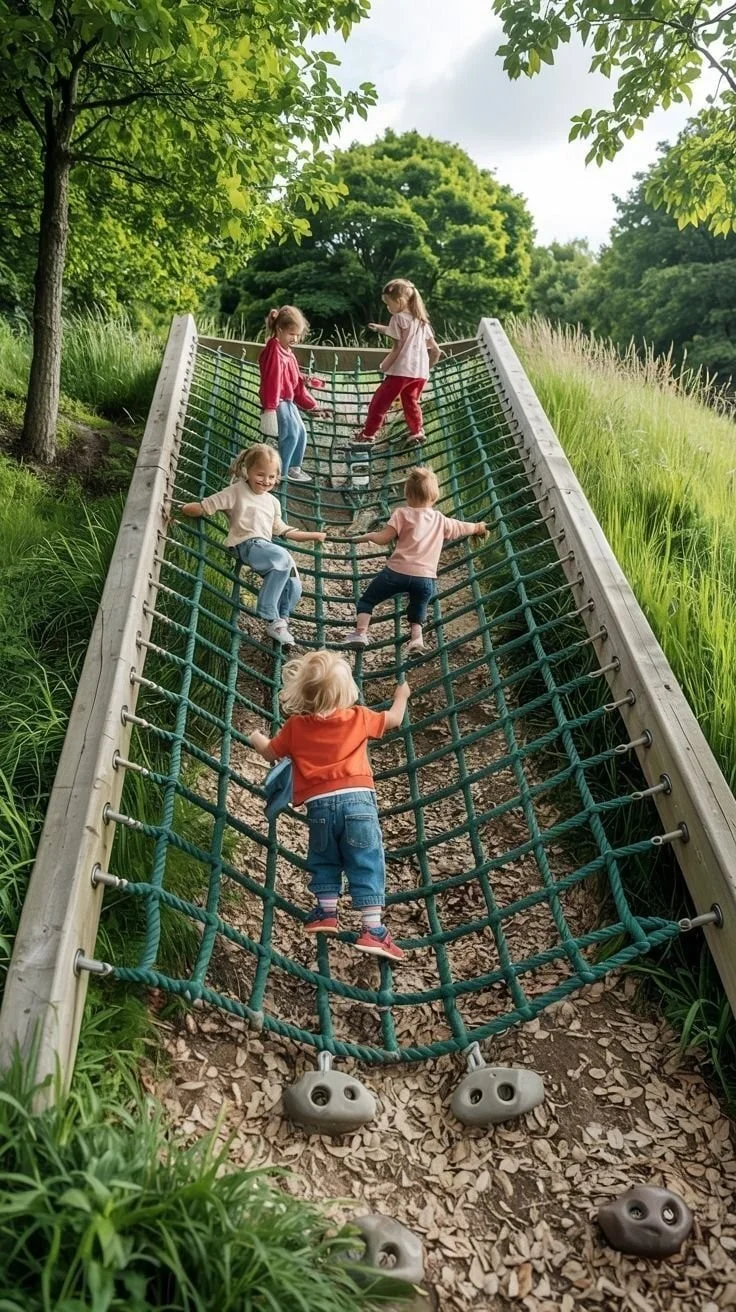
- Rope Bridges and Balance Trails
- String low rope bridges or balance beams between terraces. Use safety-rated ropes and keep heights age-appropriate.
Design and Safety Tips
- Surfacing: Use impact-absorbing materials (rubber mulch, engineered wood fiber, or poured rubber) under high-fall zones like slides and swings.
- Drainage: Direct water away from play surfaces with swales or French drains; avoid channels that funnel water through play areas.
- Planting: Choose hardy, non-toxic plants that stabilize soil. For inspiration on using decorative grasses and groundcovers to hold slopes, consider planting species that require little maintenance.
- Fencing and Barriers: Install low safety rails or plant hedges along steep edges to prevent accidental falls.
- Age Zones: Separate active, high-energy features from calmer areas for toddlers. And don’t forget to plan for snacks and breaks — these kids’ lunch ideas for school can be handy for picnic-style outdoor meals.
- Professional Help: For major terracing, retaining walls, or electrical installations (lighting, pumps), hire a licensed contractor or landscape engineer.
Materials and Maintenance
- Use rot-resistant timbers, galvanized hardware, and durable fasteners.
- Inspect anchor points, ropes, and hardware seasonally.
- Mulch plant beds and repair erosion after heavy rains.
- Choose modular elements (movable boulders, portable play pieces) so you can reconfigure the space as children grow.
Budget-Friendly Options
- Reuse reclaimed timber for steps and framing.
- Source gently used playground equipment from community sales.
- Focus on natural features (logs, stones, plants) for low-cost, enduring interest.
Seasonal Use Ideas
- Add a sled run in winter if your climate allows.
- Plant shade trees or install a sail for summer comfort.
- Use removable covers for sandpits and water features during off-season.
Conclusion
For ideas on how to shape a sloped yard into livable, attractive outdoor space, explore this collection of functional front yard ideas that emphasize usability and style. If you want planting inspiration that helps stabilize slopes while adding texture and movement, read about designing with ornamental grasses in garden projects.
37 Peter Rabbit Baby Shower Ideas for a Charming Celebration
37 Peter Rabbit Baby Shower Ideas for a Charming Celebration
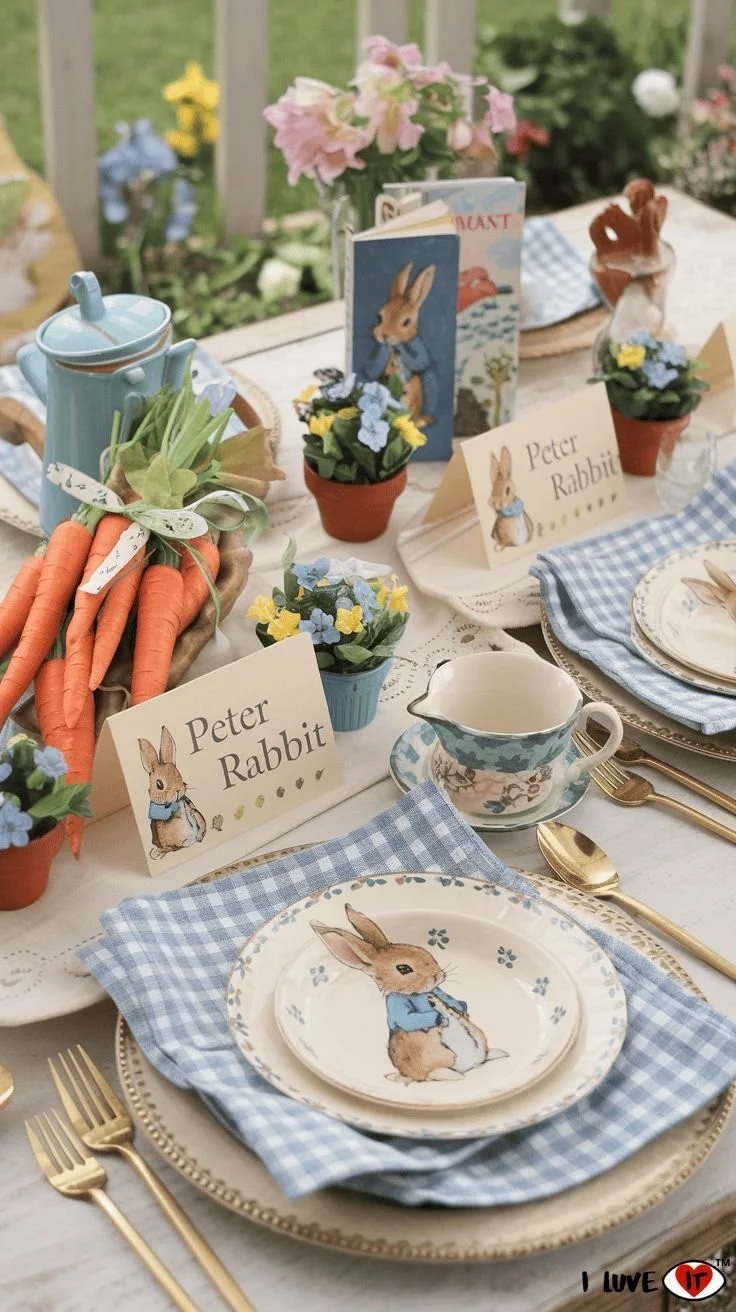
A Peter Rabbit–themed baby shower brings storybook charm, soft pastels, and woodland whimsy to your celebration. Whether you’re planning a small family gathering or a larger fête, these ideas will help you capture the gentle spirit of Beatrix Potter’s beloved rabbit. If you’re collecting keepsake ideas for guests to sign, see this helpful guide about what to write in a book for a baby shower to pair with a storybook guestbook theme.
Below are 37 creative, easy-to-execute ideas organized by category — invitations, decor, food, activities, favors, and finishing touches — so you can pick and choose what fits your budget, space, and time.
Invitations and Paper Goods
- Watercolor Peter Rabbit invitation with soft blues and greens.
- Seed packet invitations that guests can plant later (label them “Pull up a patch for Baby”).
- Printable bunny silhouette RSVP cards to match the theme.
- Storybook-style invite that mimics the cover of a classic children’s book.
- Custom napkin bands or menu cards with rabbit illustrations.
Decor and Atmosphere 6. Soft pastel balloon garlands in mint, sky blue, cream, and pale yellow.
7. A backdrop of vintage floral fabric or wallpaper remnant for photos.
8. Hay bales or wooden crates as rustic display tables.
9. Plush Peter Rabbit and friends scattered as table centerpieces.
10. Mason jars with baby’s breath and sprigs of rosemary for a country feel.
11. A “Mr. McGregor’s Garden” sign to designate the dessert or gift table.
12. Mini chalkboard signs for food labels with playful quotes from Beatrix Potter.
Tablescapes and Centerpieces 13. Teacups and saucers stacked with small arrangements for an afternoon-tea vibe.
14. Terracotta pots filled with edible flowers or faux seedlings.
15. Storybook stacks tied with ribbon topped by a small rabbit figurine.
16. Carrot-shaped place-card holders for each guest.
Food and Drink 17. Carrot cake or carrot cupcakes with cream cheese frosting and a miniature fondant carrot.
18. “Garden” veggie platter arranged like a patch with hummus “soil.”
19. Tea station with assorted herbal teas, finger sandwiches, and scones.
20. A savory tart that nods to Mr. McGregor’s garden — leek and goat cheese tartlets.
21. Bunny sugar cookies decorated with royal icing in pastel tones.
22. A baby-name cake topper or storybook-inspired cake featuring Peter Rabbit illustrations.
Activities and Entertainment 23. Storytime corner where someone reads Beatrix Potter tales aloud to guests.
24. Plant-a-seed station where guests pot a small herb or flower to take home.
25. Photo prop basket with ears, tails, and vintage frames for a playful booth.
26. Advice cards or wishes for baby placed in a keepsake storybook.
27. A gentle scavenger hunt for littler guests themed around garden items.
28. If you want interactive but low-pressure activities, try these creative baby shower activities (not games) that everyone can enjoy.
Favors and Thank-Yous 29. Mini jars of jam or honey with a custom “Thank you” tag featuring a rabbit illustration.
30. Seed packets labeled “Grow with baby” for guests to plant.
31. Handmade soap bars wrapped in floral paper for a boutique favor.
32. Little burlap bags filled with chocolate carrots or sugared almonds.
33. Personalized bookmarks with a baby shower date and a favorite Beatrix Potter quote.
Styling Tips and Final Touches 34. Layer textures — lace, linen, and wood — to achieve a timeless cottagecore look.
35. Keep color palette cohesive: choose two main shades and one accent for a polished display.
36. Use vintage props (old watering cans, children’s wooden toys) to add authenticity.
37. Create a quiet corner with a comfy armchair and soft throw where guests can relax and mingle.
Quick Planning Checklist
- Choose your color palette and invite style first to set the tone.
- Prioritize 3–4 signature elements (e.g., a storybook guestbook, carrot desserts, a tea station, and seed-packet favors).
- Assemble a small team of helpers for setup, food prep, and running activities so you can enjoy the shower.
With these ideas, you can build a cohesive, storybook-inspired celebration that’s as sweet and memorable as Peter Rabbit’s adventures. Focus on soft details, edible garden elements, and a few handcrafted touches to bring the theme to life without overwhelming yourself.
Conclusion
For visual inspiration and real-life party setups, check out this charming example from Haute Apple Pie’s Peter Rabbit baby shower, which showcases creative decor and styling. Another lovely reference is the detailed Beatrix Potter celebration featured on Life at Cloverhill’s Beatrix Potter baby shower, helpful if you want to replicate vintage touches and storybook details.

14 Easy Meals Kids Can Make
14 Easy Meals Kids Can Make
Cooking with children builds confidence, teaches basic kitchen skills, and can turn mealtime into quality time. Below are 14 simple, safe, and tasty meals that kids can make with a bit of supervision. If you’re looking for options that help hide or spotlight vegetables, check out these recipes kids can make that include veggies for more inspiration.
Tips before you begin
- Always match tasks to the child’s age and skill level: toddlers can wash produce and stir, school-age kids can measure and assemble, and older kids can handle simple stove or oven tasks with supervision.
- Keep kid-sized tools available (small rolling pins, measuring spoons) and a safe workspace.
- Teach simple hygiene: hand-washing, tying back long hair, and safe handling of knives (use a child-safe knife or teach the “bear claw” grip).
- Make cleanup part of the process so kids learn responsibility and kitchen order.
The 14 easy meals
- Yogurt Parfait
- What to do: Layer yogurt, fruit, and granola in a cup. Let kids pick fruit combinations.
- Skills taught: Layering, portion control.
- Mini Pita Pizzas
- What to do: Spread sauce on pita, sprinkle cheese and toppings, bake until bubbly (adult handles oven).
- Skills taught: Spreading, simple assembly, choosing toppings.
- Peanut Butter Banana Roll-Ups (or sunflower butter)
- What to do: Spread nut or seed butter on a tortilla, place banana, roll and slice.
- Skills taught: Spreading and rolling; safe for younger kids.
- English Muffin Breakfast Sandwiches
- What to do: Toast muffins, add scrambled eggs, cheese, and ham or veggies. Older kids can make eggs on stovetop with supervision.
- Skills taught: Toasting, assembling, egg cooking basics.
- Ants on a Log
- What to do: Fill celery sticks with cream cheese or peanut butter, top with raisins.
- Skills taught: Spreading and fine motor skills.
- Quesadillas
- What to do: Sprinkle cheese and fillings on a tortilla, top with another tortilla, heat briefly in pan with adult supervision, then cut into wedges.
- Skills taught: Measuring, griddling with help, safe cutting.
- Smoothie Bowls
- What to do: Blend frozen fruit with a bit of milk or yogurt, pour into a bowl and decorate with seeds, nuts, or fruit.
- Skills taught: Blending (adult handles blender), creative plating.
- No-Bake Energy Bites
- What to do: Mix oats, nut/seed butter, honey, and mix-ins, roll into balls and refrigerate.
- Skills taught: Measuring, mixing, rolling.
- Veggie Wraps
- What to do: Lay out whole-wheat tortilla, add hummus, shredded carrots, cucumber, and roll tightly.
- Skills taught: Spreading, rolling, choosing balanced fillings.
- Baked Potato Bar
- What to do: Microwave or bake potatoes (adult handles heat), kids top with cheese, broccoli, chili, or yogurt.
- Skills taught: Topping choices, portioning.
- Simple Stir-Fry (for older kids)
- What to do: With adult supervision, sauté pre-cut veggies and protein, add a simple sauce, serve with rice.
- Skills taught: Stirring, timing, stovetop safety.
- Fruit & Cheese Kabobs
- What to do: Thread chunks of fruit and cheese onto skewers (use blunt or short skewers for safety).
- Skills taught: Patterning, fine motor skills.
- Open-Faced Tuna or Chickpea Salad Sandwich
- What to do: Mash canned chickpeas or mix tuna with mayo/yogurt, spread on bread and add lettuce or tomatoes.
- Skills taught: Mashing, mixing, assembling.
- Homemade Ramen Upgrade
- What to do: Start with instant ramen; kids can add veggies, an egg (soft-boiled by adult), and proteins to upgrade nutrition.
- Skills taught: Customizing, seasoning.
How to adapt for picky eaters
- Let them choose one new topping to try alongside familiar favorites.
- Give two options for a component (e.g., cheese or avocado) so they feel control.
- Involve kids in grocery shopping or picking a vegetable at the market to increase buy-in.
Make it a learning activity
- Use measuring tools to teach fractions and counting.
- Talk about colors, textures, and where foods come from.
- After cooking, extend the fun with a creative project like these fun and easy crafts for kids that pair well with a kitchen-themed afternoon.
Safety reminders
- Keep a first-aid kit handy and teach what to do if a minor cut occurs.
- Store knives and hot pans out of reach when not in use.
- Teach kids to turn pot handles inward and to use oven mitts.
Conclusion
If you want a ready-made list of kid-friendly dishes with step-by-step instructions, this detailed roundup of 14 easy meals for kids complements the ideas above with photos and printable directions. For more family-friendly recipes that encourage kids to help in the kitchen, see this collection of 40 easy recipes you can cook with your kids, which includes options even picky eaters will enjoy.