
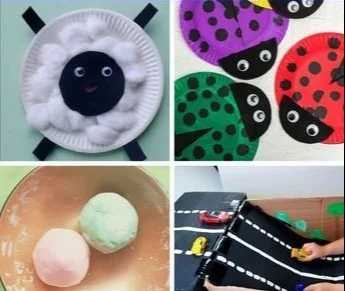
50 Best activities for 18 month old toddlers at home
50 Fun Activities for Your 18 Month Old at Home
As a parent, finding engaging activities for your little one can sometimes feel like a daunting task. You want to nurture their curiosity and energy while also providing them with safe and fun experiences. Here you’ll find a list of 50 entertaining and educational activities that you can easily do at home with your 18-month-old toddler. These activities are designed to promote development, encourage creativity, and keep those little hands busy!
1. Sensory Bins
Create a sensory bin filled with rice, beans, or pasta. Add small toys for your toddler to discover. It’s a great way to engage their senses and improve fine motor skills!
2. Finger Painting
Set up a finger painting station with washable paints. Encourage your toddler to get messy and express their creativity. Don’t forget to capture those masterpieces!
3. Play Dough Fun
Making play dough together can be a bonding experience. Once it’s ready, use cookie cutters to make fun shapes and animals.
4. Story Time
Reading to your child is crucial for language development. Choose colorful board books and make it interactive by letting them turn the pages.
5. Building Blocks
Stacking blocks helps develop hand-eye coordination. Challenge your toddler to build a tower and see how high they can go!
6. Music Time
Sing songs and dance together. You can use instruments like shakers made with plastic bottles filled with rice. It’s a great way to encourage rhythm and movement.
7. Nature Walk
Take a walk in your backyard or local park. Collect leaves, rocks, and sticks. Talk about what you see, and make it a mini-adventure!
8. Color Sorting
Provide different colored objects and a few containers. Help your child sort the objects by color. This can boost their recognition skills and cognitive development.
9. Puddle Jumping
If it’s rainy outside, put on their rain boots and go puddle jumping! It’s a fun way to enjoy the weather and expend some energy.
10. Kitchen Band
Make music using pots, pans, and wooden spoons. This playful activity promotes creativity and rhythm.
11. Bubble Play
Blow bubbles outside and encourage your toddler to pop them. This simple activity can keep them entertained for a long time!
12. DIY Obstacle Course
Set up a mini obstacle course in your living room. Use cushions, pillows, and blankets to create a fun challenge for them to crawl over or through.
13. Pretend Play
Set up a play kitchen or use household items for pretend play. Foster their imagination with role-playing activities.
14. Planting Seeds
Let your toddler plant seeds in small pots. Watering and watching them grow will teach patience and responsibility.
15. Scavenger Hunt
Design a simple scavenger hunt around your home. Use pictures for items they need to find. It’s an engaging way to encourage exploration.
16. Shape Matching
Create cut-out shapes and have your toddler match them. It’s not only fun but also supports their cognitive skills.
17. Cardboard Creations
Recycle cardboard boxes to create cars, houses, or anything their imagination desires. This is a fantastic hands-on activity!
18. Puppetry
Use socks or paper bags to create puppets. Act out short stories or make your own. It develops language skills and sparks creativity.
19. Water Play
Fill a bin with water and let your toddler play with cups and small toys. Supervised water play can be both fun and soothing.
20. Photo Album Fun
Go through a family photo album and talk about the pictures. This helps toddlers recognize familiar faces and reinforces family connections.
21. Dance Party
Have a mini dance party with their favorite songs. Dancing is great for physical activity and fun bonding time.
22. Colorful Chalk Art
If you have outdoor space, let them draw with sidewalk chalk. It’s an excellent way to encourage creativity while enjoying fresh air.
23. DIY Musical Instruments
Make simple instruments out of household items like rice-filled containers or milk jug drums. Have a jam session together!
24. Nature Art
Collect leaves or flowers, then glue them to paper to make nature art. This combines creativity with the beauty of the outdoors.
25. Balloon Volleyball
Blow up a balloon and gently hit it back and forth with your toddler. It’s a delightful way to enhance hand-eye coordination and encourage teamwork.
26. Matching Games
Create matching cards with family photos or shapes. This subtle learning activity helps with memory and recognition.
27. Obstacle Crawling
Set up a “toddler tunnel” using a cardboard box or pillow fort. Encourage them to crawl through to build gross motor skills.
28. Simple Card Games
Introduce basic card games using a standard deck. Use colorful cards and focus on recognition.
29. Interactive Videos
Find educational videos that make learning fun. Look for shows that encourage your child to dance, sing, or call out answers.
30. Bath Time Play
Make bath time fun with toys, bubbles, and cups. It’s a great sensory experience and a time for exploration.
31. Dress-up Play
Provide old clothes and accessories for an exciting dress-up session. It helps boost their imagination and creativity.
32. Nature Exploration
Create a nature box filled with items like leaves, pinecones, and rocks. Talk about each item and where it came from.
33. Sensory Bottles
Make sensory bottles using water, glitter, and small objects in sealed containers. They’re calming and fascinating for toddlers.
34. Snack Art
Use snacks like fruits and crackers to create pictures on a plate. This encourages creativity and healthy eating!
35. Follow the Leader
Play a fun game of follow the leader. Encourage them to mimic your movements, which helps them develop coordination.
36. Car Wash
Set up a mini car wash for toy cars with soapy water and sponges. This will excite toddlers and help develop fine motor skills.
37. Nature Sounds
Go outside and listen to the sounds of nature. Talk to your toddler about what they hear. It enhances listening skills and appreciation for the environment.
38. Tea Party
Host a pretend tea party with dolls or stuffed animals. Your toddler will love playing host and serving their guests.
39. Balloon Painting
Dip balloons in paint and use them to make colorful art. The process is fun, and the results are often beautiful!
40. Building Forts
Gather blankets and pillows to create a cozy fort in your living room. This not only fosters creativity but also becomes a great reading nook.
41. Photo Scavenger Hunt
Use a camera or phone to take pictures of everyday objects around the house. Encourage your toddler to identify them.
42. DIY Slime
Create a simple edible slime using yogurt and cornstarch. It’s a fun, tactile activity that’s safe for curious hands.
43. Body Movements Game
Call out different actions like “jump” or “spin.” This promotes physical play and language comprehension.
44. Fish in a Bowl
Float toy fish in a bowl of water. Let your toddler fish them out using a scoop or the palm of their hand.
45. Texture Exploration
Set up a touch and feel board with items of various textures. It’s a fun way to explore sensory experiences!
46. Snow Play (If Applicable)
If it’s snowy, bundle them up and play with snow! Building simple snowmen or snowballs can be a joyful experience.
47. Family Shadow Puppets
Create shadow puppets using your hands and a flashlight. It’s an entertaining way to spark imagination.
48. Crayon Rubbings
Collect leaves and place paper over them, using crayons to create rubbings. This activity combines art and nature exploration!
49. Nature Collage
Create a collage using natural materials collected from outside. It’s a creative way to reflect on your outdoor adventures.
50. Classic Hide and Seek
Play a game of hide and seek! It’s a timeless game that helps toddlers learn spatial awareness and is perfect for giggles.
Quick Tips for Success
- Variety is Key: Rotate different activities to keep things fresh and exciting.
- Be Patient: Some activities may take time for your toddler to grasp fully. Celebrate small victories!
- Interactive Involvement: Engage with them during these activities to enhance the experience.
Frequently Asked Questions
What should I consider before starting these activities?
Always ensure that activities are safe and age-appropriate. Supervision is key, especially with messy or potentially hazardous activities.
How often should I do these activities?
Try to include a mix of these activities throughout the week to keep your toddler engaged and learning. Quality time together is essential!
Can I adapt activities for older siblings?
Absolutely! Many of these activities can be adjusted for older kids to join in, enhancing family bonding.
With these 50 engaging activities, you’ll always have something fun to do with your energetic 18-month-old at home. Enjoy the magical moments together!
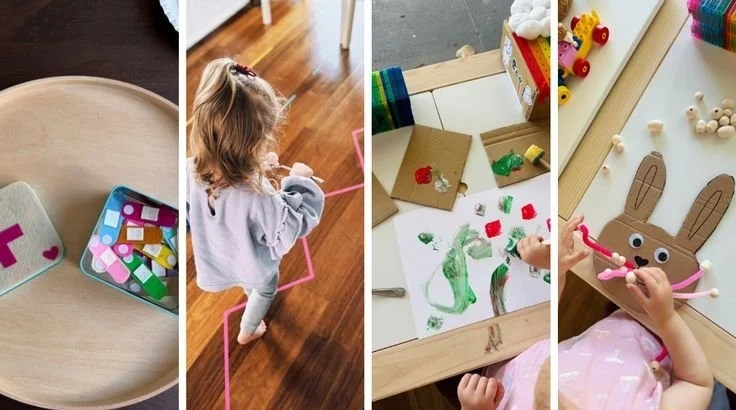
62 Easy Toddler Activities to Help Your Two-Year-Old Learn New Skills
62 Fun Toddler Activities That Spark Learning for Your Two-Year-Old
Are you a busy parent looking for engaging ways to help your two-year-old learn new skills? Finding activities that are both fun and educational can be overwhelming at times. But don’t worry! I’ve gathered a list of 62 easy toddler activities that encourage learning and growth while keeping your curious little one entertained.
Why Engaging Activities Matter
At two years old, children are like sponges, eagerly soaking up new experiences. Engaging activities help develop fine and gross motor skills, enhance cognitive abilities, and improve social interaction. Plus, they create memorable bonding moments between you and your child. Let’s dive into some exciting options!
Creative Arts and Crafts
Finger Painting
- Provide non-toxic paints and let your child explore colors and textures.
Nature Collage
- Collect leaves, flowers, and twigs during a walk and create a fun collage.
Play Dough Fun
- Make homemade play dough and encourage your child to shape and mold their creations.
Sticker Art
- Set up a sticker station with a variety of stickers for your child to arrange on paper.
Craft Sticks Construction
- Use craft sticks to build simple structures together.
Sensory Activities
Sensory Bins
- Fill a container with rice, beans, or sand and hide small toys for your toddler to find.
Water Play
- Fill a basin with water and add cups, scoops, and toys for a splash-tastic time.
Texture Hunt
- Gather items with different textures and let your toddler explore them with their hands.
Bubble Wrap Stomp
- Lay down bubble wrap and let your child jump and stomp to create popping sounds.
DIY Slime
- Make a simple slime recipe and watch your toddler’s excitement as they play with it.
Active Play
Obstacle Course
- Use cushions, chairs, and toys to create a safe indoor obstacle course.
Ball Toss
- Play catch with soft balls to enhance hand-eye coordination.
Dance Party
- Put on some music and have dance-offs. It’s great for physical activity and fun!
Nature Walk
- Explore local parks, counting trees, birds, and other natural landmarks.
Animal Walks
- Imitate different animals with your child (hop like a frog or slither like a snake) to get moving.
Learning Through Play
Storytime with Props
- Use toys to act out stories and enhance understanding and creativity.
Shape Sorting
- Teach shapes by sorting objects using shape sorters or DIY cutouts.
Alphabet Treasure Hunt
- Hide alphabet letters around the house and go on a treasure hunt to find them.
Number Games
- Use everyday objects like blocks to introduce numbers while counting together.
Simple Puzzles
- Choose age-appropriate puzzles to develop problem-solving skills.
Imaginative Play
Pretend Kitchen
- Set up a play kitchen and pretend to cook together, discussing food and recipes.
Dress-Up Fun
- Provide costumes and encourage imaginative role-playing.
Building Forts
- Use blankets and pillows to create a cozy fort and tell stories inside.
Dollhouse Role Play
- Spend time interacting with dolls and figurines to inspire storytelling and social skills.
Car Races
- Create a track for toy cars and have fun racing them together.
Quick Tips For Success
- Keep It Simple: Choose activities that require minimal setup to ensure you both enjoy the moments.
- Follow Their Lead: Let your child’s interests guide the fun. If they love dinosaurs, incorporate that into your activities.
- Be Patient: Learning takes time. Celebrate their successes, big or small.
Mistakes to Avoid
- Over-scheduling: Avoid packing a day full of activities. Your child needs downtime to recharge.
- Too Much Screen Time: Balance screen time with hands-on activities for healthier learning.
- Neglecting Messes: Don’t be afraid to get messy; it’s part of the learning process!
FAQs
What age are these activities suitable for?
Most of these activities are designed for two-year-olds but can be adjusted for younger or older toddlers.
How long should each activity last?
Keep each activity to around 15-30 minutes, depending on your child’s attention span.
Do I need a lot of materials?
Many activities utilize common household items, making them easy and budget-friendly.
Bonus Ideas
If you’re looking for even more inspiration, consider:
- Seasonal Crafts: Celebrate holidays with themed crafts that spark joy and creativity.
- Gardening Together: Introduce your child to nature by planting flowers, herbs, or vegetables.
- Cooking Simple Recipes: Invite them into the kitchen for simple, safe cooking tasks like mixing ingredients or washing veggies.
By incorporating these fun and easy toddler activities into your days, you’re not just keeping your child entertained—you’re fostering learning and growth that will benefit them for years to come. Have fun exploring together!
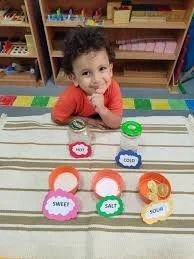
17 Simple Montessori Ideas for Everyday Parenting
17 Simple Montessori Ideas to Enrich Everyday Parenting
As parents, we often seek ways to foster independence, creativity, and confidence in our children. Have you ever wondered how the Montessori method could fit into your daily routine? Incorporating simple Montessori practices into your parenting can lead to more engaged, curious, and self-reliant kids. Here are 17 easy ideas you can weave into everyday life to embrace the Montessori approach at home.
Understanding Montessori Parenting
The Montessori method focuses on child-led learning, where kids are encouraged to explore at their own pace. Its principles can be seamlessly integrated into your daily parenting routine, making your home a nurturing learning environment.
1. Create a Child-Friendly Environment
- Low Shelves: Arrange toys and books on low shelves so children can access them independently.
- Real Tools: Invest in child-sized utensils for kitchen activities, allowing them to participate in meal prep.
2. Encouraging Independence
- Dressing Stations: Set up a small space with their clothes to promote self-dressing.
- Footstools: Use footstools in bathrooms and kitchens so they can reach sinks and counters.
3. Foster Exploration
- Nature Walks: Encourage outdoor exploration. Create a “nature hunt” list with items to find, like specific leaves or rocks.
- Sensory Play: Offer materials such as rice, beans, or water for hands-on sensory activities.
4. Promote Responsibility
- Chore Chart: Introduce a simple chore chart. This encourages accountability and helps them understand the value of contributing.
- Care for Plants: Assign them a plant to care for—water it, check for bugs, and watch it grow.
5. Support Learning Through Play
- Puzzle Stations: Set up a dedicated area for puzzles to enhance problem-solving skills.
- Loose Parts Play: Provide materials like blocks, stones, and shells for creative building.
6. Incorporate Practical Life Skills
- Cooking Together: Involve your kids in age-appropriate cooking tasks, like washing vegetables or stirring batter.
- Cleaning Up: Make tidying fun by turning it into a game—set a timer and see how quickly they can pick up.
7. Encourage Problem-Solving
- Challenges: Present simple challenges like building a bridge from blocks and ask them to find different solutions.
- Role-Playing: Engage in imaginative play to help them work through real-life scenarios.
8. Use Natural Consequences
- Allow your child to experience natural consequences. For example, if they refuse to wear a coat, let them feel a little cold (with your supervision).
9. Focus on Language Development
- Storytime: Encourage storytelling sessions where kids can narrate their own tales.
- Vocabulary Expansion: Use descriptive words when playing—this enhances their vocabulary naturally.
10. Create a Calm Space
- Cozy Reading Nook: Design a special corner with pillows and blankets for reading and quiet time.
- Mindfulness Activities: Introduce simple breathing exercises or meditation techniques suitable for kids.
11. Involve Them in Decision-Making
Involve your kids in decisions like meal planning or choosing weekend activities. This empowers them and enhances their decision-making skills.
12. Reflect on Emotions
Discuss feelings openly, perhaps using emotion cards to help them identify and articulate how they feel.
13. Celebrate Mistakes
Teach them that mistakes are part of learning by embracing them together. Share your own experiences and what you’ve learned.
14. Practice Gratitude
Incorporate a nightly routine of sharing what you’re grateful for to foster reflection and appreciation.
15. Simplify Choices
Offer limited choices to avoid overwhelming them. For instance, “Do you want to play with blocks or paint today?”
16. Model Learning
Show your love for learning by sharing your interests. Let them see you read, explore hobbies, or learn new skills.
17. Be Patient and Observant
Pay attention to your child’s interests and tendencies, adjusting your approach as they grow. Remember, every child learns differently.
Quick Tips for Busy Parents
- Schedule Learning Moments: Even short, 5-10 minute sessions can be impactful during daily routines.
- Stay Flexible: Adapt these ideas to fit your family’s lifestyle and dynamics.
Common Mistakes to Avoid
- Over-scheduling activities can lead to burnout instead of joyful learning.
- Not allowing enough time for exploration—this is vital for growth.
FAQs
What age is Montessori suitable for?
Montessori principles can be applied from infancy through adolescence, but the ideas here are particularly great for toddlers and preschoolers.
How do I start using Montessori at home?
Begin with small changes—create learning spaces, encourage independence, and foster exploration through play.
Incorporating these simple Montessori ideas into your everyday parenting can significantly enrich your child’s growth and development while deepening your family connection. Enjoy the journey of exploration together!
11 Genius Tips for Stress-Free Tummy Time When Your Baby Just Doesn’t Want To
Tips to Make Tummy Time Fun for Your Baby Who Hates It
Tummy time can be a struggle, especially when your baby seems to dislike it. Many parents worry about how to encourage this essential activity without a meltdown. If your little one is protesting every time they’re placed on their tummy, don’t worry—you’re not alone! The good news is there are plenty of strategies to help your baby learn to love tummy time. Let’s dive in!
Why Is Tummy Time Important?
Before we explore the tips and tricks, let’s reinforce why tummy time is crucial for your baby:
- Strengthens muscles: It helps develop neck, shoulder, and back muscles.
- Prevents flat head syndrome: Reducing the risk of positional plagiocephaly.
- Boosts motor skills: Encourages reaching and rolling over.
- Enhances sensory experience: Offers new views and textures.
Tips to Make Tummy Time Easier
Here are some actionable tips to ease your baby’s tummy time experience:
1. Start Gradually
Don’t overwhelm your baby by jumping into long sessions. Start with just a few minutes a day and gradually increase the time.
2. Use a Soft Surface
Create a cozy tummy time spot on a soft blanket or mat. An inviting surface can make the experience more pleasant.
3. Get Face to Face
Lie down on your tummy too! Getting eye-level with your baby can make tummy time feel like a fun game rather than a chore.
4. Incorporate Fun Toys
Place colorful, engaging toys within your baby’s reach. Try rattles, soft blocks, or crinkly materials to entice them to lift their head.
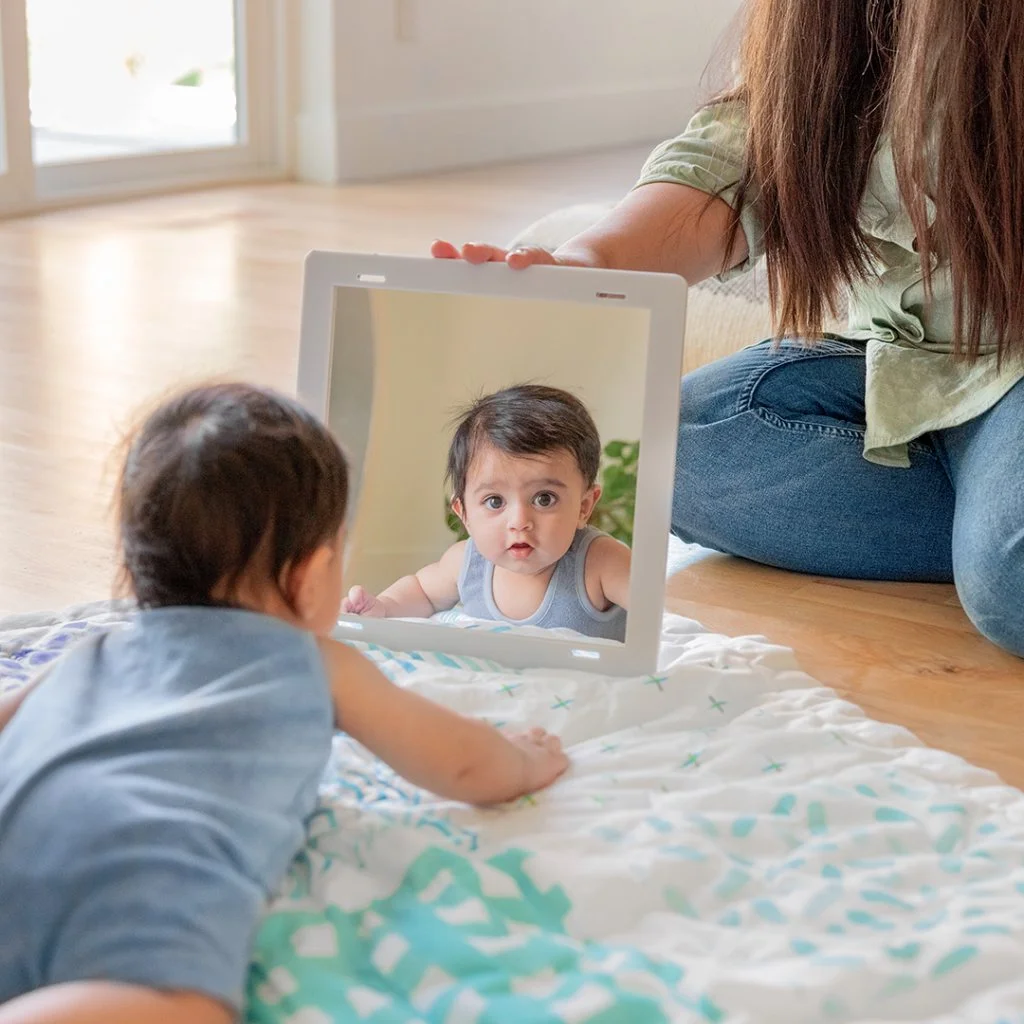
5. Play with Mirrors
Babies are often captivated by their reflection. A safe, baby-friendly mirror can spark interest and encourage longer tummy time.
6. Make it a Routine
Incorporate tummy time into your daily routine, like after diaper changes or during playtime, so your baby knows what to expect.
7. Use a Rolled-Up Towel
For little ones who struggle, try placing a rolled towel under their chest. It gives extra support and makes it a little easier for them to lift their head.
8. Sing or Talk
Engage your baby with soft songs, stories, or simply chatting with them while they’re on their tummy. Your voice can be reassuring and distracting!
9. Try Different Positions
Mix it up by holding your baby upright against your chest or laying them over your lap. This variety can reduce resistance.
10. Short But Frequent Sessions
If your baby dislikes longer tummy time, try short, frequent sessions throughout the day. A few moments at a time can add up!
11. Offer Praise and Encouragement
When they make even the slightest effort to lift their head or move, offer lots of positive reinforcement. Celebrate their efforts to build their confidence.
Mistakes to Avoid
- Forcing tummy time: If your baby is very upset, it may be best to stop and try again later.
- Neglecting safety: Always supervise your baby during tummy time and ensure the area is safe.
Quick Tips
- Keep tummy time sessions around when your baby is alert and content.
- Use a bouncer or play gym to give your baby a break between sessions.
- Consider alternating between tummy time and being held in different positions for variety.
FAQs
What age should I start tummy time?
You can start tummy time from day one! Just a few minutes a day is beneficial.
How long should tummy time last?
Aim for about 20-30 minutes total each day by the time your baby is three months old—broken into shorter sessions.
What if my baby cries during tummy time?
That’s normal! They’re just getting used to it. Try some of the tips above to make it more enjoyable.
Final Thoughts
Tummy time is a vital milestone for your baby’s development, but it doesn’t have to be a battle. With patience and creativity, you can turn it into a fun activity that helps your baby grow stronger. Remember, every baby is different; listen to what your little one needs, and adjust accordingly. You’ve got this, and soon enough, your baby will be loving tummy time!
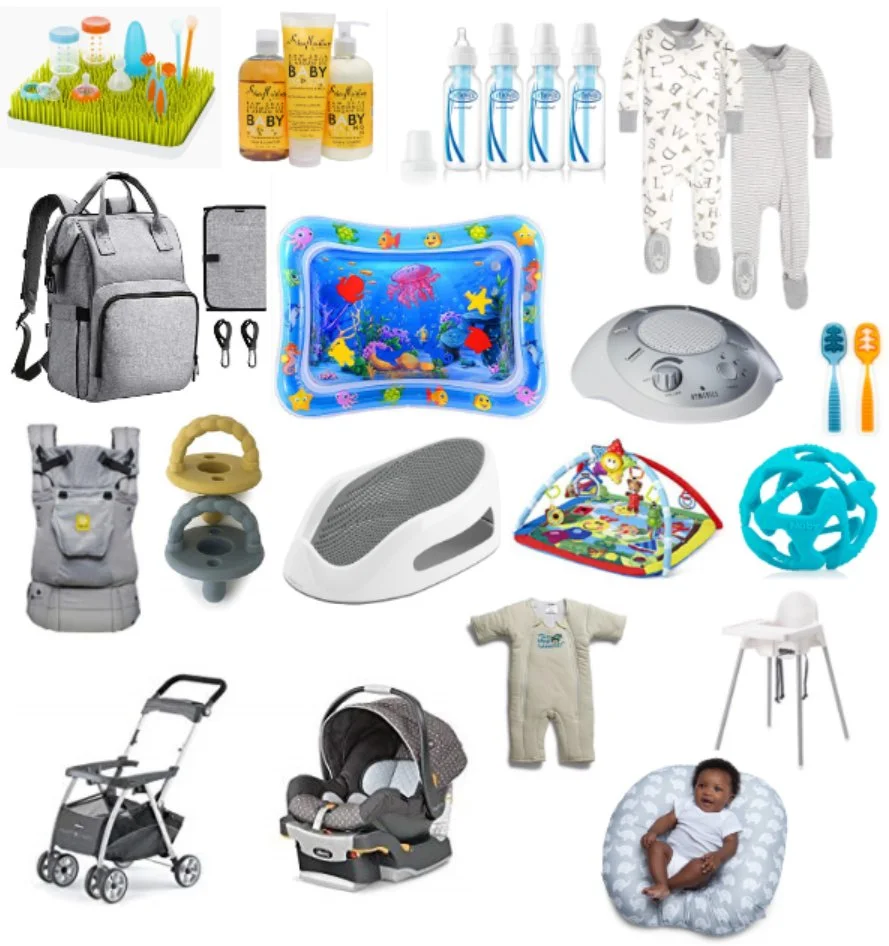
21 Baby Items List: Baby Things To Buy Before Birth
Essential Baby Items to Buy Before Your Little One Arrives
Congratulations on your upcoming bundle of joy! As you prepare for the arrival of your baby, you might be feeling a mix of excitement and a bit of overwhelm. The sheer number of baby products out there can be daunting. What do you really need? What can wait? Knowing what items to buy before birth can make a world of difference in your preparation.
In this article, we’ll break down an essential baby items list that will help you get ready, so you can focus on what matters most—welcoming your little one into the world!
The Must-Have Baby Items
Nursery Essentials
Setting up a nursery doesn’t have to be complicated, but there are a few key items you can’t skip:
- Crib or Bassinet: Safety comes first. Invest in a sturdy crib that meets safety standards or a bassinet for the first few months.
- Mattress: A firm, well-fitting mattress is crucial for safe sleep.
- Bedding: Keep it simple with fitted crib sheets. Avoid blankets and pillows for safety reasons.
Diapering Needs
You’ll be changing a lot of diapers, so stock up in advance:
- Diapers: Whether you choose disposable or cloth, have plenty on hand.
- Wipes: Gentle, hypoallergenic wipes are a must for little bums.
- Changing Pad: A comfortable and waterproof pad makes diaper changes easier.
Feeding Gear
Feeding your baby should be a joyful experience:
- Breast Pump: If you plan to breastfeed, a quality pump can be a game-changer.
- Bottles and Nipples: Even if breastfeeding, having bottles ready for pumped milk is helpful.
- Burp Cloths: These soft cloths are lifesavers for keeping things clean after feeding.
Clothing Basics
Your baby will grow quickly, so focus on practicality:
- Onesies: Stock up on these comfy basics; they are super easy to put on and take off.
- Sleepers: A must for nighttime comfort—choose ones with zippers for easy changes.
- Socks and Hats: Keep your little one warm, especially in cooler months.
Transportation Gear
Getting around with your baby is essential:
- Car Seat: This is non-negotiable for safety. Ensure it’s rear-facing for infants.
- Stroller: A good stroller can make outings much easier.
- Baby Carrier: Perfect for keeping your hands free while keeping baby close.
Bath Time Basics
Bathing a tiny baby can be tricky:
- Infant Bathtub: Look for one that provides support for newborns.
- Hooded Towels: These are soft and keep your baby cozy after bath time.
- Baby Shampoo and Body Wash: Choose gentle, tear-free formulas.
Quick Tips for New Parents
- Buy Secondhand: Consider gently used items, especially big-ticket purchases like cribs and strollers.
- Keep It Simple: Focus on multi-use items, like a crib that turns into a toddler bed later.
- Ask for Help: Don’t hesitate to reach out to friends and family for recommendations on what to buy.
Mistakes to Avoid
- Overbuying: It’s easy to go overboard. Stick to essentials and gradually add more as needed.
- Ignoring Safety: Always check for recalls and safety ratings when choosing baby gear.
- Neglecting Yourself: Make sure to also purchase a few items to pamper yourself during this transition.
FAQs
What do I really need for my newborn?
A safe sleep space, diapers, a way to feed, and clothing that’s easy to manage.
How can I save money on baby gear?
Consider borrowing from friends or buying secondhand. Look for sales and discounts.
Bonus Ideas
If you’re feeling ahead of the game, here are a few bonus items that can enhance your baby’s experience later on:
- Sound Machine: Helps your baby sleep with soothing sounds.
- Tummy Time Mat: Encourages development and play.
- Bouncy Seat: Provides a safe place for your baby to rest and play.
Preparing for your baby’s arrival can be both exciting and overwhelming. By focusing on this essential baby items list and keeping things simple, you’ll be ready for those precious first moments. Remember, each family is unique, so adapt this list to fit your needs and lifestyle. Happy prepping!
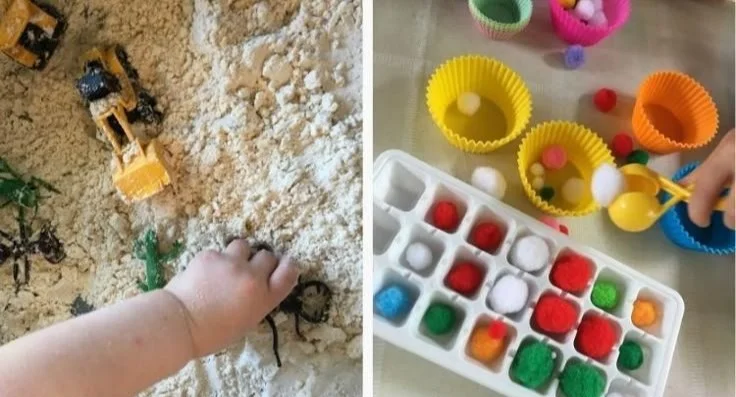
39 Genius Indoor Activities to Keep Your Kids Happy and Stress-Free at Home
39 Sanity Saving Easy Indoor Activities for Kids at Home
As a parent, you know that rainy days or chilly afternoons can sometimes feel overwhelming. Keeping little ones entertained without turning your home into a chaotic mess isn’t easy. Luckily, I’ve put together a list of 39 easy indoor activities that will keep your toddlers, preschoolers, and older kids engaged without requiring too much prep work.
Fun Crafts and Creative Play
- Homemade Playdough
- Mix flour, salt, water, and food coloring for a sensory activity.
- DIY Collage Art
- Gather old magazines, scissors, and glue to create fun collages.
- Nature Scavenger Hunt
- Create a list of items to find around the house like leaves, rocks, or flowers.
- Painting with Water
- Use a brush and water to paint on outdoor pavement or stones.
- Marble Rolling Art
- Drop marbles dipped in paint into a box with paper and let them roll!
- Paper Plate Masks
- Cut out eyes and add embellishments to make fun character masks.
Engaging Games and Challenges
- Indoor Obstacle Course
- Use cushions, blankets, and chairs to create an indoor adventure.
- Simon Says
- A classic game that teaches listening skills while having fun.
- Treasure Hunt
- Hide small toys or snacks around the house for kids to find.
- Balloon Volleyball
- Use a balloon and a string as a net for a gentle game of volleyball.
- Indoor Bowling
- Set up plastic bottles and use a soft ball for a bowling alley at home.
- What’s the Time, Mr. Wolf?
- A fun, energetic game for kids to practice counting while moving.
Simple Educational Activities
- Storytime Puppet Show
- Use socks or paper bags to make puppets and reenact favorite stories.
- Alphabet Scavenger Hunt
- Ask kids to find items starting with each letter of the alphabet.
- DIY Sensory Bins
- Fill a bin with rice or pasta and hide small toys for discovery.
- Color Sorting Game
- Use colored blocks or pom-poms and have kids sort them by color.
- Building Blocks Challenge
- Set a timer and see who can build the tallest tower.
- Interactive Read-Aloud
- Use different voices for characters to engage kids during reading time.
Indoor Movement Activities
- Dance Party
- Put on some fun music and let kids dance their hearts out.
- Yoga for Kids
- Follow along with a kid-friendly yoga video for some calming fun.
- Animal Walks Relay
- Take turns moving like different animals (hopping like a frog, waddling like a duck).
- Mini Dance Off
- Have a dance competition and let each child show off their moves.
- Freeze Dance
- Play music and have everyone dance; when the music stops, they freeze!
Quiet Time Activities
- Puzzle Time
- Spend some quiet time working together on jigsaw puzzles.
- Reading Corner
- Create a cozy spot to read together with pillows and blankets.
- Lego Building
- Encourage kids to build according to a theme, like castles or spaceships.
- Quiet Coloring
- Print coloring pages or use coloring books for some peaceful downtime.
- Story Stones
- Paint images on stones and use them to create stories.
Bonus Ideas for Little Explorers
- Indoor Gardening
- Plant seeds in small pots and watch them grow together.
- Silly Science Experiments
- Try simple experiments like vinegar and baking soda volcanoes.
- Shadow Play
- Use a flashlight to create shadow puppets on a wall.
- Cooking Together
- Make a simple recipe, whether it’s a fruit salad or homemade pizza.
- DIY Mini Musical Instruments
- Create maracas using plastic bottles filled with rice or beans.
- Virtual Museum Tours
- Explore famous museums around the world with virtual tours.
- Indoor Campout
- Set up a tent or fort and pretend you’re camping indoors.
- Rainy Day Cooking Class
- Let your little chefs assist in making their favorite snacks.
- Cardboard Box Creations
- Turn cardboard boxes into rockets, cars, or houses.
- Home Movie Night
- Create a cozy area, pick a family-friendly movie, and enjoy popcorn.
- Interactive Online Classes
- Explore free classes available for kids on various topics, from art to science.
Quick Tips for Stress-Free Indoor Fun
- Keep It Simple: You don’t need elaborate setups; focus on activities that spark joy.
- Use What You Have: Get creative with materials you already own—no extra trips to the store necessary!
- Follow Their Lead: If your kids show interest in a certain activity, let it evolve naturally.
Mistakes to Avoid
- Over-scheduling: Avoid planning too many activities. A few good ones are enough!
- Ignoring Their Interests: Pay attention to what captures their attention; it’ll make for more engaging playtime.
- Forgetting to Join In: Participating with your kids can enhance their enjoyment and strengthen your bond.
FAQs
How long should activities last?
Keep activities short (15-30 minutes) to match young children’s attention spans.
What if I run out of ideas?
Look at everyday materials; many simple items can inspire new activities.
Can these activities be adapted for older kids?
Absolutely! Modify challenges and themes to suit their age and interests.
Indoor days can actually be filled with fun and creativity. With these 39 sanity-saving activities, you can turn rainy days into memorable moments with your little ones while keeping your home organized and stress-free! Enjoy these adventures at home.
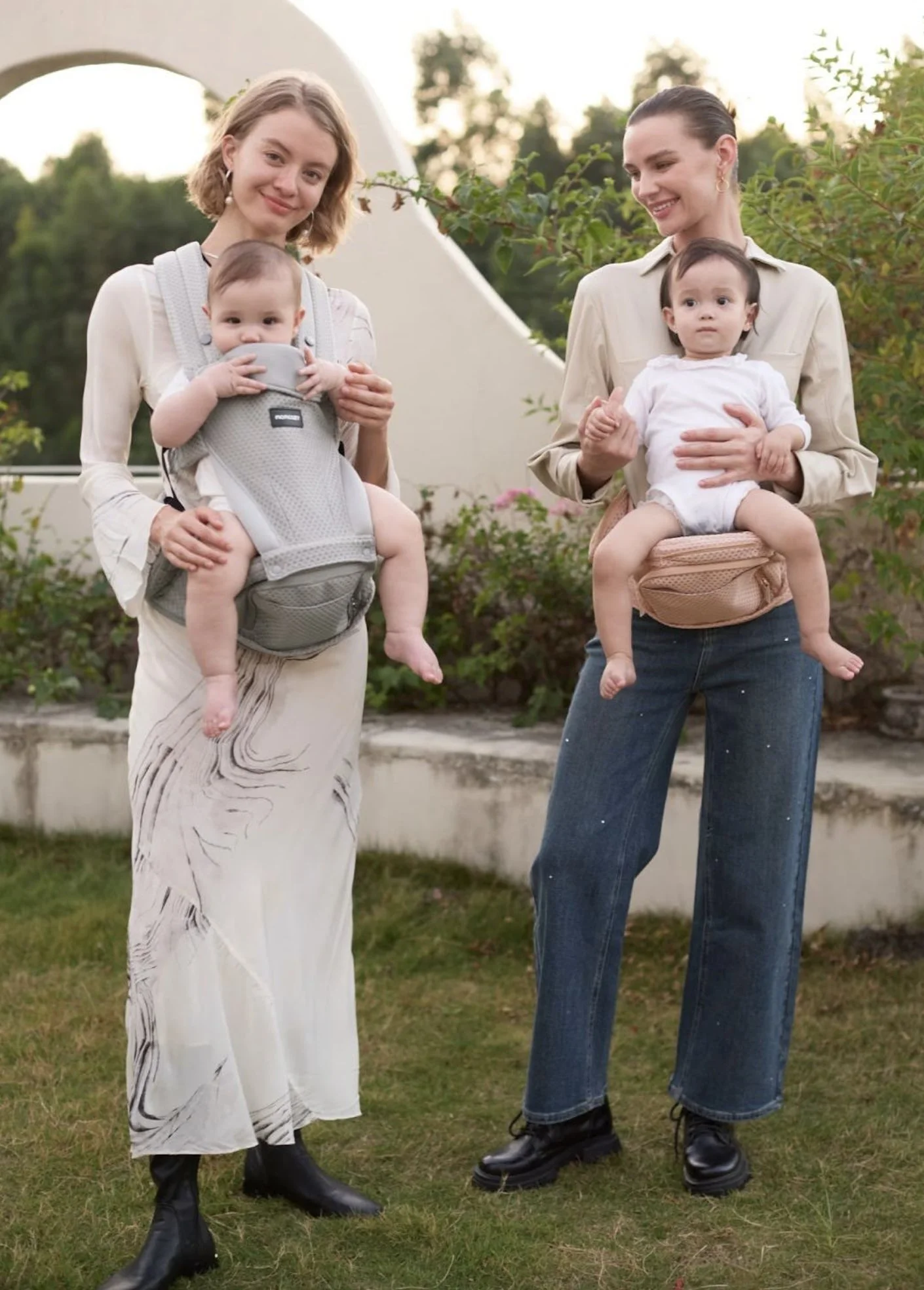
24 Genius Newborn Hacks Every First-Time Mom Needs for Stress-Free Parenting
24 Game-Changing Newborn Baby Life Hacks Every New Parent Needs
Welcoming a newborn into your family is one of the most beautiful experiences, but let’s be honest—it’s also exhausting and overwhelming. As a first-time parent, you might find yourself wondering how to juggle diaper changes, sleepless nights, and everything in between. That’s why we’ve compiled these 24 game-changing newborn baby life hacks just for you. These tips and tricks will make your life easier, allowing you to cherish those precious moments with your little one.
Organizing Your Baby’s Essentials
1. Use a Diaper Caddy
Keep all diapering supplies—diapers, wipes, creams—in one portable caddy. This makes changes quick and easy, no matter where you are in the house.
2. Set Up a Nightstand Station
Transform your bedside table into a mini nursery. Stock it with diapers, wipes, and a change of clothes for those midnight emergencies.
3. Create a Baby Log
Track feeding times, diaper changes, and sleep patterns in one notebook or app. This will help you notice routines and patterns, making life more manageable.
Simplifying Feedings
4. Pre-Make Bottles
If you’re bottle-feeding, prepare several bottles ahead of time and store them in the fridge. Just warm them when it’s feeding time!
5. Use a Formula Dispenser
For formula-fed babies, a dispenser allows you to prepare bottles quickly when you’re on the go or in the middle of a busy day.
6. Nurse in Comfort
Invest in a good nursing pillow to support your baby and create a comfortable position for you while breastfeeding.
Easing Bath Time
7. Keep Bath Essentials Close
Fill a basket with everything you’ll need for bath time: shampoo, washcloths, towels. This way, you won’t be scrambling while your baby’s in the tub!
8. Adjust the Water Temperature
Always ensure the water temperature is just right by testing it with your wrist. It should feel warm, not hot.
9. Use a Bath Support
A bath support keeps your newborn securely in place, allowing for a fun and stress-free bathing experience.
Dressing Your Baby
10. Opt for Zippered Sleepers
Zippers make middle-of-the-night changes faster and easier than buttons. Plus, they keep your little one cozy!
11. Stock Up on Mittens
Keep your baby’s hands covered to prevent scratching their delicate skin. Look for mittens that won’t easily come off.
Creating a Sleeping Environment
12. Use White Noise
A white noise machine can help soothe your baby to sleep by mimicking the sounds they heard in the womb.
13. Darkness is Key
Make the nursery as dark as possible at night to help signal to your baby that it’s time to sleep.
14. Swaddle Smartly
Learn how to properly swaddle your baby to help them feel secure and reduce the startle reflex during sleep.
On-the-Go Tips
15. Pack a Diaper Bag Wisely
Have a separate pocket for dirty diapers to avoid messes. Look for a bag with plenty of compartments for organization.
16. Car Seat Cover
Invest in a breathable car seat cover to protect your baby from the sun and curious hands while you’re out and about.
Keeping Your Baby Calm
17. Discover Different Soothing Techniques
Experiment with gentle rocking, soft singing, or soothing baths to find what calms your baby best.
18. Use a Pacifier
If your baby likes it, pacifiers can provide comfort and help reduce the risk of SIDS when used during sleep.
Staying Healthy
19. Frequent Hand Washing
Make washing your hands a priority. Not only for your health but also for your baby’s as their immune system is vulnerable.
20. Schedule Pediatric Visits
Regular check-ups ensure that your baby is growing healthy and strong. Stay on top of vaccinations and developmental milestones.
Taking Care of Yourself
21. Nap When Your Baby Naps
It’s tempting to tackle chores, but those little naps are your golden opportunity to recharge!
22. Join a New Parent Group
Connecting with other new parents can provide support, companionship, and actionable advice.
Mistakes to Avoid
23. Don’t Stress Over Perfection
Remember, every baby is unique. What works for one may not work for another. Trust your instincts.
24. Don’t Hesitate to Ask for Help
It’s okay to lean on friends or family. Sometimes, even an hour of added support can make all the difference.
Conclusion
As you embark on this wonderful adventure of parenthood, remember that it’s okay to ask for help and to take things one day at a time. These life hacks are here to ease your journey, allowing you to enjoy the little moments with your newborn. Embrace the chaos and know that you’re doing a fantastic job! Happy parenting!

Fan-Favorite Blueberry Avocado Mini Muffins
Irresistible Blueberry Avocado Mini Muffins That Kids Love
Are you stuck in a rut with snack options for your kids? It can be a real challenge to find something tasty, healthy, and easy to prepare. If you’re looking to impress your little ones while sneaking in some nutrition, let me introduce you to a delightful treat: Blueberry Avocado Mini Muffins. These little bites of goodness are not only simple to whip up, but they’re also packed with flavor and healthy ingredients.
Why Choose Blueberry Avocado Mini Muffins?
Blueberries bring a burst of sweetness and antioxidants, while avocados provide healthy fats that are essential for growing bodies. Together, they create a moist, delicious muffin that your kids will adore. Plus, these muffins are the perfect size for little hands and are great for breakfast, snacks, or even a lunchbox surprise!
Ingredients You’ll Need
Before you roll up your sleeves, let’s gather the ingredients for these mini muffins:
- 1 ripe avocado
- 1 cup fresh or frozen blueberries
- 1/2 cup honey or maple syrup
- 2 large eggs
- 1 teaspoon vanilla extract
- 1 teaspoon baking soda
- 1/2 teaspoon salt
- 1 cup whole wheat flour (or gluten-free alternative)
- 1 teaspoon cinnamon (optional)
Step-by-Step Guide to the Perfect Muffins
Step 1: Preheat Your Oven
Start by preheating your oven to 350°F (175°C). This ensures that your muffins bake evenly.
Step 2: Prepare Your Muffin Tin
Grease a mini muffin tin or line it with mini muffin liners. This will make sure your muffins come out easily.
Step 3: Mash the Avocado
In a mixing bowl, mash the ripe avocado until it’s smooth and creamy. This will serve as a fantastic base for your muffins.
Step 4: Mix Wet Ingredients
Add in the honey (or maple syrup), eggs, and vanilla extract to the mashed avocado. Whisk everything together until well combined.
Step 5: Combine Dry Ingredients
In another bowl, mix the flour, baking soda, cinnamon, and salt. Once combined, gradually add this mixture to the wet ingredients, stirring until just blended.
Step 6: Fold in the Blueberries
Gently fold the blueberries into your muffin batter. If using frozen blueberries, do this step carefully to minimize bleeding.
Step 7: Fill the Muffin Tin
Spoon the batter into the mini muffin tins, filling each cup about 2/3 full. These muffins will rise a bit while baking.
Step 8: Bake
Place the muffin tin in the oven and bake for about 12-15 minutes or until a toothpick comes out clean.
Step 9: Cool and Serve
Let the muffins cool in the tin for a few minutes before transferring them to a wire rack. Serve them warm or store them for later!
Quick Tips for Perfect Muffins
- Experiment with Flavors: Try adding a sprinkle of lemon zest or a dash of nutmeg for added flavor.
- Freezing Muffins: These muffins freeze perfectly! Make a double batch and store some for quick snacks.
- Muffin Mix-ins: Consider adding nuts or seeds for extra texture and nutrition.
Mistakes to Avoid
- Overmixing the Batter: Mix until just combined to keep your muffins light and fluffy.
- Skipping the Cooling Step: Give them the time to cool in the pan for even better texture.
FAQs About Blueberry Avocado Mini Muffins
Can I use other fruits? Absolutely! You can substitute with raspberries, chopped strawberries, or even peaches.
How long do these muffins last? They stay fresh for about 3-4 days at room temperature, or you can freeze them for up to 3 months.
Are these muffins suitable for allergies? You can make these gluten-free by using a suitable flour alternative, and for vegan options, replace eggs with flax eggs.
Bonus Ideas
- Add Some Variety: Create a mixed fruit muffin by combining different berries for a unique flavor each time.
- Breakfast Bowls: Crumble a muffin over yogurt with fresh fruit for a delicious breakfast bowl.
These Blueberry Avocado Mini Muffins are a delightful way to bring some fun and nutrition into your child’s snack time. Try them out and watch your little ones devour these delicious bites while you enjoy the peace of mind that comes with feeding them something healthy!
Happy baking!
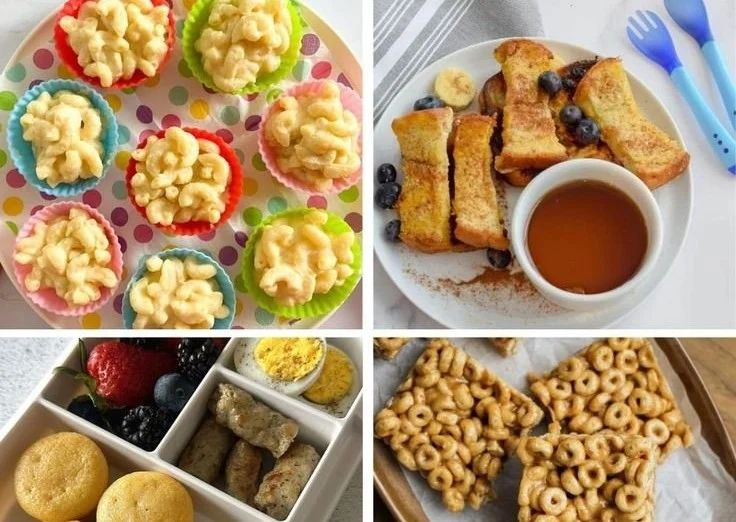
30+ Snacks for 2 Year Olds That Keep Them Full & Happy
30 Snacks for 2 Year Olds That Keep Them Full and Happy
Finding the right snacks for your little one can sometimes feel like an uphill battle. You want something healthy that will keep them satisfied, but also fun and tasty enough to entice their picky little palates. If you’re on the lookout for easy and delicious snack ideas for your 2-year-old, you’re in the right place! Here’s a list of 30 snacks that are sure to keep your toddler full and happy, with a delightful variety that’s sure to please.
Quick Tips for Snack Time Success
- Portion Control: Serve smaller amounts, and let your child ask for more if they’re still hungry.
- Involve Them: Let your little one help pick out snacks or prepare them. This can make food more appealing!
- Stay Nutrient-Rich: Aim for snacks that are high in fiber, protein, and healthy fats to keep them satisfied.
30 Snack Ideas for Your Little One
1. Nut Butter and Banana Toast
Whole grain toast topped with almond or peanut butter and banana slices.
2. Yogurt Parfait
Layer plain yogurt with fruit and granola for a fun and filling snack.
3. Cheese Cubes
Offer a variety of cheese cubes like cheddar, mozzarella, or gouda for a protein boost.
4. Mini Vegetable Muffins
Homemade or store-bought, these are a great way to sneak in some nutrition.
5. Soft Whole Wheat Tortilla Roll-Ups
Spread cream cheese or hummus, add deli meat or veggies, and slice into bite-sized pieces.
6. Fruit Kebabs
Skewer pieces of melon, strawberries, and grapes for a fun treat.
7. Avocado Toast
Spread ripe avocado on whole grain bread, and sprinkle with a little salt or lemon juice.
8. Oatmeal Bites
No-bake energy bites made from oats, honey, and your child’s favorite mix-ins.
9. Smoothie Pops
Blend fruits with yogurt and freeze them in molds for refreshing popsicles.
10. Cucumber Sandwiches
Thinly slice cucumber and make mini sandwiches with cream cheese or butter.
11. Homemade Trail Mix
Mix nuts, dried fruit, and whole grain cereal for a healthy snack on the go.
12. Hard-Boiled Eggs
These are packed with protein and can be made in advance!
13. Rice Cakes with Toppings
Use rice cakes as a base, adding toppings like nut butter, yogurt, or fruit.
14. Sweet Potato Chips
Bake or buy these healthy chips for a crunchy delight.
15. Mini Pancakes
Make small pancakes and serve with fresh fruits or a drizzle of maple syrup.
16. Peanut Butter Banana Sushi
Spread peanut butter on a whole banana, roll it in a tortilla, and slice it.
17. Celery Sticks with Cream Cheese
Crunchy celery filled with cream cheese makes for a crunchy snack.
18. Pita Chips and Hummus
Serve whole grain pita chips with a tasty hummus dip.
19. Frozen Yogurt Bark
Spread yogurt on a baking sheet, top with fruit and freeze, then break into pieces.
20. Apple Slices with Nut Butter
Sliced apples paired with peanut or almond butter is a classic favorite.
21. Mini Bagels
Offer whole grain mini bagels topped with cream cheese or fruit spread.
22. Chickpeas with Olive Oil
Roasted chickpeas seasoned lightly can be a crunchy and nutritious snack.
23. Cottage Cheese with Pineapple
Cottage cheese is a great source of protein and pairs well with fresh fruit.
24. Homemade Granola Bars
Make your own granola bars at home for a healthy and portable snack.
25. Vegetable Sticks with Dip
Carrots, cucumbers, and bell peppers with ranch or hummus for dipping.
26. Fruit Smoothies
Blend together fruits with yogurt or milk for a nutritious drinkable snack.
27. Popcorn
Air-popped popcorn is a whole grain snack that most kids love.
28. Breakfast Cereal
Offer whole-grain cereals with milk for a crunchy treat.
29. Zucchini Bread
Moist zucchini bread can be a sweet way to sneak in some veggies.
30. Chocolate-Dipped Strawberries
A fun treat where strawberries are dipped in melted dark chocolate.
Mistakes to Avoid
- Overly Processed Snacks: Try to steer clear of overly sugary or processed snack options.
- Forgetting Allergies: Always be mindful of your child’s dietary restrictions and allergies.
- Using Snacks as Rewards: Instead of using snacks as bribes, focus on creating positive eating experiences.
FAQs
Q: How often should my toddler snack?
A: Toddlers can snack every 2-3 hours or as needed based on hunger.
Q: Can I prepare snacks in advance?
A: Absolutely! Many snacks can be prepped ahead of time, which can save you lots of time during busy days.
With this list in hand, snack time can transform from a challenge into a delightful experience. Try out different combinations to find what your little one loves the most, and remember that involving them in the process can make all the difference. Happy snacking!
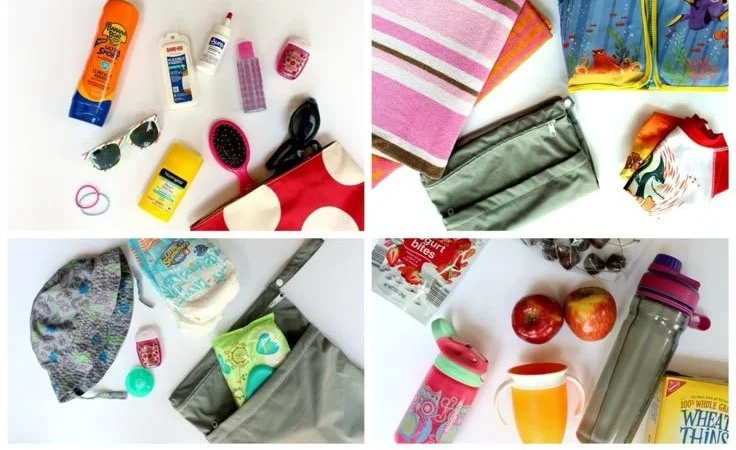
10 Genius Pool Bag Essentials Every Mom Needs for a Stress-Free Day with Baby or Toddler
Essential Pool Bag Checklist for Your Baby and Toddler
Heading to the pool with your little ones can be a thrilling adventure filled with splashes and laughter. But, the idea of packing for your baby or toddler might feel a bit overwhelming. What do you really need to bring? Worry not! I’ve got you covered with this easy-to-follow pool bag checklist that ensures a sunny day without the stress.
The Must-Have Essentials
1. Swim Diapers
Swim diapers are a must for any pool outing. They keep things tidy and prevent leaks in the water. Make sure to bring enough for the day!
2. Sun Protection
- Sunscreen: Choose a water-resistant, broad-spectrum sunscreen suitable for babies.
- Hats: A wide-brimmed hat can provide more protection from harmful rays.
- Shade: Consider a portable sunshade or umbrella for extra protection.
3. Swimsuits
Pack at least two swimwear options for your child. Accidents happen, and it’s nice to have a backup!
4. Towels
Bring soft, absorbent towels for drying off. Those fluffy beach towels are perfect!
5. Water Shoes
Water shoes can protect little feet from hot surfaces and sharp objects around the pool.
6. Floaties or Pool Toys
If your child loves to splash around, consider bringing floaties, a small inflatable pool, or some fun toys for extra entertainment.
7. Snacks and Drinks
Keep the energy up with healthy snacks like cut fruits or crackers. Don’t forget a sippy cup filled with water or juice to keep them hydrated!
8. Extra Clothes
Accidents happen, so having a spare outfit for after swimming is crucial.
9. First Aid Kit
A basic first aid kit can come in handy for minor cuts and scrapes.
10. Pool Cover-Up
A light cover-up can protect your child’s skin from the sun post-swim.
Quick Tips / Mom Hacks
- Pack the night before: This can save you a morning rush.
- Designate a pocket: Keep all items that need to be returned to the car in one specific pocket.
- Use packing cubes: These can make it easier to organize and find everything quickly.
Mistakes to Avoid
- Underpacking: Don’t skimp on the essentials, especially sunscreen and snacks.
- Overpacking: While you want to be prepared, too much stuff can make carrying it all a hassle.
- Forgetting a changing mat: It makes diaper changes at the pool beach-friendly!
FAQs
What type of sunscreen is best for my baby?
Look for a sunscreen that is specifically labeled for children, preferably mineral-based with at least SPF 30.
How many swim diapers should I pack?
A good rule of thumb is to pack at least one swim diaper for every hour you plan to be at the pool.
Can I bring food to the pool?
Many pools allow snacks, but always check the specific rules beforehand to avoid any surprises!
Having a well-organized pool bag can make your day at the pool much more enjoyable. With this checklist, you’ll be ready for anything, from sleepy meltdowns to sunburn. Enjoy your splash-tastic day!