Pompom Sorting and Counting Activity for Preschoolers
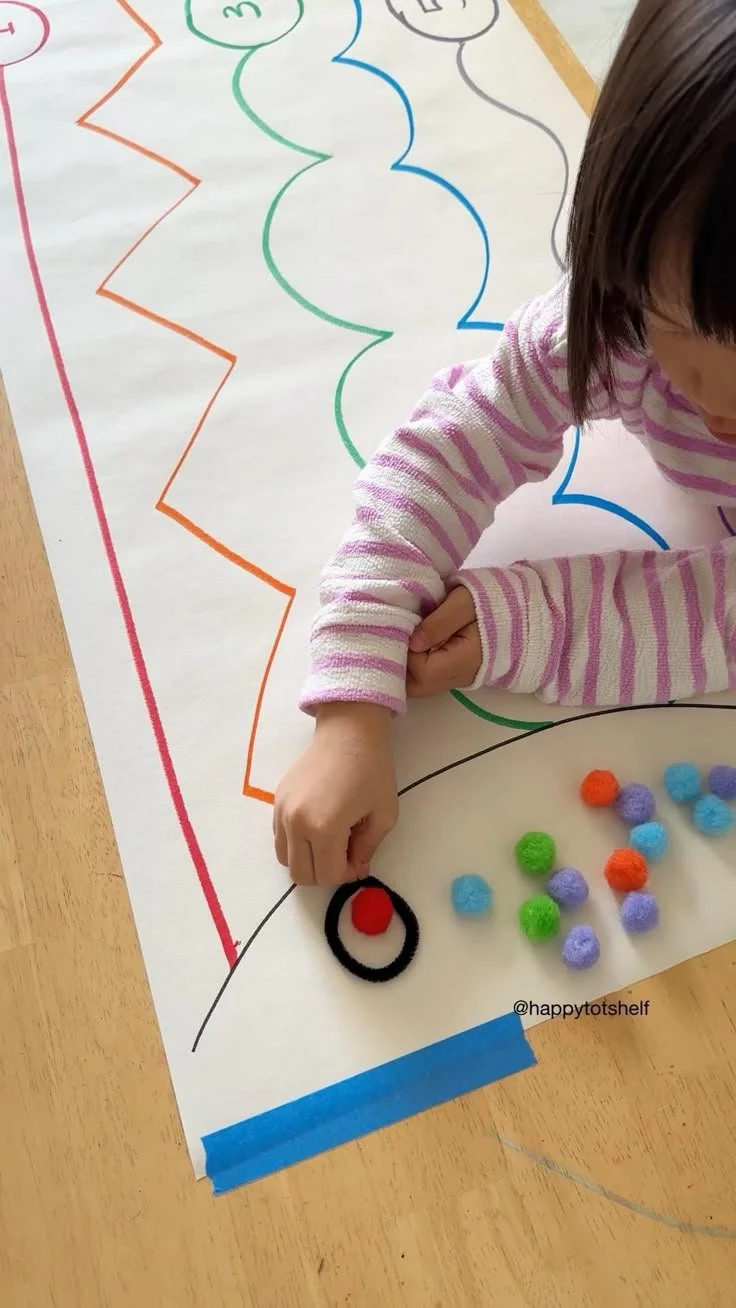
This simple pompom sorting and counting activity is perfect for preschoolers learning colors, numbers, and fine motor skills. It can be set up in minutes with inexpensive materials you probably already have at home. For ideas on pairing this activity with healthy snack or mealtime learning moments, check out these suggestions for the best vegetables for preschoolers.
What you’ll gain from this activity:
- Color recognition and matching
- One-to-one correspondence and basic counting
- Fine motor control using tongs, tweezers, or fingers
- Vocabulary building (colors, numbers, sizes)
Materials
- Small pompoms in several colors (or alternatives like buttons, beads, or cotton balls)
- Several small bowls, muffin tin, or egg carton compartments for sorting
- Tweezers, small tongs, or spoons for picking up pompoms
- Number cards or sticky notes to label piles (optional)
- A tray or towel to contain spills
Preparation
- Choose 3–6 colors of pompoms, depending on your child’s attention span.
- Place a mixed pile of pompoms in the center and bowls or compartments around it.
- If you want a counting component, add number cards (1–10) beside each bowl or label bowls with small sticky notes.
Activity steps
- Demonstrate: Pick up a pompom using fingers or tweezers and sort it into the matching colored bowl. Count aloud as you place each pompom in the bowl.
- Invite your child to sort: Encourage them to pick one pompom at a time, name the color, and place it in the correct container.
- Add counting: Once a color bowl has several pompoms, count them together. For older preschoolers, ask “How many more do we need to make five?”
- Challenge variations: Ask your child to find a certain color first, or time how many pompoms they can sort in one minute for a playful race.
Variations and extensions
- Size and texture sorting: Mix different sizes or fuzzy vs. smooth pompoms and ask children to sort by size or feel.
- Counting games: Use number cards and have the child place the exact number of pompoms required.
- Pattern practice: Create simple color patterns (red, blue, red, blue) and ask the child to continue the sequence.
- Fine motor focus: Use clothespins, tweezers, or chopsticks to increase the challenge and strengthen hand muscles.
- Practical tie-in: Turn the activity into a story about shopping or cooking, and extend learning with a themed book such as the Cooking Name for Preschoolers book to build vocabulary and context.
Tips for success
- Keep sessions short (10–15 minutes) to match preschool attention spans.
- Praise effort and reinforce language: “You counted to four! Great job picking up those tiny pompoms!”
- Rotate materials so the activity feels new—change colors, add themed trays, or introduce scoops.
- Make it inclusive: Use larger pompoms for children who need bigger targets or add visual cues for children with color-blindness (e.g., label bowls with stickers).
Learning outcomes to look for
- Accurate color sorting and consistent counting
- Improved pincer grasp and hand strength
- Ability to follow multi-step instructions
- Increased vocabulary related to colors, numbers, and actions
Assessment and next steps
Observe whether the child can match colors reliably and count with one-to-one correspondence. If they’re ready, move from counting small sets to simple addition (combine two bowls and count total pompoms) or introduce subtraction through “taking away” games.
Conclusion
For a step-by-step example and variations focused on fine motor practice, see the detailed activity guide at Pom Pom Sorting: Fine Motor Skills Activity – Busy Toddler. If you’re looking for early math ideas using pom-poms that emphasize color sorting and counting, this resource explores playful approaches at Pom-pom Colour Sort & Count. Early Maths – Learn with Play at Home. For another simple counting variation and printable ideas, check out the activity suggestions at Simple counting activity for children – Laughing Kids Learn.

Click to get the full bundle — instant download