
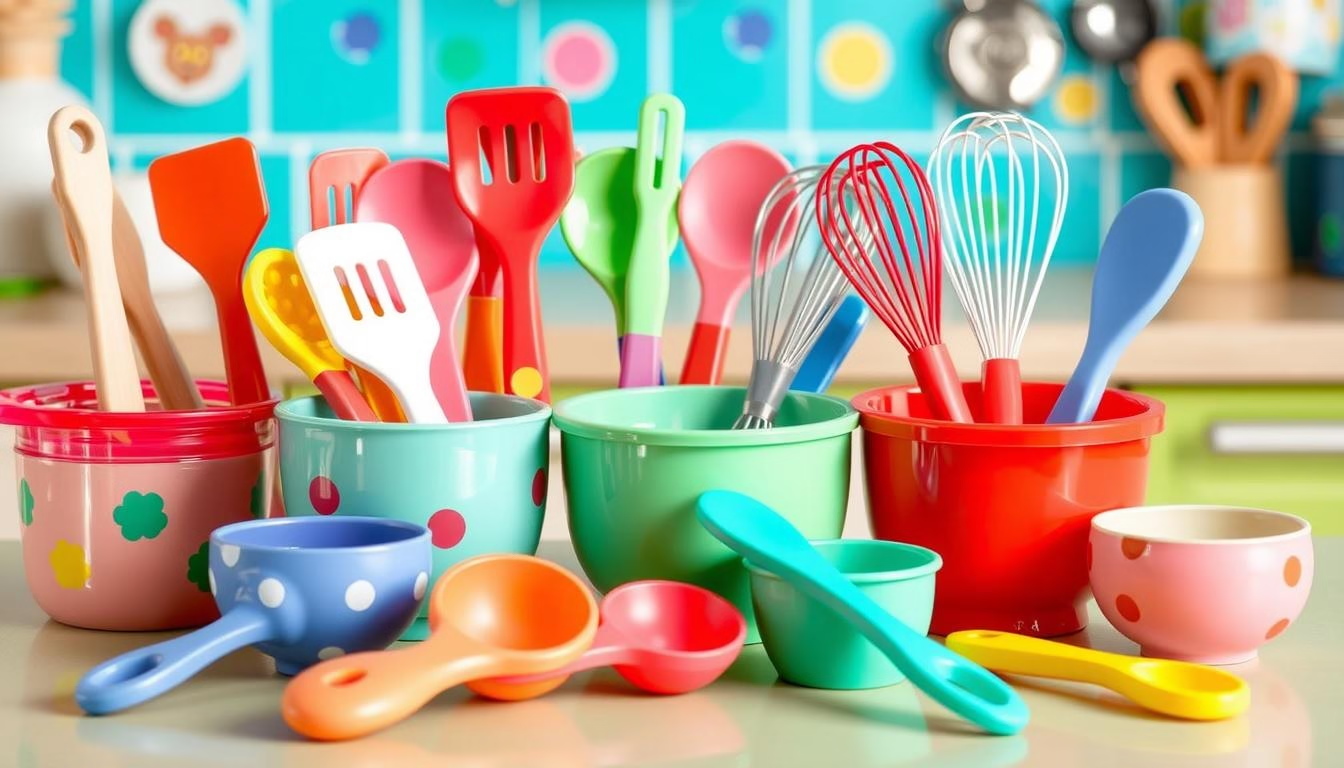
Essential Children’s Cooking Tools for Young Chefs
Cooking is a valuable skill that kids can learn early. The right tools make cooking fun for them. Kids’ cooking tools are safe, easy to use, and fit their size.
These tools include kid-sized utensils, durable cutting boards, and measuring cups and spoons. They are perfect for small hands. High-quality, child-friendly supplies help kids develop their cooking skills and creativity.
Key Takeaways
- Children’s cooking tools are designed with safety, ease of use, and age-appropriateness in mind.
- Popular brands like OXO, Pyrex, and Hedley & Bennett offer a range of high-quality, kid-friendly cooking supplies.
- Investing in the right cooking tools can make the kitchen experience more enjoyable and educational for young chefs.
- Look for sturdy, easy-to-clean, and age-appropriate cooking tools to support your child’s culinary adventures.
- Incorporating children’s cooking tools can spark creativity and inspire a lifelong love of cooking.
Table of Contents
Why Cooking Tools Are Important for Children
Getting the right educational cooking kit and toddler chef tools is key. Cooking together as a family does more than just bond us. It teaches kids important life skills and boosts their creativity in the kitchen.
Benefits of Cooking Together
When kids help with meals, they grow more confident. They get to use all their senses while cooking. This makes them more excited about eating healthy foods.
Developing Life Skills
Cooking helps kids learn math, like counting and measuring. These skills help them in school and in life. Plus, it makes them more likely to eat well and live healthy.
Fostering Creativity in the Kitchen
With the right toddler chef tools, kids can explore and be creative. They can try new flavors and ingredients. This sparks a love for cooking that lasts a lifetime.
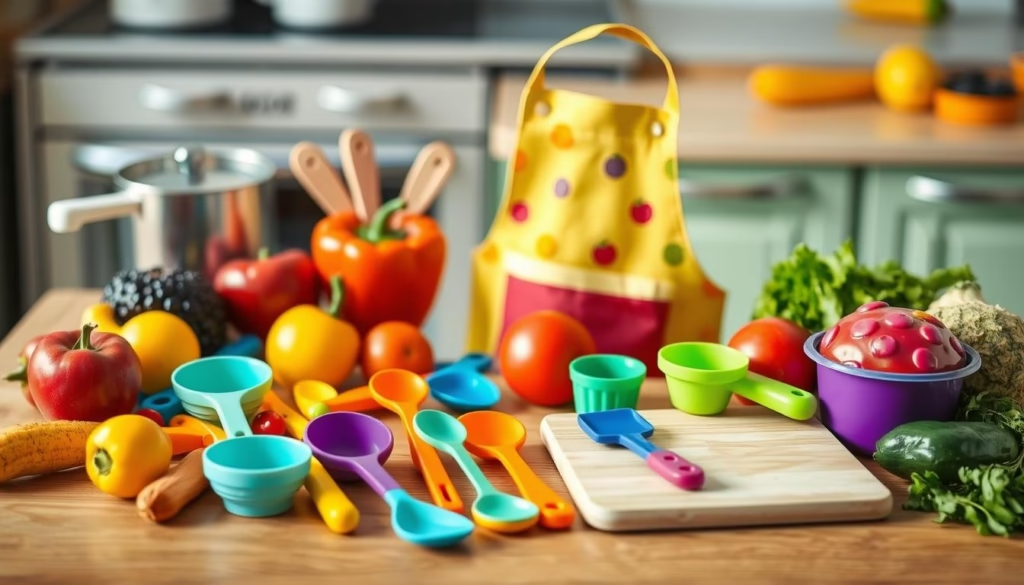
“Cooking with children teaches them valuable life skills, from following instructions to understanding the value of money. It’s a wonderful way to bond as a family and instill healthy eating habits for the future.”
By giving kids the right educational cooking kit, parents encourage their love for cooking. This sets them up for a lifetime of exploring and growing in the kitchen.
Key Features to Look for in Cooking Tools
When picking out cooking tools for kids, focus on safety, age, and ease of use. These factors ensure a fun and safe cooking experience for young chefs.
Safety Considerations
Child safety is crucial when choosing cooking tools. Look for tools with rounded edges, non-slip handles, and strong construction. Stainless steel and tempered glass are great for durability and easy cleaning.
Age Appropriateness
Choose tools that match your child’s age and skill level. For example, the Tilit Ombre Kids’ Apron comes in sizes for ages 2-6 and 7-12. This allows you to introduce new tools as your child grows.
Ease of Use and Cleaning
Opt for tools that are easy for kids to hold and use. The Urban Infant Little Helper Kids Apron is under $15, a budget-friendly option. Tools that are dishwasher-safe, like the OXO Good Grips 3 Piece Stainless Steel Mixing Bowl Set, make cleaning easier.
| Tool | Key Feature | Benefits |
|---|---|---|
| GIR Mini Stainless Steel Whisk | Shorter length and smaller balloon | Versatile for mixing and whisking in smaller bowls |
| Pyrex Liquid Measuring Cups | Durable and microwave-safe | Long-lasting and easy-to-clean option for measuring liquids |
| Escali Primo Digital Scale | Accurate and easy to use | Encourages precision in ingredient measurement |
By focusing on these features, you can find safe and suitable cooking tools for kids. These tools will help your child develop their cooking skills and confidence.
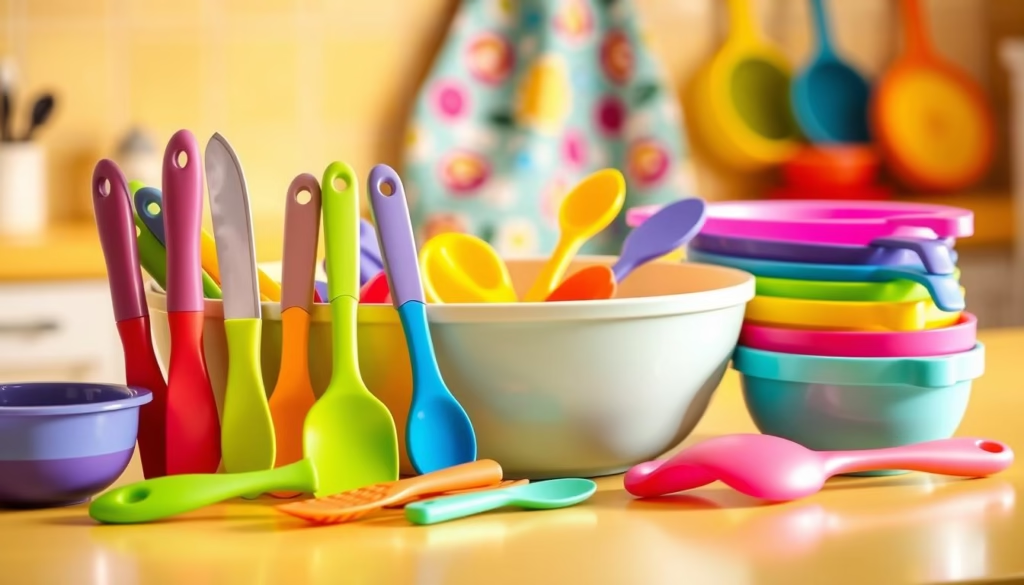
Must-Have Cooking Tools for Young Chefs
Introducing kids to cooking can be exciting with the right tools. Child-sized utensils and durable cutting boards are key. They spark creativity and keep the kitchen safe.
Child-Sized Utensils
Give your kids tools that fit their hands. Look for spatulas, whisks, and tongs made for kids. These tools help them feel confident and improve their fine motor skills.
Durable Cutting Boards
Use cutting boards with non-slip bases for safe chopping. These boards are made for kids. They prevent accidents and teach safe food prep.
Measuring Cups and Spoons
Measuring cups and spoons are crucial for kids. Pyrex liquid measuring cups and sturdy spoons help them learn about portion control. They make following recipes easier.
Choose tools that are fun and right for your child’s age. With the right kids kitchen utensils and child-friendly baking supplies, your child can explore cooking with confidence.
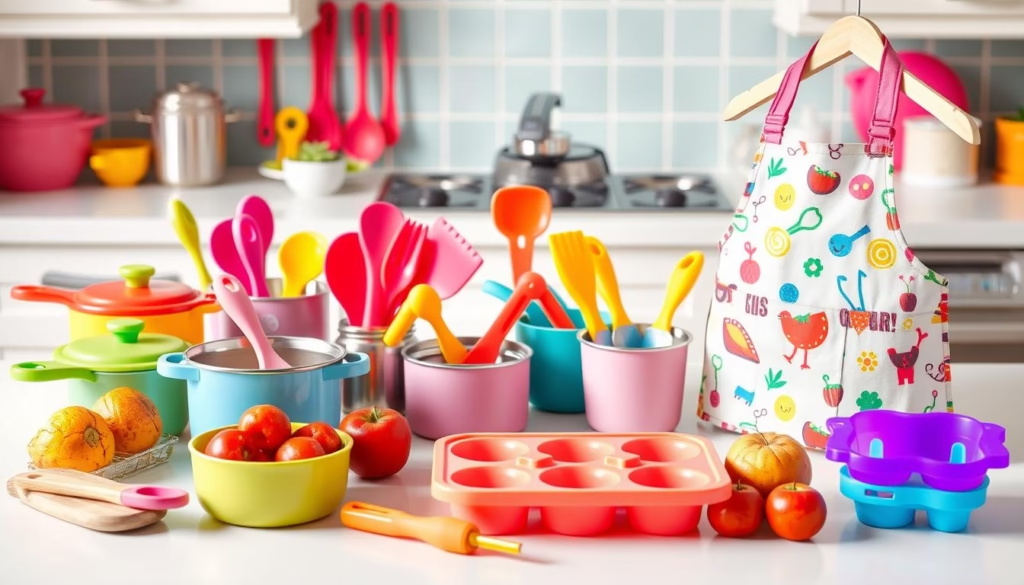
“Cooking with kids is not just about ingredients, recipes, and cooking. It’s about harnessing imagination, empowerment, and creativity.” – Guy Fieri
Innovative Gadgets for Kids
Cooking with kids is fun and educational. The right kitchen tools make it even more exciting. Tools made for young chefs spark their creativity and make mealtime an adventure.
Fun Kitchen Appliances
Mini gadgets like food processors and pasta machines thrill kids. They are small and safe for little hands. Kids can chop, blend, and shape, learning about cooking in a fun way.
Interactive Cooking Toys
Playful culinary accessories like play kitchens and pretend food sets are great. They encourage kids to use their imagination. Kids can pretend to cook and learn important skills like problem-solving and fine motor control.
Smart Cooking Tools
For kids who love technology, smart cooking tools are perfect. They have digital features like touchscreens and voice commands. These tools make learning about cooking fun and interactive, helping kids understand the culinary arts better.
“Cooking is not just about following a recipe – it’s an opportunity for children to explore their creativity, develop problem-solving skills, and gain a deeper understanding of the world around them.”
Cooking Tool Sets Tailored for Children
Introducing kids to cooking can be exciting with the right tools. Cooking sets for kids include colorful aprons, oven mitts, and various utensils. These sets help kids start cooking safely and enjoyably.
Overview of Popular Sets
The 14-piece kids cooking set is a favorite. It has everything a young chef needs, like a chef’s hat and measuring cups. These sets are bright and fun, making cooking a joy for kids.
Comparison of Features
| Feature | Description |
|---|---|
| Safety | Cooking tool sets for children prioritize safety, with durable, child-safe materials and features like blunt edges or rounded handles. |
| Age Appropriateness | Sets are designed with specific age ranges in mind, ensuring that the tools and accessories are suitable for the child’s developmental stage. |
| Ease of Use | Children’s cooking tools are designed to be intuitive and easy to handle, with a focus on promoting confidence and independence in the kitchen. |
| Cleaning and Maintenance | Many sets include dishwasher-safe items, making it simple for children to help with cleanup and learn responsible tool care. |
Budget-Friendly Options
Looking for affordable cooking sets? There are many options that won’t empty your wallet. These sets include basics like aprons, utensils, and bowls. They’re a great start for kids to learn cooking and life skills.
“Cooking with kids is not just about ingredients, recipes, and cooking. It’s about harnessing imagination, empowerment and creativity.” – Guy Fieri
Baking Tools for Young Bakers
Baking with kids is fun and teaches them a lot. It lets them be creative and learn important skills. To make sure they have a good time, it’s important to have the right child-friendly baking supplies. This includes everything from mixing bowls to tools for decorating.
Essential Baking Items
Start your child’s baking journey with fun baking gear. This should include mixing bowls, rolling pins, and cookie cutters. Choose items that are sturdy and easy for kids to hold.
Measuring cups and spoons made for kids help them learn about precision. Bowls and boards with non-slip surfaces keep things stable while they bake.
Decorating Tools for Kids
Let your child’s creativity shine with decorating tools made for kids. Piping bags, sprinkle shakers, and icing spatulas let them add colors and designs to their treats. These tools help them express themselves and appreciate baking more.
Safety Tips for Baking
When baking with kids, safety is key. Make sure they wear oven mitts and always watch them near the oven. Teach them to wash their hands well and clean up as they go.
Also, get a strong kitchen stool so they can safely reach the counter.
By giving your young baker the right child-friendly baking supplies and fun baking gear, you’ll create a special and educational experience. It will inspire a lifelong love for cooking.
Cooking Aprons: A Must-Have Accessory
A quality cooking apron is essential for young chefs. It keeps their clothes clean and makes them feel proud. As they cook, the right apron turns them into real chefs, teaching them to be clean and responsible.
Choosing the Right Apron
Look for safety and ease when picking an apron for your child. Choose ones with adjustable straps and easy-to-clean materials. Brands like Hedley & Bennett and Tilit offer stylish, kid-friendly options.
Fun Designs for Children
Cooking aprons for kids can be creative. They come in bright colors and fun patterns. Some even let kids add their own touches, making them feel like true chefs.
Benefits of Wearing an Apron
Aprons protect clothes from spills and teach kids to be careful. They also make cooking more exciting and personal. This encourages kids to enjoy cooking more.
| Product | Price | Features | Age Range | Rating |
|---|---|---|---|---|
| 7-Piece Kids’ Baking Tool Set | $29.99 | Includes apron, oven mitt, whisk, rolling pin, and spatula | 4+ years | 5 stars |
| Hedley & Bennett Kids Apron | $50+ | Durable, comfortable, and stylish design | All ages | 5 stars |
| Tilit Ombre Kids’ Apron | $40+ | Thoughtful design with pockets, available in two sizes | 2-12 years | 4.5 stars |
| Urban Infant Little Helper Kids Apron | Under $15 | Adjustable neck strap, budget-friendly option | All ages | 4 stars |
Buying a good cooking apron is worth it. It keeps clothes clean and builds pride in the kitchen. With the right apron, your child can cook with confidence and joy.
Storage Solutions for Children’s Cooking Tools
Keeping your child’s cooking tools organized is key. It helps keep the kitchen tidy and safe. Smart storage solutions make it easy for your child to find what they need.
Organizing Your Kitchen
Start by setting aside a spot for your child’s tools. Use labeled containers or trays to organize utensils and other items. This helps your child learn to keep things tidy and find what they need fast.
Space-Saving Ideas
- Hang aprons and oven mitts on hooks or a rack to free up drawer space.
- Use magnetic strips to store metal tools on the wall, making them easy to access.
- Get a corner storage unit or a versatile shelving system like the IKEA Kallax or Trofast. They use vertical space well and hold many tools and accessories.
Labeling for Easy Access
Labeling storage containers or drawers helps your child find their tools quickly. It also encourages them to help keep the kitchen organized. Let your child help with labeling to make them feel more involved.
With these storage solutions, you can make your kitchen a great place for your child to cook. It will be organized and easy for them to use, helping them grow in the kitchen.
| Storage Solution | Key Features | Price Range |
|---|---|---|
| IKEA Trofast Storage Combination | Multiple sizes and configurations, drawer bins in various colors | $14 (average price of Lego boxes) |
| IKEA Kallax Shelf Unit | Versatile shelving system, available in 4-, 8-, and 16-cube configurations | $480 (dollhouse-inspired bookcase on Wayfair) |
| 3 Sprouts Storage Bin and Laundry Hamper | Sturdy canvas bins, durable and lightweight | $350 to $400 (Wayfair corner storage before 20% discount) |
Teaching Responsibility with Cooking Tools
Introducing kids to cooking sparks creativity and teaches life skills. Educational cooking kits and toddler chef tools help teach responsibility. By teaching clean-up, setting rules, and involving kids in tool care, you teach them to use kitchen items wisely.
Encouraging Clean-Up Habits
After cooking, it’s key to clean up. Encourage your young chef to wash, dry, and store their educational cooking kit and toddler chef tools well. This keeps the kitchen clean and teaches them to care for their things.
Setting Cooking Rules
Make clear rules for using toddler chef tools in the kitchen. Teach them about safety, like not running with sharp objects and staying away from hot surfaces. These rules help your child be safe and responsible.
Involving Kids in Tool Maintenance
Get your child involved in taking care of their educational cooking kit. Show them how to clean and store tools, replace worn parts, and check if everything works. This teaches them to take care of their belongings.
Teaching responsibility with cooking tools helps your child grow in many ways. It boosts their cooking skills and prepares them for independence.
Popular Children’s Cooking Brands to Consider
Several trusted brands lead in children’s cooking tools. OXO, Pyrex, Hedley & Bennett, and Raddish Kids are top choices. They offer durable, safe products for young cooks.
Overview of Trusted Brands
OXO is known for easy-to-use kitchen tools. They have kid-sized utensils and mixing bowls. Pyrex offers durable baking dishes for small hands.
Hedley & Bennett has fun aprons for little chefs. Raddish Kids sends monthly kits with recipes and tools. It’s a cooking club for kids.
Features That Set Them Apart
- Child-friendly designs with bright colors, soft grips, and safety features
- Educational components that teach cooking skills and introduce new flavors
- Durable, high-quality materials that can withstand the demands of young chefs
- Emphasis on safety, with features like blunt knives and non-slip surfaces
Where to Buy
You can find these brands online and in stores. Kitchen supply stores and department stores carry them. Many brands also sell directly on their websites.
| Brand | Age Range | Key Features | Pricing |
|---|---|---|---|
| Baketivity | 4-14 years | Baking kits with pre-measured ingredients | Baking kit: $37 |
| Raddish Kids | 4-14 years | Cooking kits with recipes, projects, and tools | Subscription: $24/month |
| Eat2Explore | All ages | International cuisine exploration kits | Kit: $30 (with 14% discount) |
These brands offer safe, engaging tools for young chefs. They have baking kits, cooking boxes, and more. There’s something for every child’s interest and skill level.
Tips for Introducing Cooking Tools to Children
Start with simple recipes and basic utensils when introducing cooking tools to kids. This helps them feel comfortable and builds their confidence. As they get better, introduce new tools and explain how to use them.
Start with Simple Recipes
Teach kids to use basic tools like plastic measuring cups and soft spatulas. Start with simple recipes like no-bake treats. This lets them learn the basics without feeling too much pressure.
Gradually Introduce New Tools
When kids get more confident, introduce more tools like nylon knives and small whisks. Explain why each tool is important. Encourage them to try and learn with the new tools.
Celebrate Their Cooking Successes
Celebrate every small success in cooking with your child. Positive feedback keeps them excited to learn more. Consider services like Raddish Kids or Eat2Explore for ongoing cooking kits and fun baking gear.
FAQ
What are the key features to look for in cooking tools for children?
When picking cooking tools for kids, look for safety first. Choose tools with rounded edges and non-slip handles. Make sure they fit your child’s age and skill level.
Tools that are easy to use and clean are best. Look for dishwasher-safe options. Durable materials like stainless steel and tempered glass are great for lasting longer and being easy to clean.
What are the must-have cooking tools for young chefs?
Young chefs need child-sized utensils like spatulas, whisks, and tongs. A durable cutting board with a non-slip base is essential for chopping safely. Use Pyrex liquid measuring cups and sturdy measuring spoons for accurate measurements.
What are some innovative gadgets and toys for kids in the kitchen?
Innovative gadgets for kids include mini food processors, ice cream makers, and pasta machines. Play kitchens and pretend food sets encourage imaginative play. Smart cooking tools with digital features make learning fun for tech-savvy kids.
What are the benefits of involving children in cooking and baking?
Using cooking tools with kids has many benefits. It promotes family bonding and teaches life skills. It also encourages creativity. Experts say involving kids in cooking helps them develop culinary skills and builds a love for cooking.
What are some popular children’s cooking brands to consider?
Popular brands for kids include OXO, Pyrex, Hedley & Bennett, and Raddish Kids. These brands offer high-quality, durable tools designed for young chefs. They have child-friendly designs, safety features, and educational components.
How can I teach responsibility with cooking tools to my child?
Teaching responsibility with cooking tools starts with clean-up routines and kitchen safety rules. Involve kids in washing and drying their utensils. Teach them how to store tools properly.
Set clear rules for using different tools and appliances. Encourage regular maintenance to teach the value of caring for belongings.
External Resources for Further Reading
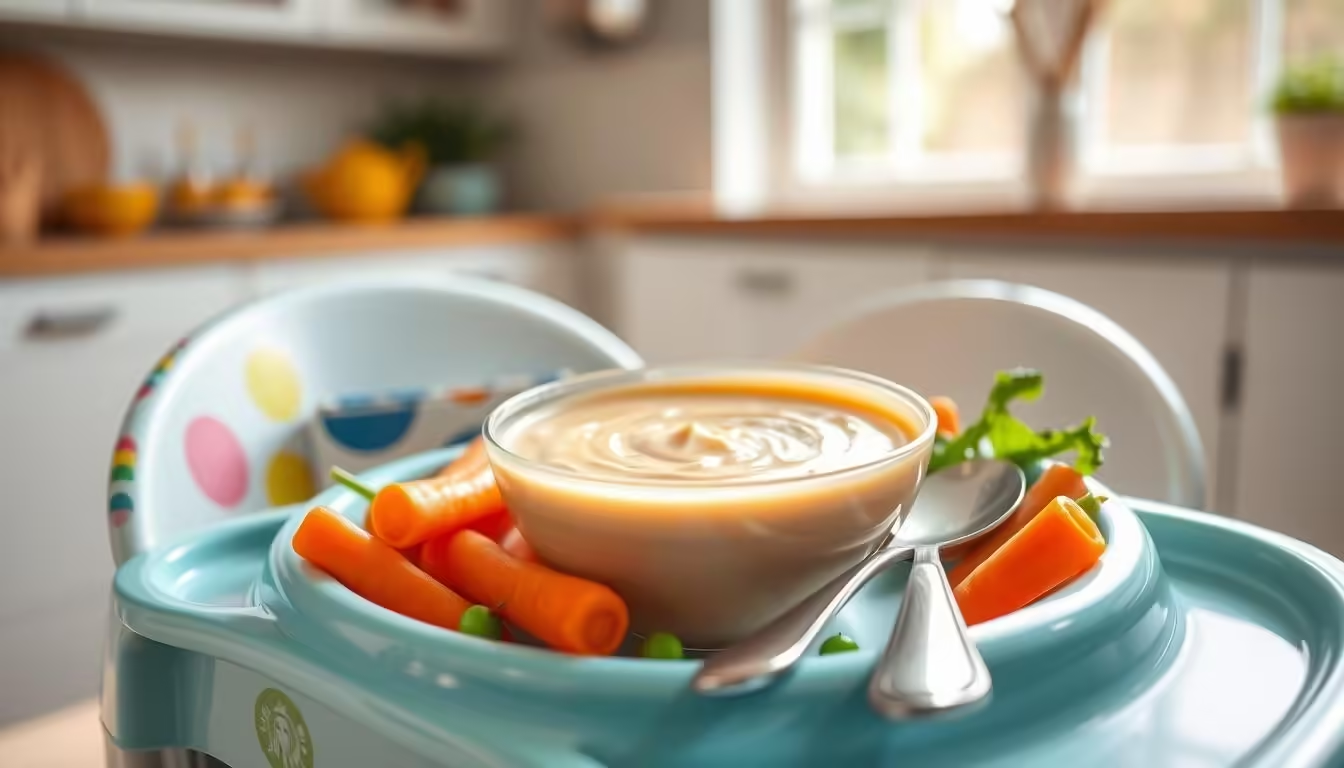
Healthy Chicken Baby Food Options for Your Little One
Chicken is a fantastic first food for babies. It’s full of vitamins, fat, and protein that help them grow. But, making pureed chicken for your baby might seem scary. This article will show you healthy chicken baby food options. You’ll learn about homemade recipes, organic baby puree, and safe ways to add poultry to your baby’s diet.
Key Takeaways
- Chicken is packed with essential nutrients like protein, iron, and vitamin B12 that support a baby’s growth and development.
- Homemade chicken baby food can be easily prepared using simple ingredients and saved for later use.
- Organic baby food blends offer a convenient option for parents seeking high-quality, nutritious meals for their little ones.
- Introducing chicken as a first food for infants can be a great way to diversify their diet and expose them to new flavors.
- With proper preparation and storage methods, chicken baby food can be a wholesome and versatile part of your child’s nutrition.
Table of Contents
Introduction to Chicken Baby Food
Why Chicken is a Great First Food for Babies
Chicken is a top pick for introducing solid foods to babies. It’s lean and packed with nutrients, perfect for supporting your baby’s growth.
Chicken is full of high-quality protein, which is key for building and fixing tissues. It also has important vitamins and minerals like selenium and B vitamins. These help keep your baby healthy.
Chicken is easy for babies to digest, making it a smooth start to solid foods. As your baby’s digestive system gets stronger, chicken helps them move from milk to a variety of foods.
“Introducing chicken early on can help expand your child’s palate and encourage a lifelong love of nutritious, flavorful foods.”
Adding chicken to your baby’s diet means you’re giving them a protein-rich, nutrient-packed food. It also opens the door to a wide range of healthy foods. You can try different textures and flavors with chicken, making mealtime fun.
Chicken is a fantastic first food for babies, offering lots of nutrients and supporting their growth. By including chicken in your baby’s meals, you’re teaching them to love healthy eating for life.
Homemade Chicken Baby Puree Recipe
Introducing your little one to homemade chicken baby food is easy. This simple recipe is packed with protein and flavor. It’s a great way to feed your baby a nutritious meal.
The secret to this easy chicken puree is poaching the chicken. This keeps it moist and tender. Adding lemon and thyme gives it tasty flavors your baby will enjoy.
- Gather your ingredients: 2 boneless, skinless chicken thighs (or breasts), 4-6 tablespoons of liquid (water, broth, or milk), and optional seasonings like lemon slices, thyme, or bay leaves.
- Place the chicken in a saucepan and cover with the liquid of your choice. Bring to a gentle simmer and poach the chicken for 15-20 minutes, or until the internal temperature reaches 165°F (74°C).
- Remove the chicken from the poaching liquid and allow it to cool slightly. Once cooled, transfer the chicken to a blender or food processor.
- Blend the chicken, gradually adding the poaching liquid, until you achieve a smooth, creamy baby food recipe consistency.
- Taste the puree and adjust the consistency by adding more liquid if needed. You can also experiment with different herbs and spices to create unique flavor profiles.
| Nutrition Facts | Per Serving |
|---|---|
| Calories | 255 |
| Carbohydrates | 20g |
| Protein | 15g |
| Fat | 13g |
This homemade chicken baby food recipe is a great choice for your baby. It’s full of nutrients and tastes good. Try mixing it with your baby’s favorite veggies for a tasty meal.
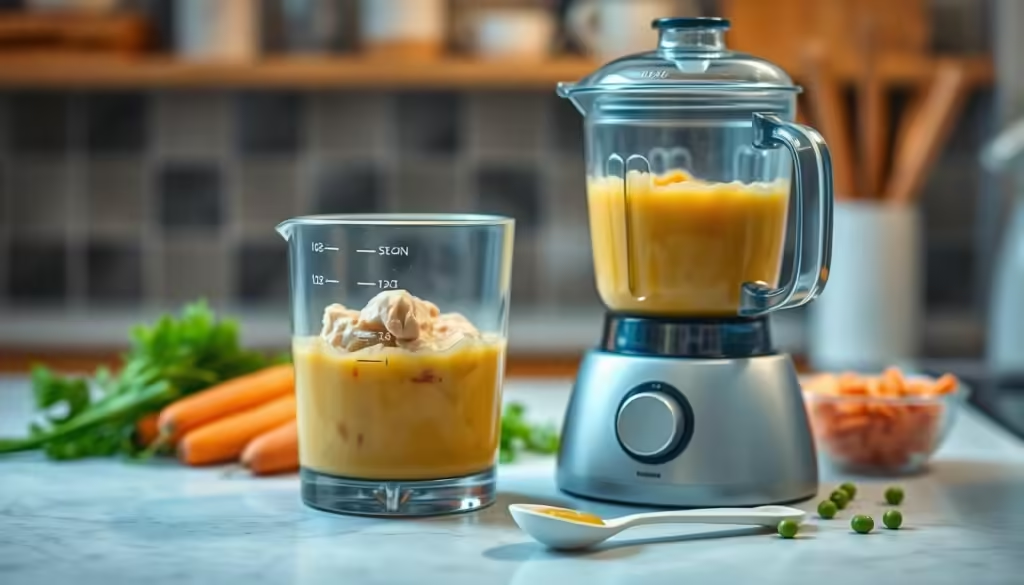
“Homemade chicken baby food is rich in protein and high in iron, making it beneficial for infants.”
Chicken Baby Food: Nutrient-Dense and Versatile
Chicken is a great choice for your baby’s first foods. It’s full of nutrients that help your baby grow strong. It also has vitamins and minerals that are important for your baby’s development.
One serving of homemade chicken baby food has 128 kcal. It has about 4g of carbs, 10g of protein, and 8g of fat. Chicken is rich in iron for red blood cells, vitamin B12 and choline for brain health, and vitamin A for eyes and immune system.
| Nutrient | Amount per 100g |
|---|---|
| Protein | 31g |
| Fat | 3.6g |
| Energy | 165 kcal |
| Iron | 1mg |
| Sodium | 74mg |
| Phosphorus | 228mg |
| Potassium | 256mg |
| Zinc | 1mg |
| Selenium | 27.6mcg |
| Vitamin A | 21 IU |
| Vitamin B1 | 0.1mg |
| Vitamin B2 | 0.1mg |
| Vitamin B3 | 13.7mg |
| Vitamin B6 | 0.6mg |
Chicken is easy to mix with other foods for your baby. You can blend it with sweet potato, carrot, or peas. Or make tasty chicken and veggie mixes. This makes chicken a great choice for a balanced diet for your baby.
“Chicken is a fantastic first food for babies, as it’s packed with essential nutrients and can be easily combined with other healthy ingredients to create delicious and nourishing meals.”
– Amy Palanjian, Author
Storing and Freezing Chicken Baby Food
When making homemade chicken baby food, it’s key to store and freeze it right. This keeps the food’s nutrients and texture good. Chicken baby food stays fresh in the fridge for 3 days or frozen for 2 months.
Safe Storage and Thawing Methods
To freeze chicken baby food, fill airtight containers or freezer-safe trays with it. Make sure to label each one with the date. To serve, thaw it in the fridge overnight or heat it gently in 20-second bursts. Be careful not to overcook the chicken.
It’s important to store and thaw chicken baby food correctly. Don’t refreeze thawed food as it can lose quality and safety. Instead, keep any leftover thawed puree in the fridge for up to 48 hours before eating.
| Storage Method | Recommended Storage Time |
|---|---|
| Refrigerator | Up to 3 days |
| Freezer | Up to 2 months |
By sticking to these tips, your homemade chicken baby food will stay nutritious and tasty. It’s a great, healthy choice for your baby.
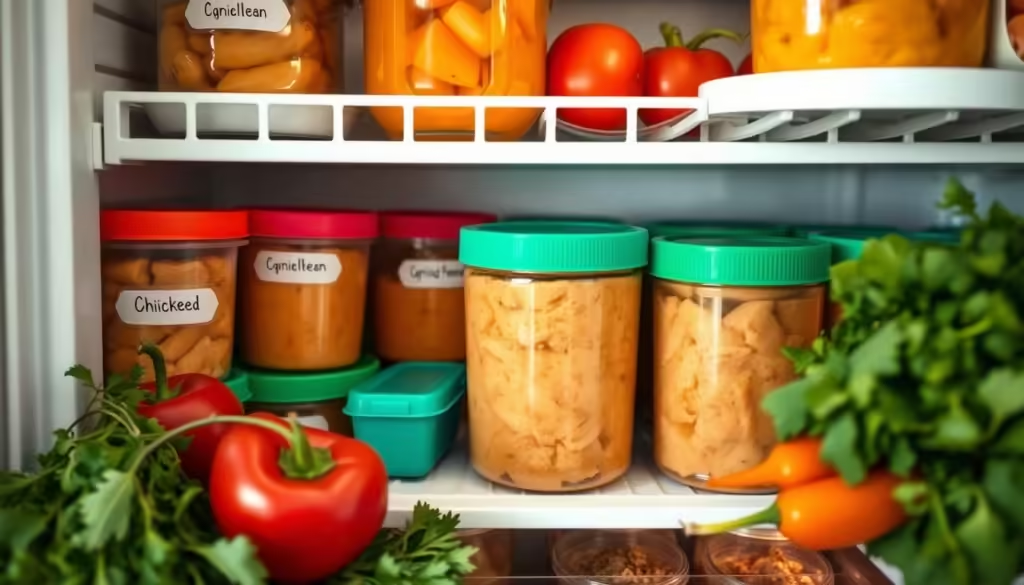
“Proper storage and thawing methods are essential to preserving the nutrition and texture of the chicken baby food.”
Introducing Chicken Baby Food to Your Little One
When your baby starts eating solid foods, chicken is a great choice. It’s usually introduced between 4-6 months. Your baby should be able to hold their head up, have doubled in weight, and show interest in food.
Before starting solids, talk to your pediatrician. They’ll check if your baby is ready. Start with small amounts and watch for any signs of an allergy.
- Chicken is full of nutrients like protein, fat, and vitamins B3, B6, and B12. It’s good for your baby’s growth.
- Even though chicken is rare, some people might be allergic to it, especially if they’re allergic to fish.
- Make sure chicken is the right texture for your baby. Start with smooth purées and then move to soft pieces.
Chicken adds important nutrients to your baby’s diet. It also introduces new tastes and textures. This helps your baby develop a healthy eating habit.
| Age | Chicken Preparation |
|---|---|
| 6-9 months | Smooth chicken purée or finely shredded chicken |
| 9-12 months | Soft, bite-sized pieces of chicken |
| 12+ months | Chicken nuggets (with caution for choking risk) |
Every baby is different. The right time and way to introduce chicken may vary. Listen to your baby and work with your pediatrician for a safe and healthy start.
Flavorful Chicken Baby Food Combinations
Starting your baby on chicken baby food is exciting. Mixing chicken puree with other healthy foods creates tasty blends. These mixes offer a variety of flavors, from sweet to savory, for your baby to enjoy.
Chicken and sweet potato is a great mix. The sweet potato’s natural sweetness goes well with the chicken’s savory taste. Another good choice is chicken and apple. The crisp apple adds a sweet touch to the chicken’s richness.
Chicken and spinach is a nutritious blend. Spinach adds color and iron, while chicken provides protein. Pears also pair well with chicken, offering a sweet and smooth taste.
| Chicken Baby Food Blend | Potential Benefits |
|---|---|
| Chicken and Sweet Potato | Offers a balance of savory and sweet flavors, while providing essential nutrients like vitamin A and vitamin C. |
| Chicken and Apple | Introduces a refreshing, fruity note to the chicken, while also supplying fiber and vitamin C. |
| Chicken and Spinach | Combines the protein-rich chicken with the iron-packed spinach for a nutrient-dense meal. |
| Chicken and Pear | Blends the savory chicken with the smooth, sweet pear, creating a delightful texture and flavor profile. |
Start with small amounts when introducing new flavors. Offering different chicken baby food blends helps your baby develop a varied taste. This way, they’ll enjoy a wide range of healthy, tasty foods for life.
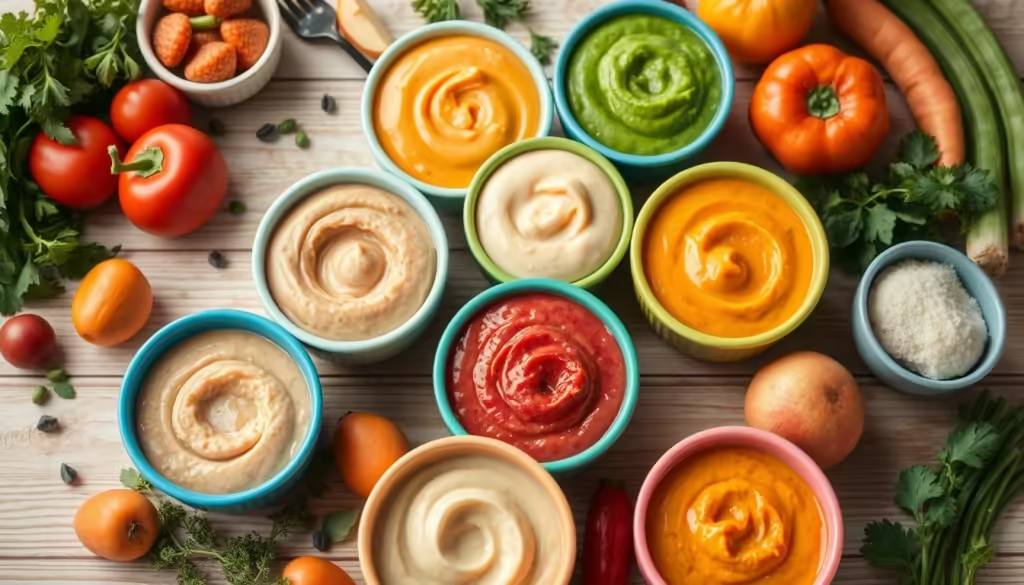
Chicken Baby Food: A Versatile Meal for the Whole Family
Chicken baby food isn’t just for babies. It’s a tasty, healthy meal for everyone. The homemade chicken puree recipe you use for your baby can be made for older kids and adults too.
Adapting the Recipe for Older Children and Adults
To make the chicken baby food recipe better for your family, you can change the seasonings and texture. Add more herbs, spices, or cheese to make it taste great for everyone. This way, you can keep it mild for your baby while making it flavorful for others.
This chicken baby food recipe is very versatile. You can make one dish that everyone can enjoy. Here are some ways to adapt the recipe:
- Add more herbs and spices, like garlic, rosemary, or paprika, for adults.
- Include diced veggies like bell peppers, onions, or zucchini for a hearty stew or casserole.
- Make chicken nuggets or patties for a fun, finger-food option for kids.
- Put the chicken on rice or noodles for a full, family meal.
By starting with the basic chicken baby food recipe and making it your own, you can make sure everyone loves the meal. This way, you can have a delicious, chicken-based meal for everyone.
| Ingredient | Quantity | Usage |
|---|---|---|
| Ground Chicken | 1 lb | For the base of the dish |
| Onion | 1 medium | Adds flavor and aroma |
| Zucchini | 1 cup, grated | Adds moisture and nutrients |
| Carrots | 1 cup, grated | Adds color and sweetness |
| Bell Peppers | 1 cup, diced | Adds texture and flavor |
| Seasonings | To taste | Customize to suit your family’s preferences |
By changing the chicken baby food recipe, you can make a family-friendly meal. This meal will please everyone’s taste buds and make sure your little one gets the nutrition they need.
Addressing Common Concerns
When you start adding chicken and spices to your baby’s food, you might worry. But, chicken can be a safe and healthy choice for your baby.
Chicken is not usually a common allergen for babies. But, it’s always good to watch for signs of an allergy. Look out for hives, rash, or tummy troubles.
Mild spices can help your baby get used to new tastes. This can make them more open to trying different foods. Just remember to use spices carefully and avoid too much.
Some parents worry about arsenic in rice-based foods. But, you can lower the risk by rinsing rice well before cooking. Also, try different grains and keep portions small.
With careful steps, you can safely add chicken and other healthy foods to your baby’s diet. This way, you can make sure your child is safe and well-fed.
| Safety Tip | Recommendation |
|---|---|
| Internal temperature of baby food | Reach 165°F to kill bacteria |
| Shelf life of homemade vs. store-bought baby food | Homemade lasts shorter (24-48 hours) compared to store-bought (up to 48 hours for fruits/veggies, 24 hours for meats) |
| Freezing baby food | Can be frozen for up to 3 months in freezer-proof containers or ice cube trays |
Keeping your child’s food safe is very important. By knowing how to handle and store food, you can safely introduce chicken and other good foods to your baby.
Baby-Led Weaning with Chicken
Serving Chicken in Finger Food Form
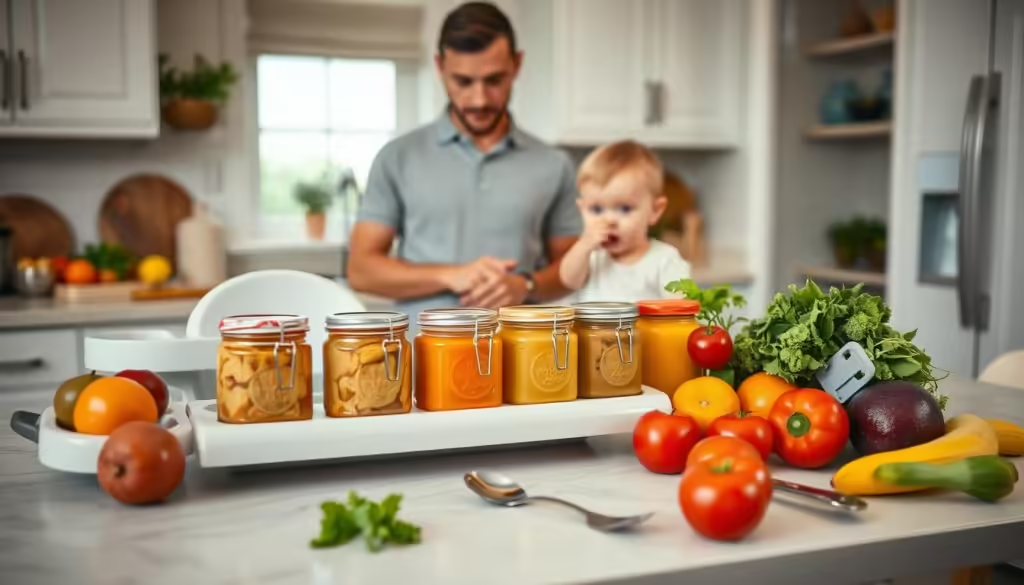
Chicken is a great choice for baby-led weaning. Your baby can feed themselves by picking up and eating larger pieces of food. Make sure the chicken is soft and easy for your baby to hold.
For baby-led weaning, bake, steam, or poach chicken until it’s tender. Then, cut it into small strips or cubes. This size is perfect for your baby’s little hands.
- Chicken is full of protein, iron, zinc, and vitamins that help your baby grow.
- Try different chicken options like shredded chicken or meatballs. This introduces new tastes and textures.
- Let your baby use their fingers to pick up the chicken. This helps them learn to feed themselves.
Always watch your baby when they’re eating. Change the chicken size and texture as needed. Chicken is a tasty and healthy part of baby-led weaning.
Conclusion
Chicken is a great first food for babies, packed with nutrients for growth. You can serve it as a smooth puree or in finger food form. It’s a versatile, nutritious, and tasty addition to your baby’s diet.
Chicken is full of protein, vitamins, and minerals. It helps with muscle growth and keeps the immune system healthy. Adding chicken to your baby’s meals introduces new flavors and supports their health.
Chicken is easy to prepare in many ways and can be enjoyed by everyone. You can puree it or serve it as finger food. As your baby grows, you can change chicken recipes to fit their tastes and needs.
FAQ
Is chicken a good first food for babies?
Yes, chicken is a great first food for babies. It’s packed with vitamins, fat, and protein. These are key for your baby’s growth.
How can I make homemade chicken baby food?
Try our Basic Chicken Baby Puree recipe for a simple, healthy meal. It’s perfect for babies 6 months and older.
What are the nutritional benefits of chicken for babies?
Chicken is full of vitamins, minerals, and healthy fats. It’s a top source of protein, iron, vitamin B12, and choline. These nutrients help your baby grow and develop.
How should I store and thaw chicken baby food?
Store chicken baby food in the fridge for up to 3 days or freeze for 2 months. To thaw, refrigerate overnight or reheat in 20-second intervals. Be careful not to overcook.
When can I introduce chicken to my baby?
Introduce chicken as a first food between 4-6 months. Make sure your baby has reached developmental milestones. Always check with your pediatrician before starting solids.
Can I mix chicken puree with other foods?
Yes, mix chicken puree with fruit or vegetable purees. This introduces new flavors and textures. Try it with sweet potatoes, apples, pears, or spinach.
Can the whole family enjoy the chicken baby food recipe?
Absolutely! Adjust the seasonings and texture for older kids and adults. It becomes a meal everyone can enjoy.
Are there any safety concerns with introducing chicken to my baby?
Start with small portions and watch for allergic reactions. Chicken is generally safe. Mild spices can also help your child’s taste buds.
Can I introduce chicken through baby-led weaning?
Yes, introduce chicken through baby-led weaning. Serve soft, easy-to-grasp chicken pieces. This helps your baby practice self-feeding while enjoying chicken’s nutritional benefits.
External Resources for Further Reading
Baby Led Weaning Recipes
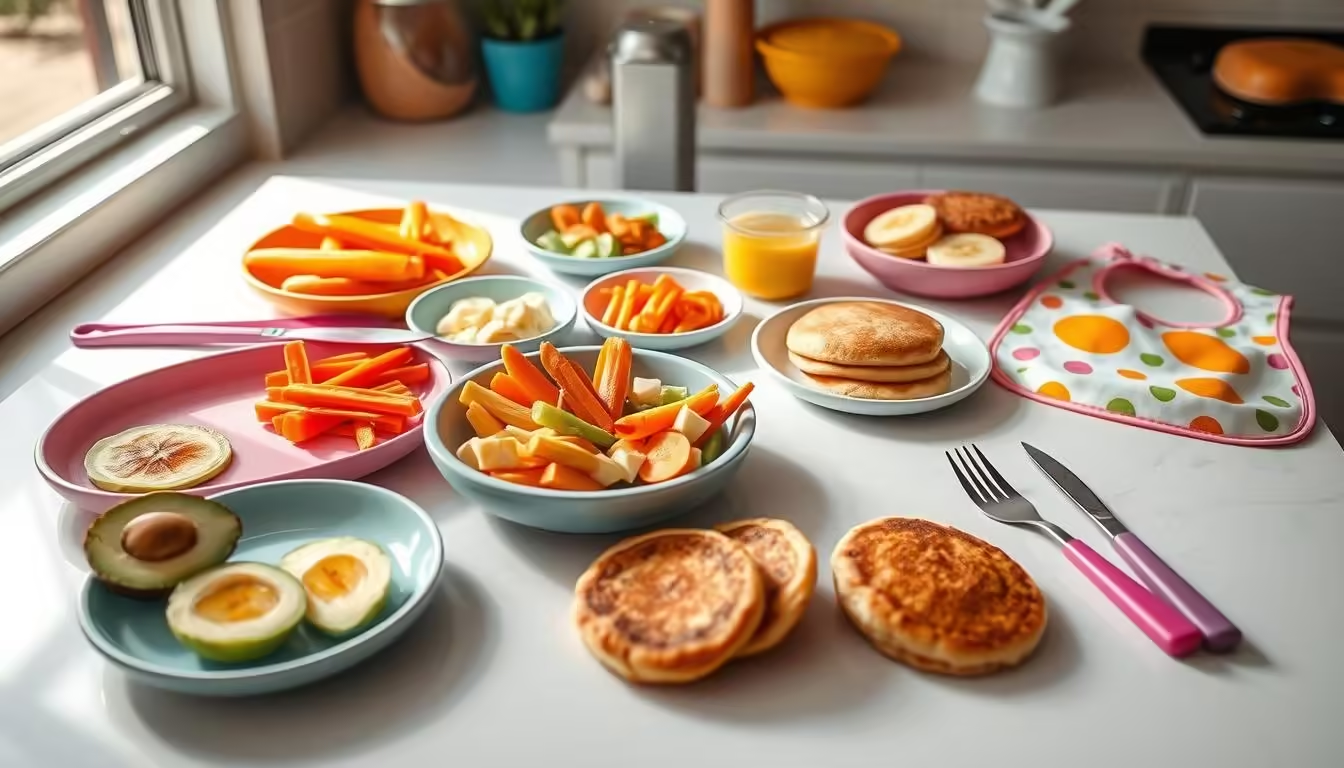
Starting your baby on solid foods can be thrilling yet scary. Baby led weaning (BLW) is a favorite method. It lets your baby try different tastes and textures at their own speed. This guide will show you many simple and healthy baby led weaning recipes to feed your growing child.
If you’re beginning the weaning journey or want to add more to your baby’s menu, this article is for you. You’ll find everything from baby finger foods to full first foods for baby. There are also lots of healthy baby purees, kid-friendly meals, and homemade baby food options. These recipes are designed to help your baby enjoy a variety of tastes and textures.
Key Takeaways
- Discover a variety of easy and nutritious baby led weaning recipes for your little one.
- Learn how to introduce solids safely and create delicious meals your baby will love.
- Explore a comprehensive guide to baby led weaning, including breakfast, lunch, and dinner options.
- Prioritize infant nutrition and introduce solid foods with confidence.
- Expand your baby’s culinary horizons and foster a love for diverse flavors and textures.
Table of Contents
What is Baby Led Weaning?
Baby led weaning (BLW) is a way to introduce solid foods to your baby. It skips the usual purees and goes straight to real, whole foods. This method lets your baby explore different tastes and textures as they join family meals.
By letting your child feed themselves, BLW boosts their oral skills and curiosity about food. It also makes them more active in family meals.
When babies are about 6 months old, they’re ready to start eating solids. Instead of spoon-fed purees, BLW lets them eat finger foods. This hands-on approach helps them develop fine motor skills and learn to eat based on their hunger.
- Babies who followed a BLW approach were less likely to be overweight or obese compared to those who were traditionally spoon-fed.
- Toddlers who practiced BLW were less prone to emotional or external eating, as they learned to eat based on their own hunger signals.
- Families who embraced BLW often exposed their infants to a wider variety of foods, textures, and flavors, laying the foundation for a diverse palate.
BLW makes mealtime positive for both you and your baby. It helps them develop a good relationship with food. With safety in mind and a bit of mess, it’s a rewarding way to introduce solid foods.
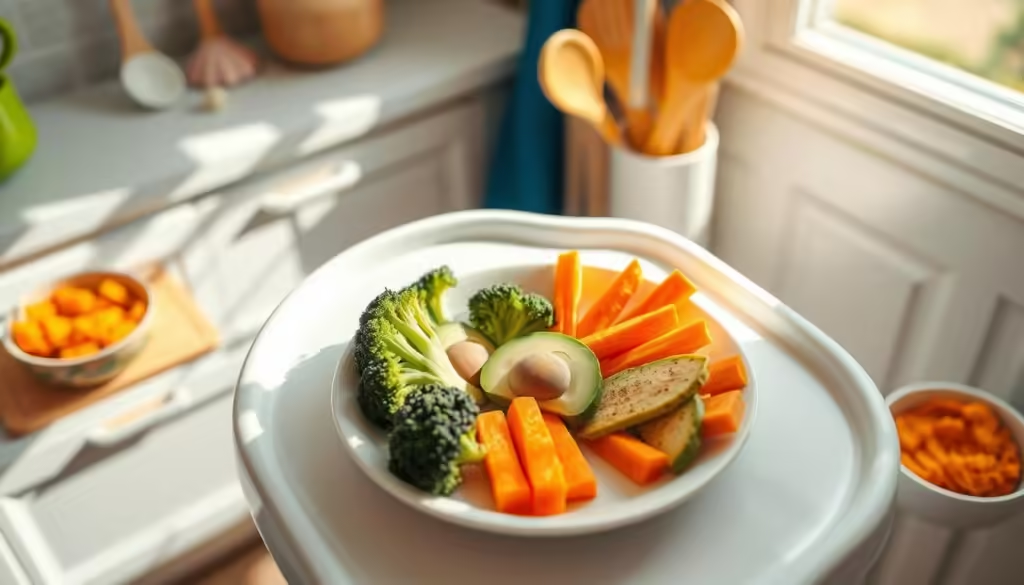
“BLW provides babies with increased opportunities to develop gross and fine motor skills, as well as a sense of independence and control over their eating.”
7 Baby Led Weaning Breakfasts
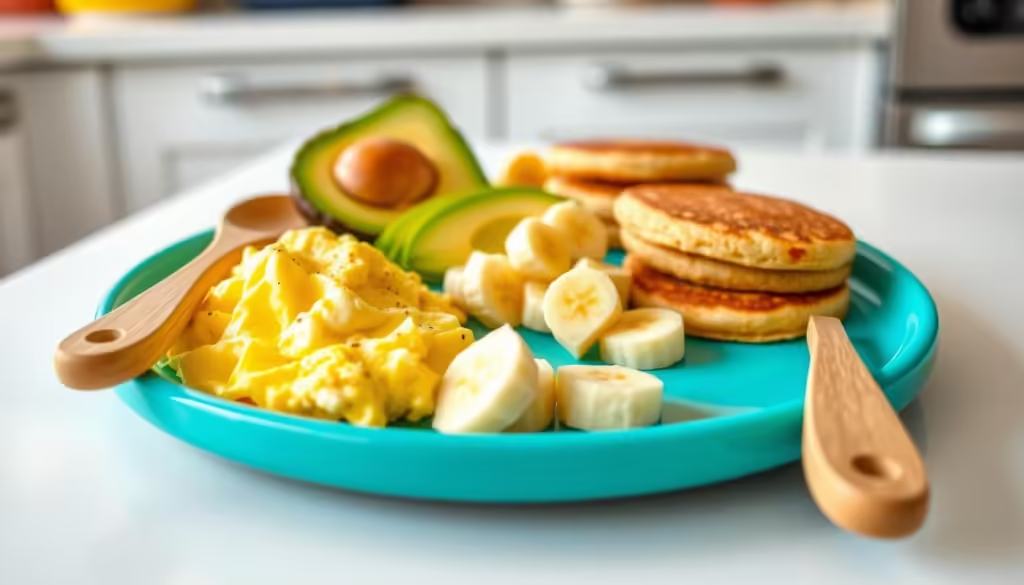
Starting your baby on solid foods is a fun and healthy adventure with baby led weaning. These 7 tasty breakfast ideas are great for trying new tastes and textures. They help your baby learn to eat on their own. From avocado toast to banana pancakes, these meals are not only good for your baby, but also easy to pick up.
- Avocado Toast with Scrambled Egg and Steamed Broccoli: Mashed avocado on whole grain toast, topped with soft scrambled egg and steamed broccoli florets.
- Breakfast Bake with Sausage and Hash Browns: Baked egg dish with crumbled sausage, shredded hash browns, and diced bell peppers.
- Scrambled Eggs with Blueberries and Sautéed Sweet Potatoes: Soft scrambled eggs served with fresh blueberries and tender sautéed sweet potato cubes.
- Frozen Waffle with Papaya and Blueberries: A toasted whole grain frozen waffle topped with fresh papaya and blueberries.
- Banana Pancakes with Strawberries and Avocado: Fluffy banana pancakes served with sliced strawberries and creamy avocado slices.
- Overnight Oats with Scrambled Egg: Chilled overnight oats mixed with a soft scrambled egg.
- Frozen Waffle with Veggie Cake and Banana: A whole grain frozen waffle served with a homemade veggie cake and sliced banana.
These baby led weaning breakfast ideas are not only nutritious, but also encourage your little one to explore a variety of flavors, textures, and self-feeding skills. Enjoy these wholesome and delicious meals as you embark on your baby’s solid food journey!
Remember, it’s important to follow baby led weaning guidelines and consult with your pediatrician for personalized advice on introducing solids to your baby. Bon appétit!
baby led weaning recipes
Baby led weaning (BLW) is a great way to introduce solid foods to your baby. It’s different from spoon-feeding because babies get to feed themselves. This helps them learn to use their hands and try new tastes and textures.
There are many tasty and healthy baby led weaning recipes you can make at home. You can find everything from breakfast bakes to dinner ideas. These recipes are perfect for your baby’s growing needs.
Breakfast Bites
- Mini Egg Muffins with Cheese and Veggies
- Healthy Oatmeal Bars with Fruit
- Banana Pancakes (2-Ingredient Baby Pancakes)
Lunch & Dinner Delights
- Turkey Sweet Potato Meatballs
- Easy Zucchini Slice
- Baked Pear Slices
These baby finger foods and first foods for baby are not only yummy but also full of nutrients. They have protein, iron, and vitamins that help your baby grow. Adding healthy baby purees and homemade baby food to your BLW routine ensures your baby gets a balanced diet.
| Recipe | Nutrients | Preparation Time |
|---|---|---|
| Broccoli Fritters | Vitamin C, Fiber | 30 minutes |
| Instant Pot Butter Chicken | Protein, Iron | 45 minutes |
| Healthy Meatballs with Hidden Vegetables | Protein, Vegetables | 25 minutes |
Trying different baby led weaning recipes is good for your baby. It gives them important nutrients and lets them discover new tastes and textures. Offering a variety of first foods for baby helps them develop a healthy relationship with food.
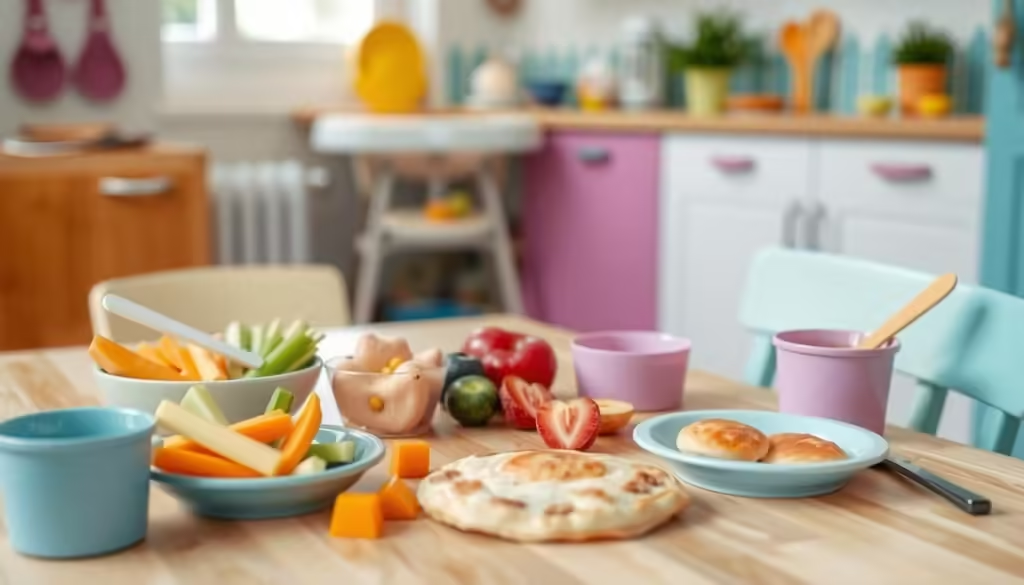
“The key to successful baby-led weaning is to offer a wide variety of foods and textures, and to let your baby explore and discover at their own pace.”
7 Baby Led Weaning Lunches
Starting baby led weaning can be both exciting and challenging for new parents. But, with the right recipes, you can give your baby tasty and healthy lunches. These lunches will help your baby learn and grow. Here are 7 yummy baby led weaning lunch ideas to try:
- Tomato Soup with Grilled Cheese Fingers: Serve a twist on a classic comfort food. Offer soft, bite-sized grilled cheese with a tasty tomato soup for dipping.
- Rice Cracker Pizzas: Make mini pizzas with tomato sauce, cheese, and bell peppers on rice crackers. It’s a fun, easy-to-eat pizza.
- Turkey Pinwheels with Cherry Tomatoes and Raspberries: Roll up turkey, cream cheese, and spinach in a tortilla. Slice into pinwheels. Serve with cherry tomatoes and raspberries.
- Homemade Tuna Salad with Hummus and Cucumber Spears: Mix a simple tuna salad. Serve it with hummus and cucumber spears for dipping.
- Mac and Cheese with Grape Tomatoes and Sautéed Veggies: Give your baby creamy mac and cheese. Add grape tomatoes and sautéed zucchini or bell peppers.
- Cheese Quesadilla with Banana: A cheesy quesadilla with melted cheese and sliced banana for a sweet touch.
- Canned Sardines with Cucumber and Bell Pepper Slices: Offer soft sardines with crisp cucumber and bell pepper sticks for a healthy lunch.
The key to baby led weaning is variety. Offer different textures, flavors, and nutritious foods. Encourage your baby to try these fun and healthy lunch options.
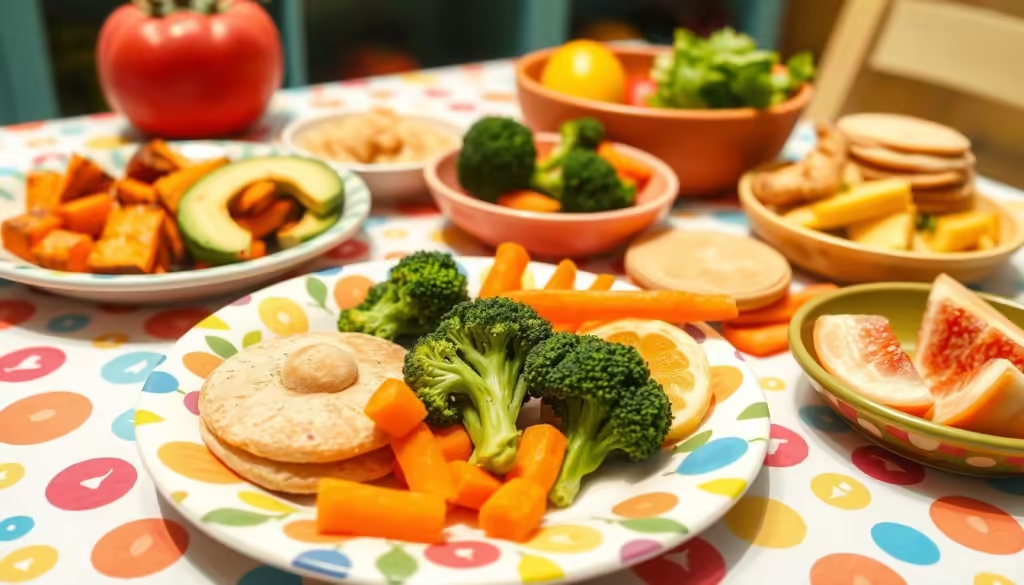
“The best thing about baby-led weaning is that it allows babies to self-regulate their appetite and explore a wide variety of flavors and textures from the start.”
With creativity and an open mind, you can help your baby develop healthy eating habits. Enjoy the journey of baby led weaning with your little one!
Introducing Solids: A Guide
Starting your baby on solid foods is both exciting and challenging. Baby-led weaning lets your baby explore different tastes and textures at their own speed. Here are some tips to make this journey safe and fun.
When to Start Introducing Solids
The American Academy of Pediatrics suggests starting solids around 6 months. Your baby should be able to sit up, hold their head, and show interest in food.
Preparing Meals for Baby-Led Weaning
For baby-led weaning, offer soft, finger-sized foods. Think roasted sweet potato, steamed broccoli, or cooked meat strips. Stay away from hard, sticky, or crunchy foods and be careful of allergens.
Watching for Food Allergies
Introduce new foods one at a time to watch for allergies. If your baby shows signs of an allergic reaction, stop the food and talk to your pediatrician.
Remember, every baby is different when starting solids. Be patient, flexible, and ready for new adventures as you watch your child grow.
| Recommended Foods | Foods to Avoid |
|---|---|
|
|
7 Baby Led Weaning Dinners
Starting your baby on solid foods is a fun journey. Baby-led weaning (BLW) lets your baby try different tastes and textures at their own speed. It helps them develop healthy eating habits early on. Here are 7 yummy baby led weaning dinner ideas to try:
- Cilantro Rice with Roasted Brussels Sprouts and Sautéed Mushrooms
- Deconstructed Tacos with Taco Meat, White Rice, Cheese, and Almond Flour Tortillas
- Beef and Pork Meatloaf with Mashed Potatoes and Mozzarella and Tomatoes
- Baked Chicken with Ketchup, Yogurt, and Tomatoes
- Chickpea Rotini with Pesto and Chicken Patty
- Pork Chop with Roasted Zucchini and Potatoes
- Hamburger Strips with Sweet Potato Fries and Broccoli
These baby finger foods and first foods for baby are not just tasty. They also have important nutrients for your baby’s growth. Let your baby try these healthy baby purees and kid-friendly meals at family dinners. It helps them love food from a young age.
| Meal | Ingredients |
|---|---|
| Cilantro Rice with Roasted Brussels Sprouts and Sautéed Mushrooms | Cilantro, white rice, Brussels sprouts, mushrooms, olive oil, salt, and pepper |
| Deconstructed Tacos with Taco Meat, White Rice, Cheese, and Almond Flour Tortillas | Ground beef, taco seasoning, white rice, cheddar cheese, almond flour tortillas |
| Beef and Pork Meatloaf with Mashed Potatoes and Mozzarella and Tomatoes | Ground beef, ground pork, breadcrumbs, eggs, onions, potatoes, mozzarella, tomatoes |
| Baked Chicken with Ketchup, Yogurt, and Tomatoes | Chicken breasts, ketchup, plain yogurt, tomatoes |
| Chickpea Rotini with Pesto and Chicken Patty | Chickpea pasta, pesto, chicken patty |
| Pork Chop with Roasted Zucchini and Potatoes | Pork chop, zucchini, potatoes, olive oil, salt, and pepper |
| Hamburger Strips with Sweet Potato Fries and Broccoli | Ground beef, sweet potatoes, broccoli |
When introducing new baby led weaning dinner ideas, do it slowly. Watch how your baby reacts to each food. Enjoy this special time together as your baby discovers new flavors and textures!
Benefits of Baby Led Weaning
Baby led weaning (BLW) is becoming more popular. Parents like it because it helps avoid picky eaters and fits with Montessori child-rearing. Babies learn to feed themselves and join family meals, controlling their food intake. The benefits of BLW are promising, even though research is still ongoing.
BLW boosts independence and helps with motor and oral skills. It makes babies less likely to be picky eaters. It also lets babies decide how much to eat, introducing them to different tastes and textures. This makes eating out and family meals easier.
- Encourages independence and self-feeding skills
- Promotes motor and oral development
- Reduces picky eating tendencies
- Allows babies to control their own appetite
- Exposes babies to a variety of flavors and textures
- Facilitates family mealtimes and dining out experiences
- Cost-effective compared to purchased baby food
The Solid Starts Compass℠ app helps parents with their baby’s first foods. Starting BLW around 6 months is recommended. But, premature babies might be ready sooner, closer to their corrected age of 6 months.
| Benefit | Description |
|---|---|
| Promotes independence | Babies who practice self-feeding skills through BLW develop a sense of independence and control over their food intake. |
| Reduces picky eating | Studies show that babies introduced to solids through BLW are less likely to become picky eaters later in life. |
| Exposes to diverse flavors | BLW allows babies to explore a wide range of textures and flavors, which can make family mealtimes and dining out experiences easier. |
| Cost-effective | BLW is generally more cost-effective compared to purchasing pre-made baby food. |
BLW is rewarding and beneficial for introducing solids. But, babies must show they’re ready, and parents must follow safety rules. With proper supervision and best practices, BLW can be a positive experience for families.
“Baby-led weaning encourages more family meals, with studies showing that families practicing BLW eat together more often and find mealtimes less stressful.”
Baby Led Weaning Meal Prep Tips
Embracing baby led weaning (BLW) can change meal prep for your baby. It ensures they get a variety of nutritious foods. You can batch cook, freeze meals, or plan ahead. These tips make mealtime easier and give your baby the best foods for growth.
Batch Cooking for Convenience
Spending a few hours each week on batch cooking is a big help. Prepare proteins, veggies, and starches that mix well for meals all week. Think egg muffins, sweet potato fries, or chicken meatballs. Use glass jars or Tupperware for easy meals on busy days.
Freezer-Friendly Recipes
Using freezer-friendly BLW recipes is a big win for parents. Freeze pureed veggies, fruits, and proteins in portions for quick meals. This keeps healthy options ready, even when you’re rushed.
Meal Planning for Variety
Meal planning keeps your baby’s diet varied and balanced. Spend time each week planning breakfast, lunch, and dinner with different foods. This keeps your baby healthy and helps you stay organized in the kitchen.
These BLW meal prep strategies save time and reduce stress. They help your baby get the nourishing meals they need. A bit of planning makes a big difference in baby led weaning meal planning and baby meal prep.
Conclusion
Baby led weaning (BLW) is a great way to introduce solids and encourage your baby’s curiosity. It lets them explore different textures and flavors. This approach helps them become adventurous eaters and builds a positive food relationship early on.
Research supports BLW’s benefits, like better satiety and weight gain. It also introduces complementary feeding on time. Although some worry about choking and nutrient intake, studies show no big differences with spoon-feeding.
Choosing how to introduce solids is up to you. You might choose BLW, purees, or a mix. The key is to follow your baby’s cues and find what works for your family. With patience and creativity, you can help your baby enjoy food for life.
FAQ
What is baby led weaning?
Baby led weaning (BLW) means skipping purees for real foods. It helps babies grow and learn about food. They eat the same foods as the family, but in a safe way.
Why did you choose to do baby led weaning?
I chose BLW because my baby wanted to feed himself. He didn’t like purees, but was interested in solid foods. I had to learn fast, but it was worth it.
Does baby led weaning prevent picky eating?
I don’t think parents can stop kids from being picky. Home environment affects what kids eat, but some kids are naturally picky. I didn’t try BLW to avoid pickiness.
What are some tips for safely introducing solids?
Start with one new food at a time to watch for allergies. Once your baby is ready for more, it can be hard to choose. But, it’s exciting to see them try new things.
External Resources for Further Reading
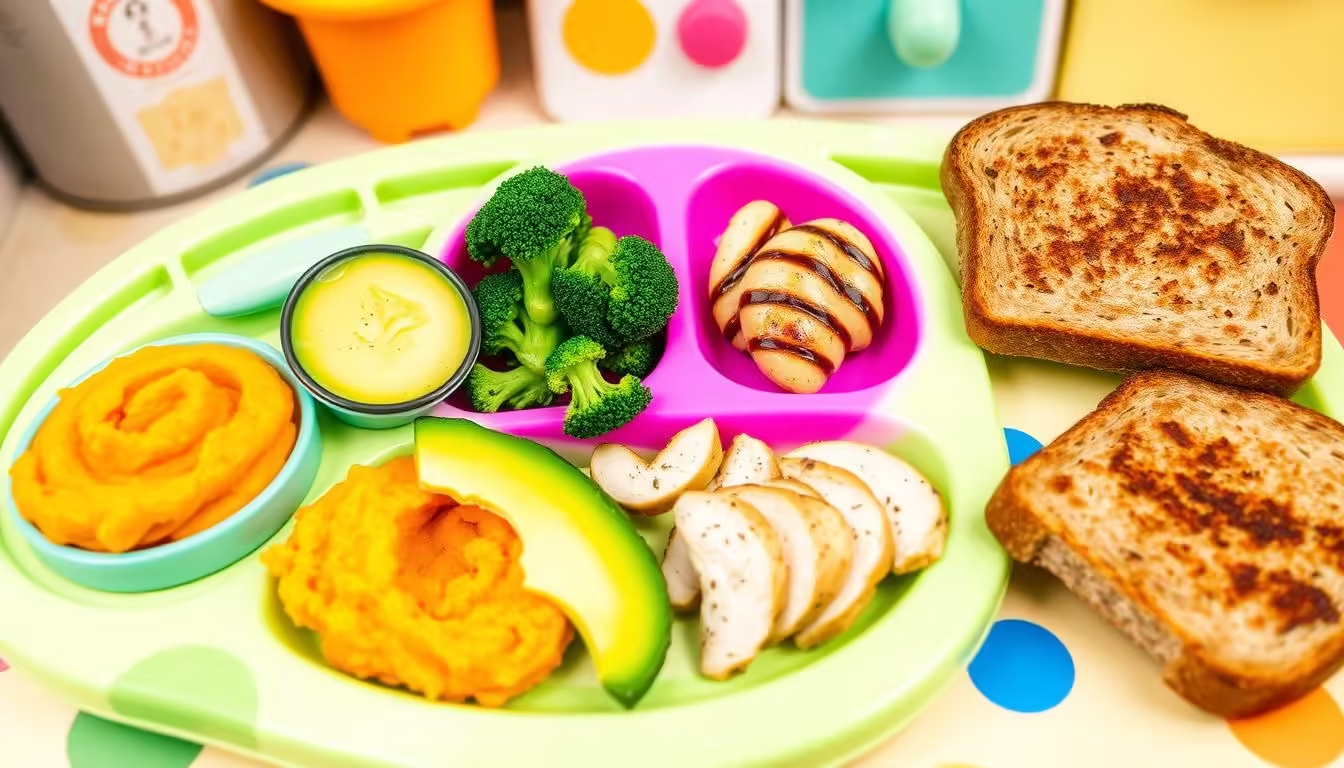
Healthy Meal Ideas for 1 Year Old
Feeding a 1-year-old the right foods is key for their growth. Toddlers need a mix of calories, protein, fats, vitamins, and minerals. This helps their bodies and minds grow fast. We’ll look at meals, snacks, and ways to feed your 1-year-old to make sure they get all the nutrients they need.
Key Takeaways
- Toddlers aged 1 year old require around 1,000 calories per day, with half of those calories coming from healthy fats.
- Offer a variety of nutrient-dense foods, including fruits, vegetables, whole grains, lean proteins, and dairy products.
- Introduce new foods gradually, as it may take up to 10 tries for a child to get used to new flavors and textures.
- Provide appropriate finger foods and snacks to support your child’s growing independence and exploration of solid foods.
- Monitor your child’s growth and adjust their food intake as needed, rather than focusing on specific meal-by-meal or day-to-day amounts.
Age-Appropriate Nutrition for 1-Year-Olds
When your little one turns one, their diet needs change to support their growth. They need about 1,000 calories a day, spread over three meals and two snacks. This helps them get all the nutrients they need.
Understanding Caloric and Nutrient Needs
Toddlers might eat differently each day. Their appetite and food likes can change. It’s important to offer a variety of foods that are good for their health.
The Importance of Healthy Fats and Nutrient-Dense Foods
Healthy fats are very important at this age. They give energy and help with brain, eye, and nervous system growth. Try to add foods like avocado, olive oil, nut butters, dairy, and fish to their meals and snacks.
| Food Group | Recommended Servings for Toddlers (1-2 years) |
|---|---|
| Fruits | 1/2 serve per day |
| Vegetables | 2-3 serves per day |
| Grains | 4 serves per day |
| Dairy | 1-1/2 serves per day |
| Protein | 1 serve per day |
Knowing your child’s calorie and nutrient needs helps them stay healthy and active.
Breakfast Ideas for 1-Year-Olds
Starting the day with a healthy breakfast is key for a 1-year-old’s energy and growth. There are many tasty and nutritious options to start their day off right. From cereals to egg dishes, these meals are perfect for busy toddlers.
Wholesome and Nutritious Morning Meals
Here are some healthy breakfast ideas for your 1-year-old:
- Iron-fortified cereal with whole milk and fresh fruit like bananas, strawberries, or peaches
- Scrambled eggs served with whole-wheat toast and a side of avocado or roasted sweet potato
- Overnight oats made with oats, milk, and your child’s favorite berries or diced pears
- Baked oatmeal with cinnamon, nuts, and a drizzle of maple syrup
- Egg muffins filled with veggies like spinach, bell peppers, and onions
- Breakfast burritos with whole-grain tortillas, scrambled eggs, and black beans
These meals offer a mix of protein, carbs, and fats. They help keep your toddler full and focused in the morning.
| Nutrient | Importance for Toddlers | Food Sources |
|---|---|---|
| Choline | Supports brain development and cognitive function | Eggs, meat, poultry, fish, dairy products |
| Fiber | Promotes healthy digestion and reduces disease risk | Whole grains, fruits, vegetables, nuts, and seeds |
| Antioxidants | Protect cells from damage and support immune function | Fruits, vegetables, spices like cinnamon |
Adding these healthy breakfasts to your 1-year-old’s day helps them stay active and focused. It’s a great way to support their growth and well-being.
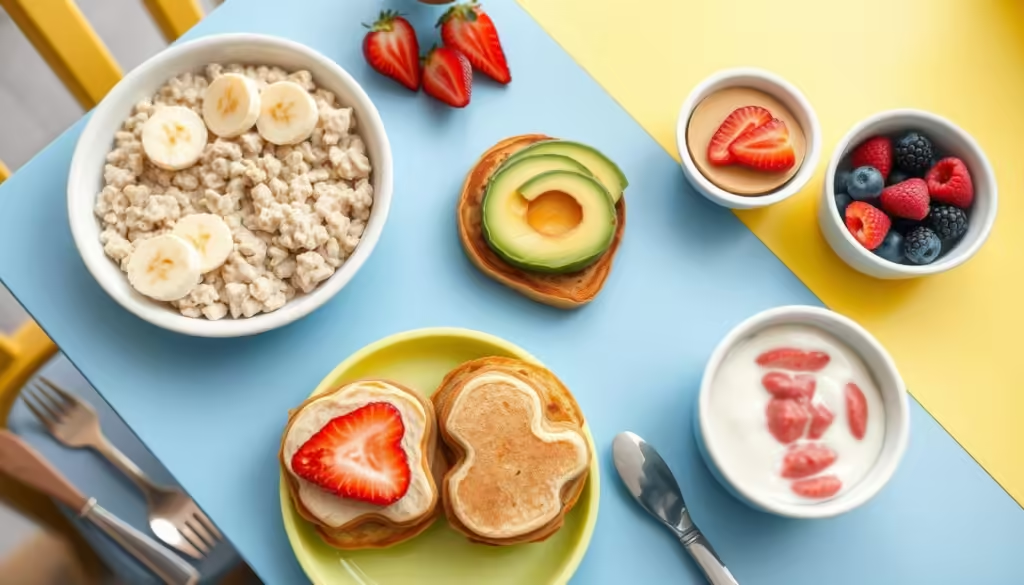
Lunch Meal Ideas for Toddlers
Creating a healthy lunch for your 1-year-old is fun. It’s a chance to add more veggies, protein, and whole grains. A good lunch idea for 1 year old is a half sandwich with turkey or chicken, tuna, or egg salad. Add cooked green veggies and whole milk for a complete meal.
Another healthy toddler lunch is pasta with ground meat and veggies. Or, try cubed cheese, sliced fruit, and whole-grain crackers. These easy toddler lunch recipes offer a balanced meal for your child.
Toddlers from 1 to 3 years old might be picky eaters. Their growth slows down, affecting their hunger and nutrition needs. Tailor lunch portions to their taste, appetite, and ability to chew.
Keep introducing foods they don’t like to help them try new things. Offering a variety of tastes and textures helps them develop good eating habits.
| Lunch Idea | Prep Time | Cook Time | Total Time | Calories | Servings |
|---|---|---|---|---|---|
| Spinach Grilled Cheese | 10 minutes | 6 minutes | 16 minutes | 157 kcal | 2 |
Spinach Grilled Cheese:
- 2 cups baby spinach
- 1/2 cup shredded cheddar cheese
- 1 tablespoon cream cheese
- 1/4 teaspoon cumin
- 4 pieces whole grain bread
- 1 tablespoon butter
“Lunchbox meals for toddlers should ideally include protein, fats, colorful fruits, and vegetables to sustain energy levels throughout the day.”
Dinner Recipes for 1-Year-Old Babies
Dinnertime is a great chance to introduce new tastes and textures to your 1-year-old. Try to make meals balanced with 2-3 ounces of cooked meat or poultry. Add cooked veggies and a whole-grain like brown rice or mashed potatoes. You can also bake salmon with sweet potatoes and broccoli, or make a lentil and vegetable stew.
Balanced and Flavorful Evening Meals
For dinner ideas for 1 year old, aim for nutritious toddler meals that taste good and are simple to make. Toddler dinner recipes can be comforting and loved by your little one. They help your child’s taste buds grow.
| Recipe | Ingredients | Preparation |
|---|---|---|
| Pumpkin Alfredo | Whole-wheat pasta, pumpkin puree, low-fat cream cheese, garlic, parmesan | Blend pumpkin, cream cheese, and garlic; toss with cooked pasta and parmesan. |
| Mac and Cheese Bites | Whole-wheat macaroni, low-fat cheddar, eggs, breadcrumbs | Mix cooked mac and cheese with eggs and breadcrumbs; bake into bite-sized portions. |
These dinner ideas for 1 year old are not just tasty but also packed with nutrients. They help your toddler try new flavors and textures. Letting your child help with cooking can make them love food more.
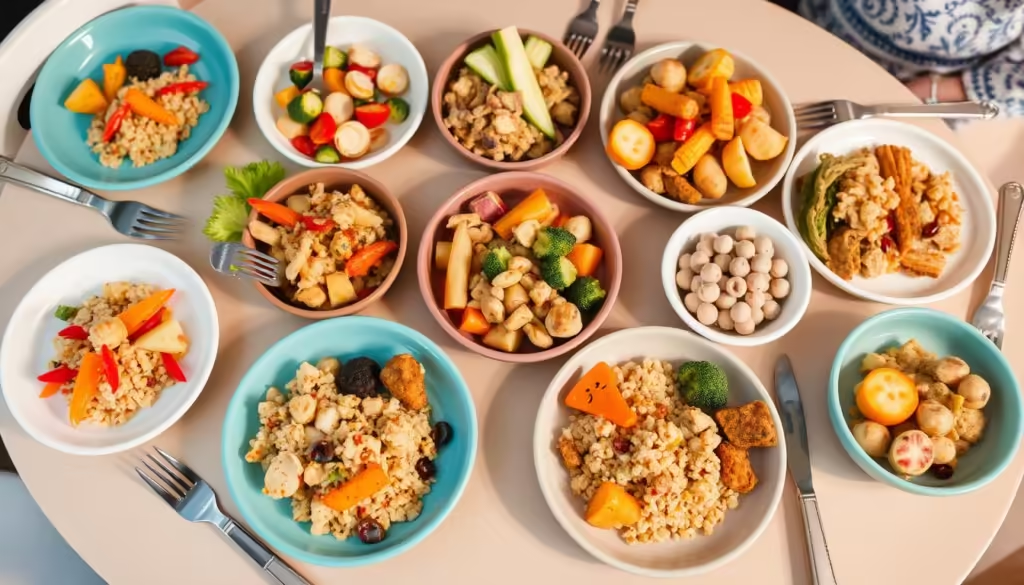
“Offering a variety of healthy, flavorful meals is key to establishing good eating habits in toddlers.”
Finger Foods and Snacks for 1-Year-Olds
As your 1-year-old gets better at using their fingers and feeding themselves, it’s time for finger foods and snacks. Soft, fresh fruit, crisp veggies, and dairy are great because they’re easy to eat. But remember, small pieces and no choking hazards are key.
Healthy Bite-Sized Treats and Nibbles
Finger foods for 1-year-olds should be fun and nutritious. They can have different tastes and textures to excite their senses. Here are some healthy choices:
- Dairy: Shredded or diced cheese, cottage cheese on spoons or trays
- Meat/Poultry/Fish: Shredded meats, deli meats, fish sticks, and soft, diced fish
- Legumes/Nuts: Chickpeas, edamame, energy bites, hummus, Larabars minis, and chopped nuts (for kids 2 and up)
- Whole Grains: Applesauce Pancakes, Baked French toast, Cheesy Rice, Oatmeal, Quinoa, and homemade bars
- Fruit: Apples, bananas, blackberries, blueberries, and more
- Vegetables: Avocado, broccoli, butternut squash, and more
Most parents see finger foods as a big part of their child’s diet. They say their toddlers love fruits and veggies the most. Offering a variety of healthy snacks helps your child grow strong and healthy.
meal ideas for 1 year old
Practical and Nutritious Meal Planning Tips
Creating healthy meals for your 1-year-old can be both rewarding and challenging. But, with some smart strategies, you can make it easier. Start by cooking proteins, grains, and veggies in bulk. This way, you can quickly make meals.
Try adding your child’s favorite foods to new recipes. It’s okay to serve the same healthy meals over and over. Sometimes, it takes many tries for a toddler to like a new food.
Planning meals is crucial to ensure your 1-year-old gets all the nutrients they need. Create a meal plan for the week or month. This helps you cover all food groups and offer different tastes and textures. Frozen fruits and veggies are great for adding variety to your meals.
There are countless healthy meals you can make for your toddler. Think about making homemade vegetable soup or shepherd’s pie. You can also try black beans and rice. Don’t be shy to try new ingredients and flavors. Your toddler might be more open to new foods than you think.
| Meal Idea | Nutritional Benefits |
|---|---|
| Hummus and Crackers | Protein-rich hummus paired with whole-grain crackers provides a balanced snack or mini-meal. |
| Peanut Butter Sandwich | Peanut butter offers healthy fats and protein to fuel growing bodies, while whole-wheat bread adds complex carbohydrates. |
| Roasted Vegetables | Roasting brings out the natural sweetness in vegetables, making them more appealing to toddlers while preserving their nutritional value. |
The secret to great toddler meal planning is balance, variety, and patience. With a bit of creativity and a well-stocked pantry, you can offer your 1-year-old many tasty and healthy meals. These meals will help them grow and develop well.
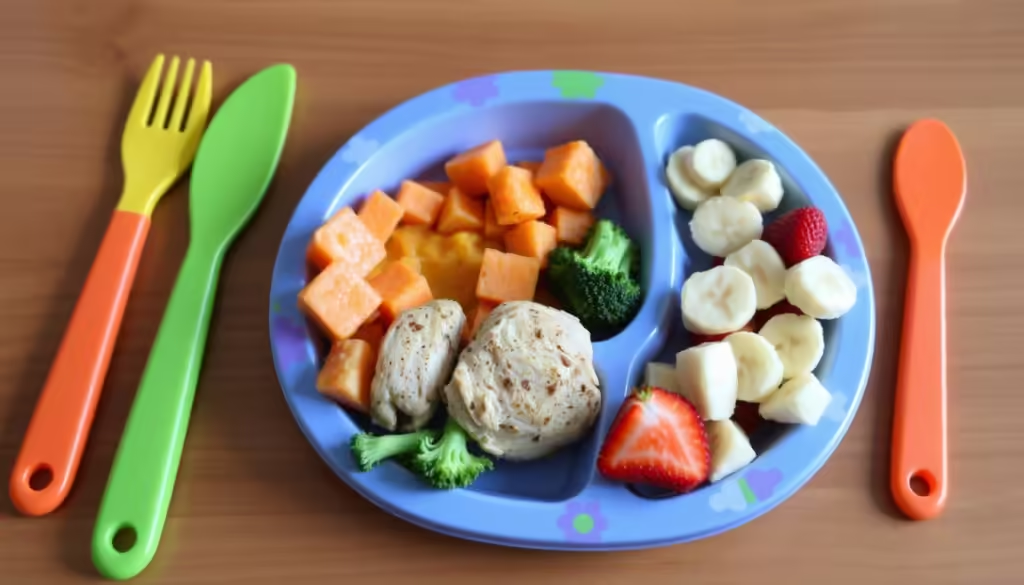
Introducing New Foods to Toddlers
Starting your 1-year-old on new foods can take time. They might not like new tastes and textures at first. Be patient and keep offering the same food until they get used to it. It can take up to 15 times before they accept something new.
Also, watch out for common allergens like peanuts, tree nuts, eggs, and dairy. Introduce these foods one at a time. This way, you can spot any allergic reactions early on.
Strategies for Picky Eaters and Allergen Awareness
One-year-olds have small stomachs, so every bite counts. They need foods rich in iron, dark greens, oranges, fats, proteins, and energy. Make sure to include a protein source at every meal and snack.
Foods high in vitamin C help absorb iron better. Give fruits and veggies with vitamin C at every meal and snack. Foods like grains, starchy veggies, and fruits give kids the energy they need to grow.
Be careful with foods that can be choking hazards, like whole grapes, popcorn, nuts, and hot dogs. Toddlers decide how much to eat, so don’t worry about portion sizes. Offer a variety of foods to meet their nutritional needs and likes.
It might take 8-15 times for a toddler to even try a new food. Show them how to eat by eating yourself. Watch their hunger cues to adjust meal times. Start with small portions to avoid overwhelming them.
Toddlers may resist eating if they feel forced. They might go through phases where they’re less hungry. Comparing new foods to foods they already like can make them more open to trying new things.
Using fun language about food can spark their interest. Family-style meals give them a sense of control. It’s normal for kids to be picky as they learn about food.
“Introducing new foods to a 1-year-old requires patience and persistence. Offering the same food multiple times, being mindful of allergens, and creating a positive mealtime environment can help picky eaters become more adventurous with their food choices.”
Drinks and Hydration for 1-Year-Olds
Keeping your 1-year-old well-hydrated is key. They need 700-1000 ml of fluid each day. Whole milk is great because it has fats, protein, and calcium.
Water is also good, but juice and sugary drinks should be rare. They can take the place of better foods and harm teeth.
Drinking enough helps your toddler grow and stay healthy. The American Academy of Pediatrics says 2 cups of cow’s milk a day is enough for kids 12-24 months. Fruit juice should be less than 4 fluid ounces daily.
Toddlers need 1,000–1,400 calories a day. Make sure they get the right nutrients. Avoid sugary drinks like sodas and fruit drinks. Water should be their main drink all day.
| Recommended Drinks for 1-Year-Olds | Amounts to Limit |
|---|---|
|
|
It’s important to keep your toddler hydrated and away from sugary drinks. Talk to your pediatrician if you’re worried about their drinking habits.
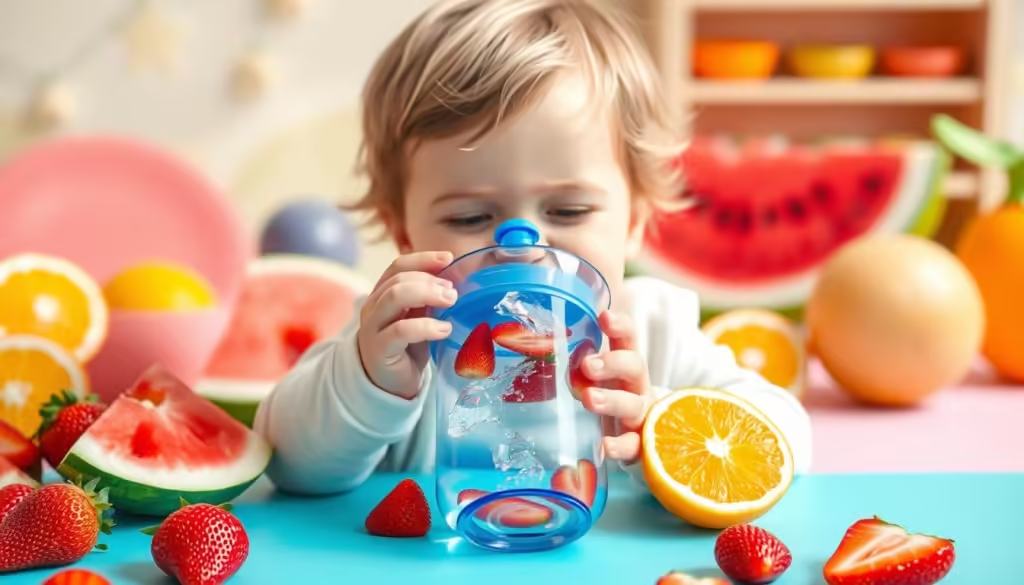
“Proper hydration is essential for 1-year-olds, who should be drinking between 700-1000 ml of fluid per day.”
Meal Prep and Planning for Busy Parents
Getting healthy meals ready for your 1-year-old can take a lot of time. But, with some smart toddler meal prep tips, you can make it faster. Try batch cooking. This means making proteins, grains, and veggies in big batches. Then, you can mix and match them to make quick, balanced easy toddler meals all week.
Freezing meals like purees, soups, and casseroles is another great idea. These frozen meals are perfect for busy days when you need something fast and easy.
Planning your meals and making a shopping list for the week can also help. This way, you know exactly what you need and avoid last-minute trips to the store.
“Most Sundays are spent getting organized for the week ahead, indicating a weekly meal prep routine for busy parents.”
When you go shopping, look for loose produce and sales. This can save you money and let you use fresh, seasonal ingredients in your meals.
Organizing your meal planning can also make things easier. Try grouping meals by type or cooking parts of meals ahead of time. This makes toddler meal prep more efficient and less stressful.
The secret to great toddler meal prep is finding a balance. Be ready to change plans if needed, and keep things like frozen veggies and sauces handy. They can make your easy toddler meals even quicker and easier.
Conclusion
It’s key to give your 1-year-old the right toddler nutrition and healthy toddler meals. Knowing their 1 year old feeding guide helps a lot. You can make sure they eat well by mixing different foods and planning meals smartly.
Being patient and creative at mealtime is important. It helps your child love eating healthy, tasty foods. This way, mealtimes become a chance to teach them about good food.
It might take time for your child to like new tastes and textures. But don’t worry, keep introducing them to lots of healthy foods. Soon, they’ll enjoy trying different things. Making mealtime fun helps them learn to eat well for life.
With the right toddler nutrition plan, your 1-year-old will have all the energy they need. Enjoy trying new healthy toddler meals together. Watch as your child grows into a confident, healthy eater.
FAQ
What are some healthy and nutritious meal ideas for a 1-year-old?
For breakfast, try iron-fortified cereal with whole milk, scrambled eggs, and whole-wheat toast with nut butter. Add fresh fruit for a sweet touch. Lunch can be a half sandwich with protein, veggies, and whole milk.
Dinner should have 2-3 ounces of cooked meat or poultry. Pair it with veggies and a whole-grain like brown rice or mashed potatoes.
How many calories does a 1-year-old need per day?
One-year-olds need about 1,000 calories daily. Their diet should have protein, healthy fats, complex carbs, and lots of vitamins and minerals.
What are some healthy fats and nutrient-dense foods that should be included in a 1-year-old’s diet?
Include avocado, olive oil, nut butters, dairy, and fish in their diet. These foods give essential energy and help with brain, eye, and nervous system growth.
What are some good finger food and snack options for a 1-year-old?
Good snacks include soft, fresh fruit like bananas, peaches, and berries. Also, try veggie sticks, cheese cubes, and unsweetened yogurt.
How can parents make meal planning and preparation easier for a 1-year-old?
Batch cooking proteins, grains, and veggies can save time. Freeze homemade purees, soups, and casseroles for later. Plan weekly menus and make a grocery list to stay organized.
How should parents introduce new foods to a 1-year-old?
Introduce new foods slowly, as they might not like them at first. Be patient and keep offering the same food until they accept it. Start with small amounts and watch for any signs of allergy.
How much fluid should a 1-year-old be drinking per day?
One-year-olds need 700-1000 ml of fluid daily. Whole milk is great because it has fats, protein, and calcium. Water is okay too, but limit juice and sugary drinks.
External Resources for Further Reading
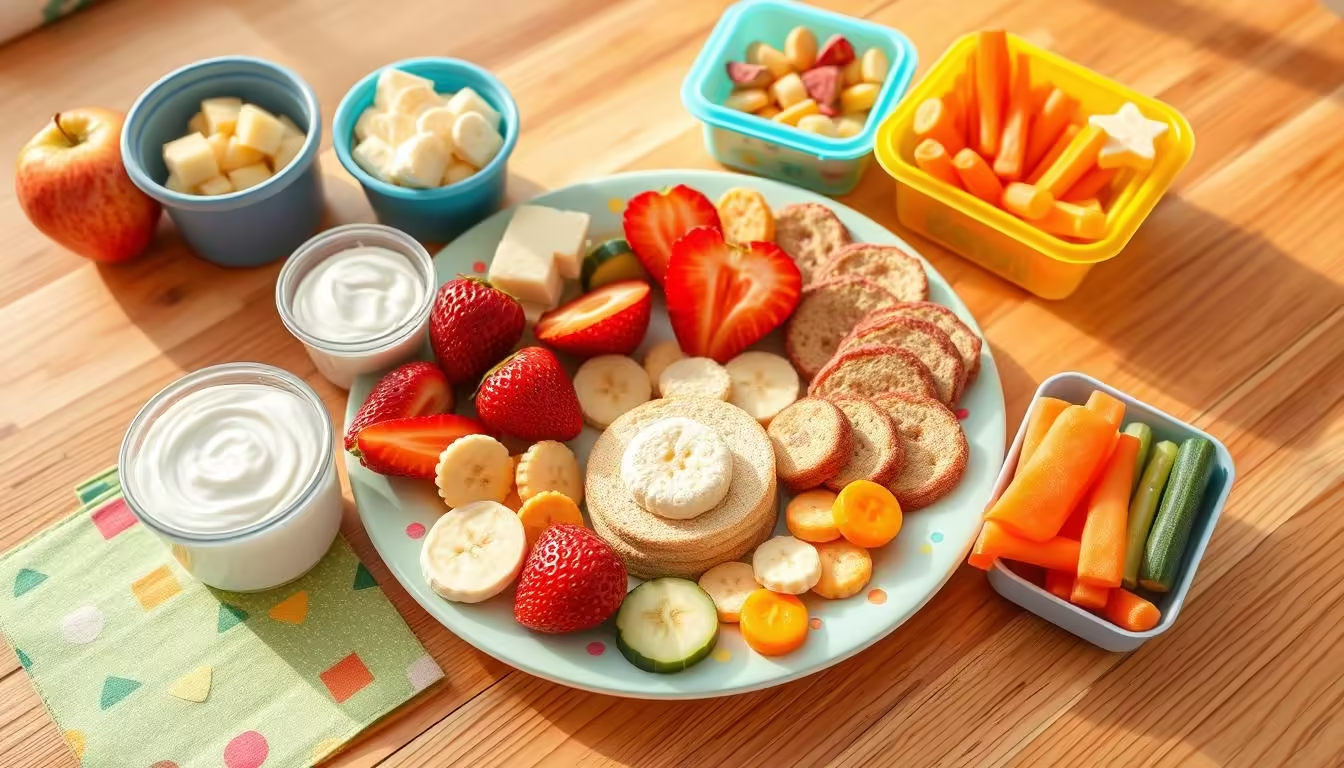
Preschool Snacks to pack for 3-Year-Old
Packing preschool snacks for a 3-year-old can be tough. But, choosing the right snacks can help your child stay healthy and focused. This guide offers many “healthy kid snacks,” “preschool snack ideas,” and “toddler lunchbox snacks” that are simple to make. They meet your child’s nutritional needs and taste preferences.
Key Takeaways
- This article provides 30 “snacks to pack 3 year old for preschool” that include shelf-stable, fresh produce, protein-packed, and whole grain options.
- The snack list incorporates “healthy kid snacks” suitable for preschoolers’ nutritional and chewing needs, including nut-free alternatives.
- Parents are advised to include 1-2 food groups in each “toddler lunchbox snack” to ensure balanced nutrition and satisfy hunger until the next meal.
- Recommendations for “preschool snack ideas” include cheese sticks, fresh fruit, granola bars, muffins, smoothies, and more.
- Tips are provided on how to keep “preschool snacks” balanced, simple, and varied to expose children to a range of nutrients.
Table of Contents
Why Packing Preschool Snacks Matters
Packing snacks for your preschooler is key to their daily routine. At 3 years old, their stomachs are small. They need snacks to keep their energy up and support their growth. Snacks help fill any nutritional gaps and keep them satisfied.
Snacks do more than just fill their bellies. They help regulate mood and behavior in 3-year-olds. Hunger can make them irritable and hard to focus. Healthy snacks keep them happy and focused.
Snacks also help introduce new foods to your child. Preschoolers are still figuring out what they like. Trying new foods helps them develop healthy eating habits for life.
“Packing snacks for preschoolers is not just about filling their tummies – it’s about supporting their overall health, development, and well-being.”
So, whether it’s crackers or a bento lunch, snacks are important. They help your 3-year-old grow and succeed in school and life.
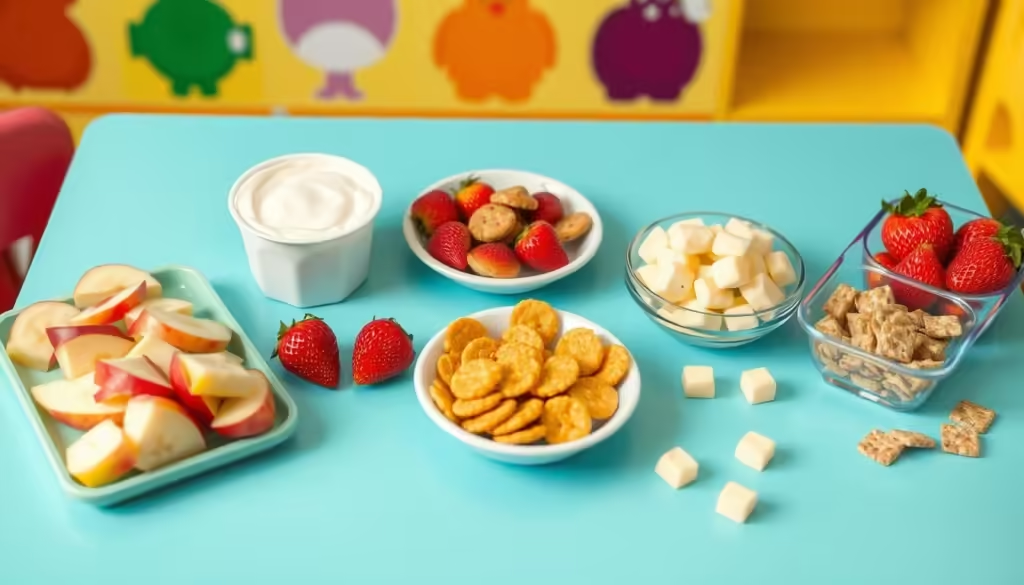
Snacks to Pack 3 Year Old for Preschool
Shelf-Stable Options
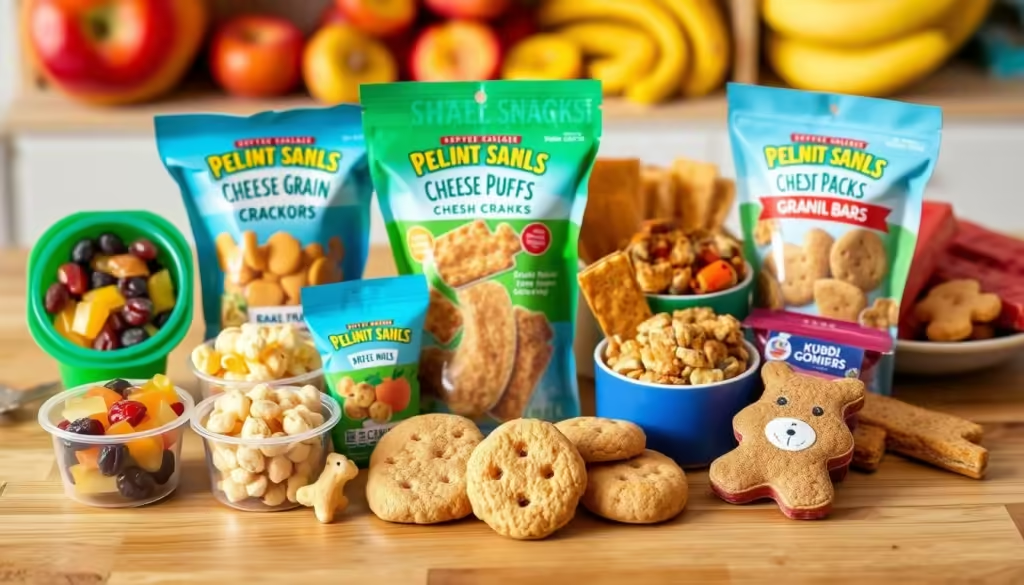
It’s important to pack snacks for your 3-year-old that don’t need to be kept cold. These snacks are easy to carry and last a long time. They make sure your child has healthy choices all day.
Here are some great shelf-stable snack ideas for preschool:
- Applesauce pouches or cups – Choose ones with 100% fruit and no added sugars.
- Canned fruit in 100% juice – Peaches, pears, and mandarin oranges are great choices.
- Freeze-dried fruit – These are light, crunchy, and fun to eat on the go.
- Fruit leather – A chewy, sweet snack that’s easy to pack.
- Dried fruit – Raisins, apple slices, and mango are all tasty and don’t spoil easily.
These snacks are not only easy to pack, but they also give your child important nutrients. They’re perfect for a preschool setting because they don’t spoil easily.
Remember to check if your child’s preschool has any food allergies or special diets. Packing these snacks ensures your 3-year-old stays energized and focused all day.
Fresh Produce Snack Ideas
There are many fresh produce snacks great for preschoolers’ lunchboxes. These snacks are full of vitamins, minerals, and fiber. They help a 3-year-old’s body grow strong.
Fruits
- Bananas
- Berries (blueberries, raspberries, strawberries)
- Clementines
- Sliced apples
Vegetables
- Cucumber slices
- Snap peas
- Bell pepper strips
- Cherry tomatoes
These snacks are not only tasty but also healthy. They are perfect for fresh fruit snacks for preschoolers and fresh veggie snacks for 3 year olds. They add color and nutrients to a preschooler’s diet.
“Offering a range of fresh, pre-portioned produce allows preschoolers to explore new flavors and textures while fueling their bodies with essential nutrients.”
Protein-Packed Preschool Snacks
Protein-rich snacks are great for fueling your preschooler’s growth. They satisfy hunger and help build their bodies.
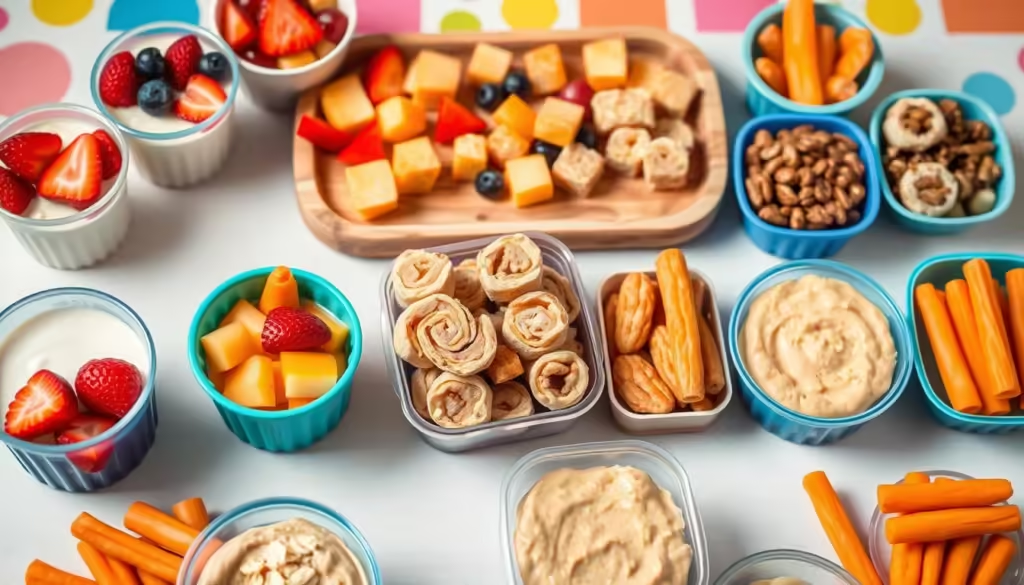
Try cheese sticks for about 7 grams of protein per serving. Hummus, with chickpeas, is another good choice. Snap pea crisps and sunflower seeds are also great for a protein boost.
Deli meat like turkey or ham is a quick protein snack. Pair it with whole-grain crackers or wrap it in a tortilla. Yogurt tubes and cottage cheese are also tasty protein options.
Protein is key for your child’s growth. By choosing protein-rich snacks for 3 year olds and snacks with protein for preschoolers, you help them thrive.
“Protein is the building block of life, and it’s crucial for the growth and development of young children.”
There are many tasty protein snacks for preschoolers. Whether they like savory or sweet, you can find something good. This way, your child stays fueled and happy until the next meal.
Whole Grain Snack Options
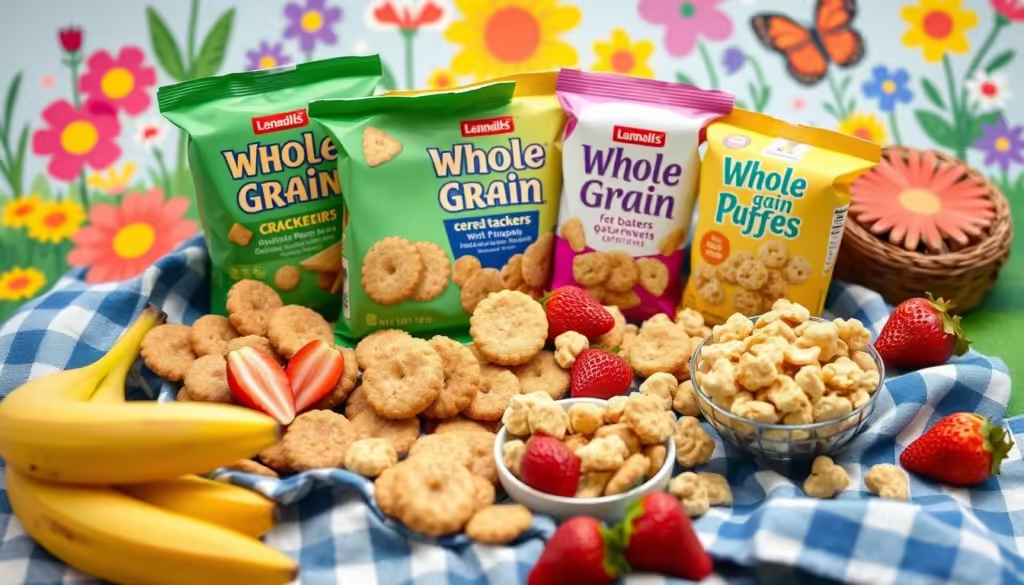
Whole grains are great for preschool snacks. They offer important nutrients, fiber, and complex carbs. These are key for a 3-year-old’s active days. You can find many tasty and healthy whole grain snacks, like whole grain crackers and mini muffins.
- Applesauce Mini Muffins: These moist, fiber-rich muffins are made with whole wheat flour and applesauce for a naturally sweet treat.
- Banana Mini Muffins: Ripe bananas add natural sweetness and moisture to these nutrient-dense whole grain muffins.
- Graham Crackers: Whole grain graham crackers provide a satisfying crunch and a dose of complex carbohydrates.
- Whole Grain Crackers: Look for crackers made with 100% whole grains, such as whole wheat or oats, for a fiber-rich snack.
- Whole Grain Puffs: These airy, whole grain-based puffed snacks are a fun and crunchy option.
- Whole Grain Cereal: Choose a whole grain-based cereal, such as oats or whole wheat, for a nutritious and filling snack.
- Whole Grain Bread: Cut into small cubes or slices, whole grain bread makes a simple and satisfying snack.
- Mini Bagels: Whole grain mini bagels can be topped with cream cheese, hummus, or nut butter for a balanced snack.
- Pretzels: Whole grain pretzels offer a salty, crunchy option that’s easy for little hands to grab and enjoy.
By choosing these whole grain snacks for preschoolers, you help your 3-year-old get the right mix of complex carbs and nutrients. These fiber-rich snack ideas for preschool are not only good for them but also fun and tasty.
Portable Snacks for Preschoolers
As a parent of a 3-year-old, it’s important to pack snacks that are easy to carry. Options like pouches, tubes, bars, and reusable containers are great. They make sure your child has healthy snacks all day, even when they’re not at home.
Think about snacks like squeezable fruit pouches, granola bars, and crackers with nut butter. Also, small containers of fruit or veggies are good. These convenient snacks for preschool are easy for little hands to handle. They can be packed quickly in a lunchbox or backpack, giving your child a healthy snack when they’re hungry.
| Portable Snack Option | Example Brands |
|---|---|
| Fruit and Veggie Pouches | GoGo SqueeZ, Slammers |
| Granola Bars | Kind, Oatmeal Crisp Bars |
| Crackers with Nut/Seed Butter | Late July, Snack Factory Pretzel Crisps |
| Diced Fruit or Veggies | Bare Fruit Crisps, Carrot and Celery Sticks |
Packing a variety of easy-to-transport snacks for preschool is key. It ensures your 3-year-old has healthy options all day. Letting your child help pick snacks can also make them excited to try new things. It helps them develop good eating habits.
Easy-to-Eat Snacks
As a parent of a 3-year-old, finding snacks that are both healthy and easy to eat is key. Preschool snacks that are easy to eat, like simple finger foods for 3 year olds and no-prep snack ideas for preschoolers, are great. They help your child grow independent and learn to feed themselves.
Think about snacks like cut-up fruits and veggies, mini muffins, and small sandwiches. These preschool snacks that are easy to eat help avoid messes. They also help your child’s fine motor skills grow.
- Sliced apples, pears, or bananas
- Grape or cherry tomatoes
- Cucumber sticks
- Baby carrots with hummus
- Mini whole-grain muffins
- Small cubes of cheese
- Yogurt tubes or pouches
- Graham crackers or rice cakes with nut butter
Choosing simple finger foods for 3 year olds and no-prep snack ideas for preschoolers is smart. It makes sure your child gets healthy, easy-to-eat snacks. This helps them grow independent and keeps snack time tidy.
| Snack Idea | Nutritional Benefits | Easy to Eat for Preschoolers |
|---|---|---|
| Apple slices | High in fiber, vitamin C, and antioxidants | Soft, easy to grip, and bite-sized |
| Cucumber sticks | Hydrating, low in calories, and rich in vitamins | Crunchy and easy to pick up with fingers |
| Mini whole-grain muffins | Provide complex carbohydrates and fiber | Bite-sized and easy to hold and eat |
Offering a variety of preschool snacks that are easy to eat keeps your 3-year-old nourished and happy. It supports their growth and development all day long.
Nut-Free Snack Options
Finding nut-free snacks for preschool can be tough. But, there are many tasty and healthy options for kids. These snacks are perfect for little hands and taste buds.
For a protein boost, try Greek yogurt, string cheese, or hummus with veggie sticks. For a crunchy snack, air-popped popcorn or vegetable chips are great. They’re full of fiber and nutrients.
Fruit is always a hit, with fresh berry mixes, homemade apple chips, or whole-fruit leathers. For something more filling, try homemade trail mix with seeds, dried fruit, and whole-grain cereal.
For baked treats, there are nut-free muffins, cookies, and granola bars. Look for recipes for s’mores bars, fruit-filled muffins, and no-bake energy bites.
Getting your child involved in making snacks is a great idea. It teaches them about healthy eating and is fun. With a bit of creativity, you can offer your preschooler many nut-free snack options that are both healthy and yummy.
“Packing nut-free snacks for preschool helps ensure all children can enjoy a safe, inclusive environment.”
Conclusion
Packing healthy snacks for your 3-year-old is key for their growth and well-being. Choose snacks that are full of nutrients from different food groups. This way, your child will stay full and have lots of energy all day.
It’s okay to mix up your child’s favorite snacks and keep things simple. You don’t have to make everything from scratch. Also, check with your preschool or daycare about any food allergies or special rules. With a bit of planning, you can give your child healthy snacks that help them grow strong and smart.
Snack time is a chance to teach your child about healthy eating. Starting early sets them up for a lifetime of good food choices. Keep up the good work and ask your child’s teacher or caregiver for advice on the best snacks to pack.
FAQ
What are some shelf-stable snack options for packing in a 3-year-old’s preschool lunchbox?
Good shelf-stable snacks include applesauce pouches and canned fruit in 100% juice. You can also try freeze-dried fruit, fruit leather, and dried fruit. These snacks are easy to pack and don’t need to be kept cold. They ensure your 3-year-old gets healthy snacks all day at preschool.
What are some fresh produce snack ideas for 3-year-olds attending preschool?
Fresh snacks for 3-year-olds are great. Try bananas, berries, and clementines. Sliced apples, cucumber slices, and snap peas are also good. Bell pepper strips and cherry tomatoes add crunch and nutrients.
What are some protein-packed snack ideas for 3-year-olds?
For protein, consider cheese sticks and hummus. Sunflower seeds and deli meat are also good. Yogurt tubes, cottage cheese, and milk keep 3-year-olds full and healthy.
What are some whole grain snack options for 3-year-olds attending preschool?
Whole grain snacks are essential. Try Applesauce Mini Muffins and Banana Mini Muffins. Graham crackers and whole grain crackers are great too. Puffs, cereal, and whole grain bread are other good choices. Mini bagels and pretzels round out the list.
What are some portable and easy-to-eat snack ideas for 3-year-olds?
For snacks on the go, pouches and tubes are perfect. Bars and reusable containers are also good. Cut-up fruits and veggies, mini muffins, and small sandwiches are easy to eat.
What are some nut-free snack options for 3-year-olds attending preschool?
Nut-free snacks are safe for preschools. Seeds, seed butters, and beans are good choices. Dairy products and nut-free granola bars or baked goods are also safe options.
External Resources for Further Reading
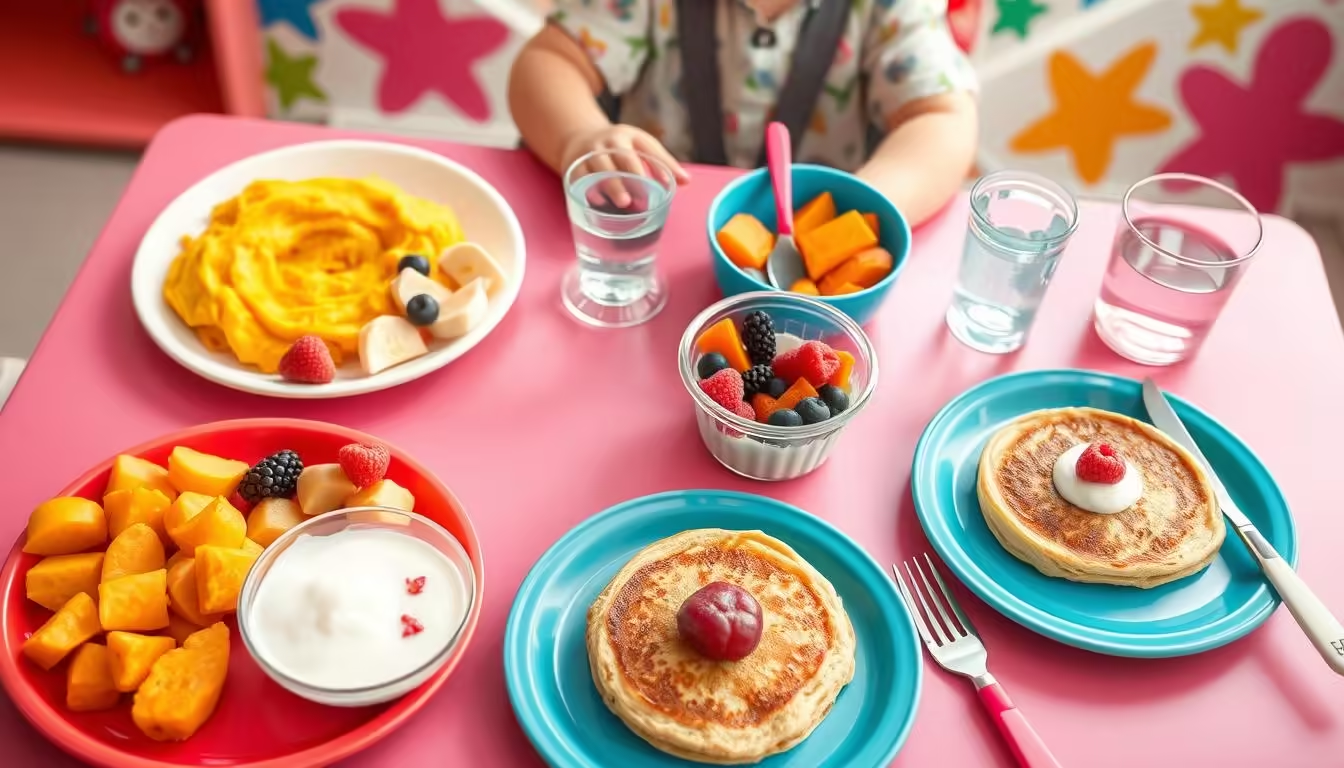
Meal Ideas for 1 Year Old
As your little one grows into toddlerhood, it’s key to introduce many different foods. These foods should be full of nutrients. When thinking about meal ideas for 1 year old children, focus on including fruits, veggies, proteins, and healthy fats. Full-fat dairy like cheese and yogurt is good until they’re 2.
When they’re 2, start adding lower-fat options. This helps them get used to different tastes and textures. It might take 10 tries or more for them to like new foods.
Key Takeaways
- Provide a balanced diet with a variety of fruits, vegetables, proteins, and healthy fats.
- Full-fat dairy products are recommended up to age 2, then lower-fat options can be introduced.
- Babies under 12 months don’t need snacks; offer extra milk feeds if they seem hungry.
- Introduce 2 healthy snacks per day once your child turns 1 year old.
- Be patient and keep offering new foods, as it may take multiple tries for a child to adjust.
Table of Contents
Introduction to Toddler Nutrition
It’s very important to give your toddler a diet full of nutrients. At this age, they need certain foods to grow and learn. These foods help them grow strong and smart.
The Importance of Balanced Meals
Balanced meals for toddlers should have lots of healthy foods. This includes fruits, veggies, whole grains, lean proteins, and dairy or alternatives. These foods give them the energy and nutrients they need to be healthy.
Nutrient Requirements for Toddler Growth
Toddlers need more fat, protein, iron, calcium, and choline as they grow. But, they might not get enough vitamin D, fiber, and potassium. Making sure they eat nutrient-rich foods helps them meet these needs.
| Nutrient | Importance for Toddlers |
|---|---|
| Fat | Supports brain development and energy needs |
| Protein | Crucial for growth, muscle development, and tissue repair |
| Iron | Prevents anemia and supports cognitive function |
| Calcium | Builds strong bones and teeth |
| Choline | Enhances brain and nervous system development |
By focusing on balanced meals and a variety of healthy foods, you can help your toddler grow well. This ensures they get all the nutrients they need.
Breakfast Ideas for One-Year-Olds
Start your toddler’s day with a healthy and tasty breakfast. Try oatmeal recipes, yogurt parfaits, and egg dishes. These meals give your little one the nutrients they need to grow and stay active.
Oatmeal and Cereal Recipes
Oatmeal is great for toddlers, full of whole grains and fiber. Mix creamy oatmeal with milk and mashed banana for a yummy start. Or, bake blueberry coconut baked oatmeal for a nutritious breakfast. You can also make banana oatmeal muffins or overnight oats for a quick breakfast.
For a fast breakfast, give your toddler whole-grain cereal with milk and fruit. Try berries or diced peaches for a sweet touch.
Fruity Yogurt Parfaits
Yogurt parfaits are fun and healthy for toddlers. Layer plain yogurt with fresh or frozen fruit like strawberries or mango. Add whole-grain granola or crushed graham crackers for crunch.
Egg-Based Breakfast Dishes
Eggs are packed with protein and nutrients for growing toddlers. Serve scrambled eggs with diced tomatoes. Or, bake egg muffins with veggies for a quick breakfast. Try breakfast burritos with eggs and veggies for a filling meal.
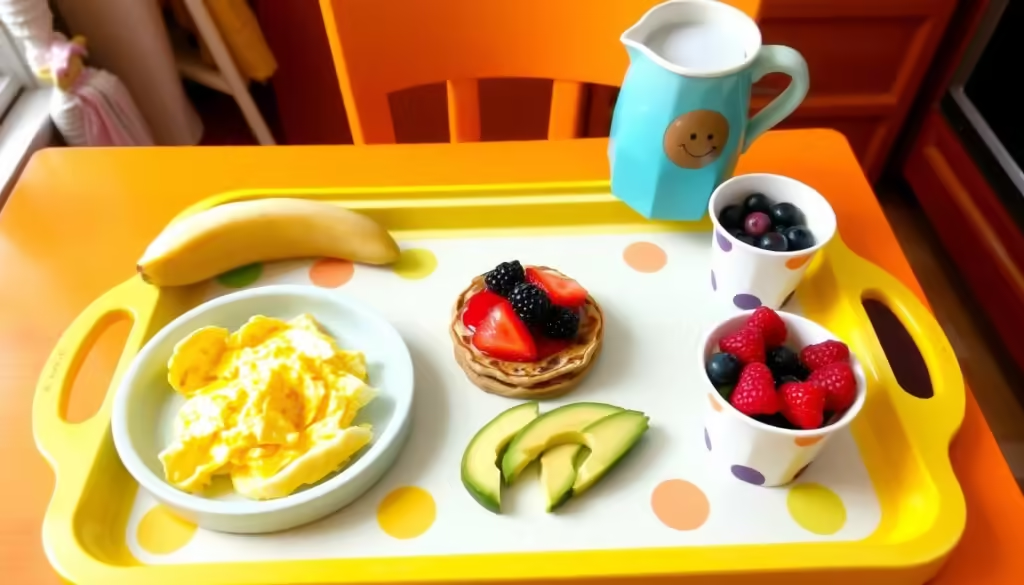
By trying different breakfast ideas, your toddler will start the day right. These meals support their growth and keep them active.
Lunch Meal Ideas for 1 Year Old
For lunch, choose simple and healthy foods for your 1-year-old. Sandwiches and wraps with mashed chickpeas, shredded chicken, or cottage cheese are great. They’re easy to hold and full of nutrients.
Adding pasta or rice dishes with veggies and proteins is a smart move. It gives your toddler a mix of important nutrients.
Sandwiches and Wraps
Sandwiches and wraps are a hit with toddlers. Spread avocado or hummus on whole-grain bread. Then, add shredded chicken, tuna, or mashed eggs.
For something more filling, try a whole-wheat tortilla. Fill it with black beans, diced tomatoes, and shredded cheese.
Pasta and Rice Dishes
Pasta and rice are great for lunch. Cook whole-wheat pasta or brown rice. Mix it with sautéed veggies like carrots, peas, and spinach.
Add lean protein like cubed chicken or meatballs. Use olive oil, garlic, and herbs for a tasty sauce. These meals are balanced and satisfying.
| Lunch Ideas for 1 Year Old | Prep Time | Cook Time | Total Time | Calories |
|---|---|---|---|---|
| Chickpea and Cheese Sandwich | 10 minutes | 6 minutes | 16 minutes | 157kcal |
| Spinach and Chicken Pasta | 10 minutes | 6 minutes | 16 minutes | 157kcal |
Toddlers are starting to explore new tastes and textures. They might not chew as well as older kids. But they’re eager to try new things.
By offering a variety of simple, healthy meals, you help your 1-year-old grow. They get the balanced meals they need for their development.
Dinner Recipes for Toddlers
Dinner is a great time to introduce your toddler to new flavors and textures. Try protein-rich meals like shepherd’s pie or minced chicken and vegetable casserole. Also, serve vegetable-packed dishes such as mashed sweet potato with chickpeas and cauliflower or fish poached in milk with broccoli and carrots. These meals support your toddler’s growth and let them try new tastes and textures.
Protein-Rich Meals
Toddlers need a diet full of high-quality protein to keep them active. Here are some tasty and healthy protein-packed dinner ideas:
- Shepherd’s Pie: Ground lamb or beef, mixed vegetables, and creamy mashed potatoes
- Minced Chicken and Vegetable Casserole: Tender chicken, carrots, peas, and whole-grain rice
- Baked Salmon with Roasted Sweet Potatoes and Broccoli: Flaky fish, nutrient-rich veggies, and healthy fats
Vegetable-Packed Dishes
It’s important to introduce a variety of vegetables to your toddler’s diet. These veggie-forward dinner ideas are great for their health and development:
- Mashed Sweet Potato with Chickpeas and Cauliflower: A vibrant and creamy dish bursting with vitamins and minerals
- Fish Poached in Milk with Broccoli and Carrots: Tender fish, simmered in a creamy broth with nutrient-dense veggies
- Lentil and Spinach Curry: A flavorful, plant-based meal that packs a nutritional punch
| Meal | Ingredients | Nutritional Benefits |
|---|---|---|
| Shepherd’s Pie | Ground lamb or beef, mixed vegetables, mashed potatoes | Protein, fiber, vitamins, and minerals |
| Baked Salmon with Roasted Sweet Potatoes and Broccoli | Salmon, sweet potatoes, broccoli | Omega-3s, vitamins A and C, fiber |
| Lentil and Spinach Curry | Lentils, spinach, aromatic spices | Plant-based protein, iron, folate, and antioxidants |
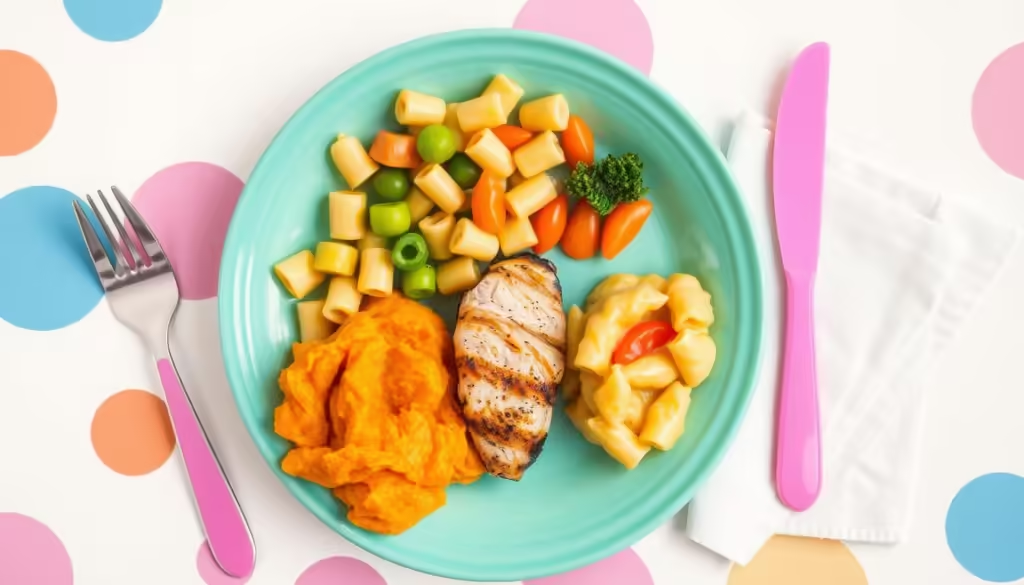
“Offering a variety of protein-rich and vegetable-packed dinner options helps ensure your toddler gets the nutrients they need to support their rapid growth and development.”
meal ideas for 1 year old
When your toddler starts eating solid foods, finger foods and soft textures are key. These meals help with motor skills and give the nutrients they need to grow.
Finger Foods for Easy Self-Feeding
Let your toddler try different finger foods. This helps them learn to feed themselves and explore new tastes.
- Soft-cooked vegetables like sweet potato, carrots, or green beans
- Fresh, ripe fruit like banana, mango, or melon pieces
- Toast or pita bread fingers
- Shredded chicken or turkey
- Cheese sticks or cubes
Soft and Easily Chewable Textures
As your toddler’s teeth and jaw get stronger, offer soft, smooth foods. These are easy to chew.
- Mashed sweet potatoes or avocado
- Pureed or finely chopped soups and stews
- Shredded or finely diced meat dishes
- Soft, cooked pasta or rice dishes
- Scrambled eggs or quiche
Every child grows at their own speed. Adjust the food’s texture and size to make sure they can safely try new things.
Healthy Snack Options
Toddlers need snacks that are full of nutrients. Fresh fruit and veggie snacks are perfect. Try sliced apples, bananas, strawberries, carrot sticks, and cucumber slices.
Whole-grain snacks are also great for 1 year olds. Choose crackers, rice cakes, and mini waffles made from whole wheat. They offer complex carbs, fiber, and important nutrients.
Adding a protein-rich food to snacks can make them even better. Try plain yogurt, nut or seed butter, or hummus. This mix ensures your toddler gets all the nutrients they need.
Fresh Fruit and Veggies
- Apple slices
- Banana chunks
- Carrot sticks
- Cucumber slices
- Strawberry halves
Whole-Grain Snacks
- Whole-wheat crackers
- Rice cakes
- Mini whole-grain waffles
- Whole-grain cereal
- Whole-grain pita chips
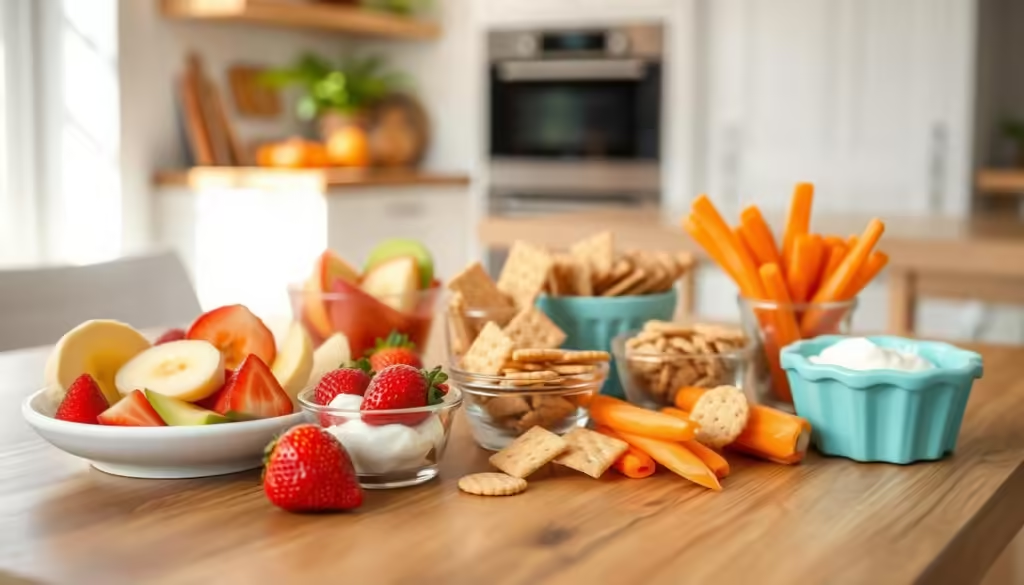
“Snacks can be a great way to provide additional nutrients and energy to support your toddler’s growth and development.”
Incorporating New Flavors and Textures
As your toddler grows, it’s important to introduce new flavors and textures. It might take up to 10 tries for them to like a new food. Be patient and keep trying when helping toddlers try new foods and expanding their toddler’s palate.
Babies are ready for textured foods between 6-9 months. Studies show that introducing new textures early helps with eating later. Make sure the food is the right size and texture to avoid choking.
Gagging is normal when trying new foods. It’s a way to keep safe from choking. If gagging worries you, talk to a doctor. Babies will spit out big pieces while learning to chew.
Make mealtime fun with different foods and involve your baby. Introducing new foods to toddlers and exposing them to varied flavors and textures helps them learn and grow.
“Exposing babies to new flavors and textures helps in their learning and confidence-building process.”
- Offer a variety of fresh, homemade baby foods with different textures, such as mashed, chunky, or finger foods.
- Incorporate aromatic spices and fresh herbs to broaden your toddler’s flavor profile.
- Gradually transition to stage 2 baby food with grains, beans, healthy fats, nuts, and eggs for 6 to 8-month-old babies.
- Introduce soft finger foods once the baby can self-feed and chew, typically around 8-10 months of age.
- Persist in offering rejected foods multiple times, as it may take up to 15 tries for a child to develop a liking for certain flavors and textures.
By introducing new foods to toddlers and expanding their toddler’s palate with a variety of flavors and textures, you can help your little one develop a healthy and adventurous relationship with food.
Picky Eating and Meal Planning Strategies
Dealing with picky eating in toddlers can be tough. But, with the right approach and patience, you can help them try new foods. This can lead to healthy eating habits.
Dealing with Food Aversions
Toddlers might need to try a new food many times before they like it. Experts say up to 10 times. The Division of Responsibility method suggests letting your toddler help with food prep. This can make them more open to trying new foods.
Meal Rotation and Variety
For meal planning for toddlers, mix up flavors and textures. Rotate meals and snacks to offer new and familiar foods. Letting your toddler help plan meals can also encourage them to try new things.
Remember, picky eating is a normal part of toddlerhood. With patience and creativity, you can help your child develop a good relationship with food.
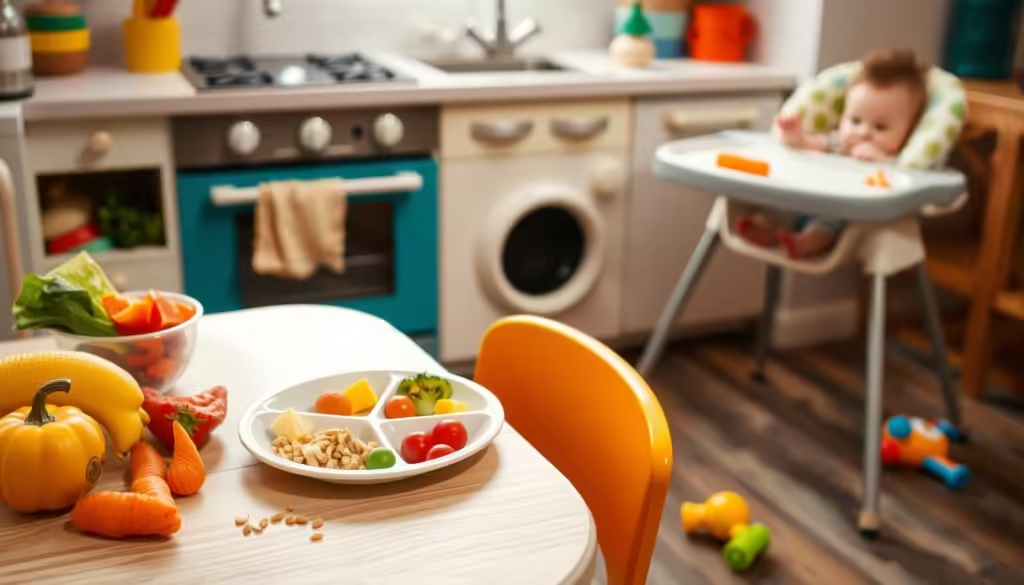
Toddler-Friendly Cooking Tips
When cooking for your toddler, food safety is key. Make sure proteins are fully cooked and avoid foods that could choke them. You can also change recipes to fit your toddler’s growing needs.
Safe Food Preparation
Focus on food safety when cooking for your toddler. Cook proteins like chicken, beef, and fish well to avoid sickness. Also, cut foods into small pieces to prevent choking. Stay away from whole grapes, hot dogs, and raw veggies.
Modifying Recipes for Toddlers
Changing family recipes for your toddler can make meals fun. Blend or mash foods for softer textures. Cut food into small pieces and try finger foods for easy eating.
Introducing different tastes and textures early can help avoid picky eating. Let your toddler help in the kitchen. This can make them more open to trying new foods.
Drinks for One-Year-Olds
Keeping your toddler hydrated is key for their growth. As they turn one, it’s crucial to offer healthy drinks. These should meet their special nutritional needs.
Milk and Dairy Alternatives
Milk is packed with calcium and other important nutrients for your toddler. Give them whole or reduced-fat milk for about 39% of their daily calcium. If they can’t have dairy, try unsweetened almond or oat milk.
Hydrating Beverages
Make sure your toddler drinks water all day. Avoid sugary fruit juices to prevent tooth decay and too many calories. Water or low-fat milk is best for their health.
Toddlers need about 1,000 calories, 700 mg of calcium, 600 IU of vitamin D, and 7 mg of iron daily. A variety of nutrient-rich drinks helps keep them hydrated and nourished.
Conclusion
Offering a variety of meals and snacks is key to your toddler’s growth. It helps them try new tastes and textures. Be patient and let them help with meal planning. This makes mealtime fun and positive.
Remember, a balanced diet is crucial for your one-year-old. This guide shows how to make mealtime enjoyable. By doing this, your child will learn to love healthy foods.
Every child is different, and progress may change. Stay open-minded and enjoy the journey of finding tasty, nutritious meals. This way, you can help your child develop good eating habits for life.
In conclusion, a balanced and varied diet is essential for your toddler. Focus on their nutritional needs and make mealtime fun. With the right approach, your child will grow up with healthy eating habits.
FAQ
What are some healthy meal ideas for a 1 year old?
Once your baby is used to solid foods, try different meals. Offer unsweetened oatmeal, whole-wheat toast with mashed banana and peanut butter. Also, try pasta or rice with veggies and proteins.
Soft-cooked veggies with shredded meat are great too. Make sure to mix carbs, proteins, fats, fruits, and veggies. This helps your toddler grow well.
How can I ensure my 1 year old receives a balanced diet?
Balanced meals are key for toddlers. Give them a mix of foods like fruits, veggies, whole grains, lean proteins, and dairy. This ensures they get all the nutrients they need.
What are some healthy breakfast ideas for a 1 year old?
Start with nutritious breakfasts. Try unsweetened oatmeal or cereal with milk and fruit. Or, whole-wheat toast with banana and peanut butter.
Scrambled eggs with tomatoes are also good. These meals give your toddler energy for the day.
What are some healthy lunch ideas for a 1 year old?
Lunch can be simple but nutritious. Try sandwiches or wraps with mashed chickpeas or shredded chicken. Pasta or rice dishes with veggies and proteins are great too.
These meals are easy to eat and full of nutrients.
What are some healthy dinner ideas for a 1 year old?
Dinner is a chance to introduce new tastes and textures. Try shepherd’s pie or minced chicken with veggies. Mashed sweet potato with chickpeas and cauliflower is also good.
Fish poached in milk with broccoli and carrots is another option. These meals help your toddler grow.
What are some healthy finger food options for a 1 year old?
Finger foods help with self-feeding and motor skills. Offer soft veggies, fresh fruit, and toast or pita fingers. Shredded meat is also good.
Make sure the foods are soft and easy to chew. Toddlers’ teeth and jaw are still growing.
What are some healthy snack ideas for a 1 year old?
Healthy snacks are important. Give your toddler fresh fruit, sliced veggies, plain yogurt, and whole-grain crackers or rice cakes. These snacks are full of nutrients and energy.
How can I help my 1 year old try new foods?
Introduce new foods slowly. It may take many tries for them to like something new. Be patient and keep offering a variety of healthy foods.
How can I handle picky eating in my 1 year old?
If your toddler is picky, keep offering different foods. Let them help with meal planning. Try new meals and snacks to expand their taste buds.
Don’t force them to eat. Make mealtime positive and fun.
What food safety considerations should I keep in mind for a 1 year old?
Food safety is crucial. Make sure proteins are cooked well and avoid choking hazards. Adjust recipes for your toddler’s chewing and swallowing abilities.
This might mean blending, mashing, or cutting foods into small pieces.
What drinks should I offer a 1 year old?
Offer milk or dairy alternatives like whole or reduced-fat milk, yogurt, or unsweetened almond or oat milk. Water is also important for hydration. Avoid fruit juices and sugary drinks to prevent tooth decay and excess calories.
External Resources for Further Reading
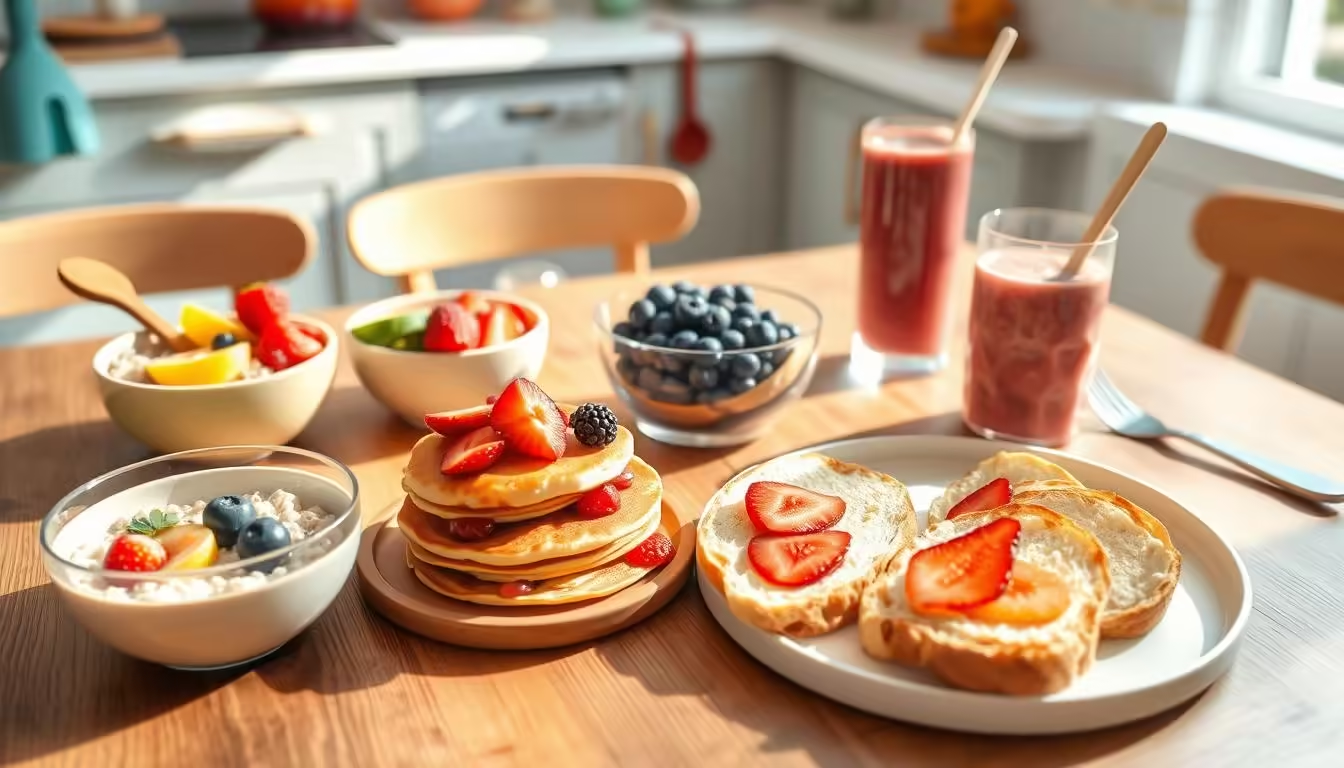
Baby Breakfast Ideas Healthy Meals for Your Little One
As a parent, you want the best for your baby. Good nutrition in the first 1000 days is key for brain growth and health. It also helps form good eating habits. Exploring baby breakfast ideas can be a great way to ensure your little one gets a healthy start to the day.
Studies show that what your baby eats early on can shape their food choices later in life. This is important for their health and happiness.
This article will give you many healthy breakfast ideas for your baby. You’ll find simple purees and tasty finger foods. Whether you’re starting with baby-led weaning or want to introduce many first foods, there’s something here for you.
Key Takeaways
- Proper nutrition in the first 1000 days is crucial for your baby’s development and lifelong health.
- Introducing a variety of healthy foods early on helps shape your baby’s food preferences and eating habits.
- This article offers a range of nutritious and easy-to-prepare breakfast ideas for babies, from purees to finger foods.
- The recipes and suggestions cater to different stages of your baby’s growth, from first foods to baby-led weaning.
- Variety and exploration are key when it comes to nourishing your little one’s body and mind.
Table of Contents
The Importance of a Nutritious Breakfast for Babies
Breakfast is key for babies, as it kickstarts their day. It gives them the nutrients they need to grow and develop. A balanced breakfast helps babies learn to eat well, which is good for their health later on.
Fostering Healthy Eating Habits from an Early Age
Having a regular breakfast routine is good for babies. It teaches them to eat at set times and helps them like food. Babies who try different healthy breakfasts are more likely to eat well as they get older.
Essential Nutrients for Infant Growth and Development
A good baby breakfast has important vitamins and minerals. These help with weight, bones, and overall health. Eating breakfast can also prevent obesity and diabetes in kids.
Healthy breakfasts for babies include porridge, sugar-free muesli, and Weetabix. Some great options are Boiled Egg & Avocado Toast, Cinnamon French Toast, and Mixed Berry Overnight Oats. Other good choices are Vegetable Omelette, Apple & Blueberry Oat Muffins, Oaty Banana Pancakes, and Quinoa Porridge.
Feeding babies a balanced diet, including breakfast, helps keep them healthy. It fights off infections and supports their growth. By focusing on a healthy breakfast, you help your baby develop good eating habits for life.
Baby-Led Weaning: Encouraging Self-Feeding and Exploration
When your baby is ready for solids, breakfast is a great time to introduce new foods. Using baby-led weaning helps them learn to feed themselves. This method lets them try different tastes and textures early on. It’s good for their independence and love for healthy food.
Babies should start baby-led weaning around six months. It’s good for their digestion and immune system. It can also help them avoid obesity and eat better. Moms find it less stressful and fit well into their family’s life.
Buying baby food can be expensive. Making your own food for your baby can save money. Studies show baby-led weaning is safe and doesn’t lead to choking or nutrient problems.
When starting baby-led weaning, give your baby foods that are soft and full of nutrients. Good breakfast options include:
- Soft, steamed vegetables (e.g., carrots, broccoli)
- Ripe, mashed fruits (e.g., bananas, pears)
- Cooked grains (e.g., quinoa, brown rice)
- Shredded meats or tofu
- Mashed avocado
Baby-led weaning helps your baby discover new tastes and textures. It also helps them develop their motor skills and enjoy food from a young age.
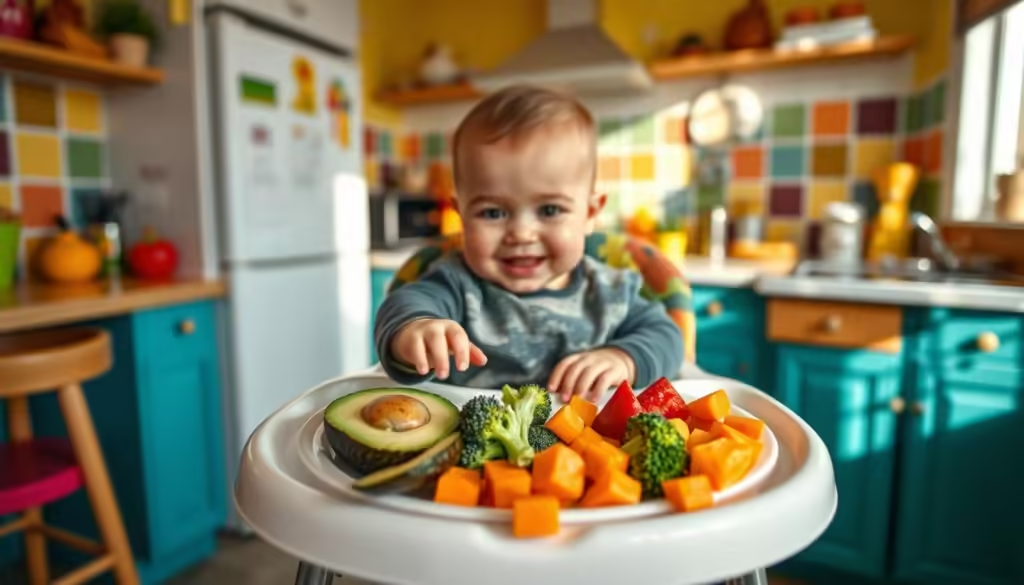
Age-Appropriate Baby Breakfast Foods
When you start solids with your baby, pick foods that are safe and healthy. These baby breakfast foods can be either baby-led weaning or spoon-fed purees. They offer different tastes and textures to help your baby grow.
Single-Grain Cereal and Pureed Fruits
Begin with single-grain cereals like oatmeal or rice. Mix them with pureed fruits like applesauce, bananas, or peaches. These first foods for babies are easy to digest and introduce new tastes and textures.
Yogurt, Eggs, and Avocado
Yogurt, eggs, and avocado are great baby breakfast foods. They offer protein, healthy fats, and vitamins. Try plain Greek yogurt, soft-cooked eggs, or mashed avocado for baby-led weaning.
Soft Fruits and Vegetables
Soft fruits and vegetables like sweet potato, butternut squash, or ripe banana are good first foods for babies. They can be mashed, puréed, or given in soft pieces. This suits your baby’s development stage.
| Food | Nutrients Provided | Preparation Tips |
|---|---|---|
| Oatmeal Cereal | Fiber, Iron, B Vitamins | Cook with breastmilk or formula, mash with pureed fruit |
| Yogurt | Protein, Calcium, Probiotics | Offer plain, whole-milk yogurt, avoid added sugars |
| Avocado | Healthy Fats, Fiber, Vitamins | Mash or blend into a smooth consistency |
| Sweet Potato | Vitamin A, Fiber, Antioxidants | Roast or steam until very soft, mash or puree |
“Introducing a variety of textures and flavors in breakfast meals significantly impacts a baby’s food acceptance later in life, with a success rate of 85% reported by parents.”
baby breakfast ideas: Balanced and Nutritious Options
I’m a pediatric dietitian who specializes in feeding babies. I’ve put together many balanced and nutritious breakfast ideas for your little one. These meals help your baby start the day off right and can lead to healthier eating habits.
Introducing solids with baby-led weaning is a great way to start breakfast. It lets your baby try new foods and textures. Options like oatmeal cereal, pureed fruits, yogurt, eggs, and soft veggies are full of nutrients.
It’s key to cut food into small, safe pieces to avoid choking. The 12-Week Starting Solids Meal Plan* has over 30 recipes for the first three months. It ensures your baby gets a balanced and nutritious start to the day.
Balanced baby breakfast ideas include:
- Breakfast Egg Muffins
- Peanut Apple Fritters
- Eggless Vegan Frittata
- Apple Oat Bars
- Baby-friendly Pumpkin Muffins
- Baby-Led Weaning Blueberry Muffins
- Veggie Egg Bites
- Easy Pumpkin Pancakes
- Mascarpone Peanut Butter Melts
- Easy Blender Banana Pancakes for Babies
These balanced baby breakfast ideas are not just nutritious. They also introduce a variety of flavors and textures. This helps your baby develop a love for healthy eating that lasts a lifetime.
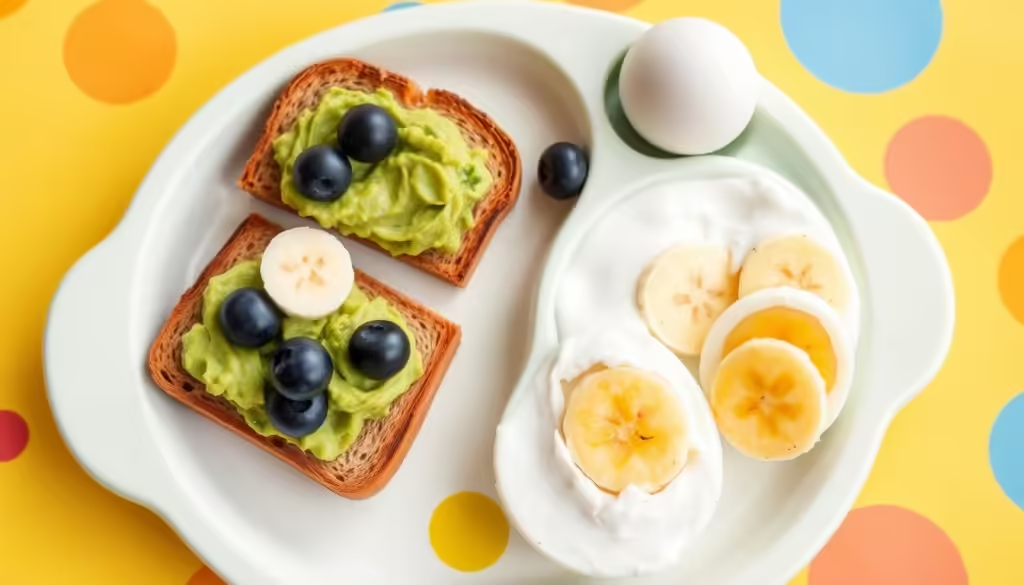
Egg-Based Baby Breakfasts
Eggs are a top choice for baby breakfasts. They’re full of nutrients like choline and protein. Plus, they can be made in many tasty ways to please your baby’s taste buds.
Breakfast Egg Muffins
Egg muffins are great for a quick breakfast on the go. You can add chopped veggies like spinach or bell peppers. This makes a vegetable-packed baby breakfast that’s easy for little hands to hold.
Eggless Vegan Frittata
If you’re looking for an egg-based baby breakfast option, try the eggless vegan frittata. It’s made with tofu and has lots of veggies. This makes it a healthy and balanced meal for your baby.
Veggie Egg Bites
Veggie egg bites are another great choice. They’re packed with nutrients and easy to eat. By adding different veggies to the egg mix, you make a vegetable-packed baby breakfast that tastes good and is good for you.
Choosing any egg-based breakfast means your baby starts the day with a protein-rich baby breakfast. This helps them grow and develop well.
Fruit and Vegetable-Based Baby Breakfasts
It’s key to give your baby a variety of foods rich in nutrients. Fruit and vegetable breakfasts are great for this. They help your baby try new tastes and textures.
Peanut Apple Fritters
Peanut apple fritters are a great breakfast for babies. They’re made without sugar or salt. This makes them a healthy way to introduce peanuts to your baby.
The mix of apples and peanuts is tasty. It also gives your baby protein and helps them grow.
Apple Oat Bars
Apple oat bars are perfect for babies. They’re full of nutrients and soft. There’s no added sugar or salt, making them a good breakfast choice.
The oats give complex carbs. Apples add natural sweetness and fiber. This makes for a balanced and tasty meal.
Easy Pumpkin Pancakes
Easy pumpkin pancakes are good all year. They’re packed with nutrients and easy to make in big batches. You can freeze and reheat them for quick breakfasts.
The pumpkin adds a yummy flavor. It also has important vitamins and minerals for your baby’s growth.
| Breakfast Idea | Key Nutrients | Texture and Ease of Consumption |
|---|---|---|
| Peanut Apple Fritters | Protein, healthy fats, vitamins, fiber | Tender, easy to grasp and chew |
| Apple Oat Bars | Complex carbohydrates, fiber, vitamins | Soft, finger-friendly texture |
| Easy Pumpkin Pancakes | Vitamins, minerals, complex carbohydrates | Soft, easy to bite and swallow |
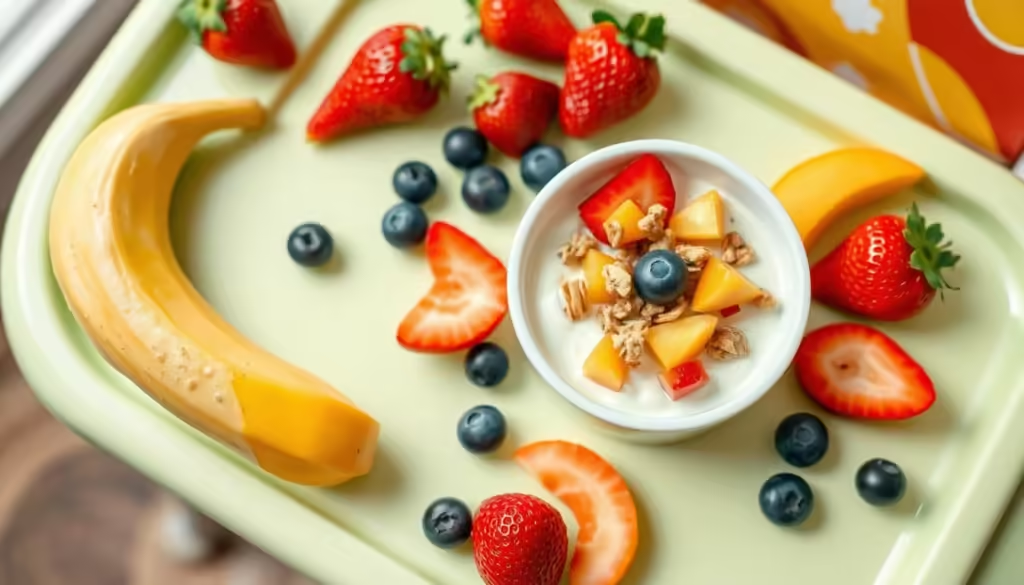
When trying new foods, watch for allergic signs. Talk to your pediatrician if you’re worried. Enjoy these tasty and healthy breakfasts with your baby!
Baked Goods for Baby Breakfast
Baked goods can be a great start for your baby’s solid foods. Options like baby-friendly pumpkin muffins and baby-led weaning blueberry muffins are healthier than store-bought ones. They’re made with love and care at home.
Baby-Friendly Pumpkin Muffins
Pumpkin muffins are a great pick for baby breakfasts. They’re soft, moist, and free from added sugar and salt. Pumpkin is full of beta-carotene, which helps with eyesight and immune system.
To make these nutrient-dense baby muffins, mix pureed pumpkin, rolled oats, eggs, and a bit of cinnamon. It’s a tasty and healthy breakfast choice.
Baby-Led Weaning Blueberry Muffins
Blueberry muffins are another tasty baby-friendly baked goods option. These muffins for babies include common allergens like eggs, dairy, wheat, and blueberries. Eating these foods early can lower allergy risks.
The muffins are soft and perfect for baby-led weaning. This lets your baby try new tastes and textures at their own speed.
“Baked goods can be a delightful and nutrient-dense addition to your baby’s breakfast routine.”
Adding these baby-friendly baked goods to your baby’s breakfast is a smart move. It makes mornings fun and healthy. Just watch how your baby reacts to new foods and adjust the amounts. With a bit of creativity, you can make yummy and nutrient-dense baby muffins your baby will love.
Allergen-Friendly Baby Breakfast Options
It’s important to introduce your baby to different tastes and textures. But, it can be hard with food allergies. Luckily, there are many allergen-friendly baby breakfast choices that are both healthy and tasty. We’ll look at a few simple recipes that safely introduce your baby to common allergens.
Mascarpone Peanut Butter Melts
The mascarpone peanut butter melts are a great way to introduce your baby to peanuts and cow’s milk. They have a creamy texture that’s fun to explore. Plus, they’re small and easy for babies to hold and feed themselves. Just spread a thin layer of peanut butter on mascarpone cheese slices and chill them.
Easy Blender Banana Pancakes for Babies
Try these baby-safe pancakes made with a blender. They need just 5 ingredients: ripe banana, oats, eggs, milk, and cinnamon. These pancakes are full of nutrients and easy for babies to eat. You can add maple syrup or pureed fruit for extra taste and nutrition.
Always talk to your pediatrician before trying new foods, especially if your baby has allergies. With a bit of creativity, you can give your baby allergen-friendly breakfast options. These meals will nourish your baby and help them discover new flavors.
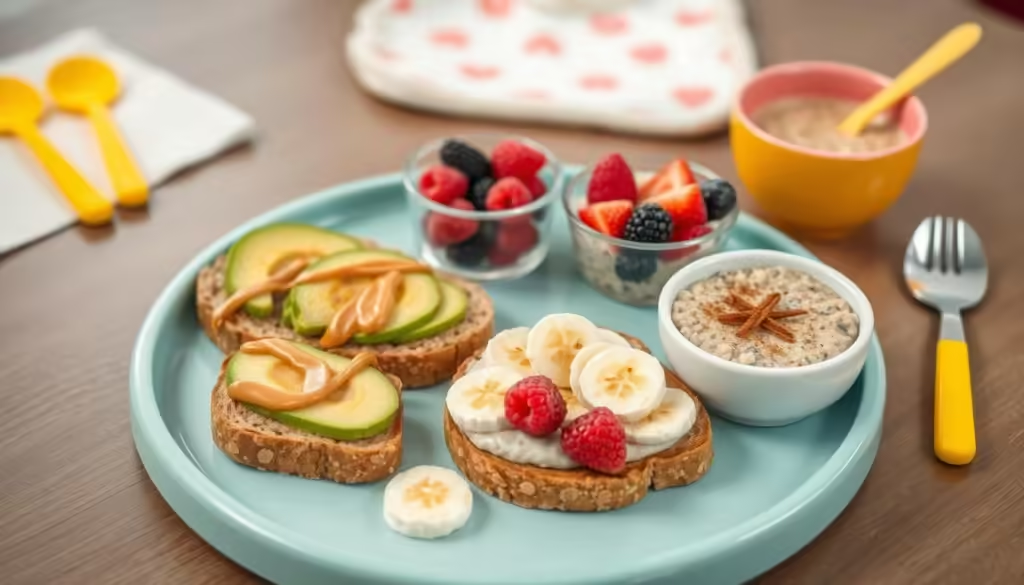
Tips for Introducing New Foods and Flavors
Introducing solid foods to your baby is a big step. It’s exciting but needs careful planning. You want to make sure your baby is safe and healthy as they try new tastes.
Start with foods that are right for your baby’s age. The American Academy of Pediatrics says to start around 6 months. At this age, your baby can sit up and is curious about your food. Stick to soft foods like purees to avoid choking hazards.
- Give your baby a variety of foods from different groups. This includes fruits, veggies, grains, and proteins. It helps them get used to different tastes and textures.
- Watch for signs of allergies when introducing common allergens like peanuts and dairy. Start with one at a time to see how your baby reacts.
- Keep trying new foods, even if your baby doesn’t like them at first. It can take 10 to 12 tries for them to get used to a new taste. Stay positive and keep offering new foods.
By following these tips, you can help your baby develop a healthy relationship with food. Enjoy the journey of introducing new foods and watching your baby explore different tastes.
Meal Prepping and Freezing Baby Breakfast Ideas
Busy mornings can make it hard to give your baby a healthy breakfast. But, with some meal prep and freezer-friendly recipes, you can have healthy breakfasts ready.
Many baby breakfast recipes like muffins, pancakes, and waffles freeze well. Making a big batch and freezing it saves time on busy mornings.
For meal prepping for baby, choose recipes that reheat well. Try breakfast egg muffins, veggie egg bites, or pumpkin muffins. You can also make overnight oats or chia puddings for quick, healthy make-ahead baby meals.
To freeze baby breakfast items, cool them down first. Then, put them in airtight containers or bags. This keeps them fresh. When you’re ready, just reheat them in the microwave or oven for a quick breakfast.
| Breakfast Item | Tips for Freezing |
|---|---|
| Pancakes and Waffles | Cool completely before freezing. Reheat in the toaster or oven. |
| Muffins and Baked Goods | Freeze in airtight containers or ziplock bags. Thaw and reheat as needed. |
| Breakfast Bites and Egg Cups | Freeze in silicone muffin cups or airtight containers. Reheat in the microwave. |
| Overnight Oats and Chia Puddings | Portion into individual servings before freezing. Thaw overnight in the refrigerator. |
By meal prepping and freezing baby breakfast, your little one gets a healthy start, even on busy days.
Conclusion
This article has given you many nutritious and simple baby breakfast ideas. These range from purees to finger foods, suitable for every stage. Starting your baby’s day with a healthy, balanced breakfast is key for their growth and health.
By offering different flavors and textures, you can help your baby love eating wholesome meals. This is crucial for their nutrition and development. This summary aims to give you the tools to start your baby’s day right.
Always talk to your pediatrician before trying new foods, especially if they might cause allergies. With the right approach and meals, you can help your baby develop good eating habits for life.
FAQ
What are some healthy and easy baby breakfast ideas?
This article offers many nutritious and simple baby breakfast ideas. You’ll find everything from purees to finger foods for your baby’s growth stages. Try egg muffins, vegan frittatas, and peanut apple fritters. Also, pumpkin muffins and allergen-friendly foods are great options.
Why is it important for babies to have a nutritious breakfast?
Good nutrition, especially in the first 1000 days, is key for brain growth and health. Breakfast gives babies the nutrients they need to grow and develop well.
How can baby-led weaning be incorporated into breakfast?
Breakfast is a perfect time to start baby-led weaning. It lets babies explore new tastes and textures. Many breakfast ideas, like soft fruits and veggies, are great for this.
What are some age-appropriate first foods for babies?
When starting solids, choose foods that are safe and nutritious for your baby’s age. Good first foods include single-grain cereal, pureed fruits, and soft veggies.
How can I make breakfast prep easier for busy mornings?
Make breakfast prep easier by cooking in bulk and freezing. Recipes like muffins and pancakes freeze well. They’re quick and nutritious for busy mornings.
How can I introduce new flavors and textures to my baby’s diet?
Introduce different flavors and textures to help your baby enjoy meals. Be careful with common allergens and watch for any reactions.
External Resources for Further Reading
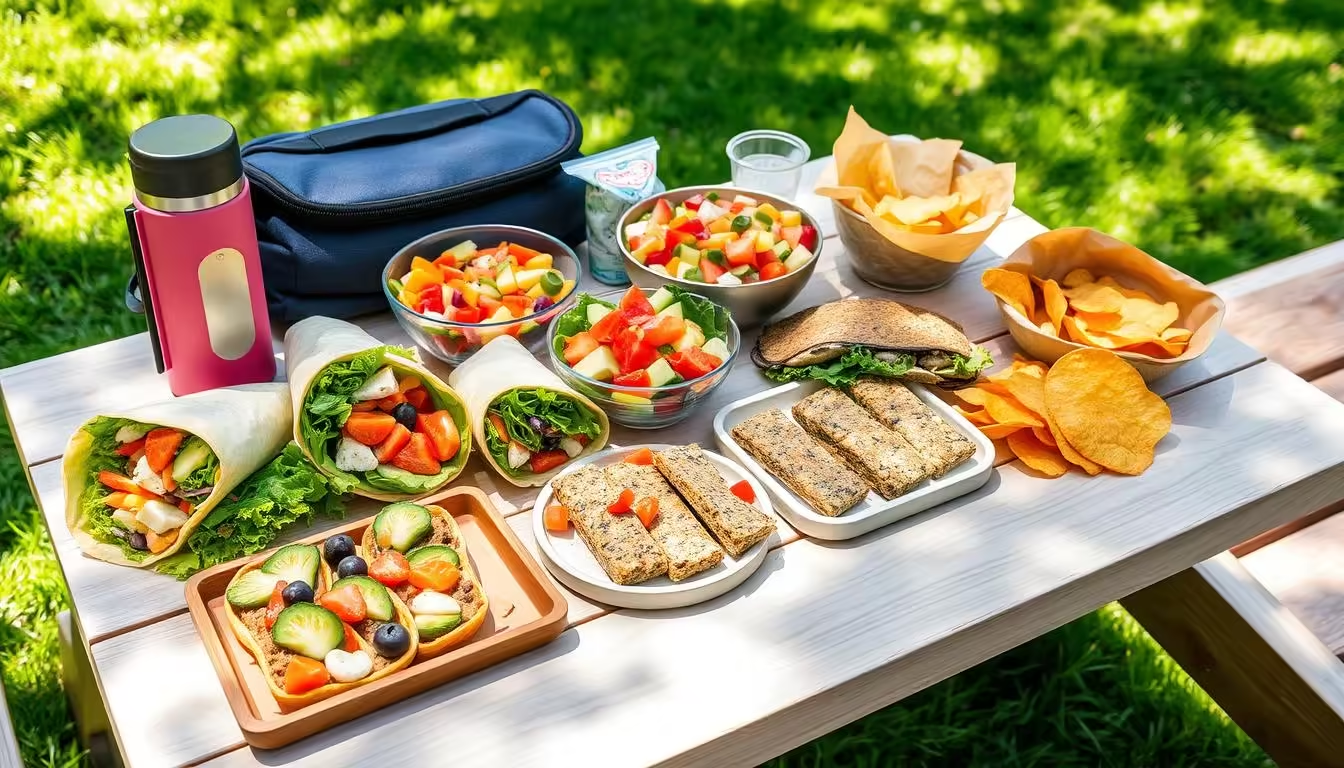
Quick and Tasty Lunch Ideas For Teens
As a busy teenager, finding time for lunch can be tough. But don’t worry! This guide offers many lunch ideas that are quick, easy, and delicious. You’ll find healthy options, recipes for lunch boxes, and simple meals to make your life easier.
Looking for something fast and easy? We’ve got you covered with quick and portable lunch ideas. You’ll find tasty and nutritious options that keep you going all day. And the best part? They’re easy to make and won’t take up too much time.
Key Takeaways:
- Discover a range of quick and tasty lunch ideas for teens that can be prepared in under 30 minutes.
- Explore healthy and portable teen lunch options, including bento boxes, salad containers, and reusable utensils.
- Learn how to plan and prep your teen lunches for effortless and organized meals throughout the week.
- Discover creative ways to repurpose leftovers into delicious and satisfying teen lunch solutions.
- Dive into snack prep ideas that are both time-saving and nutritious for busy teens.
Table of Contents
Portable and Nutritious Lunch Boxes
Bento boxes are a trendy and practical choice for packing a healthy lunch for teens. These containers keep foods separate, making them easy to pack and look good. Brands like Bentgo offer 3-packs in different colors, letting teens pick their favorite for the day.
Stackable salad containers are perfect for teens who love fresh salads on the go. The Bentgo Salad has a big bowl and separate parts for a tasty, portioned salad. It’s a green option for a healthy meal when teens are out and about.
Reusable utensils add a stylish and eco-friendly touch to lunch. The Bentgo Stainless Steel Reusable 3pc Travel Utensil Set comes with a fork, knife, and spoon in a handy case. It makes it easy for teens to enjoy their meals anywhere.
| Lunch Box Item | Key Features | Popularity Rating |
|---|---|---|
| Bentgo 3-Pack Bento Boxes | Compartmentalized, visually appealing, color choices | 5/20 votes |
| Bentgo Salad Container | Spacious bowl, separate compartments, eco-friendly | 5/15 votes |
| Bentgo Stainless Steel Reusable Utensil Set | Compact, stylish, sustainable | 5/18 votes |
“These compartmentalized containers keep different foods separated, making them easy to pack and visually appealing.”
Planning and Prepping for Success
Meal planning is crucial for your teen’s healthy lunches. Create a weekly meal plan and grocery list. This way, you can prepare many balanced, tasty lunches for them.
Meal Planning: The Key to Effortless Lunches
Spending a few minutes each week on meal planning can change everything. Start by checking what you have in your pantry and fridge. Then, plan a weekly menu with their favorite foods and new healthy options. This saves time and keeps their lunchbox full and interesting.
Sectioned Containers: Organized and Appealing
Sectioned containers, like bento boxes, make lunches neat and fun. They keep foods separate and help portion out meals. Good containers can turn your teen’s lunchbox into a healthy, exciting meal.
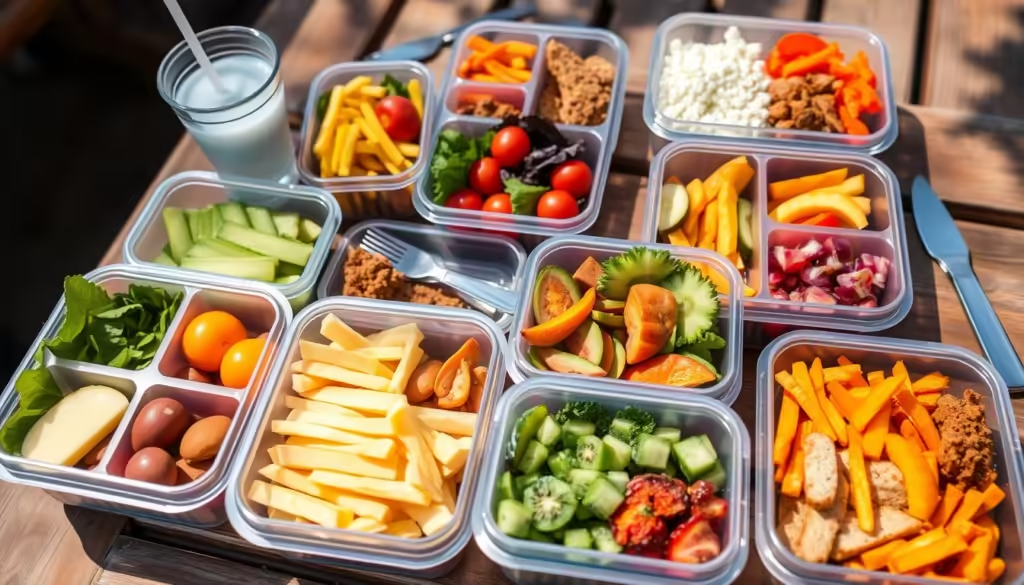
“Having a plan for my teen’s lunches has been a game-changer. I’m able to provide a variety of healthy options that keep them fueled and energized throughout the day.”
Meal planning and using sectioned containers make packing lunches easier. Your teen’s lunchbox will be neat, attractive, and full of healthy, tasty food.
Repurposing Leftovers into Delicious Lunches
Leftovers can be a big help when packing lunches for teens. You can turn grilled chicken or roasted veggies into tasty meals like chicken salad or veggie wraps. This way, you don’t have to spend a lot of time in the kitchen.
Using what you already have at home can lead to creative ideas. For instance, a quick pasta salad can be made in under 10 minutes. This shows how important it is to have recipes that save time. You can serve chicken salad on a salad or on whole wheat bread.
Trying different cooking methods, like sautéing or roasting, can make leftovers into something new and tasty. This not only saves time but also makes meals more interesting. Teens might enjoy trying different flavors and dishes.
When school starts, it can be hard to find time to cook and pack lunches. But, leftovers from family dinners can be turned into healthy lunches for kids the next day. This helps save time and ensures they get a balanced meal.
Getting kids involved in cooking has many benefits. It can improve their schoolwork, help them bond with family, and teach them about nutrition. Cooking together is a chance to talk about healthy eating and how it affects the environment.
Starting a tradition of cooking together on Mondays, like The Kids Cook Monday campaign, can bring families closer. It also gives you more ideas for making leftovers into new meals. By cooking with your teens, you can help them develop a good relationship with food and make better choices for their lunches.
Snack Prep: Time-Saving and Healthy
Preparing pre-cut fruits and vegetables over the weekend can make packing teen lunch boxes easier. These colorful, convenient snacks add a nutritious boost of vitamins, minerals, and fiber to lunchboxes.
Parents can also portion out other healthy snacks like nuts, seeds, cheese sticks, or hard-boiled eggs. These grab-and-go options add a quick nutritious boost to a teen’s lunchbox.
Pre-cut Fruits and Veggies: Convenient and Colorful
Recent data shows 90% fewer Pinterest snack drawer ideas included disposable packaging. Instead, focus on reusable containers and minimal packaging. Also, 70% of the snack drawer content focuses on healthy snack options. By pre-cutting a variety of fresh fruits and vegetables, you can create a nutritious and visually appealing selection of teen-friendly snacks ready to grab and go.
Portioned Snacks: Grab-and-Go Ease
50% of the snack choices are protein-filled, aiming for a balanced diet for kids. Prepare individual servings of nut-free options like cheese sticks, hard-boiled eggs, and avocado slices. This ensures your teen has access to a variety of healthy, grab-and-go snacks throughout the day.
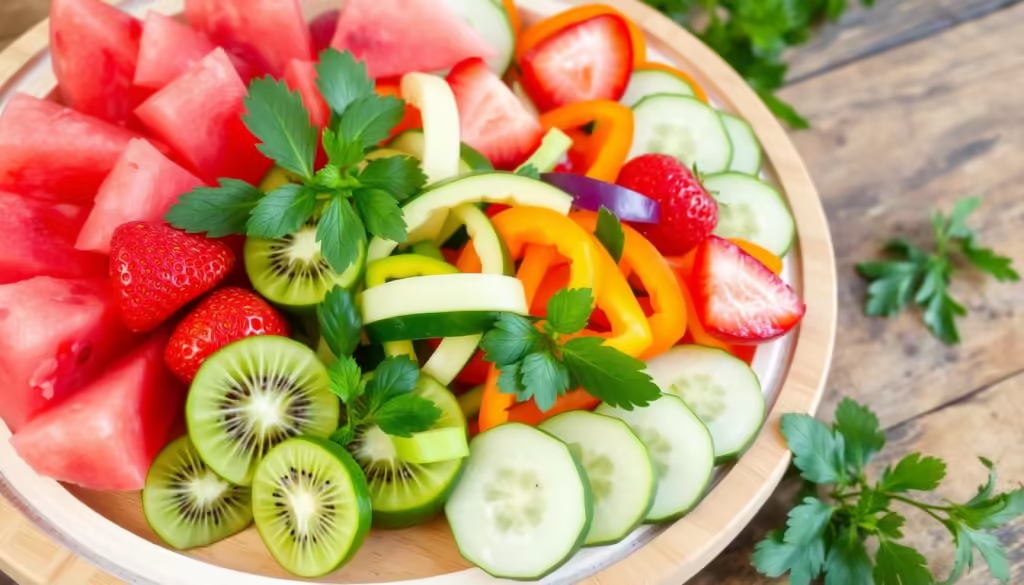
By pre-portioning and pre-packaging healthy snacks, you make it easier for your teen to make nutritious choices. You also ensure they have access to a variety of nourishing options throughout the day.
| Snack Type | Nutritional Value | Preparation Time |
|---|---|---|
| Pre-cut Fruits and Veggies | High in vitamins, minerals, and fiber | Minimal (can be prepared in advance) |
| Portioned Nut-free Snacks | Balanced macronutrients and micronutrients | Moderate (can be prepared in advance) |
| Whole Milk Cheese Sticks | Good source of calcium, protein, and healthy fats | Minimal (can be purchased pre-portioned) |
By incorporating a variety of pre-cut fruit and veggie snacks and portioned nut-free options, you can provide your teen with easy, grab-and-go healthy snacks. These snacks are both nutritious and convenient.
Fun and Creative Lunchbox Ideas
Making a teen’s lunchbox fun can make their midday meal more exciting. Use cookie cutters to cut sandwiches, fruits, or cheese into fun shapes. This fun sandwich shapes for teens trick adds a playful touch to their creative lunchbox presentation.
Adding colorful lunchbox accessories can also make a teen’s lunchbox more appealing. Reusable silicone cupcake liners, for example, add color and keep items separate. Visually appealing lunch packing can also include handwritten notes or stickers that show off the teen’s personality.
These small touches can turn a basic lunchbox into a creative and visually appealing lunch ideas for teens. By adding a bit of creativity, you can make lunchtime more enjoyable and memorable for the young person in your life.
Easy and Delicious Lunch Recipes
Reinventing classic sandwiches can make lunch exciting for teens. Try using whole-wheat tortillas or pita bread for a change. Add hummus, shredded cheese, and fresh veggies to make creative teen sandwich ideas. These are both healthy sandwich recipes for teens and portable lunch sandwich options.
Protein-Packed Wraps and Rolls
Wraps and rolls with lean proteins like chicken or turkey are great. They offer a mix of carbs, fats, and nutrients. This makes them a protein-rich teen lunch idea that’s perfect for school.
Breakfast for Lunch: A Tasty Change of Pace
Turning breakfast items like waffles or French toast into lunch is tasty. These teen-friendly brunch-inspired lunches can be paired with yogurt or fruit. This makes for a filling and nutritious teen lunch.
Offering versatile meal options for teens keeps them happy and full. You’ll find creative teen sandwich ideas, healthy sandwich recipes for teens, and protein-rich teen lunch ideas. These options will keep them energized all day.
lunch ideas for teens
It can be tough to make a good lunch for teens. But, “deconstructed lunchables” is a creative fix. It lets your teen pick what they want, making their lunch both healthy and fun.
Empowering Teens with DIY Lunchables
Deconstructed lunchables are great because they’re flexible. Give your teen a mix of ready-to-go foods like:
- Whole grain crackers or pita bread
- Sliced deli meats or plant-based proteins
- Cubed cheese or plant-based cheese alternatives
- Crunchy vegetables like carrot sticks, cucumber slices, or cherry tomatoes
- Fresh fruit like grapes, apple slices, or berries
Let your teen pick what they like to make their lunch. This way, they learn about food choices and how to eat well.
To make lunch more fun, get cool containers. EasyLunchboxes or Lunchbots help keep food separate and organized.
By letting your teen make their own lunch, you’re doing more than just feeding them. You’re teaching them to love healthy food and good eating habits for life.
Fostering a Positive Relationship with Food
As a parent or caregiver, you have a big role in how your teen sees food. By staying away from diet culture and promoting body acceptance, you can help them have a healthy view of food. This not only helps their body but also their mind and feelings.
Avoiding Diet Culture and Embracing Body Acceptance
Don’t use words that make some foods seem better than others. This can harm their eating habits. Instead, teach them to eat in a balanced and natural way. Don’t talk about their weight or body shape, and show them what it means to accept their body.
By doing this, you help them have a healthy relationship with food for teens.
Encouraging Critical Thinking About Nutrition Claims
Your teen is surrounded by nutrition claims and trends that might not be true. Teach them to doubt these claims and look for real, scientific facts. By empowering teens to question misinformation, they can make better choices about what they eat.
Building a good relationship with food is a journey. By promoting body positivity and encouraging critical thinking, you help your teen deal with food and wellness issues. This way, they can avoid diet culture and have a lasting, healthy relationship with food.

“The way we talk about food with our children can have a lasting impact on their relationship with it. Let’s focus on nourishment, not restriction, and empower them to make informed, joyful choices.”
Key Nutrients for Teenage Growth and Development
Teenagers go through big changes during puberty. They need more nutrients to grow and develop. Eating foods rich in nutrients can help their bodies and minds. Let’s look at the important nutrients for teens.
Protein: Fueling Muscle and Tissue Growth
Protein is key for muscle, tissue, and organ growth in teens. They should eat about 5 1/2 ounces of protein-rich foods every day. Foods like lean meats, fish, eggs, legumes, and nuts are great. They help fuel their bodies and support their physical maturation.
Calcium and Vitamin D: Building Strong Bones
Calcium and vitamin D are vital for strong bones in teens. They need 1,300 milligrams of calcium daily. This can come from calcium-rich teen lunch ideas like dairy, leafy greens, and fortified foods. It’s also important to get enough vitamin D for teenage bone health.
Iron: Supporting Oxygen Delivery and Brain Function
Iron helps carry oxygen to tissues and supports brain function. Boys need more iron during puberty. Foods like iron-rich teen lunch options such as lean beef, cereals, beans, and spinach are good. These iron-rich foods help support teenage cognitive development and health.
Adding these nutrients to teen lunches supports their growth and well-being. It’s a crucial time for their physical, cognitive, and emotional development.
The Power of Family Meals
Sharing meals together as a family can greatly benefit teenagers. It can improve their eating habits and school performance. It also helps them feel more independent and builds trust.
Improving Eating Habits and Academic Success
Research shows that regular family meals can lower depression, anxiety, and substance abuse in teens. Parents who make family meals a priority see better family functioning and higher self-esteem in their kids.
Family meals during childhood can lead to better fitness and less aggression in pre-teens. They also help with improved school grades and less risky behavior like alcohol and drug use.
Encouraging Autonomy and Trust
Letting teens choose what they eat at family meals helps them develop a healthy relationship with food. This shows trust and supports their growing independence. It helps them see food as neutral and strengthens their bond with parents.
The Nogueira family uses “Rose and Thorn” to get their teens talking. Debi Lewis and her husband share their lives to encourage their kids to do the same. The Baker family avoids sensitive topics to keep meals enjoyable.
Family meals, whether watching TV or just being together, show a strong family bond. They create positive interactions and learning moments. These shared times greatly benefit teenagers’ well-being and growth.

Conclusion
This guide offers many lunch ideas to keep teens full and happy at school. It suggests using food that’s good for you and easy to carry. It also helps build a healthy relationship with food.
It talks about using bento boxes and stackable containers. It also suggests using leftovers and fun lunchbox items. These ideas help teens make their own lunch choices.
By letting teens help plan and make their lunches, you teach them to love food. This builds their confidence and helps them develop good eating habits. It’s all about finding the right mix of healthy and tasty food for each teen.
FAQ
What are some portable and nutritious lunch box options for teens?
Bento boxes, stackable salad containers, and reusable utensil sets are great for teens. They offer a neat, green way to pack healthy foods.
How can I plan and prep teen lunches efficiently?
Meal planning and using sectioned containers can make packing lunches easy. Repurposing leftovers and prepping snacks like fruits and veggies ahead of time also helps.
How can I make teen lunches more fun and creative?
Use cookie cutters to shape sandwiches, fruits, or cheese. Add colorful accessories like silicone cupcake liners or personal notes to make lunchboxes fun.
What are some easy and delicious lunch recipe ideas for teens?
Try making classic sandwiches with a twist or protein-packed wraps and rolls. Repurposing breakfast items like waffles or French toast is also a good idea.
How can I help my teen develop a positive relationship with food?
Avoid using diet culture language. Encourage critical thinking about nutrition claims. Let teens make their own food choices to promote a healthy mindset.
What key nutrients are important for teenage growth and development?
Protein, calcium, vitamin D, and iron are key for teens’ growth. Make sure to include these nutrients in their lunches.
How can family meals benefit teens?
Family meals can improve teens’ eating habits and academic performance. Letting teens choose their food can build trust and strengthen relationships.
External Resources for Further Reading
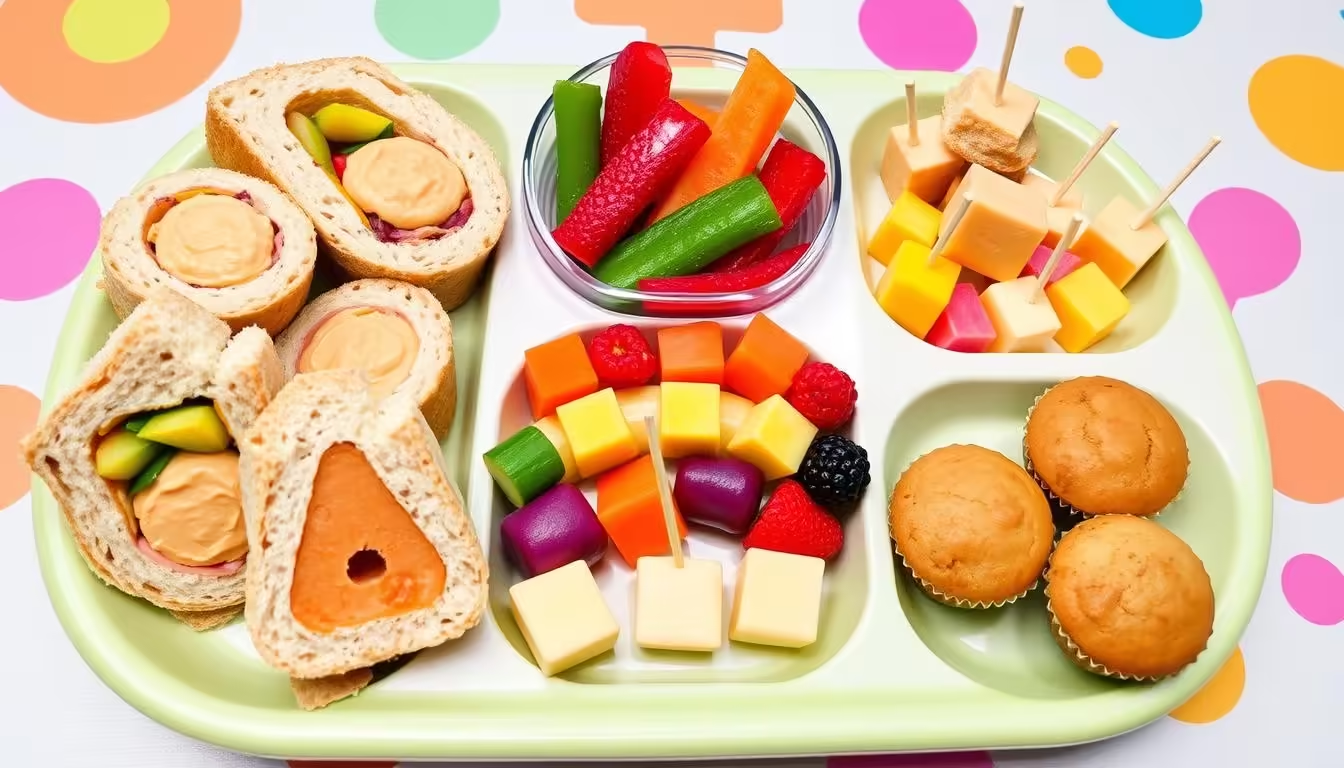
Toddler Lunch Ideas for Daycare
Getting ready for toddler lunches for daycare can seem tough. But, with the right tips, you can make meals that your little one will enjoy. You’ll learn how to pack over 250 meals a year and balance fresh and pre-packaged foods. These ideas are easy to pack, don’t need reheating, and are perfect for busy parents.
Key Takeaways
- Discover quick and easy toddler lunch ideas for daycare that are nutritious and portable
- Learn how to balance fresh and pre-packaged foods for toddler lunches
- Find finger-friendly and balanced meal options to keep your toddler energized
- Explore nut-free, dairy-free, and allergy-friendly toddler lunch alternatives
- Streamline your toddler lunch prep with time-saving tips and meal ideas
Table of Contents
Introduction
It’s very important to give your toddler a balanced and nutritious lunch. This meal fuels their active bodies and helps them grow. It also teaches them good eating habits for life.
When toddlers eat the right foods, they can focus better, learn more, and do well all day.
Challenges of Packing Daycare Lunches
Packing healthy lunches for daycare can be tough for parents. They face issues like food allergies, picky eating, and not enough time. Plus, they need to make sure the meals are different every day.
Studies reveal that % of toddlers in daycare have special diets or allergies. This makes packing lunches even harder.
Daycare centers usually offer number meals a day. This means parents must pack lunches that are both healthy and tasty. Sadly, % of daycare centers don’t let parents choose meal options. So, parents have to figure out what their toddler likes on their own.
“Packing a nutritious and engaging daycare lunch for my toddler is a constant challenge. I want to make sure they’re getting the fuel they need, but it’s hard to find options they’ll actually eat.” – Sarah, working mother of a 2-year-old
It’s tough to overcome these challenges and give your toddler the right food. But, with creativity, planning, and knowing your child’s needs, it’s possible. The goal is to make lunchtime fun and nutritious for your little one.
Essentials for Packing Toddler Lunches
Getting ready for your toddler’s daycare lunch is important. You need the right tools and strategies. This includes picking quality lunchboxes and containers and making sure everything is labeled well.
Quality Lunchboxes and Containers
Choosing the right lunchboxes and containers is key. Look for ones that are durable and won’t leak. They should also be easy to open and close. Insulated lunch boxes help keep food at the right temperature.
Labeling and Communication
It’s crucial to label your toddler’s lunch clearly. Include their name and what’s inside each container. Also, tell your child’s caregiver about any food allergies or special requests.
Keeping Foods Safe and Fresh
Keeping your toddler’s lunch safe and fresh is a must. Use ice packs for cold items. Freezing sandwiches or muffins helps them stay fresh. Don’t pack food that needs to be reheated, as daycare might not have the facilities.
| Tip | Benefit |
|---|---|
| Use insulated lunch boxes | Keeps food at the right temperature until lunchtime |
| Label all containers with your child’s name | Helps prevent mix-ups and ensures the right food goes to the right child |
| Freeze sandwiches and muffins | Maintains freshness and food safety until lunchtime |
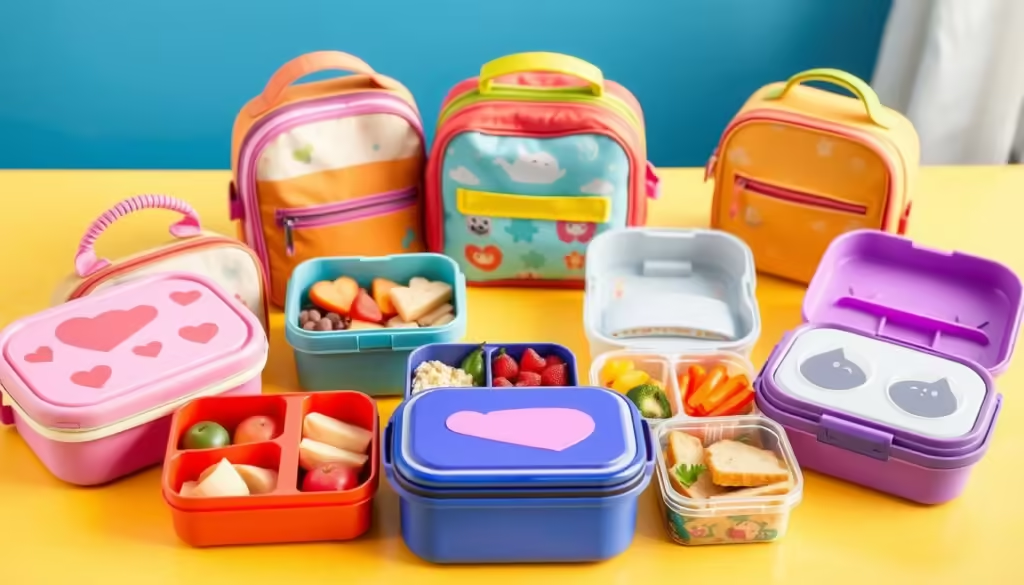
By following these tips, you can make sure your toddler’s lunches are both healthy and fun. Focus on lunchboxes and containers, labeling and communication, and keeping foods safe and fresh.
Nutritious Main Dish Ideas
It’s important to fill your toddler’s lunch with healthy and tasty options. This section has many ideas for main dishes. You’ll find everything from sandwiches and wraps to muffins and protein-rich foods. These options will keep your little one full and happy all day.
Sandwiches and Wraps
Sandwiches and wraps are great for a quick, balanced meal. Use whole-wheat bread or tortillas with lean meats like turkey or chicken. Add fresh veggies and a bit of avocado or hummus for extra flavor. Mini bagel sandwiches and nut butter and jelly wraps are also big hits with toddlers.
Muffins and Baked Goods
Homemade muffins and baked goods can be a nutritious main dish. Choose mini muffins with veggies, cheese, and lean meats for a savory option. For something sweet, try whole-grain muffins with fruit and a hint of honey. Mini quiches and breakfast breads are also great for lunch.
Protein-Packed Options
Make sure your toddler gets enough protein with dishes like hard-boiled eggs or chicken salad. Serve these with whole-grain crackers or a small salad. This way, you’ll have a meal that’s both filling and balanced.
“Repeated exposure to a variety of healthy foods is key for toddlers to expand their palates and develop lifelong healthy eating habits.”
Versatile Side Dish Options
When packing a toddler’s lunch for daycare, side dishes are key. They add nutrients and flavors. You can choose from fruits to veggies, making lunchtime exciting.
Fruit Varieties
Fruit is a great addition to a toddler’s lunch. It’s featured in about 50% of recipes. Choose easy-to-eat fruits like:
- Bite-sized apple slices
- Juicy grapes
- Refreshing melon cubes
- Creamy avocado
- Sweet berries
Try fruit skewers or mix fruits with veggies for a colorful meal.
Vegetable Favorites
Adding veggies to your toddler’s lunch boosts nutrients. About 35% of recipes include dairy, and 25% have nuts. Easy options include:
- Carrot sticks with hummus
- Broccoli bites
- Cucumber slices
- Roasted sweet potato cubes
- Edamame pods
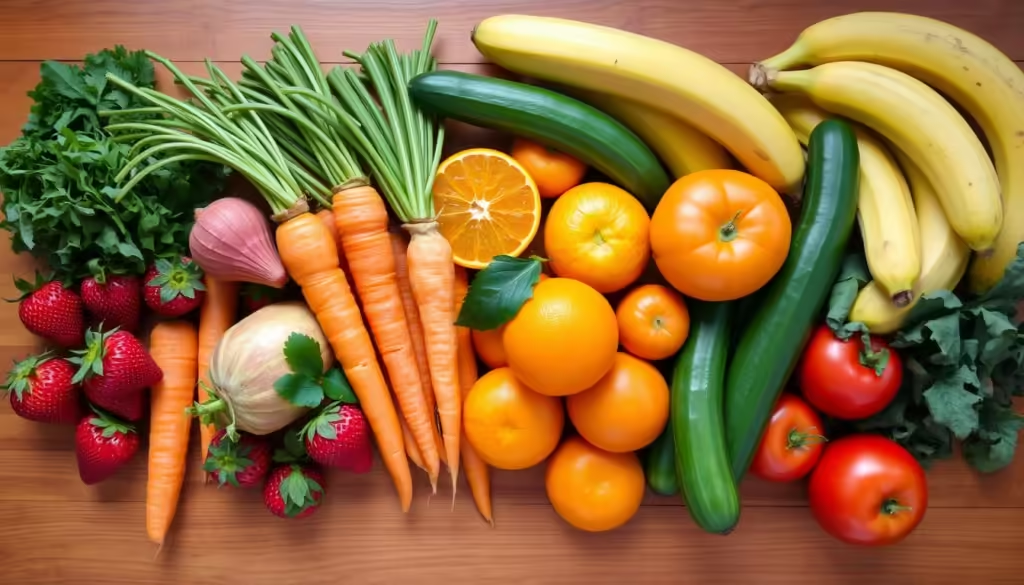
Offering a mix of fruits and veggies makes lunch fun and healthy. It keeps your toddler’s taste buds happy and their body nourished.
toddler lunch ideas for daycare
It can be tough to pack a good lunch for your toddler’s daycare. But, with the right ideas, it’s easy. Here are over 30 fun toddler lunch ideas for daycare that kids love.
Sandwich and Wrap Options
- Turkey and cheese sandwich on whole wheat bread
- Avocado and egg salad wrap
- Peanut butter and banana roll-up
- Hummus and veggie tortilla wrap
Baked Goods and Protein-Rich Choices
- Vegan buckwheat pancakes with berries
- Mini quiche cups with broccoli and cheddar
- Chicken and broccoli pasta casserole bites
- Lentil and rice stuffed bell pepper halves
Match these dishes with fresh fruits, veggies, yogurt, and more. This makes a balanced toddler lunch for daycare. Cut food into small pieces and use bento boxes to keep things fresh and safe.
| Meal Idea | Prep Time | Servings | Calories |
|---|---|---|---|
| Turkey and Cheese Sandwich | 10 minutes | 1 | 220 |
| Avocado Egg Salad Wrap | 10 minutes | 1 | 270 |
| Vegan Buckwheat Pancakes | 10 minutes | 2 | 180 |
| Chicken Broccoli Pasta Casserole | 10 minutes | 1 | 230 |
These easy and healthy toddler lunch ideas for daycare will keep your child energized all day.
“Packing a well-balanced lunch for your toddler’s daycare is an act of love that nourishes their body and mind.”
– Christine McMichael, Author and Mother of Four
Snack and Treat Ideas
Adding fun snacks and treats to your toddler’s lunch can make their daycare meal exciting. This section offers healthy and tasty ideas for snacks and treats. These can easily fit into your child’s lunchbox.
Daycares often ask for a full lunch and two snacks. It’s key to pack a variety of nutritious foods. Try carrot sticks, celery, and grape tomatoes with hummus or ranch. Fresh fruits like apple slices, grapes, and berries are also great choices.
For a sweet treat, homemade oatmeal bars, energy bites, or mini muffins are good options. You can also make mini sandwiches with nut butter, jelly, or cheese. Always label the items so there’s no confusion at daycare.
| Snack Idea | Nutrition Benefits |
|---|---|
| Carrot sticks with hummus | Provides vitamins, minerals, and fiber |
| Apple slices with nut butter | Offers complex carbs, protein, and healthy fats |
| Yogurt with berries | Contains probiotics, calcium, and antioxidants |
| Whole grain crackers with cheese | Delivers complex carbs, protein, and calcium |
Make sure the snacks and treats fit your toddler’s tastes and dietary needs. A balanced and varied selection ensures a satisfying and nutritious lunch at daycare.
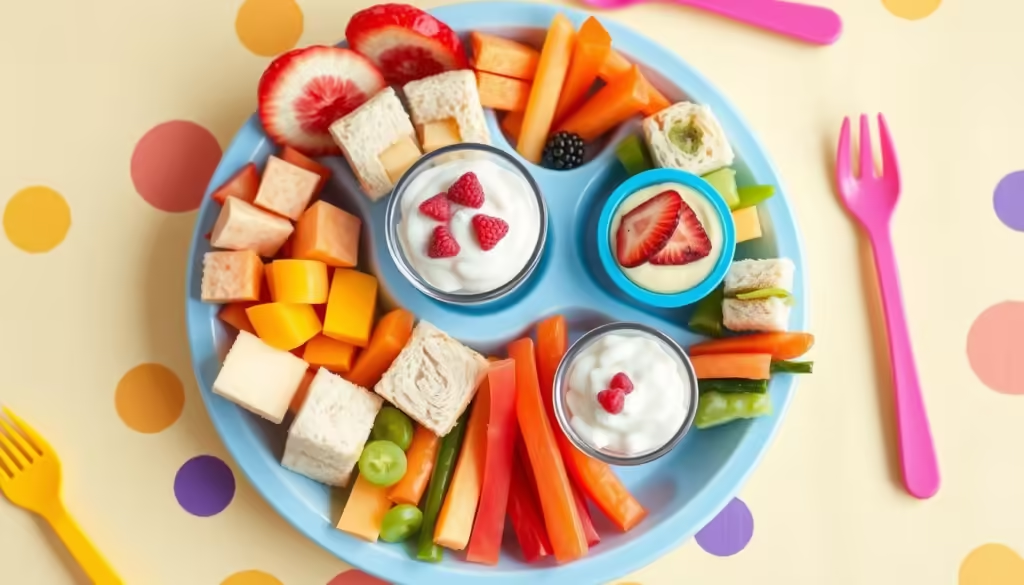
“Healthy snacks can be just as enjoyable as sweet treats for little ones. The key is to find the right balance and get creative with your options.”
Beverage Choices
Choosing the right drinks for your toddler’s daycare lunch is key. It helps them stay hydrated and nourished all day. You can pick from toddler beverage choices like milk and non-dairy alternatives, and fruit juices and water.
Milk and Non-Dairy Options
Milk is full of calcium, protein, and important nutrients for growing kids. You can offer different milk and non-dairy options. This includes low-fat or whole milk, soy milk, almond milk, or oat milk. These choices are good for your child’s lunchbox.
Fruit Juices and Water
Fruit juices can be yummy, but watch the sugar. Choose 100% fruit juices without added sugars. You can also mix them with water to cut down sugar. Water is great for keeping your toddler hydrated without extra sugar or calories.
| Beverage | Nutritional Benefits | Considerations |
|---|---|---|
| Milk (low-fat or whole) | Calcium, protein, vitamins | Choose plain, unsweetened varieties |
| Non-dairy milk (soy, almond, oat) | Calcium, protein, vitamins | Check for added sugars and fortification |
| 100% fruit juice | Vitamins, minerals | Limit to 4-6 oz per day, dilute with water |
| Water | Hydration | Offer throughout the day |
Offering a variety of toddler beverage choices helps your child stay hydrated and nourished at daycare. Focus on milk and non-dairy options, and fruit juices and water. This supports their growth and development.
Time-Saving Meal Prep Tips
Getting ready for toddler lunches can feel overwhelming. But, with smart strategies, it can be simpler and quicker. Here are some time-saving meal prep tips to help you pack lunches faster and with less stress:
- Batch cook and pre-portion meals: Spend a few hours on the weekend making several lunches at once. You can make extra of dishes like sandwiches, muffins, or baked goods. Then, divide them into single portions for the week.
- Use airtight containers: Packing toddler lunch meal prep items in airtight containers keeps them fresh. It also stops leaks or spills in the lunchbox.
- Chop and slice ahead of time: Cut veggies and fruits before the morning rush. This way, your child’s favorite snacks, like crackers or chips, stay crunchy.
- Organize your fridge and pantry: Keep lunchbox items easy to find. This makes it simpler to assemble meals quickly.
- Stick to a routine: Pack lunches at the same time each week, like Sunday evenings. This makes it a habit and saves time.
Using these time-saving meal prep tips can make toddler lunch meal prep easier. You’ll have more time for other things. Prepare early, stay organized, and enjoy a stress-free lunchbox experience.
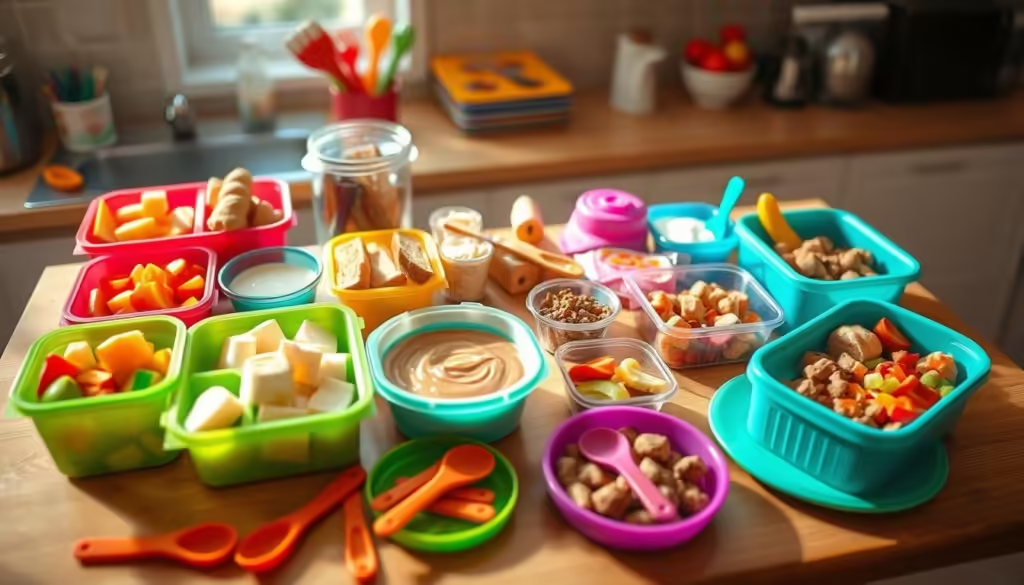
“Meal prepping for toddler lunches has been a game-changer for our family. It saves me so much time and ensures my child gets a nutritious meal every day.”
Allergy-Friendly Alternatives
Packing lunches for toddlers with food allergies can be tough. It’s crucial to find safe and tasty options for your child’s meals.
For kids with nut-free or dairy-free diets, there are many great choices. Brands like Canyon Bakehouse and Franz offer gluten-free and dairy-free bread. These are perfect for making sandwiches and wraps.
Sun butter is a great nut-free substitute for peanut butter. It’s perfect for sandwiches or baked goods. You can also use it in muffins and other treats.
| Allergy-Friendly Bread Brands | Key Allergens Avoided |
|---|---|
| Canyon Bakehouse | Gluten-free (contains egg) |
| Little Northern Bakehouse | Gluten-free, Vegan |
| Schar | Gluten-free (contains soy) |
| Udi’s | Gluten-free (contains egg) |
| Franz | Gluten-free, Dairy-free, Soy-free |
Make sure to include fresh fruits and veggies in your child’s lunch. These are healthy and can save money. Don’t forget to add dairy-free milk or water for hydration.
With a bit of creativity, you can make lunches that are both safe and delicious. Work with your daycare and stay updated on new options. This way, you can give your toddler meals they’ll love and that are good for them.
Conclusion
Packing a toddler lunch ideas for daycare can be easy. Follow the tips and ideas in this article. You’ll make quick, easy, and balanced healthy toddler lunches that keep your little one happy and full.
Plan and prepare a bit, and packing daycare-friendly toddler meals will become simple. It’s a great way to start your day.
A good toddler lunch has protein, carbs, fruits, veggies, and healthy fats. These foods help your child grow and learn. They give your toddler the energy they need for a busy day at daycare.
Creating thoughtful toddler lunch ideas for daycare is more than just food. It’s about giving your child a meal that’s both tasty and nourishing. It also helps them do well in school and playtime.
With a bit of creativity and the right tools, packing healthy toddler lunches is easy. It lets you enjoy more time with your child.
FAQ
What are some healthy and easy toddler lunch ideas for daycare?
Healthy and easy lunch ideas for daycare include sandwiches and wraps. Also, muffins and baked goods are great. Don’t forget protein-rich options and a variety of fruits and veggies. These meals are perfect for busy parents with kids in daycare or preschool.
How can I keep my toddler’s daycare lunch safe and fresh?
To keep your toddler’s lunch safe and fresh, use high-quality lunchboxes and containers. Make sure to label the food properly. Also, keep the food at the right temperature. These steps will help keep the lunch safe and fresh.
What are some allergy-friendly toddler lunch options for daycare?
For toddlers with food allergies, make nut-free and dairy-free options. These recipes and meal ideas are safe and delicious. They ensure your child’s lunchbox meets their dietary needs.
How can I save time when preparing toddler lunches for daycare?
To save time, use meal prepping and streamlining techniques. Plan ahead, batch cook, and use efficient storage and packing. These strategies make packing lunches quicker and easier.
What are some good beverage choices to include in my toddler’s daycare lunch?
Good beverage choices include milk and non-dairy milk alternatives. Fruit juices and water are also good options. Choose drinks based on your child’s preferences and dietary needs.
External Resources for Further Reading
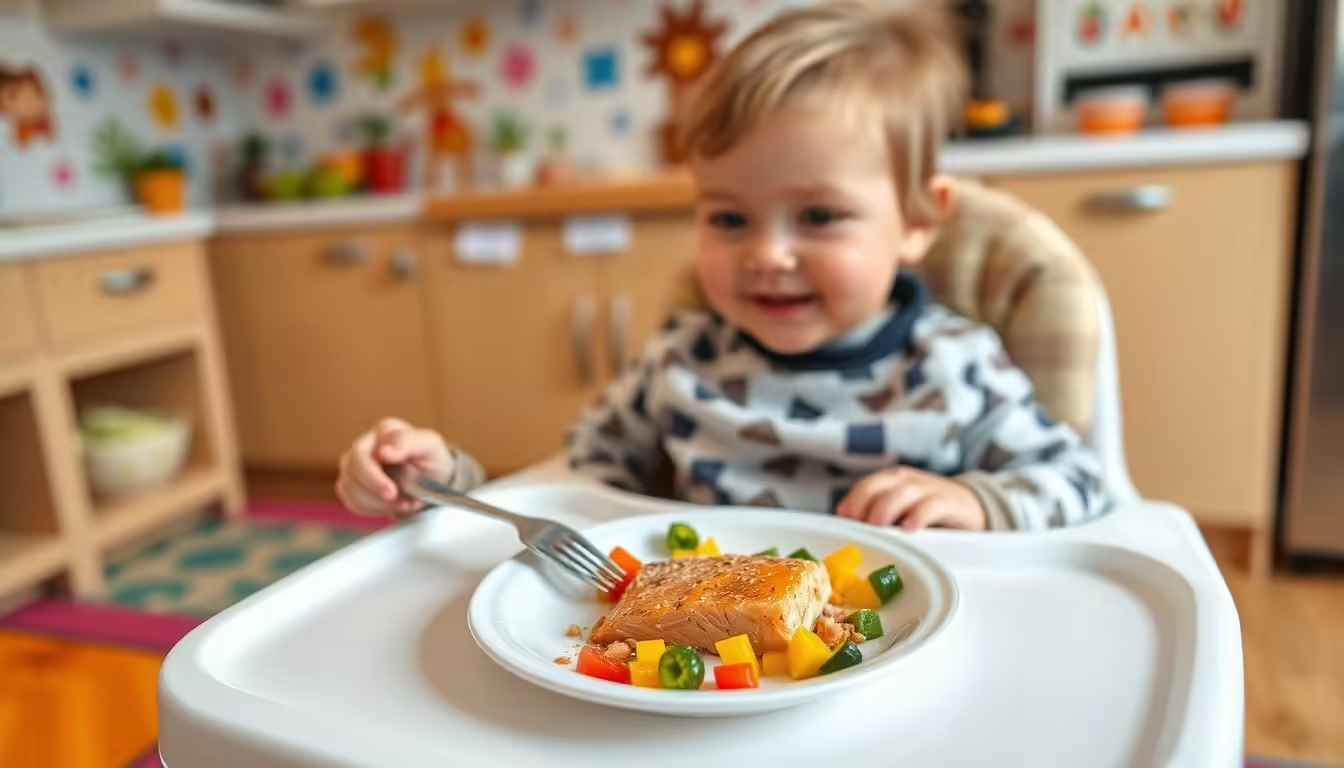
Can a 1 Year Old Eat Cold Salmon? Safety Tips
As your baby grows, you might wonder if cold salmon is safe for them. Can a 1 year old eat cold salmon? Salmon is full of nutrients and can be good for your little one. But, it’s key to know the safety tips for giving salmon to a 1-year-old.
Salmon can be introduced to babies as early as 6 months. The American Academy of Pediatrics suggests waiting until a baby is 6 months old before introducing solid foods. This ensures their digestive system is ready for new foods.
When serving salmon to a 1-year-old, make sure it’s fully cooked. Raw or cold-smoked salmon can be risky for young children. To avoid this, cook salmon to 145°F (62.8°C) before serving.
Key Takeaways
- Salmon can be introduced to babies as early as 6 months old, once they’re ready for solids.
- Raw or cold-smoked salmon should be avoided for 1-year-olds due to the risk of foodborne illness.
- Cooked salmon should be served in an age-appropriate way to prevent choking hazards.
- Proper food safety practices, such as cooking salmon to the recommended internal temperature, are crucial when preparing salmon for babies.
- Gradually introducing potential allergens, like fish, can help identify any allergic reactions in your baby.
Table of Contents
When Can Babies Have Salmon?
Salmon is safe for babies when they start eating solid foods, usually around 6 months. This fish is packed with nutrients like protein, iron, and omega-3 fatty acids. These help your baby grow strong and healthy. But, it’s important to introduce salmon carefully.
Introducing Salmon to Your Baby
Start with small amounts of salmon for your baby. Watch for signs of allergy like swelling or vomiting. Introduce one new food at a time to see how your baby reacts. If you’re worried about allergies, talk to your pediatrician.
Preparing and Serving Salmon for Different Ages
How you serve salmon changes as your baby grows. For 6-month-olds, offer soft salmon strips. By 9 months, you can give them small pieces. Make sure the salmon is cooked well and without bones to avoid choking.
Canned salmon is also good for babies when they start eating solids. Just check the sodium and avoid smoked salmon because it’s not fully cooked.
Introducing salmon and other healthy foods to your baby is exciting. Always ask your pediatrician about your baby’s diet and any food allergies.
Is Salmon Healthy for Babies?
Salmon is a super nutritious food for babies. It’s packed with protein, healthy fats, vitamins, and minerals. These are key for your baby’s growth and development.
Nutritional Benefits of Salmon for Babies
A 3.5-ounce (100-gram) serving of cooked salmon offers:
- 182 calories in wild salmon and 206 calories in farmed salmon
- 25 grams of protein in wild salmon and 22 grams in farmed salmon
- 8 grams of fat in wild salmon and 12 grams in farmed salmon
- 85% of the Daily Value (DV) for selenium in wild salmon, compared to 75% in farmed salmon
- 127% of the DV for vitamin B12 in wild salmon, and 117% in farmed salmon
- 56% of the DV for vitamin B6 in wild salmon, and 38% in farmed salmon
- 2.3 grams of long-chain omega-3 fatty acids in farmed salmon and 2.2 grams in wild salmon
These nutrients support your baby’s growth, brain development, immune function, and overall health. The omega-3 fatty acids in salmon, especially DHA, are vital for visual and cognitive development in infants.
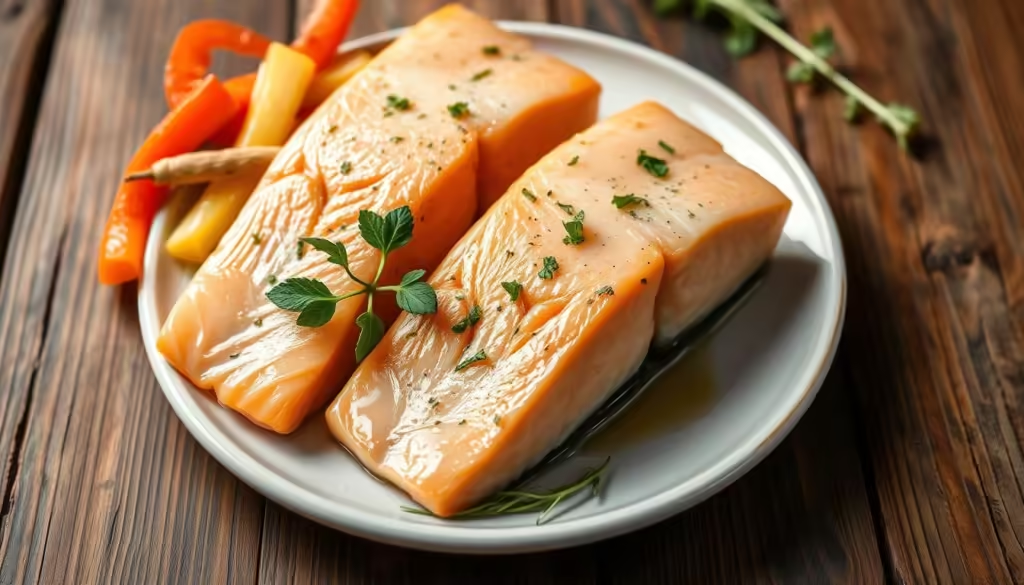
Regular salmon consumption helps manage your baby’s blood pressure and protects their heart health. Salmon’s high-quality protein aids in weight management by regulating appetite and boosting metabolism.
“Salmon is an excellent source of omega-3 fatty acids, which are crucial for a baby’s brain and eye development.” – Jennifer House, MSc, RD
Is Salmon High in Mercury?
Salmon has lower mercury levels than many other fish. This makes it a safer choice for your diet. Choosing sustainably-sourced, low-mercury salmon is especially beneficial.
The Dietary Guidelines for Americans suggest eating 2-3 fish servings a week. Each serving is four ounces. Pregnant or breastfeeding women and kids should follow these guidelines.
| Fish Type | Mercury Content |
|---|---|
| Salmon (Canned, Fresh, or Frozen) | Low |
| Canned Light Tuna | Low |
| Albacore (White) Tuna | High |
| Swordfish | High |
| Shark | High |
Opt for low-mercury fish like wild-caught Alaskan salmon. Avoid high-mercury fish like albacore tuna, swordfish, and shark. This way, you can safely add mercury levels in salmon to your child’s diet.
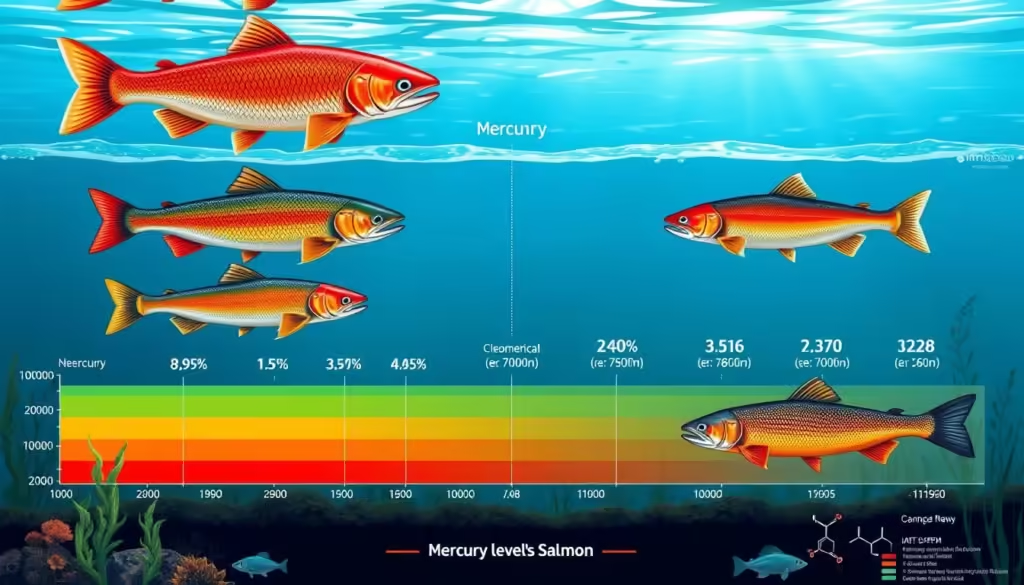
Is Salmon a Common Allergen?
Salmon is a common allergen, along with cod, halibut, and tuna. But only about 0.2% of people worldwide have a finned fish allergy. This number is even lower in children. If you think your baby might be allergic to salmon, start with small amounts and watch for any bad reactions.
Signs of a Salmon Allergy in Babies
Babies with a salmon allergy might show mild or severe symptoms. Mild signs include hives, rashes, or stomach problems like nausea and vomiting. Severe reactions, or anaphylaxis, can cause throat tightness, breathing issues, and even loss of consciousness. If you see these signs, get medical help right away.
Precautions for Introducing Salmon to Babies
- Before giving salmon to your baby, talk to an allergist, especially if allergies run in your family.
- Start with a tiny bit of salmon and watch your baby closely for any bad reactions.
- Don’t mix salmon with other common allergens like dairy or gluten to find out what’s causing the reaction.
- Always have epinephrine auto-injectors ready for severe allergic reactions.
- Make sure to remove all bones, skin, and shells from the salmon to avoid choking hazards.
By being careful and watching your baby closely, you can safely add salmon to their diet.
Can a 1 Year Old Eat Cold Salmon?
When your baby turns 1, you might wonder if they can eat cold salmon. The answer is yes, it can be a healthy choice for them. Just make sure to follow some key safety steps.
First, make sure the salmon is cooked to 145°F (63°C). This kills harmful bacteria that could make your baby sick. After cooking, you can serve it cold or at room temperature.
When giving cold salmon to your 1-year-old, cut it into small pieces to avoid choking. Always watch them while they eat to make sure they chew and swallow properly.
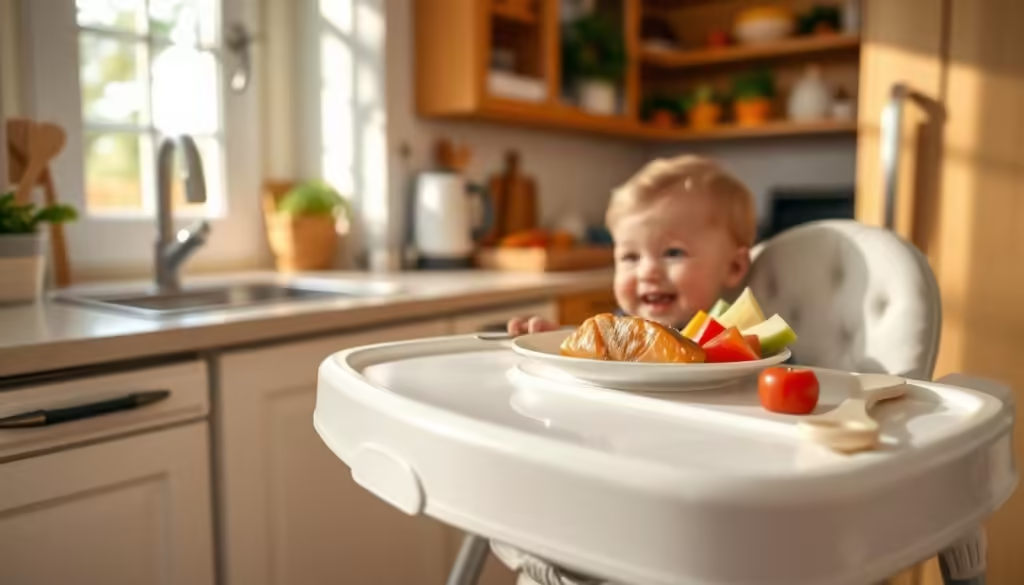
Every child is unique, so always check with your pediatrician before introducing new foods. This is especially true if your child has allergies or other health issues.
In short, with the right care and preparation, a 1-year-old can enjoy cold salmon safely. It’s a nutritious addition to their diet.
Buying the Best Salmon for Babies
Choosing the right salmon for your baby is crucial. Both wild-caught and farmed salmon are good options. But, there are some differences to think about.
Wild-Caught vs. Farmed Salmon
Wild-caught salmon is often seen as the healthier choice. It might have more omega-3 fatty acids and fewer contaminants than farmed salmon. But, it can be pricier and harder to find, especially for those on a tight budget.
Farmed salmon, on the other hand, is more affordable and easy to find. It might have less of some nutrients, but it can still be good for your baby. Look for high-quality, sustainably-sourced farmed salmon.
When picking salmon for your baby, think about what your family needs and wants. Also, consider the source’s sustainability. The most important thing is making sure your baby gets the nutrients salmon offers, whether it’s wild-caught or farmed.
| Feature | Wild-Caught Salmon | Farmed Salmon |
|---|---|---|
| Omega-3 Content | Higher | Lower |
| Contaminant Levels | Lower | Higher |
| Availability | Less | More |
| Cost | Higher | Lower |
| Sustainability | Generally Higher | Varies |
“The key is to look for high-quality, sustainably-sourced farmed salmon.”
How to Cook Salmon for Babies
Adding salmon to your baby’s diet can be a great choice. It’s important to cook it right to make sure it’s safe and tasty for your baby. Here’s a simple guide on how to cook salmon for babies.
Steaming Salmon for Babies
Steaming is a gentle way to cook salmon. It keeps the fish moist and full of nutrients. To steam salmon for your baby, put the fillets in a steamer basket over boiling water. Cook for 7-8 minutes, or until the fish is flaky and the internal temperature is 145°F (63°C).
Poaching Salmon for Babies
Poaching is another good way to cook salmon for babies. Simmer the salmon fillets in water or broth for 6-8 minutes. Cook until the fish is fully cooked and the internal temperature is 145°F (63°C).
Baking Salmon for Babies
Baking is a simple method to cook salmon for your baby. Preheat your oven to 400°F (204°C). Place the salmon fillets on a baking sheet lined with parchment paper. Bake for 10-12 minutes, or until the salmon is cooked and flakes easily.
Make sure to remove any bones from the salmon before serving it to your baby. This prevents choking hazards. Also, cook the salmon until it reaches the safe internal temperature to avoid foodborne illness.
By using these safe cooking methods, you can give your baby the health benefits of salmon. Salmon is rich in omega-3 fatty acids, protein, and essential vitamins and minerals.
Serving Suggestions for Salmon
Salmon is a great and healthy choice for your baby’s meals. Start with soft, flaky pieces for your baby to explore. As they grow, you can move to small salmon pieces or even patties.
Finger Food Options for Different Ages
- For 6-month-olds, serve salmon strips or flakes that are easy for your baby to pick up and gum.
- At 9 months, offer small, bite-sized pieces of salmon that your baby can pick up with their emerging pincer grasp.
- As your baby reaches 12 months, you can introduce salmon cakes, patties, or mix the fish into other foods like mashed potatoes or yogurt.
Salmon Recipes for Babies and Toddlers
Salmon is great for many tasty and healthy recipes for your little one. Here are a few ideas to get you started:
- Salmon Salad: Mix flaked salmon with Greek yogurt, diced cucumber, and a touch of lemon juice for a creamy, protein-packed salad. This recipe contains 157 calories per serving and serves 4 people.
- Sweet Potato Salmon Cakes: Combine mashed sweet potato, cooked salmon, and a few simple seasonings to create bite-sized salmon cakes that are perfect for little hands.
- Salmon-Veggie Frittata: Bake a frittata with diced salmon, scrambled eggs, and your baby’s favorite veggies for a nutritious and easy-to-serve meal.
Canned salmon is a cheap and easy way to add this healthy fish to your baby’s diet. Wild-caught salmon is the best choice because it’s lower in mercury and higher in omega-3s.
“Salmon is a fantastic source of protein, omega-3s, and other essential nutrients for growing babies. With a little creativity, you can find many delicious ways to serve salmon that your little one will love!”
Storing Salmon for Babies
Storing salmon right is key when feeding it to your baby. Fresh salmon goes in the fridge and should be eaten within 1-2 days. If you have leftovers, freeze them for up to 3 months to keep them fresh.
Canned salmon is easy to store and lasts up to 3 years at room temperature. But, once opened, move the salmon to an airtight container and chill it for 3-4 days before serving.
Always cool salmon completely before storing it. For thawing, the fridge is best, or thaw in cold water, changing the water every 10 minutes. This slow thaw keeps the salmon’s taste and nutrients intact.
FAQ
Can a 1 year old eat cold salmon?
Yes, a 1-year-old can eat cold salmon if it’s cooked right and stored safely. Make sure it’s cooked to 145°F (63°C) to kill bacteria. Also, cut it into small pieces to avoid choking.
When can babies have salmon?
Babies can try salmon when they start solids, around 6 months. Start with small amounts and watch for allergies. Serve it in ways that fit their age, like strips for 6-month-olds.
How do I prepare and serve salmon for my baby?
Cook salmon by steaming, poaching, or baking for babies. Remove bones and cook to 145°F (63°C). Serve it in ways that fit their age, like strips for 6-month-olds.
Is salmon healthy for babies?
Salmon is very good for babies. It’s full of protein, fat, and vitamins. It also has omega-3 fatty acids that help with brain and eye health.
Is salmon high in mercury?
Salmon has low mercury levels. It’s safe to eat as part of a balanced diet, especially wild-caught Alaskan salmon.
Is salmon a common allergen for babies?
Salmon is a common fish allergy, but it’s rare. Only 0.2% of people worldwide are allergic. Watch for signs of an allergy and talk to an allergist if you’re worried.
What type of salmon is best for babies?
Both wild-caught and farmed salmon are good for babies. Wild-caught has more omega-3s but is pricier. Choose based on your family’s needs and budget.
How do I store salmon for my baby?
Store fresh salmon in the fridge for 1-2 days. Freeze it for up to 3 months. Canned salmon lasts 3 years but use opened cans within 3-4 days. Cool it before freezing or refrigerating.
External Resources for Further Reading