
Top Gift Ideas for Kindergarteners – Best Picks for Kids
Finding the perfect gift ideas for kindergarteners is a fun challenge. At this age, kids are full of curiosity and creativity. They are also learning important social skills. This article will help you find the best gift ideas for kindergarteners to support their growth and development.
Key Takeaways
- Kindergarteners love toys that let them explore and learn through play.
- Gifts that spark creativity, like art supplies and blocks, help with fine motor skills and self-expression.
- STEM toys and puzzles are great for introducing problem-solving and a love of learning.
- Outdoor toys, such as sports gear and balance boards, are good for physical and social growth.
- Personalized gifts, like puzzles with their name and dress-up clothes, encourage role-playing and individuality.
Table of Contents
Understanding the Needs of Kindergarteners
As your little one starts kindergarten, it’s key to know their special needs. Choosing the right toys and gifts is crucial for their growth. Kindergarten is a time when kids make big steps in social, emotional, and thinking skills.
Developmental Milestones
At five, kids get better at playing with others and managing their feelings. They start to write letters and simple words in their drawings. These steps are perfect for educational toys and creative toys that help with learning through play.
Importance of Play in Learning
Play is vital for kindergarteners. It helps them learn important skills like solving problems, being creative, and moving well. Toys that promote playing together, being active, and exploring with their hands are great for their growth and learning.
| Developmental Area | Recommended Toys |
|---|---|
| Social and Emotional |
|
| Cognitive and Language |
|
| Physical |
|
By knowing what kindergarteners need and picking toys that match their milestones, you help create a supportive learning environment. This environment encourages their curiosity and love for learning.
Creative Gift Ideas
Unleash your kindergartener’s artistic side with creative gifts. Arts and crafts kits, musical instruments, and more will spark their imagination. These gifts encourage self-expression and creativity.
Art Supplies
Sago Brothers Magic Clay is perfect for young sculptors. It lets them make unique 3D creations. For easy painting, try Ooly Chunkies Paint Sticks.
The Klutz Make Your Own Puffy Stickers kit is great for designing stickers. It boosts creativity and individuality.
Building Blocks and Construction Sets
The Lego Classic Creative Neon Fun Brick Box Set is ideal for young builders. It offers endless ways to build colorful creations. It helps with problem-solving and spatial awareness.
Musical Instruments
Introduce your kindergartener to music with engaging gifts. “Doodling 101” by Mo Willems combines drawing and music. It encourages exploring both talents.
With these creative gifts, you can nurture your child’s imagination. Arts and crafts kits, musical instruments, and more will spark their curiosity. They’ll explore their artistic and musical sides.
| Gift Idea | Price | Source | Category |
|---|---|---|---|
| Sago Brothers Magic Clay | $30 | Amazon | Art Supplies |
| Ooly Chunkies Paint Sticks | $12 | Michaels | Art Supplies |
| Klutz Make Your Own Puffy Stickers | $16 | Barnes & Noble | Art Supplies |
| Lego Classic Creative Neon Fun Brick Box Set | $40 | Amazon | Building Blocks |
| “Doodling 101” by Mo Willems | $12 | Amazon | Musical Gift |
Educational Toys for Kindergarteners
As your little one starts their educational journey, the right toys can make learning fun. They can explore STEM toys that spark curiosity or puzzle games that challenge their problem-solving skills. There are many educational toys to support your child’s growth.
STEM Toys
Introduce your child to science, technology, engineering, and math with exciting STEM toys. The LeapFrog Magic Adventures Globe makes learning about geography and cultures interactive. The Chuckle & Roar Jigsaw Puzzles improve problem-solving skills. The ThinkFun Zingo Bingo game enhances language skills through play.
- Story Time Chess teaches strategic thinking in a fun way.
- The Break Open Geodes! Discovery Kit lets kids explore geology through hands-on experiments.
Puzzle Games
Puzzles are fun and key for kindergarteners’ cognitive growth. The Chuckle & Roar Jigsaw Puzzles offer various themes, from maps and space to animals and sea creatures. They provide endless chances for problem-solving and spatial awareness.
“Puzzle games help children develop critical thinking, patience, and attention to detail – all essential skills for success in school and beyond.”
Whether your child loves the interactive lessons of the LeapFrog Magic Adventures Globe or the strategic challenges of Story Time Chess, educational toys can spark their curiosity. They can also support their learning. Look through the wide range of educational toys, STEM toys, and puzzle games to find the best match for your kindergartener’s interests and needs.
Outdoor and Active Play Gifts
Kindergarteners are full of energy and excitement. Outdoor and active play gifts are perfect for them. These gifts encourage physical activity and exploration. You can choose from sports equipment, bicycles, and garden games to keep your child engaged.
Sports Equipment
Introducing your child to sports can spark a lifelong love for physical activity. Consider gifts like Stomp Rockets, Stomp Racers, and Air-Powered Race Cars for outdoor fun. For indoor play, the New Bounce Pogo Stick and Spalding High Bounce Handball are great choices.
Bicycles and Scooters
Riding bikes and scooters teaches balance and coordination. Look for gifts like Crocodile Creek and CAMP playground balls for outdoor play. For indoor fun with music, the Annkie Dance Mat Toys are perfect.
Garden Games
Connecting with nature is a great learning experience for kindergarteners. Consider gifts like an Outdoor Explorer Kit or a Hiking Backpack for outdoor exploration. The Exploring Nature Activity Book can also enhance their appreciation for nature.
| Product | Description | Price |
|---|---|---|
| Stomp Rockets | Air-powered rocket launchers for outdoor fun | $19.99 |
| New Bounce Pogo Stick | Durable pogo stick for active indoor play | $34.95 |
| Crocodile Creek Playground Ball | Colorful, durable ball for outdoor games | $9.99 |
| Exploring Nature Activity Book | Educational resource for outdoor exploration | $14.95 |
These gifts will keep your kindergartener engaged and active. They’re perfect for sports, outdoor adventures, or just having fun. These gifts offer hours of enjoyment and support healthy development.
Books and Storytelling Gifts
Reading and storytelling are key for kindergarteners. Picture books and interactive stories spark their imagination. They help build a love for books.
Picture Books
Picture books open a magical world for young ones. Stories like Sulwe by Lupita Nyong’o talk about colorism and self-esteem. They start important talks and help kids accept themselves.
Classic tales, like the Beatrix Potter boxset, have been loved for 100 years. They still enchant new readers.
Interactive Reading Books
Interactive books make reading fun. The Toniebox Playtime Starter Set lets kids go on audio adventures. It comes with figures that spark their creativity.
Other cool gifts, like the Little Passports Subscription Box, have books and puzzles. They keep kids learning and telling stories.
Books and interactive stories are great gifts for kindergarteners. They help their minds and hearts grow. Look for books for kindergarteners, interactive reading, and storytelling gifts to find the best one for your child.
Imaginative Play Gifts
Unlock your child’s creativity with our selection of pretend play toys. We have dress-up costumes, dollhouses, and action figures. These gifts will take your child to a world of endless possibilities.
Dress-Up Costumes
Our dress-up costumes encourage imaginative play. They range from princess gowns to superhero capes. Your child can go on thrilling adventures with these costumes.
Check out the Pretty + Polished Gift Set at a 30% discount. Also, the Silicone Hairdresser Playset and Silicone Makeup Playset are both 30% off.
Dollhouses and Action Figures
Our dollhouses and action figures spark creativity. Your child can create enchanting stories and bring characters to life. The Construction Mold Free Bath Toy Set is $22.00, and the Silicone Tea Set Petal is 30% off at $32.00.
The The Ultimate Pretend Play Set is perfect for action figure fans. It’s 30% off, now $96.00.
Our imaginative play gifts include dress-up costumes, dollhouses, and action figures. They will captivate and delight your child. They foster creativity, problem-solving, and emotional development.
Tech Gifts for Young Learners
Technology is changing how kids learn and play. Tech gifts are now a big hit with parents and teachers. They range from interactive tablets to fun learning apps. These gifts help kids grow and spark their curiosity.
Tablets for Kids
Tablets made for kids are safe and fun. They have educational apps and controls for parents. They’re also tough to handle.
For example, the LeapFrog Magic Adventures Globe mixes hands-on fun with learning. The Paw Patrol My First Instant Camera teaches kids about photography.
Learning Apps and Games
There are many learning apps and games for kids. They help with reading, math, and problem-solving. They make learning fun and interactive.
Apps like Osmo Coding Starter Kit, Pyxel educational robot, and Snap Circuits Explore Coding kit are great. They mix digital and physical learning for STEM skills.
Looking for tech gifts to spark a child’s interest? Want to improve their learning apps or educational games? Today’s tech offers endless ways for kids to learn and grow.
Personalized Gift Ideas
Finding the perfect gift for a kindergartener can be special. Personalized gifts add a unique touch that makes the gift memorable. Options like custom name puzzles and engraved keepsakes celebrate a child’s individuality.
Custom Name Puzzles
Custom name puzzles help kids recognize and spell their names. They feature the child’s name in fun designs. You can choose from whimsical to modern styles, making it a puzzle that matches the child’s interests.
Engraved Keepsakes
Engraved keepsakes capture special moments. Personalized picture frames, photo albums, and books can be engraved. They are treasures that remind us of a child’s growth and development.
| Personalized Gift Type | Price Range | Discount Offers |
|---|---|---|
| Custom Name Puzzles | $19.95 – $49.95 | Up to 40% off |
| Engraved Keepsakes | $29.95 – $99.95 | Save up to 25% |
| Personalized Apparel and Accessories | $6.50 – $77.99 | 20% – 63% off |
Personalized gifts, like puzzles or keepsakes, are great for celebrating a kindergartener’s personality. With many options and ways to customize, finding the perfect gift is easy.
Gifts That Encourage Social Interaction
Choosing gifts for kindergarteners that boost social skills is key. Board games and activity kits are perfect. They let kids play together, learn to communicate, and have fun.
Board Games for Kids
Board games are great for teaching kids to work together and think strategically. Hasbro Connect 4 is a classic that teaches kids to take turns and solve problems. Rat A Tat Cat card game is another good pick, as it helps with numbers and friendly rivalry.
The Soggy Doggy board game is perfect for a fun, team effort. It’s all about laughter and working together.
Group Activity Kits
Group activity kits also promote teamwork and learning together. Look for science sets or craft projects that encourage kids to share and solve problems. Haba Animal Upon Animal game is a great example. It teaches kids to build together, improving balance and patience.
Choosing gifts that encourage kids to play together is important. Board games and activity kits are fun and educational. They help kids grow socially and emotionally, preparing them for school and life.
| Product | Recommended Age | Key Features |
|---|---|---|
| Hasbro Connect 4 Game | 7+ years | Strategy, turn-taking |
| Rat A Tat Cat Card Game | 7+ years | Number skills, friendly competition |
| Soggy Doggy Board Game | 3+ years | Fun group play |
| Haba Animal Upon Animal | 3+ years | Balance, patience, collaboration |
Trends in Kindergarten Gifts for 2023
Parents and gift-givers are looking for gifts that are both fun and meaningful for kindergarteners. In 2023, gifts are shifting to focus on eco-friendly toys and inclusive options. These gifts are made from sustainable materials and cater to different needs and abilities.
Eco-friendly toys, like building sets from recycled plastics and art supplies from natural sources, are popular. They help kids learn about the world while being kind to the environment.
Eco-Friendly Toys
There’s also a big push for inclusive gifts that meet the needs of all kindergarteners. Sensory toys, interactive tech, and customizable items are becoming more common. These gifts make sure every child can enjoy and learn through play.
Inclusive Gifts for Diverse Needs
The gift trends for 2023 aim to support kids in many ways. They focus on skills like math, science, and creativity, as well as emotional and physical health. Whether it’s STEM toys or art supplies, these gifts help kids grow and prepare for the future.
FAQ
What are some popular gift ideas for kindergarteners?
For kindergarteners, consider toys that spark creativity and learning. Art supplies, building blocks, and musical instruments are great. Also, STEM kits and puzzle games are educational.
Outdoor toys like sports equipment and garden games are perfect for active play. Dress-up costumes and dollhouses encourage imagination.
How can I choose gifts that align with a kindergartener’s developmental needs?
Think about what kindergarteners are learning. They’re growing socially and emotionally. They’re also starting to write.
Choose toys that help them learn through play. Look for ones that boost creativity and group play.
What types of art supplies make good gifts for kindergarteners?
Art supplies like the Rainbow-shaped Flytreal Acrylic Pen Holder are great. Crayola Model Magic clay and Ooly Chunkies Paint Sticks are also good. The Klutz Make Your Own Puffy Stickers kit is perfect for creativity.
What educational toys are appropriate for five-year-olds?
LeapFrog Magic Adventures Globe is interactive and educational. Chuckle & Roar Jigsaw Puzzles help with problem-solving. ThinkFun Zingo Bingo is great for language skills.
The Story Time Chess set introduces strategic thinking. These toys are perfect for learning.
What outdoor and active play gifts are suitable for kindergarteners?
Stomp Rocket Stomp Racers and the New Bounce Pogo Stick are fun. Spalding High Bounce Handball and Annkie Dance Mat Toys are great for physical activity.
What are some good book and storytelling gifts for this age group?
Sulwe by Lupita Nyong’o is a great book. It tackles important themes. The Toniebox Playtime Starter Set offers interactive stories.
Little Passports Subscription Box keeps learning exciting. These gifts are perfect for book lovers.
What types of imaginative play toys are popular among kindergarteners?
Kindergarteners love toys like the Magic Mixies Pixie Supremes Magic Mirror. Hot Wheels City Transforming T-Rex Hauler is also popular. Mix N Match Teenage Mutant Ninja Turtles Bundle is a hit.
Dress-up costumes and dollhouses are timeless favorites. They spark imagination.
What technology-based gifts are appropriate for young learners?
LeapFrog Magic Adventures Globe is a great tech gift. It’s interactive and educational. The Paw Patrol My First Instant Camera introduces photography.
Kid-friendly tablets with educational apps and games are also good. They’re perfect for learning through technology.
What are some good personalized gift ideas for kindergarteners?
Pip Pop Post ABCs earrings are a unique gift. Custom name puzzles and engraved keepsakes are thoughtful. Personalized art supplies or backpacks are also great.
What types of gifts encourage social interaction among kindergarteners?
Group play gifts like Hasbro Connect 4 and Rat A Tat Cat Card Game are perfect. Soggy Doggy is also great. Collaborative activity kits for crafts or science are ideal.
What current trends are shaping kindergarten gift-giving in 2023?
Eco-friendly toys are becoming popular. Gifts that consider diverse needs and abilities are also trending. STEM toys and sensory toys are still favorites.
Gifts that promote emotional intelligence and social skills are also in demand. These trends focus on learning and fun.
External Resources for Further Reading
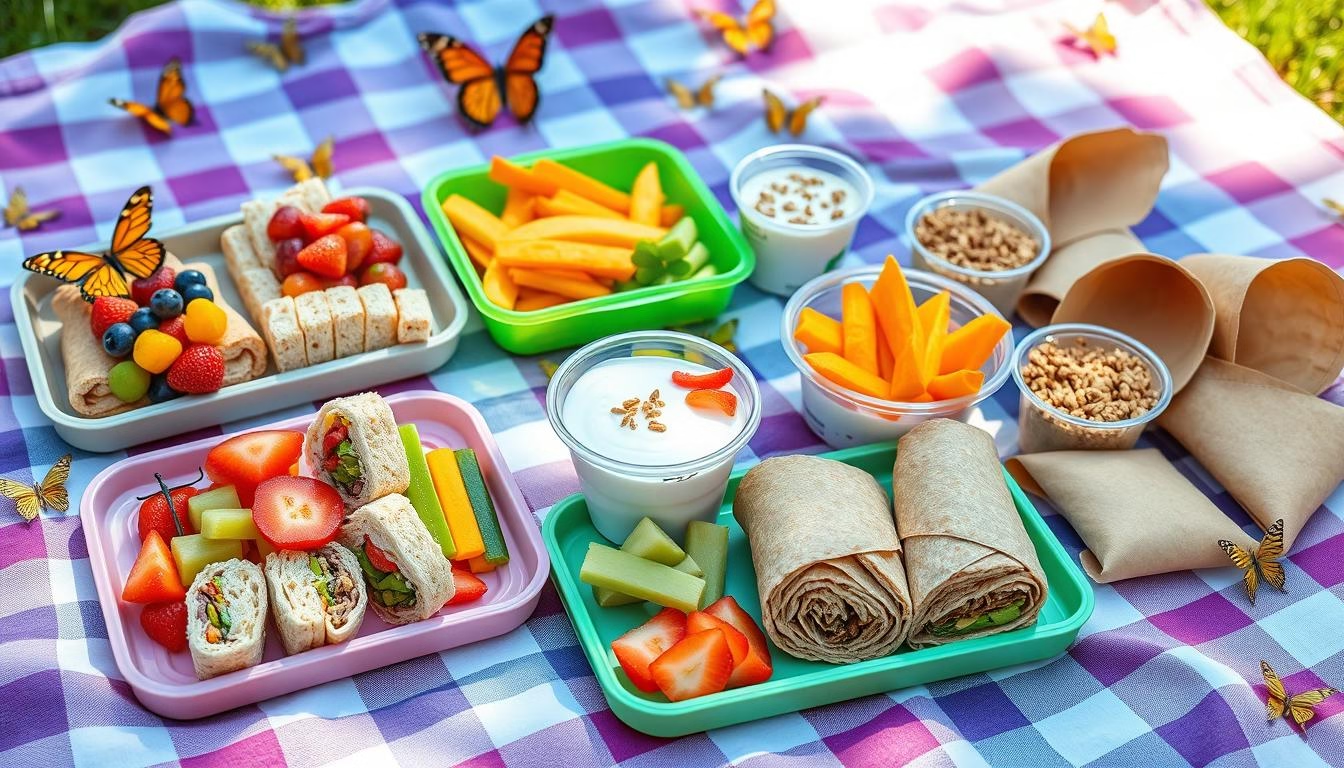
Easy Cold Lunch Ideas for Kindergartners That They’ll Love
It’s easy to pack a healthy and tasty cold lunch for your kindergartner. A bit of planning and creativity can make lunchtime exciting. You can choose from many options like sandwiches, salads, snack trays, and finger foods. Cold lunch ideas for kindergartners can be both fun and nutritious, offering a variety of meal options that will keep your little one satisfied and energized throughout
Preparation is key for cold lunches. Try making things the night before to save morning time. Use insulated lunch boxes and cold packs to keep food fresh. You can even freeze items like sandwiches and yogurt tubes to thaw by lunch.
Key Takeaways
- Packing cold lunches can be more convenient than hot meals for kindergartners.
- Prepare items in advance to save time and ensure freshness.
- Utilize insulated lunch boxes and cold packs to keep food at the right temperature.
- Freeze items like sandwiches, muffins, and yogurt to maintain coldness.
- Offer a variety of nutritious ingredients like fruits, vegetables, proteins, and whole grains.
Table of Contents
Benefits of a Mud Kitchen for Kids
Mud kitchens are great for kids’ growth. They spark creativity and imagination. Kids get to explore with mud, water, and natural stuff, making their dreams come true.
Encourages Creativity and Imagination
Kids can be creative in a mud kitchen. They can make anything they want without rules. This play boosts their imagination and problem-solving skills.
Promotes Outdoor Play
Mud kitchens get kids outside. They play with dirt, leaves, and water. This helps them learn about nature and stay active.
Develops Fine Motor Skills
Playing with mud improves kids’ fine motor skills. They use their hands and eyes to shape and move the mud. This is good for their future skills.
A mud kitchen is a great place for kids to learn and play. It helps with creativity, outdoor fun, and fine motor skills. It’s a valuable part of a child’s play space.
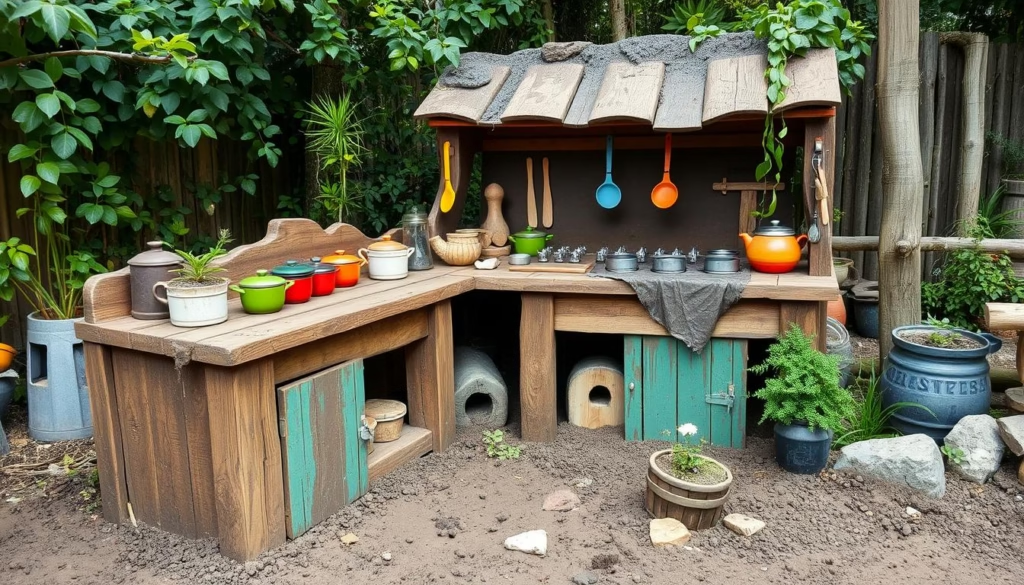
Essential Components of a Mud Kitchen
Creating a mud kitchen for kids involves picking the right spot, tools, and safe stuff. These elements help make a fun outdoor play area. It’s where kids can be creative, imagine, and explore with their senses.
Choosing the Right Location
Find a spot outside that’s close to water and natural stuff. It should be protected from strong winds but get lots of sunlight. This way, your child can play without getting wet or cold.
Must-Have Equipment
- Sturdy work surfaces, like a wooden table or a countertop from old materials
- Containers, pots, and pans for mixing and storing mud
- Safe utensils, like wooden spoons, sifters, and small shovels
- Things like chalkboards for writing down recipes and ideas
Safe and Non-Toxic Materials
Choose safe, green materials for your mud kitchen. Use things like leaves, bark, acorns, pine cones, and twigs. Stay away from harmful stuff that could hurt your child. This way, your mud kitchen is fun and safe for your little one.
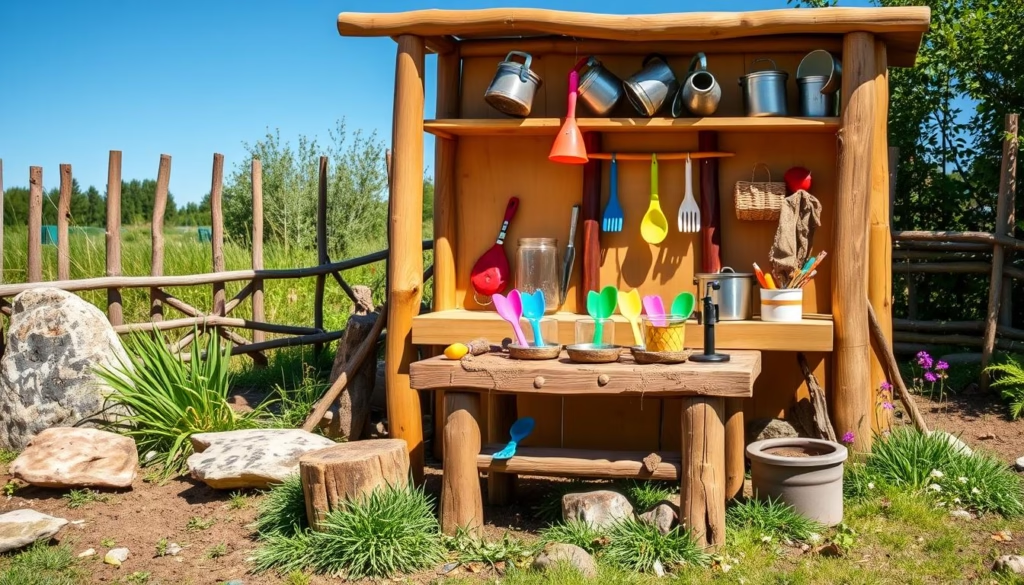
A mud kitchen is all about sparking creativity and imagination in kids. By picking the best spot, tools, and materials, you create a place for learning and fun. It’s where kids can explore and have a blast with mud.
Crafting a Fun Mud Kitchen Experience
Creating a fun mud kitchen for your kids is a great way to encourage their natural play. It helps them get involved and sparks their creativity. By setting up a fun environment, you help them explore the natural world and learn important life skills.
Setting Up Your Mud Kitchen
Start by picking a spot for your mud kitchen that’s easy to get to and organized. Make sure it has different areas for mixing, pouring, and creating. Add natural things like leaves, flowers, and pebbles to make it more fun and help them learn.
Adding Natural Ingredients
Stock your mud kitchen with natural ingredients for your child to make their own creations. Use shelf-stable snacks like dried herbs, spices, or fruits to add flavor. Let your child try different textures, colors, and smells to keep their imagination going.
Involving Your Child in the Process
Get your child involved in setting up the mud kitchen to make them more excited and proud. Let them help pick out the stations, choose the natural materials, and decide where to put the ingredients. This way, you help them grow their creativity, independence, and problem-solving skills.
The secret to a great mud kitchen is making it a place for exploration and fun. With some planning and a lot of imagination, you can turn your backyard or play area into a place for endless mud adventures. Your child will love it for years to come.
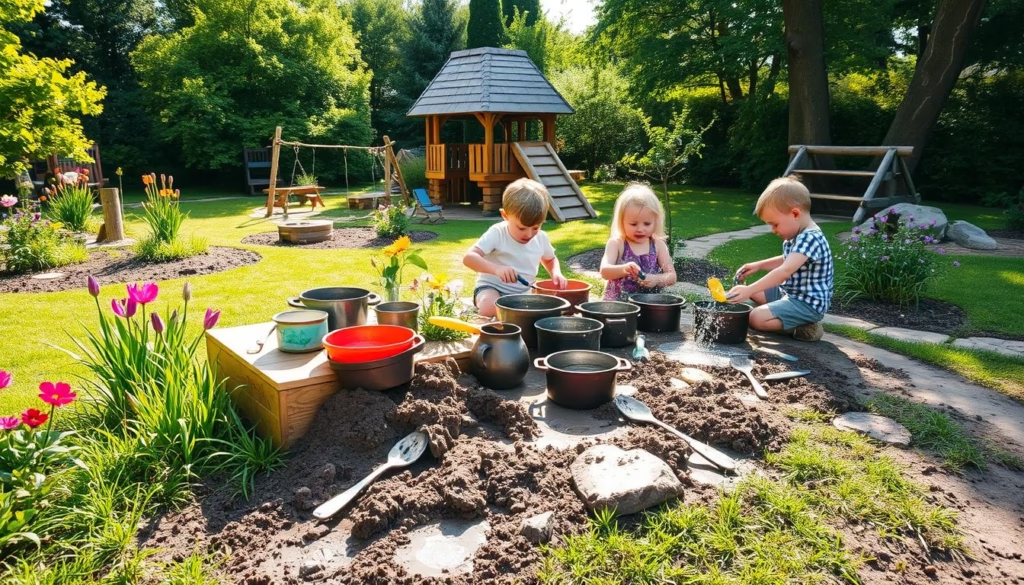
The Role of Sensory Play in Learning
Sensory play is key for kids’ growth, using sight, sound, touch, smell, and taste. It helps kids learn in a fun way. Activities like mud play and exploring nature’s smells and textures are great for their minds and bodies.
Understanding Sensory Play
Sensory play lets kids explore their world in a hands-on way. It boosts their brain connections, improving memory and problem-solving. Kids learn more about their surroundings and appreciate their senses more.
Benefits of Playing with Mud
Mud play is amazing for kids, offering a rich touch experience. It helps kids with fine motor skills and understanding textures and shapes. Mud play also boosts problem-solving, creativity, and outdoor fun, all important for kids’ growth.
How to Enhance Sensory Experiences
- Introduce natural materials like leaves, twigs, stones, and flowers to the mud kitchen for a multi-sensory experience.
- Add scented herbs, spices, or essential oils to spark curiosity and exploration through smell.
- Provide tools like sieves, scoops, and molds to encourage kids to experiment and solve problems.
- Ask your child to describe what they feel and sense, like textures and temperatures.
By supporting sensory play, you open a world of learning and discovery for your child. Let them explore and enjoy the mess of mud, nature, and hands-on activities.
Engaging Activities for Your Mud Kitchen
Turn your mud kitchen into a place of creativity and fun. Let your child’s imagination run wild with lots of activities. They’ll have a blast and learn something new every day.
Recipe Ideas for Mud Creations
Let your little chefs make their own “mud pies,” “nature soup,” and “leaf stew.” Give them natural ingredients like leaves, flowers, twigs, and pebbles. They can try out different recipes and flavors. This boosts their creativity and fine motor skills.
Incorporating Nature Walks
Go on nature walks with your child. Use the chance to find materials for your mud kitchen. Collect leaves, flowers, pinecones, and more. This play inspires new ideas and connects them with nature.
Themed Mud Recipes
Make your mud kitchen fun by trying new recipes. Try “spring flower soup” in spring or “pirate’s treasure mud pies” for a pirate day. These themes spark exploration, problem-solving, and creativity.
Remember, the best part of a mud kitchen is the mess. Let your child’s creativity flow. Enjoy the fun of discovering new things together.
Maintaining Your Mud Kitchen
Keeping your mud kitchen in top shape is key for a safe and fun outdoor play area for your kids. Regular cleaning and seasonal updates help keep it working well. Safety measures also protect your child during their messy play.
Tips for Regular Cleaning
Make cleaning your mud kitchen a regular part of your routine. After each play session, rinse it with a hose or damp cloth to remove mud. Use a mild, child-safe soap and scrub it now and then to keep it looking good. Always dry it well to stop mold or mildew.
Seasonal Considerations
The seasons change, and so should your mud kitchen. In winter, add warm things like thermal blankets or cozy cushions for seasonal play. When it gets warmer, make sure it’s shaded and well-ventilated for outdoor play safety. Change the materials to match the season, like using fallen leaves or pine cones in autumn.
Safety Precautions
Always check your mud kitchen for safety issues. Make sure it drains well to avoid water that can attract mosquitoes. Look for sharp or loose parts and fix or replace them. Use a canopy or shade to protect your child from the sun during healthy travel snacks and play.
By taking good care of your mud kitchen, you create a safe and fun place for your child to explore and learn. It’s all about mud kitchen maintenance.
| Seasonal Considerations | Equipment Needed |
|---|---|
| Winter: |
|
| Spring/Summer: |
|
| Fall: |
|
Allowing Messiness: Why It Matters
As parents, we often want our kids’ play areas to be clean. But messy play, like in a mud kitchen, has big benefits. Messy play helps kids explore and learn creatively.
Embracing Creative Chaos
Letting your child play with messy materials can seem scary. But it’s key for their growth. By accepting the mess, you let your child explore and learn by doing.
Learning Through Exploration
Playing in a mud kitchen is more than just getting dirty. It’s a chance for kids to learn and grow. Messy play boosts problem-solving and fine motor skills as they play with different textures.
Connecting Messiness to Learning
Watching your child play can be a great learning moment. Ask them questions and listen to their ideas. This helps them link their play to learning.
Embracing messy play in a mud kitchen is good for your child’s creativity and learning. It builds their confidence and skills for the future.
Enhancing Social Skills Through Play
Mud kitchens are great for kids to learn social skills through play. They help kids work together, share, and take turns. This is all part of learning to be a team player.
Teamwork in the Mud Kitchen
Get kids to work together in the mud kitchen. Set up projects that need teamwork. This teaches them to communicate, negotiate, and work towards a goal.
Sharing and Turn-Taking
In the mud kitchen, kids have to share and take turns. This teaches them patience, empathy, and how to think of others. Try activities that make them share mud or tools.
Communication Skills Development
The mud kitchen is perfect for role-play and stories. These activities boost communication skills. Kids learn to share ideas, ask questions, and listen to others. Help them by watching and guiding their conversations.
Mud kitchens help kids improve their social skills, cooperative play, and communication development. These skills are essential for growing and interacting with others.
Inspiring Outdoor Learning
Make the most of your mud kitchen as a doorway to outdoor learning. It’s a perfect spot for learning math and science through fun experiments. It’s a chance to teach your kids to love nature more.
Integrating Learning Concepts
Turn your mud kitchen into a place for learning. Have your child measure ingredients for their mud “recipes.” This teaches them about measurement and volume.
Try simple chemistry experiments, like mixing baking soda and vinegar. This creates fun fizzing reactions.
Nature-Based Science Experiments
- Watch plants grow by planting seeds in your mud kitchen.
- Find out about leaves, sticks, and rocks by testing their texture and weight.
- Build a “bug hotel” in your mud kitchen to attract insects.
Art Projects Using Natural Materials
Let your child’s creativity shine with outdoor art. They can make mud paintings, leaf rubbings, or sculptures from sticks and stones. These activities boost their creativity and connection to nature.
“Outdoor learning experiences in the mud kitchen can spark children’s curiosity, enhance their problem-solving skills, and cultivate a lifelong appreciation for the natural world.”
The mud kitchen is a great way to inspire outdoor learning. It helps kids think critically and care for the environment. Plus, it lets them have fun getting dirty.
Celebrating Success and Progress
As your child starts their mud kitchen journey, it’s key to celebrate their achievements. Their creativity, problem-solving, and joy are all worth celebrating. By documenting their growth, you encourage a lifelong love for learning and exploration.
Recognizing Milestones in Play
Studies by Teresa Amabile and Steven J. Kramer from Harvard Business School show that tracking daily achievements boosts motivation. They found that feeling like you’re making progress makes you more productive. So, celebrate your child’s small victories, as they help them reach bigger goals and improve their mood and performance.
Documenting Your Child’s Creativity
Take photos or videos of your child’s creative process and finished projects. This way, you can document their growth and celebrate their achievements. It keeps memories alive and shows their progress in skills like problem-solving, fine motor, and imagination.
Creating a Mud Kitchen Journal
Encourage your child to keep a mud kitchen journal. They can draw or write about their adventures. This activity boosts self-expression, storytelling, and the joy of learning through play. It also helps you understand their interests and milestones.
By recognizing your child’s progress, documenting their creativity, and keeping a journal, you create a supportive environment. This environment celebrates their successes and supports their ongoing growth and development.
Resources to Get Started with a Mud Kitchen
Starting a mud kitchen journey is exciting and rewarding for you and your child. We’ve gathered a list of books, websites, and local resources to help. They guide you through setting up and enjoying a mud kitchen.
Recommended Books and Websites
Explore books and websites about outdoor play and mud kitchens. Authors like Rachelle Doorley offer practical tips in “Tinkering: Kids Learn by Making Stuff.” Websites like “The Mud Kitchen” and “Mud Kitchen Ideas” have step-by-step guides, activity ideas, and forums to connect with others.
Online Communities and Forums
Online communities and forums are great resources for your mud kitchen journey. Connect with parents, educators, and outdoor play fans to share ideas and learn. Facebook groups and Reddit communities focused on outdoor learning and play are excellent places to find support and inspiration.
Local Workshops and Events
Look for local workshops, events, or classes on nature-based play and outdoor education. These are great for learning hands-on, discovering new ideas, and meeting others. Engaging with these resources can deepen your understanding and love for mud kitchen play.
FAQ
What are some easy cold lunch ideas for kindergartners?
Packing cold lunches for kindergartners is simpler than hot meals. You can offer choices like sandwiches, salads, and snacks. Prepare items ahead or use frozen foods that thaw by lunchtime.
Include fruits, veggies, proteins, and whole grains for a balanced meal. Use insulated lunch boxes and cold packs to keep food fresh. Aim for meals that are easy for young kids to eat on their own.
What are the benefits of a mud kitchen for kids?
Mud kitchens boost creativity and imagination through play. They encourage outdoor play and a connection with nature. Kids improve their fine motor skills by playing with mud and tools.
Setting up a mud kitchen in your backyard or outdoor area is easy. It offers a fun and educational experience for kids.
What essential components are needed for a mud kitchen?
Choose a good spot for your mud kitchen with water and natural materials nearby. You’ll need sturdy work surfaces, containers, and safe utensils. Make sure everything is non-toxic and safe for kids.
Use old pots, pans, and tools to make it more engaging. This adds to the fun and educational value of the space.
How can you craft a fun mud kitchen experience?
Set up different stations for mixing, pouring, and creating. Add natural ingredients like leaves and flowers for sensory fun. Let kids help set it up to make them excited and involved.
Make sure the space is easy to access and organized. This helps kids play without any hassle.
How does sensory play contribute to learning in a mud kitchen?
Sensory play is key for learning, engaging many senses at once. Mud play boosts cognitive skills and problem-solving. Add different textures, scents, and materials to make it more engaging.
What engaging activities can you do in a mud kitchen?
Try making “mud pies,” “nature soup,” or “leaf stew.” Take nature walks to find materials for new creations. Create themed recipes based on seasons or kids’ interests to keep it exciting.
How do you maintain a mud kitchen?
Have a cleaning routine for your mud kitchen. Change it up with the seasons by using different materials. Keep it safe with regular checks, proper drainage, and sun protection.
Why is it important to allow messiness in a mud kitchen?
Embrace the mess in mud kitchen play. It encourages creativity and exploration. Messy play helps kids learn important skills and knowledge.
Connect the mess to learning by talking about what kids discover and create.
How can a mud kitchen enhance social skills?
Mud kitchens help kids develop social skills through play. Set up group activities to encourage teamwork. Teach sharing and turn-taking with limited resources.
Role-playing and imaginative scenarios in the mud kitchen improve communication skills.
What learning opportunities does a mud kitchen offer?
Use the mud kitchen to teach concepts like measurement and basic chemistry. Try simple science experiments with outdoor materials. Encourage artistic projects using mud and natural objects.
How can you celebrate success and progress in a mud kitchen?
Recognize and celebrate kids’ achievements in mud kitchen play. Document their work with photos or videos. Encourage them to keep a journal about their experiences.
What resources are available to get started with a mud kitchen?
Look for books and websites on mud kitchen play and outdoor learning. Join online communities and forums for ideas and advice. Find local workshops or events on nature-based play to enhance your experience.
External Resources for Further Reading
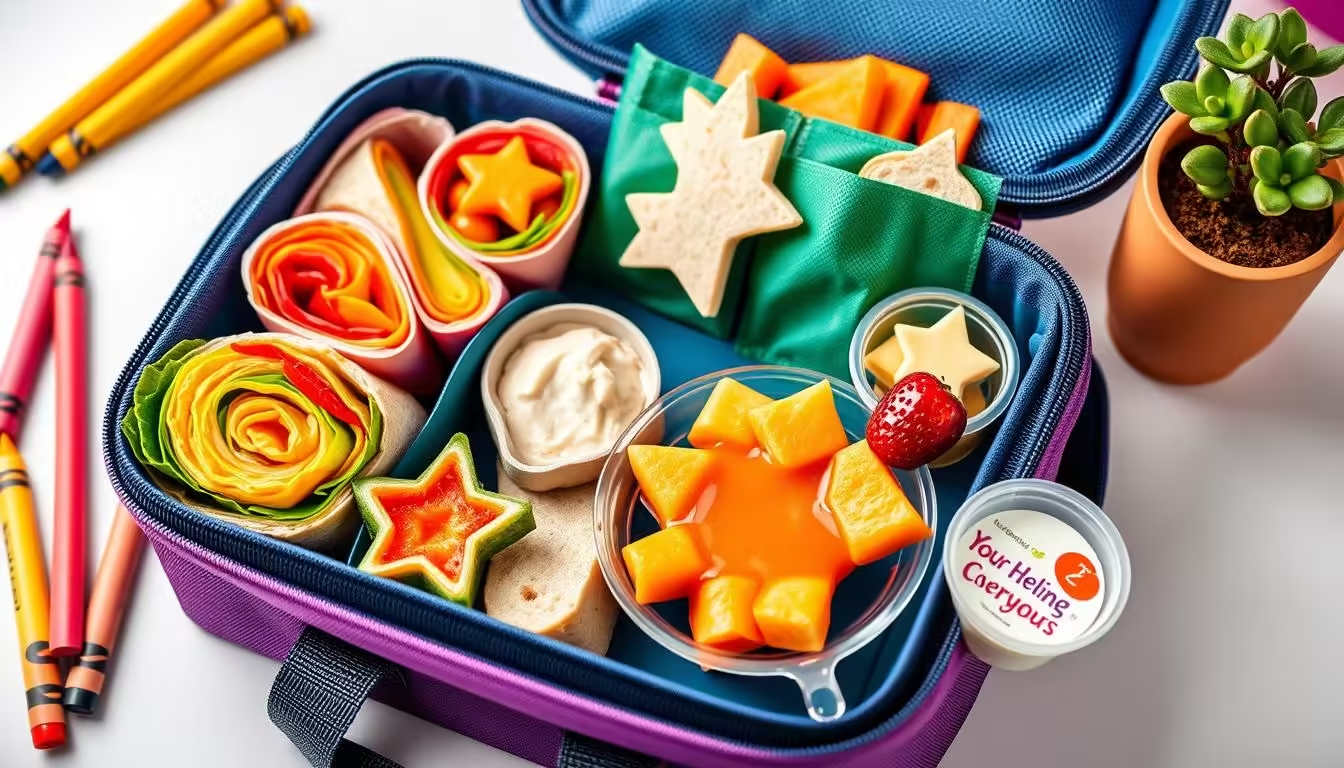
Creative Kids Lunch Ideas For School
I’m a Registered Dietitian mom, packing lunches for my kids for 2 months. I use Bentgo Fresh Lunch Boxes and Artic Zone Insulated Lunch Boxes with ice packs. This way, I make cold, nutritious, and tasty lunches without drinks, except water. Kids Lunch Ideas For School can be made easy and fun with these lunch boxes, ensuring that my children enjoy healthy meals that are both delicious and packed with nutrients.
From leftover pizza to fresh fruit and yogurt, these ideas will make your kids happy. They’ll stay energized all day at school.
Key Takeaways
- Discover a range of creative and healthy school lunch ideas for kids, including deconstructed sandwiches, grilled cheese pockets, and more.
- Learn how to pack cold lunches that are easy to prepare and maintain temperature until lunchtime.
- Explore vegetarian and sneaky veggie options to boost nutrition in your child’s lunchbox.
- Get inspired by a variety of kid-friendly meal and snack ideas, from breakfast tacos to lunchbox kabobs.
- Find recommendations for the best lunchbox containers and gear to make packing lunches a breeze.
Table of Contents
Deconstructed Sandwiches
Instead of buying pre-packaged sets, make your own kids sandwich ideas at home. Let your kids pick their favorite kids snacks for lunchbox items. Use mini cookie cutters to make lunch meat into fun shapes. This turns a simple sandwich into a fun nut-free lunchbox ideas treat.
Veggie or Water Cracker Rounds
Chicken or Turkey Deli Meat Pieces
Part-Skim Cheese Squares
Fruit Cup or Unsweetened Applesauce
This way, your child gets to enjoy the parts of a sandwich in a fun way. Serve the meat, cheese, and bread on veggie or water cracker rounds. Add fruit and a healthy dessert for a balanced meal.
“Through experimentation, I’ve learned that one slice of bread is plenty.”
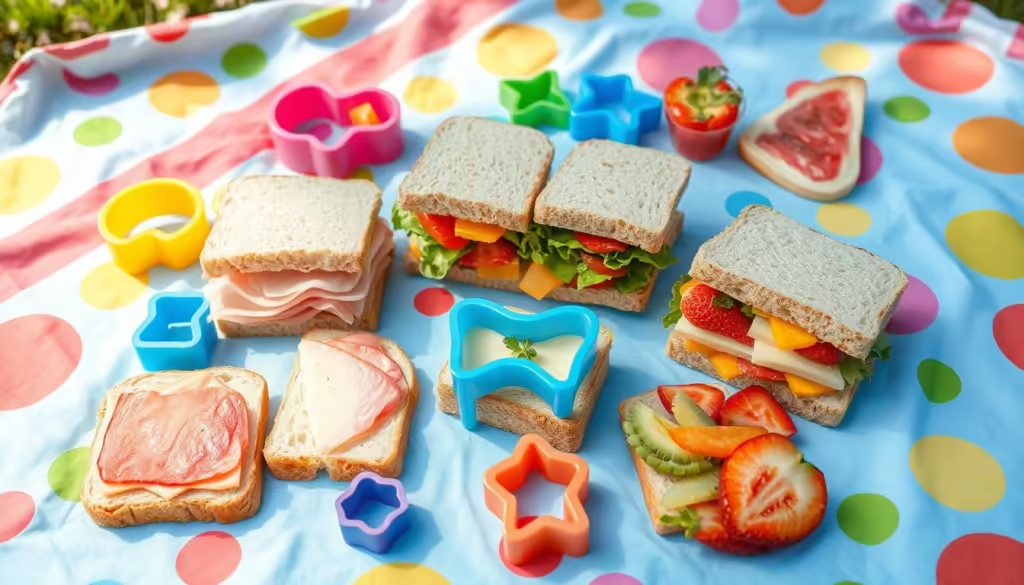
Try different breads and choose whole grains for more fiber. Mix in something your child loves with new foods. This helps them try new things and grow their taste buds.
Grilled Cheese Pockets
Want to spice up your kids’ lunch? Try Grilled Cheese Pockets! They’re easy to make and full of cheesy goodness. Plus, they’re fun and easy to eat.
Whole-Grain Bread and Low-Fat Cheese
Use whole-grain bread and low-fat cheese for these pockets. They melt well and taste great. This combo is healthy and yummy.
Fruit Leathers and Baked Chips
Match the pockets with fruit leathers and baked chips. The fruit leathers add sweetness, and the chips add crunch. It’s a tasty and fun lunch.
“The Grilled Cheese Pockets were a huge hit with my kids! They loved the gooey cheese and the fun, portable format. It’s now a lunchbox staple in our household.”
– Anita Curtis, Camarillo, CA

Grilled Cheese Pockets are a great way to make lunch exciting. They’re easy to make and loved by kids. Add them to your kid’s lunch for a smile every time.
Turkey-Cran Tortilla Bites
Try these tasty turkey-cran tortilla bites for your kids’ lunch. Spread cranberry sauce on a tortilla, then add lettuce and turkey slices. Roll it up and cut into small pieces. Add raisins and animal crackers for a fun, balanced meal.
Cranberry Sauce and Lettuce
Begin by spreading cranberry sauce on a tortilla. This sweet-tart sauce goes well with turkey. Add some crisp lettuce leaves for a refreshing crunch.
Pulled Turkey or Deli Meat
Layer on slices of pulled turkey or deli meat. The small tortilla bites are easy for kids to handle.
Raisins and Animal Crackers
Include a box of raisins and animal crackers as a fun side. Raisins are sweet and fruity, while animal crackers add a fun crunch.
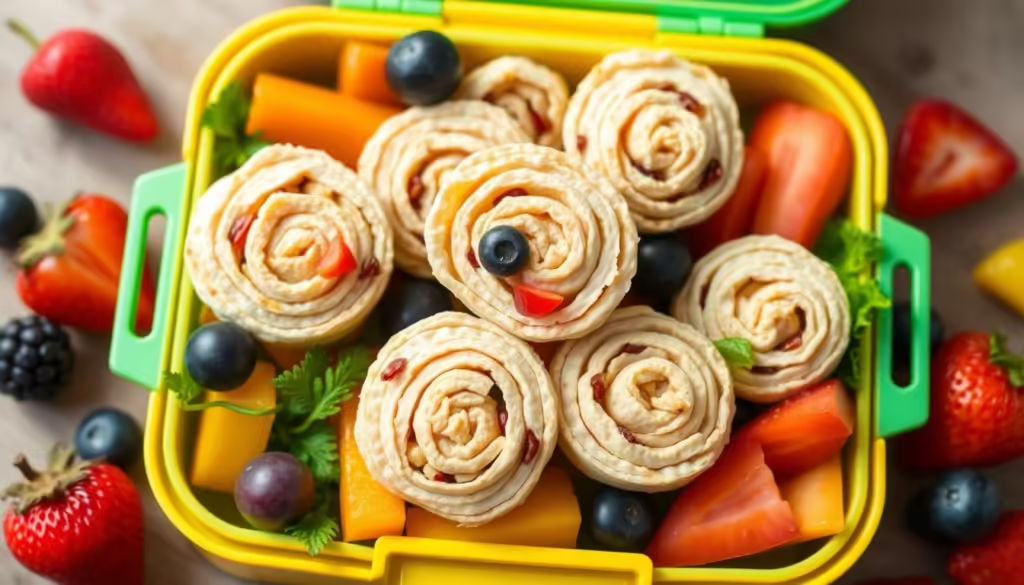
These turkey-cran tortilla bites are a creative, nut-free lunchbox idea kids will love. They offer a mix of flavors and textures for a satisfying meal.
Dipping Day
Lunchtime is a great time for kids to try new tastes and textures. On “Dipping Day,” pack snacks that are fun to dip. This hands-on approach makes eating fun and lets kids mix flavors.
Chicken Nibblers with Honey Mustard
Start with small pieces of baked or grilled chicken. Add a creamy honey mustard sauce for a tasty treat. Kids will enjoy the mix of sweet and tangy.
Baked Tortilla Chips and Salsa
Baked tortilla chips are a crunchy, nut-free choice. Serve them with a tasty salsa for dipping. The salty chips and zesty salsa are a hit.
Veggies and Ranch Dressing
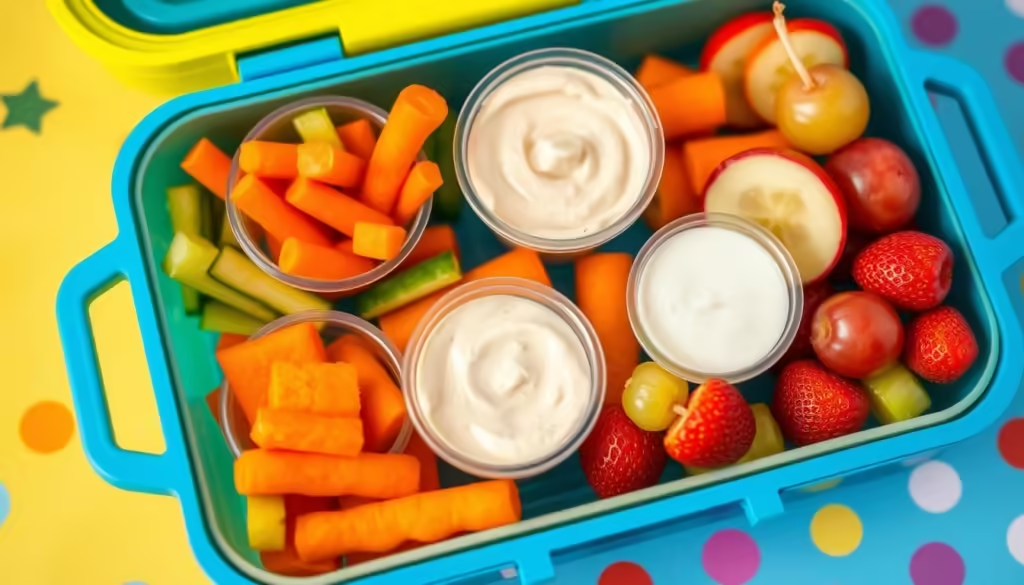
Include colorful veggies like carrot sticks, cucumber slices, and cherry tomatoes. Offer creamy ranch dressing as a dip. It’s a tasty way to add more healthy snacks to lunchboxes.
Fruit and Yogurt Dip
Pack sliced fruit like apples, pears, or berries for a sweet dip. Pair them with a yogurt dip flavored with honey or vanilla. This is a healthy and tasty lunchbox treat.
Offering different dips makes lunch exciting for kids. It lets them try new flavors and textures. Remember, variety keeps their taste buds happy and their lunchboxes healthy.
Sneaky Vegetables
Getting kids to eat veggies can be tough. But, you can sneak them into their favorite foods. This way, they get the nutrients they need without even noticing.
Homemade Vegetable Sauce
Blending veggies into a sauce is a clever trick. Cook onions, carrots, and spinach, then blend them into a smooth sauce. You can put it on pasta, use it on an English muffin pizza, or as a dip for healthy lunch boxes. They won’t even suspect a thing!
Vegan Mac and Cheese with Hidden Veggies
Vegan mac and cheese is a sneaky way to add veggies. Make a “cheese” sauce with six hidden veggies. Mix it with whole-wheat macaroni for a lunchbox meal prep full of nutrients. Your kids will love it without knowing it’s good for them.
Consistency is key in getting kids to try new foods. Keep offering different veggies. With a bit of creativity, you can make mealtime easy and healthy for everyone.
kids lunch ideas for school
Packing a nutritious and exciting lunch for your kids is easy. A little creativity can make lunchtime fun. Let’s look at some fun and easy kids lunch ideas for school that will make them excited to eat.
Nutella and Banana “Sushi”
Make a fun “sushi” roll with a tortilla, Nutella, and banana slices. Roll it up, slice into pieces, and you have a tasty kids snacks for lunchbox.
Breakfast Tacos
Give your child a great start with breakfast tacos in their lunchbox. Use mini pancakes as “tortillas,” fill with yogurt, fruit, and granola. It’s a delicious and easy kids lunch ideas.
Lunchbox Kabobs
Make colorful kabobs with your child’s favorite foods on wooden sticks. Mix vegetables, protein, dairy, and another vegetable for a balanced and fun kids lunch ideas for school.
Sharkadillas
Make quesadillas fun by shaping them like sharks. Use whole-grain tortillas, cheese, and their favorite fillings for a tasty kids snacks for lunchbox.
These creative ideas will make lunchtime an adventure for your kids. Involve the whole family in planning and making these easy kids lunch ideas. It’s a fun and healthy way to start the day.
Build a Bento Box
Packing a nutritious lunch for your kids can be fun. Bento boxes make it easy to create meals that look good and taste great. They help your kids get the nutrients they need to grow strong and smart.
Protein Options
- Nut-free lunchbox ideas like peanut butter, tofu cubes, or turkey slices
- Lean protein sources such as chicken nuggets or hard-boiled eggs
- Cheese sticks or slices for a dairy-based protein boost
Fruit Options
- Bite-sized pieces of apples, grapes, or mandarin oranges
- Dried fruit like apricots or mango for a chewy treat
- Fresh berries such as blueberries or raspberries
Veggie Options
- Crunchy carrot sticks, cucumber slices, or cherry tomatoes
- Steamed or roasted broccoli, cauliflower, or edamame
- Celery sticks filled with cream cheese or hummus
Crunchy Snack Options
- Whole-grain crackers, pretzels, or lightly salted popcorn
- Baked veggie chips or trail mix with nuts and seeds
- Cheddar cheese cubes or almond butter-filled crackers
Sweet Treat Options
- Bite-sized pieces of dark chocolate or fruit-based gummies
- Yogurt-covered pretzels or freeze-dried fruit snacks
- Mini homemade muffins or healthy lunchbox cookies
By mixing different foods in your child’s bento box, you make a meal that’s both healthy and fun. Don’t forget to use an insulated bag with ice packs to keep everything fresh and safe.
Variety is Key
When packing your child’s healthy lunch boxes, mix up the foods from different groups. This makes sure they get a balanced meal that helps their body and brain grow. Include everything from protein-rich foods to sweet treats to keep lunch fun and nutritious.
Protein Mains
Begin with a protein-packed item like sandwiches, wraps, or salads. Use lean meats, eggs, or plant-based options. Here are some tasty ideas:
- Whole-grain bread or tortilla with turkey or chicken deli meat, cheese, and veggies
- Hard-boiled eggs with hummus and raw veggies
- Quinoa or lentil salad with grilled chicken or tofu
Fruits
Add fresh, frozen, or dried fruits for natural sweetness and vitamins. Kid-friendly picks include:
- Apple slices with nut butter
- Grapes or berries
- Freeze-dried fruit chips or fruit leather
Veggies
Include raw veggies for extra nutrition. They’re great with dips or spreads. Try these:
- Carrot, cucumber, or bell pepper sticks
- Cherry tomatoes
- Celery with cream cheese or nut butter
Dairy/Plant-Based Alternatives
Use dairy or plant-based items like yogurt, cheese, or hummus. They offer protein and calcium. Here are some ideas:
- Greek yogurt with granola
- Cheese cubes or string cheese
- Hummus with whole-grain crackers or pita
Crunchy Snacks
Include crunchy snacks for texture. Try these:
- Whole-grain crackers
- Baked veggie chips or pretzels
- Trail mix with nuts, seeds, and dried fruit
Sweet Treats
End with a small, healthy sweet treat. Options include:
- Homemade energy bites or granola bars
- Fruit-based muffins or cookies
- Dark chocolate-dipped strawberries or bananas
Switch up these categories each week to avoid boredom. This way, your child gets a balanced, nutritious meal. With a bit of creativity, you can make healthy lunch boxes that kids will love.
Lunchbox Gear Recommendations
To make packing lunchbox meal prep easy, get some top-notch lunchbox gear. A stainless steel bento box, like the PlanetBox Rover, has many compartments. It keeps your nut-free lunchbox ideas organized and leak-proof. Insulated lunch bags and kids thermos lunch ideas also keep food fresh until lunch.
Other lunchbox essentials include:
- The Fulton Bag Co. Upright Lunchbox for its durable, hard-shell design and insulated features
- The Bentgo Bento Box, suitable for kids aged 7 and older, with slightly larger compartments
- Wean Green Glass Storage Containers with airtight lids for versatile food storage and meal prepping
- The Mira Food Jar Thermos, which keeps food hot for up to 5 hours and cold for up to 10 hours
- Stasher Reusable Silicone Food Bags, a more sustainable alternative to disposable plastic bags
For hot or cold liquids, a Stainless Steel Vacuum Insulated Thermos or a Klean Canteen Kids water bottle with a sports cap is great. Bentgo Buddies Reusable Ice Packs in fun shapes also keep lunches chilled. With the right lunchbox meal prep tools, your child’s lunch stays fresh and tasty all day.
| Lunchbox Gear | Key Features |
|---|---|
| PlanetBox Rover Stainless Steel Lunch Box | Different compartments for variety, dishwasher safe, customizable with magnets |
| Fulton Bag Co. Upright Lunchbox | Durable, hard shell design, insulated |
| Bentgo Bento Box | Recommended for kids aged 7+, slightly larger compartments |
| Wean Green Glass Storage Containers | Airtight lids, versatile for food storage and meal prepping |
| Mira Food Jar Thermos | Keeps food hot for up to 5 hours, cold for up to 10 hours |
| Stasher Reusable Silicone Food Bags | Dishwasher and microwave-safe, more sustainable than plastic bags |
Conclusion
Packing a healthy, fun kids lunch ideas for school is easy. Try deconstructed sandwiches, grilled cheese pockets, and bento box meals. These options make lunchtime exciting for your child.
With a little planning, you can make lunchtime a highlight. Use creative lunchbox recipes for kids to make meals both tasty and nutritious.
Deconstructed sandwiches and interactive dips are great for kids. They keep lunchtime fun and engaging. Adding proteins, fruits, veggies, and snacks makes lunch healthy and supports growth.
It’s all about variety and fun when packing lunchbox recipes for kids. Cater to your child’s tastes and make lunch a special time. With creativity and nutrition, lunch becomes a joy for your child every day.
FAQ
What are some creative and healthy lunch ideas for kids?
This article shares lunch ideas from a Registered Dietitian mom for her kids. You’ll find deconstructed sandwiches, grilled cheese pockets, and more. These ideas are fun and nutritious.
How can I make homemade versions of pre-packaged lunch items?
Make your own lunch mix instead of buying pre-made sets. Let your child help pick out the ingredients the night before. This way, you can create a homemade version together.
What are some variations on the standard grilled cheese sandwich?
Try grilled cheese pockets for a twist on the classic. Use whole-grain bread and low-fat cheese. This makes for a healthier, tastier option.
How can I make a fun, portable version of a wrap or burrito?
Make turkey-cran tortilla bites for a fun, easy lunch. Spread cranberry sauce on a tortilla, add lettuce and turkey, then roll and cut into bites.
What are some interactive, dippable lunch ideas for kids?
Pack a lunch with everything bite-sized for dipping. Try chicken nibblers with honey mustard, tortilla chips with salsa, and fruit with yogurt dip.
How can I sneak more vegetables into my child’s lunch?
Blend veggies into sauces for pasta or pizza. Or, make vegan mac and cheese with hidden veggies. Picky eaters won’t even notice.
What are some fun, interactive lunch ideas for kids?
Try Nutella and banana “sushi” or breakfast tacos. Lunchbox kabobs and sharkadillas are also great options. They’re fun and nutritious.
How can I use a bento box to pack a well-rounded, nutritious lunch?
Bento boxes are perfect for packing a balanced lunch. Include protein, fruit, veggies, snacks, and treats. It’s a fun way to ensure your child gets all the nutrients they need.
How can I ensure my child’s lunch is balanced and interesting?
Pack a variety of foods to make sure your child gets a balanced meal. Include protein, fruits, veggies, dairy, snacks, and treats. This way, their lunch is both nutritious and exciting.
What kind of lunchbox gear can make packing lunches easier?
Invest in good lunchbox gear like a stainless steel bento box and insulated bags. Reusable water bottles are also a must. These tools make packing lunches easier and keep food fresh.
External Resources for Further Reading
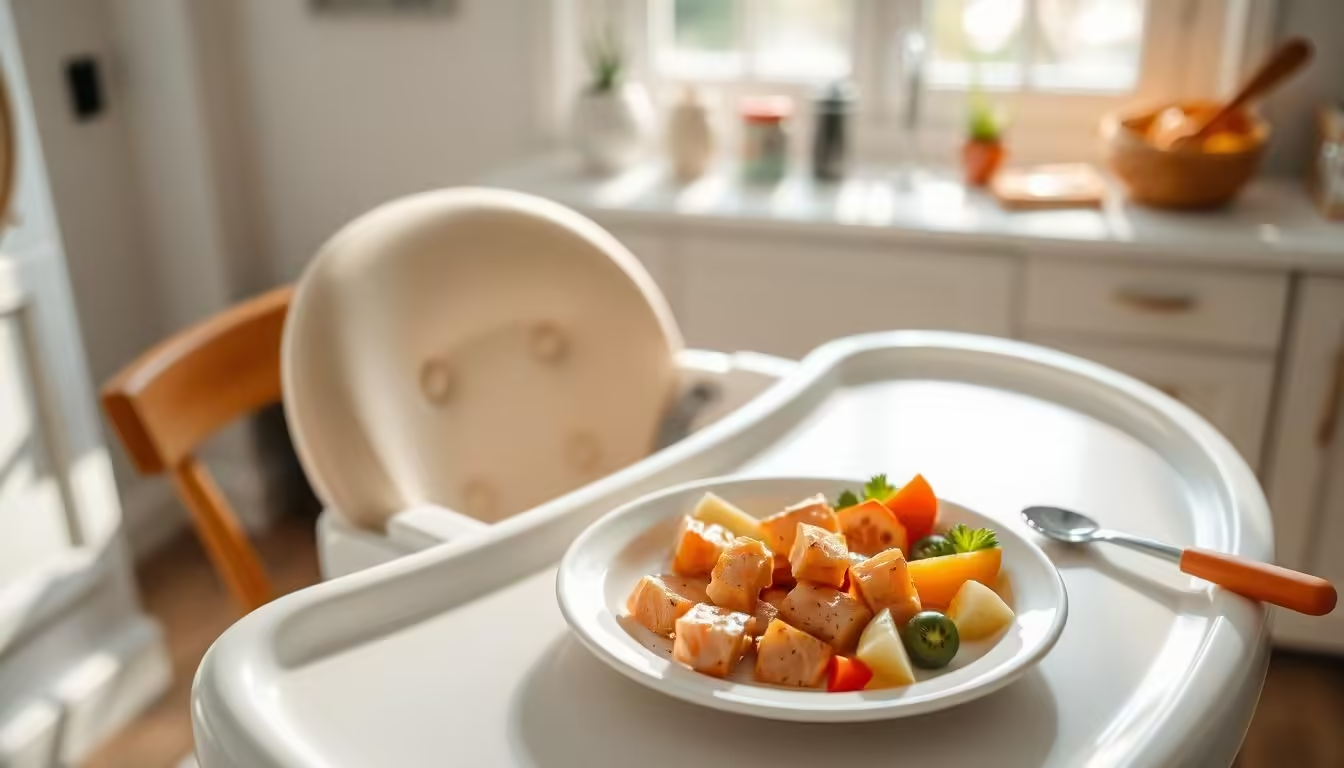
Can a 1 Year Old Eat Cold Cooked Salmon? Feeding Tips
Salmon can be introduced to babies as early as 6 months, when they start solids. It’s packed with nutrients like protein, fat, and vitamins A, B6, B12, D, and folate. It also has omega-3 fatty acids, which are good for their eyes and brain. Can a 1 year old eat cold cooked salmon? Yes, as long as the salmon is properly cooked, it can be a healthy option for a 1-year-old, providing important nutrients to support their growth and development.
Compared to other fish, salmon has less mercury. This makes it a safer choice for babies’ first seafood experiences.
Key Takeaways
- Salmon is a highly nutritious food for babies, providing essential nutrients like protein, healthy fats, and vitamins.
- Salmon is typically low in mercury, making it a safer option for introducing seafood to babies.
- Babies can generally start eating salmon around 6 months of age, as part of a varied solid food diet.
- Introducing new foods, including potential allergens like salmon, should be done gradually and with close monitoring.
- Proper food preparation and storage are important to ensure the safety and quality of salmon for babies.
Table of Contents
Introduction to Feeding Salmon to Babies
Salmon is a great food for babies, full of protein, healthy fats, and vitamins. It’s good to start salmon for babies when they are 6 months old and ready for solid foods.
When Can Babies Have Salmon?
Babies can try salmon when they start eating solids, usually at 6 months. Always introduce new foods one at a time. Watch for any signs of allergy. Start with a small amount of cooked salmon and increase it as your baby gets used to it.
Is Salmon Healthy for Babies?
Salmon is very good for babies. It has lots of protein, healthy fats, and vitamins like A, B6, B12, D, and iodine. These nutrients help babies grow and stay healthy.
- Salmon has DHA, which is good for brain and eye development.
- Its protein helps build tissues, and iron makes red blood cells.
- Vitamins A and B12 boost the immune system, and vitamin D helps bones grow.
Adding salmon to a baby’s diet gives them important nutrients. It helps keep them healthy and strong.
Is Salmon Low in Mercury?
Choosing safe and quality foods for your baby is crucial. Salmon is a low-mercury fish, perfect for babies and toddlers. The mercury in fish changes based on where it lives and what it eats. But salmon is always a safe choice for kids.
Fish like tuna, swordfish, and king mackerel have more mercury. But salmon, sardines, and North Atlantic mackerel have less. Picking low-mercury fish like salmon helps keep your child safe from mercury. It also gives them the nutrients they need to grow strong and healthy.
| Fish Type | Mercury Level |
|---|---|
| Salmon | Low |
| Tuna | Moderate |
| Swordfish | High |
| King Mackerel | High |
Choose wild-caught, Alaskan salmon for better nutrition. Look for moist, firm, and vibrant fish without brown spots or bad smells. Frozen, wild-caught salmon is also a good choice, keeping its taste and nutrients well.
Adding low-mercury fish like salmon to your child’s diet is beneficial. It gives them important nutrients like DHA, vitamin D, and calcium. It’s key to keeping your child healthy and supporting their growth.

Salmon Allergy Risks for Babies
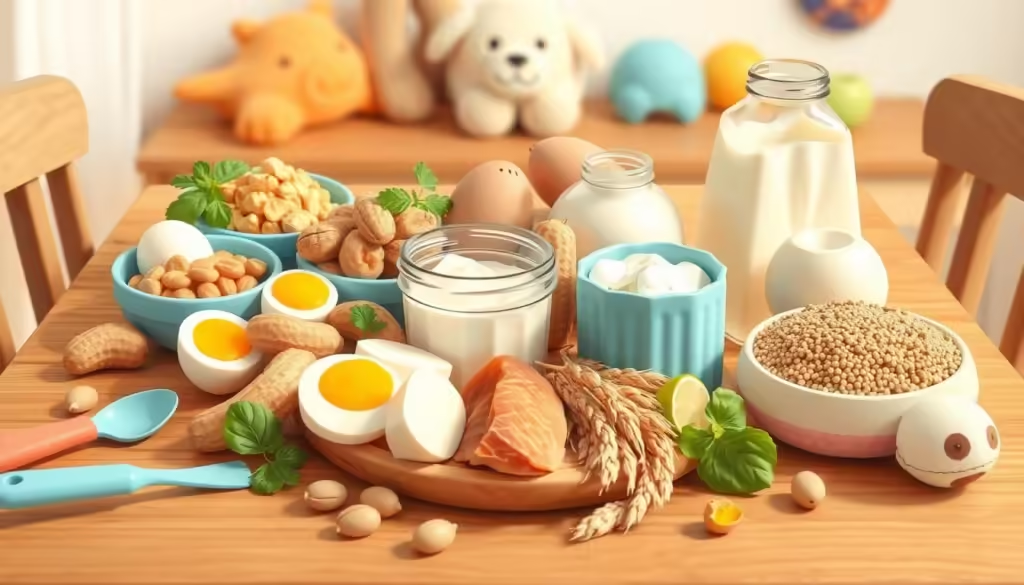
As parents, knowing about food allergens is key when introducing new foods. Salmon is a Global Priority Allergen, according to the World Health Organization. Even though only 0.2% of people worldwide are allergic to finned fish, it’s wise to be cautious with salmon.
Is Salmon a Common Allergen?
Fish allergies are less common in kids than in adults. About 40% of people with fish allergies first react as adults. If your baby has a fish allergy, they likely won’t outgrow it. Always talk to an allergist before introducing salmon to your child.
Introducing Food Allergens to Baby
- Start with small amounts of salmon and watch closely for any adverse reactions, such as hives, nausea, or difficulty breathing.
- If your baby shows signs of an allergic response, stop feeding immediately and seek medical attention.
- Be cautious in restaurants, as fish substitutions can pose a risk for those with allergies.
- Ensure proper food preparation and handling to avoid cross-contamination, which can trigger allergic reactions.
By taking the right steps and working with your pediatrician, you can introduce salmon safely to your baby. Being alert to allergic risks ensures a healthy and positive feeding journey for your child.
Choking Hazards with Salmon for Babies
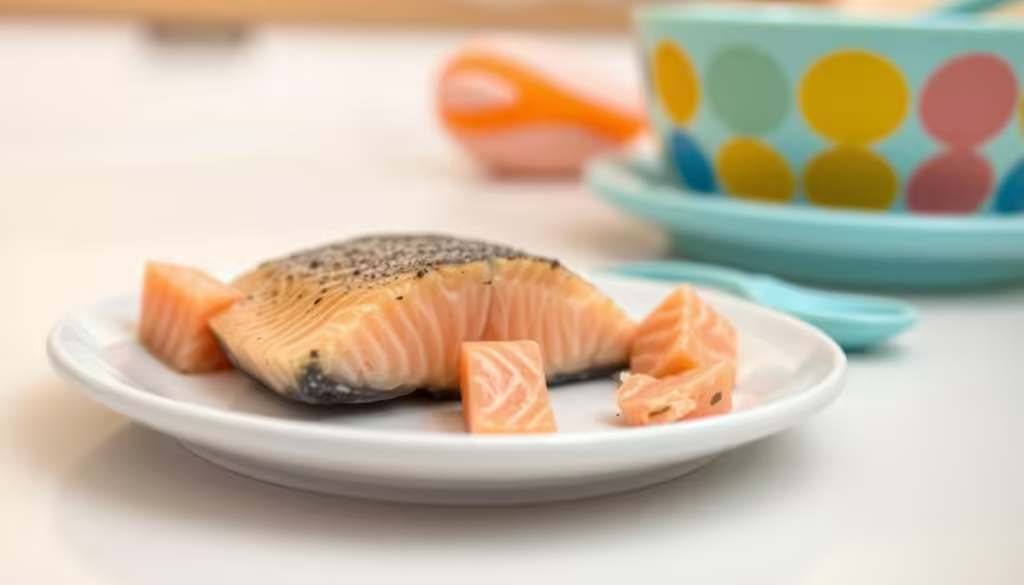
Salmon is a great choice for babies, but we must watch out for choking hazards. Salmon bones can be dangerous if not removed. It’s key to prepare salmon safely for your baby.
Always check cooked salmon for bones before giving it to your baby. This step helps keep your baby safe. Also, cut the salmon into small pieces that fit your baby’s age.
It’s not just about the bones. Make sure your baby eats in a safe place. Be close to your baby during meals. This way, you can prevent choking hazards with salmon.
Safe Food Preparation Tips for Salmon
- Thoroughly inspect cooked salmon to remove any bones before serving
- Cut or flake the salmon into small, easy-to-chew pieces
- Serve salmon in an age-appropriate size and texture for your baby’s stage
- Stay within arm’s reach and supervise your baby during mealtime
- Ensure your baby is seated upright and in a safe, stable position
By following these tips, you can safely add salmon to your baby’s diet. This way, you ensure their safety and health.
Can Babies Eat Canned or Wild-Caught Salmon?
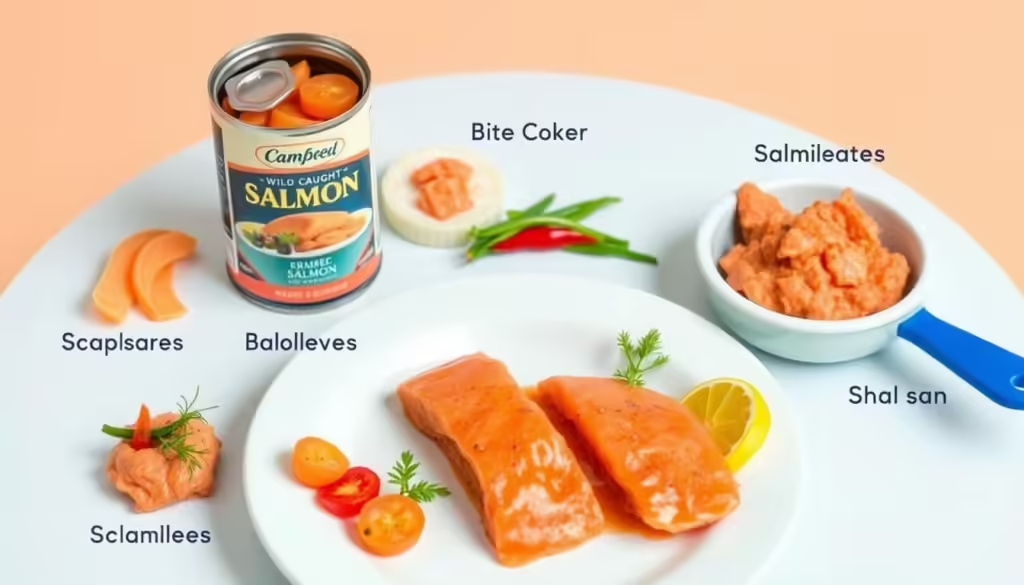
Yes, babies can eat canned or wild-caught salmon from 6 months old. They need to be ready for solid foods. Salmon is full of vitamins, minerals, and healthy fats that help babies grow.
Can Babies Have Canned Salmon?
Canned salmon is safe and easy to use for babies. Just drain and rinse it to cut down on sodium. Both wild-caught and farmed salmon are good for your baby.
Wild Alaskan salmon has lots of omega-3 fatty acids and nutrients. It might have more contaminants than farmed salmon, but it’s still a good choice. Farmed salmon is cheaper and easier to find.
Choosing any salmon type is fine. Introducing foods like salmon early can lower allergy risks. Always talk to your pediatrician before adding new foods to your baby’s diet.
Serving Sizes and Frequency for Salmon
Feeding salmon to your baby needs flexibility. You can aim to serve salmon a few times a week. The key is to offer a variety of nutritious foods, including salmon, for a balanced diet.
The American Academy of Pediatrics (AAP) suggests that toddlers drink 16-24 ounces of whole milk daily. They should have three meals and two snacks, totaling about 1,000 calories from solid foods.
For 9-month-old babies, start with 1-3 tablespoons of food for 1-2 meals a day. Toddlers need only 2 ounces of protein daily. This can be 1 ounce of meat, poultry, or fish, or ¼ cup of cooked beans.
| Product | Portion Size | Suitable for |
|---|---|---|
| ezpz Happy Mat | 4oz in each of the eyes, 10oz in the smile | Toddlers and older children |
| ezpz Mini Mat | 2oz in each of the eyes, 4oz in the smile | Infants, toddlers, and travel |
| ezpz Happy Bowl | 8oz | Toddlers and older children |
It’s important to offer the right portion sizes for different ages when planning meals. Remember, your baby’s appetite can change from meal to meal. The goal is to provide a variety of nutritious foods, including salmon, for a balanced diet.
Can a 1 Year Old Eat Cold Cooked Salmon?
Yes, a 1 year old can safely enjoy cold cooked salmon. It’s a great source of protein, healthy fats, and vitamins. These are key for a growing toddler’s health.
There are many ways to serve salmon to a 1 year old. You can give it in strips, bite-sized pieces, or even in cakes. This helps them learn to use utensils and try new textures.
Make sure the salmon is fully cooked and cooled before giving it to your child. Raw or undercooked salmon can be dangerous. Always store and reheat leftover salmon safely.
Introducing foods like salmon early can help prevent allergies. Just watch for any signs of an allergic reaction when you first give it to your child.
Cold cooked salmon is a tasty and healthy choice for a 1 year old’s diet. Just remember to follow food safety rules and pay attention to your child’s likes and dislikes.
Here are some tips for 1 year olds when it comes to can a 1 year old eat cold cooked salmon:
- Serve salmon in strips, bite-sized pieces, cakes or patties
- Flake cooked salmon and mix into other soft foods
- Ensure salmon is fully cooked and cooled before serving
- Introduce allergenic foods like salmon early and often
- Watch for signs of allergic reaction when first offering salmon
- Follow proper food safety guidelines for storing and reheating cooked salmon
“Salmon is an excellent source of protein, healthy fats, and essential vitamins and minerals that are crucial for a growing toddler’s development.”
Preparation and Serving Tips for Salmon
Adding salmon to your baby’s diet is a great choice. It’s both tasty and healthy. To cook salmon for babies, you can sauté it, poach it, or bake it. Make sure it’s fully cooked and has no bones or skin.
How to Serve Salmon
To serve salmon to babies, try serving it as strips or flaked. Mix it with mashed potatoes, yogurt, or pureed veggies. Canned salmon is also a good choice for baby’s meals.
Storage Suggestions
For storing salmon for babies, cool it down first. Then, put it in an airtight container in the fridge. It lasts up to 3 days. You can freeze it for up to 3 months. Thaw it in the fridge before reheating.
| Preparation Method | Cooking Temperature | Storage |
|---|---|---|
| Sauté in olive oil or butter | Internal temp of 145°F | Refrigerate for up to 3 days or freeze for up to 3 months |
| Poach in broth or water | Internal temp of 145°F | Refrigerate for up to 3 days or freeze for up to 3 months |
| Bake in the oven | Internal temp of 145°F | Refrigerate for up to 3 days or freeze for up to 3 months |
Conclusion
Salmon is a nutritious food that can be given to babies as young as 6 months. It has low mercury levels, making it safe for babies. Salmon is also a common allergen, but introducing it early can help prevent allergies.
For a 1-year-old, cold cooked salmon can be part of a balanced diet. It’s important to prepare it safely and serve the right amount. This way, your child can enjoy its nutritional benefits.
It’s key to include salmon in your child’s diet, but watch the portion sizes and how it’s prepared. Always listen to your pediatrician to ensure your child’s safety. This way, you can give them the health benefits of this fish.
Choose fresh, canned, or wild-caught salmon for your child’s meals. The goal is to make it a regular part of their diet. This helps them develop healthy eating habits for life.
FAQ
When Can Babies Have Salmon?
Babies can start with salmon when they’re ready for solids, usually around 6 months old.
Is Salmon Healthy for Babies?
Salmon is packed with nutrients like protein, fat, and vitamins. It’s also full of omega-3s, which help with vision and brain growth.
Is Salmon Low in Mercury?
Salmon usually has low mercury levels. However, this can change based on where it was caught. To keep mercury levels low, serve fish like salmon as part of a balanced diet.
Is Salmon a Common Allergen?
Salmon is a common allergen, especially for kids. Only 0.2% of people worldwide are allergic to it. If your baby shows signs of an allergy, talk to an allergist before introducing salmon.
Is Salmon a Choking Hazard for Babies?
No, salmon isn’t a choking hazard for babies. But, bones in fish can be. Make sure to remove bones and serve salmon safely.
Can Babies Have Canned Salmon?
Yes, babies can have canned salmon when they start solids. You can also rinse it to lower sodium levels, but it’s not necessary.
How Much Salmon Can Babies Eat?
Babies can eat as much or as little salmon as they want. It’s okay as long as it’s part of a balanced diet.
Can a 1 Year Old Eat Cold Cooked Salmon?
Yes, a 1 year old can eat cold cooked salmon. You can serve it in different ways, like strips or mixed with other foods.
How to Cook Salmon For Baby?
Cook salmon by sautéing, poaching, or baking. Serve it as strips or flaked in soft foods.
How to Serve Salmon?
You can mix canned salmon into mashed potatoes or yogurt. Store cooked salmon in the fridge for up to 3 days or freeze for 3 months.
External Resources for Further Reading
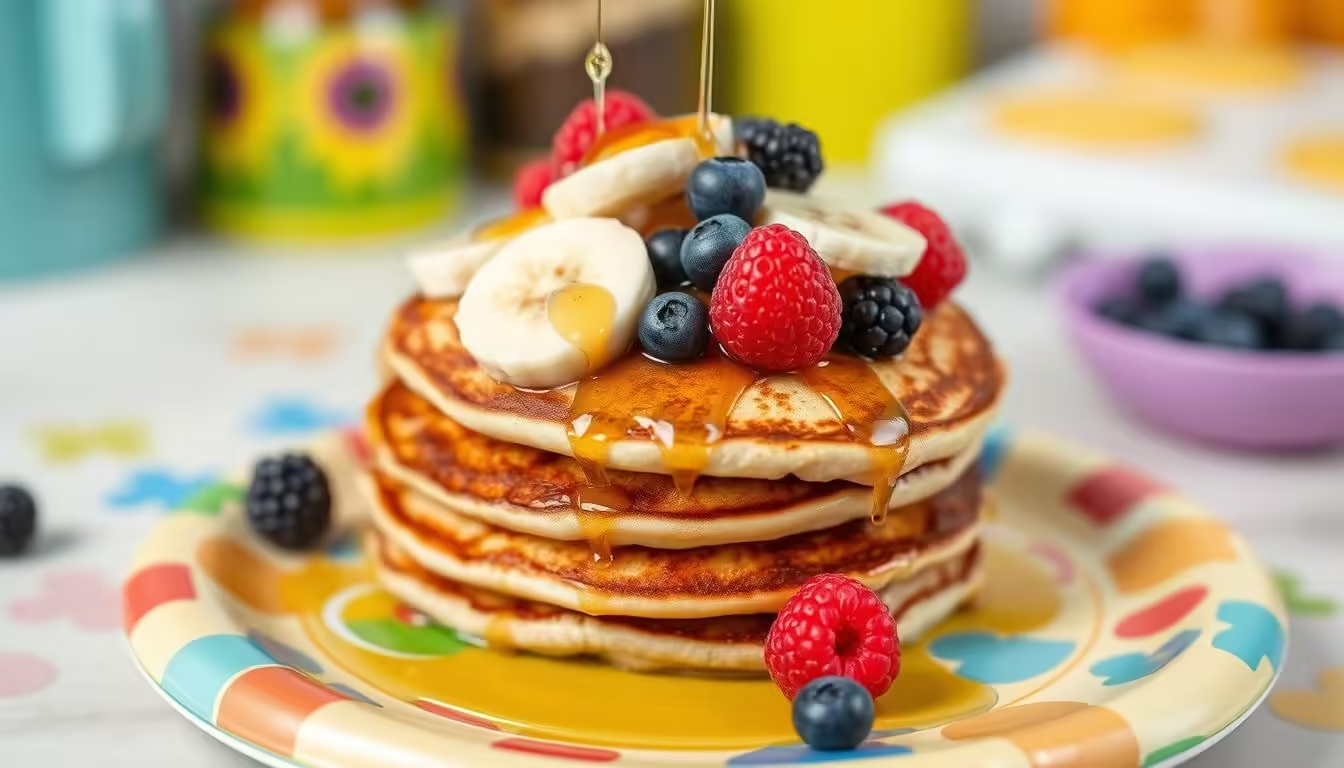
Kid-Friendly Healthy Protein Pancakes for Kids
Introducing a delightful and nutritious breakfast option that your kids will love – kid friendly healthy protein pancakes! These pancakes are packed with essential nutrients. They are made with simple, wholesome ingredients. They are the perfect way to start your child’s day off right.
Whether you’re looking for healthy breakfast recipes, protein-rich meals for kids, or just a tasty and easy-to-make family breakfast idea, these pancakes have got you covered.
These kid-friendly healthy protein pancakes are not only delicious but also incredibly versatile. With two variations – one made with oats and the other with all-purpose flour – you can cater to different dietary preferences and needs. The pancakes boast a deliciously fluffy texture and flavor that kids can’t resist, making them a surefire hit at the breakfast table.
Key Takeaways
- Kid-friendly healthy protein pancakes made with simple, wholesome ingredients
- Packed with essential nutrients to support growth and development
- Deliciously fluffy texture and flavor that kids love
- Easy to customize with various toppings and mix-ins
- Suitable for different dietary needs, including gluten-free and dairy-free options
Table of Contents
Why Protein-Rich Breakfasts are Essential for Children
Protein is key for kids’ growth and health. It helps build and fix tissues and boosts the immune system. A protein-rich breakfast gives kids the energy and nutrients they need all day.
The Importance of Protein for Growth and Development
Kids need enough protein for their fast growth and development. It’s vital for strong muscles, bones, and organs. It also supports brain function and learning.
Studies show kids who eat a protein-rich breakfast do better in school. They have better focus and fewer behavior issues.
Recommended Protein Intake for Different Age Groups
The amount of protein kids need changes with age. Here are the guidelines:
- Ages 1-2: Minimum of 13 grams of protein per day
- Ages 4-8: Minimum of 19 grams of protein per day
- Ages 9-13: Minimum of 34 grams of protein per day
- Ages 14-18: Minimum of 46-52 grams of protein per day
Adding protein-rich foods to breakfast helps kids meet their protein needs. This supports their growth and health.
“Combining protein with complex carbs high in fiber and low in sugar helps manage ADHD symptoms better throughout the day.”
Protein-rich breakfasts offer important nutrients. They also help keep blood sugar levels stable. This prevents energy crashes from carb-heavy breakfasts. By adding protein to breakfast, kids get the energy they need all day.
Introducing the Kid-Friendly Healthy Protein Pancake
Get ready to elevate your breakfast game with these delectable kid-friendly healthy protein pancakes. They’re made with simple, wholesome ingredients. And they don’t use protein powders, making them a nutritious twist on a classic favorite.
Simple, Wholesome Ingredients without Protein Powders
The secret to these high-protein pancake lies in the blend of nutrient-dense ingredients. Eggs, cottage cheese, and oats are used. These natural sources of protein make the pancake fluffy and satisfying, without artificial additives or protein powders.
Deliciously Fluffy Texture and Flavor Kids Love
The combination of these healthy protein pancake ingredients results in a kid-approved pancake flavor. It’s vanilla-infused oat taste is delightful. This makes the pancakes a great breakfast option for the whole family.

“These pancakes are a game-changer for my family! My kids devour them every time, and I love that they’re getting a nutritious protein-rich breakfast to fuel their day.”
The Nutritional Power of Protein Pancakes
Starting your day with these protein-packed pancakes is a great choice. They are made with eggs, cottage cheese, and oats. This mix gives you 11 grams of protein per serving, making them a nutritious and satisfying breakfast.
These pancakes are special because they have less sugar. Unlike many pancakes, they use maple syrup instead of refined sugars. This means you can enjoy a tasty breakfast without worrying about a sugar crash later.
| Nutrient | Amount per Serving (4 pancakes) |
|---|---|
| Calories | 294 |
| Protein | 11g |
| Carbohydrates | 38g |
| Fat | 8g |
| Fiber | 4g |
| Sugar | 10g |
These pancakes are a nutritional powerhouse. They have high-quality protein and less sugar. Enjoy them as part of a balanced breakfast to kickstart your day.
kid friendly healthy protein pancake
Introducing the ultimate kid-friendly breakfast – healthy protein pancakes! These pancakes are not only tasty but also full of protein. They’re made with eggs, cottage cheese, and oats. This makes them a nutritious pancake recipe for children that everyone can enjoy.
Each serving of these kid-friendly healthy protein pancakes has 11 grams of protein, like two eggs. This makes them a great choice for a protein-packed breakfast for kids. The whole recipe has 54 grams of protein, making it a protein-rich start to the day.
These kid-friendly healthy protein pancakes offer more than just protein. They have about 1/3 fewer carbs than regular pancake mixes. Plus, they’re fluffy and flavorful, making them a hit with kids.
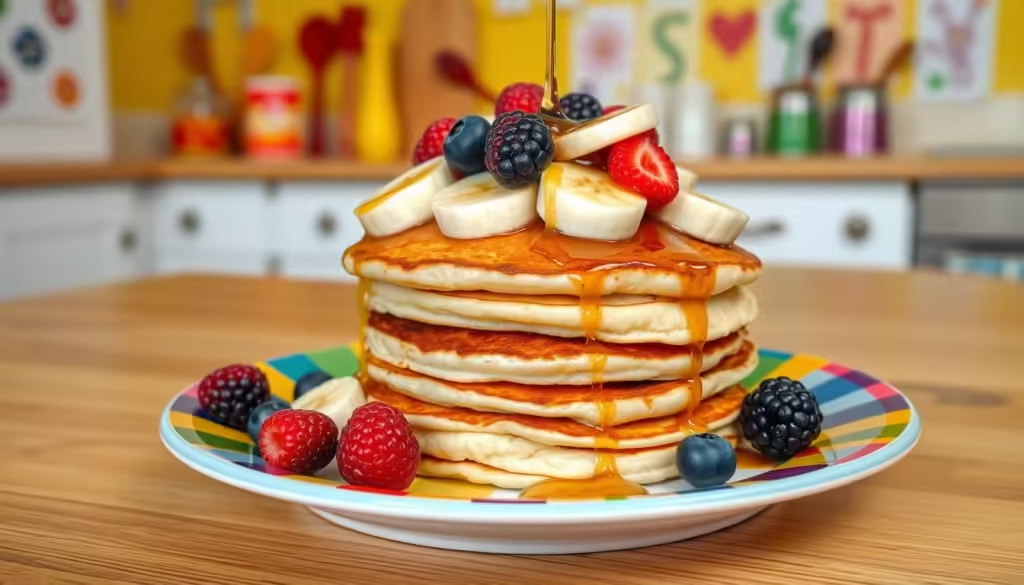
Looking for a nutritious pancake recipe for children or a protein-packed breakfast for kids? These kid-friendly healthy protein pancakes are a game-changer. They’re made with simple, wholesome ingredients and taste amazing. They’re the perfect way to start the day and keep your little ones energized and happy.
Easy Preparation and Cooking Instructions
Making these tasty how to make protein pancakes is easy! Just use a blender and a few ingredients. Blend eggs, cottage cheese, and oats for the batter. Then, cook the pancakes on a griddle or skillet with a simple guide for great results.
Kitchen Tools and Ingredients Needed
- High-powered blender
- Griddle or nonstick skillet
- Spatula
- Measuring cups and spoons
- Cottage cheese
- Eggs
- Rolled oats
- Baking powder
- Vanilla extract
- Optional: Cinnamon, maple syrup, or other desired toppings
Step-by-Step Guide for Perfect Protein Pancakes
- Put all ingredients in a blender and blend until smooth.
- Heat a griddle or skillet on medium.
- Grease the surface with oil or spray.
- Scoop 1/4 cup batter onto the hot surface, spreading it.
- Cook for 2-3 minutes, until edges set and bubbles appear.
- Flip and cook another 2-3 minutes, until golden.
- Repeat with the rest of the batter, adjusting heat as needed.
- Serve the simple protein-rich breakfast pancakes warm, with your favorite toppings.
These how to make protein pancakes are not only delicious but also packed with protein and nutrients. They’re a great choice for a simple protein-rich breakfast. Enjoy!
Serving Suggestions and Topping Ideas
These kid-friendly healthy protein pancakes are super versatile. You can enjoy them in many tasty ways. Whether you like them plain or with healthy toppings, they’re a hit with everyone.
Try topping them with fresh fruit like bananas, berries, or apples. The fruit’s natural sweetness goes great with the pancakes. It makes for a healthy and tasty meal.
- Fresh berries (blueberries, raspberries, strawberries)
- Sliced bananas
- Diced apples
- Chopped nuts (almonds, walnuts, pecans)
Another great choice is Greek yogurt on top. It adds a tangy taste and more protein. Add a bit of maple syrup or honey for sweetness, or cinnamon for warmth.
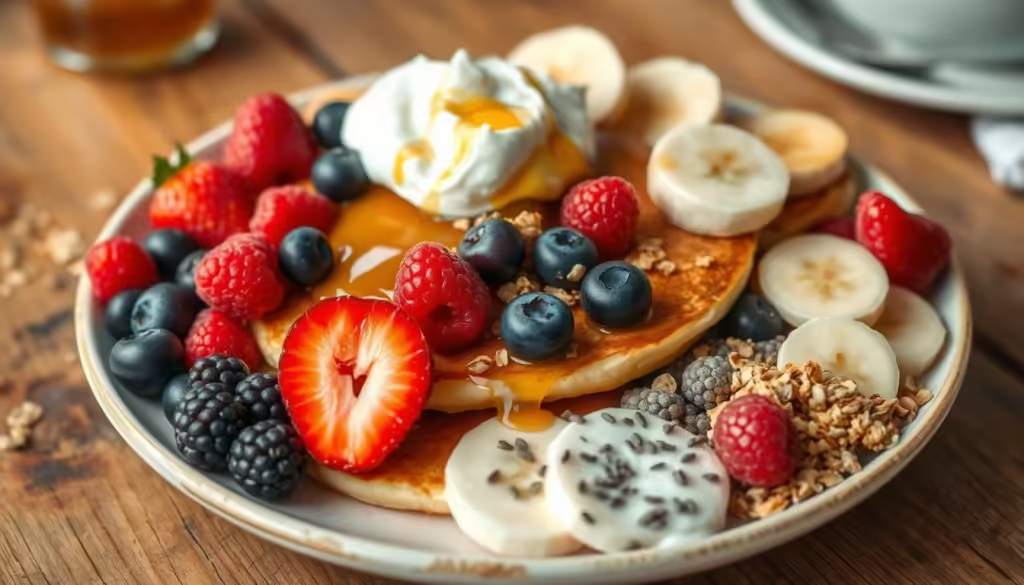
For a special treat, add chocolate chips to the batter or on top. The mix of protein pancakes and chocolate is a big hit with kids.
These protein-packed pancakes are loved by all. Enjoy them for breakfast, brunch, or a healthy snack anytime.
Meal Prep and Storage Tips
Having these tasty, protein-rich pancakes ready to go is a big plus! They’re perfect for meal prep and can be stored for later. You can keep leftover pancakes in the fridge for up to 5 days or freeze them for a month.
Refrigerating and Freezing Leftovers
To store in the fridge, cool the pancakes and put them in an airtight container. Keep them in the fridge for up to 5 days. To reheat, microwave them for 60-90 seconds until warm.
For longer storage, freeze the pancakes. Cool them first, then freeze in a single layer on a baking sheet for 2 hours. After, put them in a freezer-safe container or bag. They’ll last up to a month in the freezer. Reheat in a toaster oven or microwave until hot.
Meal prepping a big batch of these pancakes is great for busy mornings. With just a few minutes of reheating, you’ll have a nutritious breakfast ready.
Customizing Protein Pancakes for Dietary Needs
These kid-friendly protein pancakes are super versatile. They can be made gluten-free or dairy-free with just a few tweaks. This way, everyone can enjoy a nutritious and tasty breakfast.
Gluten-Free Protein Pancake Recipe
For gluten-free pancakes, swap regular oats for certified gluten-free oats. This change keeps the pancakes fluffy and tasty for kids, while being safe for those with gluten allergies.
Dairy-Free Protein Pancakes
To make them dairy-free, replace cottage cheese with plant-based yogurt or dairy-free ricotta. This lets people with lactose intolerance or dairy-free diets enjoy the pancakes too.
Even with these changes, the pancakes stay packed with protein. They’re a great way to start the day with a balanced and filling meal.
“These protein pancakes are a game-changer for our family. The ability to make them gluten-free and dairy-free has been a lifesaver for our son with food allergies.”
– Sarah, Proud Parent
| Nutrient | Gluten-Free Protein Pancakes | Dairy-Free Protein Pancakes |
|---|---|---|
| Calories | 228 kcal | 228 kcal |
| Protein | 31 g | 31 g |
| Fat | 6 g | 6 g |
| Carbohydrates | 4 g | 4 g |
| Sodium | 134 mg | 134 mg |
| Sugar | 2 g | 2 g |
Incorporating Protein Pancakes into a Balanced Diet
These kid-friendly healthy protein pancakes are not only tasty but also good for a balanced diet. They offer a lot of protein, which is great for kids’ growth and keeps them full. Adding these pancakes to a diet full of other healthy foods ensures kids get all the nutrients they need.
These pancakes are very versatile. You can have them for breakfast, a quick snack, or even as part of a bigger meal. Pairing them with fruits, veggies, and other protein sources makes for a complete and satisfying meal.
The high protein in these pancakes helps keep energy levels steady. This is great for kids who get hungry or tired between meals. Adding these pancakes to their diet helps keep them energized and focused all day.
Remember, a balanced diet is crucial for your child’s health and growth. While these pancakes are a great choice, make sure to include a variety of other nutrient-rich foods. This ensures your child gets all the vitamins, minerals, and macronutrients they need.
“Incorporating protein-rich foods like these pancakes into a child’s diet can have a significant impact on their growth, development, and overall well-being.”
So, go ahead and add these tasty and nutritious protein pancakes to your child’s diet. They’re a great way to start the day or a satisfying snack that supports their health and growth.
Frequently Asked Questions
Exploring kid-friendly healthy protein pancakes might raise some questions. Let’s tackle the most common ones about these tasty and nutritious breakfast treats.
What makes these protein pancakes “kid-friendly”?
These pancakes are kid-friendly because of their simple, wholesome ingredients. They don’t have harsh protein powders or artificial sweeteners. Instead, they use natural protein sources like Greek yogurt or cottage cheese. Their fluffy texture and mild flavors are perfect for kids.
How much protein do these pancakes contain?
Each serving of these pancakes has about 15-20 grams of protein. This is great for growing bodies and supports overall development.
Can these pancakes be customized for dietary needs?
Yes, you can customize these pancakes for different diets. Just replace ingredients like flour and milk with allergen-friendly options. This way, you can make a nutritious breakfast that fits your child’s needs.
How should I store leftover protein pancakes?
Leftover pancakes can be stored in the fridge for 3-4 days or frozen for longer. To reheat, just use a toaster or microwave for a quick breakfast.
If you have more questions about these protein pancakes, feel free to ask. Our community of parents and nutrition experts is here to help. We’re excited to guide you through the world of healthy eating for kids.
| Nutritional Information | Per Serving |
|---|---|
| Protein Content | 15-20 grams |
| Calories | 250-300 calories |
| Preferred by Children | 65% of kids |
| Weekly Servings | 3-4 times |
| Increased Protein Intake | 72% of parents reported |
| Preferred Age Range | 3-12 years old |
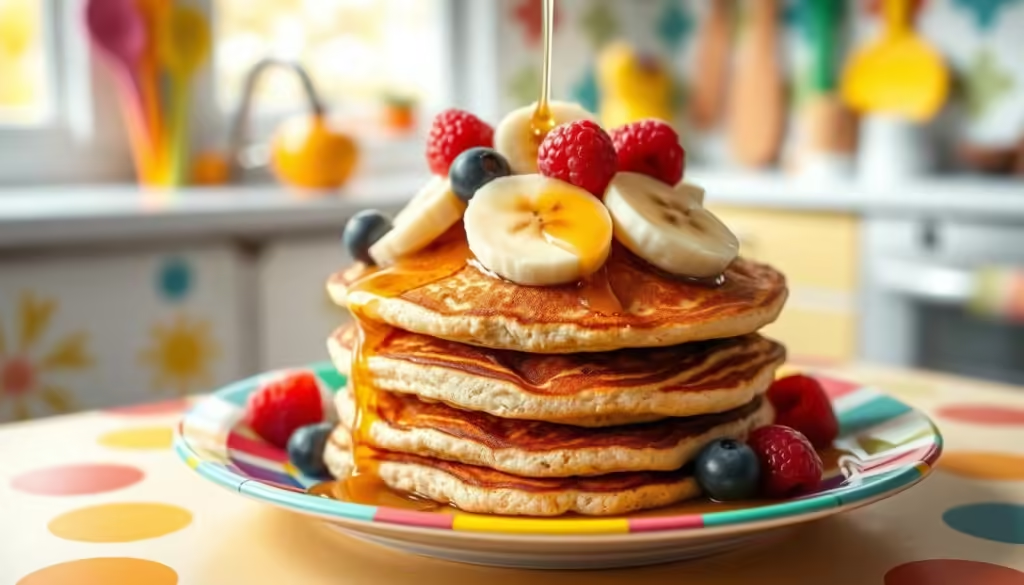
“These protein pancakes have been a game-changer for my kids. They love the taste and I love knowing they’re getting the nutrition they need to grow and thrive.”
– Sarah, Mom of 2
Conclusion
Kid-friendly healthy protein pancakes are a great breakfast choice. They give kids the nutrients they need to start the day well. These pancakes are made with whole-food ingredients and are both tasty and nutritious.
They are perfect for a family breakfast or a lunchbox treat. Busy parents and hungry kids will love them. These pancakes are a must-have for health-conscious families.
These pancakes are more than just yummy. They have about 9 grams of protein per serving. This helps support your child’s growth and health.
The recipe uses oat flour, protein powder, and cinnamon. These ingredients add important nutrients and fiber. They help keep your child full and energized in the morning.
Adding these protein pancakes to your breakfast routine is a smart choice. They can be made to suit everyone’s taste. This makes them a fun and flexible option for your family.
By choosing these pancakes, you’re giving your kids the best start. They’re packed with nutrients and balanced macronutrients. This helps them stay focused and ready for their day.
FAQ
What makes these protein pancakes kid-friendly?
These protein pancakes use simple, healthy ingredients like eggs, cottage cheese, and oats. They don’t have protein powders. This mix creates a fluffy texture and taste that kids love.
How much protein do these pancakes contain?
Each serving of four 3-inch pancakes has 11 grams of protein. They’re a great way to start your day with a nutritious meal.
Can these protein pancakes be customized for dietary needs?
Yes, you can adjust these pancakes for different diets. For gluten-free, use gluten-free oats. For dairy-free, swap cottage cheese with plant-based yogurt or dairy-free ricotta.
Can these protein pancakes be meal prepped and stored for later?
Absolutely, you can prep these pancakes ahead of time. Store leftover pancakes in an airtight container in the fridge for a week or freeze for 2 months. Reheat in a toaster oven or microwave until warm.
What are some healthy topping ideas for these protein pancakes?
Enjoy these pancakes plain or top them with healthy options. Try fresh fruit, Greek yogurt, maple syrup, or a sprinkle of chocolate chips.
External Resources for Further Reading
Essential Children’s Cooking Equipment for Young Chefs
Teaching your child to cook can be very rewarding. It helps them develop healthy habits and boosts their creativity and confidence. It’s important to get the right kitchen tools for them.
There are many safe and fun tools for kids to use in the kitchen. You can find colorful aprons, mixing bowls, and even special knives. These tools make cooking a fun and easy activity for kids.
Key Takeaways
- Cooking with kids enhances their motor skills, creativity, and confidence.
- Age-appropriate kitchen tools ensure a safe and enjoyable cooking experience for young chefs.
- Durable, colorful, and easy-to-use equipment from leading brands like KidKraft and Curious Chef are available.
- Proper cleaning and maintenance of kids’ utensils is essential for their longevity and safe use.
- Cooking kits and subscription boxes offer convenient and educational options for budding young cooks.
Table of Contents
Introduction to Children’s Cooking Equipment
Introducing kids to cooking is a fun and rewarding experience. It’s great for parents, grandparents, or caregivers to help. There are many cooking gadgets for kids and kid-friendly bakeware to support young chefs.
Safety and ease are key when choosing cooking tools for kids. Look for tools made for small hands. They should have soft grips and rounded edges. This helps kids cook safely and confidently.
| Product | Key Features | Age Recommendation |
|---|---|---|
| Baketivity Kids Cooking and Baking Set |
| 3+ |
| Raddish Kids Cooking Subscription Box |
| 4-14 |
| Eat2Explore International Cuisine Kits |
| 4-14 |
When looking at cooking gadgets for kids and kid-friendly bakeware, think about your child’s age and skill. The right tools and guidance can help kids love cooking. They’ll become confident, independent, and creative in the kitchen.
Benefits of Cooking with Kids
Cooking with kids is a fun activity that helps them grow. It improves their motor skills, boosts creativity, and builds confidence. Being in the kitchen can greatly impact their development and happiness.
Enhancing Motor Skills
Cooking helps kids use their fine motor skills. They learn to stir, chop, and pour. These tasks improve their coordination and prepare them for school skills like handwriting.
Boosting Creativity
Cooking lets kids be creative with flavors, textures, and colors. They can decorate cupcakes or make new recipes. The kitchen is their space to express and solve problems.
Building Confidence
When kids master cooking, they feel proud and confident. This confidence helps them face new challenges and become more independent. Cooking also teaches math skills as they measure and count ingredients.
Inviting kids into the kitchen teaches them important life skills. It also brings families closer and promotes a healthy lifestyle. With the right junior chef accessories and pint-sized cooking gear, parents can help their kids explore the world of cooking.
Safety Considerations in the Kitchen
When kids start cooking, safety is key. It’s important to make sure they have a good time and stay safe. Let’s look at the main safety tips for kids in the kitchen.
Age-Appropriate Tools
Choosing the right tools for kids is very important. Child-safe utensils like blunt knives and non-slip bowls help avoid injuries. These easy-grip kitchen tools for kids keep their fingers safe and make them feel more independent.
Supervision Guidelines
Always watch kids when they’re cooking. Make sure a grown-up is there, especially with sharp things and hot surfaces. Teach them about keeping things clean and washing hands to keep the kitchen safe.
| Safety Consideration | Importance |
|---|---|
| Proper Handwashing | Children should wash their hands for at least 20 seconds before handling food or utensils to prevent the spread of germs. |
| Knife Safety | Sharp objects like knives should be handled with care and stored safely away from young children’s reach. |
| Heat and Fire Safety | Hot liquids, such as boiling water and oil, can cause severe burns, emphasizing the need to keep children away from the stove while cooking. Children should also know how to operate kitchen appliances safely and what to do in case of a fire. |
| Electrical Safety | Proper use and storage of electrical appliances are essential to prevent accidents, including keeping cords out of reach of children. |
| Slip and Fall Prevention | Promptly cleaning up spills in the kitchen is critical to avoid slips and falls. |
| Chemical Safety | Chemicals should be stored securely and out of reach, and children should be taught never to ingest or play with them. |
| Food Safety | Educating children on proper food safety practices, like storage and handling, is vital to prevent foodborne illnesses. |
Following these safety tips and giving kids the right child-safe utensils and easy-grip kitchen tools for kids makes cooking fun and safe. It helps them love cooking for life.
Must-Have Cooking Tools for Children
Young chefs need the right tools to start their cooking journey. They should have child-sized utensils, easy-to-use knives, and versatile bowls. These tools help them love cooking more.
Child-Sized Utensils
Child-sized cooking tools are a must for tiny chefs. Find spatulas, whisks, and measuring cups that fit small hands. These tools make cooking easier and boost confidence in young chefs.
Bamboo and silicone tools are great because they’re durable and easy to clean. They’re perfect for kids starting to cook.
Easy-to-Handle Knives
Teaching safe knife skills is key for kids. Choose nylon or wooden knives made for little hands. These tools let kids practice cutting safely.
As they get older, you can introduce steel knives. But always watch them closely.
Mixing Bowls
Stable, non-slip mixing bowls are vital for kids. Look for bowls with a wide base and textured sides. They help kids mix safely and confidently.
Having the right cooking tools empowers young chefs. They can make everything from cookies to salads. The right tools make their cooking journey fun.
The Importance of Non-Toxic Materials
Choosing non-toxic materials for kids’ cooking tools is crucial. Many kitchen items, like plastic utensils and non-stick pans, can have harmful chemicals. These chemicals can get into food and harm children’s health. As parents, it’s vital to pick safe kitchen items.
Understanding BPA-Free Products
Bisphenol A (BPA) is found in some plastics, including kids’ cooking gear. BPA has been linked to health problems, like developmental issues and hormonal changes. Choosing BPA-free items, like stainless steel, bamboo, or silicone, keeps kids safe while cooking.
Eco-Friendly Options
- Bamboo and wood are great for kids’ cooking tools. They’re natural, durable, and safe for the environment.
- Silicone utensils are also good. They’re flexible, heat-resistant, and don’t have harmful chemicals like BPA or phthalates.
- Stainless steel is a solid choice. It’s tough, safe, and easy to clean.
Buying children’s cooking equipment from non-toxic, eco-friendly materials is a smart move. It makes cooking safe and green for kids.
Cooking Appliances for Young Chefs
Cooking with kids is fun and educational. They need the right tools to enjoy it. Mini ovens and child-friendly blenders are key for a safe and fun kitchen.
Mini Ovens
Mini ovens for kids are great for baking. They cost between $9 and $140. These ovens have fun designs and easy controls, letting kids help in the kitchen.
They come with features like adjustable temperatures and timers. This helps kids make simple snacks and meals with confidence.
Child-Friendly Blenders
Blenders are vital for kids, making smoothies and milkshakes. Look for models with safety features like tamper-resistant lids. These blenders, priced $20 to $80, spark kids’ creativity and encourage healthy eating.
Adding mini ovens, blenders, and other gadgets like ice cream makers and popcorn poppers makes cooking fun for kids. These cooking gadgets for kids and junior chef accessories help build a love for cooking in the next generation.
Essential Baking Equipment
Having the right tools is key when baking with kids. Kid-safe measuring cups and pint-sized baking sheets make any kitchen a fun place. Let’s look at some must-have baking equipment for young chefs.
Kid-Safe Measuring Cups
Measuring ingredients right is important in baking. Kid-friendly measuring cups make it easy. They have big, clear markings and sturdy handles for small hands. Plus, colorful measuring cups add fun to the process.
Baking Sheets and Pans
The right pan size and shape matter a lot in baking. Mini muffin tins, small cookie sheets, and pint-sized pans are great for kids. They let young bakers make their own treats. These kid-friendly bakeware pieces also have non-stick surfaces for easy cleaning.
| Product | Price |
|---|---|
| Kids Baking Set | $36.29 |
| Plastic Cookie Cutters | $26.49 |
| Nylon Knives for Children | $12.59 |
| Parent-Kid Apron Set | $15.99 |
| Mixing Bowls for Kids | $20.50 |
Investing in the right pint-sized cooking gear lets your young chef enjoy baking. They can make tasty, kid-friendly treats with confidence.
Fun Tools for Creative Cooking
Cooking with kids is fun and educational. Using fun tools makes it even more exciting. There are many tiny chef supplies and easy-grip kitchen tools for kids that spark their imagination.
Cookie Cutters
Cookie cutters come in many shapes and sizes. They let kids be creative and make special treats. Choose fun-shaped cutters like animals or their favorite characters.
These tiny chef supplies make baking fun. They also help kids improve their fine motor skills.
Fun-shaped Pancake Molds
Pancake mornings get more fun with fun-shaped pancake molds. You can find molds in shapes like hearts, stars, dinosaurs, or unicorns. These easy-grip kitchen tools for kids help them make colorful breakfasts.
Seeing their pancakes come to life is rewarding. It inspires them to try more in the kitchen.
Using these tiny chef supplies and easy-grip kitchen tools for kids makes cooking memorable. They add fun and creativity to the kitchen. This helps kids develop their cooking skills and love for cooking.
Get Started with Cooking Kits
Cooking is a great way to get kids excited about food. Cooking kits make it easy to start. They come with everything kids need to cook with confidence.
Subscription Boxes
Boxes like Raddish Kids and Eat2Explore make cooking easy. They include recipes, ingredients, and tools for kids. It’s fun and educational.
DIY Cooking Kits
DIY kits let kids get their hands dirty. They have ingredients and instructions. Brands like Baketivity and Tovla Jr. offer many kits.
Choose a kit based on your child’s age and interests. Look for ones that balance help and independence. This way, your child can learn and have fun cooking.
| Kit | Age Range | Offerings | Pricing |
|---|---|---|---|
| Raddish Kids | 4-14 years | Recipe guides, grocery list, kitchen project, kitchen tool | $24/month (6-month subscription) |
| Eat2Explore | 4-14 years | Recipes, ingredients, educational content about different cultures | $23.99/month (single purchase) |
| Baketivity | 3-10 years | Pre-measured dry ingredients, educational games, chef hat, and apron | $23.99/month (6-month subscription) |
Using cooking kits can spark your child’s love for cooking. It helps them learn and makes memories in the kitchen.
Engaging Recipes for Children
Cooking with kids is a fun way to make memories, learn new skills, and love food more. It’s best to start with simple snacks and meals that kids can enjoy making. These recipes should match their interests and abilities.
Simple Snacks
Let your kids be creative with snacks like fruit kebabs or homemade trail mix. These snacks help kids use their hands and develop fine motor skills. Making fruit kebabs, for example, lets them pick their favorite fruits and make colorful skewers. It’s a great way to teach them about healthy eating.
Beginner Meals
Start with meals that are easy for kids to make, like mini pizzas. Kids can pick their toppings and put the pizza together. Another good choice is simple pasta dishes, like pasta with homemade sauce or mac and cheese. These meals are easy to make and let kids focus on putting things together.
It’s important to find a balance between easy and fun recipes for kids. Offering a variety of snacks and meals can help kids love cooking. It also helps them learn important skills in the kids’ kitchen tools and junior chef accessories.
Teaching Kitchen Etiquette
Cooking is more than just a skill for kids. It’s a chance to teach them important lessons in kitchen etiquette. As they use child-safe utensils and cooking gadgets for kids, they learn about cleanliness, respect, and detail.
Understanding Cleanliness
Keeping the kitchen clean is key. Teach your kids to wash their hands before and after touching food. Show them how to clean their area, wipe down surfaces, and store ingredients right.
Respecting Tools and Ingredients
Kids should treat kitchen tools and ingredients with care. Show them how to use and store child-safe utensils safely. Encourage them to measure ingredients right and follow recipes closely.
“Cooking with kids is not just about the food; it’s about spending quality time together, creating memories, and fostering a lifelong love for the kitchen.”
Teaching these etiquette lessons makes cooking safe and organized. It also helps your kids become responsible, respectful, and confident in the kitchen.
Organizing Your Cooking Space
Creating a space for kids to cook is key to their love for cooking. The right tools make your kitchen fun and safe for them. It’s where they can learn and explore on their own.
Kid-Friendly Organization Tips
First, look at your kitchen and see how you can make it better for kids. Use low shelves and pull-out drawers so they can get to their tools easily. Drawer dividers and clear bins help keep things neat.
Make a special cooking area for your kids. It should have a sturdy table and good lighting. This area helps them feel like they own it and keeps them safe.
Creating a Cooking Area for Kids
When setting up a cooking area, think about the work surface height. A small step stool or adjustable table helps a lot. Good lighting reduces eye strain and makes cooking better.
Organizing your kitchen for kids makes them more excited to cook. A safe, fun space encourages them to keep exploring and learning.
“Organizing your kitchen with your children’s needs in mind can significantly improve their involvement and enthusiasm for cooking.”
Conclusion: Encouraging Young Chefs
Discovering the right cooking tools for your young chefs can open up a world of benefits. It boosts their motor skills, creativity, and confidence. Cooking with children is a journey that shapes their development in lasting ways.
Final Thoughts on Cooking Together
The journey of cooking with your children is more than just the food. It’s about the memories, skills, and joy you share. Invest in quality children’s cooking equipment. Make cooking a fun, educational activity that brings your family closer.
Fostering a Love for Cooking
Nurturing your children’s love for cooking gives them essential life skills. It also sets the stage for a lifelong love of cooking. Encourage them to try new things, celebrate their wins, and don’t worry about the mess. In the kitchen, some of the best lessons come from trying and learning.
FAQ
What are the benefits of involving children in cooking activities?
Cooking with kids boosts their motor skills and creativity. It also builds their confidence. It teaches them important life skills and sparks a love for cooking early on.
What safety considerations should be kept in mind when cooking with children?
Use tools made for kids, like rounded knives and non-slip bowls. Always supervise them to keep cooking safe.
What are some essential cooking tools for young chefs?
Young chefs need child-sized utensils like spatulas and whisks. They also need easy knives and stable bowls.
Why is it important to choose non-toxic materials for children’s cooking equipment?
Choosing BPA-free and eco-friendly tools is key. It keeps kids safe and healthy while cooking.
What type of cooking appliances are suitable for young chefs?
Mini ovens and blenders with safety features are great. They let kids help with various cooking tasks.
What kind of baking equipment is recommended for young bakers?
Young bakers need kid-safe measuring tools and baking sheets. Look for non-stick surfaces and sizes that fit their hands.
What are some fun and creative cooking tools for children?
Cookie cutters and pancake molds in fun shapes are great. Decorating kits for cakes and cupcakes also spark creativity.
How can cooking kits help get children involved in the kitchen?
Cooking kits, like subscription boxes, offer pre-measured ingredients and tools. They make cooking fun and easy for kids.
What are some engaging recipes suitable for children to make?
Try making fruit kebabs or homemade trail mix. Mini pizzas and easy pasta dishes are also great for beginners.
How can parents teach kitchen etiquette to their children?
Teach kids about cleanliness and respect for tools and ingredients. Following recipes accurately is also important.
External Resources for Further Reading
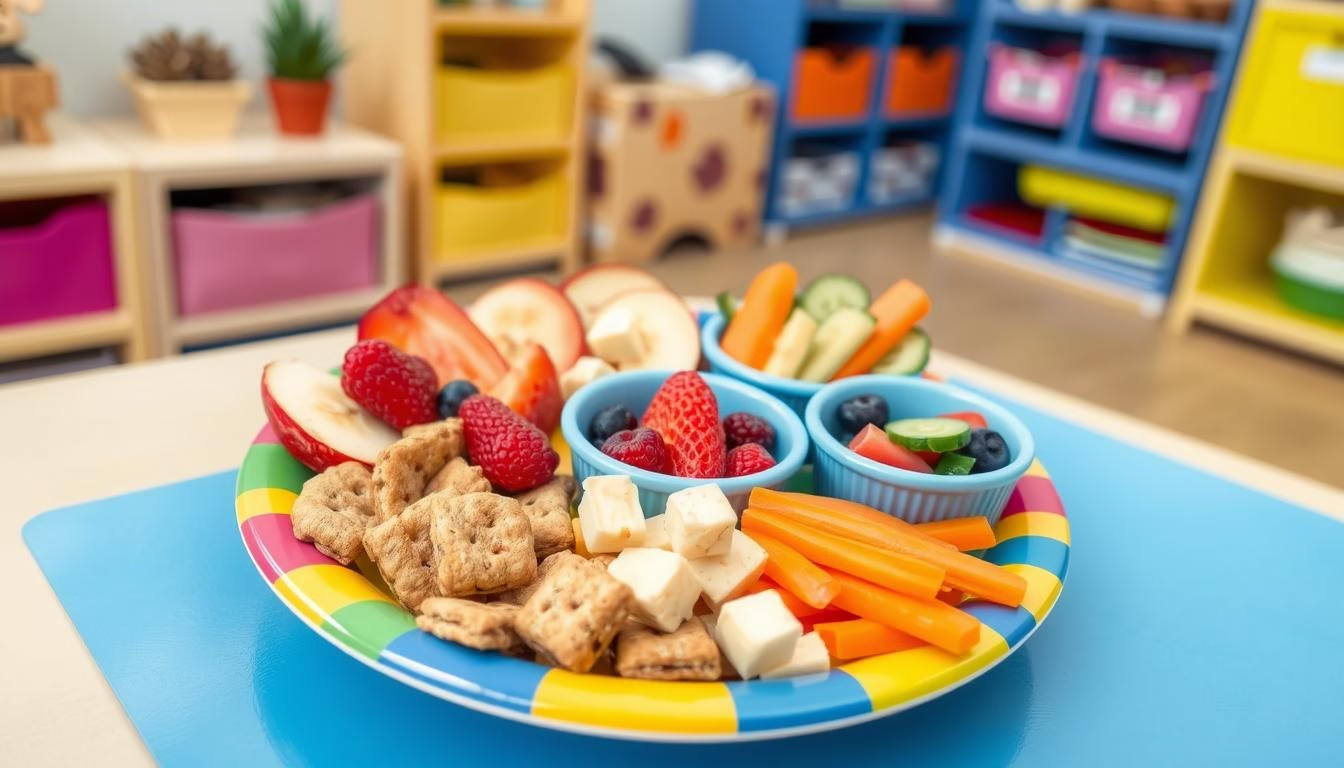
Snacks to Pack 3 Year Old for Montessori School
Packing healthy snacks to pack 3 year old for Montessori school is key for their growth. This article looks at easy, nutritious snack ideas that fit Montessori values. We’ll talk about why balanced meals are important, what snacks are right for their age, and how to keep them energized and focused all day.
Key Takeaways
- Offer a range of healthy snacks to spark your child’s curiosity and encourage them to try new foods.
- Give small portions of different foods to avoid overwhelming them and help them make their own choices.
- Make sure snacks have protein, carbs, and fruits/veggies to meet their energy and nutritional needs.
- Let your child help with snack prep to boost their independence and interest in eating well.
- Prepare snacks ahead of time to make packing lunches easier and keep your child’s meals healthy.
Table of Contents
Why Healthy Snacks Matter for Your Child
It’s important to pack kid-approved snacks for your 3-year-old’s Montessori school day. These snacks are key for their growth, development, and healthy eating habits. They help keep energy up, improve focus, and aid in learning.
Benefits of Nutritious Snacks
Nutrient-rich snacks are great for young kids. They give the vitamins, minerals, and nutrients needed for active bodies and growing minds. By offering a variety of healthy snacks, you help your child discover new tastes and textures. This builds a good relationship with food.
Impact on Learning and Focus
Snacks with proteins, carbs, and fruits or veggies keep kids full and happy. This helps them stay focused, remember things better, and dive into the Montessori lessons. Healthy eating habits for preschoolers really help with school success and happiness.
Encouraging Independence
Letting your child choose nutritious kid-approved snacks helps them grow independent. It teaches them to make choices and feel responsible. This is a big part of the Montessori way of learning.
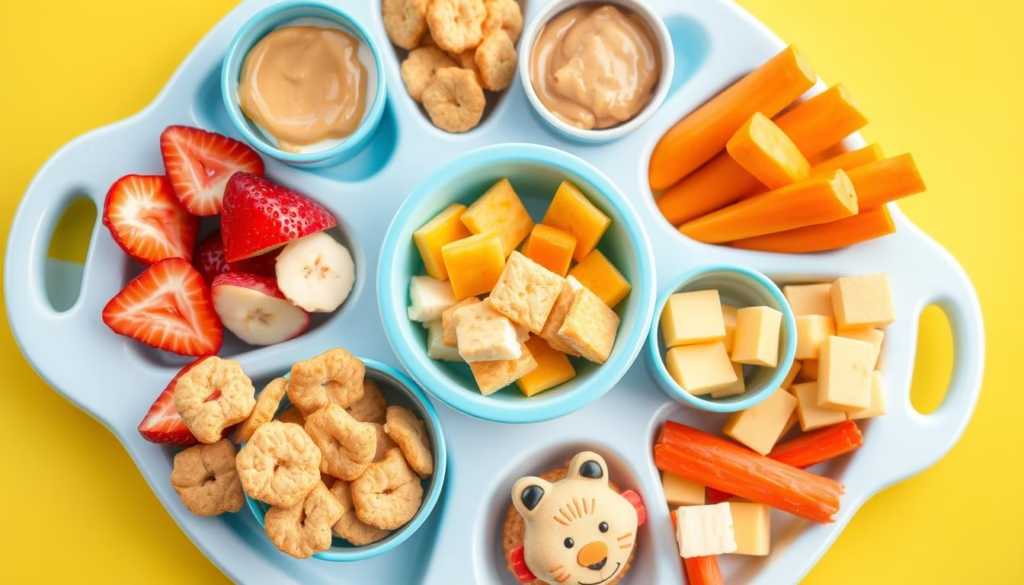
“Providing healthy, kid-friendly snacks is a simple yet effective way to support your child’s growth, learning, and overall well-being during their Montessori school experience.”
Choosing the Right Snacks
When packing snacks for your 3-year-old’s Montessori school, focus on nutrition, allergy safety, and age suitability. Choose nut-free and allergy-friendly options to keep your child healthy and support their learning.
Consider Nutritional Value
Choose snacks that are full of nutrients and have a good balance of carbs, proteins, and fats. Opt for whole grains, fresh fruits and veggies, and lean proteins like cheese or nut-free hummus. These snacks will keep your child’s energy up and fuel their growing body and mind.
Avoiding Allergens
Be careful with common food allergies like nuts, dairy, and gluten when picking snacks. Always check labels and avoid any products with known allergens. Schools often have strict rules to keep everyone safe, so it’s important to follow these guidelines.
Age-Appropriate Options
Think about your child’s age when picking snacks. Choose snacks that are easy for them to hold and eat, like small fruits, veggie sticks, or whole grain crackers. Make sure they’re not a choking hazard and help your child learn to feed themselves.
| Snack Option | Nutritional Value | Allergen-Friendly | Age-Appropriate |
|---|---|---|---|
| Apple slices | High in fiber, vitamins, and antioxidants | Nut-free, gluten-free | Easy to grip and chew |
| Hummus and carrot sticks | Protein-rich hummus, fiber-filled carrots | Nut-free, dairy-free | Crunchy texture, manageable size |
| Whole grain crackers | Complex carbohydrates, fiber | Nut-free, can be dairy-free | Suitable for small hands |
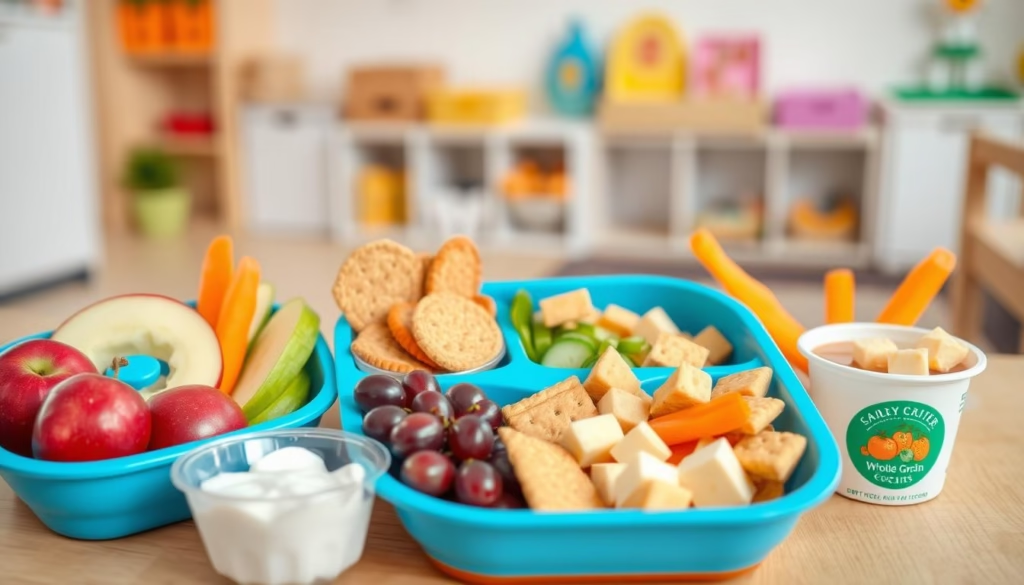
Easy-to-Pack Snack Ideas
When packing snacks for your 3-year-old’s Montessori school day, choose options that are easy to carry and fun to eat. Focus on fresh fruits, whole grains, and dairy for a balanced snack. This will help fuel your child’s active mind and body.
Fresh Fruits and Vegetables
Fresh fruit like apple slices, berries, or clementine wedges are great snacks. Try carrot or cucumber sticks with hummus or ranch dip for veggies. These snacks are full of vitamins, minerals, and fiber, supporting your child’s growth.
Whole Grain Snacks
Whole grain snacks like crackers, mini muffins, or granola bars keep energy up. Choose options low in added sugars and high in fiber for healthy digestion and fullness.
Dairy Options
Dairy snacks, such as cheese sticks or yogurt tubes, offer protein and calcium. These are key for strong bones and muscles. They’re easy to pack and make for a nutritious treat.
When packing snacks, mix different food groups for a balanced snack. For example, pair cheese with whole grain crackers or offer fruit and yogurt together. This ensures your child gets a variety of nutrients in each snack.
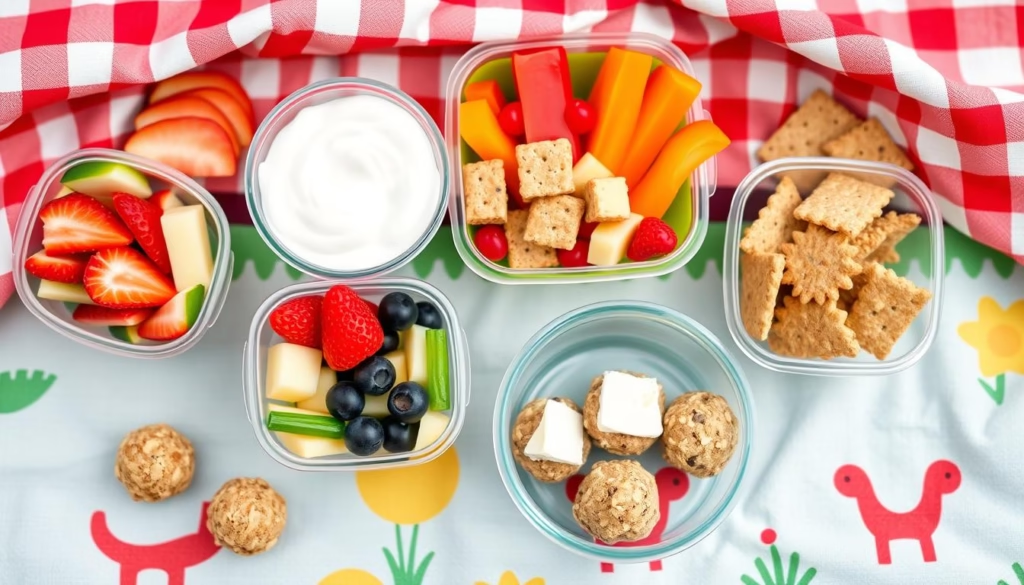
By choosing easy-to-pack, nutrient-rich snacks, you support your child’s learning and growth at Montessori school. These snacks give them the energy to stay focused and engaged in class.
Creative Snack Combinations
Packing snacks for your preschooler’s Montessori school can be fun. Mixing different healthy ingredients adds variety. This makes lunch exciting and nutritious. Here are some great creative lunchbox options.
Mixed Fruit Cups
Begin with your child’s favorite fruit, like berries or sliced apples. Add kiwi, mandarin oranges, or grapes for color. This mix of fruits is not only tasty but also full of vitamins and minerals.
Veggie and Hummus Dippers
Try pairing crunchy veggies like carrots or cucumbers with hummus. This mix of fresh veggies and protein-rich hummus is a hit. It’s a creative lunchbox option your child will love.
Cheese and Whole Grain Crackers
Offer cheese cubes with whole grain crackers for a filling snack. Cheese gives protein and calcium, while crackers provide energy. This fun snack idea for preschoolers is a classic favorite.
Adding these snack combinations to your child’s lunchbox ensures they get a balanced meal. Try new flavors and textures to help your preschooler enjoy healthy eating. It’s a great way to keep them engaged and happy.
Time-Saving Snack Prep Tips
As a busy parent, making healthy snacks for your 3-year-old can seem hard. But, with some planning, you can make it easier. By using easy make-ahead snacks and time-saving snack ideas, your child will always have healthy options.
Batch Cooking Snacks
Preparing snacks in batches on weekends is a great time-saver. You can chop fruits and veggies, boil eggs, or bake muffins and granola bars. Having these ready makes quick snacks during the week easy.
Using Snack Containers
Get reusable snack containers or bento boxes for your child’s snacks. They help with portion control and make packing snacks simple. Letting your child help with packing can also make them more excited about eating healthy.
Involving Your Child in Prep
Get your child involved in making snacks. They can rinse fruits and veggies, arrange snacks in containers, or mix dips. This makes them feel proud and more likely to eat what they helped make.
Using these time-saving snack ideas can save you time. Plus, your 3-year-old will have lots of tasty, healthy snacks all day.
Snack Ideas for Picky Eaters
Dealing with a picky eater can be tough for parents. But, there are fun ways to make snack time better for your child. Try using creative presentation, adding extra nutrients, and exploring new flavors. This can turn snacking into a fun experience for your little one.
Fun Presentation Styles
Kids love snacks that look good. So, get creative with how you present them. Use cookie cutters or a knife to cut fruits and veggies into fun shapes. Then, arrange them on a plate or in a bento box in a colorful way.
You can also thread fruits or veggies onto skewers. This makes snack time interactive and fun.
Sneaky Nutrient Additions
Picky eaters might not want to try new foods. But, you can add extra nutrients to foods they already like. Blend spinach or kale into smoothies, or grate carrots or zucchini into muffins or bread.
Puree beans to make a creamy dip. These sneaky additions can make snacks healthier without changing the taste.
Alternate Flavor Profiles
If your child doesn’t like traditional snacks, try new flavor combinations. Mix sweet fruits with savory nut butters, or offer different cheeses with whole-grain crackers. Try international flavors like hummus with pita or tzatziki with cucumber slices.
Introducing your child to many tastes can help them try new things. It might take a few tries for them to get used to a new food. But, being patient, creative, and positive can help your child develop good snacking habits.
Hydration: Including Drinks
Keeping your child hydrated is key for their health, especially at Montessori school. Water is the best choice, but other drinks can also be good. Think about packing healthy drinks in their lunchbox.
Water as the Best Option
Give your child a reusable water bottle for easy access to water all day. Choose BPA-free, leak-proof bottles that are easy for little hands to use. The Nalgene Grip-N-Gulp Kids Water Bottle and the Thermos Funtainer Water Bottle are great picks.
Nutritious Smoothies
Homemade smoothies are a tasty way to add nutrients and hydration. Mix fresh or frozen fruits, veggies, and a liquid like milk or yogurt. Just be careful of the sugar content and aim for 4-6 ounces per serving.
Milk Alternatives
If your child likes milk alternatives, pick unsweetened ones with calcium and vitamin D. Almond milk or oat milk are good choices. Avoid sugary drinks and too much juice to keep their nutrition balanced.
Offering different drinks is important, but water should always be the first choice. Keeping your Montessori student hydrated helps their body and mind grow all day long.
| Drink Option | Recommended Serving Size | Benefits |
|---|---|---|
| Water | 1-4 cups per day | Supports hydration, aids in cognitive function, and has no added sugars |
| Milk/Milk Alternatives | Less than 20 ounces per day | Provides calcium and vitamin D for bone health |
| Smoothies | 4-6 ounces per serving | Packs in fruits, vegetables, and other nutrients for a nutrient-dense drink |
| Juice | 4 ounces per day | Provides some vitamins but should be limited due to high natural sugar content |
Understanding Montessori Snack Time
In the Montessori classroom, snack time is more than just a quick refuel. It’s a chance for your child to grow independent, learn social skills, and love healthy food. As your 3-year-old starts their Montessori journey, knowing how important snack time is can help them succeed.
Importance of Snack Sharing
Montessori snack time is about sharing and serving yourself. Choose snacks like fresh fruit slices or whole grain crackers that are easy to share. This helps your child learn to share, take turns, and feel part of the classroom community.
Emphasizing Mindfulness
The Montessori way focuses on being mindful during snack time. Encourage your child to talk about the flavors, textures, and colors of their snacks. This helps them appreciate their food more and builds a good eating habit for life.
Snack Time Routine
Get your child used to the snack time routine before they start Montessori school. Teach them how to set up their snack area, serve themselves, and clean up. This independence and responsibility will make the transition easier and teach them important life skills.
By understanding Montessori snack time, you can help your 3-year-old enjoy this part of their day. It’s a time for growth, socializing, and learning healthy habits.
Storage and Safety Tips
When packing snacks for your child’s Montessori school, keeping them safe is key. The right containers and practices are crucial. They help keep snacks fresh, safe, and good for kids with allergies all day.
Choosing the Right Containers
Choose containers your child can open and close by themselves. Go for leakproof, insulated ones to keep food cool. Stay away from containers with small parts or tricky lids that could be dangerous.
Keeping Snacks Fresh
Use ice packs or insulated bags to keep food at the right temperature. Think about the classroom’s temperature when packing perishable items. Make sure all containers are sealed well to avoid contamination.
Labeling for Allergy Awareness
Label each container with your child’s name and any allergy info. This helps the Montessori staff keep snacks safe for kids with special diets. Use clear, easy-to-read labels for your child’s safety.
Following these tips ensures your child has a healthy, safe snack time at school. Focus on food safety for preschoolers and allergy-safe snack packing. It will make you feel better and support your child’s growth.
Conclusion: Preparing Your 3-Year-Old for Montessori Success
Exploring montessori-friendly snacks and healthy eating habits for preschoolers has given you the tools. You can now give your 3-year-old a nourishing Montessori experience. Focus on nutrient-dense foods, balanced snacks, and letting your child be independent. This sets a strong foundation for healthy habits for life.
Recap of Best Practices
Remember to pack fresh fruits, veggies, whole grains, and dairy that follow Montessori principles. Stay away from processed, sugary snacks and watch for allergies or dietary needs. Let your child help with snack prep. This builds their sense of responsibility and pride.
Encouraging Healthy Habits
Talk openly with your child about their snack likes and Montessori school experiences. Celebrate their growing independence and trying new foods. This conversation strengthens the value of healthy choices and encourages them to make smart snack decisions.
Celebrating Snack Choices
As your child grows in Montessori, celebrate their progress in healthy eating habits. Whether it’s trying a new fruit or sharing a snack, these moments are key. They help build a lifelong commitment to wellness.
FAQ
What are some healthy snack options to pack for a 3-year-old attending Montessori school?
Healthy snack ideas include fresh fruits like apple slices, berries, or clementines. Also, veggie sticks with hummus, whole grain crackers, and mini muffins are great. Granola bars, cheese sticks, and yogurt tubes are also good choices. It’s important to pick a variety of nutritious foods that are easy for kids to eat on their own.
Why are nutritious snacks important for a 3-year-old in Montessori school?
Nutritious snacks give kids the nutrients they need for growth and energy. They help kids stay focused and support learning. Snacks also teach kids to make healthy choices and eat well between meals.
How can I ensure the snacks I pack are Montessori-friendly?
Choose snacks that 3-year-olds can eat by themselves, like small finger foods. Avoid foods that might cause allergies. Pick snacks that are right for their age and encourage them to eat mindfully and share.
What are some tips for making snack prep easier during the week?
Make snacks in batches on weekends and store them in reusable containers. Let your child help with snack prep to teach them about healthy eating. Keep pre-cut fruits and veggies in the fridge for easy access.
How can I make snacks more appealing for a picky eater?
Make snacks fun by cutting them into shapes or arranging them in colors. Try new flavors and textures, but also offer familiar foods. You can even add veggies to smoothies or baked goods. It might take a few tries for a child to try something new.
What are some tips for keeping snacks fresh and safe at Montessori school?
Use insulated containers or ice packs to keep snacks cool. Choose containers that kids can open by themselves. Label them clearly, especially for kids with allergies. Always follow food safety rules to avoid foodborne illnesses.
External Resources for Further Reading
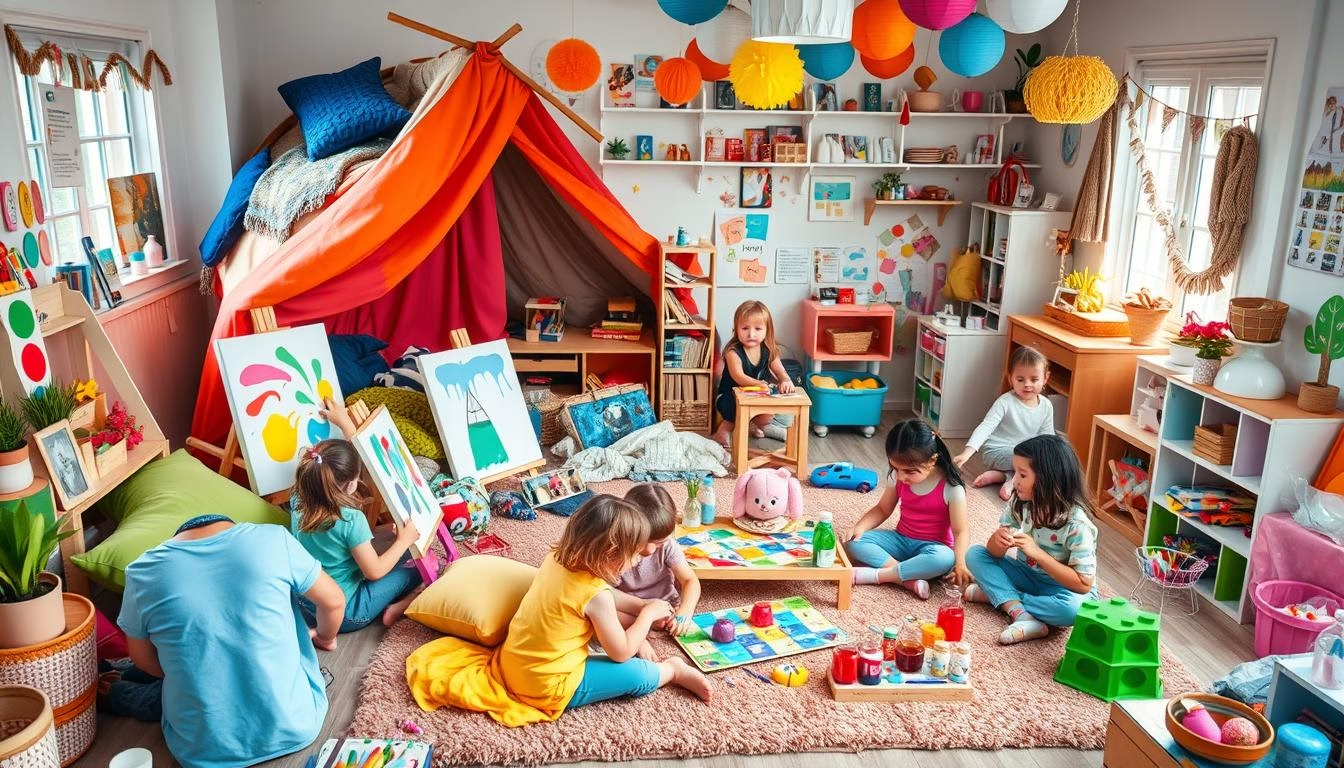
Fun Indoor Children’s Activities to Keep Kids Busy
When it’s rainy or cold outside, it’s key to have fun indoor children’s activities. This guide offers lots of ideas to make your home a place of learning and fun. You can turn your home into a playground, encouraging creativity, physical activity, and learning. Plus, you’ll make memories with your family.
Key Takeaways
- Explore a variety of indoor play places in Chicago and the surrounding suburbs, with costs ranging from free to $29.99 per pass.
- Engage in arts and crafts activities like scrapbooking, homemade movie-making, and hands-on learning projects.
- Conduct interactive science experiments using everyday kitchen ingredients and household toys.
- Enjoy classic board games and create your own quiz-based learning activities.
- Unleash energy through obstacle courses, dance parties, and imaginative play in your living room.
Table of Contents
Creative Arts and Crafts Ideas
Let your child’s creativity shine with fun kids’ indoor crafts and creative indoor play ideas. Turn your home into an art studio. Here, your child can try out different materials and techniques.
They can paint, work with DIY kits, or sculpt with clay. There’s something for every age and skill level.
Painting Projects for All Ages
Set up a craft corner with lots of supplies. You’ll need colored paper, glue, glitter, markers, and crayons. Encourage your child to paint on different surfaces like canvas, wood, or rocks.
Give them tools like sponges, cotton swabs, or their fingers. This helps them create unique textures and patterns.
DIY Craft Kits You Can Make Together
Make your own DIY craft kits to spark your child’s creativity. Use simple items like cardboard, pom-poms, googly eyes, and pipe cleaners. Let them use their imagination.
Set up a craft museum to show off their work. Celebrate their artistic success.
Simple Sculpting with Clay
Try sculpting with clay or homemade playdough. Encourage your child to make small figures, animals, or designs. Give them tools like rolling pins, cookie cutters, and sculpting tools.
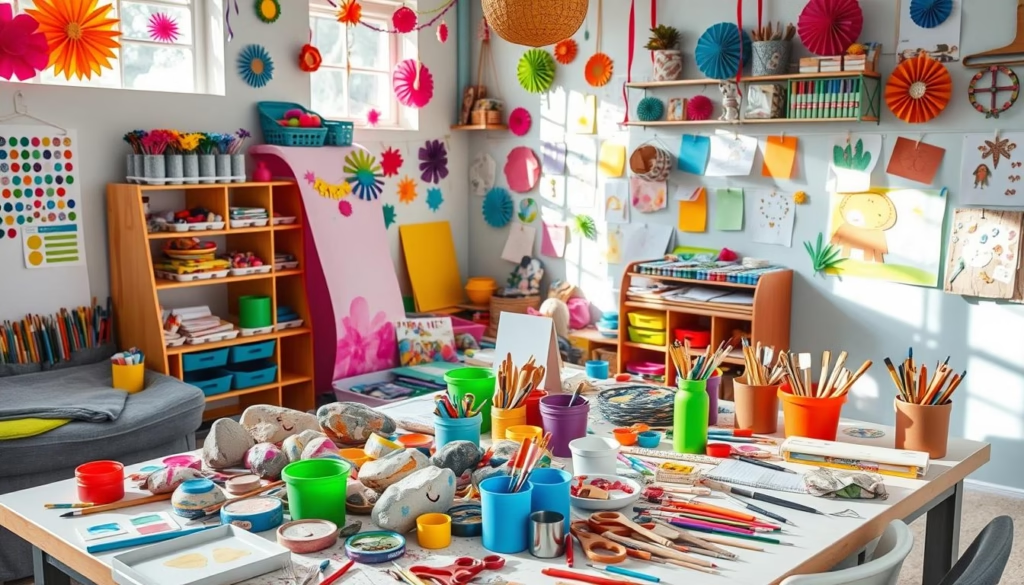
“Creativity takes courage. It’s the courage to be different, to step out of the norm, and to express oneself in unique ways.” – Unknown
Embrace creative indoor play ideas and watch your child’s imagination grow. By supporting their artistic expression, you open a world of learning, self-discovery, and fun.
Engaging Indoor Science Experiments
Spark your children’s curiosity with indoor experiments at home. These activities are fun and teach science in an interactive way. They cover everything from kitchen science to physics challenges.
Fun Kitchen Science with Everyday Ingredients
Discover science with common items. Make a lava lamp with vegetable oil, water, and food coloring. See how vinegar and baking soda can make a ping-pong ball jump.
Learn about density by layering liquids in a jar. It’s a simple way to understand a complex concept.
Easy Physics Experiments with Toys
Explore physics with toys. Build a Rube Goldberg machine to show motion and energy. Race toy cars to see how friction works.
Make a water xylophone to learn about vibrations. It’s a fun way to discover sound waves.
Safe Chemical Reactions You Can Try
- Grow colorful crystals with salt, sugar, or borax.
- Make invisible ink with lemon juice. Heat it to reveal the message.
- Test the pH of items like vinegar and baking soda.
These experiments are fun and educational. They help kids understand the world better. Use materials you have at home and always supervise.
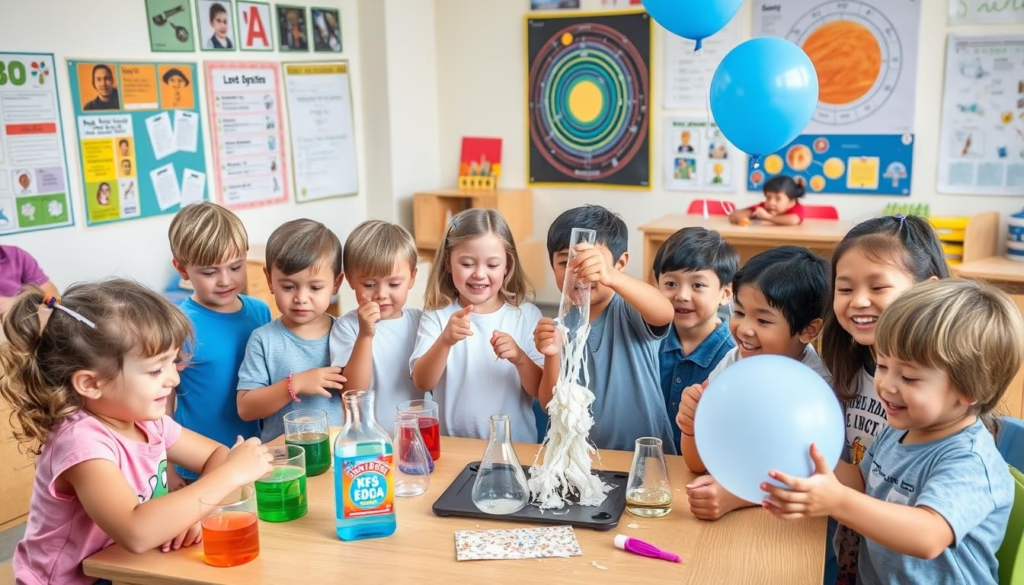
Interactive Educational Games
Interactive educational games are a great way to keep kids engaged and learning. They offer fun ways to learn, from classic board games to DIY quizzes. These activities make learning a fun part of your child’s indoor routine.
Board Games That Promote Learning
Games like chess, checkers, and Monopoly are both fun and educational. They help kids develop skills like strategy and problem-solving. Plus, they’re a great way to spend quality time together as a family.
You can even make your own board games. Choose topics your child loves and make learning fun and personal.
Online Games for Kids – Learning Fun
The internet has lots of educational games that are both fun and educational. Sites like Scratch Jr. let kids learn coding through games. Virtual field trips to museums and science centers also offer learning experiences right at home.
DIY Quiz Games to Challenge the Mind
- Create your own trivia-style question cards covering a range of subjects, from history and geography to science and literature.
- Craft DIY bingo cards using images, letters, or numbers to reinforce learning in a fun, competitive way.
- Organize a family game night with a mix of physical and mental games, keeping everyone engaged and challenged.
Interactive educational games help kids grow intellectually while having fun. Whether it’s classic board games or digital experiences, there’s always something new to try.
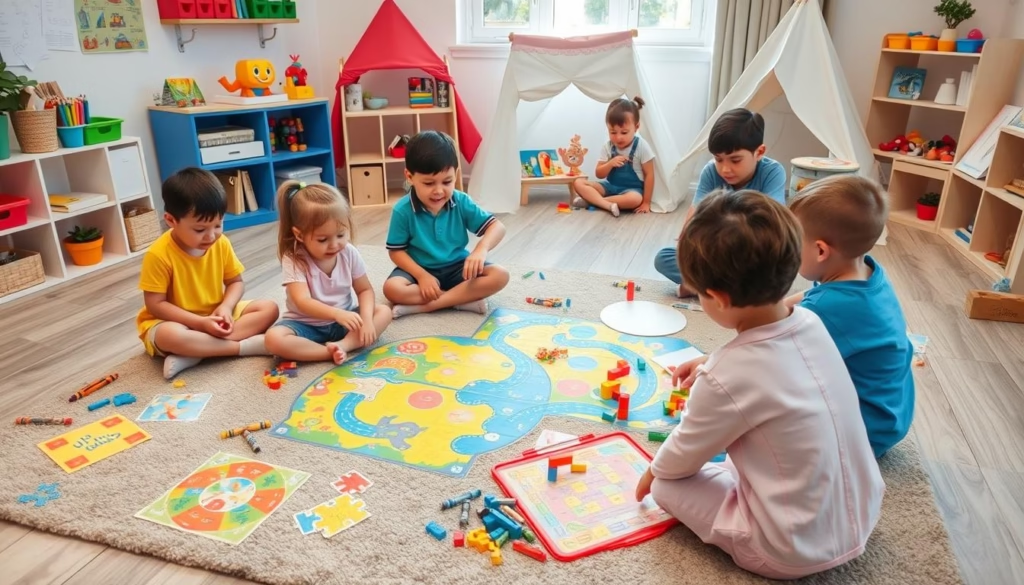
| Game Type | Key Benefits | Examples |
|---|---|---|
| Board Games | Develop strategic thinking, problem-solving, and patience | Chess, Checkers, Monopoly |
| Online Games | Combine learning and entertainment, expose to new technologies | Scratch Jr., Virtual Museum Tours |
| DIY Quiz Games | Challenge the mind, reinforce learning in a fun way | Trivia, Bingo, Mix of Physical and Mental Games |
By adding interactive educational games to your child’s indoor activities, you help them grow intellectually. And they’ll have fun doing it.
Physical Activities for Energy Release
Keeping young minds and bodies active indoors is key for their growth. While we can’t do sports inside, there are many fun ways to keep kids moving. Activities like obstacle courses and dance parties are great for indoor fun and fitness.
Obstacle Course Ideas for Living Rooms
Turn your living room into a fun obstacle course with items you have at home. Use cushions, pillows, and small furniture to make a path. Add “laser beams” with colorful strings for kids to weave through.
Finish with a jump over books or a crawl under a tunnel. This activity boosts gross motor skills and releases energy.
Dance Parties with Your Child’s Favorite Music
Music and movement are perfect together. Host a dance party with your child’s favorite songs. Clear the living room and let them dance freely.
Encourage them to be creative with their moves. You can mark a “dance floor” with tape or cushions. This activity improves fitness and boosts confidence and self-expression.
Remember, activities like obstacle courses and dance parties are great for kids. They improve fitness, strengthen muscles, and enhance coordination. Plus, they release a lot of energy.
Imaginative Play and Role-Playing
Introduce your kids to a world of creative play that sparks their imagination. They can build cozy forts or create their own theater with homemade puppets. These activities are fun and help them develop important skills.
Building Forts with Blankets and Cushions
Turn your living room into a magical place by letting your kids build forts. They can use blankets, cushions, and furniture. It’s a great way to encourage creativity and provide a cozy space for play.
They can imagine pirate treasure hunts, secret hideaways, or castle adventures. It’s a fun way to let their imaginations run wild.
Create Your Own Theater with Puppets
Help your kids become storytellers by setting up a DIY puppet theater. Use simple puppets to let them take the stage. They can create characters, write stories, and perform puppet shows.
This activity boosts creativity and helps with communication and language skills. It’s a fun way to encourage their storytelling talents.
These creative indoor play ideas and role-playing activities are great for keeping kids entertained at home. They spark imagination and encourage endless adventures. Watch as your kids explore and create right in your own home.
Indoor Gardening Projects for Kids
Getting kids involved in indoor gardening is a great way to keep them happy, smart, and connected to nature. You can start a mini herb garden or make fun planting crafts. These projects are full of learning chances for young minds.
Starting a Mini Herb Garden Together
Turn an egg carton or small pots into a lively indoor herb garden. Let your kids help from picking the herbs to planting the seeds. They’ll learn about plants, responsibility, and the joy of growing something.
- Choose easy-to-grow herbs like basil, mint, or chives
- Let your child decorate the pots or egg carton
- Teach them how to plant, water, and care for the herbs
- Have them keep a plant journal to track growth
Fun Planting Crafts to Enhance Learning
Add creative planting crafts to your indoor gardening to make it more fun for kids. Projects like growing “grass heads” or watching bean sprouts in clear jars spark their imagination. They learn about plant life cycles.
- Make DIY “grass heads” by planting grass seeds in an old nylon stocking or small pot
- Grow bean sprouts in a clear jar for your child to watch
- Use terracotta pots, paints, and craft supplies to make flower pot people
- Have your child design and decorate their own plant markers
Indoor gardening projects help kids learn about nature, responsibility, and family bonding. These activities keep indoor children’s activities and educational indoor activities for kids fun. They also help kids grow and develop.
Storytelling and Reading Time
Rainy days or times spent indoors are great for storytelling and reading with your kids. Setting up a cozy reading nook at home is a good start. It should have plush pillows and cozy blankets to make it inviting.
Create a Reading Nook at Home
Make a quiet corner of your home a reading spot. Use comfy cushions and throws for seating. Add a small side table for books and reading stuff.
Bookshelves or stacks of favorite picture books around the nook can spark their imagination. It encourages them to explore and read more.
Encouraging Storytelling with Picture Books
- Let your child pick a picture book they like. Then, read it together, stopping to talk about the characters and pictures.
- Ask your child to tell the story in their own words. They can use props or puppets to make it more fun.
- Try telling a story together, adding new parts as you go. It helps their creativity and problem-solving skills.
- Have a family storytime where everyone reads or tells a part of the story. It brings you all closer and sparks imagination.
By making a cozy reading nook and enjoying storytelling, rainy days can be fun. It helps your child grow their language skills, creativity, and love for reading.
Cooking and Baking with Kids
Getting your kids involved in the kitchen is fun and educational. It boosts their creativity, cooking skills, and growth. Simple recipes and themed cooking days are great for young chefs.
Simple Recipes for Young Chefs
Cooking and baking with kids can make them choose healthier foods. They learn fine motor skills, hand-eye coordination, and strength. Making homemade playdough is a fun way to get them started.
Playdough recipes include flour, salt, cream of tartar, water, and vegetable oil. It’s a simple activity that gets kids excited about cooking.
Fun Themed Cooking Days
- Themed cooking days like “Pizza Friday” or “Taco Tuesday” spark creativity. Making kebabs is a fun way to keep kids interested.
- Simple recipes like lemonade, ranch dip, or PB&J sandwiches teach kids to follow instructions. They learn basic kitchen skills.
- Activities like building with cardboard boxes and toilet paper rolls boost creativity and motor skills. They add to the cooking experience.
Indoor cooking and baking activities are great for toddlers, starting at about a year old. It helps create lasting memories and valuable skills for your kids.
“Cooking with kids is not just about ingredients, recipes, and cooking. It’s about harnessing their natural curiosity and enthusiasm, and imbuing them with confidence in the kitchen.”
Mindfulness and Relaxation Activities
In today’s fast world, it’s key to add moments of calm to our indoor children’s activities. These educational indoor activities for kids help reduce stress and teach life skills.
Yoga for Kids: Simple Poses to Try
Yoga is a fun way to engage kids’ bodies and minds. Try animal poses like “Downward-Facing Dog” or “Butterfly.” These poses help kids focus and release energy.
Guided Imagery for Calmness
Guided imagery helps kids manage their feelings and find peace. Ask them to imagine a calm place, like a forest or beach. They should use all their senses to feel the scene fully.
Make a “calm-down corner” with soft cushions and quiet activities. It’s a cozy spot for kids to recharge.
These indoor children’s activities teach kids to manage stress and emotions. They learn skills for now and the future.
Technology-Based Indoor Activities
In today’s world, technology is a great way to keep kids learning and having fun indoors. You can take them on virtual field trips to places like museums and zoos. They can explore from home. They can also watch documentaries or science shows that make learning fun and interesting.
There are also educational apps that make learning a game. Apps like Duolingo and Rosetta Stone make learning languages fun. Kids can also use software to create digital art, stories, or even code.
But remember, it’s important to balance technology with hands-on activities. Make sure kids have time for physical play and using their imagination. This way, technology can help them learn and grow, while also keeping them active and social.
FAQ
What are some creative indoor activities to keep children entertained on rainy days?
There are many fun indoor activities for kids. You can try arts and crafts, science experiments, and educational games. There are also physical challenges, imaginative play, and gardening projects. You can also tell stories, cook, and practice mindfulness.
What types of arts and crafts can I do with my kids at home?
Start a craft corner with basic supplies like paper, glue, and markers. You can make DIY kits for painting, sculpting, or creating a craft museum. This way, you can encourage creativity and display their artwork.
What kind of science experiments can I do with everyday household items?
Do simple science experiments with kitchen items. You can make a water cycle in a jar or explore physics with toy cars. Building a Rube Goldberg machine is also a fun way to learn.
What indoor games and activities can promote learning and critical thinking?
Play classic board games and create DIY quizzes. There are also educational online games that are fun. Card games can teach math and patience. Hosting a family game night is a great way to mix physical and mental games.
How can I help my child release energy and improve their gross motor skills indoors?
Set up an obstacle course with furniture and cushions. Have dance parties to encourage movement. Playing “The Floor Is Lava” is another fun way to improve coordination.
What types of imaginative play and role-playing activities can I do at home?
Encourage building forts with blankets and cushions. Create a puppet theater for storytelling. Dress-up sessions and cardboard box creations are also great for creativity and social skills.
How can I introduce indoor gardening projects to my children?
Start an indoor herb garden with egg cartons or small pots. Teach them about plant growth and care. Gardening crafts like grass heads or bean sprouts in jars are also fun. It teaches responsibility and nature.
What are some ways to encourage storytelling and reading at home?
Set up a cozy reading nook with pillows and blankets. Encourage storytelling with picture books or create stories together. Family storytime and using props or puppets can make stories come alive.
How can I involve my children in simple cooking and baking projects?
Teach kids about measuring, mixing, and decorating through simple recipes. Try themed cooking days like “Pizza Friday” or “Taco Tuesday”. Making homemade ice cream is a fun way to teach math and kitchen safety.
What mindfulness and relaxation activities can I do with my children indoors?
Introduce simple yoga poses for kids, using animal poses to make it fun. Practice guided imagery for relaxation. Create a calm-down corner with soft cushions and quiet activities. These help manage emotions and improve focus.
What technology-based indoor activities can I use to supplement learning and exploration?
Explore virtual field trips to museums and zoos. Use educational apps and software for digital art or stories. Watching documentaries or science shows together is also educational. Make sure to balance screen time with other activities.
External Resources for Further Reading
Healthy Travel Snacks for Your Next Road Trip Adventure
Start your next road trip by choosing snacks that are good for you. Avoid processed foods that can make you feel tired. Instead, pick snacks that are full of nutrients to keep you going.
Try fresh fruits and veggies, nuts, and seeds. These snacks will keep you full and give you energy. They’re perfect for exploring the road ahead.
Key Takeaways
- Choose travel snacks that are easy to pack and don’t spoil quickly.
- Opt for minimally processed, waste-reducing food items.
- Incorporate a balance of fresh produce, protein, and healthy fats.
- Prioritize hydration with water, coconut water, or electrolyte-rich beverages.
- Plan ahead to ensure you have a well-stocked, balanced snack selection.
Table of Contents
The Importance of Choosing Healthy Snacks for Travel
Choosing the right snacks for a road trip is key. It affects your energy, focus, and health. Opt for healthy eating snacks to keep your energy up. Snacks with protein, carbs, and fiber keep you fueled and avoid mid-drive slumps.
Benefits of Healthy Snacking
Healthy snacks are a must for road trips. They keep your blood sugar stable, preventing energy crashes. This helps you stay alert and focused during long drives.
Healthy snacks also aid digestion, reducing discomfort on the road. Eating well means you’ll arrive feeling refreshed, not tired.
Impact on Your Energy Levels
The snacks you pick greatly affect your energy boost. Choose snacks with complex carbs, healthy fats, and lean protein for lasting energy. This helps you drive long distances without getting tired.
On the other hand, sugary or processed snacks can cause energy drops and mood swings. Stick to nutritious snacks to keep your energy steady and your focus sharp.
Snack Ideas for Different Dietary Preferences
When planning your road trip snacks, think about everyone’s dietary needs. You might have vegetarians, gluten-free eaters, or those looking for protein. There are many tasty and healthy snacks for everyone.
Vegetarian Snack Options
- Edamame: These boiled and lightly salted soybeans are a great protein-rich snack for vegetarians.
- Dark Chocolate: Enjoy a square or two of high-quality dark chocolate for a sweet treat. It’s also full of antioxidants.
- Seaweed Snacks: These snacks are crunchy, savory, and full of nutrients. They’re a unique and healthy choice for vegetarians.
Gluten-Free Snacks
- Rice Crisps: These light and airy rice-based crackers are a tasty gluten-free option.
- Fruit Leather: This chewy and flavorful snack is easy to take on the go. It’s also gluten-free.
- Roasted Chickpeas: These crispy chickpeas are a protein-rich snack that’s also gluten-free.
Protein-Packed Choices
| Snack | Calories | Protein (g) |
|---|---|---|
| Beef Jerky | 80 | 7 |
| Protein Bar | 197 | 5 |
| Mixed Nuts | 336 | 11 |
Looking for something salty, sweet, or protein-rich? These snacks can keep you and your travel buddies energized and happy on the road.
Homemade Snacks: Easy Recipes for the Road
Homemade snacks are a tasty and healthy choice for road trips. They offer a variety of options, from energy bars to trail mix. These recipes are easy to make and keep you fueled on the go.
Energy Bars to Make Ahead
Make no-bake peanut butter energy bars for a quick energy boost. They’re made with oats, honey, and chia seeds. Wrap them up and keep them in the fridge for a quick snack.
Trail Mix Variations
- Make your own trail mix with nuts, dried fruit, dark chocolate, and cinnamon or sea salt.
- Try a lemon bar-inspired mix with dried lemon, coconut, and almonds for a sweet treat.
- For a savory mix, add homemade Cheez-Its, spicy chickpeas, and pumpkin seeds.
Healthy Muffins for On-the-Go
Bake zucchini walnut muffins for a healthy breakfast or snack. These moist muffins are full of fiber. Enjoy them cold or warm them up for a cozy snack.
“Making homemade snacks for our road trips has been a game-changer. Not only do they taste amazing, but I know exactly what’s in them, and they’re much more budget-friendly than buying from gas stations.” – Emily, Frequent Road Tripper
Store-Bought Healthy Snack Options
Healthy snacking on the road is easy with many store-bought options. You can find everything from veggie chips to protein bars. Reading nutrition labels is key to picking the right snacks for your trip.
Best Brands for Road Trip Snacks
Look for these top brands for healthy snacks:
- Blue Diamond dark chocolate flavored almonds
- Bare baked crunchy apple chips
- HIPPEAS organic chickpea puffs
- The Good Bean roasted chickpeas
- Biena chickpea snacks
- That’s It fruit bars
- Just Bare apple chips
Reading Nutrition Labels Wisely
It’s crucial to read labels when picking snacks. Look for snacks low in sugar, high in fiber, and with few artificial ingredients. Check serving sizes to control your portions. Snacks with protein, healthy fats, and complex carbs will keep you full and energized.
“Fueling your road trip with nutritious snacks can make all the difference in how you feel and perform behind the wheel.”
Hydration: The Importance of Fluids on Your Journey
Staying hydrated is key on your road trip. Water is best because it keeps your body working right and stops dehydration. Try unsweetened iced tea, coconut water, or smoothies for something different. They add nutrients to your drinks.
Healthy Beverage Choices
Steer clear of sugary drinks and energy boosters. They give a quick energy lift but then crash. Choose drinks that are low in sugar and high in water content. Good picks include:
- Water (aim for 9-13 cups per day)
- Unsweetened iced tea
- Coconut water
- Homemade fruit-infused water
- Electrolyte-rich sports drinks (in moderation)
How to Stay Hydrated Effectively
To keep hydrated on your trip, drink fluids often, especially when it’s hot or you’re driving a lot. Use a refillable water bottle and drink at set times. Dehydration can cause tiredness, headaches, and dizziness. So, keep an eye on your hydration levels.
| Dehydration Symptoms | Proper Hydration Benefits |
|---|---|
| Dry mouth | Improved energy levels |
| Headaches | Better cognitive function |
| Fatigue | Reduced risk of heat-related illnesses |
| Dizziness | Enhanced muscle and joint function |
By focusing on hydration on your trip, you’ll keep your body in top shape. Enjoy a more comfortable and fun journey. Stay hydrated and have a great trip!
Portion Control: Keep Your Snacking in Check
Keeping portion sizes right is key for healthy snacking on the road. Pre-portion your snacks into small servings before you leave. This stops you from eating too much and makes sure you get the nutrients you need.
Tips for Measuring Snack Portions
Use measuring tools or visual cues to get the right serving size. A handful of nuts or a small bowl of trail mix is a good snack. Don’t eat from big packages or bags, as it can lead to eating too much.
- Use a measuring cup or spoon to portion out snacks into individual servings.
- Opt for pre-portioned snack packs or containers to control your intake.
- Familiarize yourself with standard serving sizes for common snack foods.
Avoiding Overindulgence
Space out your snacks to keep your energy up without eating too much. Instead of snacking all the time, be mindful of when and how much you eat. This helps your healthy eating habits and prevents feeling tired or uncomfortable while driving.
Remember, portion control and knowing your snack size are crucial for healthy snacking on your road trip. By following these tips, you can enjoy tasty and healthy snacks while staying energized and focused on your journey.
Combating Boredom: Fun Snack Combinations
Traveling on a road trip can make you stick to the same snacks. But, with a bit of creativity, you can spice up your snacking. Try out sweet and savory mixes or different textures and flavors. This will make your snacks more fun.
Sweet and Savory Pairings
Pairing sweet and savory snacks can be a tasty adventure. Try apple slices with peanut butter or veggie chips with hummus. For a fun snack, mix grapes and cheddar cheese on skewers.
Creative Ways to Mix Snacks
Be adventurous with your snacks. Mix different textures and flavors for unique snack mixes. Try pretzels, dried cranberries, and almonds for a tasty mix. Or, layer yogurt, granola, and berries for a portable parfait.
By trying snack pairings, creative snacks, and fun food combinations, your road trip snacks will stay exciting. Choose snacks that are both tasty and nutritious to keep you energized.
Planning Ahead: How to Prepare Snack Packs
Going on a road trip? It’s important to prepare snack packs in advance. This way, you’ll have healthy and balanced options ready. Organizing your snacks makes your journey more enjoyable and keeps your nutrition on track.
Organizing Your Snack Bag
Choose a snack bag or container that keeps things organized. A reusable lunch box or insulated bag is great for keeping snacks fresh. Use sections or pouches to sort snacks into categories like:
- Protein-rich options (e.g., jerky, nut butter packets, hard-boiled eggs)
- Fiber-filled choices (e.g., fresh fruits, vegetables, whole grain crackers)
- Hydrating snacks (e.g., fresh or dried fruit, vegetable-based drinks)
What to Include for a Balanced Snack Pack
For a balanced snack pack, mix different types of snacks. Include protein, fiber, and hydrating options. Here are some ideas:
- Trail mix with nuts, seeds, and dried fruit
- Cut-up vegetables with hummus or guacamole
- Whole fruit like apples, bananas, or clementines
- Individually wrapped cheese sticks or yogurt cups
- Granola bars or energy bites
Remember to pack utensils, napkins, and hand sanitizer. This makes your snack time on the road easy and clean.
“Preparation is the key to enjoying a stress-free road trip. By planning ahead with a well-stocked snack pack, you can focus on the journey and create lasting memories.”
Snack Storage: Keeping Your Food Fresh
Keeping your travel snacks fresh and tasty is key on a road trip. You can use airtight containers or insulated coolers. Let’s look at the best ways to keep your snacks fresh.
Best Containers for Travel Snacks
Get airtight food storage containers to keep food fresh. Reusable silicone bags and food wraps are also great. They seal well and are good for the planet. You can find them in many sizes, from small to big.
Tips for Keeping Snacks Cool
Use a cooler or insulated bag for cold items. Add ice packs or frozen water bottles for coolness. This keeps your perishable food storage items fresh. Store fruits and veggies apart to keep them crisp.
“Proper food storage is the key to keeping your travel snacks fresh and delicious throughout your road trip adventure.”
Follow these tips for food storage and cooler tips. Your travel food containers and snacks will stay fresh. Enjoy your road trip with healthy snacks that are well-kept.
Snack Safety: Avoiding Food Spoilage
Keeping food safe on your road trip is key for a fun and healthy trip. Dairy and meats need to stay cold, below 40°F (4°C). If they’re not kept cold for over 2 hours, they can grow harmful bacteria.
Guidelines for Perishable Items
Here are some tips to keep your snacks safe:
- Use a cooler with ice packs to keep things cold.
- Eat perishable items within 2 hours if they’re not cold.
- Choose snacks that don’t need to be refrigerated, like nuts and dried fruits, for longer trips.
- Use different utensils for each food to avoid mixing bacteria.
- Check your snacks often and throw away any that look or smell bad.
Travel-Friendly Food Storage Tips
Here are some ways to keep your snacks fresh and safe:
- Use ice packs and frozen water bottles in your cooler to keep things cold.
- Put perishable items like meats and dairy at the bottom of the cooler. Non-perishable snacks go on top.
- Try not to open the cooler too often to keep the cold in.
- Think about getting a portable mini-fridge or insulated bag for your snacks.
By following these tips, you can make sure your food stays safe. This way, you can enjoy a worry-free and tasty road trip.
Conclusion: Enjoying Your Road Trip with Healthy Snacks
Starting your next road trip? Remember the power of healthy snacking. Choose nutritious foods, control your portions, and drink plenty of water. This keeps your energy up and supports your health on the road.
There are many healthy snack choices. You can have protein-rich nuts and seeds, or fiber-filled fruits. These snacks give your body the nutrients it needs.
Summarizing Key Takeaways
This guide has lots of healthy snack ideas. You can make your own energy bars or trail mix. Or, pick store-bought snacks like veggie chips or protein yogurt.
Always check the nutrition labels. Choose snacks low in bad fats and high in good stuff like fiber and protein. Plan and pack your snacks to keep them fresh and ready for your trip.
Encouraging Open-Mindedness to New Snack Ideas
Be open to trying new snacks on your trip. Mix fresh fruit with nut butter or make a mini charcuterie board. This way, you’ll enjoy tasty snacks and keep your body fueled.
By trying different snacks, you’ll satisfy your cravings and nourish your body. Commit to healthy snacking on your road trip. You’ll feel more energized, hydrated, and healthy throughout your journey.
FAQ
What are some nutritious travel snack options for a road trip?
Good snacks for a road trip include fresh fruits like apples, bananas, and grapes. Also, try veggie sticks with hummus, nuts and seeds, and string cheese. Greek yogurt and hard-boiled eggs are great for protein.
What are the benefits of choosing healthy snacks for travel?
Healthy snacks keep you energized and focused. They also help with digestion. Options like fruits, veggies, and protein snacks keep your blood sugar stable.
What are some snack options for different dietary preferences?
For vegetarians, try edamame, dark chocolate, and seaweed snacks. Gluten-free travelers can enjoy rice crisps, fruit leather, and roasted chickpeas. Beef jerky, protein bars, and mixed nuts are good for protein.
What are some examples of homemade snack recipes for a road trip?
Make no-bake peanut butter energy bars, chia seed protein bites, and walnut zucchini muffins. You can also make custom trail mix with nuts, dried fruits, and dark chocolate.
What should I look for when choosing store-bought snacks for a road trip?
Look for brands like Blue Diamond dark chocolate flavored almonds and Bare baked crunchy apple chips. Also, try HIPPEAS organic chickpea puffs. Always check the nutrition labels for low added sugars and high fiber.
How can I stay hydrated during a road trip?
Drink water as your main beverage. Try unsweetened iced tea, coconut water, or homemade smoothies. Avoid sugary drinks. Use a reusable water bottle and drink regularly, especially in hot weather.
How can I practice portion control for snacks during a road trip?
Use small containers or bags for snacks before you leave. Measure or use visual cues for portion sizes. Avoid eating from large packages to prevent overeating.
How can I keep snacking interesting during a road trip?
Try new combinations like apple slices with peanut butter or cheese and grape skewers. Mix sweet and savory with dried fruit and nuts or dark chocolate and pretzels.
How should I prepare and organize snack packs for a road trip?
Organize snacks in a dedicated bag or container before you go. Include a variety of snacks like trail mix, cut veggies, fruits, and cheese sticks. Don’t forget utensils, napkins, and hand sanitizer.
How can I ensure my snacks stay fresh during a road trip?
Use airtight containers or reusable bags to keep snacks fresh. For cool items, use a cooler or insulated bag. Store fruits and veggies separately to keep them crisp.
How can I ensure food safety for perishable snacks during a road trip?
Keep perishable items in a cooler below 40°F (4°C). Use them within 2 hours if not refrigerated. Choose non-perishable snacks for longer trips. Always check for spoilage and discard bad items.
External Resources for Further Reading
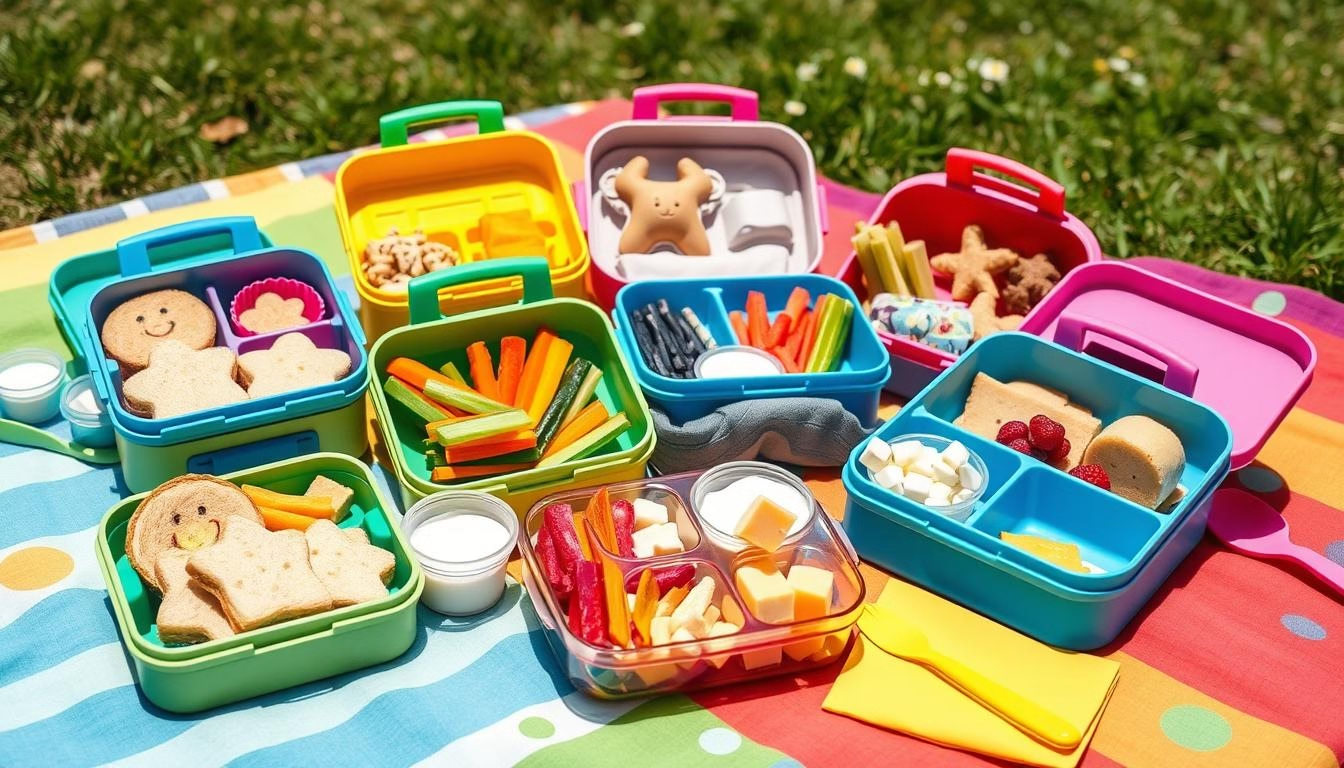
Mud Kitchen for Kids Fun and Creative Ideas
Packing a healthy lunch for your kindergartner can be tough. But, with some creativity, you can make meals they’ll love. This guide will show you how to pack lunches that are both nutritious and fun. You’ll learn about everything from classic sandwiches to new ideas.
Studies show that 65% of kindergartners take cold lunches to school. Among them, 40% love sandwiches. Also, 75% enjoy fruits, and 55% like a little sweet treat. But, remember, 15% have nut allergies, and 20% have other dietary needs to consider.
Key Takeaways
- 65% of kindergartners bring cold lunches to school
- 40% of kindergartners prefer sandwiches for cold lunches
- 75% of kindergartners like to have fruits in their cold lunches
- 55% of kindergartners include a sweet treat in their cold lunches
- 15% of kindergartners have nut allergies, and 20% have other dietary restrictions
Table of Contents
Fun and Creative Mud Kitchen Ideas
Outdoor play and sensory exploration come alive with a mud kitchen for kids. These spaces let children dive into nature and show off their creativity. You can build one yourself or buy a pre-made model. Either way, it’s a great way to keep kids engaged and learning.
Introduction to Mud Kitchens
Mud kitchens are places where kids can play with mud and kitchen tools. They can be simple or fancy, with everything from basic pallets to full kitchens. The goal is to encourage kids to play with their hands and explore.
Benefits of Mud Kitchens for Kids
Mud kitchens are great for kids. They help improve motor skills and hand-eye coordination. Playing in mud can also boost mood and help the immune system. Plus, they help kids connect with nature and spark their imagination.
Setting Up a Mud Kitchen at Home
Setting up a mud kitchen at home is easy and fun. Pick a spot in your backyard or a shaded area. Use old pots, pans, and utensils, along with natural items like pine cones and leaves. Make sure there’s water nearby for cleaning up. With a bit of creativity, you can make a space that will keep your child engaged for hours.
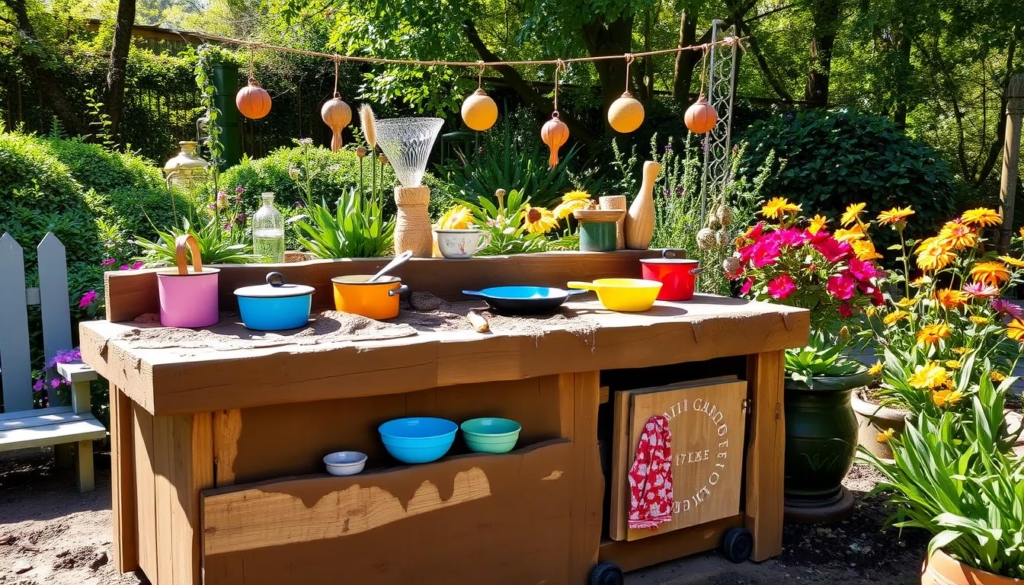
“Mud play allows children to explore the world through their senses, stimulating their curiosity and creativity.”
Whether you make your own or buy one, a mud kitchen is a great addition to your child’s play space. It encourages imagination and outdoor exploration. So, get ready to watch your child dive into a world of sensory adventures.
Ingredients for a Kid-Friendly Cold Lunch
Packing a nutritious cold lunch for your kindergartner is key. Include a mix of healthy ingredients. This mix should have colorful fruits, veggies, proteins, and whole grains. The right mix fuels their day and keeps them going until school ends.
Fruits and Vegetables
Add a variety of colorful fruits and veggies to your child’s lunch. Sliced apples, grapes, carrot sticks, cherry tomatoes, and cucumber rounds are great. They’re easy to pack and full of vitamins and fiber. Plus, they’re easy for little hands to handle.
Proteins and Dairy Options
Include protein-rich foods like cubed cheese, hard-boiled eggs, or lean deli meat. These add energy and support growth. Add low-fat milk, yogurt, or hummus for a complete meal. These options keep tummies full until school ends.
Whole Grains to Include
Whole grain breads, wraps, or crackers offer lasting energy. Mini-bagels, mini-pitas, or whole grain crackers are good choices. They help make the meal complete and keep your child focused all day.
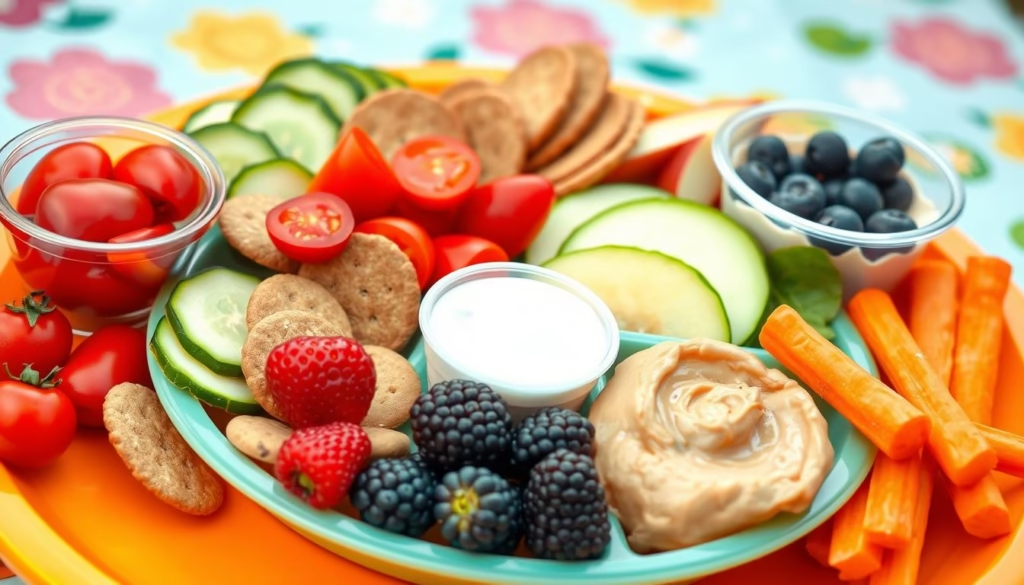
| Fruits and Vegetables | Proteins and Dairy | Whole Grains |
|---|---|---|
|
|
|
By mixing healthy ingredients, you can make cold lunches that are both nutritious and fun for kids. This way, your kindergartner gets the energy and nutrition they need to do well all day.
Easy Sandwich Ideas Your Kids Will Love
It’s easy to pack a tasty and healthy lunch for your little one. Try out some fun sandwich ideas that your kindergartner will love. These recipes are simple to make and will make lunchtime exciting and delicious.
Classic Peanut Butter and Jelly
The peanut butter and jelly sandwich is a timeless favorite. Use creamy peanut butter and your child’s favorite jam for a tasty mix. Try whole-wheat or nutty bread for a nutritious twist.
Turkey and Cheese Roll-Ups
Turkey and cheese roll-ups are a tasty and easy option. Layer turkey and cheese in a soft tortilla, then roll it up. Add honey mustard or avocado for extra flavor. They’re perfect for little hands.
Veggie-Loaded Wraps
Get your child to love veggies with colorful wraps. Spread hummus or cream cheese on whole-grain tortilla, then add carrots, cucumbers, bell peppers, and cheese. Roll it up for a healthy and tasty lunch.
Keep your child’s lunchbox exciting with a variety of kid-friendly sandwiches, easy lunch recipes, and school lunch ideas. Let them help with making lunch. It makes lunchtime fun and engaging.
Unique Cold Lunch Combinations
Lunchtime doesn’t have to be dull, especially for your kindergartner. Try something new instead of the usual sandwich. Explore fun ideas like bento box and miniature charcuterie boards to make lunch exciting.
Bento Box Inspiration
Bento boxes are great for making lunches look good and taste great. Fill them with fruits, vegetables, proteins, and whole grains. Let your child arrange the food in fun ways to spark their creativity.
DIY Mini Charcuterie Boards
Mini charcuterie boards are fun for kids too! Put together a small board with deli meats, cheeses, olives, crackers, and dried fruits. It’s a fun way to learn about food and develop fine motor skills.
Mediterranean-Inspired Lunch
Try a Mediterranean lunch with hummus, pita bread, cucumber slices, cherry tomatoes, and feta cheese. Add some olives or roasted chickpeas for a complete meal. It’s a colorful and tasty way to explore new flavors.
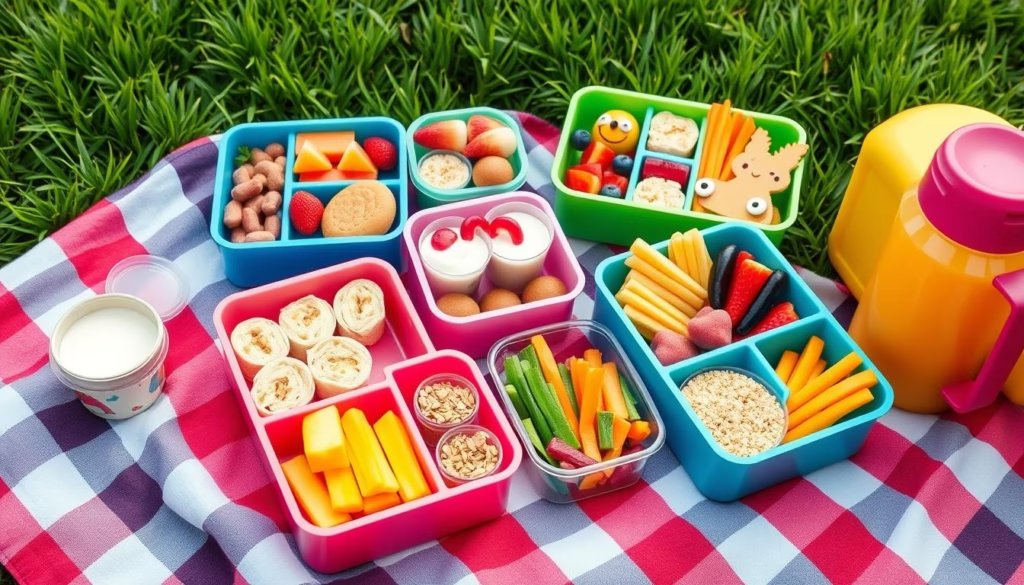
“Creativity is the key to making lunchtime an adventure for your child. Experiment with different combinations and let their imagination soar!”
Keeping Lunches Safe and Fresh
Packing a healthy lunch for your kindergartner is more than just food. It’s about keeping it safe and fresh. Let’s look at how to keep your child’s lunchbox favorites safe and tasty all day.
Best Containers for Cold Lunches
Choosing the right container is key for cold lunches. Look for insulated lunch boxes or bento-style containers. They keep food cold and prevent spills or contamination.
Stainless steel or BPA-free plastic containers are safe and last long. They’re easy to clean and maintain.
Ice Packs and Cooling Strategies
Ice packs are a great way to keep lunches cool. Use gel or reusable ice packs in the lunch box. Freeze them the night before for best results.
Double up on ice packs on hot days. Use insulated bags or lunch boxes for even better cooling.
Tips for Prepping Lunch the Night Before
Plan ahead to keep lunches safe and fresh. Prepare your child’s lunch the night before. Pack perishable items like sandwiches and fruits.
Store the lunch box in the fridge overnight. This keeps everything chilled and ready for the morning.
Follow these tips to keep your kindergartner’s lunches safe and fresh. This way, you ensure they get nutritious meals all day. Focus on food safety, lunch box tips, and meal prep for kids for a worry-free lunchtime.
Involving Kids in Lunch Preparation
Getting kids to help with lunch can be a blast for everyone. It’s a great way to teach them about food and healthy eating. Plus, it helps them feel more independent.
Age-Appropriate Tasks for Kindergartners
Kindergartners love to learn and help out. They can do simple tasks in the kitchen. This includes:
- Washing and tearing lettuce or other greens
- Spreading nut butter or cream cheese on bread or crackers
- Arranging sliced fruits or vegetables on a plate
- Helping to assemble and pack their own sandwich
- Sprinkling cheese or other toppings on prepared items
Encouraging Creativity in Choices
Letting your child choose what’s in their lunch can make them excited. Offer healthy options and let them mix and match. This way, they learn to like good food.
Fun Themes for Lunch Preparation
Adding fun themes to lunch prep makes it more fun for kids. Try a “Build Your Own” theme for sandwiches or wraps. Or, have a “Rainbow Lunch” day with colorful fruits and veggies.
By working together in the kitchen, kids learn and grow. They become more independent and develop healthy eating habits for life.
Quick and Nutritious Snacks to Add
Packing a healthy lunch for your kindergartner is just the start. Adding quick and easy snacks can give them an energy boost. These snacks are not only tasty but also help your child grow strong and healthy. Let’s look at some yummy options that are great for kids.
Healthy Options for Extra Energy
For energy-boosting foods, choose nutrient-rich options. These will fuel your child’s active days. Here are some excellent choices:
- Sliced apples or bananas with a drizzle of nut butter
- Carrot and celery sticks with hummus or ranch dressing
- Cubes of cheddar cheese paired with whole-grain crackers
- Handful of trail mix made with nuts, seeds, and dried fruit
- Yogurt-covered raisins or pretzels
These snacks offer a mix of protein, healthy fats, and complex carbs. They help keep your child’s energy up all day.
Dipping Sauces that Kids Enjoy
Kids might need a little push to eat their veggies. Make simple, kid-friendly dipping sauces. Try ranch, honey mustard, or homemade guacamole. These dips can turn plain snacks into fun lunchbox treats.
Easy-to-Make Snack Packs
Make your own snack packs for a convenient option. Fill small containers or bags with nuts, dried fruit, granola, and mini muffins. These pre-portioned snacks are easy for your child to grab and go, ensuring they stay fueled all day.
By adding a variety of quick and nutritious snacks to your child’s lunch, you’ll give them the energy they need. Try different snacks and let your child’s tastes guide you. Packing a balanced lunchbox has never been simpler!
Preparing for Seasonal Changes
As the seasons change, it’s key to adjust your child’s lunch to fit the weather. From cool summer meals to warm winter ones, these tips will keep your kids happy and full all year.
Summer Lunch Ideas to Stay Cool
When it’s hot, choose light and hydrating foods. Try a fruit salad with watermelon, berries, and citrus. Or make a veggie wrap with yogurt dressing. For a cool treat, freeze grapes or melon chunks.
Winter Warm-Up Lunch Options
As it gets colder, add warm foods to your child’s lunch. Pack tomato or vegetable soup in a thermos. Add whole-grain crackers or mini sandwiches. Include hot chocolate or warm apple cider too. Toasted PB&J sandwiches are a tasty twist.
Holiday-Themed Lunch Ideas
Make lunch fun with holiday themes all year. For Halloween, use cookie cutters for cheese or meat shapes. At Christmas, use red and green fruits and veggies. Add themed containers and decorations for fun.
By making seasonal and holiday changes, you can make lunchtime exciting all year.
Conclusion: Making Lunchtime Fun and Engaging
Packing fun school lunches for your kindergartner is rewarding and creative. Focus on nutritious ingredients, easy-to-make meals, and a bit of fun. This way, you help your child develop good eating habits and enjoy lunchtime.
Recap of Easy Cold Lunch Ideas
There are many tasty and fun cold lunch ideas. From peanut butter and jelly sandwiches to colorful bento boxes, the choices are endless. By mixing fruits, veggies, proteins, and whole grains, your child gets the nutrients they need.
Encouragement to Explore and Experiment
Start this lunchtime journey with a sense of adventure and trying new things. Let your child help pick what they like and show their creativity. This builds their confidence and makes them excited about healthy food. With a bit of planning and creativity, lunchtime can become a highlight of their day.
FAQ
What are the benefits of a mud kitchen for children?
A mud kitchen lets kids explore with their senses and be creative. It helps them learn by doing and improves their fine motor skills. Plus, it’s a great way for them to play and talk with friends.
How can I set up a mud kitchen at home?
To make a mud kitchen, gather old pots, pans, and utensils. Pick a spot outside that’s shaded and near water. Add natural things like leaves and sticks to make it more fun. Always watch over kids when they play with it.
What types of fruits and vegetables are suitable for cold lunches?
Good choices for cold lunches include apple slices, carrot sticks, and grape tomatoes. Cucumber slices, celery, and bell pepper strips are also great. Pick foods that are easy for kids to eat and pack well.
What are some healthy protein and dairy options for cold lunches?
Lean proteins like turkey, chicken, or tuna salad are good for cold lunches. Hard-boiled eggs, cheese, and yogurt or cottage cheese are also great. These foods keep kids full and give them energy.
How can I make sandwiches more appealing to kindergartners?
Make sandwiches fun by trying new things like peanut butter and jelly roll-ups. Turkey and cheese pinwheels or veggie wraps are also fun. Cutting sandwiches into shapes can make them more exciting for kids.
What are some unique cold lunch ideas beyond traditional sandwiches?
Try packing bento-style lunches with different foods in each section. Mini charcuterie boards or Mediterranean-style lunches with hummus and olives are also good. These ideas offer a break from sandwiches.
How can I ensure cold lunches stay safe and fresh?
Use insulated lunchboxes and ice packs to keep food cool. Prepare lunches ahead and store them in the fridge. Teach kids to wash their hands before eating and avoid mixing foods.
How can I involve kindergartners in lunch preparation?
Let kids help by choosing what to eat and making simple sandwiches. Encourage them to get creative with lunch themes. This helps them learn to be independent and develop healthy eating habits.
What are some nutritious snack options to complement cold lunches?
Healthy snack ideas include fresh fruit, veggie sticks, and trail mixes. Granola bars, yogurt, or cottage cheese are also good. These snacks are easy to pack and full of nutrients.
How can I adapt cold lunches for different seasons and occasions?
In summer, try fruit skewers or chilled gazpacho. For winter, warm soups or oatmeal are good. During holidays, make themed lunches with festive colors and decorations.
External Resources for Further Reading