

Raising a 10 Year Old Girl What You Need to Know
Parenting a 10 year old girl is an exciting journey filled with growth, challenges, and precious moments. As your daughter stands on the cusp of adolescence, she’ll experience significant physical, emotional, and social changes. This comprehensive guide will equip you with the knowledge and strategies to navigate this crucial stage of your child’s development with confidence and compassion.
Key Takeaways for Parenting a 10 Year Old Girl
- Provide consistent emotional support during pre-teen years
- Encourage independence while maintaining appropriate boundaries
- Foster open communication about body changes, puberty, and emotions
- Promote a healthy balance of academics, extracurriculars, and free time
- Address social media and online safety concerns proactively
- Nurture self-esteem and body positivity
- Guide social skill development and friendship navigation
- Encourage healthy habits in nutrition, exercise, and sleep
- Celebrate individual talents and interests
- Prepare for the transition to middle school
Understanding Your 10 Year Old Girl’s Development
At 10 years old, girls are entering a phase of rapid development. Understanding these changes is key to providing the right support and guidance. Let’s explore the various aspects of development in detail:
Physical Development
- Growth spurts may begin, leading to rapid height increases
- Early signs of puberty might appear, such as breast buds or body hair
- Increased interest in personal hygiene and appearance
- Changes in body shape and composition
- Possible onset of menstruation for early developers
Emotional Development
- Mood swings become more frequent and intense
- Growing sense of independence and desire for autonomy
- Increased self-awareness and concern about fitting in
- Development of more complex emotions and ability to empathize
- Potential for heightened anxiety or self-doubt
Cognitive Development
- Improved logical thinking and problem-solving skills
- Enhanced ability to understand abstract concepts
- Increased attention span and focus
- Development of organizational skills and time management
- Growing curiosity about the world and how things work
Social Development
- Friendships become more complex and important
- Increased awareness of social hierarchies and peer pressure
- Beginning to form a sense of personal identity
- More interest in romantic feelings or crushes
- Growing desire for independence from family
10 Essential Parenting Tips for Your 10 Year Old Girl
- Encourage Open Communication: Create a safe, judgment-free space for your daughter to share her thoughts and feelings. Practice active listening and validate her emotions, even if you don’t agree with her perspective.
- Set Clear Boundaries: Establish rules and consequences that are appropriate for her age and maturity level. Be consistent in enforcing these boundaries while explaining the reasoning behind them.
- Promote Body Positivity: Help your daughter develop a healthy body image and self-esteem. Avoid criticizing your own or others’ bodies, and focus on health and strength rather than appearance.
- Foster Independence: Allow her to make age-appropriate decisions and learn from her mistakes. Offer guidance, but resist the urge to solve all her problems for her.
- Be a Good Role Model: Demonstrate the behaviors and values you want your daughter to adopt. This includes how you handle stress, treat others, and take care of yourself.
- Encourage Healthy Habits: Promote balanced nutrition, regular exercise, and good sleep hygiene. Make these habits a family priority to reinforce their importance.
- Support Her Interests: Encourage her to explore various hobbies and activities. Show genuine interest in her passions, even if they differ from your own.
- Teach Financial Literacy: Introduce basic concepts of saving, budgeting, and responsible spending. Consider giving an age-appropriate allowance to practice these skills.
- Address Puberty and Sex Education: Have open, honest conversations about bodily changes, menstruation, and basic sex education. Provide age-appropriate resources and be prepared to answer questions.
- Limit and Monitor Screen Time: Set clear rules about device usage and educate her about online safety. Use parental controls when necessary, but also teach her to be a responsible digital citizen.
“The way we talk to our children becomes their inner voice.” – Peggy O’Mara

Navigating Common Challenges
1. Friendships and Social Dynamics
At 10, friendships become increasingly complex and important. Help your daughter navigate social situations by:
- Encouraging her to be kind, inclusive, and empathetic
- Teaching her how to resolve conflicts peacefully and assertively
- Helping her recognize healthy vs. unhealthy friendships
- Role-playing different social scenarios to build confidence
- Discussing the concept of peer pressure and how to resist it
- Encouraging diverse friendships and respect for differences
2. Academic Pressure
As schoolwork becomes more demanding, support your daughter by:
- Creating a quiet, organized study space free from distractions
- Helping her develop good study habits and time management skills
- Teaching her to break large tasks into smaller, manageable steps
- Encouraging her to ask for help when needed
- Celebrating effort and progress, not just grades
- Helping her find a balance between academics and other activities
3. Screen Time and Social Media
In today’s digital age, it’s crucial to:
- Set clear rules about device usage and stick to them consistently
- Educate her about online safety, privacy, and the permanence of digital footprints
- Monitor her online activities without invading her privacy
- Encourage face-to-face interactions and outdoor activities
- Be a good role model with your own screen time habits
- Discuss the potential negative impacts of social media on self-esteem and mental health
4. Body Image and Self-Esteem
As girls become more aware of their changing bodies, it’s important to:
- Promote a positive body image by focusing on health and strength, not appearance
- Avoid criticizing your own or others’ bodies in front of your daughter
- Encourage media literacy to help her critically evaluate unrealistic beauty standards
- Provide opportunities for her to develop skills and talents that boost self-esteem
- Offer sincere, specific praise for her efforts and character, not just her looks
5. Emotional Regulation
Help your daughter manage her emotions by:
- Teaching her to identify and name her feelings
- Introducing stress-management techniques like deep breathing or mindfulness
- Encouraging healthy ways to express emotions, such as through art or journaling
- Modeling good emotional regulation in your own behavior
- Validating her feelings while helping her find appropriate ways to express them
Milestones to Celebrate
Every child develops at their own pace, but here are some milestones you might observe in your 10 year old girl:
Physical Milestones
- Improved coordination and balance in sports and physical activities
- Increased strength and stamina
- Better fine motor skills, improving handwriting and artistic abilities
- Growth spurts leading to noticeable height increases
- Development of secondary sex characteristics in early bloomers
Cognitive Milestones
- Enhanced problem-solving abilities and critical thinking skills
- Improved concentration and focus on tasks
- Growing interest in specific subjects or hobbies
- Ability to understand and use more complex language
- Improved memory and ability to follow multi-step instructions
Emotional Milestones
- Increased emotional complexity and depth
- Better ability to empathize with others
- Growing sense of right and wrong
- Development of a more nuanced sense of humor
- Increased awareness of self and personal identity
Social Milestones
- Formation of closer, more complex friendships
- Increased independence in social situations
- Better understanding of social norms and expectations
- Ability to work cooperatively in groups
- Growing interest in the wider world and current events
Fun Activities to Bond with Your 10 Year Old Girl
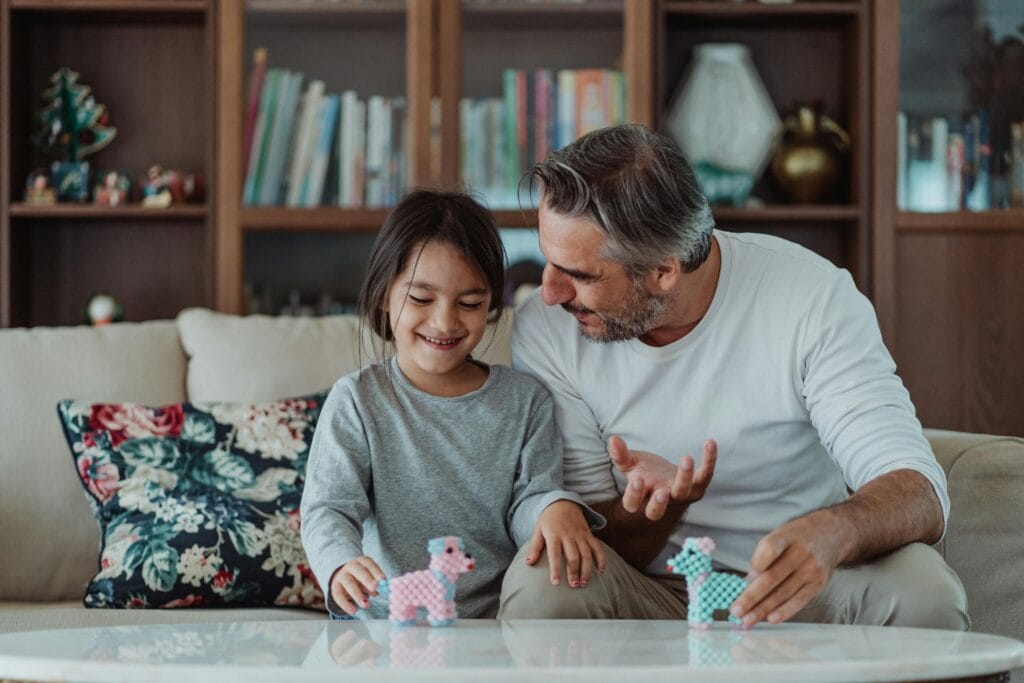
- Cook Together: Teach her simple recipes and kitchen safety. This can also be an opportunity to discuss nutrition and healthy eating habits.
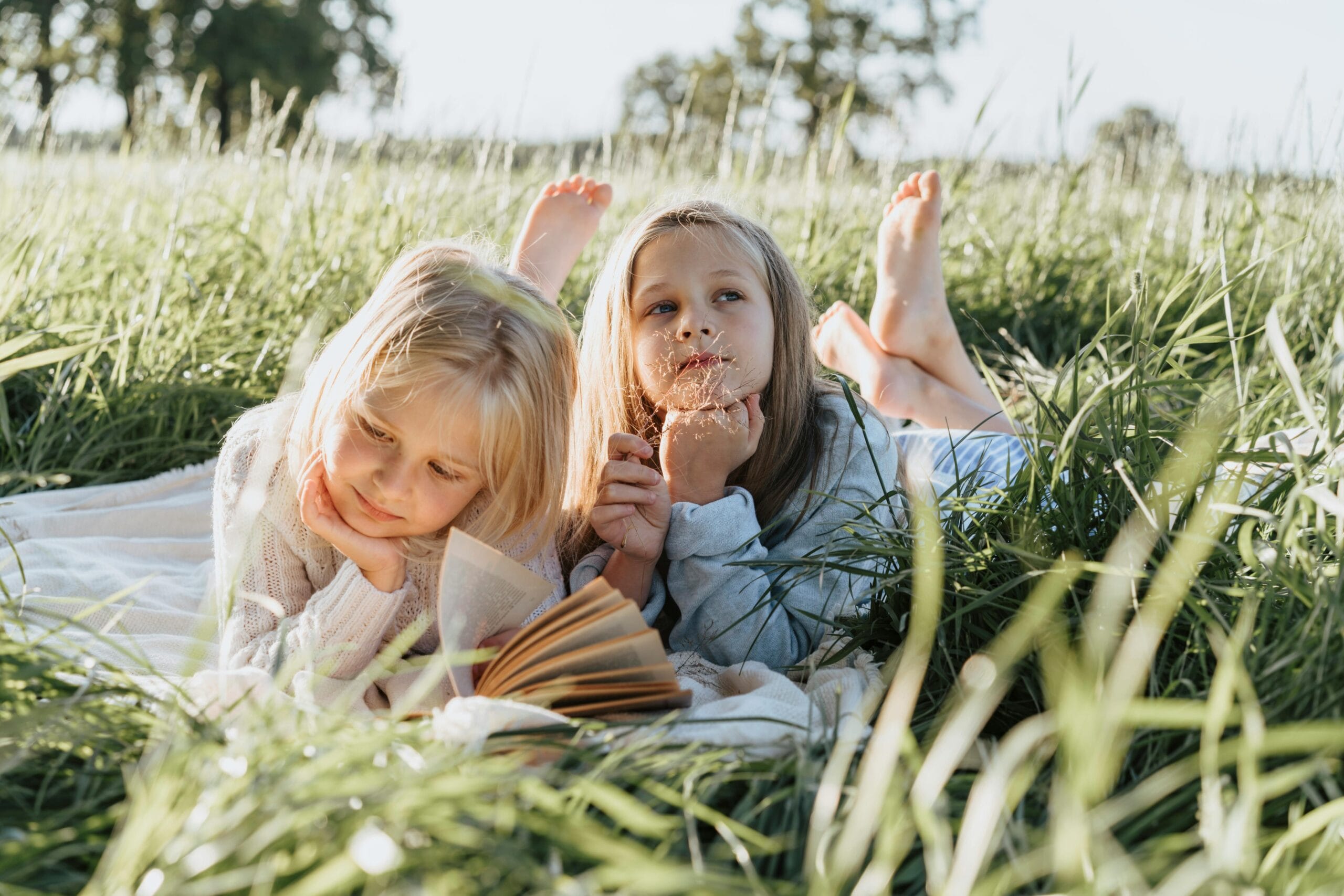
- Start a Book Club: Read the same book and discuss it together. This can improve her reading comprehension and critical thinking skills.
- Get Crafty: Engage in age-appropriate DIY projects or art activities. This can boost creativity and provide a sense of accomplishment.
- Exercise Together: Go for bike rides, hikes, or try a new sport. This promotes physical health and can be a great way to spend quality time together.
- Volunteer: Teach empathy and community involvement through local service projects. This can help develop a sense of social responsibility.
- Game Night: Play board games or card games as a family. This can teach strategy, good sportsmanship, and provide fun bonding time.
- Science Experiments: Conduct simple, safe science experiments at home. This can foster curiosity and an interest in STEM subjects.
- Gardening: Start a small garden or care for houseplants together. This teaches responsibility and provides a connection to nature.
- Music Appreciation: Share your favorite music with each other and discuss why you like it. This can open up conversations about emotions and self-expression.
- Travel Planning: Involve her in planning family trips or outings. This can teach budgeting, geography, and decision-making skills.
Preparing for the Transition to Middle School
As your 10 year old approaches middle school, help her prepare for this significant change:
- Discuss the differences between elementary and middle school
- Visit the new school if possible and attend orientation events
- Help her develop organizational skills for managing multiple classes
- Discuss potential challenges and brainstorm solutions together
- Encourage her to get involved in extracurricular activities
- Talk about making new friends while maintaining old friendships
When to Seek Professional Help
While mood swings and challenges are normal at this age, be aware of signs that might indicate a need for professional support:
- Persistent sadness, anxiety, or irritability lasting more than two weeks
- Sudden changes in behavior, personality, or sleeping patterns
- Significant difficulty in school or with friendships
- Signs of eating disorders or extreme body image issues
- Indications of bullying or being bullied
- Excessive fear or worry that interferes with daily activities
- Talk of self-harm or suicide
- Aggressive behavior or frequent, intense anger outbursts
If you notice any of these signs, don’t hesitate to consult with your child’s pediatrician or a child psychologist. Early intervention can make a significant difference in addressing mental health concerns.
The Importance of Self-Care for Parents
Parenting a 10 year old girl can be emotionally and physically demanding. Remember to take care of yourself:
- Make time for your own hobbies and interests
- Maintain adult friendships and relationships
- Practice stress-management techniques like meditation or exercise
- Seek support from other parents or join a parenting group
- Don’t hesitate to ask for help when you need it
Conclusion
Parenting a 10 year old girl is a rewarding adventure filled with growth, challenges, and precious moments. By providing love, support, and guidance, you can help your daughter navigate this crucial stage of development with confidence and resilience. Remember that every child is unique, so trust your instincts and be flexible in your approach. Celebrate her individuality, nurture her strengths, and provide a safe space for her to explore and grow.
As you guide your daughter through this important phase, keep in mind that your relationship is evolving. Embrace the changes, stay connected, and enjoy the journey of watching your little girl grow into a capable, confident young person.
“To be in your children’s memories tomorrow, you have to be in their lives today.” – Barbara Johnson
By following these guidelines and adapting them to your daughter’s unique needs, you’ll be well-equipped to navigate the joys and challenges of parenting a 10 year old girl. Remember, your love, patience, and guidance are the most valuable gifts you can offer as she grows and develops.
Building Children’s Strength for Healthy Development and Growth
Every child has an incredible reservoir of strength waiting to be tapped into and nurtured. As parents, our role is to guide and support our children in discovering and developing their unique strengths. This comprehensive guide will walk you through various strategies to enhance your child’s strength in all aspects of life, from physical prowess to mental resilience and emotional fortitude.
Key Takeaways:
- Children’s strength encompasses physical, mental, and emotional aspects
- Regular, fun physical activities are crucial for overall strength development
- Mental resilience and emotional intelligence are key components of a child’s inner strength
- Balanced nutrition and adequate rest are foundational to strength-building
- Age-appropriate activities can boost strength at every stage of childhood
- Positive reinforcement and parental support play a vital role in strength development
Table of Contents
Understanding the Multifaceted Nature of Children’s Strength
When we talk about children’s strength, it’s not just about physical abilities. Strength in children manifests in various forms:
- Physical strength: The ability to perform physical tasks, sports, and daily activities with ease
- Mental strength: The capacity to focus, problem-solve, and persist in the face of challenges
- Emotional strength: The skill to understand, express, and manage emotions effectively
- Social strength: The aptitude for forming relationships, communicating, and collaborating with others
- Character strength: The development of values, integrity, and moral courage
Cultivating Physical Strength: Fun and Safe Approaches
Building physical strength in children doesn’t have to be a chore. Here are some engaging ways to get kids moving and growing stronger:
- Playground adventures: Encourage swinging, climbing, and sliding
- Sports participation: Introduce team games or individual activities
- Dance parties: Turn up the music and have a family dance-off
- Yoga for kids: Practice child-friendly yoga poses
- Outdoor explorations: Go hiking, biking, or create backyard obstacle courses
- Bodyweight exercises: Teach simple exercises like push-ups, squats, and lunges in a playful manner
- Active video games: Utilize motion-sensing games that require physical movement
“Physical activity is not just about building muscles; it’s about building confidence, coordination, and a lifelong love for movement.” – Pediatric fitness expert
Fostering Mental and Emotional Strength
Developing inner strength is equally important as physical strength. Here are strategies to build mental and emotional resilience:
- Encourage problem-solving: Present age-appropriate challenges
- Teach positive self-talk: Help children reframe negative thoughts
- Practice mindfulness: Introduce simple meditation or breathing exercises
- Celebrate efforts and progress: Emphasize the importance of trying and improving
- Share personal experiences: Discuss your own challenges and how you overcame them
- Emotional literacy: Help children identify and express their emotions accurately
- Develop coping strategies: Teach healthy ways to deal with disappointment, anger, and frustration
- Encourage curiosity: Foster a love for learning and exploring new ideas
The Strength-Building Power of Play
Play is not just a pastime; it’s a crucial tool for developing various strengths. Here’s how different types of play contribute to a child’s overall strength:
| Type of Play | Strengths Developed |
|---|---|
| Imaginative play | Creativity, problem-solving, emotional expression |
| Physical play | Gross motor skills, coordination, spatial awareness |
| Board games | Strategic thinking, patience, following rules |
| Cooperative games | Teamwork, communication, compromise |
| Building toys | Fine motor skills, spatial reasoning, persistence |
| Role-playing | Empathy, social skills, language development |
| Outdoor play | Risk assessment, environmental awareness, physical endurance |
Nutrition: The Foundation of Children’s Strength
A well-balanced diet is essential for building and maintaining strength in all areas. Focus on providing:
- Lean proteins: For muscle development and repair (e.g., chicken, fish, beans, eggs)
- Colorful fruits and vegetables: For vitamins, minerals, and antioxidants
- Whole grains: For sustained energy (e.g., brown rice, whole wheat bread, oatmeal)
- Healthy fats: For brain development and hormone production (e.g., avocados, nuts, olive oil)
- Calcium-rich foods: For strong bones and teeth (e.g., dairy products, leafy greens)
- Iron-rich foods: For healthy blood and energy levels (e.g., lean meats, spinach, lentils)
- Hydration: Encourage regular water intake throughout the day
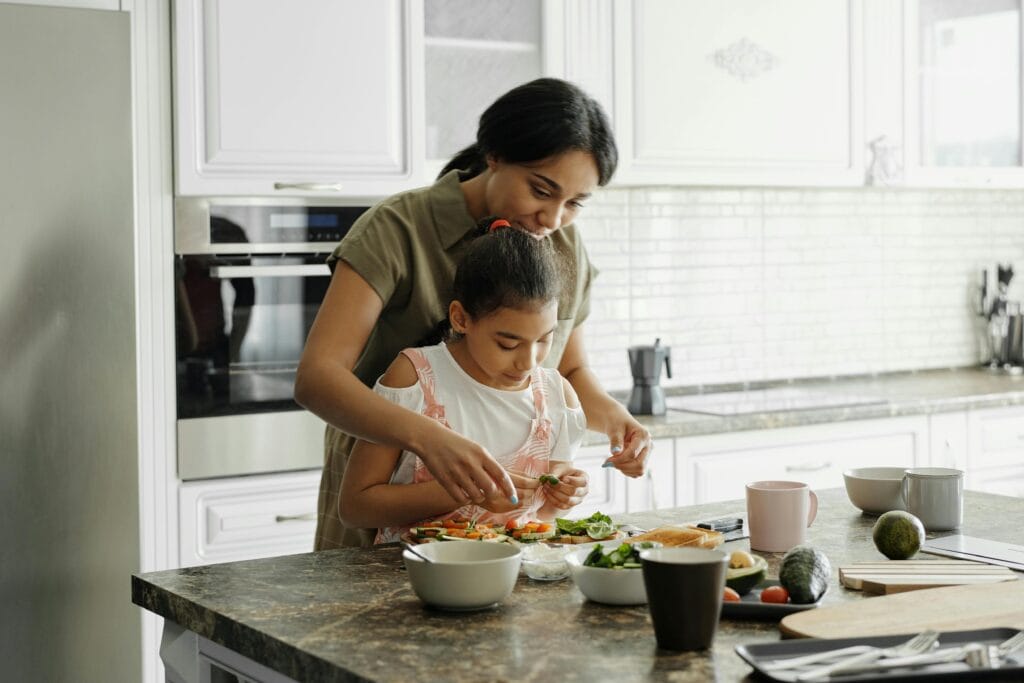
For more information on nutrition for children, check out this guide from the American Academy of Pediatrics.
Age-Appropriate Strength-Building Activities
Tailor strength-building activities to your child’s developmental stage for the best results:
Toddlers (1-3 years)
- Stacking blocks
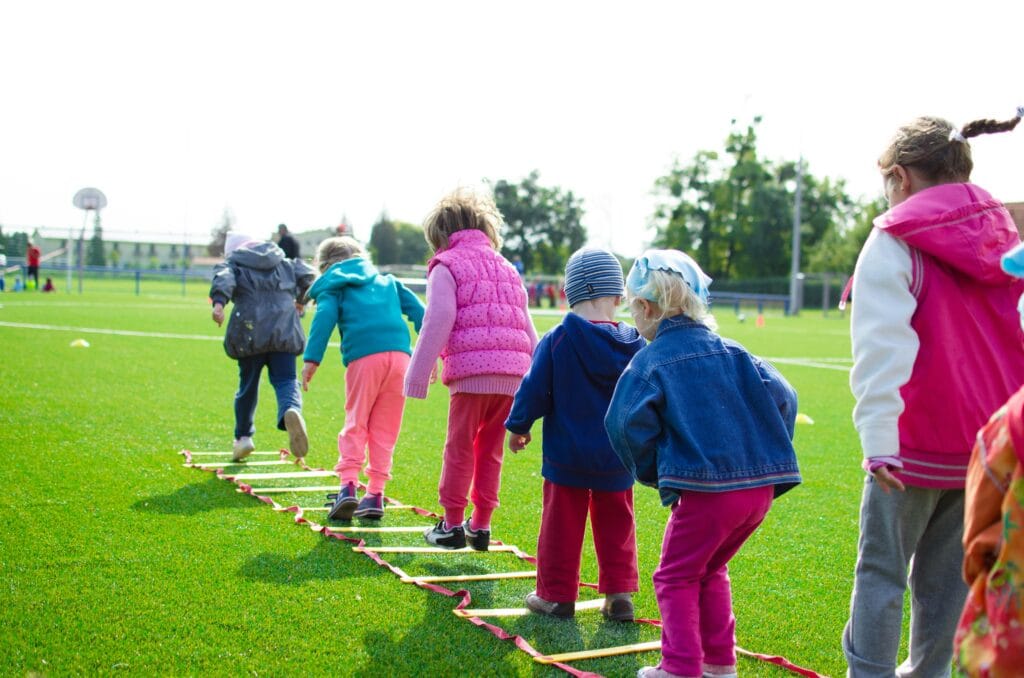
- Simple obstacle courses
- Ball rolling and throwing
Preschoolers (3-5 years)
- Tricycle or balance bike riding
- Animal yoga poses
- Structured playground time
School-age (6-12 years)
- Team sports
- Puzzle-solving challenges
- Supervised strength training
Teens (13+ years)
- Weight training with proper form
- Debate clubs or public speaking
- Volunteer work
The Crucial Role of Rest in Strength Development
Rest and recovery are vital components of building strength. Ensure your child:
- Gets adequate sleep: Follow age-appropriate sleep recommendations
- Has downtime between activities: Allow for unstructured relaxation
- Practices active recovery: Encourage light activities on rest days
- Recognizes fatigue: Teach them to listen to their body’s signals
- Maintains a consistent sleep schedule: Even on weekends and holidays
For more information on the importance of sleep for children, visit the Centers for Disease Control and Prevention website.
Cultivating a Growth Mindset
Foster a growth mindset to help your child view challenges as opportunities for growth:
- Encourage effort over innate ability
- Teach the power of “yet” (e.g., “I can’t do it yet”)
- Model learning from mistakes
- Celebrate the process of improvement
- Introduce inspiring stories of perseverance
“The way we talk about ability and learning can have powerful effects on children’s beliefs about themselves.” – Carol S. Dweck, Psychologist
Conclusion: Empowering Your Child’s Journey to Strength
Building children’s strength is an ongoing process that encompasses physical, mental, and emotional development. By focusing on all aspects of strength and providing a supportive environment, you’re equipping your child with the tools they need to thrive in all areas of life. Remember to:
- Encourage regular, enjoyable physical activity
- Foster mental resilience and problem-solving skills
- Nurture emotional intelligence and self-awareness
- Provide nutritious foods and emphasize the importance of balanced nutrition
- Ensure adequate rest and recovery time
- Celebrate efforts, progress, and the journey of growth
- Model strength and resilience in your own life
With your guidance and support, your child can unlock their inner strength, building a foundation for a healthy, confident, and resilient future. Remember, every child’s journey is unique, so be patient, stay consistent, and enjoy watching your child grow stronger in all ways!
Frequently Asked Questions (FAQ)
Q: At what age can children start strength training?
A: Children can start simple strength-building activities as young as 2-3 years old through play and bodyweight exercises. More structured strength training can begin around 7-8 years old, under proper supervision.
Q: How often should children engage in strength-building activities?
A: Aim for at least 60 minutes of physical activity daily, including strength-building exercises 2-3 times a week. Always ensure there are rest days between strength training sessions.
Q: Can strength training stunt my child’s growth?
A: No, this is a myth. When done properly and under supervision, strength training does not negatively impact growth and can actually support healthy development.
Q: How can I tell if my child is making progress in strength?
A: Look for improvements in everyday activities, increased endurance in play or sports, and the ability to perform exercises with better form or for more repetitions.
Q: What should I do if my child shows no interest in physical activities?
A: Try different activities to find what they enjoy, lead by example, make it fun and not competitive, and consider their interests when choosing activities (e.g., dance for music lovers, nature walks for outdoor enthusiasts).