

5 Secrets About Baby Shampoo Every Parent Should Know for Healthier Hair
Choosing the right baby shampoo is crucial for your little one’s delicate hair and skin. This guide will walk you through everything you need to know about baby shampoo, from its benefits to how to use it properly. Let’s dive in!
Table of Contents
Quick Facts About Baby Shampoo
- Gentle formula: No tears, safe for sensitive skin
- pH-balanced: Matches baby’s natural skin pH
- Hypoallergenic: Reduces risk of allergic reactions
- Multi-purpose: Can be used as body wash too
- Adult-friendly: Mild enough for the whole family
What Makes Baby Shampoo Special?
Baby shampoo is specifically formulated to be gentle on a baby’s sensitive scalp and eyes. Unlike adult shampoos, baby shampoo typically contains:
- Milder cleansing agents
- No harsh chemicals or fragrances
- Added moisturizers
- Tear-free formula
These features make baby shampoo ideal for infants and toddlers who might accidentally get soap in their eyes during bath time.
The Benefits of Using Baby Shampoo
Using a quality baby shampoo offers several advantages:
- Gentle cleansing without stripping natural oils
- Reduced risk of skin irritation or allergic reactions
- Moisturizing properties to prevent dry scalp
- Tear-free formula for stress-free bath time
- Often doubles as a body wash for convenience
According to the American Academy of Dermatology, using a mild, fragrance-free baby shampoo can help prevent skin irritation in infants.

How to Choose the Right Baby Shampoo
When selecting a baby shampoo, consider these factors:
- Ingredients: Look for natural, gentle cleansers
- pH balance: Choose a pH-neutral formula
- Fragrance: Opt for fragrance-free or lightly scented options
- Certifications: Check for dermatologist or pediatrician approvals
- Reviews: Read parent testimonials for real-world experiences
“Always patch test a new baby shampoo on a small area of your baby’s skin before full use to check for any adverse reactions.” – Dr. Emily Chen, Pediatric Dermatologist
How to Use Baby Shampoo Properly
Follow these steps for a safe and effective hair washing routine:
- Wet your baby’s hair with warm water
- Apply a small amount of baby shampoo to your hands
- Gently massage the shampoo into your baby’s scalp
- Rinse thoroughly with warm water
- Pat dry with a soft towel
Remember, babies don’t need to be shampooed daily. Two to three times a week is usually sufficient unless they get particularly dirty.
Baby Shampoo vs. Regular Shampoo
| Feature | Baby Shampoo | Regular Shampoo |
|---|---|---|
| Cleansing Agents | Mild, gentle | Stronger, more effective |
| pH Level | Neutral (around 7) | Slightly acidic (5.5-6.5) |
| Tear-Free Formula | Yes | Usually no |
| Fragrances | None or minimal | Often strong |
| Moisturizing Properties | High | Varies |
Can Adults Use Baby Shampoo?
Yes! Many adults find that baby shampoo works well for them, especially if they have sensitive skin or want a milder hair care routine. Some benefits of adults using baby shampoo include:
- Gentler on the scalp and hair
- Reduced risk of eye irritation
- Often more affordable than specialized adult shampoos
- Suitable for daily use without over-drying
However, adults with oily hair or those who use a lot of styling products may find baby shampoo less effective at deep cleaning.

Natural Alternatives to Commercial Baby Shampoos
If you prefer a more natural approach, consider these alternatives:
- Coconut oil: Moisturizes and has antimicrobial properties
- Aloe vera gel: Soothes and cleanses gently
- Chamomile tea: Calming and good for sensitive skin
- Oatmeal water: Helps relieve dry, itchy scalp
Always consult with your pediatrician before using natural alternatives, as some may not be suitable for all babies.
Common Myths About Baby Shampoo
Let’s debunk some common misconceptions:
- Myth: All baby shampoos are tear-free.
Fact: While many are, always check the label to be sure. - Myth: Baby shampoo can’t clean effectively.
Fact: It cleans well but more gently than adult shampoos. - Myth: Babies need to be shampooed daily.
Fact: 2-3 times a week is usually sufficient. - Myth: Natural ingredients are always better.
Fact: Some natural ingredients can be irritating; always patch test.
Environmental Impact of Baby Shampoo
When choosing the shampoo, consider its environmental impact:
- Look for biodegradable formulas
- Choose products with minimal packaging
- Opt for brands that use recycled materials
- Consider concentrated formulas to reduce plastic waste
The EPA’s Safer Choice program can help you identify environmentally friendly personal care products, including baby shampoos.

Frequently Asked Questions About Baby Shampoos
1. How often should I wash my baby’s hair?
Most babies only need their hair washed 2-3 times a week, unless they get particularly dirty.
2. Can I use baby shampoo on a newborn?
Yes, but for the first month, plain water is usually sufficient. After that, you can introduce a gentle shampoo for babies.
3. Is baby shampoo safe for colored hair?
Generally yes, as it’s gentler than most adult shampoos. However, it may not protect color as well as specialized color-safe shampoos.
4. Can baby shampoo help with cradle cap?
Yes, regular gentle cleansing with baby shampoo can help manage cradle cap. Consult your pediatrician for severe cases.
5. How long can I use shampoos on my child?
You can use baby shampoo as long as it effectively cleans your child’s hair, which may be well into their toddler years or beyond.
Choosing and using the right baby shampoo is an important part of your little one’s care routine. By understanding what makes these products special and how to use them effectively, you can ensure your baby’s hair and scalp stay clean, healthy, and irritation-free. Remember, every baby is unique, so what works for one may not work for another. Don’t hesitate to consult with your pediatrician if you have any concerns about your baby’s hair or scalp health.
6. Can Baby Shampoo Improve Your Baby’s Sleep?
A calming bath with baby shampoo can be an essential part of your baby’s bedtime routine. The warm water and gentle shampoo help relax your baby, signaling that it’s time to wind down for the night. Some shampoos even include calming scents like lavender, which can further promote a peaceful sleep environment. Incorporating a bath before bedtime using the right baby shampoo can make a significant difference in helping your little one drift off more easily and stay asleep longer.

Childhood Dream as a Foundation for Growth and Success
Every child has a childhood dream – a special wish for what they want to be or do when they grow up. These dreams are like magical seeds that can grow into amazing futures! Let’s explore how parents can help nurture these dreams and why they’re so important.
Table of Contents
Quick Facts About Childhood Dreams
- Shape a child’s future goals and ambitions
- Boost creativity and imagination
- Help develop problem-solving skills
- Encourage perseverance and resilience
- Strengthen parent-child bonds through support
Why Childhood Dream Matter
A childhood dreams is more than just a fun idea. It’s a powerful tool for growth and learning. Here’s why dreams are super important:
- Inspiration: Dreams give kids a reason to try hard and learn new things
- Creativity: Imagining the future helps kids think in new, exciting ways
- Confidence: Believing in a dream builds self-esteem
- Goal-setting: Dreams teach kids how to plan and work towards something
- Resilience: Chasing a dream helps kids learn to overcome challenges
According to Psychology Today, childhood dreams can have a lasting impact on a person’s life choices and happiness.
Common Childhood Dream
Kids have all sorts of amazing childhood dreams. Here are some popular ones:
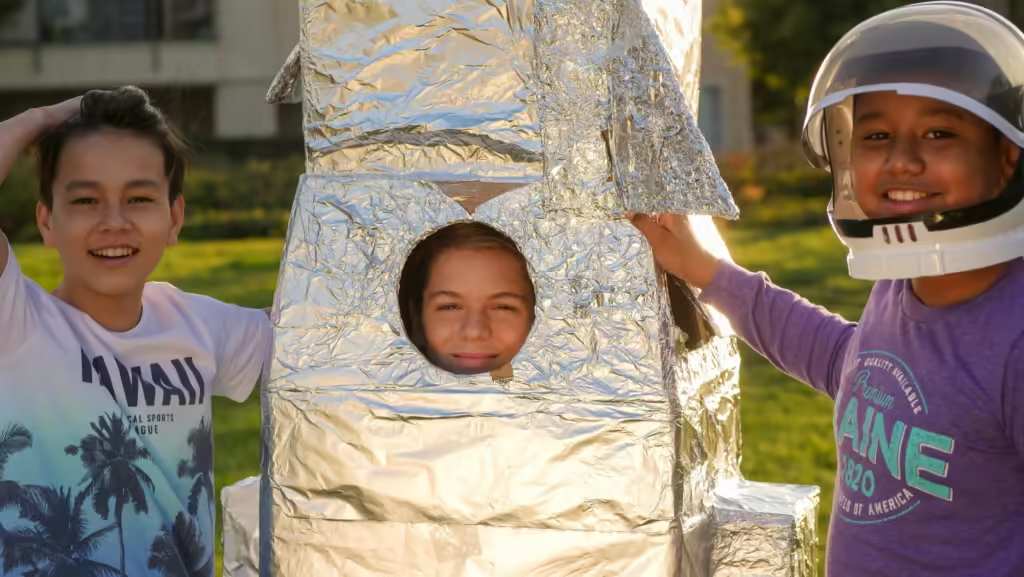
- Becoming an astronaut and exploring space
- Being a doctor and helping sick people
- Becoming a famous singer or actor
- Inventing cool gadgets as a scientist
- Saving animals as a veterinarian
- Writing exciting stories as an author
- Building tall buildings as an architect
- Teaching and inspiring others
How Parents Can Support Childhood Dream
As a parent, you play a big role in helping your child’s dreams grow. Here’s how you can help:
- Listen: Pay attention when your child talks about their dreams
- Encourage: Tell your child you believe in them and their dreams
- Explore: Help your child learn more about their dream job or interest
- Provide resources: Get books, toys, or tools related to their dream
- Set an example: Share your own dreams and how you work towards them
- Be patient: Remember that dreams can change as kids grow
“The future belongs to those who believe in the beauty of their dreams.” – Eleanor Roosevelt
The National Association for the Education of Young Children suggests that supporting a child’s interests can boost their cognitive development and learning motivation.
When Childhood Dream Change
Sometimes, a childhood dream might change. That’s totally okay! Here’s how to handle changing dreams:
- Be flexible: Let your child know it’s fine to change their mind
- Celebrate growth: Changing dreams can mean your child is learning new things
- Keep the passion: Help your child find what they loved about their old dream in their new one
- Learn from changes: Talk about why dreams change and what that teaches us
- Support the journey: Remember, it’s about the growth, not just the end goal
Turning Childhood Dream into Reality
While not every child dream comes true exactly as imagined, many can lead to amazing things. Here’s how to help make dreams more real:

- Set small goals: Break the big dream into little steps
- Practice: Encourage your child to work on skills related to their dream
- Meet role models: Introduce your child to people doing their dream job
- Overcome obstacles: Help your child find ways around problems
- Celebrate progress: Cheer for every small win along the way
Research from the Journal of Vocational Behavior suggests that childhood career aspirations can influence adult career choices and job satisfaction.
Balancing Dreams and Reality
While it’s great to dream big, it’s also important to understand real life. Here’s how to keep a good balance:
- Teach about different jobs: Show that there are many cool careers out there
- Explain effort: Help kids understand that achieving dreams takes hard work
- Discuss backup plans: It’s okay to have more than one dream
- Show value in all work: Every job is important and can be fulfilling
- Encourage trying new things: New experiences can lead to new dreams
The Role of Education in Childhood Dreams
School plays a big part in helping childhood dreams come true. Here’s why education matters:
- Skill building: School teaches important skills for any dream job
- Discovery: Kids can find new interests through different subjects
- Practice: Homework and projects help build work habits
- Guidance: Teachers can offer advice about career paths
- Inspiration: Learning about famous people can spark new dreams
The U.S. Department of Education emphasizes the importance of parent involvement in a child’s education for their future success.
Childhood Dreams and Mental Health
Having dreams is great for a child’s mind and feelings. Here’s how childhood dreams help mental health:
- Boost happiness: Thinking about dreams makes kids feel good
- Build self-esteem: Believing in their dreams helps kids believe in themselves
- Reduce stress: Dreams give a positive focus during tough times
- Encourage hope: Dreams help kids look forward to the future
- Promote resilience: Working towards dreams builds mental toughness
Famous Childhood Dreams Come True
Many successful people started with a big childhood dream. Here are some inspiring examples:
- Walt Disney: Dreamed of making people happy with his drawings
- Astronaut Chris Hadfield: Dreamed of going to space as a young boy
- J.K. Rowling: Dreamed of being a writer since she was 6 years old
- Jane Goodall: Dreamed of working with animals in Africa
- Steven Spielberg: Made movies with his toy train set as a kid
Conclusion
Childhood dreams are precious treasures that can shape a person’s entire life. As parents, we have the amazing job of nurturing these dreams, helping them grow, and watching them transform into real-life adventures. Remember, every big achievement started as a little dream in someone’s heart. By supporting your child’s dreams, you’re not just making their childhood happier – you’re helping build a bright, exciting future!
Frequently Asked Questions about Childhood Dreams
1. What if my child’s dream seems unrealistic?
All dreams start somewhere! Encourage the passion behind the dream. You can gently introduce related, more achievable goals while still supporting their big vision.
2. How can I help my child who doesn’t seem to have a dream?
Expose them to different activities, careers, and role models. Sometimes dreams need a little spark to get started. Encourage curiosity and trying new things.
3. Should I push my child to follow my own childhood dream?
It’s best to let your child develop their own dreams. Share your experiences, but allow them the freedom to choose their own path.
4. What if my child’s dream doesn’t match their talents?
Dreams and skills can both grow with time and practice. Encourage effort and learning. If challenges persist, help them find aspects of their dream that do match their strengths.
5. How do I keep my child motivated when their dream seems far away?
Break the dream into smaller, achievable goals. Celebrate small victories along the way. Remind them that big dreams take time and that the journey itself is valuable.
Childhood Games That Encourage Learning and Family Bonding
Childhood games are more than just fun – they’re super important for growing up happy and healthy! Let’s dive into the world of games and see why they’re so awesome for kids and families.
Table of Contents
Quick Takeaways about Childhood Games
- Boost physical and mental development
- Strengthen family bonds
- Teach important life skills
- Provide screen-free entertainment
- Create lasting memories
Why Childhood Games Matter
Games aren’t just about having a good time (though that’s a big part of it!). They help kids grow in lots of different ways:
- Physical growth: Running, jumping, and playing help make strong, healthy bodies
- Brain power: Games make kids think, solve problems, and be creative
- Friendship skills: Playing together teaches kids how to get along with others
- Emotional smarts: Games help kids understand feelings and learn to control them
- Family fun: Playing together makes families closer and happier
According to the American Academy of Pediatrics, play is so important for kids that doctors call it a basic need – just like food, water, and sleep!
Types of Childhood Games
There are so many fun childhood games to choose from. Here are some different types:
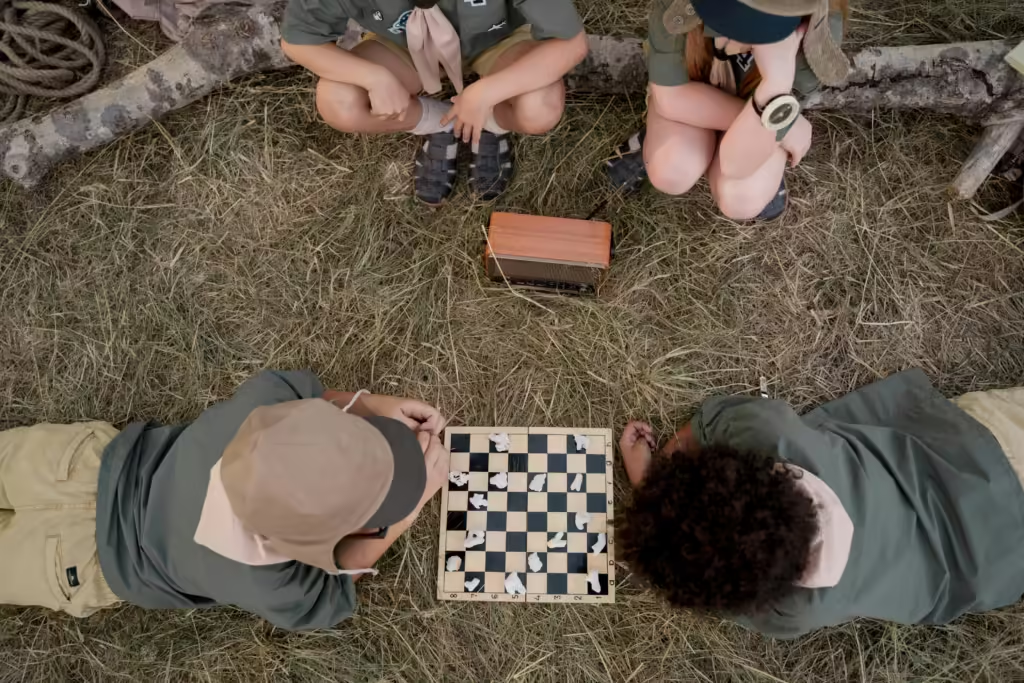
- Board games: Great for thinking and taking turns (like Monopoly Junior or Candy Land)
- Card games: Fun for memory and matching (like Go Fish or Uno)
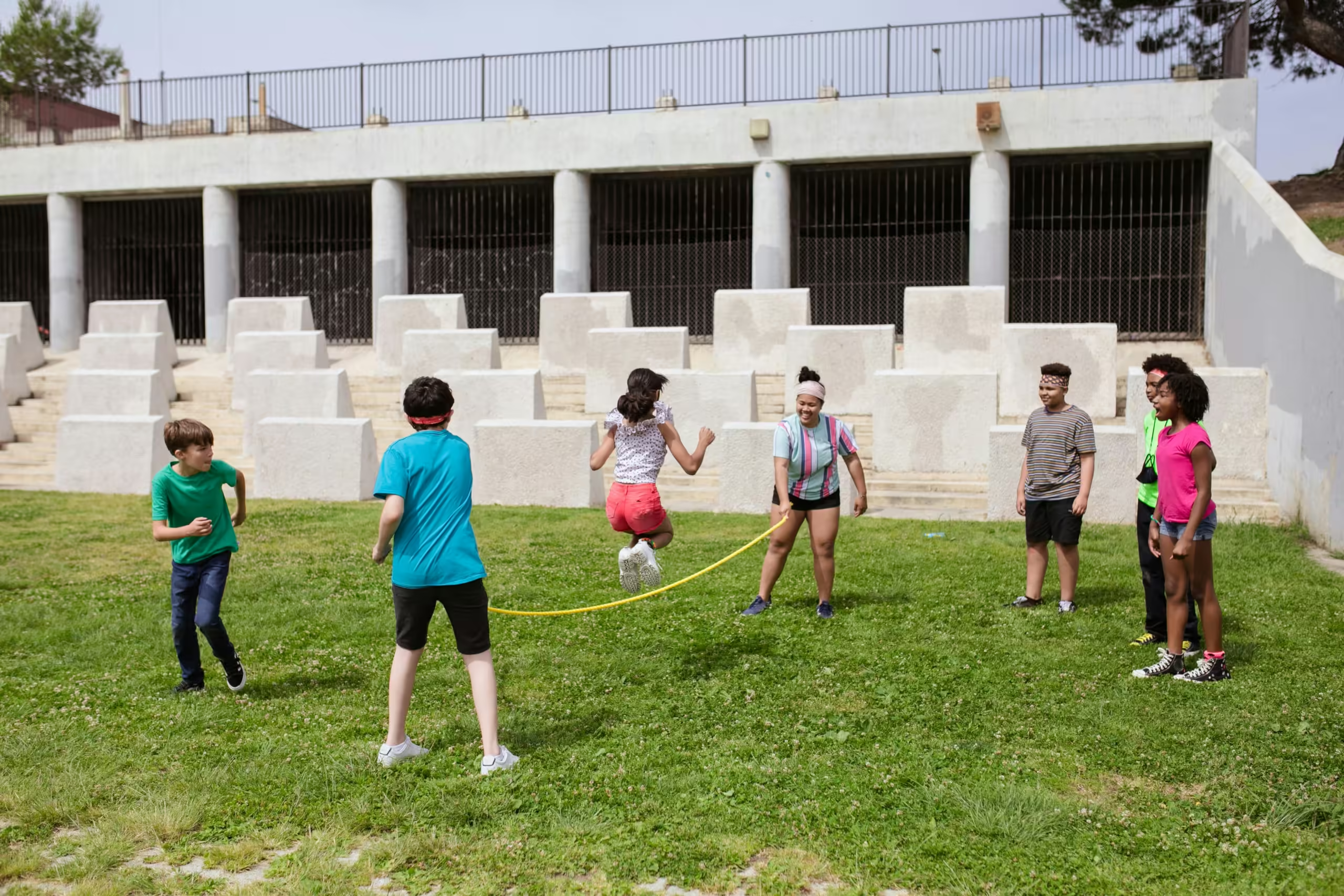
- Active games: Get bodies moving (like Tag or Hide and Seek)
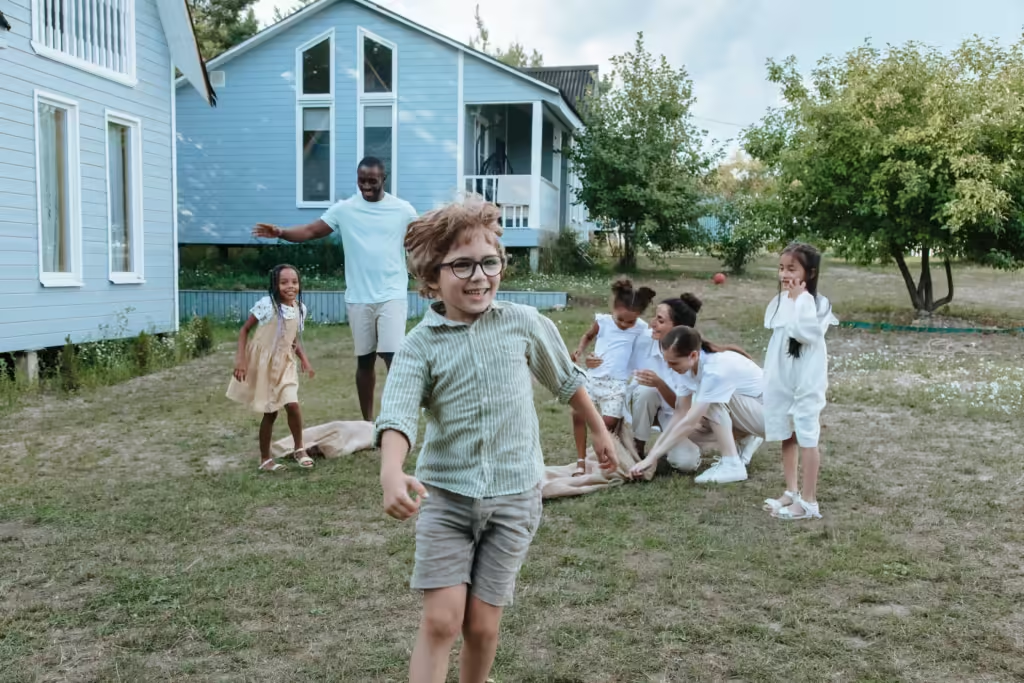
- Pretend play: Use imagination (like playing house or dress-up)
- Building games: Create cool stuff (like with Legos or blocks)
Benefits of Different Childhood Games
Each type of game helps kids learn different things:
| Game Type | What Kids Learn |
|---|---|
| Board Games | Strategy, patience, following rules |
| Card Games | Memory, quick thinking, math skills |
| Active Games | Physical fitness, coordination, teamwork |
| Pretend Play | Creativity, empathy, problem-solving |
| Building Games | Spatial awareness, planning, fine motor skills |
How to Choose the Right Childhood Games
Picking the best games for your family is easy if you follow these tips:
- Age-appropriate: Choose games that match your child’s age and skills
- Interests: Pick games about things your child likes (like animals or sports)
- Family fun: Find games everyone in the family can enjoy together
- Learning goals: Select games that teach skills you want your child to work on
- Variety: Mix it up with different types of games to keep things exciting
The National Association for the Education of Young Children suggests that a mix of different types of play is best for children’s development.
Making Childhood Games a Family Tradition
Playing games together is a great way to bond as a family. Here are some ideas to make it a regular thing:
- Weekly game night: Set aside one night a week for family game time
- Game rotation: Let each family member pick a game to play each week
- Holiday game marathons: Make playing games part of your holiday traditions
- Travel games: Bring small games on trips for fun on the go
- Make your own games: Create family games based on your favorite memories or inside jokes
“Play gives children a chance to practice what they are learning.” – Mr. Rogers
Childhood Games in the Digital Age
With so many video games and apps around, it’s important to balance screen time with other types of play. Here’s how:

- Set screen time limits: Decide how much time kids can spend on digital games
- Choose educational apps: Look for games that teach while they entertain
- Play together: Join in on digital games to make them more social
- Balance with outdoor play: Make sure there’s plenty of active, outdoor game time too
- Use tech for traditional games: Try digital versions of classic board games for a mix of old and new
The World Health Organization recommends that children under 5 should have no more than 1 hour of screen time per day, and less is better.
Creating Your Own Childhood Games
Making up your own games can be super fun! Here’s how to get started:
- Use what you have: Look around the house for game pieces and boards
- Mix and match: Combine rules from different games to make a new one
- Let kids lead: Ask your children for ideas – they’re great at making up games!
- Theme it: Base your game on a favorite book, movie, or family vacation
- Keep it simple: Start with easy rules and add more as you play
Childhood Games for Different Ages
As kids grow, they enjoy different types of games. Here’s a quick guide:
| Age Group | Game Ideas |
|---|---|
| Toddlers (1-3 years) | Peek-a-boo, simple puzzles, ball games |
| Preschoolers (3-5 years) | Memory games, simple board games, dress-up |
| School-age (6-12 years) | Strategy games, team sports, complex board games |
| Teenagers (13+ years) | Word games, video games, outdoor adventure games |
The Lasting Impact of Childhood Games
The games we play as kids stick with us forever. They can:
- Create happy memories: Game time often becomes favorite family stories
- Build lifelong skills: The things we learn from games help us as grown-ups too
- Foster family traditions: Games can be passed down through generations
- Develop hobbies: Childhood games might turn into adult interests or even careers
- Teach life lessons: Games show us how to win, lose, and work together
Research from the Frontiers in Psychology journal shows that play in childhood is linked to better social skills and creativity in adulthood.
Conclusion
Childhood games are a treasure trove of fun, learning, and family bonding. From board games to outdoor play, digital apps to made-up family games, there’s a world of play waiting to be explored. By making games a regular part of family life, you’re giving your kids more than just fun times – you’re helping them grow, learn, and create memories that will last a lifetime. So gather the family, pick a game, and let the fun begin!
Frequently Asked Questions about Childhood Games
1. How much time should kids spend playing games each day?
There’s no one-size-fits-all answer, but aim for at least an hour of active play daily. Balance game time with other activities like homework, chores, and family time.
2. Are video games bad for kids?
Not all video games are bad. Many can be educational and fun. The key is to choose age-appropriate games and set reasonable time limits.
3. What if my child is a sore loser?
It’s normal for kids to dislike losing. Use these moments to teach about good sportsmanship, coping with disappointment, and the joy of playing, win or lose.
4. How can I get my older kids interested in family game night?
Let them choose games, invite their friends, or try more challenging games that appeal to their age group. You could also introduce video game nights for a modern twist.
5. Are educational games as fun as regular games?
Many educational games are designed to be just as fun as other games. The key is finding ones that match your child’s interests and presenting them as fun activities, not as work.
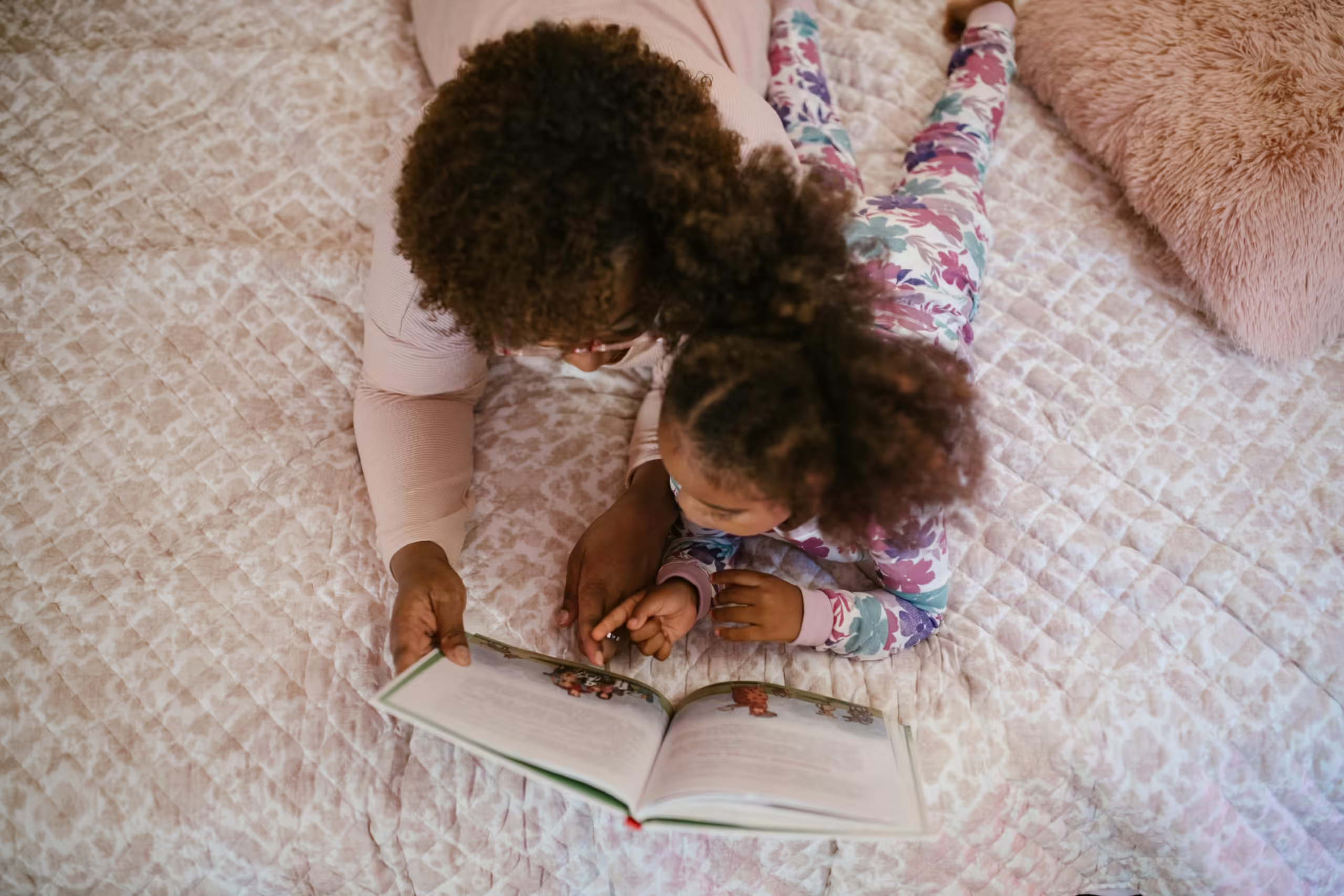
Childhood Stories That Inspire Creativity and Strengthen Bonds
Childhood stories are magical gateways to adventure, learning, and bonding. Whether you’re a parent, grandparent, or caregiver, sharing stories with children can create lasting memories and valuable life lessons. In this article, we’ll explore the wonderful world of childhood stories and how they can enrich your family life.
Table of Contents
Key Takeaways
- Childhood stories boost creativity and language skills
- Storytelling strengthens parent-child relationships
- Stories teach important life lessons and values
- Bedtime stories improve sleep quality for children
- Creating family stories builds lasting memories
The Power of Childhood Stories
Stories have been a part of human culture since ancient times. They help us make sense of the world, share experiences, and pass down wisdom from one generation to the next. For children, stories are especially powerful tools for learning and development.
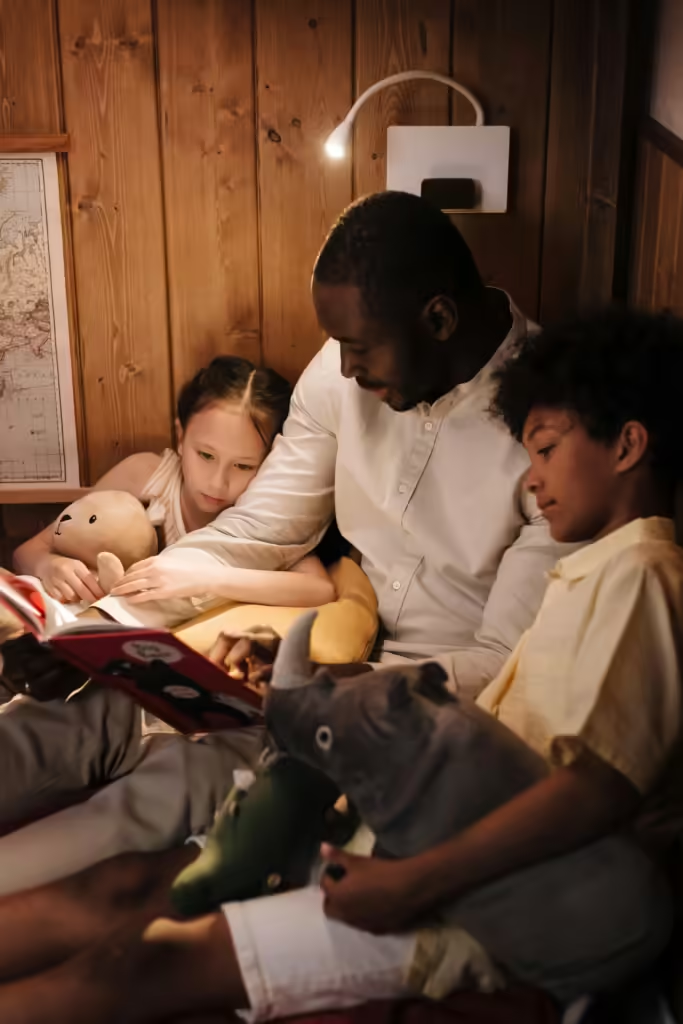
Benefits of Storytelling for Children
- Boosts Imagination: Stories transport children to new worlds, encouraging creative thinking.
- Improves Language Skills: Exposure to rich vocabulary and complex sentence structures enhances linguistic abilities.
- Teaches Empathy: Through characters’ experiences, children learn to understand others’ feelings.
- Builds Concentration: Listening to stories helps improve focus and attention span.
- Strengthens Bonds: Sharing stories creates special moments between parents and children.
According to a study by the Scientific American, storytelling activates brain areas responsible for language processing and emotional experiences, making it a powerful tool for child development.
Types of Childhood Stories
There are many different types of stories you can share with your children. Each type offers unique benefits and experiences:
- Fairy Tales: Classic stories that often teach moral lessons
- Fables: Short stories featuring animals with a clear moral message
- Personal Anecdotes: Real-life experiences that connect generations
- Picture Books: Illustrated stories that combine visual and verbal storytelling
- Chapter Books: Longer stories that develop reading stamina and comprehension
“Stories are light. Light is precious in a world so dark.” – Kate DiCamillo, The Tale of Despereaux
Creating Your Own Childhood Stories
While reading existing stories is wonderful, creating your own family stories can be even more special. Here are some tips to get started:
- Use Everyday Inspiration: Turn simple events into exciting adventures.
- Involve Your Child: Ask them to contribute ideas or choose story elements.
- Add Personal Details: Include family members, pets, or favorite places.
- Use Props: Enhance the storytelling experience with toys or household items.
- Be Consistent: Create recurring characters or themes for a sense of familiarity.
The National Association for the Education of Young Children emphasizes the importance of interactive storytelling in promoting language and literacy skills.
Incorporating Stories into Daily Life
Make childhood stories a regular part of your family routine:
- Bedtime Stories: Wind down the day with a calming tale.
- Car Ride Tales: Turn travel time into story time.
- Mealtime Memories: Share family stories during dinner.
- Weekend Story Hours: Dedicate time for longer storytelling sessions.
- Story-Inspired Play: Act out favorite stories or create new adventures.

The Impact of Technology on Childhood Stories
In today’s digital age, technology can enhance the storytelling experience:
- E-books: Interactive stories with sound and animation
- Storytelling Apps: Tools for creating and sharing digital stories
- Audio Books: Professional narrations for car rides or quiet time
- Video Calls: Long-distance storytelling with faraway family members
While technology can be helpful, it’s important to balance screen time with traditional storytelling methods. The American Academy of Pediatrics recommends prioritizing unplugged, interactive storytelling for young children.
Overcoming Storytelling Challenges
Some parents may feel intimidated by storytelling. Here are some tips to overcome common challenges:
- Start Simple: Begin with short, familiar stories.
- Use Story Prompts: Find inspiration from books or online resources.
- Practice: The more you tell stories, the more comfortable you’ll become.
- Embrace Imperfection: Kids love your stories because they come from you.
- Seek Feedback: Ask your child what they enjoy about your stories.
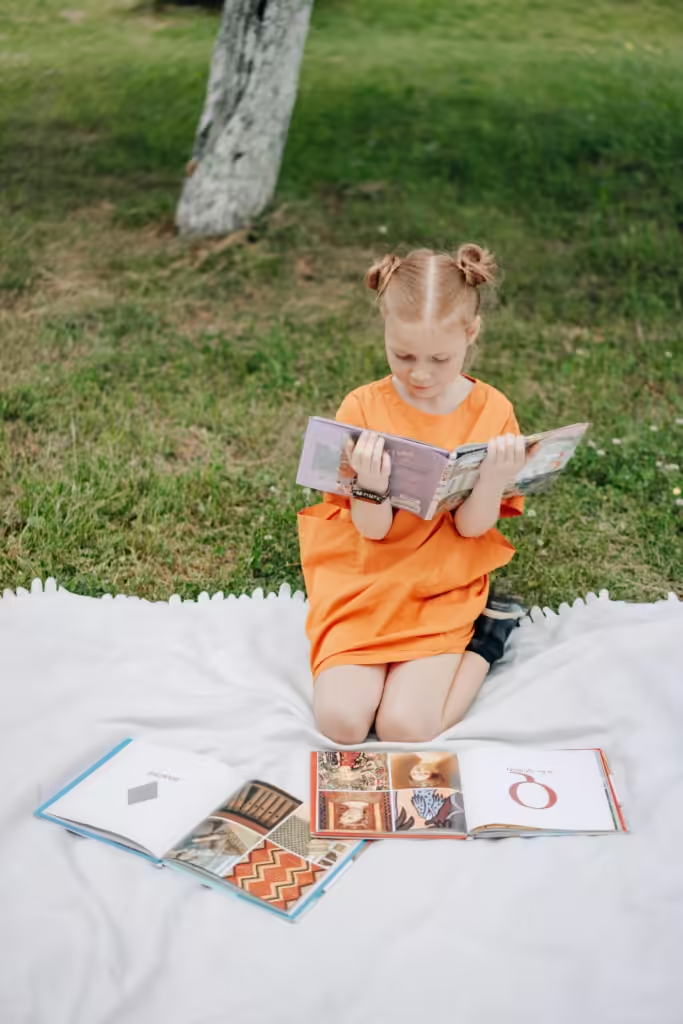
Conclusion
Childhood stories are more than just entertainment – they’re powerful tools for learning, bonding, and creating lasting memories. By incorporating storytelling into your family life, you’re giving your children a gift that will enrich their lives for years to come. So, pick up a book, create a tale, or share a family anecdote today. Your child’s imagination (and your relationship) will thank you!
Frequently Asked Questions
1. How often should I tell stories to my child?
Aim for daily storytelling, even if it’s just for a few minutes. Consistency is key in building a storytelling habit.
2. What if I’m not a good storyteller?
Everyone can be a storyteller! Start with simple stories and build your confidence over time. Your child will love your stories regardless of your perceived skill level.
3. Are digital stories as beneficial as traditional books?
While digital stories can be engaging, traditional books offer benefits like parent-child interaction and reduced screen time. A mix of both can be ideal.
4. How can I make stories more interactive?
Ask questions, use different voices for characters, incorporate actions or sounds, and encourage your child to participate in the storytelling process.
5. What age should I start telling stories to my child?
It’s never too early! Even infants benefit from hearing stories. Adjust the complexity as your child grows.
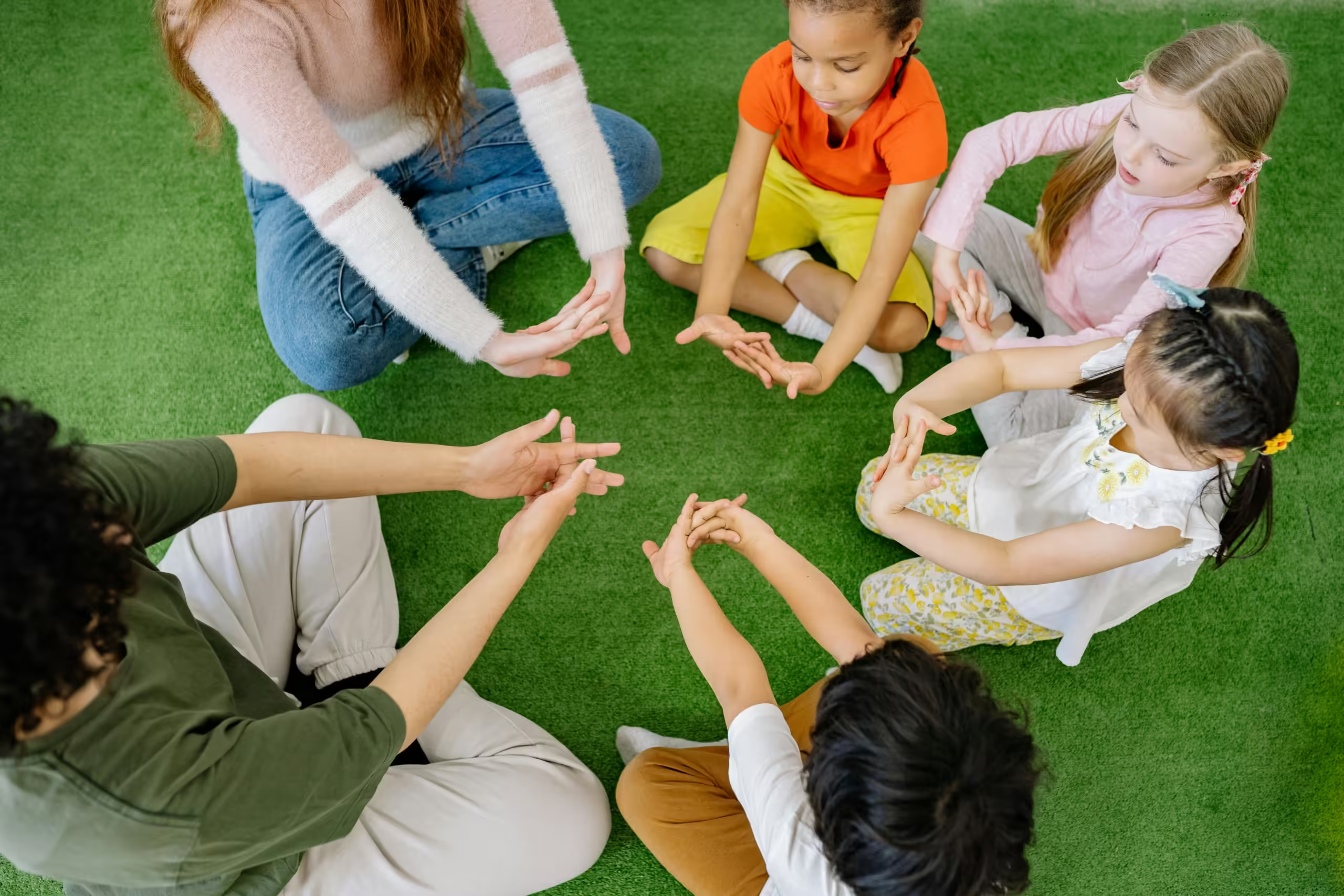
Fun for Childrens with Engaging Activities
When it comes to fun for childrens, the possibilities are endless! Kids love to play, explore, and discover new things. In this article, we’ll dive into awesome activities that will keep children happy, healthy, and learning. Whether you’re a parent, teacher, or caregiver, you’ll find lots of ideas to make every day exciting for the little ones in your life!
Table of Contents
Quick Guide to Fun for Childrens
- Boosts creativity and imagination
- Improves physical and mental health
- Enhances social skills and teamwork
- Promotes learning through play
- Strengthens family bonds
Why Fun for Childrens is So Important
Fun for childrens isn’t just about having a good time – it’s super important for growing up happy and healthy! Here’s why:
- Learning Through Play: Kids learn best when they’re having fun
- Staying Active: Fun activities keep kids moving and healthy
- Being Creative: Play time lets kids use their imagination
- Making Friends: Fun activities help kids learn to get along with others
- Feeling Happy: Having fun helps kids feel good and less stressed
According to the American Academy of Pediatrics, play is so important for children’s development that it’s considered a basic need, just like good nutrition and sleep!
Outdoor Fun for Childrens
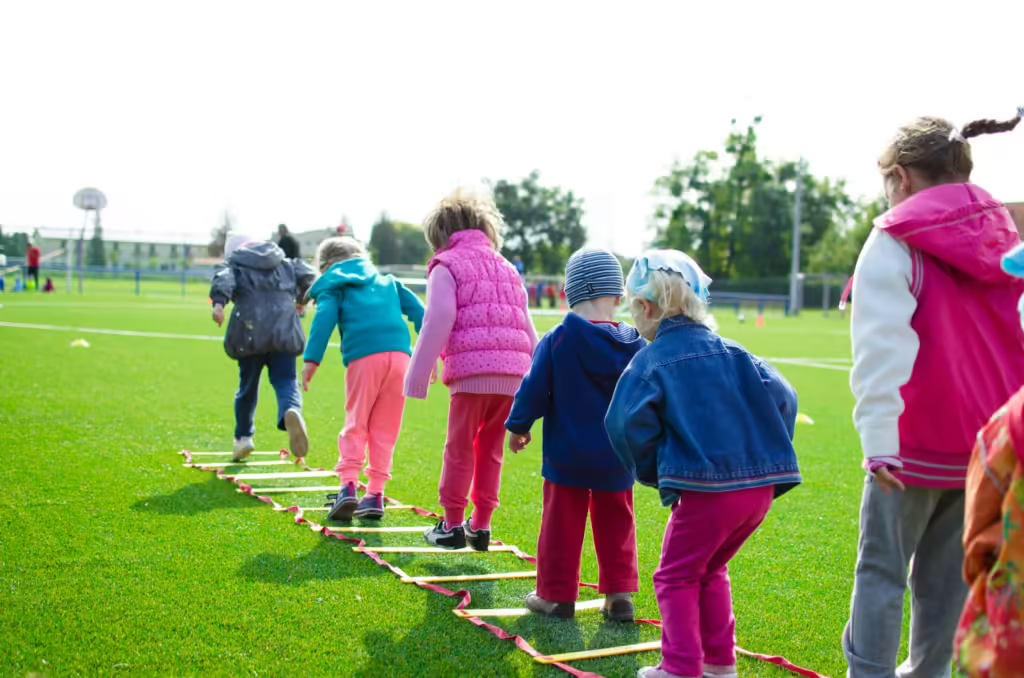
Getting outside is a great way to have fun for childrens. Fresh air and sunshine make everything more exciting! Here are some awesome outdoor activities:
- Treasure Hunt: Hide small toys or treats in the yard for kids to find
- Bubble Bonanza: Make giant bubbles with homemade bubble solution
- Nature Walk: Explore parks or trails and spot different plants and animals
- Sidewalk Chalk Art: Turn the driveway into a colorful masterpiece
- Obstacle Course: Create a fun course with hula hoops, jump ropes, and more
- Water Play: Set up a sprinkler or have a water balloon toss on hot days
Indoor Fun for Childrens
Rainy days or cold weather? No problem! There’s plenty of fun for childrens to be had indoors:
- Fort Building: Use blankets and furniture to create cozy hideouts
- Dance Party: Put on some music and have a family dance-off
- Arts and Crafts: Get creative with painting, drawing, or making collages
- Indoor Scavenger Hunt: Make a list of household items for kids to find
- Puppet Show: Create puppets from socks or paper bags and put on a show
- Science Experiments: Try simple, safe experiments like making slime or a volcano
“Play is our brain’s favorite way of learning.” – Diane Ackerman
The National Association for the Education of Young Children emphasizes that play-based learning is crucial for developing problem-solving skills and creativity in children.
Educational Fun for Children
Learning can be a blast! Here are some fun for children activities that sneak in some education:
- Cooking Together: Teach math and science while making yummy treats
- Story Time: Read books together and act out favorite scenes
- Board Games: Play games that teach strategy, math, or language skills
- Garden Project: Plant seeds and learn about nature as you watch them grow
- DIY Musical Instruments: Make instruments from household items and learn about sound
- Map Adventure: Draw a map of your neighborhood and go exploring
Tech-Savvy Fun for Children
In today’s world, technology can offer amazing fun for childrens when used wisely:

- Educational Apps: Find apps that make learning fun and interactive
- Virtual Museum Tours: Explore famous museums from home
- Family Video Calls: Connect with far-away family members for virtual playdates
- Digital Storytelling: Use apps to create and illustrate your own stories
- Coding for Kids: Try kid-friendly coding games and activities
- Active Video Games: Play games that get kids moving and dancing
While technology can be fun, it’s important to balance screen time with other activities. The World Health Organization recommends limiting screen time for young children and ensuring plenty of active play.
Social Fun for Children
Playing with others is a great way to have fun for children and learn important social skills:
- Playdates: Invite friends over for structured play activities
- Team Sports: Join local sports leagues or set up friendly neighborhood games
- Group Art Projects: Work together on a big painting or craft
- Volunteer Activities: Help others as a family, like at an animal shelter or food bank
- Cultural Festivals: Attend community events to learn about different cultures
- Game Nights: Host regular family game nights with board games or charades

Quiet Fun for Children
Sometimes, calm activities are the best fun for children. Try these relaxing ideas:
- Yoga for Kids: Learn simple, fun yoga poses together
- Puzzles: Work on jigsaw puzzles or solve riddles
- Coloring: Use coloring books or free-draw with crayons and markers
- Nature Journaling: Observe and draw plants or animals in a special notebook
- Mindfulness Games: Practice simple meditation or breathing exercises
- Sensory Bins: Create touch-and-feel bins with sand, beans, or water beads
Seasonal Fun for Children
Each season brings unique opportunities for fun for children:
- Spring: Plant flowers, fly kites, or go on nature walks
- Summer: Have water balloon fights, go camping, or stargaze
- Fall: Jump in leaf piles, go apple picking, or carve pumpkins
- Winter: Build snowmen, go sledding, or make paper snowflakes
Budget-Friendly Fun for Children
You don’t need to spend a lot of money to have fun for children. Try these cost-free ideas:
- Cardboard Box Creations: Turn boxes into cars, houses, or rockets
- Homemade Playdough: Make your own dough with kitchen ingredients
- Paper Airplane Contest: See whose plane flies the farthest
- Shadow Puppets: Create stories with hand shadows on the wall
- Library Visits: Borrow books, attend free events, or join reading clubs
- Backyard Camping: Set up a tent and have a family campout at home
The Zero to Three organization offers many ideas for simple, low-cost activities that support child development through play.
Conclusion
Fun for children is all around us! With a little creativity and enthusiasm, every day can be an adventure. Whether you’re exploring outdoors, creating art, playing games, or learning new things, the most important part is spending quality time together. Remember, the simplest activities often create the best memories. So get out there, try new things, and have a blast with the kids in your life!
Frequently Asked Questions about Fun for Children
1. How much time should kids spend playing each day?
Kids should have plenty of playtime every day. The American Academy of Pediatrics suggests at least 1 hour of active play daily for children, but more is even better!
2. What if my child gets bored easily?
It’s okay for kids to be bored sometimes – it can spark creativity! Offer a few activity choices, but also encourage them to come up with their own ideas for fun.
3. How can I make learning more fun for my child?
Turn lessons into games, use hands-on activities, and follow your child’s interests. When kids are having fun, they often don’t even realize they’re learning!
4. Is it important for children to have both structured and unstructured play?
Yes! Structured activities teach skills and rules, while free play encourages creativity and independence. A mix of both is great for balanced development.
5. How can I encourage my child to play outdoors more?
Make outdoor time a regular part of your routine. Join your child outside, provide outdoor toys, and plan exciting outdoor activities to spark their interest in nature and active play.

Where Should You Raise Your Children? A Complete Guide for Parents
Hey there, parents and soon-to-be parents! Are you wondering about where Should You Raise Your Children? It’s a big decision, right? Don’t worry, we’ve got you covered! This guide will help you figure out where you should raise your children. We’ll look at all the important stuff you need to think about to make the best choice for your family.
Key Takeaways:
- Safety and low crime rates are top priorities
- Quality of schools greatly impacts children’s future
- Access to nature and outdoor activities promotes health
- Strong community ties support family well-being
- Cost of living affects family finances and opportunities
- Cultural diversity enriches children’s worldview
Why Location Matters for Raising Children
Where you raise your children can make a big difference in their lives. It’s not just about having a nice house – it’s about the whole neighborhood, the town, and even the country! Let’s dive into why picking the right place is so important.
“It takes a village to raise a child.” – African Proverb
Top Factors to Consider When Choosing Where to Raise Your Children
- Safety First!
- Great Schools
- Fun Things to Do
- Friendly Neighbors
- Clean Environment
- Job Opportunities for Parents
- Affordable Living
1. Safety First!
When thinking about where to raise your children, safety should be at the top of your list. Here’s what to look for:
- Low crime rates
- Well-lit streets
- Active neighborhood watch programs
- Quick response times from police and fire departments
You want your kids to be able to play outside and walk to school without worrying. A safe neighborhood gives children the freedom to explore and grow.
2. Great Schools
Good schools are super important for your children’s future. When checking out schools, consider:
- Test scores and graduation rates
- Variety of subjects and after-school activities
- Qualified and caring teachers
- Small class sizes
- Modern facilities and technology
Remember, great schools don’t just teach math and reading. They help kids become well-rounded, confident, and ready for the future!
3. Fun Things to Do
Kids need places to play, learn, and have fun. Look for areas with:
- Parks and playgrounds
- Libraries
- Museums
- Sports facilities
- Art centers
These places give children chances to make friends, try new things, and discover what they love to do.
4. Friendly Neighbors
A supportive community makes raising children easier and more enjoyable. Great neighborhoods have:
- Community events and festivals
- Active parent groups
- Welcoming attitudes towards new families
- Diverse populations
When neighbors look out for each other, it creates a safe and happy environment for kids to grow up in.
5. Clean Environment
A healthy environment is crucial for growing children. Look for places with:
- Clean air and water
- Lots of green spaces
- Good recycling programs
- Low pollution levels
Living in a clean, green area teaches kids to care for the planet and helps keep them healthy.
6. Job Opportunities for Parents
Happy parents make for happy kids! Consider areas with:
- Strong job markets
- Various industries
- Opportunities for career growth
- Family-friendly work policies
When parents have good job options, it can mean more stability and opportunities for the whole family.
7. Affordable Living
Raising kids can be expensive! Look for places where your money goes further:
- Reasonable housing costs
- Affordable groceries and everyday items
- Free or low-cost family activities
- Good public transportation (to save on car costs)
When basic living costs are lower, you can spend more on fun family activities and saving for the future.
Urban, Suburban, or Rural: Which is Best for Raising Children?
Each type of area has its own good points. Let’s compare them:
| Urban | Suburban | Rural |
|---|---|---|
| Lots of culture and diversity Many job opportunities Great public transportation | More space and quieter Often better schools Family-friendly neighborhoods | Closer to nature Tight-knit communities Lower cost of living |
The best choice depends on what’s most important to your family. Some families love the excitement of the city, while others prefer the peace of the countryside.
Top 10 Family-Friendly Countries to Raise Children
If you’re thinking about moving to a different country, here are some great options:
- Denmark – Known for excellent work-life balance and free education
- Sweden – Offers generous parental leave and outdoor-focused lifestyle
- Norway – Has high safety ratings and beautiful nature
- Finland – Famous for its world-class education system
- Netherlands – Bike-friendly cities and emphasis on children’s happiness
- New Zealand – Offers a laid-back lifestyle and stunning landscapes
- Canada – Known for its multiculturalism and excellent healthcare
- Australia – Has a great climate and outdoor-oriented culture
- Germany – Provides strong social support and rich history
- Japan – Offers high safety, excellent education, and unique cultural experiences
Making the Decision: Where Should You Raise Your Children?
Now that you know what to look for, how do you make the final decision? Here are some steps to help:
- Make a family wish list: Write down what each family member wants in a place to live.
- Research potential areas: Look online, read local news, and check out family forums.
- Visit if possible: Nothing beats seeing a place in person!
- Talk to locals: Ask families already living there about their experiences.
- Consider your budget: Make sure you can afford to live comfortably in the area.
- Think long-term: Will this place be good for your family as the kids grow up?
- Trust your gut: Sometimes a place just feels right for your family.
Adapting to a New Place: Tips for Families
Once you’ve chosen where to raise your children, here are some tips to help your family settle in:
- Get involved in the community: Join local groups or volunteer.
- Explore together: Make it an adventure to discover your new home as a family.
- Stay connected with old friends: Use video calls to keep in touch with loved ones.
- Be patient: It takes time to feel at home in a new place.
- Create new family traditions: Start fun routines that celebrate your new home.
Remember: Home is Where the Heart Is
In the end, the best place to raise your children is where your family feels happy, safe, and loved. Every place has its good points and challenges. What matters most is that you’re together and making the most of wherever you are.
“The greatest legacy we can leave our children is happy memories.” – Og Mandino
Conclusion: Your Family’s Adventure Awaits!
Choosing where to raise your children is a big decision, but it’s also an exciting one! Think about what matters most to your family, do your research, and trust your instincts. Whether you end up in a busy city, a quiet suburb, or a rural town, the most important thing is that you’re creating a loving home for your children.
Remember, every family is unique, and there’s no one-size-fits-all answer to where you should raise your children. The perfect place for your family might be different from someone else’s. What matters most is that you’re making the decision together and with love.
So, where will your family’s next chapter begin? Wherever you choose, may it be filled with love, laughter, and lots of wonderful memories!

What Are Your Child’s Strengths? Discover and Nurture Their Hidden Talents
Hey there, awesome parents! Have you ever wondered, “What are your child’s strengths?” Well, you’re in the right place! Every kid is like a superhero with special powers. Some are great at math, others are amazing artists, and some are super kind friends. Today, we’re going on an adventure to find out what makes your child shine!
Quick Guide: Spotting Your Child’s Superpowers
- Look for activities they enjoy and excel at
- Notice what they do in their free time
- Listen to what teachers and coaches say about them
- Watch how they solve problems
- Pay attention to their unique way of thinking
- Observe how they interact with others
Why Finding Your Child’s Strengths is Super Important
Knowing what your child is good at is like having a secret map to help them grow up happy and successful. Here’s why it’s so awesome:
- It makes your child feel confident and proud
- It helps them do better in school
- It can show what jobs they might like when they grow up
- It makes learning new things more fun
“Everybody is a genius. But if you judge a fish by its ability to climb a tree, it will live its whole life believing that it is stupid.” – Albert Einstein
Different Types of Strengths: Your Child’s Superpowers
Just like how superheroes have different powers, kids have different strengths. Let’s look at some types:
- Brain Power: Good at solving puzzles, remembering facts, or understanding tricky ideas
- People Power: Making friends easily, helping others feel better, working well in teams
- Body Power: Great at sports, dancing, or building things
- Creative Power: Awesome at drawing, making music, or coming up with new ideas
- Nature Power: Understanding animals and plants, caring for the environment
- Word Power: Good at telling stories, learning languages, or explaining things
- Focus Power: Able to concentrate for a long time, plan ahead, or stay organized
How to Spot Your Child’s Strengths: Become a Strength Detective!
Now, let’s play detective and look for clues about your child’s strengths. Here are some fun ways to do it:
1. Watch What They Love to Do
What does your child do when they have free time? Do they grab a book, start drawing, or run outside to play? These are big clues!
2. Listen to Their Excited Stories
When your child talks about their day, what makes them most excited? That might be one of their strengths!
3. Notice What Comes Easy to Them
Is there something your child learns super quickly or does without much help? That could be a strength!
4. Ask Their Teachers and Coaches
Sometimes, other grown-ups notice things we don’t. Ask what your child is good at in school or during activities.
5. Try New Things Together
Explore different activities with your child. You might discover a hidden talent!
A Fun Checklist: What Are Your Child’s Strengths?
Let’s play a game! Check off the things that sound like your child:
- □ Loves to read and learn new facts
- □ Great at making friends
- □ Enjoys solving puzzles
- □ Always drawing or creating
- □ Very good at sports
- □ Cares deeply about others’ feelings
- □ Good at explaining things
- □ Notices tiny details others miss
- □ Loves being in nature
- □ Can focus on tasks for a long time
- □ Comes up with unique ideas
- □ Remembers information easily
- □ Natural leader in group activities
- □ Enjoys building or fixing things
- □ Good at staying calm when things get tough
Helping Your Child’s Strengths Grow: Be Their Cheerleader!
Once you know what your child is good at, you can help them get even better! Here are some ideas:
1. Cheer Them On
Tell your child when you notice them using their strengths. It’s like giving their confidence a big high-five!
2. Give Them Chances to Practice
If your child loves art, make sure they have art supplies. If they’re into science, try fun experiments at home.
3. Help Them When Things Get Hard
Even when using their strengths, kids sometimes face challenges. Encourage them to keep trying!
4. Find Others Who Share Their Interests
Look for clubs or classes where your child can meet kids who like the same things.
5. Set Fun Challenges
Give your child tasks that use their strengths but are a little bit harder than what they usually do.
Balancing Act: Strengths and New Skills
While it’s great to focus on what your child is good at, it’s also important to help them try new things. Here’s why:
- They might discover new strengths
- It teaches them it’s okay to not be perfect at everything
- Learning new things makes their brain stronger
- It helps them become a well-rounded person
What If You’re Not Sure About Your Child’s Strengths?
Don’t worry if you’re scratching your head thinking, “What are your child’s strengths?” Sometimes it takes time to figure out. Here are some tips:
- Be patient: Strengths can take time to show up clearly.
- Keep exploring: Try lots of different activities and see what your child enjoys.
- Talk to your child: Ask them what they like doing most and why.
- Remember all strengths count: Being kind is just as important as being good at math!
Turning Strengths into Future Success
Knowing your child’s strengths can help them in the future. Here’s how:
- School subjects: They might enjoy classes that use their strengths.
- After-school activities: Choose clubs or sports that match their talents.
- Solving problems: They can use their strengths to overcome challenges.
- Future jobs: Their strengths might point to careers they’d love when they grow up.
Make It a Family Adventure: Strength Spotting Together
Why not make finding strengths a fun family game? Here are some ideas:
- Strength of the Week: Each week, try to notice and cheer for a different strength in each family member.
- Family Talent Show: Have a fun night where everyone shows off their unique abilities.
- Strength Jar: Write down strengths you notice in each other and put them in a jar. Read them together for a happiness boost!
- Strength Scavenger Hunt: Make a list of different strengths and see how many you can “find” in each other over a week.
When Strengths Become Challenges
Sometimes, being really good at something can also be tricky. For example:
- A super creative child might get bored with routine tasks.
- A child who’s great at sports might feel pressure to always win.
- A very smart kid might rush through work and make silly mistakes.
If you notice this happening, talk to your child about finding a balance and using their strengths in positive ways.
Celebrating All Kinds of Strengths
Remember, every child is special, and all strengths are important. Whether your child is a math wizard, a kind friend, or an amazing dancer, their strengths make them unique. Celebrate all the different strengths in your family and community!
“Strength lies in differences, not in similarities” – Stephen Covey
Wrapping Up: Your Child’s Strength Journey
Finding out “What are your child’s strengths?” is like going on an exciting treasure hunt. It’s all about discovering what makes your child special, helping them feel confident, and giving them tools to shine in their own way. Remember, this is an ongoing adventure – strengths can grow and change as your child gets older.
By paying attention to what your child loves and does well, giving them chances to use their strengths, and cheering them on, you’re helping them build a strong foundation for a happy future. You’re not just finding out what your child’s strengths are; you’re helping them become the best version of themselves!
Keep your eyes open, stay curious, and enjoy watching your child’s strengths bloom. The world needs all kinds of strengths, and your child has their own special gifts to share!
What amazing strengths have you noticed in your child? How do you help them grow these strengths? Share your stories and tips with other parents in the comments below!

Spark Creativity With These Delightful Children’s Story Ideas for Parents
Quick Guide: Creating Magical Stories with Your Kids
- 🌟 Use everyday objects as story starters
- 🌈 Combine different animals or characters
- 🌍 Explore new worlds in your own backyard
- 🎭 Let your child be the hero of their own tale
- 📚 Turn bedtime into a creative storytelling adventure
Why Children’s Story Ideas Matter
Storytelling is like magic for kids’ brains. It helps them learn, dream, and grow. When you share story ideas with your children, you’re not just having fun – you’re helping them become smarter and more creative!
“Stories are the creative conversion of life itself into a more powerful, clearer, more meaningful experience.” – Robert McKee
Getting Started: Simple Story Starters
Sometimes, the hardest part is figuring out where to begin. Here are some easy ways to kick off your storytelling adventure:
Everyday Objects
- A talking toothbrush
- A magical pair of socks
- A teddy bear that comes to life at night
- A bicycle that can fly
Silly Characters
- A clumsy superhero
- A dragon who’s afraid of fire
- A robot learning to be human
- A pirate who gets seasick
5 Fun Story Ideas to Try Tonight
- The Magical Mix-up: What if your child woke up one day with a superpower, but it was a silly one? Maybe they can talk to socks or turn anything they touch into jelly!
- The Backyard Adventure: Imagine the garden is actually a jungle full of talking animals. What kind of adventure would your child have?
- The Time-Traveling Toy: Pick your child’s favorite toy. What if it could take them to any time in history? Where would they go?
- The Upside-Down Day: Everything is backwards! Kids go to work, grown-ups go to school. What funny things would happen?
- The Kindness Quest: Your child is on a mission to spread kindness. What good deeds do they do, and how do they change their town?

How to Build Your Story: A Simple Guide
Creating a story is like building with blocks. Here are the pieces you need:
- Characters: Who is in the story? What are they like?
- Setting: Where does the story happen? Is it real or made-up?
- Problem: What goes wrong or what does the character want?
- Events: What happens in the story?
- Solution: How does it all work out in the end?
Making Stories Interactive: Get Your Kids Involved!
Stories are more fun when everyone joins in. Try these ideas to make storytelling a family activity:
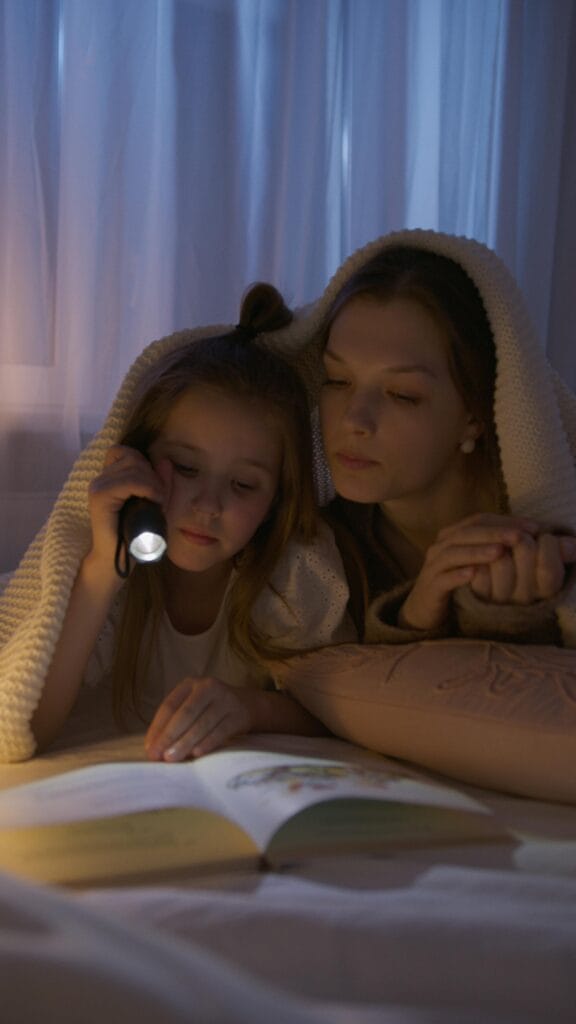
Story Circle Game
- Sit in a circle with your family
- One person starts the story with a sentence
- Go around the circle, each adding a sentence
- Keep going until you have a complete story
- Try to make each other laugh!
Story Dice or Cards
You can buy special story dice or cards, or make your own! Write different words on pieces of paper and put them in a hat. Draw a few and use those words to start your story.
Draw Your Tale
As you tell the story, have your child draw pictures of what’s happening. By the end, you’ll have a homemade storybook!
Themes That Kids Love
Some ideas are always a hit with children. Here are popular themes to spark your storytelling:
- 🦸♀️ Superheroes and magic powers
- 🌳 Adventures in nature
- 🚀 Space exploration
- 🏰 Fairy tales and fantasy worlds
- 🐾 Animals with human traits
- 🕵️♂️ Mysteries and treasure hunts
- 🤖 Robots and future technology
- 👫 Friendship and teamwork
Adding Details: Bring Your Story to Life
The little things can make a big difference in a story. Try adding:
Senses
- What does the character see?
- What sounds do they hear?
- Are there any interesting smells?
- How do things feel?
Emotions
- How does the character feel?
- Do their feelings change?
- What makes them happy or scared?
- How do they show their feelings?
Overcoming Writer’s Block: When You’re Stuck
Sometimes it’s hard to think of ideas. When that happens, try these tricks:
- Look around the room: Can any object start a story?
- Think of your favorite book or movie: How could you change it?
- Ask “What if?”: What if dogs could talk? What if the moon was made of cheese?
- Use a random word generator: There are websites that give you random words to inspire stories.
- Take a break: Sometimes a short walk or snack can help fresh ideas pop up!
Making Stories Educational
Stories can teach important lessons without being boring. Here are some ways to sneak learning into your tales:
- Counting: Include groups of items the characters need to count
- Colors: Describe colorful scenes or objects
- Problem-solving: Let characters figure out puzzles or challenges
- Emotions: Show characters dealing with different feelings
- Nature: Include facts about animals or plants in your story
- History: Set your story in a different time period
Turning Everyday Moments into Stories
You don’t need a special time for stories. Turn daily activities into tale-telling opportunities:
Story Opportunities in Daily Life
- Mealtime: Invent stories about the food’s journey to your plate
- Bath time: Create tales about underwater adventures
- Car rides: Imagine you’re on a spaceship or time machine instead
- Waiting rooms: Make up stories about other people you see
- Chores: Pretend you’re magical beings cleaning an enchanted castle
The Benefits of Storytelling for Kids
When you share stories with your children, you’re giving them so much more than entertainment. Here’s what storytelling can do:
- Boost imagination: Kids learn to think creatively
- Improve language skills: They hear and learn new words
- Enhance memory: Remembering story details helps brain development
- Build empathy: Stories help kids understand others’ feelings
- Strengthen bonds: Sharing stories brings families closer
- Encourage reading: Kids who love stories often become eager readers
Tips for Telling Great Stories
You don’t have to be a professional writer to tell awesome stories. Here are some tips to make your tales terrific:
- Use different voices: Change your voice for different characters
- Add sound effects: Clap, whistle, or make funny noises to bring the story to life
- Use gestures: Move your hands and body to act out parts of the story
- Ask questions: Pause and ask your child what they think might happen next
- Be silly: Don’t be afraid to be goofy – kids love it!
“There is no greater agony than bearing an untold story inside you.” – Maya Angelou
Wrapping Up: Your Storytelling Adventure Awaits!
Remember, there’s no “right” way to tell a story. The best children’s story ideas come from having fun and letting your imagination run wild. Whether you’re making up tales about talking toast or dreaming up adventures on far-off planets, the most important thing is spending quality time with your child.
So grab a comfy seat, let your mind wander, and start your storytelling journey today. Who knows what amazing adventures you and your little one will create together?
Quick Recap: Your Storytelling Toolkit
- Start with simple ideas from everyday life
- Use themes that kids love, like magic or animals
- Include details that appeal to the senses
- Make stories interactive by involving your child
- Don’t worry about being perfect – just have fun!
Happy storytelling, parents! Your next great tale is just waiting to be told. 📚✨

How a Child Behavioral Therapist Can Help Your Family Flourish
Quick Guide: What You Need to Know
- A child behavioral therapist helps kids with emotional and behavior problems
- They work with both children and parents to improve family life
- Therapy can help with issues like ADHD, anxiety, and defiance
- Sessions usually involve play, talk, and learning new skills
- Most kids see improvement within 3-6 months of regular therapy
What Is a Child Behavioral Therapist?
A child behavioral therapist is like a special doctor for kids’ feelings and actions. They help children who are having a hard time controlling their emotions or behaving well. These therapists don’t use medicine. Instead, they use talking, playing, and teaching to help kids feel better and act better.
When Might Your Child Need a Behavioral Therapist?
Sometimes, kids need extra help to deal with their feelings or actions. Here are some signs that a child behavioral therapist might be helpful:
- Your child gets angry or upset very easily
- They have trouble making friends or getting along with others
- Your child doesn’t listen or follow rules at home or school
- They seem very worried or scared a lot of the time
- Your child has a hard time focusing or sitting still
- They’re dealing with big changes, like divorce or moving to a new place
How Does Child Behavioral Therapy Work?
Child behavioral therapy is all about learning and practicing new ways to think and act. Here’s what usually happens:
- Meeting the therapist: The therapist will talk to you and your child to understand what’s going on.
- Setting goals: Together, you’ll decide what you want to work on, like being calmer or making friends.
- Regular sessions: Your child will meet with the therapist, usually once a week.
- Learning new skills: The therapist will teach your child better ways to handle tough situations.
- Practice at home: You’ll learn how to help your child use these new skills every day.
- Checking progress: The therapist will see how things are going and make changes if needed.

What Happens in a Therapy Session?
Therapy sessions are usually fun and interesting for kids. They might include:
For Younger Kids:
- Playing with toys
- Drawing or coloring
- Storytelling
- Pretend play
For Older Kids:
- Talking about feelings
- Role-playing situations
- Learning calming techniques
- Problem-solving activities
How Parents Can Help
Parents play a big role in making therapy work. Here are some ways you can help:
- Be open and honest with the therapist about what’s happening at home
- Learn the skills the therapist teaches and use them with your child
- Praise your child when they use their new skills
- Be patient – change takes time
- Keep a positive attitude about therapy
“Working with a child behavioral therapist isn’t just about fixing problems. It’s about building stronger, happier families.”
Common Questions About Child Behavioral Therapy
How long does therapy take?
Every child is different, but many kids start feeling better after 3-6 months of regular therapy. Some might need longer, while others might only need a few sessions.
Will my child outgrow these problems without therapy?
Some kids do outgrow certain behaviors. But if problems are affecting your child’s happiness or success, it’s better to get help early. Therapy can teach skills that last a lifetime.
Does getting therapy mean my child is “bad” or that I’m a bad parent?
Not at all! Getting help shows that you care about your child’s well-being. Many great kids and wonderful parents use therapy to make their lives even better.
How do I find a good child behavioral therapist?
You can start by asking your child’s doctor for a recommendation. You can also look for therapists who specialize in working with kids and have experience with your child’s specific issues.
Types of Issues Child Behavioral Therapists Can Help With
Child behavioral therapists can help with many different problems. Here are some common ones:
- ADHD (Attention-Deficit/Hyperactivity Disorder): Help for kids who have trouble focusing or sitting still
- Anxiety: Support for children who worry a lot or have specific fears
- Depression: Help for kids who feel sad or hopeless for long periods
- Anger management: Teaching kids how to control their temper
- Social skills: Help for children who struggle to make friends or understand social situations
- Trauma: Support for kids who have been through scary or upsetting events
- Autism spectrum disorders: Help with communication and social skills
- Oppositional defiant disorder: Support for kids who often argue with adults or break rules
The Benefits of Child Behavioral Therapy
Working with a child behavioral therapist can bring many positive changes. Here are some benefits you might see:
For Your Child:
- Better control of emotions
- Improved behavior at home and school
- More confidence
- Better friendships
- Less stress and worry
For Your Family:
- Less arguing and tension at home
- Better communication
- More enjoyable family time
- Improved parenting skills
- A happier home environment

What to Expect in the First Few Sessions
Starting therapy can feel a little scary or strange at first. Here’s what usually happens in the beginning:
- Meeting the therapist: The first session is often just for parents. You’ll talk about your concerns and your child’s history.
- Getting to know your child: The therapist will spend time playing or talking with your child to make them feel comfortable.
- Assessment: The therapist might ask you and your child to fill out some questionnaires or do some activities to understand the situation better.
- Making a plan: The therapist will explain how they think they can help and what kind of therapy they recommend.
- Starting the work: In the next few sessions, your child will start learning new skills and ways of thinking.
Tips for Making the Most of Child Behavioral Therapy
To get the best results from therapy, try these tips:
- Be consistent: Try to attend all scheduled sessions and do any “homework” the therapist suggests.
- Communicate openly: Share your concerns and questions with the therapist.
- Celebrate small wins: Notice and praise your child’s efforts and improvements, no matter how small.
- Be patient: Change takes time. Don’t get discouraged if you don’t see instant results.
- Work as a team: Make sure all caregivers (parents, grandparents, etc.) are on the same page with therapy goals.
- Take care of yourself: Parenting can be stressful. Make sure you’re also taking care of your own mental health.
“Every child is different, and every family’s journey through therapy is unique. Trust the process and celebrate the progress along the way.”
Conclusion: A Brighter Future with Child Behavioral Therapy
Child behavioral therapy can be a powerful tool for helping kids and families overcome challenges and build happier lives. By working with a skilled therapist, children can learn valuable skills that will serve them well throughout their lives. As a parent, your involvement and support are crucial to the success of therapy.
Remember, seeking help is a sign of strength, not weakness. If you think your child might benefit from behavioral therapy, don’t hesitate to reach out to a professional. With patience, dedication, and the right support, your child can thrive and your family can grow stronger together.

Inspiring Self Expression Activities Teens Love to Explore and Grow
As a parent, helping your teen find ways to express themselves is super important. It’s like giving them a special key to unlock their feelings, thoughts, and who they really are. In this article, we’ll explore 15 awesome self expression activities teens that can help your teen grow, have fun, and show the world their true colors!
Key Takeaways
- Self-expression is crucial for teen development
- Activities range from art and writing to music and dance
- Encourage teens to try multiple forms of self-expression
- Create a supportive environment for creative exploration
- These activities can boost confidence and reduce stress
Why Self-Expression Matters for Teens
Before we dive into the activities, let’s talk about why self-expression is such a big deal for teenagers:
- It helps them figure out who they are
- It’s a great way to deal with big emotions
- It can make them feel more confident
- It teaches them how to share their ideas with others
- It can be a fun way to relax and forget about stress
15 Self-Expression Activities for Teens
1. Art and Crafts
Let’s start with some hands-on creative activities:
- Painting: Whether it’s watercolors, acrylics, or even finger painting, this is a great way for teens to express their feelings through color and shapes.
- Drawing: All they need is a pencil and paper to start sketching their ideas.
- Sculpting: Clay or playdough can help teens bring their 3D ideas to life.

2. Writing
Words can be powerful tools for self-expression:
- Journaling: Encourage your teen to write down their thoughts and feelings every day.
- Poetry: This can be a beautiful way to express deep emotions and ideas.
- Short stories: Fictional tales can help teens explore different parts of themselves.
3. Music
Music speaks to the soul and can be a fantastic outlet for teens:
- Learning an instrument: Guitar, piano, drums – the choices are endless!
- Singing: Belting out their favorite tunes or writing their own can be super empowering.
- Creating playlists: Even selecting and arranging songs can be a form of self-expression.

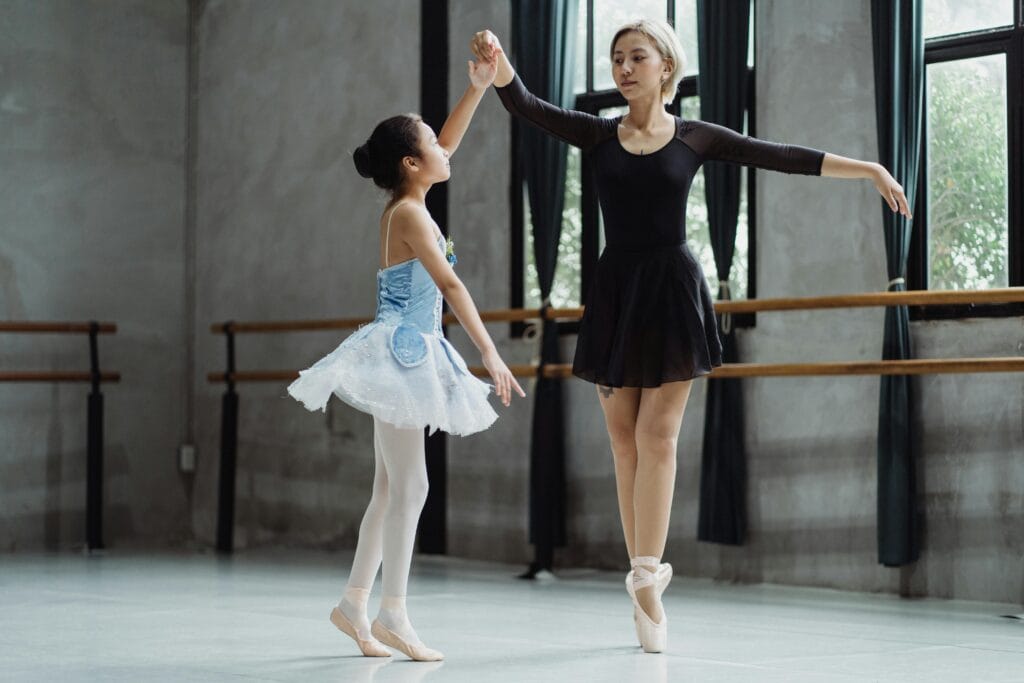
4. Dance and Movement
Sometimes, words aren’t enough – that’s where dance comes in:
- Taking dance classes: From hip-hop to ballet, there’s a style for everyone.
- Freestyle dancing: Encourage your teen to move however feels right to them.
- Choreographing: Creating their own dance routines can be a great creative outlet.
5. Digital Creation
In today’s digital world, there are tons of online ways to express yourself:
- Graphic design: Creating digital art or logos can be a fun way to explore creativity.
- Video making: Short films or vlogs can help teens share their perspective.
- Podcasting: For teens who love to talk, this can be a great way to share their thoughts.

Tips for Parents: Supporting Your Teen’s Self-Expression
Now that we’ve covered some great activities, here are some tips to help you support your teen:
- Create a judgment-free zone: Let your teen know it’s okay to try new things without fear of criticism.
- Provide resources: Whether it’s art supplies or a musical instrument, give them the tools they need.
- Show interest: Ask about their creations and really listen to what they have to say.
- Encourage exploration: If one activity doesn’t click, help them find another that does.
- Celebrate their efforts: Praise their courage in expressing themselves, not just the end result.
“Every child is an artist. The problem is how to remain an artist once he grows up.” – Pablo Picasso
The Benefits of Self-Expression for Teens
When teens engage in self-expression activities, they can experience some amazing benefits:
- Improved mental health: Expressing themselves can help reduce stress and anxiety.
- Better communication skills: They learn to share their thoughts and feelings more effectively.
- Increased self-awareness: These activities help teens understand themselves better.
- Boosted confidence: Creating something unique can make teens feel proud and self-assured.
- Enhanced problem-solving abilities: Creative activities often involve finding new solutions.
Conclusion: Empowering Teens Through Self-Expression
Encouraging your teen to try these self-expression activities can open up a whole new world for them. It’s not just about creating art or music – it’s about helping them discover who they are and how they want to interact with the world around them.
Remember, every teen is different, so what works for one might not work for another. The key is to keep things fun, supportive, and pressure-free. By doing so, you’re giving your teen the amazing gift of self-discovery and the tools to express their unique voice.
So go ahead, start exploring these activities with your teen today. You might be surprised at the incredible things they create and the wonderful ways they grow!