
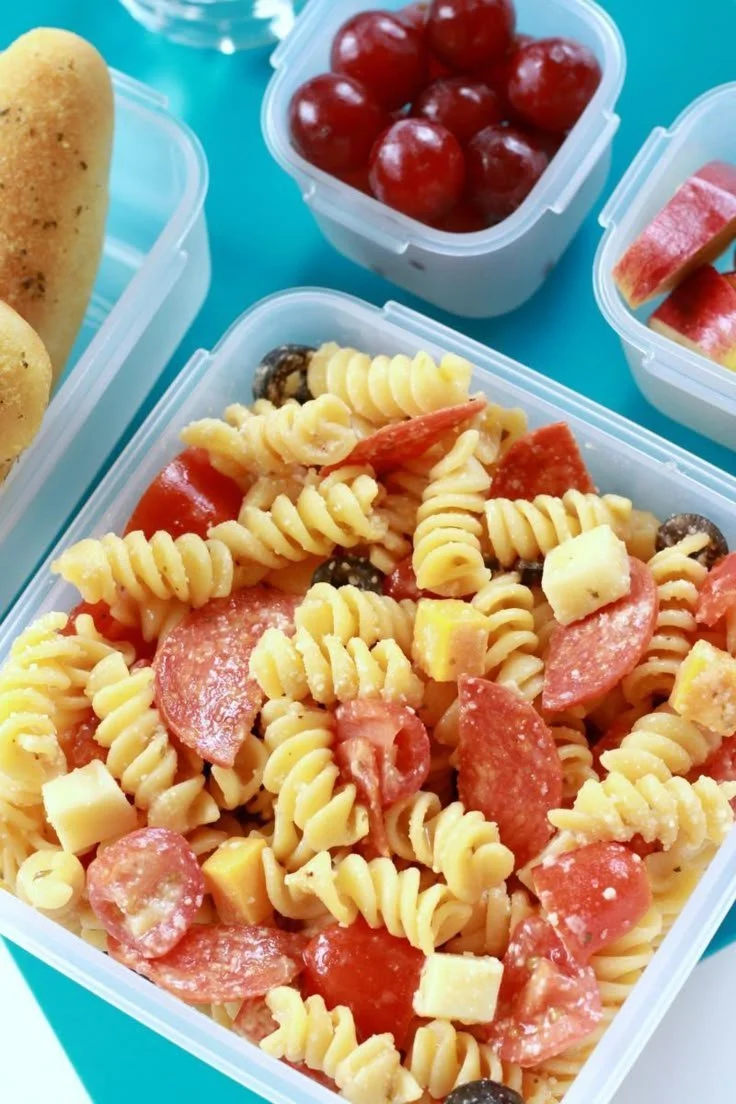
Easy Ways to Make a 20-Minute Kid-Friendly Supreme Pizza Pasta Salad
Kid-friendly pizza pasta salad that your little ones will love
Picture this: it’s lunchtime, and your toddler refuses to eat any of the healthy options you’ve prepared. You’ve tried the usual sandwiches, but today, they’re just not having it. Sound familiar? We’ve all been there. Knowing how picky kids can be, it’s essential to have a few tricks up your sleeve for quick, nutritious meals. One dish that never fails to impress is a kid-friendly pizza pasta salad packed with pepperoni, sausage, bacon, olives, tomatoes, and cheese. Not only is it a visual delight (because let’s be honest, kids eat with their eyes), but it’s also brimming with flavors that kids love. You may also find Avocado Egg Salad Recipe For Babies useful.
The versatility of pizza pasta salad
Now, you might be wondering, why pizza pasta salad? For starters, it’s an easy meal prep solution for busy parents. Plus, it offers room for customization based on your child’s taste preferences or any leftovers you have lying around. Want to sneak in some veggies? Go for it! You can add chopped bell peppers or even some spinach for extra nutrients.
This salad is perfect for school lunches or picnics, and you can make it a day in advance, which is a huge time-saver. When it comes to packing bento school lunches, this pizza pasta salad fits right in along with other dishes like baby pasta.
Getting started with ingredients
Before we dive into the recipe, let’s gather the stars of our dish:
- Pasta: Any type works, but small shapes like rotini or penne are great for little hands.
- Pepperoni: A must for that classic pizza flavor.
- Sausage: You can use cooked sausage or crumbled Italian sausage for added texture.
- Bacon: Who doesn’t love bacon? A little crispy bacon can take things to the next level.
- Olives: Don’t skip these; they add a lovely salty kick.
- Tomatoes: Cherry or grape tomatoes are perfect for popping in your mouth.
- Cheese: Mozzarella or cheddar, depending on your child’s preference.
- Dressing: A simple Italian or vinaigrette works wonders.
Preparing the pasta salad
- Cook the pasta: Start by boiling a pot of water. Once it’s rolling, add your pasta and cook according to the package directions. Drain and rinse with cold water to cool it down quickly.
- Prep the toppings: While the pasta cooks, chop your pepperoni, sausage, bacon (if using), olives, and tomatoes. Make everything small and bite-sized for easier eating.
- Mix it all together: In a large bowl, combine the drained pasta with the other ingredients. You can add cheese at this stage or save it for the top; your choice!
- Dress it up: Drizzle your dressing over the salad and toss everything together.
Now, you might be thinking, “Do I need to stick to this exact recipe?” The answer is no! This salad is incredibly forgiving. If your kid adores one ingredient over another, feel free to adjust. You could even experiment with fun toppings like crushed tortilla chips or a sprinkle of Parmesan cheese.
Healthier alternatives
It’s completely normal to be concerned about your child’s diet, especially when they seem disinterested in vegetables. That said, you can always give this pizza pasta salad a nutritional upgrade. Instead of just using regular pasta, consider whole grain or even veggie pasta for added fiber. You can also substitute some ingredients to make it healthier, like swapping out regular sausage for turkey sausage or using less bacon.
Adding fresh vegetables like spinach, zucchini, or broccoli can boost the nutritional value and give your kids a variety of textures. And if they still hesitate to eat them, just remember—life is a balance!
Storing and serving suggestions
When it comes to meal prep, this pizza pasta salad can be stored in an airtight container in the fridge for about three to five days. If you’re packing it for school lunch, be sure to include an ice pack in your child’s lunchbox to keep it fresh. We’ve found that many kids enjoy this salad cold, making it a perfect candidate for those busy school mornings.
If you want to spice things up, give your kids some fun skewers to create pasta salad kabobs. They can help assemble their skewers, making lunchtime way more exciting!
Bonus tips for picky eaters
Dealing with picky eaters can feel like an uphill battle. Here are some quick tips to make things easier:
- Involve them: Let your children help in the kitchen. Kids are more likely to eat what they create.
- Presentation matters: Sometimes, arranging the ingredients in a rainbow pattern can entice kids to try new foods.
- Flavor exploration: Introduce a new ingredient slowly. Pair it with familiar ones to create a bridge towards acceptance.
With these ideas, you won’t just be making pizza pasta salad; you’ll be crafting a fun and engaging eating experience.
Conclusion
It’s truly remarkable how one dish can tackle numerous challenges faced by us as parents, all while providing delicious comfort. This pizza pasta salad can easily become a family favorite, ensuring that your kids find joy in nutritious meals. If you’re looking for more quick pasta recipes, you might want to try the Pizza Pasta (1 pan & 20 minutes!) Recipe or check out this Easy Pizza Pasta Casserole. Remember, you’re doing great, and each little effort counts!
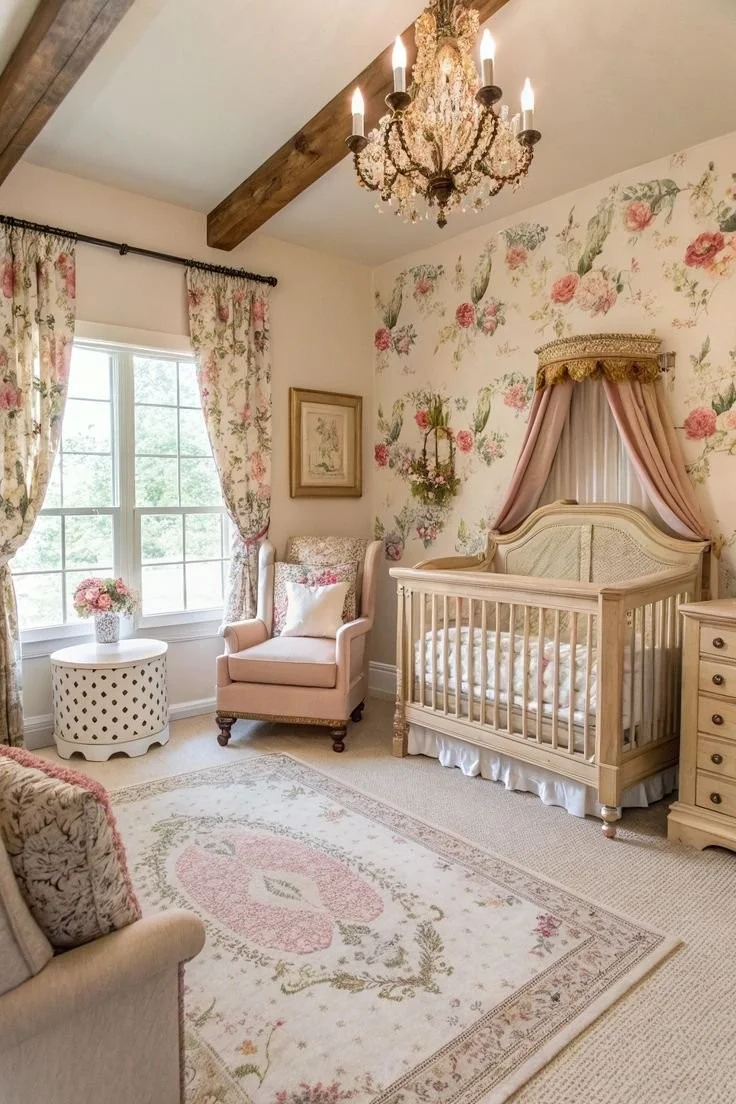
Timeless Vintage-Inspired Barndominium Nursery Decor Ideas for Calm
Imagine this: You’re standing in your new barndominium, sunlight streaming through the large windows, illuminating a space that’s about to be transformed into a nursery. The rustic charm of the space is perfect, and with a splash of French elegance, you can create a delightful haven for your little one. Here’s the thing—you don’t have to live in the French countryside to bask in its effortless style. A few thoughtful touches can infuse a cozy sophistication into your nursery that both you and your child will adore.
Create a Welcoming Space with Floral Patterns
Floral patterns might seem like a classic choice, often reserved for grandmothers’ houses, but hear me out. They can bring life and vibrancy to your nursery! Think soft pastel colors and delicate floral prints that aren’t overpowering but create a sweet, inviting atmosphere. You might choose bloom-patterned curtains that dance with the wind, or maybe a charming changing table adorned with a whimsical floral print.
Before: A bare walls nursery.
After: A room bursting with lively florals in soft shades like blush pink and gentle lavender, creating a calming vibe.
Don’t overlook the small details, like decor items or nursery art. These subtle additions can transform the energy of the room. You can hang framed prints of wildflowers or even DIY some floral art with your child as they grow.
Embrace Soft Curves
Let’s be honest—sharp edges can feel unwelcoming in a space meant for babies and toddlers. Instead, focus on furniture with soft curves. Think round cribs, oval-shaped rugs, and soft-edged dressers. This not only adds to the chic French country vibe but promotes a sense of comfort and safety.
If you’re contemplating a rocking chair for late-night feedings, opt for one with gently curved lines. Imagine swaying back and forth in a comfortable chair bathed in warm light, the comfort of the soft curves surrounding you.
Quick Tip: Look for furniture that fits both style and function. For example, a beautifully curved glider can serve as a stylish piece long after your baby has outgrown the nursery.
Choose a Warm Color Palette
The colors you select for the nursery play a significant role in setting the mood. You might gravitate towards calm, muted tones. While stark whites can be beautiful, soft creams, gentle peaches, and muted sage green create a warm and inviting atmosphere. This palette is ideal for providing a serene backdrop for your baby’s first memories.
Have you considered painting a feature wall in a soft pastel hue? Or perhaps you could choose playful wall decals that complement your color scheme, adding layers of beauty without going overboard.
Incorporate Natural Elements
Nature is the essence of French country decor, so don’t shy away from incorporating natural elements. Wooden furniture with a weathered finish fits perfectly in a barndominium setting. You might look for pieces that highlight the beauty of natural textures, such as a reclaimed wood dresser or a vintage-inspired crib.
Adding houseplants can also infuse life into the nursery. Not only do they purify the air, but they also add a personal touch. Consider a sweet little shelf for potted greenery within reach. Just imagine the fresh, calming effect plants can bring.
Create Cozy Spaces
Now, you might be wondering how to balance sophistication with coziness. Here’s where textiles come in! A plush area rug can add comfort for those just-learning-to-crawl moments, and soft bedding draped over the crib can create an inviting cocoon. Cozy throws and plush cushions on a small reading nook will also encourage you and your little one to curl up and enjoy storytime together.
Picture this scenario: It’s early evening, and the soft glow of a lamp highlights a cozy chair tucked into a corner. You’ve got a blanket around you, and your baby is nestled against you as you read a beloved book. It’s pure magic!
Handpicked Accessories
Accessory choices can make or break your design. Think of eclectic items that draw inspiration from rustic French markets—wicker baskets, vintage toys, and delicate lanterns. A well-placed basket not only serves a purpose but adds texture as well.
And let’s not forget bed linens. You could play with stripes and floral patterns together, provided that they harmonize. Mixing patterns can elevate your nursery’s aesthetic without overwhelming it.
Personal Touches
Your nursery should speak to you as much as it speaks to your little one. Personal touches are what make a house a home. Consider displaying family heirlooms or creating a gallery wall with photographs of your family. Each element adds a layer of warmth and love.
Before: A generic nursery devoid of personality.
After: A space filled with warmth—photos of smiles, handmade crafts, and even a few stuffed animals that have seen countless cuddles.
Mistakes to Avoid
Sometimes the quest for elegance can lead us astray. Here are a few mistakes to avoid:
- Overcomplicating Space: Keep it simple. Too many decorative elements can feel cluttered.
- Ignoring Safety: Always prioritize comfort and safety over aesthetics. Ensure that furniture is stable and toys are child-friendly.
- Forgetting Functionality: You’ll want to create a functional environment with clever storage solutions—and be sure to think ahead to when your little one is a little bigger!
Your Special Space
In creating your nursery, remember that it’s your special space. Every time you step into it, you’ll be met with warmth, comfort, and love. This is where memories will be made, where sleepy snuggles will happen, and where your child will begin their journey in life.
Conclusion
Incorporating timeless French elegance into your barndominium nursery is not just about aesthetics; it’s about creating a sanctuary for both you and your little one. With floral patterns, soft curves, and a warm color palette, you can design a nursery that radiates sophistication while keeping it cozy. For more creative ideas, like how to embrace that cozy farmhouse vibe, check out these Cozy Farmhouse & Country Decor Ideas and dive deeper into possibilities with thoughtful Barndominium House Plans. Remember, every detail counts in this beautiful journey, and your effort will undoubtedly shape a space where joyful moments bloom.
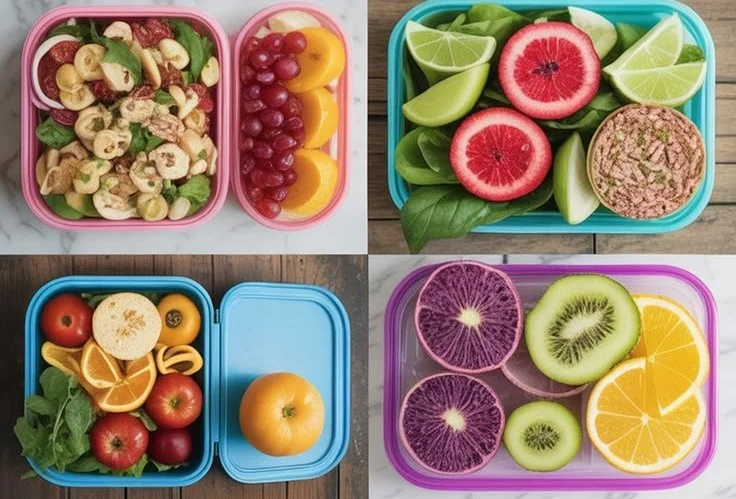
Budget-Friendly School Lunch Ideas to Save Time and Money
Imagine this: it’s the night before the school week starts, and you’ve got a hefty to-do list. You’re scrolling through your favorite Pinterest board, searching for lunch ideas. In the back of your mind, you’re trying to keep your finances in check, and your kids’ taste buds happy. Sound familiar? We’ve all been there! As parents, we want to pack healthy meals that our kids actually want to eat without busting our budgets. That’s why I’ve put together 20 budget-friendly school lunch ideas that will make your kids beg for more.
Colorful Wraps
Let’s kick things off with a fun twist—colorful wraps! You can use tortillas, lavash, or pita bread. Fill them with a variety of ingredients to keep it interesting.
- Turkey and cheese: Layer turkey slices and cheese along with some spinach for a nutritious bang.
- Hummus Veggie Wrap: Spread hummus, add your child’s favorite veggies, and roll it all up.
- Peanut Butter Banana Wrap: Smear some peanut butter and toss in banana slices for a sweet treat.
The best part? You can make these wraps together with your little ones. It could be a fun bonding moment!
Egg Muffins
Craving a protein-packed option? Try egg muffins. Beat some eggs and add diced veggies, cheese, or even leftover meats. Pour the mixture into a muffin tin and bake.
They’re easy to pack, and you can make them in advance for the entire week. Plus, your kiddos can help with the mix-ins. They’ll love picking their favorites!
DIY Lunchables
Here’s the thing—kids love those pre-packaged Lunchables, but they can be pricey. Create your own version for a fraction of the cost.
- Start with a base of crackers or pita chips.
- Add some slices of deli meats, cheese, and fruit.
- Throw in a small packet of a dipping sauce, like hummus or guacamole.
This way, you control what goes into their lunch, ensuring it’s both nutritious and fun!
Veggie and Cheese Kabobs
Let’s be honest—kids love anything on a stick, right? So, grab some skewers and get creative with veggie and cheese kabobs.
- Combine cherry tomatoes, cucumber slices, cheese cubes, and olives.
- You could even throw in some salami or pepperoni for added protein.
These colorful kabobs are not only visually appealing but also fun for kids to eat. They can make their own creations too!
Quinoa Salad
So, you’ve heard all about quinoa but are unsure how to make it kid-friendly? Try a quinoa salad! Cook up some quinoa and then mix in whatever you have on hand, like diced bell peppers, black beans, and corn.
Dress with a dash of olive oil and lime juice. It’s super filling, nutritious, and the flavors blend well together!
Pizza Muffins
Let’s talk about pizza muffins. They’re as tasty and fun as they sound! Mix up your favorite pizza toppings—pepperoni, mushrooms, cheese—into a muffin batter. Bake them up and watch your kids’ eyes light up.
Pack them with some marinara sauce for dipping. You’re bound to hear “Yum!” as they devour them.
Pasta Salad
Pasta salads are great for lunchboxes because they’re easy to make ahead of time. Boil some pasta and then toss it with olive oil, cherry tomatoes, mozzarella balls, and Italian seasoning.
It’s a whole meal packed into a single container and can be served cold. No heating required!
Apple Sandwiches
If you need a sweet treat, go for apple sandwiches. Simply slice an apple into rounds, spread some peanut butter or almond butter in between two slices, and add toppings like granola or raisins.
It feels like a special dessert, but it’s packed with nutrients!
Mini Tacos
How about serving up mini tacos? Use small tortillas and fill them with seasoned ground turkey or beans. Add a sprinkle of cheese and a side of salsa for dipping.
Your little ones will feel like they’re enjoying a fiesta during lunch!
Oatmeal Cookies
When it’s snack time, oatmeal cookies might just save the day. They’re chewy, delicious, and you can toss in some add-ins like chocolate chips or raisins.
Even better, get the kids involved in baking these together. It’s a great way to spend quality time and teach them about cooking!
Tuna Salad
Don’t discount the simplicity of tuna salad. Mix canned tuna with a little mayo, diced celery, and sweet pickle relish. Serve it in a whole-grain sandwich or with crackers.
It’s nutritious and a great source of protein, perfect for growing kiddos!
Baked Sweet Potato Chips
Chips don’t have to be unhealthy. Instead, try making your own baked sweet potato chips. Slice sweet potatoes thinly, toss them in olive oil and salt, and bake until crispy.
They’re a crunchy, satisfying snack that packs in fiber.
Fruit Kebabs
Who wouldn’t want to eat fruit on a stick? Use seasonal fruits to make colorful kebabs. Watermelon, grapes, strawberries, and pineapple are all great options.
These are excellent for kids to munch on and add a splash of color to their lunchbox!
Bean and Cheese Quesadillas
Quick and easy to whip up, bean and cheese quesadillas are a winner. Fill tortillas with refried beans and cheese, then grill until crispy.
Cut them into wedges for dipping. Serve them with salsa, and you’ve got a lunch that’s both tasty and filling.
Smoothie Packs
Imagine packing a smoothie for lunch! Assemble smoothie packs by freezing banana slices, spinach, and berries.
In the morning, just blend with yogurt or milk, and it’s ready to go. Toss it into their lunchbox in a thermos, and they’ll love it!
DIY Sushi
Kids love sushi, but it can be quite expensive to buy. Why not make DIY sushi rolls at home? Use sushi rice, nori, and fillings like cucumber, carrots, and crab sticks for a fun rolling activity.
Slice them up and serve with soy sauce for dipping.
Granola Bars
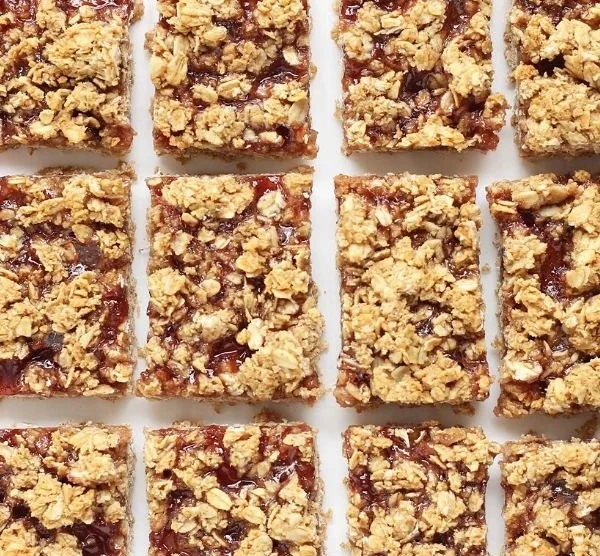
Skip the store-bought granola bars, which can be packed with sugar. Instead, make your own! Mix oats, honey, peanut butter, and any nuts or dried fruits.
Press the mixture into a pan, let it cool, and cut it into bars. Your kids can help choose their favorite add-ins, making it a personal touch they’ll appreciate.
Vegetable Soup
Packing a warm vegetable soup in a thermos is a great way to ensure kids get their veggies in. You can throw in any veggies you have on hand, add a broth base, and boom—a healthy lunch.
Your kids will feel cozy while enjoying their meals!
Conclusion
As parents, we want to provide nutritious and appealing lunches for our kiddos without overspending. These 20 budget-friendly school lunch ideas combine delicious flavors with healthy ingredients, making lunchtime something your kids look forward to. Remember, you’re not alone in this journey.
For even more inspiration, check out these options: 10 Cheap School Lunch Ideas That Cost $1 a Day, or if you’re looking for more variety, visit 72 Easy School Lunch Ideas Kids Will Actually Eat!. Happy lunch packing!

Quick Cheesy Ham & Cheese Sticks for Back to School Snacks
Imagine you’re sitting on the living room floor, surrounded by a tornado of colorful craft supplies, as your toddler gleefully sticks glitter everywhere—even in their hair. We’ve all been there, right? Those chaotic moments where, instead of feeling frustrated, we realize that these are the seeds of creativity. So, how do we harness that energy into beautiful projects? Here’s the thing: I’ve gathered some delightful ideas that can not only ignite your child’s imagination but also create lasting memories for both of you.
Sensory Play with a Twist
Sensory activities are fantastic for little ones, and what better way to elevate them than by turning them into exciting projects?
Sensory Bottles
What you’ll need:
- Clear plastic bottles
- Glitter
- Water
- Food coloring
- Small toys or decorations
Fill a bottle with water, add a few drops of food coloring, and let your child dump in some glitter and small toys. Seal the cap tightly (using hot glue if necessary). Shake it up, and watch as they giggle at the swirling colors. These bottles can also be calming tools for moments when they need a little quiet time.
Nature-Inspired Art
Taking art outdoors can spark delight in your child’s creative journey.
Leaf Prints
Supplies:
- Leaves (different shapes and sizes)
- Paint
- Paper
Head outside and gather a variety of leaves. Once you’re back inside, dip them in paint and press them on paper. The result? Unique prints that celebrate nature’s beauty! You might find your child getting excited about which leaves make the best impressions—it’s a wonderful way to connect them with the environment.
The Magic of Baking
Involving your little ones in the kitchen can be a fun way to explore with all the senses while creating something delicious.
Storytime Cookies
Ingredients:
- Basic cookie dough
- Various toppings (chocolate chips, dried fruit, nuts)
Before you begin, why not read a short story or a fun book? As your little one listens, they can choose toppings that remind them of the characters or scenes. Bake the cookies and have a tasting party. It’s a lovely way to mix creativity with unforgettable flavors!
Celebrate Milestones with Memory Projects
Creating memory projects can bring loads of joy while documenting your child’s growth.
Handprint Calendars
Materials:
- Blank calendar pages
- Non-toxic paint
- Paper
Each month, have your child create a handprint to represent the season. In December, it could be red and green; in spring, why not use pastels? You’ll be amazed at how your little one’s handprints change size, and when you look back, it’ll be a cherished keepsake.
DIY Themed Projects
Embracing various themes can be a fool-proof way to engage your kids with various interests.
Under the Sea Craft
What you need:
- Blue construction paper
- Fish cutouts
- Glue
- Sequins
Let’s be honest, what kid doesn’t love the ocean? Prepare some fish cutouts ahead of time and provide various sequins for decoration. As they glue on the sequins, you can ask about their favorite fish or sea creatures. This approach of combining fun with learning is always a win.
Modifying Every Day Activities
Sometimes, the best projects come from our regular routines. It’s about seeing the magic in the mundane.
Color Sorting with Snacks
Supplies:
- Colorful snacks (like cereal or candies)
- Bowls
Give your child bowls in various colors and let them sort the snacks. This not only helps with motor skills but also encourages color recognition, all while enjoying a sweet treat. You might find them giggling as they realize they have more of their favorite color!
Creative Storytelling with Art
Integrating art with storytelling can foster your child’s narrative skills.
Story Stones
Materials:
- Smooth stones
- Acrylic paint
Gather some smooth stones and let your child paint on them with simple symbols or characters from their favorite stories. Once dry, these stones can be used to create a fun storytelling game. What if one stone has a dragon and another a princess? Your child can craft their adventure!
Art from Recyclables
Incorporating recycling into your projects teaches sustainability while sparking creativity.
Shoe Box Puppet Theatre
What you need:
- An old shoe box
- Craft supplies (markers, fabric scraps)
Cut out a stage area in the front of the box. Decorate it together, and you’ve got the beginnings of a puppet theater. Encourage your little ones to create puppets using socks or other fabrics, and you’ve got an afternoon of imagination and play ahead of you.
Seasonal Project Ideas
Embrace the magic of the seasons with craft ideas tailored for each period of the year.
Fall Leaf Crowns
Materials:
- Fresh leaves
- Paper strip (for the crown base)
- Glue
During autumn, collect colorful leaves from outside. Help your child glue them onto a strip of paper to create a crown. It’s a beautiful way to celebrate the changing seasons and adds a fun element to outdoor playdates.
Bonus Ideas
To keep the inspiration flowing, here are a few extra creative ventures to consider:
- DIY Bird Feeders: A fun nature project using pine cones, peanut butter, and seeds.
- Homemade Playdough: Your child will love making and playing with their creations.
- Color Mixing Station: Use colored water in clear cups to teach them about mixing colors.
Conclusion
In this busy parenting journey, it’s essential to carve out moments that foster creativity and connection. Remember, every project you embark on with your little ones doesn’t have to be perfect. It’s about the laughter, the mess, and the joy that comes from creating together. If you’re longing for more culinary inspiration for your projects, check out this recipe for Ham and Cheese Crescent Rolls that can be a fabulous addition to your family meals. Plus, if you’re in the mood for some Halloween fun, try making Halloween Witches Fingers—your kids will love the experience!
We’re all in this together, discovering beautiful ideas and making memories, one project at a time.
Best Toddler Breakfasts for Busy Mornings Your Kids Will Love
Imagine it’s a busy morning, and your little one is tugging at your leg, waiting for breakfast. You glance at the clock, and it’s almost time to head out the door. Sound familiar? We’ve all been there, haven’t we? The challenge is real—getting a nutritious breakfast on the table that your toddler will actually eat. Thankfully, you don’t have to sacrifice either health or time to whip up something delicious.
Here’s the thing—toddlers can often be picky eaters, and breakfast doesn’t have to be a battlefield. With a little creativity, you can assemble healthy meals in mere minutes or even prepare ahead of time. Let’s dive into some tasty toddler breakfast ideas that are quick, wholesome, and most importantly, kid-approved.
No-Cook Toddler Breakfast Ideas
Sometimes, the best meals are the ones that require minimal effort. Here are a few no-cook breakfast ideas that you can throw together in under five minutes:
Overnight Oats
Overnight oats are a fantastic option. Mix oats with yogurt or milk, throw in some diced fruit (think bananas or blueberries), and add a dash of cinnamon. Put them in the fridge overnight, and voilà! Breakfast is ready to go in the morning.
Yogurt Parfaits
Layer yogurt with granola and berries in a cup for a colorful breakfast. Your toddler will love the colors, and you can sneak in some healthy probiotics!
Banana Pancakes
You won’t believe how simple these pancakes are. Just mash a banana with an egg and cook them in a non-stick skillet. They’re naturally sweet and super easy to make.
Nut Butter Toast
Spread almond or peanut butter on whole-grain toast and top with sliced bananas or apples. It’s full of nutrients and is a filling option.
Cheese and Fruit Plate
Sometimes you need to keep it simple. Cube some cheese and pair it with bite-sized fruit. It’s a snack that ticks all the healthy boxes and gives a balanced start to the day!
Quick Toddler Breakfasts to Make Ahead
If you want to make mornings even smoother, why not prep some meals in advance? Here are ideas that will save you time while still providing your toddler with great nutrition.
Egg Muffins
You can whip up a dozen egg muffins that your little one can enjoy throughout the week! Just beat some eggs with veggies and cheese, pour them into a muffin tin, bake, and store them in the fridge. They’re easy and packed with protein.
Breakfast Burritos
Make small burritos filled with scrambled eggs, cheese, and veggies. Wrap them in foil and freeze. Just pop one in the microwave in the morning for a filling, warm breakfast.
Fruit Smoothies
Smoothies are a fantastic way to pack in fruits (and even veggies) without your toddler noticing. Blend some spinach with banana and yogurt for a bright green breakfast that tastes great! You can freeze smoothies in individual bags and blend them right before breakfast.
Mini Muffins
Making mini muffins with whole grains, fruits, and nuts is a great way to involve your toddler in meal prep. They can help mix and pour, and you’ll have a stash of sweet, healthy snacks ready to go.
Chia Seed Pudding
Chia seeds can be soaked overnight in milk or a dairy alternative along with a touch of honey or maple syrup. By morning, you’ll have a jiggly, healthy pudding that you can top with fruit.
The Balancing Act of Nutrition
Now, you might be wondering, how do you ensure that each breakfast is balanced? It’s not just about what they eat but also how we present it. Here are some tips:
- Color is Key: Children are visual eaters. Including a rainbow of fruits and veggies on their plates can make meals more appealing.
- Texture Matters: Some kids might prefer creamy textures, while others might like crunchy. Mix things up by offering a variety.
- Involve Your Toddler: Let them pick out the fruits or help with simple tasks like stirring. When kids feel involved, they’re more likely to eat what’s on their plate.
Mistakes to Avoid
In our rush, we might make some common mistakes when serving breakfast to toddlers. Here are a few to watch out for:
- Skipping Breakfast: It might be tempting, but skipping breakfast can lead to crankiness. Even a small snack can make a difference.
- Overloading on Sugar: While sweetened yogurts can be enticing, they often contain hidden sugars. Opt for plain or Greek yogurt instead.
- Not Being Flexible: Kids change their preferences frequently. What they love one day might not fly the next, and that’s completely normal. Keep experimenting!
Bonus Ideas
Still need more inspiration? Here are some bonus breakfast ideas you can keep in your back pocket:
- Avocado Toast topped with cherry tomatoes.
- Oatmeal with Nut Butters and a sprinkle of cinnamon.
- Whole Wheat Pancakes made with oats and pureed veggies.
- Pasta Salad for Breakfast with veggies, cheese, and a light dressing.
Conclusion
Breakfast time doesn’t have to feel like a morning wrestling match. With a little planning and creativity, you’ll have a repertoire of healthy toddler breakfast ideas ready to go. Remember, we’re all in this together as parents—finding healthy meals that our kids will actually eat can feel daunting, but it doesn’t have to be! If you’re looking for more specific breakfast ideas, check out these articles on healthy toddler breakfast ideas or explore healthy breakfast recipes for picky toddlers.
So, take a deep breath, and know that you’ve got this. Here’s to starting our tiny humans’ day off right with wholesome meals they’ll love!
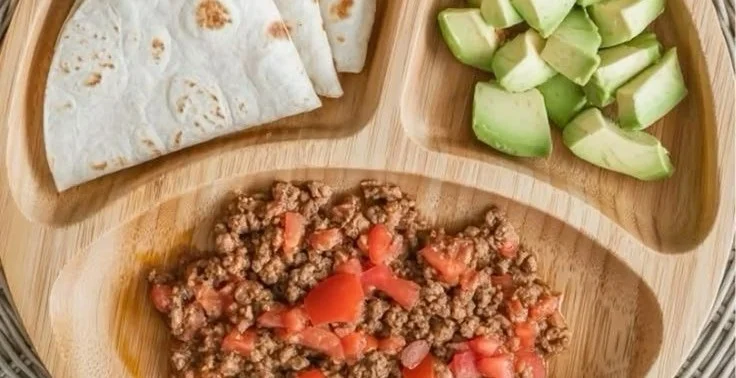
Toddler Meal Ideas for Picky Eaters Your Little One Will Love
Imagine this: it’s mealtime, and your little one is once again pushing away their plate, declaring with a firm shake of their head that they “don’t like peas.” You sigh, knowing that the fruit cup you’ve set aside for dessert might soon end up as a bargaining chip. Sound familiar? If you’re nodding along, you’re definitely not alone. We’ve all been there, navigating the tricky waters of toddler nutrition with picky eaters who seem to turn their noses up at everything we offer.
The great news is you can make mealtime fun and enjoyable without breaking the bank or sacrificing your sanity. I’ve compiled a list of 30 toddler meal ideas that are not only easy to prepare but also budget-friendly and designed to please even the pickiest of eaters. These meals are not just nutritious; they’re also colorful and fun enough to entice those tiny taste buds!
Fun Breakfast Ideas
Banana Pancakes
Blend a banana with an egg (I know, it sounds odd, but trust me!) and cook them like pancakes. They’re sweet, fluffy, and packed with goodness. You can even add some cinnamon for extra flair.Yogurt Parfaits
Layer plain yogurt with granola and berries. Let your little one help with layering—it’s a great way to turn breakfast into an interactive activity.Egg Muffins
Whisk eggs and mix in diced veggies (or whatever you have on hand) and cheese. Bake them in a muffin tin. They’re easy to store and perfect for busy mornings.Smoothie Bowls
Blend fruits like mango or spinach with yogurt and a splash of milk. Pour into a bowl and top with slices of fruit, granola, or seeds. It’s like ice cream for breakfast!Avocado Toast
Mash avocado on whole-grain toast and cut into fun shapes with cookie cutters. Add a sprinkle of cheese on top for extra flavor.
Creative Lunch Options
Rainbow Wraps
Fill a whole grain wrap with colorful veggies (think bell peppers, carrots, and lettuce) and some protein like turkey or hummus. Roll it up and slice it into pinwheels for a fun surprise.Cheesy Veggie Quesadillas
Load tortillas with cheese and finely chopped veggies. Grill until golden and serve with a side of salsa or guacamole. It’s cheesy, melty, and oh-so-satisfying.Peanut Butter and Banana Sandwiches
Instead of the usual PB&J, try spreading peanut butter on whole-grain bread and adding banana slices. You can even get fancy and use cookie cutters to make fun shapes!Mini Pizza Bagels
Top whole grain bagels with marinara sauce and cheese, then bake until bubbly. Let your toddler help sprinkle the cheese; it gives them a sense of ownership (and they’re likely to eat it!).Pasta Salad
Use small pasta shapes and toss with olive oil, cheese, cherry tomatoes, and diced cucumbers. You can even make it colorful by adding in sweet peas or bell peppers.
Tasty Snacks to Keep Energy Up
Fruit Kabobs
Thread chunks of fruits like melon, grapes, and strawberries onto skewers. Let your child make their own; it’ll be a hit!Homemade Trail Mix
Mix nuts (or seeds for allergy concerns), dried fruits, and a sprinkle of chocolate chips. Store it in small containers for a quick grab-and-go snack.Veggie and Hummus Dippers
Cut up veggies like carrots and cucumbers into fun shapes and serve them with a side of hummus. The colorful presentation makes it more appealing!Whole Wheat Pita Chips with Salsa
Bake pita bread brushed with olive oil until crispy. Serve it with a side of salsa for a delicious dip.Cheese and Crackers
It sounds simple, but you can elevate it by using different cheeses and whole-grain crackers—throw in some apple slices for extra crunch!
Delicious Dinner Ideas
Baked Chicken Nuggets
Try making your own chicken nuggets by coating chicken chunks with breadcrumbs and baking them. They’re healthier and just as tasty as store-bought.Veggie-Filled Meatballs
Mix ground meat with finely chopped veggies and breadcrumbs, then bake. Serve over spaghetti or with a side of dipping sauce.Stuffed Bell Peppers
Fill halved bell peppers with a mixture of rice, ground meat, and cheese. Bake until the peppers are tender and serve with a side.Turkey and Cheese Roll-ups
Roll turkey slices around cheese sticks and secure them with a toothpick. Serve with a side of grapes for a balanced meal.Casserole Creations
Mix together cooked pasta, veggies, and protein like chicken or beans, top with cheese, and bake until bubbly. It’s an all-in-one meal!
Simple Dessert Treats
Fruit Popsicles
Blend fruits like bananas, berries, and yogurt, pour them into molds, and freeze. These are refreshing and guilt-free treats!Oatmeal Cookies
Cook oats with mashed bananas and chocolate chips, then bake. They’re chewy, satisfying, and feel indulgent.Coconut Yogurt Cups
Layer coconut yogurt with pineapple chunks and a sprinkle of shredded coconut. It’s like a tropical getaway!Chocolate Avocado Mousse
Blend ripe avocados with cocoa powder and a bit of honey. Chill and surprise your toddler—they won’t even know they’re eating something healthy!Homemade Fruit Leather
Puree fruits and spread them thinly on a baking sheet to dry out in the oven. Cut into strips for a chewy snack.
Extras for Your Toddler’s Tummy
Mashed Sweet Potatoes
Cook and mash sweet potatoes, adding a drizzle of honey or cinnamon. Sweet enough to feel like dessert, but it’s all nutrition.Rice and Beans
Mix cooked rice with beans, add some cheese, and serve them together. It’s a complete protein and oh-so-filling.Cottage Cheese Bowls
Serve cottage cheese with fruit, nuts, or honey. It’s a creamy and satisfying snack!Vegetable Fried Rice
Use leftover rice and stir-fry it with vegetables and a bit of soy sauce. Kids usually love the mix of flavors in a fun, bite-sized dish.Egg Fried Rice
Scramble some eggs and mix them with rice, peas, and carrots. You get an easy protein-packed meal that can go together in under 20 minutes!
Conclusion
Navigating mealtime with a picky toddler can be a minefield of emotions, but it doesn’t have to be overwhelming. By using these simple and engaging meal ideas, you can make the process enjoyable for you and your child. Remember, experimenting is key—what works one day might not the next. That’s perfectly normal, and you’re not alone in this journey!
For even more ideas, check out this wonderful resource on top dinner recipes for picky eaters or explore some easy kid-friendly meals for picky eaters. Happy cooking, and may your mealtime battles be few and your victories many!
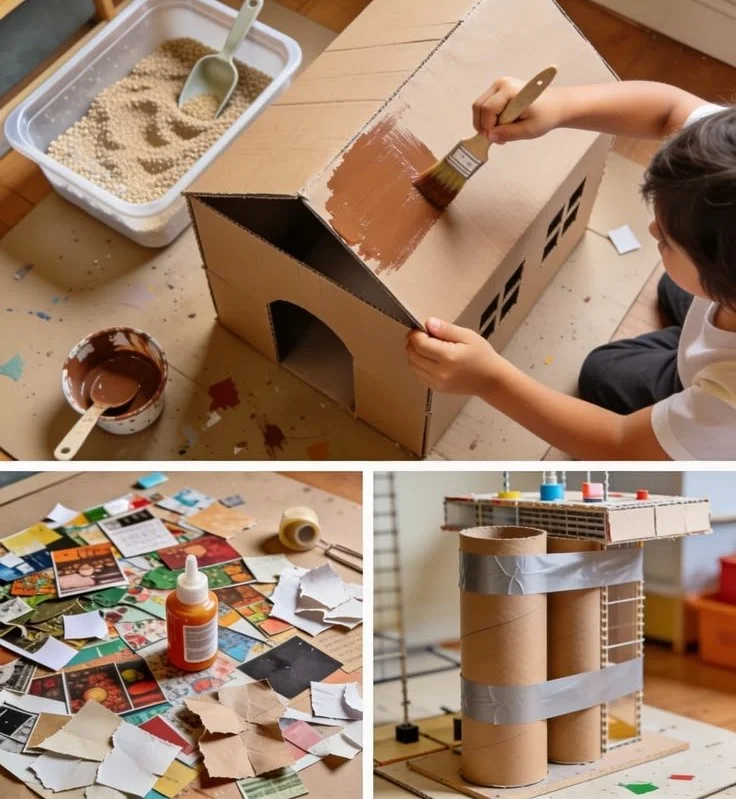
Kindergarten Activities That Buy You an Hour of Quiet Time
Imagine it’s a rainy day, and you’re staring at your energetic kindergartner who’s bouncing off the walls, filled with endless curiosity. You want to engage their imagination and energy but don’t want to resort to the usual ten-minute distractions that fizzle out fast. We’ve all been there, haven’t we? You need activities that can hold their attention for an hour—or maybe two! Here’s the thing: it’s completely possible with the right craft projects.
Craft activities can be mesmerizing for little ones, especially when you provide depth and variety. I’ve discovered that the best activities not only entertain but also spark creativity, offering multi-phase experiences. Below, I’ll share several craft activities designed with enough staying power to keep your kindergartner happily creating for a full hour.
Craft Activities that Last
These activities encompass a mix of Montessori-inspired fun and creative crafts that you can easily rotate through. They allow kids to explore different materials and ideas, making them perfect for those days when an hour of entertainment is essential.
Nature Collages
Let’s get started with something you can do outdoors! A nature collage is a fantastic way to engage kids with their surroundings.
- Collect Materials: Grab a basket and head outside. Collect leaves, flowers, small stones, and twigs.
- Create the Collage: Once back inside, lay out your collected items on a piece of cardboard or construction paper.
- Glue It Down: Use child-safe glue to secure the items. Encourage your child to arrange them in interesting patterns.
The beauty of this activity lies in its phases. First, there’s the adventure of collecting, followed by the creativity of arranging and gluing. Plus, it’s a lovely way to integrate nature into your home, and you can easily extend this by discussing colors, shapes, and textures.
Sensory Bins with a Twist
Sensory bins can be incredibly captivating for kindergartners. They love digging, pouring, and discovering. Here’s how to create one with a twist:
- Choose a Base: Use rice, dried beans, or sand as your base.
- Add Tools: Include scoops, cups, and funnels. Add some small toys or figurines related to a theme (like dinosaurs, animals, or shapes).
- Engage in Exploration: Let your child explore and manipulate the items. Encourage them to create stories with the toys they’ve included.
Sometimes, simply letting them explore without intervention is the best way to foster their creativity. You can shift gears by introducing a new theme or additional tools halfway through to revive interest!
DIY Nature Paints
Who doesn’t love some vibrant artwork? Create your own paints using natural ingredients found in your kitchen! This project provides a sensory experience and can lead to a beautiful final product.
- Gather Ingredients: You’ll need colorful fruits and vegetables like beets, spinach, and blueberries.
- Make the Paint: Blend the ingredients with a bit of water to create your paints. You might need to strain them through a cloth for a smoother consistency.
- Paint Away: Use brushes or even fingers to create unique artworks on paper.
You can talk about colors and temperatures while unveiling the magic of mixing. Kids love to see their creations come to life with these DIY paints.
Phone Book Storytime Art
Let’s combine storytelling and art! This activity incorporates reading and crafting, making it perfect for a full hour of engagement.
- Pick a Favorite Book: Choose a story that your child loves.
- Create Illustrations: After reading, encourage your child to draw their favorite scene or character in a sketchbook.
- Make it 3D: After the drawings, use bits of scrap paper, cotton balls, and craft supplies to create a 3D version of their artwork.
Now, you might be thinking, “Wait, how does this fill an hour?” By switching between reading, drawing, and then creating a 3D effect, you keep them engaged on multiple levels.
Recycled Art Masterpieces
Recycling art is not just about being eco-friendly, but also encourages creativity in reusing materials around the house.
- Collect Recyclables: Gather items like cardboard boxes, plastic containers, and bottle caps.
- Design a Masterpiece: Let your child pick a theme—maybe a robot or a fantastical creature.
- Construct it Together: Use glue and paint to finalize the artwork.
This activity nurtures not just creativity but also critical thinking as they decide how to transform their collected items.
A Little Kitchen Science
It’s always a hit when science and art come together. Creating colorful bubbling paints can mesmerize any kindergartener.
- Make the Paint: Mix baking soda, food coloring, and a little water in small cups.
- Get Ready to Paint: Grab paintbrushes and paper.
- Add the Science: Once they’re ready, spray the paints with vinegar and watch the fizzing reaction unfold.
This project is so engaging! Kids get to paint while also witnessing a cool science experiment.
Paper Plate Masks
Crafting masks is not only creative but leads to role play, which is fantastic for imaginative development.
- Design the Mask: Use paper plates and allow your child to decorate with markers, stickers, and other craft supplies.
- Add Features: Cut out shapes for eyes, mouths, and embellishments. Use scissors together to help them understand the process.
- Create a Character: Encourage them to think about what character they are becoming and even act it out.
Once they’ve created their masks, they can step into the shoes of whichever fantasy they’ve conjured, extending the fun beyond just the crafting phase!
Wrap-Up Craft Party
Let’s add a little dramatic flair! After your crafting marathon, invite your child to put on a mini-show showcasing their creations.
- Display Work: Create a gallery on a wall with their completed crafts.
- Act It Out: Encourage your child to explain each creation, where the idea came from, or even act out a little skit.
This wrap-up will solidify the experience of crafting while also validating their skills to present their work proudly.
Conclusion
As parents, we want to maximize our children’s creativity while saving our sanity during those rainy days—or any day when you really need a full hour of quiet. These craft activities aren’t just fun; they serve as tools that nurture a child’s development, cognition, and motor skills. By choosing projects with multiple phases, you can easily keep a kindergartener engaged, using tools and themes that resonate with their interests.
If you’re looking for more inspiration for nurturing your child’s growth through engaging activities, consider checking out resources like the <?a href="https://www.gwinnettpl.org/">Gwinnett County Public Library or dive deeper into early childhood development topics on Recorded Programs from the State of Oregon. Remember, you’re not alone in navigating this parenting journey, and with just a little creativity, you can transform time into an enriching experience. Happy crafting!
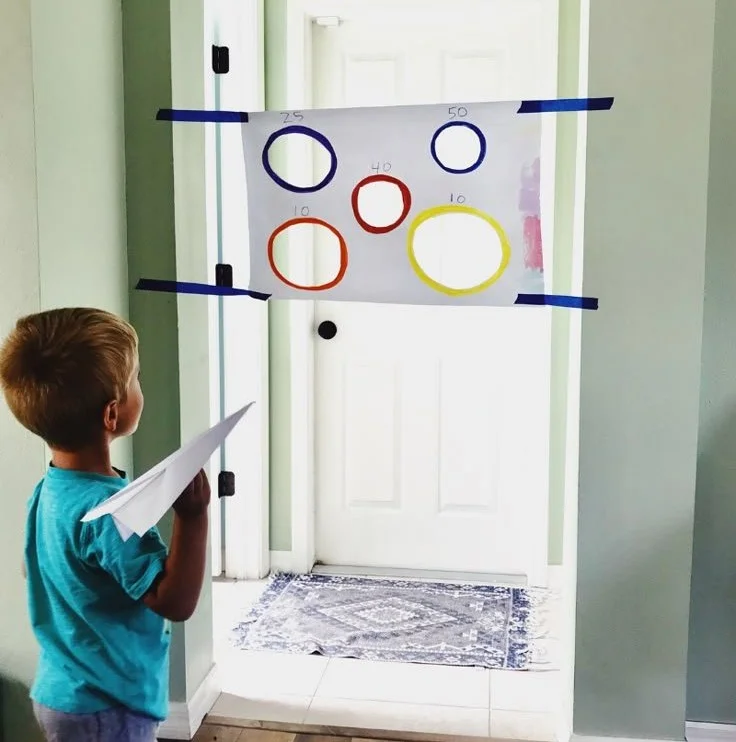
Indoor Rainy Day Activities for Busy Moms 7 Easy Joyful Ways to Play
Imagine it’s a gloomy Saturday morning. The clouds blanket the sky, and rain is pouring outside. Your little ones, who typically generate enough energy to power a small city, are suddenly cooped up inside, bouncing off the walls (and each other). Sound familiar? If you’ve been there, you know how challenging it can be to keep kids engaged and entertained during those long, dreary days. But here’s the thing: rainy days don’t have to mean boredom. With a little creativity and a splash of imagination, we can transform those dreary moments into a fun and memorable bonding experience with our kids.
So, let’s dive into some DIY indoor rainy day activities that will not only keep your children entertained but also engage them in meaningful play. From arts and crafts to simple scientific experiments, there’s something for everyone. You’ll find that you can nurture their creativity while spending quality time together.
Arts and Crafts Extravaganza
Create Your Own Masterpieces
This is a perfect time to pull out those art supplies you might have lying around. Maybe a box of crayons or a set of watercolors that’s been waiting for the right occasion.
Finger Painting: It’s messy, but that’s half the fun! Spread out some old newspapers, put on some old clothes, and let your kids express themselves with their hands. They’ll create beautiful—and unique—masterpieces that you can proudly display at home.
Collages: Gather old magazines, newspapers, and scrap paper. Allow the little ones to cut out pictures and words, and help them glue everything onto construction paper. This encourages creativity and fine motor skills, plus, you’ll enjoy their imaginative creations.
Homemade Playdough
Have you ever tried making homemade playdough? It’s simple and incredibly enjoyable for both you and your kids. Plus, you can customize it with different colors and scents.
Here’s a quick recipe:
- 2 cups of flour
- 2 cups of water
- 1 cup of salt
- 2 tablespoons of oil
- 2 tablespoons of cream of tartar
Mix all the ingredients in a pot over medium heat. Stir consistently until it forms a dough, then let it cool before allowing your kids to explore. It’s a great way for their little hands to get busy!
Indoor Treasure Hunt
Every child loves a good treasure hunt, and it can easily be adapted for your home. Here’s the plan.
- Decide on a theme—pirates, dinosaurs, or even their favorite cartoon characters can work!
- Create a simple map or a list of clues to guide them from one spot to another.
- Hide small treats or toys around the house for them to find.
Not only will this keep them entertained, but you can also throw in some educational aspects. For instance, add riddles or math problems that lead them to the next clue. It promotes both critical thinking and problem-solving.
Science Experiments Made Fun
What if rainy days could spark a love for science? Here are a couple of easy experiments that your kids will love.
Volcano Eruption
You’ll need:
- Baking soda
- Vinegar
- Food coloring (optional)
- A container
Place the baking soda in the container, add a few drops of food coloring, and then pour vinegar over it. Watch the magic happen as it bubbles and erupts! This not only excites the children but also introduces them to basic scientific reactions.
DIY Lava Lamp
Using vegetable oil, water, food coloring, and an Alka-Seltzer tablet, you can create a mesmerizing lava lamp. Fill a clear bottle with water, add vegetable oil (watch it float), and a few drops of food coloring. Then break the tablet and drop it in. Voilà! Your kids will be mesmerized as they watch the colorful blobs rise and fall.
Cozy Storytime Nook
Creating a cozy space for reading can work wonders. Piling up pillows and blankets in a corner, setting up a mini tent, or even just creating a warm atmosphere with your favorite fairy lights can turn storytime into an adventure.
- Choose a mix of your children’s favorite books along with some classics.
- You might also set a theme for each storytime to make it more engaging, like “Animals in the Rain” or “Magic Adventures.”
And who knows—this could spark their creativity for storytelling, too. Encourage them to make up their own stories.
Indoor Obstacle Course
Now, let’s get those little bodies moving! An indoor obstacle course is a fantastic way to use furniture and pillows to create a fun challenge.
- Use pillows for jumping, chairs to crawl under, and blankets to slide through.
- Time them as they complete the course, or make it a fun family competition!
This keeps them active and promotes their physical skills while burning off some of that pent-up energy.
Baking Together
What would a rainy day be without a little baking? Get your kiddos involved in the kitchen with some fun recipes.
No-Bake Cookies: Combine oats, peanut butter, and honey, roll them into balls, and let your kids decorate them with sprinkles. No baking required, just pure deliciousness!
Personal Pizzas: Provide various toppings and let your kids design their own pizzas. It’s not only a fun activity but will also get them excited to eat what they made.
Bonus Ideas for Indoor Fun
Dance Party: Blast your favorite tunes and have a dance-off. It’s a great way to release energy and laugh together.
Puzzle Challenges: Pull out those puzzles and see who can complete theirs the fastest. It promotes problem-solving and teamwork!
Indoor Campout: Set up a tent or a fort, grab some snacks, and have a camping experience inside. Don’t forget the ghost stories!
Quick Tips for a Rainy Day Adventure
- Prepare a box of supplies in advance—art materials, games, and reading materials can go a long way.
- Embrace the mess! Creativity is messy, and that’s completely normal.
- Don’t forget to take breaks! Kids (and parents) need some downtime between activities.
We’ve all experienced those rainy days when the walls feel like they’re closing in. But guess what? You’re not alone in this. By engaging in these fun activities, not only do you encourage creativity, problem solving, and bonding, but you’re also teaching your little ones how to make the best out of a challenging situation.
Conclusion
So next time the rain starts pouring, remember this list of engaging DIY indoor activities for those gloomy days. You’ll turn what could be a long day into an unforgettable one filled with laughter, creativity, and wonderful memories. And if you’re looking for even more ideas, check out indoor rainy day activities or explore ways to bond over learning with winter nature studies indoors. Happy rain day fun!
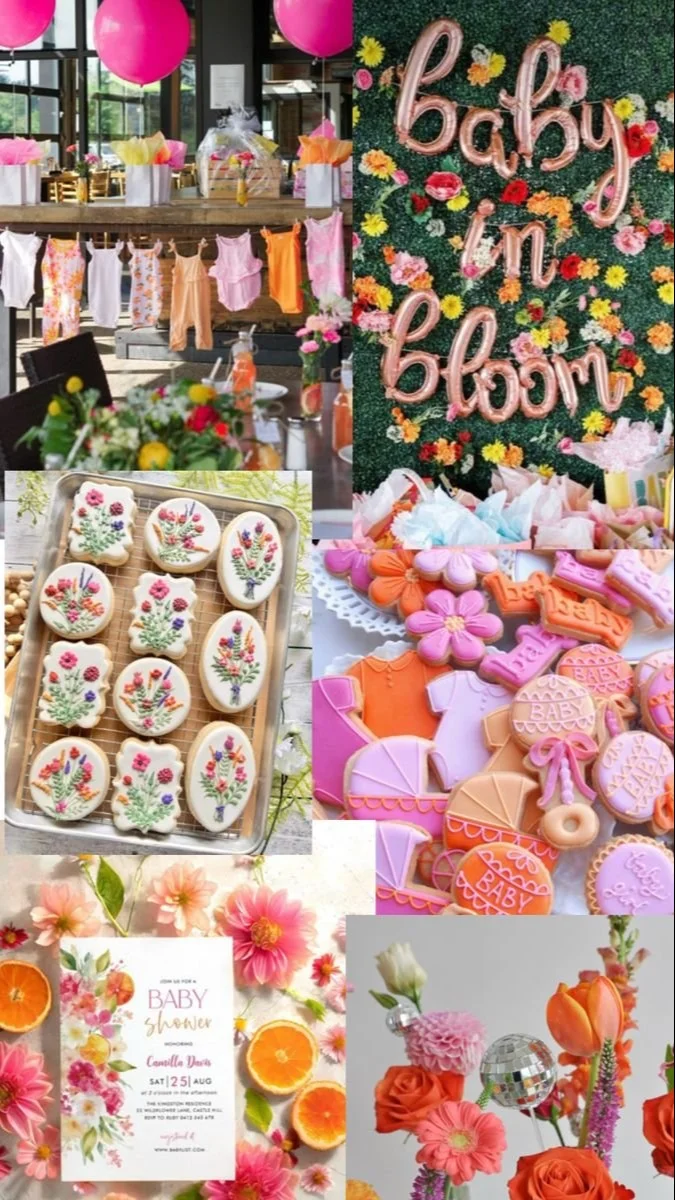
Fresh Baby in Bloom Baby Shower Ideas Your Guests Will Love
Imagine this: you’re in the living room, surrounded by toys scattered like tiny landmines. Your toddler just threw a tantrum because you wouldn’t let them eat crayons for lunch. Maybe you’ve had that what was I thinking? moment when they smeared yogurt all over the couch. Let’s be honest, parenting can throw some curveballs. But it can also be a joyful ride filled with laughter and unforgettable moments.
If you’re navigating the world of parenting a young child, you’re not alone. This stage, from 0 to 5 years old, is wild, beautiful, and challenging—and there’s a lot to learn along the way. So, what are the tools and strategies that can help make this parenting journey more enjoyable and less stressful?
Understanding Developmental Milestones
You’ve probably heard about developmental milestones. They’re those key moments when your child learns a new skill—taking their first steps, speaking their first words. These milestones can be both exciting and nerve-wracking. Here’s the thing: each child develops at their own pace.
Key Milestones to Watch For
- Cognitive Skills: By age three, your little one should start recognizing shapes and colors. Maybe they can even solve simple puzzles!
- Motor Skills: Around one year, they’ll likely begin walking. Before that, they might be crawling or scooting.
- Social Skills: Expect your child to start engaging with others by two. They might bring you toys to share or play pretend.
- Language Development: By age five, they should be able to hold a basic conversation, which is a delightful change from the babbling of their early years.
Now, you might be wondering, how do I support their development?
How to Foster Healthy Development
- Engage in Play: Set aside time each day for play. Whether it’s building blocks or pretend cooking, play is how kids learn.
- Read Together: Reading not only aids language development but also helps with bonding. Plus, who doesn’t love snuggling up with a good story?
- Encourage Exploration: Allow your child to explore their environment safely. Let them climb on the play structure at the park or splash in puddles.
- Provide a Routine: Kids thrive on routine. It gives them a sense of security and helps them understand what to expect throughout the day.
Nutrition Matters
We’ve all been there: your toddler decides that the only food they’ll eat is yogurt or, worse yet, dessert. It can be incredibly frustrating, and they may make you feel like you’ve got a tiny food critic in the house.
Healthy Eating Habits
Creating healthy eating habits at a young age is essential. Try these tips to make meal times easier:
- Offer Variety: Introduce a mix of fruits, veggies, grains, and protein. A colorful plate is often more appealing.
- Make It Fun: Use cookie cutters to create fun shapes from foods. A star-shaped sandwich can turn a meal into an adventure!
- Involve Your Child: Let them help with meal prep. Even toddlers can stir ingredients (with supervision, of course).
- Be a Role Model: If they see you eating vegetables, they might be more inclined to try them too.
Navigating Mealtime Struggles
What if your child refuses to eat everything but pizza? It’s completely normal to face food battles. Remember, it’s all about balance. Ensure they’re getting nutrients over the course of a week, not just in one meal.
Creating Learning Opportunities
As parents, we want our children to be intellectually curious. The good news is you can create a learning environment through everyday activities.
Simple Learning Activities
- Sorting Games: Use household items like buttons or socks. Sorting by color or size can be both educational and fun.
- Nature Walks: Explore parks or gardens and take nature notes together. Collect leaves, look for bugs, and observe how the world works.
- Art Projects: Set up an art station with crayons, paper, and other materials. Let them create without fear of making a mess.
- Music and Dance: Turn on some tunes and encourage your child to dance. It’s a fantastic way for them to express themselves creatively!
Here’s a thought: what if you turned chores into a game? For instance, you can play a race to see who can put toys away the fastest.
Building Strong Connections
At the end of the day, fostering a strong parent-child bond is what truly matters. This connection provides the framework for your child’s emotional development.
Tips for Strengthening Your Bond
- Limit Screen Time: Spend quality time together unplugged. This means sitting down for a meal together or playing outside.
- Be Present: When your child speaks, listen. Showing genuine interest in their thoughts and feelings builds trust.
- Create Rituals: Maybe it’s a bedtime story or a weekend outing. These little traditions help your child feel cherished and connected.
Quick Tips for Parenting Success
- Stay Patient: Remember that parenting is a marathon, not a sprint.
- Join a Community: Surround yourself with other parents for support. You’ll find comfort in shared experiences.
- Give Yourself Grace: We’re all just doing our best. Mistakes will happen, and that’s okay!
- Embrace the Chaos: Some days will feel overwhelming, and that’s completely normal!
We’ve all been there as parents. The journey can be messy, but it’s filled with beauty.
Conclusion
As you navigate these early years with your child, try to keep the joy in every moment, even the challenging ones. Celebrate their milestones, cherish your time together, and remember that you’re not alone in this journey. If you’re looking for ways to celebrate the arrival of a new child with a beautiful theme, check out these fantastic options from Baby In Bloom Baby Shower. For those planning a delightful event, don’t miss the lovely designs available on Etsy.
Every moment spent with your little one is a step toward building memories that will last a lifetime. Happy parenting!
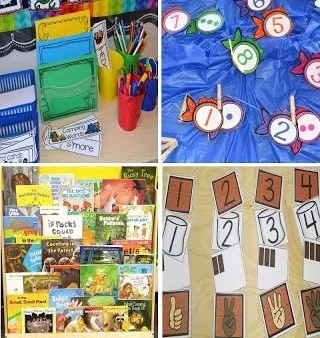
Top 7 Camping Centers and Activities for Preschoolers and Busy Parents
Imagine it’s a sunny day, and your little ones are buzzing with excitement as they march into class, backpacks in hand. What’s got them so riled up? It’s camping week, and you’ve transformed your classroom into a magical woodland wonderland! We’ve all been there—trying to ignite that spark of interest in our children, and when you add in a little camping theme, you leverage their natural curiosity about the world around them.
You see, everyone loves a camping theme. It opens the door to discussions about forest animals, the intricate lives of insects, the wonders of the night sky, and even the gentle flow of rivers. Let’s be honest, what’s not to love? Plus, it’s the perfect chance to indulge your inner kid while teaching your little learners!
Setting Up Your Camping Theme
Creating a camping theme in your classroom doesn’t have to break the bank or take forever. Picture this: cozy corners filled with faux campfires made from orange and red construction paper, children’s literature stacked high with stories of adventure, and perhaps even some soft, playful greenery sprouting up from the craft table.
Decorate with Nature
Bring the outdoors inside by incorporating natural elements. Use real pinecones, twigs, and even leaves glued onto bulletin boards to create educational displays. Need ideas? Checking out local parks or nature centers can inspire plenty because, as parents, we often forget where to find those gems.Create Learning Centers
Breaking your classroom into thematic centers can keep kids engaged. Here’s how you might break it down:- Nature Exploration Center: Fill this spot with magnifying glasses for a closer look at leaves and insects (kids will love being mini-scientists).
- Art Center: Invite the children to create woodland critters using recycled materials or natural items like leaves and sticks.
- Storytelling Corner: Set up a cozy space with blankets and cushions for reading by flashlight (a camping essential!). Use books that celebrate nature to deepen appreciation for it.
Fun Activities for Little Learners
So we’ve set the stage, but how do we keep children engaged? Here’s the thing: hands-on activities work wonders at this age, fostering curiosity and creativity. Let’s dive into some hands-on activities that’ll have your kids itching to learn more.
Nature Scavenger Hunts
What if you took learning outside? Create a scavenger hunt! Kids can search for specific leaves, stones, or in perfect timing with the seasons, pinecones. Consider blending it with a nature talk—what trees surround us, or which animals might be hunting or foraging in the area?
Insect Observation
Insects are everywhere! Why not set up a mini farm with live specimens? You could explore ants in an ant farm, or bring in ladybugs for the kids to marvel at. After their observations, they can draw their favorite insects and share fun facts they learned during their explorations.
Camping Cooking Class
Who doesn’t love s’mores? Create a mini “campfire” in the classroom (safely, of course), using a flickering light or even a candle (supervised, of course). Engage kids in preparing s’mores—it’s a great way to discuss ingredients and the joy of sharing food. This might just lead to discussions about nutrition, as fruits or nuts can be a delightful addition!
Engaging with the Night Sky
Let’s be real, the night sky is utterly fascinating for both kids and adults. A simple stargazing activity can promote conversation about constellations or even the phases of the moon.
Star Chart Creation
Provide the kids with black construction paper and glitter glue. They can create their own ‘night sky’ using stickers and glitter, discussing the stars as they do it. An added touch could be reading a book about constellations to bring that information to life!
Storytime Under the Stars
Arrange a “story time under the stars” session using a projector to cast images of stars on the ceiling. Light up the classroom with soft ambient music in the background—a fun and serene way to help kids wind down while expanding their understanding of astronomy.
Encouraging Exploration by the Water
Water is a wonderfully versatile teaching tool. Let’s explore how you can introduce activities around rivers, lakes, and fishing while being budget-conscious.
Water Play Activity
Set up a water table with toy fish, boats, and buckets. Talk about how rivers flow and the aquatic life they sustain. Kids can sort fish by color or size or even practice counting. Bonus points for incorporating simple science experiments, like floating vs. sinking!
Fishing Games
You can create a fishing game using a cardboard box filled with water and paper fish with magnets attached. It’s an engaging way for kids to practice their counting skills and sight words by writing on the fish!
Nature Journals
Creating nature journals is a fantastic way for children to document their learning adventures. Kids can sketch their favorite animals, write stories, or record their scavenger hunt findings. This element of reflection not only solidifies what they’ve learned but also enhances literacy skills.
Bonus Ideas for the Camping Theme
Here are a few extra activity ideas that you might be able to incorporate:
- Animal Puppets: Have the kids create animal puppets from paper bags. They can then perform a little skit, reinforcing what they’ve learned about their forest friends.
- Nature Sound Bingo: Create bingo cards with different nature sounds for them to identify. This promotes listening skills while getting them to connect with the outdoors.
- Group Projects: Work on a big mural of a forest scene. Kids can work together to fill it with animals, plants, and even rivers. It fosters teamwork and creativity!
Mistakes to Avoid
When diving into any new theme, there are a few things to keep in mind:
- Avoid Overdoing It: It’s easy to get carried away. Focus on a few well-executed activities rather than overwhelming kids with too many.
- Neglecting Safety: Always supervise activities involving food or outdoor exploration to create a fun and safe environment.
Quick Tips for Success
- Keep It Interactive: Remember, children love hands-on activities. The more they can touch, feel, and experiment, the more likely they are to stay engaged.
- Incorporate Movement: Kids have wiggles! Utilize active, movement-based learning activities to keep energy levels high.
- Celebrate Their Work: Display their projects around the room; it fosters pride in their work and showcases their learning journey.
Conclusion
As we wrap up this exploration of a camping-themed classroom, it’s clear that incorporating nature, animals, and hands-on activities inspires curiosity and joy in children’s learning. I hope this gives you some fresh ideas to make your camping week memorable!
For more inspiration on engaging nature activities, check out this great resource on camping centers and activities. And if you’re looking for printables and structured activities, you’ll find fantastic options with Pocket of Preschool. Happy camping!