
Kid-Friendly Food Ideas to Make Mealtime Easier and Fun at Home
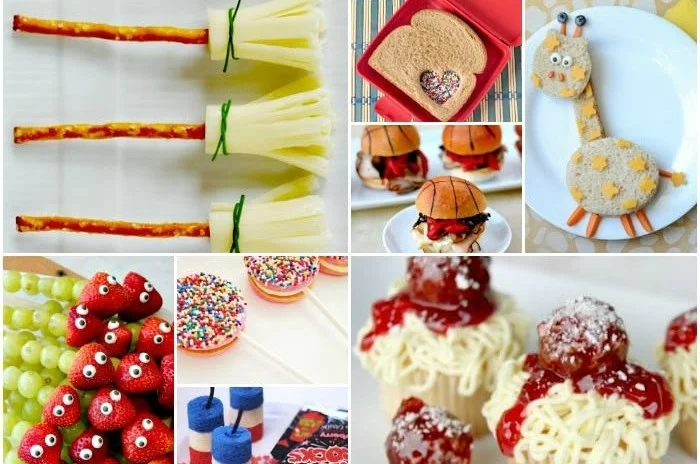
Imagine this: it’s mealtime, and the scene is set. Your little one’s sitting at the table, arms crossed, lips tightly pressed together like a little clam. Sound familiar? We’ve all been there, trying to convince the kids to eat something other than peanut butter sandwiches while dealing with the infamous “I don’t like that!” battle cry. The good news is, mealtime doesn’t have to be a battlefield. In fact, it can be a delightful adventure that turns your dining room into a fun zone! Here’s how we can make mealtime fun with 25 kid-friendly food ideas that’ll have your little ones excited to dig in.
Colorful Vegetable Fun
Kids are naturally drawn to bright colors, and what better way to entice them than with colorful vegetables? Let’s be honest, veggies often get a bad rap, but there’s no reason why they can’t be vibrant and fun. Here are some ideas to bring a rainbow to your table:
Rainbow Veggie Skewers
Grab some skewers and let your kids assemble their own skewers with cherry tomatoes, cucumber slices, bell peppers, and mushrooms. You’ll be amazed at their excitement when they get to create their own mini masterpiece!Veggie Faces
How about making silly faces on a plate with their favorite vegetables? A slice of cucumber for a mouth, cherry tomatoes for eyes, and maybe some dips as hair. This not only makes eating fun but also encourages creativity.Dippable Veggies
Serve a platter of dippable veggies with hummus or yogurt dip. Carrots, celery, and bell peppers are fantastic for this. Kids love anything they can dip, making it feel like a snack rather than a chore.
Creative Fruits
Fruit is a naturally sweet treat, and you can take it up a notch with these ideas:
Fruit Salad Kabobs
Similar to veggies, fruit kabobs can be a hit! Use melon balls, strawberries, grapes, and pineapple chunks. Not only are they tasty, but once again, your little ones can help build them.Frozen Fruit Pops
Blend together fruits with a splash of juice, pour them into molds, and freeze. The result? A refreshing and healthy popsicle! It’s like a summer treat, even in the dead of winter.Banana Sushi Rolls
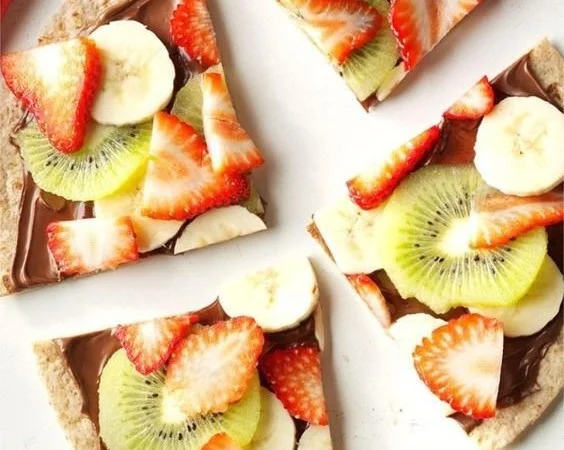
Spread a whole grain wrap with peanut butter, place a banana in the center, roll it up, and then slice it into sushi-like pieces. It’s fun, portable, and filling!
Breakfast for Dinner
Who says you can’t have breakfast for dinner? This approach is always a win for parents.
Pancake Faces
Make small pancakes and let your kids decorate with sliced fruits and whipped cream. Who wouldn’t want a smiley face on their dinner plate?Egg Muffins
Whisk together eggs and let the kids add their favorite chopped veggies, cheese, and maybe some bacon bits. Bake in muffin tins for easy-to-eat mini omelets!Smoothie Bowls
Blend up a smoothie and pour it into bowls. Then let your kids top it with granola, nuts, and fresh fruit. They’ll love the customization and presentation.
Little Chefs
Getting your kids involved in cooking can turn the mundane chore into something exciting.
DIY Pizzas
Provide mini pizza crusts or pita bread, sauce, cheese, and various toppings. Let the kids create their own personal pizzas. It’s hands-on and incredibly fun!Taco Bar
Set up a taco bar with all the fixings. Kids can pile on what they love—lettuce, cheese, salsa, you name it! It encourages them to try new things and create their own masterpiece.Make Your Own Sandwiches
Set out different types of bread, nut butters, jellies, and fun toppings. Your kids will enjoy the variety and get to be the chef for a change!
Snack Time Alternatives
Instead of reaching for those store-bought snacks, consider these healthier alternatives.
Homemade Trail Mix
Mix together nuts, dried fruits, and a sprinkle of chocolate chips for a snack that feels like a treat! Kids love the idea of creating their own mix and can help with the pouring.Cheese and Crackers Animals
Use cookie cutters to cut cheese and crackers into fun shapes. You can add some fruit or veggies on the side for a balanced snack.Yogurt Parfaits
Layer yogurt with granola and fruit in a clear cup. It looks beautiful and tastes so good, they’ll forget they’re eating something nutritious.
Fun with Shapes and Sizes
Sometimes it’s all in the presentation. Making anything fun-sized or shaped can pique a child’s interest.
Cookie Cutter Sandwiches
Use cookie cutters to make sandwiches in fun shapes. Kids will be eager to eat a heart or star sandwich that’s more exciting than a regular square one.Mini Muffins
Bake muffins in miniature sizes. Their small hands can easily grab and they can feel like they’re eating something special.Veggie Chips
Instead of regular chips, try making baked veggie chips. Slice veggies like sweet potatoes or beets thin, season them, and bake until crispy.
Sweet Treats (Healthy Style)
Let’s face it—every kid loves sweets. Here’s how to get creative without sacrificing nutrition.
Stuffed Dates
Fill pitted dates with cream cheese or nut butter. They’re sweet yet healthy, providing a little energy boost for your little one.Chia Seed Pudding
Mix chia seeds with milk or yogurt and let it sit overnight. In the morning, add toppings like honey or fresh fruit to make it appealing.Yogurt Dipped Fruit
Dip strawberries or banana slices in yogurt and freeze them. It’s an icy treat that’s full of goodness!
Getting Inspired with Themes
Bringing themes into your mealtime can add extra fun!
Picnic Dinner
Throw a blanket on the floor and have a picnic with finger foods. It’s a great way to shake up a Wednesday night dinner routine.Around the World Dinners
Pick a country and create dishes inspired by that culture. This not only broadens their tastes but also introduces them to diversity in cuisine.Color Day
Designate a color for the day and serve foods that fit the theme. Ever had a green day with spinach smoothies and broccoli bites? It can lead to a fun and educational experience!Movie Night Snacks
Allow your kids to help prepare snacks for a family movie night. Popcorn with different toppings (cheese, caramel, etc.) can be a hit, and they’ll be excited to help!
Conclusion
Making mealtime fun is all about creativity and involvement. When we engage our kids in the process, whether it’s cooking or choosing their plate designs, it fosters a sense of ownership and interest. And you know what? It’s okay to have chaotic moments and less than perfect meals. You’re not alone in this journey.
To discover even more kid-friendly recipes, check out 25 Family Meals for Toddlers for inspiration! If you’re looking for quick dinner ideas, try 25 Kid-Friendly Dinner Ideas. For more family dinner recipes, browse 25 Easy Dinner Recipes for Families. Finally, if you’re planning a celebration, don’t miss these Easy Birthday Party Food Ideas Kids Will Actually Eat. Happy mealtime adventures!
Fun Rainy Day Activities for Kids and Indoor Games to Try
Imagine this: It’s a rainy Saturday morning, and your little ones are bouncing off the walls, full of energy but stuck inside. You look at the clock and think, “What are we going to do for the next few hours?” We’ve all been there, haven’t we? The idea of letting them play on screens might seem tempting as a quick fix, but let’s be honest—what if we could inspire some laughter and creativity instead? This is where fun indoor games and activities come into play!
Kids aged 0–5 are bursting with curiosity and imagination. So if you’re looking to keep them engaged while fostering their skills, why not tap into their playfulness with some exciting indoor activities? Here’s a list of fun indoor games and activities for kids that will keep boredom at bay and family connections stronger than ever.
Get Moving with Active Games
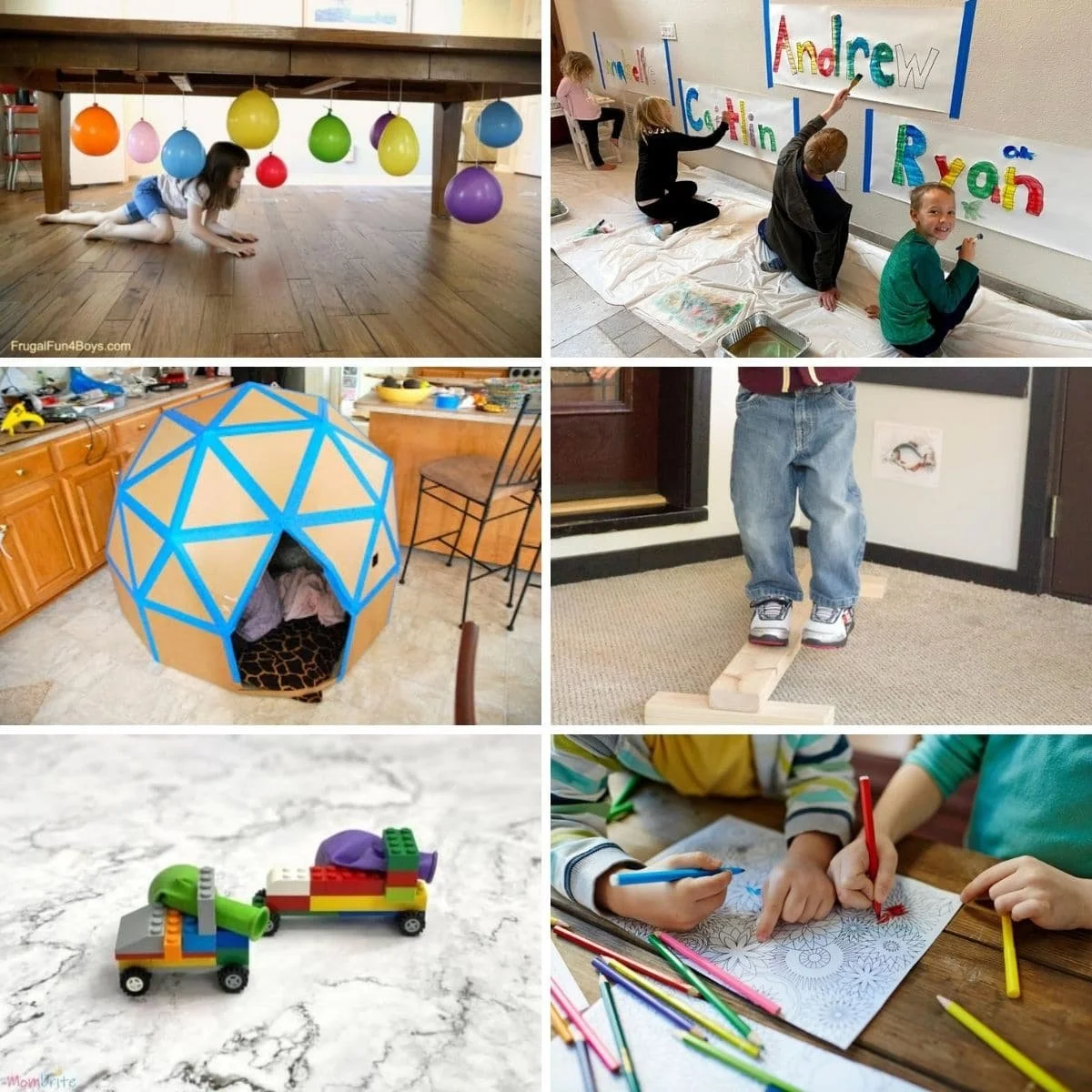
- Indoor Obstacle Course Create a fun and safe obstacle course using pillows, chairs, and blankets. Encourage your little ones to crawl under tables, jump over pillows, and balance on a line of tape on the floor. They’ll love figuring out how to navigate the course, and you’ll get a good laugh watching them!
- Freeze Dance Put on some music and have a dance party. When the music stops, everyone has to freeze in place. It’s a great way to let loose and also teach kids self-control. Plus, you might find yourself joining in, and who doesn’t love a dance-off?
- Balloon Volleyball Grab a balloon and set up a makeshift net with some yarn or a string across the living room. Kids can use their hands or even fly swatters to keep the balloon in the air. Just be sure to remind them not to let it hit the ground!
- Simon Says This classic game is perfect for younger kids. It helps develop their listening skills and can also be a chance for you to get a little silly. Who doesn’t love a dance move or two mixed in with commands?
Creative Arts and Crafts
- DIY Craft Station Set up a table with various craft supplies—construction paper, markers, stickers, and glue. Let your kids unleash their creativity by making whatever they want. You might be amazed by what they come up with!
- Nature Collage If you happen to have some leaves, flowers, or other natural materials at home, let your kiddos create a collage. If it’s a snowy day, you can even gather materials from outside (while bundled up!) to make the collage feel special and connected to their surroundings.
- Painting Party Break out the paintbrushes and let them finger paint or use brushes for a fun painting session. Protect your surfaces, but don’t worry too much about the mess—this is their time to explore.
Learning Through Play
- Treasure Hunt Create a simple treasure map with clues leading to a hidden prize (like snack time or a small toy). Your little ones will work their brains, following the clues to find the treasure. You’ll not only keep them entertained, but you’ll witness their problem-solving in action!
- Storytime Theatre Encourage your kids to act out their favorite stories or make up their own. Provide props and costumes as needed (old scarves and hats work in a pinch). This will boost their imagination and speaking skills while delivering loads of fun!
- Matching Games Create an easy matching game using flashcards or toys. You can even use family photos for a personal touch. Kids can play alone or with siblings, fostering patience and memory skills.
Quiet Time Activities
- Build a Fort If the weather’s dreary outside, gather some blankets and pillows and create a cozy fort in the living room. Kids adore building their own hideaways, and you can even join them for storytime or snack time inside!
- Puzzle Time Dust off those puzzles! Working on them together can promote teamwork and cognitive skills. Plus, it’s a quiet way to keep kids engaged, providing a brain break from typical activities.
- Indoor Gardening Grab some small pots and let them decorate them before planting seeds or flowers. This can be an ongoing project as they learn to care for their plants!
Game Night Ideas for the Family
Let’s not forget game night! It’s a fantastic way to connect as a family and create lasting memories.
- Board Games and Card Games Depending on your kids’ ages, pick out a few family-friendly games. Classics like Uno, Candy Land, or even Go Fish can provide hours of fun. Family competition usually brings about lots of giggles!
- Charades or Pictionary These interactive games are perfect for all ages. You can adapt the difficulty level to fit younger kids—think of things like animals, simple objects, or actions.
Bonus Ideas
Here’s the thing: sometimes the best games involve little to no setup. Here are a few quick ideas:
- Story Cubes: Use dice with images to inspire a story. Let the kids create their own narrative based on the pictures.
- Scavenger Hunt: Make a list of household items to find and send the kids on a mission to gather them.
- Cooking Together: Involve your little ones in the kitchen. Let them help with simple tasks while you whip up a family favorite.
Conclusion
I hope this list of fun indoor games and activities shines a little light on your next rainy or snowy day! Whether you’re crafting in the living room or having a dance-off in the kitchen, the goal is to create cherished moments together. If you want to dive deeper into even more activities, check out these amazing resources: 30+ Simple Sanity Saving Rainy Day Activities, Screen-Free Rainy Day Toddler Activities for 12-18 Month Olds, Rainy Day Activities You Can Do At Home, and 18 Fun Indoor Activities Perfect for Your Autistic Child. Remember, taking time to play with your kids is invaluable, and you’re building priceless memories. Enjoy every moment!
30+ Snacks for 2 Year Olds That Keep Them Full and Happy for Busy Moms
Imagine it’s mid-afternoon, and you’re in the middle of a “crazy hour.” You know the one—when your energetic toddler seems to bounce off the walls while you’re just trying to make it through. You glance at the clock and realize it’s snack time, but you’re fresh out of ideas. We’ve all been there, haven’t we? The snacks need to be appealing, easy to prepare, and—let’s be honest—as mess-free as possible. If you’re searching for toddler-friendly snacks that will keep those small tummies full and happy, you’re in the right place. Let’s dive into some delightful snack inspiration that will make your little ones beam with joy and keep parents smiling too!
Healthy and Tasty Snack Ideas
Fresh Fruits and Veggies
Starting with some wholesome favorites, fresh fruits and vegetables are a toddler’s dream! Not only are they nutritious, but they also fuel kids with energy.
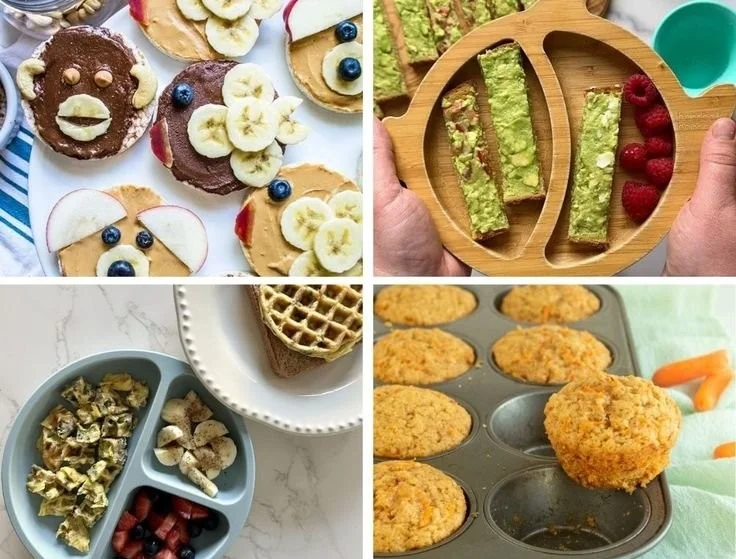
- Banana Slices: These are soft, easy to chew, and come with natural sweetness. Try adding a little peanut butter for some added flair (as long as there are no allergies).
- Apple Wedges: Slice them up, and don’t forget the skin for some extra fiber. Dip in yogurt for a creamy texture that kids love.
- Carrot Sticks: Perfect for little hands! Serve them with hummus or ranch dressing. It’s a great combo for those who maybe aren’t so enthusiastic about vegetables.
- Cucumber Coins: These are incredibly refreshing. Plus, the crunchiness is often a hit with kids. Cut them a bit thicker if your toddler likes to chew.
Dairy Delights
Dairy is packed with calcium and makes for some exciting snacks that can be both filling and tasty.
- Yogurt Parfaits: Layer yogurt with fruits and a sprinkle of granola. You can let your toddler help create their masterpiece (with a little guidance, of course).
- Cheese Cubes: Simple and mess-free! Opt for mild varieties like cheddar or mozzarella. They’re perfect for using small skewers as a fun presentation.
Whole Grain Goodies
Whole grains are not only good for health, but they can also be wonderfully versatile for snacks.
- Oatmeal Bites: Make small no-bake oatmeal bites using oats, honey, peanut butter, and any mix-ins like chocolate chips or dried fruit. Shape them into balls that are perfect toddler-size.
- Whole Wheat Crackers: Pair these with cheese or turkey slices for a fun snack platter. You can even let your toddler make their own combinations.
Finger Foods
Let’s be honest—toddler tummy needs snacks they can pick up and eat without too much fuss, right?
- Mini Pancakes: Slice them up into bite-sized pieces. Drizzle a tiny bit of maple syrup for some added fun! They’re great for breakfast or snack time.
- Mini Sandwiches: Use whole grain bread and cut them into fun shapes. You can fill them with avocado, turkey, or even nut butter (again, allergies permitting).
- Veggie Muffins: Bake muffins with hidden veggies like zucchini or carrots. Make them extra tasty with spices. They’ll never know they’re eating veggies!
Fun Treats
Sometimes we all need a little treat to uplift our spirits, especially after a long day.
- Frozen Fruit Pops: Puree your toddler’s favorite fruits, pour them into molds, and freeze. A refreshing snack that’s also nutritious!
- Chocolate-Dipped Pretzels: These add a touch of sweetness to a salty treat. Coat pretzels in melted dark chocolate and allow them to set. Healthy, indulgent fun!
Quick Tips for Easy Snacking
Let’s talk about some things that have worked for me as a parent. You’re not alone in needing easy ideas that fit into your busy life!
Prep in Advance: Spend a couple of hours on the weekend chopping fruits and veggies. Store them in clear containers in the fridge. When snack time hits, they’re just a grab away—no extra work needed!
Involve Your Toddler: Kids love being part of the process. Let them pick which fruits they want or help with mixing ingredients. It builds excitement around eating healthy.
Use Fun Shapes: Invest in some fun cookie cutters. Cutting sandwiches, fruits, or cheese into shapes can turn an ordinary snack into something special.
Snack Stations: Create a “snack station” in your kitchen. Fill it with easy-to-reach, healthy snacks. When your toddler feels hungry, they’ll know exactly where to go!
Mistakes to Avoid
While we’re diving into snacks, let’s quickly cover some pitfalls to sidestep:
- Don’t Skimp on Variety: Kids can get bored quickly. Change up the snacks regularly so their taste buds stay excited!
- Avoid Too Much Sugar: While occasional treats are fine, excessive sugary snacks can lead to energy crashes (and toddler meltdowns!). Stick with natural sweetness when you can.
- Don’t Forget Allergies: Always double-check what your little one can and cannot have. This is vital to avoid any mishaps during snack time.
Bonus Ideas
Looking to switch things up even more? Here are a few quick bonus ideas that can be a delightful surprise!
- Peanut Butter Banana Toast: Spread a thin layer of peanut butter on whole grain toast and top with banana slices.
- Smoothies: Blend up yogurt, fruits, and a handful of spinach for a quick snack that’s like dessert but packs a nutritional punch.
- Cottage Cheese with Pineapple: This classic combo is high in protein and adds a sweet element that’s fun to eat.
Conclusion
Navigating snack time with a toddler can feel like a challenging, yet delightful adventure. By exploring new ideas and getting creative in the kitchen, you can make this time enjoyable for both you and your little one. Remember, simple, healthy snacks can make all the difference in uplifting moods and keeping everyone satisfied. You’re not alone in seeking out these handy tips, and though the kitchen chaos can be overwhelming, creating fun snacks together can turn it into quality bonding time.
For more ideas to keep your toddler engaged and happy, check out the extensive list of healthy snacks at snacks for 2-year-olds. If you’re looking for ways to fill those busy days, here’s a great resource on activities for toddlers. And when it comes to breakfast, ensure your picky eater is satisfied with a variety of options found in these breakfast recipes. Lastly, if you’re thinking about how to handle the ups and downs of parenting, consider reading about enmeshment and its effects. Keep up the great work, and happy snacking!
Rainbow Grilled Cheese Ideas Your Kids Will Love at Lunch Today
Imagine this: it’s a regular Tuesday afternoon, and you’ve just returned home from a long day. Your little ones are bouncing around the house, full of energy, but completely uninterested in the healthy lunch options you set out. We’ve all been there, right? The sight of peanut butter and celery sticks seems to drain the excitement right out of the room. You want to serve something that’s not just nutritious but also visually enticing. Here’s the thing—what if I told you that you could turn an ordinary lunch into a vibrant, colorful feast that makes everyone happy? Enter the Rainbow Grilled Cheese, the perfect solution for those times when your kiddos are feeling less than adventurous with their food choices.
The Magic of Colorful Food
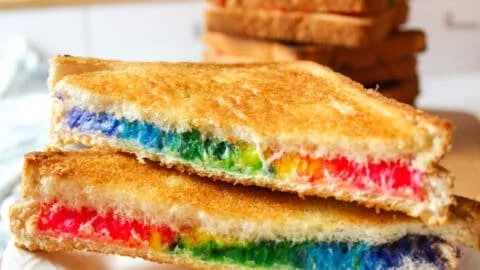
Kids are naturally drawn to bright colors, so why not leverage that to encourage them to eat healthier? Rainbow Grilled Cheese sandwiches are not only easy and delicious but they also look absolutely stunning on the plate. You might be wondering how adding a splash of color can make a difference. Well, it’s all about engagement. When food is visually appealing, it piques children’s curiosity. This colorful sandwich can transform a bland lunch into an opportunity for exploration and joy!
Getting Started with Your Rainbow Grilled Cheese
You don’t need to be a professional chef to whip up this magical meal. I promise you, I’ve made my fair share of cooking mishaps, and if I can make this delightful dish, so can you! Here’s what you’ll need:
Ingredients
- Bread (your favorite type)
- Cheese (choose a mix of different colored cheeses; think cheddar, mozzarella, or even pepper jack for the adventurous)
- Food coloring (gel or liquid, but I recommend gel for a more intense color)
- Butter (for that perfect crispy exterior)
It’s essential to make sure you’re using high-quality cheese. Aim for natural or organic options—trust me, your kids will notice the difference. If you’re feeling ambitious or want to include a little extra nutrition, consider adding some spinach or carrots in the cheese mix.
Step-by-Step Guide to Making Rainbow Grilled Cheese
Prep Your Ingredients: Start by dividing your shredded cheese into small bowls. Add different food coloring to each bowl—one color per bowl. Mix well until the cheese is evenly coated.
Build Your Sandwich: Take your bread slices. You can choose to mix the colors randomly for a fun surprise or layer them in rainbow order. Spread butter on one side of each slice.
Assemble the Layers: On the unbuttered side, layer your first color of cheese, then add the next color on top, and so forth. You can also sprinkle in your veggies here if you’re using them.
Cook It Up: Heat a skillet over medium heat and carefully place your sandwich in, buttered-side down. Cook for about 2-4 minutes, then flip and cook for another 2-4 minutes until both sides are golden brown.
Slice and Serve: Once it’s perfectly grilled, slice the sandwich in half—or quarters if your little ones are particularly tiny—and watch them marvel at the colorful cheese oozing out from between the bread.
Enjoying the Rainbow
When you place that beautiful sandwich in front of your kids, look at their faces. It’s like magic! Suddenly, you’ve captured their attention, and they’re eager to take a bite. But here’s a fun twist: you can encourage them to make their own! Kids love being involved in the kitchen, and letting them assemble their own sandwiches can ignite their creativity.
Quick Tips for Success
- Get your kids involved in the process. They might be more willing to try something new if they helped make it!
- Don’t worry about the mess. Yes, there will be colorful cheese streaks everywhere, but isn’t that part of the fun?
- If your child is hesitant about trying new foods, try serving the sandwich with a side of their favorite dipping sauce, like marinara or ranch.
With just a bit of creativity, you can transform snack time into a fun, interactive activity. And who knows? These Rainbow Grilled Cheese Sandwiches might just become a weekly staple in your home!
Mistakes to Avoid
We’ve all experimented with new recipes, and not every attempt is a hit—believe me! Here are a few things to keep in mind to ensure your Rainbow Grilled Cheese turns out perfect:
- Overstuffing: It might be tempting to pile on the cheese, but too much can lead to the sandwich falling apart. Aim for balance.
- Too High Heat: Cooking on high heat can burn the bread before the cheese melts, so moderate the temperature.
- Using Unfamiliar Cheeses: Stick to cheeses your kids already love. This helps guarantee they’ll enjoy the sandwich!
Variations and Bonus Ideas
Once you’ve mastered the classic version, here are a few ideas to mix it up:
- Rainbow Quesadillas: Swap out bread for tortillas. Layer the same colorful cheese inside, grill, and cut into wedges for an easy snack.
- Rainbow Pasta Salad: Cook some colorful pasta (like spirals) and toss them with a simple vinaigrette, cherry tomatoes, and veggies for a fresh, colorful option.
- Mini Rainbow Skewers: Use toothpicks or small skewers to stack vibrant pieces of fruits and vegetables for a colorful snack on the go.
Frequently Asked Questions
Can I use any type of cheese?
Absolutely! Kids love variety, but you should use cheeses that melt well, like cheddar, mozzarella, or fontina.
Is this meal okay for toddlers?
Yes! As long as you cut the sandwich into manageable bites, toddlers will love this meal. Just be cautious of any allergies.
How can I make it healthier?
Consider adding some finely chopped veggies into the cheese mix and serve with a side of fruit.
Conclusion
So there you have it—a simple yet vibrant take on a classic meal that can turn lunchtime dread into sheer delight. With just a few ingredients and a little creativity, you’ve got a dish that brightens the day and encourages your little ones to eat more colorful, nutritious foods. And isn’t that what we all want? If you’re curious about trying this out, you can find a detailed Rainbow Grilled Cheese Sandwich Recipe on The Spruce Eats. Or, if you’re looking for a kid-friendly version, check out the How to Make The Rainbow Grilled Cheese Sandwich for some great tips. Plus, don’t miss the fun Kid-Made Rainbow Grilled Cheese Sandwich post to get those little hands involved. For a different approach, you can find a delightful recipe on MidgetMomma’s page: Rainbow Grilled Cheese Sandwich Recipe. Get ready to create a colorful culinary experience that your kids will remember!
Easy No-Bake Recipes for Kids That Save Time, Messes, and Stress
Imagine this: it’s a warm afternoon, and the kids are bouncing off the walls. You’re trying to figure out how to keep them entertained when suddenly, you remember the little aprons stashed away in the kitchen. Here’s the thing—getting the kiddos involved in some no-bake recipes can not only satisfy their hunger but also turn a mundane afternoon into a delightful cooking adventure.
Now, you might be wondering what no-bake recipes you can whip up that are both fun and simple enough for your little chefs. Trust me, I’ve been there juggling watching the kids, managing the kitchen—and let me tell you, these recipes can be a game changer. They’re a playful way to explore kitchen science, practice fine motor skills, and, of course, create some delicious treats together. So, let’s roll up our sleeves, put those aprons on, and jump into some easy no-bake recipes that everyone in the family will love.
Fun No-Bake Recipes for Kids
Chocolate Peanut Butter Energy Balls
These little bites are like a power-up in the form of food. With just a few ingredients, your kids can mix them all together and roll them into balls.
Ingredients:
- 1 cup oats
- 1/2 cup peanut butter
- 1/3 cup honey
- 1/2 cup chocolate chips
Instructions:
- In a bowl, have your little ones mix the oats, peanut butter, honey, and chocolate chips together.
- Once combined, let them roll the mixture into small balls (perfect for tiny hands).
- Chill in the fridge for about 30 minutes before enjoying.
What if I told you that these energy balls are not just a snack but also a great way to teach your kids about nutrition? You can talk about how oats give us energy for playtime while honey is a natural sweetener!
Yogurt Parfaits
These can be as colorful and creative as your kids want! Plus, they can practice their layering skills.
Ingredients:
- 2 cups yogurt (any flavor)
- 1 cup granola
- 1 cup mixed berries
Instructions:
- Let your kids take turns layering yogurt, granola, and berries in clear cups.
- Finish with a layer of granola on top for crunch.
Picture this: each layer being bright and vibrant—what a feast for the eyes! As they create, it’s a wonderful moment to discuss healthy choices and the importance of fruits in our diet.
No-Bake Mini Cheesecakes
These delightful cheesecakes offer a creamy bite without the fuss of baking.
Ingredients:
- 1 package cream cheese (softened)
- 1/2 cup sugar
- 1 cup whipped topping
- Graham cracker crumbs
- Fruit or chocolate sauce for topping
Instructions:
- In a large bowl, mix the cream cheese and sugar until smooth.
- Gently fold in the whipped topping.
- In small cups, layer the graham cracker crumbs, followed by the cream cheese mixture, and top it off with fruit or chocolate sauce.
Honestly, how amazing does that sound? Plus, your kids will absolutely love that they can choose their favorite toppings.
Rainbow Fruit Kabobs
If you’re looking for a vibrant, healthy snack that screams fun, these kabobs are just perfect!
Ingredients:
- A variety of fruits (strawberries, bananas, kiwi, grapes, blueberries)
- Skewers or toothpicks
Instructions:
- Have your kids help you wash and cut the fruit (with supervision, of course!).
- Let them create their rainbow by alternating fruits on the skewers.
- Enjoy those colorful creations together!
What if this simple activity also nudges them into trying fruits they might usually skip?
No-Bake Cookies
Now, who doesn’t love cookies? These no-bake options allow your kids to get their hands messy without oven supervision!
Ingredients:
- 1/2 cup unsweetened cocoa powder
- 1/2 cup peanut butter
- 1/4 cup honey
- 1 cup oats
- 1 tsp vanilla extract
Instructions:
- Mix all ingredients in a bowl until well-combined.
- Scoop spoonfuls onto a lined baking sheet.
- Refrigerate until set—again, patience is a virtue!
Let’s be honest; these cookies are not just delicious, they’re also a chance for your little ones to practice their mixing skills and even teach them about textures.
Homemade Trail Mix
Creating a trail mix is one of the easiest ways to turn a snack time into a fun experience, and the best part? Your kids can choose what they want!
Ingredients:
- Various nuts (almonds, peanuts)
- Dried fruit (raisins, cranberries)
- Seeds (pumpkin seeds, sunflower seeds)
- Chocolate chips or M&Ms (for a fun touch)
Instructions:
- Set out all ingredients in bowls.
- Let your kids mix and match their own trail mix in a large bowl or separate bags.
Isn’t it amazing how they can personalize their snack? Plus, you can talk about differing tastes and preferences—after all, everyone’s mix can look different.
Banana Ice Cream
Sounds fancy but trust me, this is a breeze. All you need are bananas and a blender!
Ingredients:
- 2 ripe bananas (sliced and frozen)
Instructions:
- Blend the frozen banana slices until creamy.
- Scoop into bowls and enjoy!
This is a fantastic way to sneak in some fruits while keeping treats fun! What if you tossed in some peanut butter or cocoa powder for extra flavor?
Simple Rice Crispy Treats
These are a classic and make a great canvas for your creativity.
Ingredients:
- 6 cups rice cereal
- 1 cup marshmallows
- 1/4 cup butter
Instructions:
- Melt the butter and marshmallows in a pot until gooey.
- Stir in the rice cereal until coated, then press into a greased dish.
- Let cool before cutting into squares.
We’ve all been there when the rice crispy treats end up being the kids’ favorite snack after gathering the family. Plus, they get to learn about melting and combining ingredients.
Bonus Ideas to Explore
If you’re looking for even more inspiration, think about:
- No-Bake Chocolate Pudding: Let your kids pick their favorite toppings for this creamy treat.
- Granola Bars: They can choose what goes in these chewy snacks.
- Jelly Cups: Layer gelatin with fruits in clear cups for a fun treat.
Quick Tips and Mom Hacks
- Prep in Advance: Chop fruits and ingredients ahead of time for quicker assembly during cooking sessions.
- Use Measuring Cups: This is a sneaky way to work on math skills—measure together and talk about fractions.
- Theme Days: Consider having themed cooking days (like tropical fruit day), so kids look forward to something special.
Mistakes to Avoid
- Overcomplicating Recipes: Keep it simple. Kids’ attention spans are short, so don’t pick overly complex recipes.
- Not Setting Up Consistently: It helps to establish a cooking routine. Try to choose a regular time for no-bake fun.
Conclusion
No-bake recipes are not just about making delicious treats; they’re opportunities for bonding and learning together in the kitchen. The joy of creating, experimenting, and tasting something you made yourself can be a lifelong memory for your little chefs.
For more amazing recipes, check out these no-bake recipes for kids, or explore ideas like no-bake treats. If you need inspiration for meals throughout the week, don’t miss out on easy summer dinner ideas or meal prep ideas. Happy cooking!
Ready For Ten A Friendly Guide for Moms to Thrive with 10 Year Olds
Imagine this: you’re at home, juggling a million things—laundry, dishes, and maybe even a nap-deprived toddler who’s just discovered the joys of throwing toys around. Now, you might be wondering how to keep your little ones engaged and your sanity intact. You’re not alone in this!
We’ve all been there, navigating the wild rollercoaster of parenting children aged 0-5. Each day brings its own unique set of challenges and joys. From figuring out their eating habits to managing their boundless energy, it’s a whirlwind that can sometimes feel overwhelming. But here’s the thing: with a few simple strategies, we can create a nurturing environment that supports our children’s development while also making parenting a little easier on ourselves.
Engage in Playful Learning
Playing isn’t just fun; it’s essential. If you think about it, play is how your toddler learns about the world. It’s their form of education, exploring how things work and understanding their surroundings. So, how can we enhance this playful learning experience?
Sensory Play: Use different textures to awaken their senses. You can create a sensory bin with rice, beans, or even water beads. Here’s a little tip: a few drops of essential oils can add a pleasant aroma while they dig in.
Building Blocks: These are fantastic for developing fine motor skills. Encourage them to build towers and knock them down. I remember my child stacking blocks and realizing that gravity was at play. What fun little experiments they can conduct!
Art and Craft Time: Let’s be honest—mess is part of the process. Arm your little ones with non-toxic paints, crayons, and some large sheets of paper. It’s not just about the art created; it’s about the expression and creativity unleashed.
Cooking Together
What if I told you that cooking can be an exciting adventure for the whole family? Getting your kids involved in the kitchen can help them understand healthy eating while having fun. Plus, teaching them to cook is a life skill they’ll thank you for later!
Simple Recipes: Start with uncomplicated recipes—think smoothies or fruit salad. Not only are they nutritious, but kids love to mix ingredients.
Use Their Imagination: Let them choose how to decorate their meals. Does your child want to make oatmeal look like a smiley face with fruits? Go for it! Encouraging creativity during mealtime can foster healthy eating habits as they’ll be more inclined to try what they’ve made.
Cooking Tools: Invest in child-safe tools. There are plenty of brands that make kid-friendly utensils. It’ll make them feel involved and responsible.
Encourage Exploration of Nature
Now, don’t underestimate the power of nature in a child’s development. Getting outside is crucial for both mental and physical health. Picture this: your kids running through a park, collecting leaves, maybe even splashing in puddles.
Nature Walks: Take the time to explore local parks or nature reserves. Equip them with a small backpack, a journal, and colored pencils. Let them draw what they observe. You’ll be amazed at what they notice!
Gardening: Even a small garden patch can do wonders. Plant easy-to-grow vegetables or flowers. Watching things grow helps teach patience and responsibility.
Scavenger Hunts: Create a list of items they can find outdoors—like pine cones, specific leaves, or insects. This will keep them engaged and eager to explore.
Establish Routines
Routines provide children with a sense of security. They thrive on predictability, which can make our lives easier as well. Here’s how we can create effective routines:
Morning Routine: Set the stage for the day. This could include a simple checklist that they can follow—getting dressed, brushing teeth, and having breakfast. You can even make a song out of it to make it more fun!
Bedtime Ritual: A consistent bedtime routine signals it’s time to wind down. Choose calming activities—like reading a story together or playing soft music—as part of this wind-down time.
Daily Check-Ins: At the end of each day, sit down and ask them about their favorite part of the day. It’ll help you understand their thoughts, feelings, and even allow for bonding time.
Foster a Love of Reading
Let’s face it, instilling a love for books can feel daunting—especially with all the distractions around. But making reading enjoyable will set a solid foundation for their future learning.
Read Aloud Together: Engage with your child while reading; ask questions and make predictions. This interaction transforms reading from a task into an adventure.
Create a Cozy Reading Nook: Design a little corner just for reading with cushions, fairy lights, maybe even a few stuffed animals. This can become the favorite spot for flying off into storyland.
Diverse Selection: Introduce them to various genres. From fairy tales to informative picture books, the more exposure they have, the better they can relate to different ideas.
Prioritize Nutrition
Now, we can’t forget nutrition. If you’re anything like me, you often find yourself in the lunchbox battle zone. How do we ensure they’re eating well without constant mealtime drama?
Involve Them in Meal Planning: Let your child pick a fruit or vegetable at the grocery store. This not only empowers them but also gets them excited about what they eat.
Healthy Snacks: Keep healthy options like sliced fruits or carrots readily available. When they get the munchies, they’ll be more inclined to choose something nutritious.
Make Food Fun: Use cookie cutters to create fun shapes out of sandwiches. Kids love novelty, and it can make the same foods appear more appealing.
Embrace the Mess
Let’s be real here: parenting young kids is messy, emotionally and physically. We can embrace that chaos instead of fighting it.
Cleaning up can be tedious, but it becomes part of the adventure. You’ll find that helping them clean up after a play session can be a teaching moment, too. Present it as a game, where they have to put their toys away in a race against the clock!
Conclusion
Parenting is a journey filled with laughter, learning, and a sprinkle of chaos. Remember, there’s no one-size-fits-all approach. Every child is unique, so trust your instincts and tailor these suggestions to fit your family’s needs.
For some inspiration on fun themed birthday parties for kindergarteners, check out this resource on birthday party ideas. If you’re looking for simple yet delicious recipes that are great for kids, learn more about making a healthy smash cake that’s fruit-sweetened!
And if you’re curious about the best gift ideas for your kindergarten-age kids, look into this list of thoughtful gifts. Finally, for more parenting tips, check out the amazing resources on cookery books on English Mum to inspire your kitchen adventures. Embrace the adventure, enjoy the little moments, and trust that you’re doing an amazing job parenting!
Heartfelt Fall Baby Shower Ideas Your Mom Friends Will Adore
Imagine it’s early morning. The sun is just peeking through your curtains as you hear the tiny footsteps padding down the hallway. Your little one bursts into the room with uncontainable excitement. This is one of those magical moments as a parent that you cherish, right? But as the day unfolds, it can quickly shift from dazzling moments to the reality of toddler tantrums, snack negotiations, and the endless chatter that makes parenting an adventure.
Here’s the thing: parenting a child ages 0-5 isn’t just about keeping them fed and entertained. It’s about navigating a whirlwind of emotions, developmental milestones, and learning opportunities. We’ve all been there, staring at the clock, wondering how to occupy our active toddlers or how to encourage our babies as they begin to explore the world. So, let’s dive into some friendly, practical advice that can help make your parenting journey a little smoother, chaotic moments and all.
Fostering Development Through Play
Let’s picture a scenario. You’re at home, the weather is less than ideal for an outdoor playdate, and your little one is bouncing off the walls, bored out of their mind. What do you do?
Engaging in Playtime is one of the best ways to enhance your child’s development — both physically and mentally. Here are a few playful ideas:
Sensory Play
Sensory bins filled with rice, beans, or water can keep your child occupied for hours. These bins stimulate your little one’s senses and encourage imaginative play. Let them dig in, pour, and explore different textures. But remember, it can get messy! (Trust me, I learned that the hard way.)
Creative Arts and Crafts
Grab some paper, colors, and maybe even some old magazines. Craft time is a fantastic way to boost creativity. You can create fun projects together like collages or handprints. Plus, it’s a great excuse to unleash their inner Picasso — and you can cherish those creations forever!
Building Blocks
Stacking and building with blocks helps develop fine motor skills. You can even turn it into a game by asking your child to build a tower as tall as they are. Watching them balance those blocks and celebrate their triumph with giggles is priceless.
Nutrition is Key
Now, let’s be honest. You’ve probably experienced the struggle of getting your child to eat nutritious foods. The endless battles over vegetables can be exhausting. But with a few simple strategies, you can make mealtime a lot more enjoyable.
Easy, Healthy Snacking
Instead of chips or sugary treats, keep a stash of fun snacks ready. Think apple slices with peanut butter, yogurt with berries, or even colorful veggie sticks. Presenting food in a fun way can make a world of difference. You might want to try arranging slices to look like a smiley face!
Involve Your Little Chef
What if you let your little one help in the kitchen? Kids love to help, and involving them in food prep can encourage them to make healthier choices. Give them simple tasks like mixing or pouring — they’ll feel so proud. I remember the first time my daughter helped mix pancake batter; her smile lit up the whole kitchen!
Food Exploration
Make meals a learning experience. For example, look for a recipe from a different country or talk about where different foods come from. This also helps with vocabulary building and understanding food diversity.
Establishing Routines
You’re probably familiar with that moment when your child is overly tired but doesn’t want to sleep. Routines can become your best friend in these scenarios.
Create a Calm Environment
Establishing a consistent bedtime routine helps your little one feel secure. Start with a soothing bath, followed by a bedtime story. (Trust me, it’s more for you than them in those early days!)
Daily Schedules
Having a flexible daily schedule can ease anxiety for both you and your child. Try to keep consistent wake-up, meal, and playtimes. Consistency helps them know what to expect, making transitions smoother.
Social Interaction Is Important
Social skills are crucial for your child’s development, and it starts in those early years.
Playdates and Group Activities
If you’re feeling overwhelmed, remember you’re not alone in this. Slowly introducing playdates with friends can help build your child’s social skills. This gives them opportunities to share, cooperate, and learn from their peers.
Storytime at the Library
If playdates aren’t feasible, consider attending storytime sessions at your local library. These gatherings are not only fun but also introduce your child to the joys of reading. You’ll find that sharing stories fosters connections and enhances language skills. Plus, it’s a great way to meet other parents too!
Community Activities
Check out local community activities or classes for toddlers. These often focus on teamwork and collaboration and can be a fun way to allow your child to explore their interests while you take a breather.
Making the Most of Your Time Together
Amidst the hustle of parenting, it’s easy to forget to savor the moments. Try to make quality time together a priority.
Family Outings
Plan local adventures like a trip to the zoo, a picnic in the park, or even just a walk in the neighborhood. These mini-adventures can create lifelong memories. Talk about the animals you see or the flowers you spot — spark their curiosity about the world around them.
Technology Mindfulness
While technology isn’t inherently bad, it’s wise to be mindful of screen time. Try to turn off screens during family meals and designated play times. Encourage imaginative play instead. Remember, it’s not just about quality time; it’s about distraction-free time.
Wonder in the Mundane
Even household chores can turn into fun activities with your little one. While you’re washing dishes, hand your child some plastic cups and let them “help” or create a game out of picking up toys together.
Conclusion
In the whirlwind of raising a little one, it’s crucial to remember that you’re doing an incredible job. Every moment spent nurturing, teaching, and playing with your child enriches their lives and strengthens your bond. Through playful learning, focused nutrition, and steadfast routines, you can help your child flourish during those formative years.
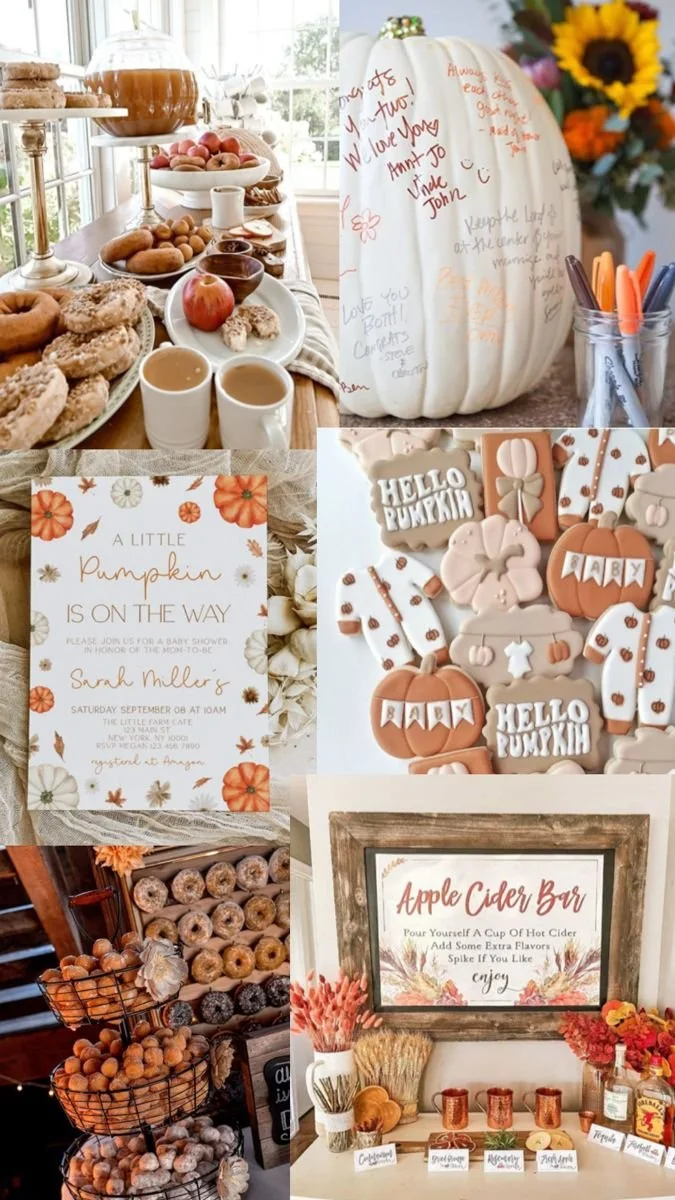
If you’re preparing for a baby shower or looking for some festive ideas, consider some creative inspiration for your event. Check out festive fall-themed baby shower ideas or browse fall baby shower decorations. And if you want to explore even more ideas, be sure to look at these fall baby shower themes. For a more specific twist, jungle baby shower themes could also be a fantastic choice. Enjoy this beautiful journey of parenthood because, at the end of the day, it’s all about making lasting memories together. You’ve got this!
Simple Steps for a Totally Doable SAHM Morning Routine for Busy Moms
Imagine this: it’s a typical weekday morning, and my three little whirlwinds are already up and running before the sun fully lights the sky. One of them is intent on building a rocket from his Lego set while the other two are engaged in a heated debate over who gets the blue plate for breakfast. Sound familiar? The chaos might seem overwhelming, but I’ve learned how to embrace it, manage it, and even enjoy it!
As a stay-at-home mom (SAHM) of three, I’ve developed a morning routine that helps me balance my kids’ schedules while also ensuring I get myself ready for the day. Here’s how I do it, along with some tips and tricks to help you create your own successful morning routine.
The Power of Preparation
Here’s the thing: preparation is key. The night before, I spend a little bit of time getting things in order. This doesn’t mean I have a rigorous schedule or that everything needs to be perfectly organized—let’s be honest, that’s just not realistic with three kids! But here’s what I typically do:
Set out clothes: I lay out clothes for myself and my kids for the next day. This small task saves time in the morning and reduces potential wardrobe battles (because we all know they happen).
Meal prep: I prep breakfast ingredients or even make some breakfast items ahead. For example, I often whip up a batch of blueberry avocado mini muffins. They’re yummy and easy to grab!
Tidy up: Just a quick five minutes of tidying up in the kitchen can make a world of difference. It helps me feel more relaxed in the morning when I don’t have to navigate around toys and last-night’s dinner mess.
By taking these simple steps, I wake up to a more manageable environment, which sets a positive tone for the day before it even starts.
Creating a Morning Routine
Now that I’ve laid the groundwork the night before, it’s all about having a routine that works for my family. My mornings typically include the following steps:
Step One: Wake Up Before the Kids
I try to get up before my little ones. This “me time” is sacred. Whether it’s just 15 minutes or half an hour, I use this time to enjoy a cup of coffee, check my planner, or do a few gentle stretches. If you’re thinking, “That sounds lovely, but how can I manage that?” you’re not alone! Waking up early can be tricky, but even just waking up ten minutes earlier can set you up for a better day.
Step Two: Get Dressed and Ready
Here’s where I get myself dressed. Sure, I might still be in my comfy pants for part of the morning, but I make sure to put on something that makes me feel good. It’s amazing how even a small effort in self-care can boost your mood. Plus, when I feel put together, I’m more likely to tackle the tasks ahead with energy.
Step Three: Start Breakfast
After I’m dressed, it’s time to tackle breakfast. This is a family affair for us. My older kids love to help mix ingredients or set the table. It’s a beautiful chaos, but they feel involved, and it helps me get more done faster.
If you’re looking for some engaging activities for your toddlers while getting breakfast ready, check out this article about creating a simple toddler morning routine.
Step Four: Eat Together
We all sit down for breakfast together. We chat about the day ahead and what everyone is looking forward to. I find that this way, my kids feel connected and start the day on a positive note. It also helps them share their thoughts, and I get a peek into what’s going on in their little worlds.
Step Five: Morning Hygiene Routines
Once breakfast is done, we move on to personal hygiene. I encourage my kids to brush their teeth and wash their faces. It’s essential to instill good habits early on. Plus, I often set a timer to make this task feel like a game rather than a chore.
Step Six: Check the Schedule
Before I send them on their way to school or other activities, I take a moment to review the day’s agenda with them. This practice minimizes surprises and ensures everyone is on the same page. Sometimes, I even include little stickers for our planned activities as incentives!
Activities for the Younger Ones
If your kiddos are in the younger age bracket (like toddlers or babies), you might be juggling nap times harder than anything else. Take a deep breath—you’re absolutely doing an amazing job! When my youngest was born, I found it effective to involve the older kids in looking after their baby sibling.
Incorporate playtime: Designate a specific time for play with the baby while you prepare breakfast. Toddlers love to show off their “big kid” skills.
Use soft toys: Hand your little one a soft toy that’s safe to chew on while they’re propped up and enjoying some tummy time.
Remember, it’s perfectly okay if things don’t go as planned. Flexibility is the secret sauce in any family’s morning routine.
Quick Tips for a Smooth Morning
Here are a few quick tips that help streamline our mornings:
Keep toys and activities accessible: Having bins or baskets with toys in the living room allows for easy access. They can dive in while you get things done.
Make a checklist: Create a morning checklist for your kids. Simple tasks like “brush teeth” or “get dressed” can be fun and rewarding.
Limit morning screens: I’ve found that too much screen time can throw off our routine, so we save that for after we’ve accomplished our morning tasks.
Mistakes to Avoid
Through trial and error (and a lot of patience), I’ve learned a few things to avoid during our morning chaos:
Don’t skip self-care: If you feel frazzled and grumpy, it can rub off on everyone. Take a moment for yourself!
Avoid rushing: When you rush, you create chaos. Slow it down; give yourself and your kids ample time to move through the morning.
Don’t be afraid to ask for help: Whether it’s your partner, a friend, or a relative, you don’t have to do it all alone. Asking for help is a sign of strength, not weakness.
Conclusion
Finding the right balance for mornings at home may take time, and it’s perfectly normal for it to evolve as your children grow. Embrace the chaos, and try to find beauty in the little moments. Each morning is a new opportunity to create cherished memories with your little ones.
For more helpful tips, consider checking out resources like 9 tips to stay fit when you have little kids, or exploring my daily schedule with an 18-month-old and a 4-year-old to see how others navigate similar challenges. For inspiration on managing routines, listen to the Habit Stacking Mom podcast that covers all things routines. Lastly, remember to create a morning routine that’s doable for you through this excellent article on creating a morning routine that’s doable.
No matter how your mornings unfold, you’re doing a wonderful job, and remember, you’re not alone in this journey!
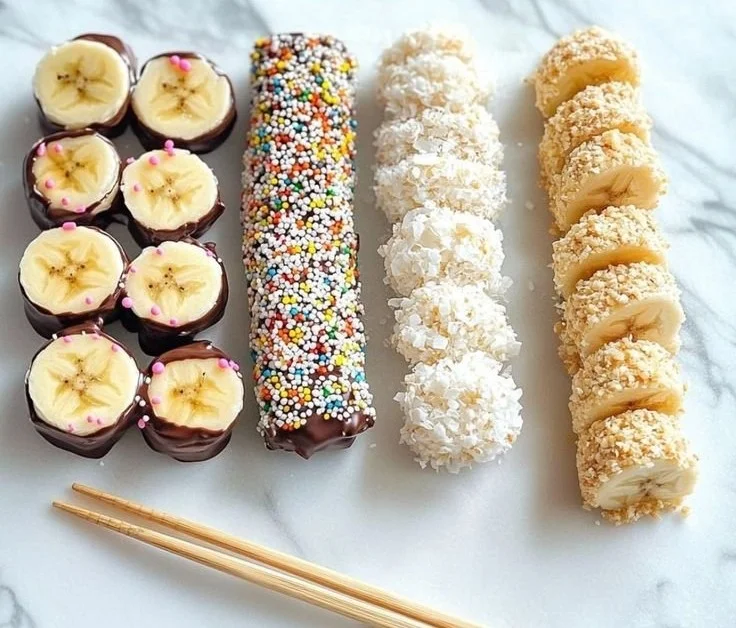
Fun and Easy Banana Sushi Ideas for Kids That They Will Love
Imagine this: it’s a busy afternoon, your little one just got out of nap time, and they’re suddenly starving. You’ve all been there, right? It’s that moment of panic where you need to whip up something nutritious, fun, and quick. The clock is ticking, and your child is getting hangry. Sound familiar? This is where Banana Sushi comes to the rescue—a delightful twist on a classic snack that’s as fun to create as it is to eat.
What is Banana Sushi
Now, you might be wondering, "What exactly is Banana Sushi?" Well, it’s simple. Picture a banana that’s spread with nut butter (or yogurt if you’re in a nut-free household) and then rolled in delicious ingredients like granola, coconut flakes, or even some chocolate chips. The best part? It’s healthy, engaging, and satisfies sweet tooth cravings without the guilt. Plus, it encourages your little ones to get hands-on in the kitchen, which is always a win in my book.
Why Banana Sushi is Perfect for Kids
Creating fun snacks is a great way to get kids invested in what they eat. Kids love to help out in the kitchen, and making Banana Sushi together can turn snack time into a mini cooking class. Here are a few reasons why this recipe stands out:
- Encourages Independence: Kids love experimenting with flavors and textures. This recipe allows them to choose their own fillings, promoting creativity.
- Nutritious: Bananas are a great source of potassium and fiber, while nut butter adds protein and healthy fats. Pairing these with whole grains or dried fruits can create a balanced snack!
- Quick and Easy: You can whip it up in no time—perfect for those rushed afternoons or when you’re just too busy to make something elaborate.
Let’s Make Banana Sushi Together
Ready to get started? Here’s a simple step-by-step guide to making Banana Sushi that will make you both feel like culinary stars.
Ingredients You’ll Need
- 1 ripe banana
- 1-2 tablespoons of nut butter (or yogurt for dairy-free)
- Toppings: shredded coconut, crushed granola, mini chocolate chips, or any other sprinkle-able toppings your kiddos love.
Instructions
Spread the Nut Butter: Start by peeling the banana and placing it on a cutting board. Grab a butter knife and let your little one help spread a layer of nut butter all over the banana. It’s okay if it gets a little messy; that’s part of the fun!
Add the Toppings: Here’s where their creativity can really shine! Let them sprinkle their chosen toppings over the nut butter-coated banana. This is a great time to talk about different textures and flavors. Do they want crunchy granola, sweet coconut, or a little hint of chocolate?
Roll It Up: Once the toppings are on, it’s time to roll it up! Carefully lift one end of the banana and roll it towards the other end, just like you would with sushi.
Slice and Serve: Finally, grab a sharp knife, and slice the banana sushi into bite-sized rounds. It’s totally fine if some pieces fall apart—this makes it even more fun.
Enjoy Together: Present the banana sushi on a colorful plate and dig in! A good snack is always better shared.
Bonus Ideas for Variations
- Fruit Fusion: Instead of spreading nut butter, try cream cheese or a fruity yogurt. Add slices of strawberries or blueberries for extra fruitiness.
- Chocolate Delight: If your kids are chocolate lovers, try spreading Nutella instead of regular nut butter or even drizzling some melted chocolate over the top. You can serve it with a side of fresh fruit for dipping!
- Savory Option: For a unique twist, spread hummus on the banana and sprinkle with sesame seeds. This savory approach can introduce your little one to new flavors and textures.
Quick Tips for Success
- Use Soft Bananas: Ripe bananas are easier to spread the nut butter on and make for a tastier bite!
- Get Creative with Toppings: Don’t hesitate to explore different combinations. Rice krispies, dried fruit bits, or even crushed nuts can add great texture.
- Keep it Interactive: Turn it into a game. Let your child decide how they want their sushi made. This can turn meal prep into an exciting activity.
Mistakes to Avoid
While making Banana Sushi is pretty straightforward, here are a few things to keep in mind to ensure a smooth process:
- Pick the Wrong Banana: Overripe bananas can be mushy, making it hard to slice. Aim for bananas that are ripe but still firm.
- Too Many Toppings: Kids often want to pile on all the toppings, but less can sometimes be more! Not only does it make it easier to roll up, but it also helps them appreciate flavors better.
- Rushing Through: Give yourselves enough time to enjoy the process. Cooking with kids should be fun, not stressful!
FAQs
Can I make Banana Sushi ahead of time?
It’s best enjoyed fresh to prevent the banana from browning. If you want to prepare toppings ahead of time, that can be a great way to speed up the process later on.
What’s the best nut butter to use for Banana Sushi?
That really depends on your child’s tastes and any allergies. Almond butter, sunflower seed butter, or peanut butter are all fantastic choices. Just make sure it’s spreadable!
Can you freeze Banana Sushi?
You can freeze banana sushi, but keep in mind that the texture will change. If you do freeze it, consume within a few days for the best taste.
What are some other creative recipes for kids?
If you’re looking for more fun ideas, check out our post on fun crafts or explore our list of indoor activities to keep the fun going.
Conclusion
Making Banana Sushi is more than just a snack—it’s an opportunity for bonding and creativity in the kitchen. The next time you find yourself in a time crunch, remember this fun and nutritious option. It’s a delicious way to encourage your kids to enjoy healthy ingredients while having a blast creating their own sushi rolls. So what are you waiting for? Grab some bananas and let the fun begin!
For more inspiration on this tasty recipe, check out these resources: Banana Sushi on My Fussy Eater, Yummy Toddler Food’s take on Banana Sushi, Weelicious offers a great tutorial, and MOMables features simple recipes. Enjoy making memories and tasty snacks together!
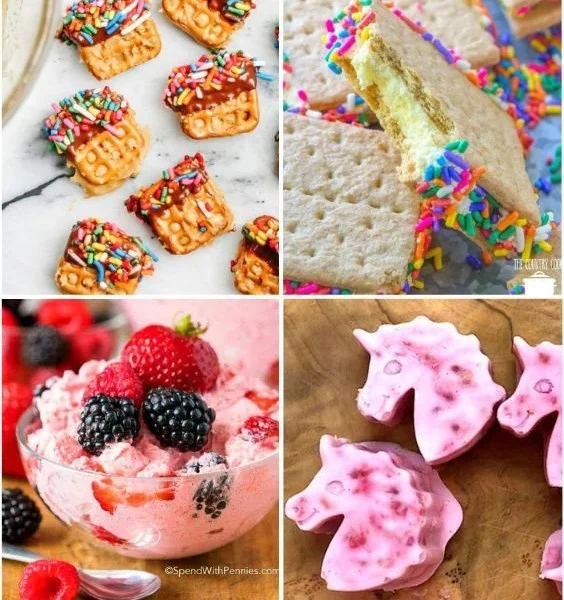
No-Bake Recipes For Kids That Are Quick, Fun, and Kid-Friendly
Kids love to cook and bake
Imagine coming home from a long day, and as soon as you step through the door, your little ones rush to greet you with the smell of something sweet (yet healthy!) coming from the kitchen. Sound familiar? Those moments can be magic. Not only does cooking and baking create delicious treats, but it also fosters creativity and builds essential life skills in our children.
Teaching kids to cook can feel like a daunting task—like when they ask you why the sky is blue while you’re trying to measure flour! But here’s the thing: no-bake recipes remove some of that stress. They’re quick, messy (which kids love), and don’t require any complex cooking techniques. Plus, they offer the perfect opportunity to bond with your kids and create lasting memories.
In this article, I’ve compiled 20 delightful no-bake recipes that you and your little chefs can whip up together. These recipes are perfect for parties, snack times, or just a fun afternoon activity. Most importantly, they’re packed with healthy ingredients like fruits, grains, and low sugar options.
Let’s dive into this deliciousness!
No-Bake Cookies
Chocolate Peanut Butter No-Bake Cookies
- Combine oats, peanut butter, and cocoa powder for a quick treat. These cookies are not just tasty; they’re packed with protein and fiber, making them guilt-free.
Oatmeal Raisin Energy Bites
- Mix oats, honey, and raisins for a chewy energy snack. They’re perfect before a big outdoor play session, keeping those energy levels up!
Nutty Granola Bars
- Blend your favorite nuts, honey, and a bit of whole grain. Kids can add their twist with chocolate chips or dried fruit.
No-Bake Cookie Dough Bites
- Your kids will love this raw cookie dough made with chickpeas, nut butter, and chocolate chips. It’s a healthier alternative to the classic!
S’mores Squares
- Layer graham crackers with melted chocolate and marshmallows for a campfire classic with no fire needed! They’re fun to make and even more fun to eat.
Creamy Cheesecakes
Mini Fruit Cheesecakes
- Use crushed graham crackers for the crust and your choice of yogurt or cream cheese for the filling. Top with fresh fruits to make them colorful and tasty.
Chocolate Avocado Cheesecake
- Okay, hear me out—avocados in dessert? Yes! Blend avocado, cocoa powder, and a splash of vanilla for a creamy, irresistible treat that packs in nutrients too.
No-Bake Lemon Cheesecake
- Combine cream cheese, lemon juice, and honey for a zesty treat. The bright flavor is perfect for summer gatherings!
Peanut Butter Banana Cheesecake
- This combo of peanut butter and banana is to die for. It’s creamy, delicious, and so easy for kids to make!
Key Lime Pie Bites
- Filled with lime juice and cream cheese, these mini pies are refreshing and perfect for summer. Plus, kids will love rolling them into bite-sized snacks.
Fruity Treats
Yogurt and Fruit Parfaits
- Layer yogurt with fresh fruit and granola for a quick and nutritious snack. Let the kids choose their favorite fruit for personalized parfaits.
Banana Sushi
- Spread peanut butter on a whole banana, sprinkle with rice crisps, and slice it up! It’s fun, nutritious, and a bit wacky—kids will love it.
Frozen Yogurt Bark
- Spread yogurt on a baking sheet, top with fruits and nuts, and freeze. Break into pieces for a refreshing treat that’s perfect on hot days!
Fruit Popsicles
- How about blending fruits with some juice or yogurt and pouring them into popsicle molds? Kids can get creative with combinations!
Chocolate-Dipped Fruit
- Melt some dark chocolate and dip in strawberries or banana slices. The rich chocolate pairs deliciously with the fruit’s natural sweetness.
Super Snacks
Nut and Seed Butter Energy Balls
- Combine oats, nut butter, honey, and your kids’ favorite seeds. Roll these into balls for a quick energy-boosting snack.
Veggie Hummus Cups
- Mix chickpeas, tahini, and lemon juice to create hummus, then serve with carrot sticks and cucumber slices for dipping.
Cheese and Cracker Sandwiches
- Slice cheese and layer between whole-grain crackers. Kids can even add slices of turkey for extra protein!
Coconut Macaroons
- Mix shredded coconut with almond milk and sweetener. Roll them into balls and let them set—they’re a chewy, sweet treat!
Chocolate Covered Pretzel Rods
- Dip pretzel sticks in melted chocolate and sprinkle your choice of toppings—think crushed nuts or colorful sprinkles! They’re a crunchy and delightful snack.
Quick Tips for a Fun Cooking Experience
Involve kids in prep: Let them measure ingredients or mix with a big wooden spoon. It makes them feel included and proud of what they’re creating.
Make it messy: Remember, part of the fun is in the mess! Spread out old newspapers or aprons to contain the chaos.
Taste as you go: Encourage your little ones to sample the ingredients (those chocolate chips are a huge hit). This teaches them about flavors and balances.
Celebrate success: Once your creations are done, celebrate the hard work! Enjoy a little taste-test party together.
Conclusion
Cooking and baking with your kids can be a fun-filled activity that allows for creativity while encouraging healthy eating habits. With these 20 easy no-bake recipes, you can help your children develop a love for food and cooking from a young age. Not only are these recipes full of nutritious ingredients, but they’re also a great way to bond and make cherished memories in the kitchen.
Looking for even more ideas? Check out these fantastic collections of no-bake recipes for kids: 55 Easy No-Bake Recipes for Kids, 20 Nutritious Energy Ball Recipes Kids Love, 45 Easy No-Bake Recipes for Kids, and 20 Easy No-Bake Dessert Recipes for Kids to Make. Whether you’re cooking for snack time or a special occasion, enjoy the giggles, the mess, and those yummy moments together!