
Simple Outdoor Activities for One-Year Olds Your Toddler Will Love
Imagine this: it’s a sunny Saturday morning, and your one-year-old is tugging at your leg, eager to explore the great outdoors. You might be thinking, “What can we do? They’re still so little!” But here’s the thing—kids this age are naturally curious explorers, and the world outside is a playground waiting to be discovered.
Spending time outdoors not only sparks their imagination but also helps in their physical and cognitive development. Let’s dive into some of the best outdoor activities perfect for one-year-olds that will leave you both smiling and creating lasting memories.
Simple Outdoor Activities for Your One-Year-Old
The beauty of outdoor activities is that they encourage exploration without needing elaborate setups. You can engage your little one in various fun and educational ways. Here are some delightful options:
Nature Walks
One of the simplest yet most fulfilling activities is taking a stroll. On these walks, you can encourage your one-year-old to observe flowers, trees, birds, and even insects.
- What to do: Give them a safe space to explore, let them touch the bark on trees, and try to identify different colors in nature.
- Why it works: It promotes sensory development as they feel the textures and discover new sights and sounds.
Sensory Bins Outdoors
You might be familiar with sensory bins indoors, but why not bring the fun outside?
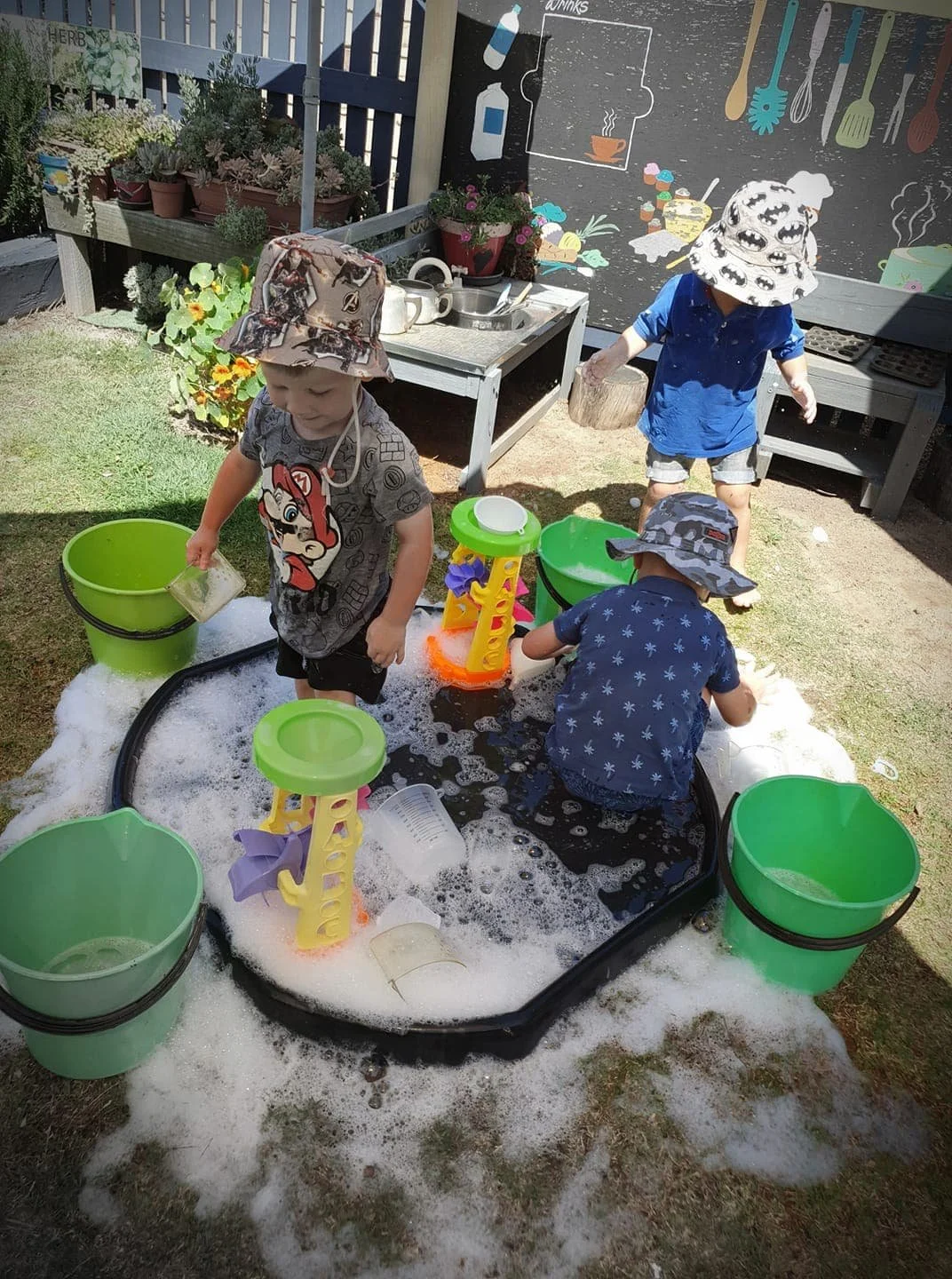
- What to do: Fill a bin with sand, dirt, or water and add safe toys, cups, or even kitchen utensils for scooping.
- Why it works: It fosters creativity and fine motor skill development through tactile play. Your little one will love the freedom to dig, pour, and explore.
Garden Exploration
If you have a garden or access to one, encourage your child to help out.
- What to do: Show them how to pick flowers or hand them a small shovel to help dig in the soil.
- Why it works: Gardening helps build responsibility and gives them a sense of accomplishment as they see the fruits (or flowers) of their labor!
Water Play
You don’t need a fancy water table for this.
- What to do: Set up a simple bucket of water with cups and balls. Just let them play and splash!
- Why it works: Playing with water can be soothing and helps with hand-eye coordination as they pour and throw.
Outdoor Picnics
What’s better than a meal with a side of fresh air?
- What to do: Spread a blanket in the yard and enjoy some snacks. You can even bring nature-themed books to read together.
- Why it works: It strengthens your bond and gets your little one familiar with different textures and tastes.
Bubbles
Bubbles are like tiny magic worlds floating in the air, and they can mesmerize any one-year-old.
- What to do: Bring along a bubble wand or a bubble machine. Watch your child’s excitement as they chase and pop the bubbles.
- Why it works: It’s great for developing motor skills, as they’ll reach, grab, and attempt to pop those elusive bubbles!
Sandbox Fun
If you have access to a sandbox, it can offer endless entertainment.
- What to do: Bring in some shovels and buckets. Watch your little one dig, build, and unleash their creativity.
- Why it works: Playing with sand enhances tactile feedback and encourages imaginative play.
Nature Scavenger Hunt
This activity can be simple or complex, depending on your child’s understanding.
- What to do: Create a basic list of items to find, like a red leaf, a small stone, or a fuzzy caterpillar.
- Why it works: It instills observational skills and can be such a joy to check things off as you go!
Playground Adventures
Going to a local playground is a fantastic way to socialize and explore.
- What to do: Let them try out designed spaces for climbing and sliding under close supervision.
- Why it works: Social interaction and physical activity are key at this stage, plus it gives you a chance to meet other parents.
Simple Art Projects Outdoors
Who says art needs to stay inside?
- What to do: Bring out washable paints, large sheets of paper, or even natural items like leaves and twigs for a collage.
- Why it works: It promotes creativity and sensory experiences while keeping the mess outside instead of in your living room!
Quick Tips for Outdoor Fun
As you plan your outdoor adventures, here are some tips to make the most out of your experience:
- Timing is Everything: Choose pleasant times of the day. Early morning or late afternoon is usually less hot, making it safer for your toddler.
- Dress for Success: Depending on the weather, dressing your child in layers ensures they stay comfortable.
- Stay Hydrated: Always remember to bring water and snacks. Little ones can get thirsty and tired quickly!
- Protect Their Skin: Whether it’s sunblock or bug spray, make sure you’re prepared.
- Follow Their Cues: If they seem tired or overwhelmed, it’s okay to head inside. We’ve all watched our kids start to melt down!
Mistakes to Avoid While Exploring Outdoors
As parents, we all make mistakes, but being aware of some common pitfalls can help ensure you have the best time possible:
- Over-scheduling Activities: Trying to pack too much into one day can lead to exhaustion for both you and your child.
- Neglecting Safety: Always keep a close watch, especially with water play or when they’re interacting with other children.
- Ignoring Their Interests: If your little one is gravitating toward a particular activity, embrace that instead of sticking rigidly to a plan.
Conclusion
Engaging with your one-year-old outdoors can be one of the most delightful and rewarding experiences you’ll share together. As they explore, observe, and play, you’re not just creating cherished memories but also fostering development through simple yet effective activities. For more ideas on outdoor fun, check out this list of ultimate outdoor activities for one-year-olds. If you’re in need of inspiration, the 50 simple activities for 1-year-olds might just spark your creativity. You can also find great suggestions in this guide to activities for toddlers, or explore seven outdoor activities for one-year-olds and up. You’re giving your child the gift of exploration and discovery—how wonderful is that? Enjoy every moment!
Newborn Tips for the First 30 Days – Simple Tricks That Help
Imagine this: You’ve just brought home your little bundle of joy, and the moment you thought would be pure bliss is mixed with sleep deprivation, worry, and a million thoughts racing through your mind. Sound familiar? It’s completely normal to feel overwhelmed in those first few weeks, and guess what? You’re not alone in this journey. The first 30 days with your newborn can be both magical and challenging, so let’s dive into some invaluable tips and tricks that can make this time a bit easier for you and your little one.
Embrace Skin-to-Skin Contact
In those early days, bonding is essential. Skin-to-skin contact isn’t just for breastfeeding—it’s magical for both parents and baby. Holding your newborn on your chest helps regulate their temperature, heartbeat, and even breathing. Plus, it’s a beautiful way to create a sense of security. Just picture yourself snuggling up on the couch, that tiny little body curled up on you. Isn’t it the sweetest feeling?
Learn Your Baby’s Cues
Now, you might be wondering how to interpret your baby’s cries and gestures. Every newborn has unique ways of communicating. Some may fuss when they’re hungry, while others might just need a diaper change or some cuddling. Spend some time observing—they might surprise you with how clearly they express their needs once you get the hang of it.
Set Up a Calm Sleep Space
Creating a peaceful sleep environment can really help both you and your baby relax. Use blackout curtains to make the room darker during naps and soft white noise machines to drown out any background sounds. Believe me, a quiet, snug area will go a long way in helping your little one drift off to dreamland, which is exactly what you need, too.
Don’t Hesitate to Ask for Help
Here’s the thing—we all need a bit of support at times. Whether it’s family, friends, or even just a mom’s group online, don’t shy away from asking for help. That extra set of hands can help with chores or even a few hours of baby-sitting so you can catch up on sleep or self-care. Remember, you don’t have to do it all alone!
Stay on Top of Feeding
Feeding can be one of the biggest challenges during the first month. Some babies feed every hour, while others might stretch it out a bit more. If you’re breastfeeding, keep a water bottle nearby to stay hydrated as you feed. If you’re formula feeding, prepare bottles in advance. Having a solid feeding plan can help alleviate some anxiety when little one’s tummy starts to grumble aggressively.
Master the Art of Swaddling
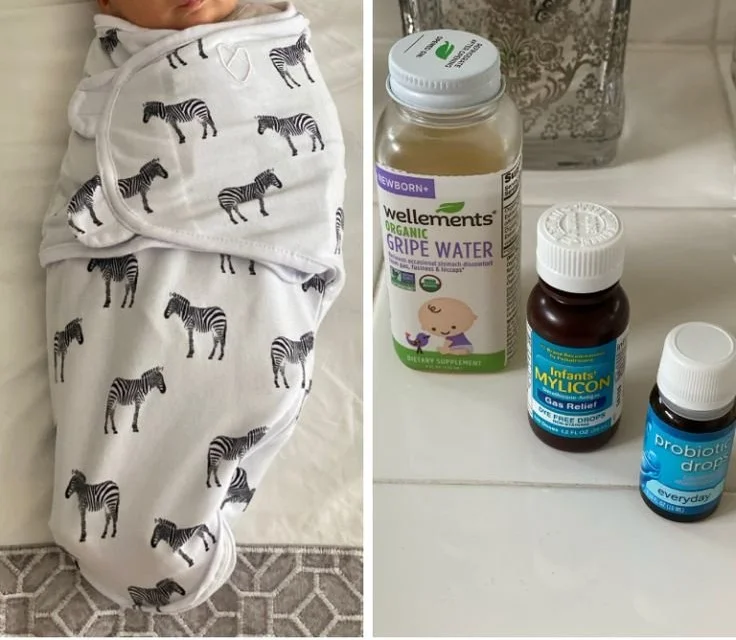
Swaddling can provide a cozy, womb-like sensation that comforts many newborns. Wrapping them snugly helps reduce their startle reflex and keeps them from waking themselves up. There are various methods to swaddle, so don’t hesitate to check online resources or get a hands-on demo from a nurse or pediatrician if you need it.
Keep Diaper Changes Easy
Let’s be honest—diaper changes can feel like a huge production, especially when you’ve got a squirming baby. Set up a designated changing station that has everything in arms’ reach: diapers, wipes, creams, and even a change of clothes. Trust me; efficiency here can lead to less stress during those late-night changes where you’re half-asleep and desperately just want to get it done.
Take Care of Yourself
While it’s all-too-easy to focus solely on your baby, remember that taking care of yourself is just as important. If you’re feeling utterly drained, try to grab even short moments of rest when your baby sleeps. Even a quick shower can rejuvenate you! Think of it as recharging your battery.
Keep a Journal
Journaling can be a great way to document your experience. This phase will fly by so quickly, and having a written account of the highs, lows, and everything in between will be something absolutely beautiful to look back on. It can also be quite therapeutic to jot down feelings.
Don’t Be Afraid of Screen Time
Here’s a little secret: those moments when you need a break? It’s totally okay to put your baby in a secure spot with a few baby-approved shows briefly while you grab a quick snack. Just keep it moderate and make sure they’re safe; we all need a moment to breathe!
Prepare for Doctor Visits
Handling a newborn can be a bit tricky, especially when it’s time for doctor appointments. Make a checklist before going in so you don’t forget any questions. This is your chance to communicate any concerns, whether it’s about feeding, sleeping, or health.
Learn About Newborn Sleep Patterns
Understanding your newborn’s sleep cycle will definitely help set expectations. Newborns sleep 16-17 hours a day, but it’s often scattered throughout the day and night. Expect a mix of short and long stretches. Celebrate the small victories and try to rest when they do—every little bit counts!
Engage in Gentle Activities
You may feel tempted to just cuddle with your newborn all day, but gentle tummy time and interactive play can be excellent for development. Use soft toys, rattles, or even go for a stroller walk. These moments not only help with growth, but also strengthen your bond.
Develop a Routine
While flexibility is key, having a loose routine can create a sense of stability for both you and your baby. Babies thrive on predictability, just like we do. Simple things, like regular feeding times or bedtime rituals, can help instill comfort.
Monitor Their Development
Every baby is different when it comes to milestones, but staying attuned to your baby’s developmental progress is crucial. If you notice anything concerning, do not hesitate to reach out to your pediatrician. They’re your best resource for addressing any worries.
Limit Visitors
In the whirlwind of newborn chaos, it’s smart to set boundaries when it comes to visitors. A constant stream of guests might be overwhelming for both you and your little one. Politely schedule visits and don’t hesitate to ask people to wash their hands before holding your baby. Your little one’s health is priority number one.
Accept Imperfection
Let’s be real: Some days will be easier than others. There will be crying, and there may be moments of frustration. It’s perfectly okay. You’re learning as you go, and every day is an opportunity for growth. Give yourself grace and remember that you’re doing the best you can.
Dress for Comfort
As you navigate through sleepless nights and diaper changes, comfort is essential. Choose soft, breathable fabrics for both you and your newborn. This will make your life easier when you’re dealing with messy situations (which, let’s face it, will happen).
Use a Baby Carrier
Babywearing can be a game-changer. Not only does it keep your hands free, but it also allows your baby to stay close, which many little ones love. Whether you’re trying to get household chores done or simply want to go for a walk, this can be a great alternative to the stroller.
Stay Hydrated and Nourished
As a parent, it’s so easy to forget to eat and drink, especially when you’re busy tending to a new baby. Keep snacks and water easily accessible. Having ready-to-go snacks like granola bars or fruits can keep your energy levels up without a lot of effort.
Remember It’s Okay to Cry
Yes, even you! Sometimes, the weight of being a new parent can feel heavy. If you find yourself feeling overwhelmed, it’s perfectly fine to let the tears flow. You’re going through an enormous adjustment, and expressing those feelings can be a relief.
Celebrate Small Wins
It’s important to recognize and celebrate the little milestones during this chaotic time. Maybe your baby slept for an extra hour, or you managed to take a shower—whatever it is, take a moment to appreciate it. These small events can add a spark of happiness to your day.
Keep Contact Information Handy
Once your baby arrives, you might find yourself in need of various contacts. Have a list ready with your pediatrician’s information, nearby hospitals, and even lactation consultants if you need help. Peace of mind comes from knowing you have it all at your fingertips.
Breathe and Be Present
Above all, take a deep breath and remind yourself to enjoy this fleeting time. Each moment is precious. Embrace those sleepless nights, long diaper changes, and all the newborn cuddles. They don’t last forever.
Conclusion
Navigating the first 30 days with your newborn can be a whirlwind of emotions, learning, and joy. Remember, it’s okay to feel overwhelmed or lost at times, but know that you’re doing wonderfully. For even more practical advice and tips, check out these amazing resources: 30 tips from a midwife, Parents’ insights, and LoveLiliya’s tricks and hacks. If future family travel is on your mind, don’t forget to check out family travel hacks for applying for passports while you’re at it. You’ve got this—cherish every moment!
All About Me Toddler Crafts 12 Fun Activities to Spark Creativity
Imagine this: you’ve got an energetic one-year-old who insists on exploring every nook and cranny of your home. It’s that delightful but often overwhelming phase where they seem more curious than ever before. Between the giggles and little tantrums, it can be challenging to come up with activities that will keep them engaged and help with their development. Here’s the thing— playtime isn’t just about fun; it’s also a crucial part of their growth. So, what if I told you there are over 100 activities that are easy to do with one-year-olds that will both entertain and help them learn? Let’s dive into this playful world together!
Engaging Activities for Your One-Year-Old
It’s completely normal to feel stumped when trying to brainstorm activities for little ones. They have such short attention spans, don’t they? So, look at these ideas as a toolkit. Having a variety of options makes it easier to grab something that fits your day. This way, you’ll end up with fewer “What now?” moments!
Creative Exploration
Sensory Bins
Sensory bins are a great way to allow your child to explore different textures, colors, and shapes. Just remember to supervise closely!
- Materials: Rice, dried beans, or sand.
- Action: Let your child scoop, pour, and hide objects in the bin.
Water Play
Water play is a classic and for a good reason—it’s always popular!
- Materials: Plastic cups, spoons, and small toys.
- Action: Fill a shallow container with water and let your toddler splash around.
Play Dough
If you haven’t tried making play dough yet, you absolutely should. It’s simple and so much fun!
- Materials: Flour, water, salt, and food coloring.
- Action: Let your toddler squish and roll the dough into shapes.
Movement Activities
Toddlers have boundless energy! Here are a few activities that get them moving and grooving.
Dance Party
Crank up some tunes and have a mini dance party!
- Materials: Just some fun music.
- Action: Encourage your baby to wiggle, clap, and dance along with you.
Obstacle Course
You’d be amazed at what a little furniture rearrangement can do.
- Materials: Cushions, boxes, and soft toys.
- Action: Create a simple course for your toddler to crawl over and around.
Nature Walk
Just stepping outside can be an adventure.
- Materials: None needed!
- Action: Take your little one outside and explore the area—talk about what you see, hear, and smell.
Building Blocks of Learning
You’re probably aware that this age is crucial for cognitive development. Here are some activities to stir their intellect.
Sorting Games
Sorting helps toddlers recognize similarities and differences in objects.
- Materials: Blocks, colored balls, or even kitchen utensils.
- Action: Encourage your child to organize objects by color, size, or shape.
Story Time
This one is a classic and so easy to incorporate.
- Materials: Picture books.
- Action: Read aloud to your child using different voices and expressions. You can even ask questions about the pictures!
Puzzles
Simple puzzles can be both fun and educational.
- Materials: Age-appropriate puzzles.
- Action: Sit with your child and help them fit pieces together.
Imaginative Play
Imaginative play is wonderful for developing creativity and social skills.
Role Play
Toddlers love mimicking adults; let’s put that to good use!
- Materials: Old clothes or hats.
- Action: Dress up and pretend to be someone else. Maybe a chef or a doctor!
Kitchen Adventures
Cooking can be a big hit—just be sure to keep it safe.
- Materials: Ingredients and utensils (plastic ones for toddlers).
- Action: Let them help you measure and mix (with supervision, of course).
Fun and Artsy Projects
Creativity comes in many forms, so let your little artist shine!
Finger Painting
Let’s be honest: mess is part of the deal.
- Materials: Non-toxic washable paints and paper.
- Action: Set up a finger painting station. Just watch the magic happen!
Sticking and Stamping
This is a lot like painting, but with a twist!
- Materials: Stickers or stamps and paper.
- Action: Allow your child to explore their creativity by placing stickers or stamping shapes on paper.
Color Scavenger Hunt
Turn colors into a fun game!
- Materials: Colorful objects around the house.
- Action: Ask your toddler to find something red, blue, or yellow, giving them a chance to move around.
Discovery Activities
Let’s take the exploration a step further.
Magnifying Glass Discovery
If you have a magnifying glass lying around, it can be a great tool for exploration.
- Materials: Magnifying glass and natural objects (like leaves or rocks).
- Action: Show your toddler how to look at things up close.
Mirror Play
Mirrors can be mesmerizing for little ones!
- Materials: A safe, shatterproof mirror.
- Action: Let your toddler explore their reflection while encouraging them to make different faces.
Quick Tips to Keep Things Running Smoothly
- Routine is Key: Keep a flexible schedule, but try for some consistency. It’ll make your toddler feel more secure and reduce those "What’s next?" moments.
- Embrace the Mess: Let’s face it—kids are messy. Rather than stressing, set up designated areas where mess can happen, like outside or the kitchen.
- Safety First: Always check that the items they’re playing with are safe and appropriate for their age.
Mistakes to Avoid
As with any parenting journey, it’s easy to make common mistakes. Here are a few to keep in mind:
- Over-scheduling activities can lead to overwhelmed toddlers.
- Ignoring your child’s cues can make them feel lost. Pay attention to what excites them.
- Forgetting that less is often more. Simple activities can yield the best results.
Frequently Asked Questions
How long should I spend on each activity?
Since toddlers have short attention spans, it’s best to keep activities to around 10-15 minutes each, especially those that require focus.
What if my toddler doesn’t seem interested?
That’s okay! Kids can be fickle. If one activity doesn’t captivate them, give them space and try something different later.
Is it okay to let them play alone?
For short periods, yes, but always supervise. You can make it a “quiet time” where they explore independently while you keep an eye out.
Bonus Ideas for Extra Fun
- Dance with scarves or ribbons for a visual and physical activity.
- Create a “yes” space—an area with safe items that your child can explore freely.
- Introduce musical instruments, even simple ones like pots and wooden spoons.
Conclusion
As parents, we want the best for our children, and play is a significant part of their learning journey. You’re not alone in feeling challenged. By incorporating these 100+ activities into your routine, you’ll find that nurturing their curiosity can also be rewarding for you. If you need inspiration for themed activities, check out the fun ideas in this craft and party post and consider trying the artistic adventures from All About Me Art Activities. For some playful baking experiences, look into this baking soda balloon experiment or even creating your very own DIY texture rolling pin with tips from DIY ideas. Happy playing!

Easy Pizza Bagels Lunch Ideas That Make Kids Smile for Busy Moms
Imagine your hectic, busy weeknights. You’ve just finished a long day of juggling work, playtime, and endless parental duties, and the last thing you want is to spend an hour over a hot stove. Then, picture this: a simple, mouth-watering dinner is ready in mere minutes. Enter homemade pizza bagels, the ultimate quick and easy meal that your kids will love and you can whip up without breaking a sweat.
When I first discovered the magic of pizza bagels, it felt like I had stumbled upon a golden ticket for dinner victories. They’re perfect for those busy nights when you simply can’t fathom the thought of cooking. Not to mention, they provide a fantastic opportunity for your little ones to get involved in the kitchen. Trust me, if you want to keep your children entertained while also having dinner sorted, this is the way to go!
Why Homemade Pizza Bagels Are a Game-Changer
Let’s be honest, we’ve all been there. You open the fridge and realize that dinner time is rapidly approaching with nothing but a few sad remnants of last night’s meal. Instead of rushing for the phone to order takeout (again), think about how pizza bagels can save your evening. Here are a few reasons why these delightful creations should be a staple in every busy parent’s recipe arsenal:
- Quick to Prepare: It only takes about 10 minutes from start to finish. Yes, you can definitely pull this off despite having a million things on your mind.
- Customizable for Everyone: Whether your little one loves pepperoni or prefers veggies, everyone can create their own perfect pizza. This adds a fun element to mealtime that kids absolutely love!
- Kid-Friendly: The cheesy goodness and familiar flavors make pizza bagels a hit with toddlers and preschoolers alike. Plus, they’re just the right size for little hands to hold.
What You Need to Make Pizza Bagels
Creating these bagels is simple, and chances are you already have most of the ingredients in your pantry. Here’s what you’ll need:
- Bagels: Plain or whole-grain, it’s really up to you.
- Pizza Sauce: Store-bought or homemade; it’s all good.
- Mozzarella Cheese: The star of the show! Get some shredded or fresh for that melty goodness.
- Toppings: Think about what you and your kids love. Pepperoni, bell peppers, olives, or even pineapple—go wild!
Simple Steps to Deliciousness
Here’s how to assemble your pizza bagels:
- Preheat the Oven: Set it to about 375°F (190°C). This way, while you prep, it’ll be ready for those cheesy masterpieces.
- Slice the Bagels: Cut each bagel in half and place them cut-side up on a baking sheet.
- Spread the Sauce: A spoonful of pizza sauce on each bagel half is all you need. Don’t overdo it; a little goes a long way!
- Add the Cheese: Generously sprinkle mozzarella over the sauce. Kids love cheese, so don’t hold back here.
- Top it Off: This is where you let your kids go wild. Add whatever toppings they love!
- Bake: Pop them in the oven for about 7-10 minutes, or until the cheese is bubbly and slightly golden.
Tips to Make the Experience Fun
Cooking with kids can be a delightful yet messy affair. Here are some quick tips to keep the experience enjoyable without overwhelming you:
- Set Up a Topping Station: Lay out all the toppings and let your kids choose what they want. This makes it feel like they’re in charge of their own culinary creations!
- Experiment with Shapes: Use mini bagels or cut larger ones into fun shapes for extra appeal.
- Make it a Party: Consider inviting friends over for a bagel pizza night where each child can make their own. It’s a great way to foster social skills and have fun.
Mistakes to Avoid
Sometimes things don’t go as planned in the kitchen. Here are a few common pitfalls to steer clear of:
- Too Much Sauce: While it can be tempting to add a lot of sauce, too much can make the bagels soggy. Stick to a thin layer for best results.
- Choosing the Wrong Cheese: Not all cheeses melt well. Stick with mozzarella for that perfect gooey texture. Trust me, you won’t regret it.
- Skipping the Oven: Since bagels are already cooked, it’s important to bake them to get that melty cheese effect. Skipping this step just won’t cut it!
Bonus Ideas for Adding Fun
If you’re looking to jazz up your pizza bagels even more, here are a few ideas to try:
- Breakfast Bagels: Swap pizza sauce for scrambled eggs, cheese, and some diced vegetables or bacon for a breakfast twist.
- Sweet Pizza Bagels: For a dessert version, try spreading a bit of peanut butter or Nutella on the bagel and topping it with bananas and a sprinkle of cinnamon. Yum!
- Leftover Night: Use whatever leftovers you have in the fridge as toppings. This not only reduces waste but also introduces children to meal creation from various foods.
Conclusion
When it comes to weeknight meals, homemade pizza bagels have truly become a hero in my home. They save time, eliminate meltdowns at the dinner table, and encourage creativity in the kitchen. Plus, they’re way better than any pizza delivery you could order – trust me! So, the next time you find yourself in a dinner dilemma, remember that pizza bagels are just minutes away.
If you’re curious about variations and more ideas for your homemade creations, be sure to check out these fantastic resources: easy pizza bagels, pizza bagel bites, delicious homemade pizza bagels, and classic pizza bagels recipe. Here’s to making mealtime a little easier and a lot more fun!

Kid-Friendly Power Breakfasts To Go for Busy School Mornings
Imagine this: it’s one of those whirlwind mornings where you’re trying to juggle getting your little ones dressed, brushing their teeth, and, oh yes, breakfast. Sound familiar? We’ve all been there, haven’t we? Between the demands of getting everyone out the door and the endless questions from curious toddlers, it can feel impossible to fit in a nutritious breakfast. But here’s the thing—breakfast doesn’t have to be a time-consuming stressor. You can serve your kids a healthy, power-packed breakfast that they can take with them on the go!
In this article, we’ll dive into easy and delicious breakfast options that will keep your children fueled throughout their busy mornings, ensuring you can both leave the house on time and feel good about what they’re eating. So, let’s explore some quick and nutritious breakfasts that cater to little ones aged 0 to 5.
Smoothies for Easy Nutrition
Smoothies are a fantastic way to pack in a ton of nutrition into a transportable cup. You can add a variety of fruits, vegetables, and even proteins without your kids batting an eye.
- Base Ingredients: Start with yogurt or milk (dairy or dairy-free) as your base.
- Fruits/Vegetables: Throw in a banana for creaminess, spin in some spinach, or toss in berries for natural sweetness.
- Protein Boost: To make it extra filling, add a spoonful of nut butter or a scoop of protein powder.
You can whip these up in minutes, pour them into travel cups, and they’re perfect for sipping in the car or while waiting for school to start.
Overnight Oats for Lazy Mornings
If you’re looking for a no-fuss meal prep option, overnight oats might just be your answer. The night before, combine rolled oats with milk or yogurt and let them sit in the fridge. By morning, they’re ready to go!
- Flavor Combinations: Try apples and cinnamon, bananas and peanut butter, or even coconut and mango.
- Add-Ins: Toss in some chia seeds, nuts, or even a drizzle of honey for added flavor.
These can be stored in individual jars, allowing your kids to grab one and run out the door.
Energy Bites for a Quick Snack
What if I told you that you could make little snack balls that are not only tasty but also packed with goodness? Energy bites can be made in bulk, and they’re perfect for breakfast or a snack throughout the day.
- Simple Recipe: Combine oats, peanut butter, honey, and any add-ins like chocolate chips or dried fruit.
- Roll and Refrigerate: Roll them into small balls, refrigerate, and you’ll have a grab-and-go breakfast option.
Your kids will love how these bites look and taste, and you’ll love how easy they are to make.
Mini Muffins for Portability
Let’s be honest—anything that comes in a muffin form is more fun to eat! Mini muffins are great because they’re bite-sized, and you can make them healthier by sneaking in whole grains and fruits.
- Banana or Blueberry Muffins: Use ripe bananas for natural sweetness or add in some blueberries for antioxidants.
- Prep in Batches: Make a big batch on the weekend and freeze them. Just pop a couple in your child’s lunchbox or bag on those busy mornings.
Homemade Breakfast Bars
How can you go wrong with something that resembles dessert for breakfast? Homemade breakfast bars not only taste great but can be loaded with good-for-you ingredients.
- Simple Ingredients: Think oats, honey, nut butter, and your kids’ favorite mix-ins like nuts, dried fruits, or chocolate chips.
- Bake and Slice: Bake them in a dish, let them cool, and slice them up for a perfect on-the-go option.
Yogurt Parfaits That Delight
Everyone loves a yogurt parfait! Layer yogurt with granola and fruits for an appealing grab-and-go breakfast.
- Assembly is Key: You can set them up in cute containers—make sure to layer for aesthetic appeal, which little ones love.
- Customize: You can vary the ingredients based on what your kids enjoy. Some might prefer strawberries and honey, while others might want apple and cinnamon.
Pancake Wraps for a Fun Twist
Pancakes don’t always have to be served on a plate. You can make pancake wraps! This is an exciting way to enjoy a classic breakfast on the move.
- Make it Fun: Spread nut butter on a pancake, sprinkle with sliced fruit, and roll it up.
- Dipping Sauces: Pack a small container of syrup or yogurt to dip into for added fun!
Breakfast Quesadillas for a Savory Option
You might not think of quesadillas for breakfast, but they can be just as satisfying and easy to prepare.
- Fillings: Try scrambled eggs, cheese, and shredded veggies.
- Grill and Pack: Grill them quickly and cut them into wedges for a scrumptious meal.
Oatmeal Jars for Variety
Oatmeal can be made super exciting by preparing them in jars. Not only is it filling, but it also offers endless customization options!
- Overnight Variety: Combine oats with milk or water and different toppings. Think cinnamon apples or mango coconut combo.
- Ready to Go: Just grab a jar on the way out!
Mistakes to Avoid
As we dive into this world of quick breakfasts, let’s discuss a few common pitfalls so you can set yourself up for success.
- Skipping Planning: Without planning, it’s easy to grab unhealthy options. Take a little time one day a week to plan your breakfast menu.
- Overpromising: Don’t tell your kids they will love something if you’re unsure. Stick to tried-and-true favorites while introducing new options on occasion.
Quick Tips for Busy Parents
Now that you have this treasure trove of breakfast ideas at your fingertips, here are some bonus hacks.
- Pre-Pack Snacks: Instead of reaching for store-bought options, spend a little time each week pre-packing snacks in reusable bags or containers.
- Get Kids Involved: Letting them choose toppings for their yogurt or smoothies can make breakfast more fun and engaging for them.
Conclusion
Feeding your little ones a nutritious breakfast doesn’t have to be a daunting task. With a bit of creativity, you can whip up meals that are both delightful and healthy while keeping mornings seamlessly smooth. Whether it be smoothies, overnight oats, or mini muffins, remember that every little bit counts towards a wholesome start to their day.
You can explore more healthy breakfast ideas on sites like Healthy Breakfasts My Kids Love or discover ways to pack energy into bite-sized snacks with 20 Easy, Nutritious Energy Ball Recipes Kids Love! For a wholesome family dinner after your busy mornings, check out Sheet Pan Honey Garlic Chicken and Vegetables. Also, don’t forget to have some fun summer snacks handy by reading this Guest Post: 5 Favorite Summer Snacks.
Here’s to happy mornings! With these tips and tricks, you’ll be setting your little ones up for success, one delicious breakfast at a time!
Home
Imagine it’s that time of day again—the end of school, the kids are coming home, and like clockwork, the hunger pangs hit. You know the drill. As they burst through the door, backpacks swinging and chatter bubbling over, the first thing on their minds isn’t homework; it’s what delicious after-school snack is waiting for them. We’ve all been there, trying to keep up with their snack demands while also wanting to provide something nutritious and fun. If you’ve found yourself standing in front of the pantry wondering what to whip up, you’re not alone in this!
Let’s dive into 12 creative and fun after-school snack ideas that not only fill those little tummies but also make snack time an enjoyable experience for everyone involved.
Fun and Quick Ideas to Tempt Little Taste Buds
Colorful Fruit Kabobs
Here’s the thing: kids eat with their eyes first. So, why not jazz up the usual fruit plate? Grab some wooden skewers and let your little ones help you thread colorful pieces of fruit—think strawberries, bananas, grapes, and melon. You can add a side of yogurt for dipping, and voilà! You’ve turned simple fruit into a fun art project. It’s playful, interactive, and packed with nutrients.
Mini Pita Pizzas
What if I told you that they can have pizza for a snack without the guilt? All you need are mini pita breads, some marinara sauce, and their favorite toppings—think cheese, diced veggies, or even slices of turkey. Let your kids assemble their own pizzas, pop them in the toaster oven for a few minutes, and dinner is done! No more fighting over who gets what topping; they can create their masterpiece.
Veggie and Hummus Cups
Let’s be honest; getting kids to eat vegetables can feel like a monumental task. But if you present it creatively, you might just be surprised. Prepare individual cups with a scoop of hummus at the bottom and arrange carrot sticks, cucumber slices, and bell pepper strips standing up. The best part? You can switch up the hummus flavor every week to keep things fresh and exciting!
Yogurt Parfaits
Who doesn’t love a parfait, right? Layer some Greek yogurt with granola and berries in a clear cup, and it looks like a treat from a fancy café. It’s quick to assemble, rich in protein, and provides the perfect crunch with the granola. To make it a little extra, let them choose their toppings to personalize their parfait.
Oatmeal Energy Bites
Need a no-bake option? Oatmeal energy bites are your friend. With a base of oats and almond butter, you can toss in anything from chocolate chips to dried fruit. Mix everything in a bowl, roll them into bite-sized balls, and refrigerate. They’re great for on-the-go energy! We all know the afternoon slump hits hard; these bites are a perfect pick-me-up.
Banana Sushi
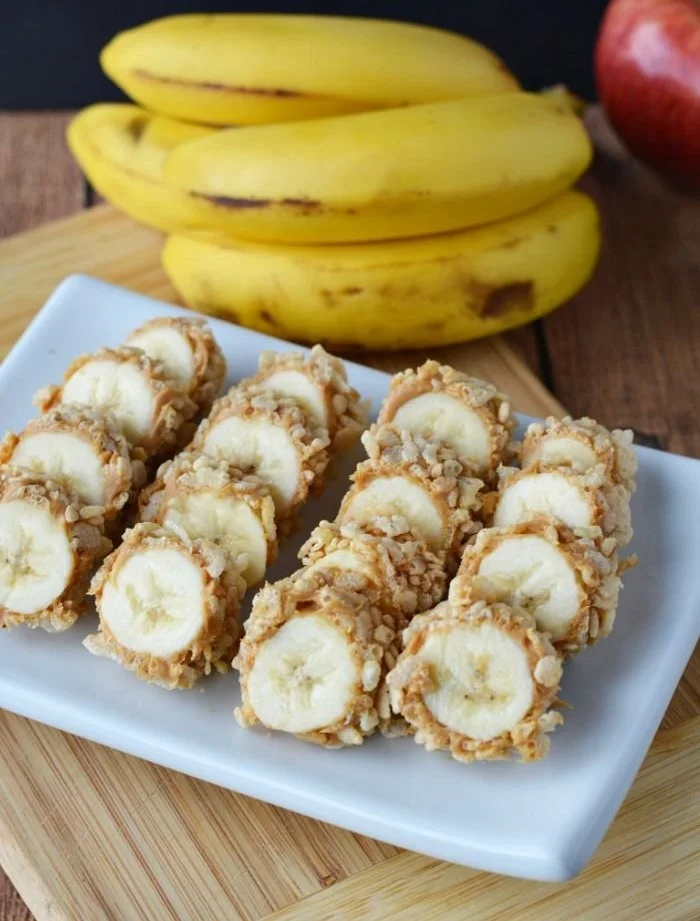
If you haven’t tried banana sushi yet, you’re in for a treat! Spread a thin layer of peanut butter (or allergy-friendly alternatives) on a whole wheat tortilla, place a banana on top, and roll it up. Slice it into pieces—just like sushi! The kids will love the novelty, and you’ll love how they’re enjoying fruit and protein together.
Cheese and Whole Grain Crackers
Sometimes simple is best. Put together a cheese plate with assorted sliced cheeses and whole grain crackers. Add some fruit or nuts on the side for variety. This snack is not just easy but also a great source of calcium and healthy fats. Believe me, they’ll appreciate the fancy cheese spread!
Smoothies
Let’s face it: smoothies can be a fantastic way to sneak in some greens or frozen fruits. Blend spinach, banana, and a splash of almond milk for a delightful green smoothie that tastes sweeter than it looks. Allow the kids to pick their ingredients. You’ll all have fun experimenting with flavors!
Apple Slices with Nut Butter
Ever notice how classic combos never go out of style? Slices of apple with nut butter make a winning duo. The crunch of the apple paired with the creaminess of the nut butter is sure to send their taste buds dancing. You can sprinkle a little cinnamon for added flavor, and it becomes a comforting snack that reminds you of your own childhood!
Frozen Yogurt Bark
For those warm afternoons, frozen yogurt bark is a hit! Spread Greek yogurt onto a baking sheet, sprinkle toppings like nuts, berries, or even a drizzle of honey, and pop it in the freezer. Once it’s hardened, break it into pieces, and you have a refreshing, healthy snack. It’s a fun ‘dessert-style’ treat that feels indulgent but stays nutritious.
Trail Mix
Creating a personalized trail mix can be a fun and creative project. Just grab some nuts, seeds, dried fruits, and a few chocolate chips (because let’s be honest, we all need a little sweetness). Use some cute, reusable containers to store them, and the kids can grab a handful as they head out for their next big adventure.
DIY Fruit and Nut Bars
If you’re looking for a snack that can double as a quick breakfast, these homemade bars are just the thing. Blend dates, nuts, and oats in a food processor, then press the mixture into a pan and let it set in the fridge. Cut them into bars, and you’ll have a scrumptious and filling snack that’s easy to grab when you’re in a rush.
Creative Snack Boards
This is where you can really let your imagination flow. Create a snack board with an assortment of items like sliced cheese, fruits, vegetables, crackers, and dips. Let your little ones pick what they want and build their design. Not only is it visually appealing, but it also promotes healthy choices, making it more likely they’ll try new foods.
Quick Tips for Snack Time Success
- Prep Ahead: If you’ve got a busy week ahead, batch prepare some of these snacks on the weekend. This way, you’re not scrambling at the last minute.
- Involve the Kids: Whenever possible, let your kids help with snack preparation. It’s a fantastic opportunity to teach them about healthy eating.
- Experiment: Don’t hesitate to mix and match! The beauty of these snacks is how versatile they are. Don’t be afraid to think outside the box.
Mistakes to Avoid
- Not Including the Kids: Making snacks fun is key. If they feel involved, they’ll be more excited to eat healthier options.
- Overcomplicating It: Simple snacks can be just as satisfying. It doesn’t always have to be gourmet to impress them.
- Sticking to the Same Thing: Routine is great, but too much of the same can lead to boredom. Mix it up and keep snack time exciting!
Conclusion
Getting creative with after-school snacks can be a delightful way to engage with your kids and ensure they’re getting the nutrition they need. You’ve got the tools now to turn a mundane snack time into a fun and innovative experience that they look forward to daily. Remember, the joy of cooking can instill a love for food in your little ones, creating memories that last a lifetime. For more inspiration on making your house a cozy, family-friendly haven, check out this guide from The Home Depot. To keep your home in tip-top shape while getting those snacks ready, don’t forget to explore these fabulous options from At Home. If you’re looking to incorporate a little tech into your routine, check how Google Home can help streamline everything. And as you get in the mood for laughter and quality family time, you might enjoy a fun movie like Home to cap off the day. Here’s to happy snacking!
Easy and Delicious Weeknight Recipes Every Busy Mom Will Love
Tired of picky eaters? Discover the ultimate solution with these easy dinners that any kid will love
Picture this: it’s a busy weeknight, and the clock is ticking down towards dinner time. You’ve spent the day juggling errands, work, and the endless list of responsibilities that come with being a parent. Now it’s time to gather the troops for dinner, and you’re already bracing yourself for the inevitable mealtime battles that are sure to ensue. Sound familiar? You’re not alone in this, and trust me, I’ve been there with my kids.
Feeding little ones can feel like navigating a minefield, especially when you’re faced with their ever-changing tastes and preferences. Some days mac and cheese is a win, and others it might as well be on the do-not-serve list. The struggle is real, but it doesn’t have to be this way. Here’s the thing: with a bit of creativity and some kid-approved dinner recipes, you can transform your mealtime routine from chaos to calm. Let’s dive into some easy dinners that even the pickiest eaters will love.
Quick and Easy Dinner Ideas for Picky Eaters
1. Cheesy Veggie Quesadillas
Who says veggies have to be boring? Sneak a variety of colors into your quesadillas, and the gooey cheese will do the trick. You can use bell peppers, spinach, or even shredded carrots. Cut them into fun shapes after cooking, and your little ones will love this playful twist on a classic.
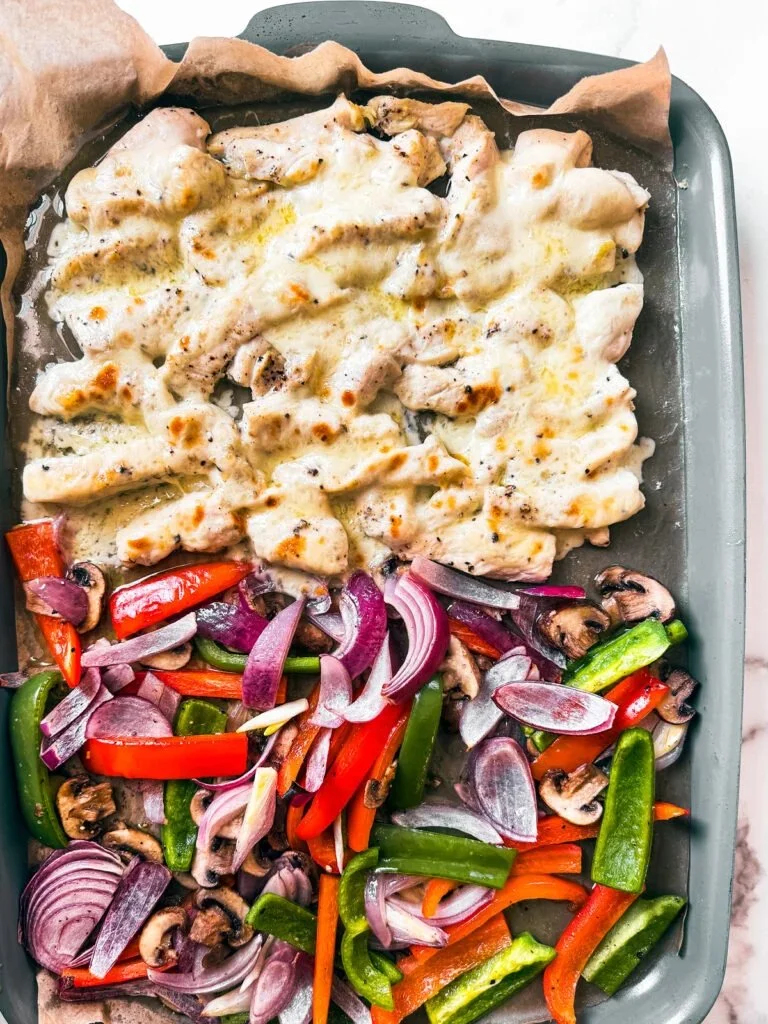
2. One-Pan Chicken and Veggie Bake
Imagine tossing chicken breast, potatoes, and veggies all on one baking sheet. With just one pan to clean afterward, it doesn’t get much easier than this. You can season with family favorites like garlic powder and Italian seasoning for a flavor kick. Plus, watching the colors blend in the oven is a treat in itself.
3. Homemade Pizza Night
Kids love to customize their food, so why not let them create their own mini-pizzas? You can use whole wheat pita bread as a base, and set out a variety of toppings like turkey pepperoni, cheese, and veggies. It’s fun, engaging, and the best part? You don’t have to fight about “no veggies” when they’ve decorated their own pizza.
4. Pasta with Hidden Veggie Sauce
Here’s where you can get sneaky. Blend up some veggies (like spinach, carrots, and zucchini) into a flavorful marinara sauce. Cook the pasta and pour your colorful sauce over it. They’ll never know they’re eating something healthy! Personally, I find pouring a little extra cheese on top helps the cause.
5. Sweet Potato Tacos
Sweet potatoes are naturally sweet and packed with nutrients. Roast some cubes in the oven and mix with black beans for a delicious filling. Serve in soft tortillas with toppings like yogurt (our go-to substitute for sour cream) and a sprinkle of cheese.
6. Breakfast for Dinner
Why limit breakfast to just the morning? Serve up scrambled eggs with whole-grain toast and sliced fruit for a wholesome dinner. Eggs are such a versatile option—it’s easy to add cheese or even veggies if you think they’ll go for it.
7. Mini Meatballs and Couscous
Kids love anything they can eat with their hands. Make mini meatballs using ground turkey or beef and bake or sauté them. Serve with a side of couscous, which cooks quickly and can be flavored in a variety of ways. Here’s a fun tip: add some peas or corn to the couscous for added nutrition without them even noticing.
8. Fun and Easy Sushi Rolls
Sushi doesn’t have to be hard to make! You can prepare simple sushi rolls using rice, nori (seaweed), and fillings like avocado, cucumber, and shredded carrots. Slice them into kid-sized pieces and let your kids have fun dipping in soy sauce (or a less salty version). This also makes for a great family bonding activity!
9. Taco Bowls
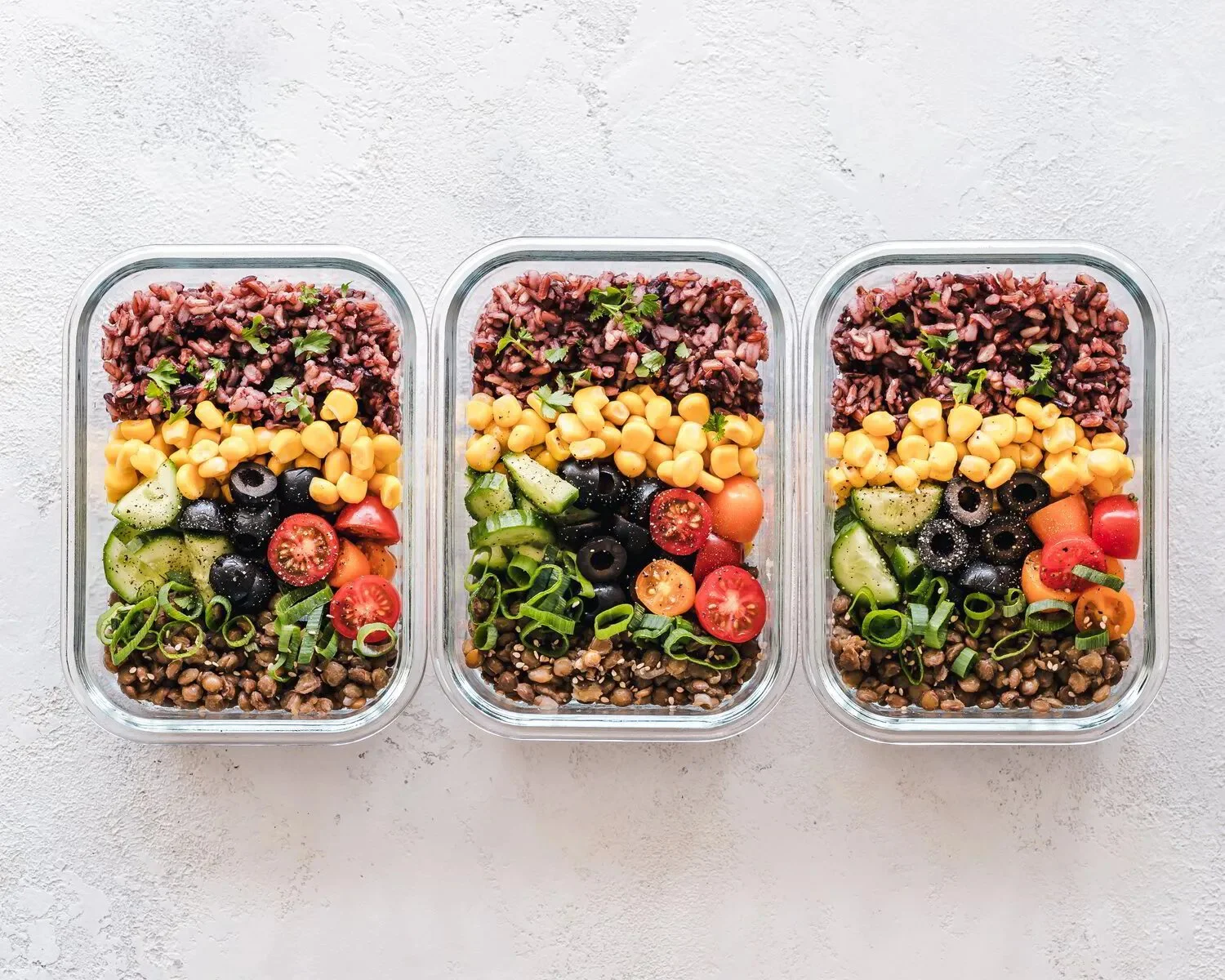
Taco bowls make it super easy for little ones to customize their meal. Start with a base of brown rice or quinoa, and let them choose their favorite toppings: seasoned ground meat, cheese, beans, corn, and guacamole. It’s a little assembly line of happiness!
10. Apple and Turkey Sandwiches
For a unique twist on lunch, make sandwiches using sliced apple instead of bread. Layer turkey and cheese between apple slices for a crunchy, satisfying bite that kids adore. Serve with a side of yogurt, and you’ve got a delightful meal.
Pro Tips for Mealtime Success
- Involve your kids: Letting your little ones help with meal prep can increase their interest in what’s being served. Even if they’re just stirring or pouring ingredients, they’ll feel a sense of ownership.
- Presentation matters: Remember, kids eat with their eyes first. Try to make meals visually appealing by arranging food in fun shapes or colorful designs.
- Keep it simple: Kids don’t always have the patience for fancy cooking. Stick to easy-to-make recipes that won’t keep you in the kitchen for hours.
- Be consistent: If you want your kids to explore different foods, serve them regularly. It can take several exposures for children to accept a new taste.
- Stay patient: We’ve all had those nights where meals don’t go as planned. If they refuse to eat your masterpiece, remember that it’s completely normal. Tomorrow’s another day!
Mistakes to Avoid
We all want what’s best for our children, so here are a few common missteps to steer clear of:
- Forcing them to eat: This can create an unhealthy relationship with food. Instead, encourage them to try new things without pressure.
- Overcomplicating meals: While time-consuming recipes may seem tempting, they can lead to frustration. Stick to those simple, effective dinners instead.
- Being repetitive: While having go-to meals is safe, offering too little variety can lead to resistance. Keep mixing it up!
- Rewarding with dessert: This usually sends the message that certain foods aren’t enjoyable on their own. Try avoiding the dessert incentive and focus on the joy of eating a meal together.
Bonus Ideas for Kid-Friendly Dinners
- Veggie Dippers: Quick veggies served with hummus or guacamole can make for a great appetizer before the main course.
- Frozen Fruit Smoothies: Turn dinner into a fun treat with a smoothie, blending fruits, yogurt, and a little spinach for extra nutrients.
- DIY Tacos: Set up a taco bar with toppings galore. Kids will love assembling their tacos, making them far more likely to eat it all.
- Chili Night: A simple chili made with beans, meat, and tomatoes can be both nourishing and filling. Plus, kids can customize it with toppings.
Conclusion
Dinner time doesn’t have to be filled with tension and tears. With these easy dinners that even the pickiest eaters will love, you can transform your family mealtime experience into a happier occasion. I hope these kid-approved recipes and tips inspire you to try something new and healthy with your little ones. Remember, you’re not alone on this journey of finding meals that satisfy both you and your kids. For even more meal ideas, take a look at this list of dump-and-bake dinners that are super convenient. You might also enjoy easy dinners perfect for busy weeknights. Discover more delicious options in the 16 easy weeknight dinner recipes that cater to all tastes. Lastly, you might want to check out what fellow parents have to say about their go-to meals in this article from AllRecipes. Happy cooking!
Postpartum No Bake Freezer Snacks for After Baby and Breastfeeding
Imagine this: you’ve just brought your little one home from the hospital, and while your heart is overflowing with love, your body is still recovering from childbirth. You’re tired, maybe a bit emotional, and let’s be honest, snacking becomes a survival tactic. We’ve all been there, right? Whether you’re breastfeeding or just trying to keep your energy up while caring for your newborn, having quick and nutritious snacks on hand makes all the difference.
That’s why I’m thrilled to share a list of no-bake freezer snacks perfect for postpartum moms (and anyone who needs a quick bite). Not only are these treats easy to prepare, but they also fit the bill for breastfeeding-friendly snacks. They can be whipped up ahead of time and popped into your freezer, so you’re stocked and ready for those long days and late nights.
The Importance of On-Hand Snacks
Now, you might be wondering why snacks are so essential during this time. The truth is, the postpartum period can be incredibly demanding on your body and mind. You’re not just caring for a new baby; you’re also in the thick of recovery, both physically and emotionally. Nutrition plays a critical role in your healing journey. Having easy snacks can help you maintain your energy levels and keep your spirits up.
Let’s face it—between diaper changes, feedings, and well, the whirlwind that is new parenthood, preparing meals might sometimes feel like a luxury. Instead, think about stocking your freezer with these delicious bars, bites, and treats that the whole family can enjoy.
Energizing Cocoa Almond Protein Bites
Ingredients:
- 1 cup almonds (or any nut you prefer)
- 1 cup medjool dates (pitted)
- 2 tablespoons cocoa powder
- A pinch of sea salt
- 1 tablespoon almond butter
- 1 tablespoon coconut oil
These little bites are packed with protein, fiber, and healthy fats. Simply combine all the ingredients in a food processor, roll them into balls, and freeze. They’re perfect for a quick energy boost before or after a long nursing session.
Peanut Butter Oatmeal Bars
Ingredients:
- 2 cups rolled oats
- 1 cup peanut butter (or any nut butter you fancy)
- 1/2 cup honey or maple syrup
- 1 teaspoon vanilla extract
- Optional: chocolate chips or dried fruits
Mix all the ingredients together, press them into a lined baking dish, and freeze until solid. Cut into bars for an easy grab-and-go snack. The oats and peanut butter will keep you full, and you can sneak in some chocolate chips for a little treat—because you deserve it!
Energy-Boosting Banana Bites
Ingredients:
- 2 ripe bananas
- 1 cup oats
- 1/2 cup nut butter
- 1/4 cup honey
- Optional: cinnamon or add-ins like nuts or seeds
This is an easy recipe that combines ripe bananas with oats for a naturally sweet treat. Mash the bananas, mix everything together, and freeze in dollops on a baking sheet. After they’re frozen, transfer them to a bag for a quick bite. Not only are they full of nutrients, but they also satisfy that sweet tooth in a healthier way!
Delicious No-Bake Lactation Bites
Breastfeeding can be draining, both physically and emotionally. What if I told you that you can make snacks specifically designed to support your milk supply? These lactation bites are not only good for you; they’re tasty, too!
Basic Ingredients for Lactation Bites
- 1 cup oats
- 1/4 cup ground flaxseed
- 1/4 cup nutritional yeast (if you want an extra cheese-like flavor)
- 1/2 cup nut butter
- Sweetener of choice (like honey or agave nectar)
Simply combine all the ingredients, roll into bite-sized balls, and freeze. The oats and flaxseed are fantastic for boosting lactation, and the nut butter adds some creaminess that you’ll love. If you want something sweeter, check out No-Bake Lactation Bites for creative variations.
Fruity Freezer Fudge
Ingredients:
- 1 cup mixed berries (frozen works great)
- 1 cup coconut milk
- 2 tablespoons honey or maple syrup
- 1/2 cup shredded coconut
- 1 teaspoon vanilla extract
Blend everything until smooth, pour it into a lined pan, and freeze. Slice into small cubes when solid. This refreshing treat is not only simple to make but also provides hydration and nutrients!
Chocolate-Covered Almonds
Sometimes you just need a little something sweet. Dip almonds in melted dark chocolate and sprinkle with sea salt before freezing. They’re delightful and give you that little burst of happiness when you need it most.
Quick Tips for Preparing and Storing Your Snacks
- Plan Ahead: Dedicate a day during your pregnancy or right after welcoming your baby to prepare these snacks.
- Keep it Simple: No-bake recipes are the way to go when you’re tired.
- Storage Solutions: Use airtight containers or freezer bags to keep your snacks fresh. Label them with dates so you don’t lose track.
- Variety Is Key: Switch up flavors and ingredients to keep your taste buds excited. This could mean adding new nuts, dried fruits, or even spices each time you make a batch.
Mistakes to Avoid
- Ignoring Portion Sizes: It can be tempting to eat snacks straight from the container. Instead, portion them out into small bags or containers to help manage your intake.
- Forgetting About Balanced Nutrition: Don’t just focus on sweet snacks—incorporate protein and healthy fats to keep you satisfied.
- Storing Snacks Incorrectly: Make sure they are well-wrapped or contained to avoid freezer burn.
Conclusion
Navigating postpartum life can feel overwhelming, and stocking your freezer with easy, nourishing snacks is a smart way to support yourself during this incredible yet exhausting time. These no-bake options not only provide the energy and nutrients you need as you care for your newborn, but they’re also something the whole family can enjoy.
Remember, you’re not alone in this journey, and finding simple ways to care for yourself is essential. For more ideas on how to make this period a little smoother, check out recipes to support breastfeeding and postpartum recovery, or discover scrumptious easy no-bake lactation bites to keep you fueled. And if you want overall meal prep guidance, don’t miss out on The Ultimate Postpartum Meal Prep Guide! You got this, mama—your healing journey is a priority, and you deserve some nourishing goodness along the way!
Practical Toddler Daily Schedule Tips for calmer, happier days
Imagine waking up to a bright, sunny morning, the birds are chirping, and your two-year-old is bouncing out of bed full of energy. You’re thinking, “What on earth are we going to do all day?” You’re not alone in this feeling! We’ve all been there, staring at a wall of toys while our toddlers eagerly look up at us, ready for adventure. The good news is, I’m here to help you navigate through the hours with a structured, fun-filled daily schedule that’s perfect for your little one and helps them thrive.
Structuring Your Day
A daily schedule isn’t just about ticking off boxes; it’s about creating routines that foster development, learning, and quality bonding time with your toddler. Now, you might be wondering, “What does a good schedule look like?” Here’s a breakdown of a typical day to get you started.
Morning Routine
Wake-Up and Breakfast
Start the day with a consistent wake-up time, ideally between 7:00 and 8:00 AM. After getting dressed, head to the kitchen for a healthy breakfast. This is a great time to introduce your toddler to new foods. Check out our toddler-friendly breakfast ideas to make mornings easier and healthier.
Morning Play Time
After breakfast, coordinate a mix of independent play and structured activities. You might want to set aside about an hour for this. Engage with them through creative play—think building blocks, puzzles, or art supplies. This not only promotes fine motor skills but also inspires creativity. Sound familiar?
Mid-Morning Snack and Outdoor Play
Snack Time
Around 10:00 AM, it’s snack time again. Offer easily accessible foods like fruit, yogurt, or whole-grain crackers. Keeping their tummy full is crucial for focusing during playtime.
Outdoor Adventures
Post-snack, head outside if the weather permits. A trip to the local park, a nature walk, or even some backyard playtime will work wonders in burning off pent-up energy. Play hide and seek, or simply let them explore the world around them. This engagement with nature enhances their sensory experiences and attention spans.
Lunchtime and Quiet Time
Lunch
By 12:00 PM, it’s time for lunch. Aim for a nutritious meal that includes proteins, veggies, and healthy carbs. If you’re looking for creative ideas, our crunchy lunch options will keep things exciting!
Quiet Time
After lunch, incorporate a quiet time from about 1:00 to 2:00 PM. This might mean napping for them, or some mellow activities like reading books together or maybe watching a short educational show (hey, it’s part of their learning too). Use this time to recharge yourself too.
Afternoon Fun
Sensory Activities
Once the quiet time wraps up, plan for some sensory activities. Kids love feeling different textures—whether it’s play-dough, water play, or even dry sensory bins. These activities can occupy your toddler for at least 30 minutes while stimulating their senses and creativity.
Arts and Crafts
Post-sensory play, hop into some arts and crafts. Painting, coloring, or simple cutting activities can be incredibly engaging. Allow their creativity to flow without giving too many guidelines. Remember, the messier the activity, the more fun they usually have!
Evening Routine
Dinner
Dinner should ideally be served around 5:30 or 6:00 PM. Again, make sure to include a variety of nutrients. Getting your toddler involved in dinner prep can also be a fun activity—kids love to help!
Wind Down
After dinner, it’s important to have a calming evening routine. You might want to include story time, some soft music, and maybe a bit of cuddle time before bed. This is vital to help transition them from the excitement of the day into sleep mode.
Bedtime
By 7:30 PM, it’s time for bed. Consistent sleep routines help establish good sleep habits, so aim to stick to the same time each night. If your toddler is having difficulty with bedtime, it can be useful to incorporate a sleep schedule that’s tailored to their developmental needs.
A Sample Daily Schedule
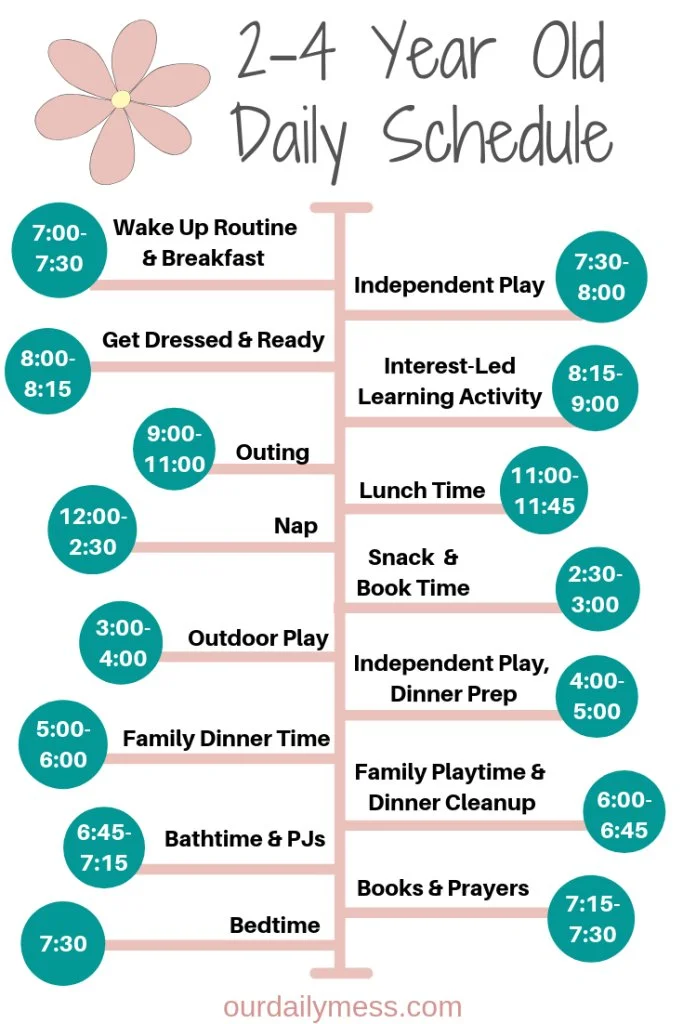
To make it easier, here’s a downloadable schedule you can print and put on your fridge. This simple visual guide can help you stay organized and make sure you’re hitting all those important developmental milestones.
- 7:00 AM – Wake up and breakfast
- 8:00 AM – Morning play (creative activities)
- 10:00 AM – Snack
- 10:15 AM – Outdoor play
- 12:00 PM – Lunch
- 1:00 PM – Quiet time (nap or relaxation)
- 2:00 PM – Sensory activities
- 2:30 PM – Arts and crafts
- 5:30 PM – Dinner
- 6:30 PM – Wind down with stories
- 7:30 PM – Bedtime
Quick Tips to Make Life Easier
- Have a visual schedule: Kids thrive on predictability. Visual cues help them know what to expect next.
- Balance activities: Mix high-energy activities with quieter, soothing ones to maintain a good flow throughout the day.
- Be flexible: Some days, nothing goes to plan, and that’s okay! Adjusting for the mood of your toddler (and yourself) is key.
- Engage in their interests: If they love dinosaurs, find activities that incorporate that theme. Following their interests makes learning more fun.
Mistakes to Avoid
- Over-scheduling: Avoid packing too many activities into one day. Children thrive with some downtime.
- Ignoring their cues: It’s important to pay attention to when they need a break or a change of pace.
- Comparison with others: Every child is unique, and every family has a different rhythm. Find what works best for you!
Conclusion
Creating a structured daily schedule for your two-year-old doesn’t have to be daunting. By blending play with learning activities, establishing a consistent routine can ease your stress and enhance your child’s development. The moments spent engaging with your little one will strengthen your bond and create lasting memories. Remember, you’re not alone in navigating these early years! If you’d like more examples, check out Busy Toddler’s ideas for daily routines or explore Toddler Approved’s perfect schedule for more tips. For a deeper look into toddler routines, visit Healthline’s daily toddler guideline. Finally, don’t miss out on CanDo Kiddo’s wonderful scheduling ideas to further inspire your planning.
Now go ahead, print that schedule, and watch your days get brighter and more engaging for both you and your toddler!
Baking recipes for kids that boost bonding in the kitchen together
Imagine this: you walk into the kitchen after a long day, already feeling a bit overwhelmed, and there’s your little one, spoon in hand, ready to help you whip up something delicious. The flour is flying, colorful sprinkles are scattered everywhere, and there’s that unmistakable mix of laughter and a tiny bit of chaos. Sounds familiar, right? Cooking with kids can be both an exciting adventure and a bit of a whirlwind, but trust me, it’s an experience that you and your child will treasure.
There’s something special about sharing the kitchen with your little ones. It’s not just about making food; it’s about creating lasting memories. You might be thinking, "But what if the kitchen ends up looking like a bomb went off?" Here’s the thing: It probably will, and that’s part of the fun. Cooking together is a fantastic way for you both to bond, learn together, and develop valuable life skills. So grab that apron and let’s dive into some fun recipes to make with kids that’ll not only fill your bellies but also create joyful memories.
The Benefits of Cooking with Kids
Before we get into the recipes, let’s chat briefly about why cooking with kids is so beneficial. You may be surprised at how many skills your child can pick up while having fun!
Building Confidence
When children help out in the kitchen, it allows them to see how their efforts lead to something tangible – a yummy dish! This boosts their confidence, as they realize they can contribute. We’ve all been there, right? Watching our kids beam with pride when they present their creations is priceless.
Encouraging Healthy Eating
Cooking at home gives you the perfect opportunity to teach your little ones about nutrition. You can explain why they should eat their veggies, and then let them help mix up a colorful salad or grill some delicious veggies. Throughout the week, you can also sneak healthy ingredients into meals, making it a fun game to see if they can guess what’s in their food.
Promoting Math and Science Skills
Believe it or not, cooking is a fantastic way to sneak in some learning. Measuring ingredients can turn into a math lesson, while watching dough rise can affiliate with science experiments. How cool is that? This way, your little chefs learn without even realizing it!
Quality Time Together
In today’s busy world, finding quality time with our kids can be tough. Cooking together allows for uninterrupted time to chat, laugh, and build your relationship. Plus, you’ll create memories that last a lifetime.
Fun Recipes to Try Together
Now let’s get to the good stuff – the recipes! Here are some easy, kid-friendly dishes that will not only be fun to make but also delicious to eat.
1. Homemade Pizzas
Who doesn’t love pizza? Making it at home allows your kiddos to customize their toppings.
Ingredients:
- Pre-made pizza dough or pita bread
- Tomato sauce
- Cheese (shredded)
- Toppings of choice (pepperoni, vegetables, etc.)
Instructions:
- Preheat your oven according to pizza dough instructions.
- Let your child spread the sauce on the dough.
- Sprinkle the cheese and arrange the toppings.
- Bake together and enjoy your masterpieces once they’re golden brown!
Tip: You can turn it into a theme night where each member of the family creates their own unique pizza.
2. Rainbow Fruit Skewers
These are fun, colorful, and a great way to get some fruit into your child’s diet.
Ingredients:
- Assorted fruits (grapes, strawberries, bananas, kiwi, etc.)
- Skewers
Instructions:
- Have your child help chop (with supervision) or just pick the fruits.
- Let them arrange the fruits on the skewers in a rainbow pattern.
- Enjoy as a snack or dessert!
3. Easy Pancake Faces
Kids will have a blast crafting their breakfast.
Ingredients:
- Pancake mix
- Various toppings (sliced fruits, chocolate chips, whipped cream)
Instructions:
- Make pancakes according to the mix instructions.
- Once cooled, let your child use fruits and chocolate chips to create funny faces on their pancakes.
- Share creations around the breakfast table.
4. Mini Taco Bar
Who could resist a taco bar? It’s interactive and fun!
Ingredients:
- Small taco shells
- Ground meat or beans (cooked)
- Toppings: cheese, lettuce, tomatoes, avocado, etc.
Instructions:
- Cook the meat or beans as a family.
- Set up a taco bar where everyone can build their own tacos.
- Experiment with different topping combinations.
5. DIY Ice Cream Sundaes
On a hot day, this will be a hit!
Ingredients:
- Ice cream (your choice of flavors)
- Toppings: sprinkles, chocolate syrup, fruits, nuts
Instructions:
- Scoop ice cream into bowls.
- Let the kids go wild with toppings.
- Share and enjoy your creations!
Final Thoughts and Tips
Let’s be honest: cooking with kids isn’t always seamless. You might find yourself cleaning more than cooking at times. But don’t sweat it! Here are some quick tips to make the process smoother and even more enjoyable:
- Keep it simple. Start with easy recipes that don’t require a lot of ingredients or complex techniques.
- Get organized. Prepare ingredients before the fun begins so your child can dive right into the action without waiting.
- Allow them to lead. Give your little one responsibility – it’s okay if things get messy sometimes!
- Celebrate mistakes. If something doesn’t turn out as planned, laugh it off! Cooking is all about creativity.
Conclusion
Cooking with kids is more than just preparing food; it creates lasting memories and builds essential life skills. From homemade pizzas to colorful fruit skewers, there are endless opportunities to bond in the kitchen. If you’re looking for more inspiration, check out these resources like Tips for baking with kids from King Arthur Baking, or explore easy recipes and tips from Cabot Creamery. For an insightful read on the skills kids learn while baking, take a look at 5 amazing skills kids learn while baking and cooking. And if you need encouragement on why it’s vital to teach your children about cooking, visit TIME’s article on teaching kids to cook.
So, let’s roll up our sleeves, make some memories, and enjoy the wonderful world of cooking together!