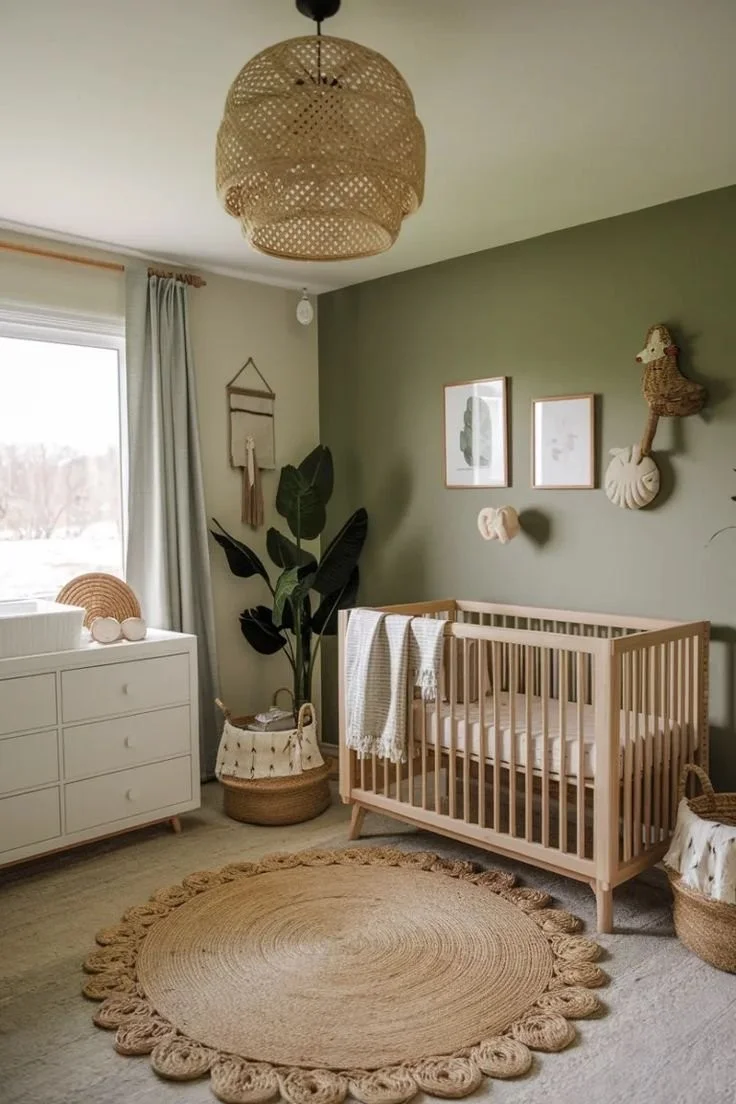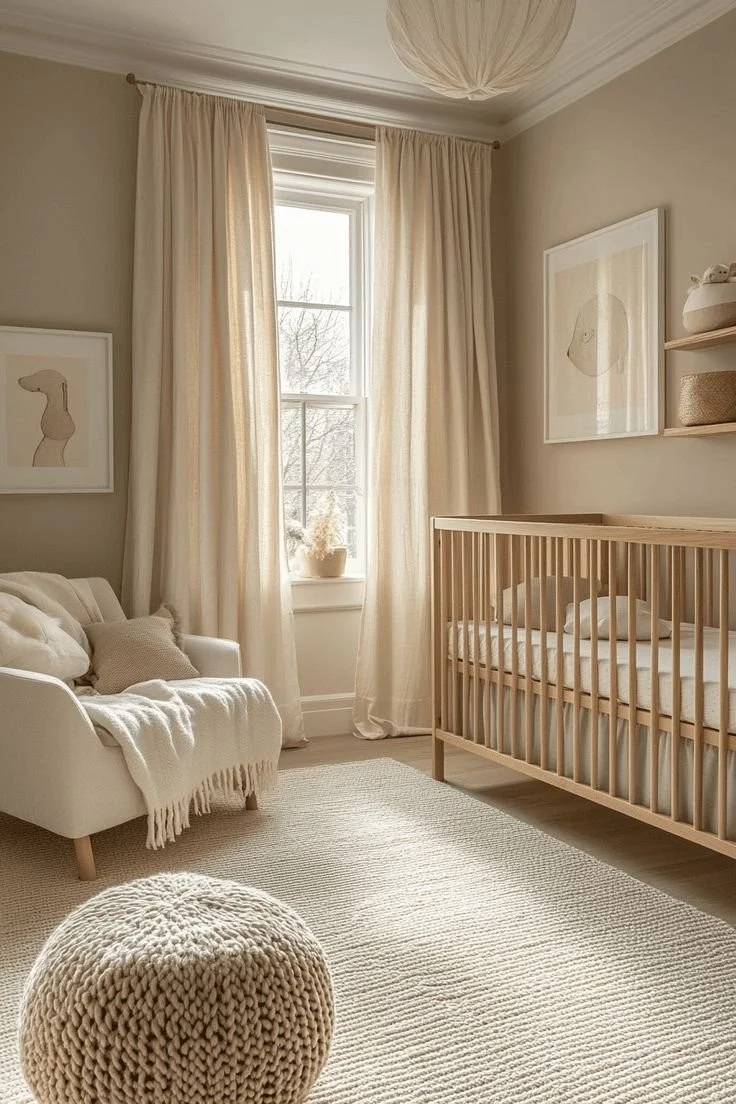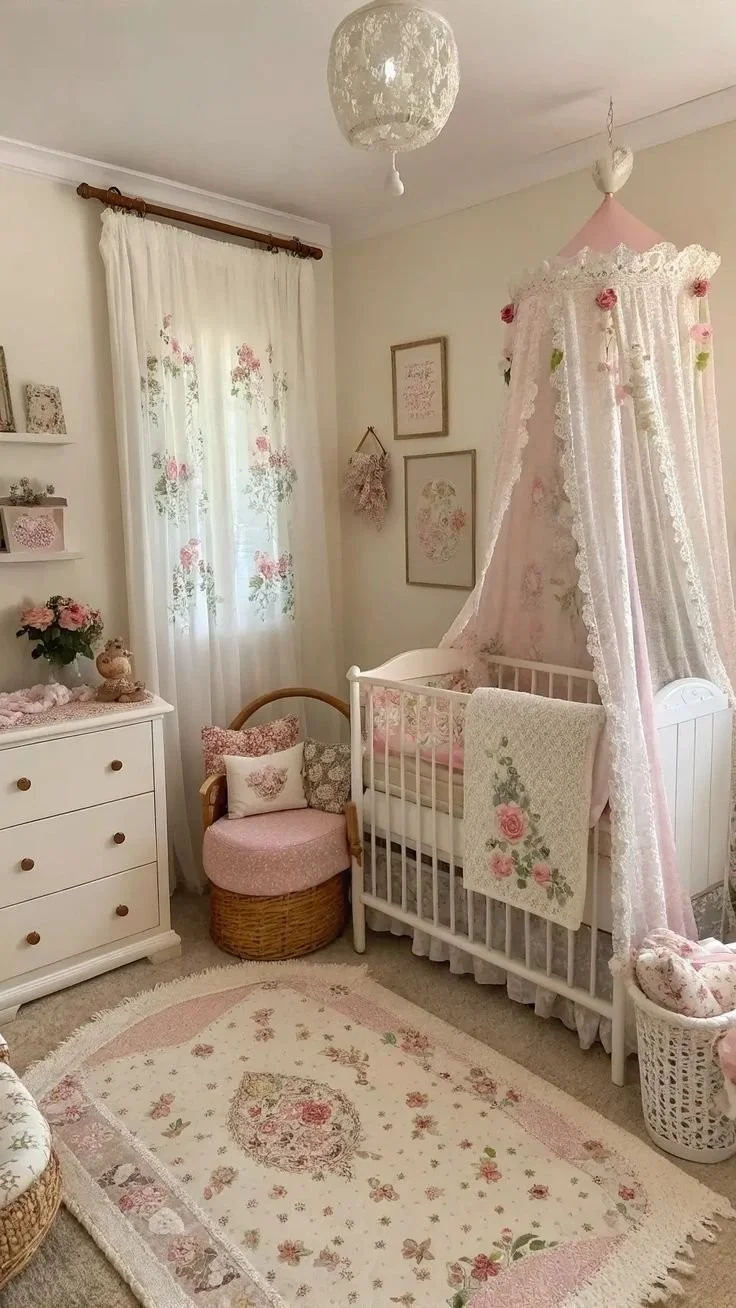
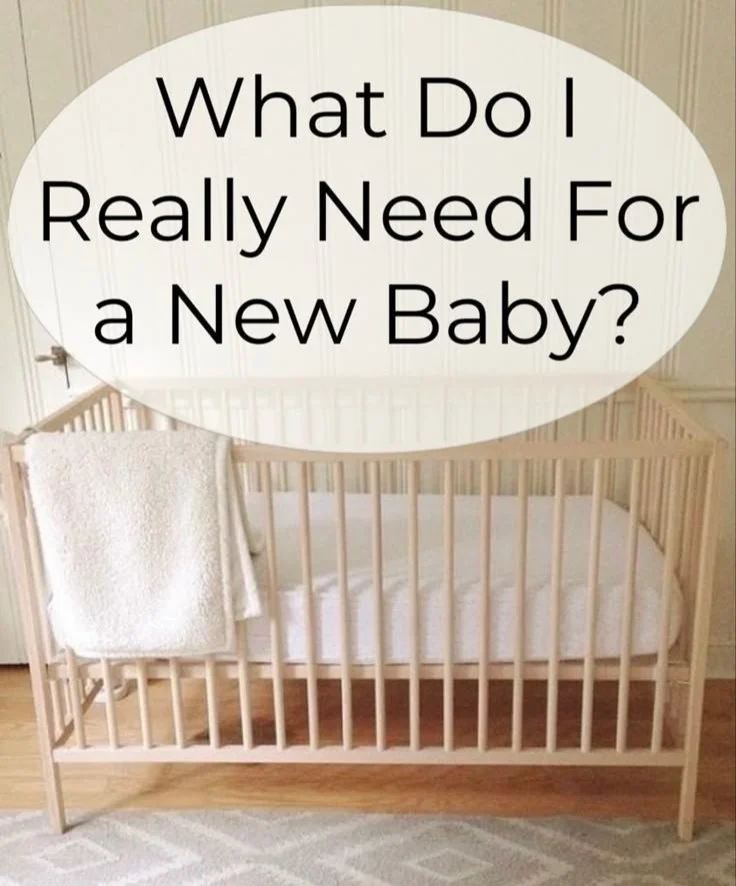
What Do I Really Need for a New Baby? A Minimalist’s Guide
Bringing a baby home is exciting — and overwhelming. The stream of “must-haves” from well-meaning friends, social media, and retailers can make any minimalist rethink their calm. This guide strips the lists down to what actually matters so you can spend less time shopping and more time resting (or breathing).
If you’re prepping the nursery and thinking ahead to simple play, remember to plan low-fuss, reusable ideas like indoor activities for toddlers that scale as your child grows.
The minimalist mindset
Minimalist parenting focuses on quality over quantity, multi-use items, and delaying purchases until a real need appears. Ask: “Will this save time, money, or sanity?” If not, skip it.
Essentials by category
- Sleeping
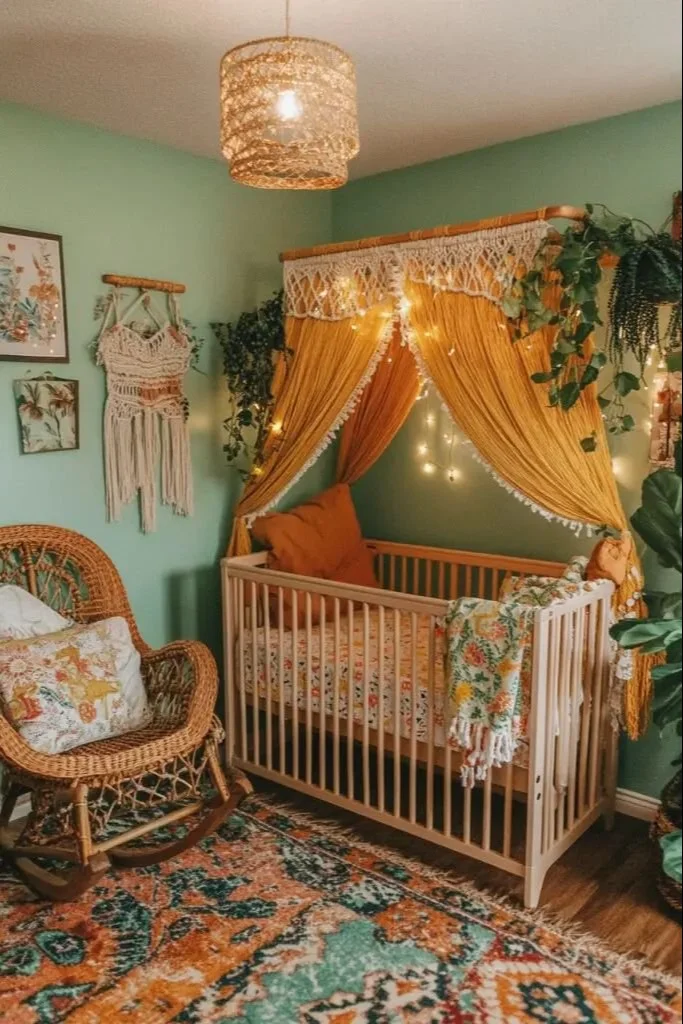
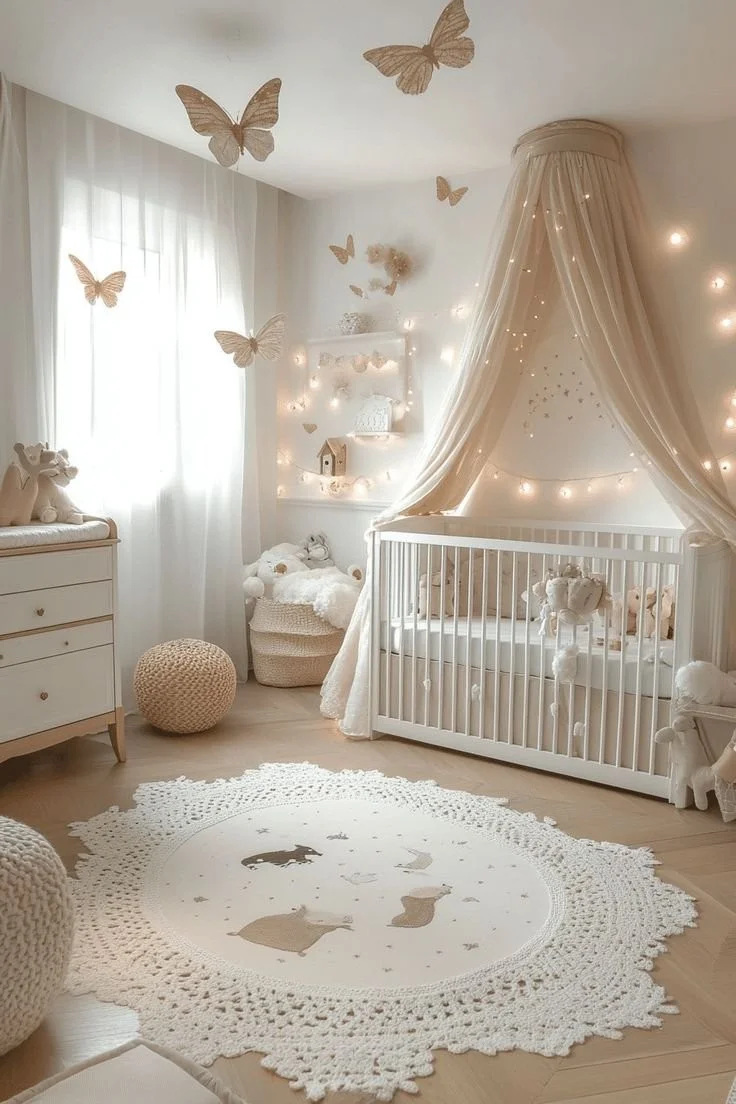
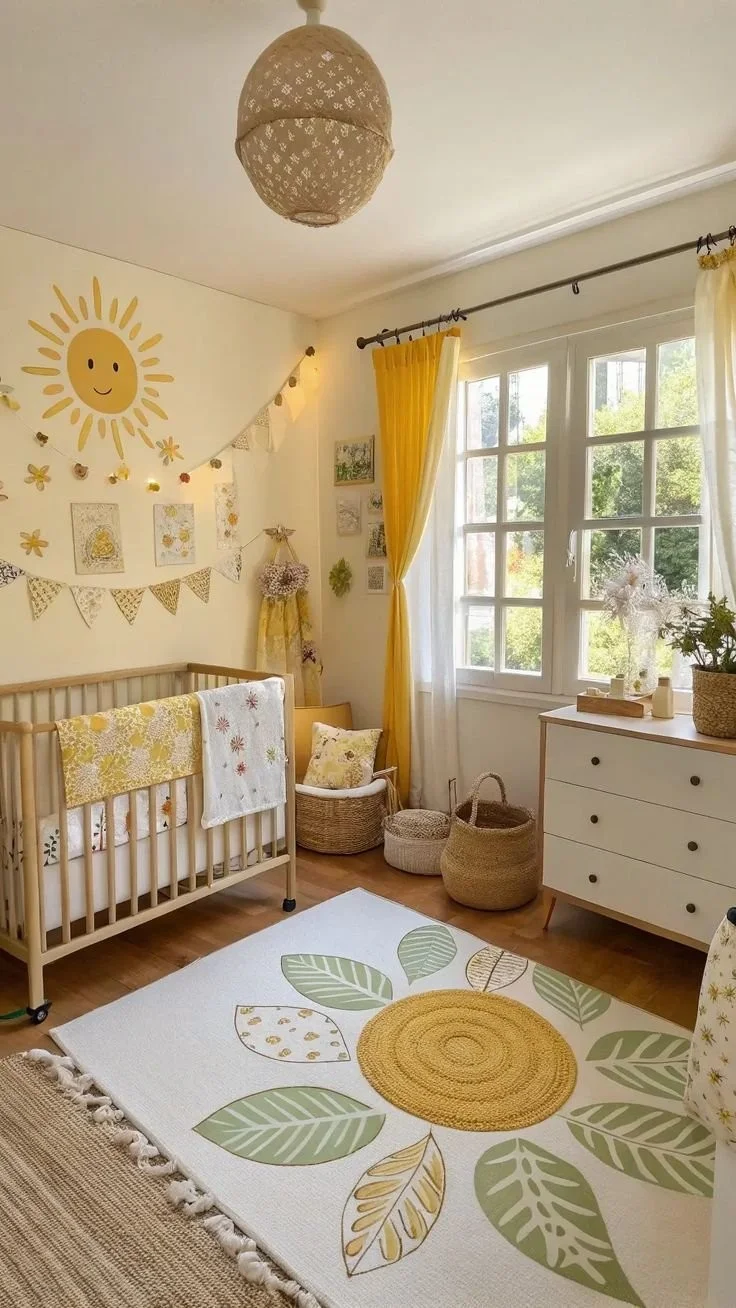
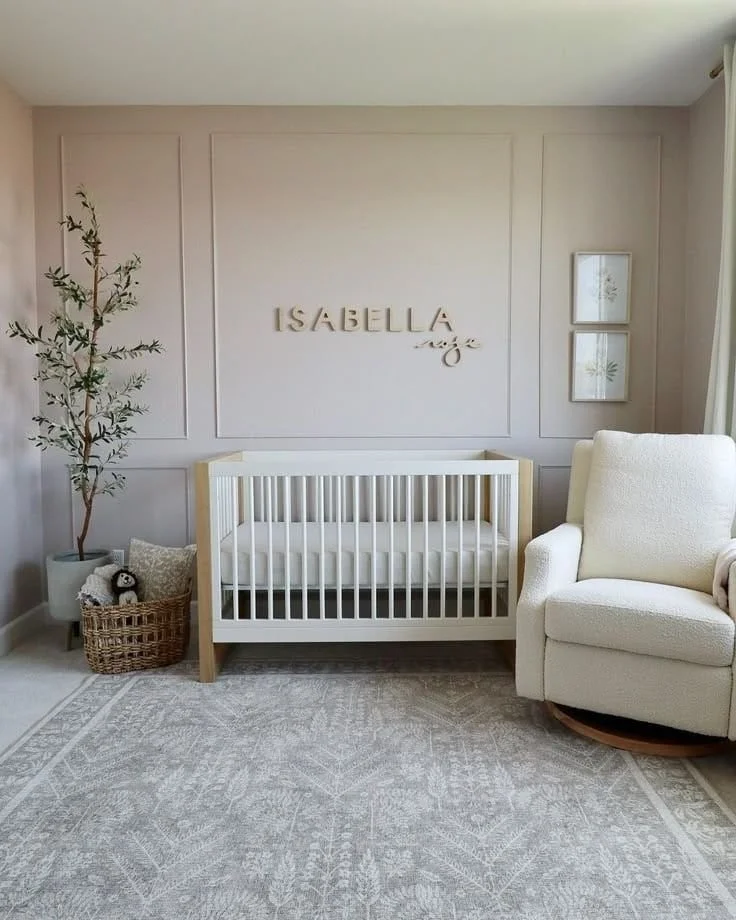
- A safe sleep surface: a firm mattress in a convertible crib or a compact bassinet. The mattress and fitted sheet are the priorities; skip overly padded bumpers and excessive bedding.
- 2–4 breathable, fitted sheets (washable and easy to swap).
- Feeding
- If breastfeeding: nursing pillow (optional) and a few washable nursing pads.
- If formula feeding: one good bottle and a small set of extra nipples; more bottles can be added as needed.
- Burp cloths — 6 to start.
- Diapering
- 20–30 disposable diapers or a small stash of cloth diapers to test what works for you.
- 6–8 diaper changes worth of wipes or a washable cloth alternative.
- A changing pad or a washable cover to protect surfaces.
- Clothing
- 6–8 bodysuits/onesies in newborn and 0–3 sizes (remember babies grow fast).
- 3–4 sleepers or sleep sacks depending on season.
- One weather-appropriate outer layer and a few socks/hat.
- Bathing & health
- Small baby tub or basin, mild baby wash, soft washcloths.
- Nail clippers, a digital thermometer, and a basic first-aid kit.
- Transport & outings
- One reliable car seat that fits your car, installed before the due date.
- A simple carrier or sling for hands-free trips; a stroller only if you’ll use it regularly.
- Sleep & soothing
- White noise machine or app, swaddles or safe sleep sacks, and a few soft, washable loveys for older newborn stage.
Gear to skip (or borrow)
- Fancy gadgets that do one thing (bottle warmers, wipes warmers, elaborate swings).
- An army of cute outfits you’ll avoid using for spit-up.
- Excessive toys — babies need a few high-contrast cards, a rattle, and time on the floor.
Shopping and secondhand tips
- Buy the essentials new when safety matters (car seats, mattresses).
- Accept hand-me-downs for clothing, non-seat furniture, and many toys — wash and inspect them.
- Delay nonessential purchases until you know your routines and needs.
Simplified registry strategy
Make a short registry of true essentials and a few experiential gifts (meals, babysitting, or a cleaning service). If friends insist on physical gifts, suggest a simple book or keepsake; if they ask what to write in a book for your baby shower, a thoughtful line about love or a future memory can be perfect: what to write in a book for a baby shower.
Daily-life checklist for the first month
- Night: 1–2 swaddles, white noise, a firm sleep surface.
- Diaper bag: 4 diapers, wipes, 1 changing pad, 1 spare onesie, a simple blanket.
- Home: easy access to feeding supplies and burp cloths, a clean place to lay baby down.
Keep it flexible
Minimalism is about freedom. If you find yourself struggling with sleep, mobility, or feeding, add one item at a time until the pain point is solved. Returning unused items or reselling them is perfectly fine — the goal is a sane, functional home.
Conclusion
A minimalist approach centers on safety, few versatile items, and delaying nonessential buys until real needs emerge. For a simple registry and more pared-down shopping ideas, this article on A Minimalist Baby Registry For Parents Who Kind Of Hate Baby Stuff offers practical picks. If you want another perspective on what to actually prepare before baby arrives, see this practical rundown: Minimalist Newborn Prep: What Does Baby ACTUALLY Need?
Click to get the full bundle — instant download