Kindergarten Morning Work for the Whole Year — a Practical Guide
Introduction
Morning work sets the tone for a successful kindergarten day: it builds independence, reinforces routines, and gives teachers a chance to run quick assessments while students settle in. A dependable, year-long system of morning work helps children transition from home to school with predictable tasks that build skills incrementally. For ideas on how to weave celebrations and classroom community into routines, see this helpful resource on birthday parties for kindergarteners which can spark simple, inclusive classroom traditions tied to morning activities.

Why a year-long plan matters
- Consistency: predictable tasks reduce anxiety and free teacher time for targeted support.
- Scope and sequence: morning work can spiral through literacy and numeracy concepts so students revisit skills with growing complexity.
- Assessment: quick daily tasks reveal who mastered yesterday’s skill and who needs reteaching.
Designing morning work that grows with your class
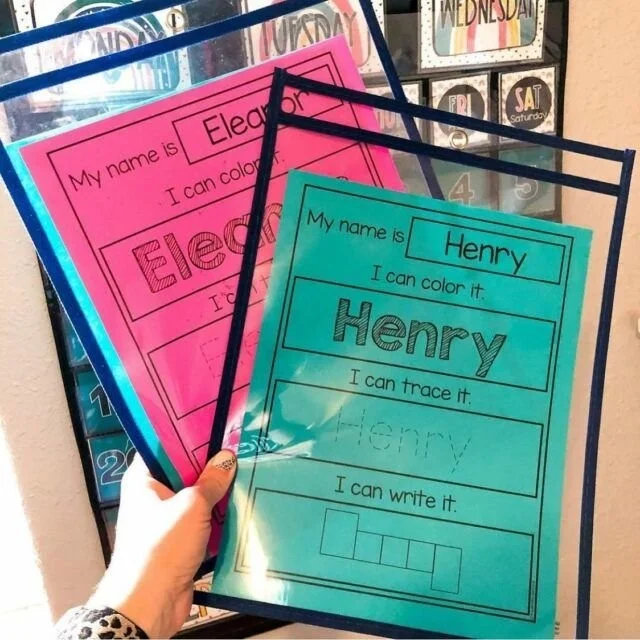
- Start simple (August–September): name writing, tracing letters, identifying basic shapes, and one-to-one counting.
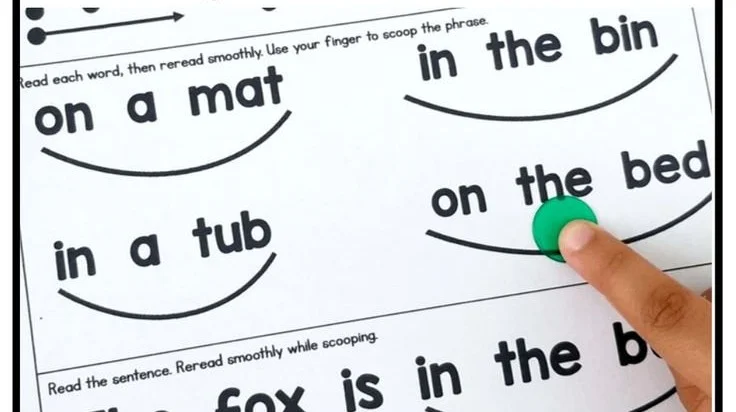
- Build complexity (October–December): introduce short emergent-reader activities, beginning sounds, pattern recognition, and ten-frames.
- Apply skills (January–March): work on simple word families, comparing quantities, and two-step directions.
- Prepare for transitions (April–May): focus on fluency with routine writing prompts, sight-word review, and problem solving that mirrors first-grade expectations.
Daily structure ideas
- 5–7 minutes of independent practice at arrival: students complete a short sheet or task card.
- 3 minutes of partner check or table talk: peer sharing builds oral language and gives teachers a chance to listen in.
- 2–5 minutes of teacher quick assessment: collect a subset to scan for progress or use exit-ticket style checks.
Content types that work well
- Literacy: letter formation, initial sounds, matching pictures to labels, simple emergent-reader sentences.
- Math: number recognition, subitizing cards, pattern completion, sorting by attributes, quick addition stories.
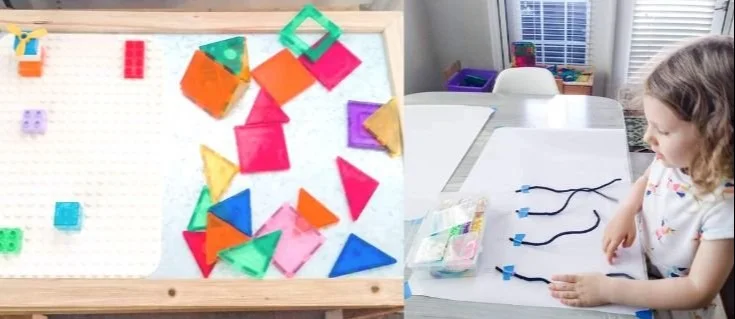
- Fine motor and social-emotional: cutting, dot stickers, mood check-ins, and choices that foster regulation.
Practical materials and management
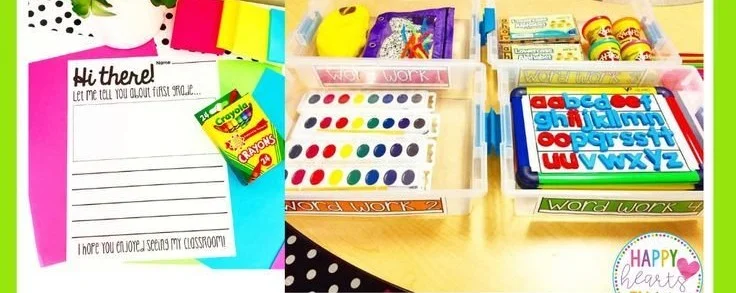
- Use task cards, dry-erase boards, or morning bins so materials are reusable.
- Laminate sheets for dry-erase markers and clipboards for hallway routines.
- Color-code tasks by month or skill to make rotation simple for aides and substitutes.
Differentiation strategies
- Tiered task cards: each set has an “emerging,” “developing,” and “confident” card on the same skill.
- Fast-finish options: challenge puzzles or extension prompts for students who complete work early.
- Small-group pull-outs: use morning work data to group students and reteach during the day.
Family and transition connections
- Share a weekly one-sentence summary of the week’s morning work focus and a simple at-home activity. Short, consistent family tasks (like reading a picture book or counting utensils at dinner) extend learning beyond the classroom; for quick morning nutrition and routine tips you may find this breakfast ideas for 1-year-old resource unexpectedly useful for modeling consistent family morning habits that support school routines.
Assessment and reflection
- Keep a simple checklist of standards addressed each month.
- Use a quick three-question reflection at month’s end: what students can do independently, what they need reteaching on, and enrichment ideas.
- Early in the year, observe transition times and adjust timing, seating, or materials based on student needs.
Sample four-week rotation (high level)
- Week 1: Letter focus — formation and sounds.
- Week 2: Numbers to 10 — recognition and subitizing.
- Week 3: Vocabulary & Listening — simple sentence comprehension and retell.
- Week 4: Fine motor & SEL — cut/trace tasks and feelings check-in.
- Rotate similar themes with increasing challenge each month so the year feels coherent and cumulative.
Tips from experienced teachers
- Keep tasks short and predictable; novelty can be added monthly rather than daily.
- Model morning work for the first few weeks and have labeled examples visible.
- Involve classroom helpers—train older students, parents, or aides to support morning centers.
Conclusion
If you want a ready-made, year-long collection that aligns with these ideas, consider exploring Kindergarten Morning Work for the Whole Year for structured weekly materials and teacher-friendly organization. For additional resources and teacher-created packs that pair well with a classroom morning routine, check out the Miss Kindergarten Love – TPT storefront for printable activities and seasonal sets.

Click to get the full bundle — instant download