Homemade School Snacks (Nut-free and Nutritious)
Packing snacks for school can be a daily challenge — you want items that are safe, satisfying, and simple to prepare. Whether your child has a nut allergy or you’re trying to avoid bringing nuts into the classroom, there are plenty of wholesome, appealing options that kids will eat and parents can feel good about. For ideas tailored to younger children, see preschool snack suggestions for 3-year-olds.
In this article you’ll find practical snack ideas, quick recipes, storage tips, and packing strategies that keep nutrition and allergy-safety front and center.
Principles for Nut-free Snack Planning
- Prioritize whole foods: fruits, vegetables, whole grains, seeds, dairy or dairy alternatives, and lean proteins give steady energy and nutrients.
- Keep it portable: choose items that travel well and don’t require reheating.
- Make it balanced: combine a carbohydrate with a protein or healthy fat to help curb hunger between meals.
- Label and communicate: if your child’s school requires nut-free packaging or allergy notes, include a short label and let teachers know about substitutions.
Simple, Nut-free Snack Ideas
- Fresh fruit: apple slices (tossed in a little lemon juice to prevent browning), banana, grapes, or clementine segments.
- Veggie sticks + dip: carrot, cucumber, and bell pepper strips paired with hummus (check sesame-free if needed) or yogurt-based ranch.
- Whole-grain crackers + cheese: small portions of sliced cheddar or string cheese are easy to eat and filling.
- Yogurt parfait: plain or lightly sweetened yogurt layered with berries and a sprinkle of toasted oats or sunflower seeds.
- Hard-boiled eggs: an inexpensive protein source that holds up well in an insulated lunch bag.
- Seed-based energy bites: use sunflower or pumpkin seeds blended with oats, dried fruit, and a little honey or maple syrup to form bites (nut-free alternative to nut butter snacks).
- Mini sandwiches or wraps: turkey and avocado, cream cheese and cucumber, or hummus and shredded veggies on whole-grain bread or tortillas.
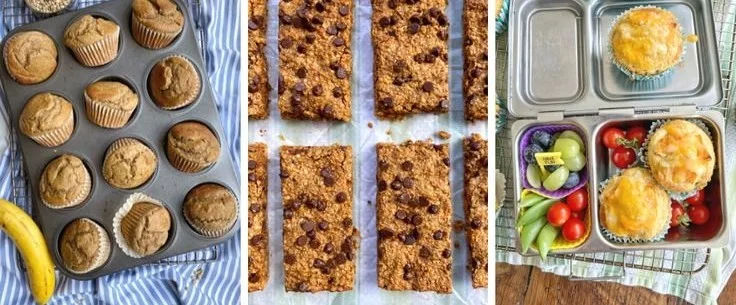
- Homemade muffins or oat bars: bake with apple sauce, mashed banana, or seed butters for binding and moisture instead of nut butters.
Quick Recipes to Try
- Sunflower Seed Energy Bites: Pulse 1 cup sunflower seeds, 1 cup rolled oats, 1/2 cup dried cranberries, 2 tbsp chia seeds, and 1/4 cup honey until combined. Roll into bite-size balls and chill.
- Cheesy Veg Muffins: Mix grated zucchini, shredded cheddar, 2 eggs, 1 cup whole-wheat flour, 1 tsp baking powder, and a splash of milk. Spoon into a mini muffin tin and bake 15–18 minutes at 350°F.
- Apple & Yogurt Cups: Layer plain Greek yogurt with finely chopped apples and a little cinnamon. Sprinkle with toasted oats or pumpkin seeds before sealing.
Packing, Storage, and Timing
- Use small containers: Portion snacks into small reusable containers so kids have manageable servings and less waste.
- Pack cold items with a frozen gel pack to keep yogurt, cheese, and eggs safe until lunchtime.
- Prep ahead: Many snacks keep well for several days — bake muffins or energy bites on the weekend and store in an airtight container for grab-and-go mornings.
- Rotate options: Keep a list of go-to snacks and rotate through them to prevent boredom and ensure a range of nutrients.
- Check labels: If you buy packaged items, read ingredient lists for “may contain” warnings about tree nuts or peanuts.
Making Snacks Appealing to Kids
- Presentation matters: Use cookie cutters to make sandwiches fun shapes, or create fruit kabobs for an easy, colorful treat.
- Let kids help: Invite them to assemble their own snack boxes the night before — children are more likely to eat what they helped make.
- Keep it familiar: Pair new items with something you know they already like to increase acceptance of new flavors.
Allergy-Safe Habits for Schools
- Communicate with the school: Share your child’s allergy status and preferred emergency procedures if applicable.
- Avoid high-risk cross-contamination: Wash cutting boards and utensils thoroughly after preparing items that could have touched nuts, and store nut-free snacks separately.
- Teach children about their snacks: Age-appropriate education about not sharing food and recognizing safe foods empowers kids to manage their own safety.
Where to Find More Ideas
For a broader range of easy-to-pack choices suited to different ages and preferences, you might find this roundup useful: school snack ideas for busy families.
Conclusion
If you want ready-made inspiration and more nut-free recipes, check out the curated collection of allergy-conscious options from Happy Kids Kitchen’s nut-free school snacks, and for portable, allergy-friendly recipes with vegan and gluten-free choices, see the selection at Oh She Glows’ back-to-school snack ideas.

Click to get the full bundle — instant download