Guide to Baby Led Weaning and First Foods at 6 Months
Introduction
Baby-led weaning (BLW) lets babies explore whole foods with their hands instead of starting with purees, encouraging self-feeding, motor skills, and family mealtime participation. If you’re looking for simple meal ideas to try in those early weeks, see this collection of baby food recipes for 6–8 months for inspiration and safe first-food combinations.
What is baby-led weaning?
Baby-led weaning means offering appropriately shaped and textured pieces of food that your baby can pick up and bring to their mouth. Rather than spoon-feeding purees, you present finger-friendly options and let the infant set the pace, learning to chew, bite, and manage textures.
When to start
Most babies show readiness around 6 months: they can sit upright with minimal support, have good head and neck control, and show interest in food (reaching, looking at what others eat). Pediatric guidance varies, so consult your child’s healthcare provider if you’re unsure.
Safety first: choking vs. gagging
Gagging is a normal protective reflex as babies learn to move food in their mouths; it sounds and looks alarming but is distinct from choking. Always:
- Sit your baby upright in a safe high chair.
- Stay within arm’s reach and supervise every bite.
- Cut and prepare foods to reduce choking risk (soft, large strips or wedges rather than small round pieces).
If you’re worried about choking or emergency responses, consider taking an infant first-aid course.
Best first foods and textures at 6 months
Prioritize iron-rich and nutrient-dense options along with variety:
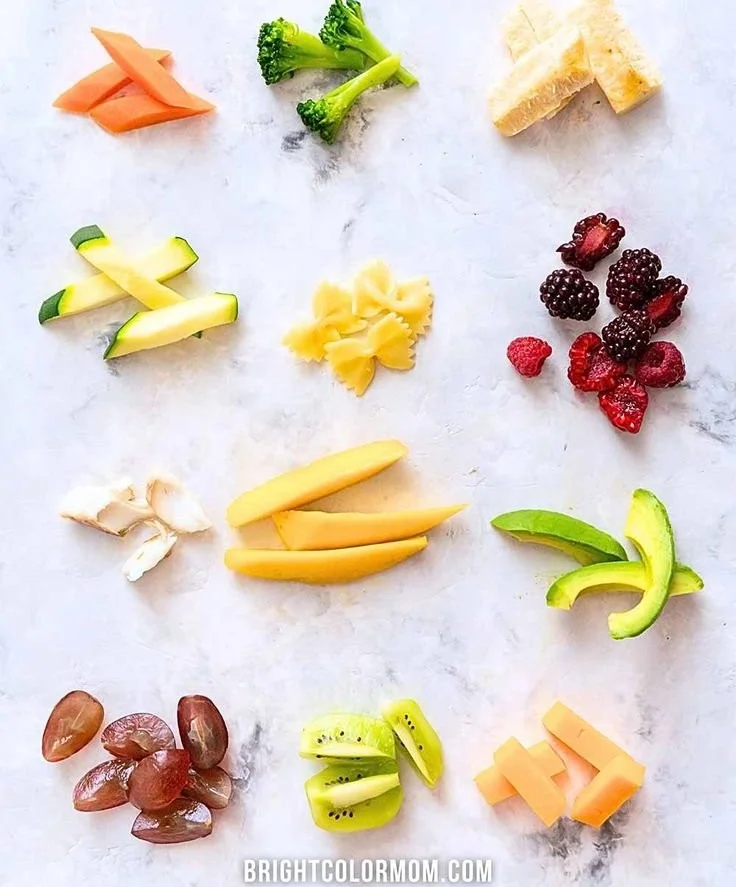
- Soft cooked vegetables: carrot sticks, sweet potato wedges, steamed broccoli florets (soft).
- Soft fruits: mashed banana, ripe pear or peach slices, avocado chunks.
- Protein and iron sources: soft cooked strips of chicken, small pieces of flaky fish (boneless), mashed lentils or well-cooked beans, scrambled eggs.
- Dairy: small pieces of soft cheese or full-fat yoghurt offered on a spoon or thicker dollop (after allergen guidance).
Avoid honey until after 12 months and skip whole nuts, popcorn, hard raw vegetables, whole grapes, and chunks of meat that are hard to chew.
Preparing foods: shape and size
Offer foods in long strips or wedges that are easy to grasp and extend beyond the fist so the baby chews on the end. For example:
- Toast cut into fingers
- Steamed carrot or zucchini sticks
- Strips of cooked salmon or chicken
Softness is key: cook until the item yields easily to your finger.
Mealtime setup and routines
- Eat together as a family whenever possible — babies learn by watching.
- Expect mess: use a washable mat and dress the baby in an easy-to-clean outfit.
- Offer water in a cup at meals to encourage sipping and oral skills.
- Keep portions small and let your baby decide how much to eat.
Allergen introduction and monitoring
Current recommendations encourage introducing common allergens (peanut, egg, dairy, soy, wheat, tree nuts, fish) early and in age-appropriate forms, especially if there’s no strong family history of severe allergy. Start with small amounts and watch for reactions; consult your pediatrician if your baby has eczema, a known food allergy, or a strong family history of allergies.
Handling common concerns
- If your baby refuses foods at first, try again later — it often takes many exposures for acceptance.
- If weight gain or intake seems low, discuss with your pediatrician; BLW can coexist with spoon-fed options.
- Keep offering a mix of textures and tastes; variety supports nutrient intake and palate development.
Sample first-week plan (simple ideas)
Day 1: Avocado wedges and breastmilk/formula as usual.
Day 2: Steamed sweet potato fingers and a few soft peas.
Day 3: Toast fingers (lightly buttered) and banana slices.
Day 4: Scrambled egg strips and steamed apple slices.
Day 5: Soft-cooked lentils (mounded) and soft pear wedges.
For more structured recipe ideas suitable for BLW, you can explore this selection of baby-led weaning recipes that focus on texture, nutrient balance, and family-friendly flavors.
When to get professional advice
Contact your pediatrician if your baby:
- Cannot sit up or hold their head steady by 6–7 months.
- Shows persistent refusal to eat or signs of poor weight gain.
- Has repeated severe reactions after food introductions.
Practical tips to make BLW easier
- Keep meals short and positive — 15–20 minutes is plenty.
- Use plain foods first to assess taste and reactions.
- Rotate through iron-rich choices every day.
- Clean surfaces immediately and keep small toys away from the high chair to avoid choking hazards.
Conclusion
For a clear overview of what baby-led weaning looks like in practice and what to expect as your infant learns to self-feed, consult this comprehensive Baby-Led Weaning (BLW) – What to Expect guide. For additional tips, research, and practical suggestions on introducing solids through BLW, review the detailed guide at Baby-led weaning (BLW): A complete guide to first foods | Huckleberry.

Click to get the full bundle — instant download