
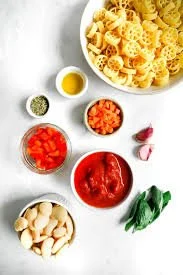
Tomato-based pasta sauce is a delicious way to introduce your baby to new flavors while keeping textures soft and nutrients intact. A baby-friendly tomato pasta sauce focuses on mild acidity, smooth texture, and minimal salt and spices. If your baby is exploring new textures, a soft vegetable-based pasta sauce is a great choice, and you may also enjoy this avocado egg salad recipe for babies as another gentle option.
This guide covers a simple recipe, safety tips, variations for different ages, and serving ideas so you can make a first tomato pasta sauce that is nutritious and baby-approved.
Why Tomato Sauce for Babies?
Tomatoes provide vitamins A and C, folate, and some potassium. When cooked and pureed, tomatoes become gentler on a baby’s tummy and easier to combine with other mild ingredients like carrots or sweet potato. The goal of a first sauce is to build positive flavor memories without overwhelming sensitive palates.
Ingredients (yields about 2–3 cups)
- 2 medium ripe tomatoes (or 1 can of no-salt-added crushed tomatoes for convenience)
- 1 small carrot or 1/4 cup cooked sweet potato (for sweetness and thickness)
- 1 small shallot or 1/4 small onion, finely chopped (optional — cook well to soften)
- 1 teaspoon mild olive oil or a small knob of unsalted butter (for healthy fats)
- A pinch of dried basil or oregano (optional, very small amount)
- Water, breastmilk, or formula to thin as needed
Note: For babies under 12 months, avoid adding salt or honey. Keep spices minimal and introduce one new ingredient at a time.
Simple Step-by-Step Recipe
- Prepare the vegetables: Peel and chop the carrot (or sweet potato) and tomatoes. If using canned tomatoes, choose a no-salt-added variety.
- Sauté gently: In a small saucepan, warm the olive oil over low heat. Add the shallot or onion and cook slowly until fully softened and translucent—this reduces sharpness.
- Add carrots and tomatoes: Add the chopped carrot and tomatoes (or canned tomatoes) to the pan with a splash of water. Cover and simmer on low for 15–20 minutes, until the carrot is very tender and the tomatoes have broken down.
- Puree to desired texture: Use an immersion blender or food processor to puree the mixture until smooth. For very young babies just starting solids, strain for an extra-smooth texture. For older babies who enjoy soft lumps, leave it slightly chunky.
- Taste and adjust: If needed, add a little breastmilk, formula, or water to thin the sauce and mellow acidity. Add just a tiny pinch of herbs if your baby has already been introduced to them. No salt or sugar.
- Cool before serving: Ensure sauce is lukewarm and safe to eat.
Age-Based Texture Ideas
- 6–8 months: Very smooth, thin sauce blended and mixed with pureed pasta or vegetables.
- 8–10 months: Slightly thicker, with tiny soft bits of pasta or very soft vegetable pieces.
- 10–12+ months: Chunkier sauce with small, manageable pieces and mild herbs for flavor exploration.
Safety & Allergy Considerations
- Introduce tomatoes alone first if you’re worried about reactions. Tomatoes are not common allergens, but monitoring any new food is important.
- Avoid adding dairy if your baby hasn’t tried cow’s milk yet — you can use a small amount of unsalted butter if already introduced.
- Keep spices mild and introduce one new ingredient at a time, watching for signs of intolerance such as rash, vomiting, or diarrhea. For guidance on introducing sweet fruits alongside tomatoes, see our note on cherries for babies to compare sweetness and texture when planning meals.
Serving Suggestions
- Mix the sauce with well-cooked small pasta shapes (stars, orzo, or small shells) for finger-feeding or spoon-feeding, depending on your baby’s stage.
- Stir into mashed vegetables, soft rice, or quinoa for variety.
- Use as a base under mild proteins like shredded chicken or lentil puree once those foods have been safely introduced.
Storage
- Refrigerate leftovers in an airtight container for up to 48 hours.
- Freeze in ice cube trays for convenient single-serving portions; transfer frozen cubes to a labeled bag and use within 1–2 months. Thaw and heat thoroughly, then cool to a safe temperature before serving.
Troubleshooting
- Too acidic: Add a cooked carrot or a small amount of sweet potato and puree to balance acidity.
- Too thin: Simmer a bit longer uncovered to reduce liquid, or add a soft cooked veg to thicken.
- Baby rejects it: Try mixing a small spoonful with a familiar puree or breastmilk to make the transition gentler.
Flavor Variations
- Mild basil-only: Add a tiny pinch of fresh basil at the end for aroma.
- Veggie boost: Blend in steamed zucchini or pumpkin for extra nutrients and smoother taste.
- Protein mix: Stir in a little pureed lentil or soft tofu for extra protein once introduced.
Conclusion
For another gentle tomato-based option, you can compare this recipe to the detailed directions in Happy Veggie Kitchen’s First Tomato Pasta Sauce for Babies. If you prefer a naturally sweeter profile tailored for younger palates, consider the Sweet Tomato Sauce for Baby from Indulge with Bibi as an alternative approach.

Click to get the full bundle — instant download