
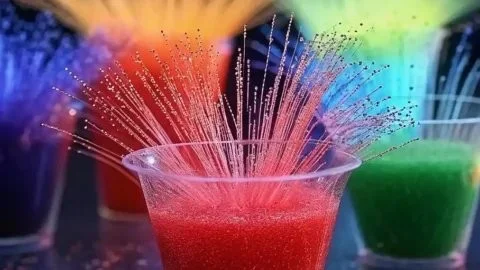
Sugar and Vinegar Fireworks
Explosive Fun: 5 Easy Sugar and Vinegar Fireworks Experiments for Kids!
Are your kids bouncing off the walls on a rainy day? Or perhaps you’re looking for a creative activity that’ll make science come alive? Get ready for some bubbly fun with these exciting sugar and vinegar fireworks experiments! Using kitchen staples and a little imagination, you can spark your child’s interest in science while having a blast together. Let’s dive in!
Why Sugar and Vinegar Fireworks?
Creating sugar and vinegar fireworks is a fun, kid-friendly science experiment that combines chemistry and creativity. It’s perfect for curious minds and helps develop fine motor skills as children mix and pour. Plus, it’s a great way to learn about chemical reactions in a safe and engaging way!
What You’ll Need
Here’s a quick list of materials you’ll need to get started:
- Baking Soda
- Vinegar
- Granulated Sugar
- Food Coloring (optional)
- Clear Cups
- Dropper or Spoon
- Paper Towels for Cleanup
5 Easy Sugar and Vinegar Fireworks Experiments
1. Classic Sugar Explosion
Instructions:
- In a clear cup, add 1 tablespoon of baking soda.
- In another container, mix 1 tablespoon of sugar with a few drops of food coloring.
- Pour the sugar mixture into the cup with baking soda, then quickly add vinegar.
- Watch the colorful eruption!
2. Rainbow Reaction
Instructions:
- Prepare multiple cups with different colored sugar mixtures.
- This time, layer each color of sugar in a cup before pouring the vinegar.
- Add vinegar to the top and see how the colors interact!
3. Sugar Volcano
Instructions:
- Mold some dampened sugar into a volcano shape on a plate.
- Pour vinegar inside the top and add a sprinkle of baking soda.
- The reaction will resemble a volcanic eruption—how cool is that?
4. Fizzing Fireworks in a Jar
Instructions:
- Fill a jar halfway with vinegar.
- Use a dropper to add sugar mixed with food coloring.
- Watch the reaction as the sugar bubbles rise like fireworks!
5. Sugar and Vinegar Art
Instructions:
- Place a piece of white paper under a clear cup.
- Perform any of the experiments above and let the colorful reactions spill onto the paper.
- Let it dry to create a unique piece of art!
Quick Tips / Mom Hacks
- Supervise: This activity is fun but requires adult supervision, especially with younger children.
- Experiment: Encourage your kids to try different sugar amounts or types, such as brown sugar, to see how it affects the reaction.
- Play Outside: If weather permits, take the fun outside to avoid any mess in the kitchen.
Mistakes to Avoid
- Too Much Vinegar: Using too much vinegar can lessen the explosive effect, so ensure you’re measuring carefully.
- Skipping the Cleanup: Vinegar can be sticky. Prepare your workspace with paper towels for easy cleanup afterward.
FAQs
1. Can I use other types of sugar?
Yes, brown sugar can create different textures and effects in the reactions.
2. Is this experiment safe for all ages?
While it’s mostly safe, it’s best for ages 4 and up with adult supervision.
3. What’s the science behind it?
The reaction occurs due to the release of carbon dioxide gas from the vinegar (acetic acid) reacting with baking soda (sodium bicarbonate).
Bonus Ideas
- Add Glitter: Experiment with edible glitter for sparkling effect!
- Create a Science Journal: Let your kids document their findings with drawings and notes on what works best.
Pinterest Description:
Get ready for a sprinkle of fun with these sugar and vinegar fireworks experiments! Perfect for curious kids, these colorful science activities are a blast for rainy days or at-home learning. Dive in and spark your little one’s love for science today!
Catchy Pinterest Title Ideas:
- "Spark Joy: 5 Sugar and Vinegar Fireworks Experiments!"
- "Explosive Fun: Science with Sugar and Vinegar for Kids!"
- "Turn Your Kitchen into a Science Lab with Sugar Fireworks!"
- "5 Colorful Sugar and Vinegar Experiments Kids Will Love!"
- "Get Ready for Fizzing Fun: Sugar Fireworks You Can Make at Home!"
Now that you’re equipped with these fun sugar and vinegar fireworks experiments, gather your little ones and let the explosive fun begin! Happy experimenting!
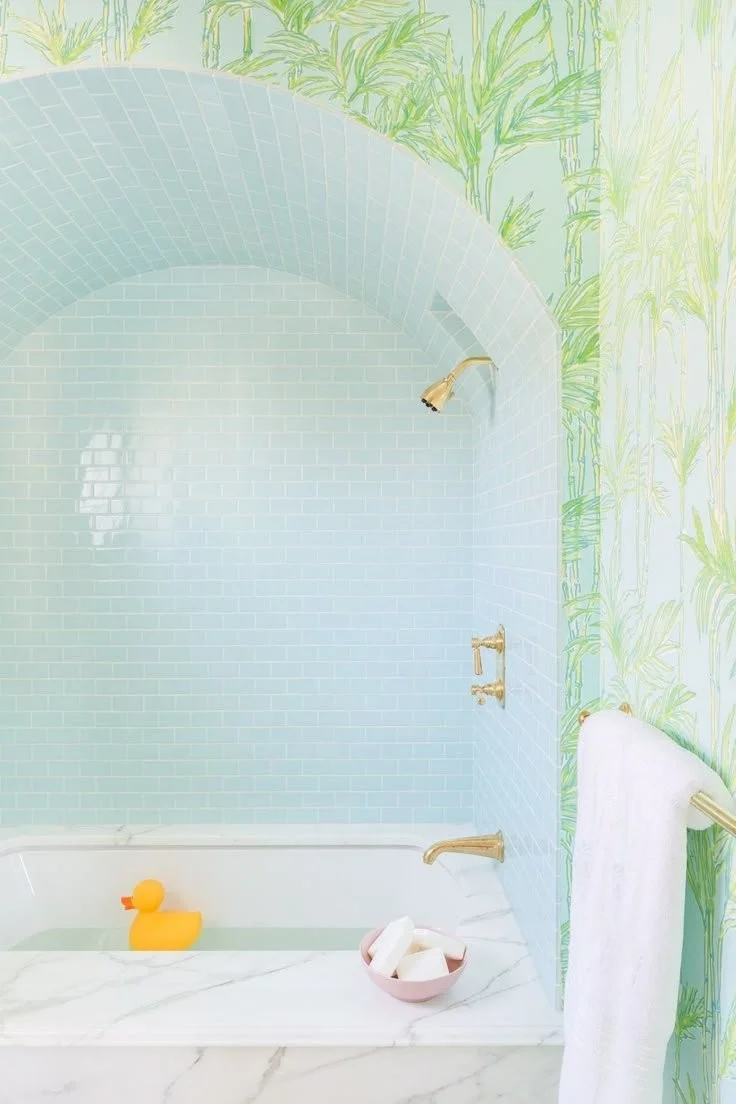
20 KIDS’ BATHROOM DESIGNS EVEN ADULTS WOULD ADORE
20 Kids’ Bathroom Designs Even Adults Would Adore
When it comes to designing a kid’s bathroom, you might find yourself in a bit of a dilemma. How do you create a space that caters to the whims of your little ones while still being stylish and functional for adults? Fear not! I’ve gathered 20 delightful kids’ bathroom designs that prove kids’ spaces can be both playful and chic. Get ready to transform your bathroom into a space everyone in the family will love!
Why Kid-Friendly Doesn’t Mean Less Stylish
Before we dive into the designs, let’s talk about why it’s essential to have a bathroom that appeals to both kids and adults. Kids often spend a lot of time in the bathroom, whether they’re getting ready for school or enjoying a fun bath time. A space that combines practicality with playful aesthetics can create a positive experience for everyone.
20 Inspiring Kids’ Bathroom Designs
1. Nautical Adventure
Think: A blue and white color palette with lighthouse decals and maritime accessories. Sea-themed shower curtains and towels will add to the charm.
2. Jungle Safari
Imagine: A jungle-inspired mural with cute animal decals. Use light green walls and add fun bath toys that match the adventure theme.
3. Under the Sea
Visualize: A soothing aqua color combined with fish-shaped wall knobs. An ocean-themed curtain will make bath time a splash!
4. Rainbow Bright
Create: A vibrant bathroom using a rainbow of colors in tiles, towels, and decor. Don’t forget fun, mismatched accessories to keep it lively.
5. Space Explorer
Dream: Galaxy-themed wallpaper paired with rocket-shaped storage bins. Starry night decals can instill an adventurous spark during bathroom trips.
6. Modern Minimalist
Go for: Clean lines and simple accessories. A neutral color palette with fun, functional storage can provide a serene environment.
7. Fairy Tale Forest
Imagine: Tree decals and soft pastel colors. A whimsical rug can complete the look, making it feel like a stroll in the woods.
8. Classic Vintage
Envision: A retro bathroom with checkerboard tiles and vintage-style fixtures. Use bold colors for a playful touch.
9. Sports Fanatic
Show Off: Team colors and logos along with sporty accessories like shower curtains featuring balls or equipment.
10. Artistic Expression
Inspire: A mini-painting station, where regrets won’t exist, and creativity can thrive! Choose washable paints and bright colors.
11. Cozy Cabin
Relax: Create a warm, rustic feel with wooden accents and earthy tones. Incorporate fun nature elements, like animal decor.
12. DIY Customization
Encourage: Personalized name decals and art from your kids. This makes the space uniquely theirs and fosters creativity.
13. Bold Patterns
Incorporate: Fun wallpapers with geometric shapes and mismatched towels. This design is sure to stimulate and inspire!
14. Charming Country
Go for: Soft pastels and charming floral patterns. Think functional storage combined with cute, farm-themed decor.
15. Technology-Friendly
Add: Smart mirrors and touchless faucets to intrigue tech-savvy kids. Combine this with vibrant colors for easy cleaning.
16. Fun Animal Kingdom
Visualize: Friendly animal motifs on the walls and towels. Add playful designs that kids can learn about!
17. Magical Unicorns
Create: A dreamy bathroom complete with soft pastels and whimsical unicorn decor. It’s sure to bring a smile to their faces!
18. Outdoor Adventure
Incorporate: Nature-themed decor such as mountains or trees with outdoor-inspired prints and colors.
19. Musical Haven
Encourage: A music-themed design with art of instruments and sound-related decor. Create energy for fun bath time sing-alongs!
20. Timeless Elegance
Mix: Classic colors with modern fixtures. This style is sophisticated enough for adults while remaining functional for kids.
Quick Tips for Decorating a Kids’ Bathroom
- Choose Washable Materials: Opt for tiles and paint that are easy to clean.
- Incorporate Storage Solutions: Use fun baskets to keep toys and toiletries organized.
- Keep Safety in Mind: Make sure all fixtures are safe and kid-friendly.
- Be Flexible: Use removable decals so that you can change themes as your child grows.
Mistakes to Avoid
- Neglecting Functionality: Don’t forget that kids need practical storage and easy-to-use fixtures.
- Overcomplicating the Design: Keep it simple so children can engage with the space comfortably.
- Forgetting About Growth: Design with an eye on adaptability; efforts should outlast kids’ current interests.
FAQs
How can I make a small bathroom feel larger for kids?
Utilize mirrors, light colors, and strategic lighting to create an illusion of space.
What types of storage work best in a kid’s bathroom?
Open shelving, baskets, and colorful bins can all make storage fun and accessible for little ones.
Embrace the vibrant world of children’s design with spaces that inspire imagination! These kids’ bathroom designs are sure to create joyful experiences, making bath time an adventure worth looking forward to!
Pinterest Description
Discover 20 kids’ bathroom designs that blend fun and functionality, appealing to both kids and adults alike! Transform your space with these playful ideas that will make every bath time exciting.
Catchy Pinterest Title Ideas
- “20 Adorable Kids’ Bathroom Ideas Even Adults Will Love!”
- “Transform Your Kids’ Bathroom: 20 Designs You Can’t Resist!”
- “Stylish Kids’ Bathrooms: 20 Designs for Fun and Function”
- “20 Creative Kids’ Bathroom Ideas for a Splash of Fun!”
- “Chic & Fun: 20 Kids’ Bathroom Designs for Parents’ Approval”
With these design ideas in mind, you can create a bathroom that not only serves its purpose but also captures the imagination of your children. Happy decorating!
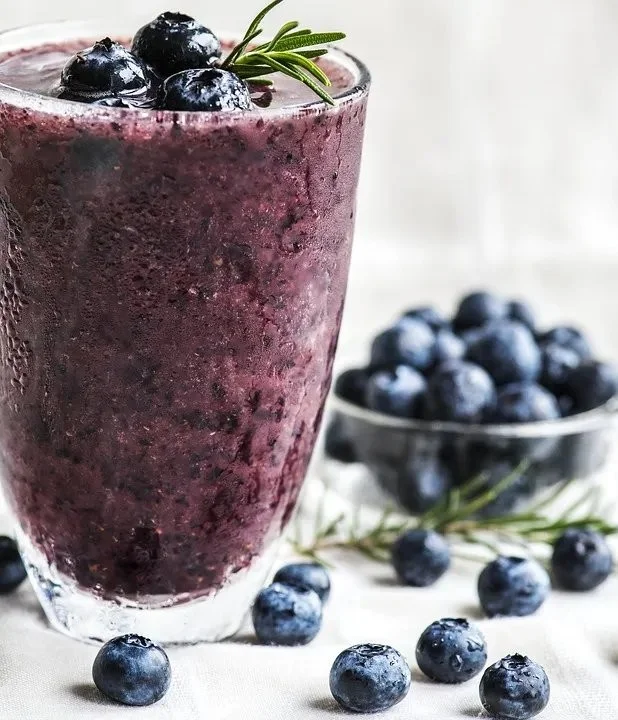
Lactation Smoothie for Breastfeeding Moms that Will Increase Supply Overnight
Boost Your Milk Supply Overnight: The Ultimate Lactation Smoothie for Breastfeeding Moms
Are You Struggling with Low Milk Supply?
As a breastfeeding mom, the pressure to provide your baby with enough milk can be overwhelming. You want to nourish your little one, but what if your body isn’t keeping up? What if you could easily boost your milk supply overnight with just a delicious smoothie? Yes, you heard right! In this article, we’ll share a simple lactation smoothie recipe designed specifically for breastfeeding moms to help increase your milk supply.
Why Smoothies?
Smoothies are quick, nutritious, and a fantastic way to sneak in nutrient-dense ingredients that can support lactation. They’re perfect for busy moms who might not have time to sit down for a full meal. Plus, they can be customized to suit your taste and dietary preferences.
The Lactation Smoothie Recipe
Here’s a simple recipe packed with galactagogues (milk-boosting foods) that can help you increase your supply:
Ingredients:
- 1 cup spinach (rich in iron and nutrients)
- 1 banana (provides energy and potassium)
- 1 tablespoon flaxseed (known for its omega-3 fatty acids)
- 1 tablespoon oats (a traditional galactagogue)
- 1 cup almond milk (or any milk alternative)
- ½ cup Greek yogurt (for protein and probiotics)
- 1 tablespoon honey (natural sweetener with a pinch of energy)
- Optional: 1 tablespoon of nut butter (almond, peanut, or cashew for added creaminess)
Instructions:
- Blend the spinach and almond milk until the spinach is finely chopped.
- Add the remaining ingredients including banana, flaxseed, oats, yogurt, and honey.
- Blend until smooth and creamy.
- Taste and adjust sweetness if necessary.
- Serve immediately or store it in the fridge for later.
Nutritional Benefits of Each Ingredient
Spinach
Packed with iron and calcium, spinach is great for overall health and helps in boosting your milk supply.
Banana
The potassium in bananas provides energy and helps in breastfeeding comfort.
Flaxseed
Rich in omega-3s, flax seeds help enhance breast milk quality.
Oats
Filled with fiber and iron, oats have been a go-to for lactation for ages—plus, they keep you feeling full longer.
Almond Milk
A great source of vitamins and minerals, almond milk can be a dairy alternative without the fuss.
Greek Yogurt
Full of protein, Greek yogurt can help keep you satisfied and nourished.
Honey
In addition to sweetness, honey has antimicrobial properties, making it a healthy choice.
Quick Tips / Mom Hacks
- Prep Ahead: Make smoothie packs with all the ingredients, freeze them, and just blend in the morning!
- Experiment: Don’t hesitate to customize your smoothie by adding berries or protein powder based on what you enjoy.
Mistakes to Avoid
- Skipping meals: Make sure to nourish your body with solid meals throughout the day, not just smoothies.
- Relying solely on one food: Variety is key in your diet for balanced nutrition.
- Forgetting to hydrate: Drink plenty of water while breastfeeding!
FAQs
Q: How often should I drink this smoothie?
A: Aim for 1-2 smoothies a day for the best results, combined with a balanced diet.
Q: Can I make this smoothie dairy-free?
A: Absolutely! Just use plant-based yogurts instead of Greek yogurt.
Q: How quickly can I see results?
A: Many moms notice a boost in supply within just a few days of consistent consumption.
Bonus Ideas
- Add Chia Seeds: High in omega-3s and fiber, chia seeds can help in keeping you energized.
- Include Avocado: For a creamy texture and healthy fats, throw in half an avocado!
Conclusion
Boosting your milk supply doesn’t have to be complicated or stressful. With this delightful lactation smoothie, you can take an active step toward nourishing both yourself and your baby. Remember, a healthy, balanced diet paired with hydration is crucial for successful breastfeeding.
Pinterest Description
Discover a delicious lactation smoothie recipe specifically crafted for breastfeeding moms to help increase milk supply overnight! Packed with nutritious ingredients, this quick and easy recipe is a game-changer.
Catchy Pinterest Title Ideas
- “Overnight Boost: The Best Lactation Smoothie for Moms!”
- “Feel Refreshed: Increase Milk Supply with This Easy Smoothie!”
- “Unlock Lactation: Simple Smoothie Recipe Every Nursing Mom Needs!”
- “Nourish Your Baby: Lactation Smoothie Recipe to Boost Milk Supply!”
- “Quick Smoothie Fix for Breastfeeding Moms: Increase Your Supply!”
By incorporating this delicious lactation smoothie into your routine, you’ll not only help boost your milk supply but also enjoy a healthy treat that’s perfect for busy moms. Happy blending!
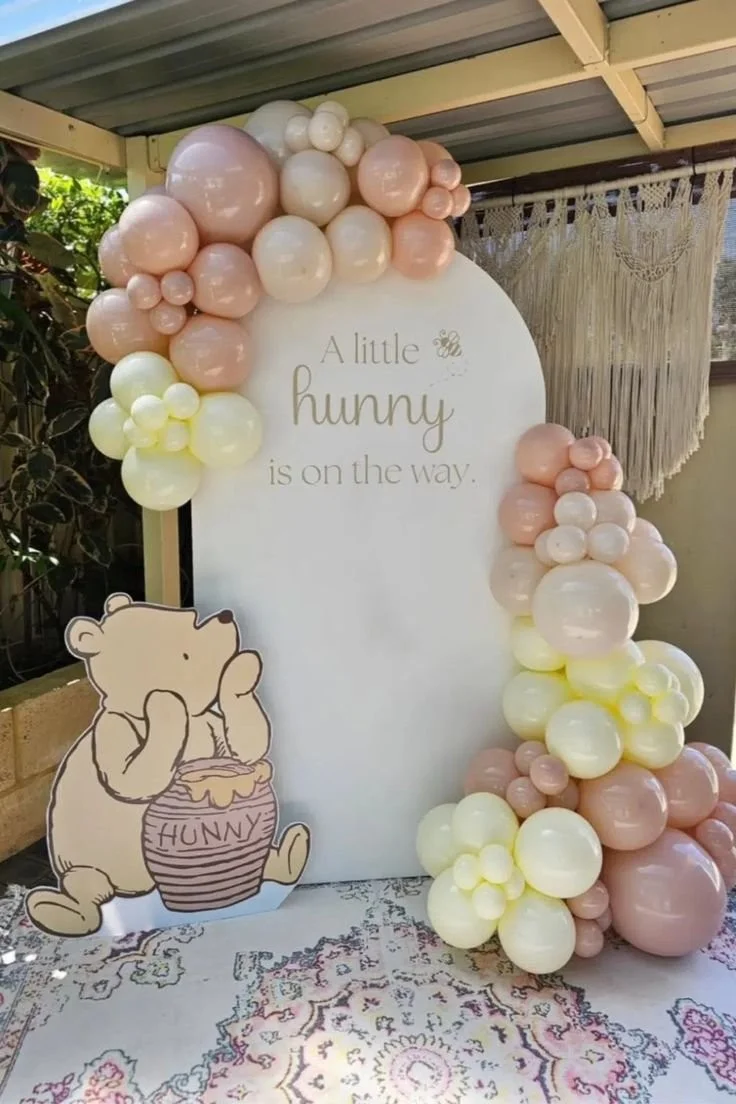
Pooh bear baby shower: ‘A little hunny is on the way’
Celebrate with a Pooh Bear Baby Shower: A Little Hunny is on the Way!
Are you excitedly preparing for a new addition to your family? Planning a baby shower can feel overwhelming, but with the right theme, like a charming Pooh Bear celebration, it can transform into a delightful experience. Imagine friends and family gathered together to toast to your little one, themed around the antics of everyone’s favorite bear. Let’s explore how to create a memorable "Pooh Bear Baby Shower" that will fill your heart with warmth and joy.
Why Choose a Pooh Bear Theme?
For many parents, Winnie the Pooh evokes feelings of nostalgia and sweetness, making it a perfect theme for a baby shower. It symbolizes friendship, adventure, and love—qualities every new parent wishes to share with their child. Plus, it’s versatile enough to be adorable for a boy, girl, or gender-neutral celebration!
Essential Steps to Plan the Perfect Pooh Bear Baby Shower
1. Set the Date and Guest List
- Choose a date that is convenient for you and your closest friends and family.
- Create your guest list. It should involve those who are important in your life and can provide support during this exciting time.
2. Send the Invitations
- Look for invitations featuring Pooh Bear, Tigger, Eeyore, and Piglet.
- You can DIY invitations or find beautiful printable designs on sites like Etsy or Canva.
3. Decorate with a Honey Pot Theme
- Use yellow and pastel colors that resemble Pooh’s world.
- Fill the area with balloons, banners, and plush toys of Pooh and friends.
- Have honey pots as centerpieces—real or decorative!
4. Sweet Treats and Cake
- Hunny-themed treats are a must! Think honeycomb candy, beeswax candies, and “hunnypot” cupcakes.
- Order or bake a Pooh Bear cake to tie it all together.
5. Fun Games and Activities
- "Who Knows Mommy Best?" quiz about the mom-to-be.
- Baby Bingo with Pooh-themed scenarios.
- DIY Craft Station where guests can decorate baby onesies with Pooh designs.
6. Create a Memory Book
- Provide a book where guests can write messages or share advice for the new parents. Incorporate Pooh Bear quotes for extra charm.
7. Favors to Remember
- Send guests home with Pooh Bear-themed favors, such as honey jars, cute bookmarks, or DIY cookie bags decorated with a honey theme.
Quick Tips for a Stress-Free Planning Experience
- Delegate Tasks: Don’t hesitate to ask friends or family members for help.
- Stay Organized: Keep a checklist to track your progress.
- Enjoy the Moment: Amid the planning chaos, take moments to soak in the joy of celebrating your little one.
Mistakes to Avoid
- Overloading on Decor: Too much can overwhelm guests; keep it simple and focused.
- Ignoring the Guest List: Make sure everyone important is included, but don’t feel pressured to invite everyone you know.
- Forgetting to Plan for Food Allergies: Always check with your guests to ensure there are safe options for everyone.
FAQs About Planning a Pooh Bear Baby Shower
Can I Host a Pooh Bear Baby Shower Virtually?
Absolutely! Use video conferencing platforms and send "party kits" to guests’ homes.
How Many Guests Should I Invite?
This depends on your space and comfort level. Usually, 20-30 guests is a manageable number.
What If I’m Not Crafty?
No worries! You can purchase pre-made decorations and favors online for an easy, stylish look.
Bonus Ideas!
- Create a Pooh Bear Playlist filled with songs from the movie soundtrack to play during the event.
- Consider a “Hunny” drink station with honey-flavored beverages or mocktails for your guests to enjoy.
Pinterest Description
Capture the charm of childhood with a whimsical Pooh Bear baby shower! Discover essential steps, fabulous ideas, and heartwarming touches to celebrate your little hunny beautifully.
Catchy Pinterest Title Ideas
- "5 Sweet Ideas for a Pooh Bear Baby Shower: Celebrating the Little Hunny!"
- "How to Plan the Perfect Pooh Bear Baby Shower!"
- "Pooh Bear Baby Shower: Fun Games and Adorable Treats!"
- "Cute and Simple Pooh Bear Baby Shower Inspiration!"
- "Throw a Heartwarming Pooh Bear Baby Shower for Your Little One!"
With these tips, you’re all set to throw a Pooh Bear baby shower that is not only fun but also filled with love and joy. Enjoy every moment as you anticipate the arrival of your little hunny!
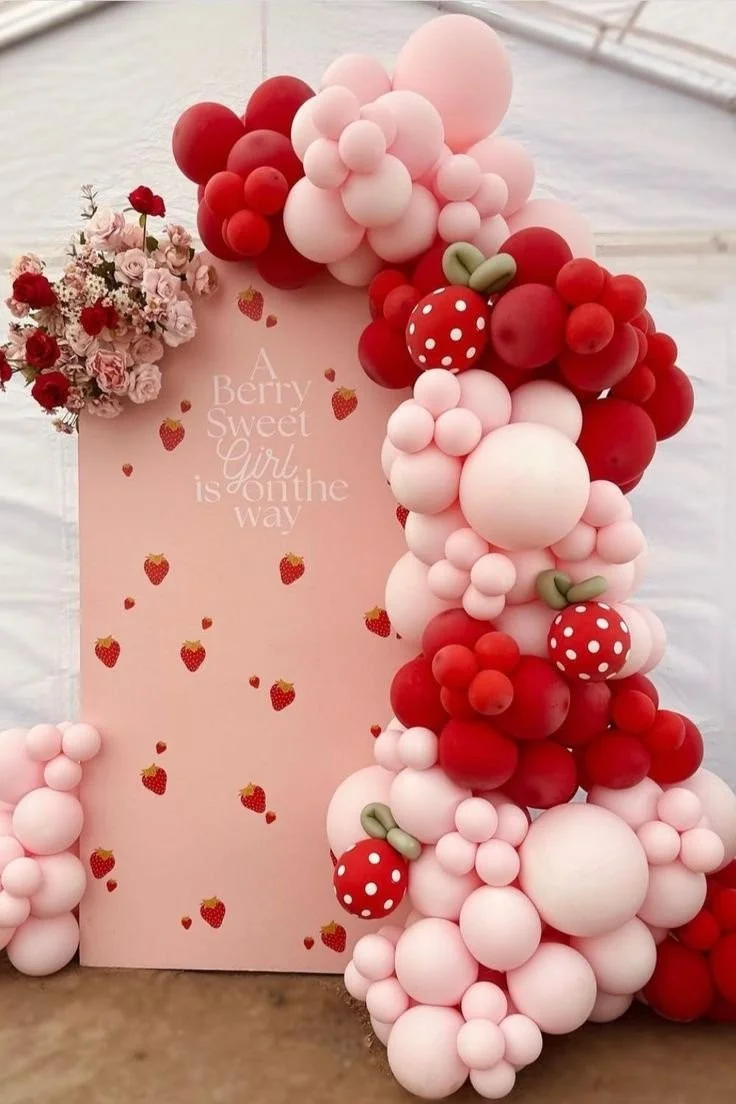
Easter Baby Shower Inspiration: 15 Creative Ideas You’ll Fall in Love With
15 Creative Easter Baby Shower Ideas You’ll Absolutely Adore
Planning a baby shower is exciting, but when it’s around the Easter holiday, you have a unique opportunity to blend themes and create something truly special! Are you feeling overwhelmed with ideas? Don’t worry! We’ve put together 15 creative Easter baby shower inspirations that will make your celebration one to remember. From decor to games, and everything in between, you’re sure to find some delightful tips to help you plan a joyous occasion.
Why Choose an Easter Baby Shower?
Easter symbolizes new beginnings and fresh starts, making it a perfect backdrop for welcoming a new baby. With its vibrant colors, cheerful decorations, and festive spirit, an Easter-themed baby shower can bring joy and warmth to your gathering.
1. Pastel Color Palette
Instead of traditional baby shower colors, opt for a pastel palette. Think soft yellows, pinks, and blues, reminiscent of Easter eggs. Use these colors for invitations, table settings, and decorations to create a coordinated look.
2. Easter Egg Hunt
Include a playful twist with an Easter egg hunt! Fill plastic eggs with small baby items, candy, or fun messages and let guests race to find them. This interactive game adds a layer of excitement and fun to the day.
3. Bunny Themed Decor
Bunnies are a quintessential symbol of Easter and can make adorable decor. Consider bunny-shaped centerpieces, table runners, or even bunny-shaped cookies as party favors.
4. Themed Invitations
Send out invitations featuring Easter elements like eggs or bunnies. Choose a whimsical design that sets the playful tone of your shower right from the start.
5. Floral Arrangements
Incorporate spring blooms into your decor! Fresh flowers like tulips, daffodils, or daisies add color and a delightfully fragrant touch to your setup.
6. Baby Animal Party Favors
Gift guests with adorable animal plushies or cookies shaped like baby animals. They serve as memorable keepsakes and tie in beautifully with the Easter theme.
7. DIY Photo Booth
Set up a fun photo booth with Easter-themed props such as bunny ears, flower crowns, and egg masks. It’s a great way for guests to capture memories and has the added bonus of being a fun activity!
8. Deliciously Creative Treats
Serve up some seasonal treats! Think carrot cake cupcakes, pastel-colored macarons, or Easter egg-shaped chocolates that guests will adore.
9. “Baby Prediction” Eggs
Have guests fill out predictions about the baby (like due date, weight, hair color, etc.) and place them inside decorated eggs. Open them up during the shower for lots of giggles!
10. Easter Basket Gifts
Instead of a typical gift registry, ask guests to fill Easter baskets with baby essentials. This unique twist allows them to get creative while providing the mom-to-be with what she needs.
11. Fun Spring Drinks
Incorporate springtime beverages like lemonades or fruity punches garnished with fresh mint or edible flowers to keep everyone refreshed.
12. Bunny Cake
A cake shaped like a bunny or adorned with pastel icing can be a stunning centerpiece. It will definitely be a conversation starter!
13. Craft Station
Set up a craft station where guests can decorate baby onesies or create personalized baby blankets. This adds a heartfelt touch that the mom-to-be will cherish.
14. Easter Cake Pops
These bite-sized treats are not only delicious but can be decorated like Easter eggs or bunnies. They look beautiful on dessert tables!
15. Springtime Games
Incorporate fun games that relate to both baby themes and Easter. Consider “Guess the Baby Food” or “Baby Bingo” to keep guests entertained.
Quick Tips / Mom Hacks
- Start Early: Begin your planning ahead of time to avoid last-minute stress.
- Keep it Simple: Aim for a few key decor pieces instead of overwhelming yourself with a long list.
- Involve Guests: Ask guests for input on games or treats; it makes them feel part of the experience!
Mistakes to Avoid
- Neglecting Dietary Restrictions: Always check with your guests about allergies or dietary needs.
- Overspending: Remember, focusing on creativity matters more than budget.
- Underestimating Clean-Up: Consider disposable plates and utensils for easier clean-up!
FAQs
Q: What’s the ideal time for an Easter baby shower?
A: Late March to early April is perfect, just before Easter weekend.
Q: How many guests should I invite?
A: Depending on your space, aim for 15-25 guests for an intimate gathering.
Q: What gifts should I suggest?
A: Items like diapers, clothes, or nursery decor are always appreciated!
Pinterest Description
Looking for unique ideas to plan a charming Easter baby shower? Discover 15 creative inspirations that blend festive Easter fun with sweet baby excitement. From decor to games and treats, these tips will ensure a delightful and memorable celebration!
Pinterest Title Ideas
- "15 Adorable Easter Baby Shower Ideas You Can’t Miss!"
- "Plan the Perfect Easter Baby Shower with These 15 Creative Tips!"
- "Sweet and Simple: 15 Easter Baby Shower Inspiration Ideas"
- "Celebrate Spring: 15 Easter Baby Shower Ideas for New Moms!"
- "15 Fun and Festive Easter Baby Shower Ideas You’ll Love!"
Now that you have these beautiful inspirations in your bag of tricks, it’s time to get planning and create wonderful memories at your Easter baby shower! Enjoy every moment, and most importantly, celebrate this new beginning with joy!
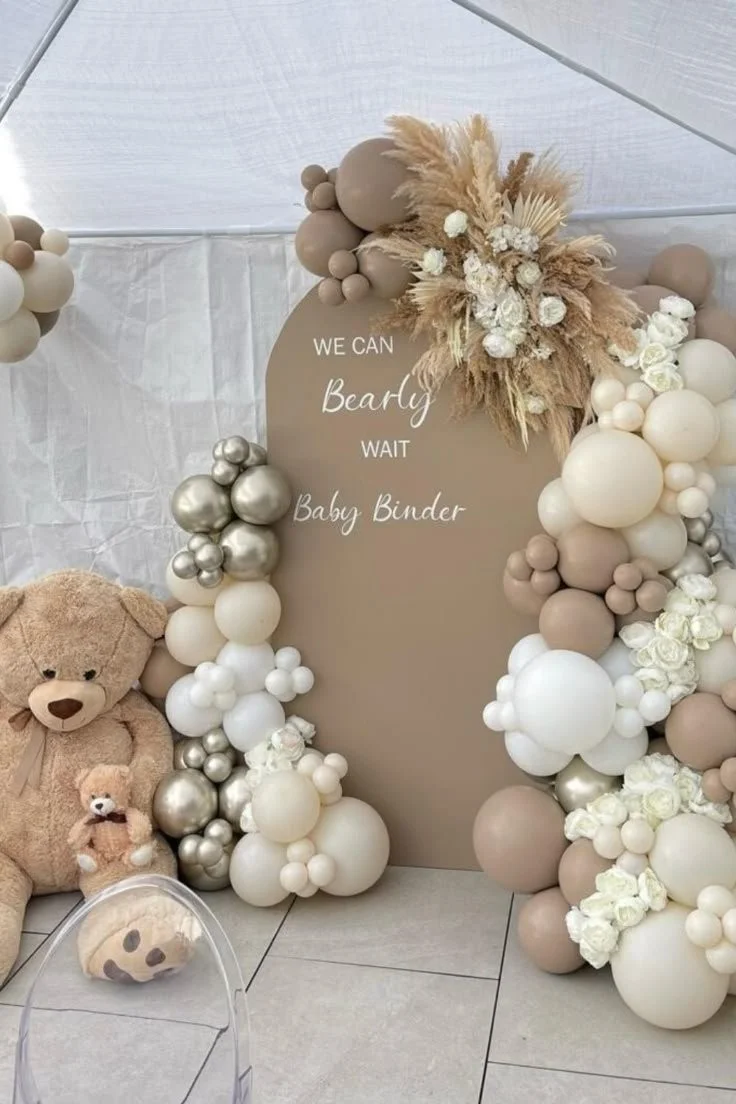
106+ Gender Neutral Baby Shower Ideas
106+ Gender Neutral Baby Shower Ideas That Everyone Will Love
Are you planning a baby shower but want to avoid the traditional blue or pink decor? You’re not alone! Many parents today prefer to embrace a more progressive view when it comes to celebrating the arrival of their little ones. Whether you’re welcoming a baby or simply celebrating with loved ones, a gender-neutral baby shower can be just as fun and vibrant. Here’s a curated list of 106+ gender-neutral baby shower ideas that ensure everyone feels included and cherished. Let’s dive in!
Embrace a Wonderful Color Palette
Choosing a color scheme for your gender-neutral baby shower is one of the first steps to creating a warm atmosphere. Here are some color combinations that work beautifully:
Popular Color Combinations
- Yellow and White: Fresh and sunny, perfect for any occasion.
- Green and Gray: Earthy tones that add a calm vibe.
- Mint and Gold: Stylish and modern with a touch of glam.
- Peach and Cream: Soft and soothing!
Decorations:
- Use balloons in your chosen color palette throughout the venue.
- Opt for banners that are welcoming and display messages like “Welcome Baby!”.
- Set up floral arrangements with neutral blooms such as daisies, sunflowers, or eucalyptus.
Fun Themes to Consider
Choose a theme that speaks to your heart and sets the tone for the celebration! Here are some delightful ones:
Adorable Themes
- Woodland Creatures: Think foxes, deer, and owls for a cozy, nature-inspired atmosphere.
- Circus Fun: Bright colors and entertaining elements like cotton candy and popcorn.
- Under the Sea: Soft blues and greens with playful sea creatures.
- Rainbow: Celebrate all the colors of love, no matter who they represent!
Game Ideas:
- Trivia based on classic children’s books.
- A scavenger hunt with baby-related items.
- Guess the baby food flavor!
Scrumptious Gender-Neutral Snacks
Food is the heart of any baby shower! Here are some ideas that cater to everyone:
Tasty Treats
- Veggie tray with hummus for a fresh start.
- Fruit skewers that are colorful and fun.
- Mini sandwiches or wraps with various fillings.
- Cupcakes that are decorated with neutral frosting colors.
Beverage Ideas:
- Mocktails made with fruit juices and sparkling water.
- Themed punch served in decorative dispensers.
Unique Favors for Guests
Show your appreciation with thoughtful, memorable favors that share the joy of the occasion:
Favor Ideas
- Customized seed packets for guests to grow their own plants.
- Eco-friendly tote bags with a baby theme.
- Fun keychains or bookmarks that reflect the chosen theme.
Don’t Forget the Games!
Interactive games make any shower a hit! Here are some gender-neutral game ideas that fit any theme:
Fun Baby Shower Games
- Baby Bingo: Customize cards with common baby gifts.
- What’s in the Diaper Bag?: Fill a bag and have guests guess the items without looking.
- Baby Predictions: Guests predict the baby’s arrival date, weight, and gender.
Quick Tips / Mom Hacks
- Delegate Tasks: Enlist trusted friends or family to help you set up and clean.
- Create a Playlist: Add cheerful tunes that reflect a nurturing atmosphere.
- Keep It Simple: Focus on the experience rather than perfection.
Mistakes to Avoid
- Skipping the invitations: Make sure your invitee list is ready!
- Overpacking the schedule: Allow flexibility for mingling.
- Forgetting the camera: Designate someone to capture moments!
FAQs
What’s the best theme for a gender-neutral baby shower?
There isn’t a one-size-fits-all answer! Choose a theme that resonates with the parents-to-be, focusing on their interests and passions.
How do I decorate without traditional colors?
Use natural colors, rich neutrals, and coordinate with themed elements to create a cohesive look.
Can I combine gender-neutral ideas with traditional ones?
Of course! Mixing elements allows for creative expression while remaining inclusive.
Bonus Ideas
- Consider a non-traditional cake that reflects your chosen theme.
- Host a virtual baby shower and invite loved ones who can’t attend in person.
- Create a time capsule that guests can fill with notes or items for the future baby!
Now that you have 106+ gender-neutral baby shower ideas, you’re well on your way to throwing a fabulous and inclusive celebration that any new parent would love. Enjoy this special time, and remember – it’s all about love, laughter, and community!
Pinterest Description
Discover 106+ gender-neutral baby shower ideas that create an unforgettable celebration! From fun themes to fabulous decorations, snacks, and games, this guide has everything you need for an inclusive gathering that truly celebrates your growing family.
Catchy Pinterest Title Ideas
- “106 Gender Neutral Baby Shower Ideas You’ll Adore!”
- “Celebrate Love: Gender Neutral Baby Shower Ideas to Inspire”
- “Craft the Perfect Gender Neutral Baby Shower: 106+ Fun Ideas!”
- “Inclusive Baby Shower: 106 Ideas Everyone Will Love!”
- “Plan a Beautiful Baby Shower with 106+ Gender Neutral Ideas!”
With this collection of ideas, you can tailor a beautiful gender-neutral baby shower that everyone will talk about for years to come. Happy planning!
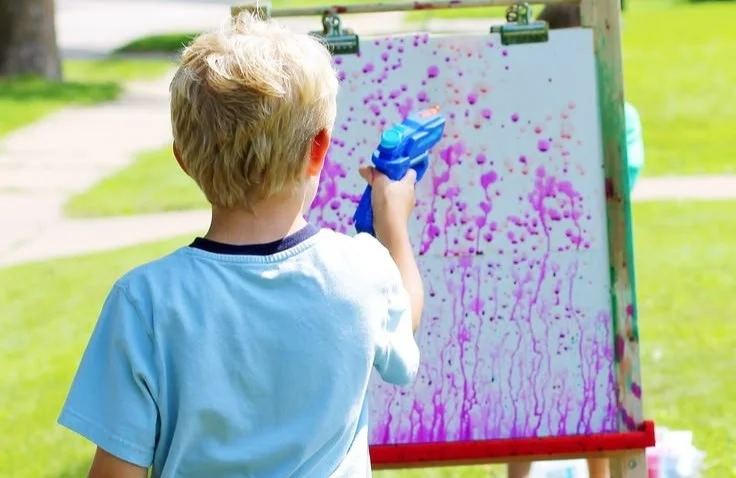
Thrill Your Kids with Colorful Squirt Gun Painting
Thrill Your Kids with Colorful Squirt Gun Painting: A Fun-Filled Creative Adventure!
As parents, we all want to engage our kids in fun and creative activities that also allow them to express themselves. But what do you do when the usual crayons and paintbrushes just aren’t cutting it? Enter colorful squirt gun painting! Not only is this activity a fantastic way for your children to unleash their creativity, but it also provides a great opportunity for outdoor play and lots of laughs. Let’s dive into how you can turn a sunny afternoon into a vibrant art session!
What You’ll Need for Squirt Gun Painting
Before you get started, gather your supplies. Here’s what you’ll need:
- Squirt guns: Opt for different sizes for various effects.
- Water-based paint or food coloring: Bright colors work best!
- Water: To mix with the paint.
- Large canvas or paper: You might use a roll of butcher paper or stretch a canvas on an easel.
- Protective gear: Old clothes, aprons, and a tarp to cover the ground.
- Water containers: For mixing colors.
Step-by-Step Guide to Colorful Squirt Gun Painting
1. Set Up Your Painting Space
Choose an outdoor area where mess is no problem—your backyard, patio, or a local park are great choices. Lay down a tarp to keep cleanup easy.
2. Mix Your Paint
In containers, mix your paint or food coloring with water to create a squirtable consistency. Aim for vibrant colors that blast off the canvas.
3. Fill the Squirt Guns
Carefully fill each squirt gun with your mixed paint. Make sure to securely cap them to avoid leaks.
4. Start Painting!
Let your kids aim, squirt, and create! Encourage them to make designs, splashes, and whatever comes to mind.
5. Experiment and Explore
As they paint, introduce ideas like layering colors, creating patterns, or even writing their names. This keeps the activity fresh and engaging.
6. Dry and Display
Once they’ve finished their masterpieces, lay them flat to dry. After they dry, hang their vibrant art on the walls or display them proudly in your home!
Quick Tips & Mom Hacks
- Keep it Chill: This activity can get messy, so be relaxed about spills. That’s part of the fun!
- Extra Protection: If you want to try this indoors, consider using a large plastic sheet to catch any drips and protect your floor.
- Mix It Up: Use different tools like brushes or sponges to add textures to the paintings!
Mistakes to Avoid
- Using Non-Washable Paint: Stick to water-based or food coloring to avoid permanent stains.
- Not Preparing the Area: Paint can be tricky to clean up if it’s on patio furniture or carpets. Always cover the ground.
FAQs
Q: Is this safe for young children?
A: Absolutely! Just supervise them closely, as squirt guns can be misused.
Q: How do I store leftover paint?
A: Leftover mixed paint can be stored in sealed containers but use it within a few days for best results.
Q: Can I do this activity indoors?
A: Yes, as long as you cover the area well and use washable paint!
Bonus Idea: Squirt Gun Painting Competition
For a little added fun, why not turn this into a friendly competition? Have different stations with challenges, such as “best splatter” or “most colorful design.” This is not only fun but encourages creativity and teamwork!
Colorful squirt gun painting is more than just a fun outdoor activity; it’s an opportunity for your kids to explore their artistic side and create unforgettable memories together. So grab those squirt guns and get ready for a vibrant splash of fun!
Pinterest Description:
Discover the unique joy of colorful squirt gun painting—a perfect outdoor activity for kids! With simple steps and lots of vibrant fun, unleash creativity and make unforgettable memories.
Catchy Pinterest Title Ideas:
- "Squirt Gun Painting: A Colorful Adventure Your Kids Will Love!"
- "Transform Your Backyard with Fun Squirt Gun Painting!"
- "How to Boost Creativity with Colorful Squirt Gun Art!"
- "Make a Splash: A Guide to Colorful Squirt Gun Painting!"
- "Outdoor Fun: Thrilling Squirt Gun Painting for Kids!"
Enjoy the vibrant paint splatters and the laughter that comes with this colorful adventure!
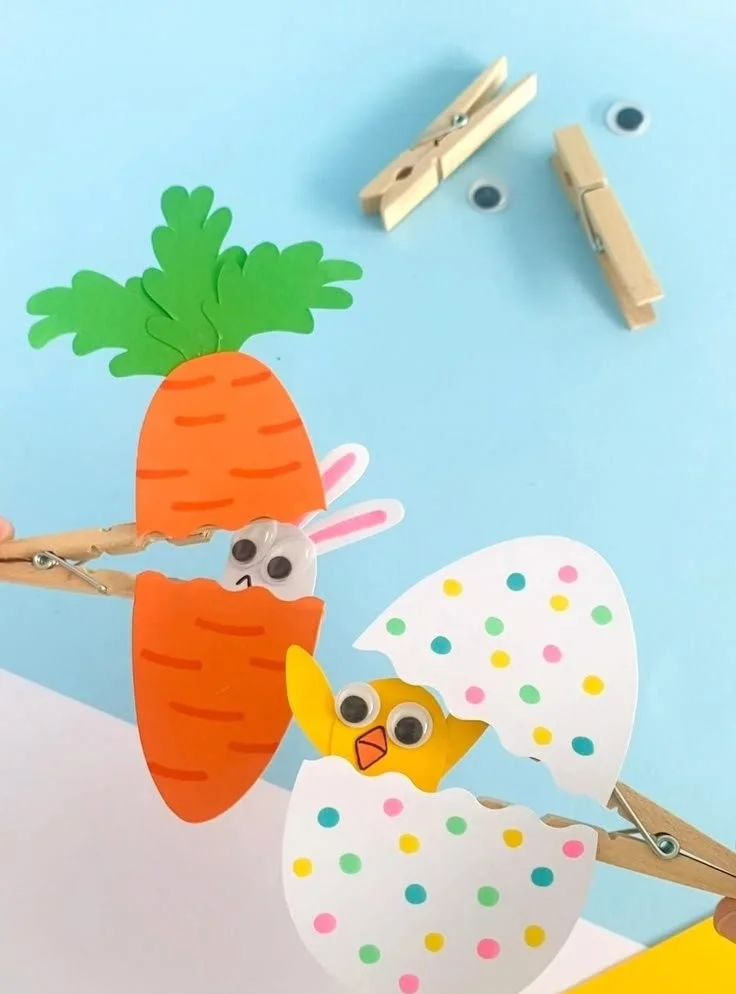
Fun Easter craft activity for kids, DIY spring art activity homeschool Easter bunny craft idea kids
10 Fun Easter Craft Activities for Kids: DIY Spring Art Ideas for the Homeschooling Parent
As a homeschooling parent, you know how challenging it can be to keep your little ones engaged and excited during the spring season. With Easter just around the corner, it’s the perfect opportunity to channel that energy into some fun and creative craft activities. Not only will these projects keep your kids entertained, but they’ll also spark their imagination while celebrating the joy of Easter. Let’s dive into these delightful DIY Easter craft ideas that will make your spring days a little brighter!
1. Fluffy Bunny Cotton Ball Craft
What You Need:
- Cotton balls
- Construction paper (white, pink, and black)
- Glue
- Scissors
- Pencil
Instructions:
- Draw a bunny shape on the construction paper.
- Let your child glue cotton balls onto the bunny shape to create a fluffy texture.
- Use pink and black construction paper to make the nose and eyes, and glue them on.
2. Paper Plate Easter Eggs
What You Need:
- Paper plates
- Watercolor paints or markers
- Paintbrushes
- Scissors
Instructions:
- Cut the paper plates into egg shapes.
- Let your kids decorate the eggs with colorful paints or markers.
- Once dry, hang them in your window or on the fridge to brighten up your home!
3. Handprint Bunny Art
What You Need:
- White craft paper
- Washable paint (light pink, white)
- Marker
Instructions:
- Paint your child’s hand with white paint and press it onto the paper to create a bunny body.
- Use pink paint for the ears (paint the tips of the fingers).
- Once dry, add eyes and a nose with a marker for a cute finish!
4. Easter Egg Hunt Countdown Chain
What You Need:
- Colored construction paper
- Scissors
- Stapler or glue
Instructions:
- Cut the construction paper into strips.
- Each day leading up to Easter, let your child decorate a strip.
- Link them together to make a countdown chain that adds excitement!
5. DIY Easter Basket
What You Need:
- Sturdy paper or cardboard
- Scissors
- Glue
- Stickers or markers for decorating
Instructions:
- Cut the cardboard into a rectangular shape and fold to create a basket.
- Let your kids decorate it with stickers or drawings.
- Use it for an Easter egg hunt!
6. Nature’s Easter Egg Painting
What You Need:
- Hard-boiled eggs
- Natural dyes (beets, turmeric, spinach)
- Vinegar
- Bowls
Instructions:
- Prepare natural dyes using ingredients like beets for red or turmeric for yellow.
- Let your little ones dip the eggs into the dyes and watch the magic happen!
- Once dry, they can decorate with markers if they like.
7. Easter Egg Hunt Map
What You Need:
- Paper
- Colored pencils
Instructions:
- Let your child draw a map of your house or yard.
- Mark “X” spots where eggs will be hidden for added fun during the egg hunt!
8. Bunny Ears Headband
What You Need:
- Construction paper
- Scissors
- Tape or glue
- An old headband
Instructions:
- Cut out large bunny ears from the construction paper.
- Decorate with markers or stickers.
- Attach the ears to the headband for a fun accessory!
9. Egg Shell Mosaic Art
What You Need:
- Eggshells
- Cardboard
- Glue
- Paint (optional)
Instructions:
- After dyeing your eggs, crush the shells.
- Let your kids glue them onto a cardboard base to make colorful mosaics.
- They can paint the background if they wish!
10. Easter-themed Sensory Bin
What You Need:
- A bin or large container
- Dried beans, rice, or sand
- Plastic eggs
- Small toys (bunnies, chicks)
Instructions:
- Fill the bin with sensory materials.
- Hide the plastic eggs and toys inside for a fun digging activity.
Quick Tips / Mom Hacks
- Setup a Craft Station: Designate a space in your home for crafting with all materials easily accessible.
- Reuse and Recycle: Use materials you already have at home for eco-friendly crafting.
- Incorporate Learning: Pair crafts with educational aspects like counting eggs or discussing Easter traditions!
Mistakes to Avoid
- Over Projecting: Choose crafts that match your child’s age and skill level to maintain their interest.
- Lack of Space: Ensure you have a mess-friendly area for crafts to ease cleanup.
FAQs
Q: What age is suitable for these crafts?
A: These activities generally cater to preschoolers to early elementary-aged kids but can be adapted for older children.
Q: How can I make these crafts more educational?
A: Incorporate lessons on colors, counting, or even the history of Easter when doing these activities.
Bonus Ideas
- Host an all-day Easter craft marathon with themed snacks and activities to create a memorable family experience.
Pinterest Description
Looking for fun and creative Easter craft ideas for kids? Discover 10 easy DIY projects that will keep your little ones happily engaged while celebrating spring. Perfect for homeschooling parents!
Catchy Pinterest Title Ideas
- "10 Easter Crafts for Kids: Fun and Easy Spring Activities!"
- "DIY Easter Fun: Creative Crafts Your Kids Will Love!"
- "Celebrate Spring: 10 Engaging Easter Craft Ideas for Kids!"
- "Crafting Joy: Fun Easter Projects for the Whole Family!"
- "Let’s Get Crafty: 10 DIY Easter Activities for Kids!"
With these fun Easter craft activities, your kids will be filled with creativity and joy this spring. Grab your supplies and let the crafting begin! Happy Easter! 🐰🌸
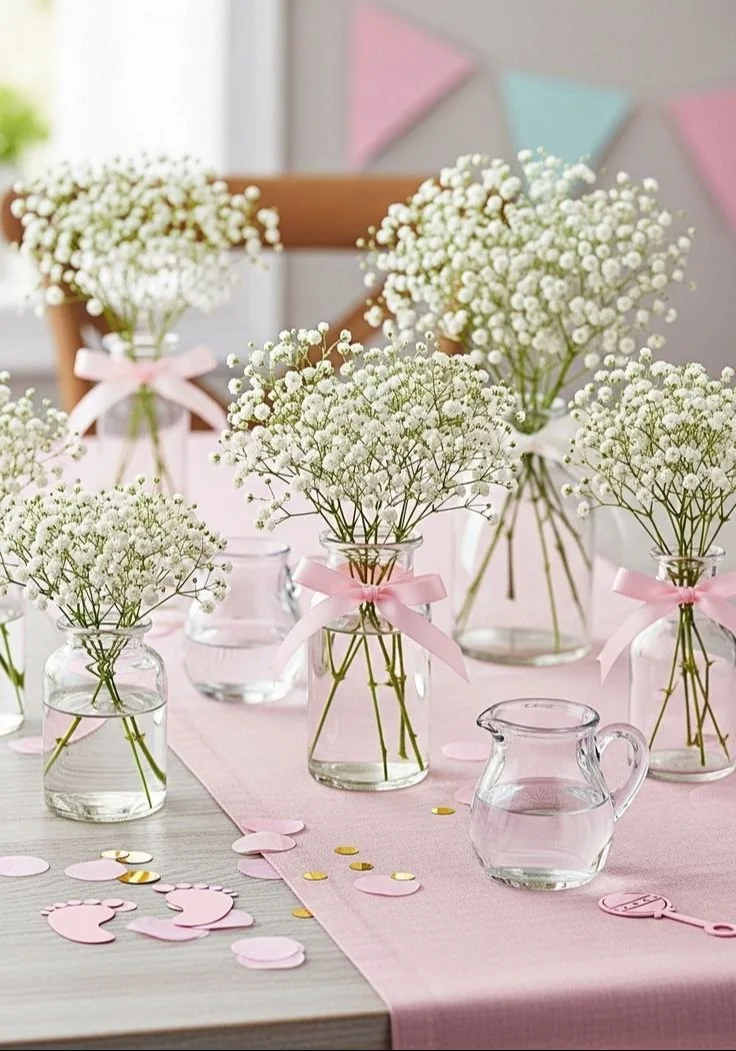
77+ DIY Baby Shower Ideas for Girls: Budget-Friendly Decor & Games
77+ DIY Baby Shower Ideas for Girls: Budget-Friendly Decor & Games
Are you on the hunt for creative and budget-friendly DIY baby shower ideas that everyone will rave about? Planning a baby shower—especially for a little girl—is both exciting and a bit overwhelming. You want everything to be perfect without breaking the bank. Fear not! We’ve compiled an extensive list of 77+ DIY baby shower ideas that will add a touch of magic to your celebration while keeping your budget in check!
Why DIY Baby Showers?
DIY baby showers allow you to personalize every element. It’s a chance to share your love for the new arrival and celebrate with friends and family in a warm, inviting atmosphere. Plus, crafting can be a therapeutic break from the hustle and bustle of preparing for a new baby!
Quick Tips / Mom Hacks
- Plan Early: Start your planning at least 4-6 weeks in advance. This gives you ample time to gather supplies and ideas.
- Use What You Have: Incorporate items you already own to cut costs.
- Get Your Friends Involved: Make it a fun crafting session with friends – it’s a great way to bond while preparing for the big day!
DIY Decorations
- Balloon Garland: Create a colorful balloon arch in shades of pink and gold!
- DIY Floral Centerpieces: Use mason jars painted in pastel colors filled with fresh or artificial flowers.
- Paper Pom Poms: Super easy to make! Hang them from the ceiling for a festive touch.
- Customized Banners: Use scrapbook paper to create personalized banners celebrating the baby’s name.
- Baby Clothes Line: Clip cute baby outfits on a string to display, adding a personal touch.
Fun and Affordable Table Settings
- DIY Table Runners: Use burlap or fabric remnants to create unique table runners.
- Miniature Flower Pots: Use small pots as place settings filled with flowers or candies.
- Themed Cupcake Toppers: Make customized printable cupcake toppers with baby-related themes.
Engaging Baby Shower Games
- Baby Animal Name Match: Create a list for guests to match baby animals to their adult counterparts.
- Guess the Baby Food: Remove labels from jars and have guests guess the flavors.
- Baby Bingo: Create bingo cards that include common baby shower gifts.
- Who’s That Baby?: Collect baby photos from guests and have everyone guess who’s who.
Cute Party Favors
- Mini Candles: Hand out small scented candles as thank-you gifts.
- Personalized Soaps: Make homemade soaps in fun shapes to give as favors.
- Seed Packets: Create personalized packets of seeds – a cute way to grow something beautiful!
Mistakes to Avoid
- Overcomplicating: Keep it simple. Sometimes less is more.
- Ignoring Allergies: Always double-check for food allergies before planning your menu.
- Not Having a Backup Plan: Weather can change quickly—if you’re outdoors, have a backup plan in mind!
FAQs
What’s the best budget for a DIY baby shower?
As with most things, you can spend anywhere from $50 to $500 depending on the scale of your shower. The key is to stick to DIY options and prioritize your spending.
How far in advance should I send invitations?
Aim to send invitations at least 4 weeks before the event. If most guests live out of town, consider sending them even earlier.
Can I mix different themes?
Absolutely! A mix-and-match theme can create a fun and eclectic atmosphere. Just keep a cohesive color palette to tie everything together.
Bonus Ideas
- Photo Booth: Set up a simple backdrop with props for guests to take fun photos.
- Guest Book Alternatives: Instead of a traditional guest book, have guests sign a puzzle piece or a canvas that the parents can hang up later.
- Memory Cards: Have guests write down their favorite memories or advice for the parents-to-be.
With these 77+ DIY baby shower ideas for girls, you’ll create a memorable and personal celebration without splurging! Get crafty, enjoy the process, and celebrate the wonderful journey of parenthood ahead.
Pinterest Description
Looking to plan a fabulous baby shower for a little girl without breaking the bank? Discover 77+ budget-friendly DIY decor and game ideas that will bring your vision to life! Perfect for Pinterest-worthy celebrations.
Catchy Pinterest Title Ideas
- "77 Adorable DIY Baby Shower Ideas for Girls That Won’t Break the Bank!"
- "Creative DIY Baby Shower Decor & Games: 77 Budget-Friendly Ideas!"
- "The Ultimate Guide to DIY Baby Showers: 77 Ideas for Girl Celebrations!"
- "Crafty Baby Showers: 77 Budget-Savvy Ideas You’ll Adore!"
- "77 Heartwarming DIY Baby Shower Ideas for Girls: On a Budget!"
Now, get ready to craft, celebrate, and make beautiful memories! 🍼✨
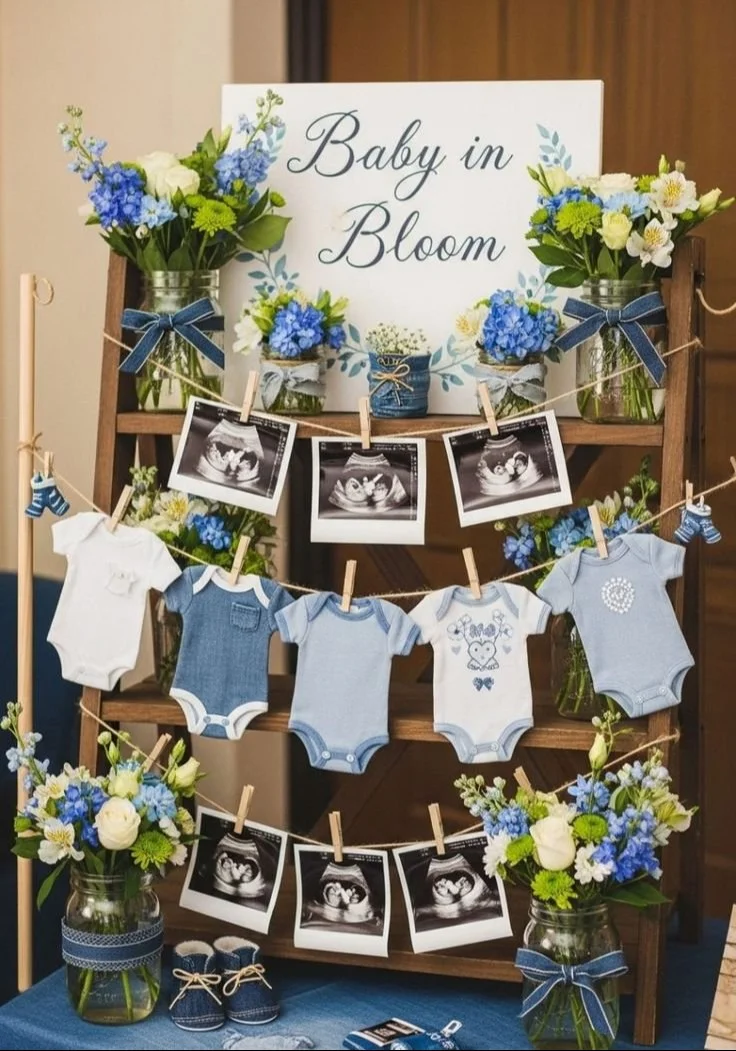
30 Blue Jean Baby Shower Themes: Creative DIY Ideas for Cozy Celebrations
30 Creative Blue Jean Baby Shower Themes: DIY Ideas for Cozy Celebrations
Planning a baby shower can be equally thrilling and daunting. As a parent, you want to create a cozy atmosphere that reflects your style while celebrating the new arrival. Have you considered a blue jean-themed baby shower? This trendy, casual style provides a warm, cozy vibe for a memorable celebration. Let’s dive into 30 creative blue jean baby shower themes that will help you craft the perfect event without breaking the bank.
Why Choose a Blue Jean Theme?
Blue jeans evoke feelings of comfort and nostalgia. They can be dressed up or down, making them a versatile choice for a baby shower. The best part? You can easily incorporate DIY elements using items you may already have at home!
H2: 30 Cozy Blue Jean Baby Shower Themes
1. Denim and Lace
Mix the ruggedness of denim with the softness of lace. Use lace tablecloths with denim napkins for a beautiful contrast.
2. Rustic Denim
Think barn vibes with denim accents—hay bales as seating and plaid table runners!
3. Vintage Denim
Scour thrift stores for old jeans, then cut them into patches for cute décor like throw pillows or centerpieces.
4. Denim and Gold
Add a touch of glam to your blue jean theme by pairing it with gold accents, like gold-rimmed dishes or metallic balloons.
5. Denim and Floral
Incorporate beautiful flowers into your denim décor—think flower crowns or bouquets wrapped in denim fabric.
6. Baby Blue Theme
Use various shades of blue—think baby blue and navy—to enhance your denim theme while keeping it cohesive.
7. Denim Quilt
Create a DIY denim quilt for a cozy photo backdrop. Guests will love capturing memories on it!
8. Country Chic
Focus on a country aesthetic with denim, cowboy boots, and western-themed games.
9. Tropical Denim
Brighten up your denim party with colorful tropical flowers and plants.
10. Boho Denim
Combine denim with macramé and dreamcatchers for a bohemian touch.
11. Denim Cupcake Tower
Make a tiered tray of cupcakes decorated in denim-colored frosting and here set against a denim backdrop for a sweet treat.
12. Denim Eco-Friendly
Use secondhand jeans or denim fabric for all your décor. This is not only stylish but also environmentally friendly!
13. Jeans-themed Games
Incorporate denim into your baby shower games, like “Guess the Baby Size” using cut-up jeans as a measuring tape.
14. Personalized Denim
Personalize small gifts or party favors with the parents’ names or baby’s initials using denim patches.
15. Denim Photo Booth
Create a fun photo booth with denim props. Rubber stamps or wall hangings in denim can add to the backdrop.
16. Denim Bottle Labels
Wrap your drink bottles in denim fabric or create labels that match your blue jean theme.
17. Back to School Denim Party
Celebrate the arrival of a little one with a playful back-to-school theme, filled with denim and school-inspired decorations.
18. Denim Balloon Garland
Make a statement with a denim-colored balloon garland that’s easy to DIY.
19. Patchwork Denim Table Settings
Use leftover denim pieces to create charming patchwork table settings for a homey vibe.
20. Denim Banner
Drape a fun, DIY denim banner with the baby’s name across the party area for decoration.
21. Denim and Wood
Pair denim with rustic wooden elements for a warm, cozy feel.
22. Farmhouse Vibes with Denim
Use denim table runners and farmhouse-style dishes for a relaxed yet stylish look.
23. Jeans Shopping Game
Host a game where guests can bring a pair of old jeans as gifts, which you can later donate.
24. Cozy Denim Throws
Add blankets to your seating area for guests to snuggle up in during the shower.
25. Touch of Burlap
Integrate burlap into your denim theme for added texture and warmth.
26. Sweet Denim Treats
Create treats like cookies shaped like jeans or cupcakes with denim-themed toppers.
27. Denim Chair Covers
Elevate your seating with DIY denim chair covers that add charm.
28. Potluck with Denim Containers
Encourage guests to bring dishes in denim-covered containers for a fun twist.
29. Animal Prints with Denim
Add animal print patterns to your denim décor for an unexpected vibrant touch.
30. Bonfire Denim
Host your shower in the evening with a bonfire, cozy blankets, and denim seating—perfect for cooler weather.
Quick Tips for Your Baby Shower
- DIY Decor: Utilize thrifted denim and fabric scraps for easy, budget-friendly décor.
- Games: Incorporate fun activities that get guests engaged, like a denim scavenger hunt.
- Photos: Designate a spot for photos so guests can snap memories in a designated “denim photo booth.”
Mistakes to Avoid
- Overcomplicating Decor: Keep it simple; sometimes less is more!
- Forgetting a Theme: Make sure all elements from invitations to party favors reflect your blue jean theme.
FAQs
Q: Can I combine different themes with denim?
A: Absolutely! Denim blends beautifully with various themes—just keep the colors consistent.
Q: How can I create an inviting atmosphere?
A: Use soft lighting, comfy seating, and cozy blankets to make it feel warm and welcoming.
Q: What if it rains?
A: Have a backup plan! Choose a space that allows for indoor games and activities if needed.
Conclusion
Your baby shower should be as unique as the little one on the way! These 30 blue jean baby shower themes are just a starting point to create a cozy celebration that friends and family will cherish. Don’t stress about perfection—just focus on making memories with loved ones.
Pinterest Description
Discover 30 charming blue jean baby shower themes that bring warmth and creativity to your celebration! Get inspired with easy DIY ideas and cozy touches that will make your shower unforgettable.
Catchy Pinterest Titles
- Cozy & Creative: 30 Blue Jean Baby Shower Themes!
- Denim Dreams: 30 Ideas for a Unique Baby Shower
- 30 DIY Blue Jean Baby Shower Themes That Wow!
- Celebrate in Style: 30 Blue Jean Baby Shower Ideas
- Cozy Up Your Baby Shower With 30 Denim-Themed Ideas
Let the celebrations begin, and enjoy every moment of this exciting time!