
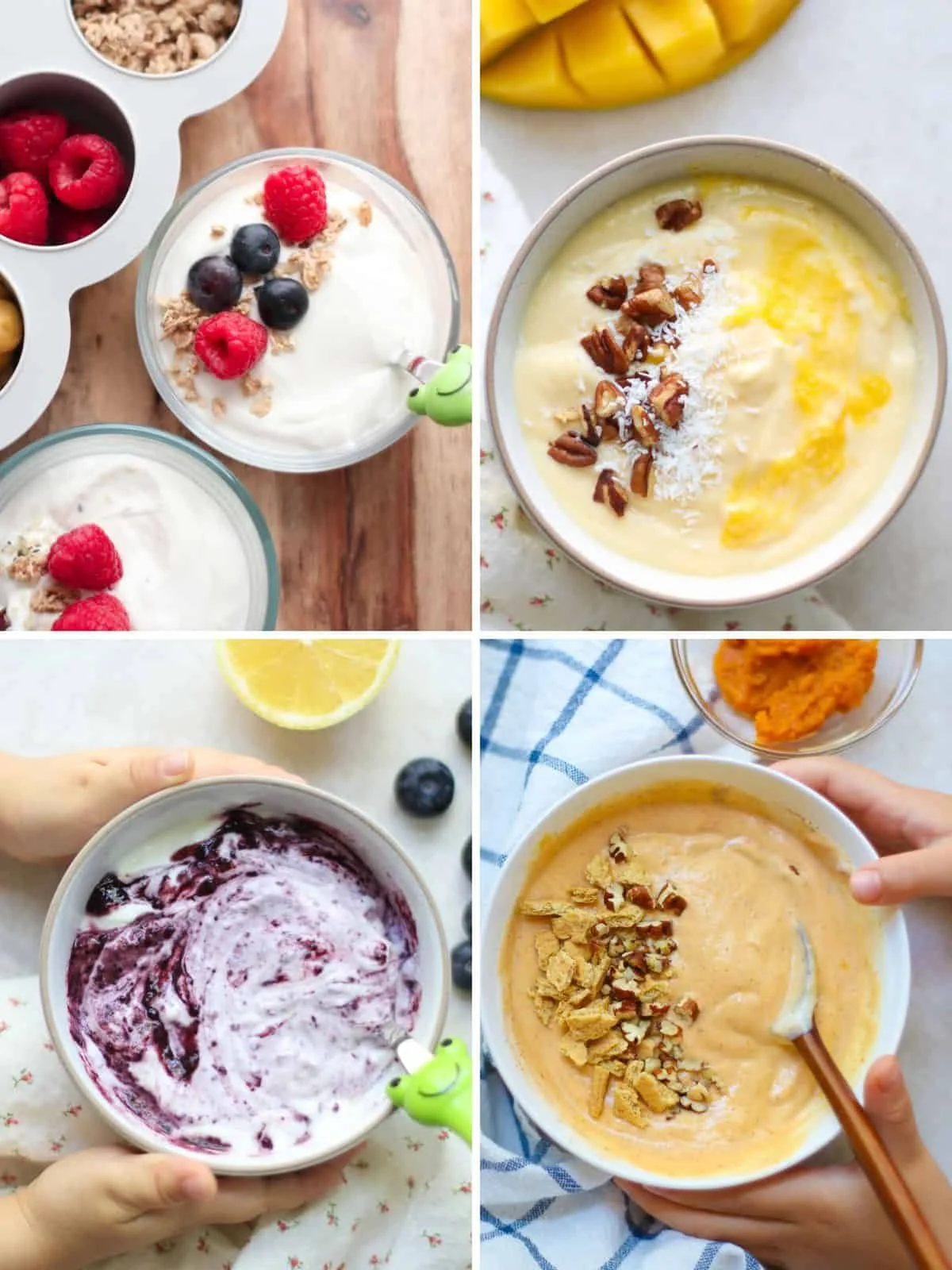
Easy Ways to Make Flavored Yogurt Your Kids Will Love at Snack Time
Let’s Talk About Flavored Yogurt
Picture this: it’s breakfast time, and your little one is staring down a bowl of plain yogurt with a look of utter betrayal. We’ve all been there, right? Yogurt is one of those kid-friendly foods that packs a nutritional punch. It’s creamy, delicious, and versatile. But how do we make it exciting enough to tempt our fussy eaters? That’s where flavored yogurt comes into play!
The great thing about yogurt is its adaptability. You can infuse it with various flavors, from fruits to spices, making it an educational, fun experience for both you and your child. Plus, homemade flavored yogurt is not only healthier but also more cost-effective than store-bought options. Let’s dive into how you can create exciting flavors that your kiddos will love.
Why Flavored Yogurt?
You might be wondering, "Why go through the trouble of making flavored yogurt when there are so many store options?" That’s a totally valid thought! However, here are a few reasons to consider whipping it up at home:
- You control the ingredients: Store-bought yogurts often come with added sugars and preservatives. When you make your own, you can customize it with wholesome ingredients.
- Experiment with flavors: This is a chance to get creative! You can use fruits, spices, and even some fun add-ins to create your own signature flavor.
- Involve your kids: This could turn into a fun activity for you and your little ones. Let them pick their favorite fruits or toppings, making them more excited to eat what they’ve helped create.
Now that we’ve set the stage, let’s explore some simple steps to make your own flavored yogurt.
Step-by-Step Guide to Homemade Flavored Yogurt
Step 1: Gather Your Base Yogurt
First off, you’ll need a good base yogurt. Greek yogurt is fantastic for this because of its creamy texture and added protein. If your kids are sensitive to store-bought yogurts, consider a plain, full-fat option without additives.
Step 2: Choose Your Flavor Components
Here’s where it gets fun! You can use a variety of ingredients to add flavor. Here are some ideas:
- Fruits: Fresh, frozen, or even dried fruits can work wonders. Think strawberries, bananas, or even peaches! You can mash or puree them into the yogurt.
- Natural Sweeteners: Honey or agave syrup can give sweetness without overwhelming it. Just be mindful of the age of your child, as honey shouldn’t be given to children under one year old.
- Spices and Extracts: Vanilla extract, cinnamon, or nutmeg can add a new depth to your yogurt. Your imagination is the limit here!
Step 3: Mix it Up!
In a bowl, combine your base yogurt and add the flavor components. Mix thoroughly! Encourage your child to help by letting them stir. What if they get a little messy? That’s all part of the fun!
Step 4: Taste Test
This is the best part! Have a little taste test session with the kids. Does it need more sweetness? Maybe a bit more fruit? This feedback loop not only gets kids involved but also helps them understand flavors better.
Step 5: Enjoy and Store
Once you’ve nailed the flavor, enjoy it right away, or store it in the fridge for future breakfasts or snacks. To keep it fresh, aim to consume the yogurt within a week, but you’ll probably find it disappears much sooner than that!
Fun Serving Suggestions
To keep things interesting, you can serve the yogurt in various ways:
- Parfaits: Layer the flavored yogurt with granola and fruits in a clear cup. The colorful layers are visually appealing, and who doesn’t love a good parfait?
- Smoothies: Blend the flavored yogurt with some milk or a splash of juice for a quick smoothie option. It’s a convenient on-the-go breakfast!
- Dip: Serve it as a dip with fresh fruit! This turns breakfast into a mini snack party, which kids love.
Making It a Learning Experience
Yogurt-making can also be a creative learning activity. You can use this as a chance to teach your kids about nutrition and the importance of healthy foods. Discuss why yogurt is beneficial for their bodies, like how it helps with digestion and builds strong bones. Not only are you nourishing them, but you’re also giving them a lesson that could shape their eating habits for life!
Quick Tips for Success
- Start small: If your kids are picky, try starting with simple flavors like vanilla and gradually introduce new fruits.
- Use seasonal fruits: This is an excellent way to teach kids about seasonal eating. Plus, fruits in season often taste better and are more nutrient-rich.
- Be patient: If they don’t love a flavor the first time, don’t give up! Keep trying different combinations until you find their favorites.
As you continue to explore yogurt-making, you might also find inspiration for other events, like a baby shower. For some fun ideas, check out these baby shower game ideas that can make the gathering more enjoyable.
Additional Fun Activities
Have you thought about using flavored yogurt in a kid’s tea party? If your little ones enjoy tea parties or playdates, it could be a hit! You can check out various kids tea party food ideas to complement the yogurt and make the occasion feel even more festive.
Conclusion
Incorporating flavored yogurt into your child’s diet is a creative and healthy way to satisfy their taste buds while ensuring they receive the nutrients they need. If you’re looking for more family-friendly recipes, you might enjoy trying out this simple vanilla yogurt recipe that can be also easily adapted into many different flavors. Also, don’t forget to check out easy kid-friendly snacks that you can prepare for busy mornings! Remember, you’re not just creating a meal; you’re teaching your kids the love of cooking and healthy eating. Happy yogurt making!

Quick Energy Balls for Kids to Power Homework, Focus, and Play
Energy Balls for Kids
Picture this: it’s mid-afternoon, the kids are experiencing what I like to call a "snack emergency," and you’re in a bit of a bind. They’re hungry, whiny, and you know that if you give them sugar-laden treats, you’re going to regret it later. Sound familiar? We’ve all been there! Thankfully, energy balls are a fantastic, quick snack solution that ticks all the boxes: they’re nutritious, easy to make, and kids absolutely love them.
One of the best parts about energy balls is how customizable they are. You can use whatever ingredients your kids enjoy and what you have on hand. Just imagine mixing oats, nut butter, and a sprinkle of chocolate chips or dried fruit. It’s a win-win! If you’re looking for some inspiration, you might want to explore kids tea party food ideas that incorporate similar tasty ingredients.
What Are Energy Balls?
Energy balls are no-bake treats made from a combination of oats, nut butter, seeds, and sweeteners, rolled into bite-sized balls. They’re the perfect fuel for active little bodies, packed with the healthy fats, fiber, and proteins they need to power through their day. When you make these at home, you can control the ingredients, ensuring your kids are getting the nutrition they need with every bite.
Why Make Energy Balls?
You might be wondering why energy balls are such a great choice. Here are a few reasons:
- Nutrient-Rich: Each ingredient you add can boost the nutritional value. Oats provide energy and fiber, while nut butter offers protein.
- Customization: Kids can personalize their energy balls. Let them choose their favorite flavors!
- Easy to Make: They’re simple enough for older kids to help with—mixing and rolling can be an enjoyable bonding activity.
- Portability: Energy balls are perfect for on-the-go snacking. Whether it’s a busy morning or an afternoon playdate, they fit easily in lunchboxes or diaper bags.
Simple Energy Ball Recipes
Here’s a basic recipe to get us started, but the possibilities are truly endless. I love to rotate through different flavors based on what my kids are excited about!
No-Bake Peanut Butter Oatmeal Balls
Ingredients:
- 1 cup rolled oats
- 1/2 cup natural peanut butter (or any nut/seed butter)
- 1/3 cup honey or maple syrup
- 1/2 cup mini chocolate chips (optional)
- 1/4 cup ground flaxseed (optional)
Instructions:
- In a bowl, mix all the ingredients until well combined.
- Roll the mixture into 1-inch balls.
- Place them on a baking sheet lined with parchment paper and refrigerate for at least 30 minutes.
- Store in an airtight container in the fridge for up to a week.
Now, if you want to get adventurous, try mixing in shredded coconut, dried fruits, or even a bit of protein powder. The options are as vast as your imagination. For more creative food ideas that kids will enjoy, check out some fun baby shower game ideas that could be adapted for cooking together.
Fun Flavor Ideas
To mix things up, why not experiment? Here are a few flavor combinations you could try:
- Chocolate Chip Cookie Dough: Just add some vanilla extract and swap the honey with brown sugar.
- Coconut Almond: Include shredded coconut and almond butter for a tropical twist.
- Fruit and Nut Variety: Mix in chopped dried apricots or cranberries with some almonds or walnuts for extra crunch.
- Pumpkin Spice: With pumpkin puree and warming spices like cinnamon and nutmeg, this seasonal treat is a favorite.
Tips for Making the Best Energy Balls
Creating perfect energy balls is part science, part art. Here are a few tips I’ve picked up along the way:
- Stickiness: If your mixture feels too dry, add a little more nut butter or honey. Conversely, if it’s too sticky, sprinkle in more oats.
- Chill Time: Letting the energy balls sit in the fridge not only helps them firm up but improves the flavor, allowing the ingredients to meld together beautifully.
- Get Kids Involved: Let your children choose their favorite ingredients. It makes them more excited to eat them, and it’s a great way to sneak in some cooking lessons.
Conclusion
Energy balls are a simple, healthy snack option that can save the day when hunger strikes. Not only do they provide a nutritious boost, but they also offer a fun cooking opportunity with your kids. If you’re looking for recipes to expand your energy ball repertoire, explore options like no bake oatmeal balls or check out the delicious no bake carrot balls for a sweet and nutritious treat. Trust me, once you start, you’ll be making these delightful snacks over and over again!

Easy Healthy Cookies for Toddlers That Taste Great and Nourish
Navigating Toddler Nutrition with Healthy Cookies
Imagine this: It’s a sunny afternoon, and your little one is on the hunt for a sweet treat. You know how toddlers can be, right? One moment they’re ecstatic about the flavor of broccoli, and the next, they’ll turn their noses up in revolt. As parents, we’ve all faced that dilemma. On one hand, we want to offer them something healthy, and on the other, they’re pulling at us for cookies. Here’s the thing, though—healthy cookies for toddlers are not just a dream; they’re completely achievable!
Whenever my little ones request dessert, I find myself sifting through recipes that balance nutrition with an appeal to their taste buds. Healthy cookies can provide a sweet fix while sneaking in some essential nutrients. Let’s dive into how we can whip up delightful, healthy treats that will put a smile on your child’s face.
Why Choose Healthy Cookies?
When it comes to toddler nutrition, it’s essential to be mindful about what goes into their diets. Traditional cookies can be loaded with refined sugars and unhealthy fats, making them less than ideal for daily snacks. But imagine offering your child a cookie that packs in wholesome ingredients! You can use alternatives to refined sugar, like honey or pureed fruits, alongside whole grain flour to boost their fiber intake. Plus, these swaps mean you can relax a little, knowing you’re serving them something nutritious rather than just a sugar bomb.
If you’re hosting a gathering or a playdate, presenting these healthy options can also lead to some fun discussions about snack choices. For ideas on not just cookies, but overall food that kids love, check out kid-friendly food ideas that can make any gathering a success!
Key Ingredients for Healthy Cookies
So, what exactly goes into these healthy cookies? Here’s a short list of nutritious ingredients you can incorporate:
- Whole Wheat Flour: Offers more fiber and nutrients compared to regular all-purpose flour.
- Oats: They add texture and are a great source of fiber, which helps with digestion.
- Mashed Bananas or Applesauce: These can replace sugar and add natural sweetness.
- Nut Butters: Almond or peanut butter is high in protein, making your cookies more satisfying.
- Pure Honey or Maple Syrup: Natural sweeteners that can substitute refined sugars effectively.
Now, you might be thinking, are these cookies going to taste good? Let’s be honest! They absolutely can be delicious when prepared correctly. Many parents are surprised at how easily their little ones adapt to these healthier treats.
Easy Healthy Cookie Recipes
Let’s get you started with a couple of simple recipes that you can whip up in no time!
Banana Oatmeal Cookies
Ingredients:
- 2 ripe bananas
- 1 cup oats
- 1/2 cup nut butter (like almond or peanut)
- Optional: Add-ins like chocolate chips, raisins, or nuts
Instructions:
- Preheat your oven to 350°F (175°C).
- In a bowl, mash the bananas with a fork.
- Mix in the oats and nut butter until combined.
- Stir in any optional add-ins.
- Drop spoonfuls of the batter onto a baking sheet lined with parchment paper.
- Bake for 10-12 minutes until lightly golden.
These cookies are not only quick to make but can also be enjoyed fresh out of the oven or stored for later snacking.
Sweet Potato Cookies
Ingredients:
- 1 cup mashed sweet potatoes
- 1/2 cup oats
- 1/4 cup whole wheat flour
- 1/4 cup honey or maple syrup
- 1 tsp cinnamon
Instructions:
- Preheat your oven to 350°F (175°C).
- In a bowl, combine the sweet potato, oats, flour, honey, and cinnamon.
- Drop spoonfuls onto a lined baking sheet.
- Bake for about 15 minutes.
Sweet potato cookies are a fantastic way to sneak in that extra veggie goodness while still keeping the flavor profile enjoyable for your kids.
Tips for Storing Healthy Cookies
Once you’ve baked a batch of these delicious cookies, you’ll want to make sure they last. Here are some handy tips:
- Store in Airtight Containers: To maintain freshness, store your cookies in an airtight container at room temperature.
- Freezing Leftovers: If you make a large batch, consider freezing some cookies in a single layer before transferring them to a freezer-friendly bag. You can pull them out as needed for a quick treat!
- Label and Date: Always label your containers with the date so you’re aware of how long they’ve been stored.
Our kids never seem to get tired of cookies, so having a stash of healthy options is a win-win!
Getting Creative with Add-ins
What if you could mix up the flavors each time? That’s the fun part of making healthy cookies at home! You can introduce a variety of ingredients like:
- Chopped nuts: For added crunch and protein.
- Shredded coconut: To give a tropical flair.
- Dried fruits: Cranberries or apricots can really enhance the sweetness.
- Chocolate chips or carob chips: Because who can resist a little chocolate?
Mixing and matching ingredients will not only entertain your little chef but also make each baking session feel special.
Encouraging Healthy Eating Habits
Now, I’ll let you in on something: baking these healthy cookies together is more than just making treats. It’s an opportunity to get your toddler interested in cooking and nutrition. Let them help measure ingredients, stir the batter, or even decorate the cookies afterward. This involvement can create a positive association with food preparation, encouraging them to try new flavors and textures. Here’s a fun idea for a gathering: why not host a cookie decorating activity? It could be a hit! For suggestions on activities like this, be sure to explore fun game ideas that you can use to keep food exciting!
Conclusion
As we wrap up our journey through healthy cookie-making for toddlers, remember that nutrition doesn’t have to be boring or bland. You’re not merely feeding your kids; you’re setting the stage for their lifelong eating habits. With tasty recipes and a bit of creativity, you can provide delightful, healthy treats that make snack time something to look forward to.
For more inspiration on healthy treats, you might check out Healthy Sugar Cookies (No Refined Sugar) for more ideas. Also, for fantastic breakfast ideas that will resonate with toddlers, explore EASY Baby and Toddler Breakfasts that they’ll love. Happy baking!

Easy Weeknight Dinners Busy Moms Can Make Fast and Tasty Tonight
Imagine this: You wake up to your little one bouncing into the room, giggling and overflowing with energy. You think to yourself, “How can I fuel that excitement with healthy, kid-friendly meals?” Now, you’re not alone in wondering how to strike the balance between nutrition and what kids will actually eat. We’ve all been there, staring at a plate of food, wondering if our efforts will be met with delighted squeals or a face of disdain. You may also find Actually Fun Baby Shower Game Ideas useful.
Here’s the thing, kids can be pretty picky when it comes to food, especially those under five. But don’t worry! The right recipes can make all the difference. By introducing simple yet delicious dishes, you can create positive experiences around mealtime that your kids will love. Luckily, there are a plethora of resources and ideas out there to help.
Tips for Creating Kid-Friendly Meals
Creating meals that are not just nutritious but also appealing to kids can sometimes feel overwhelming. But here are some helpful tips to get you started:
Incorporate Fun Shapes: Using cookie cutters to make fun shapes out of fruits, veggies, and sandwiches can make the meal less daunting and more appealing for your little ones.
Get Creative with Colors: Brightly colored plates filled with a variety of fruits and vegetables tend to catch children’s attention. It’s not just about being visually appealing; the more colors you include, the more nutrients you’re offering!
Let Them Get Involved: Kids love to help in the kitchen. Letting them stir, mix, or even choose between two options can encourage them to be more adventurous with their food.
Now, you might be wondering what specific meals to prepare. Luckily, the world of kid-friendly recipes is vast, and some fantastic resources can help you discover nourishing yet exciting options. One great place to explore is a collection of delightful tea party food ideas that are sure to please even the pickiest of eaters!
Meal Ideas for Toddlers and Preschoolers
When it comes to meal ideas, it’s advantageous to have a few go-to recipes that you know your kids will enjoy. Here are some approachable yet healthy meal ideas:
Veggie Pancakes: These are a fantastic way to include some greens and get your kids to eat their veggies without them noticing! Blend spinach or carrots into the batter for a colorful twist.
Fruit Kebabs: Threading pieces of fruit onto wooden skewers makes eating fruit a fun adventure. Kids love to dip these in yogurt or chocolate sauce for added flavor!
Homemade Pizzas: Allowing your children to add their own toppings on mini whole-grain pizzas can be a creative and fun cooking project that ends in a delicious meal they feel proud of.
Don’t forget to make mealtimes as engaging as possible! Consider incorporating games or themed dinners (like a picnic in your living room on a rainy day). These make the dining experience feel special.
Snack-Time Solutions
Snack time can often lead to the “I’m hungry!” whines. So what can you offer that’s both nutritious and satisfying? Keeping healthy snacks on hand can help in curbing cravings and keeping little tummies full.
DIY Trail Mix: Combine nuts, seeds, dried fruit, and a sprinkle of dark chocolate chips for a delightful and energy-boosting snack. Just be mindful of any nut allergies!
Frozen Yogurt Bites: Freeze yogurt in fun ice cube molds with berries or granola for a cool afternoon treat.
Cheesy Broccoli Bites: Blending broccoli with cheese and breadcrumbs makes for a delicious snack that’s packed full of nutrients.
When it comes to snacks, never underestimate the power of presentation. Sometimes a fun container or a colorful plate can make a simple snack feel more special.
Making Meal Prep Easier
Let’s be honest, with kids running around, finding time to prep can feel like a part-time job in itself. However, with a little strategy, you can make meal preparation smoother and quicker.
Plan Ahead: Spend a few minutes each week planning your meals and making a shopping list. Knowing what you need can save you time and stress later.
Batch Cooking: Whenever you make a meal, consider doubling the recipe to have leftovers. These can be frozen and pulled out for a quick dinner down the line.
Organize Your Pantry: Having everything organized will save you time looking for ingredients and allows for quicker decisions during hectic mealtimes.
We’ve all been there when, at the end of a day, you just want to plop down and not think about what to cook. But with a little forethought, you can turn mealtime into a moment of joy rather than stress.
Conclusion
Feeding our little ones doesn’t have to be overwhelming. By integrating fun and creativity into your meal preparations, you can nourish their bodies while sparking their imaginations. For more inspiration on wholesome, kid-friendly recipes, you might find ideas at MJ and Hungryman: Simple Wholesome Baby & Kid-Friendly Recipes or check out Healthy Beet Muffins for delightful options that even your pickiest eater may gobble up! Remember, the journey of encouraging healthy eating habits is a marathon, not a sprint. You’re doing an amazing job, so keep it up!
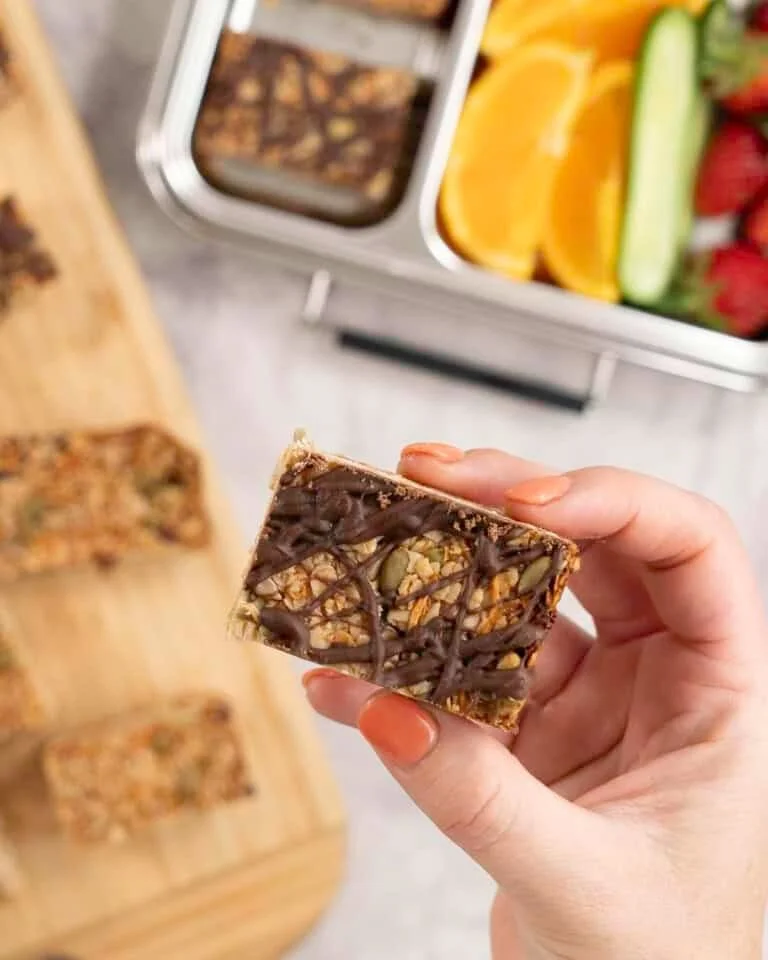
Quick Lunch Box Ideas Your Kids Will Actually Eat and Enjoy
Creating the Perfect Lunch Box for Your Little One
Picture this: It’s 7 AM, the kids are awake, and you’re already knee-deep in breakfast chaos. You’re racking your brain, trying to remember what went into their lunch boxes last week that didn’t come back untouched. It’s a classic parenting dilemma—how can we pack a lunch that our little ones will actually eat? You’re not alone in this. It can feel like an uphill battle, but I’m here to help you navigate the lunch box landscape. You may also find Actually Fun Baby Shower Game Ideas useful.
Lunch boxes should be a blend of nutrition, fun, and ease. They should cover all the bases, from protein to carbs, and some veggies or fruit thrown in for good measure. Remember, kids often don’t eat what they can’t recognize or what looks “too healthy.” Finding that balance is key.
Start with a Solid Base
Your lunch box mantra should be "variety and balance." Most parents often think of sandwiches as the lunch staple, but there are many more exciting options. Have you tried bento boxes? They are fantastic for portion control and you can include a range of items. Each compartment can hold something different, making lunchtime that much more fun.
Here are a few ideas to think about:
- Wraps: Try a whole grain wrap with hummus, turkey, and shredded carrots. They’re easy to handle and less messy than a traditional sandwich.
- Pasta salads: These can be made with whole grain pasta, cherry tomatoes, mozzarella balls, and a splash of olive oil or pesto. It’s a meal that holds up well, and kids love the shapes!
- DIY Lunchables: Crackers, deli meats, and cheese cubes can be a hit—best of all, you can customize them to your child’s liking.
If your little one is fond of mini-celebrations, consider adding bite-sized treats to their lunch. This is where you can sneak in some sweetness without going too overboard. You can easily transform a regular lunch into something special by including treats like mini muffins or cupcakes.
Getting Creative with Snacks
Now let’s talk snacks. We all know that snacks are just as important as the main lunch items, sometimes even more so. Kids love variety, and having different choices keeps them engaged. I recommend packing something crunchy along with something soft. Here are a couple of combos:
- Vegetable sticks with hummus: Carrots, cucumber, or bell pepper are fresh and colorful. They’re easier for kids to munch on than whole vegetables.
- Fruit skewers: Instead of whole fruits, cut them into bite-sized pieces and put them on skewers. It’s fun to eat and visually appealing.
If you’re looking for some fun ideas on snacks, you might find this list of kids’ tea party food ideas really helpful. It’s something that can spark creativity for both you and your child.
Planning Ahead
Preparation is half the battle. If you know your child’s favorite foods, you can sit down on the weekend and plan out lunches for the week. This will save you time each morning and make sure you’ve got nutritious choices lined up.
You could even get your little ones involved. Have a fun planning session where they can choose what goes into their lunch. This not only makes them excited about eating but also teaches them about food choices. You can ask them to help in packing their lunch, which will also give them a sense of independence.
Don’t Forget the Drinks
We often get caught up in food but overlook drinks. Water is always a great choice, but how about mixing it up a bit? A small container with unsweetened iced herbal tea or diluted fruit juice can make lunchtime feel a little more special without the sugar boost.
Make sure to steer clear of sugary drinks, as they can lead to an energy crash in the afternoon. Keeping their hydration in check can help with focus and stamina throughout their school day.
Final Touch: Make It Fun
Let’s be honest—presentation matters! Try cutting sandwiches into fun shapes with cookie cutters or using colorful containers. When kids see a lunch that looks appealing, they are far more likely to dig in. Plus, there are a ton of stickers or fun notes you can slip into their lunch boxes to brighten up their day.
With a little creativity and thought, you can turn a regular lunch box into a delightful culinary experience. You can be sure that they’ll look forward to lunchtime rather than dread it.
Conclusion
Finding the right balance of nutrition, creativity, and fun in your child’s lunch can make all the difference. As parents, we’re always looking for ways to nourish our little ones, and packing a lunch is no exception. If you’re seeking easy recipe ideas, you might want to consider trying out these easy banana blueberry muffins for a delicious addition.
Also, you can always check out these tips for packing lunch boxes to ensure you’re on the right track. You’ve got this, and soon enough you’ll be the lunch box hero in your child’s eyes!
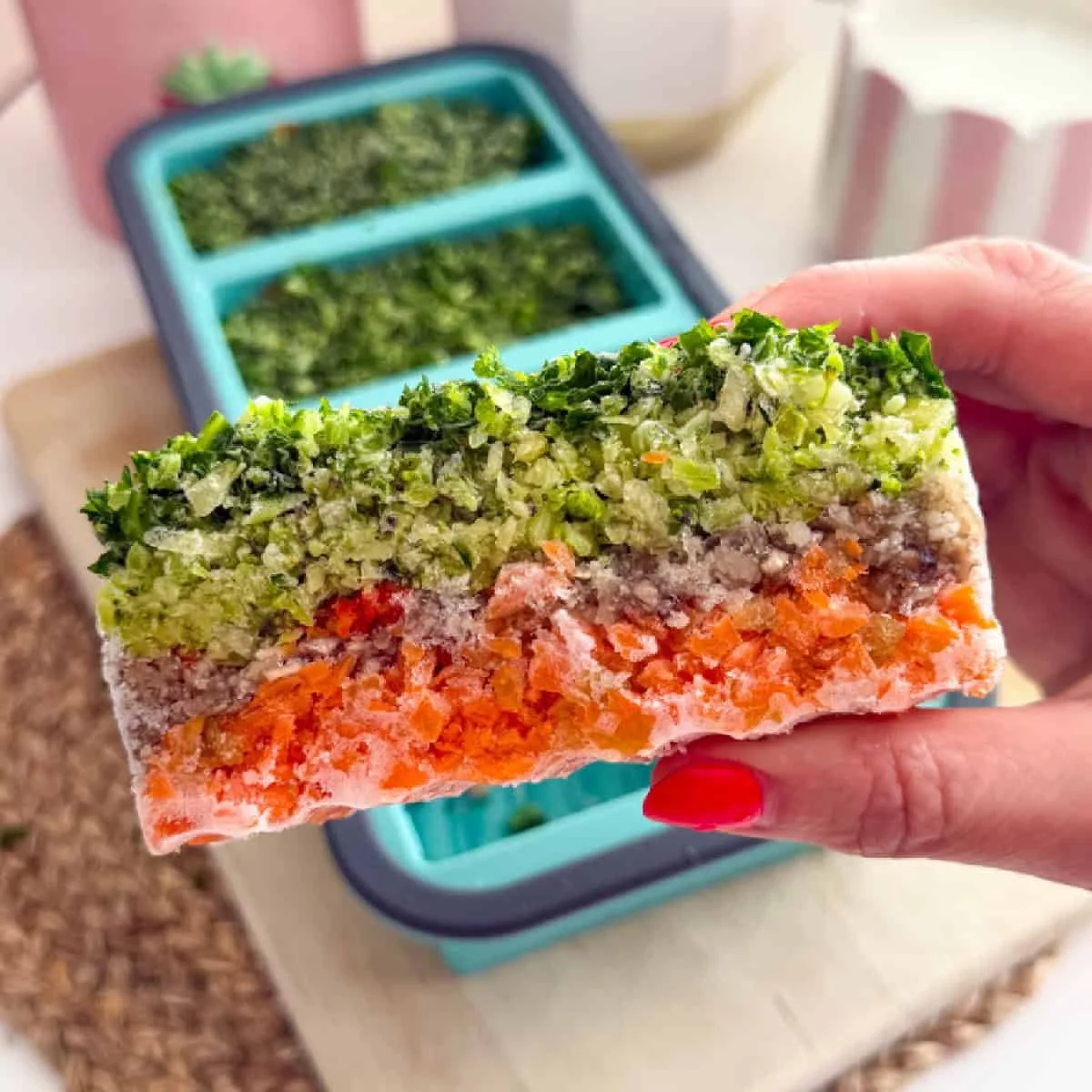
Simple Gluten-Free Recipes Every Busy Mom Needs for Weeknights
The Importance of Gluten-Free Recipes for Little Ones
Imagine a dinner table filled with laughter, little ones chowing down on their favorite foods. Now, picture a scenario where that joy turns sour due to a meal that didn’t sit well with your child’s stomach. If you’ve found yourself navigating the world of gluten-free eating, you’re definitely not alone. Many parents are embracing this dietary shift—not just because of allergies but also for the overall health benefits it can provide for our children. You may also find Amazing Toddler Recipes Fun Bonding useful.
Let’s be honest: adopting a gluten-free lifestyle isn’t always easy, especially with toddlers. They’ve got strong opinions about their food, and the last thing you want is a meal that leaves them grumpy and discontented. However, with the right recipes and a bit of creativity, gluten-free cooking can be delicious and enjoyable. If you’re looking for a great starting point, check out these easy chicken baby food recipes that are both gluten-free and fun for your little ones!
Getting Familiar with Gluten-Free Ingredients
Before diving into recipes, it helps to understand which ingredients are safe. Gluten is a protein found in wheat, barley, and rye, meaning anything made with traditional bread, pasta, or cereals could pose a problem. Thankfully, there are many wonderful gluten-free alternatives available.
When shopping, look for options like:
- Rice and corn: These are naturally gluten-free and can act as great bases for meals or snacks.
- Quinoa: Not only gluten-free but also packed with nutrients, quinoa makes for a fantastic side or ingredient in salads.
- Almond flour: If baking is your thing, almond flour can create delicious treats that your toddlers will love.
- Oats: Just make sure they’re certified gluten-free, as oats can sometimes be contaminated during processing.
In experimenting with these ingredients, it can be helpful to find a few versatile recipes that can be modified based on what your family enjoys.
Simple and Fun Gluten-Free Recipes for Kids
Now, let’s talk about some delicious gluten-free recipes that your little ones will gobble up. Finding meals that are both nutritious and appealing can be a bit of a challenge, but I promise you, it’s worth the time and effort!
1. Gluten-Free Pancakes
Who doesn’t love pancakes? Start your morning with a batch of gluten-free pancakes using a combination of almond flour and banana. Simply mash ripe bananas, mix in eggs, and stir in the almond flour until you have a batter. Cook on a skillet—top with fresh berries for extra nutrition!
2. Quinoa Pizza Bites
What if you could combine two favorites—pizza and finger foods? Quinoa pizza bites are a hit with toddlers. Just mix cooked quinoa with eggs, cheese, and your favorite pizza toppings. Form small balls and bake until golden. They’re easy to make, and kids will love helping to choose their toppings.
3. Sweet Potato Fries
Craving a crunchy side? Sweet potato fries are nutritious and simple. Slice sweet potatoes into fry shapes, toss them with a bit of olive oil and salt, and roast until crispy. They pair beautifully with a gluten-free dipping sauce, and you’ll find they disappear fast!
4. Fruit and Yogurt Parfaits
For a refreshing treat, layer gluten-free granola with yogurt and seasonal fruit. This mix of flavors and textures is not only appealing but also provides a nutritious boost to your kiddo’s day. It’s the perfect after-school snack or a fun breakfast option.
Tips for Navigating Gluten-Free Life with Toddlers
With toddlers, meal times can be unpredictable. Here are some helpful tips to make gluten-free eating easier:
- Involve them in cooking: Little ones love to help in the kitchen. Let them mix ingredients or set the table. This can make them more excited about the meals.
- Be adventurous: Try new recipes regularly. You’ll discover hidden favorites that can keep their meals interesting.
- Label Reading: Teach your child to recognize gluten-containing foods. It’s never too early to start learning about healthy eating habits.
- Pack Snacks Wisely: When you’re on the go, having gluten-free snacks handy can save the day. Consider packing fruits, nut mixes, or pre-made gluten-free treats.
If your child is transitioning to gluten-free eating, it’s essential to keep the experience positive and engaging, so they enjoy their meals and feel supported in the process.
Encouraging Variety in Their Diet
It’s completely normal for kids to be picky about their food, especially when introducing gluten-free options. However, incorporating a variety of tastes and textures can make a big difference. Think about blending flavors they already love into gluten-free versions. You might find that a simple switch, like using gluten-free pasta in their favorite mac and cheese, can be a game-changer.
For those busy days when cooking isn’t an option, look into meal prep ideas or easy-to-follow recipes that make dinnertime less of a rush. You could incorporate some fun theme nights like "Taco Tuesday" with gluten-free tortillas or “Pizza Night” with your homemade gluten-free dough.
Conclusion
As you embark on this journey of gluten-free eating, remember that you are shaping not just your child’s diet but their appreciation for food as well. By exploring fun and innovative recipes, you’re teaching them to be open-minded eaters. If you’re looking for more specific ideas, check out gluten-free recipes from the National Celiac Association or discover exciting dishes on My Gluten-free Kitchen. Embrace this new adventure, and enjoy the delicious meals you’ll create together!

Fun Toddler Activities to Spark Creativity and Calm at Home
Navigating Toddlerhood with Fun and Care
Picture this: It’s a sunny afternoon, and your little one is happily playing in the backyard, giggling with delight as they chase butterflies. Suddenly, they trip and fall, and within seconds, the joyful giggles transform into tears. We’ve all been there, haven’t we? Those delightful yet sometimes chaotic moments are just a glimpse into the life of parenting toddlers. As parents, we’re often on a rollercoaster of emotions, trying to balance learning, fun, and the occasional tantrum.
Let’s be honest—raising toddlers isn’t just about providing meals and nap times. It’s all about engaging their curiosity, understanding their emotions, and incorporating playful experiences that foster not only their development but also your bond. So, how do we make the most of these early years? Here’s a roadmap filled with ideas and tips designed to guide you through the vibrant world of toddlerhood.
Understanding Toddler Behavior
Understanding your toddler’s behavior can feel like deciphering a foreign language. They’re on the brink of independence yet still rely heavily on you for comfort and guidance. Here are a few key insights:
Emotional Development: Toddlers are learning to express their feelings but often lack the words to convey their emotions. This can lead to frustrations and tantrums. Acknowledging their feelings—like saying, “I see you’re upset,”—can help them feel heard.
Exploration: Curious by nature, toddlers love to explore their environment. It’s essential to create safe spaces where they can learn and play without too many restrictions.
Imitation: They learn by copying you. If they see you reading, they’re likely to be curious about books, too. Encourage this by making reading a daily activity, perhaps incorporating fun and interactive children’s books.
Fun Activities for Development
Engaging your toddler with stimulating activities helps them develop cognitive and motor skills. Whether indoors or outdoors, here are some activity ideas that are both fun and educational:
Arts and Crafts
Art is a fantastic outlet for little ones. Gather some supplies like crayons, colored paper, or safe scissors, and get creative with them. You could create a theme, like animals or nature, and connect it to what they might have learned recently. These hands-on experiences are not only fun but also foster fine motor skills.
- Example: Incorporate an arts and crafts day leading up to a special event like a family gathering. Perhaps you can create decorations together or use their artwork for an upcoming baby shower.
Backyard Adventures
If you have a garden or yard, you can turn it into an adventure wonderland. Think about planting flowers, watching bugs, or even setting up a small obstacle course with cushions and toys. All of these activities boost physical skills and promote outdoor play.
Cooking Together
Why not bring your little chef into the kitchen? Involving them in simple cooking tasks like mixing, pouring, or decorating can make meal prep an enjoyable family affair. Plus, you’ll be instilling healthy eating habits that can carry into their later years.
- Tip: Consider organizing a mini tea party where you can enjoy the fruits of your labor—this can also inspire you with some scrumptious ideas from kids’ tea party food ideas.
Nurturing Social Skills
As your child interacts with others, they’re developing crucial social skills. Playdates, group activities, or even visiting parks are excellent ways to encourage these interactions. While you may feel a bit anxious about your child sharing toys or taking turns, remember that these experiences are vital for their development:
Role Playing: Try games that involve role-playing, like pretending to shop or play house. This not only nurtures their imagination but also teaches empathy and cooperation.
Group Classes: Look into local toddler classes where they can sing, dance, or engage in group activities with other children. These classes encourage socialization and build confidence.
Embracing Tantrums
Let’s face it: meltdowns are a part of toddler life. When those tiny beings are unable to articulate their feelings, it sometimes comes out as a full-blown tantrum.
Here are some strategies to handle those situations gracefully:
Stay Calm: Your reaction can set the tone. If you remain calm, it might help soothe your child.
Redirect Attention: Sometimes, changing the scenery or introducing a new toy can help ease the moment.
Talk About Feelings: Once the situation has calmed down, take time to revisit the emotions with them. Explain what happened and how they could express those feelings differently next time.
Creating Routine and Structure
While toddlers thrive on spontaneity, having a consistent routine can provide a sense of safety and familiarity. Try to establish a simple daily structure that includes time for play, meals, and rest.
- Visual Schedules: Consider visual schedules with pictures that outline your daily routine. This can help your child make sense of what to expect and prepare for transitions throughout the day.
Conclusion
Navigating the world of toddlers is a delightful mix of challenges and joys. Every moment of play, every giggle, and even every tantrum offers yet another chance to learn and grow as a parent and as a family. As you embark on this exciting journey, remember to enjoy the ride and create lasting memories together.
For more fun ideas on how to celebrate your child’s milestones, check out A Disney Encanto Birthday Party: Invitation, Decorations, and More for inspiration. If you’re considering a vacation, you might want to learn about Disney Castaway Cay Snorkeling Tips and ALL Underwater Statues for a family-friendly adventure. Embrace these moments; they truly fly by.
Beautiful Baby Girl Names That Spark Joy for New Moms Everywhere
Naming Your Baby Girl with Love and Thoughtfulness
Imagine this: you’re nestled on the couch, sifting through ideas for your baby girl’s name, the glow of the afternoon sun warming your back. You start musing about the little girl who’ll one day wear this name — it has to resonate with love, reflect her personality, and perhaps even suit her unique journey in life. Now, I know we’ve all been there, and trust me, you’re not alone in trying to find that perfect name!
Choosing a name for your baby girl goes beyond mere aesthetics; it’s about connection and emotion. It’s the name she’ll carry with her through childhood and into adulthood, making it all the more important to choose wisely. Whether you’re leaning towards a classic name that stands the test of time or a more whimsical, trendy option, let’s explore how to navigate this wonderful yet overwhelming task.
The Importance of Meaning
Here’s the thing — many parents want names that have significance. A name can reflect cultural heritage, familial connections, or have an inspiring meaning. For example, names like Amina (trustworthy) or Zara (princess) can add a layer of depth that you might find appealing. It’s always touching to hear a little one introduced with a name that holds a special place in the hearts of their family members.
As you search for names, consider delving into the meanings behind them. Even trendy names can carry profound histories. Many resources are available that break down the origins and meanings of various names, which you might find helpful as you explore options. For example, did you know that many names like Skye or Autumn can evoke imagery of natural beauty?
Current Trends vs. Timeless Classics
Speaking of names, let’s talk about trends. You might be wondering if you should follow the latest naming trends. In recent years, names like Aurora and Luna have surged in popularity. Meanwhile, timeless options like Elizabeth or Katherine never truly go out of style. Think about what feels right for your family — will a trendy name fit with your family’s vibe, or do you prefer something more enduring?
As you narrow down your choices, think about how those names could mesh with your family’s last name. You want a harmonious blend that flows off the tongue.
Getting Creative with Nicknames and Variants
Now, let’s get a bit creative. When you settle on a name, don’t forget about the nicknames! Some names lend themselves beautifully to adorable nicknames. For instance, Penelope can easily become Poppy or Nellie, giving your child options for self-expression as they grow.
And don’t shy away from spelling variants or cultural twists. Names like Sofia and Sophia share the same root but offer different flavors. This can help you make a choice that feels unique yet familiar.
Gathering Feedback with Grace
You might be at the stage where you want to gather some opinions from family and friends. However, let’s be honest: this part can get tricky! Often, opinions flood in, which can lead to confusion rather than clarity. To make it easier, try sharing a shortlist of names instead of an open question. This way, you’ll get targeted feedback without feeling overwhelmed.
Before you announce any name, perhaps consider a fun game to keep things light-hearted. Want to add some thrill to the process? You could throw a baby shower where friends and family can participate in a game related to the names you’re considering! Check out some actually fun baby shower game ideas that can elevate your gathering.
The Final Decision
As you weigh your options, remember that this is a deeply personal decision. Take your time; it’s completely normal to have moments of uncertainty. Perhaps even try saying the names out loud and imagining your little one responding to them. Trust your instincts, and remember that whatever name you choose will be perfect because it’s chosen with love.
A Little Inspiration from Other Families
When all else fails, look for inspiration from other parents! You might find certain names trending within your community or cultural groups that resonate with you. Consider evening tea parties with fellow parents where you can exchange thoughts and stories about names. You could even compile a list of ideas from friends to create a unique blend of influences for your little one. If you’re hosting a gathering, you might want to plan some delightful snacks—check out these kids’ tea party food ideas to impress your guests!
By sharing stories and insights, you can discover beautiful names that perhaps you never considered before, enriching your decision-making journey.
Conclusion
At the end of the day, your baby girl’s name will be a cherished part of who she is. As you embark on this delightful journey, you can find more inspiration and resources from sites that specialize in parenting and baby names. For example, exploring options on Bright Color Mom can lead you to some creative suggestions. Don’t hesitate to look for lists like 1000 Pretty Baby Girl Names Millennials Are Obsessed With for additional ideas that fit today’s sensibilities. Happy naming!

Funny Questions to Ask Your Kids for More Laughs and Bonding
Imagine this: you’re sitting on the living room floor surrounded by toys, with your little ones running around. Every time you ask them a question, they respond with an unexpected answer that leaves you chuckling and wondering what goes on in their minds. Let’s be honest, parenting is filled with such delightful moments that highlight the vibrant, quirky personalities of our children.
Now, you might be wondering how to spark such entertaining conversations. The key lies in asking questions that are silly, imaginative, or downright funny. These types of questions not only entertain but also encourage your kids to think creatively and express themselves.
Why Funny Questions Matter
Here’s the thing: asking funny questions can break the ice and help you connect with your kids on a deeper level. When you pose whimsical queries, you invite them to think outside the box, nurturing their creativity and critical thinking skills. Plus, it gives everyone a chance to laugh, which is an excellent bonding experience.
For example, you could ask, "If you could have any animal as a pet, even a dragon, what would you choose?" Not only does this prompt their imagination, but the answers can lead to hilarious discussions.
Making Conversations Magical
Here are some ways to incorporate humor into everyday conversations:
Incorporate Playful Scenarios: Ask questions like, “If you could wear a costume every day, what would it be?” This invites them to fantasize about their superheroes or favorite characters while keeping the conversation light-hearted.
Use Sensory Experiences: Questions such as “If ice cream could talk, what would it say?” help engage their senses while invoking giggles. They get to think of flavors, feelings, and personalities for dessert.
Introduce Silly Comparisons: Encourage laughter by posing fun comparisons. For instance, “Would you rather have spaghetti hair or marshmallow feet?” Children love the absurdity, leading to delightful exchanges!
Storytelling Together: Try questions that involve building a collaborative story. You might start with, “Once upon a time, a squirrel learned to fly. What happens next?” This allows you to co-create a wacky adventure.
Passing some of these conversations off as simple fun can sometimes mask how beneficial they really are for your child’s development. Asking questions aligns with their developmental needs, keeping the dialogue enjoyable while reinforcing language skills.
Planning Engaging Family Activities
You might wonder how you could use funny questions in games or family activities. Here are a few ideas:
Dinner Table Questions: Turn your meal times into a laughter fest. Ask a silly question, such as, “If you could eat only one food for the rest of your life, what would it be?” Keep a notebook handy to jot down the funniest responses. This can evolve into a cherished family tradition.
Road Trip Fun: If you’re heading out on a road trip, prepare a list of funny questions to ask. “What would happen if our car could talk?” is just one example that could lead to endless giggles.
Playdates: During playdates, bring out the humor with questions. For instance, "If you had a superpower, would it be to fly or to turn invisible?" It can help create a warm, fun atmosphere that keeps the kids engaged.
On a related note, if you’re planning a special gathering, incorporating games beyond just conversations can make a significant impact. For some light-hearted competition, consider these actually fun baby shower game ideas. You may discover ways to blend laughter with social interaction, even in larger group settings!
Keeping It Balanced
What if you’re meeting resistance? We’ve all been there. Sometimes kids may not feel like engaging. The solution? Patience. You can leave funny questions around casually. Stick them to the refrigerator or have them visible in play areas. When they feel ready, the prompts will be there, waiting to inspire giggles.
For children who thrive on social interaction, consider organizing a little tea party for them and their friends. It’ll not only be cute; it gives you the perfect opportunity to ask funny questions. The mix of food, friends, and laughter makes for unforgettable memories. If you need ideas for what to serve, you can’t go wrong with delicious snacks; check out these kids tea party food ideas to get started.
Conclusion
As parents, the laughter we share with our children shapes our relationship with them. By integrating funny questions into our conversations, we not only create joy but also foster their creativity and communication skills. Engaging with our little ones, even in the silliest of ways, helps us bridge the gap between their imaginations and our understanding. Want to explore even more ideas to connect with your kids? Check out this resource with 159 funny questions to ask kids and get them talking to you. For more parenting insights, you can also visit Bright Color Mom’s homepage. Here’s wishing you endless laughter and wonderful conversations with your little ones!
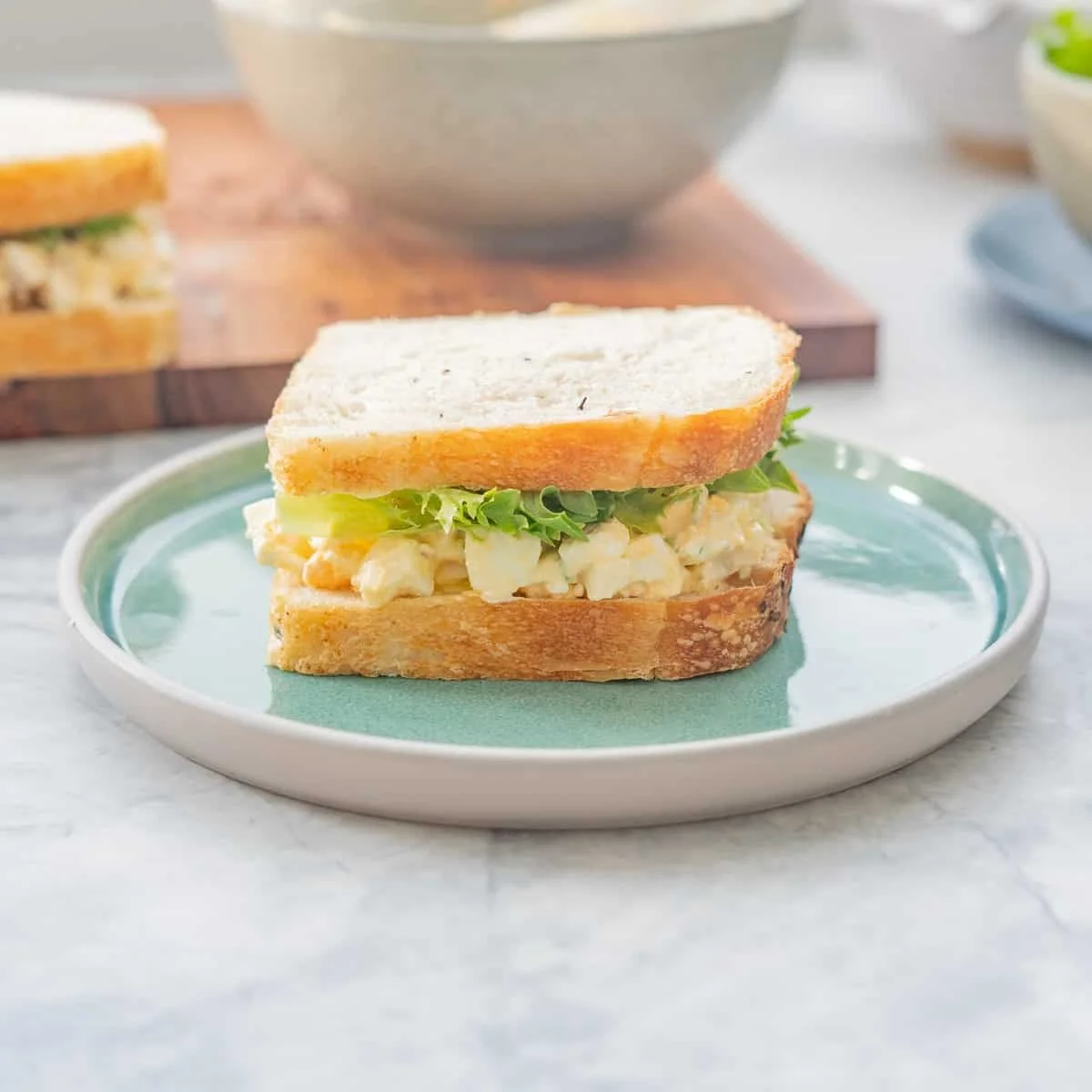
Quick Egg Salad Sandwich Ideas for Busy Moms on the Go Today
Imagine this: it’s lunchtime, and you’re wrangling a toddler who’s suddenly decided they don’t want to eat anything at all. Sound familiar? As parents, we’ve all been there, right? You want to serve something nutritious, but your little one has decided the last five meals were “yucky.” That’s where a classic egg salad sandwich can come to your rescue, simple yet delicious enough to please even the pickiest eater.
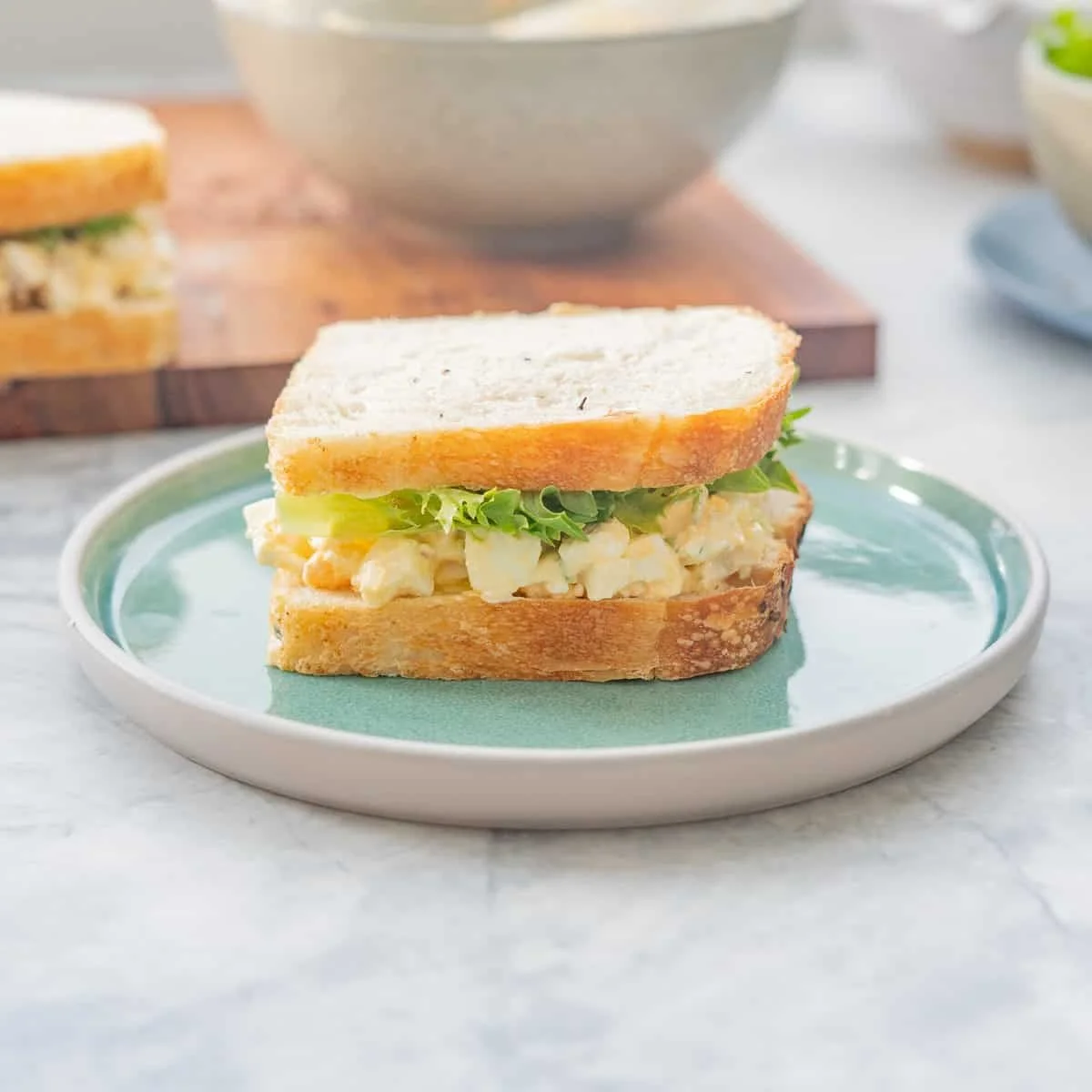
Egg salad is not just a meal; it’s a canvas for creativity! You can tailor it to your child’s tastes while sneaking in some extra nutrients. Plus, eggs are fantastic sources of protein and healthy fats. So, let’s talk about how to create an irresistible egg salad sandwich that your toddler will actually enjoy.
Making the Perfect Egg Salad
First things first: let’s break down the basic ingredients for a delicious egg salad. You’ll primarily need eggs, mayonnaise, mustard, and some seasoning, but the fun part is adding in your own twist!
Start with the Eggs
Boil some eggs—usually, about six works well for a nice batch. Once they’re cooked, you can peel them and set them aside to cool. Now, here’s a fun tip: if you want to make this even more engaging for your little ones, let them help peel the eggs. They’ll love being involved in the kitchen!
Mix It Up!
Once the eggs are cooled and peeled, it’s time to chop them up. You can go for small pieces for a smoother texture or chunkier bits if your toddler likes that extra bite. Add about half a cup of mayonnaise for creaminess, a tablespoon of mustard for a little zing, and don’t forget a sprinkle of salt and pepper to taste.
Now, here’s where it gets interesting: think about adding other ingredients! If you’re looking to incorporate more veggies, consider finely chopping some celery or even a bit of bell pepper. You could also take a glance at hidden veggie recipes for some sneaky ideas!
Choosing Your Bread
Choosing the right bread can make all the difference. Soft whole grain or even a gluten-free option are great ideas. For little ones, try cutting the sandwich into fun shapes with cookie cutters—it’ll be more appealing to them. Smaller portions can also help. An open-faced sandwich can be a fun way for them to explore the flavors without being overwhelmed.
Variations of Egg Salad
Alright, let’s get creative! Consider some alternative ingredients for your egg salad to keep lunchtime exciting.
Avocado Twist
One fantastic addition is avocado. It’s creamy, full of healthy fats, and lends a fantastic flavor to the egg salad. Simply mash half an avocado and mix it in along with the mayo for a nutritious upgrade. In fact, you can check out this avocado egg salad recipe that’s perfect for even the littlest babies—yes, avocado is a great choice for introducing healthy fats early on!
Herbs and Spices
Have you ever thought about adding fresh herbs? Basil or dill can brighten up the flavor and make your egg salad feel gourmet. A little paprika or a dash of garlic powder can also work wonders.
Make It Fun
Think about setting up a “make-your-own-sandwich” lunch. Lay out all your ingredients and let your kid decide what goes into their sandwich. This not only gives them ownership over their meal but also makes it a fun and interactive activity.
Nutritional Benefits
Beyond the deliciousness factor, an egg salad sandwich is packed with nutrients. Eggs are a fantastic source of protein, which is crucial for your child’s growth and development. You’re also delivering healthy fats, Vitamins A and D, and choline, which aid in brain development.
By incorporating veggies into the mix, you’re throwing in fiber and additional vitamins that support digestion and overall health. Seriously, it’s a win-win!
Serving Suggestions
When it comes time to serve, consider pairing your egg salad sandwich with some fruit. Slices of apple, carrot sticks, or a small side of yogurt can balance the meal perfectly. You might find that the natural sweetness of these sides draws your toddler in and makes them excited for lunchtime!
Also, don’t shy away from using a sandwich side! Potato chips or veggie straws can add a nice crunch factor that kids love.
Quick Tips for Busy Parents
- Meal Prep: Make egg salad on a Sunday evening and portion it out, so it’s easy to grab throughout the week.
- Storage: Always keep it in an airtight container in the fridge. It should last about 3-5 days, which can save you on busy mornings.
- Engagement: Encourage your toddler to help mix the ingredients or add their preferred spices, making them more invested in eating what they helped create.
Conclusion
In summary, an egg salad sandwich is more than just a meal; it’s an opportunity to nourish your child creatively while savoring the joy of cooking together. Eggs are versatile and nutritious, making them an excellent choice for any lunchbox. Let’s not forget, exploring recipes is key to expanding our children’s palates! If you want more ideas, consider checking out a delicious egg salad recipe on Allrecipes or explore another option with the classic egg salad sandwich at Tastes Better From Scratch. Embrace the fun, the mess, and the laughter—you’re doing a great job navigating the ups and downs of parenthood!