
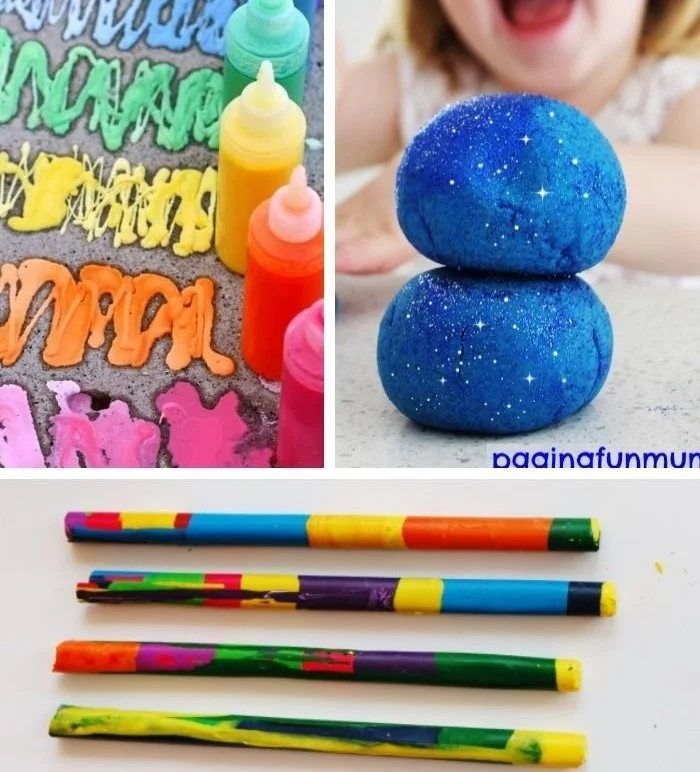
Awesome TV Free Activities for Kids to Spark Creativity and Focus
Imagine it’s a rainy Saturday afternoon. You’ve got the kids in their pajamas, and you’re all cozied up. But instead of diving into another episode of their favorite cartoon, you’re feeling that pull for something different. You want to engage, inspire, and create lasting memories, right? So, what do you do?
Here’s the thing: it can be tough to think of activities that keep little ones entertained without resorting to screen time. But don’t worry; you’re not alone in this. We’ve all been there, wondering how to fill the hours without the glow of a TV screen. I’ve put together a list of 100 awesome TV-free activities for kids that will spark joy, ignite imagination, and turn any day into an adventure. Get ready to put on your playful hat because here we go!
Crafty Creations
Nature Collages: Head outside to gather leaves, twigs, and flowers. Use these to create beautiful collages on cardboard.
Finger Painting Fun: Spread out a large piece of paper and let your little ones explore with their fingers. Don’t forget the aprons!
DIY Musical Instruments: Use empty containers filled with rice, beans, or pasta to make your own instruments. Set a rhythm and have a dance party.
Upcycled Art: Gather old magazines or newspapers and encourage your kids to make a mixed-media art piece. It’s a great way to talk about recycling too.
Story Stones: Paint small stones with different pictures or words. Use these stones to inspire storytelling sessions.
Outdoor Explorations
Backyard Scavenger Hunt: Create a list of items and let your kids search for them in the yard. It’s surprising how much fun they can have outdoors!
Obstacle Course: Use cushions, hula hoops, and any other toys to set up an obstacle course. It’s a great way for them to burn off some energy.
Nature Walk: Take a stroll around your neighborhood or a local park. Encourage your kids to collect interesting rocks, leaves, or flowers.
Bubble Blowing: Mix some homemade bubble solution and take turns blowing bubbles. Watch as the colors reflect in the sun.
Star Gazing: If it’s nighttime, lie back on a blanket and look up at the stars. Take turns pointing out different constellations.
Hands-On Learning
Pretend Play: Encourage your kids to set up a mini grocery store or restaurant at home. They can practice counting and social skills while having fun.
Cooking Together: Get the kids involved in the kitchen. Let them help measure, mix, and prepare meals or treats. It’s educational and delicious!
Letter Scavenger Hunt: Hide letters around the house and have them find them. Once found, they can put together words.
Measurement Games: Choose an ingredient to measure, and let them use cups or spoons to practice their measuring skills.
Plant a Garden: Start a small vegetable or flower garden in your backyard. Watching plants grow is a beautiful lesson in patience and responsibility.
Exploratory Play
Play Dough Creations: Whip up some homemade play dough and let your kids create whatever comes to mind. It’s a sensory experience!
Building Block City: Pull out the blocks and let them create their own city or structure. Imagination runs wild in this activity!
Sensory Bin: Fill a bin with rice, sand, or water beads along with various scoops and toys for them to explore textures.
Treasure Map: Have your kids draw their own treasure maps and then go “hunting” for treasures around the house.
DIY Dress-Up: Raid the closet and create fun outfits. Kids love pretending to be everything from a chef to a superhero!
Family Bonding Moments
Family Talent Show: Have a mini talent show where everyone gets to show what they can do—sing, dance, or even tell jokes.
Puzzle Time: Work together on a big puzzle. It’s a great way to develop problem-solving skills while spending quality time.
Story Hour: Create a cozy reading nook and have a story hour with each family member picking a favorite book to share.
Candle Making: If you’re feeling a bit adventurous, include your kids in a simple candle-making session using safe materials.
Movie Charades: Act out favorite movie scenes without speaking and have the others guess the film!
Active Adventures
Dance Party: Choose a theme for your dance party (like “80s night” or “Disney favorites”) and dance like nobody’s watching.
Simon Says: A classic game that’s perfect for both indoor and outdoor play. It encourages listening and following directions.
Yoga for Kids: Introduce your children to simple yoga poses. There are fun apps and videos with kid-friendly sessions you can follow together.
Obstacle Course Race: Set a timer and see who can complete the obstacle course the fastest. Keep changing the course to keep it fresh!
Balloon Games: Blow up a balloon and have fun keeping it in the air. It’s surprisingly challenging and gets everyone moving.
Quiet Activities for Calm Moments
Puzzle Making: Use a family photo or a drawing to create a custom puzzle. Cut it into pieces and have fun putting it back together.
Journaling Together: Give each child a notebook to draw or write about their day. It helps enhance writing skills and encourages reflection.
Mandalas and Coloring Books: Provide coloring books or printable mandalas. It’s a calming activity for kids and adults alike.
Listening Walk: Go for a walk and pay attention to the sounds around you. Let your kids describe what they hear.
Rock Painting: Collect rocks and paint them with fun designs or messages. Then, place them around your neighborhood for others to find.
Nurture Their Curiosity
Artsy Playdates: Invite friends over for a creative arts and crafts playdate. It’s a wonderful way to boost social development.
Homemade Play Kits: Create play kits with assorted craft supplies. Presenting them as ‘mystery kits’ adds excitement.
Shadow Play: Use a flashlight to create shadow figures on the wall. Let your kids play with shapes and stories.
Building Forts: Use cushions and blankets to create an indoor fort. It’s a magical spot for playing or reading.
Memory Game: Create a memory card game using everyday items. It’s straightforward to set up and great for cognitive skills.
Imaginative Play
Role Play: Let kids role-play different professions. This encourages imagination and helps explore social skills.
Mini Science Experiments: Conduct simple experiments like baking soda and vinegar volcanoes. It’s a fun way to learn about reactions.
Create a Storybook: As a family, write and illustrate a storybook together. Allow each person to contribute a page.
Cooking Around the World: Pick a country and try cooking a dish from that culture. It’s exciting and educational at the same time.
Animal Movement Games: Pretend to be animals and move like them. It’s a fun way to get active and use imagination.
Connecting with Nature
Water Play: Spend time at a local water source (like a river or pond). Talk about the ecosystem while you play.
Bird Watching: Set up a bird feeder and observe the birds that come to visit. You can even create a bird-watching journal.
Wildlife Pictionary: Take turns drawing your favorite animals and letting others guess. It’s a fun way to incorporate art and learning.
Garden Exploration: Spend time in the garden and teach your kids about different types of plants, insects, and flowers.
Weather Watch: After a rainy day, check out the puddles and see how the weather changes the environment.
Creative Expression
Song Creation: Write silly songs together! Use familiar tunes and change the lyrics. It’ll have everyone giggling.
DIY Puppets: Create puppets using socks or paper bags. Put on a puppet show to showcase your creations.
Themed Drawing Days: Set themes each week (like animals, superheroes, or space) and let everyone unleash their inner artist.
Colorful Mosaics: Use colored paper or beads to create beautiful mosaic art. It’s satisfying to watch the design come together.
Photography Day: Give your child an old camera or phone (with supervision) and have them capture moments during the day.
Engage their Senses
Scent Exploration: Provide a variety of herbs or spices and ask your kids to identify the scents. It’s a fun sensory experience.
Taste Testing: Gather various fruits or snacks and let the kids have a taste test. They can grade them on sweetness, crunchiness, etc.
Play Aroma Guessing: Blindfold them and have them guess different scents from items in your kitchen. It’s a hilarious time!
DIY Sensory Bottles: Fill bottles with glitter, water, and oil to create calming sensory bottles they can shake.
Sound Hunt: Close your eyes and listen. Take turns identifying sounds you hear. It’s a calming yet engaging activity.
Quality Time
Family Board Game Night: Pull out board games and enjoy some friendly competition. It’s a great way to bond!
Movie Night with a Twist: Instead of a movie, listen to an audiobook together. It sparks imagination, and everyone can visualize the story.
Karaoke Night: Sing your hearts out with a family karaoke session. Nobody cares if you’re off-key when you’re having fun!
Memory Jar: Create a memory jar where everyone adds memory notes throughout the year which you can read together later.
Conversation Starters: Dig into deeper conversations with fun questions like "If you could be any animal, what would you be and why?"
Indoor Adventures
Treasure Hunt: Hide goodies around the house and give clues to find them. Kids love surprises!
Indoor Picnic: Set up a picnic on the living room floor. It’s amusing and makes lunchtime feel special.
Balloon Tennis: Blow up some balloons and use paper plates as paddles for an indoor tennis game. It’s loads of fun!
Indoor Bowling: Set up a bowling game with empty plastic bottles and a soft ball. It’s competitive and great for coordination skills.
DIY Sports Day: Set out different stations for activities like hopscotch, frisbee, or bean bag toss.
Celebrating Each Other
Compliment Jar: Start a jar where each family member adds a compliment about someone else. It builds self-esteem and shows appreciation!
Gratitude Journal: Each night, have everyone note what they’re grateful for. It’s a nice way to end the day.
Theme Days: Plan special theme days (like “Silly Hat Day” or “Favorite Color Day”). Dress up and have fun dress rehearsals.
Initiate a Family Goal: Work together towards a goal like a puzzle or hiking trail, emphasizing teamwork and cooperation.
Plan Playdates: When you can, organize playdates with other families. It’s all about connection.
Emotional Connections
Sharing Feelings: Create a “feelings wall” where everyone can express their emotions with art or words.
Gentle Book Talks: Choose emotional topics or stories to discuss. It helps kids articulate feelings and understand empathy.
Meditation for Kids: Spend ten minutes practicing mindfulness or gentle meditation together. It’s a great way to relax.
Family Debates: Choose light topics to debate and allow everyone to voice their opinions. It promotes critical thinking and respect.
Writing Letters to Each Other: Write kind letters to each family member. Exchange and read them aloud for heartwarming moments.
Incorporating Learning
Learn about Cultures: Pick a country each week and learn about their traditions, languages, and cuisine together.
Pen Pals: Establish a pen pal relationship with a family member or friend. It encourages writing skills too.
Math Games: Incorporate math into playtime with counting games or by using everyday objects.
Create a Time Capsule: Let everyone add something to a time capsule that you can open together years later.
Explore Science Topics: Choose a science topic of interest and explore it together through fun experiments or documentaries.
Nature and World Awareness
Animal Charades: Act out different animals and let others guess which animal it is. Fun and educational!
Go to a Local Farm: Visit a local farm or zoo. It’s an excellent way for kids to learn about animals and nature.
Explore Community Resources: Visit local museums or cultural centers, many of which offer free family activities.
Nature Journaling: Take a journal on nature walks and encourage your kids to draw what they see.
Sustainable Practices: Teach kids the importance of sustainability through recycling and reducing waste at home.
Preparing for Future Adventures
Plan a Dream Vacation: Let the kids research and create itineraries for their dream vacations. It builds their organizational skills!
Create Vision Boards: Encourage each child to create vision boards for their dreams and aspirations.
Goal-Setting Activities: Spend time talking about hopes and dreams, and help them set achievable goals.
Set up A Local Adventure List: Create a list of local parks or attractions to explore together as a family.
Family Bucket List: Brainstorm a family bucket list of activities you want to do together this year. It’s exciting!
Closing the Day
Reflect and Share: At the end of each day, spend time reflecting together about what you learned or enjoyed.
Stargazing Storytime: Cap off a day of adventures by laying in a backyard or at a window with stargazing and story sharing.
Kindness Projects: Collaborate on community service projects that teach your kids about giving back.
Homemade Gifts: Plan and create homemade gifts for family or friends for special occasions.
Create a Family Mission Statement: Work together to draft a family mission statement that reflects your values and goals.
Conclusion
As you embark on these 100 awesome TV-free activities for kids, remember, the goal isn’t just to keep them busy—it’s to enrich their lives and strengthen your bonds as a family. Each moment spent together is a chance to learn, grow, and laugh.
If you’re looking for more ideas to keep your children engaged creatively, or wondering about some low-stimulation shows as a backup plan, you might find these resources helpful: check out 60 TV shows recommended for ages 8-12 and Best Low Stimulation Shows for Toddlers and Preschoolers. Plus, if you want an extensive collection of activities, consider exploring 501 TV-free Activities For Kids.
Here’s to many screen-free days filled with laughter, creativity, and unforgettable memories!
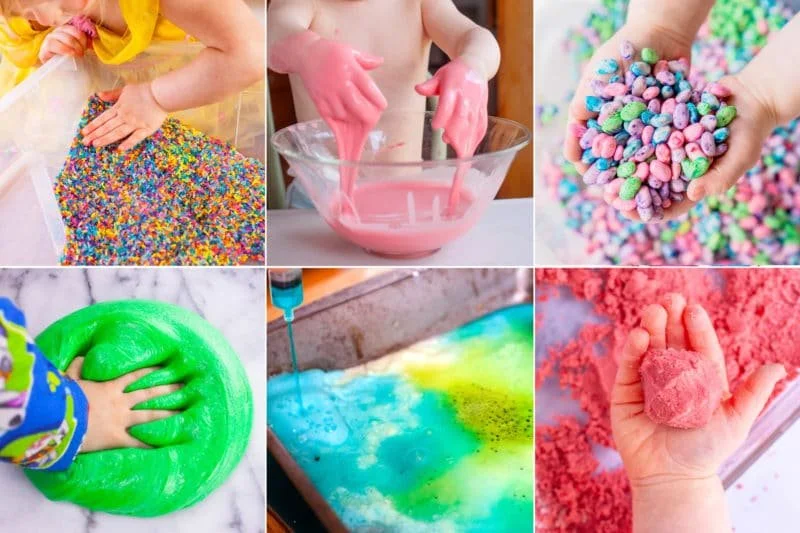
15 Easy DIY Sensory Activities for Toddlers That Boost Playtime
Imagine a sunny afternoon, your toddler bursting with energy but seemingly out of ideas for activities. You might find yourself asking, “What can we do that’s both fun and educational?” Here’s the thing: sensory play is the answer! Sensory activities are perfect for our little ones, helping them explore their world while developing essential skills. And the best part? You can create these engaging activities using everyday items like rice, water, playdough, and natural materials.
Why Sensory Play Matters
Now, you might be wondering, “Why should I incorporate sensory play into my toddler’s routine?” Well, sensory play isn’t just entertaining; it’s a wonderful way to support early learning through play. These activities can help your child build fine motor skills, enhance focus, and ignite creativity—all while they’re having a blast. Trust me, we’ve all been there, looking for something to keep our little ones engaged, and sensory play is a lifesaver!
15 Easy and Fun DIY Sensory Activities
Here’s a collection of DIY sensory activities that will light up your toddler’s day. Each one is easy to set up and uses items you likely have at home.
1. Sensory Bins
Start with a simple sensory bin filled with rice or sand. You can hide small toys, scoops, and measuring cups—perfect for little hands to explore. To make it even more interesting, add some food coloring to the rice beforehand!
2. Water Play Station
Fill a shallow container with water and add cups, spoons, and small toys. Water play not only keeps toddlers entertained but also teaches them about pouring and measuring. Just watch out for the splash zone!
3. Playdough Fun
Homemade or store-bought, playdough is a classic sensory activity. You can create shapes, roll out letters, or even use cookie cutters. Here’s a little pro-tip: add some scents (like vanilla or almond extract) for an olfactory bonus.
4. Texture Path
Create a texture path in your living room by laying out different materials like soft blankets, rough carpets, and squishy foam. This activity encourages your toddler to walk, run, or crawl while exploring different textures.
5. Sound Bottles
Fill small bottles with various items (think rice, beads, or pebbles) and seal them tightly. Let your toddler shake the bottles to hear different sounds. It’s a simple way to delve into the world of sound exploration.
6. Nature Sensory Box
Collect natural materials from your backyard or a local park—think leaves, stones, and pinecones. Put these in a box and let your toddler explore! This not only connects them with nature but also enhances their observational skills.
7. Sensory Gel Bags
Fill a sealable plastic bag with hair gel, glitter, and small plastic toys. Seal it tightly and allow your toddler to squish and slide the objects around in the bag. It’s super satisfying (and mess-free)!
8. Frozen Sensory Play
On a hot day, freeze small toys in ice cubes. Let your toddler figure out how to melt the ice to retrieve the toys. It’s a cool way to teach them about temperature and cause-and-effect relationships.
9. Scented Rice
To take your sensory bin up a notch, mix rice with a few drops of essential oils. This adds a lovely fragrance while your child digs through the rice. It’s all about engaging their senses in fun ways!
10. Bubble Foam Sensory Play
Mix dish soap with water in a shallow tray to create bubbles, then let your toddler explore the foam with their hands. This is an excellent way to encourage tactile exploration.
11. Magical Sand
Combine flour and oil to create a soft, moldable sand. This doughy mixture is great for scooping, pouring, and molding, all while being a fantastic sensory experience.
12. Colorful Pasta
Dye uncooked pasta pieces with food coloring and allow your toddler to play with them in a sensory bin. The bright colors are visually stimulating and fun to touch!
13. Storytime Sticks
Collect sticks from outside and create a storytelling game. Each stick can represent a different story element (like a character or location) that your toddler can pick and create a story around. This boosts creativity and narrative skills!
14. Spaghetti and Meatballs
Cook spaghetti and then let your toddler dig in (yes, it’s messy, but that’s part of the fun!). Add meatballs or other ingredients to feel and squish. It encourages a hands-on approach to textures and food.
15. Bubble Wrap Stomp
Lay out sheets of bubble wrap and let your toddler stomp, jump, and pop the bubbles. It’s a sensory delight as they explore sound and movement!
Engaging Through Play
Let’s be honest, not every parent has the time or energy for elaborate setups, but these simple ideas provide hours of meaningful play. I know it can be daunting sometimes, especially during busy days when everything feels chaotic. But remember, sensory activities are usually quick to prepare and can easily fit into your toddler’s daily routine.
Quick Tips for Successful Sensory Play
- Always supervise: Especially when working with small items or liquids, your toddler needs a watchful eye.
- Set boundaries: Designate a play area to minimize mess and keep cleanup easy.
- Rotate activities: Keep things fresh by rotating the sensory bins or materials every few weeks.
- Join in the fun: Your involvement not only guides the play but also strengthens your bond with your toddler.
Mistakes to Avoid
We’ve all learned the hard way that not every sensory activity goes as planned. Here are a few pitfalls to dodge:
- Over-complicating: Keeping it simple is key—toddler attention spans are fleeting!
- Neglecting safety: Always consider choking hazards and ensure that materials are age-appropriate.
- Skipping cleanup: Embrace the mess, but have a plan for tidy-up time afterwards.
Conclusion
As we wrap up these wonderful DIY sensory activities, I hope you’re feeling inspired to integrate play into your toddler’s daily life. Not only are these activities engaging and educational, but they also create opportunities for connection and creativity. Remember, you’re not alone in this parenting journey, and it’s completely normal to want the best for your little one. For even more sensory ideas, check out these resources: Simple Sensory Activities, Sensory Activities for Babies, and Top Sensory Activities for 15-Month-Old Toddlers. Happy playing!
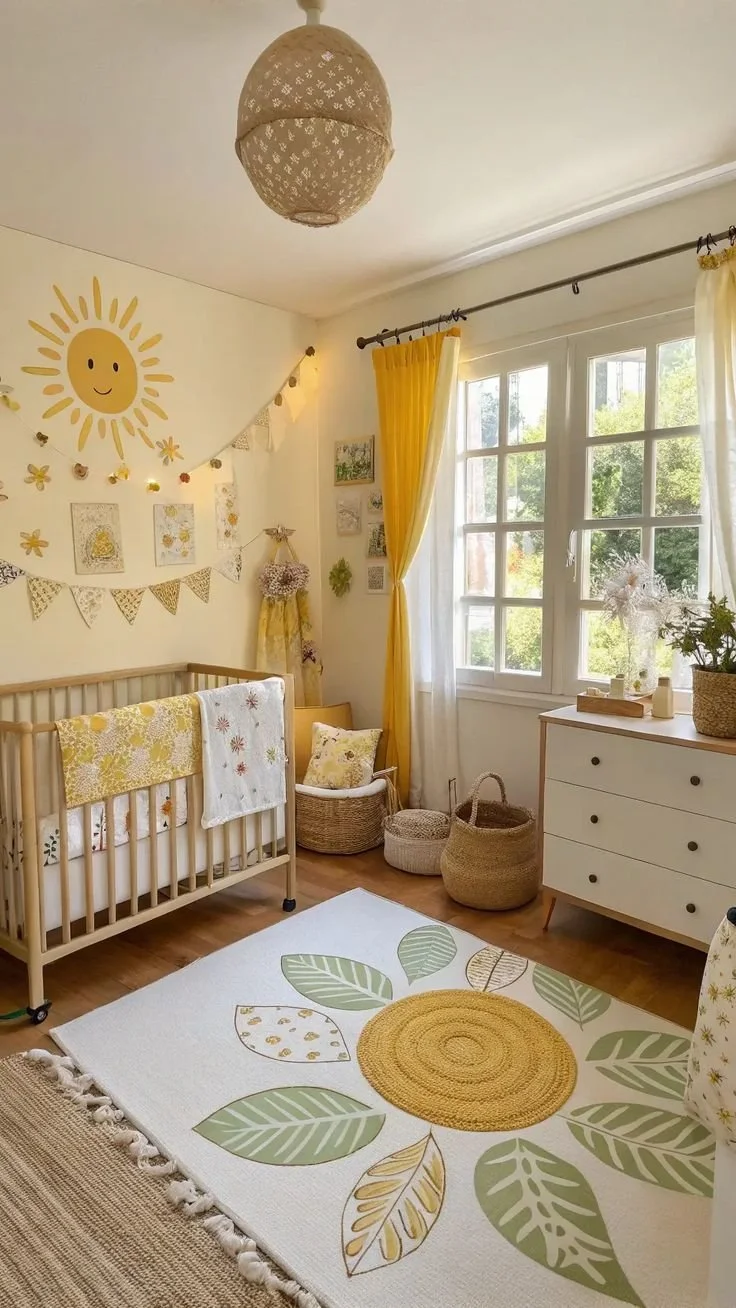
Cozy Baby Rooms That Nail Cottagecore Aesthetic for Calm Nurseries
Sunlight and Soft Textures Bring a Cottagecore Vibe to Your Baby’s Room
Imagine waking up in a room that feels like a warm hug, with gentle sunlight pouring in through the window, and soft textures inviting you to snuggle. Now, picture this space not just as a dream sanctuary for you, but also a radiant retreat for your little one. A cottagecore baby room offers just that—a cozy atmosphere that wraps both you and your child in pure delight while fostering joy and positivity to kickstart each day.
The Warmth of Sunlight in a Nursery
Here’s the thing: sunlight is more than just a pretty feature in a nursery. It’s a source of energy and warmth that can influence your baby’s mood, sleep, and overall well-being. Let’s be honest, we all feel a little happier when the sun is shining, right? That’s why filling your nursery with natural light is so essential!
To make the most of that light, consider keeping your windows uncovered during the day. Light, airy curtains can filter sunlight beautifully while still adding a gentle touch. Imagine how delightful it would be for your child to wake up to sunlight dancing across the floor, filling them with warmth and cheer.
Choosing Soft Textures
Softness is everything in a baby’s room. You want your nursery to be a cozy cradle full of comfort. Think about a plush area rug underfoot, soft bedding, and, of course, lots of cuddly toys. Textures like cotton, linen, and even knitted or crocheted items are perfect for creating that inviting vibe.
Consider investing in some delightful cushions or throws in delicate shades of yellow or cream to complement the golden accents. These touches create a visual palette that soothes the soul. After all, have you ever felt a soft blanket against your skin? It’s like a hug, and who doesn’t want to feel like they’re wrapped in a warm embrace?
Fun with Yellow Accents
Yellow isn’t just a cheerful color; it’s the color of happiness! Incorporating yellow accents in your cream or light pastel nursery empowers the room, adding a joyful and sunny vibe.
- Bedding: Look for beautiful yellow crib sheets or blankets. Patterned or textured fabrics can make a bold statement!
- Wall Art: Brighten your walls with whimsical artwork featuring woodland creatures or sunny landscapes. You can even create a gallery wall with different shades of yellow, making it playful yet harmonious.
- Decor: Wall decals can work wonders, especially in fun shapes and designs. Enjoy a sunny landscape or a playful sun character—these can catch your little one’s eye and spark their imagination.
Embracing Natural Materials
The essence of cottagecore is rooted in nature, so natural materials should be front and center in your nursery. From organic cotton bedding to wooden toys, these materials not only bring a sense of the outdoors inside but are also often safer for your baby.
Ideas for natural materials to include:
- Wooden Cribs: Opt for simple, classic designs that don’t take away from the soft ambiance.
- Rattan or Woven Baskets: These serve as practical storage solutions for toys while giving a rustic charm to the room.
- Plants: Adding some greenery can breathe life into the nursery. Just be sure to choose non-toxic plants if your little explorer decides to reach for them!
Finding Joy in Playful Accessories
Now, let’s talk accessories! They are the icing on the cake. Here’s where you can let your imagination run wild. From whimsical mobile designs to cute decorations, bringing in playful accessories can create a world of adventure right in your baby’s room.
- Mobile: A beautiful mobile hanging above the crib can capture your baby’s attention. Go for one with soft colors or nature-inspired themes—think flowers or clouds.
- Artisan Touches: Look for handmade toys or art pieces that have character. They can be cherished keepsakes as your child grows.
- Whimsical Shelving: Install floating shelves to display toys, books, or little trinkets. You could even paint them a soft yellow for a dreamy touch.
Inviting Cheerful Itineraries
So, you’re probably wondering, how can you make sure the nursery doubles as a space for family bonding? After all, this is where you’ll be reading stories, singing lullabies, and making memories. Creating a cozy corner for reading can enhance your playful journeys together.
- Book Nook: Create a small reading corner with cushions where you can snuggle up with your little one. This can become a cherished tradition.
- Gentle Lighting: Consider adding a soft-glow lamp or fairy lights to make evening reading sessions extra special and memorable.
Bonus Decorating Tips
- Layering: Don’t be afraid to mix textures and colors! Layering various fabrics can create depth in your design.
- Before-and-After: If you’ve just moved in and are starting from scratch, it’s incredible how fresh paint or new decor can completely change the vibe. Remember when you first saw your newly painted walls—what a transformation!
- Seasonal Decor: Update small accessories with the seasons. Change out a few toys or display seasonal books to keep things fresh and joyful!
Making Fond Memories
We’ve all been there—at 3 a.m. when the world is quiet except for the soft coos of your baby. Turning this peaceful space into a cozy cottagecore retreat can help create those special memories you’ll look back on fondly.
What if you could turn the nursery into not just a functional space, but a sanctuary? A room where moments are cherished, laughter echoes, and love flourishes? That’s the goal, right? When your baby wakes, it should feel like a joyful beginning—not just to the day, but to a world that awaits their curious little presence.
Conclusion
Transforming your baby’s nursery into a cottagecore paradise filled with sunlight and soft textures can provide a wonderful start to each day. By incorporating cheerful yellow accents and natural materials, you’re creating a space that inspires joy and warmth. You can explore more ideas about establishing a cozy atmosphere with articles like cozy baby rooms and learn about how to connect with your child amidst busy academic life through taking a baby to university. To take your inspiration further, don’t forget to check out this delightful whimsical art piece that would make a lovely addition to your child’s room. Your little one’s days are about to get a lot brighter!

Melatonin Boosting Bedtime Snacks Toddlers Love for Better Sleep
Imagine this: it’s bedtime, and your little one is running around the house like a whirlwind, dodging every attempt you make to get them settled down. Sound familiar? We’ve all been there. The struggle is real, but what if I told you that the right bedtime snacks could help your toddler wind down and catch those much-needed Z’s? Just like grown-ups, toddlers can benefit from a little nutritional help at night, and boosting their melatonin levels with the right foods might just make all the difference in establishing a smooth bedtime routine.
Let’s dive into some delicious and healthy bedtime snacks that are not only toddler-approved but also designed to promote better sleep. You might be asking yourself, "What exactly is melatonin?" Well, melatonin is a hormone our bodies produce, signaling that it’s time to sleep. Certain foods can naturally boost melatonin levels, so let’s explore some of those options!
Yogurt Parfait
Starting with something creamy and delicious, yogurt parfaits are a great bedtime choice. Mix some full-fat yogurt with a handful of fresh fruits (think blueberries or strawberries) and sprinkle a bit of granola on top for some crunch. Why does this work? Yogurt is rich in calcium and contains tryptophan, an amino acid that helps your body produce melatonin.
Oatmeal Delight
Here’s the thing about oatmeal: it’s not just for breakfast! A small bowl of oatmeal, topped with sliced bananas and a sprinkle of cinnamon, can be a delightful evening treat. Bananas add potassium and magnesium, which are great muscle relaxants, while oats raise blood sugar levels just enough to help your toddler ease into sleep without being too hyperactive.
Cherry Smoothie
Now, you might be wondering how cherries fit into this bedtime snack lineup. Cherries, especially tart ones, are known to naturally increase melatonin levels. Whip up a quick smoothie with plain yogurt, a handful of cherries, and a splash of almond milk. It’s refreshing and oh-so-simple! Just make sure it’s consumed at least an hour before bedtime to allow your toddler to get ready for sleep.
Nut Butter on Whole Grain Toast
Is your child a fan of toast? Spread a thin layer of almond or peanut butter on whole grain toast and top it with apple slices. Whole grains can aid in melatonin production, while nut butters are full of healthy fats that are satisfying and nutritious. It’s a perfect late-night snack that won’t disrupt your toddler’s sleep.
Banana Pancakes
Let’s be honest; who doesn’t love pancakes? Try making a simple batch of banana pancakes. Just mash one banana and mix it with an egg or two, then cook them on a skillet for fluffy, tasty bites. These not only taste amazing, but bananas can also help in producing melatonin, making it a fitting choice for bedtime!
Warm Milk with Cinnamon
When I think of bedtime, warm milk always comes to mind. Maybe your parents used to give it to you as a kid, too. It has a calming effect thanks to its calcium content. Warm it up and stir in a pinch of cinnamon for an extra treat. It’s both soothing and delicious, setting the tone for a restful night.
Hummus and Whole Wheat Pita
Looking for something savory? Hummus is a fantastic option! Pair it with whole wheat pita triangles for a snack that’s healthy and filling. This combo is not only great for keeping your toddler satisfied but also helps regulate blood sugar levels, paving the way for a smoother bedtime.
Cottage Cheese with Fruit
Cottage cheese might not seem like the first choice for a snack, but it’s a sleep booster packed with protein. Mix it with some peach or pineapple for a sweet and creamy bedtime treat. Plus, the natural sugars in the fruit keep things fun and delicious!
Applesauce
Simple yet effective, unsweetened applesauce can be a delicious pre-bedtime snack. It’s easy to serve, and you can mix a bit of cinnamon if your toddler enjoys a flavor twist. Apples are a good source of fiber, and the warm feel of applesauce can help calm your child before sleep.
Whole Grain Cereal with Milk
A small bowl of whole grain cereal with milk can be a quick solution to a nighttime snack, especially if you’re running out of time. Just opt for cereals that contain lighter sugars and whole grains to keep it nutritious. They will also boost your toddler’s melatonin levels thanks to the carbohydrates.
Quick Tips for Bedtime Snacks
- Timing is everything: Aim to have these snacks about 30-60 minutes before bed to allow your toddler to wind down comfortably.
- Portion Control: Keep the snacks light; we want to avoid any tummy aches during sleep!
- Routine Matters: Incorporate snacks into your toddler’s bedtime routine, making sure that it’s a calming experience to set the mood for sleep.
Mistakes to Avoid
- Avoid sugary snacks: Sugary treats can spike energy levels and delay the inevitable crash you’re hoping for.
- Skip the caffeine: This should go without saying, but make sure there are no traces of caffeine in bedtime snacks. Chocolate and soda are unexpected culprits.
- Don’t skip hydration: A glass of water is great, but avoid too much liquid right before sleep to lessen potential nighttime wake-ups.
Conclusion
Creating a relaxing bedtime routine is crucial for your toddler’s quality of sleep, and a great way to enhance that routine is through melatonin-boosting bedtime snacks. Each snack we’ve explored offers a delightful mix of taste and nutrition that supports sleep health. If you’re looking for more snack ideas, you can check out Healthline’s recommendations on snacks that support sleep. For general sleep habits and routines, the Sleep Foundation is a fantastic resource. And if you think lighting can also play a part in sleep, consider looking at products like the Norb NorbSLEEP Low-Blue Sleep Light Bulb for a soothing environment.
Remember, we’re all in this parenting journey together, and every little thing you do for your child matters. By incorporating these wholesome snacks into your toddler’s bedtime routine, you might just find it easier to say goodnight and watch them drift off to dreamland. Sweet dreams!

Fantastic Meal Ideas for Toddlers to Make Tasty, Easy Dinners
Imagine you’re in the kitchen on a busy morning. You’ve got a toddler clinging to your leg, staring at you with those big, curious eyes, questioning every move you make. The clock is ticking, and you’re trying to juggle a million things at once. Sound familiar? We all know that feeding toddlers can feel like an Olympic sport. They often have a mind of their own, and one day they’ll love broccoli, while the next, they’d rather throw it on the floor than take a bite. So how do we navigate this tricky terrain? Let’s dive into some fun, engaging meal ideas that will not only nourish your little ones but also make mealtime a breeze.
Meal Ideas for Toddlers that Spark Joy
Breakfast Fun
Starting the day right can set the tone. Breakfast should be nutritious but also fun. Here are some breakfast ideas that are sure to please even the pickiest eaters:
Mini Pancake Stacks: Make small pancakes and let your toddler build their stack. You can provide toppings like yogurt, berries, or even a drizzle of honey. The fun of building their own breakfast can turn them into little chefs!
Smoothie Bowls: Blend bananas, spinach, and yogurt together, then put it in a bowl and let your child sprinkle their favorite toppings like granola or sliced fruit. It’s colorful and packed with nutrients!
Avocado Toast: Smash some avocado on whole-grain bread. You can cut it into fun shapes with cookie cutters. Add a sprinkle of cheese on top to make it even better.
Fruit and Yogurt Parfaits: Layer Greek yogurt with fresh fruit and a sprinkle of oats or granola. Not only is it visually appealing, but it’s also filled with protein and healthy fats.
Oatmeal with a Twist: Give your regular oatmeal a makeover by adding cinnamon, applesauce, or even chocolate chips. It transforms a boring bowl into a delightful treat!
Creative Lunch Ideas
When it comes to lunch, you want quick and balanced options that won’t result in a kitchen disaster. Here are a few ideas:
Veggie Wraps: Spread hummus on a whole grain wrap, then layer with thinly sliced veggies like cucumbers, bell peppers, and carrots. Roll it up, slice it into pinwheels, and watch them disappear.
Quesadillas: Stuff whole-wheat tortillas with cheese and beans or veggies. Cut them into triangles for easy handling, and serve with salsa or guacamole for dipping.
Pasta Salad: Mix cooked whole grain pasta with cherry tomatoes, peas, and a little olive oil. This dish is easy to prepare in advance and can be served cold or warm.
Cheesy Egg Muffins: Whisk some eggs with cheese, spinach, and whatever veggies you have on hand, pour into muffin tins, and bake. These can be prepared in batches and stored for quick lunches throughout the week!
Dinner Delights
As dinner approaches, keep in mind that the goal is to serve something hearty yet toddler-friendly. Here are some ideas that are sure to become favorites:
Mini Meatballs: Ground meat mixed with oats and finely chopped veggies can be rolled into tiny meatballs. Serve them with spaghetti or as a snack with dipping sauce.
Sneaky Veggie Pizza: Top whole grain pita breads or naan with tomato sauce, cheese, and finely chopped veggies. Let your toddler help with the toppings—it’s a guaranteed win!
Baked Chicken Tenders: Coat chicken strips in crushed whole grain cereal or breadcrumbs and bake until crispy. Serve with sweet potato fries for a nutritious alternative to fast food.
Stir-fried Quinoa: Cook quinoa, and then toss it with peas, carrots, and scrambled eggs for a quick one-pot meal. Kids love the colorful presentation, and it’s quick to whip up.
Soup with a Twist: Puree vegetables into creamy soups that look and taste great. Make a carrot or butternut squash soup and add a swirl of yogurt on top for fun.
Snacks That Satisfy
Snacks can be a tricky part of the day. You want something that’ll hold off hunger but not spoil dinner. Here are some nutritious ideas:
Fruit Kabobs: Skewer chunks of fruit onto sticks. The whole fun of eating them like a lollipop can entice even the most stubborn eaters.
Nut Butter Banana Slices: Spread almond or peanut butter on banana slices for a quick, energy-packed treat. Add a sprinkle of cinnamon for a flavor boost!
Cheese and Whole-Grain Crackers: Pairing cheese with whole-grain crackers is not just customizable, but it’s also healthy. Place it on a cute plate, and suddenly it’s gourmet!
Veggie Sticks with Dip: Offer sliced carrots, celery, and bell peppers with hummus or yogurt dip. They’ll be more inclined to munch on those if they get to dip them!
Quick Tips to Make Meal Times More Enjoyable
Involve Your Child: Get your little one involved in cooking. Let them help prepare ingredients or set the table. When they feel included, they’re more likely to eat what’s on their plate.
Set a Routine: Establishing regular meals and snack times can help your toddler know what to expect. Routines can provide a comforting structure.
Keep It Colorful: Use a variety of colors on their plate to make the meal visually appealing. Believe me, kids are more attracted to a plate that looks fun!
Stick to Simple Flavors: Sometimes less is more. Stick to simple flavors at first to help your toddler get accustomed to trying different things without overwhelming them.
Turn Meals into Play: Make foods fun by using cookie cutters, arranging them into smiley faces, or creating fun names for the meals. "Dinosaur Pasta" or "Rainbow Toast" can spark their imagination.
Mistakes to Avoid
As parents, we often learn through trial and error. Here’s a few common mistakes to be aware of:
Forcing Foods: If your toddler refuses something, it’s best not to force it. It can create negative associations. Instead, try offering it again later without pressure.
Too Many Options: Sometimes having too many choices can be overwhelming for them. Stick to a few balanced options at each meal.
Neglecting Involvement: It can be tempting to whip up meals alone, but including your child can foster a better relationship with food.
Ignoring Preferences: Not every child will love everything (shocking, right?). Pay attention to their preferences, and try to work with it creatively.
Forgetting Hydration: Children’s hydration needs are important. Encourage them to drink water throughout the day, especially during meals.
Conclusion
Feeding toddlers can be quite the rollercoaster ride filled with ups, downs, and unexpected messes. But with a little creativity and patience, you can turn mealtime into an enjoyable and nourishing experience. Remember that every child is different, and what works for one might not work for another. Stay flexible and be willing to adapt to your toddler’s tastes as they grow and change. If you’re looking for more meal inspiration, check out these suggestions for quick meals—25 Family Meals for Toddlers, or dive into this collection of delightful dishes with 44 Meals Your Toddler Will Devour. And for those exploring vegetarian options, check out 28 High-Protein Vegetarian Recipes for Toddlers. Happy cooking and enjoy those precious mealtime moments!
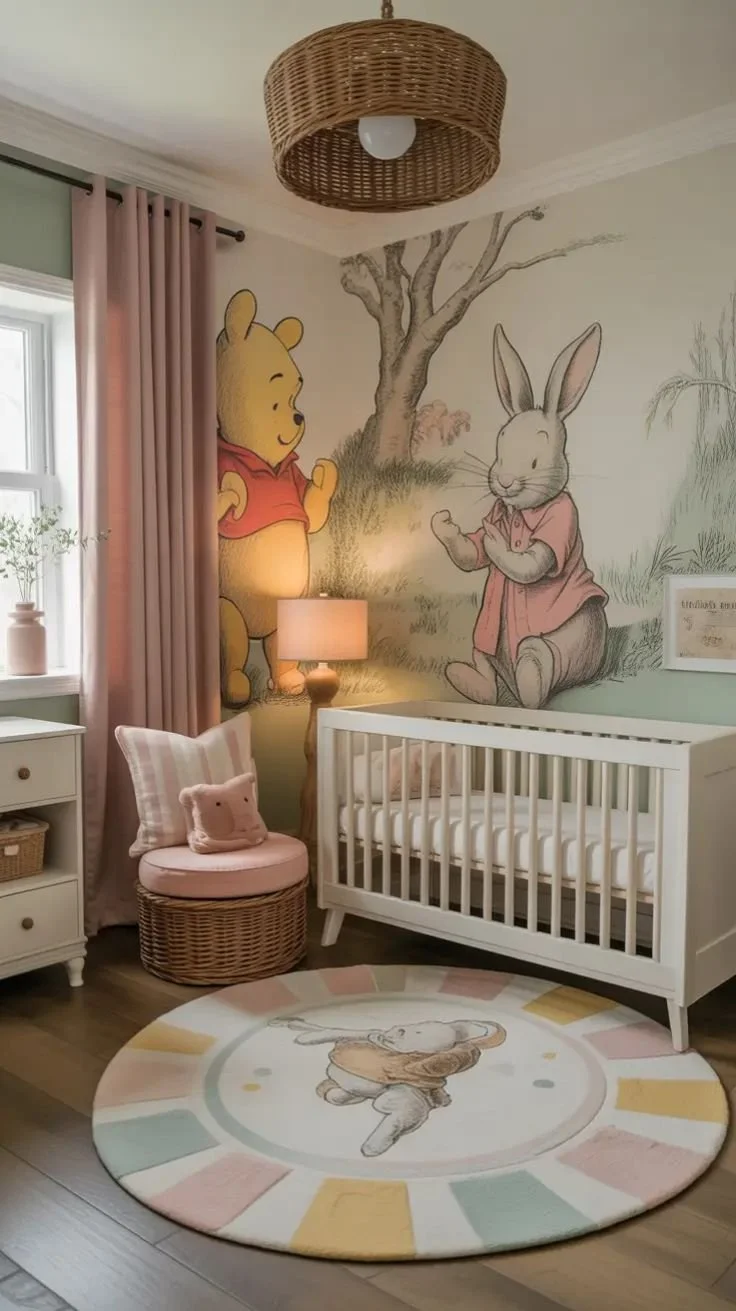
Cozy Girls Nursery Ideas 2026 with Pink Neutral Boho Woodland
Imagine you’re standing in the doorway of your baby’s nursery, coffee in hand, ready to embrace those precious moments with your little one. The walls are painted in soft shades of blush pink, a delicate mobile sways above the crib, and every detail reflects warmth and coziness. Now, picture this: you take a deep breath and feel that sense of calm and joy wash over you because you’ve created a space that truly feels like home for your girl.
As parents, we want our nurseries to be more than just functional spaces; they should inspire imagination and nurture our children. With 2026 just around the corner, it’s the perfect time to explore some enchanting nursery ideas that span from whimsical themes to elegant designs. Whether you’re leaning towards the warmth of a woodland retreat, the excitement of a safari adventure, or the timeless charm of a Winnie the Pooh theme, there’s a perfect look waiting for you.
Embracing the Pink and Boho Vibes
If you’re like me, you can’t resist a cute dose of femininity without going overboard. Think soft pinks mingling perfectly with earthy tones.
- Textiles: Start with bedding and rugs that introduce these colors while remaining neutral enough for lasting peace of mind. Look into plush blush pink options paired with minty greens or gentle whites that feel serene.
- Accessories: Layer the room with boho-inspired decorations. Dreamcatchers hang lightly above the crib, while tactile cushion varieties (think macramé and fabrics with fringing) dot the space, inviting touches and sensory exploration.
- Art: Incorporate prints or playful wall decorations featuring adorable woodland creatures or floral designs. This will not only spark joy but provide a conversation starter as your little one grows.
Now, you might be wondering how to keep it all organized amidst the decor excitement. Consider cute wicker baskets for storage that fits right into the aesthetic. We’ve all been there— toys scattered everywhere—so having designated storage makes life a bit easier!
Going Neutral and Chic
Love the idea of a soft, calming space? A neutral nursery can be both stylish and serene.
- Color Palette: Stick to whites, creams, and soft greys. These shades provide a blank canvas that you can evolve over time as your child’s tastes develop.
- Textures: Add interest through textures, such as natural wooden furniture, soft cotton blankets, and plush rugs. This not only creates depth but ensures the room doesn’t feel sterile.
- Personal Touches: Incorporate personalized items, like framed prints with your child’s name or cherished quotes. This brings warmth and a sense of belonging into the space.
Mixing materials— like a soft knit bean bag chair and a sturdy vintage rocking chair—adds character without complicating the overall aesthetic. Imagine your little one giggling as they play while you settle down with a book nearby.
Woodland Inspiration
Now, let’s dive into the woodland theme that never seems to go out of style. It perfectly blends adventure with tranquility.
- Nature-Inspired Decor: Think wall decals of trees, colorful animal plushies, or even a forest mural. This theme is all about bringing the beauty of nature indoors.
- Color Schemes: Earthy greens, browns, and soft grays can create a cozy retreat. You can introduce these hues through bedding, curtains, and wall colors.
- Interactive Elements: Add fun touches, like a little reading nook with forest-themed books or animal figurines for your child to play with, stimulating their imaginative play.
You might even want to create a little explorer’s corner with a map of the world or nature prints that ignite curiosity about the great outdoors.
Safari Adventures Await
What’s better than a brand new adventure? A safari-themed nursery! It’s playful, adventurous, and utterly delightful for both you and your baby.
- Wild Color Palette: Think of using vibrant yellows, jungle greens, and playful animal prints. So many options give you flexibility.
- Playful Decor: Use wall art that showcases cute elephants and lions alongside vibrant flora and fauna. These can be both educational and stylish.
- Interactive Elements: Try to incorporate a climbing wall if space allows, or opt for sturdy plush toys that double as decor.
This theme not only captivates the child but offers many opportunities for enjoyable activities, like storytime with animals or themed decorations for playdates that spark laughter and joy.
A Timeless Winnie the Pooh Theme
There’s something about classic characters that tugs at the heartstrings. The gentle nature of Winnie the Pooh offers warmth and nostalgia—perfect for a nursery that feels both cozy and inviting.
- Soft Colors: Use shades of yellow, light pastels, and soft browns that reflect the warmth of the Hundred Acre Wood.
- Unique Decor: Use themed accessories, such as plush Pooh toys, storybook wall art, or even nursery rhymes that can introduce your baby’s world.
- Memory Lane: Take familiar quotes from the stories and frame them around the room; these will inspire gentle reflections as your child grows.
Picture snuggling together on the rocking chair with a favorite storybook in hand, surrounded by your little one’s favorite characters.
Quick Tips for a Stylish, Organized, and Cozy Nursery
- Choose multi-functional furniture: A changing table that doubles as a dresser can save space and add style.
- Incorporate plenty of soft lighting: Use dimmers for peace at night and a soft glow during bedtime routines.
- Personalize: Don’t shy away from adding personal touches—family photos, or a small gallery wall of your baby’s milestones creates an inviting space.
- Stay Practical: Keep essentials in easy-to-reach areas to make nighttime feedings or changes as smooth as possible.
Common Mistakes to Avoid
When designing a nursery, we often get caught up in the aesthetics. Here are a few pitfalls to sidestep:
- Ignoring safety: Always prioritize safety over style, avoiding decor with small pieces that could become choking hazards.
- Over-decorating: Remember, a cluttered room can be overwhelming for both you and your child. Keep it minimal while allowing for personality.
- Forgetting durability: Choose materials that can withstand toddler chaos while maintaining charm.
Conclusion
Creating your little girl’s nursery can be one of the most magical experiences in your parenting journey. Whether you embrace the whimsical charm of a boho theme or the serenity of a neutral design, you’re laying a foundation filled with love, comfort, and creativity. Each theme provides a unique opportunity to bond with your child, inspire their imagination, and build cherished memories that will last a lifetime.
As you begin this exciting venture, consider enhancing your space with elements from shops like Etsy for unique woodland animal art or find perfect bedding solutions at buybuy BABY. Don’t forget the stunning Sweet Jojo Designs with its soft, boho flair to complete the look.
So, grab that cup of coffee, get creative, and enjoy every moment of this beautiful process!
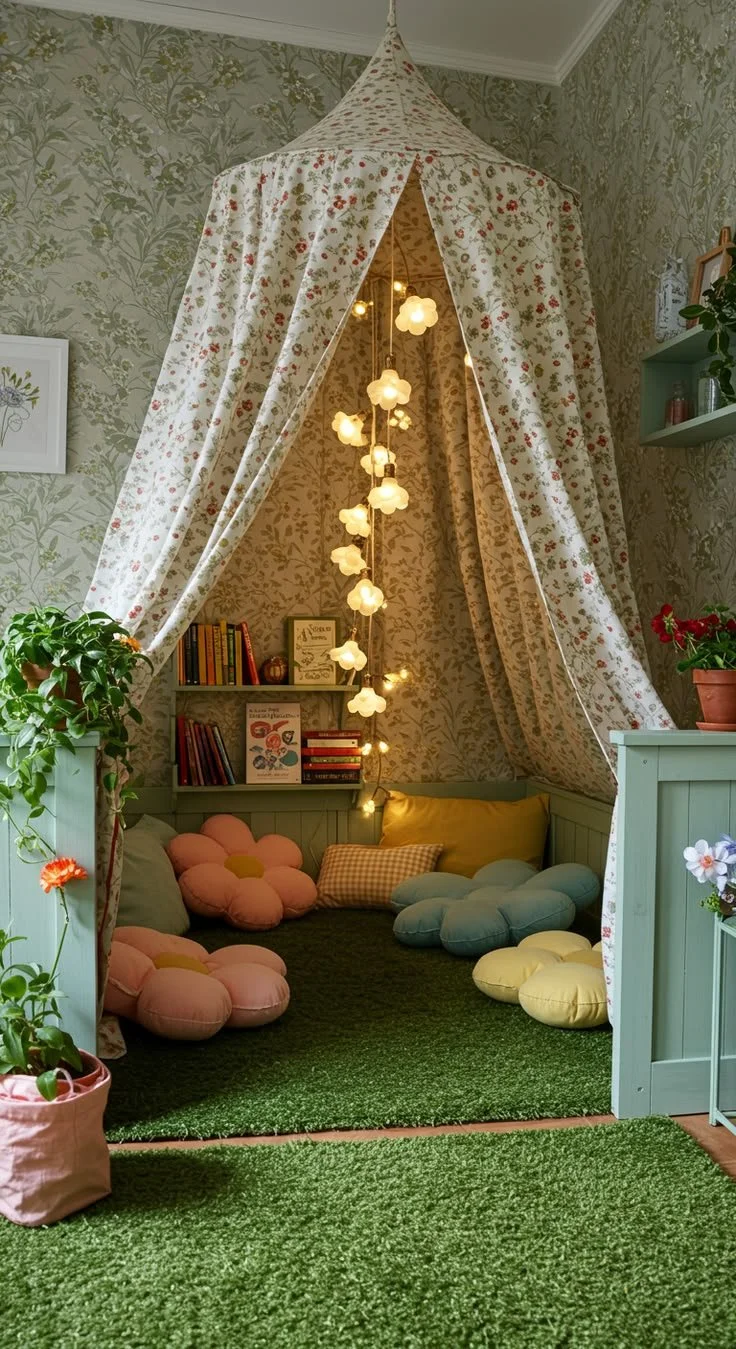
Cozy Green Carpet Nook Ideas That Bring Nature Room Glow Home
Imagine this: it’s a rainy afternoon, and the soft patter of raindrops fills the air as your little one dives into a world of imagination. In the corner of a cozy room, surrounded by fluffy pillows and the gentle sway of airy white curtains, they explore whimsical tales with a sparkle in their eyes. Sound familiar? We’ve all had those moments where a simple nook turns into a magical portal for our children. Let’s explore how you can create that charming baby or kids’ room centered around white curtains and a lush green carpet—featuring a fairy reading corner that’s just perfect for imaginative play and those peaceful quiet times.
Why Create a Reading Corner
Reading corners are more than just pretty spaces; they’re essential for fostering a love of books and storytelling in our children. They’ve been shown to help with language development and creativity. Plus, let’s be honest: every parent needs a bit of peace, right? A delightful nook can serve as a sanctuary not just for the little ones but for you, too.
But where do you start? Here’s the thing: creating a reading corner involves two key components—the right ambiance and thoughtful organization. A successful design can transform any space into a personalized adventure land.
Setting the Scene with White Curtains
First up, let’s talk about those heavenly white curtains. Imagine them billowing softly in the breeze, letting in natural light while softening harsh edges and creating a serene atmosphere.
Choosing the Right Curtains
When selecting curtains, think about:
- Fabric: Opt for cotton or linen. They’re light and breathable, perfect for a kid’s room.
- Length: Floor-length curtains can create an enchanting effect, giving the illusion of more space.
- Color: Pure white is timeless, but don’t shy away from subtle patterns. Ethereal touches like tiny stars or clouds can add a whimsical flair.
Don’t forget to hang them high, framing the windows well to elongate the room visually.
Privacy and Functionality
You want to steer clear of those stiff, heavy window treatments. The goal is to create a welcoming atmosphere where your little one feels safe and stimulated. Light-filtering curtains allow a lovely play of light, contributing to the room’s cozy vibe without sacrificing natural illumination.
Selecting a Lush Green Carpet
Now, let’s move on to the carpet. A lush, green carpet serves as an inviting base in your reading corner, allowing for lots of cozy playtime activities (and probably some snack time, too). Here are a few thoughts on choosing the perfect carpet.
Texture and Comfort
You might want to consider:
- Material: Plush fibers are great for comfort. Wool or high-pile synthetic options can be super soft underfoot.
- Shape and Size: Round or oval carpets can create a focal point, encouraging a gathering spot for storytime. Ensure it’s large enough to accommodate a variety of activities—play, reading, or even naps!
Nature-Inspired Themes
A lovely, grassy green can evoke a sense of nature, almost transporting us and our little ones into the great outdoors. Picture this: about to start a story, and you’re all on a grassy hill under a tree, surrounded by butterflies and sunshine.
Crafting Your Cozy Fairy Reading Corner
Now that we’ve set the backdrop with charming curtains and a gorgeous carpet, let’s dive into the fun part—designing the reading corner itself.
Furniture and Accessories
Here’s a small checklist for your space:
- Seating: Find soft, comforting seating options—bean bags, small armchairs, or even floor cushions are perfect.
- Storage: A low bookshelf encourages independence, letting your little one choose their books. Baskets or bins can also keep toys easily accessible and tidy.
- Lighting: A kid-friendly floor lamp or fairy lights can create a gentle ambiance for evening stories.
Adding Personal Touches
Every room needs a sprinkle of personality:
- Decor: Wall art that reflects your child’s interests will make the space truly theirs. Think whimsical prints of their favorite characters or nature scenes.
- Bookshelves: Use colorful or character-themed bookshelves to draw their attention. It’s like creating a gateway to their imagination.
Fairytale Elements
To truly embrace the theme of a cozy reading corner, consider adding:
- Canopy: A light fabric draped above creates a magical feel.
- Playful Pillows: Cushions shaped like animals or clouds invite snuggling in for a story.
- Natural Touches: Incorporating plants (real or faux, your choice) brings life into the corner, lending to that enchanting feel.
Encouraging Imaginative Play Time
So, how can you turn this cozy corner into a powerhouse for creativity? Here are a few ideas that I’ve found helpful.
Interactive Elements
Think about adding:
- Story Cubes: These can spark new adventures. Kids love to mix and match themes for their own tales.
- Art Supplies: A small table in the corner with some paper and crayons can lead to spontaneous drawing sessions inspired by their stories.
Themed Story Days
What if you set a day each week for a themed story session? For instance, you could dedicate each Friday to a new genre, complete with snacks and props. Imagine the joy of a "Jungle Day" with animal print clothing and a book about safari adventures!
Quick Tips for Success
- Maintain Flexibility: Kids grow and so do their interests. Keep the space adaptable.
- Involve Your Child: Ask them what they love. It empowers them to take ownership and cherish their reading corner.
- Be Realistic: Make it durable. Kids are spontaneous (and that’s a good thing), so design with that in mind.
Mistakes to Avoid
- Over-cluttered Spaces: Less is often more, especially in small spaces.
- Ignoring Natural Light: Position the reading nook to benefit from as much light as possible.
- Neglecting Functionality: Ensure the area remains practical for play as well as reading.
Conclusion
Creating a cozy reading corner in your child’s room with white curtains and a lush green carpet can change the whole vibe of the space. You’ve got the visualization of white, airy fabrics combined with that fresh greenery in your mind, and it’s oh-so-inviting! Not only will it become their favorite place to read, but you’ll find it nurtures their imagination and love for stories.
If you’re looking for more inspiration to dive deeper into nursery aesthetics, check out some adorable green nursery ideas and learn how to incorporate them into your home. Or, perhaps explore how some cottagecore aesthetics can inspire your design choices! For more tips on reading corners, you can find additional ideas through whimsical themes that create inviting spaces.
So, roll up your sleeves and get ready to build that enchanting, tranquil world for your child. You’ll cherish those moments spent together in their cozy reading nook, and watch as they grow into lovers of stories and dreams. You’ve got this!

45 Easy Family Dinner Ideas for Stress-Free Weeknights
Imagine this: it’s a Tuesday evening, the clock’s ticking towards dinner time, and your little ones are growing more restless by the minute. You’ve had a long day filled with parenting challenges ranging from diaper changes to tantrums, and the last thing you want is to spend hours in the kitchen whipping up a complex meal. Sound familiar?
Well, you’re not alone in this predicament. Most parents find themselves searching for quick, easy, and delicious family dinner ideas that the kids will actually eat. After much trial and error in my own kitchen, I’ve discovered some absolute game-changer recipes that will make your weeknights not only easier but also a little bit tastier. Grab your aprons, and let’s dive in!
One-Pan Wonder Dinners
Picture this: a delicious meal that requires minimal clean-up. Sounds dreamy, right? One-pan meals are perfect for busy weeknights. You can toss everything together, put it in the oven, and kick back for a minute (or at least until the kids start fighting over their toys).
Sheet Pan Chicken and Veggies
This is a personal favorite. Simply arrange chicken thighs and a mix of colorful veggies like bell peppers, zucchini, and cherry tomatoes on a baking sheet. Drizzle with olive oil, sprinkle with your favorite spices, and roast until everything is cooked through. Not only is it flavorful, but it’s also visually appealing for the kiddos!
Taco Bake
Now, you might be wondering, “How can I combine dinner and my kids’ love for tacos?” It’s simple! Layer tortilla chips, ground meat (or beans for a vegetarian twist), cheese, and your favorite taco toppings in a baking dish. Bake until bubbly, and serve with all the fixings—sour cream, guacamole, and salsa. Trust me; they won’t even know they’re eating vegetables hidden in there!
Quick Stir-Fried Goodness
Stir-fries are speedy and highly customizable, making them one of the best weeknight dinner options. You can use whatever veggies and proteins you have on hand, which makes it super flexible.
Chicken and Broccoli Stir-Fry
Let’s be honest: broccoli isn’t always a hit with kids. But when it’s drenched in savory soy sauce and paired with tender chicken, it can become a new favorite. Toss thinly sliced chicken breasts and broccoli florets in a hot pan with ginger, garlic, and soy sauce. Serve it over rice, and watch the magic happen!
Veggie Fried Rice
Got leftover rice? This is where it shines! Throw in mixed frozen vegetables, some eggs for protein, and a splash of soy sauce. In just a few minutes, you’ve got a satisfying meal that can be adapted to whatever your family prefers.
Slow-Cooker Simplicity
If multi-tasking is your jam, slow-cookers can be your best kitchen buddy. Set it and forget it, right? Come dinner time, you’ll be greeted with aromas that make even the pickiest eaters perk up.
Chunky Vegetable Soup
I don’t know about you, but soup is a go-to comfort food in our home. Fill your slow cooker with chopped vegetables, beans, vegetable broth, and your favorite seasonings in the morning. Come dinnertime, just serve it with some crusty bread, and everyone is happy. Plus, it’s a great way to sneak in those healthy veggies!
BBQ Meatballs
Who doesn’t love meatballs? You can use ground turkey, beef, or even lentils for a meatless version. Mix them with breadcrumbs, eggs, and seasonings, then dunk them in your favorite BBQ sauce in the slow cooker. A few hours later, you have tender, tangy meatballs ready to pair with rice or in hoagie buns.
The Wholesome Pasta Dinners
Pasta dinners are always a hit in my household. They’re quick to prepare and can easily be dressed up or down depending on what’s in your pantry.
One-Pot Spaghetti with Spinach and Peas
Here’s a hack: you can cook spaghetti directly in the sauce! It sounds a bit wild, but it works wonders. In a large pot, add spaghetti, canned tomatoes, spinach, peas, and enough water. Stir it all together and let it simmer until the pasta is cooked. It’s nutritious, flavorful, and best of all, there’s just one pot to wash afterward!
Pesto Pasta with Cherry Tomatoes
Store-bought pesto is a gem—it’s rich, flavorful, and saves you a ton of time. Toss freshly cooked pasta with pesto, halved cherry tomatoes, and a sprinkle of Parmesan cheese. This meal is deliciously quick and a delightful way to get your kids to eat their greens!
Bonus Ideas for Flexible Meal Planning
Let’s face it, sometimes you just need backup options. Here are a couple of ideas that can help you stay flexible throughout the week.
Breakfast for Dinner
Who says you can’t have pancakes or eggs for dinner? A stack of fluffy pancakes topped with berries and whipped cream can be a great way to switch things up.
DIY Pizza Night
Gather round the kitchen counter with pre-made dough, sauces, and toppings. Let each child create their own mini-pizza masterpiece. Not only is this fun, but it also makes everyone (including you) feel included in the meal prep.
Quick Tips to Make Mealtime Easier
- Plan Ahead: Make a weekly meal plan. Trust me; it saves time running to the store last minute.
- Involve the Kids: Letting them help with meal prep can make them more excited to eat what you’ve made.
- Batch Cook: Make extra portions for those crazy nights when you’re too tired to cook.
Common Mistakes to Avoid
- Overcomplicating Meals: Stick with simple recipes that require minimal steps to keep it stress-free.
- Neglecting Leftovers: Embrace leftovers for packed lunches the next day; it simplifies your routine.
- Ignoring Preferences: Pay attention to what your kids enjoy so you can tailor meals to their tastes.
Conclusion
Finding delicious family dinner ideas can transform your hectic weeknights into far more enjoyable times around the dinner table. By opting for simple, tasty recipes like one-pan wonders, quick stir-fries, and the classic slow-cooker meals, you can ensure that your evenings are filled with good food and family bonding.
Don’t forget to check out how to make weeknight dinners easier, explore quick vegan meal options, and discover some low-lift meals that can turn an exhausting evening into a joyful feast. You’ve got this, and your family will appreciate all the love you put into each meal. Happy cooking!

Breastfeeding Recipes for Making More Milk That Really Works
Imagine this: you’re curled up on the couch with your sweet little one breastfeeding, and all you can think about is how hungry you are. Let’s be honest, nursing a baby is a full-time gig, and it takes a lot of fuel to keep your energy up and your milk flowing. I’ve been there too, and I know you want to feed your body with nutritious meals that not only support breastfeeding but also taste great. Luckily, I’ve gathered a fantastic list of healthy, dairy-free recipes to help you power through those busy days.
Breakfast Ideas for Breastfeeding Moms
Starting your day with a nutritious breakfast is vital. Here are a few easy recipes that can fuel your body and keep you satisfied.
Oatmeal with Berries
Ingredients:
- 1 cup gluten-free rolled oats
- 2 cups almond milk (or your favorite non-dairy milk)
- 1 cup mixed berries (fresh or frozen)
- 1 tablespoon chia seeds
- A drizzle of honey or maple syrup (optional)
Instructions:
- In a pot, combine oats and almond milk.
- Bring to a boil, then reduce heat to simmer for about 5 minutes.
- Stir in berries and chia seeds. Cook for another minute.
- Sweeten to taste and enjoy!
Tip: Add nuts or seeds for extra protein and crunch.
Avocado Toast with Tomato
Ingredients:
- 1 ripe avocado
- 2 slices whole grain or gluten-free bread
- 1 tomato, sliced
- Salt and pepper to taste
- A squeeze of lemon juice
Instructions:
- Toast the bread to your liking.
- Mash the avocado in a bowl and mix in lemon juice, salt, and pepper.
- Top the toast with avocado and sliced tomatoes.
Smoothie Bowl
Ingredients:
- 1 banana
- 1 cup spinach
- 1 cup almond milk
- ½ cup frozen mango
- Toppings: sliced fruits, nuts, seeds
Instructions:
- Blend banana, spinach, almond milk, and mango until smooth.
- Pour into a bowl and top with your favorite fruits and nuts.
Lunch Options for Nursing Moms
Lunchtime can be another opportunity to refuel. Here are some great ideas that are quick to make but still packed with nutrition.
Quinoa Salad with Chickpeas
Ingredients:
- 1 cup cooked quinoa
- 1 can chickpeas, drained and rinsed
- 1 cup chopped cucumber
- 1 cup cherry tomatoes, halved
- Lemon juice and olive oil for dressing
Instructions:
- In a bowl, combine all ingredients.
- Drizzle with lemon juice and olive oil, and toss to mix.
Sweet Potato and Black Bean Tacos
Ingredients:
- 1 sweet potato, diced
- 1 can black beans, drained and rinsed
- Corn tortillas
- Avocado, lime, and salsa for toppings
Instructions:
- Boil or steam sweet potato until tender.
- In a bowl, combine sweet potato with black beans.
- Serve in tortillas and top with avocado and salsa.
Dinner Dishes to Nourish You
After a long day, you want something hearty and satisfying. These dinner recipes not only taste delicious but also are great for milk production.
Lemon Garlic Chicken with Veggies
Ingredients:
- 2 chicken breasts
- 2 cups mixed vegetables (broccoli, bell peppers, carrots)
- 2 tablespoons olive oil
- Juice of 1 lemon
- 2 garlic cloves, minced
Instructions:
- Preheat the oven to 400°F (200°C).
- In a bowl, mix olive oil, lemon juice, and garlic. Marinate chicken in the mixture.
- Spread the veggies on a baking sheet and place chicken on top. Bake for 25-30 minutes.
Lentil Soup
Ingredients:
- 1 cup lentils
- 1 onion, diced
- 2 carrots, diced
- 4 cups vegetable broth
- Spices (like cumin and thyme) to taste
Instructions:
- In a pot, sauté onion and carrots until soft.
- Add lentils and broth. Bring to a boil, then simmer for about 25-30 minutes.
- Season to taste and enjoy warm.
Healthy Snacks for Breastfeeding Moms
Sometimes you just need a little something in between meals to keep your energy up. Here are a few quick snacks that work well when you’re on the go.
Nut Butter and Banana on Rice Cakes
Spread your favorite nut butter onto rice cakes and layer with banana slices. It’s crunchy, creamy, and oh-so-satisfying!
Energy Bites
Ingredients:
- 1 cup oats
- ½ cup nut butter
- ¼ cup honey
- Mix-ins like chia seeds, shredded coconut, or chocolate chips
Instructions:
- In a bowl, combine all ingredients.
- Roll into small balls and refrigerate for a couple of hours.
Hummus and Veggie Sticks
Cut up carrots, celery, and bell peppers, and serve with a generous portion of hummus. This combo is full of fiber and keeps you feeling full.
Quick Tips for Breastfeeding Nutrition
- Stay Hydrated: Don’t forget to drink plenty of water throughout the day. Hydration is key for milk production.
- Snack Smart: Keep healthy snacks within reach. Nuts, fruit, or yogurt can give you that energy boost when you need it.
- Meal Prep: If you can, batch cook some meals over the weekend, so you have quick options on busy days.
Mistakes to Avoid
While it’s easy to get caught up in what you should eat, here are some common mistakes to steer clear of:
- Skipping meals can lead to lower energy levels and affect milk supply. Try to eat something every 2-3 hours.
- Relying too much on processed foods might not give you the nutrients you need. Focus on whole foods instead.
- Forgetting to listen to your body. Hunger is your body’s way of telling you it needs more fuel, so trust those signals.
Conclusion
Being a breastfeeding mom is a beautiful and sometimes overwhelming experience. Remember, you’re not alone in this journey, and one of the best ways to nurture yourself is through wholesome food. I hope these recipes inspire you to create delicious meals that both satisfy your hunger and support your breastfeeding journey. For additional tips, check out this collection of lactation-boosting recipes. If you’re looking for nutritional advice, Mommy’s Bliss has some great resources. Lastly, if you want to learn more about home remedies and diet to increase breast milk, take a look at this article. Here’s to nourishing both you and your little one!
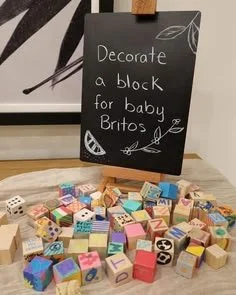
Adorable Baby Shower Ideas You Can Recreate Right Now for Mom Wins
Imagine this scenario: you’re enjoying a cozy Saturday morning, sipping coffee while your little one plays happily in their room. Suddenly, you hear a loud crash, followed by unmistakable wailing. Sound familiar? We’ve all been there. Parenting is a rollercoaster ride filled with chaotic moments, heartwarming instances, and, let’s be honest, plenty of worry. But here’s the thing: while parenting can sometimes feel overwhelming, it’s also incredibly fulfilling.
When we have young children—especially those in the 0–5 age range—navigating this bustling world can seem daunting. You might be wondering how to strike a balance between nurturing your child while also taking care of yourself. It’s completely normal to have questions and concerns. Let’s explore some actionable tips and insights for parents like you and me, aiming for a joyful, engaging, and loving experience in these precious early years.
Creating a Safe Environment
First things first: safety is paramount. As your little explorers begin to move, crawl, and eventually walk, you’ll want to ensure their environment is safe. Secure heavy furniture to the walls, keep sharp objects out of reach, and use baby gates as necessary. But here’s a quick tip: every so often, get down on your hands and knees to see what your child sees. It’s amazing how many hazards you might miss from an adult’s perspective!
Don’t forget the importance of supervision. Whether it’s during playtime or mealtime, being present not only helps prevent accidents but also nurtures a sense of security in your child. You’re not just there physically; your emotional presence makes a huge difference, too.
Encouraging Play and Exploration
Now that we’ve tackled safety, let’s shift our focus to play. When my kids were younger, I quickly learned that playtime is critical for their development. Yes, it may seem like just fun and games, but in reality, it’s so much more.
Here’s a thought: what if you turned everyday tasks into playful learning opportunities? For example, during bath time, let them play with cups, pouring water back and forth. It’s entertaining and teaches them concepts like volume and pouring, laying the groundwork for future learning.
Also, try to mix things up! Rotate toys and activities frequently to keep your child engaged. This not only sparks creativity but also helps in developing problem-solving skills. If you feel like you’re running out of ideas, don’t hesitate to check out innovative approaches from fellow parents—there’s a world of inspiration out there!
The Power of Nutrition
Feeding toddlers can sometimes feel like a battle. One day they’ll devour broccoli, and the next, you can’t get a carrot within ten feet of them. But here’s what’s important: encouraging good nutrition isn’t about forcing vegetables down their throats (which, let’s be honest, can lead to tantrums). Instead, it’s about making healthy foods fun and accessible.
Consider involving your child in the kitchen. From picking out fruits and veggies to helping with simple meal prep, it turns cooking into a shared activity rather than a chore. Besides, children are often more likely to eat something when they feel like they had a hand in creating it. And don’t be afraid to experiment! Making an artful veggie platter could have them reaching for a carrot instead of chips.
Also, remember to be a role model. Your food choices play a big part in shaping their habits. If they see you excitedly eating an apple, they’re likely to want to do the same. If you’re seeking more creative meal ideas, you can explore fresh options through various parenting blogs and websites.
Positive Reinforcement Over Punishments
In our parenting journey, we’ll undoubtedly face challenges with behavior management. Here’s the tough part: punishing seems easier than understanding. But what if I told you using positive reinforcement can create more lasting effects?
Think back to a time when your child did something well—whether it was sharing a toy or putting their shoes on without fuss. Celebrate those small victories instead of focusing on the negatives. A simple high-five, a sticker chart, or a few encouraging words can go a long way. It builds their self-esteem and creates an environment where they feel safe to express themselves.
Remember, children are still working on understanding their emotions. They might throw tantrums because they can’t articulate what they’re feeling. When this happens, try to validate their feelings. Say things like, "I see you’re upset because we can’t go outside right now." This empathy builds connection and helps them learn emotional management.
Finding Your Parenting Community
One of the most important aspects of parenting is surrounding yourself with a supportive community. As parents, we’re always learning from one another, so don’t hesitate to reach out! Whether it’s through local parenting groups, online forums, or friendship circles, having people around who can relate makes a difference.
Sharing experiences, asking questions, and even just venting about a tough day can be refreshing and validating. You’re not alone in this, and other parents have been or are right where you are. Plus, you gain access to a wealth of knowledge about baby care, activities, and things that make life easier.
Quick Tips to Encourage Parenting Harmony
Stick to a Routine: Routines create a sense of security for your child. It doesn’t have to be rigid, but having a general structure helps their development.
Practice Self-Care: You can’t pour from an empty cup. Grab a few moments for yourself when you can—whether to read, take a bath, or even just sit quietly for a few minutes.
Limit Screen Time: Set boundaries for screens to keep your child engaging in creative play and interaction with you and others.
Explore Outdoors: Nature is a fantastic teacher. Stroll through a local park or just spend time in your backyard. The fresh air and exploration do wonders for both of you.
Read Together: Establish a love for reading early by having a cozy storytime. It nurtures their literacy skills while offering a wonderful bonding moment between you two.
Cheer for Each Other: Celebrate every little milestone, whether it’s potty training or the first day of school. It fosters a sense of achievement for both you and your child.
Conclusion
As we navigate the whirlwind of parenting, it’s essential to remember that it’s perfectly normal to feel a mix of joy, frustration, and wonder along the way. You’re not just raising a child; you’re nurturing a future person, and that’s no small feat. Take a breath, remind yourself that you’re doing your best, and embrace the journey, with its ups and downs.
If you’re looking for fun baby shower ideas or ways to connect with others through shared experiences, check out adorable baby shower ideas or explore the interview with Florance of Mizzfitzdolls. Remember to find joy in the little things, and for more parenting support and inspiration, visit Diana Maria’s lifestyle blog. Embrace the chaos and love each moment!