Toddler Weight-Gain Smoothie: Nutritious, Calorie-Rich, and Easy to Make
If your toddler is a picky eater or needs a little help gaining weight, a well-balanced, calorie-dense smoothie can be a gentle, nutritious option. Smoothies let you combine healthy fats, protein, and carbohydrate-rich foods into a single, easy-to-drink serving that many young children enjoy. For additional inspiration on child-friendly blends, see this collection of smoothie recipes for kids.
This article offers a beginner-friendly weight-gain smoothie recipe, tips to boost calories without sacrificing nutrition, safe serving guidance, and variations to keep flavors interesting.
Why a smoothie?
- Easy to sip for toddlers who resist solid food.
- Can concentrate calories and nutrients in a small volume.
- Flexible: swap ingredients to match allergies, preferences, and nutrient needs.
- Quick to prepare and portable for busy families.
Ingredients (makes about 14–16 oz; serves 2 toddler portions)
- 1 ripe banana (adds calories and natural sweetness)
- 1/2 cup full-fat plain yogurt (protein, calcium, and healthy fats)
- 1/4–1/3 cup full-fat cottage cheese or mashed avocado (extra calories and creaminess)
- 1/4 cup whole milk or full-fat plant milk (oat or soy for added calories)
- 1 tablespoon nut or seed butter (peanut, almond, or sunflower — use an alternative for nut allergies)
- 1 tablespoon plain powdered milk or a toddler-formula powder (optional for extra calories/protein)
- 1 teaspoon chia seeds or ground flaxseed (fiber and omega-3s)
- 1/4–1/2 cup soft cooked oats or mashed sweet potato (optional for extra energy and texture)
- Dash of cinnamon or vanilla extract (optional, for flavor)
Note: Adjust thickness with additional milk or a few ice cubes. Avoid added sugars and honey for children under 1 year.
Directions
- Add the banana, yogurt, and choice of high-calorie base (cottage cheese or avocado) to a blender.
- Scoop in the nut/seed butter and powdered milk if using.
- Add the milk and a small amount of cooked oats or sweet potato if you want a thicker, more filling drink.
- Blend until smooth. Taste and add cinnamon or vanilla if desired. If the texture is too thick, blend in a tablespoon or two of milk at a time.
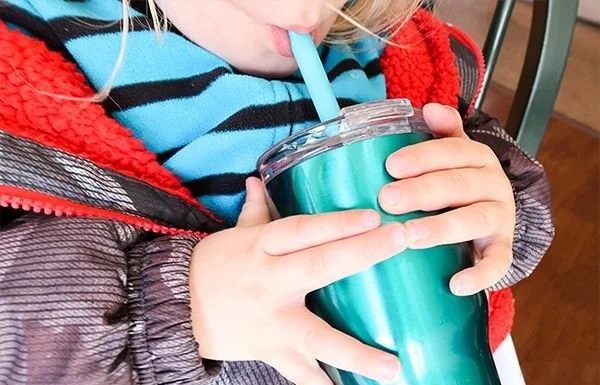
- Serve immediately in a sippy cup or a small open cup, depending on your toddler’s drinking skills.
Tips to safely boost calories and nutrition
- Use full-fat dairy or calorie-dense plant milks; skim versions won’t provide the same energy density.
- Incorporate healthy fats (avocado, nut butter, coconut yogurt) rather than relying on sugars.
- Add soft cooked grains (oats, rice) for complex carbohydrates that keep energy steady.
- If your child needs more protein, include a scoop of toddler-safe protein powder or additional yogurt/cottage cheese, after checking with your pediatrician.
- Offer the smoothie alongside regular meals to avoid replacing nutrient-dense solids entirely.
Flavor and texture variations
- Berry-Banana: swap half the banana for soft berries (thawed if frozen).
- Tropical Boost: use mango and coconut yogurt for a sweeter, higher-calorie option.
- Chocolate Comfort: add a teaspoon of cocoa powder and a touch of date paste for natural sweetness.
- Savory Twist: reduce fruit and add mild herbs (tiny bit of basil) with avocado for toddlers who prefer less sweet flavors.
If you need broader ideas for toddler meals and snacks that complement smoothies, explore the toddler food recipes collection to rotate tastes and textures.
Safety and when to consult a professional
- Always supervise a toddler when drinking to reduce choking risk. Start with thin textures if your child is still developing oral motor skills.
- Avoid honey for children under 12 months.
- If your toddler has known allergies or a family history of food allergies, introduce potential allergens one at a time and consult a pediatrician.
- If poor weight gain persists despite fortified foods and smoothies, contact your pediatrician or a pediatric dietitian to rule out medical causes and create a tailored nutrition plan.
Storage and serving suggestions
- Prepare single servings and refrigerate up to 24 hours; give a quick stir or reblend to refresh texture.
- Freeze portions in ice cube trays for controlled thawing and to use as cooling add-ins.
- Use insulated sippy cups to keep smoothies cool during outings.
Conclusion
This smoothie approach can be a gentle, nutrient-rich way to help a toddler gain weight when used as part of a balanced feeding plan; for a specific inspiration from kids’ publishers, see the original Toddler Weight Gain Smoothie Recipe on Woo! Jr. and read expert guidance on when higher-calorie drinks are appropriate at High-Calorie Smoothies for Kids and When to Use Them.