Toddler Snack: Smart, Safe, and Simple Ideas
Introduction
Toddlers are learning to explore flavors, textures, and self-feeding, so snacks play a big role in their nutrition and development. For a variety of practical options you can rotate through during the week, check out this list of easy toddler snack ideas to keep things interesting and nutritious. This article covers safety, portioning, quick recipes, and make-ahead options to help busy caregivers.
Why snacks matter
Snacks for toddlers are not just “mini-meals”; they help maintain steady energy, support growth, and offer opportunities to practice fine motor skills and independent eating. Well-planned snacks can bridge long gaps between meals without displacing appetite for balanced main meals. Aim for snacks that combine a carbohydrate, a protein or healthy fat, and a fruit or vegetable.
Snack safety and choking prevention
Safety is the top priority. Avoid whole grapes, large chunks of raw apple, popcorn, nuts, or hard candies that pose choking risks. Instead, cut foods into small, manageable pieces, mash when appropriate, and supervise toddlers while they eat. Serve soft finger foods and consider offering a spoonable alternative for younger toddlers who are still mastering chewing.
Quick, balanced snack ideas
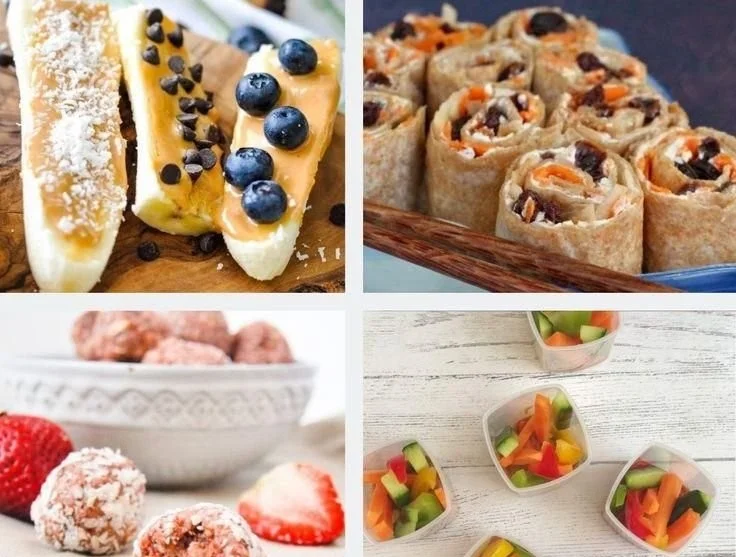
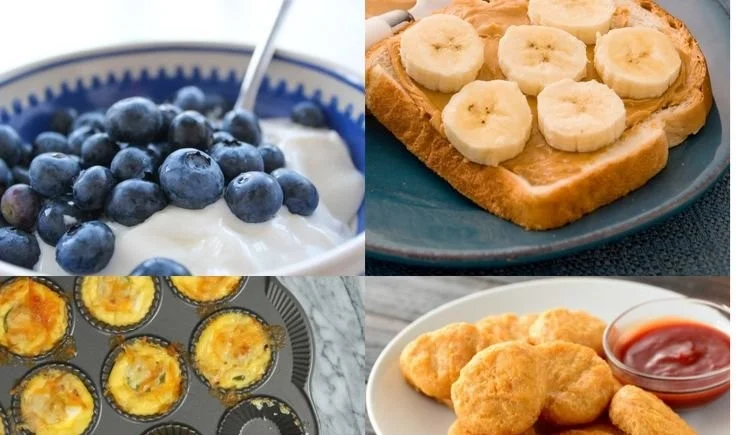
- Soft fruit pieces (ripe banana slices or stewed pear) paired with plain yogurt.
- Whole-grain crackers with hummus or mashed avocado.
- Small cubes of mild cheese with steamed carrot sticks cut into thin batons.
- Mini pancake or waffle squares topped with a thin layer of nut or seed butter.
If you want to focus on fruit-based snacks, there’s useful information about the health benefits of apples for toddlers and how to prepare them safely for little ones.
Make-ahead and portable options
Preparing snacks in advance saves time and reduces last-minute poor choices. Ideas that store well in the fridge or cooler:
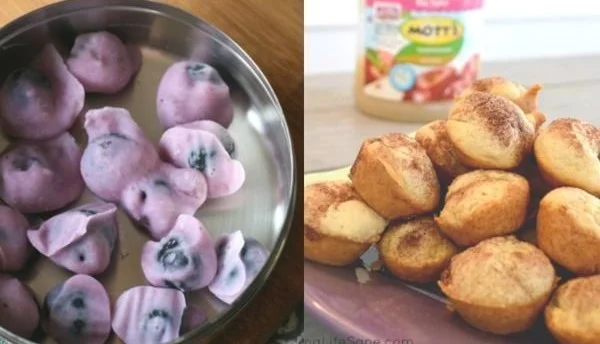
- Homemade banana oat muffins (minimal sugar).
- Yogurt parfaits layered with mashed fruit and finely ground cereal.
- Hard-boiled eggs (peeled and halved) for quick protein.
- Small, insulated containers of cottage cheese or hummus with soft dippers.
Portioning and timing
A toddler snack portion is typically small — think two to four tablespoons of yogurt or one to two tablespoons of peanut butter spread thinly on toast. Offer snacks 2–3 hours before or after meals to avoid spoiling appetite. Watch your child’s cues: if they’re not hungry, don’t pressure them to finish a snack.
Introducing new foods
Offer new items alongside familiar favorites, and present them multiple times without pressure. Use playful presentation (fun shapes, colorful plates) and include toddlers in simple prep tasks like stirring or assembling to build interest and confidence.
Allergies and special diets
If your toddler has food allergies, always check labels and prepare single-ingredient snack options when possible. For families avoiding dairy or nuts, swap in seed butters, soy or oat yogurts, and protein-rich legumes or tofu.
Snack-time routines and independence
Create predictable snack routines to reduce fussing: a consistent place, time, and simple choices (two options max) help toddlers feel secure. Encourage self-feeding with safe utensils and child-sized plates to build autonomy.
Conclusion
For more curated suggestions and safe, age-appropriate choices, explore this round-up of healthy snacks for toddlers that includes recipes and serving tips. If you want a professional guide covering portion sizes and developmental considerations, see this detailed resource on snacks for toddlers and young children.

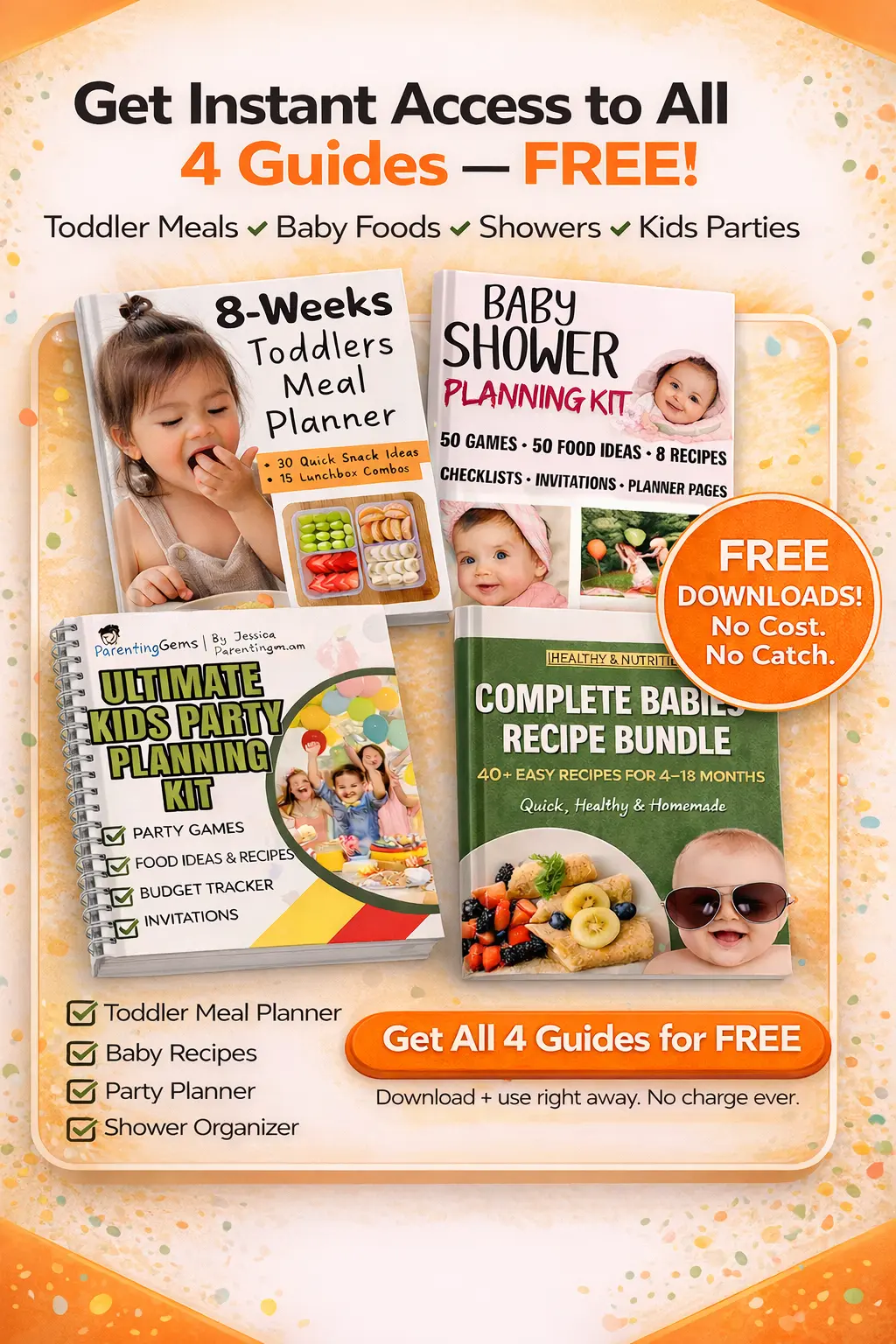
Click to get the full bundle — instant download