
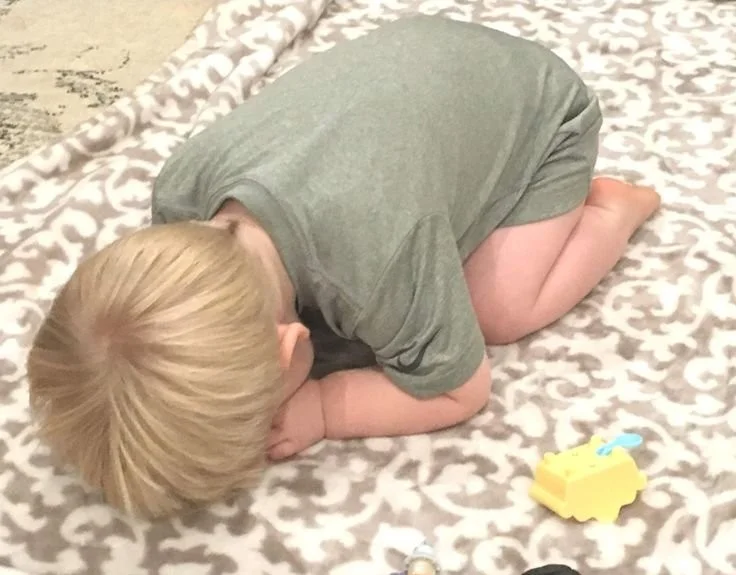
Toddler Discipline: Identifying Behaviors That Need Correction and Building a Behavior Plan
Toddlers are learning how the world works, how to get needs met, and how to test boundaries. That exploration includes behaviors parents want to encourage—and behaviors they want to redirect. Understanding which actions require correction, why they happen, and how to create a clear, compassionate behavior plan helps both child and caregiver move forward with less stress and more consistent results. For example, nutrition, sleep, and routine can influence behavior; for simple nutritional ideas that support a toddler’s mood and self-regulation see benefits of apples for toddlers.
Common toddler behaviors that usually need correction

- Aggression toward others (hitting, biting, kicking): Immediate redirection and protection of everyone involved is necessary. These acts can be addressed with clear limits, calm intervention, and teaching alternative ways to express strong feelings.
- Persistent tantrums that don’t respond to comfort or limits: Tantrums are normal, but if they’re frequent, extremely intense, or triggered by the same unmet need repeatedly, they warrant a plan to reduce triggers and teach coping skills.
- Deliberate property destruction: Tearing books or breaking toys on purpose needs correction to protect belongings and teach respect for others’ things.
- Refusal to follow basic safety rules: Running into streets, climbing where it’s unsafe, or touching dangerous objects require firm, consistent enforcement for the child’s protection.
- Repetitive oppositional behavior to reasonable requests: Saying “no” to every direction and purposely defiant acts should be managed by consistent expectations and age-appropriate consequences.
Distinguishing developmentally normal behavior from problematic patterns
- Frequency and intensity: Occasional hitting when overwhelmed is different from regular, severe aggression.
- Context: Is the behavior happening when the child is tired, hungry, overstimulated, or excited? If so, environmental adjustments may help.
- Response to redirection: Most toddlers respond to consistent, calm redirection; persistent nonresponse suggests a need for a formal plan or professional input.
- Impact on family and peers: Consider whether a behavior disrupts learning, safety, or social relationships.
Understanding triggers and functions of behavior
Every behavior serves a function—toddlers act to get something (attention, objects, stimulation), to avoid something (demands, transitions), to regulate feelings (comfort, reducing overwhelm), or because of sensory-seeking needs. Observe and note:
- Antecedents: What happens right before the behavior?
- Behavior: Exactly what the child does.
- Consequences: What happens immediately after (attention, removal of demand, access to toy)?
This ABC (Antecedent-Behavior-Consequence) observation is the foundation of an effective behavior plan.
Setting clear expectations and positive routines
- Use simple, specific rules (e.g., “Hands are for gentle touches”).
- Establish predictable daily routines for sleep, meals, play, and transitions—predictability reduces testing and meltdowns.
- Offer visual supports when helpful: picture schedules or single-step cues for transitions.
- Teach and rehearse replacement behaviors (e.g., “Use words when you’re mad,” or “Hold hands when crossing”).
Practical discipline strategies that work with toddlers
- Prevent first: Adjust the environment to reduce triggers (finger foods within reach, childproofing, limiting overstimulating settings).
- Use brief, immediate feedback: Praise and attention for desired behaviors; brief, calm consequence for unsafe or destructive actions.
- Offer choices within limits: “You can wear the red shirt or the blue shirt” keeps control but within acceptable options.
- Time-ins over time-outs: For many toddlers, staying close while calmly naming feelings and guiding choices (a “time-in”) is more effective than isolating them.
- Natural and logical consequences: If a child throws a toy and it breaks, a natural consequence is losing access to that toy for a period.
How to create a behavior plan (step-by-step)
- Define the target behavior in clear, measurable terms (e.g., “No hitting peers; hands stay to self”).
- Collect baseline data with simple notes for several days—how often, when, and what happens.
- Identify triggers and the function using ABC observations.
- Choose replacement behaviors and teach them explicitly (modeling, role-play, prompting).
- Select consistent responses for occurrences (calm redirection, brief consequence) and rewards for success (praise, sticker chart).
- Set short-term goals and a review timeline (e.g., two weeks to see frequency cut by half).
- Communicate the plan to all caregivers and practice consistency.
- Track progress and adjust the plan based on what the data show.
Monitoring progress and adjusting the plan
- Keep simple records—tally marks or a daily log—to track occurrences.
- Celebrate small wins and be patient; behavior change in toddlers is gradual.
- If one strategy doesn’t reduce the behavior, revisit triggers and consequences, and try a different replacement skill or reward system.
When to seek professional support
Most challenging toddler behaviors respond to consistent, well-implemented plans. However, consider professional consultation if:
- Aggression or self-injury is severe or escalating.
- The child shows little improvement after consistent efforts.
- There are concerns about development, language delays, or sensory issues.
If progress stalls, consider consulting a child behavioral therapist to assess needs and design targeted interventions.
Practical tips for caregivers
- Stay calm: Children learn from how adults respond.
- Be consistent across caregivers and settings.
- Prioritize sleep, nutrition, and transitions—many behaviors improve when basic needs are met.
- Use simple language and repeat expectations frequently.
- Model the behavior you want to see (gentle touch, using words for feelings).
Conclusion
A well-structured behavior plan combines clear expectations, understanding of triggers, consistent responses, and teaching of replacement skills. For a clinical overview of principles used in shaping behavior, review the Behavior Modification – StatPearls – NCBI Bookshelf – NIH. For guidance on school-related disciplinary frameworks and resources that can support transitions into early learning settings, see the School Discipline Information and Resources.

Click to get the full bundle — instant download