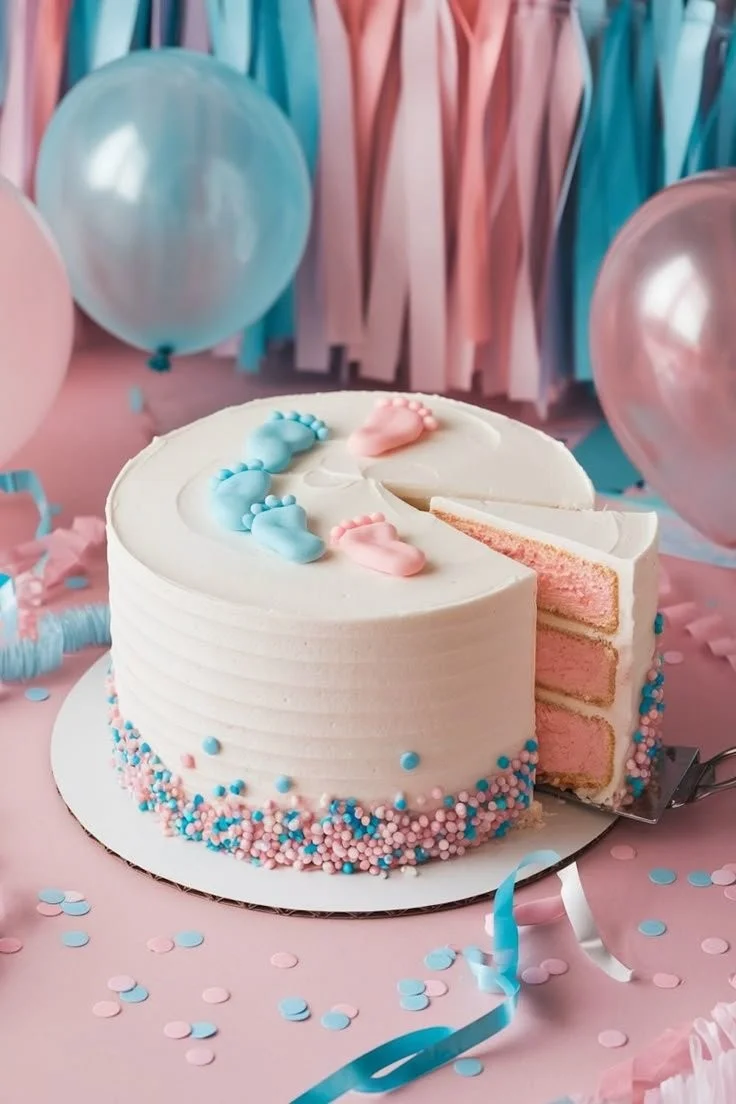
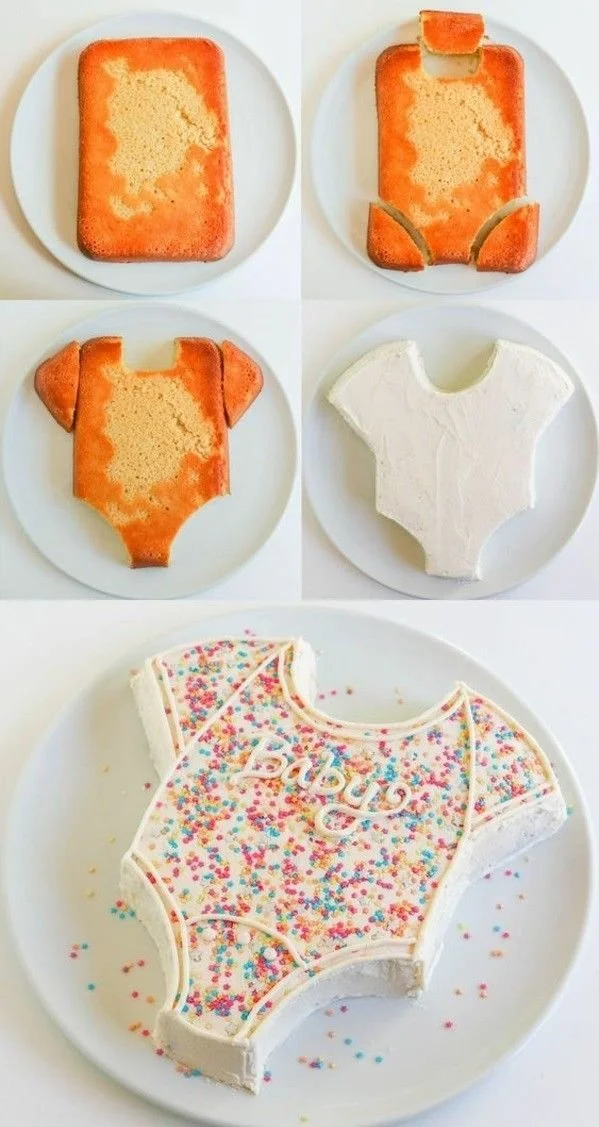
Baking a Sturdy Baby-Themed Cake: The Ultimate Guide for a Guaranteed Stable Result
A baby-themed cake is a centerpiece for showers, gender reveals, and first birthdays. Making one that looks professional and stays upright through assembly, transport, and serving takes more than a pretty frosting job — it requires planning, structure, and technique. If you’re expecting toddlers at the celebration and want both a showstopping cake and activities to keep little ones happy, consider this helpful resource on the best kids games for under 4 on Steam: best kids games for under 4 on Steam.
This guide covers everything from choosing batter and pans to internal supports, buttercream consistency, chilling strategies, and transport tips so your baby-themed cake stays stable from crumb coat to cutting.
Plan and design before you bake
- Choose the number of tiers and final dimensions. More tiers need more support.
- Decide the cake flavors and their densities: denser cakes (butter, pound, or mud cakes) hold up better under weight than very airy chiffon or sponge cakes.
- Sketch the decoration layout and note where heavy elements (fondant figurines, toys) will sit so you can plan reinforcement.
Ingredients and tools for stability
- Use an all-butter or butter-heavy recipe for structure. Avoid recipes that promise extreme lightness.
- Tools you’ll need:
- Rigid cake boards sized to each tier
- Food-safe dowels or plastic cake pillars
- Serrated knife and cake leveler
- Offset spatula, bench scraper
- Stand mixer for reliable, well-aerated creaming
- Piping bags and tips
Bake layers properly
- Use the right pan sizes and bake multiple thinner layers rather than one tall layer — thin layers are easier to level and stack.
- Cool completely before leveling; warm cakes compress and become unstable.
- Trim domes and create flat, even layers for better contact between tiers.
- For consistent baking across layers, rotate pans halfway through and consider an oven thermometer.
Filling and crumb control
- Use stable fillings (buttercream, ganache, or stabilized whipped creams). Fruit fillings are fine if not overly runny — thicken them with a bit of cornstarch or use a jam layer barrier.
- Apply a thin layer of filling between layers and press gently to remove air pockets without squishing the cakes.
- Chill stacked layers briefly before a crumb coat to lock layers together.
The critical role of internal supports
- For any multi-tier cake, place each tier on its own cake board sized to the tier.
- Insert a set of food-safe dowels into each lower tier (cut flush with the surface) to bear the weight of the tiers above. A general rule: use one dowel per 2–3 inches of cake diameter.
- For very tall or heavy tiers, add a central dowel that runs through all tiers to prevent slipping.
- Use plastic pillars if available for greater rigidity, especially for transport.
Buttercream and fondant tips for stability
- Aim for a buttercream with a firm but smooth consistency; too soft and it will yield under weight, too stiff and it will crack.
- Use a buttercream that has been whipped properly and chilled slightly before finishing.
- If covering with fondant, apply a thin sealing layer of buttercream and refrigerate to firm it up before the fondant goes on. Fondant alone won’t add structural support — still rely on dowels and boards.
- For wet or humid environments, consider a layer of chocolate ganache under the fondant to create a moisture barrier.
Assembly, chilling, and finishing
- Stack tiers in a cool environment. After stacking and inserting central supports, refrigerate the whole cake for at least 30–60 minutes to firm up the buttercream.
- Apply a final smoothing pass with a bench scraper and rotate the cake on a turntable for uniformity.
- Add decorations only after the final chill — heavy decorations should be anchored with dowels or skewers.
Transport and last-mile tips
- Transport on a non-slip mat in a flat, air-conditioned vehicle area.
- If the cake is more than a couple of tiers, assemble some upper tiers at the venue to minimize transport risk.
- Bring a small repair kit: extra frosting, a spatula, piping bag, and spare dowels.
Troubleshooting common problems
- Cake leaning: Check that dowels are cut flush and the base is level; add a central dowel.
- Oozing filling: Chill the cake longer and stabilize fruit fillings next time.
- Cracked fondant: Increase humidity in the workspace slightly or apply a thinner underlayer of buttercream.
Decorating ideas for baby themes
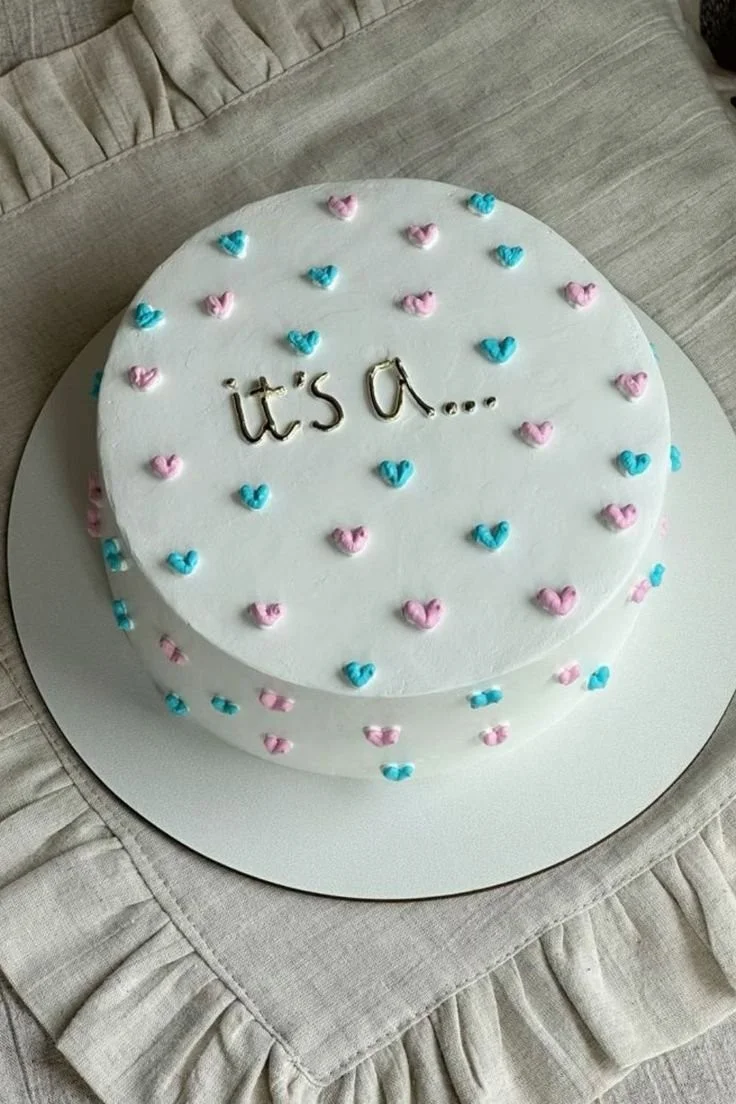
- Pastel ombré buttercream with piped borders and sugar pearls.
- Fondant baby blocks, tiny shoes, or a fondant rattle anchored on dowels.
- Edible prints with nursery motifs applied to fondant panels.
- Fresh fruit or flower accents for a softer, elegant look (ensure they are food-safe and pesticide-free).
Safety and hygiene
- Use food-safe materials for all internal supports.
- If using non-edible toys or decorations, wrap them in plastic before placing them on the cake.
- Label any decorations that are not edible to avoid accidental consumption.
If you’re planning a party around the cake and want ideas for age-appropriate activities, these tips for organizing birthday parties for kindergarteners can be helpful to pair with your celebration: birthday parties for kindergarteners.
Conclusion
For a flawless, stable baby-themed cake, focus on building structure first: choose dense cake recipes, bake even layers, use cake boards and dowels, and work with a firm buttercream. When in doubt about perfecting your frosting technique, consult this in-depth resource on Buttercreme – Der ultimative Guide für perfekte Tortencreme to fine-tune consistency and application. For best results when planning multi-layer proportions and stacking methods, the guidelines in Der ultimative Leitfaden für Tortenschichten: So backen Sie perfekt … are a practical complement to this guide. With the right recipe, supports, and patience, your baby cake will be both beautiful and reliably stable.

Click to get the full bundle — instant download