How to Build a Toddler Morning Basket: Simple Steps and Easy Ideas
A morning basket is a small, intentional collection of activities that gives toddlers a calm, predictable start to the day. It helps children learn routines, practice independence, and enjoy short, focused moments of discovery before the household gets busy. If you’re managing a toddler who’s learning to share and cooperate, strategies for how to deal with a self-centered toddler can help set the tone before introducing a morning basket.
Why a morning basket works for toddlers
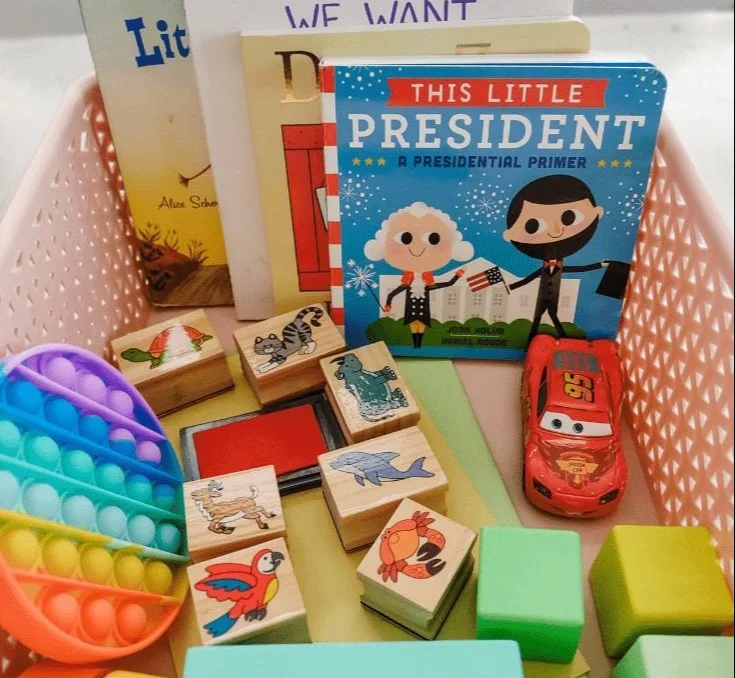
- Predictability: Toddlers thrive on routine. A consistent basket signals “morning time” and reduces transitions that feel abrupt.
- Short, varied activities: Young children have brief attention spans; a basket of small options lets them switch when they’re ready.
- Independence: Items the child can access and operate on their own build confidence.
- Connection: Shared basket time can be a calm way for caregivers to engage before the day’s demands start.
What to include (and why)
- Board books and textured books: Simple stories and tactile pages encourage language and sensory play.
- Lacing cards or large beads: Fine-motor practice disguised as a game.
- Puzzles (2–6 pieces): Boosts problem-solving without frustration.
- Play dough and tools: Sensory exploration and hand strength development.
- Stacking cups or nesting toys: Open-ended and low-mess cooperative play.
- A quiet stuffed animal or puppet: Promotes storytelling and social language.
- A small music shaker or soft instrument: Rhythmic play and motor skills.
- A simple visual first/then card or mini routine chart: Helps toddlers anticipate what comes next.
Tips for assembling the basket
- Choose a durable, shallow basket: Easy to reach and impossible to topple completely.
- Rotate items weekly: Keep novelty without overwhelming storage needs.
- Limit quantity: Aim for 4–6 items so choices are meaningful and attention isn’t scattered.
- Make items accessible: Place the basket at your child’s level so they can choose independently.
- Include a caregiver “pause” item: A short-song playlist or a book you read together that signals a cuddle or check-in.
Integrating the basket into your routine
- Morning cue: Use the basket after diapering, after a brief breakfast, or as the first independent activity.
- Gentle expectations: Model use once or twice, then allow independent play while you prepare nearby.
- Combine with simple chores: Toddlers can carry the basket to a dedicated spot, practicing responsibility.
- Transition signals: Use a consistent phrase (e.g., “Basket time!”) and a short timer to help move from free play to the next activity.
Low-prep, time-saving basket ideas
- Theme weeks: Try “color week” with colored scarves and a matching board book, or “animals week” with small figures and animal sounds.
- Reuse household items: Measuring cups, wooden spoons, and scarves can be engaging and free.
- One-screen option: If you use a brief video, pair it with a tactile activity and limit length—there are curated picks that emphasize calm engagement and minimal stimulation for toddlers like low stimulation shows for toddlers.
Safety and cleanup
- Regularly check items for small parts, loose stitching, or broken pieces.
- Use washable or wipeable materials for easy cleanup.
- Teach a simple cleanup song or routine so putting items back becomes part of the ritual.
When things don’t go as planned
- If the child resists, reduce the choices and reintroduce favorites.
- If attention is very short, make the basket even smaller—one high-interest item plus one calming object.
- Keep expectations flexible; the goal is connection and calm, not perfection.
Quick starter list you can assemble today
- Sturdy picture book
- 3-piece wooden puzzle
- Small soft ball or beanbag
- Play dough with a rolling pin
- A muffin tin and colorful pom-poms for sorting
Conclusion
Morning baskets grow with your child; start simply, observe what captures attention, and rotate intentionally to keep mornings peaceful and engaging. For a detailed walkthrough and real-life examples, see Because I Said So Baby’s toddler morning basket guide, and if you’d like to pair the basket with a visual plan for the day, check out this practical guide to creating a morning menu.

Click to get the full bundle — instant download