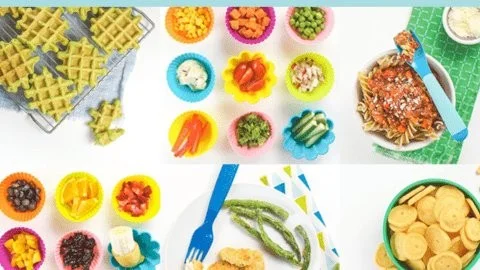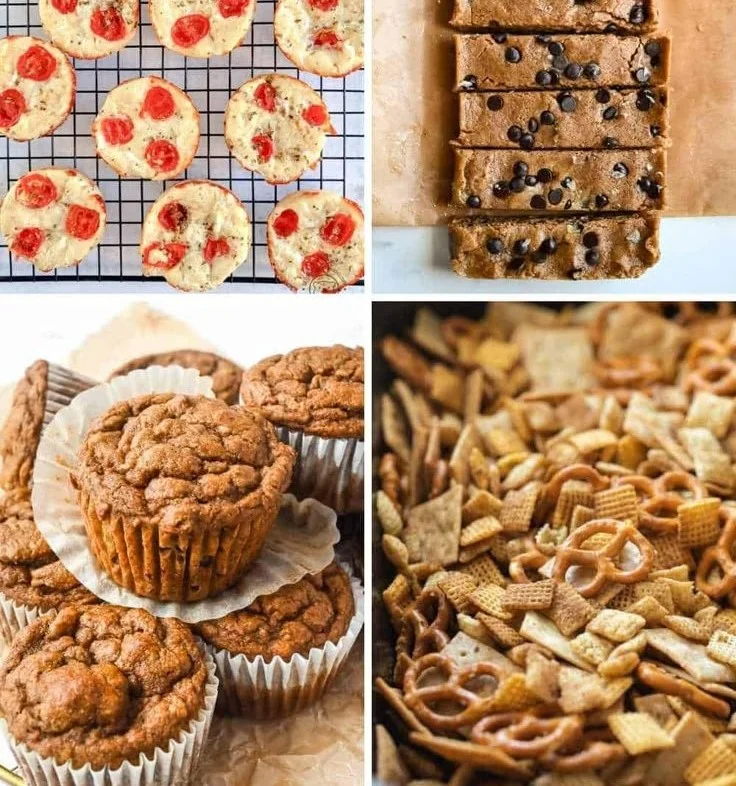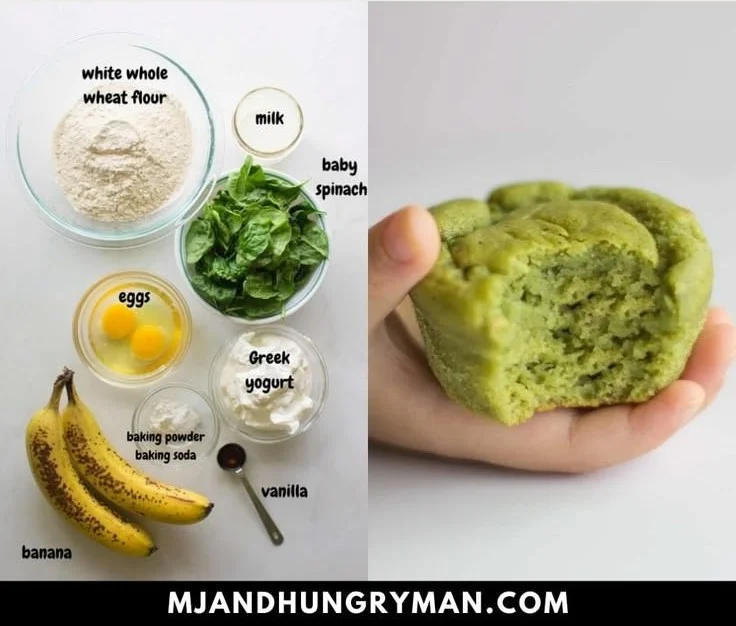

Navigating the world of toddler feeding can feel like a rollercoaster—exciting yet challenging! As your little one ventures into the 12-18 month stage, they’re developing rapidly: mastering the pincer grasp, getting more teeth, and gradually moving beyond purées to more complex textures and tastes.
This period represents a crucial transition in your toddler’s eating journey. They’re becoming more independent eaters while their nutritional needs remain high to support their incredible growth and development. As a pediatric nutritionist with over 10 years of experience creating nutritionally balanced healthy recipes for toddlers, I’ve compiled this comprehensive guide to make your mealtime adventures both delicious and nutritious.
Whether you’re dealing with a picky eater or a little foodie in the making, these recipes and strategies will help you provide optimal nutrition while fostering healthy eating habits that can last a lifetime.
Table of Contents Healthy Recipes For Toddlers
Understanding Your 12-18 Month Old’s Needs
Nutritional Essentials
At this stage, your toddler needs specific nutrients to thrive:
- Iron: Critical for brain development and preventing anemia. Focus on lean meats, beans, fortified cereals, and dark leafy greens.
- Calcium: Essential for developing strong bones and teeth. Incorporate dairy, fortified plant milks, and calcium-rich vegetables.
- Vitamin D: Works with calcium for bone development. Found in fortified milk, egg yolks, and fatty fish.
- Healthy Fats: Crucial for brain development. Include avocados, nut butters (if tolerated), and olive oil.
- Fiber: Supports digestive health. Offer whole grains, fruits, and vegetables.
Texture Progression
At 12-18 months, most toddlers are ready to move beyond smooth purées. Gradually introduce:
- Soft, small chunks of food
- Minced and finely chopped options
- Soft finger foods
- Modified versions of family meals
This progression helps develop chewing skills and oral motor development while expanding your child’s palate.
Portion Sizes
Toddler appetites are notoriously variable—ravenous one day, bird-like the next. A general guideline:
- Protein: 2-3 tablespoons per meal
- Fruits/Vegetables: 2-3 tablespoons per meal
- Grains/Starches: ¼-½ cup per meal
- Dairy: ½ cup milk or equivalent per meal
Trust your child’s hunger and fullness cues rather than enforcing clean plates.
Feeding Safety
Safety is paramount when feeding toddlers in this age range:
- Always supervise mealtime
- Avoid high-risk choking foods: whole grapes, hot dogs, hard raw vegetables, popcorn, nuts, hard candy
- Prepare safely: quarter grapes, cook vegetables until soft, cut meat into tiny pieces
- Keep child seated during meals and snacks
- Learn infant CPR as a precautionary measure
The Recipe Collection
Breakfast Ideas
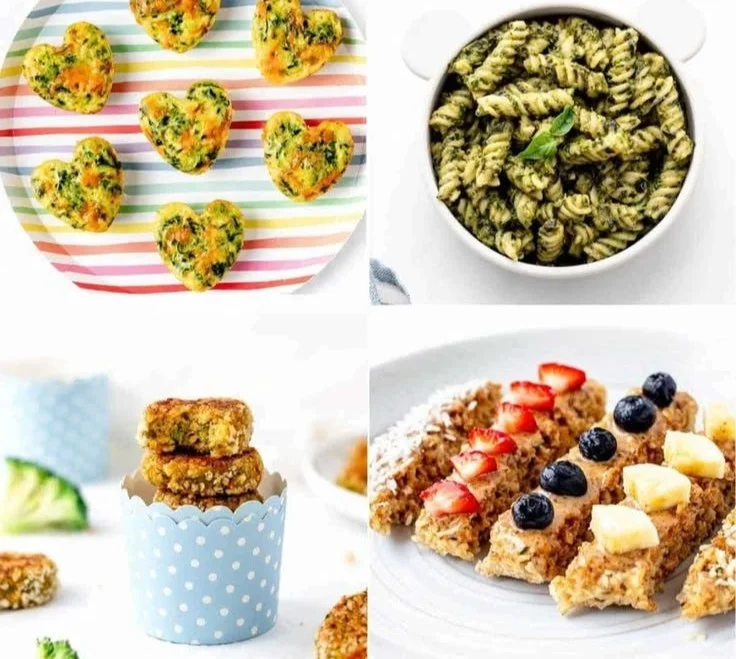
Veggie Egg Muffins
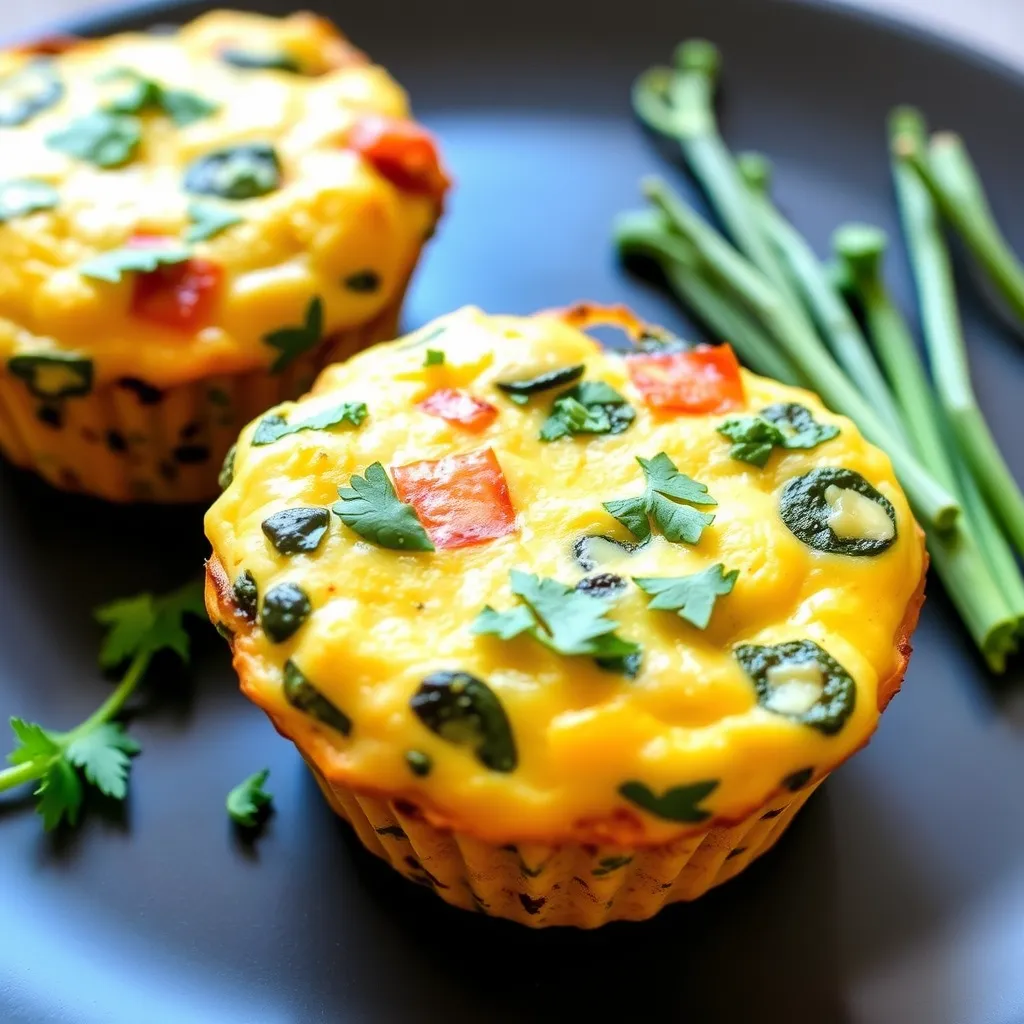
- Prep time: 10 minutes
- Cook time: 18 minutes
- Yield: 12 mini muffins
Ingredients:
- 4 eggs
- ¼ cup milk (dairy or plant-based)
- ¼ cup finely chopped spinach
- ¼ cup finely diced bell peppers
- 2 tablespoons grated cheese
- Pinch of black pepper
Instructions:
- Preheat oven to 350°F. Grease a mini muffin tin.
- Whisk eggs and milk together in a bowl.
- Stir in vegetables and cheese.
- Pour mixture into muffin tin, filling each cup ¾ full.
- Bake for 15-18 minutes until set.
- Cool slightly before serving.
Nutrition per muffin: 35 calories, 2g protein, 2g fat, 1g carbohydrate
Tip: These freeze beautifully! Make a big batch and defrost as needed. Allergens: Contains eggs, dairy (can substitute plant-based alternatives)
Cinnamon Apple Oatmeal Fingers
- Prep time: 5 minutes
- Cook time: 25 minutes
- Yield: 16 fingers
Ingredients:
- 1 cup rolled oats
- 1 ripe mashed banana
- 1 grated apple
- ½ teaspoon cinnamon
- ½ cup milk of choice
- 1 tablespoon ground flaxseed
Instructions:
- Mix all ingredients in a bowl.
- Spread evenly in a parchment-lined 8×8 baking dish.
- Bake at 375°F for 25 minutes.
- Cool and cut into finger-sized pieces.
Nutrition per finger: 45 calories, 1g protein, 1g fat, 8g carbohydrate
Tip: Store in the refrigerator for up to 3 days or freeze for future use. Allergens: Contains oats (ensure gluten-free if needed)
Lunch & Dinner Options
Mini Turkey Meatballs
- Prep time: 10 minutes
- Cook time: 15 minutes
- Yield: 24 mini meatballs
Ingredients:
- ½ pound ground turkey
- ¼ cup grated zucchini, excess moisture squeezed out
- 2 tablespoons finely grated carrot
- 2 tablespoons breadcrumbs
- 1 egg, beaten
- 1 teaspoon mild Italian herbs
Instructions:
- Preheat oven to 400°F.
- Mix all ingredients gently but thoroughly.
- Form into small, toddler-sized meatballs.
- Bake on parchment paper for 15 minutes until fully cooked.
Nutrition per 3 meatballs: 75 calories, 9g protein, 4g fat, 2g carbohydrate
Tip: Serve with a simple tomato sauce for dipping or alongside pasta. Allergens: Contains egg, wheat (can use gluten-free breadcrumbs)
🍼 Must-Have Tools for First Foods
These are popular, parent-approved items that make this easier and less stressful.
Makes smooth purees fast and saves cleanup time.
👉 Check Price on AmazonPerfect for storing meals safely in the fridge or freezer.
👉 See on AmazonGentle on gums and easy for first feeds.
👉 View on Amazon


Sweet Potato Mac and Cheese
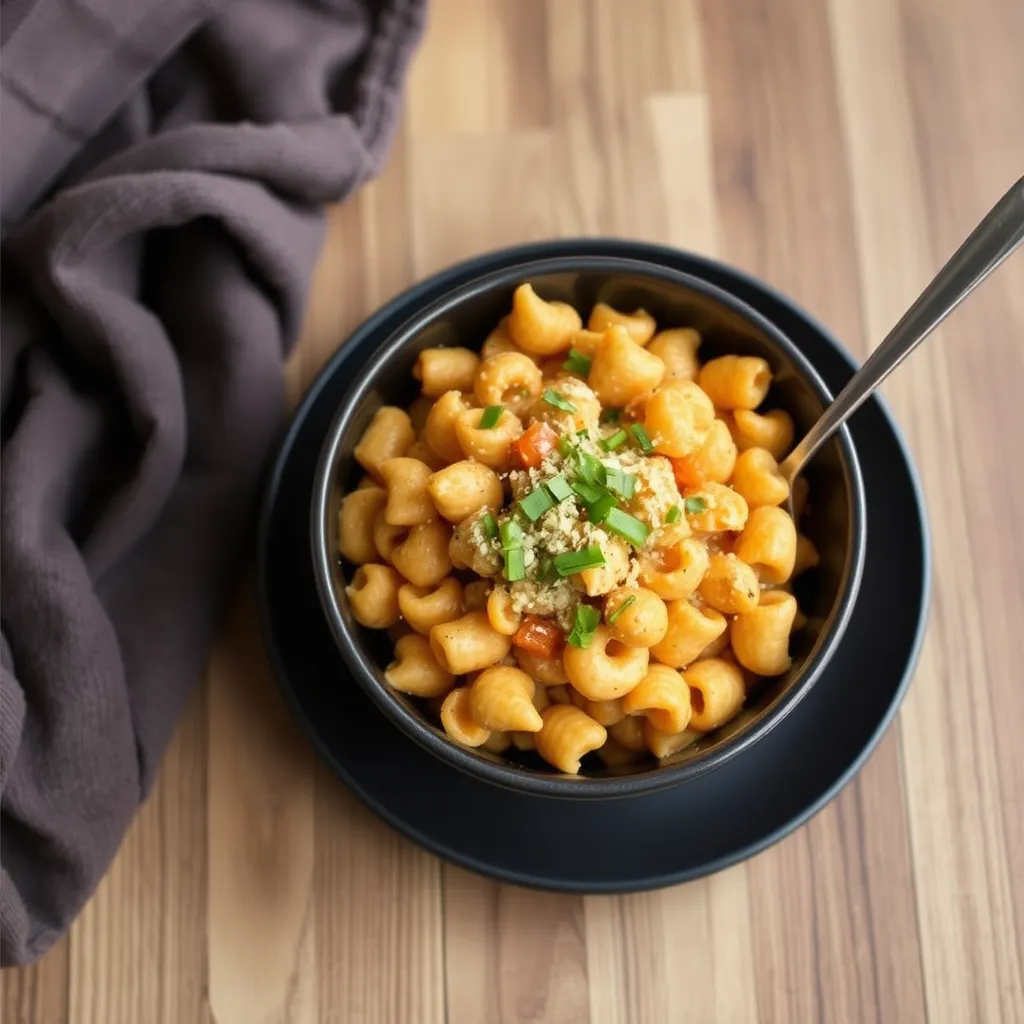
- Prep time: 15 minutes
- Cook time: 25 minutes
- Yield: 6 toddler servings
Ingredients:
- 1 cup whole grain pasta shapes
- 1 small sweet potato, peeled and diced
- ½ cup milk
- ¼ cup grated cheddar cheese
- 2 tablespoons cream cheese
- Pinch of garlic powder
Instructions:
- Cook pasta according to package directions.
- Steam sweet potato until very tender.
- Blend sweet potato with milk until smooth.
- In a pan, combine sweet potato mixture with cheeses and garlic powder.
- Heat gently until cheese melts.
- Fold in cooked pasta.
Nutrition per serving: 120 calories, 4g protein, 3g fat, 18g carbohydrate
Tip: For extra protein, add shredded chicken or white beans. Allergens: Contains dairy, wheat (can use gluten-free pasta)
Finger Foods & Snacks
Banana Avocado Bites
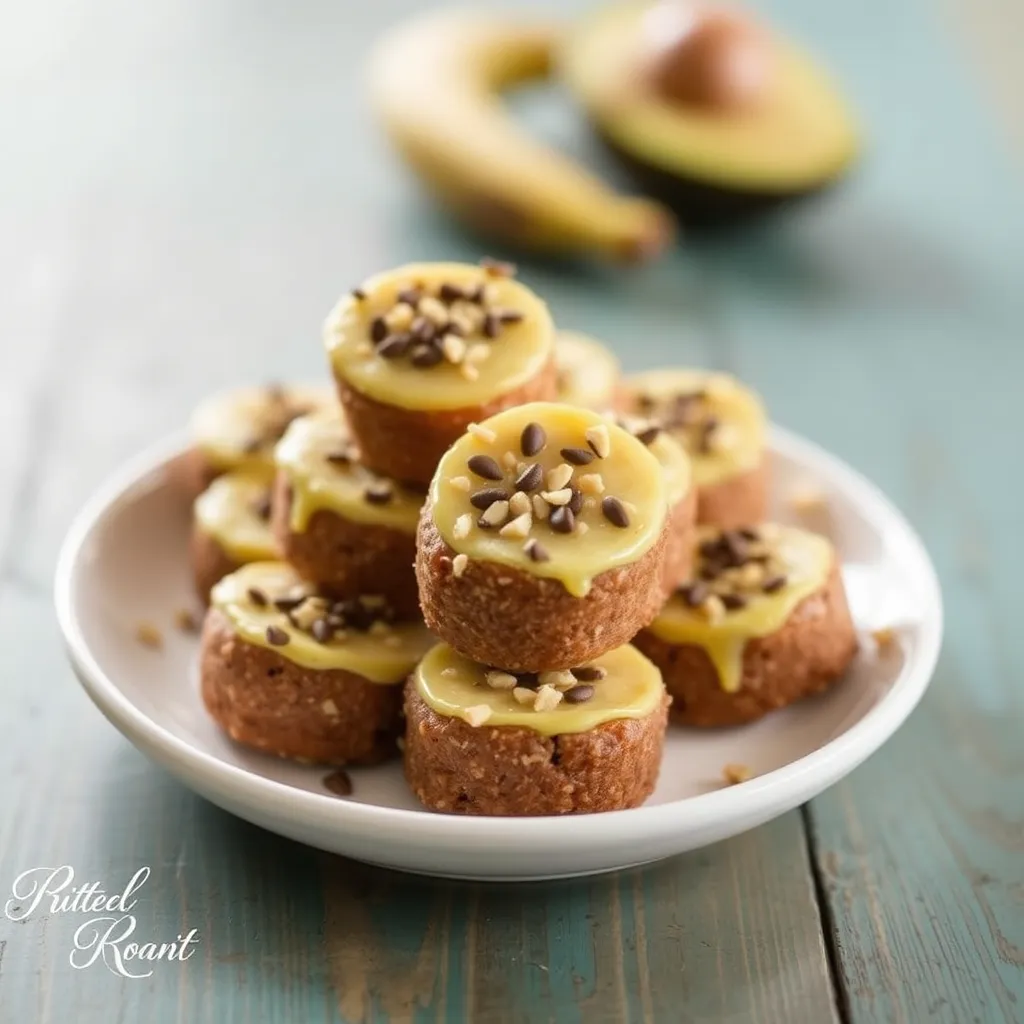
- Prep time: 10 minutes
- Yield: 15 bites
Ingredients:
- 1 ripe banana
- ½ ripe avocado
- ½ cup rolled oats
- 2 tablespoons chia seeds
Instructions:
- Mash banana and avocado together until smooth.
- Stir in oats and chia seeds.
- Form into small bites using a tablespoon measure.
- Refrigerate for 30 minutes before serving.
Nutrition per 3 bites: 95 calories, 2g protein, 5g fat, 12g carbohydrate
Tip: Roll in crushed cereal for easier handling. Allergens: Contains oats (ensure gluten-free if needed)
🍼 Must-Have Tools for First Foods
These are popular, parent-approved items that make this easier and less stressful.
✅ The-Go Fork and Spoon Set
Makes smooth purees fast and saves cleanup time. 👉 Check Price on Amazon
✅ Baby Food Maker with Steam Basket
Perfect for storing meals safely in the fridge or freezer. 👉 See on Amazon
✅ Stick and Stay Suction Plate
Gentle on gums and easy for first feeds. 👉 View on Amazon
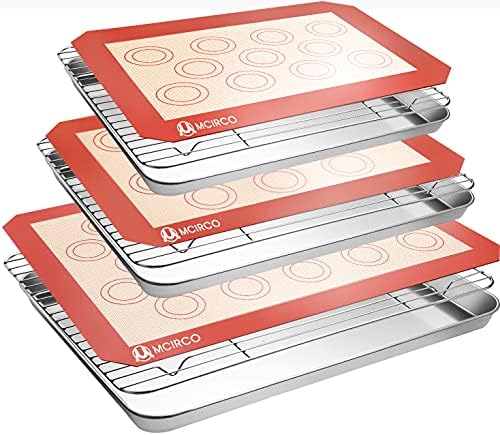
- VERSATILE BAKING KIT: Pack of 9 in 3 different sizes 15.9 x 12 x 1 inch, 12.4 x 9.6 x 1 inch, and 10.4 x 8.1 x 1 inch- T…
- PREMIUM MATERIAL: The baking sheet pans and cooling racks are made of premium pure stainless steel, rust and warp resist…
- SUPERIOR CRAFT: Our stainless steel cookie sheets are highly mirror polished to reduce the risk of food sticking and to …
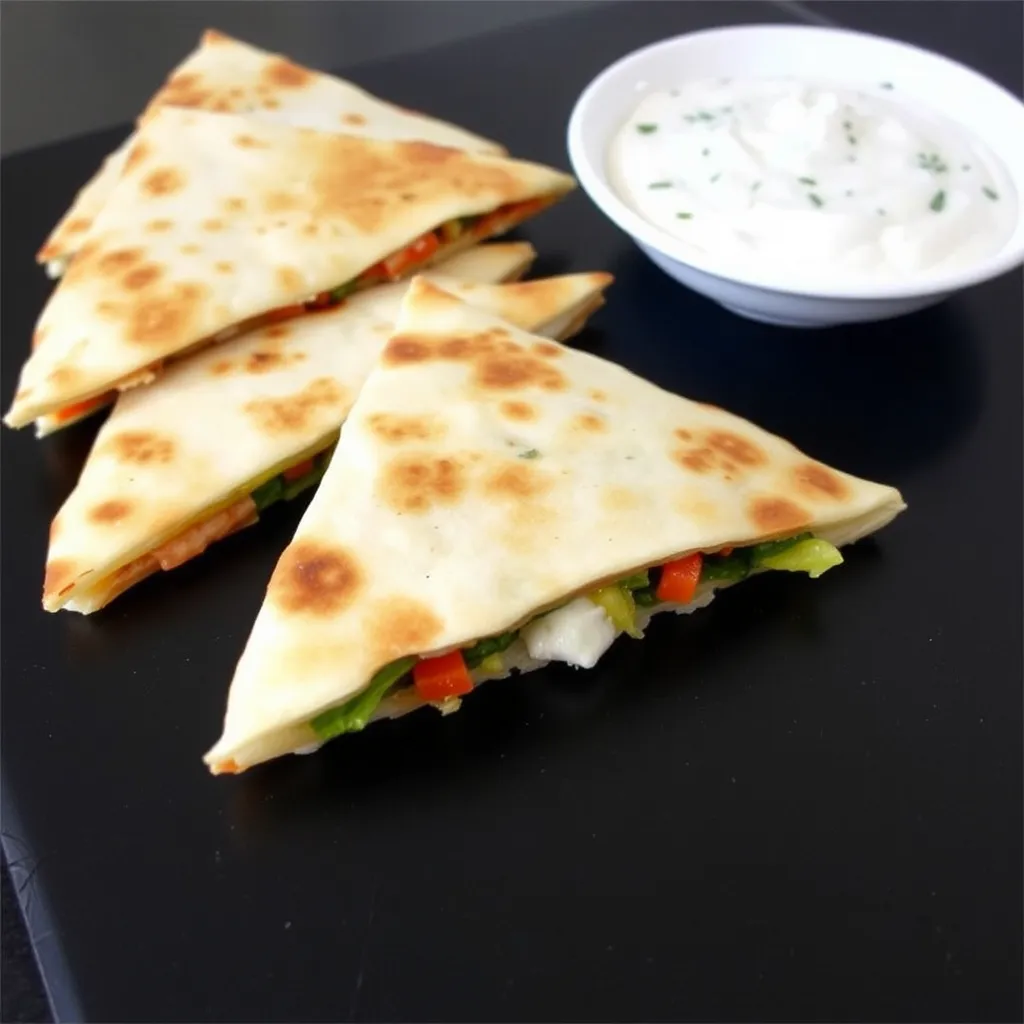
Cheesy Veggie Quesadilla Triangles
- Prep time: 5 minutes
- Cook time: 5 minutes
- Yield: 8 triangles
Ingredients:
- 2 small whole grain tortillas
- ¼ cup grated cheese
- 2 tablespoons finely chopped cooked spinach
- 2 tablespoons mashed sweet potato
Instructions:
- Spread sweet potato on one tortilla.
- Sprinkle with spinach and cheese.
- Top with second tortilla.
- Cook in a dry pan until golden and cheese melts.
- Cut into triangles when cool enough to handle.
Nutrition per 2 triangles: 85 calories, 4g protein, 3g fat, 10g carbohydrate
Tip: Make a batch and reheat in toaster oven for quick snacks. Allergens: Contains wheat, dairy (can use alternatives)
🍼 Must-Have Tools for First Foods
These are popular, parent-approved items that make this easier and less stressful.
✅ The-Go Fork and Spoon Set
Makes smooth purees fast and saves cleanup time. 👉 Check Price on Amazon
✅ Baby Food Maker with Steam Basket
Perfect for storing meals safely in the fridge or freezer. 👉 See on Amazon
✅ Stick and Stay Suction Plate
Gentle on gums and easy for first feeds. 👉 View on Amazon


Beyond Recipes – Practical Tips
Dealing with Picky Eaters
- Maintain a routine: Consistent meal and snack times create security.
- Keep trying: It can take 10-15 exposures before a child accepts a new food.
- Lead by example: Eat the same foods with enthusiasm.
- Avoid pressure: Making mealtimes stressful can worsen pickiness.
- Involve them: Let them “help” prepare food when safe to do so.
Meal Planning Ideas
| Day | Breakfast | Lunch | Dinner | Snacks |
|---|---|---|---|---|
| Mon | Veggie Egg Muffins | Sweet Potato Mac & Cheese | Mini Turkey Meatballs with pasta | Banana Avocado Bites |
| Tue | Cinnamon Apple Oatmeal Fingers | Tuna salad with crackers | Bean and veggie soup | Cheese cubes with fruit |
| Wed | Yogurt with crushed berries | Quesadilla triangles | Baked fish fingers with veg | Hummus with soft veggies |
Introducing New Foods
- Pair new foods with familiar favorites
- Start with small portions to avoid overwhelming
- Try different preparations of the same food
- Use cookie cutters for fun shapes
- Keep a positive attitude even if rejected
Making Mealtimes Positive
- Eat together as a family when possible
- Remove distractions like screens
- Use appropriately sized utensils and plates
- Praise trying new foods, not just eating them
- Accept that mess is part of learning

Frequently Asked Questions
How much should a 15-month-old eat? Most 15-month-olds need about 1,000-1,400 calories daily, but appetite varies greatly. Focus on offering nutritious options at regular intervals and let your child decide how much to eat.
What finger foods are safe for a 1-year-old? Safe finger foods include soft fruits, well-cooked pasta, small pieces of tender meat, soft cheese cubes, cooked vegetables, toast strips, and scrambled eggs. Always ensure pieces are soft and small enough to prevent choking.
Can my 12-month-old eat family meals? Yes! By 12 months, toddlers can generally eat modified versions of family meals. Ensure food is cut into appropriate sizes, not too salty, and the texture is manageable.
How do I get my toddler to eat vegetables? Try multiple preparations (roasted, steamed, raw if safe), incorporate vegetables into favorite foods like pasta sauce or smoothies, make them visually appealing, and always model enjoying vegetables yourself.
Remember, feeding your toddler is a journey filled with both challenges and joys. Focus on offering a variety of nutritious options and creating positive associations with food. Every small step toward healthy eating habits is a victory worth celebrating!