100+ Hands-On Ways to Teach Sight Words: Games, Activities, and Tips
Teaching sight words can be a joyful, playful journey instead of a rote chore. This guide collects practical, hands-on ideas and strategies you can use with preschoolers and early readers to build automatic word recognition. For inspiration about turning gatherings and group time into playful learning moments, see this roundup of baby shower activities that aren’t games, which includes creative ways to structure short, interactive segments—an approach that adapts well to classroom centers.
Whether you’re a teacher, parent, or tutor, the focus here is on tactile, movement-based, and game-like approaches that make sight words memorable and fun.
Why hands-on sight word practice works
- Multi-sensory engagement (touch, sight, sound, movement) strengthens memory.
- Play reduces pressure and increases repetition without boredom.
- Physical involvement helps kinesthetic learners lock in recognition.
- Games create natural opportunities for reading in context and following directions.
Quick-start games you can do today
- Word Treasure Hunt: Hide word cards around the room and give clues. Kids read a word when they find it.
- Bingo with a Twist: Use sight words on Bingo cards; when a word is called, the child must read it and use it in a sentence before marking it.
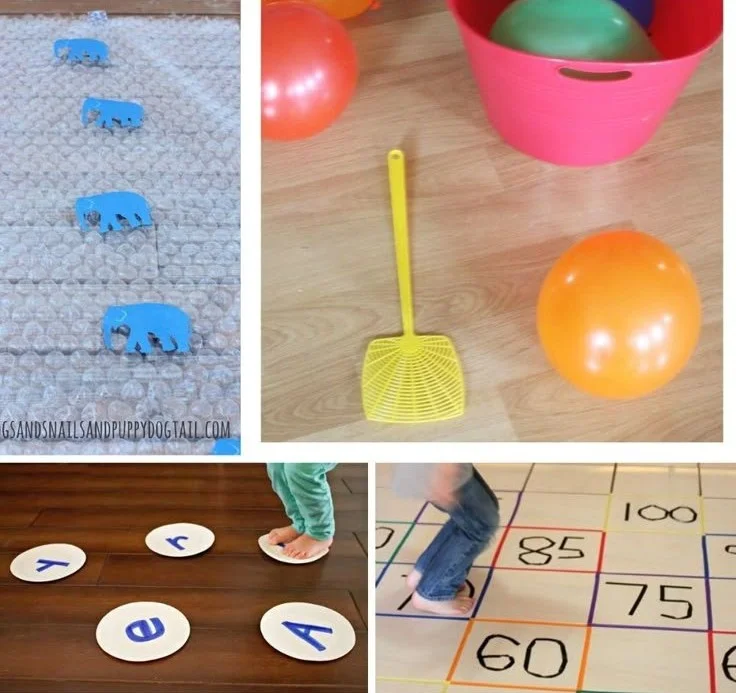
- Hopscotch Words: Write words in chalk squares. Kids hop and read each word aloud as they land on it.
- Flashlight Find: Turn off lights and shine a flashlight on a word card on the wall; the child reads the word the light lands on.
- Speed Race: Line up cards and time how quickly a child reads through a list correctly, then try to beat their best time.
Tactile and sensory activities
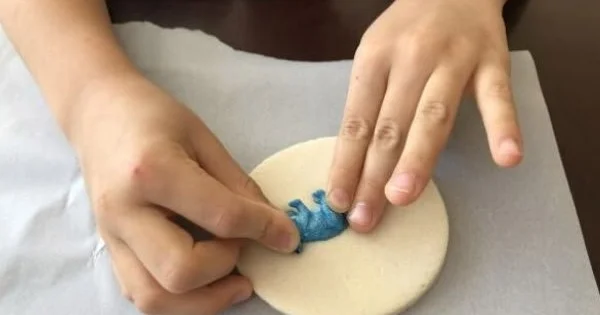
- Playdough Words: Roll letters into playdough to form sight words or press letter stamps into dough.
- Sand Tray Writing: Have children trace sight words in sand, salt, or shaving cream.
- Letter Bead Strings: Form words on pipe cleaners or string letter beads to build and read.
- Sensory Bins: Bury word cards in beans or rice and let kids dig them up, read them aloud, and sort them.
Low-prep and on-the-go ideas
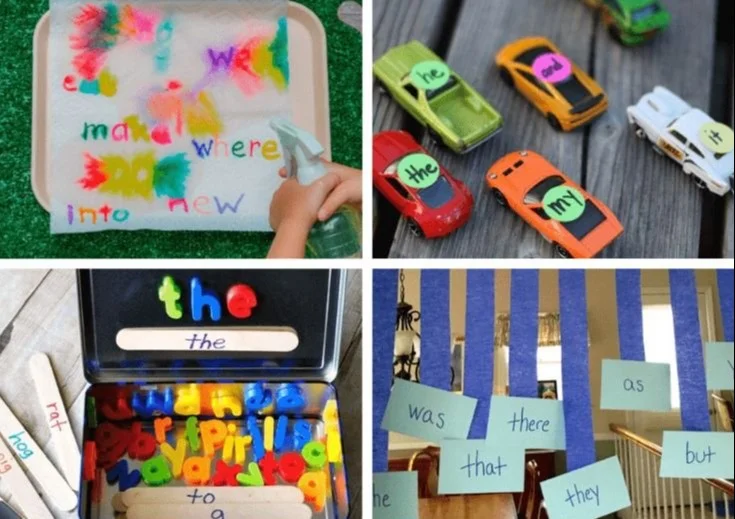
- Car Trip Sight Words: Tape cards to the back of seats for quick practice between destinations.
- Sticky Note Switch: Post words around the house; swap a few out daily and have kids find the changed word.
- Grocery Store Hunt: Ask children to spot sight words on cereal boxes or signs and read them aloud.
- Two-Minute Reviews: Short, frequent practice beats long sessions—do micro-games during transitions.
DIY materials that stretch your resources
- Recycled Card Deck: Cut old cards or cereal boxes into uniform squares to make durable word cards.
- Velcro Word Boards: Use Velcro strips to create interchangeable words for quick manipulation.
- Puzzle Words: Split sight words across two puzzle pieces; children match halves to read the whole word.
- Laminated Rings: Place word cards on a ring for portable review—perfect for small-group rotations.
Group games and partner work
- Word Relay: Teams race to read and correctly place sight word cards on a board.
- Partner Quiz: One child reads a word, the partner uses it in a sentence or points to a picture that matches.
- Musical Words: Play music as kids pass a word card; when the music stops someone reads the card aloud.
- Charades for Words: Act out a meaning or use gestures for sight words that have clear actions or contexts.
Using movement and gross motor skills
- Simon Says Words: Combine “Simon Says” commands with sight words, e.g., “Simon says read ‘and’ and jump.”
- Yoga Word Poses: Assign a word to each pose—read the word before holding the pose.
- Ball Toss Read: Toss a soft ball; the catcher reads a sight word on a card before throwing back.
Technology-friendly adaptations
- Interactive slides: Create drag-and-drop slides where students match words to pictures.
- Voice-recorded practice: Kids record themselves reading words and play back for self-assessment.
- Simple apps: Use keyboard-free apps that emphasize sight word recognition with audio support.
Tracking progress and assessment
- Sight Word Checklist: Maintain a simple list of words and mark mastery with short, frequent checks.
- Goal Cards: Set mini-goals (e.g., learn 5 new words this week) and celebrate small wins.
- Error Analysis: Note which words are frequently confused and design targeted games to address them.
Differentiation and extension ideas
- For beginners: Focus on the most frequent 10–20 words with tactile supports.
- For advanced readers: Combine sight words into phrases and short sentences for fluency practice.
- For multilingual learners: Pair sight words with translations or pictures to strengthen meaning.
Classroom management tips
- Rotate centers with clear time limits so variety is always available.
- Use a visual timer for independent practice to keep students on task.
- Keep sets of duplicate cards to reduce wait time and maintain momentum in group games.
Materials list (starter)
- Index cards or recycled card stock
- Laminator or clear packing tape
- Playdough, sand tray, or sensory bin filler
- Velcro strips, pipe cleaners, beads
- Soft balls, chalk, masking tape
Quick templates to create
- 10-word weekly packs: Choose 10 target words, make 2–3 activities for each, and rotate.
- Printable word rings: Group words by level on rings for easy distribution.
- Mini-assessments: 30-second timed reads to check fluency growth.
Troubleshooting common issues
- If kids are bored: Add a competitive element or change the physical setting.
- If a word won’t stick: Increase multi-sensory reps—write, speak, move, and touch it.
- If mixed-ability groups struggle: Use tiered cards so every child has an appropriate challenge.
Building a long-term sight word routine
- Daily micro-practice: 3–5 minutes, multiple times a day.
- Weekly themes: Reinforce words in thematic contexts (e.g., “school,” “kitchen”).
- Parental involvement: Send home quick games and word lists for family practice.
Additional creative spins
- Sight Word Theater: Use words to build lines in a mini-play.
- Recipe Readers: Follow a simple recipe together, reading sight words as you go.
- Picture-Word Chains: Connect words to images in a scavenger series that tells a short story.
Body paragraph with a practical link for curious caregivers
If you’re juggling caregiving and learning contexts—such as teaching while caring for a little one—you might find practical guidance about family logistics helpful; for example, read about whether it’s possible to take a baby to university with you to explore strategies that keep both parenting and teaching routines manageable.
Conclusion
For a large, ready-made collection of playful activities you can adapt to different ages and settings, check out this comprehensive list of 100+ fun sight word activities and games that includes tactile, movement, and printable ideas. If you prefer step-by-step, easy-to-implement suggestions that guide early readers through sight word mastery, this resource on simple sight word activities for early readers is practical and classroom-tested. For playful printable games like dominoes and speed racer formats that make repetition feel like play, see this creative example of sight word dominoes and speed racer games to inspire your next center rotation.