
Are you looking for creative ways to keep your little ones entertained while developing their skills and imagination? You’ve come to the right place! This comprehensive guide brings together over 100 fun and easy crafts for kids of all ages – from toddlers just discovering their creativity to older children ready for more complex projects.
Crafting with kids isn’t just about keeping them busy (though that’s definitely a bonus!). It’s about creating precious bonding moments, encouraging screen-free play, and watching their faces light up with pride when they create something all by themselves. Let’s dive into this treasure trove of creativity!
Table of Contents Fun And Easy Crafts for Kids
Why Crafting is Awesome for Kids
Crafting does so much more than just occupy time. When children engage in arts and crafts activities, they:
- Develop fine motor skills and hand-eye coordination
- Enhance creativity and self-expression
- Practice problem-solving and critical thinking
- Learn to follow instructions and build patience
- Explore sensory experiences and different textures
- Build confidence through completing projects
Essential Craft Supplies Checklist
Before diving into specific projects, here’s a list of versatile supplies worth keeping on hand:
- Paper products: Construction paper, cardstock, paper plates, toilet paper rolls
- Drawing tools: Crayons, washable markers, colored pencils
- Adhesives: Kid-safe scissors, glue sticks, white school glue
- Painting supplies: Washable tempera paint, watercolors, paintbrushes (various sizes)
- Decorative items: Googly eyes, pipe cleaners, pom-poms, sequins, stickers
- Recyclables: Cardboard boxes, plastic containers, bottle caps
- Natural items: Leaves, pinecones, twigs, shells
Fun & Easy Crafts by Age Group
Toddler Crafts (Ages 1-3)
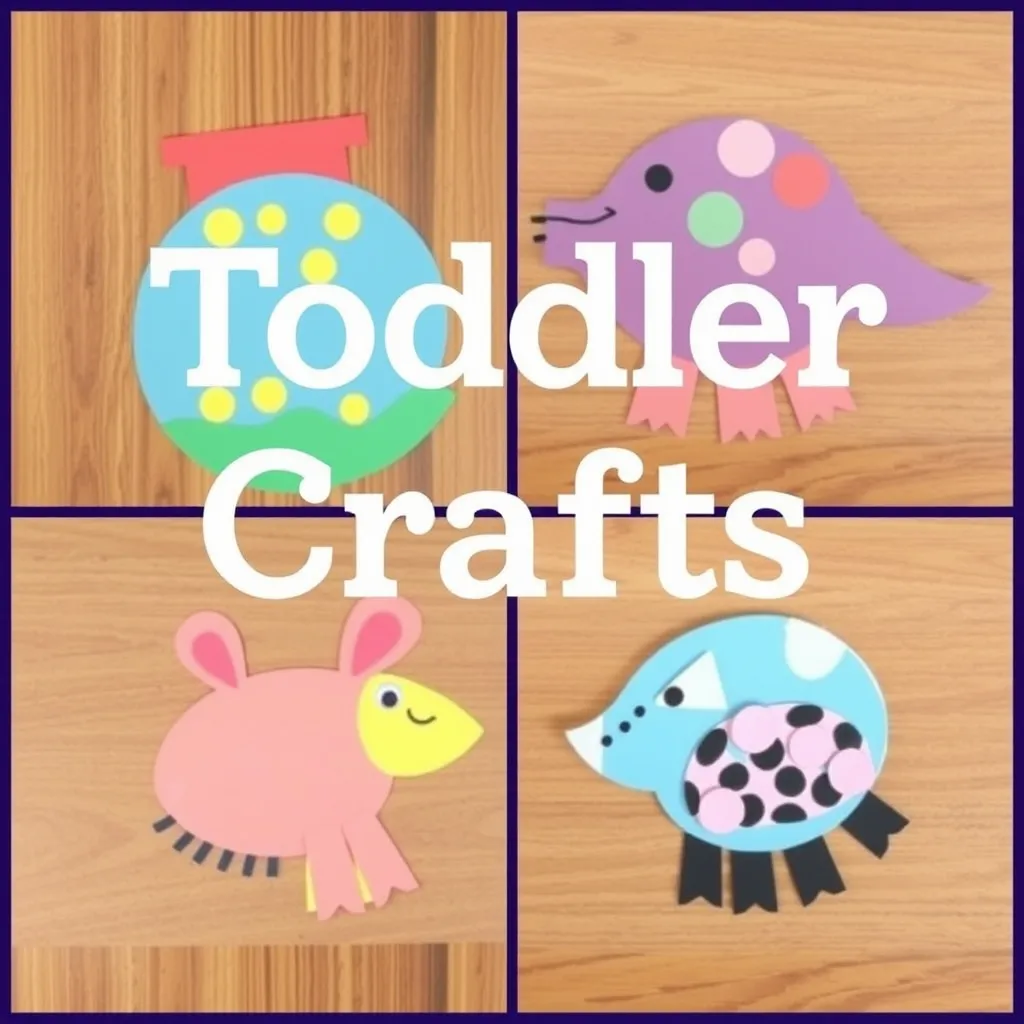
At this stage, focus on sensory exploration and simple activities that don’t require precise skills.
Finger Painting Fun
- Difficulty: Very Easy
- Time: 10-15 minutes
- Materials: Washable finger paint, thick paper or cardboard
- Steps:
- Secure paper to table with tape
- Add small dollops of different colored paints
- Let your toddler explore and create!
- Pro Tip: For edible options, try yogurt colored with food dye or pudding paint
Handprint Animals
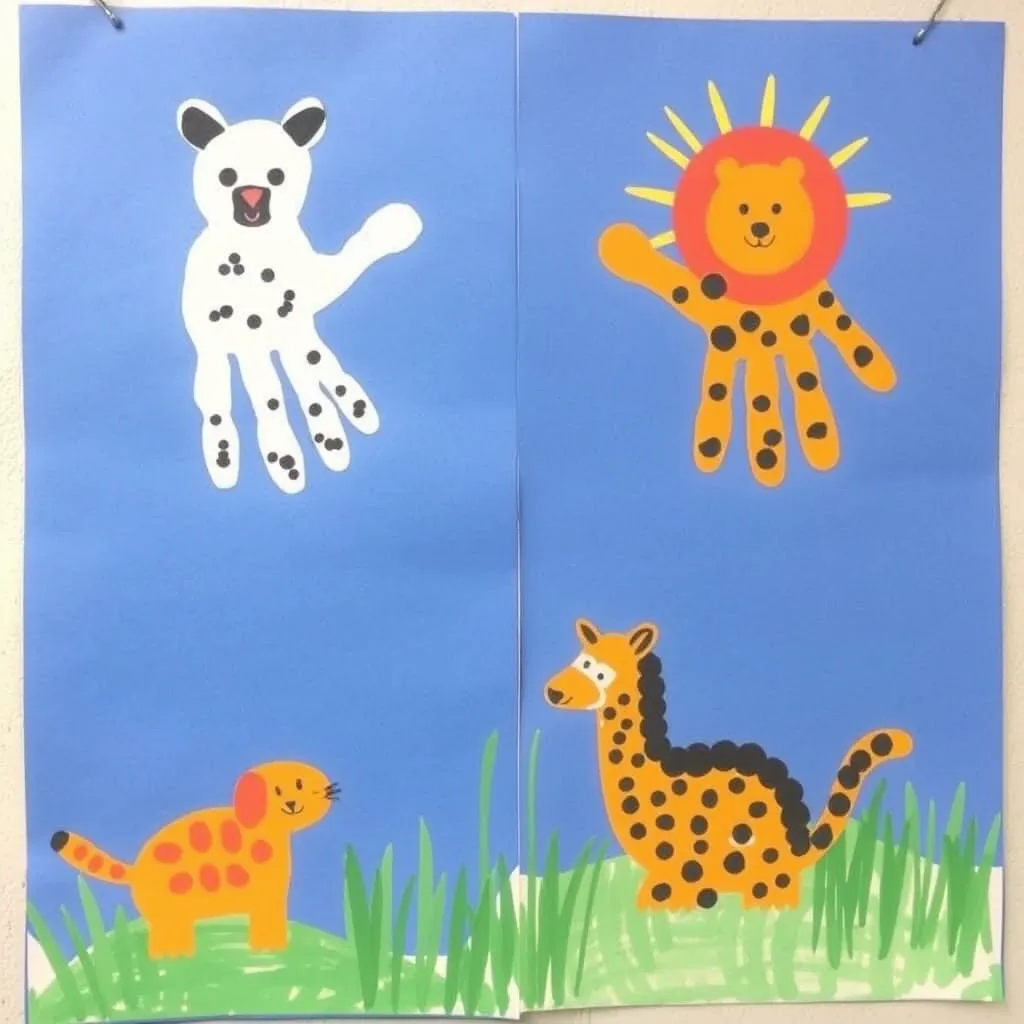
- Difficulty: Easy
- Time: 15 minutes
- Materials: Washable paint, paper, markers
- Steps:
- Paint child’s palm and fingers
- Press onto paper to create handprint
- Once dry, add details to transform into animals (fingers become tentacles for octopus, turkey feathers, etc.)
- Safety Note: Use non-toxic, washable paint
Preschool Crafts (Ages 3-5)
Preschoolers are developing their cutting and gluing skills, and they’re ready for slightly more structured activities.
Paper Plate Animal Masks
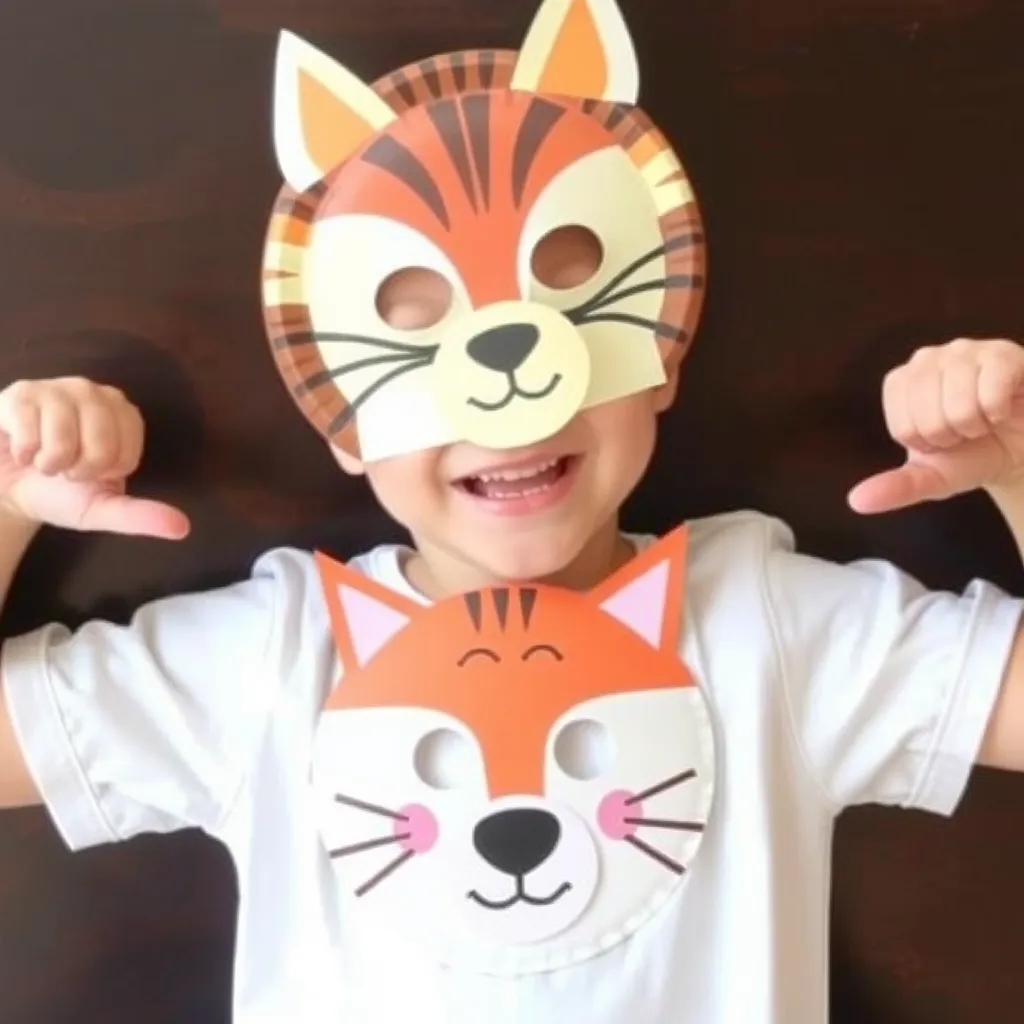
- Difficulty: Easy
- Time: 20 minutes
- Materials: Paper plates, scissors, elastic string, paint or markers, craft materials
- Steps:
- Cut eye holes in paper plate
- Decorate as favorite animal (lion, cat, bear, etc.)
- Attach elastic string to wear
- Variation: Add construction paper ears, yarn for mane, or feathers
Toilet Roll Characters
- Difficulty: Easy
- Time: 15-20 minutes
- Materials: Toilet paper rolls, construction paper, googly eyes, markers, glue
- Steps:
- Cover roll with construction paper or paint
- Add facial features and decorations
- Create animals, superheroes, or family members
- Pro Tip: Stand them up for pretend play or puppet shows
Early Elementary Crafts (Ages 5-8)
Children in this age range can follow multi-step instructions and use tools more independently.
DIY Slime Creations
- Difficulty: Medium
- Time: 25 minutes
- Materials: Clear or white school glue, liquid starch, food coloring, glitter (optional)
- Steps:
- Mix 1/2 cup glue with 1/4 cup water
- Add food coloring and glitter if desired
- Slowly stir in 1/4 cup liquid starch until slime forms
- Knead with hands until consistency is right
- Safety Note: Adult supervision recommended for measuring ingredients
Rock Painting Pets
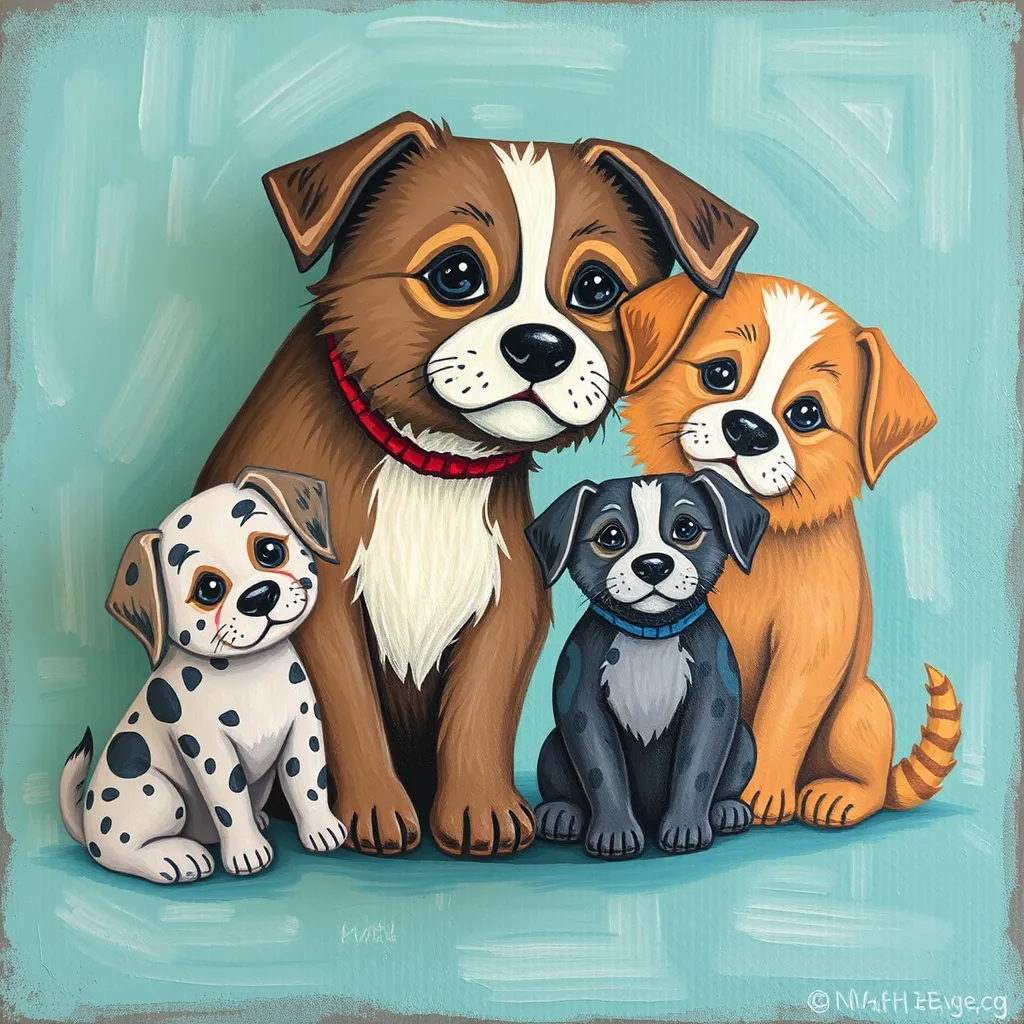
- Difficulty: Medium
- Time: 30-45 minutes
- Materials: Smooth rocks, acrylic paint, paintbrushes, clear sealer (optional)
- Steps:
- Clean and dry rocks thoroughly
- Paint base color and let dry
- Add details to create animals or characters
- Seal if displaying outdoors
- Pro Tip: Use dots of paint for detailed patterns
Crafts for Older Kids (Ages 8+)
Older children can handle more complex techniques and longer projects.
Friendship Bracelets
- Difficulty: Medium-Hard
- Time: 45+ minutes
- Materials: Embroidery floss in various colors, tape or safety pin
- Steps:
- Choose 3-6 strands of floss
- Secure at top with tape or safety pin
- Follow basic knot patterns to create designs
- Tie off when reached desired length
- Variation: Add beads for extra flair
DIY Bath Bombs
- Difficulty: Medium
- Time: 30 minutes (plus drying time)
- Materials: Baking soda, citric acid, cornstarch, epsom salt, food coloring, essential oils, spray bottle with water
- Steps:
- Mix dry ingredients in bowl
- Add color and fragrance
- Spritz lightly with water until mixture holds together
- Pack into molds and let dry overnight
- Pro Tip: Perfect for homemade gifts!
Seasonal & Holiday Crafts
Fall Crafts
Leaf Printing
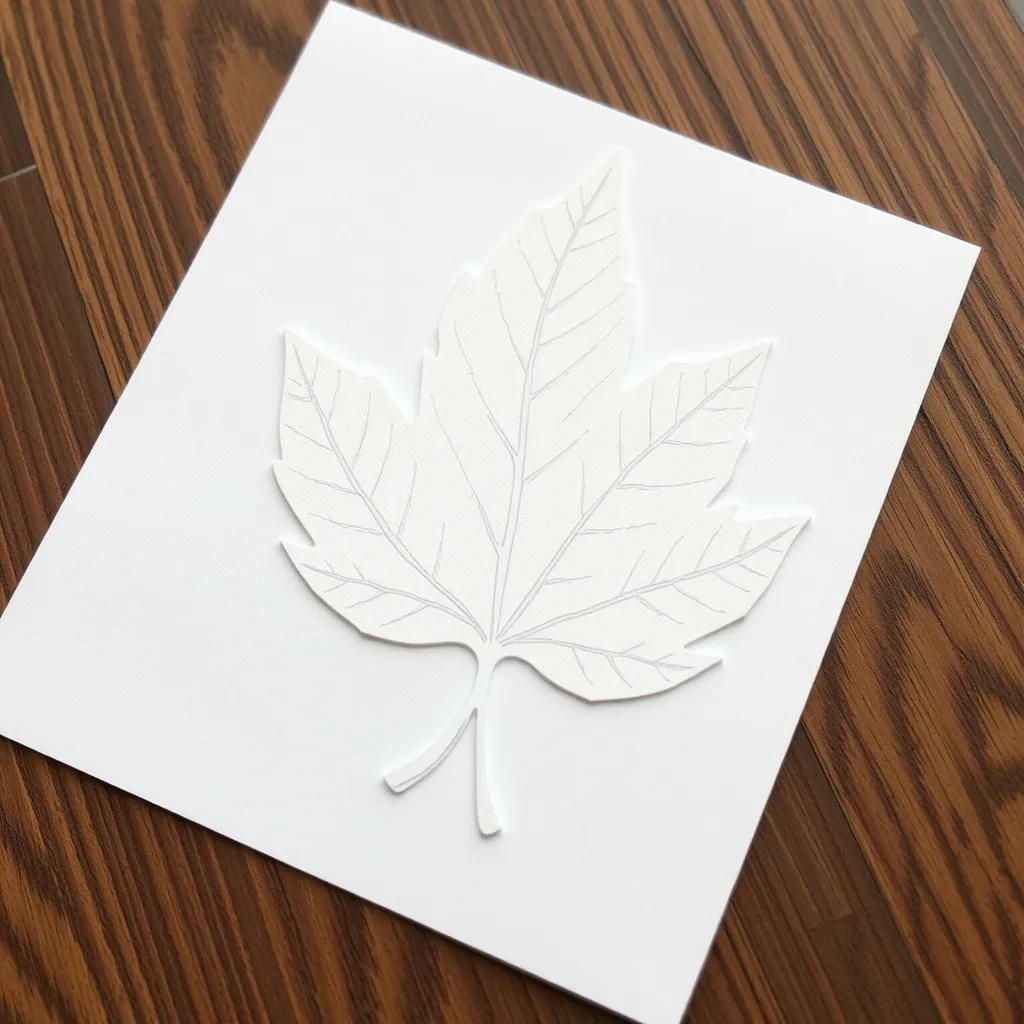
- Difficulty: Easy
- Time: 20 minutes
- Materials: Fall leaves, paint, paper
- Steps:
- Collect various leaf shapes
- Paint one side of leaf
- Press painted side onto paper
- Lift carefully to reveal print
- Variation: Create a full tree with handprints as the trunk and leaf prints as foliage
Winter Crafts
Paper Snowflakes
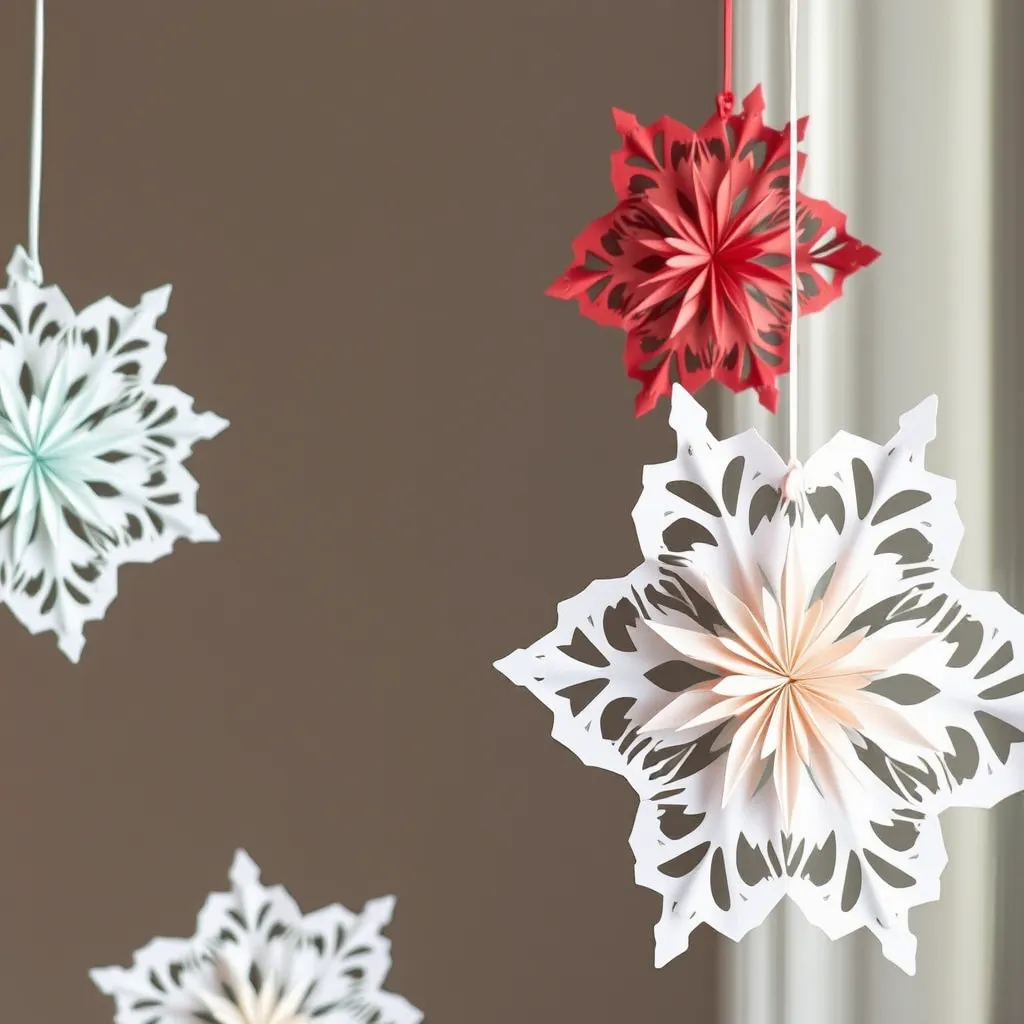
- Difficulty: Medium
- Time: 15 minutes
- Materials: White paper, scissors
- Steps:
- Fold paper into triangles
- Cut small shapes from edges
- Unfold to reveal unique snowflake pattern
- Pro Tip: Spray with diluted glue and sprinkle with glitter for sparkly effect
Quick & Easy / Low-Mess Crafts
Washi Tape Picture Frames
- Difficulty: Very Easy
- Time: 10 minutes
- Materials: Cardboard, washi tape in various patterns, photo
- Steps:
- Cut cardboard into frame shape
- Cover with overlapping washi tape patterns
- Attach photo to back
- Pro Tip: Add magnet to back for refrigerator display
Tips for Successful (and Fun!) Crafting with Kids
- Prepare ahead of time: Gather all materials before announcing craft time
- Protect surfaces: Use tablecloths, newspaper, or plastic sheeting
- Dress appropriately: Wear old clothes or smocks for messy projects
- Focus on process over product: The experience matters more than perfect results
- Be flexible: Allow kids to put their own creative spin on projects
- Know when to stop: Watch for signs of frustration or waning interest
- Clean together: Make cleanup part of the activity
Frequently Asked Questions About Kids’ Crafts
How do I craft with a child who has a very short attention span?
Start with ultra-quick projects (5 minutes or less) and gradually build up their crafting stamina. Finger painting, sticker art, or simple stamping activities are perfect starting points. Break longer crafts into smaller sessions, completing one part at a time. The key is to quit while they’re still having fun, before frustration sets in.
What are the best crafts for minimizing mess?
Low-mess options include sticker art, washi tape crafts, coloring activities, paper folding projects, and stringing beads. Using washable markers instead of paint, working on trays or mats, and choosing glue sticks over liquid glue can also reduce cleanup time. For potentially messy activities, consider taking them outdoors or into the bathtub.
How can I craft on a budget?
Many amazing crafts require only household items and recyclables. Save toilet paper rolls, egg cartons, bottle caps, and clean food containers. Nature provides free materials like leaves, twigs, and stones. Watch for sales on basic supplies like construction paper and glue, and consider joining parent groups where craft supplies are sometimes swapped or shared.
My child gets frustrated when crafts don’t turn out as expected. What should I do?
Focus conversations on the process rather than the end result. Use phrases like “I love how you mixed those colors!” instead of judging the final product. For children who are perfectionists, choose crafts with more structure and clear steps. Most importantly, model a positive attitude when your own projects don’t turn out perfectly.
Are there any crafts specifically good for developing fine motor skills?
Yes! Look for activities involving these skills: threading (beads, pasta necklaces), cutting, tearing paper, using tweezers to place small items, finger painting, manipulating play dough, weaving, and drawing. These all help strengthen the small muscles needed for writing and other precision tasks.
How do I store and organize craft supplies?
Clear plastic bins labeled with pictures and words work well for most supplies. Rolling carts with multiple drawers allow for mobility. For paper, consider vertical magazine holders or file folders. Recycled containers work great for smaller items like beads or buttons. The most important principle is having a designated place for everything that’s accessible to children (for items safe for them to use independently).
What crafts work well for mixed age groups (like siblings of different ages)?
Look for base projects that can be adapted for different skill levels. For example, with a paper plate craft, a toddler might focus on painting the plate while an older child adds detailed decorations. Nature crafts also work well, as each child can contribute at their own level. Having some “helper” roles for older children can make the experience more engaging for everyone.
My child only wants to do the same craft over and over. Should I be concerned?
Not at all! Repetition is how children master skills and gain confidence. Each time they repeat a craft, they’re likely focusing on different aspects or making small variations. When they’re ready to move on, they will. You can gently introduce variations of their favorite craft to expand their repertoire while honoring their preferences.
Conclusion
The world of kids’ crafts is endless! Whether you have five minutes or an entire afternoon, whether you’re working with a toddler or a tween, there’s always a creative project that fits the bill. Remember, the goal isn’t perfection—it’s about creating memories, building skills, and having fun together.
Ready to get crafting? Pick a project from this guide that matches your child’s age and interests, gather your supplies, and watch their creativity bloom!