Freezer-Friendly Finger Foods for Babies 9–12 Months
Feeding a mobile 9–12 month old can feel like a full-time job, but a few smart freezer-prep strategies make mealtimes calmer and more varied. For a starter list of safe choices and age-appropriate textures, see the comprehensive baby finger-foods guide, which helps you match foods to your baby’s skills.
This article covers why freezing works, safety and texture tips, practical recipe ideas you can batch-cook and freeze, storage guidelines, reheating and serving advice, and a simple weekly plan to keep variety on the table.
Why Freeze Finger Foods?
- Saves time: Cook once and eat multiple times.
- Improves variety: Rotate flavors and textures without daily prep.
- Reduces waste: Freeze leftovers in portion sizes that suit your baby’s appetite.
- Encourages self-feeding: Ready-to-thaw finger foods support independence at the highchair.
Safety and Texture Guidelines
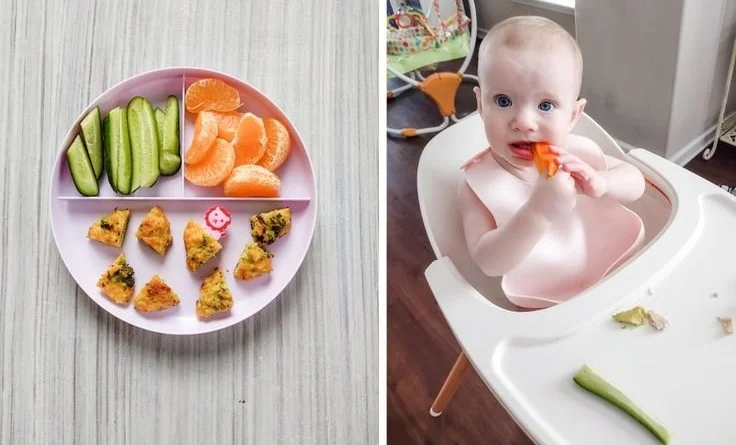
- Size and shape: Offer pieces about the size of a large grape or toddler finger—easy for pincer grasp and safe for chewing. Soft-cooked vegetable sticks, small cubes of cheese, and flattened mini patties work well.
- Softness first: Foods should mash easily between two fingers. If it holds shape against gentle pressure, it’s likely safe to offer.
- Avoid choking risks: Don’t offer whole grapes, large chunks of raw apple, hard candies, nuts, or uncut hot dogs. Always supervise.
- Allergies: Introduce allergenic foods one at a time at home; consult your pediatrician if there’s a family history of severe allergies.
If your baby is transitioning from purees to pieces, review some ideas for earlier-stage meals to bridge that gap, such as recipes tailored to the 6–8 month window in this baby food recipes for 6–8 months resource.
Batch-Cooking Recipes That Freeze Well
Below are simple, freezer-friendly finger-food recipes and how to portion and store them. Each recipe is written to be adaptable to taste and dietary needs.
Mini Veggie Muffins
- Ingredients: mashed banana or applesauce for moisture, grated carrot/zucchini, whole-wheat flour or oats, egg (or flax egg), mild grated cheese (optional).
- Method: Mix, spoon into mini muffin tin, bake until set. Cool, then freeze in single layers on a tray before transferring to labeled bags.
- Serving: Thaw at room temp or warm briefly; serve whole or halved.
Sweet Potato & Pea Cakes
- Ingredients: mashed sweet potato, cooked peas (pureed or lightly mashed), a binder like oat flour or egg, pinch of mild spices.
- Method: Form small patties, lightly pan-fry until golden, cool and freeze flat.
- Serving: Reheat in a toaster oven or skillet until warmed through.
Salmon or White Fish Bites
- Ingredients: cooked flaked fish, mashed potato or cooked quinoa, finely chopped soft herbs, egg to bind.
- Method: Mix, shape into small patties, bake or pan-sear, then freeze between layers of parchment.
- Serving: Fully reheat and flake into manageable pieces for baby to pick up.
Lentil & Veggie Fritters
- Ingredients: cooked red lentils, grated carrot, onion cooked very soft, a little flour, mild curry powder optional.
- Method: Blend slightly for cohesion, form mini fritters, bake or shallow-fry, cool and freeze.
- Serving: Slightly crisp on reheat or softened depending on your child’s chewing stage.
Banana & Oat Pancake Bites
- Ingredients: mashed banana, oats or oat flour, egg or yogurt.
- Method: Spoon small rounds on a griddle, cool and freeze flat.
- Serving: Thaw briefly and cut into strips for easy grabbing.
Freezing, Storing, and Labeling
- Portion sizes: Use silicone molds, mini muffin tins, or ice cube trays to create uniform portions (1–3 tablespoon sizes work well).
- Flash-freeze: Freeze items on a tray until solid to avoid clumping, then move to airtight containers or freezer bags.
- Labeling: Date and name each container. Most shelf-stable homemade baby finger foods are best used within 1–3 months for quality.
- Storage safety: Keep freezer at 0°F (-18°C) or below. Thawed foods should be kept in the fridge and used within 24–48 hours; avoid refreezing thawed baby food.
Reheating and Serving Tips
- Gentle reheating: Microwave briefly at reduced power, steam, or warm in an oven. Stir and check temperature to avoid hot spots.
- Texture adjust: Add a splash of breast milk, formula, or unsalted stock when reheating to soften and make items easier to gum.
- Presentation: Cut larger pieces into finger-friendly shapes; offer a small amount at a time to reduce choking risk.
Sample Weekly Plan (for busy caregivers)
- Sunday: Bake a batch of veggie muffins and banana oat bites; freeze.
- Wednesday: Make fish or lentil fritters; refrigerate some for immediate use and freeze the rest.
- Friday: Roast sweet potatoes and prep sweet potato cakes for the weekend.
Rotate flavors so your baby experiences a variety of tastes and textures through the week.
Troubleshooting and Common Questions
- Baby refuses new textures: Try combining a frozen item with a favored food (e.g., mashed with a bit of familiar puree) and offer repeatedly without pressure.
- Too crumbly after freezing: Increase the binder (egg or flour) slightly or steam before serving to rehydrate.
- Concerns about sodium or sugar: Use whole-food ingredients and avoid added salt or sugar; rely on natural sweetness from fruits and mild spices for flavor.
Feeding While Out and About
- Pack frozen pieces in an insulated lunchbox with an ice pack to thaw by mealtime.
- Keep a small cooler bag for longer trips and offer finger foods that don’t require reheating when supervision is steady.
Conclusion
For more recipe ideas and step-by-step freezer-friendly meal plans tailored to babies 9–12 months, explore the curated collection titled Freezer-Friendly Finger Food Recipes for Babies (9-12 months), which includes portioning and freezing tips. If you’re following baby-led weaning or want a broad list of freezer options to suit self-feeding, see The Ultimate List of Baby Led Weaning Freezer Recipes for inspiration and practical ideas.

Click to get the full bundle — instant download