
Imagine this: you’re in the living room, and your one-year-old is taking their first brave, unsteady steps. It’s an exciting moment, isn’t it? You’re bursting with pride, maybe even a little teary-eyed. But then reality hits. As they grow into a toddler, you might find yourself pondering how best to support their development. What can you do to help them stride confidently through this new phase?
When it comes to nurturing your one-year-old, there are some crucial lessons you can teach them. These lessons will not only aid their growth but also ensure they hit the essential milestones as they transition from babyhood to toddlerhood. Let’s dive into some of the most important skills you can encourage.
Encouraging Communication Skills
As your child turns one, fostering their communication skills becomes increasingly essential.
Talk, Talk, Talk: Always narrate your daily activities. "Look, we’re going to put on your shoes!" or "Now we’re going to eat some yummy bananas!" Your little one may not fully understand yet, but hearing your voice will help them connect words with actions.
Use Gestures: Along with words, use gestures to support their understanding. Wave goodbye or point to objects while naming them. It makes your interaction more engaging and gives them visual clues.
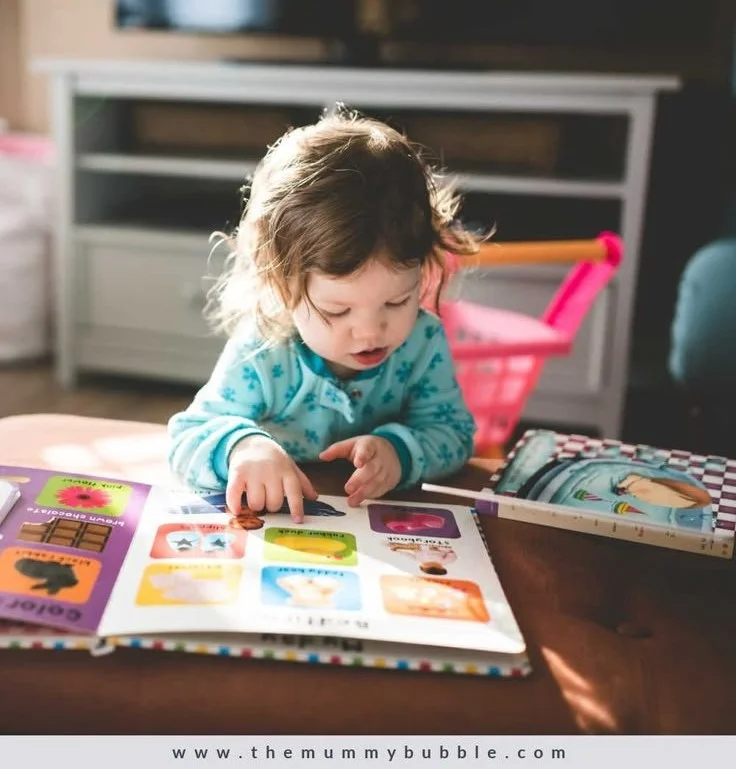
Read Together: Make reading a ritual. Even if it feels like they’re more interested in flipping the pages, this simple act builds their language skills. Look for colorful picture books that captivate their interest.
Are you already overwhelmed with a million things to do? I’ve been there! Just remember, every little bit you do now sets a foundation. Trust me; you won’t regret spending those extra moments reading or chatting.
Promoting Fine Motor Skills
At this age, your child’s hands are like little sponges, ready to soak up skills.
Stacking and Nesting: Simple toys like blocks or cups can do wonders for their dexterity. Encourage them to stack or nest these toys. You’ll see not only improvement in their hand-eye coordination but also their problem-solving skills.
Puzzles and Shape Sorters: Investing in puzzles and shape sorters can also be beneficial. They can help your child learn about shapes while sharpening their grip and finger coordination.
Artistic Endeavors: Consider introducing crayons or non-toxic finger paints. Let them scribble on paper (or even the walls if you’re adventurous!). This free expression is vital for their fine motor development.
Don’t underestimate the power of simple actions. Maybe your one-year-old can’t do a lot yet, but they’re absorbing everything. These activities are the building blocks for their skill set.
Building Gross Motor Skills
As they move, crawl, and begin to walk, focusing on gross motor skills is essential.
Safe Exploration: Create a safe space where they can explore. Set up soft obstacles for climbing over or crawling under. It’s like a toddler gym!
Dance Parties: Who doesn’t love a dance-off? Put on some upbeat music and encourage them to move their little bodies. It’s a fun way to build coordination while connecting with them.
Outdoor Adventures: If it’s sunny, take walks in the stroller, or let them toddle behind you when they’re up to it. Grass, sand, or a playground lets them engage and strengthen their muscles.
It’s absolutely normal if they fall more than get up. Trust me, those little tumbles are just part of the learning curve. Just be there to cheer them on!
Social Skills Development
As they grow, we want them to thrive in the social realm too.
Playdates: Organizing playdates or attending groups can help them learn how to engage and share with others. While it might be chaotic, peer interaction at this age is crucial!
Emotional Awareness: Start naming emotions during moments of joy or frustration. “You’re so happy with that toy!” or “I know you’re upset because you wanted that ball.” This helps normalize their feelings and teach emotional vocabulary.
Interactive Games: Simple games like peek-a-boo can enhance their understanding of social cues and reactions. It’s one of those beautifully simple ways to connect!
It can be daunting as a parent, but fostering these social interactions now sets them up for healthy relationships later. After all, we want them to grow into kind and considerate individuals, right?
Establishing Routine
Routines create a sense of security for your little ones.
Consistent Bedtime: Establish a calming bedtime routine. Maybe it’s reading a story followed by a gentle lullaby. Consistency here can lead to better sleep, which is vital for their development.
Meal Times: Try to keep meals at the same time each day. It teaches them about structure and signals what to expect throughout the day.
Play and Nap: Just as we thrive on routine, so do they. Balancing playtime with nap schedules can lead to happier kids and more relaxed parents!
You’re probably wondering how to balance this with the unpredictable nature of toddlerhood. Here’s the thing: it’s completely normal for things to go off course. Just stick to the routine as best as you can, and over time, they’ll adapt.
Encouraging Independence
While they’re still your tiny sidekick, it’s essential to let them learn independence.
Self-feeding: Even if it gets messy (and trust me, it will), encourage them to feed themselves. It builds confidence and fine motor skills.
Picking Clothes: Let them choose their clothes, even if it’s just picking out between two shirts. This empowers them and fosters decision-making.
Helping Out: Engage them in small tasks like putting away toys or wiping the table with a damp cloth. It’s surprising how much they want to help!
The messiness of this journey can be daunting, but remember, encouraging independence now serves them well later on. You may just find they surprise you with how much they can do!
Quick Tips
- Use positive reinforcement to encourage good behaviors.
- Mix in sensory play, like playing with water or sand, to expand their experience.
- Take note of their interests. If they gravitate toward cars, incorporate play with them!
Mistakes to Avoid
It’s easy to feel overwhelmed, but let’s try to sidestep these common pitfalls:
- Over-scheduling: Kids this age need free play as much as they need structured activities. Keep it balanced.
- Rushing Development: Every child develops at their own pace. Don’t compare yours to others. Trust their journey.
- Ignoring Their Signals: Pay close attention to signs of frustration or boredom; sometimes, they’ll communicate when they’ve had enough.
Conclusion
Supporting your one-year-old as they navigate this dynamic age is a journey filled with ups and downs. By teaching them essential skills, you’re setting them up for success as they grow. The little moments we spend guiding them can lead to big changes in their lives. Remember, you’re not alone in this. We’ve all had our share of challenges, and it’s completely normal!
Feeling inspired? For more activities to engage your little one, check out this list of learning activities. If you’re interested in teaching them essential life skills, consider this resource on alcohol education. Lastly, if you’re tracking milestones, the CDC has great resources on what to expect by age two.
So go ahead, soak up those snuggles, and watch your little one thrive! You’ve got this!