Imagine this: it’s a sunny Saturday morning, and you’re in the kitchen, bright-eyed and ready to introduce your little one to the exciting world of flavors. You’ve just taken a step towards nurturing their taste buds and laying the foundation for healthy eating habits. If you’re a first-time parent, the idea of making homemade baby food can feel daunting. But here’s the thing: it’s much simpler than it seems, and today, I’m here to guide you through it.
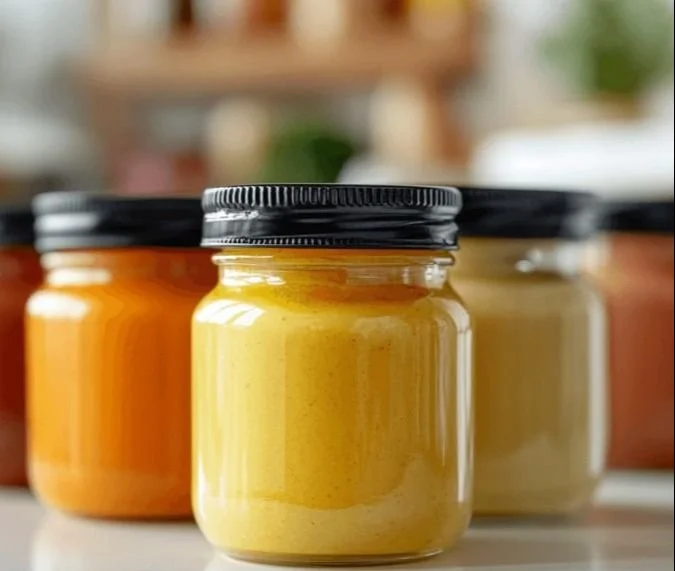
As parents, we’ve all been there, staring at store-bought baby food jars, wondering if they’re truly nourishing our children. The good news is, making your own baby food not only gives you control over the ingredients, but it can also be a fun bonding experience for you and your baby. Let’s dive into some easy and nutritious homemade baby food recipes that even the busiest parents can whip up!
Getting Started with Homemade Baby Food
Before we jump into the recipes, let’s chat about a few basics. You might be wondering when to start introducing solids to your baby. The general guideline suggests starting around six months, depending on your baby’s readiness. Look for cues like sitting up with support, showing interest in food, or reaching for what you’re eating. Remember, it’s completely normal for your baby to take their time adjusting to new textures and flavors.
When you’re ready to start, keep these tips in mind:
- Choose fresh, organic ingredients whenever possible. They pack more nutrients and flavor for your little one.
- Keep it simple at first. Aim for one food at a time to watch for any food sensitivities.
- Invest in some good quality storage containers for batch-cooking and freezing portions. It’ll save you time and make your life easier.
Now, let’s explore some delicious homemade baby food recipes that are perfect for beginners!
Flavor-Packed Vegetable Purees
Sweet Potato Delight
Sweet potatoes are not just delicious; they’re packed with vitamins and antioxidants. Here’s how to make a creamy sweet potato puree:
- Ingredients: 1 medium sweet potato
- Instructions:
- Peel and chop the sweet potato into small cubes.
- Steam the cubes for about 15–20 minutes until they’re soft.
- Puree in a blender with a little water until smooth.
Now, your baby is ready to enjoy this naturally sweet and nutrient-rich meal!
Carrot and Pea Mash
Did you know that carrots and peas make a delightful combination? Here’s how to prepare this simple dish:
- Ingredients: 1 cup of chopped carrots, 1 cup of frozen peas
- Instructions:
- Boil the carrots for about 10 minutes until tender.
- Add the peas for the last 2 minutes.
- Drain and blend with a splash of water until it reaches your desired consistency.
This mash is not only tasty but also a great source of vitamins A and C!
Nutrient-Dense Fruit Purees
Creamy Avocado Banana Mash
Both of these fruits are so easy to prepare, you’ll wonder why you didn’t start making baby food sooner!
- Ingredients: 1 ripe avocado, 1 ripe banana
- Instructions:
- Scoop out the avocado and banana into a bowl.
- Mash or blend until smooth. You can add a little breast milk or formula for a silkier texture.
This combo is a powerhouse of healthy fats and natural sweetness!
Apple and Pear Puree
Fruits can provide a wonderful introduction to sweetness in your baby’s diet. Here’s how to whip up a classic:
- Ingredients: 1 apple, 1 pear
- Instructions:
- Peel and chop both fruits.
- Steam them for about 10 minutes until they’re soft.
- Blend with a little water until smooth.
Your little one will love the natural sweetness, and you’ll appreciate the vitamins!
Wholesome Grain Mash
Oatmeal Banana Blend
Oatmeal is a fantastic grain to introduce early on, and when combined with banana, it creates the perfect breakfast!
- Ingredients: 1/2 cup of quick oats, 1 ripe banana
- Instructions:
- Cook the oats according to the package instructions (using water or milk).
- Once cooked, mash in the banana until smooth. Adjust the consistency with water or milk as needed.
This hearty meal will keep your baby full and satisfied!
Tips for Success and Mistakes to Avoid
Starting your baby on solids doesn’t have to be stressful, but there are common pitfalls you can avoid. Here are a few key tips:
- Don’t overwhelm with flavors. Stick to one ingredient at a time to help your baby adjust. You’re not preparing a gourmet meal for your friends—it’s about their comfort.
- Be patient. Sometimes, it may take several attempts before your little one warms up to a new food. Remember, this is a learning process!
- Label and date your purees if you’re batch cooking and freezing. This way, you’ll always know what’s in your freezer and when it was made.
Next Steps in Your Baby’s Food Journey
Once your baby gets the hang of eating purees, you can start exploring mixed combinations and finger foods around 8-9 months. This will help them develop their chewing skills and introduce a variety of textures. You’re setting them up for healthy eating habits for life!
What if they don’t like something? Don’t take it personally. You’re not alone in this parenting journey. It’s completely normal for babies to have preferences.
Conclusion
Starting your baby’s food journey can be an exciting experience filled with discovery and joy. By making homemade baby food, you’re providing them with nutritious meals that are sure to delight their taste buds while creating a wonderful bonding experience.
If you’re looking for even more great ideas, check out 20 Easy Homemade Baby Food Recipes to expand your repertoire. Also, be sure to explore 10 Easy Homemade Baby Food Ideas for quick options that are sure to please. And for those first stages, Easy Homemade Stage 1 Baby Food can guide you with simple recipes perfect for your little one.
So roll up your sleeves, put on that apron, and get ready for some fun! Happy cooking!