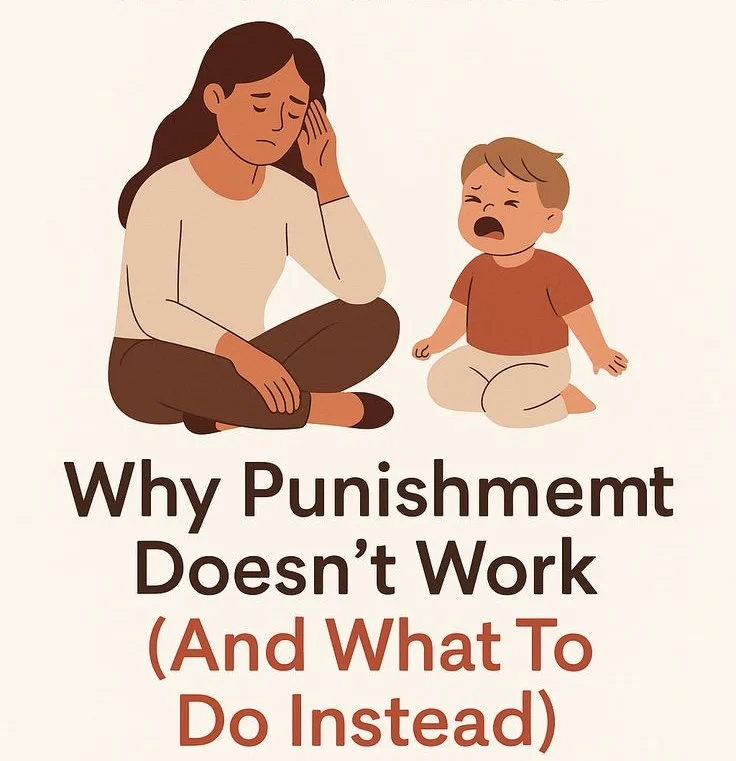
Big Emotions in Toddlers: Why Punishment Doesn’t Work (and What To Do Instead)
Toddlers are small humans with huge feelings. A dropped cup, a denied cookie, or a tired brain can trigger tears, screams, or flailing limbs that feel out of proportion to adults. Before we blame willfulness or character, it helps to remember that toddlers are still learning to regulate their bodies, attention, and emotions. Parenting questions can range from everyday logistics to discipline approaches—even things tangentially related to family routines like bringing a gift to a gender reveal—but when it comes to big emotions, the approach you choose shapes a child’s sense of safety and their future emotional toolbox.
Why punishment — especially physical punishment or harsh shaming — fails with toddlers, and what to do instead, are the focus here. This is practical, evidence-informed guidance you can use the next time your child melts down in aisle three.
Why punishment doesn’t work
- Brain development and emotional flooding
- Toddlers’ prefrontal cortex (the thinking and self-control center) is immature. When upset, their “thinking brain” goes offline and the reactive, survival-oriented parts of the brain take over. Punishment delivered during a meltdown arrives when the child can’t reason with it or connect the consequence to the behavior.
- Punishment escalates stress
- Harsh responses increase cortisol and adrenaline, which deepen the emotional state. That makes learning and memory harder and reinforces the association: big feeling → threat. Over time this can create chronic anxiety or distrust, not better behavior.
- Modeling aggression and coercion
- If adults solve problems with threats, yelling, or physical discipline, children learn that force is an acceptable way to get needs met or to control others. That models the very behavior most parents want to prevent.
- Damage to attachment and cooperation
- Repeated punitive approaches can undermine the child’s sense of safety with caregivers. Children who don’t feel understood or protected are less likely to internalize rules and more likely to act out to get attention or regain control.
What to do instead: immediate responses for meltdowns
Stay calm and regulate first
- Your calm voice and steady presence help shift a child’s nervous system. If needed, pause, breathe, or ask another caregiver for help before engaging.
Validate and name the emotion
- “You’re so mad because you wanted that truck.” Naming feelings helps toddlers put experience into words and feel seen, which reduces intensity.
Use simple limits with empathy
- “I can’t let you hit. Your body is for gentle hands.” Combine clear boundaries with understanding so the child learns limits without shame.
Offer choices to restore agency
- “You can choose the blue cup or the red one” lets toddlers feel in control and can prevent power struggles.
Provide a safe, predictable calm-down space
- A cozy corner with a soft blanket, books, or a stuffed animal can help children self-soothe when they’re ready.
Redirect and distract (when appropriate)
- For younger toddlers, redirecting attention to a new activity or toy can stop an escalation before it becomes a meltdown.
Teaching skills between crises
Build emotional vocabulary
- Use storytime and daily routines to teach words like frustrated, sad, tired, and proud. The more words children have, the better they can express themselves.
Practice problem solving together
- Role-play simpler versions of conflicts: “The doll is on the block. What can we do?” Practicing solutions when calm makes them available when stressed.
Establish routines and predictable transitions
- Many meltdowns follow hunger, tiredness, or unexpected changes. Clear routines and warnings (“In five minutes we’ll put on shoes”) reduce surprises.
Use play to teach regulation
- Games that require waiting, turn-taking, or gentle touches teach control in a low-stakes way.
Keep toddlers engaged with appropriate activities
- Regular, developmentally appropriate play reduces boredom and frustration; for rainy days, try creative indoor activities for toddlers that channel energy and curiosity.
Scripts and phrases that help
- “I see you’re upset. I’m here with you.”
- “You can be mad, but hitting is not okay. Let’s use our words.”
- “Do you want to hold my hand or sit in the calm corner?”
- “You’re feeling frustrated. Let’s take three big breaths together.”
These short, consistent messages are easier for toddlers to absorb than long lectures.
Handling public meltdowns
- Prioritize safety and connection over performance
- If your child is breaking something or hurting themselves, intervene safely. Otherwise, find a quieter spot to help them calm down.
- Keep explanations simple
- A brief “We can’t do that here” followed by support is more effective than prolonged arguments in public.
- Consider preemptive strategies
- Bring snacks, a favorite toy, or a quick game for transitions to lessen the chances of a crash.
When to get extra help
- Seek professional input if tantrums are extreme, last very long, involve self-injury, or your child’s development seems off track. Pediatricians, child psychologists, and early intervention services can assess for sensory issues, language delays, or other underlying causes.
Caregiver self-care and boundaries
- Set realistic expectations: toddlers are learning and will make mistakes.
- Create a plan for breaks: ask a friend or partner for short time-outs to recharge.
- Join a parenting group or talk to a professional when discipline strategies feel overwhelming.
Final tips
- Consistency and compassion are the combination that teaches better than punishment.
- Aim to be the regulating presence that helps your toddler move from big emotion to learning.
- Celebrate small gains: more words, fewer hits, a quicker calm-down—these are real progress.
Conclusion
Punishment, especially physical discipline or shaming, increases stress and trauma risk without teaching emotional skills; for evidence on the harms of hitting children, see Hitting Children Leads to Trauma, Not Better Behavior. For practical, developmentally informed guidance on what helps with challenging behavior and what doesn’t, consult this resource from Zero to Three: Challenging Behavior: What Helps and What Doesn’t – Zero to Three.