
60 Fun and Easy Baby Shower Games Ideas You’ll Want to Have Another Baby!
Are you planning a baby shower and need some fun game ideas? You’ve hit the jackpot! This article will give you 60 awesome baby shower games that are easy to set up and super fun to play. We’ll cover games for small and large groups, games for couples, and even some new twists on classic favorites. Let’s dive in and make your baby shower unforgettable!
Table of Contents
📊 Quick Guide: Top 10 Baby Shower Games
| Game Name | Prep Time | # of Players | Fun Factor |
|---|---|---|---|
| Diaper Raffle | 5 mins | Unlimited | ⭐⭐⭐⭐⭐ |
| Guess the Baby Food | 15 mins | 5-20 | ⭐⭐⭐⭐ |
| Baby Item Scavenger Hunt | 10 mins | 4-12 | ⭐⭐⭐⭐⭐ |
| Don’t Say Baby | 2 mins | Unlimited | ⭐⭐⭐ |
| Decorate a Onesie | 20 mins | 5-15 | ⭐⭐⭐⭐⭐ |
| Nursery Rhyme Trivia | 10 mins | 5-20 | ⭐⭐⭐⭐ |
| Baby Bottle Chugging Contest | 5 mins | 4-10 | ⭐⭐⭐⭐ |
| Measure the Belly | 5 mins | Unlimited | ⭐⭐⭐ |
| Emoji Pictionary | 10 mins | 6-20 | ⭐⭐⭐⭐⭐ |
| Guess the Birth Date | 5 mins | Unlimited | ⭐⭐⭐⭐ |
Why Play Baby Shower Games?
Baby shower games are more than just fun activities. They help:
- Break the ice between guests who might not know each other
- Create lasting memories for the mom-to-be
- Provide entertainment and laughter
- Give guests a chance to win small prizes
Now, let’s explore 60 fantastic game ideas!
33 Delightful Baby Shower Food Recipes for a Memorable Celebration
20 Fun Baby Shower Games Your Guests Will Love to Play
1. Diaper Raffle
What you need: Raffle tickets, a sign explaining the game, and a prize for the winner.
How to play: Ask guests to bring a pack of diapers in exchange for a raffle ticket. At the end of the shower, draw a ticket to choose the winner. The mom-to-be gets a stockpile of diapers, and one lucky guest wins a prize!
2. Guess the Baby Food
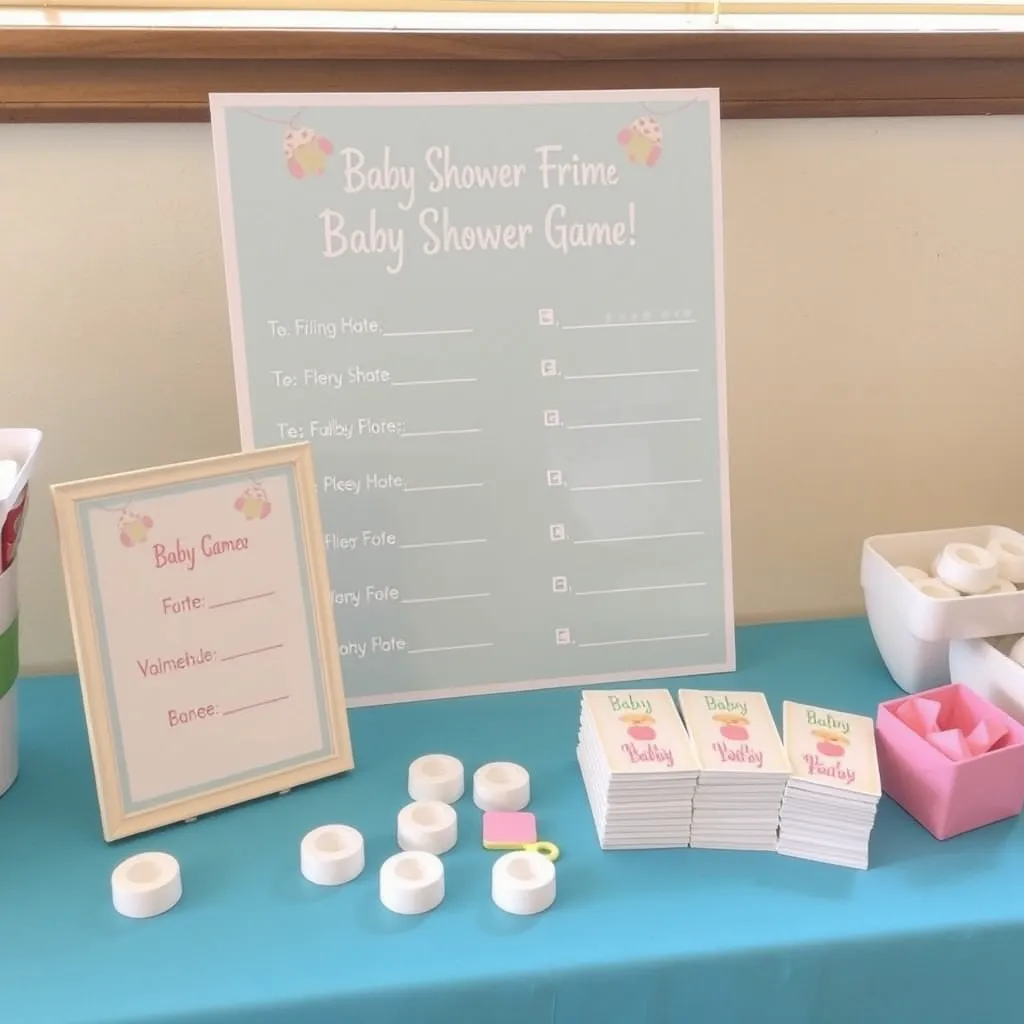
What you need: 5-10 jars of baby food with labels removed, numbered stickers, small spoons, and guess sheets.
How to play: Guests taste each baby food and try to guess the flavor. The person with the most correct guesses wins!
3. Baby Item Scavenger Hunt
What you need: A list of baby items, small bags for collecting items.
How to play: Give each guest or team a list of baby-related items to find in their purses or around the party area. The first to find all items wins!
4. Don’t Say Baby
What you need: Safety pins or clothespins, one for each guest.
How to play: Give each guest a pin when they arrive. If someone catches another person saying the word “baby,” they get to take their pin. The person with the most pins at the end wins!
5. Decorate a Onesie
What you need: Plain white onesies in various sizes, fabric markers or paint, cardboard to put inside the onesies.
How to play: Let guests decorate onesies for the baby. The mom-to-be can choose her favorite design as the winner, and she gets to keep all the cute onesies!
6. Nursery Rhyme Trivia
What you need: A list of nursery rhyme questions, pens, and paper.
How to play: Read out questions about popular nursery rhymes and have guests write down their answers. The person with the most correct answers wins!
7. Baby Bottle Chugging Contest
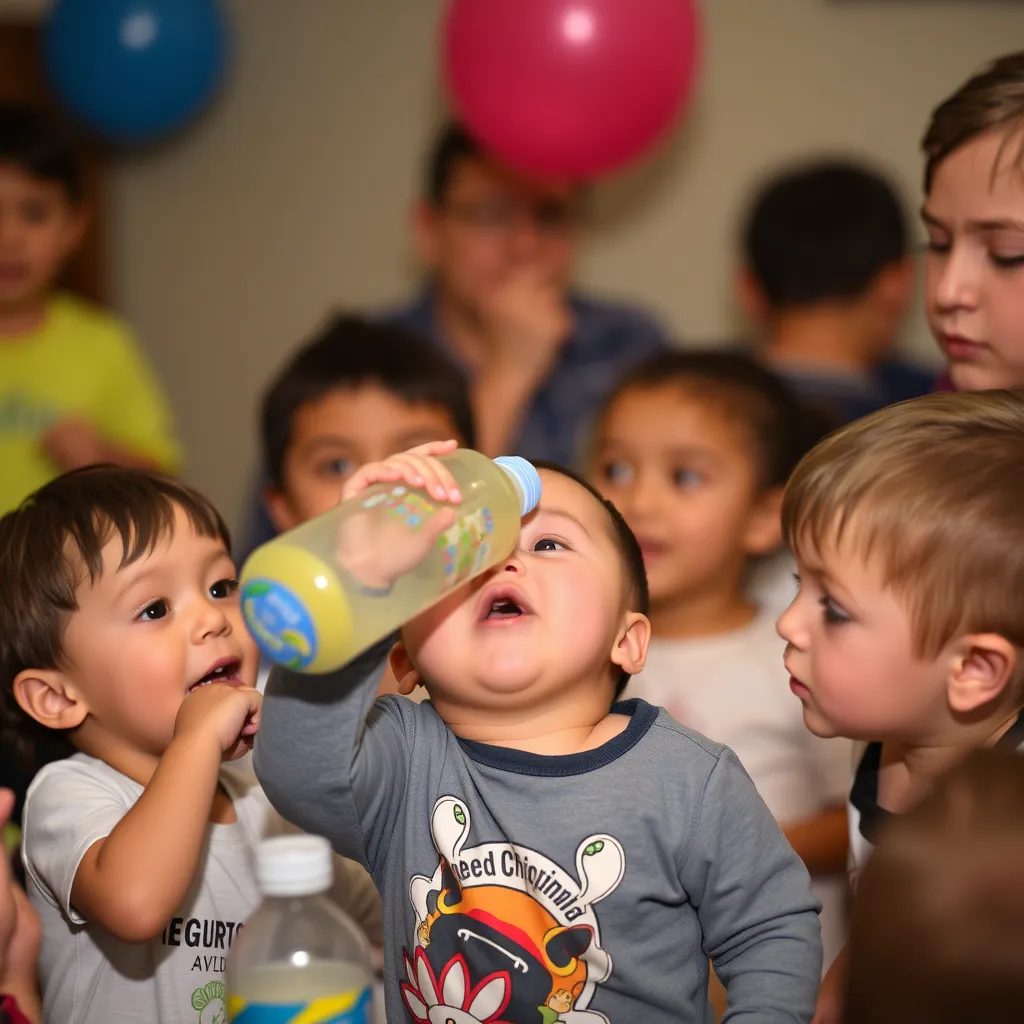
What you need: Baby bottles filled with a drink (juice, milk, or water), one for each participant.
How to play: Guests race to see who can drink the contents of their baby bottle the fastest using only the nipple.
8. Playdough Baby
What you need: Play-doh or modeling clay in various colors.
How to play: Give guests 5 minutes to sculpt a baby using the play-doh. The mom-to-be chooses her favorite as the winner.
9. Measure the Belly
What you need: A ball of yarn or string, scissors.
How to play: Guests cut a length of yarn they think will fit perfectly around the mom-to-be’s belly. The closest guess wins!
10. Baby Care Relay Race
What you need: Baby dolls, diapers, baby clothes, and baby bottles.
How to play: Divide guests into teams. Each team must race to complete baby care tasks like changing a diaper, dressing the baby, and preparing a bottle.
11. Emoji Pictionary
What you need: A list of baby-related words, smartphones or emoji printouts.
How to play: Guests try to convey baby-related words using only emojis. Others guess what the word is.
12. Baby Food Taste Test
What you need: Various flavors of baby food, spoons, and scorecards.
How to play: Blindfold guests and have them taste different baby foods. They try to guess the flavors. The most correct guesses win!
13. Diaper Change Race
What you need: Baby dolls, diapers, wipes, and changing pads.
How to play: Guests race to see who can change a diaper the fastest while maintaining proper technique.
14. Baby Item Memory Game
What you need: A tray filled with 15-20 baby items, a cloth to cover the tray, paper, and pens.
How to play: Show guests the tray for 1 minute, then cover it. They must write down as many items as they can remember.
15. Guess the Birth Date
What you need: A calendar, pens, and small slips of paper.
How to play: Guests write their guess for the baby’s birth date on a slip of paper. The closest guess (after the baby is born) wins a prize!
16. Baby Sock Matching
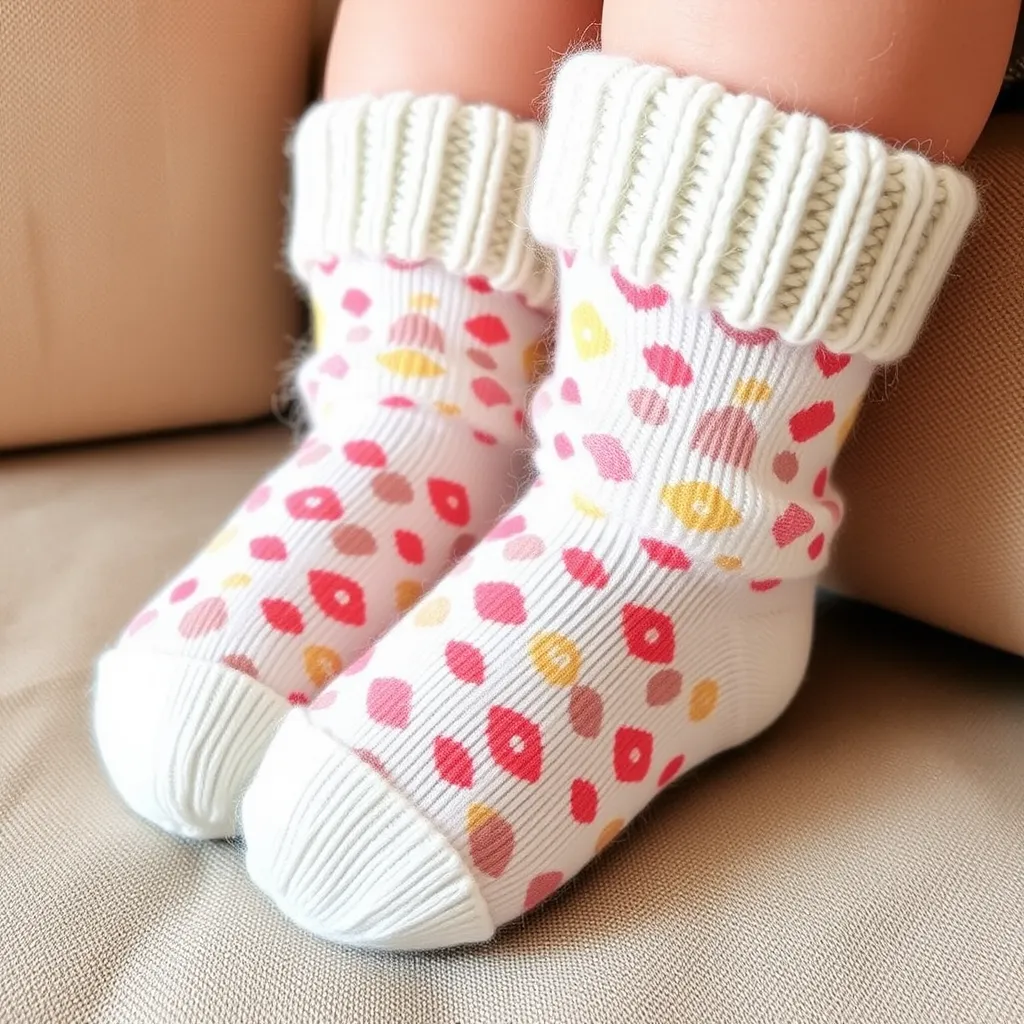
What you need: Several pairs of baby socks, mixed up.
How to play: Time guests as they try to match pairs of baby socks as quickly as possible.
17. Pacifier Hunt
What you need: Lots of plastic pacifiers hidden around the party area.
How to play: Hide pacifiers before guests arrive. The person who finds the most wins a prize!
18. Baby Book Emoji Puzzle
What you need: A list of popular baby book titles written in emojis.
How to play: Guests try to decipher the baby book titles from the emoji clues.
19. Lullaby Karaoke
What you need: A karaoke machine or smartphone app with lullabies.
How to play: Guests take turns singing lullabies. The best performance (as judged by the mom-to-be) wins!
20. Guess the Baby Photo
What you need: Baby photos of the guests, numbered and displayed.
How to play: Guests try to match the baby photos to the adult guests at the party.
21. Baby Name Race
What you need: Letter cards or Scrabble tiles, timer.
How to play: Give guests 2 minutes to create as many baby names as possible using the provided letters.
22. Blindfolded Diaper Change
What you need: Baby dolls, diapers, blindfolds.
How to play: Guests attempt to change a diaper on a doll while blindfolded. The neatest change wins!
23. Baby Necessities Price is Right
What you need: Pictures of baby items with prices hidden, guess sheets.
How to play: Show baby items and have guests guess the price. Closest without going over wins!
24. Pin the Pacifier on the Baby
What you need: Large baby poster, paper pacifiers, tape, blindfold.
How to play: Blindfolded guests try to pin the pacifier in the correct spot on the baby poster.
25. Baby Food Art
What you need: Various colors of baby food, paper plates, plastic spoons.
How to play: Guests create “artwork” using baby food as paint. Most creative piece wins!
26. Bobbing for Pacifiers
What you need: Large bowl of water, floating pacifiers.
How to play: Guests use only their mouths to retrieve pacifiers from the water. Most in 1 minute wins!
27. Baby Bottle Ring Toss
What you need: Baby bottles, plastic rings.
How to play: Set up bottles and have guests toss rings onto them. Most rings landed wins!
28. Baby Item Pictionary
What you need: Whiteboard or large paper, markers, list of baby items.
How to play: Teams take turns drawing baby items while others guess. Most correct guesses wins!
29. Baby Food Jar Bowling
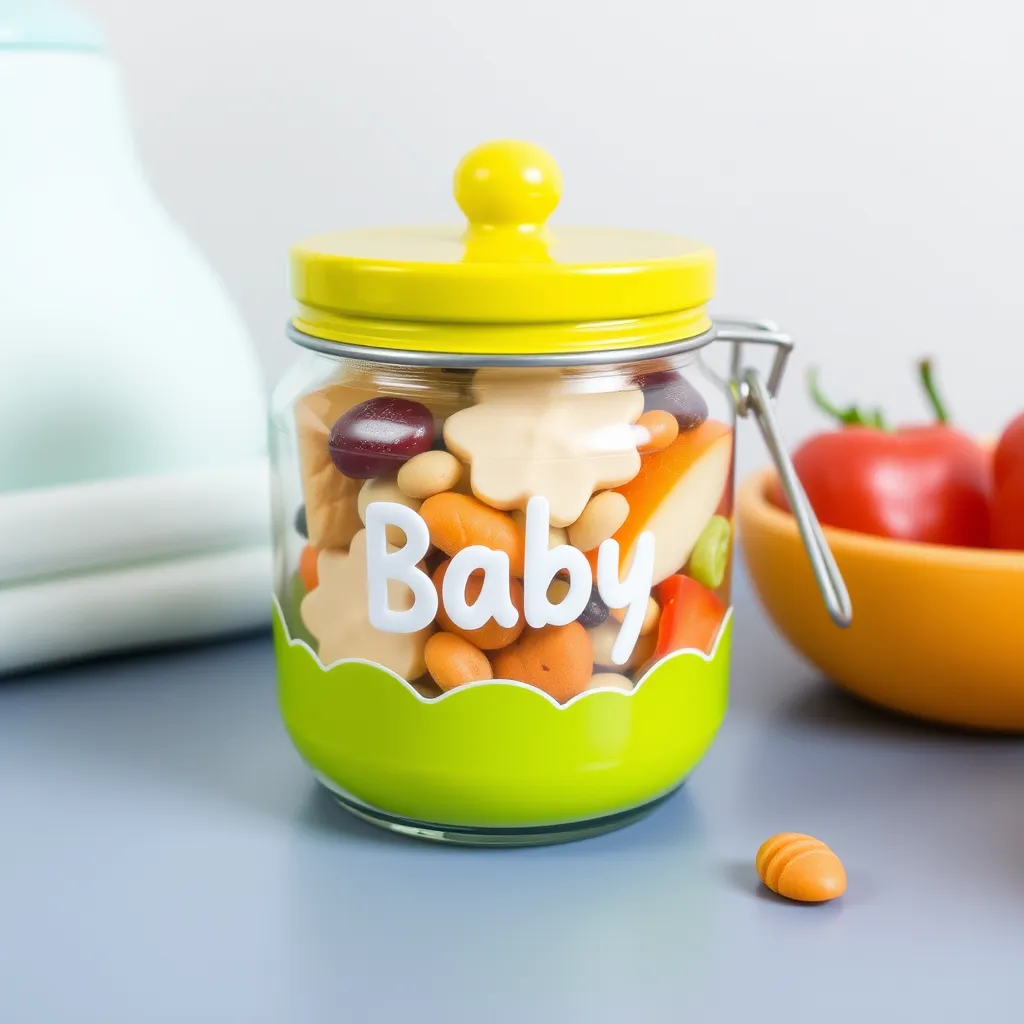
What you need: Empty baby food jars, small ball.
How to play: Set up jars like bowling pins. Guests take turns bowling with a small ball.
30. Guess the Baby’s Features
What you need: Pictures of the parents, guess sheets.
How to play: Guests predict the baby’s features (eye color, hair color, etc.) based on the parents’ traits.
31. Baby Bottle Puzzle Race
What you need: Disassembled baby bottles (one per team).
How to play: Teams race to correctly assemble a baby bottle. First team to finish wins!
32. Dirty Diaper Chocolate Game
What you need: Diapers, and various chocolate bars melted inside.
How to play: Guests smell and inspect the “dirty” diapers to guess which chocolate bar is inside each.
33. Baby Gear Charades
What you need: List of baby gear items, timer.
How to play: Guests act out baby gear items without speaking. Team with most correct guesses wins!
34. Guess the Baby Animal
What you need: List of baby animal names, answer sheets.
How to play: Read out adult animal names, guests write down what the baby version is called.
35. Baby Bottle Flip
What you need: Partially filled baby bottles.
How to play: Guests attempt to flip and land a baby bottle upright. Most successful flips in 1 minute wins!
36. Pregnancy Trivia
What you need: List of pregnancy-related trivia questions, and answer sheets.
How to play: Ask pregnancy trivia questions. The guest with the most correct answers wins!
37. Baby Rattle Music Game
What you need: Baby rattles, a list of songs.
How to play: Teams use baby rattles to play tunes for others to guess. Most correct guesses wins!
38. Guess the Baby Milestone
What you need: List of baby milestones, timeline.
How to play: Guests place baby milestones (first word, first step, etc.) on a timeline. Most accurate wins!
39. Baby Item Spelling Bee
What you need: List of baby-related words.
How to play: Host a spelling bee using baby-related words. Last person standing wins!
40. Guess the Lullaby
What you need: Recordings or lyrics of popular lullabies.
How to play: Play or read part of a lullaby, guests guess the title. Most correct guesses wins!
41. Baby Food Taste Test Challenge
What you need: Various flavors of baby food, blindfolds, score sheets.
How to play: Blindfolded guests taste and rate different baby foods. Most accurate guesses win!
42. Diaper Changing Relay
What you need: Baby dolls, diapers, wipes, changing pads for each team.
How to play: Teams race to change diapers in relay format. Fastest team with proper technique wins!
43. Baby Blanket Fort Building
What you need: Baby blankets, pillows, soft toys.
How to play: Teams compete to build the best baby-safe blanket fort in a set time. Mom-to-be judges the winner!
44. Guess the Baby Sign Language
What you need: List of common baby sign language gestures.
How to play: Demonstrate baby sign language gestures, guests guess their meanings. Most correct wins!
45. Baby Gear Scavenger Hunt
What you need: List of baby gear items, timer.
How to play: Guests search for specific baby gear items around the party area. First to find all items wins!
46. Baby Food Jar Stacking
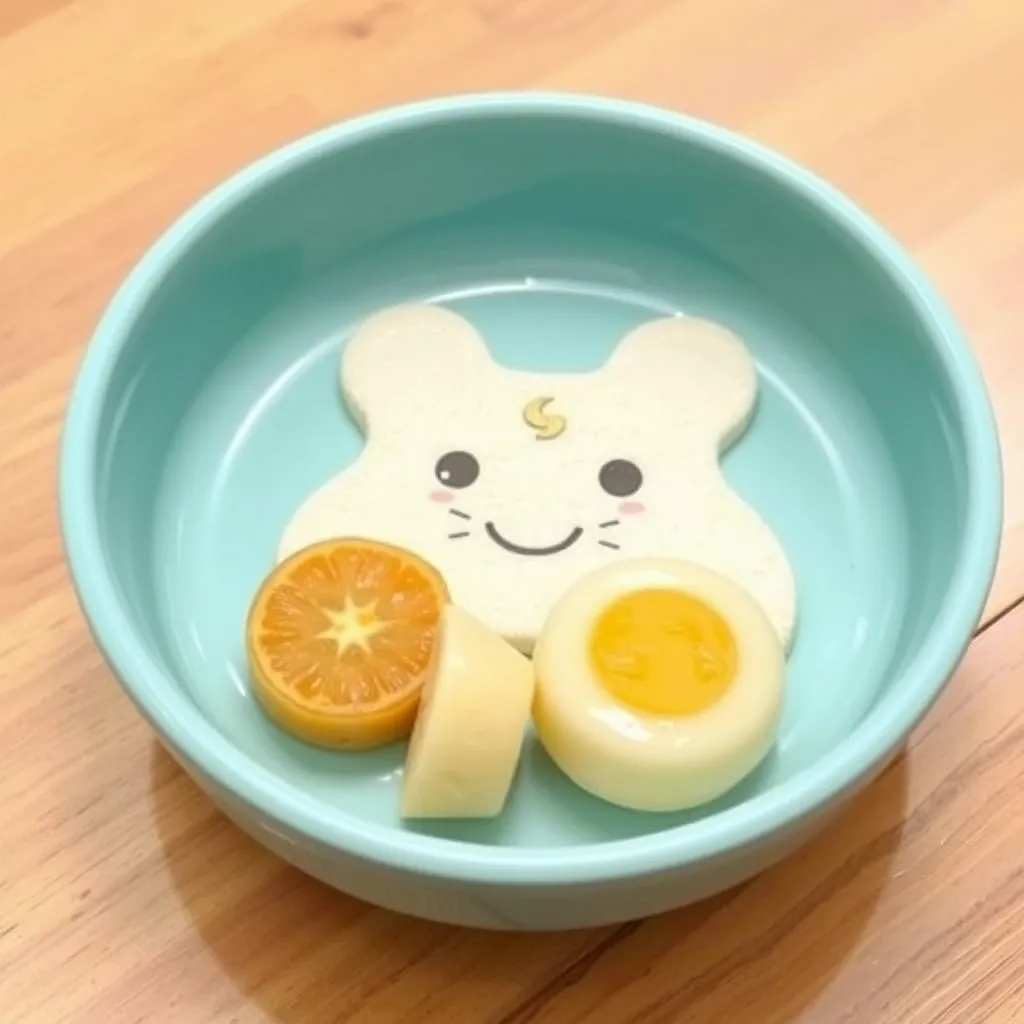
What you need: Empty baby food jars.
How to play: Guests compete to stack the most baby food jars in a tower without it falling. Highest tower wins!
47. Guess the Baby’s Birth Stats
What you need: Prediction cards for birth weight, length, and date.
How to play: Guests make predictions about the baby’s birth stats. Closest guesses win after the baby is born!
48. Baby Bottle Ring Toss
What you need: Empty baby bottles, plastic rings.
How to play: Set up bottles and have guests toss rings onto them from a distance. Most rings landed wins!
49. Baby Item Memory Game
What you need: Tray with various baby items, cover cloth.
How to play: Show tray of items briefly, then cover. Guests list as many items as they can remember.
50. Nursery Rhyme Completion
What you need: List of partial nursery rhymes.
How to play: Read the beginning of a nursery rhyme, guests complete it. Most correct completions wins!
51. Baby Bottle Bowling
What you need: Empty baby bottles as pins, soft ball.
How to play: Set up bottles like bowling pins. Guests take turns bowling. Highest score wins!
52. Guess the Baby Celebrity
What you need: Baby photos of celebrities, answer sheets.
How to play: Show baby photos of celebrities, guests guess who they are. Most correct guesses wins!
53. Diaper Messages
What you need: Clean diapers, markers.
How to play: Guests write funny or sweet messages on diapers for parents to discover during late-night changes.
54. Baby Food Jar Decorating
What you need: Clean baby food jars, decorating supplies.
How to play: Guests decorate baby food jars to be used as vases or storage. Mom-to-be chooses favorite!
55. Guess the Baby Product Price
What you need: Various baby products, price tags removed, guess sheets.
How to play: Display baby products, guests guess prices. Closest without going over wins!
56. Baby Bottle Relay Race
What you need: Baby bottles filled with liquid, straws.
How to play: Teams transfer liquid from one bottle to another using only a straw. First to fill their bottle wins!
57. Baby Item Alphabet Game
What you need: Paper, pens, timer.
How to play: Guests write down a baby-related item for each letter of the alphabet. Most complete list wins!
58. Guess the Baby Song
What you need: Playlist of songs with “baby” in the title.
How to play: Play snippets of songs, guests guess the title. Most correct guesses wins!
59. Baby Sock Puppet Theater
What you need: Baby socks, craft supplies.
How to play: Guests create sock puppets and perform short skits. Most entertaining skit wins!
60. Stroller Obstacle Course
What you need: Toy stroller, obstacles, baby doll.
How to play: Set up an obstacle course. Guests
Tips for Successful Baby Shower Games
- Keep it simple: Choose games that are easy to explain and play.
- Consider your audience: Pick games that suit the personalities of your guests.
- Have prizes ready: Small, inexpensive prizes make the games more exciting.
- Don’t overdo it: Plan for 3-5 games, depending on the length of your shower.
- Be inclusive: Make sure everyone can participate, including any guests with mobility issues.
FAQ about Baby Shower Games
Q: How many games should we play at a baby shower? A: Aim for 3-5 games, depending on the length of your shower. This allows time for other activities like opening gifts and eating.
Q: What if some guests don’t want to play games? A: That’s okay! Make game participation optional and have alternative activities available, like a guest book or advice cards for the parents-to-be.
Q: Are there games suitable for a co-ed baby shower? A: Absolutely! Games like the Diaper Raffle, Baby Item Scavenger Hunt, and Guess the Birth Date are great for co-ed showers.
Q: How can I make sure the games aren’t too embarrassing? A: Stick to games that don’t put anyone on the spot. Avoid games that might make guests uncomfortable, like measuring the mom-to-be’s belly without her explicit consent.
Q: Do I need to give prizes for every game? A: While not necessary, small prizes can make the games more fun. Consider having a few main prizes for the big games and smaller consolation prizes for others.
Remember, the most important thing is to have fun and celebrate the upcoming arrival of the new baby. These games are just a way to add some extra joy and laughter to the special day. Happy planning!

Can Babies Sleep on Their Side? What Every Parent Must Know!
As a parent, you want the best for your baby, especially when it comes to sleep. You might be wondering, “Can babies sleep on their side?” It’s a common question, and we’re here to help you understand everything about baby sleep positions.
Table of Contents
Quick Facts: Baby Sleep Positions
- Safest Position: On their back
- Side Sleeping: Not recommended for babies under 1 year
- SIDS Risk: Higher for side and stomach sleeping
- When Babies Roll: Usually around 4-6 months
- If Baby Rolls to Side: Gently place back on back
- Sleep Environment: Firm mattress, no loose bedding
The Safe Sleep ABCs
Before we dive deeper, let’s remember the ABCs of safe sleep for babies:
- A – Alone (in their own sleep space)
- B – on their Back
- C – in a Crib or bassinet
These guidelines, recommended by the American Academy of Pediatrics (AAP), are crucial for keeping your baby safe while sleeping.
Do Babies Sleep More When Teething? The Shocking Truth
Can Babies Sleep on Their Side?
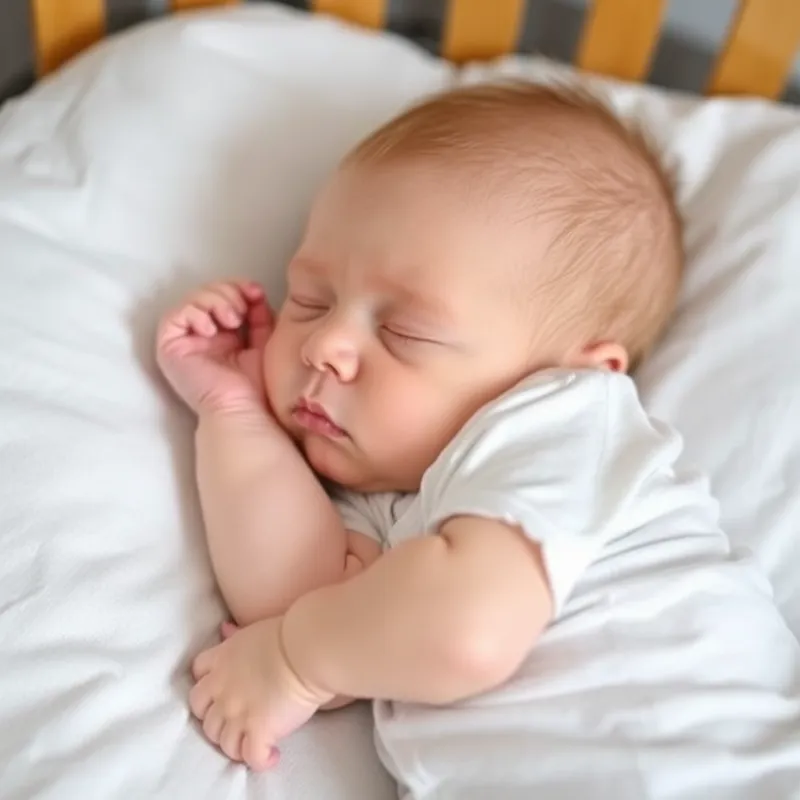
The short answer is: it’s not recommended for babies under 1 year old to sleep on their side. Here’s why:
- SIDS Risk: Side sleeping can increase the risk of Sudden Infant Death Syndrome (SIDS)
- Rolling Over: Babies might roll onto their tummy, which is dangerous if they can’t roll back
- Breathing Difficulties: Side sleeping can potentially obstruct a baby’s airway
“Back is best” isn’t just a catchy phrase – it’s a life-saving sleep position for babies.
What If My Baby Rolls to Their Side?
Around 4-6 months, many babies start rolling over. If your baby rolls to their side during sleep:
- Gently roll them onto their back
- Continue placing them on their back for sleep
- Once they can roll both ways consistently (usually around 6 months), it’s okay to leave them
Remember, every time you put your baby to sleep, start with them on their back.
Creating a Safe Sleep Environment
Whether your baby sleeps on their back or rolls to their side, a safe sleep environment is crucial:
Do’s:
- Use a firm, flat sleep surface
- Keep the crib bare (no pillows, blankets, or toys)
- Use a fitted sheet
- Dress baby appropriately for the room temperature
Don’ts:
- Don’t use crib bumpers
- Don’t let baby sleep on soft surfaces
- Don’t place anything in the crib
- Don’t overheat the room
For more detailed information on creating a safe sleep environment, check out the Safe to Sleep campaign by the National Institutes of Health.
Understanding SIDS and Sleep Positions

SIDS is a scary thought for parents. While we don’t know exactly what causes it, we do know that sleep position plays a role. Here’s what you need to know:
- Back sleeping reduces SIDS risk by 50%
- Side sleeping is not as safe as back sleeping
- Tummy sleeping has the highest SIDS risk
The AAP started recommending back sleeping in 1992, and since then, SIDS rates have dropped dramatically. This shows how important sleep position is for baby safety.
Best Sleeping Position for Baby with a Stuffy Nose
What About Reflux?
Some parents worry about back sleeping if their baby has reflux. But don’t worry! Studies show that:
- Back sleeping doesn’t increase choking risk
- Babies naturally turn their heads if they spit up
- Back sleeping might actually help reduce reflux
If you’re concerned about your baby’s reflux, talk to your pediatrician. They can provide safe ways to manage reflux while keeping your baby safe during sleep.
When Can Babies Sleep in Other Positions?
As your baby grows, they’ll naturally start to move around more during sleep. Here’s a general timeline:
| Age | Sleep Position |
|---|---|
| 0-12 months | Always place on back to sleep |
| 4-6 months | May start rolling over (keep placing on back) |
| 6+ months | If rolling both ways, can be left in position they choose |
| 12+ months | Risk of SIDS decreases, more freedom in sleep position |
Remember, even if your baby can roll, always start by placing them on their back for sleep.
Tips for Encouraging Back Sleeping
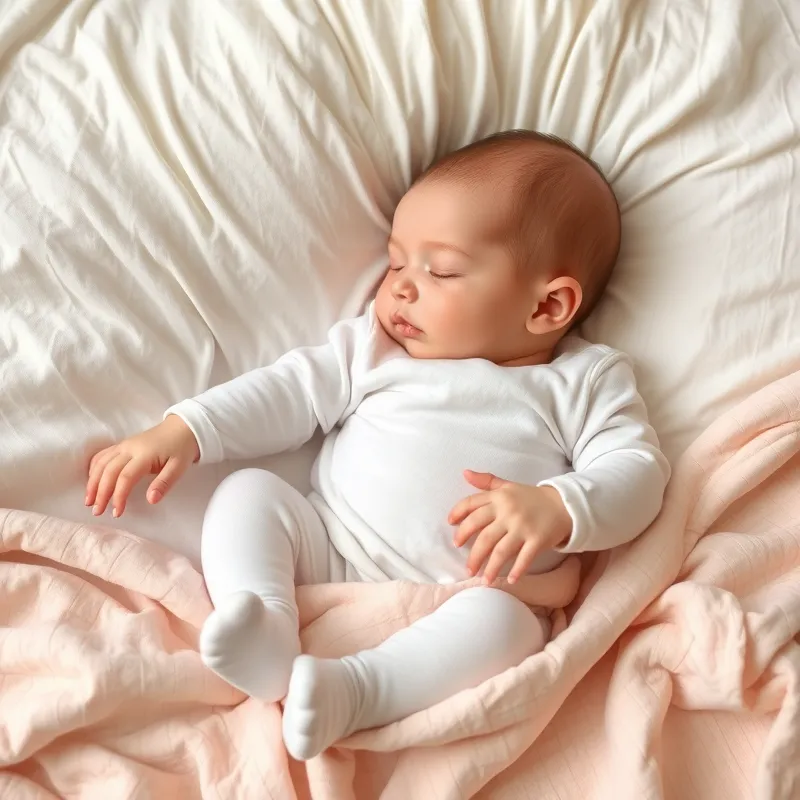
Some babies prefer side sleeping. Here are some tips to encourage back sleeping:
- Swaddling: Safely swaddle your baby (stop when they start to roll)
- White noise: Use a white noise machine to create a soothing environment
- Pacifier: Offer a pacifier at bedtime (it can reduce SIDS risk)
- Consistency: Always place baby on their back, even for naps
- Practice: Do tummy time during awake hours to strengthen muscles
For more tips on encouraging safe sleep, visit the NICHD’s page on reducing SIDS risk.
FAQs About Baby Sleep Positions
Q: What if my baby rolls onto their side while sleeping?
A: If your baby is under 6 months or can’t roll both ways yet, gently roll them onto their back. Always start sleep on the back.
Q: Can I use sleep positioners to keep my baby on their back?
A: No, sleep positioners are not recommended. They can be a suffocation hazard.
Q: My baby sleeps better on their side. Is it okay just for naps?
A: No, it’s important to follow safe sleep guidelines for all sleep periods, including naps.
Q: When can my baby sleep with a pillow?
A: The AAP recommends waiting until your child is at least 2 years old before introducing a pillow.
Conclusion: Safety First for Baby Sleep
While it might seem tempting to let your baby sleep on their side, especially if they seem more comfortable that way, it’s crucial to prioritize safety. Remember:
- Always place your baby on their back to sleep
- Create a safe sleep environment
- Be consistent with safe sleep practices
By following these guidelines, you’re giving your baby the best chance for safe, healthy sleep. It might take some patience and practice, but your baby’s safety is worth it!
For more information on baby sleep safety, check out the Healthy Children website from the American Academy of Pediatrics.
Remember, every baby is unique. If you have concerns about your baby’s sleep position or habits, don’t hesitate to talk to your pediatrician. They can provide personalized advice based on your baby’s specific needs and development.
Do Babies Sleep More When Teething? The Shocking Truth
If you’re a parent wondering, “Do babies sleep more when teething?” you’re not alone. Teething can be a tricky time for both babies and parents. Let’s dive into this topic and explore how teething affects your little one’s sleep habits.
Table of Contents
Quick Teething and Sleep Facts
- Teething Impact: Can disrupt sleep patterns
- Sleep Changes: Most babies sleep less, not more
- Common Age: 4-7 months, but varies
- Duration: A few days to several weeks per tooth
- Symptoms: Fussiness, drooling, chewing, slight fever
- Help Sleep: Consistent bedtime routine, comfort measures
Understanding Teething and Sleep
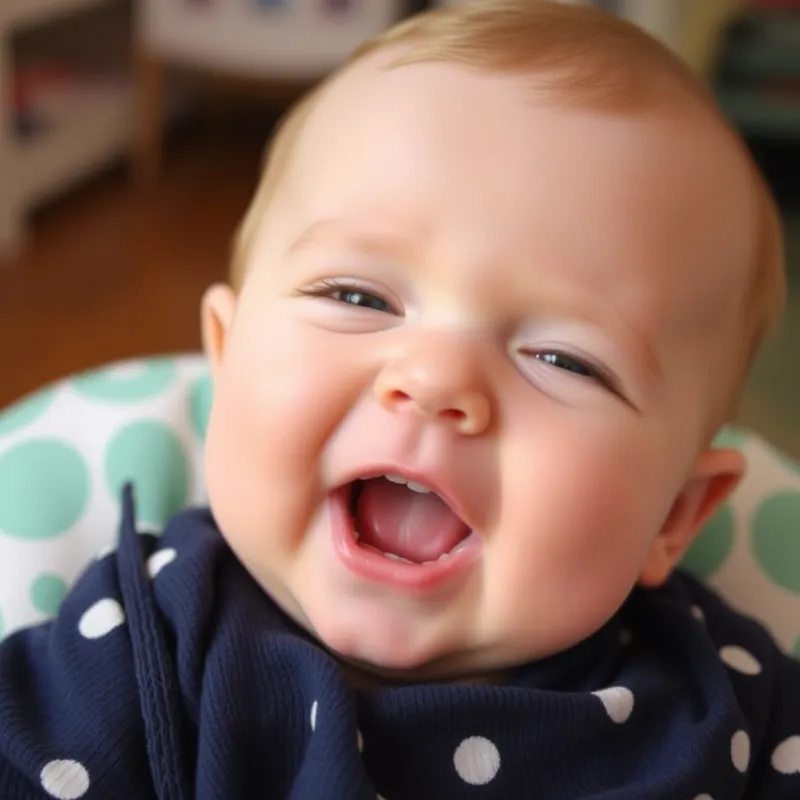
Teething is a natural process where your baby’s first teeth start to come through their gums. It usually begins around 4-7 months old, but can start earlier or later. During this time, many parents notice changes in their baby’s sleep patterns.
Best Sleeping Position for Baby with a Stuffy Nose
“Contrary to what some might think, most babies don’t sleep more when teething. In fact, they often sleep less and wake more frequently.”
Why Teething Affects Sleep
Teething can impact your baby’s sleep for several reasons:
- Discomfort: Sore gums can make it hard to settle
- Pain: Some babies experience more pain at night
- Increased drooling: Can lead to coughing or gagging
- Excitement: New sensations in the mouth can be distracting
How to Get Baby to Sleep in Bassinet A Complete Guide for Exhausted Parents
Common Teething Symptoms
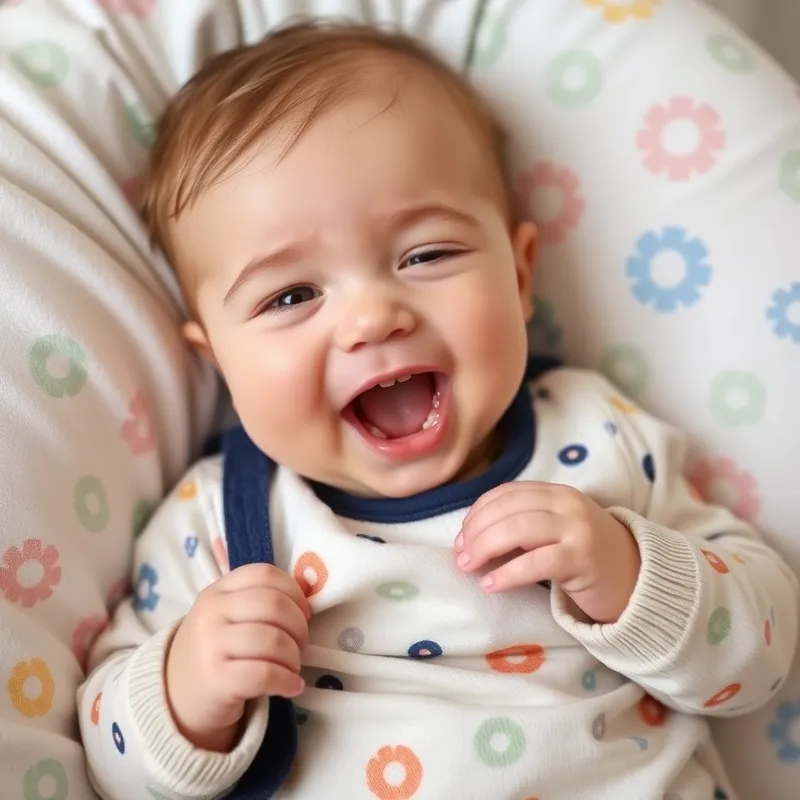
Recognizing teething symptoms can help you understand why your baby’s sleep might be disrupted. Look out for:
Physical Signs:
- Red, swollen gums
- Excessive drooling
- Chewing on objects
- Slight increase in temperature
Behavioral Signs:
- Increased fussiness
- Changes in eating habits
- Pulling on ears
- Disturbed sleep patterns
Do Babies Really Sleep More When Teething?
The short answer is: usually not. Most babies actually sleep less when they’re teething. Here’s what typically happens:
- Shorter naps: Discomfort can make it hard to stay asleep
- More night wakings: Pain might wake your baby more often
- Trouble falling asleep: Sore gums can make it difficult to settle
- Early morning wakings: Some babies wake earlier than usual
However, every baby is different. Some might sleep more due to the extra energy their body uses to grow new teeth. But this is less common.
Helping Your Teething Baby Sleep Better
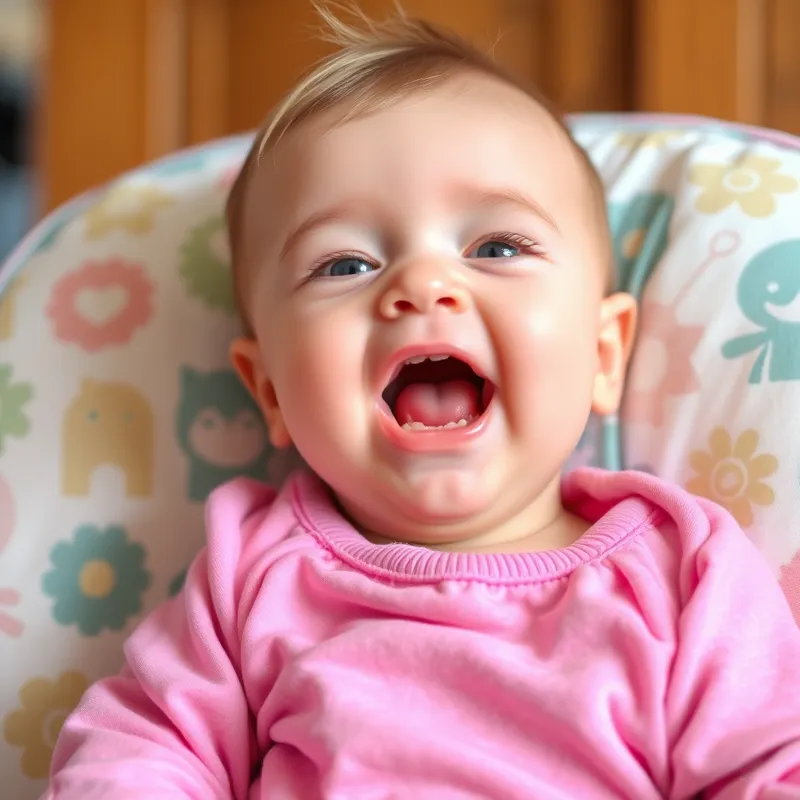
While you can’t stop teething, you can help your baby sleep better during this time. Try these tips:
- Stick to routines: Keep consistent bedtime and nap routines
- Comfort measures: Offer a teething ring or gentle gum massage
- Pain relief: Ask your doctor about safe pain relief options
- Extra cuddles: Provide extra comfort and reassurance
- Cool compress: A cool washcloth can soothe sore gums
For more detailed advice on managing teething pain, check out the NHS guide on helping teething babies.
When to Worry About Teething and Sleep
While some sleep disruption is normal during teething, excessive problems might indicate something else. Contact your pediatrician if:
- Your baby has a fever over 101°F (38.3°C)
- Sleep disturbances last for several weeks without improvement
- Your baby seems to be in severe pain
- You notice other concerning symptoms like rashes or diarrhea
The Teething Timeline
Understanding the teething timeline can help you prepare for potential sleep disruptions:
| Age Range | Teeth Appearing |
|---|---|
| 4-7 months | Bottom front teeth (central incisors) |
| 8-12 months | Top front teeth (central and lateral incisors) |
| 13-19 months | First molars and canine teeth |
| 23-33 months | Second molars |
Remember, this timeline is just a guide. Every baby is unique and may teeth at different times.
Maintaining Healthy Sleep Habits During Teething
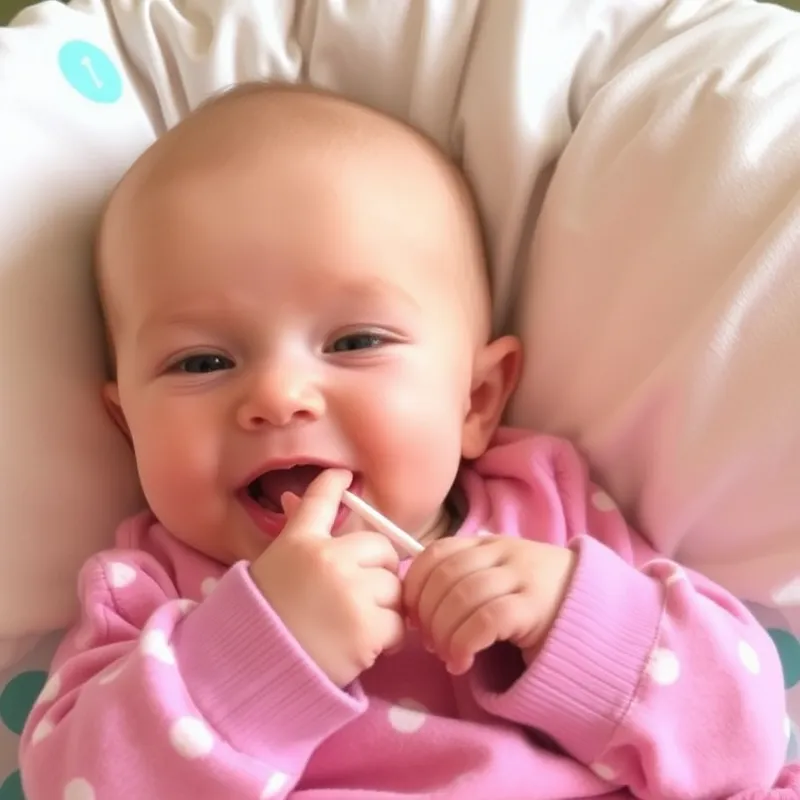
Even during teething, it’s important to maintain good sleep habits. Here are some tips:
- Consistent bedtime: Stick to your usual bedtime as much as possible
- Calming routine: Use a soothing bedtime routine like a warm bath or gentle massage
- Comfortable environment: Keep the room dark, quiet, and at a comfortable temperature
- Avoid overtiredness: An overtired baby might have more trouble sleeping
- Respond quickly: Attend to your baby promptly if they wake up in pain
For more tips on establishing healthy sleep habits, visit the Sleep Foundation’s baby sleep guide.
FAQs About Babies, Teething, and Sleep
Q: Can teething cause fever?
A: Teething might cause a slight increase in temperature, but not a high fever. If your baby has a temperature over 101°F (38.3°C), contact your doctor.
Q: How long does teething discomfort last?
A: Typically, discomfort lasts for a few days before and after a tooth emerges. However, some babies might experience discomfort for longer periods.
Q: Is it safe to use teething gels?
A: Some teething gels are safe, but always check with your pediatrician first. Many experts recommend avoiding gels with benzocaine due to rare but serious side effects.
Q: Can I give my baby pain relief medication for teething?
A: Always consult your pediatrician before giving any medication. They might recommend infant acetaminophen or ibuprofen for severe discomfort.
Conclusion: Patience and Understanding
While babies typically don’t sleep more when teething, understanding the process can help you navigate this challenging time. Remember, teething is temporary, and your baby’s sleep patterns will likely return to normal once the tooth has come through.
Be patient with your baby and yourself. Offer comfort, maintain consistent routines, and don’t hesitate to seek help if you’re concerned. With time and care, both you and your baby will make it through the teething phase, emerging with beautiful new smiles and, hopefully, better sleep!
For more information on baby sleep and development, check out the Zero to Three guide on healthy sleep habits.
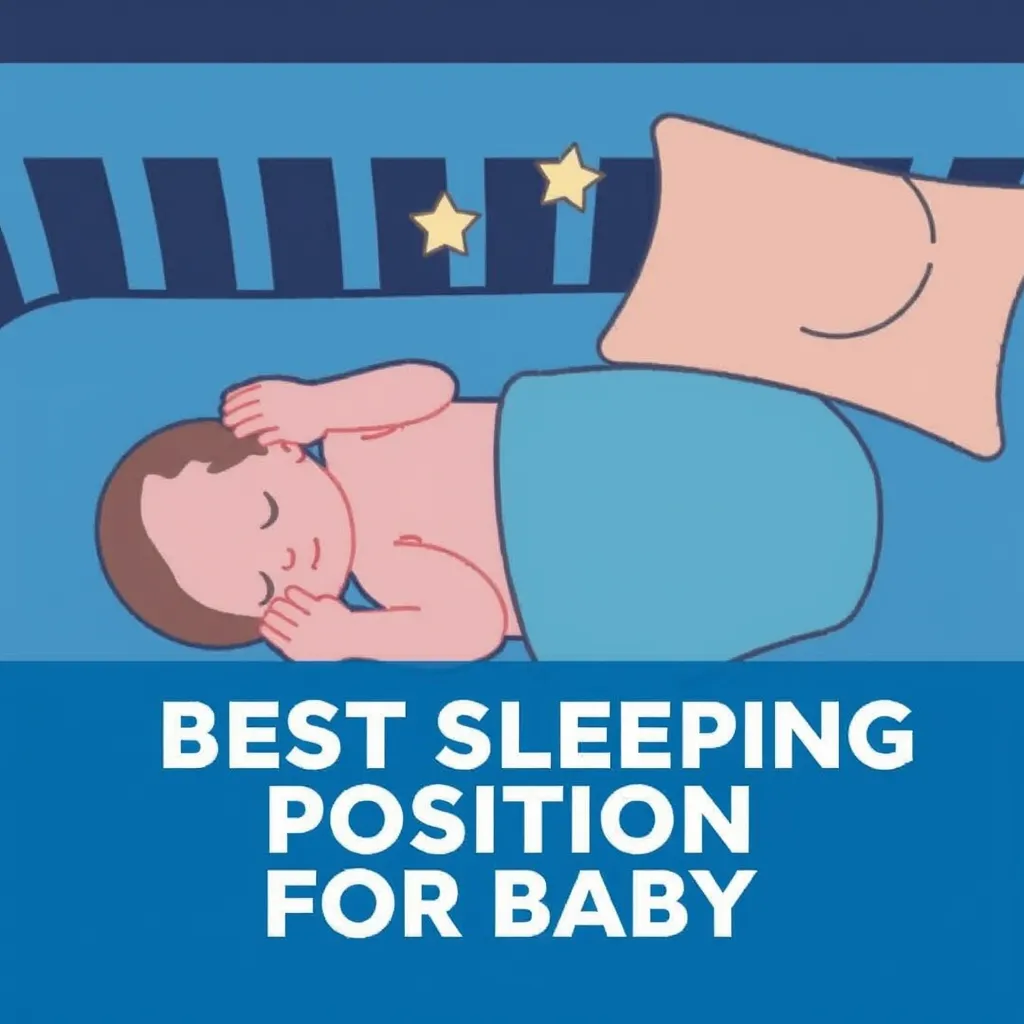
Best Sleeping Position for Baby with a Stuffy Nose
As a parent, there’s nothing more distressing than watching your little one struggle to sleep with a stuffy nose. But don’t worry! This comprehensive guide will walk you through the Best Sleeping Position for a Baby with a fluffy nose and provide practical tips to ensure a safe and comfortable night’s rest for your little one.
Table of Contents
Quick Guide: Helping Your Baby Sleep with a Stuffy Nose
- Best Position: On their back, with head slightly elevated
- Safe Elevation: Use a firm wedge under the crib mattress
- Clear Airways: Use saline drops and nasal suction before bedtime
- Humidity: Run a cool-mist humidifier in the room
- Temperature: Keep the room comfortably cool (68-72°F)
- Hydration: Offer frequent feedings to prevent dehydration
Why the Right Sleeping Position Matters
Finding the right sleeping position is crucial when your baby has a stuffy nose. It can mean the difference between a restless night and a peaceful slumber. The correct position helps to:
- Facilitate better breathing
- Reduce congestion
- Prevent further complications
- Ensure your baby’s safety
The Best Sleeping Position: Back is Best
The American Academy of Pediatrics (AAP) recommends that babies should always sleep on their backs, even when they have a stuffy nose. This position is the safest for preventing Sudden Infant Death Syndrome (SIDS) and helps keep airways open.
“Back to sleep” is not just a catchy phrase – it’s a life-saving practice that every parent should follow, stuffy nose or not.
Why Not on the Side or Stomach?
You might be tempted to place your baby on their side or stomach to help with congestion, but these positions can be dangerous:
- Side sleeping: Increases the risk of your baby rolling onto their stomach
- Stomach sleeping: Can lead to rebreathing exhaled air, increasing the risk of SIDS
Safe Ways to Elevate Your Baby’s Head
While keeping your baby on their back, you can safely elevate their head to help with nasal congestion:
- Crib wedge: Place a firm wedge under the crib mattress at the head end
- Slight incline: Aim for a 15-30 degree angle
- Never use pillows: They pose a suffocation risk
Remember, the goal is to create a slight incline for the entire sleep surface, not just to prop up your baby’s head.
15 Red Flags Signs Your Baby is Too Hot While Sleeping
Clearing the Airways: Pre-Sleep Routine
Before putting your baby to bed, follow these steps to clear their nasal passages:
- Use saline drops to loosen mucus
- Gently suction out the mucus with a nasal aspirator
- Wipe the nose clean with a soft cloth
This routine can significantly improve your baby’s breathing and comfort during sleep.
Creating the Ideal Sleep Environment
The right environment can make a big difference in your baby’s sleep quality when they have a stuffy nose:
Do’s:
- Use a cool-mist humidifier
- Keep the room temperature between 68-72°F
- Ensure good air circulation
Don’ts:
- Don’t use hot-water vaporizers (burn risk)
- Avoid strong fragrances or essential oils
- Don’t overdress your baby
Hydration is Key
A stuffy nose can lead to mouth breathing, which can cause dehydration. To prevent this:
- Offer frequent breastfeeding or bottle-feeding sessions
- For babies over 6 months, offer small sips of water
- Watch for signs of dehydration (dry mouth, fewer wet diapers)
When to Seek Medical Help
While most stuffy noses in babies are harmless, sometimes they can indicate a more serious condition. Contact your pediatrician if you notice:
- Difficulty breathing or rapid breathing
- Fever lasting more than 3 days
- Decreased appetite or refusal to feed
- Unusual irritability or lethargy
Natural Remedies to Try
In addition to proper positioning and environment, consider these natural remedies:
- Breast milk drops: A few drops in each nostril can help loosen mucus
- Steam therapy: Run a hot shower and sit in the steamy bathroom with your baby for 10-15 minutes before bedtime
- Gentle massage: Lightly massage your baby’s forehead and bridge of the nose to promote sinus drainage
Always consult with your pediatrician before trying new remedies, especially for very young infants.
FAQs About Baby Sleep and Stuffy Noses
Q: Can I use a pillow to elevate my baby’s head?
A: No, pillows are not safe for babies under 1 year old. Use a crib wedge under the mattress instead.
Q: Is it safe to use nasal sprays for my baby?
A: Saline nasal sprays are generally safe, but always consult your pediatrician before using any medication.
Q: How long does a stuffy nose usually last in babies?
A: Most cases of nasal congestion in babies clear up within 5-7 days. If it persists longer, consult your doctor.
Q: Can teething cause a stuffy nose?
A: Yes, teething can cause increased mucus production, leading to a stuffy nose.
Conclusion: Sweet Dreams Ahead
Dealing with a baby’s stuffy nose at night can be challenging, but remember that safety comes first. Always place your baby on their back to sleep, even when congested. Use safe methods to elevate the head end of the crib, clear nasal passages before bed, and create a comfortable sleep environment. With these tips and a little patience, you’ll help your baby breathe easier and sleep better, even with a stuffy nose.
For more information on infant sleep safety, visit the American Academy of Pediatrics Safe Sleep Guidelines.
Remember, every baby is unique, and what works for one might not work for another. Don’t hesitate to contact your pediatrician if you have concerns about your baby’s sleep or breathing. With the right approach, you and your baby will be on your way to restful nights, stuffy nose or not!

15 Red Flags Signs Your Baby is Too Hot While Sleeping
As a parent, ensuring your baby’s comfort and safety during sleep is paramount. One crucial aspect of this is monitoring your little one’s temperature to prevent overheating. Overheating isn’t just uncomfortable for your baby; it can pose serious health risks, including increasing the risk of Sudden Infant Death Syndrome (SIDS). In this comprehensive guide, we’ll explore the numerous signs that indicate your baby might be too hot while sleeping and provide practical tips to maintain an optimal sleep environment.
Table of Contents
Key Takeaways: 15 Signs Your Baby is Overheating
- Sweating (especially on the neck and head)
- Flushed, red skin
- Rapid breathing
- Restlessness and difficulty settling
- Hot chest and tummy
- Elevated heart rate
- Heat rash
- Lethargy or unresponsiveness
- Dry mouth or lips
- Refusing feeds
- Irritability or fussiness
- Vomiting
- Warm, clammy skin
- Dizziness (in older babies)
- Fewer wet diapers than usual
Why is Overheating a Serious Concern?
Before we delve into the signs, it’s essential to understand why overheating is such a critical issue for babies. According to the National Institute of Child Health and Human Development, maintaining a comfortable sleep temperature is crucial for safe sleep and reducing the risk of SIDS. Babies have difficulty regulating their body temperature, making them more susceptible to overheating than adults.
15 Signs Your Baby is Too Hot While Sleeping
Let’s explore each of these signs in detail:
1. Sweating
One of the most obvious signs of overheating is sweating. Look for:
- Damp hair, especially at the nape of the neck
- Wet patches on clothing or bedding
- A moist or clammy feel to the skin, particularly behind the ears
“If your baby’s hair is wet with sweat, especially during sleep, it’s a clear indicator they’re too warm,” notes pediatric sleep consultant Dr. Sarah Johnson.
2. Flushed, Red Skin
Overheating can cause your baby’s skin to become red and flushed. Check for:
- Rosy red cheeks (beyond normal baby rosiness)
- Redness on the chest, back, or limbs
- Overall flushed appearance
3. Rapid Breathing
An overheated baby may breathe faster than usual. Observe for:
- Quicker rise and fall of the chest
- Noticeable increase in breath rate
- Possible panting or shallow breathing
Important: If your baby’s breathing seems labored or unusually rapid, seek medical attention immediately.
4. Restlessness and Difficulty Settling
A baby who’s too hot often can’t get comfortable. Watch for:
- Increased tossing and turning
- Trouble falling asleep or staying asleep
- General fussiness or irritability during sleep times
5. Hot Chest and Tummy
While it’s normal for a baby’s extremities to feel cool, their core should be warm, not hot. Check:
- The temperature of their chest and tummy
- If these areas feel uncomfortably warm to the touch
6. Elevated Heart Rate
An overheated baby may have a faster heartbeat than usual. Note:
- A noticeably rapid pulse
- Heart rate that doesn’t slow even when the baby seems calm
7. Heat Rash
Prolonged overheating can lead to heat rash. Look for:
- Small, red bumps on the skin
- Rash especially prevalent in skin folds or areas where clothing fits snugly
8. Lethargy or Unresponsiveness
In severe cases of overheating, a baby might become unusually sleepy or unresponsive. Be alert for:
- Difficulty waking the baby
- Unusual quietness or lack of movement
- Decreased responsiveness to stimuli
9. Dry Mouth or Lips
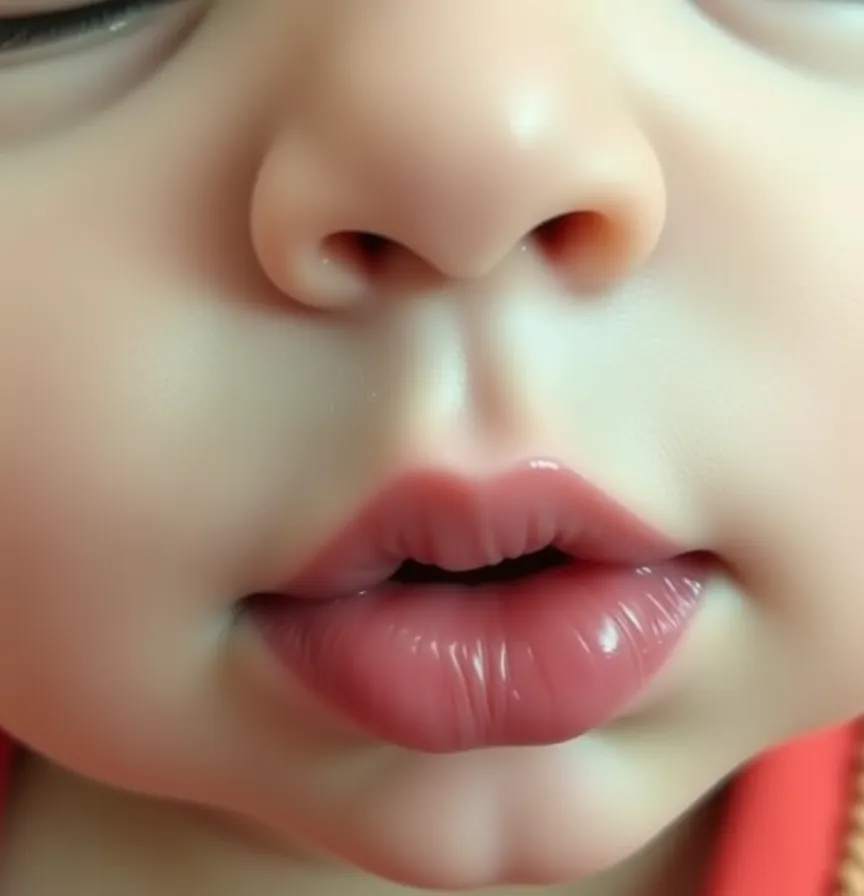
Overheating can lead to dehydration. Check for:
- Dry or chapped lips
- Less saliva or a sticky feeling in the mouth
- Decreased number of wet diapers
10. Refusing Feeds
An overheated baby might show less interest in feeding. Notice if:
- Your baby is disinterested in breast or bottle
- Feeds are shorter than usual
- There’s a sudden decrease in appetite
11. Irritability or Fussiness
Discomfort from overheating can make babies cranky. Watch for:
- Increased crying or fussing
- Difficulty consoling the baby
- General signs of discomfort or distress
How to Get Baby to Sleep in Bassinet A Complete Guide for Exhausted Parents
12. Vomiting
In some cases, overheating can lead to nausea. Be aware of:
- Unexplained vomiting
- Refusing to eat followed by vomiting
13. Warm, Clammy Skin
Touch your baby’s skin to check its temperature and texture:
- Skin that feels warmer than usual
- A clammy or sticky feeling to the touch
14. Dizziness (in Older Babies)
For babies who are mobile, overheating might cause dizziness. Look for:
- Unsteady movements
- Clumsiness beyond normal developmental stages
15. Fewer Wet Diapers Than Usual
Overheating can lead to mild dehydration. Monitor:
- The frequency of diaper changes
- The wetness of diapers
Preventing Overheating: Tips for Parents
Now that you’re aware of the signs, here are some strategies to prevent your baby from getting too hot while sleeping:
- Monitor room temperature: Aim for a sleep environment between 68-72°F (20-22°C).
- Dress appropriately: Use lightweight, breathable clothing and adjust layers as needed.
- Choose the right bedding: Opt for breathable materials and avoid heavy blankets.
- Use a fan: Circulate air in the room, but don’t point it directly at your baby.
- Check for drafts: Ensure your baby isn’t in the path of heating vents or air conditioners.
- Use a room thermometer: Keep track of the nursery’s temperature consistently.
- Avoid overdressing: Remember, babies often need one more layer than adults, but not more.
- Consider a breathable mattress: Some mattresses are designed to regulate temperature better.
What to Do If Your Baby is Too Hot
If you notice signs of overheating:
- Remove a layer of clothing or bedding
- Move your baby to a cooler room if possible
- Offer extra fluids (breastmilk or formula for babies under 6 months)
- Give a lukewarm bath if needed
- Use a damp cloth to cool your baby’s skin gently
Important: Never use cold water or ice to cool a baby, as this can be too shocking to their system.
Seasonal Considerations
Remember that your approach might need to change with the seasons:
- Summer: Be extra vigilant about overheating. Use lightweight sleepwear and consider a fan in the room.
- Winter: It’s tempting to bundle up, but indoor heating can lead to overheating. Layer clothing so you can easily adjust.
FAQs About Baby Overheating While Sleeping
Q: Can a baby overheat in a sleep sack?
A: Yes, if the sleep sack is too thick or the room is too warm. Choose a sleep sack appropriate for the room temperature and your baby’s needs.
Q: Is it okay for my baby to sleep without clothes in hot weather?
A: A diaper alone might be fine in very hot weather, but usually, a thin onesie is recommended to prevent your baby from getting too cold if the temperature drops during the night.
Q: How often should I check on my sleeping baby?
A: It’s a good idea to check on your baby every few hours, especially when you’re adjusting to a new sleep environment or during extreme weather.
Q: Can overheating cause a fever in babies?
A: Overheating can raise body temperature, but it doesn’t cause a true fever. If your baby has a temperature over 100.4°F (38°C), consult your pediatrician.
Q: Are there long-term effects of a baby overheating?
A: While occasional mild overheating is usually not harmful, chronic or severe overheating can potentially lead to heat exhaustion or other health issues. Always consult with your pediatrician if you have concerns.
Conclusion: Vigilance is Key
Understanding the many signs that your baby is too hot while sleeping is crucial for their comfort and safety. By being aware of these signs and taking preventive measures, you can ensure that your little one gets the restful, safe sleep they need. Remember, every baby is different, so pay attention to your child’s individual cues and don’t hesitate to consult with your pediatrician if you have concerns.
With the right knowledge and a little vigilance, you can create the perfect sleep environment for your baby, giving both of you the peace of mind for a good night’s rest. Stay alert to these signs, trust your instincts, and enjoy watching your little one sleep soundly and safely.
How to Get Baby to Sleep in Bassinet A Complete Guide for Exhausted Parents
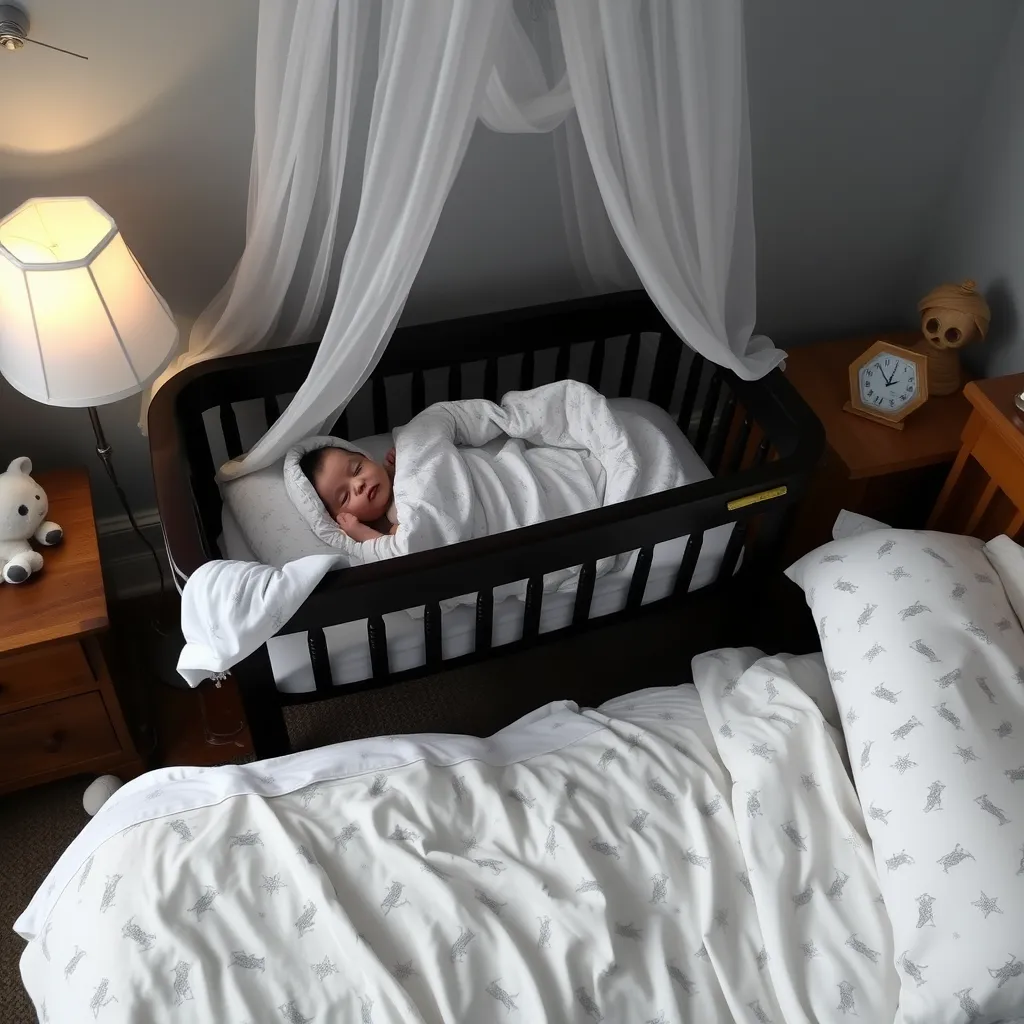
Are you struggling with How to Get Baby to Sleep in Bassinet A Complete Guide for Exhausted Parents? You’re not alone! Many parents face this challenge, but you can help your baby feel safe and comfortable in their sleep space with the right strategies. This comprehensive guide will walk you through everything you need to know about getting your baby to sleep in a bassinet, from creating the perfect sleep environment to establishing effective routines.
Table of Contents
Key Takeaways
- Create a consistent bedtime routine
- Ensure the bassinet is comfortable and safe
- Swaddle your baby for added comfort
- Use white noise to create a soothing environment
- Practice putting baby down drowsy but awake
- Be patient and persistent in your efforts
Why Won’t My Baby Sleep in the Bassinet?
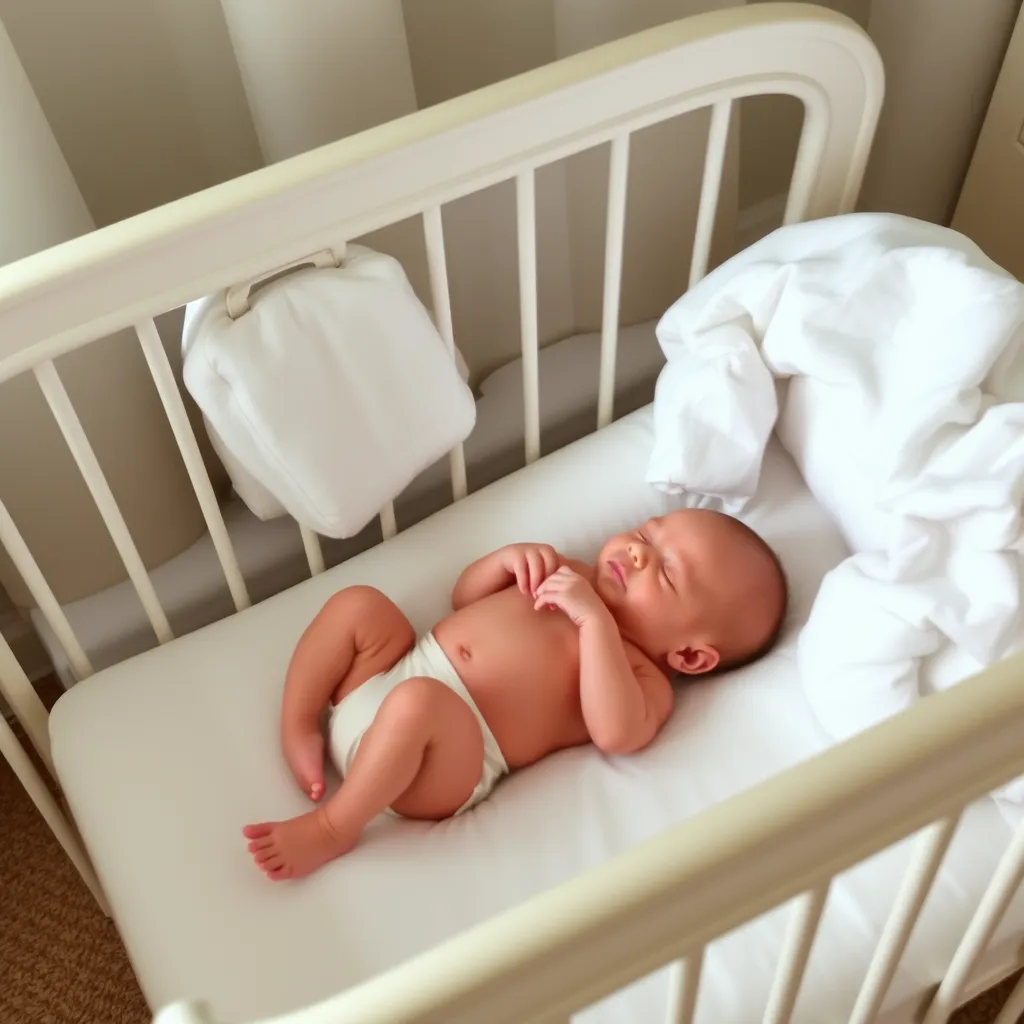
Before we dive into solutions, it’s important to understand why your baby might be resistant to sleeping in their bassinet. Common reasons include:
- Preference for being held
- Unfamiliarity with the bassinet
- Discomfort or temperature issues
- Startle reflex disturbing sleep
- Hunger or need for feeding
- Overtiredness
Childhood Dream as a Foundation for Growth and Success
Creating the Perfect Sleep Environment
A comfortable and safe sleep environment is crucial for helping your baby settle into their bassinet. Here’s how to optimize your baby’s sleep space:
1. Temperature Control
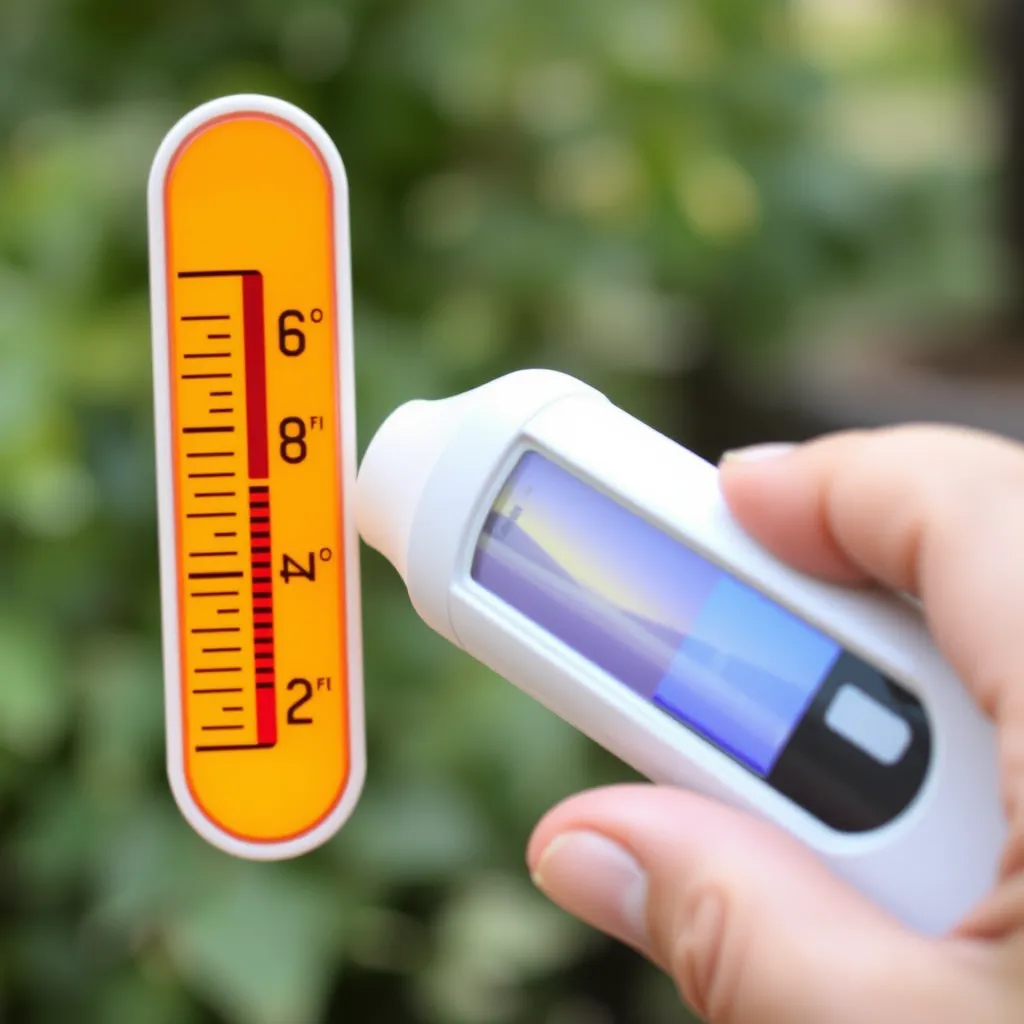
Keep the room temperature between 68-72°F (20-22°C). A study by the American Academy of Pediatrics suggests this range is ideal for infant sleep.
2. Lighting
Use blackout curtains or shades to create a dark environment, which promotes the production of melatonin, the sleep hormone.
3. White Noise
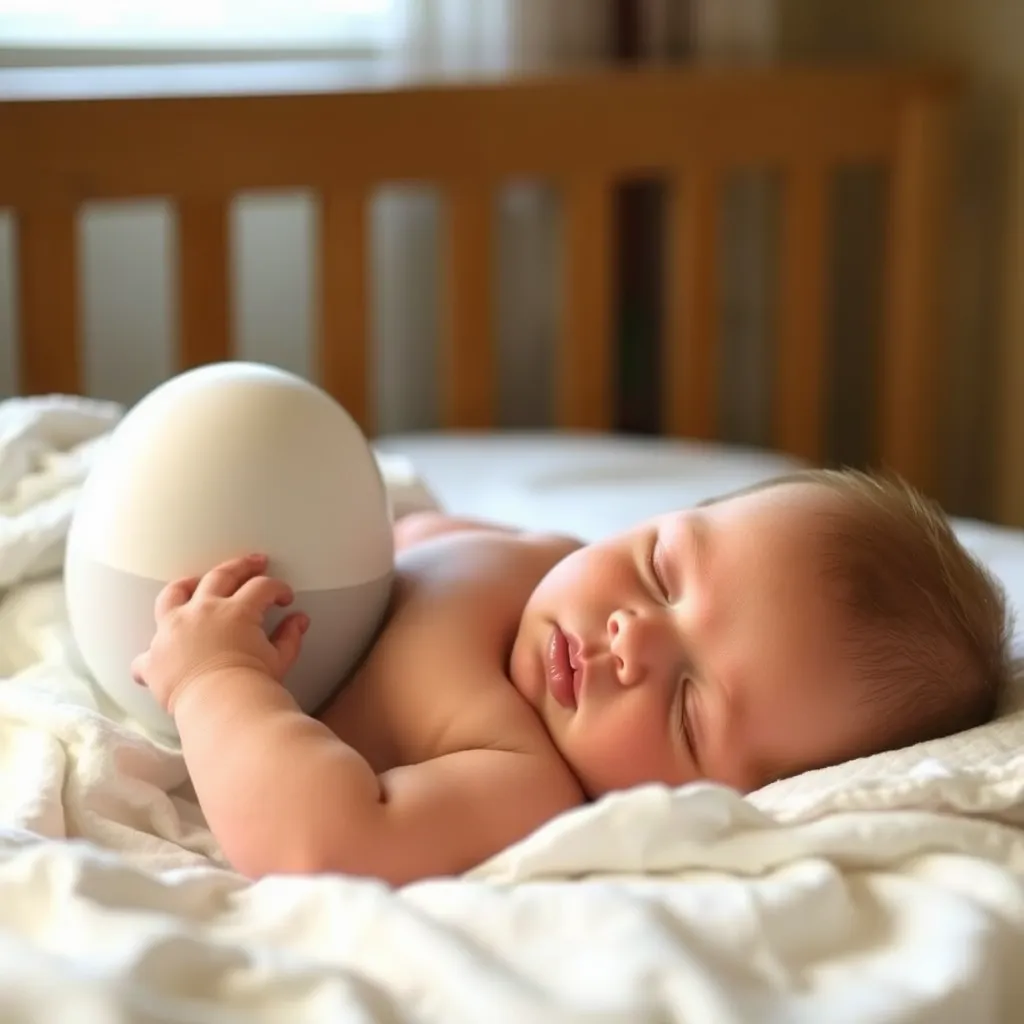
A white noise machine can help mask sudden noises and create a womb-like atmosphere. The National Library of Medicine reports that white noise can significantly reduce the time it takes for babies to fall asleep.
4. Comfortable Bedding
Use a firm mattress with a fitted sheet. Avoid loose blankets, pillows, or toys in the bassinet to reduce the risk of SIDS.
Establishing a Bedtime Routine
A consistent bedtime routine signals your baby that it’s time to sleep. Here’s a sample routine you can adapt:
- Bath time: A warm bath can be relaxing for your baby.
- Massage: Gently massage your baby with lotion to help them relax.
- Pajamas: Change your baby into comfortable sleepwear.
- Feeding: Offer a final feed to ensure your baby isn’t hungry.
- Story or lullaby: Read a short story or sing a quiet lullaby.
- Swaddle: If your baby isn’t rolling yet, swaddle them snugly.
- Goodnight phrase: Use a consistent phrase like “It’s sleepy time, I love you.”
“Consistency is key. Your baby will learn to associate these activities with sleep, making bedtime easier over time.” – Dr. Harvey Karp, pediatrician and author of “The Happiest Baby on the Block”
Swaddling: Your Secret Weapon
Swaddling can be a game-changer for many babies. It helps recreate the snug feeling of the womb and prevents the startle reflex from waking your baby. Here’s how to swaddle safely:
- Spread a thin blanket on a flat surface, folded into a diamond shape.
- Place your baby on their back with their shoulders aligned with the top fold.
- Bring one side of the blanket across your baby’s body and tuck it under them.
- Fold the bottom up over their feet.
- Bring the other side across and tuck it in, leaving room for hip movement.
Important: Stop swaddling once your baby shows signs of rolling over, typically around 2-3 months old.
The “Drowsy But Awake” Technique
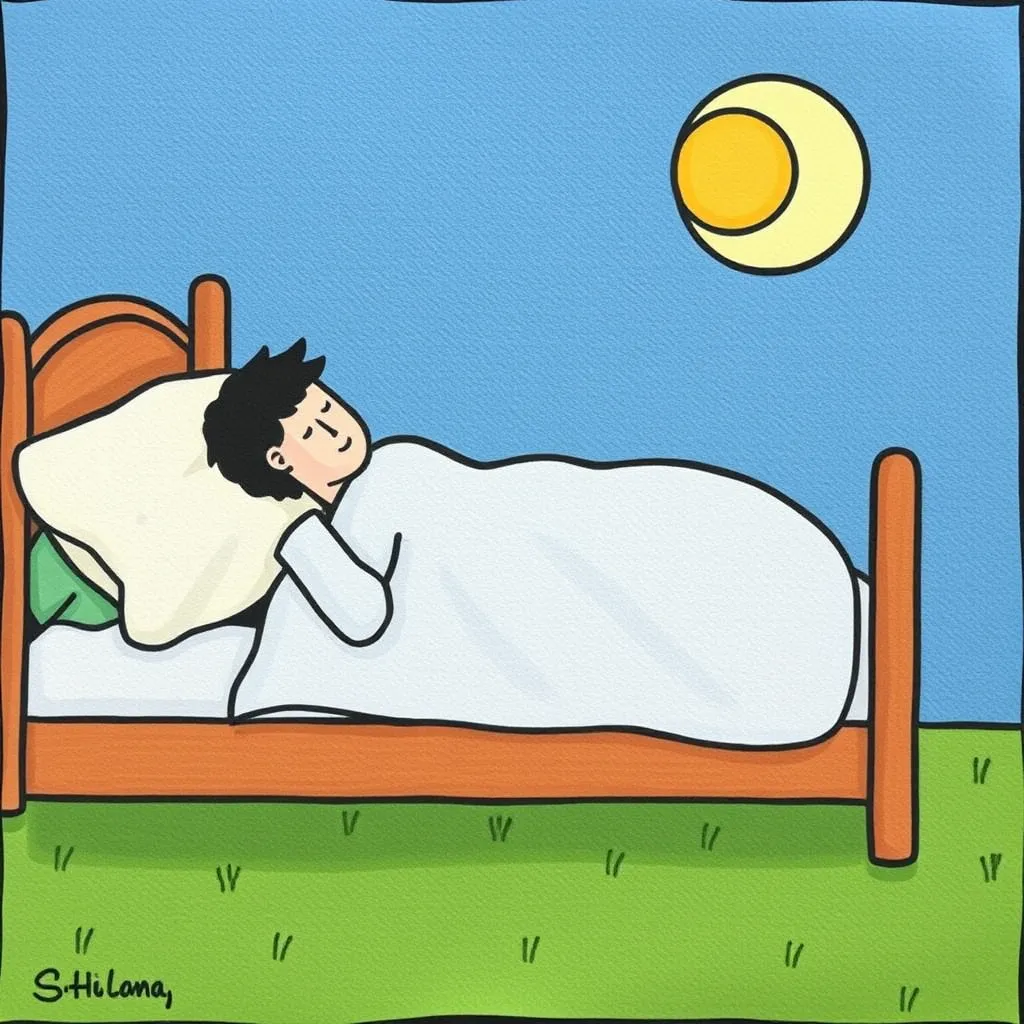
One effective method for encouraging independent sleep is putting your baby down when they’re drowsy but still awake. This helps them learn to fall asleep on their own. Here’s how to do it:
- Watch for sleep cues (yawning, rubbing eyes, becoming quiet).
- Start your bedtime routine when you notice these signs.
- After the routine, place your baby in the bassinet while they’re relaxed but not fully asleep.
- Gently pat or shush them if needed, gradually reducing your assistance over time.
Troubleshooting Common Issues
Baby Wakes Up When Put Down
Try the “pause” method: wait a few moments before picking up your baby. They might settle on their own.
Baby Only Sleeps When Held
Gradually transition by holding your baby until they’re deeply asleep, then slowly transfer them to the bassinet.
Baby Wakes Frequently
Ensure they’re not hungry, check their diaper, and consider adjusting the room temperature or noise level.
When to Seek Help
Consider consulting your pediatrician if you’ve consistently tried these methods for 2-3 weeks without improvement. They can rule out any underlying issues and provide personalized advice.
FAQs About Getting Baby to Sleep in Bassinet
Q: How long should a baby sleep in a bassinet?
A: Most babies outgrow their bassinet between 3-6 months or when they can roll over or sit up.
Q: Is it OK to let the baby cry it out in the bassinet?
A: “Cry it out” methods are controversial and not recommended for newborns. Always respond to your young baby’s cries.
Q: Can I put toys in the bassinet to comfort my baby?
A: No, keep the bassinet free of toys, pillows, and loose bedding to reduce SIDS risk.
Q: How can I transition from co-sleeping to bassinet sleeping?
A: Start with naps in the bassinet, then gradually move to nighttime sleep, staying close by for comfort.
Q: Should I wake my baby for nighttime feedings?
A: For newborns, yes. After 2-3 months and with pediatrician approval, you can let them sleep longer if they’re gaining weight well.
Conclusion
Getting your baby to sleep in their bassinet can be challenging, but with patience and consistent effort, you can help your little one feel safe and comfortable in their own sleep space. Remember, every baby is unique, so don’t be discouraged if it takes time to find what works best for your family. Stay positive, be consistent, and soon enough, both you and your baby will be enjoying more restful nights.
For more information on baby sleep and development, check out these helpful resources:
- American Academy of Pediatrics – Safe Sleep Guidelines
- National Institute of Child Health and Human Development – SIDS Information
- Raising Children Network – Baby Sleep Guide
Remember, you’ve got this! With time and patience, your baby will learn to love their bassinet, and you’ll all be on your way to better sleep.
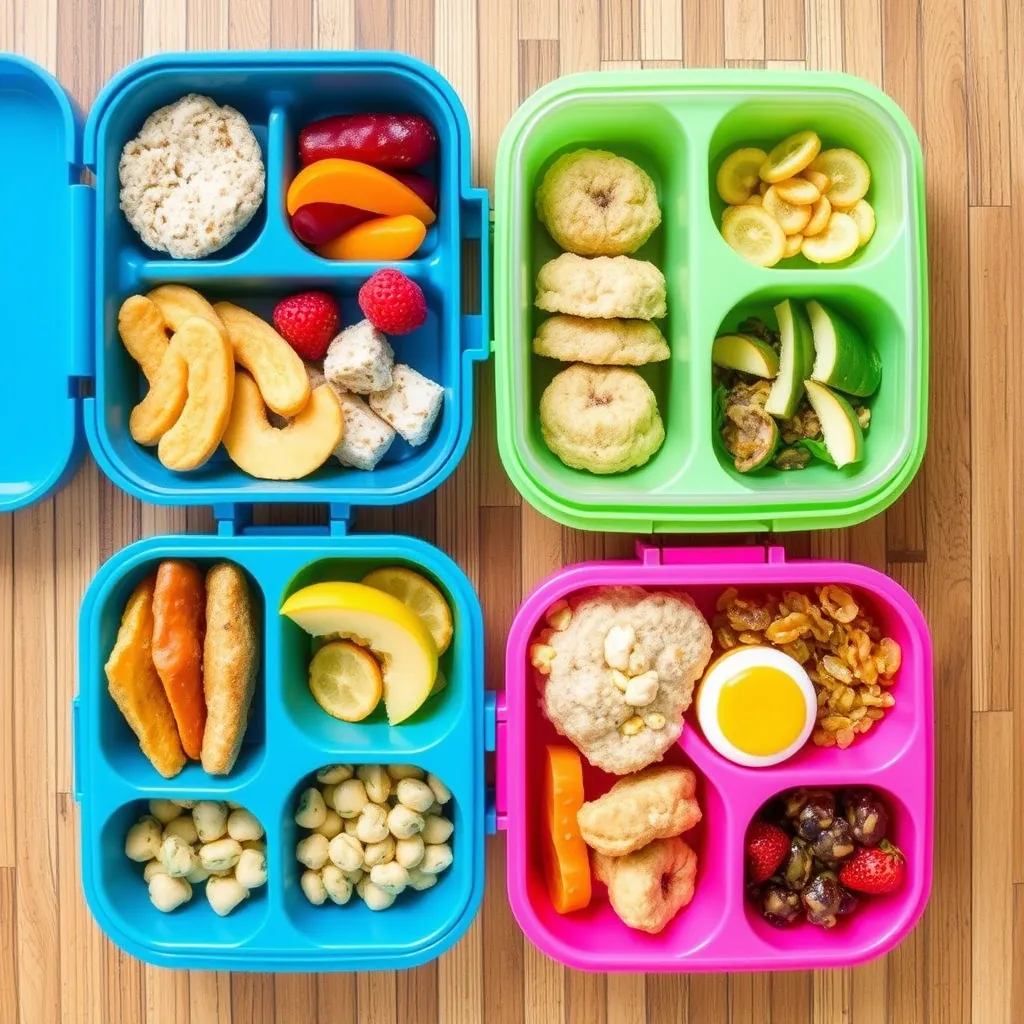
20 Delicious and Nutritious Toddler Lunch Ideas for Busy Parents
Are you tired of the daily struggle to come up with exciting and healthy toddler lunch ideas? Look no further! This comprehensive guide will provide you with 20 delightful lunch options that are sure to please even the pickiest eaters. From quick and easy sandwiches to creative bento boxes, we’ve got you covered with nutritious and fun meals your little one will love.
Table of Contents
| Quick Takeaways |
|---|
| ✅ Variety is key: Mix colors, textures, and food groups ✅ Aim for balanced nutrition: Include protein, carbs, fruits, and veggies ✅ Make it fun: Use cookie cutters and creative presentations ✅ Prep ahead: Save time with make-ahead options ✅ Keep it simple: Toddlers often prefer familiar, easy-to-eat foods |
1. Classic PB&J with a Twist
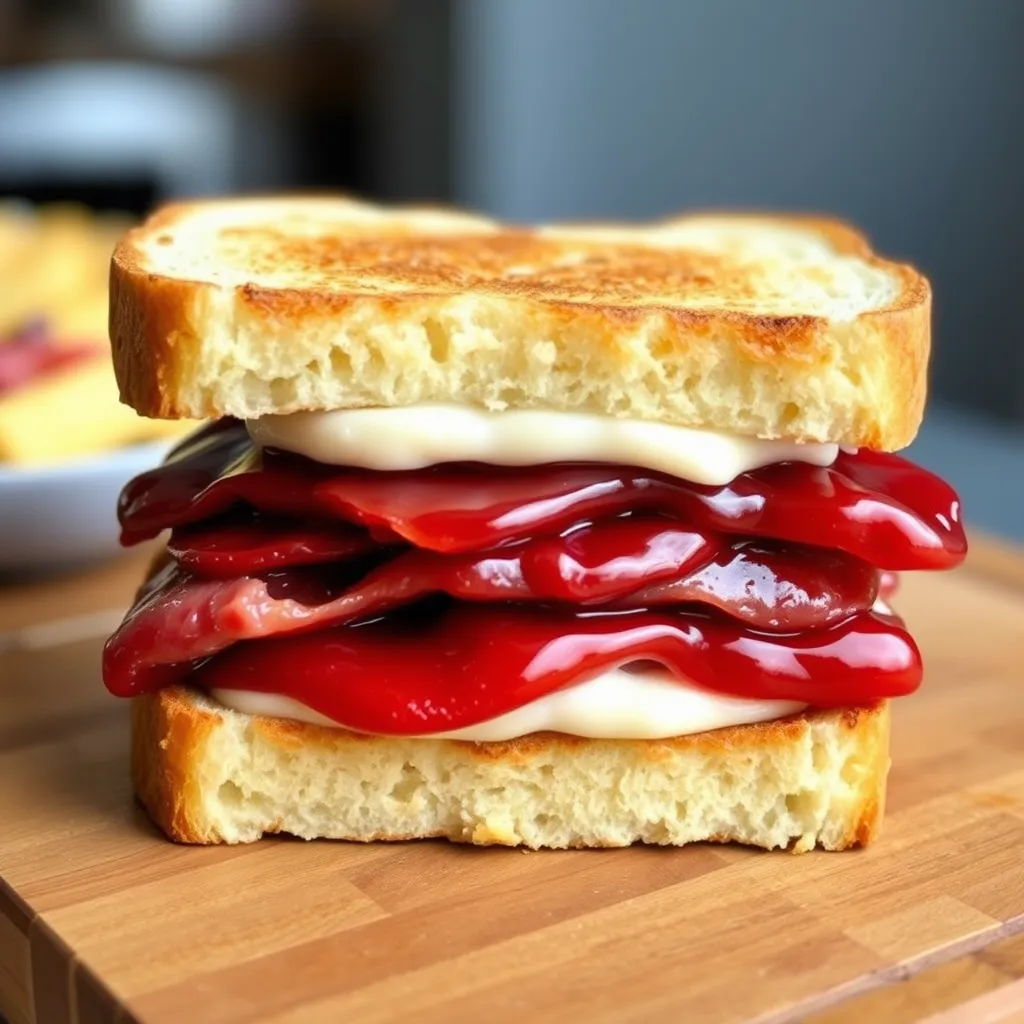
Start with a timeless favorite and give it a healthy upgrade:
- Whole grain bread
- Natural peanut butter (or sunflower seed butter for nut-free options)
- Sugar-free fruit spread
- Sliced bananas or strawberries
- Side of carrot sticks and hummus
Cut the sandwich into fun shapes using cookie cutters to make it more appealing to your toddler.
2. Mini Veggie Pizzas
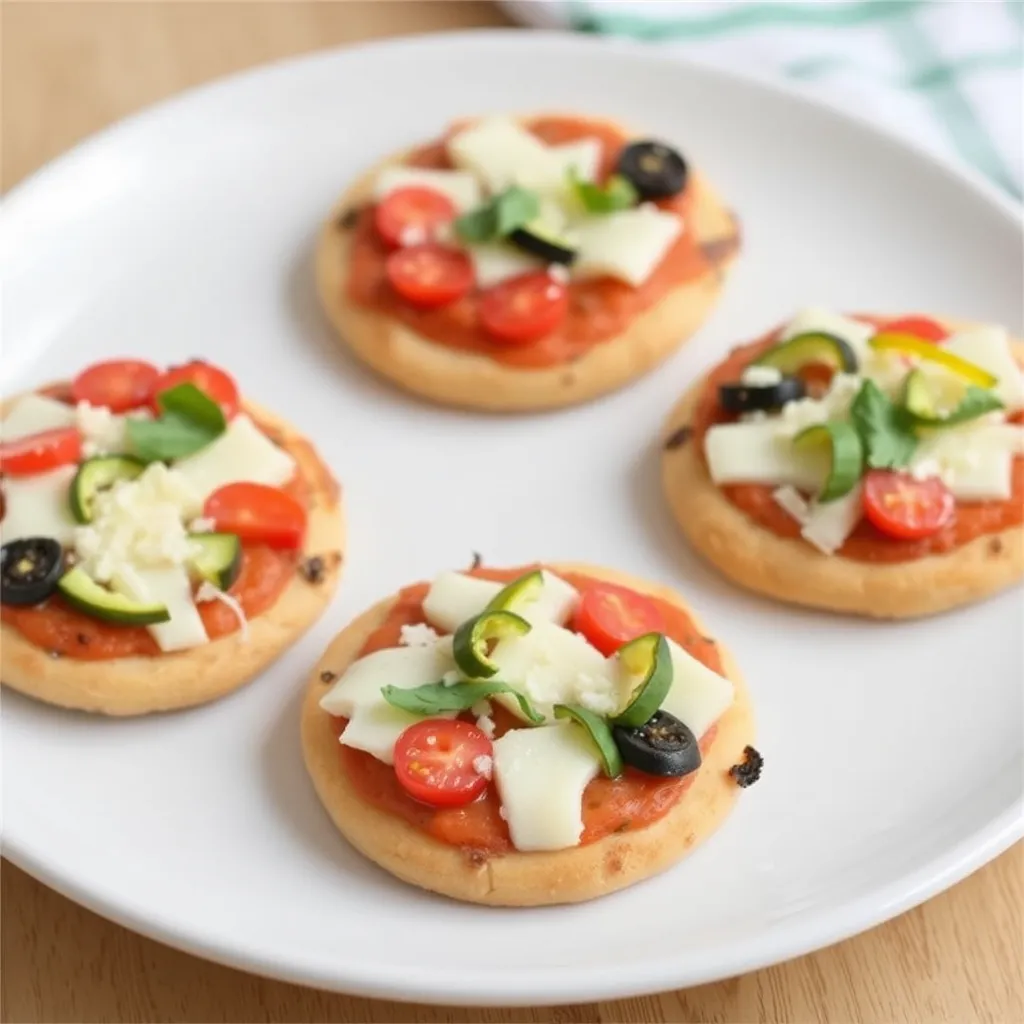
Who doesn’t love pizza? These mini versions are perfect for little hands:
- Whole wheat English muffins or pita bread
- Tomato sauce
- Shredded mozzarella cheese
- Finely chopped vegetables (bell peppers, spinach, mushrooms)
- Side of fresh fruit slices
Let your toddler help choose and add toppings for a fun and interactive meal prep experience.
3. Colorful Bento Box
Bento boxes are an excellent way to offer variety in small portions:
- Cubed cheese
- Whole grain crackers
- Cherry tomatoes
- Sliced cucumbers
- Grapes (cut in half for safety)
- Hard-boiled egg
- Hummus for dipping
Use silicone cupcake liners to separate foods and create an visually appealing lunch.
4. Breakfast for Lunch
Who says breakfast foods are only for morning? Try this fun twist:
- Mini whole grain waffles
- Greek yogurt for dipping
- Mixed berries
- Turkey sausage links
- Scrambled egg bites
Pack maple syrup in a small container for a sweet treat.
5. Veggie-Packed Pasta Salad
A cold pasta salad is perfect for daycare lunches:
- Whole grain pasta (fun shapes like bowties or wheels)
- Diced cucumber and cherry tomatoes
- Shredded carrots
- Cubed cheese
- Light Italian dressing
- Side of sliced turkey or chicken
Make a big batch at the beginning of the week for easy lunch prep.
6. Taco Tuesday (Any Day of the Week!)
Tacos are a hit with kids of all ages:
- Soft whole wheat tortillas
- Seasoned ground turkey or beans
- Shredded lettuce and cheese
- Diced tomatoes
- Mild salsa or guacamole
- Side of corn
Pack ingredients separately and let your toddler assemble their own tacos for a fun, hands-on meal.
7. Sandwich Sushi Rolls
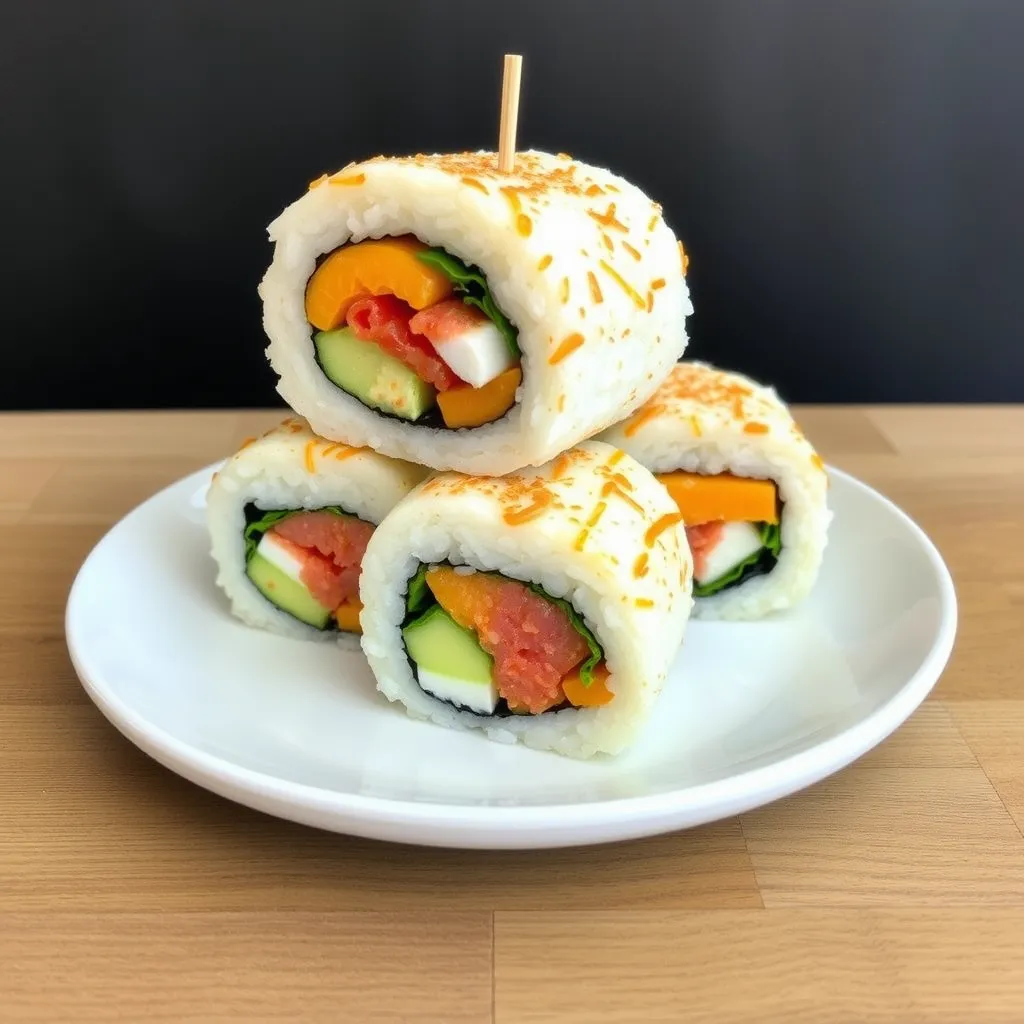
Give sandwiches a fun twist with this sushi-inspired idea:
- Whole grain bread (crusts removed and flattened)
- Cream cheese or hummus spread
- Thinly sliced cucumbers and carrots
- Turkey or ham slices
- Side of edamame beans
Roll up the sandwich and slice into bite-sized pieces. Serve with child-safe chopsticks for added fun.
15 Toddler Lunch Ideas (for Daycare, Preschool
8. DIY Lunchables
Create a healthier version of the popular pre-packaged lunch:
- Whole grain crackers
- Sliced turkey or chicken
- Cheese cubes
- Cherry tomatoes
- Sliced cucumbers
- Grapes (cut in half)
- Dark chocolate chips for dessert
Use a compartmentalized container to keep foods separate and visually appealing.
9. Breakfast Burrito Wrap
Another breakfast-for-lunch option that’s easy to eat:
- Whole wheat tortilla
- Scrambled eggs
- Shredded cheese
- Diced bell peppers
- Mild salsa
- Side of yogurt with berries
Wrap tightly in foil to keep warm until lunchtime.
10. Veggie-Loaded Quesadillas
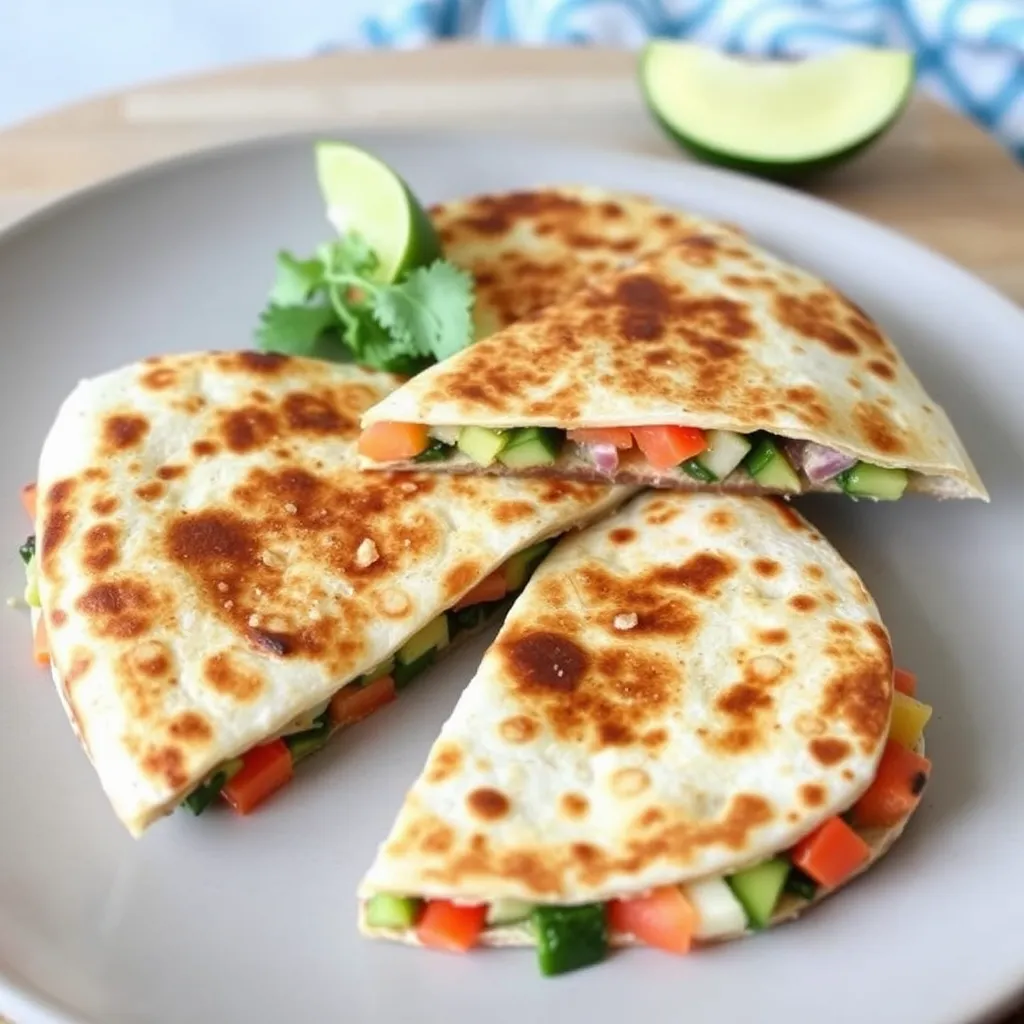
A cheesy favorite with hidden vegetables:
- Whole wheat tortillas
- Shredded cheese
- Finely chopped spinach
- Mashed sweet potato
- Black beans
- Side of apple slices
Cut into triangles for easy handling. Serve with a side of Greek yogurt for dipping.
11. Homemade “Lunchable” Pizza
A healthier take on the classic store-bought version:
- Mini whole wheat pitas
- Pizza sauce in a small container
- Shredded mozzarella cheese
- Turkey pepperoni slices
- Diced vegetables (bell peppers, olives)
- Side of fresh berries
Let your toddler assemble their own pizza at lunchtime for a fun, interactive meal.
12. Banana Sushi
A sweet and nutritious twist on sushi:
- Whole wheat tortilla
- Peanut butter or sunflower seed butter
- Banana
- Granola or crushed cereal for “sprinkles”
- Side of yogurt and berries
Spread nut butter on the tortilla, place the banana at one end, roll up, and slice into rounds. Sprinkle with granola for added crunch.
School Lunch Ideas for Toddlers
33 Delightful Baby Shower Food Recipes for a Memorable Celebration
13. Mini Meatballs and Pasta
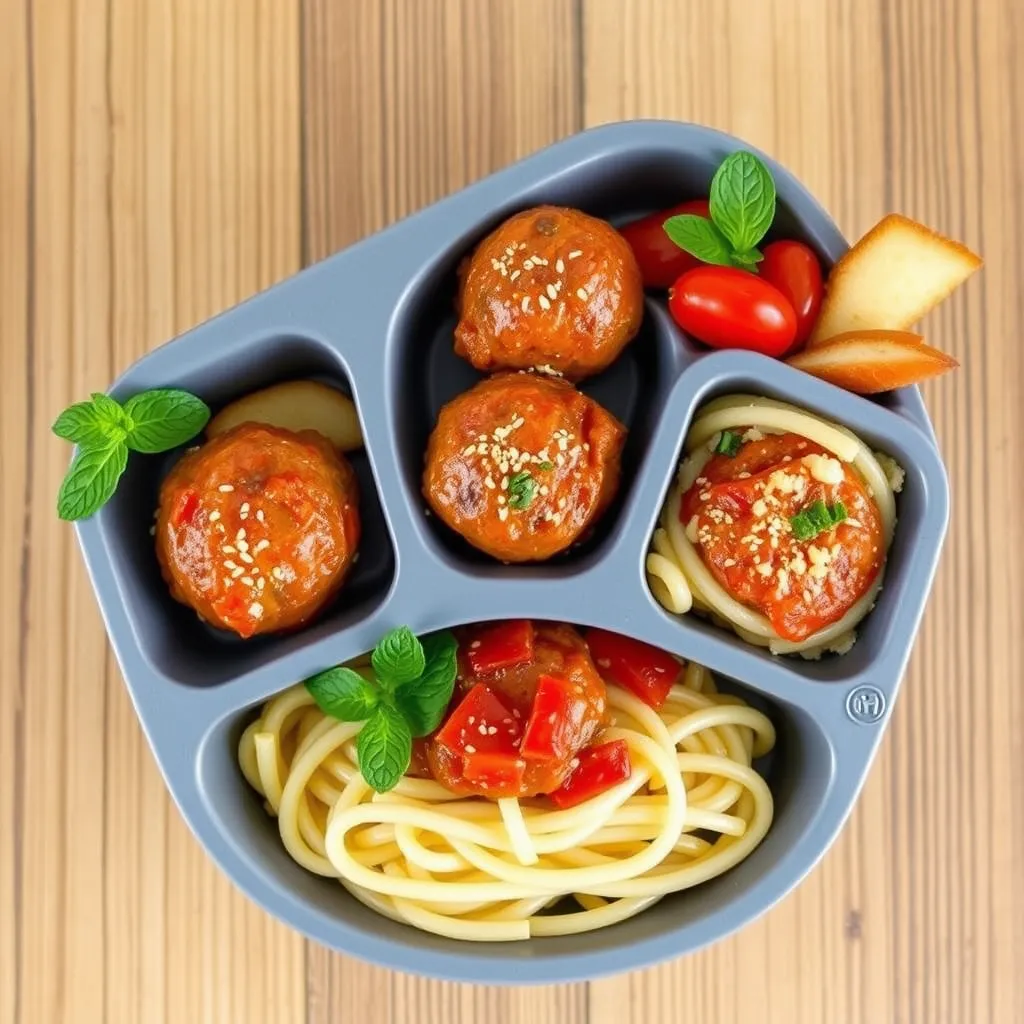
A protein-packed lunch that can be served warm or cold:
- Whole grain pasta
- Homemade or store-bought mini meatballs
- Marinara sauce
- Steamed broccoli florets
- Grated Parmesan cheese
- Side of melon balls
Use fun pasta shapes like spirals or bow-ties to make the meal more exciting.
14. Breakfast Cookies and Yogurt Parfait
A sweet treat that’s packed with nutrition:
- Homemade oatmeal breakfast cookies
- Greek yogurt
- Mixed berries
- Granola
- Side of carrot sticks and cucumber slices
Layer yogurt, berries, and granola in a small container for a colorful parfait.
15. Peanut Butter Banana Roll-Ups
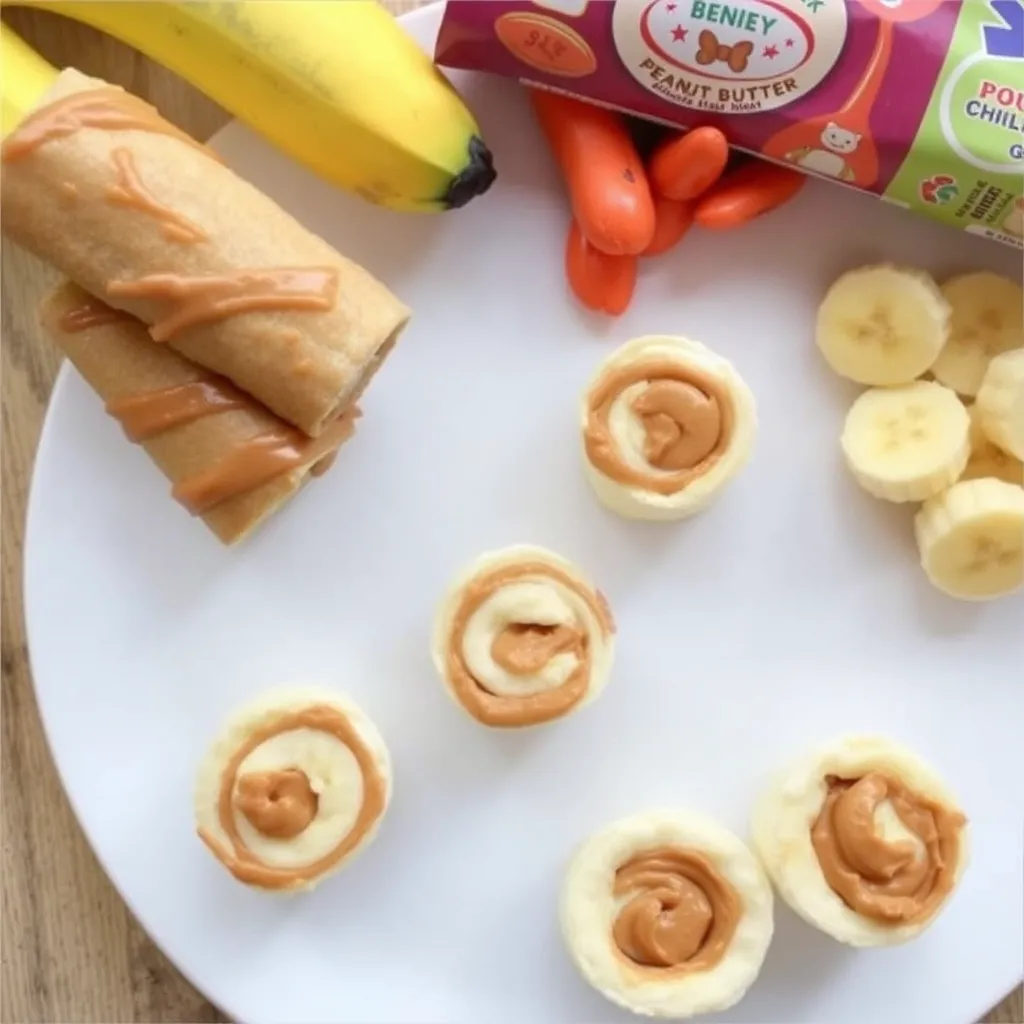
A simple yet satisfying lunch option:
- Whole wheat tortilla
- Peanut butter (or alternative nut butter)
- Banana
- Drizzle of honey
- Side of celery sticks with cream cheese
- Handful of whole grain cereal
Spread peanut butter on the tortilla, place the banana at one end, drizzle with honey, and roll up. Slice into bite-sized pieces.
16. Egg Salad Boats
A protein-rich lunch with a fun presentation:
- Hard-boiled eggs, mashed
- Greek yogurt
- Diced celery
- Mild mustard
- Romaine lettuce leaves
- Cherry tomatoes
- Whole grain crackers
Mix egg salad ingredients and serve in lettuce “boats” with crackers on the side.
17. Fruit and Cheese Kabobs
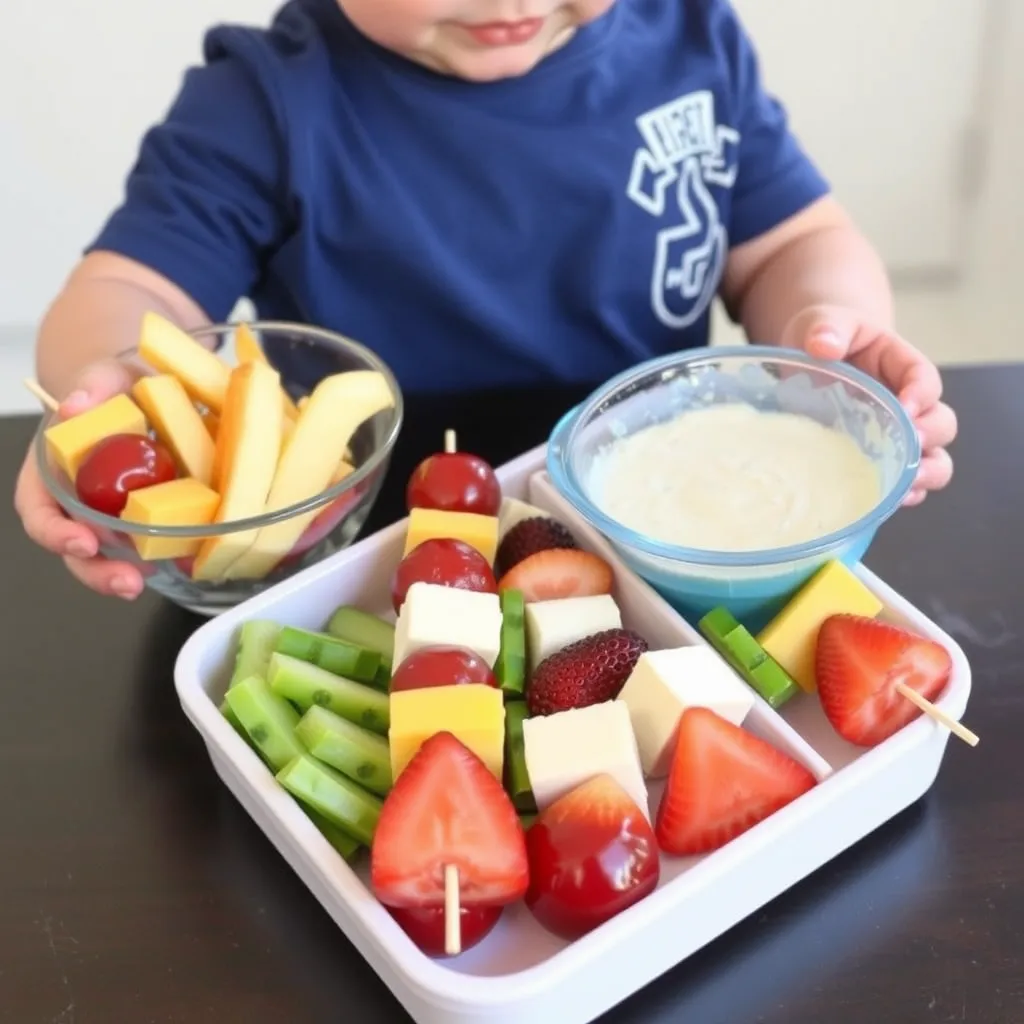
A fun, hands-on lunch that encourages fruit consumption:
- Cubed cheese
- Grapes (cut in half)
- Strawberries
- Melon balls
- Blueberries
- Side of whole grain crackers
- Yogurt dip
Use child-safe skewers to create colorful fruit and cheese kabobs.
18. Mini Corn Dog Muffins
A healthier version of a kid-favorite:
- Whole grain cornbread batter
- Nitrate-free hot dogs, cut into small pieces
- Shredded cheddar cheese
- Side of steamed broccoli
- Apple slices
Bake cornbread batter with hot dog pieces and cheese in mini muffin tins for easy-to-eat portions.
19. Avocado Chicken Salad Sandwich
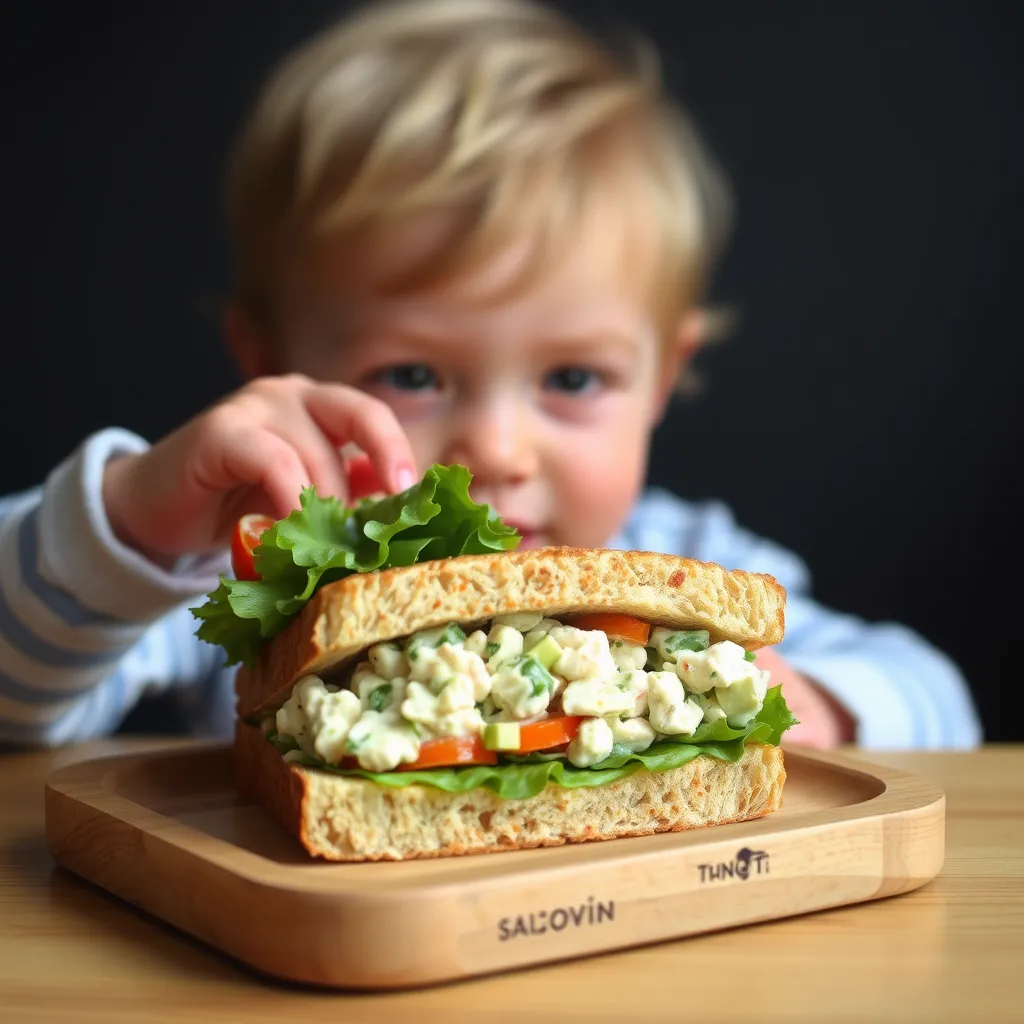
A creamy, nutritious sandwich filling:
- Whole grain bread
- Mashed avocado
- Shredded cooked chicken
- Diced cucumber
- Greek yogurt
- Side of cherry tomatoes
- Clementine orange segments
Mix avocado, chicken, cucumber, and yogurt for a creamy sandwich filling. Cut sandwich into quarters for easier handling.
20. Breakfast Egg Muffins
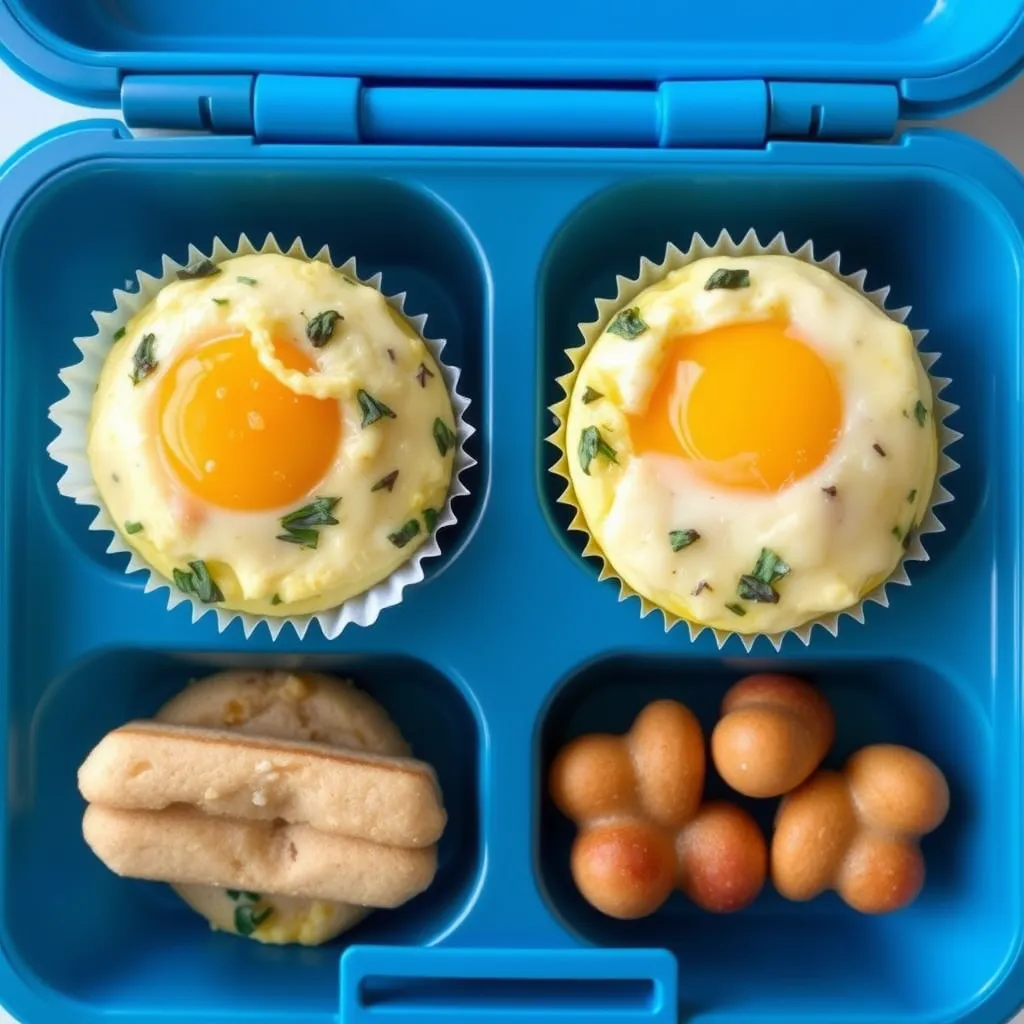
A protein-packed, grab-and-go option:
- Eggs
- Milk
- Shredded cheese
- Diced vegetables (spinach, bell peppers, tomatoes)
- Side of whole grain toast strips
- Fresh berries
Bake egg mixture with veggies and cheese in muffin tins for individual portions. These can be made ahead and reheated.
Tips for Successful Toddler Lunch Ideas
- Involve your toddler: Let them help choose and prepare their lunch. This increases the likelihood they’ll eat it.
- Use cookie cutters: Make sandwiches and fruits more appealing by cutting them into fun shapes.
- Think in color: Aim for a rainbow of foods to ensure a variety of nutrients.
- Keep it cool: Use an insulated lunch box and ice packs to keep food at a safe temperature.
- Rotate foods: Offer a variety of options to prevent boredom and encourage trying new foods.
- Make it easy: Cut foods into bite-sized pieces for easy eating.
- Include a treat: A small, healthy dessert can make lunch more exciting.
Frequently Asked Questions
1. How much food should I pack for my toddler’s lunch?
Toddlers have small stomachs and varying appetites. Start with small portions of a variety of foods, typically 1/4 to 1/2 cup of each item. Adjust based on your child’s appetite and what comes home uneaten.
2. How can I keep my toddler’s lunch warm?
Use a thermos for foods like soups or pasta. Preheat the thermos with boiling water for a few minutes before adding the hot food. For foods like quesadillas or pizza, wrap them in foil to retain heat.
3. What if my toddler is a picky eater?
Continue offering a variety of foods, including some familiar favorites. Don’t force new foods, but encourage trying small bites. Make food fun with creative presentations and involve your child in meal planning and preparation.
4. How can I ensure my toddler’s lunch is nutritionally balanced?
Aim to include foods from different food groups: proteins, whole grains, fruits, vegetables, and dairy. Use the “MyPlate” model as a guide, filling half the plate with fruits and vegetables, a quarter with proteins, and a quarter with grains.
5. Are there any foods I should avoid in my toddler’s lunch?
Avoid choking hazards like whole grapes, nuts, popcorn, and hard candies. Always cut foods into small, manageable pieces. Be aware of any allerg
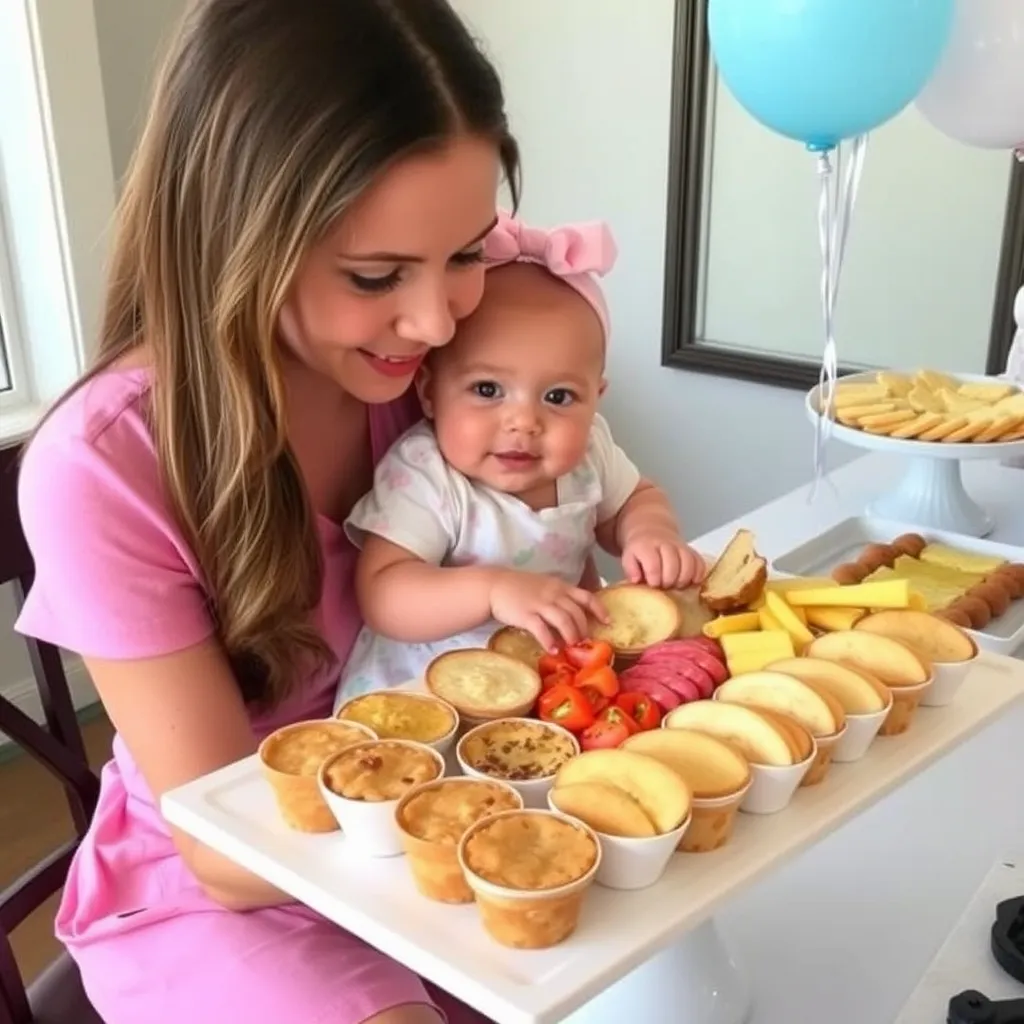
33 Baby Shower Food Recipes You Need to Try!
Planning the perfect baby shower menu just got easier with this comprehensive list of 33 baby shower food recipes. From savory bites to sweet treats, these ideas will ensure your baby shower food spread is both delicious and memorable.
Table of Contents
Savory Baby Shower Food Recipes
1. Mini Quiche Cups
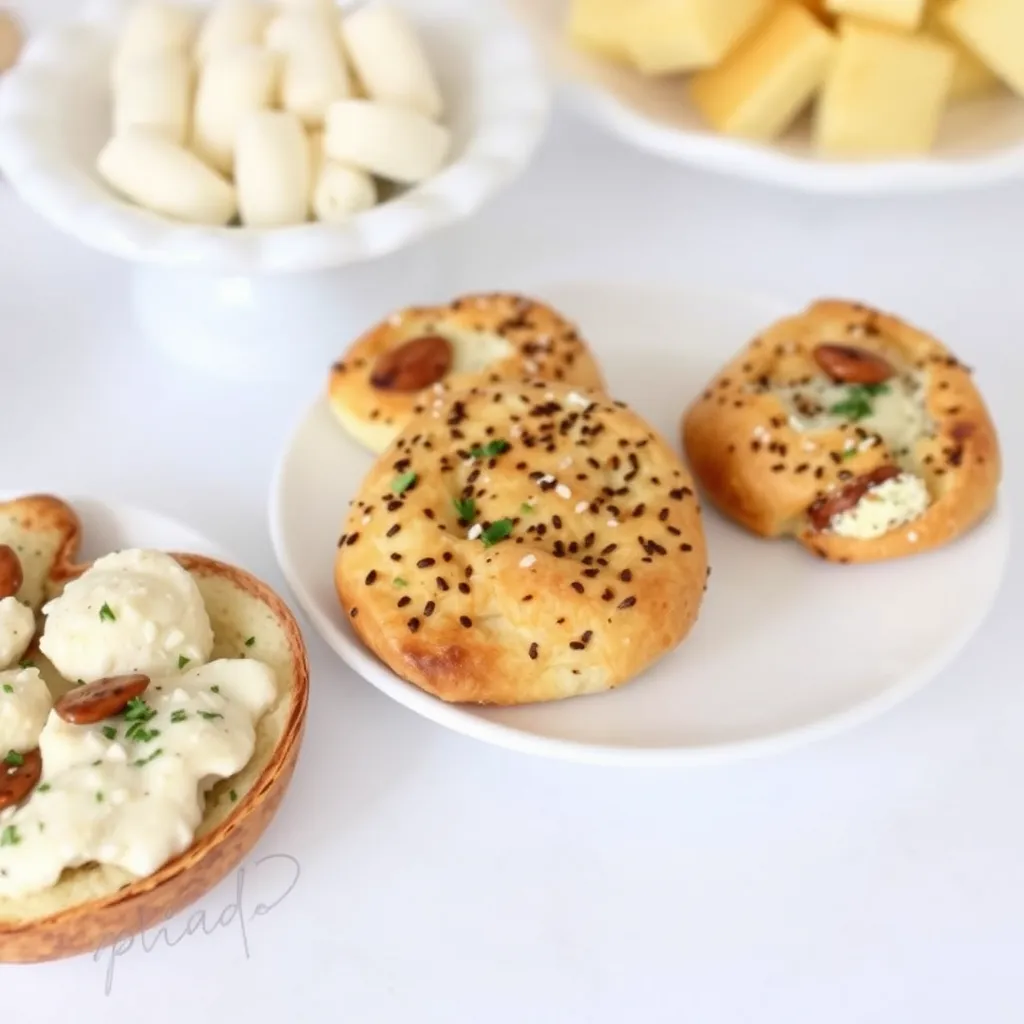
These bite-sized quiches are perfect baby shower food for guests to enjoy while mingling.
- 1 package frozen pie crust, thawed
- 4 eggs
- 1 cup heavy cream
- 1 cup shredded cheese
- 1/2 cup diced ham or spinach
- Salt and pepper to taste
- Preheat oven to 375°F (190°C).
- Cut pie crust into circles and press into mini muffin tins.
- Mix eggs, cream, cheese, ham/spinach, salt, and pepper.
- Fill crusts with mixture and bake for 15-20 minutes until golden.
2. Caprese Skewers
A classic baby shower food that’s both elegant and easy to eat.
- Cherry tomatoes
- Fresh mozzarella balls
- Fresh basil leaves
- Balsamic glaze
- Toothpicks or small skewers
- Thread a tomato, folded basil leaf, and mozzarella ball onto each skewer.
- Arrange on a platter and drizzle with balsamic glaze before serving.
3. Cucumber Sandwiches
A refreshing baby shower food that’s perfect for spring or summer celebrations.
- 1 loaf white bread, crusts removed
- 1 English cucumber, thinly sliced
- 8 oz cream cheese, softened
- 1/4 cup fresh dill, chopped
- Salt and pepper to taste
- Mix cream cheese with dill, salt, and pepper.
- Spread mixture on bread slices and top with cucumber.
- Cut into triangles or use baby-themed cookie cutters.
25 Easy and Nutritious Toddler Breakfast Ideas for Busy Parents
37 Crowd-Pleasing Baby Shower Food Ideas
4. Spinach and Feta Pinwheels
These colorful pinwheels make for eye-catching baby shower food.
- 1 package frozen spinach, thawed and drained
- 1 cup crumbled feta cheese
- 1/4 cup mayonnaise
- 2 cloves garlic, minced
- 4 large flour tortillas
- Mix spinach, feta, mayo, and garlic.
- Spread mixture on tortillas and roll tightly.
- Chill for 2 hours, then slice into pinwheels.
5. Mini Chicken Salad Croissants
A classic baby shower food that’s always a hit.
- 2 cups cooked chicken, diced
- 1/2 cup mayonnaise
- 1/4 cup diced celery
- 1/4 cup diced red grapes
- 2 tbsp chopped almonds
- 12 mini croissants
- Mix chicken, mayo, celery, grapes, and almonds.
- Slice croissants and fill with chicken salad.
6. Bacon-Wrapped Dates
A sweet and savory baby shower food that’s irresistible.
- 24 pitted dates
- 12 slices bacon, halved
- 24 almonds (optional)
- Preheat oven to 400°F (200°C).
- Stuff each date with an almond if desired.
- Wrap each date with a half slice of bacon and secure with a toothpick.
- Bake for 20-25 minutes until bacon is crispy.
7. Mini Greek Salad Cups
A healthy and colorful addition to your baby shower food spread.
- 1 cucumber, diced
- 1 cup cherry tomatoes, quartered
- 1/2 cup crumbled feta cheese
- 1/4 cup diced red onion
- 1/4 cup kalamata olives, chopped
- 2 tbsp olive oil
- 1 tbsp lemon juice
- 24 mini phyllo cups
- Mix all ingredients except phyllo cups.
- Fill phyllo cups with mixture just before serving.
8. Deviled Eggs
A classic baby shower food that never goes out of style.
- 12 hard-boiled eggs
- 1/4 cup mayonnaise
- 1 tbsp Dijon mustard
- 1 tbsp sweet pickle relish
- Salt and pepper to taste
- Paprika for garnish
- Halve eggs and remove yolks.
- Mash yolks with mayo, mustard, relish, salt, and pepper.
- Pipe mixture back into egg whites and sprinkle with paprika.
9. Mini Bruschetta
A tasty Italian-inspired baby shower food option.
- 1 baguette, sliced and toasted
- 2 cups diced tomatoes
- 1/4 cup fresh basil, chopped
- 2 cloves garlic, minced
- 2 tbsp olive oil
- 1 tbsp balsamic vinegar
- Salt and pepper to taste
- Mix tomatoes, basil, garlic, olive oil, vinegar, salt, and pepper.
- Top toasted baguette slices with mixture before serving.
10. Stuffed Mushrooms
A savory baby shower food that’s sure to impress.
- 24 large button mushrooms
- 8 oz cream cheese, softened
- 1/4 cup grated Parmesan cheese
- 2 cloves garlic, minced
- 2 tbsp chopped fresh parsley
- Salt and pepper to taste
- Preheat oven to 350°F (175°C).
- Remove mushroom stems and chop finely.
- Mix chopped stems with cream cheese, Parmesan, garlic, parsley, salt, and pepper.
- Stuff mushroom caps and bake for 20 minutes.
Sweet Baby Shower Food Recipes
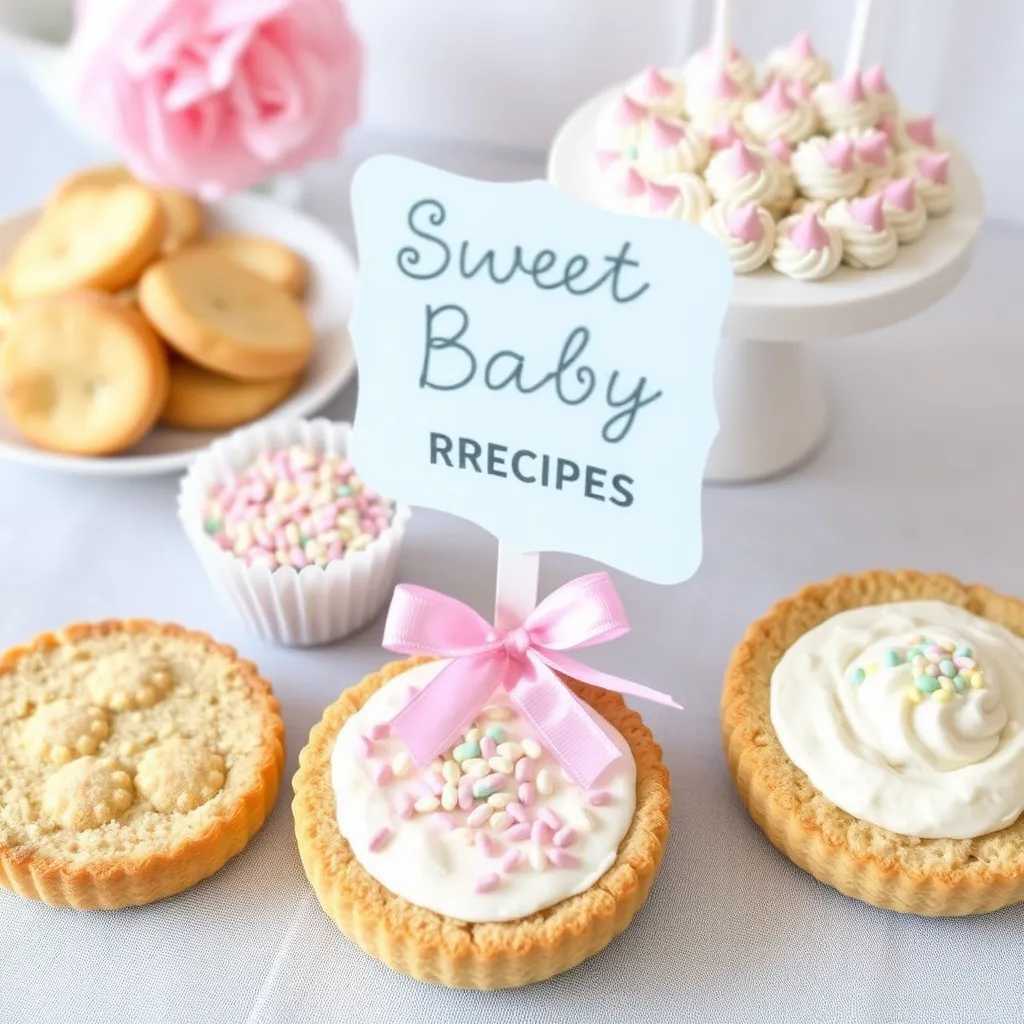
11. Mini Cheesecakes
Adorable individual desserts perfect for a baby shower food spread.
- 1 1/2 cups graham cracker crumbs
- 1/4 cup melted butter
- 16 oz cream cheese, softened
- 1/2 cup sugar
- 2 eggs
- 1 tsp vanilla extract
- Fresh berries for topping
- Preheat oven to 350°F (175°C).
- Mix graham cracker crumbs and butter, press into mini muffin tins.
- Beat cream cheese, sugar, eggs, and vanilla until smooth.
- Pour mixture over crusts and bake for 15-20 minutes.
- Cool and top with fresh berries before serving.
12. Baby Rattle Cake Pops
A cute and themed baby shower food that doubles as decoration.
- 1 box cake mix, prepared according to package instructions
- 1 can frosting
- Candy melts in various colors
- Lollipop sticks
- Sprinkles for decoration
- Crumble cooled cake and mix with frosting to form a dough.
- Shape into small balls and larger ovals, insert lollipop sticks.
- Freeze for 30 minutes.
- Dip in melted candy and decorate to resemble baby rattles.
13. Fruit Kebabs
A healthy and colorful baby shower food option.
- Assorted fresh fruits (strawberries, grapes, melon, pineapple)
- Wooden skewers
- Yogurt dip (optional)
- Cut fruits into bite-sized pieces.
- Thread onto skewers in a rainbow pattern.
- Serve with yogurt dip if desired.
14. Baby Shoe Cookies
Adorable themed cookies for your baby shower food table.
- 1 batch sugar cookie dough
- Royal icing in various colors
- Baby shoe cookie cutter
- Roll out cookie dough and cut into baby shoe shapes.
- Bake according to recipe instructions.
- Decorate cooled cookies with royal icing to resemble baby shoes.
15. Mini Fruit Tarts
Delicate and delicious baby shower food desserts.
- 24 mini tart shells
- 1 package vanilla pudding mix
- 2 cups milk
- Assorted fresh fruits
- Apricot jam for glaze
- Prepare pudding according to package instructions.
- Fill tart shells with pudding.
- Top with fresh fruits and brush with warmed apricot jam.
16. Chocolate-Dipped Strawberries
A classic baby shower food that’s always a hit.
- 1 lb fresh strawberries, washed and dried
- 8 oz semi-sweet chocolate chips
- White chocolate for drizzling (optional)
- Melt chocolate in a double boiler.
- Dip strawberries in chocolate and place on parchment paper to set.
- Drizzle with melted white chocolate if desired.
17. Baby Bottle Sugar Cookies
Another cute themed cookie for your baby shower food spread.
- 1 batch sugar cookie dough
- Royal icing in pastel colors
- Baby bottle cookie cutter
- Roll out cookie dough and cut into baby bottle shapes.
- Bake according to recipe instructions.
- Decorate cooled cookies with royal icing to resemble baby bottles.
18. Mini Banana Muffins
Bite-sized treats perfect for a baby shower food table.
- 1 1/2 cups all-purpose flour
- 1 tsp baking powder
- 1/4 tsp baking soda
- 2 ripe bananas, mashed
- 1/2 cup sugar
- 1 egg
- 1/3 cup melted butter
- Preheat oven to 350°F (175°C).
- Mix dry ingredients in one bowl, wet in another.
- Combine and spoon into mini muffin tins.
- Bake for 10-12 minutes.
19. Pastel Meringue Kisses
Light and airy baby shower food treats.
- 4 egg whites
- 1 cup sugar
- 1/4 tsp cream of tartar
- Food coloring in pastel shades
- Preheat oven to 200°F (95°C).
- Beat egg whites until foamy, add cream of tartar.
- Gradually add sugar, beating until stiff peaks form.
- Divide the mixture and tint with food coloring.
- Pipe onto baking sheets and bake for 1.5 hours.
20. Baby Carriage Fruit Bowl
A creative way to serve fruit at your baby shower.
- 1 large watermelon
- Assorted fresh fruits
- Wooden dowels or skewers
- Large round cookies for wheels
- Cut watermelon in half and scoop out flesh.
- Carve one half into a baby carriage shape.
- Fill with assorted fruits.
- Use dowels and cookies to create wheels.
Drink Recipes for Baby Showers
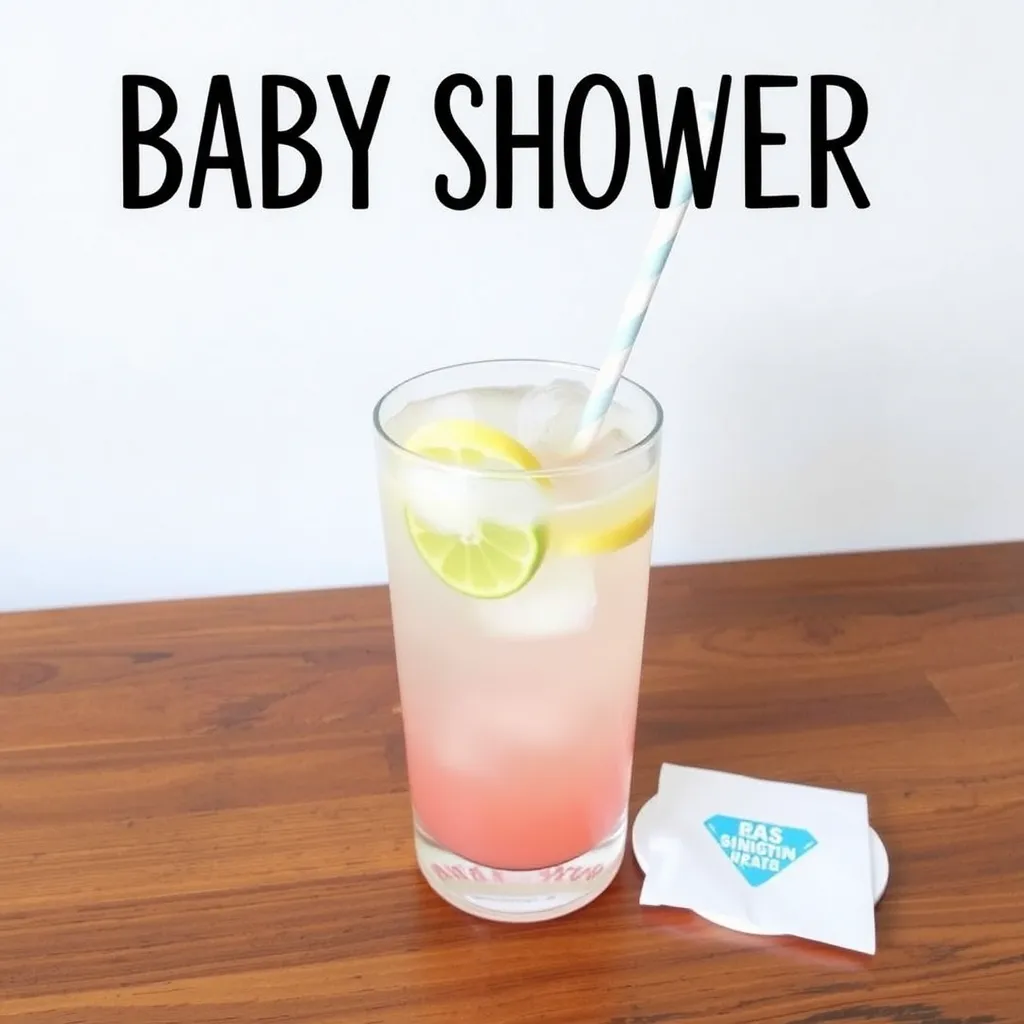
21. Berry Punch Mocktail
A refreshing non-alcoholic drink for your baby shower.
- 2 cups cranberry juice
- 2 cups apple juice
- 1 cup orange juice
- 1 liter ginger ale
- Fresh berries for garnish
- Mix all juices in a large pitcher.
- Add ginger ale just before serving.
- Garnish with fresh berries.
22. Sparkling Lemonade
A bubbly twist on classic lemonade for your baby shower beverages.
- 1 cup fresh lemon juice
- 1 cup sugar
- 4 cups water
- 2 cups sparkling water
- Lemon slices for garnish
- Make a simple syrup with sugar and 1 cup water.
- Mix syrup with lemon juice and remaining water.
- Add sparkling water just before serving.
- Garnish with lemon slices.
23. Baby Bottle Milk Shooters
A cute themed drink idea for your baby shower.
- 2 cups milk
- 1/4 cup chocolate syrup
- Whipped cream
- Mini plastic baby bottles
- Mix milk and chocolate syrup.
- Fill mini bottles with the mixture.
- Top with whipped cream before serving.
24. Pastel Parfait Smoothies
Layered smoothies in baby shower colors.
- 1 cup strawberries
- 1 cup mango
- 1 cup blueberries
- 2 cups yogurt
- 1 cup milk
- Honey to taste
- Blend each fruit separately with 1/3 of the yogurt and milk.
- Layer the smoothies in glasses for a pastel effect.
25. Mint Cucumber Refresher
A cool and refreshing drink for your baby shower.
- 1 cucumber, sliced
- 1/4 cup fresh mint leaves
- 4 cups water
- 2 tbsp honey
- Juice of 2 limes
- Muddle cucumber and mint in a pitcher.
- Add water, honey, and lime juice.
- Chill for at least 1 hour before serving.
Gluten-Free Baby Shower Food Options
26. Caprese Salad Skewers
A gluten-free twist on the classic caprese salad.
- Cherry tomatoes
- Fresh mozzarella balls
- Fresh basil leaves
- Balsamic glaze
- Toothpicks
- Thread a tomato, basil leaf, and mozzarella ball onto each toothpick.
- Drizzle with balsamic glaze before serving.
27. Stuffed Mini Bell Peppers
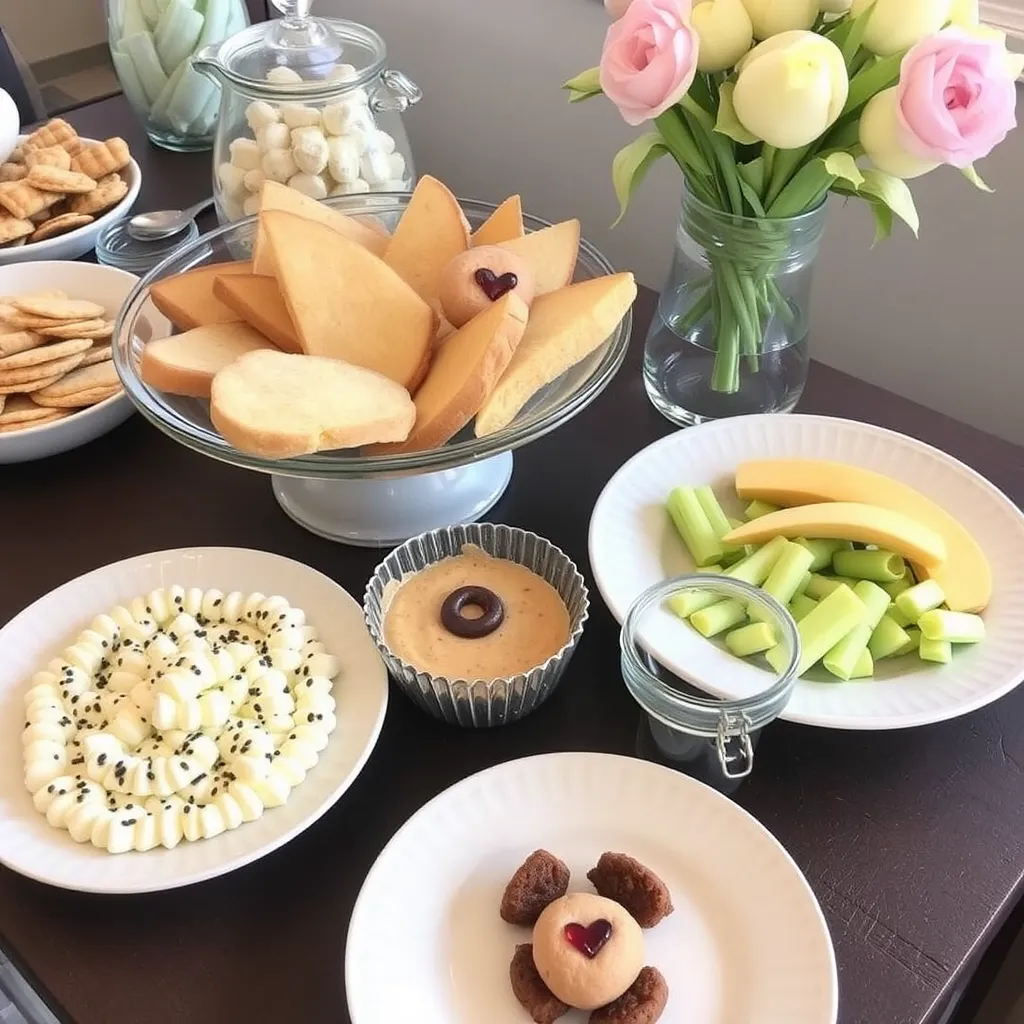
Colorful and gluten-free baby shower food option.
- 24 mini bell peppers, halved and seeded
- 8 oz cream cheese, softened
- 1/4 cup feta cheese, crumbled
- 2 tbsp fresh chives, chopped
- 1 clove garlic, minced
- Mix cream cheese, feta, chives, and garlic.
- Fill pepper halves with mixture.
- Bake at 350°F (175°C) for 15 minutes.
28. Bacon-Wrapped Asparagus
A savory gluten-free appetizer for your baby shower.
- 24 asparagus spears, trimmed
- 12 slices bacon, halved
- 2 tbsp olive oil
- Salt and pepper to taste
- Wrap each asparagus spear with a half slice of bacon.
- Brush with olive oil and season.
- Bake at 400°F (200°C) for 20-25 minutes until bacon is crispy.
29. Fruit and Cheese Platter
A simple and elegant gluten-free option for your baby shower food spread.
- Assorted cheeses (cheddar, brie, gouda)
- Grapes
- Strawberries
- Sliced apples
- Nuts (almonds, walnuts)
- Arrange cheeses, fruits, and nuts on a platter.
- Serve with gluten-free crackers if desired.
30. Mini Frittatas
Individual-sized gluten-free egg dishes for your baby shower.
- 8 eggs
- 1/4 cup milk
- 1 cup mixed vegetables (spinach, bell peppers, onions)
- 1/2 cup shredded cheese
- Salt and pepper to taste
- Whisk eggs and milk together.
- Add vegetables, cheese, salt, and pepper.
- Pour into greased mini muffin tins.
- Bake at 350°F (175°C) for 15-20 minutes.
Vegan Baby Shower Food Options
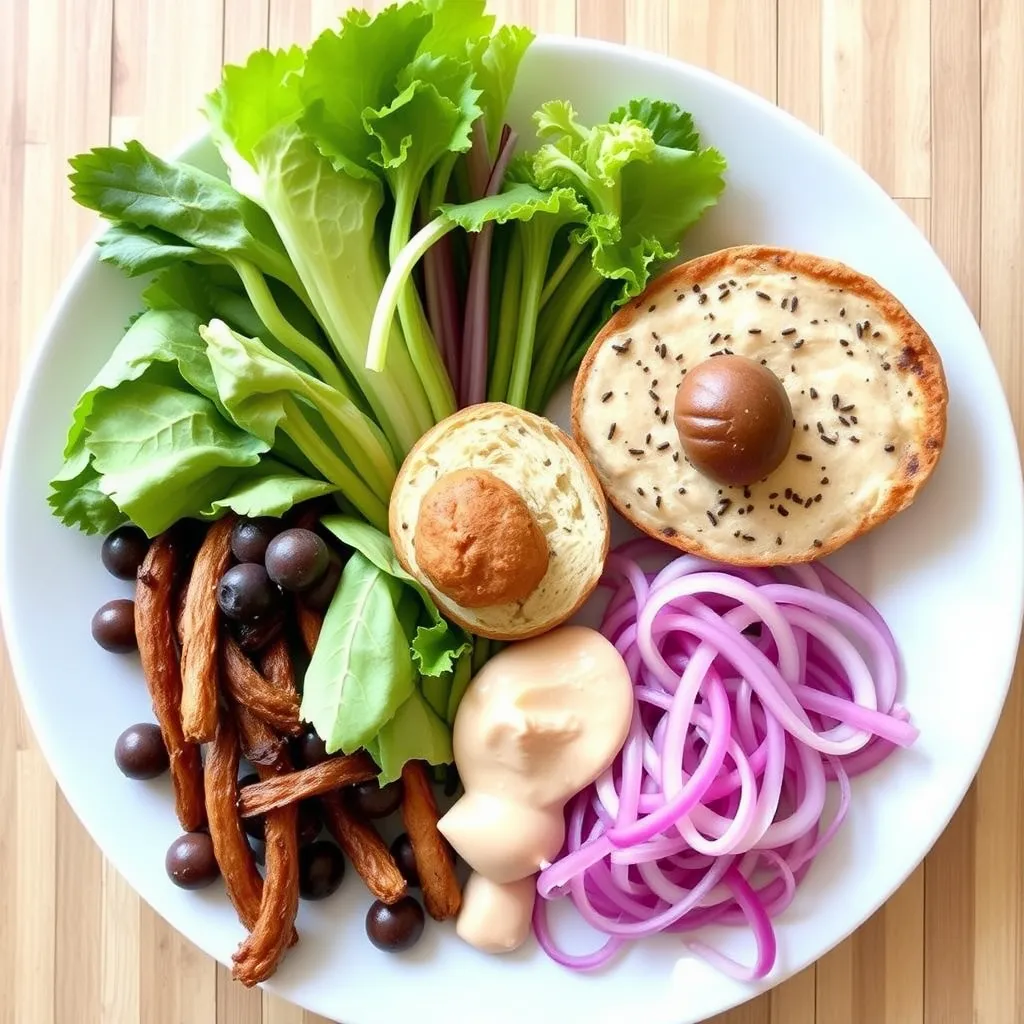
31. Vegan Spinach and Artichoke Dip
A creamy, dairy-free dip for your baby shower.
- 1 can artichoke hearts, drained and chopped
- 2 cups fresh spinach, chopped
- 1 cup cashews, soaked and blended
- 1/4 cup nutritional yeast
- 2 cloves garlic, minced
- Juice of 1 lemon
- Salt and pepper to taste
- Mix all ingredients in a bowl.
- Transfer to a baking dish and bake at 350°F (175°C) for 20 minutes.
- Serve with vegetable sticks or vegan crackers.
32. Mini Vegan Sushi Rolls
Bite-sized vegan sushi for your baby shower food spread.
- 2 cups sushi rice, cooked
- 4 nori sheets
- 1 cucumber, julienned
- 1 avocado, sliced
- 1 carrot, julienned
- Soy sauce for serving
- Spread rice on nori sheets.
- Add vegetable strips and roll tightly.
- Slice into bite-sized pieces.
- Serve with soy sauce.
33. Vegan Chocolate Truffles
Decadent dairy-free treats for your baby shower dessert table.
- 1 cup vegan dark chocolate chips
- 1/4 cup coconut milk
- 1 tsp vanilla extract
- Cocoa powder for rolling
- Melt chocolate with coconut milk.
- Add vanilla and chill mixture until firm.
- Roll into small balls and coat with cocoa powder.
Baby Shower Food: Frequently Asked Questions
1. How much food should I prepare for a baby shower?
Plan for about 4-6 bite-sized items per person, per hour. If your shower is during a mealtime, increase this to 8-10 items per person. It’s always better to have a little extra than to run out.
2. Can I prepare baby shower food in advance?
Yes! Many baby shower food items can be prepared 1-2 days in advance. Finger sandwiches, dips, and baked goods are great make-ahead options. Just store them properly and assemble or garnish on the day of the shower.
3. What are some budget-friendly baby shower food ideas?
Consider options like fruit platters, veggie trays with dip, popcorn bars, or make-your-own sandwich stations. Baking your own cookies or cupcakes can also be more cost-effective than store-bought treats.
4. How can I accommodate dietary restrictions in my baby shower food menu?
Offer a variety of options including vegetarian, vegan, gluten-free, and nut-free choices. Label all foods clearly, especially noting common allergens. Consider asking guests about dietary restrictions when they RSVP.
5. What’s a good alternative to cake for a baby shower?
Cupcakes, cake pops, or a dessert bar with various small treats are popular alternatives. You could also consider a “diaper cake” made of rolled diapers for decoration, paired with other desserts for eating.
6. How can I make my baby shower food look cute and themed?
Use baby-themed cookie cutters for sandwiches or cookies, create food labels with cute baby-related puns, or arrange fruits and vegetables in the shape of a baby carriage. Pastel-colored foods also work well for a baby shower theme.
7. What are some easy, no-cook baby shower food ideas?
Consider items like fruit and cheese platters, vegetable crudités with dip, store-bought pastries arranged on pretty platters, or a selection of gourmet crackers and spreads.
8. Should I serve alcohol at a baby shower?
This is a personal choice and depends on your guests. Many baby showers are alcohol-free, but you could offer a signature mocktail or a “mom-osa” bar with non-alcoholic sparkling cider as a festive alternative.
9. How do I calculate how much punch or other beverages to prepare?
Plan for about 1 quart (4 cups) of punch or other non-alcoholic beverages per 5-6 guests. It’s always better to have a little extra than to run out.
10. What are some creative ways to display baby shower food?
Use tiered cake stands for cupcakes or small sandwiches, hollowed-out watermelons for fruit salads, or arrange foods to spell out “BABY” or the baby’s name. Mason jars can be used for individual portions of salads or desserts.

When Can Babies Sleep with a Blanket?
As a parent, you want your baby to be cozy and safe while sleeping. But when can babies sleep with a blanket? It’s a common question that many parents ask. This guide will help you understand when it’s safe to introduce a blanket to your baby’s crib and how to do it properly.
Table of Contents
| Key Takeaways: Baby Blanket Safety |
|---|
| • Wait until your baby is at least 12 months old • Ensure the blanket is lightweight and breathable • Keep the crib free of other items like toys and pillows • Always place baby on their back to sleep • Monitor room temperature to avoid overheating • Consider sleep sacks as a safe alternative |
The Short Answer: Wait Until 12 Months
The American Academy of Pediatrics (AAP) recommends waiting until your baby is at least 12 months old before introducing a blanket for sleep. This is to reduce the risk of Sudden Infant Death Syndrome (SIDS) and suffocation.
Why Can’t Babies Sleep with Blankets Earlier?
Babies younger than 12 months old are at risk of suffocation and SIDS when sleeping with blankets. Here’s why:
- Limited Movement: Babies can’t easily move blankets away from their face if they get covered.
- Weak Neck Muscles: They might not be able to lift or turn their head if their breathing is blocked.
- Overheating: Blankets can cause babies to get too warm, which is linked to SIDS.
It’s important to keep your baby’s sleep space clear of any loose items, including blankets, until they’re old enough to safely use them.
Safe Sleep Guidelines for Babies
Before we talk more about blankets, let’s review some important safe sleep rules for babies:
- Back to Sleep: Always place your baby on their back to sleep.
- Firm Surface: Use a firm mattress covered with a tight-fitting sheet.
- Empty Crib: Keep the crib free of toys, pillows, and loose bedding.
- Room Sharing: Have your baby sleep in your room, but not in your bed, for at least the first 6 months.
- No Smoking: Keep your baby’s environment smoke-free.
Following these guidelines can help reduce the risk of SIDS and keep your baby safe while sleeping.
Where Should You Raise Your Children? A Complete Guide for Parents
Alternatives to Blankets for Keeping Baby Warm
While you’re waiting for your baby to be old enough for a blanket, there are safe ways to keep them warm:
1. Sleep Sacks or Wearable Blankets
These are like cozy sleeping bags for babies. They’re safe because they can’t cover your baby’s face. Look for ones that are sleeveless to prevent overheating.
2. Footed Pajamas
These keep your baby warm from neck to toe. Choose ones made of breathable fabric like cotton.
3. Layering Clothes
Dress your baby in layers, but be careful not to overdress. A good rule is to dress your baby in one more layer than you’re comfortable in.
Remember: It’s better for babies to be cool than too warm. If your baby’s chest feels warm and not sweaty, they’re at a good temperature.
Signs when can babies sleep with a blanket
Even after 12 months, not all babies are ready for a blanket. Here are some signs that your baby might be ready:
- They can easily roll over in both directions
- They can push blankets away from their face
- They can sit up unassisted
- They can move around the crib on their own
If you’re unsure, it’s always best to check with your pediatrician.
How to Introduce a Blanket Safely
When your baby is ready for a blanket, follow these steps:
- Choose the Right Blanket: Use a lightweight, breathable blanket.
- Start Small: Begin with a small blanket that doesn’t cover above chest level.
- Tuck It In: Secure the blanket under the mattress at the foot and sides of the crib.
- Monitor Closely: Check on your baby often to make sure the blanket hasn’t come loose.
- Remove If Necessary: If your baby keeps kicking off the blanket, they might not be ready yet.
Remember, every baby is different. Some might be ready for a blanket at 12 months, while others might need more time.
Choosing the Right Blanket for Your Baby
When it’s time to introduce a blanket, choose one that’s:
- Lightweight: Heavy blankets can be dangerous.
- Breathable: Look for cotton or muslin fabrics.
- The Right Size: Not too big to get tangled in.
- Free of Loose Threads or Decorations: These can be choking hazards.
A simple cotton receiving blanket is often a good choice for a first blanket.
Creating a Safe Sleep Environment
Even when your baby is old enough for a blanket, it’s important to keep their sleep space safe:
- Keep the crib clear of other items like stuffed animals and pillows
- Make sure the mattress fits snugly in the crib with no gaps
- Use a firm mattress with a tight-fitting sheet
- Keep the room at a comfortable temperature (68-72°F or 20-22°C)
A safe sleep environment helps reduce the risk of SIDS and other sleep-related accidents.
Frequently Asked Questions
1. Can I use a blanket for tummy time?
Yes, blankets are fine for supervised tummy time when your baby is awake. Just make sure to remove the blanket when playtime is over.
2. What about swaddling?
Swaddling is safe for young babies who can’t roll over yet. Stop swaddling once your baby shows signs of rolling, usually around 2-4 months.
3. Can I use a lovey or security blanket?
Wait until your baby is at least 12 months old before introducing any soft objects to the crib, including small security blankets.
4. What if my baby is cold without a blanket?
Use sleep sacks, warmer pajamas, or adjust the room temperature. Remember, cool is better than too warm for babies.
5. When can babies sleep with a pillow?
The AAP recommends waiting until your child transitions to a toddler bed, which is usually between 18 months and 3 years old.
Keeping your baby safe while sleeping is one of the most important jobs as a parent. While it might seem cozy to add a blanket to your baby’s crib, it’s crucial to wait until they’re at least 12 months old. Until then, there are plenty of safe ways to keep your little one warm and comfortable. Remember, when in doubt, always check with your pediatrician. They can give you personalized advice based on your baby’s development. Sweet dreams to you and your little one!
50 Adorable Baby Girl Shower Ideas for a Magical Celebration
Planning a baby shower for a little girl on the way? You’re in for a treat! This guide is packed with adorable baby girl shower ideas to make your celebration unforgettable. From themes and decor to food and games, we’ve got everything you need to throw the perfect party. Let’s dive in!
Table of Contents
| Key Takeaways |
|---|
| • Choose a fun theme like “Blooming Baby” or “Little Princess” • Use soft pink, lavender, and gold for decor • Serve cute finger foods and mocktails • Plan interactive games and activities • Create a memorable diaper raffle or book drive • Send guests home with thoughtful favors |
Choosing the Perfect Theme
A great theme sets the tone for your entire baby shower. Here are some popular options for baby girls:
- Blooming Baby: Floral patterns and pastel colors
- Little Princess: Tiaras, castles, and lots of sparkle
- Twinkle Twinkle Little Star: Starry night with silver and gold accents
- Sweet as Can Bee: Yellow and black bumblebee theme
- Woodland Wonderland: Forest animals and natural elements
Remember, your theme will guide your choices for decorations, invitations, and even food. Pick something that reflects the mum-to-be’s style!
Decor Ideas to Make the Space Shine
Transform your venue into a baby girl’s dream with these decor ideas:
- Balloon arches in shades of pink, white, and gold
- Floral centerpieces with roses, peonies, or baby’s breath
- Tulle pom-poms hanging from the ceiling
- A “Welcome Baby” banner in glittery letters
- Stuffed animals as table decorations
Pro tip: Use items that can double as nursery decor after the shower, like picture frames or wall art.
Delightful Food and Drink Options
Keep your guests happy with these tasty treats:
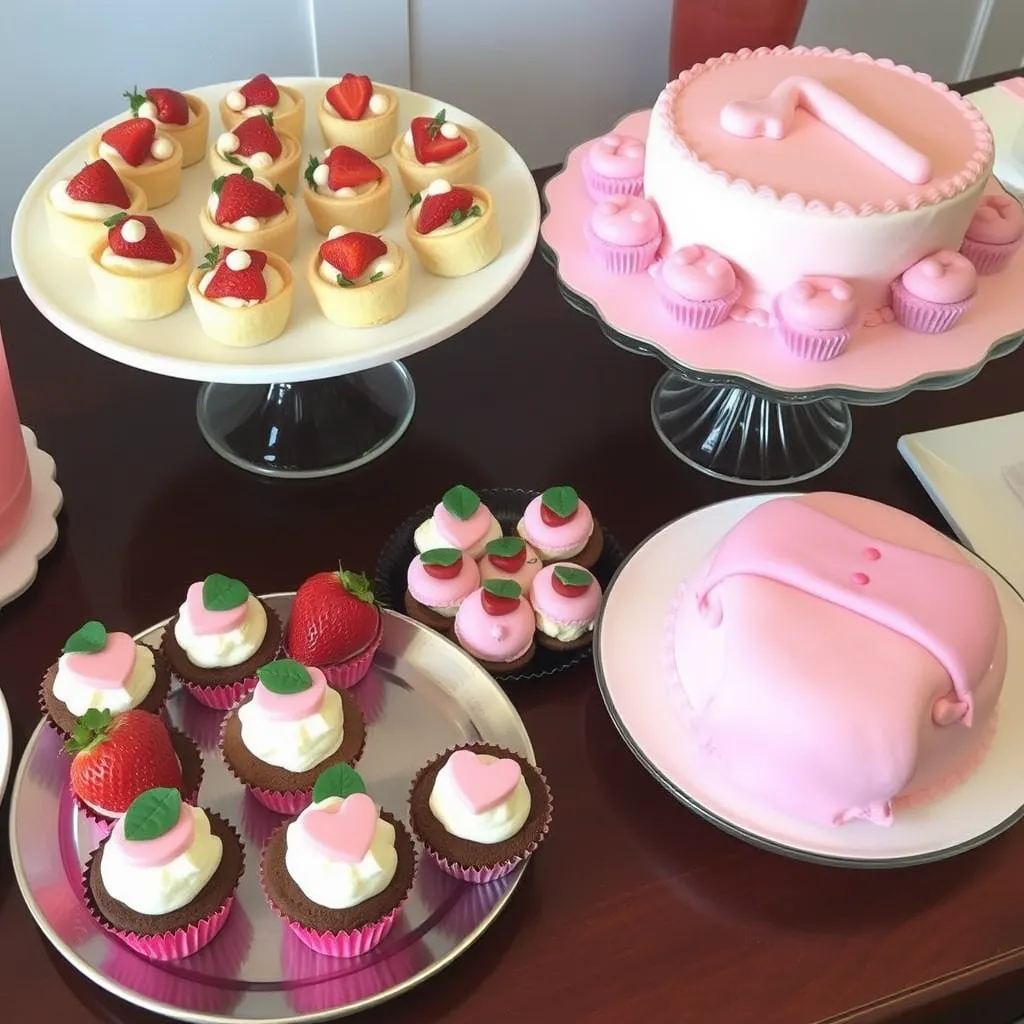
Savory Bites:
- Mini quiches
- Cucumber sandwiches
- Caprese skewers
- Stuffed mushrooms
Sweet Treats:
- Pink macarons
- Cupcakes with baby-themed toppers
- Chocolate-covered strawberries
- A diaper-shaped cake
Drinks:
- Pink lemonade
- Strawberry mocktails
- Fruit-infused water
Don’t forget to offer some healthier options like a veggie platter or fruit salad for balance!
Fun Games and Activities
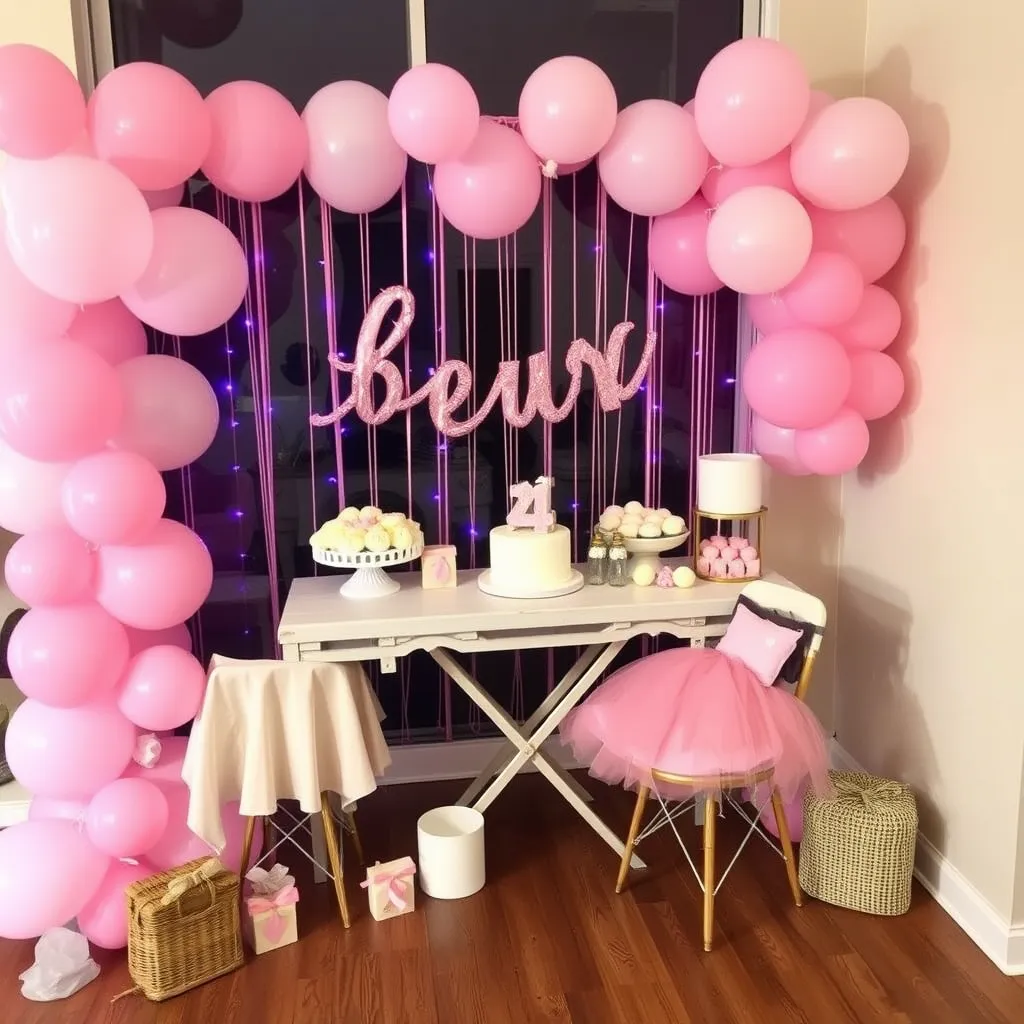
Keep the energy high with these entertaining games:
- Guess the Baby: Have guests bring baby photos of themselves and try to match them to the right person.
- Decorate a Onesie: Provide plain onesies and fabric markers for guests to create custom baby clothes.
- Baby Item Scavenger Hunt: Hide baby items around the venue and have guests search for them.
- Don’t Say Baby: Give each guest a safety pin. If they catch someone saying “baby,” they get to take their pin. The person with the most pins at the end wins!
- Nursery Rhyme Trivia: Test your guests’ knowledge of classic nursery rhymes.
Remember to keep games optional, as not everyone enjoys participating in group activities.
17 Heartfelt Messages and Ideas What to Write in a Book for a Baby Shower
15 Fun and Creative Ideas Where to Have a Baby Shower
Gift Ideas for the Mom-to-Be
Help guests choose the perfect gift with these suggestions:
- Soft, cuddly blankets
- Board books for bedtime stories
- Stylish diaper bags
- Baby skincare products
- Cute outfits in various sizes
Consider setting up a group gift for bigger items like a stroller or crib. You can use websites like Babylist to create a registry that includes items from multiple stores.
Memorable Party Favors
Send your guests home with a little something special:
- Miniature succulents in pink pots
- Customized candles or soap
- Bags of pink and white Jordan almonds
- Baby-themed cookie cutters
- Small bottles of bubble bath or lotion
Wrap favors in tulle or place them in cute gift bags for an extra special touch.
Creating a Lasting Memory
Capture the love and excitement of the day with these ideas:
- Set up a photo booth with props
- Create a guest book with messages for the baby
- Have guests write wishes on paper butterflies to hang in the nursery
- Make a time capsule to be opened on the baby’s 18th birthday
These activities not only entertain guests but also create keepsakes the family will treasure for years to come.
Budget-Friendly Tips
Throwing a beautiful shower doesn’t have to break the bank:
- DIY decorations like tissue paper flowers
- Ask friends and family to help with food and setup
- Use digital invitations instead of printed ones
- Shop sales and discount stores for supplies
- Focus on a few statement pieces rather than lots of small decorations
Remember, it’s the thought and love that count, not how much money you spend!
Frequently Asked Questions
1. When should I host a baby shower?
Typically, baby showers are held 4-6 weeks before the due date. This gives the mom-to-be time to prepare the nursery with gifts received.
2. Who usually hosts a baby shower?
Traditionally, a close friend or family member hosts the shower, but these days, anyone close to the mom-to-be can organize it.
3. Should I include registry information on the invitation?
Yes, it’s helpful to include registry information or a link to the mom-to-be’s wish list. This makes gift-giving easier for guests.
4. Are men invited to baby showers?
While traditionally women-only, many modern baby showers are co-ed. It’s up to the parents-to-be to decide who they want to invite.
5. How long should a baby shower last?
Most baby showers last about 2-3 hours. This gives enough time for games, food, and gift-opening without overwhelming the mom-to-be.
Planning a baby girl shower Ideas is an exciting way to celebrate new life and support the parents-to-be. With these ideas, you’re sure to throw an unforgettable party filled with love, laughter, and lots of pink! Remember to tailor the event to the mom-to-be’s preferences and have fun with the process. Happy planning!