
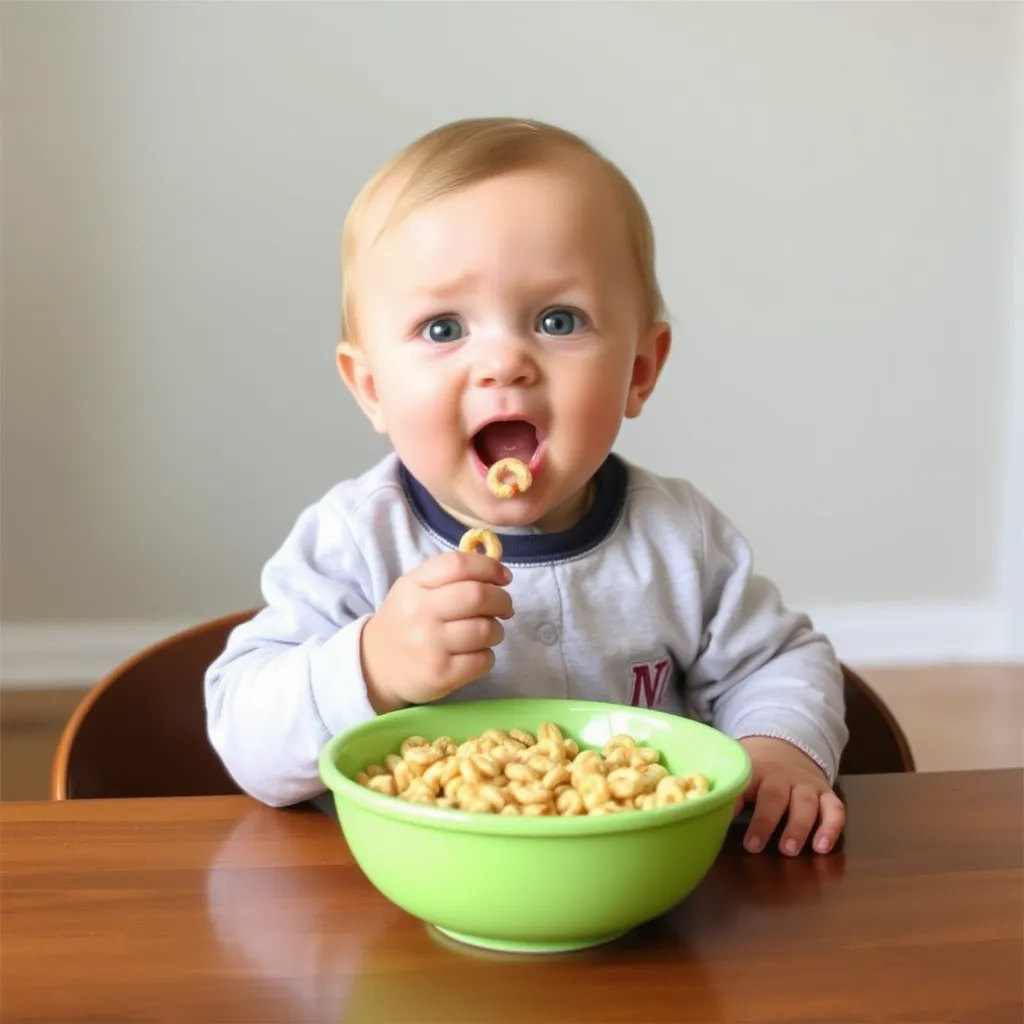
When Can Babies Eat Cheerios? The Surprising Age You Didn’t Expect!
As a parent, you probably wonder, “When can babies eat Cheerios?” It’s an exciting milestone in your little one’s journey to solid foods. Cheerios are often one of the first finger foods parents consider, but it’s crucial to introduce them at the right time and in the right way. Let’s dive into everything you need to know about when and how to offer Cheerios to your baby safely.
Table of Contents
Quick Reference Guide
| Milestone | Age Range | Key Points |
|---|---|---|
| Safe to introduce Cheerios | 9-12 months | – Baby can sit unassisted – Has pincer grasp – Can chew and swallow safely |
| Alternative options | 6-9 months | – Puffed cereals – Soft, dissolvable snacks |
| Choking hazard precautions | All ages | – Always supervise – Offer one at a time – Ensure proper seating |
Understanding Baby’s Developmental Milestones
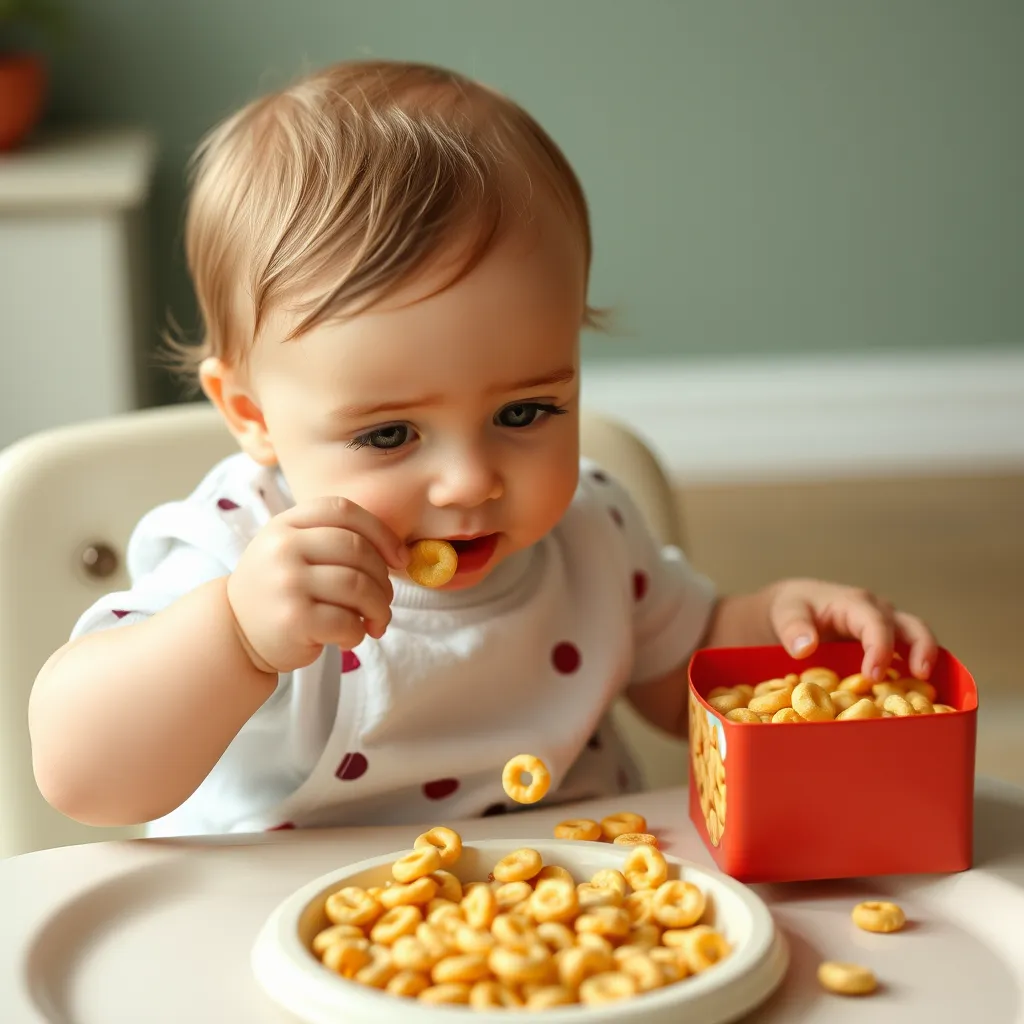
Before we talk about Cheerios specifically, it’s important to understand the developmental milestones your baby needs to reach before trying any finger foods:
- Sitting unassisted: Your baby should be able to sit up without support.
- Pincer grasp: They should be able to pick up small objects between their thumb and forefinger.
- Chewing ability: Your baby should be able to move food around in their mouth and chew, even without teeth.
- Swallowing reflex: They should be able to swallow food safely without choking.
These milestones typically occur between 7-9 months of age, but every baby develops at their own pace.
The Right Age for Cheerios
Most experts agree that babies can safely eat Cheerios when they are between 9 and 12 months old. However, it’s not just about age – it’s about your baby’s individual development and readiness.
“The key is to make sure your baby can sit up straight and bring food to their mouth effectively,” says pediatric nutritionist Dr. Jane Smith. “These skills usually develop around 9 months, but some babies might be ready earlier or later.”
Signs Your Baby is Ready for Cheerios
Look for these signs to determine if your baby is ready for Cheerios:
- Can sit up without support
- Has mastered the pincer grasp
- Can pick up small objects and bring them to their mouth
- Has been successfully eating other finger foods
- Shows interest in feeding themselves
Nostalgic Childhood Snacks That Shaped Our Youth
Why Cheerios are a Popular Choice
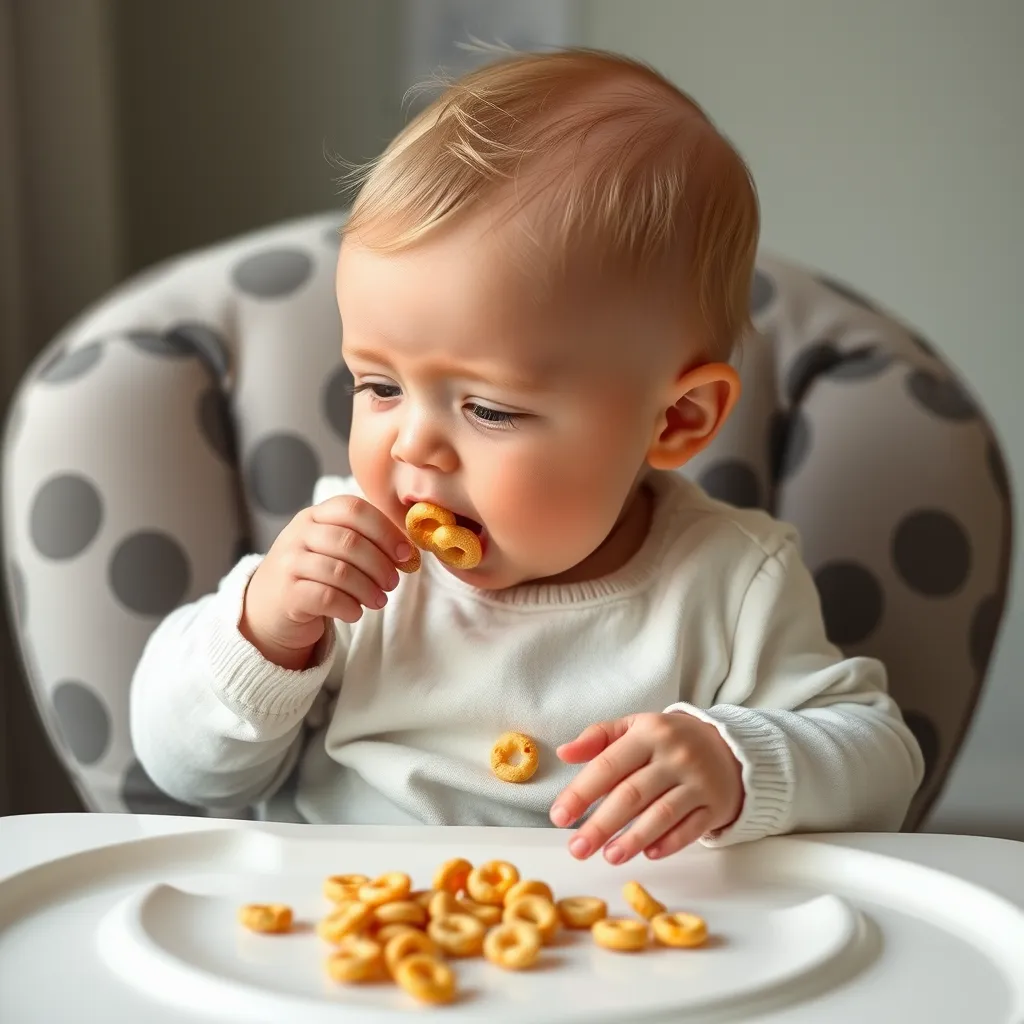
Cheerios have been a go-to finger food for babies for generations, and for good reasons:
Nutritional Benefits
- Whole grain oats
- Low in sugar
- Fortified with iron and other essential nutrients
- Good source of fiber
Practical Advantages
- Easy to dissolve in the mouth
- Perfect size for little fingers
- Convenient for on-the-go snacking
- Affordable and widely available
While Cheerios can be a healthy snack option, remember that they should be part of a varied diet and not relied upon as a primary source of nutrition.
Safety First: Introducing Cheerios
When you decide to introduce Cheerios, safety should be your top priority. Here are some essential tips to keep in mind:
- Start with supervision: Always watch your baby when they’re eating Cheerios or any other food.
- Offer one at a time: Begin by giving your baby one Cheerio at a time to prevent overloading.
- Ensure proper seating: Your baby should be sitting upright in a high chair or safe seated position.
- Check for allergies: If your family has a history of cereal grain allergies, consult your pediatrician before introducing Cheerios.
- Be aware of choking hazards: While Cheerios are designed to dissolve quickly, they can still pose a choking risk if not eaten properly.
For more information on choking prevention, visit the American Academy of Pediatrics’ guide on choking prevention.
Is a Baby Walker Suitable for Your Baby A Parent’s Guide to Safety and Alternatives
Alternatives to Cheerios for Younger Babies
If your baby isn’t quite ready for Cheerios, there are other options you can try:
- Puffed cereals: These dissolve more quickly and can be introduced around 6-8 months.
- Soft fruits: Ripe banana slices or very soft cooked apple pieces can be good starter finger foods.
- Cooked vegetables: Soft, cooked sweet potato or carrot sticks can be easy for babies to handle.
- Dissolvable snacks: There are many baby-specific snacks designed to dissolve quickly in the mouth.
Remember, every baby is different. What works for one may not work for another. Always consult with your pediatrician if you have concerns about introducing new foods.
Beyond Cheerios: Expanding Your Baby’s Palate
While Cheerios can be a great starter finger food, it’s important to offer a variety of foods to help develop your baby’s palate and ensure they’re getting a range of nutrients. Here are some ideas to try:
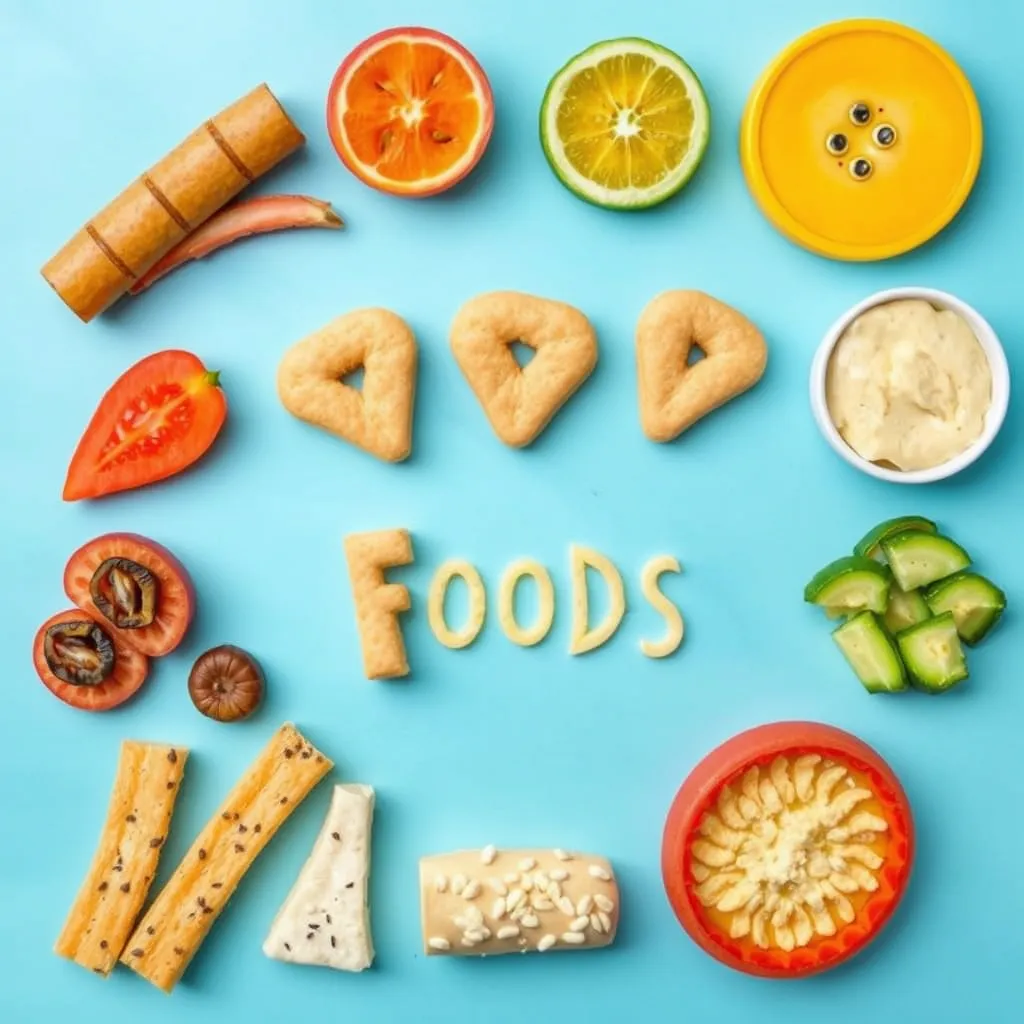
- Soft cheese cubes
- Cooked pasta pieces
- Soft-cooked meat or fish
- Scrambled eggs
- Tofu cubes
- Steamed broccoli florets
For more ideas on finger foods and baby-led weaning, check out this guide from the American Academy of Pediatrics.
Common Questions About Babies and Cheerios
FAQ
- Q: Can I give my 6-month-old Cheerios?
A: It’s generally not recommended. At 6 months, most babies aren’t developmentally ready for Cheerios. Stick to purees and soft foods until your baby develops better eating skills. - Q: How do I know if my baby is choking on a Cheerio?
A: Signs of choking include inability to cry or make noise, difficulty breathing, and turning blue. If you suspect choking, immediately perform infant CPR and call emergency services. - Q: Are flavored Cheerios safe for babies?
A: It’s best to start with plain Cheerios. Flavored varieties often contain added sugars and aren’t necessary for babies. - Q: How many Cheerios can I give my baby?
A: Start with just a few at a time. As your baby gets more comfortable, you can gradually increase the amount, but always supervise and offer them one at a time. - Q: Can Cheerios replace a meal?
A: No, Cheerios should be offered as a snack or part of a meal, not as a meal replacement. Babies need a variety of foods for proper nutrition.
Conclusion: Enjoying the Cheerios Milestone
Introducing Cheerios is an exciting step in your baby’s feeding journey. By waiting until your little one is developmentally ready (usually around 9-12 months) and following safety guidelines, you can make this milestone a positive experience for both you and your baby.
Remember, every baby develops at their own pace. If you have any concerns about your baby’s readiness for Cheerios or other finger foods, don’t hesitate to consult with your pediatrician. They can provide personalized advice based on your baby’s individual development and needs.
Enjoy this fun stage of your baby’s growth, and happy snacking!
Further Reading
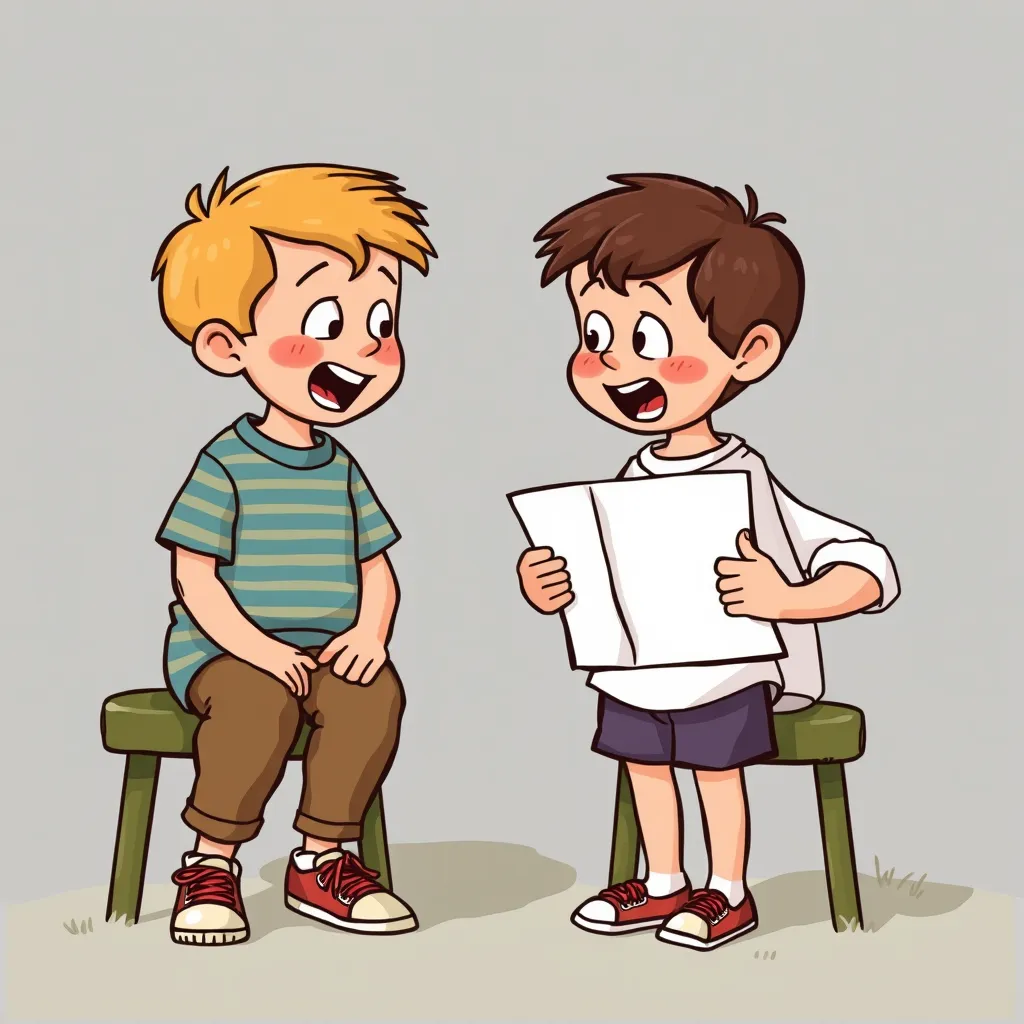
100 best joke about anger for kids Laugh Away Those Grumpy Feelings!
Laughter is the best medicine, especially when it comes to dealing with anger! These 100 hilarious best joke about anger for kidss who need a good chuckle to lighten their mood. From silly puns to clever wordplay, these jokes will help children understand that it’s okay to feel angry sometimes, but there’s always room for a smile.
Table of Contents
Quick Giggles: Top 5 Anger Jokes for Kids
- Why did the angry cookie go to therapy? It was feeling crumbly!
- What do you call a grumpy cow? Moo-dy!
- How do you make an angry bird happy? Give it some tweet-ment!
- Why was the math book so mad? It had too many problems!
- What do you call a bear with no teeth? A gummy bear!
Why Jokes About Anger are Great for Kids
Jokes about anger can be incredibly beneficial for children. Here’s why:
- They provide a healthy outlet for expressing emotions
- Laughter helps release tension and reduce stress
- Humor can give kids a new perspective on their feelings
- Sharing jokes creates bonding opportunities with friends and family
- Learning to laugh at anger can improve emotional resilience
300+ of the Very Best Jokes for Kids (& Parents!)
The Ultimate List: 100 best joke about anger for kids
Get ready to laugh out loud with these hilarious anger-themed jokes for kids!
1. Silly Animal Anger Jokes
- Why was the crab always angry? Because it was crabby!
- What do you call an angry chicken? A fowl mood!
- Why did the angry cat go to the mall? For some retail fur-apy!
- How do you make an octopus laugh? With ten-tickles!
- Why was the dog so mad? It was having a ruff day!
2. Food-Related Anger Jokes
- Why was the tomato blushing? It saw the salad dressing!
- What did the grape say when it got stepped on? Nothing, it just let out a little wine!
- Why was the cheese so upset? It felt grated!
- How do you make an apple turnover? Push it downhill!
- Why was the banana so angry? It was going bananas!
3. School and Learning Jokes
- Why was the pencil so grumpy? It had a pointless existence!
- What did the angry math book say to the student? “You’ve got problems!”
- Why was the eraser so calm? It knew how to rub out mistakes!
- What do you call a mad scientist’s log book? Angry-thms!
- Why was the clock always stressed? It was wound up!
4. Weather and Nature Jokes
- Why was the sun so angry? It had a short fuse!
- What do you call a grumpy rain cloud? A real pain-bow!
- Why was the tornado so mad? It was all twisted up inside!
- How do you make a hurricane laugh? You tickle its funnel!
- Why was the tree so angry? It was sick of being leafed alone!
5. Sports and Games Jokes
- Why was the basketball player so mad? He lost his bounce!
- What do you call an angry tennis player? A racket-eer!
- Why was the golfer so grumpy? He had a hole lot of problems!
- How do you make a soccer ball laugh? Tickle its funny bone!
- Why was the chess piece always upset? It was always in check!
100 Funny Jokes for Kids That Will Make You Laugh
100+ Fun Would You Rather Questions for Teens: Spark Conversations and Laughs!
6. Technology and Gadget Jokes
- Why was the computer so angry? It had a virus!
- What do you call a mad gaming console? Nintendo Rage!
- Why was the smartphone always grumpy? It had too many apps-olutely annoying notifications!
- How do you make a keyboard happy? Give it some space!
- Why was the printer so upset? It was feeling pressed!
7. Superhero and Villain Jokes
- Why was the Hulk always angry? He had some serious green issues!
- What do you call Batman when he skips church? Christian Bale!
- Why was Spider-Man so grumpy? He was caught in a web of emotions!
- How do you make the Joker laugh? You don’t, he’s already laughing!
- Why was Wonder Woman always so calm? She had her anger lassoed!
8. Outer Space and Alien Jokes
- Why was the alien so angry? It was feeling light-years away from home!
- What do you call a mad astronaut? Astro-not in the mood!
- Why was the moon always grumpy? It had too many phases!
- How do you make a black hole laugh? You can’t, it sucks everything in!
- Why was the comet so upset? It felt like it was always on the run!
9. Musical Instrument Jokes
- Why was the piano so angry? It was keyed up!
- What do you call a grumpy guitar? A sour note!
- Why was the drum set always mad? It got beaten all the time!
- How do you make a trumpet happy? Give it a toot!
- Why was the violin so stressed? It was always under pressure!
10. Transportation Jokes
- Why was the car so grumpy? It was tired of being driven around!
- What do you call an angry boat? A steam-y temper!
- Why was the airplane always mad? It had a short runway!
- How do you make a train laugh? Tell it ticket jokes!
- Why was the bicycle so calm? It knew how to handle pressure!
Did You Know?
Laughter can actually help reduce anger and stress! When we laugh, our bodies release endorphins, which are natural feel-good chemicals. This can help improve our mood and make us feel more relaxed. So, the next time you’re feeling angry, try sharing a joke with a friend or family member!
11. Silly Word Play Jokes
- Why was the book so angry? It had too many issues!
- What do you call a grumpy criminal? A sour-crook!
- Why was the calendar always stressed? Its days were numbered!
- How do you make a tissue dance? Put a little boogie in it!
- Why was the belt so relaxed? It knew how to buckle down!
12. Fairy Tale and Storybook Jokes
- Why was Cinderella so bad at soccer? She kept running away from the ball!
- What made the Gingerbread Man so grumpy? He was feeling crummy!
- Why was the Big Bad Wolf always angry? He had a short fuse!
- How do you make a witch laugh? Tell her spell-binding jokes!
- Why was Jack so calm after falling down the hill? He learned to roll with it!
13. Funny Knock-Knock Jokes About Anger
- Knock knock! Who’s there? Lettuce. Lettuce who? Lettuce in, it’s freezing out here!
- Knock knock! Who’s there? Boo. Boo who? Don’t cry, it’s just a joke!
- Knock knock! Who’s there? Cow says. Cow says who? No, silly, a cow says “moo”!
- Knock knock! Who’s there? Interrupting cow. Interrupting cow w— MOO!
- Knock knock! Who’s there? Broken pencil. Broken pencil who? Never mind, it’s pointless!
14. Silly Situation Jokes
- Why was the scarecrow always so happy? He was outstanding in his field!
- What do you call a can opener that doesn’t work? A can’t opener!
- Why was the math book sad? Because it had too many problems!
- How do you make a tissue dance? Put a little boogie in it!
- Why was the broom late? It over swept!
15. Jokes About Emotions
- Why was the emotion “anger” always last? Because it was brought to a boiling point!
- What do you call a happy Lego? A block-head over heels!
- Why was “sadness” always blue? It couldn’t shake off its feelings!
- How do you make “joy” laugh? Tickle its funny bone!
- Why was “disgust” always so picky? It had a taste for perfection!
16. Silly Science Jokes
- Why was the atom so upset? It lost its electrons!
- What do you call an angry chemist? A mad scientist!
- Why was the biology book so calm? It had a lot of patience!
- How do you make a hormone? Don’t pay her!
- Why was the thermometer so grumpy? It was always under pressure!
17. Crazy Character Jokes
- Why was the pirate so angry? Someone stole his booty!
- What do you call a grumpy cowboy? Saddle sore!
- Why was the vampire always so calm? He knew how to keep his cool!
- How do you make a knight laugh? Tell him a joust!
- Why was the ghost so upset? It was feeling transparent!
18. Silly Season Jokes
- Why was summer always so relaxed? It knew how to chill!
- What do you call a grumpy winter? A real freeze-y!
- Why was autumn always so calm? It knew how to turn over a new leaf!
- How do you make spring laugh? Tell it blossom jokes!
- Why was the snowman so happy? He had a cool personality!
19. Funny Family Jokes
- Why was the dad joke always so calm? It knew how to deliver the punchline!
- What do you call a grumpy sibling? A sour-bling!
- Why was the mom always so relaxed? She had patients!
- How do you make a grandparent laugh? Tell them gran-tastic jokes!
- Why was the baby always so happy? It had no bills to pay!
20. Silly Occupation Jokes

- Why was the teacher always so calm? She had a lot of class!
- What do you call an angry chef? A cook-y monster!
- Why was the gardener so relaxed? He was grounded!
- How do you make a firefighter laugh? Tell them blazing jokes!
- Why was the librarian so quiet? She knew how to keep her cool!
Using Humor to Manage Anger: Tips for Kids and Parents
Laughter can be a powerful tool in managing anger. Here are some tips for using humor to help kids deal with their emotions:
- Create a joke jar: Write down funny jokes on slips of paper and put them in a jar. When feeling angry, pick a joke to read and laugh!
- Play word games: Turn angry thoughts into silly rhymes or puns to lighten the mood.
- Make funny faces: Challenge each other to make the silliest angry face possible.
- Use humor in problem-solving: When discussing anger-inducing situations, try to find a humorous perspective.
- Watch funny videos: Keep a playlist of funny, age-appropriate videos to watch when feeling grumpy.
Remember, it’s important to acknowledge and validate feelings of anger while using humor as a coping mechanism. Laughter should complement, not replace, healthy emotional expression and management.
Frequently Asked Questions
1. Is it okay for kids to joke about anger?
Yes, joking about anger can be a healthy way for kids to process and express their emotions. It helps them gain perspective and learn to manage their feelings in a positive way.
2. How can parents use these jokes to help their kids?
Parents can share these jokes during tense moments to lighten the mood, or use them as conversation starters to discuss emotions. They can also encourage kids to create their own jokes about anger.
3. Are there any risks to using humor to deal with anger?
While humor is generally beneficial, it shouldn’t be used to dismiss or invalidate genuine feelings. Make sure to acknowledge the underlying emotions while using jokes as a coping tool.
4. What age group are these jokes suitable for?
These jokes are generally suitable for children aged 6-12, but can be enjoyed by kids (and adults!) of all ages. Adjust the complexity of the jokes based on the child’s understanding.

100+ Fun Would You Rather Questions for Teens Spark Conversations and Laughs!
Looking for a fun way to break the ice or spark interesting conversations with your teenage friends? “Would You Rather” questions are the perfect solution! These thought-provoking and often hilarious scenarios will get everyone talking, laughing, and thinking outside the box. Whether you’re planning a party, looking for a fun activity on a long car ride, or just hanging out, this list of 100+ Would You Rather questions for teens has got you covered.
Table of Contents
| Key Takeaways |
|---|
| • 100+ engaging “Would You Rather” questions for teens • Perfect for parties, road trips, or icebreakers • Covers topics like school, technology, superpowers, and more • Encourages critical thinking and self-reflection • Great way to spark fun conversations among friends |
Why “Would You Rather” Questions Are Great for Teens

Before we dive into the questions, let’s talk about why this game is so popular among teenagers:
- Encourages critical thinking: Teens have to weigh the pros and cons to make a decision.
- Sparks interesting discussions: Each question can lead to deeper conversations about preferences and values.
- Reveals personality traits: Answers can provide insights into a person’s character and priorities.
- No right or wrong answers: It’s all about personal choice, reducing pressure to be “correct.”
- Versatile and adaptable: Can be played anywhere, anytime, with any number of people.
100+ Would You Rather Questions for Teens
Let’s jump into the questions! We’ve organized them into categories to make it easy to find the perfect ones for your group.
School and Learning
- Would you rather be the smartest person in your class or the most popular?
- Would you rather have perfect grades or perfect attendance?
- Would you rather have a teacher who’s always nice but teaches nothing, or a strict teacher who helps you learn a lot?
- Would you rather be fluent in every language or be able to talk to animals?
- Would you rather have all your classes with your best friend or none of them?
Technology and Social Media
- Would you rather give up your smartphone for a month or give up all other electronics for two months?
- Would you rather have 1 million followers on social media or 5 close friends in real life?
- Would you rather only be able to post on social media once a week or not be able to view anyone else’s posts?
- Would you rather have your parents follow all your social media accounts or have no social media at all?
- Would you rather lose all your photos or all your text messages?
Is a Baby Walker Suitable for Your Baby A Parent’s Guide to Safety and Alternatives
Superpowers and Fantasy

- Would you rather be able to fly or be invisible?
- Would you rather be a vampire or a werewolf?
- Would you rather have the ability to read minds or see the future?
- Would you rather be able to control the weather or have the ability to breathe underwater?
- Would you rather be a famous superhero or a regular person with a secret superpower?
Food and Eating
- Would you rather eat your favorite food for every meal or never be able to eat it again?
- Would you rather have to eat everything with chopsticks or drink everything through a straw?
- Would you rather have pizza-flavored ice cream or ice cream-flavored pizza?
- Would you rather be a famous chef or a food critic?
- Would you rather have to eat spicy food with every meal or extremely sour food with every meal?
Friends and Relationships
- Would you rather have one best friend or ten good friends?
- Would you rather date someone extremely smart but unattractive or extremely attractive but not very smart?
- Would you rather be able to read your crush’s mind or have them fall madly in love with you?
- Would you rather have a friend who always agrees with you or one who challenges your opinions?
- Would you rather go to prom with your celebrity crush or your best friend?
Travel and Adventure
- Would you rather travel to the future or the past?
- Would you rather go on a luxury cruise or backpack through Europe?
- Would you rather be able to teleport anywhere on Earth or be able to fly at supersonic speeds?
- Would you rather explore the depths of the ocean or outer space?
- Would you rather go on a solo adventure or travel with a group of friends?
Career and Future
- Would you rather have your dream job but make very little money, or have a boring job that pays extremely well?
- Would you rather be a famous actor/actress or a respected scientist?
- Would you rather work from home or in a cool office with great coworkers?
- Would you rather start your own business or be the CEO of a successful company?
- Would you rather have a job that requires you to travel constantly or one where you never have to leave your hometown?
Funny and Absurd
- Would you rather have fingers as long as your legs or legs as short as your fingers?
- Would you rather sneeze every time someone says your name or burp every time you laugh?
- Would you rather have the voice of Mickey Mouse or Darth Vader for the rest of your life?
- Would you rather have to hop everywhere on one foot or crawl everywhere on all fours?
- Would you rather have a pet elephant or a pet T-Rex?

How to Play “Would You Rather” with Teens
Now that you have a great list of questions, here are some tips for playing the game:
- Set the mood: Create a relaxed, judgment-free environment where everyone feels comfortable sharing.
- Take turns: Have each person ask a question or go around in a circle.
- Encourage explanations: Ask players to explain their choices for more interesting discussions.
- Mix it up: Combine serious and silly questions to keep the game engaging.
- Be respectful: Remember that there are no wrong answers, and everyone’s opinions should be respected.
Benefits of Playing “Would You Rather” with Teens
Beyond just being a fun game, “Would You Rather” can have some surprising benefits for teenagers:
- Improves decision-making skills: Teens practice weighing options and making choices.
- Enhances communication: Players learn to express their thoughts and listen to others.
- Builds empathy: Understanding others’ perspectives can increase empathy and understanding.
- Reduces social anxiety: The game’s structure can help shy teens open up in social situations.
- Encourages creativity: Coming up with new questions or considering unlikely scenarios boosts creative thinking.
“Would You Rather questions are a fantastic way for teens to explore their values, preferences, and decision-making skills in a fun, low-pressure environment.” – Dr. Sarah Johnson, Adolescent Psychologist
Frequently Asked Questions
1. Is “Would You Rather” appropriate for all ages of teens?
Yes, but you may want to adjust the questions based on the specific age group. Younger teens might prefer more lighthearted or fantastical questions, while older teens might enjoy more thought-provoking scenarios.
2. Can “Would You Rather” be played online with friends?
Absolutely! You can play via video chat, messaging apps, or even use online platforms specifically designed for “Would You Rather” games.
3. How long should a game of “Would You Rather” last?
There’s no set time limit. It can be a quick 10-minute icebreaker or last for hours, depending on how much discussion each question generates.
4. What if someone doesn’t want to answer a question?
It’s important to respect boundaries. Allow players to skip questions they’re uncomfortable with or create a “pass” rule where they can ask for a different question.
5. Can we make up our own “Would You Rather” questions?
Absolutely! Encouraging teens to create their own questions can lead to even more personalized and engaging gameplay.
“Would You Rather” questions for teens are an excellent way to spark conversations, encourage critical thinking, and have a great time with friends. Whether you’re looking to break the ice at a party, pass time on a long trip, or just have fun with your friends, these questions are sure to provide hours of entertainment and laughter. Remember, the goal is to have fun and learn more about each other, so don’t be afraid to get creative and silly with your choices!
For more fun activities and conversation starters for teens, check out these resources:
- Teen Vogue: What Your “Would You Rather” Answers Say About You
- WikiHow: More “Would You Rather” Questions for Teens
- SignUpGenius: Group Activities for Teens
So, would you rather play “Would You Rather” with your friends right now or come up with your own list of crazy questions? The choice is yours!
15 Yummy and Healthy Breakfast Ideas for 1 Year Old Start Their Day Right!
Good morning, parents! Are you looking for exciting breakfast ideas for 1 year old children? You’ve come to the right place! Breakfast is super important for your little one’s growth and energy. Let’s explore some tasty and healthy options that will make your toddler’s mornings brighter!
Table of Contents
Quick Breakfast Guide for Your Little One
- 🥣 15 easy and nutritious recipes
- 🍎 Fruits and veggies to include
- 🥛 Dairy and protein options
- 🍞 Whole grains for energy
- 👶 Tips for picky eaters
Why Breakfast Matters for Your 1-Year-Old
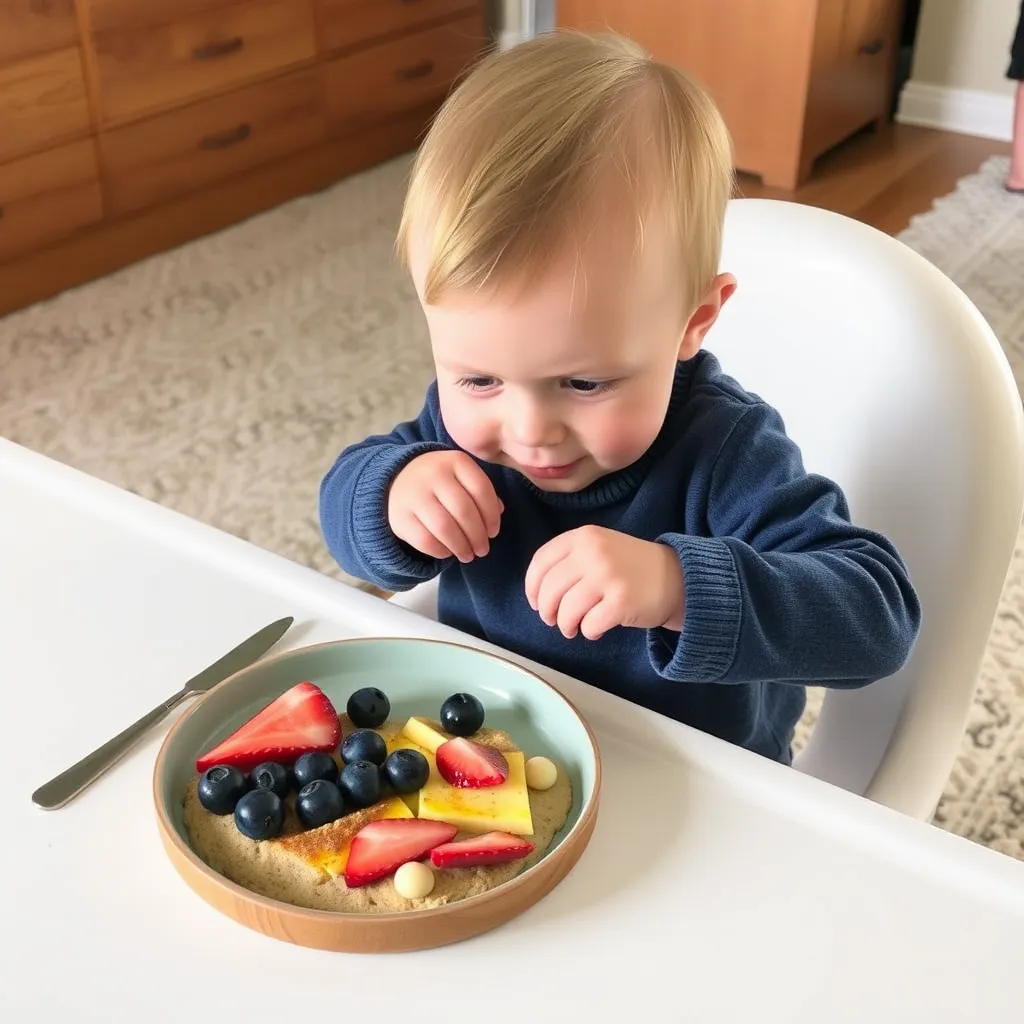
Breakfast is like fuel for your child’s body and brain. Here’s why it’s so important:
- Energy boost: Helps them start the day active and happy
- Brain power: Supports learning and playing
- Healthy habits: Teaches good eating from an early age
- Nutrient intake: Provides important vitamins and minerals
“A good breakfast can set the tone for your child’s entire day!”
15 Delicious Breakfast Ideas for 1-Year-Old Toddlers
- Banana PancakesMash a ripe banana, mix it with an egg and cook like mini pancakes. Serve with a little yogurt for dipping.
- Cheesy Egg ToastScramble an egg with a bit of cheese and serve on whole grain toast cut into small pieces.
- Yogurt ParfaitLayer plain yogurt with mashed berries and soft cereal like cheerios.
- Oatmeal with ApplesauceCook oatmeal in milk, then stir in unsweetened applesauce and a sprinkle of cinnamon.
- Peanut Butter Banana Roll-UpSpread a thin layer of peanut butter on a whole wheat tortilla, add sliced banana, and roll up. Cut into small pieces.
- Mini Veggie FrittataMix eggs with finely chopped spinach and grated cheese. Bake in muffin tins for easy-to-eat mini frittatas.
- Fruit and Cheese PlateOffer small cubes of soft cheese with sliced soft fruits like peaches, pears, or melon.
- Whole Grain Waffle with Nut ButterToast a whole grain waffle and spread with a thin layer of almond or peanut butter.
- Sweet Potato ToastSlice sweet potato thinly, toast until soft, and top with mashed avocado.
- Breakfast SmoothieBlend banana, spinach, yogurt, and a little milk for a nutritious drink. Serve with a straw or spoon.
- Cream Cheese and Fruit SandwichSpread cream cheese on whole grain bread and add thinly sliced strawberries.
- Mini Breakfast QuesadillaFill a small tortilla with scrambled egg and cheese, fold, and cut into triangles.
- Cottage Cheese with PeachesMix cottage cheese with diced soft peaches for a protein-rich breakfast.
- Banana Oat FingersMash banana with oats, form into finger shapes, and bake until golden.
- French Toast SticksDip whole grain bread strips in egg, cook, and serve with a little maple syrup for dipping.
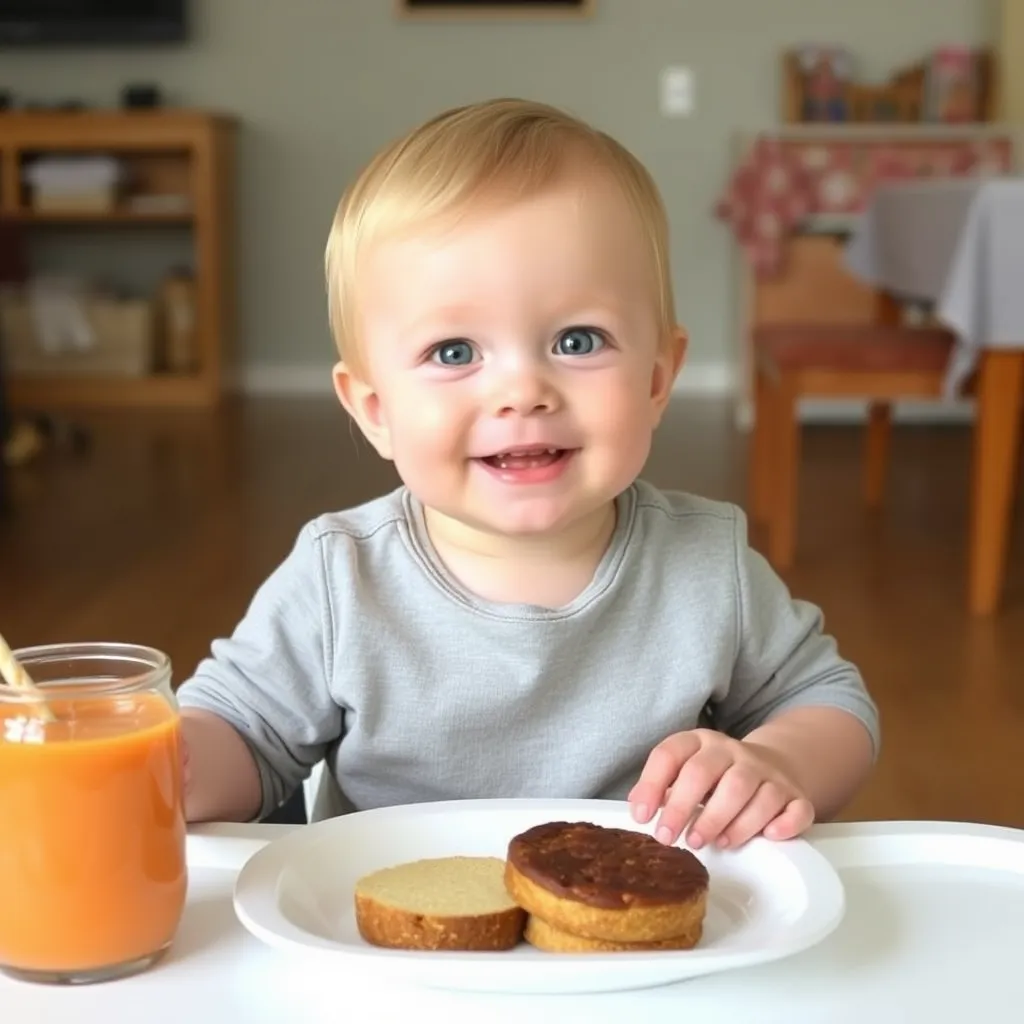
Making Breakfast Fun and Nutritious
Here are some tips to make breakfast exciting for your 1 year old:
- Use cookie cutters: Make fun shapes out of toast or pancakes
- Create faces: Arrange fruit to look like smiley faces on oatmeal or yogurt
- Offer choices: Let your toddler pick between two healthy options
- Make it colorful: Include fruits and veggies of different colors
- Dip it: Toddlers love to dip! Offer yogurt or applesauce for dipping
Breakfast Foods to Include for Your 1 Year Old
A balanced breakfast should include a mix of:
- Whole grains: For energy and fiber
- Fruits and vegetables: For vitamins and minerals
- Protein: For growth and development
- Healthy fats: For brain development
For more information on nutrition for toddlers, check out this guide from the Centers for Disease Control and Prevention.
Dealing with Picky Eaters at Breakfast
Some 1 year olds can be picky about breakfast. Here are some tips to help:
- Offer small portions: Big servings can be overwhelming
- Be patient: It can take many tries before a child likes a new food
- Lead by example: Eat breakfast with your child when you can
- Keep trying: Tastes change, so offer a variety of foods
- Make it routine: Regular breakfast times can help
Safety Tips for Breakfast Time
Keep your 1 year old safe during breakfast with these tips:
- Cut foods into small pieces: To prevent choking
- Avoid hard foods: Like whole nuts or raw carrots
- Supervise eating: Always watch your child during meals
- Use appropriate utensils: Offer child-sized spoons and forks
- Check food temperature: Make sure it’s not too hot
For more information on food safety for young children, visit the FDA’s food safety guidelines.
Making Breakfast Part of a Healthy Routine
Breakfast is a great time to start healthy habits. Here are some ideas:
- Eat together: Make breakfast a family time when possible
- Limit distractions: Turn off TV and devices during meals
- Encourage self-feeding: Let your 1 year old practice eating skills
- Stay positive: Praise trying new foods, not just eating them all
- Be consistent: Try to offer breakfast at similar times each day
57 Delicious Healthy lunch for kindergartners Ideas
Preparing Breakfast Ahead of Time
Mornings can be busy! Here are some make-ahead breakfast ideas for 1 year olds:
- Overnight oats: Mix oats with milk and fruit, refrigerate overnight
- Breakfast muffins: Bake mini muffins with veggies and freeze
- Yogurt pouches: Fill reusable pouches with yogurt and fruit puree
- Egg cups: Bake eggs with veggies in muffin tins, reheat in the morning
- Frozen smoothie packs: Prep smoothie ingredients in bags for quick blending
Wrapping Up: Happy Breakfast, Happy Toddler!
Breakfast ideas for 1 year old children can be fun, easy, and nutritious. Remember, every child is different, so it might take some time to find favorites. Keep offering a variety of healthy foods, and enjoy this special time with your little one. Here’s to happy, healthy breakfasts!
FAQ: Breakfast for 1 Year Olds
Q: How much should my 1 year old eat for breakfast?
A: Every child is different, but generally, start with small portions – about 1/4 to 1/2 cup of food. Let your child’s appetite guide you.
Q: Can my 1 year old have cow’s milk with breakfast?
A: Yes, most 1 year olds can have whole cow’s milk. Check with your pediatrician if you have concerns.
Q: What if my 1 year old refuses breakfast?
A: Don’t force it. Offer a healthy snack later in the morning. Keep breakfast times consistent to build routine.
Q: Are cereals good for 1 year olds?
A: Whole grain cereals can be good, but avoid sugary ones. Look for cereals with simple ingredients and no added sugars.
Q: How can I add more protein to my 1 year old’s breakfast?
A: Try eggs, yogurt, cheese, nut butters (if no allergies), or even small amounts of cooked beans or tofu.
10 Delicious Baby Cookies Recipe Treats for Your Little One
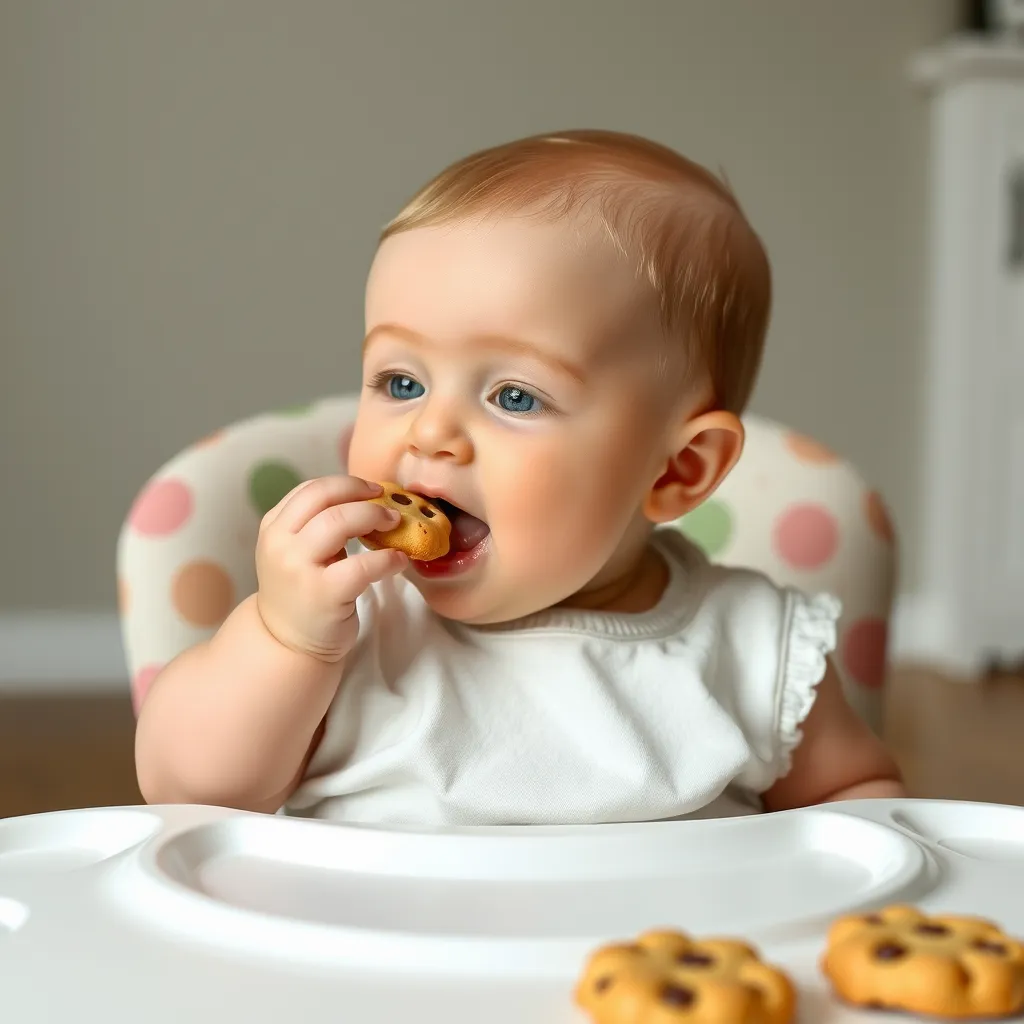
Welcome to the yummy world of baby cookies! These aren’t your ordinary cookies – they’re special treats made just for little ones. Whether you’re a new parent or looking for healthy snack ideas, we’ve got you covered with everything you need to know about baby cookies.
Table of Contents
Quick Baby Cookie Guide
- 🍪 Easy 3-ingredient recipes
- 🍌 Fruit-based sweetness
- 🥛 Allergy-friendly options
- 👶 Safe for babies 6+ months
- 🧁 Tips for baking and storing
What Are Baby Cookies?
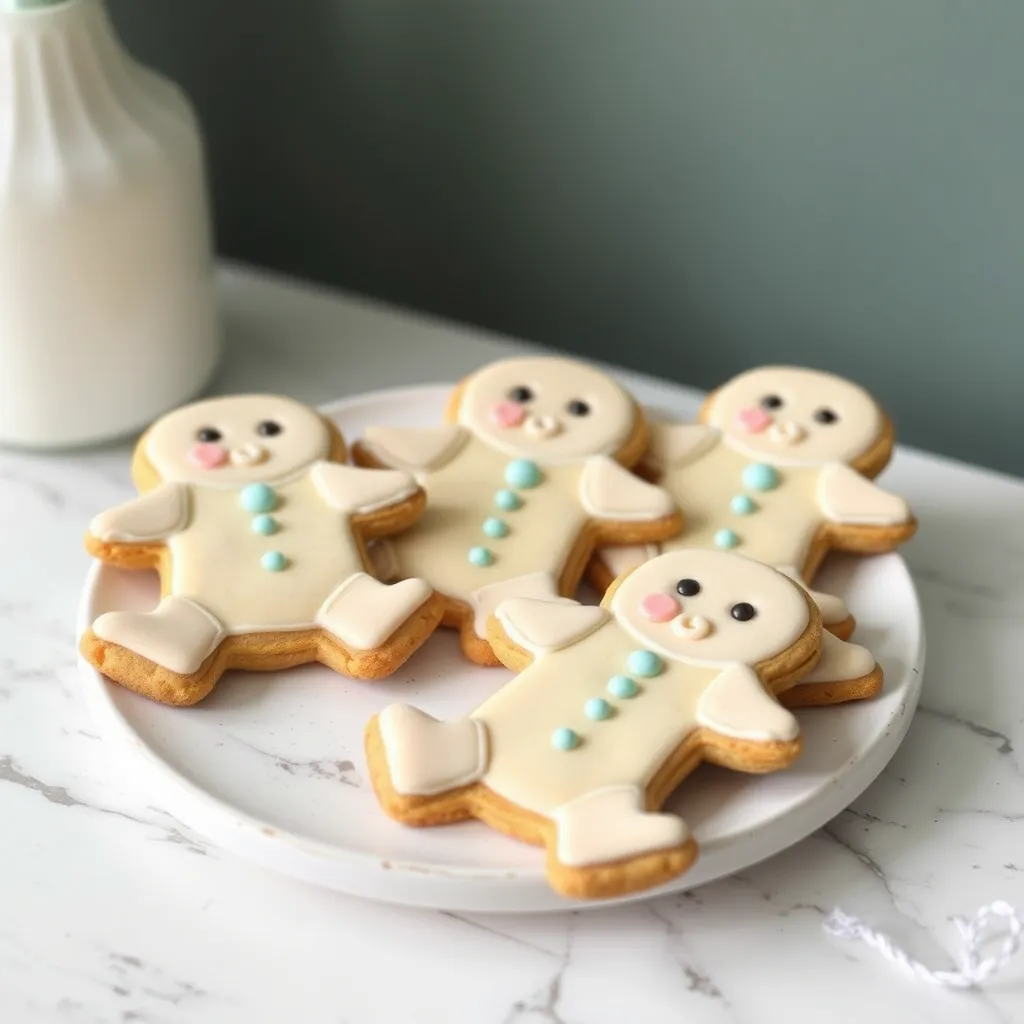
Baby cookies are soft, easy-to-eat snacks made especially for babies and toddlers. They’re different from regular cookies because:
- No added sugar: They use natural sweetness from fruits
- Soft texture: Easy for babies to munch and dissolve in the mouth
- Nutritious ingredients: Made with wholesome foods like oats and bananas
- Allergy-friendly: Often free from common allergens
“Baby cookies are a great way to introduce new flavors and textures to your little one!”
When Can Babies Start Eating Cookies?
Most babies can start enjoying baby cookies around 6-8 months old. Here’s what to keep in mind:
- Baby should be able to sit up and grasp objects
- Always supervise your baby while eating
- Start with small pieces to prevent choking
- Check with your pediatrician if you have any concerns
For more information on when to introduce solid foods, check out this guide from the Centers for Disease Control and Prevention.
10 More Delicious Baby Cookie Recipes
1. Pumpkin Spice Baby Cookies
- 1/2 cup pumpkin puree1 cup rolled oats1/4 teaspoon cinnamonPinch of nutmeg
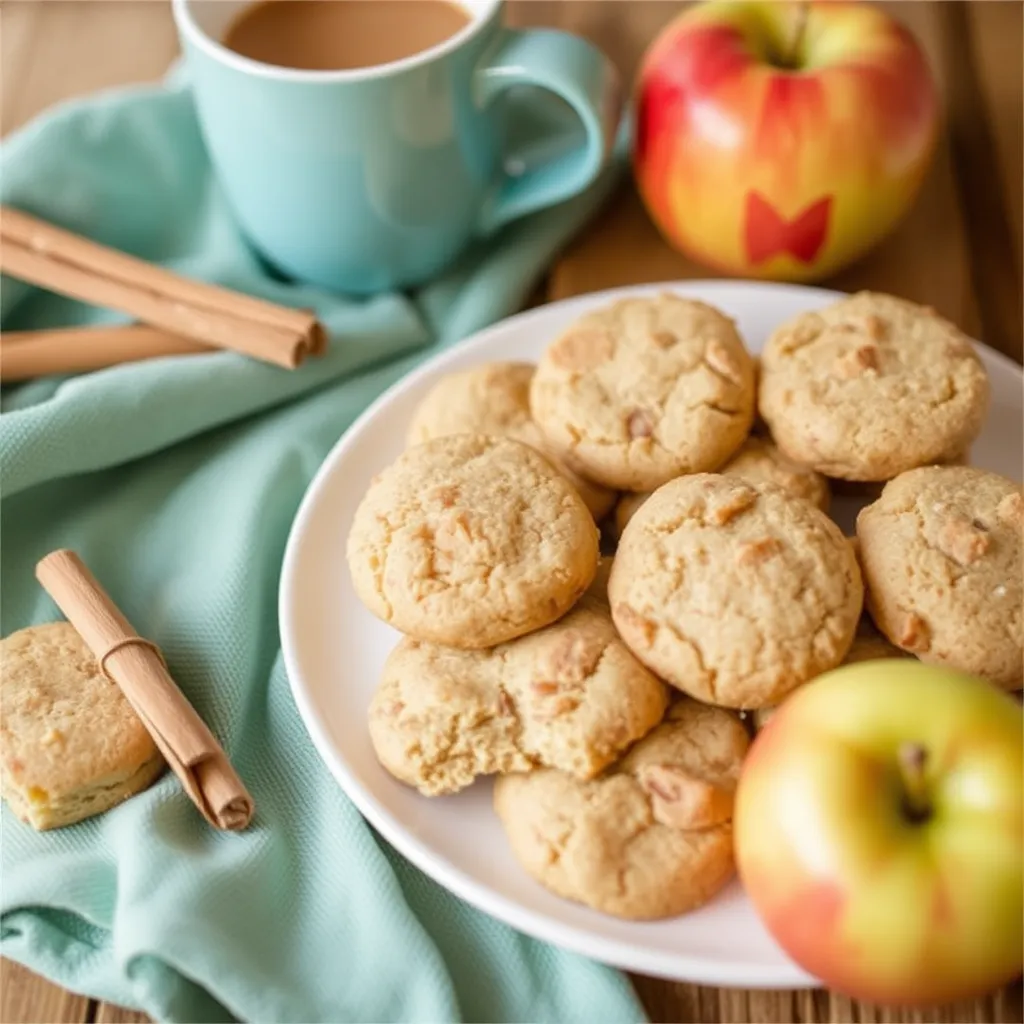
2. Apple Cinnamon Baby Cookies
3. Carrot Oat Baby Cookies
- 1/2 cup finely grated carrot1 mashed banana1 cup rolled oats
4. Blueberry Banana Baby Cookies
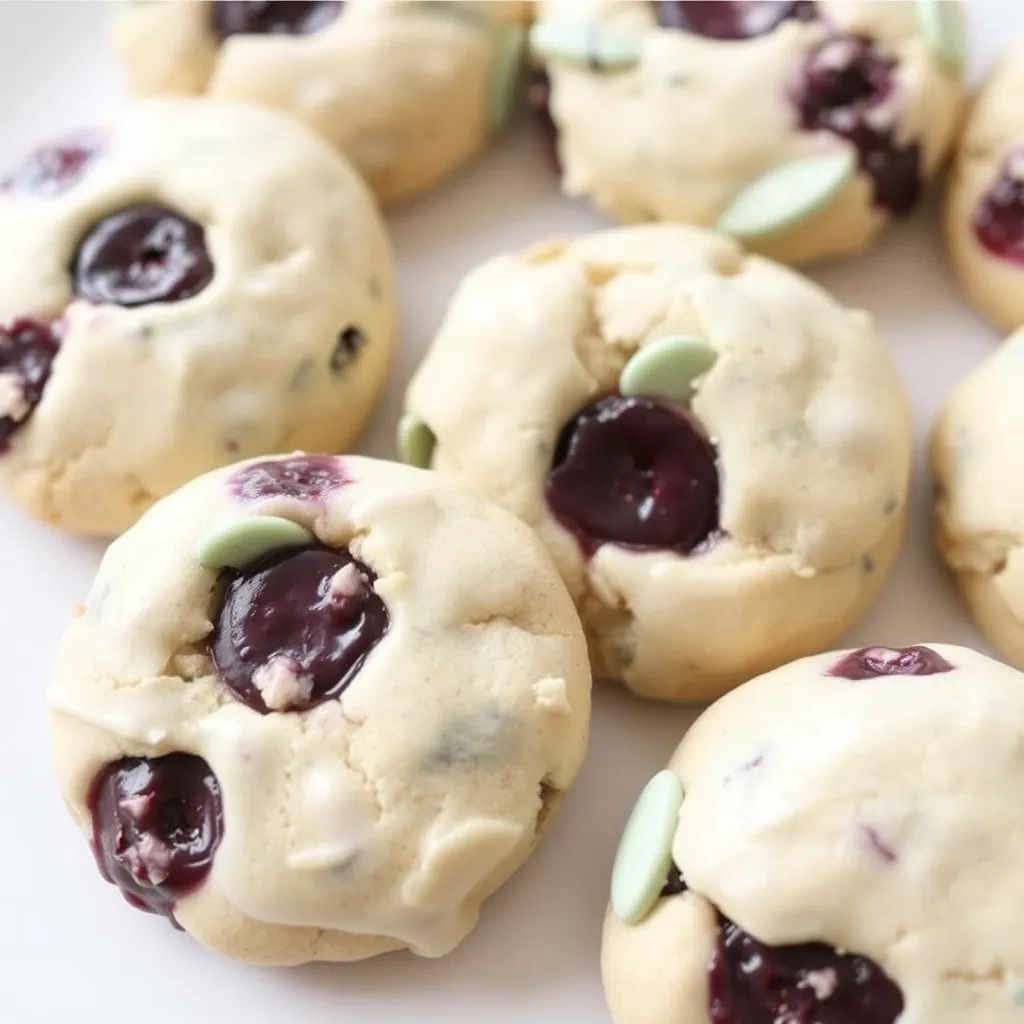
- 1 mashed banana1 cup oat flour1/4 cup mashed blueberries
5. Spinach and Banana Baby Cookies
- 1 mashed banana1/4 cup finely chopped spinach1 cup ground oats
6. Avocado Baby Cookies
- 1/2 ripe avocado, mashed1 cup oat flour1/4 cup mashed banana
7. Zucchini Oat Baby Cookies
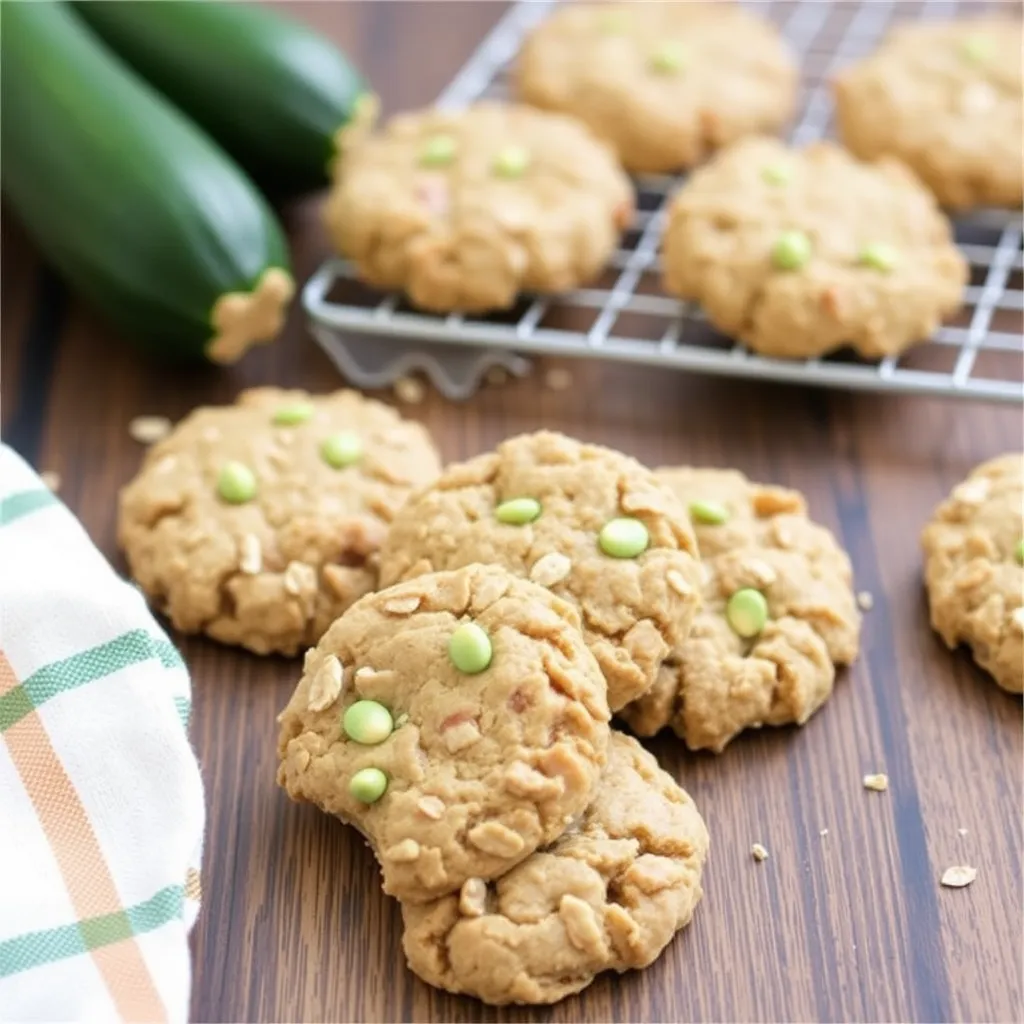
- 1/2 cup grated zucchini (squeezed dry)1 cup rolled oats1 mashed banana
8. Peach Quinoa Baby Cookies
- 1/2 cup mashed ripe peach1/2 cup cooked quinoa1/2 cup oat flour
9. Sweet Potato and Apple Baby Cookies
- 1/4 cup mashed sweet potato1/4 cup grated apple1 cup rolled oats
10. Mango Coconut Baby Cookies
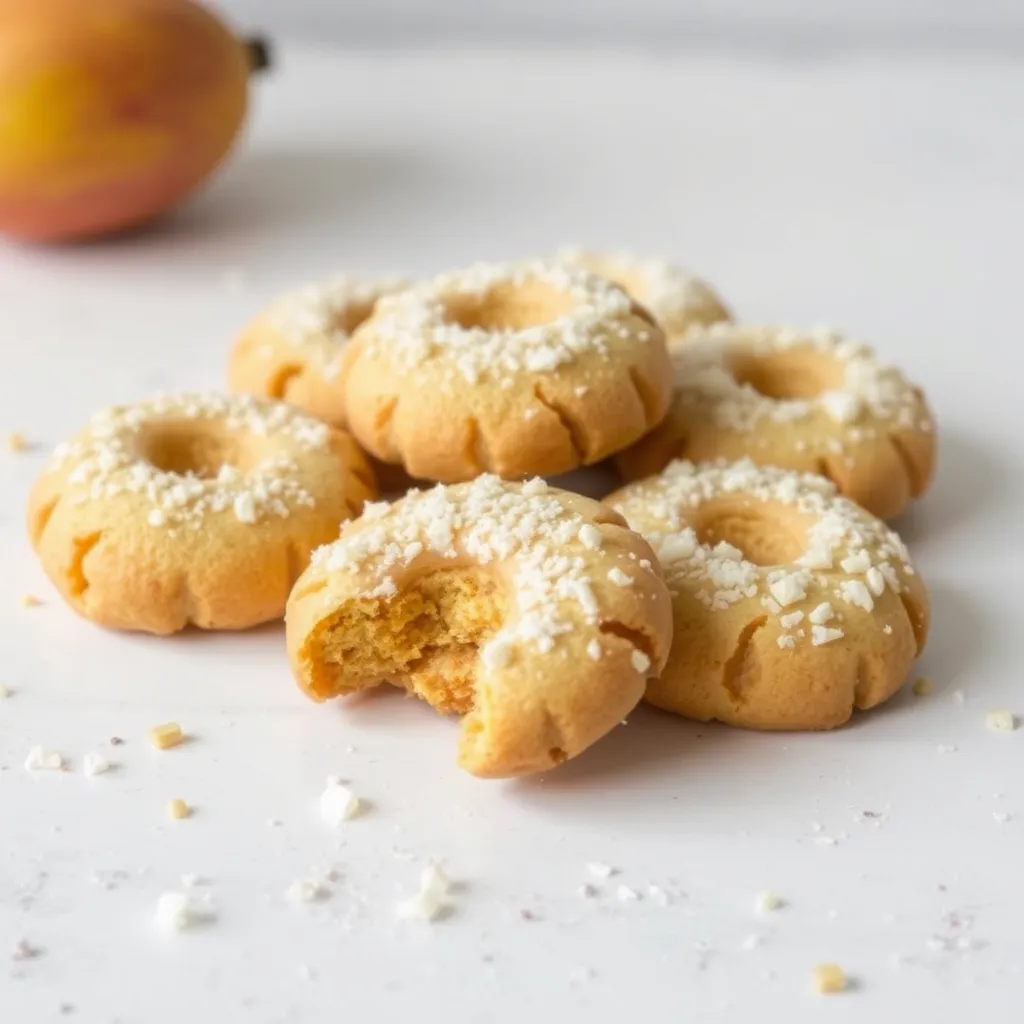
- 1/2 cup mashed ripe mango1/4 cup unsweetened shredded coconut3/4 cup oat flour
Making Baby Cookies Fun and Nutritious
Baby cookies can be more than just a snack – they’re a chance to introduce new flavors and boost nutrition. Try these ideas:
- Add fruits: Mash in berries or finely chopped apples
- Try veggies: Grated carrots or zucchini work well
- Boost protein: Mix in a spoonful of nut butter (if allergies aren’t a concern)
- Experiment with grains: Try quinoa flakes or millet flour
- Spice it up: A pinch of cinnamon or vanilla can add flavor
Storing and Serving Baby Cookies
Keep your baby cookies fresh and safe with these tips:
- Cool completely before storing
- Store in an airtight container in the fridge for up to 5 days
- Freeze for up to 3 months – great for batch cooking!
- Thaw in the fridge overnight before serving
- Warm slightly or serve at room temperature
57 Delicious Healthy lunch for kindergartners Ideas
Safety First: Allergy Concerns
When introducing new foods like baby cookies, it’s important to watch for allergies:
- Introduce one new ingredient at a time
- Wait 3-5 days before trying another new food
- Watch for signs of allergic reactions like rashes or tummy troubles
- Avoid common allergens like nuts if you’re unsure
For more information on food allergies in babies, visit the Food Allergy Research & Education website.
Making Baby Cookies a Part of Balanced Nutrition
While baby cookies are yummy, they shouldn’t be the only snack your little one eats. Here’s how to include them in a healthy diet:
- Offer a variety of foods: Fruits, veggies, proteins, and whole grains
- Use cookies as a sometimes food: Not an everyday treat
- Pair with other snacks: Serve with yogurt or fruit puree
- Don’t use as a reward: This can create unhealthy food associations
Fun Ways to Serve Baby Cookies
Make snack time exciting with these serving ideas:
- Cookie shapes: Use cookie cutters for fun shapes
- Dipping station: Serve with yogurt or applesauce for dipping
- Frozen treats: Freeze soft cookies for teething relief
- Crumble over fruit: Sprinkle crushed cookies on fruit purees
- Pack for on-the-go: Great for diaper bag snacks
Wrapping Up: Happy Baby, Happy Snacking!
Baby cookies are a fantastic way to introduce new flavors and textures to your little one. They’re easy to make, nutritious, and can be a fun part of your baby’s eating journey. Remember to always supervise your baby while eating and consult with your pediatrician if you have any concerns.
With these recipes and tips, you’re all set to start baking some delicious baby cookies. Happy snacking!
FAQ: Baby Cookies
Q: Are baby cookies suitable for babies with no teeth?
A: Yes! Baby cookies are usually soft and dissolve easily in the mouth, making them safe for babies with few or no teeth.
Q: Can I use regular flour instead of oats in baby cookies?
A: While you can, oats are often preferred as they provide more fiber and nutrients. If using flour, whole wheat is a better choice than refined white flour.
Q: How many baby cookies can I give my baby in a day?
A: It’s best to start with one small cookie and see how your baby responds. Remember, these should be occasional treats, not a major part of their diet.
Q: Can I add honey to sweeten baby cookies?
A: No, honey should not be given to babies under 1 year old due to the risk of infant botulism. Stick to natural sweetness from fruits.
Q: Are store-bought baby cookies as good as homemade?
A: While some store-bought options can be healthy, homemade cookies allow you to control the ingredients and avoid additives. Always check labels if buying pre-made cookies.
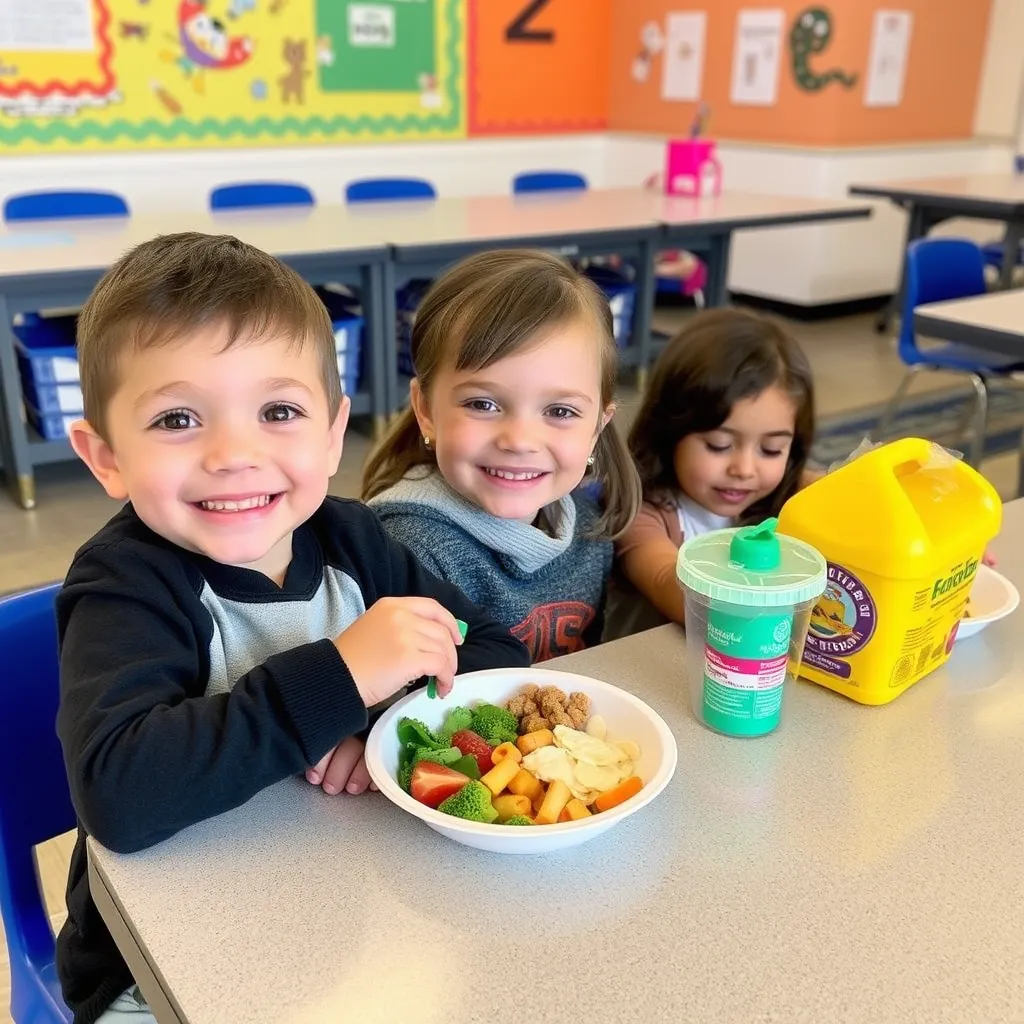
57 Delicious Healthy lunch for kindergartners Ideas
Welcome to the world of lunch for kindergartners! Whether you’re a parent, guardian, or caregiver, packing a nutritious and appealing lunch for your little one can sometimes feel like a big challenge. But don’t worry – we’ve got you covered with tons of ideas, tips, and tricks to make lunchtime fun and healthy for your kindergartner.
Table of Contents
Quick Lunch Box Inspiration
- 🥪 15 easy sandwich alternatives
- 🌈 Colorful fruit and veggie ideas
- 🧀 Protein-packed snacks
- 🍪 Healthy treat options
- 🍎 Tips for picky eaters
Why Lunch Matters for Kindergartners
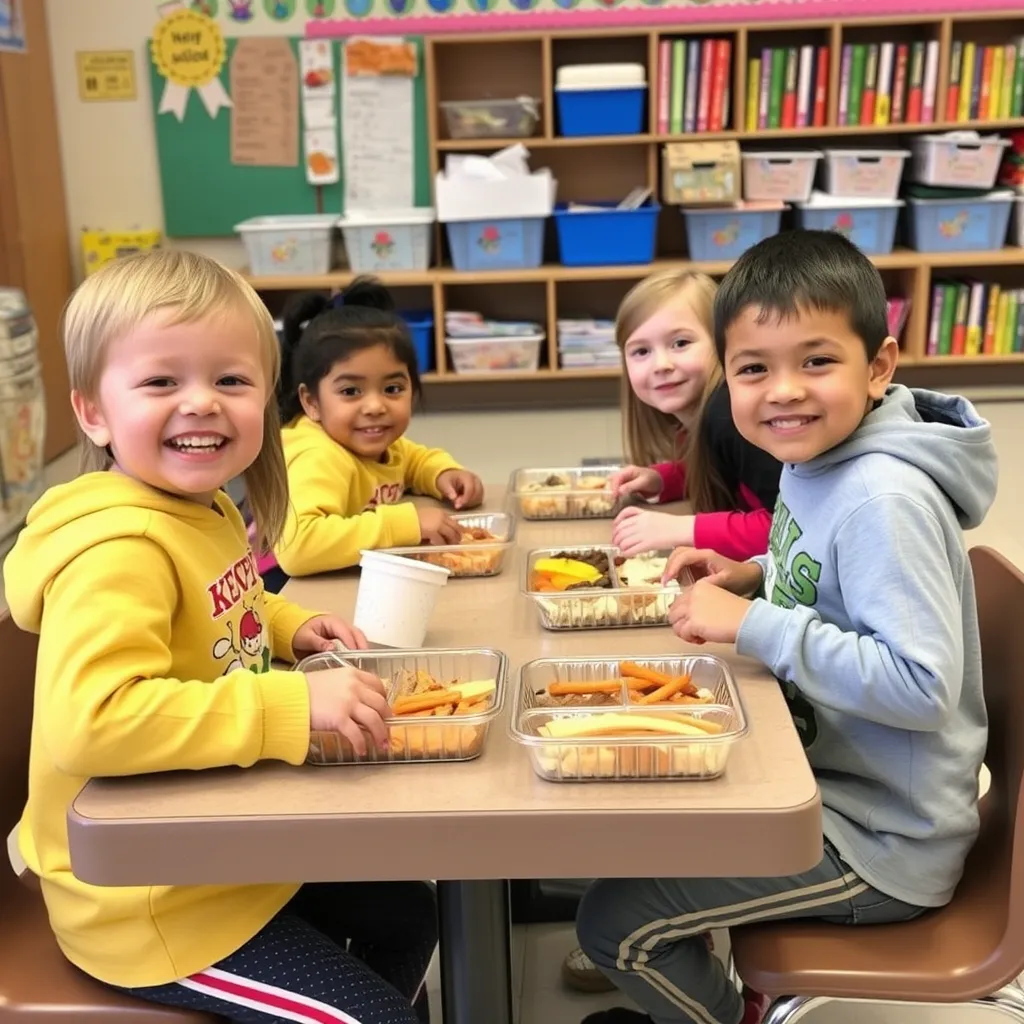
A good lunch is super important for kindergartners. Here’s why:
- Energy boost: Helps them stay active and focused
- Brain food: Supports learning and memory
- Healthy habits: Teaches good nutrition early on
- Social time: Makes lunchtime fun and enjoyable
“A healthy lunch is like fuel for your kindergartner’s body and brain!”
15 Easy and Fun Lunch Ideas for Kindergartners
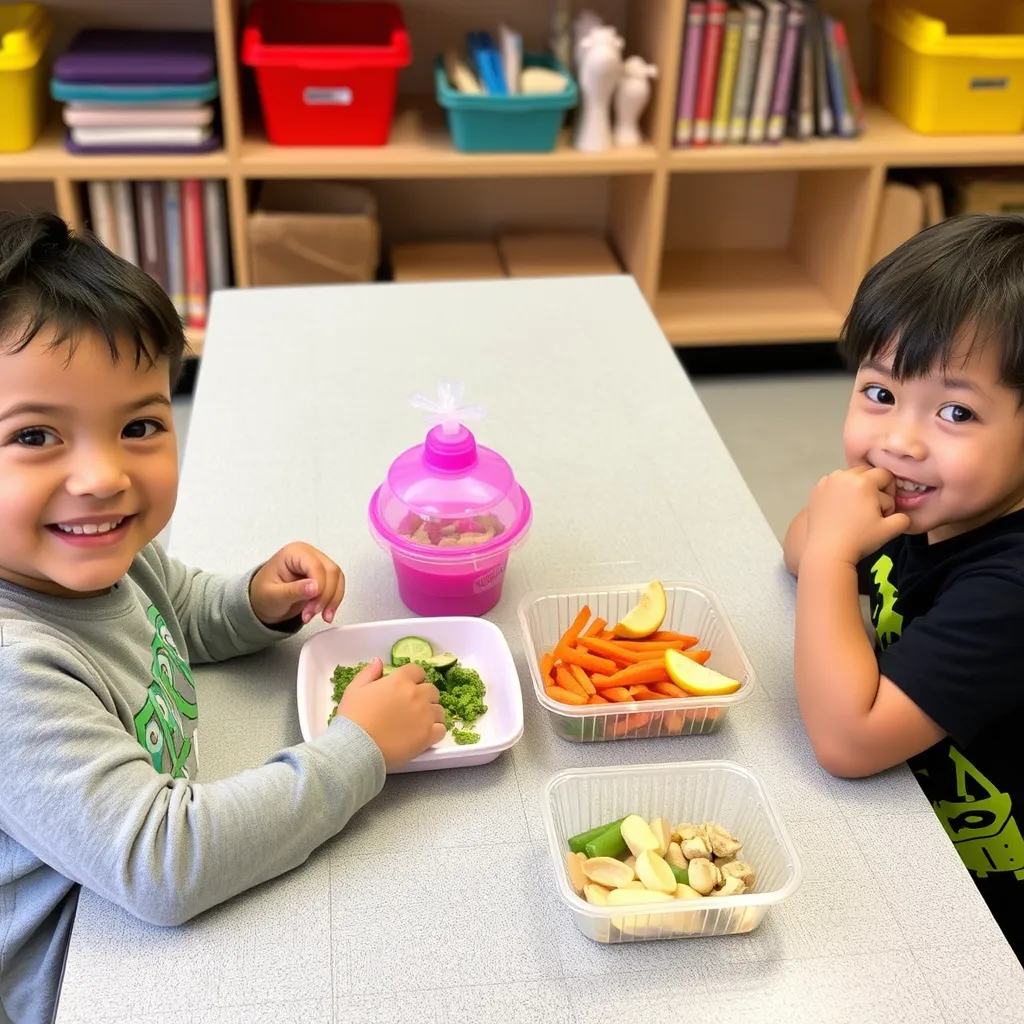
- Mini Pizza Bagels: Whole wheat bagel, tomato sauce, cheese
- Rainbow Veggie Wrap: Colorful veggies in a soft tortilla
- Breakfast for Lunch: Mini pancakes, berries, yogurt dip
- DIY Lunchables: Whole grain crackers, cheese cubes, turkey slices
- Veggie Sushi Rolls: Rice, cucumber, and carrot in nori sheets
- Pasta Salad Shapes: Fun pasta shapes, veggies, light dressing
- Sandwich Kabobs: Bread cubes, cheese, ham, cherry tomatoes on sticks
- Quesadilla Triangles: Cheese and beans in a folded tortilla, cut into triangles
- Hummus Plate: Hummus, pita chips, veggie sticks
- Mini Muffin Tin Lunch: Various small portions in a muffin tin
- Alphabet Soup: Veggie-packed soup with letter pasta (in a thermos)
- Fruit and Yogurt Parfait: Layers of yogurt, granola, and fruit
- Banana Sushi: Banana rolled in peanut butter and cereal
- Cucumber Sandwiches: Cream cheese between cucumber slices
- Bento Box Surprise: Small portions of various foods in divided containers
- Turkey and Cheese Roll-ups: Turkey slices rolled with cheese, secured with a toothpick
- Peanut Butter and Banana Sandwich: On whole grain bread (or sunbutter for nut-free options)
- Veggie Sticks with Hummus: Carrot, cucumber, and bell pepper sticks with a small container of hummus
- Cheese Quesadilla: Whole wheat tortilla with melted cheese, cut into triangles
- Yogurt Parfait: Layers of yogurt, granola, and berries in a container
- Mini Frittatas: Egg muffins with cheese and vegetables
- Pasta Salad: Whole wheat pasta with cherry tomatoes, cucumbers, and Italian dressing
- Chicken Salad on Crackers: Diced chicken mixed with mayo and herbs, served with whole grain crackers
- Tuna Salad Cucumber Boats: Cucumber halves filled with tuna salad
- Pita Pocket with Lettuce and Turkey: Whole wheat pita stuffed with lettuce and turkey slices
- Cream Cheese and Cucumber Sandwich: On whole grain bread
- Vegetable Fried Rice: Brown rice with mixed vegetables and scrambled egg
- Mini Corn Dogs: Homemade or store-bought, with ketchup for dipping
- Fruit and Cheese Plate: Assorted fruit slices with cheese cubes
- Avocado Toast Triangles: Whole grain toast with mashed avocado, cut into triangles
- Meatballs with Marinara Sauce: Served with whole wheat pasta
- Egg Salad on Mini Bagels: Homemade egg salad on whole wheat mini bagels
- Bean and Cheese Burrito: Small whole wheat tortilla with beans and cheese
- Greek Yogurt with Honey and Berries: Topped with a sprinkle of granola
- Chicken Nuggets: Homemade or store-bought, with BBQ sauce
- Waffle Sandwich: Cream cheese and jam between two toaster waffles
- Tomato Soup: In a thermos with whole grain crackers on the side
- Mini Quiches: With spinach and cheese
- Deli Meat Wrap: Tortilla with cream cheese, turkey, and lettuce
- Apple Slices with Almond Butter: (or sun butter for nut-free options)
- Grilled Cheese Triangles: On whole grain bread, cut into small triangles
- Veggie Cream Cheese Sandwich: With grated carrots and cucumbers
- Cheese Tortellini: With pesto sauce and cherry tomatoes
- Homemade Pizza Rolls: Pizza toppings rolled in pizza dough and baked
- Peanut Butter and Jelly Sushi: PB&J rolled in bread, sliced like sushi
- Sweet Potato Nuggets: Baked sweet potato bites with ketchup
- Cold Noodle Salad: With sesame dressing and vegetables
- Veggie Nuggets: Homemade or store-bought, with ranch dip
- Salmon Salad Sandwich: On whole grain bread
- Cheese and Apple Quesadilla: Cheese and thin apple slices in a tortilla
- Homemade Lunchable Pizza: Mini pizza crusts, sauce, and cheese
- Black Bean Dip with Tortilla Chips: And carrot sticks
- Mini Spinach and Cheese Calzones: Homemade or store-bought
- Sunbutter and Apple Sandwich: On whole grain bread
- Veggie Pinwheels: Tortilla spread with cream cheese and veggies, rolled and sliced
- Baked Tofu Cubes: With teriyaki dipping sauce
- Mini Bagel with Cream Cheese and Cucumber: Whole wheat bagel
Making Lunches Colorful and Appealing
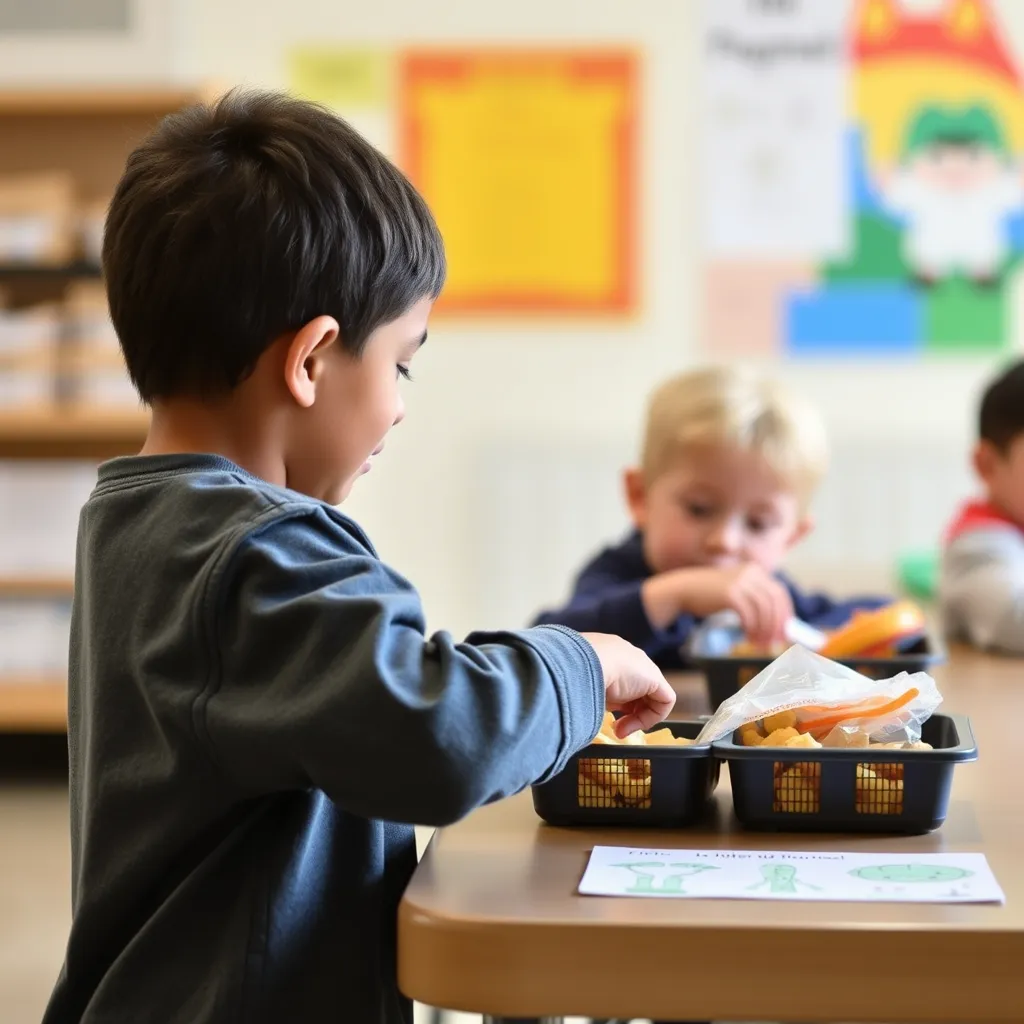
Kindergartners eat with their eyes first! Here are some tips to make lunches look super yummy:
- Use cookie cutters: Make sandwiches and fruits into fun shapes
- Create faces: Arrange food to look like silly faces or animals
- Rainbow effect: Include fruits and veggies of different colors
- Dip it: Kids love to dip! Include small containers of hummus, ranch, or yogurt
- Separate foods: Use bento-style boxes or silicone cupcake liners to keep foods apart
Dealing with Picky Eaters
Got a picky eater? Don’t worry, it’s super common! Try these tricks:
- Involve them: Let your kindergartner help choose and pack their lunch
- Try, try again: It can take many tries before a child likes a new food
- Make it fun: Use fun names for foods, like “X-ray vision carrots”
- Sneak in veggies: Finely grate vegetables into sauces or muffins
- Be a role model: Eat and enjoy healthy foods yourself
For more tips on handling picky eaters, check out this helpful guide from the American Academy of Pediatrics.
Keeping Lunches Safe and Fresh
Food safety is super important for kindergartners. Here’s how to keep lunches safe:
- Use an insulated lunch bag: Keeps food at the right temperature
- Include ice packs: Especially for dairy, meats, and cut fruits
- Wash fruits and veggies: Always clean produce before packing
- Use a thermos: Great for keeping soups and pasta warm
- Pack smart: Put heavier items at the bottom to prevent squishing
Healthy Treats for Kindergartners
Everyone loves a little treat! Here are some healthier options:
- Frozen yogurt tubes
- Apple chips
- Homemade trail mix
- Banana oat cookies
- Fruit leather
Remember, treats don’t always have to be sweet. Some kids love cherry tomatoes or snap peas as their special treat!
Making Lunch Prep Easier
Packing lunch for kindergartners doesn’t have to be stressful. Try these tips:
- Prep ahead: Cut veggies and portion snacks on the weekend
- Make extra dinner: Pack leftovers for lunch the next day
- Have a lunch station: Keep lunch supplies in one easy-to-reach spot
- Use divided containers: Makes packing quicker and keeps foods separate
- Get the kids involved: Even kindergartners can help pack their lunch
For more meal prep ideas, check out these beginner-friendly meal prep tips from EatingWell.
10 Delicious Baby Pancake Recipes
Wrapping Up: Happy Lunching!
Packing lunch for kindergartners can be fun and easy with a little planning and creativity. Remember, the goal is to provide nutritious food that your child will actually eat and enjoy. Don’t stress if it’s not perfect every day – what matters most is that you’re trying your best to keep your little one healthy and happy!
Keep experimenting with different lunch ideas for kindergartners, and soon you’ll find a variety of options that work for you and your child. Happy lunching!
50+ Yummy and Healthy Toddler Snack Ideas
FAQ: Lunch for Kindergartners
Q: How much food should I pack for my kindergartner’s lunch?
A: Start with small portions – about half of what an adult would eat. You can always adjust based on how much your child typically eats at lunchtime.
Q: My kindergartner never finishes their lunch. What should I do?
A: Try packing smaller portions or ask your child which foods they prefer. Sometimes, kids are too busy chatting or playing to finish a big lunch.
Q: Are there any foods I should avoid packing?
A: Check with your school about allergy restrictions. Generally, avoid choking hazards like whole grapes or popcorn for younger kids. Also, skip sugary drinks and stick to water or milk.
Q: How can I keep my child’s lunch cold without an ice pack?
A: Freeze a small water bottle or yogurt tube – it’ll keep the lunch cold and be thawed by lunchtime.
Q: My kindergartner is bored with sandwiches. What else can I pack?
A: Try wraps, pasta salad, or a variety of small snacks like cheese cubes, crackers, and fruit. Our list of 15 lunch ideas above has lots of non-sandwich options!
20 children’s humorous short stories to Read
Welcome to the world of children’s humorous short stories! Get ready for a rollercoaster ride of giggles, chuckles, and belly laughs. Whether you’re a parent, teacher, or just a big kid at heart, this article will dive into the wonderful world of funny tales that captivate young minds and tickle funny bones.
Table of Contents
Quick Giggles: What’s Inside?
- 🎭 5 side-splitting short stories for children
- 😂 Benefits of humor in child development
- 📚 How to create your own funny tales
- 🧠 Fun facts about laughter and the brain
- 🏆 Top resources for more hilarious kids’ stories
Why Funny Stories Matter: More Than Just a Laugh
Children’s humorous short stories aren’t just about getting a quick laugh. They play a crucial role in a child’s development. Here’s why:
- Boost creativity: Silly stories encourage out-of-the-box thinking
- Improve language skills: Wordplay and puns expand vocabulary
- Develop social skills: Shared laughter builds connections
- Reduce stress: Laughter is a natural stress-buster
- Enhance memory: Funny moments are more likely to stick
50+ Yummy and Healthy Toddler Snacks Ideas
“A day without laughter is a day wasted.” – Charlie Chaplin
20 Knee-Slapping Short Stories for Kids
1. The Upside-Down Day
Little Tommy woke up one morning to find everything in his room upside down! His bed was on the ceiling, his toys floated in the air, and even his dog was walking on the roof. “Mom!” he called out, “I think the house is broken!” As he stumbled through his topsy-turvy home, he realized it wasn’t the house that was upside down – it was him! He’d been sleeping on his head all night long!
2. The Sneaky Vegetables
Sarah hated vegetables. But one day, her broccoli started telling jokes, her carrots began tap dancing, and her peas rolled around singing opera. Suddenly, eating veggies became the most entertaining part of her day. Who knew dinner could be dinner and a show?
3. The Backwards Birthday
On his 8th birthday, Billy decided to do everything backward. He wore his clothes inside out, ate dessert first, and even tried to walk backward all day. When it came time to blow out his candles, he took a deep breath and blew in… filling his cheeks like a chipmunk! “I think I did that wrong,” he giggled, as his family burst into laughter.
4. The Invisible Prank
Emma found a bottle labeled “Invisible Juice” in her attic. Thinking it was a fun prank, she “painted” herself with the clear liquid. To her surprise, she actually became invisible! She had a blast sneaking around and playing tricks on her family. But when it came time for dinner, she couldn’t eat – the food kept falling through her invisible mouth!
5. The Mix-Up at the Zoo
When the zookeeper caught a cold, his sneezes were so powerful they blew all the animal name tags off their cages. The next day, visitors were very confused to see “elephants” that looked suspiciously like penguins, and “lions” that seemed an awful lot like giraffes. It was the silliest zoo day ever!
6. The Backward Birthday
On his 8th birthday, Billy decided to do everything backward. He wore his clothes inside out, ate dessert first, and even tried to walk backward all day. When it came time to blow out his candles, he took a deep breath and blew in… filling his cheeks like a chipmunk! “I think I did that wrong,” he giggled, as his family burst into laughter.
7. The Invisible Prank
Emma found a bottle labeled “Invisible Juice” in her attic. Thinking it was a fun prank, she “painted” herself with the clear liquid. To her surprise, she actually became invisible! She had a blast sneaking around and playing tricks on her family. But when it came time for dinner, she couldn’t eat – the food kept falling through her invisible mouth!
8. The Mix-Up at the Zoo
When the zookeeper caught a cold, his sneezes were so powerful they blew all the animal name tags off their cages. The next day, visitors were very confused to see “elephants” that looked suspiciously like penguins, and “lions” that seemed an awful lot like giraffes. It was the silliest zoo day ever!
9. The Upside-Down Day
Little Tommy woke up one morning to find everything in his room upside down! His bed was on the ceiling, his toys floated in the air, and even his dog was walking on the roof. “Mom!” he called out, “I think the house is broken!” As he stumbled through his topsy-turvy home, he realized it wasn’t the house that was upside down – it was him! He’d been sleeping on his head all night long!
10. The Sneaky Vegetables
Sarah hated vegetables. But one day, her broccoli started telling jokes, her carrots began tap dancing, and her peas rolled around singing opera. Suddenly, eating veggies became the most entertaining part of her day. Who knew dinner could be dinner and a show?
11. The Bubble Gum Disaster
Jimmy loved bubble gum. One day, he decided to chew the biggest wad ever. As he blew a massive bubble, a gust of wind lifted him off the ground! He floated over houses and trees, waving to surprised neighbors. Finally, the bubble popped, dropping Jimmy right into the community pool. From that day on, he always carried a tiny pack of gum – just in case of emergencies!
12. The Talking Toast
One morning, Lucy’s toast suddenly yelled, “Don’t eat me!” She was shocked! The toast begged, “I’m too entertaining to eat. Watch this!” It then proceeded to tell jokes and do a little dance on her plate. Lucy laughed so hard, she forgot all about being hungry. From then on, breakfast was always the funniest meal of the day.
13. The Homework Ate My Dog
When Bobby’s teacher asked why he didn’t do his homework, he replied, “My homework ate my dog!” The class erupted in laughter. “No, really!” Bobby insisted. “I left it on the table, and when I came back, there was just a trail of shredded paper leading to a very guilty-looking dog!” From that day on, Bobby always did his homework… far away from his paper-loving pup.
14. The Giggly Hiccups
Samantha woke up with a bad case of the hiccups. But these weren’t ordinary hiccups – every time she hiccuped, she’d burst into uncontrollable giggles! It was fun at first, but soon it became a problem. How could she give her class presentation like this? In the end, her classmates laughed so hard at her giggly hiccups that everyone forgot about the presentation altogether!
15. The Costume Party Mix-Up
The invitation said “Come as your favorite animal,” but Peter misread it as “Come as your favorite vegetable.” He showed up to the party dressed as a giant carrot, surrounded by lions, monkeys, and elephants. Instead of being embarrassed, Peter spent the night pretending to be chased by the “animals” – it was the hit of the party!
16. The Shrinking Teacher
Mrs. Johnson drank a mysterious potion, thinking it was her coffee. Suddenly, she started shrinking! By lunchtime, she was only 6 inches tall. The students had to help her climb onto her desk and use a megaphone to teach. It was the most exciting science lesson ever – even if it was completely unplanned!
17. The Backwards-Speaking Day
One morning, everyone in town woke up speaking backwards. “!loohcs ot emoclew” said the principal. It was chaos until little Timmy figured out they needed to walk backwards to speak forwards. The sight of the whole town walking backwards had everyone in stitches!
18. The Runaway Nose
During a particularly bad cold, Oliver’s nose decided it had enough and ran away! Oliver chased his nose all over town, through the park, and even into the library. Finally, he caught it using a tissue net. “Let’s make a deal,” Oliver said. “I’ll take better care of you if you promise to stay put!” His nose agreed, and they’ve been inseparable ever since.
19. The Opposite Day Surprise
When the mayor declared it “Opposite Day,” chaos ensued. Cars drove backwards, people wore their clothes inside out, and restaurants served dinner for breakfast. Little Annie had the time of her life saying “goodbye” to greet people and “hello” when leaving. By the end of the day, everyone was so confused that they were relieved to go to bed – er, we mean, to wake up!
20. The Gravity-Defying Hairdo
After using a new shampoo, Zack’s hair started floating upwards, defying gravity! He tried hats, gel, and even standing on his head, but nothing worked. At school, he became an instant celebrity – who wouldn’t want a friend whose hair could hold their pencils? In the end, Zack embraced his unique look, becoming known as the boy with the “uplifting personality.”
These short, humorous stories for children are perfect for bedtime reading, classroom sharing, or just a good laugh. They encourage creativity, wordplay, and the joy of the unexpected – all key elements in developing a child’s sense of humor and love for storytelling.
Tips for Sharing These Stories
- Act it out: Use funny voices and exaggerated gestures to bring the stories to life.
- Ask questions: Engage kids by asking what they think might happen next.
- Encourage creativity: Invite children to come up with their own endings or new silly scenarios.
- Draw it: After reading, have kids illustrate their favorite part of the story.
- Make it a game: Turn the stories into simple skits or charades for group fun.
Remember, the goal of children’s humorous short stories is not just to entertain, but to foster a love of reading, boost creativity, and create lasting, joyful memories. So go ahead, dive into these tales, and let the laughter begin!
A Parent’s Complete Guide to Choosing the Best Baby Onesies for Comfort and Style
Creating Your Own Funny Stories: A How-To Guide
Want to craft your own children’s humorous short stories? Here are some tips to get you started:
- Start with the unexpected: Flip normal situations on their head
- Use wordplay: Puns and silly rhymes are comedy gold for kids
- Exaggerate: Make things bigger, smaller, or weirder than real life
- Add sound effects: Kids love onomatopoeia (BOOM! SPLAT! ZOOM!)
- Include relatable characters: Base characters on real kids or familiar types
Fun Facts: Laughter and the Brain
Did you know that laughter is like a workout for your brain? Here are some fascinating facts about what happens when we laugh:
- Laughter activates the same brain regions as chocolate does
- Babies start laughing as early as 3 months old
- Laughing 100 times is equivalent to 15 minutes on an exercise bike
- The average 4-year-old laughs 300 times a day (adults only 20)
Learn more about the science of laughter at Science Daily.
Resources for More Giggles
Can’t get enough funny stories? Check out these amazing resources:
- Funbrain’s Online Books: Free, interactive funny stories
- Storyline Online: Celebrities read aloud hilarious tales
- Storynory: Audio versions of funny short stories
Wrapping Up: The Power of a Good Laugh
Children’s humorous short stories are more than just entertainment – they’re a powerful tool for learning, bonding, and growing. By incorporating funny tales into a child’s life, we’re not just bringing smiles; we’re nurturing creativity, language skills, and emotional intelligence.
So, the next time you’re looking for a way to brighten a child’s day (or your own!), dive into the world of humorous short stories. Who knows? You might just find yourself giggling along with the kids!
FAQ: Children’s Humorous Short Stories
Q: What age group are these stories best for?
A: While humor appreciation varies, most of these stories are perfect for kids aged 6-12. However, younger children can enjoy them too with some help from adults.
Q: Can funny stories help reluctant readers?
A: Absolutely! Humorous stories can make reading fun and engaging, encouraging reluctant readers to dive into books.
Q: How long should a short funny story for kids be?
A: Aim for 500-1000 words. This is long enough to develop a funny situation but short enough to keep a child’s attention.
Q: Are there any topics to avoid in children’s humor?
A: Steer clear of mean-spirited humor, excessive potty jokes, or anything that might frighten young readers. Keep it light and silly!
Q: How can parents use these stories at home?
A: Read them at bedtime, act them out together, or use them as inspiration for creating your own family stories. The possibilities are endless!
part 2

The Heartbreaking Truth Behind Children Fearful of Parents
Are you worried your child might fear you or your partner? It’s a concern that many parents face, and it’s important to address it promptly. This article will help you understand why children may fear their parents, how to recognize the signs, and what steps you can take to build a healthier, more trusting relationship with your child.
Table of Contents
Key Takeaways
| Issue | Impact | Solution |
|---|---|---|
| Fear of parents | This can lead to long-term mental health issues | Open communication |
| Anxiety in children | Influences a child’s perception and trust | Create a safe environment |
| Parental behavior | Influences child’s perception and trust | Practice positive parenting |
| Child’s development | Fear can hinder growth and learning | Seek professional help if needed |
Understanding Why Children Fearful of Parents

Fear is a normal emotion that everyone experiences, including children. However, when a child is consistently afraid of their parents, it can have serious consequences for their emotional and psychological development.
Discover How Baby Sleep Music Can Transform Bedtime
Common Reasons for Fear
- Harsh Discipline: Excessive yelling, physical punishment, or threats can make children fearful.
- Inconsistent Behavior: If parents are unpredictable in their moods or reactions, children may feel anxious.
- High Expectations: Unrealistic demands can make children feel they’re constantly failing.
- Lack of Emotional Support: Children who don’t feel loved or understood may develop fear.
Signs Your Child Might Be Afraid
- Avoiding eye contact
- Flinching when you move suddenly
- Reluctance to share thoughts or feelings
- Excessive people-pleasing behavior
- Physical symptoms like stomachaches or headaches
The Impact of Fear on Child Development
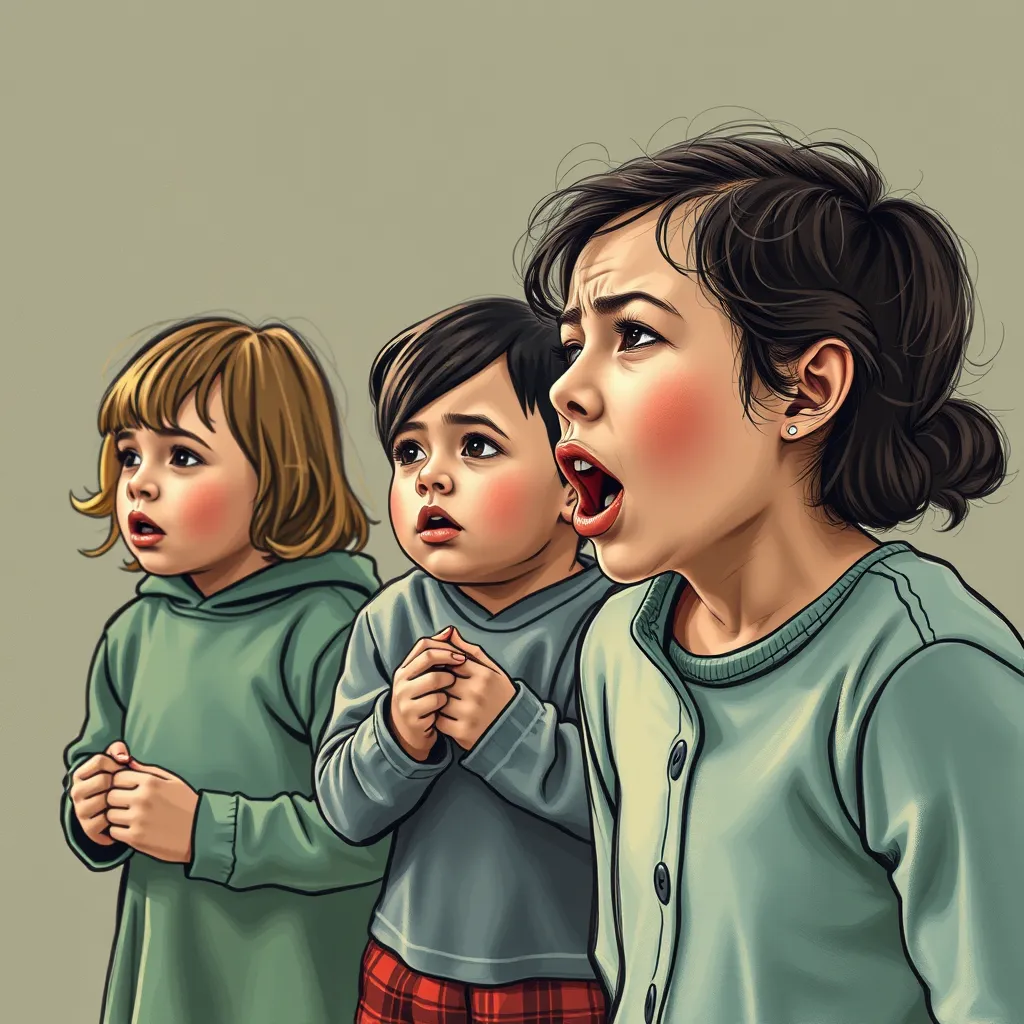
When children are fearful of their parents, it can affect various aspects of their growth:
- Emotional Development: Fear can lead to anxiety, depression, and low self-esteem.
- Social Skills: Children may struggle to form healthy relationships with others.
- Academic Performance: Anxiety can interfere with concentration and learning.
- Physical Health: Chronic stress can weaken the immune system.
“A child’s sense of security in their relationship with their parents forms the foundation for their overall well-being and future relationships.” – Dr. John Bowlby, Attachment Theory Pioneer
Building a Positive Parent-Child Relationship
Creating a loving, trusting relationship with your child is crucial. Here are some strategies to help:
1. Practice Positive Parenting
- Use positive reinforcement instead of punishment
- Set clear, age-appropriate boundaries
- Explain the reasons behind rules and decisions
2. Improve Communication
- Listen actively without judgment
- Encourage your child to express their feelings
- Validate their emotions, even if you disagree
3. Create a Safe Environment
- Be consistent in your behavior and reactions
- Avoid physical punishment or threats
- Show affection regularly through words and actions
4. Manage Your Own Emotions
- Practice stress-management techniques
- Seek support if you’re struggling with anger or anxiety
- Model healthy emotional expression
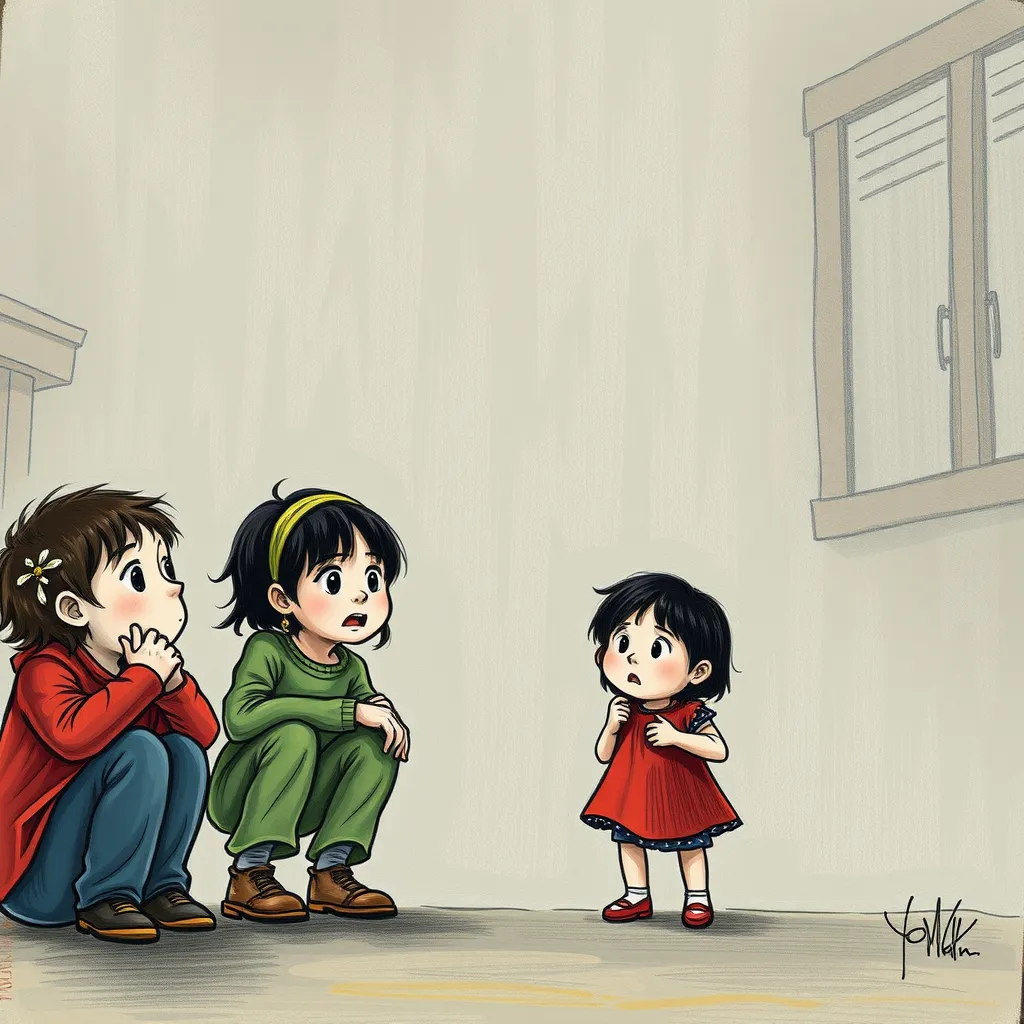
Addressing Specific Fears
Sometimes, children may develop specific fears related to their parents. Here’s how to handle common situations:
Fear of Punishment
- Establish clear consequences for misbehavior
- Use time-outs or privilege removal instead of physical punishment
- Always explain why a behavior was wrong and how to improve
Fear of Disappointment
- Praise effort rather than just results
- Help your child set realistic goals
- Show unconditional love, regardless of achievements
Fear of Abandonment
- Reassure your child of your love and presence
- Stick to routines and keep promises
- Explain absences or changes in advance
Seeking Professional Help
If your child’s fear persists despite your efforts, it may be time to seek professional help. A child psychologist or family therapist can provide valuable insights and strategies.
The American Academy of Child and Adolescent Psychiatry offers resources for finding qualified professionals in your area.
Building Trust Through Activities
Engaging in fun, bonding activities can help strengthen your relationship with your child. Try these ideas:
- Family Game Night: Choose cooperative games to foster teamwork.
- Cooking Together: Let your child help with simple tasks in the kitchen.
- Outdoor Adventures: Go for nature walks or play at the park.
- Reading Time: Share stories and discuss them together.
- Art Projects: Create something together, focusing on the process rather than the result.
Remember, the goal is to create positive experiences and memories that help your child feel safe and loved.
The Role of Extended Family and Community
Building a supportive network can help both you and your child:
- Grandparents and Relatives: They can provide additional love and support.
- Friends and Neighbors: Playdates and social interactions help children develop trust.
- Support Groups: Connecting with other parents can provide valuable advice and reassurance.
Frequently Asked Questions
Q: Can my child overcome their fear of me?
A: Yes, with patience, understanding, and consistent positive interactions, most children can overcome their fears and build a trusting relationship with their parents.
Q: How long does it take to rebuild trust with a fearful child?
A: The process varies for each child, but consistent effort over weeks or months usually leads to significant improvements.
Q: Should I apologize to my child for past behavior that may have caused fear?
A: Yes, a sincere apology and a commitment to change can be very healing for your relationship.
Q: What if my partner’s parenting style is causing our child to be fearful?
A: Have an open, non-judgmental discussion with your partner about your concerns. Consider family counseling if needed.
Q: Can fear of parents be genetic?
A: While anxiety can have a genetic component, fear of parents is typically learned through experiences and can be addressed through changes in parenting approach.
Conclusion
Building a relationship based on trust and understanding with your child is one of the most important tasks of parenting. By recognizing the signs of fear, addressing the underlying causes, and consistently showing love and support, you can help your child feel safe and secure in your care.
Remember, it’s never too late to improve your relationship with your child. Every positive interaction is a step towards a stronger, healthier bond. If you’re struggling, don’t hesitate to seek support from professionals or other parents. With patience and effort, you can create a loving, fear-free environment for your child to thrive.
Learn more about positive parenting techniques from the American Psychological Association

50+ Yummy and Healthy Toddler Snacks Ideas
Hey there, busy parents! Are you tired of hearing “I’m hungry” every five minutes? Don’t worry, we’ve got your back with this mega list of toddler snacks ideas. These aren’t just any snacks – they’re yummy, healthy, and super easy to make. Let’s dive into the world of toddler-approved munchies that will keep those little tummies happy and growing strong!
Table of Contents
| Quick Snack Ideas | Why It’s Great |
|---|---|
| Apple slices with peanut butter | Fiber + protein = happy tummy |
| Yogurt with berries | Calcium boost + antioxidants |
| Carrot sticks and hummus | Crunchy veggies + healthy fats |
| Cheese cubes and grapes | Protein + natural sweetness |
| Whole grain crackers with avocado | Fiber + brain-boosting fats |
Why Healthy Snacks Matter for Toddlers
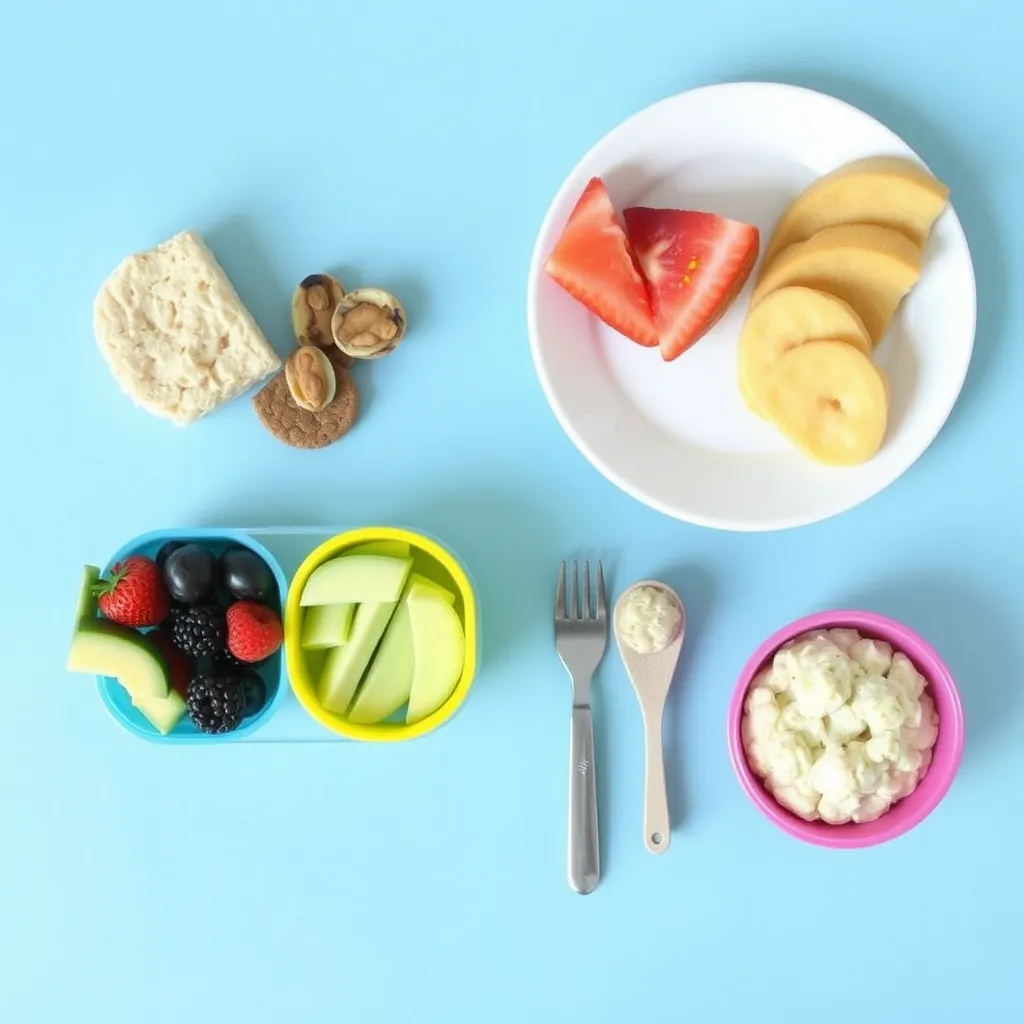
Before we jump into our snack list, let’s talk about why good snacks are so important for your little one:
- Energy Boost: Toddlers are like little energizer bunnies. They need good snacks to keep them going all day.
- Growing Bodies: The right snacks help build strong bones, muscles, and brains.
- Healthy Habits: Teaching good snacking now means healthier eating later in life.
- Mood Magic: A well-fed toddler is often a happier toddler. No more hangry meltdowns!
50+ Toddler Snacks Ideas: Yummy and Nutritious Options
1. Fruity Favorites
Fruits are nature’s candy – sweet, colorful, and packed with good stuff!
- Banana coins (sliced bananas)
- Apple slices with peanut butter (or sunflower seed butter for allergy-safe options)
- Berry medley (strawberries, blueberries, raspberries)
- Frozen grape halves (cut in half to prevent choking)
- Watermelon sticks
- Clementine segments
- Pear slices
- Mango chunks
- Kiwi wheels
- Melon balls (use a melon baller for fun shapes!)
Pro Tip: Always cut round fruits like grapes and cherry tomatoes into quarters to prevent choking.
2. Veggie Delights
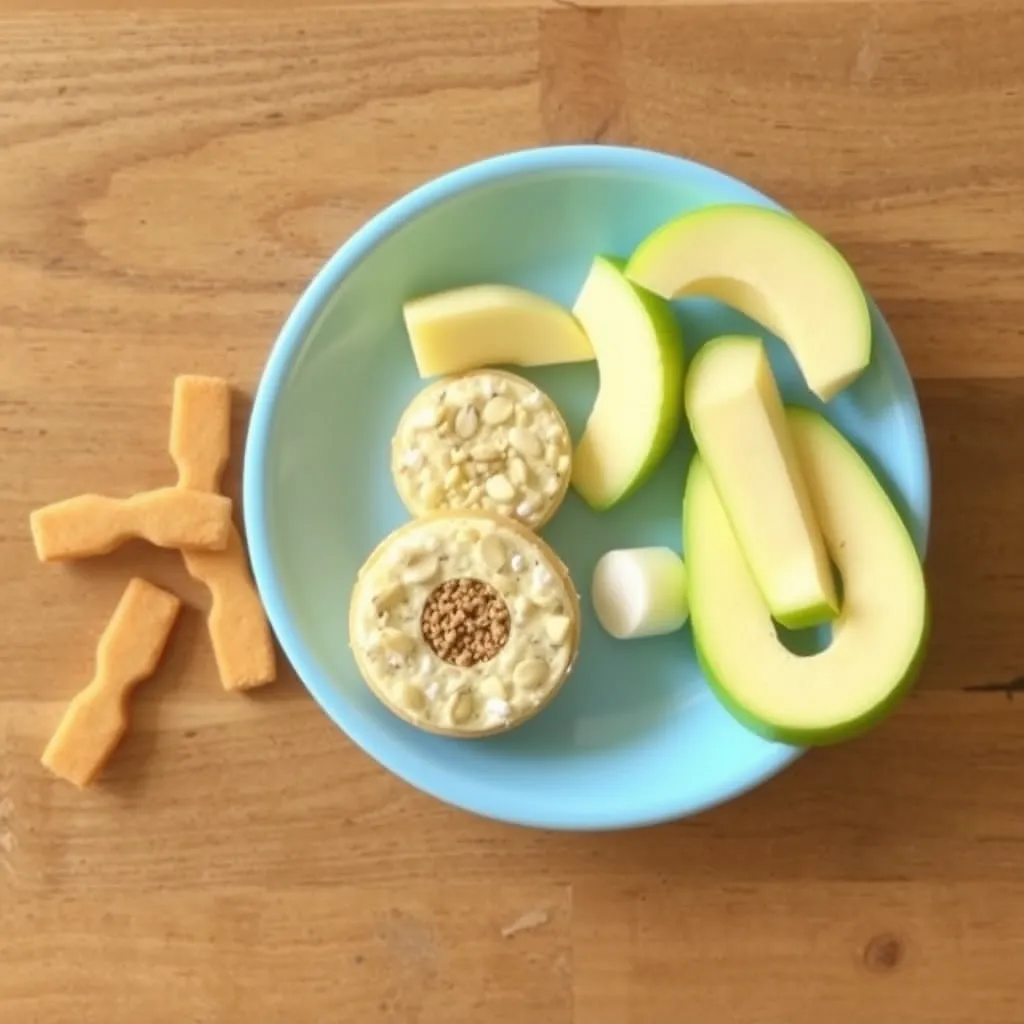
Veggies might be a hard sell, but these ideas make them more fun:
- Carrot sticks with hummus
- Cucumber wheels
- Bell pepper strips (try different colors!)
- Cherry tomatoes (cut in quarters)
- Steamed broccoli “trees” with a yogurt dip
- Snap peas
- Zucchini coins
- Celery sticks filled with cream cheese
- Roasted sweet potato wedges
- Edamame pods (squeeze the beans out – it’s fun!)
10 Delicious Baby Pancake Recipes
33 Delightful Baby Shower Food Recipes for a Memorable Celebration
3. Protein Power-Ups
Growing bodies need protein. These snacks pack a protein punch:
- Cheese cubes or sticks
- Greek yogurt with a drizzle of honey
- Hard-boiled egg wedges
- Turkey roll-ups (roll up a slice of turkey)
- Tuna salad on whole grain crackers
- Cottage cheese with fruit
- Hummus with veggie sticks
- Mini meatballs (homemade or store-bought)
- Tofu cubes (try them baked with a little seasoning)
- Nut butter on apple slices or celery sticks
4. Whole Grain Goodness
Whole grains give long-lasting energy. Try these tasty options:
- Whole grain crackers with cheese
- Mini whole wheat muffins
- Rice cakes with almond butter
- Homemade granola bars (cut into small pieces)
- Whole grain toast fingers with avocado
- Cheerios or other whole grain cereal
- Oatmeal fingers (cooled, sliced oatmeal)
- Whole wheat pita triangles with hummus
- Quinoa bites (mix cooked quinoa with egg and cheese, bake in mini muffin tins)
- Whole grain waffle sticks
5. Smooth and Creamy Snacks
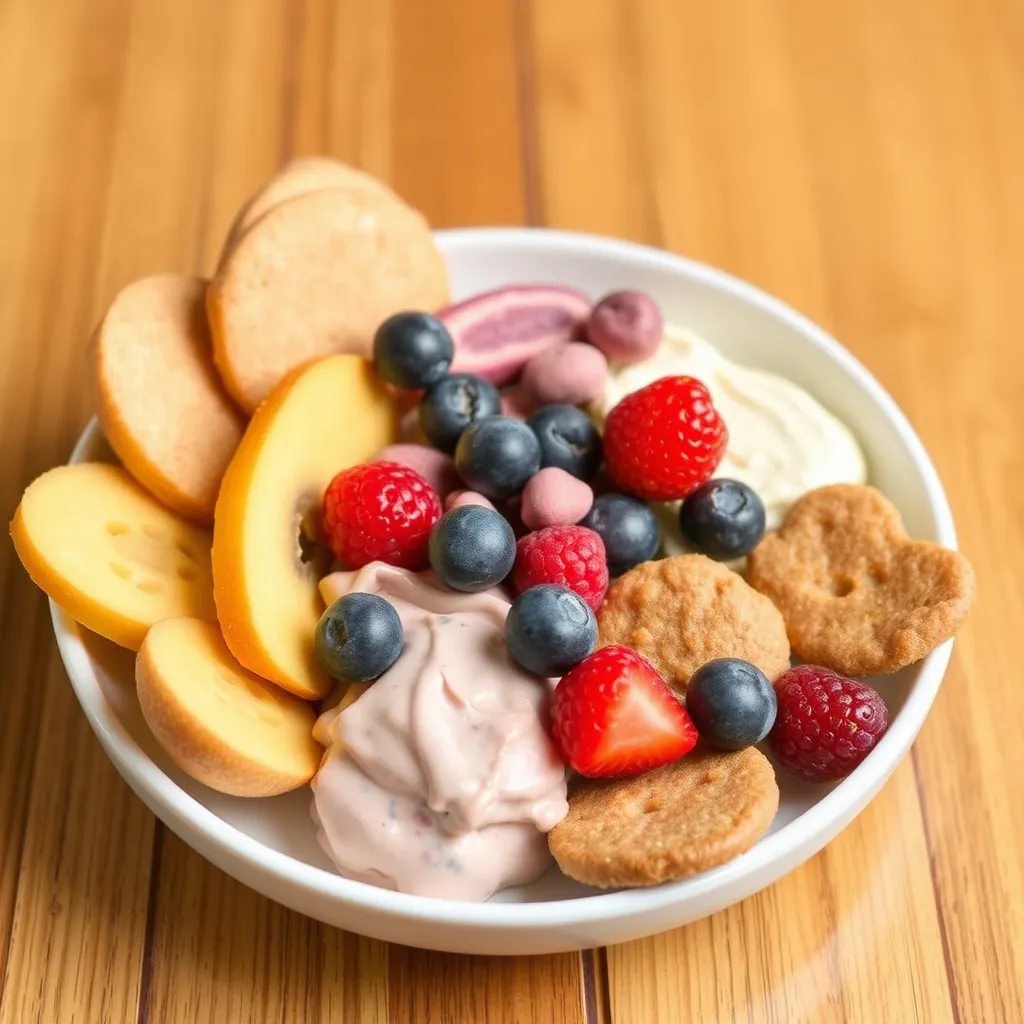
These snacks are perfect for developing tastes and textures:
- Applesauce cups
- Yogurt tubes (freeze them for a cool treat)
- Pudding cups (look for low-sugar options)
- Mashed avocado on toast
- Cream cheese on whole grain crackers
- Fruit and veggie smoothies
- Chia seed pudding
- Homemade popsicles (blend fruits and freeze)
- Banana “ice cream” (frozen blended bananas)
- Tzatziki dip with pita chips
Fun and Creative Snack Presentation Ideas
Sometimes, it’s all about how you serve it! Try these fun ideas:
- Snack Faces: Use different fruits and veggies to make funny faces on a plate.
- Rainbow Plates: Arrange colorful snacks in a rainbow shape.
- Dip Station: Set up small bowls with different healthy dips and veggie sticks.
- Snack Skewers: Thread fruits, veggies, and cheese onto kid-safe skewers.
- Muffin Tin Meals: Use a muffin tin to serve small portions of different snacks.
- Cookie Cutter Shapes: Use cookie cutters to make fun shapes out of cheese, sandwiches, or fruits.
Tips for Successful Snacking
- Keep a Schedule: Offer snacks at regular times between meals.
- Portion Control: Use small bowls or plates to avoid overwhelming your toddler.
- Be a Food Detective: Watch for any allergies or foods your child doesn’t like.
- Make it a Team Effort: Let your toddler help choose and prepare snacks when possible.
- Stay Patient: It can take many tries before a toddler likes a new food.
- Be a Role Model: Eat healthy snacks yourself to show good habits.
Snacks to Limit or Avoid
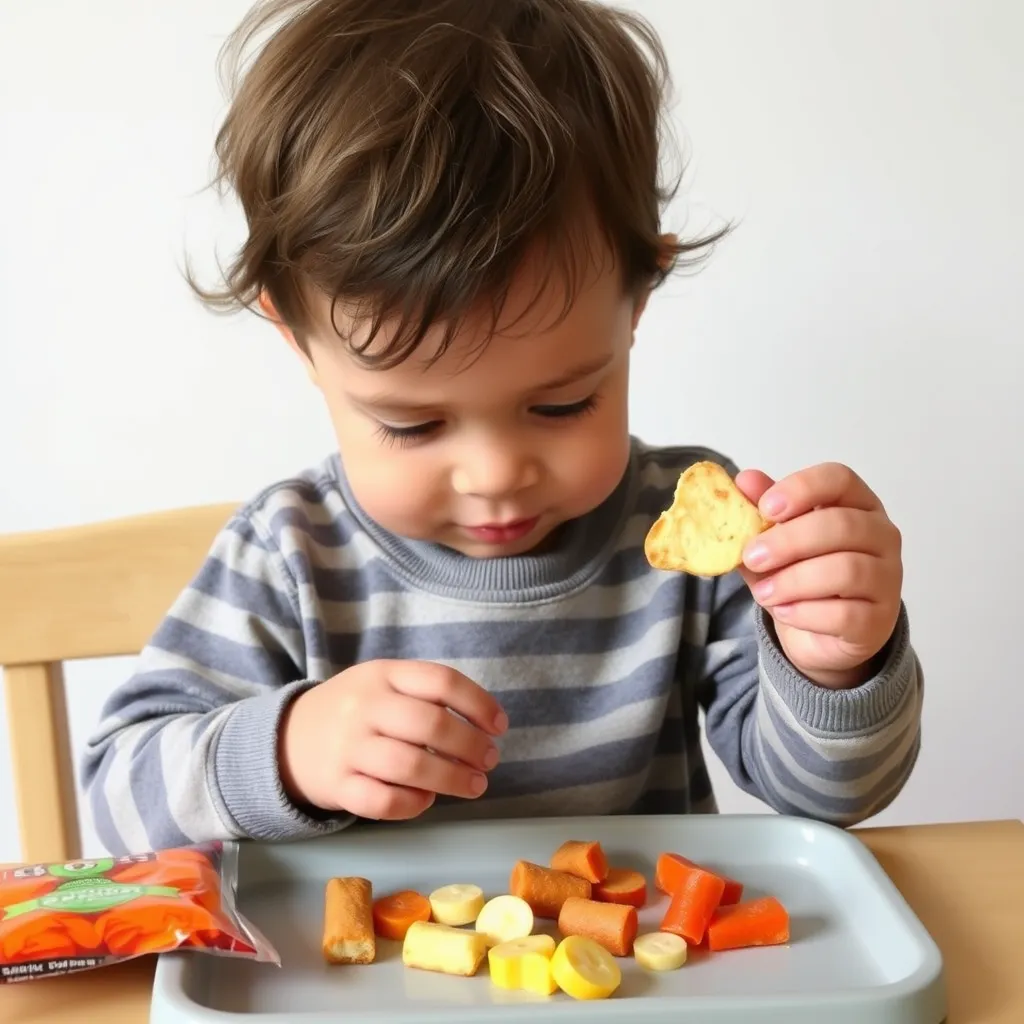
While we’ve covered lots of yummy options, there are some snacks to be careful with:
- Sugary drinks and juices
- Candy and chocolate
- Chips and other salty snacks
- Foods with artificial colors or flavors
- Large amounts of dried fruit (it’s high in sugar)
- Anything with small, hard pieces that could be a choking hazard
Frequently Asked Questions
Q: How many snacks should my toddler have each day?
A: Most toddlers do well with 2-3 snacks a day, usually mid-morning, mid-afternoon, and maybe a small one before bed.
Q: My toddler only wants to snack and not eat meals. What should I do?
A: Try spacing snacks further from mealtimes and offering smaller portions. Stick to a regular eating schedule to help your toddler’s appetite.
Q: Are organic snacks necessary for toddlers?
A: Organic isn’t always necessary. Focus on offering a variety of whole, nutritious foods, organic or not.
Q: How can I get my picky eater to try new snacks?
A: Keep offering new foods alongside familiar favorites. Be patient and don’t force it. Sometimes it takes many tries before a child likes a new food.
Q: Are smoothies a good snack for toddlers?
A: Yes, smoothies can be a great way to pack in nutrients. Use whole fruits, veggies, and yogurt. Avoid adding extra sugar.
Conclusion: Happy Snacking for Happy Toddlers!
Snack time doesn’t have to be stressful or boring! With these 50+ toddler snacks ideas, you’ve got plenty of options to keep your little one happy and healthy. Remember, every child is different, so it might take some trial and error to find their favorites. Keep offering a variety of nutritious snacks, be patient, and make snack time a fun part of your day. Before you know it, you’ll be a snack-time superhero!
Remember: Always supervise your toddler during snack time and cut foods into appropriate sizes to prevent choking. If you have concerns about your child’s diet or nutrition, it’s always best to chat with your pediatrician.
Helpful Resources
- American Academy of Pediatrics: Toddler Nutrition
- CDC: Foods and Drinks for 6 to 24 Month Olds
- Academy of Nutrition and Dietetics: Healthy Eating for Preschoolers
Happy snacking, everyone! With these toddler snacks ideas, you’re all set for tasty, healthy munching adventures!
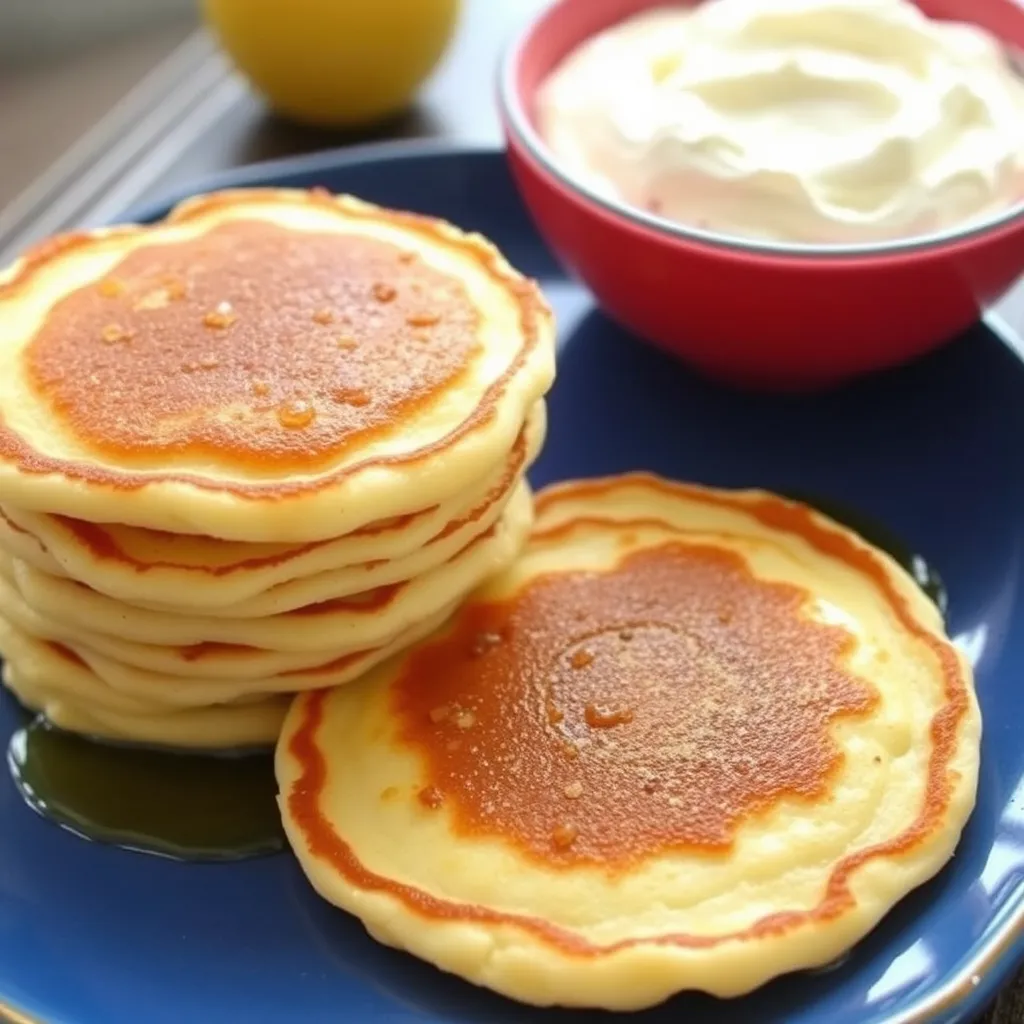
10 Delicious Baby Pancake Recipes
Are you looking for a fun, healthy breakfast option for your little one? Look no further! Our baby pancake recipes is not only delicious but also packed with nutrients essential for your baby’s growth. These pancakes are perfect for baby-led weaning and can be enjoyed by the whole family!
Why Baby Pancakes Are a Great Choice
Baby pancakes are an excellent way to introduce solid foods to your little one. They’re soft, easy to grip, and can be made with wholesome ingredients. Plus, they’re a versatile food that can be adapted to suit your baby’s tastes and nutritional needs.
20 Delicious and Nutritious Toddler Lunch Ideas for Busy Parents
Table of Contents
“Introducing a variety of textures and flavors early on can help prevent picky eating habits later in life.” – American Academy of Pediatrics
1. Classic Banana Baby Pancakes
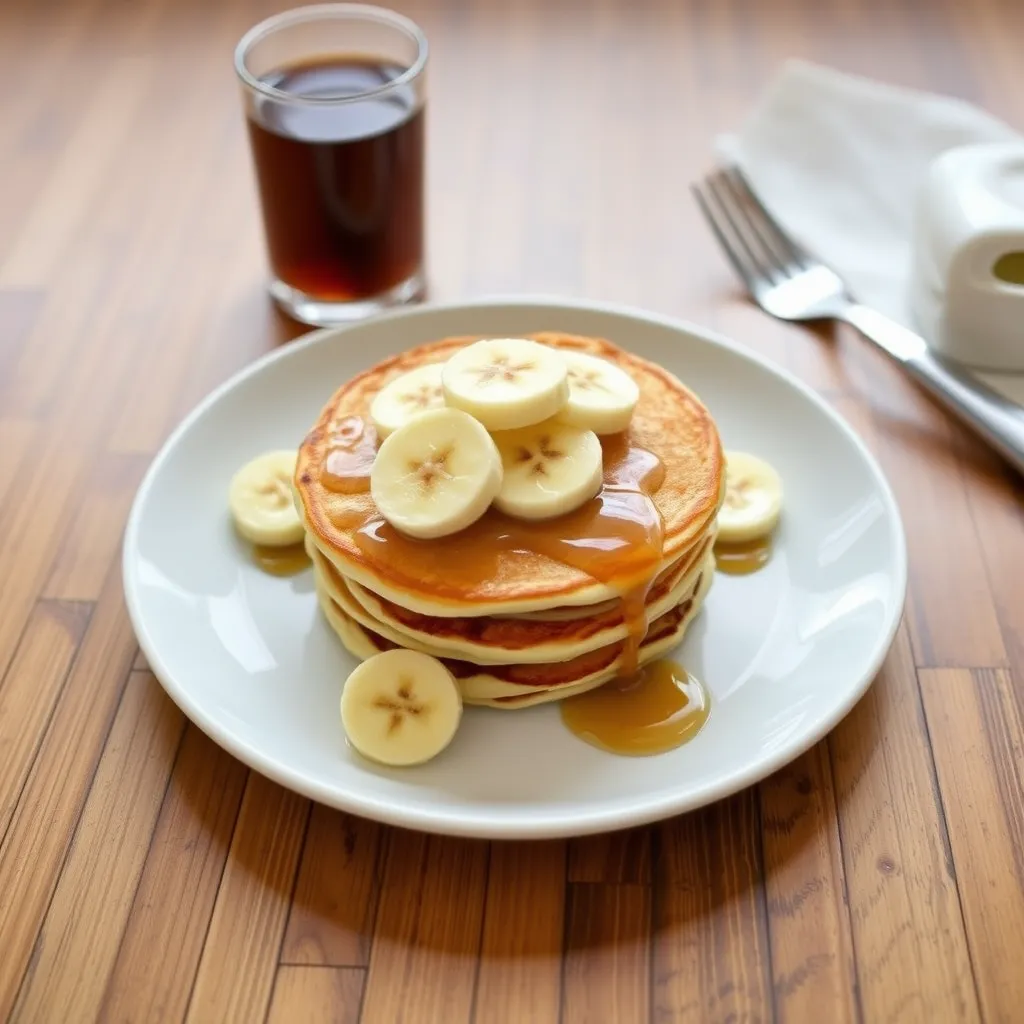
- 1 ripe banana, mashed
- 1 egg
- 1/4 cup whole milk
- 1/2 cup whole wheat flour
- 1/4 tsp baking powder
Instructions: Mix all ingredients until just combined. Cook small dollops on a low-heat non-stick pan for 2-3 minutes each side.
2. Sweet Potato Pancakes
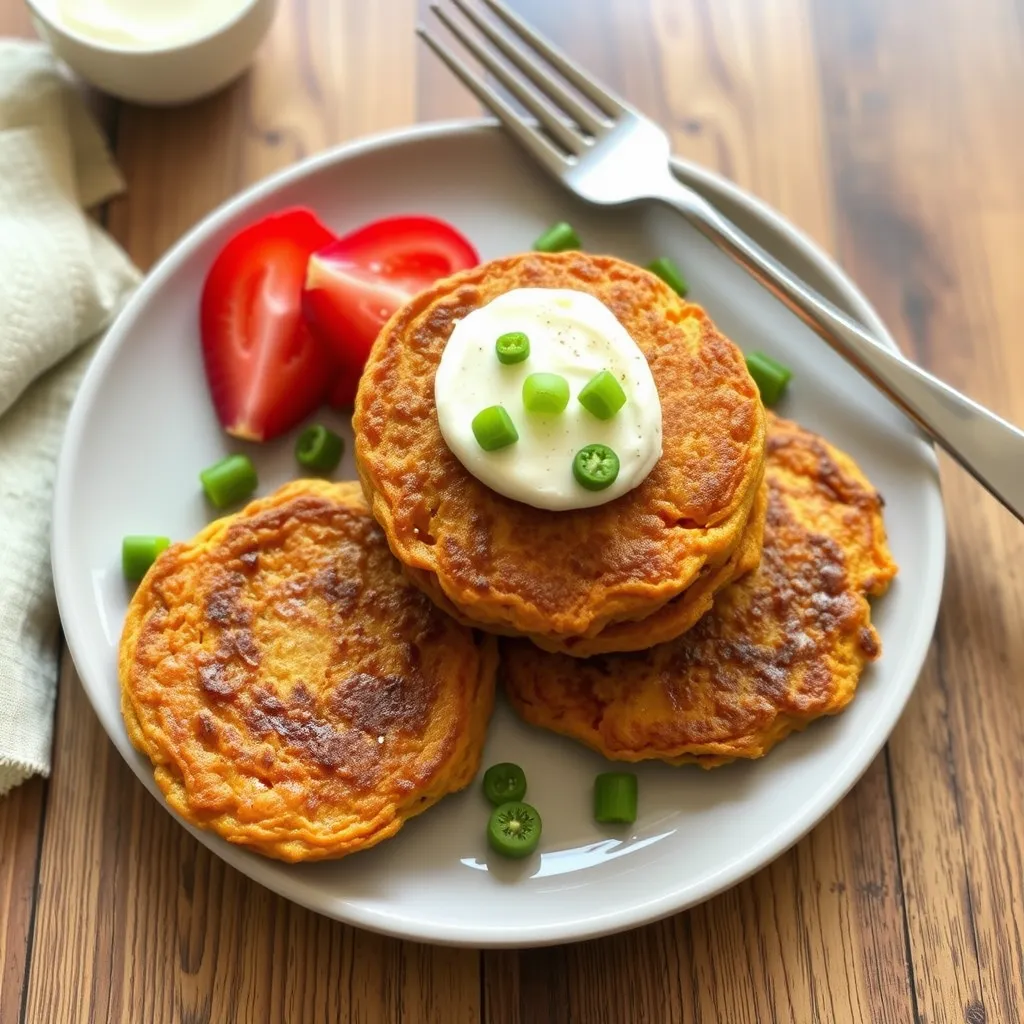
- 1/4 cup cooked, mashed sweet potato
- 1 egg
- 2 tbsp whole milk
- 1/4 cup oat flour
- 1/4 tsp cinnamon
Instructions: Blend all ingredients until smooth. Cook as above.
3. Apple and Cinnamon Pancakes
- 1/4 cup grated apple
- 1 egg
- 2 tbsp yogurt
- 1/4 cup whole wheat flour
- 1/4 tsp cinnamon
Instructions: Mix ingredients gently. Cook on low heat until golden brown.
4. Spinach and Banana Pancakes
- 1/2 ripe banana
- 1 handful baby spinach
- 1 egg
- 1/4 cup whole wheat flour
- 2 tbsp milk
Instructions: Blend spinach with milk and egg. Mix with mashed banana and flour. Cook as usual.
5. Pumpkin Spice Pancakes
- 1/4 cup pumpkin puree
- 1 egg
- 2 tbsp milk
- 1/4 cup whole wheat flour
- 1/4 tsp pumpkin pie spice
Instructions: Whisk all ingredients together. Cook small pancakes on low heat.
6. Blueberry Oatmeal Pancakes
- 1/4 cup quick oats
- 1 egg
- 2 tbsp yogurt
- 2 tbsp mashed banana
- 1/4 cup finely chopped blueberries
Instructions: Mix oats, egg, yogurt, and banana. Fold in blueberries. Cook gently on low heat.
7. Carrot Cake Pancakes
- 1/4 cup grated carrot
- 1 egg
- 2 tbsp milk
- 1/4 cup whole wheat flour
- 1/4 tsp cinnamon
Instructions: Combine all ingredients. Cook small pancakes until golden brown.
8. Zucchini and Cheese Pancakes
- 1/4 cup grated zucchini, squeezed dry
- 1 egg
- 2 tbsp grated mild cheddar
- 1/4 cup whole wheat flour
Instructions: Mix all ingredients. Cook on low heat until cheese melts and pancakes are golden.
9. Banana Avocado Pancakes
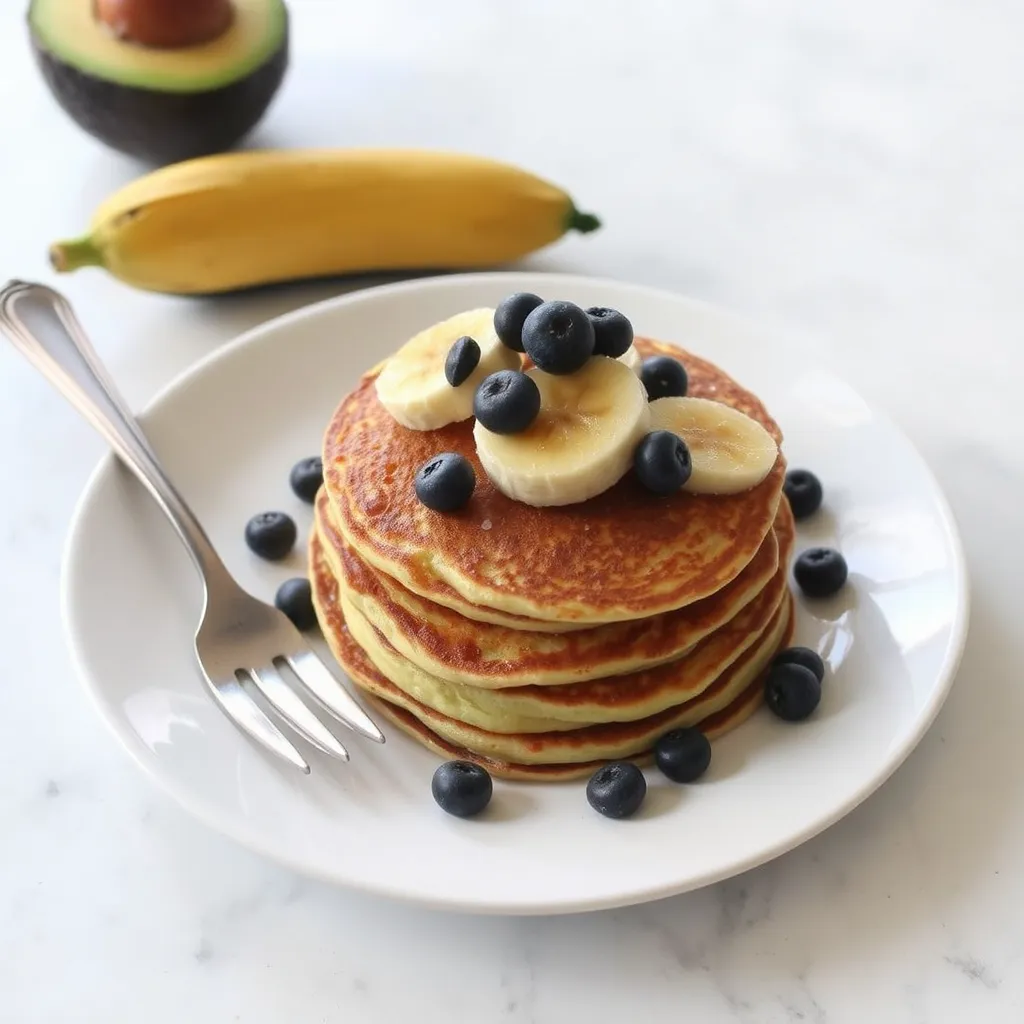
- 1/4 ripe avocado, mashed
- 1/4 ripe banana, mashed
- 1 egg
- 2 tbsp whole wheat flour
Instructions: Blend avocado and banana. Mix with egg and flour. Cook gently on low heat.
10. Berry Yogurt Pancakes
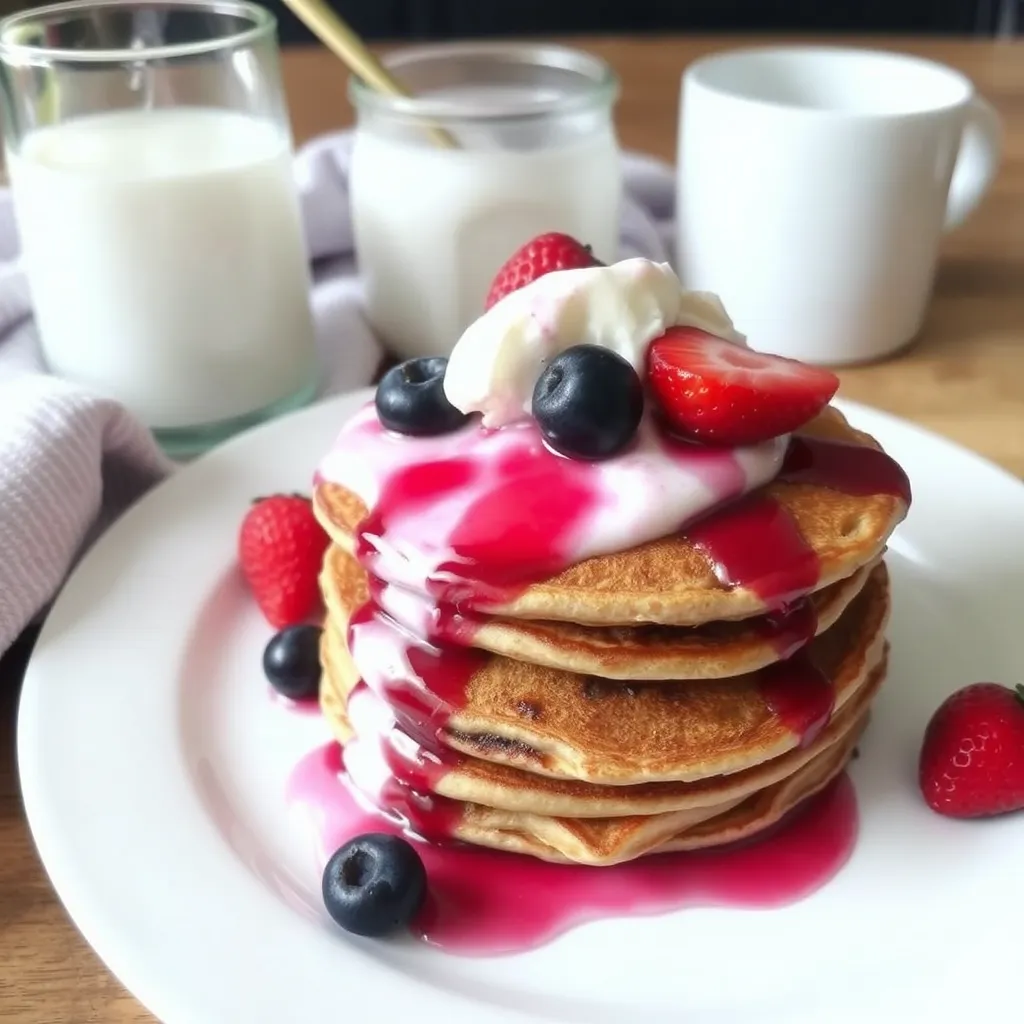
- 1/4 cup mixed berries (finely chopped or mashed)
- 2 tbsp plain yogurt
- 1 egg
- 1/4 cup whole wheat flour
Instructions: Mix all ingredients until just combined. Cook small pancakes on low heat.
When to Introduce Baby Pancakes
Baby pancakes are typically suitable for babies who are ready for solid foods, usually around 6 months of age. However, every baby is different, so it’s important to consult with your pediatrician before introducing new foods.
Signs that your baby might be ready for solid foods like pancakes include:
- Sitting up with little or no support
- Good head and neck control
- Showing interest in food
- Loss of tongue-thrust reflex
Safety Precautions
While baby pancakes are generally safe, always keep these safety tips in mind:
- Cut pancakes into small, manageable pieces to prevent choking.
- Always supervise your baby during meals.
- Introduce new ingredients one at a time to watch for any allergic reactions.
- Avoid adding honey to pancakes for babies under 1 year old due to the risk of botulism.
Frequently Asked Questions
1. Can I use formula instead of milk in the recipe?
Yes, you can substitute formula or breast milk for the whole milk in the recipe.
2. Are these pancakes suitable for baby-led weaning?
Absolutely! These pancakes are perfect for baby-led weaning as they’re soft and easy for babies to grasp.
3. Can I add sugar to the pancakes?
It’s best to avoid adding sugar to baby food. The banana provides natural sweetness.
4. How can I make these pancakes allergen-free?
Use a plant-based milk alternative and replace the egg with 1/4 cup of mashed avocado or applesauce.
5. Can older children and adults eat these pancakes too?
Definitely! These pancakes are delicious and nutritious for the whole family.
Baby pancakes are a wonderful way to introduce your little one to solid foods while providing essential nutrients. They’re easy to make, versatile, and can be enjoyed by the whole family. Remember to always consult with your pediatrician before introducing new foods to your baby’s diet. Happy cooking and bon appétit to your little one!